News related to
Trends

Abu Dhabi-listed investment firm Waha Capital has confirmed that its subsidiary, Waha VAS Limited, has completed its divestment from the AI-fintech group Optasia following the latter’s listing on the Johannesburg Stock Exchange. The firm reported proceeds of US$119 million, an internal rate of return of 25 per cent, and a multiple on invested capital of four times. Waha VAS initially acquired a 20 per cent stake in […]

Dubai’s fuel-retail market marked a shift this week as Emirates Petroleum Company opened its 158th service station, the “Al Buhaira” site in Barsha South, incorporating what the company describes as the GCC’s first dedicated Electric Vehicle Service Centre. This move underscores Emarat’s response to evolving mobility trends as electric vehicles gain traction across the region. Located in Dubai’s New Dubai zone, the Al Buhaira station not only […]

Meta Platforms Inc.’s messaging service WhatsApp has launched a dedicated app for the Apple Watch that allows users to engage with chats, voice calls and media directly from their wrist, without constantly accessing an iPhone. The update marks a departure from years of limited smartwatch support and brings the Apple Watch experience much closer to the full smartphone version of WhatsApp. The new app offers call notifications, […]

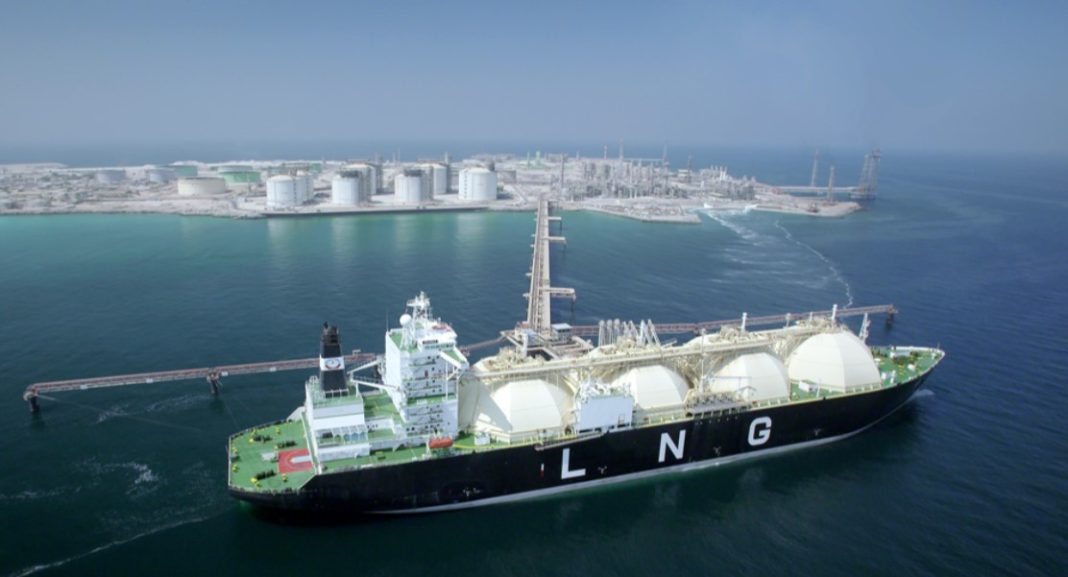
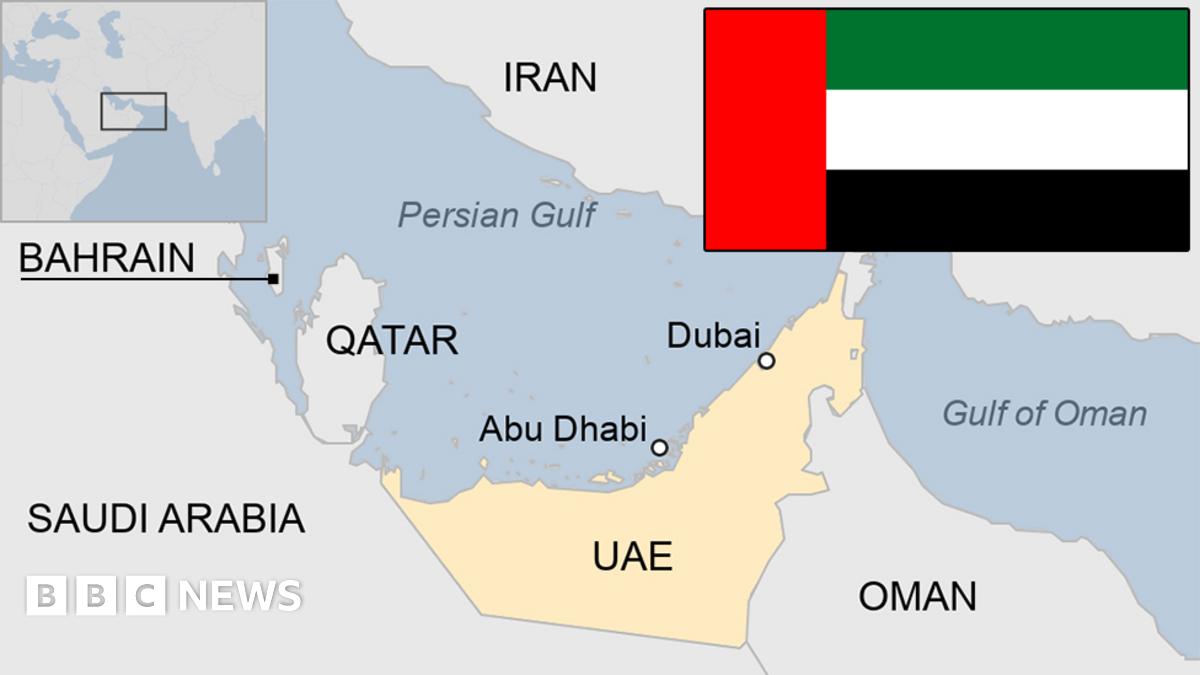
Abu Dhabi’s state energy company signed a 15-year sales and purchase agreement with a unit of British energy major for the delivery of up to 1 million tonnes per annum of liquefied natural gas. The contract represents the first long-term LNG sales deal between the company and Shell and marks the eighth offtake agreement secured for its new export facility.

The LNG will be supplied from the Ruwais LNG project in Al Ruwais Industrial City, Abu Dhabi, which is under development and is set to become the first LNG export plant in the Middle East and Africa region to operate on clean power. Shell holds a 10 per cent equity stake in the project. The agreement converts a previous heads of agreement into a definitive contract and accelerates the project’s commercial timeline.

By securing this deal, more than 8 mtpa of the facility’s planned 9.6 mtpa capacity has already been contracted across Asia and Europe, just 16 months after the project’s final investment decision in July 2024. The project comprises two liquefaction trains of 4.8 mtpa each and is designed to more than double the company’s existing LNG production capacity to around 15 mtpa.

The deal is timed to global gas-market conditions where demand is picking up and energy security is a key concern for buyers. By locking in long-term supply, the exporting company seeks to position itself as a “reliable global supplier of lower-carbon LNG”, while the buyer views the contract as a strategic commitment to expanding its LNG portfolio and securing long-term supplies.

For the seller, the rapid pace at which contract commitments have been won is significant. The chief executive of the gas-division described the achievement of contracting more than 80 per cent of the plant’s capacity within roughly a year of FID as “a new benchmark” for large-scale LNG projects globally, and noted that construction, contractor mobilisation and site works remain on track for commissioning by the end of 2028. The buyer emphasised its long-standing partnership of more than fifty years with the Abu Dhabi exporter and said the agreement supports its global LNG-expansion strategy.

Analysts note that the project’s clean-power design, advanced technology deployment, and rapid contracting distinguish it in the LNG market. That said, while the exporting company releases its ambition to expand its LNG portfolio, competitors in the region are also pursuing aggressive growth, raising competitive risk. Moreover, delivering commercial operations at a low-carbon intensity adds complexity and cost — achieving the projected timeline and performance will require careful execution.

On the demand side, the contract underscores how buyers are increasingly seeking longer-term and lower-emissions supply arrangements in the transition-era gas market. For the buyer, the deal adds to its diversified portfolio of LNG suppliers as it faces intensified competition for cargoes from traditionally dominant exporters. The seller’s ability to secure multiple offtake agreements rapidly helps de-risk the project and supports financing and construction momentum.

One key theme emerging is the alignment of LNG expansion with sustainability credentials. The Ruwais facility’s design to run on clean grid-powered operations, along with claims of being among the lowest-carbon intensity LNG plants globally, reflects a shift in gas-project metrics: projects are now evaluated not solely on cost and capacity but also on carbon footprint and technology sophistication. This trends suggests that access to lower-carbon LNG could become a differentiator among suppliers and a value driver for buyers.

However, achieving this low-carbon ambition may face challenges such as securing clean-power infrastructure, managing capital-cost escalation, and meeting stringent environmental and regulatory expectations across export markets. The broader LNG market is also subject to volatility in feed-gas supply, shipping capacity constraints, and fluctuating demand growth in key markets such as Asia and Europe.

European data-centre operator AtlasEdge has secured a €253 million green financing package to scale up its campus in Lisbon, Portugal. The facility, split into two tranches, is respectively earmarked for the first building and the second of the site, with the company also acquiring land to host a third phase, LIS003, drawing on Portugal’s renewable-energy credentials. The financing comprises a seven-year senior-secured term-bond arrangement. The first tranche, […]

The European Central Bank is moving closer to launching a pilot phase for the digital euro, with the prospect of beginning in 2027, contingent upon the agreement of national governments and the European Parliament on a legal framework next year. The digital euro, a form of central bank digital currency, has been under discussion for several years, with the ECB exploring its potential to complement cash in the digital economy.

As Europe grapples with the rise of cryptocurrencies and the growing trend of digital payments, the digital euro could provide an official, secure alternative to private sector digital currencies. The ECB’s President, Christine Lagarde, has emphasised the need for such a digital currency to support the stability and efficiency of the European financial system, ensuring that the euro remains relevant in the digital age.

The digital euro would function as a central bank liability, meaning it would be fully backed by the ECB. It would be designed to facilitate seamless transactions within the European Union, enhancing the speed and security of payments while reducing the costs associated with cash handling. The move aligns with global trends, as several central banks, including those of China and Sweden, have already made significant progress in developing their own digital currencies.

According to the ECB, the pilot phase of the digital euro will test its usability, privacy measures, and integration with existing payment systems. This will provide invaluable insights into its effectiveness and address potential challenges, such as ensuring the currency’s security against cyber threats and the impact on existing banking systems. A key aspect of the digital euro is that it will be designed to coexist with physical cash, offering citizens the flexibility to choose between digital and traditional forms of payment.

Although the digital euro will be built on blockchain technology, it will differ from cryptocurrencies like Bitcoin. While cryptocurrencies operate on decentralised networks, the digital euro will be centralised, controlled by the ECB. This distinction is important for maintaining monetary control and ensuring that the currency does not fall prey to the volatility often associated with digital assets. The goal is to create a stable digital currency that enhances the European Union’s ability to manage monetary policy, while also improving the payments landscape for consumers and businesses.

The upcoming legal framework is crucial in determining how the digital euro will be implemented and regulated. The European Commission is expected to propose legislation that will outline how the digital currency will be integrated into the broader financial system. National governments and the European Parliament will then need to agree on the proposal, a process that is expected to take several months. The legal framework will address issues such as the protection of personal data, the accessibility of the digital euro to all citizens, and how it will interact with existing digital payment systems.

For the ECB, the digital euro represents a forward-thinking solution to challenges posed by the growing use of digital payment methods and the risk of losing control over the money supply. Central banks around the world are racing to develop their own digital currencies in response to the rapid rise of private sector innovations like stablecoins and cryptocurrencies. The digital euro could potentially safeguard the sovereignty of the eurozone’s monetary system while fostering innovation in payments.

The shift towards a digital currency also holds significant implications for the banking sector. By providing a digital alternative to cash, the ECB could help reduce the reliance on commercial banks for certain types of payments. This could reshape the banking sector, influencing the role of traditional banks and their relationship with consumers. At the same time, the introduction of the digital euro could offer new opportunities for businesses, especially in the area of cross-border payments, where speed and efficiency are essential.

However, the introduction of a central bank digital currency is not without its challenges. Privacy concerns are a major issue, as the digital euro would need to balance transparency with the protection of personal data. The ECB has stated that it will ensure robust privacy protections, but questions remain about the extent to which transactions will be monitored and tracked. Additionally, the potential for disruption to the existing banking and payment systems must be carefully managed to ensure a smooth transition.

BEIJING, CHINA- Media OutReach Newswire – 31 October 2025 – The Annual Conference of Financial Street Forum 2025 was held in Beijing from October 27 to 30. During the four-day agenda, over 400 financial leaders, policymakers and industry experts from more than 30 countries and regions around the world gathered in Beijing’s Financial Street. The core area of Beijing’s Financial Street, covering an area of 2.59 square […]

Advertisements

The blockchain platform admittedly known as Qtum has rolled out a new desktop artificial-intelligence agent called “Ally”, aiming to shift the landscape of AI productivity from cloud-only assistants to desktop-native, multi-model orchestration. The launch positions Qtum as a player in both blockchain and artificial-intelligence domains as users increasingly demand local control, privacy and advanced automation beyond chat-based tools. Ally can run on both Windows and macOS platforms […]

The DFA Design for Asia Awards 2025 has opened its submission window for entries, signalling a heightened push to elevate Asian-led design onto the global stage. Organised by the Hong Kong Design Centre in partnership with the Cultural and Creative Industries Development Agency of the Hong Kong Special Administrative Region, the awards target projects that demonstrate innovation, social impact and cross-border relevance. The entry period runs from 1 April to 7 July 2025, allowing participants to apply across six design disciplines and 30 diverse categories.

The competition spans Communication Design, Digital & Motion Design, Fashion & Accessory Design, Product & Industrial Design, Service & Experience Design, and Spatial Design. Eligibility is specified for projects launched in one or more Asian markets between 1 January 2023 and 31 May 2025, signalling a forward-looking emphasis on design influenced by the region’s evolving markets. A 50 per cent early-bird discount on the entry fee is offered for submissions by 30 April, roughly halving the cost to HKD 1,100 from the standard HKD 2,200 per entry.

The competition’s organising body emphasises that submitted projects should go beyond aesthetic appeal to reflect cultural values, social responsibility and human-centred innovation. The awards platform is positioned as a launchpad for designers and companies to gain international recognition, network globally and exhibit work in both online and physical showcases. The judging panel comprises design professionals from across the world, applying rigorous assessment criteria including creativity, usability, sustainability, aesthetic quality, and impact in Asia.

Key strategic shifts in this edition include an extended submission deadline and an expanded suite of benefits for winners, which include trophies, certificates, inclusion in an awards publication, eligibility for exhibitions and an online gallery, as well as invitations to high-profile events such as the Business of Design Week. This broadening of value-added rewards underscores the awards’ intent to deepen its role not merely as a recognition mechanism but as an accelerator of design careers and commercial opportunities.

Emerging design hubs across Asia stand to gain elevated visibility through this platform. Analysts observe that as demand grows for design solutions rooted in local culture yet globally scalable, events like these help bridge creativity with market viability. One jury member from a previous edition noted that a winning spatial design in Hong Kong “interprets what a library should be architecturally” and “brings the outdoor space indoor,” illustrating how design can engage both aesthetic and functional concerns.

Challenges persist for participants, particularly in meeting the criteria of “impact in Asia” while maintaining global relevance. Designers must navigate a competitive field: in the 2024 edition, 215 awardees were recognised across Grand, Gold, Silver, Bronze and Merit levels. The ability to demonstrate both commercial success and societal benefit is increasingly important, underscoring the awards’ focus on real-world outcomes rather than purely conceptual achievements.

Corporate and design-studio entrants will need to align submissions with multiple review dimensions: geographical market launch, human-centred innovation, sustainability credentials, and cultural resonance. A deeper trend is evident in how the awards reflect the evolving design ecosystem in Asia: beyond Hong Kong and major capitals, secondary cities and cross-border design collaborations are gaining traction. The judging criteria explicitly reward cross-market impact and innovation that resonates beyond local boundaries.

For the design industry, participation offers strategic advantages. Winning projects receive global exposure through awards publications and exhibitions, enabling both established studios and emerging talent to secure business leads and partnerships. The inclusion of the online showcase platform ensures that award-winning work reaches a wider audience beyond the physical event footprint. Observers suggest that for design firms seeking to expand internationally, a credential from this awards programme adds credibility in a crowded market.

Financially, the fee structure and early-bird promotion lower barriers to entry, but entrants must commit to a publication and promotion fee if selected as winners. This consideration means designers must evaluate the return on investment in terms of exposure and business potential. The awards’ transparency around deliverables and eligibility criteria signals a mature stage in its evolution since its launch in 2003.

Organisers have emphasised that the awards welcome designs with “deep Asian cultural roots” yet global aspirations, underscoring a dual objective of cultural preservation and market expansion. As the platform attracts entries from across the Asia-Pacific region, this edition could reveal emerging trends in spatial design, sustainable product systems, inclusive services and motion design. The overarching theme is that design is not simply aesthetic but a tool for transformation—economically, socially and culturally. Entrants are therefore expected to present work that balances form and function, local context and global relevance.


Net Profit Surges over 25%, Proposed an Interim Dividend of HK 1.0 cent per share Financial Highlights For the six months ended 31 Aug HK$’000 2025 2024 Change Profit before taxation 44,696 35,962 +24.3% Profit for the period attributable to shareholders 38,381 30,535 +25.7% Net profit margin 46.8% 35.1% +11.7 p.p Basic earnings per share (HK cents) 2.0 1.6 +25.0% HONG KONG SAR – Media OutReach Newswire […]

Thrifty Car Rental UAE has introduced the region’s first self-service digital car rental kiosk, a move aimed at transforming how vehicles are rented across the Emirates. The kiosk, unveiled at the lobby of Novotel and Ibis Deira Creekside Dubai, allows customers to browse available vehicles, complete identity verification and make payment entirely digitally — the car can then be delivered within one to three hours. The launch signals a clear shift toward technology-led mobility solutions in the car rental industry.

The kiosk offering is part of Thrifty’s broader strategy to engage customers seeking convenience, speed and flexibility. At the Arabian Travel Market 2025 the firm outlined its ambition to expand this self-service model across high-traffic zones, including residential areas, shopping centres and transit hubs. The head of retail at Thrifty, Chand Soni, said the company was “building more than a rental network; we’re building a connected experience.”

Industry data suggest that the regional car rental market is undergoing a fundamental digital transformation, driven by customer demand for contactless service and the tourism sector’s push for smarter mobility. A market research report covering Oman values the digitisation of car rental — including self-service kiosks and app-based models — at US$150 million and growing, citing rising smartphone penetration and government digital-economy initiatives.

Thrifty’s kiosk system employs a touchscreen interface, secure identity verification and live payment integration. Users select vehicle type, rental duration and location via the kiosk, triggering delivery logistics in what the company promises as “minutes, not hours”. The vehicle is dropped off at a location of the renter’s choice. The system is designed to address both leisure travellers and residents who may need a flexible vehicle-rental alternative without the usual counter-based rental process.

The shift comes as car rental players in the region face increased competition not just from traditional rivals but from app-based mobility services and subscription models. For example, Thrifty itself is rolling out flexible rental plans — including monthly specials and lease-to-own options — to attract customers who prefer longer-term flexibility over ownership. The kiosk adds another layer of convenience for shorter-term rentals or spontaneous plans.

The move may also help Thrifty scale more efficiently. By deploying kiosks in multiple locations, the company can reduce staffing and branch-infrastructure costs, optimise fleet utilisation and meet spontaneous demand without needing multiple full‐service outlets. Soni noted the goal of doubling the network of touchpoints in the period ahead.

However, executing this strategy will bring challenges. The initial investment in digital kiosks and supporting IT infrastructure is substantial, and the process requires robust identity verification, payment security and logistics coordination. According to regional research, smaller operators may struggle to deploy such tech due to cost constraints and customer inertia — in some markets a majority of users remain more comfortable engaging via staffed counters.

Another risk lies in customer adoption. While younger and tech-savvy users may welcome the kiosk format, others may prefer the human interaction offered by traditional rental counters. Thrifty will need to ensure service reliability, vehicle availability and customer support — especially if rentals are completed entirely digitally and delivery timelines become core customer expectations.

Regional mobility trends underscore the importance of innovation. With the UAE emphasising tourism growth, smart infrastructure and digital transformation, the launch aligns with broader national strategies. Thrifty’s positioning at the intersection of mobility, digital convenience and customer experience may help meet evolving consumer behaviour, but sustaining value will depend on execution across logistics, fleet management and customer service.

For business travel, hotel partnerships and leisure rentals, the kiosk offers a compelling convenience proposition. At the same time, Thrifty must manage fleet availability, delivery logistics and system uptime to avoid service disruptions. Monitoring how customers adopt the kiosks, how much rental behaviour changes and how much cost or revenue upside emerges will be key to assessing whether this innovation delivers long-term competitive advantage.

Scientists at Ohio State University have transformed dehydrated specimens of the edible mushroom Lentinula edodes into functioning memristors—electronic components that “remember” past current states—offering a paradigm-shifting approach to memory hardware that could usher in greener computing systems. The device achieved switching speeds of up to about 5,850 signals per second, operating with approximately 90 % accuracy under laboratory conditions. The researchers grew the fungus, dehydrated the tissue […]

—Hong Kong brand DR H fuses Eastern philosophy and cutting-edge innovation to reshape the global smart wearables landscape. HONG KONG SAR – Media OutReach Newswire – 28 October 2025 – In today’s smart wearables market, the hottest segment of the Consumer Electronics industry, leading brands dominate resources, while endless spec races and price wars leave consumers overwhelmed and uninspired. Beneath this seeming prosperity lies a landscape of […]

Gold regained momentum as the US dollar’s slide and expectations of a shift in Federal Reserve policy helped lift the metal above the psychologically important $4,000-per-ounce mark. Spot gold rose around 0.7 % to $4,009.39 per ounce, while US gold futures for December delivery edged up to $4,022.10. At the same time, broader factors have introduced both bullish and cautionary signals to the market.

Investor interest is rekindled by the weaker dollar, which makes gold relatively cheaper for buyers holding other currencies, and by widespread anticipation that the Fed will adopt a more dovish stance. The dollar index fell roughly 0.1 % as markets weighed the possibility of rate cuts. At the same time, certain easing in trade-tensions between the US and China has slightly reduced gold’s role as a safe-haven asset. The confluence of these opposing forces has begun to shape a more nuanced outlook for the metal.

Analysts say that the rebound above $4,000 should not be taken as a strong bullish assurance yet. While the technical bounce signals renewed buying interest, momentum must be supported by fundamentals. One market commentator observed that “buyers who were waiting on the sidelines for gold are now being tempted into taking positions at these price levels. Also, we are seeing a bit of softness from the dollar, which is giving gold a reprieve”.

The wider context shows that gold has already surged markedly this year, up more than 50 % in 2025, and reached a record high near $4,381.21 in mid-October. The rally has been fuelled by a combination of geopolitical anxiety, central-bank buying and expectations of monetary easing. But the pull-back seen earlier this week underscores that investor discipline and macro clarity are still required for any sustained rise.

Emerging trends in the market reveal more structural undercurrents. Research from noted finance academics suggests that gold’s role is evolving: it may increasingly function as a high-quality liquid asset, competing with traditional safe-havens and benefiting from de-dollarisation in global reserves. But at the same time, some firms argue the rally may be overstretched: one analysis warned that with gold already up so sharply this year, its next move could be a “mini-bust,” with projections that prices might fall toward $3,500 by 2026 if support from central-bank demand weakens.

Forecasts for 2026 have also shifted. A poll of analysts and traders indicates a median expectation that average gold prices will exceed $4,000 per ounce next year – a milestone in itself – although forecasts vary widely, reflecting both optimism and caution. On the upside, institutions such as Goldman Sachs remain bullish, pointing to potential further gains on the back of monetary accommodation and geopolitical risk. On the downside, if trade tensions ease and inflation moderates, some believe gold could correct.

The interplay between stimulus expectations and dollar dynamics remains crucial. A softer dollar supports gold, but if authorities signal confidence in economic recovery and maintain higher interest rates, gold’s appeal could diminish because it offers no yield. Additionally, the safe-haven narrative is under pressure as expectations of improved US-China relations gain traction, which may lower investors’ impetus to hold gold purely for risk hedging.

Strength in demand from global central banks has supported prices thus far, but market watchers caution that this may face constraints as gold holdings rise and incremental purchases become harder. For now, the up-move above $4,000 may signal a tentative buying opportunity for traders who believe a rate-cut cycle is on the horizon. For longer-term investors though, vigilance remains essential, as valuations are elevated and market dynamics could shift rapidly.

Hundreds of thousands of deals from top local and international brands including Dyson, LEGO, Sennheiser and Beauty of Joseon, across Amazon.sg – the perfect way to start the holidays early. From deal optimizers to heartfelt gifters, new research reveals how Singaporeans are shopping smarter and more intentionally this holiday season. One in four savvy Singaporeans shop sales to save on holiday gifting, with men almost twice as […]

Citigroup Inc. and Coinbase Global Inc. have announced a collaboration to expand digital-asset payment services for the bank’s corporate clients, signalling a deeper institutional embrace of blockchain-based money transfers. The partnership will first focus on facilitating conversions between fiat currencies and digital assets, including stablecoins, and improving access to on- and off-ramps for firms that move large volumes of funds.

The deal between Citi and Coinbase addresses a prominent pain point in global payments: the cost, time and complexity of moving funds across borders or between fiat and crypto systems. Under the agreement, the participants will work on streamlining pay-ins and pay-outs for institutional clients, simplifying the flow between traditional bank accounts and Coinbase’s digital-asset platform.

“With more than 300 payment-clearing networks across 94 markets globally, we see collaborating with Coinbase as a natural extension of our ‘network of networks’ approach,” said Debopama Sen, Citi’s head of payments and services. Brian Foster, global head of crypto-as-a-service at Coinbase, added that the collaboration “reflects our commitment to building the infrastructure needed for the next generation of financial services.”

Analysts view the move as part of a broader trend in which leading financial institutions are shifting from cautious observation of digital assets to actively integrating crypto and stable-coin infrastructure. Citi had already signalled interest earlier this year in issuing its own stablecoin and providing custody services for crypto assets backing investment funds.

Stablecoins—cryptocurrencies pegged to fiat currencies—currently serve mostly trading and settlement within crypto markets. The new collaboration suggests an ambition to extend their use into cross-border payments, treasury operations and institutional settlements. In this case, the plan explicitly includes exploring mechanisms to directly link fiat balances to on-chain stable-coin payouts for corporate clients.

While the partnership presents opportunity, it also raises regulatory and operational challenges. Financial regulators have increased scrutiny of stable-coin issuance, backing reserves and the potential risks to payments stability. Traditional banks entering the crypto space must manage compliance, money-laundering controls and cyber security in new systems. For instance, a consortium of ten major banks—including Citi—are together exploring stable-coin issuance tied to G7 currencies, with regulatory oversight a key consideration.

From an operational standpoint, integrating digital-asset infrastructure into a global bank’s existing payments network is complex. Citi’s model involves multiple clearing networks and real-time settlement expectations; adding 24/7 on-chain rails demands robust coordination, governance and risk management frameworks. The collaboration acknowledges this by focusing first on institutional clients and later expanding to broader corporate use.

For Coinbase, this partnership enhances its positioning as a trusted infrastructure provider for institutions. The firm has made several moves to support institutional adoption, including acquiring technology to expand capital markets presence and forming strategies around tokenised credit products. By joining forces with a major bank like Citi, Coinbase gains access to a wide international payments network and the bridge between traditional finance and digital assets.

Market reaction has been positive; following the announcement, Coinbase’s shares rose, reflecting investor appetite for digital-asset infrastructure deals with legacy banks. For corporate clients of Citi, the collaboration means access to a potentially faster, lower-cost payment model that combines fiat and crypto rails and the possibility of 24/7 global transfers.

In examining trends, the deal fits into a pattern where banks are no longer sidelined observers of cryptocurrency innovation but active participants. As one executive at Citi observed, the financial-services landscape is changing fast, and institutional demand for real-time, border-less payments is driving innovation. That said, the extent and pace of adoption will depend on regulatory clarity, technological readiness and client acceptance.

Saudi Arabia’s flagship New Murabba project is poised to become a major investment hub, with plans to attract capital in technology, real estate, and construction sectors. Michael Dyke, the CEO of New Murabba, announced the initiative at the Fortune Global Forum in Riyadh, marking a significant step forward in the kingdom’s diversification strategy.

Launched in 2023 by Crown Prince Mohammed bin Salman, the New Murabba project is part of Saudi Arabia’s broader Vision 2030, aimed at reducing the nation’s reliance on oil revenues by fostering new industries and boosting economic growth. The initiative aims to transform the heart of Riyadh into a sprawling mixed-use urban area, poised to redefine the cityscape with a mix of residential, commercial, and entertainment offerings.

The project will cover an area of 19 square kilometres, positioning it as one of the largest urban developments globally. Its scale is unprecedented, making it one of the most ambitious projects in Saudi Arabia’s recent history. The new district is expected to accommodate over 100,000 residents and create hundreds of thousands of jobs in various sectors, significantly contributing to Riyadh’s economic development.

One of the key areas that Dyke highlighted during his speech at the forum is the focus on technology. The New Murabba project aims to integrate cutting-edge technological innovations into its design and infrastructure. The development will feature smart city technologies, including AI-driven systems for traffic management, energy conservation, and public services. Moreover, the project is expected to foster a thriving ecosystem for tech startups and established companies, making it an attractive destination for both domestic and international tech investors.

The project’s real estate and construction sectors will also play a pivotal role. With residential spaces, luxury hotels, office towers, and retail outlets planned, the project is designed to meet the needs of a diverse range of residents, businesses, and tourists. This focus on mixed-use developments aims to create a self-sustaining urban area, with a heavy emphasis on sustainability and green architecture. Additionally, the construction phase alone is expected to generate significant economic activity, providing a substantial number of jobs in the kingdom’s building sector.

New Murabba’s strategic location within Riyadh further boosts its potential as a central business and cultural district. It will be positioned in close proximity to key landmarks, including the King Abdulaziz Historical Centre and the King Saud University, enhancing its accessibility and making it a focal point for both locals and visitors. The project’s proximity to the King Khalid International Airport is also expected to make it a prime location for international businesses, especially in the tech and tourism industries.

The Saudi government’s backing of the New Murabba initiative signals a strong commitment to its diversification efforts. As part of the Vision 2030 programme, the kingdom is looking to foster a more sustainable and diversified economy, moving away from its dependence on oil exports. This development aligns with broader trends in urbanisation across the Middle East, where large-scale projects are shaping the future of cities and driving economic change.

The investment opportunities presented by New Murabba are expected to attract a wide range of investors from various sectors. For real estate developers, the sheer scale of the project represents an unparalleled opportunity. For technology firms, the integration of smart city technologies offers a unique environment in which to develop and test innovative solutions. Meanwhile, the construction sector stands to benefit greatly from the demand for infrastructure and buildings, with the long-term potential for growth in both residential and commercial spaces.

With the Saudi government’s push for private sector involvement, the New Murabba project is expected to be a catalyst for further investments in the kingdom. The involvement of international investors and companies will be crucial to its success, with the project acting as a gateway to other opportunities within Saudi Arabia’s growing economy.

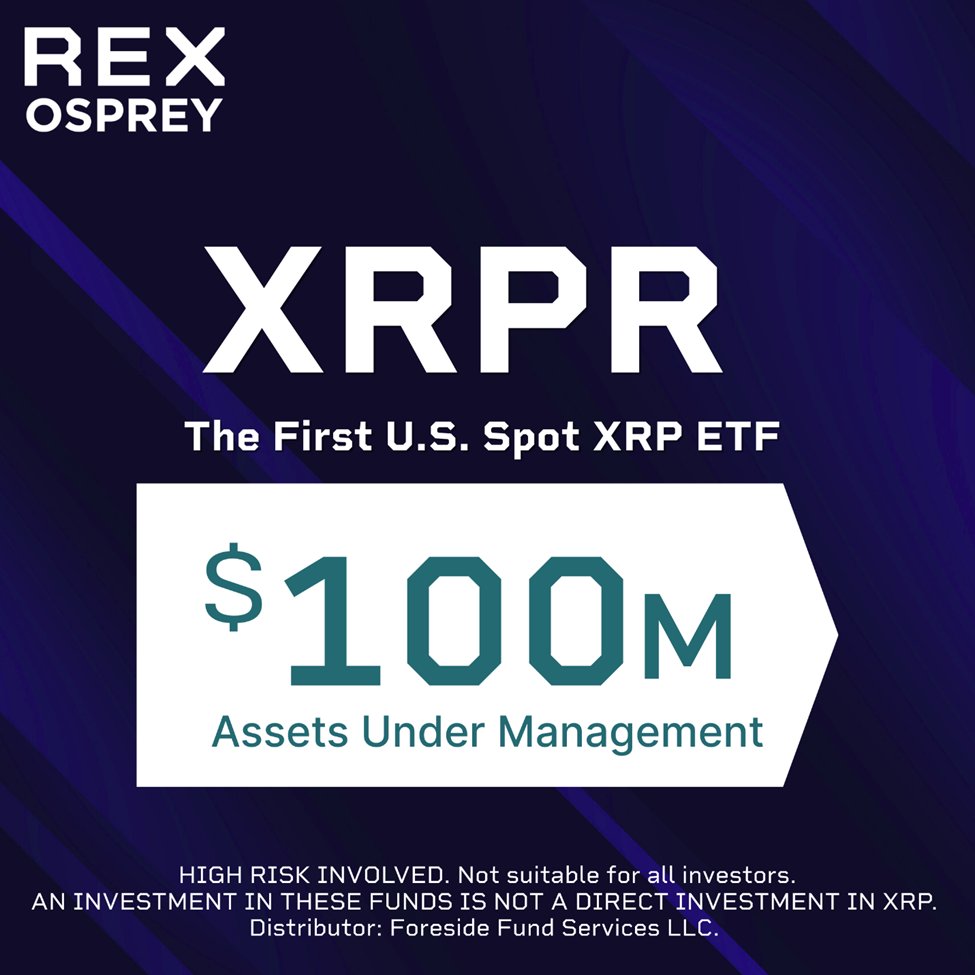
The REX-Osprey XRP ETF, the first U. S. exchange-traded fund offering direct exposure to XRP, has surpassed $100 million in assets under management within a month of its launch. Launched on September 18, the fund provides investors with a unique opportunity to gain direct exposure to XRP, the fourth-largest cryptocurrency by market capitalization, without the complexities of purchasing the digital asset itself.

According to REX Osprey, the firm behind the launch of the ETF, the rapid growth in AUM highlights the increasing interest in digital assets and their integration into mainstream investment products. The ETF, which trades on the Cboe BZX Exchange, allows investors to gain exposure to XRP through a traditional brokerage account, making it more accessible than purchasing the cryptocurrency directly on exchanges.

XRP has long been one of the most controversial and volatile cryptocurrencies, primarily due to its ongoing legal battle with the U. S. Securities and Exchange Commission. The SEC initially filed a lawsuit against Ripple Labs, the company behind XRP, alleging that the cryptocurrency is an unregistered security. However, recent developments in the case, including partial victories for Ripple, have given a boost to investor sentiment, contributing to XRP’s price increase and the subsequent success of the ETF.

Since its launch, the XRP ETF has attracted both institutional and retail investors seeking exposure to the cryptocurrency market in a more regulated, liquid form. The growth in AUM also underscores the growing demand for innovative financial products that allow mainstream investors to participate in the digital asset space without directly owning the underlying cryptocurrencies.

The popularity of cryptocurrency ETFs has been rising globally, and the launch of XRPR marks a significant milestone in the U. S. market, which has been cautious in approving crypto-based exchange-traded products. The approval of the XRP ETF comes at a time when other digital asset ETFs, such as those based on Bitcoin and Ethereum, have seen significant traction. The success of these products has raised expectations for further expansion of the cryptocurrency ETF market, especially as regulatory clarity surrounding digital assets continues to improve.

The launch of the REX-Osprey XRP ETF also reflects broader trends in the financial markets, with traditional financial institutions increasingly integrating cryptocurrencies into their offerings. Institutional investors, who have historically been wary of the volatility and regulatory uncertainty surrounding digital assets, are now more open to exploring the potential of blockchain technology and digital currencies as part of a diversified investment portfolio.

XRP, which has faced significant volatility over the years, has experienced a surge in value following key legal victories in its ongoing battle with the SEC. Ripple’s partial legal wins have boosted investor confidence, and many view the outcome of the case as a critical factor in the future of XRP’s market position. The cryptocurrency’s price has seen a sharp upward movement in response to the more positive outlook surrounding the lawsuit.

The success of the XRP ETF reflects growing confidence in XRP as an investment vehicle, despite the regulatory uncertainties that continue to surround it. While there are still ongoing legal challenges, the launch of this ETF signals a shift in how the cryptocurrency market is viewed by investors and regulators alike. The ability to trade XRP through an exchange-traded fund allows for more streamlined access to the asset, eliminating some of the complexities involved in handling digital currencies directly.

Dubai-based Emirates Integrated Telecommunications Company PJSC announced that its third-quarter results delivered a 7.9 per cent year-on-year jump in revenues to AED 3.87 billion, underpinned by growth in mobile, fixed and ICT businesses. The company reported an EBITDA of AED 1.85 billion, which equated to a margin of 47.8 per cent, while normalised net profit rose by 25.8 per cent to AED 732 million. Chief Executive Fahad […]

The Ministry of Finance has introduced the “Retail Sukuk” programme enabling citizens and residents to purchase government-backed Treasury Sukuk via participating banks with a minimum investment of AED 4,000. The first bank partner will be announced on 3 November 2025.

The move directly expands access to sovereign Islamic finance instruments previously reserved for institutional investors. According to the announcement, the scheme permits investment in Shariah-compliant Islamic treasury securities through fractionalised digital platforms operated by the banks. Leader Sheikh Maktoum bin Mohammed bin Rashid Al Maktoum described the initiative as “translating our leadership’s vision of empowering individuals, promoting a culture of saving and developing government investment instruments that enhance individual participation in economic growth and provide a direct opportunity to contribute to the national development journey.”

The initiative aligns with the nation’s financial-inclusion agenda and the strategy to deepen local capital markets. By lowering the threshold to AED 4,000, the scheme reduces entry barriers for retail investors and broadens the investor base for the domestic sovereign debt market. Analysts point out that universal access to such instruments represents a structural shift in how governments engage with individual savers.

Industry experts say this development reflects emerging trends in the Gulf’s Islamic finance sector, particularly the fractionalisation and tokenisation of Sukuk products. A legal-advisory report on the Gulf Cooperation Council’s Sukuk market noted that digital platforms and smaller tickets are “redefining how Sharia-compliant capital is structured, distributed and accessed.” The Abu Dhabi Islamic Bank earlier launched a “Smart Sukuk” platform allowing retail investment from about USD 1,000 in fractionalised Sukuk.

Governance stakeholders emphasise that the retail programme remains denominated in dirhams and linked to sovereign-backed Sukuk already traded in the market, ensuring exposure to high-quality government assets rather than untested structures. The Ministry reaffirmed that the rollout will follow the “highest standards of transparency and quality.”

Financial institutions stand to benefit from expanded customer-base growth and increased assets under management, while retail investors gain a compliant savings vehicle offering diversification beyond deposits and conventional investments. Yet risks remain. While sovereign-backed, Sukuk carry credit, liquidity and market-risk dimensions; beginners may require enhanced education around profit-sharing-based returns, Shariah-compliance nuances and secondary-market liquidity.

Some market participants caution that the success of the scheme will depend on the secondary-market functioning and investor confidence in digital platforms. Previous fractional-Sukuk roll-outs in the region flagged the need for robust regulatory oversight, clear smart-contract frameworks, and standardised product terms to build long-term participation.

Dubai-based investment platform Green Dome Investments has signed a binding agreement to acquire the entire equity stake in cold-chain specialist Transcorp International for AED 225 million. The transaction is subject to customary regulatory approvals and is expected to complete in the coming weeks.

GDI’s shareholder backing includes SISCO Holding, the Saudi-listed infrastructure investment company that holds a 31.67 per cent stake in GDI. SISCO will contribute AED 75 million towards the acquisition price, with the remainder to be financed through equity from GDI’s shareholders. Transcorp, founded in 2013, operates across the UAE, Saudi Arabia and Qatar and has built a substantial cold-chain logistics footprint, including warehousing, transportation and last-mile delivery for temperature-sensitive cargo in 50 key cities across the Gulf region, supported by more than 1,000 employees.

GDI’s strategy for the deal is driven by its desire to accelerate growth in the fast-growing temperature-controlled supply-chain segment in the Gulf Cooperation Council markets. The investment complements its existing logistics arm, Elite Co., which focuses on fulfilment, middle-mile and last-mile services, and will now incorporate Transcorp’s cold-chain infrastructure and expertise. According to GDI’s chairman, the acquisition gives the group a stronger presence in Saudi Arabia and positions it to capitalise on what is described as one of the fastest-growing logistics segments in the region.

From a financial performance viewpoint, Transcorp reported revenues of AED 60.8 million in 2022, AED 75.8 million in 2023 and AED 109.4 million in 2024.. Its compound annual growth rate across that period has reportedly been strong, reflecting rising demand in cold-chain services tied to e-commerce, pharmaceuticals and food-service sectors in the GCC. The acquisition therefore aligns with broader regional trends in logistics expansion, infrastructure investment under national initiatives and growing interest from institutional investors in supply-chain resilience.

Analysts note that the deal is part of a wave of consolidation in the Gulf logistics market, especially in niche segments such as temperature-controlled transport and last-mile fulfilment. By integrating Transcorp into its logistics ecosystem, GDI stands to enhance its service offering, widen geographic reach and deepen its customer base. However, risks remain. Integration of operations across multiple jurisdictions and alignment of management, systems and culture will demand careful oversight. The transaction’s successful execution will hinge on regulatory approvals, seamless operational integration and the maintenance of service quality levels which are critical in cold-chain logistics.

From SISCO’s perspective, the investment into GDI underscores its strategy of enabling portfolio companies to capture growth opportunities that bolster long-term value creation. SISCO’s backing of AED 75 million represents a material commitment and underscores confidence in GDI’s growth roadmap. The deal also reinforces the increasing role of Saudi institutional capital in regional logistics expansion, in line with broader economic diversification efforts.

For customers and clients in the logistics market, the enlarged platform that emerges from this transaction could offer more integrated solutions—from cold-storage warehousing and temperature-controlled freight to last-mile delivery capabilities—across multiple Gulf countries. That could translate into improved efficiency, faster delivery cycles and access to a broader network for firms in high-growth sectors such as e-commerce, healthcare and retail. On the flip side, the enlarged scale could bring complexity in operations and may put pressure on margins if the competitive dynamics intensify or if cost inflation rises.

Global investment bank Goldman Sachs has secured the richest place in regional mergers and acquisitions activity in the Middle East and North Africa market, advising on 24 deals worth a combined US$104 billion in the first nine months of 2025, according to data from LSEG Deals Intelligence. The firm’s Co-head of Investment Banking for the Middle East & North Africa, Jassim AlSane, said the growth was driven by “national champions … with significant growth objectives” and government-backed strategies.

M&A volumes across the region have picked up substantially, supported by sovereign backing and major consolidation efforts. According to LSEG’s broader MENA investment banking review, M&A activity hit US$66.4 billion in the first quarter alone, illustrating a robust trajectory for the region. The strong performance underscores an increasingly active market for deals even amid global macro-economic headwinds.

Goldman’s dominance emerged as national-champion companies in the Gulf co-led big transactions. These firms often benefit from state support and predefined strategic mandates that accelerate investment decisions. AlSane highlighted that the top-10 deals for the firm in the region were “underpinned by an approved strategy” and “government-backed,” signalling a close alignment between private investment banks and states seeking large-scale diversification.

Key sectors powering the deal flow include energy-transition assets, infrastructure, and digital platforms. Observers note that the MENA region is embracing its role as a growth frontier for capital deployment, leveraging both private and sovereign funds to consolidate industries and build scale quickly. In particular, Saudi Arabia and the United Arab Emirates continue to push forward national frameworks that incentivise large transactions.

Despite the gains, the environment is not without uncertainty. Globally, deal volume has not uniformly increased — while deal value is up, the overall number of transactions in certain markets remains flat or declining. In the MENA context, some deals have faced delays or regulatory hurdles associated with cross‐border scrutiny and the need for state coordination. Critics argue that heavy reliance on government-backed mandates may reduce private-sector initiative and create hurdles in negotiation and valuation.

Goldman’s rise in the region also reflects wider trends in global investment banking. The firm posted a 42 per cent jump in investment-banking fees in the third quarter of 2025, citing advisory revenue jolts of 60 per cent year-on-year. While that data is global rather than specifically MENA-focused, it indicates that investment banking hunger for strategic transactions is rising and Goldman is benefiting. These elevated fee levels are the highest the firm has seen in years and point to a structural shift in deal-making dynamics.

Oil prices shot up by around 3% Thursday, driven by fresh US sanctions on Russia’s top oil producers and signs that major buyers are rethinking their purchases. Brent crude futures rose to approximately $64.53 per barrel, while US West Texas Intermediate climbed to about $60.39.

The sanctions, targeting Rosneft and Lukoil, mark a marked escalation by the US in response to Russia’s war-time exports. The measures were accompanied by a US warning that further action could follow unless Moscow commits to a cease-fire.

A key knock-on effect: Indian refiners, including state-owned entities, have begun reviewing trade documents to ensure they are not sourcing crude directly from the sanctioned suppliers. With India having become one of the largest importers of discounted Russian oil following Western withdrawals, the scale of this review is significant.

The sanctions underscore a new risk premium in the oil market. Unlike previous rounds of sanctions—which largely constrained financing, insurance and shipping without substantially affecting physical oil flows—this move seeks to directly curtail output from Russia’s two largest producers. Rosneft and Lukoil collectively account for a large share of Russian crude exports and fuel the Kremlin’s budget.

Analysts caution, however, that while the immediate reaction has been sharp, structural supply disruption is not guaranteed. Russia retains significant production capacity and a sophisticated network of intermediaries and a “shadow fleet” of tankers that have helped maintain exports despite earlier sanctions. Nevertheless, the combination of curtailed Russian supply and potential reductions in purchases by major refiners sets the scene for tighter market conditions.

In India, refiners such as Indian Oil Corporation, Bharat Petroleum Corporation and Hindustan Petroleum Corporation are scrutinising bills of lading and cargo origins to ensure compliance. India imported roughly 1.7 million barrels per day of Russian crude in the first nine months of the year, predominantly via intermediaries rather than directly from Rosneft or Lukoil. The new sanctions give insurers, banks and traders until 21 November to wind down transactions involving the sanctioned firms.

The US move also dovetails with other sanctions developments: the EU approved a 19th package targeting Russia’s energy exports, including a ban on Russian liquefied natural gas imports and restrictions on shadow-fleet tankers. The combined effect is to intensify pressure on Russia’s energy supply chains.

From a market-demand vantage point, the worry is whether alternative sources can swiftly fill any gap. OPEC+ producers have some spare capacity but not enough to instantly offset a major Russian shortfall. Meanwhile, the US inventory situation added fuel to the rally: US crude stockpiles declined unexpectedly, reinforcing supply-tightness perceptions.

Energy-market specialists say the key factors to watch include India’s crude-import strategy, China’s stock-building trends and how aggressive Russia’s response will be—whether via production cuts or leveraging its ties with China and others. One observer noted the sanctions could be “a knee-jerk reaction” rather than a structural pivot, given Russia’s past ability to maintain volumes despite sanctions.

Purchasers of Russian crude face a growing compliance burden. Firms must navigate insurance exclusions, shifting shipping patterns and potential secondary sanctions from the US. Some refiners may opt to ramp up purchases from the US Gulf and other non-Russian sources, which could reorient trade flows and raise Atlantic-coast pricing.

A survey by Ipsos, sponsored by GSK, found that while 63% of adults aged 50 years or over in Singapore were aware of shingles, only 29% recognised that 1 in 3 may develop the disease in their lifetime. Less than half of respondents (44%) understood that shingles can increase the risk of stroke or heart attack; fewer (36%) knew that the risk for shingles further increases amongst […]

VISHNU RAJA
RYO YAMADA
HITORI GOTOH
IKUYO KITA