News related to
Trends

Base has outpaced Solana in the number of newly launched tokens, marking a significant shift in the blockchain space. On July 27, Base recorded over 54,000 newly launched tokens, surpassing Solana, which had just 25,000. This surge has been largely attributed to platforms like Farcaster and Zora, where every post generates a liquid token, further accelerating the trend of token migration.

The momentum on Base has been further bolstered by its unique design, which allows a broader, more accessible environment for token creation. This makes it an attractive platform for the influx of new meme coins and so-called “shitcoins.” These tokens, often driven by speculative trading rather than tangible utility, have seen a sharp rise in numbers and trading activity, particularly on decentralized exchanges. Base’s network appears to be more conducive to this type of activity, offering lower transaction fees and faster processing times.

Meanwhile, Solana is facing a decline in the number of meme coins and other low-value tokens being created. Platforms such as Pump. fun and LetsBonk, which once saw massive trading volumes, have seen a dramatic drop in both trading activity and revenues. Analysts suggest that this decline may be the result of waning interest in Solana’s ecosystem, particularly in the meme token space, as investors and creators seek more profitable or stable alternatives.

The cooling off of meme tokens across the broader market is also evident. The total market capitalisation of these tokens has fallen by approximately 15%, while trading volumes have dipped by more than 50%. This decline reflects a broader trend in the cryptocurrency market, where speculative trading has become less profitable amid increased regulation and a general shift towards more sustainable blockchain projects.

The market for meme coins, often referred to as “shitcoins,” is heavily influenced by social media trends and the speculative nature of investors. Meme tokens are typically not backed by any underlying technology or use case, which makes them volatile and prone to sudden surges or declines. The launch of tokens on platforms like Base has further inflated the meme coin market, though it remains to be seen whether these tokens will have any lasting value.

Farcaster and Zora have become central to this shift in token creation. Both platforms offer users the ability to mint tokens tied to their posts, leading to a rapid increase in the number of tokens being minted. On Zora, every tweet or post can become a tradable token, and this feature has contributed to the surge in tokens on Base. These platforms’ decentralised nature and innovative tokenomics have provided a fertile ground for the growth of these low-value assets.

Solana, on the other hand, is facing stiff competition from other blockchain platforms. The ecosystem that once thrived on high-speed transactions and low costs is now grappling with diminishing enthusiasm for meme tokens. As the market evolves, platforms like Solana, once a leader in decentralized finance and non-fungible tokens, are losing their edge. Despite attempts to rejuvenate its ecosystem through partnerships and updates, Solana has yet to recover the lost momentum in the meme token space.

Dubai’s tourism sector has shown impressive growth, with 9.88 million international visitors recorded in the first half of 2025, a significant achievement that underscores the city’s growing prominence on the global tourism map. Crown Prince Sheikh Hamdan bin Mohammed highlighted this milestone, attributing the success to the leadership and vision of Vice President and Ruler of Dubai, Sheikh Mohammed bin Rashid.

This surge in visitor numbers aligns with the ambitions outlined in the Dubai Economic Agenda D33, a strategic plan aiming to position the emirate among the world’s top three tourism destinations. Under this agenda, Dubai seeks to expand its appeal, diversify its tourism offerings, and enhance its global standing, with a clear goal of fostering sustained growth in the sector. The half-year figures reflect strong international interest and robust demand for Dubai’s varied tourism attractions, spanning luxury shopping, iconic architecture, and cultural experiences.

The Dubai government’s commitment to the tourism sector has been evident in a series of high-profile initiatives and investments designed to enhance the city’s appeal. From the development of world-class infrastructure to hosting global events such as Expo 2020 and numerous international conferences, Dubai has positioned itself as a key player in the competitive global tourism market. The city’s tourism recovery, which began after the pandemic, has been swift, drawing millions from across the globe, particularly from Asia, Europe, and the Middle East.

A significant driver of Dubai’s tourism growth is its extensive air connectivity, facilitated by Dubai International Airport, one of the busiest airports in the world. DXB has consistently served as a global hub for international travel, with Emirates airline offering seamless connections to key markets. The airport’s strategic location and connectivity have been instrumental in attracting a steady flow of travellers, particularly from Europe and Asia, who increasingly view Dubai as a prime destination for both business and leisure.

Dubai’s luxury sector, including five-star hotels and upscale shopping malls, has continued to thrive, attracting affluent tourists seeking high-end experiences. The city’s offerings have evolved, with a growing emphasis on experiential travel, which includes culinary tourism, wellness retreats, and adventure tourism. The government’s continued investment in cultural infrastructure, including the Louvre Abu Dhabi and Museum of the Future, enhances Dubai’s appeal to cultural tourists, complementing its already robust retail and entertainment scenes.

Dubai’s rise in the global tourism ranks is not merely the result of external factors, but the active cultivation of a highly attractive destination. The city is known for its safety, cleanliness, and well-organised tourism offerings, with services ranging from luxury experiences to budget-friendly options catering to diverse traveller needs. As tourism numbers continue to rise, Dubai is expected to further strengthen its position as a hub for international events, exhibitions, and conferences.

In line with its long-term goals, Dubai has introduced several initiatives aimed at increasing tourism numbers, such as the Dubai Tourism Strategy 2025, which includes a broader approach to tourism marketing. The strategy focuses on creating innovative marketing campaigns, expanding the city’s digital presence, and engaging with emerging travel trends such as eco-tourism and sustainable travel.

The city’s strategic location, combining Eastern and Western influences, has further cemented Dubai’s appeal as a cultural melting pot, drawing people from all corners of the world. Notable growth has been observed from markets in Asia, particularly China and India, with Dubai becoming an increasingly important destination for affluent travellers looking for luxury, leisure, and business opportunities in a safe and accessible environment.

Dubai’s status as a global financial and business centre has also contributed to the rise in international visits, particularly among business executives and entrepreneurs attending conferences and exhibitions. The emirate’s commitment to enhancing its business tourism infrastructure, including the expansion of its conference venues and the hosting of high-profile business events, is expected to contribute further to the sector’s growth.

French artificial intelligence startup Mistral is engaged in discussions to secure up to $1 billion in funding, which could elevate its valuation to $10 billion, according to reports from industry insiders. The company is in talks with several investors and venture capital firms, alongside Abu Dhabi-based MGX, to bolster its growth. This funding will enable Mistral to further develop its large language models and accelerate the commercial […]

A significant infrastructure development has been completed in Dubai, with the opening of an 800-metre tunnel designed to alleviate the city’s growing traffic congestion. The newly constructed tunnel, featuring four lanes in each direction, spans from the junction with Al Khail Road to the existing Sheikh Mohammed Bin Zayed Road. This is part of a larger, ongoing effort to streamline traffic and accommodate Dubai’s expanding population. The […]

ExxonMobil has launched the third edition of its flagship “EXCITE” programme, designed to foster innovation and collaboration within the energy sector. The initiative underscores the company’s commitment to strengthening partnerships and supporting the growth of businesses across the region. This year’s programme introduces enhanced features, offering participants more opportunities to engage with cutting-edge technologies and expert insights.

The EXCITE programme, which was first introduced in 2021, has quickly become a key component of ExxonMobil’s regional strategy, aimed at driving long-term sustainability in the energy sector. Each edition of the programme has sought to build on the lessons of the previous one, refining its approach based on feedback from participants and industry trends. This year’s launch represents a significant step forward, with ExxonMobil seeking to leverage its extensive expertise to address the most pressing challenges in the sector.

A focal point of this year’s programme is the integration of digital transformation initiatives. As the global energy landscape evolves, ExxonMobil has placed a strong emphasis on technology as a tool for enhancing operational efficiency and fostering innovation. By providing participants with access to advanced digital platforms and data analytics tools, the company aims to empower businesses to develop more effective, data-driven solutions.

The EXCITE programme is open to a wide range of organisations, including startups, entrepreneurs, and established companies. Participants gain exposure to ExxonMobil’s vast network of industry leaders and technical experts, providing invaluable mentorship and collaboration opportunities. Through a series of workshops, seminars, and collaborative projects, participants are able to gain a deeper understanding of the latest trends and technologies shaping the future of energy.

A key highlight of this edition is the increased focus on sustainability. As environmental concerns continue to dominate global discussions, ExxonMobil has emphasised the importance of developing solutions that promote energy efficiency, reduce carbon emissions, and support the transition to cleaner energy sources. The company has committed to driving the adoption of renewable energy technologies and promoting the development of sustainable solutions that align with global environmental goals.

The first two editions of EXCITE saw significant success, with numerous startups and small businesses gaining the opportunity to scale their operations through partnerships with ExxonMobil and other stakeholders in the energy sector. These collaborations have led to the development of innovative technologies and processes that are helping to shape the future of energy production and consumption.

The programme also addresses the growing demand for skilled professionals in the energy industry. By offering participants access to training and development opportunities, ExxonMobil is helping to bridge the skills gap in the sector, ensuring that the next generation of energy leaders is well-equipped to tackle the challenges ahead.

ExxonMobil has consistently been at the forefront of efforts to drive innovation and sustainability within the energy sector. With the launch of the third edition of EXCITE, the company is reinforcing its role as a key player in the global energy transition. The programme serves as a testament to ExxonMobil’s ongoing commitment to advancing technologies and solutions that will help meet the world’s growing energy needs while addressing climate change.

HONG KONG SAR – Media OutReach Newswire – 1 August 2025 – Cushman & Wakefield, a leading global real estate services firm, today released its Life Sciences on the Chinese Mainland – Vital signs: Diagnosing trends in the life sciences real estate market on the Chinese mainland report. It is based on in-depth interview surveys we conducted on professionals active in the life sciences sector on the […]

Major Ethereum holders, often referred to as “whales,” have amassed more than 200,000 ETH in the past 48 hours, pushing their total accumulation to nearly 2 million ETH since the start of July, according to on-chain data firm Santiment. This sharp uptick in activity has caught the attention of market analysts, suggesting that large investors are showing increasing confidence in Ethereum’s long-term price trajectory.

The surge in whale accumulation comes as Ethereum has experienced notable price fluctuations. Following a period of volatility, Ethereum’s price appears to be stabilising, with these strategic accumulations indicating that whales foresee potential price growth. Data from Santiment reveals that these large holders, who hold a significant portion of the total ETH supply, have been acquiring tokens at a rapid pace. Their actions are seen as a signal of confidence in Ethereum’s future, particularly as the network continues to develop and mature.

Ethereum’s ongoing network upgrades, such as the transition to Ethereum 2.0, are likely a contributing factor to this growing bullish sentiment. The shift towards a Proof-of-Stake consensus mechanism has been a long-awaited move, expected to improve scalability, reduce energy consumption, and enhance security. The successful deployment of key upgrades has sparked renewed optimism in the community, particularly among institutional investors who are looking to gain exposure to Ethereum while aligning with broader trends in sustainability.

The shift in sentiment is also reflected in Ethereum’s growing adoption across various sectors. From decentralized finance to non-fungible tokens, Ethereum’s ecosystem continues to expand, driving demand for ETH. As the Ethereum network becomes increasingly entrenched in the broader financial landscape, it is likely that whales view this as a strong indicator of the asset’s potential for long-term appreciation.

The broader cryptocurrency market has been seeing a general trend of institutional involvement, with large-scale investors increasingly allocating capital towards digital assets. Ethereum, as the second-largest cryptocurrency by market capitalisation, stands as a prime target for these investors. The accumulation by whales, many of whom are institutional investors or wealthy individuals, underscores Ethereum’s growing position within the digital asset class.

Despite the positive sentiment surrounding Ethereum, the market remains volatile, with regulatory concerns and global economic factors continuing to influence price movements. However, the heavy accumulation by whales suggests that these investors are more focused on the long-term value proposition of Ethereum rather than short-term price swings. Many believe that as Ethereum’s use cases expand, its value will grow, potentially leading to greater market stability and increasing institutional adoption.

The increasing concentration of ETH in the hands of a few large holders has also raised questions about decentralisation and the potential risks of market manipulation. Critics argue that such accumulation could lead to a situation where a small group of investors has disproportionate control over Ethereum’s price. However, proponents of Ethereum argue that the network’s decentralisation mechanisms and the broader community’s engagement provide a counterbalance to this concentration of power.

The Ethereum Foundation and other key stakeholders have been working diligently to foster an environment that encourages decentralised participation. Community governance, a hallmark of Ethereum’s design, continues to evolve, with decisions about protocol upgrades being made through a collaborative process. As a result, the growing dominance of whales, while notable, is not seen as a fundamental threat to Ethereum’s decentralised nature.

With major upgrades and developments on the horizon, including the anticipated roll-out of sharding to further scale the network, Ethereum’s prospects remain positive. These technological advancements are expected to bolster Ethereum’s position as a leader in the blockchain space, potentially increasing demand for ETH from both institutional and retail investors.

Advertisements

Sony has initiated legal proceedings against Tencent, accusing the Chinese tech giant of copying elements from its highly successful Horizon franchise. The lawsuit, filed in the United States, claims that Tencent’s upcoming title, Light of Motiram, is a “slavish clone” of Sony’s critically acclaimed Horizon series, which has become one of its most prized intellectual properties. The central issue at the heart of the lawsuit revolves around […]

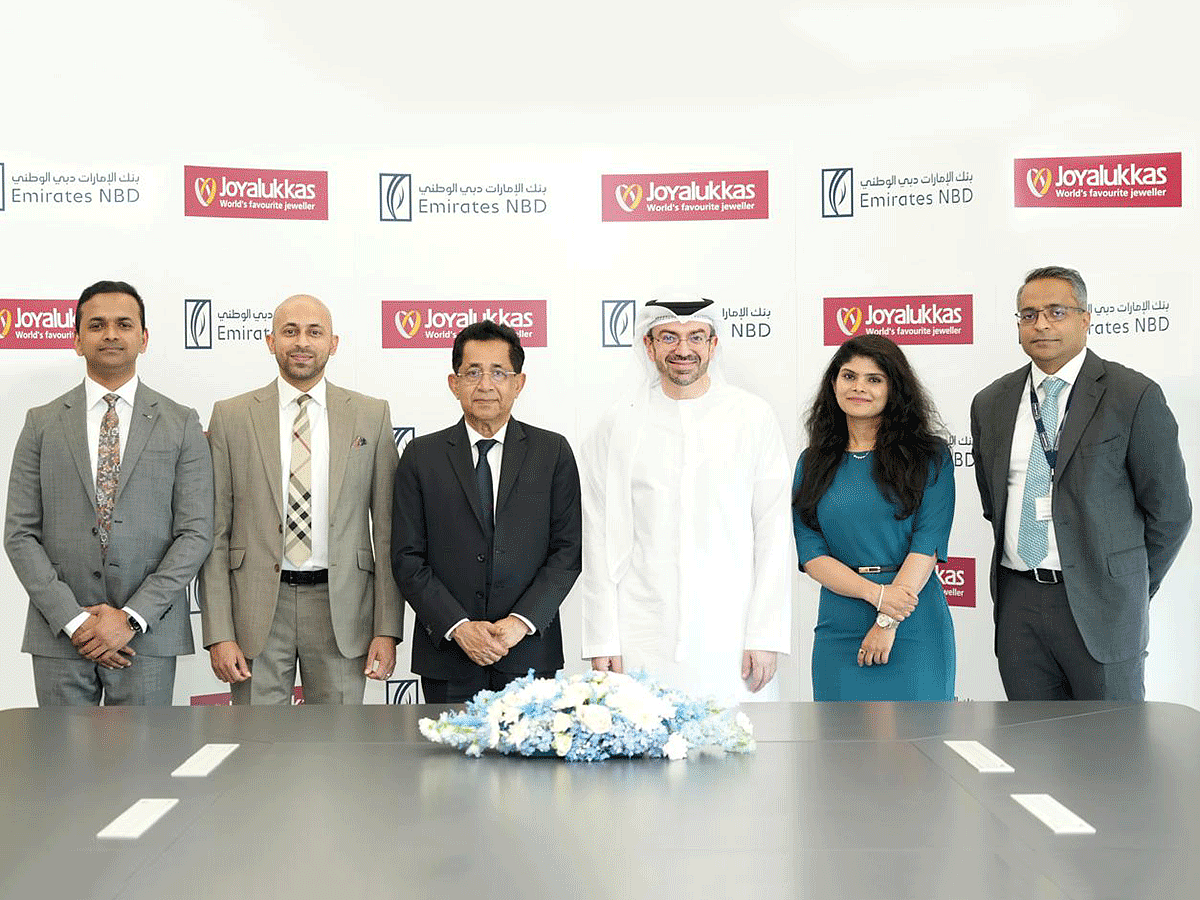
Emirates NBD has entered into a landmark partnership with global jewellery retailer Joyalukkas, providing a substantial AED 500 million working capital facility. This agreement marks a crucial step in the expansion of Joyalukkas’ operations across the UAE, as well as its key international markets, including the UK, USA, Canada, and Australia.

The deal, announced today, highlights the growing collaboration between the two entities, cementing Emirates NBD’s role as a key financial partner in Joyalukkas’ global growth strategy. The working capital facility will allow Joyalukkas to bolster its operations, meet the increasing demand for luxury jewellery, and enhance its retail presence in multiple regions.

Joyalukkas, a household name in the jewellery industry with a vast network of outlets worldwide, is known for its exquisite designs and premium products. Founded in 1987, the retailer has rapidly expanded its footprint, particularly in the GCC region, India, and other high-potential international markets. This new facility from Emirates NBD enables Joyalukkas to navigate challenges associated with working capital and supply chain management while facilitating its growth in a highly competitive market.

The strategic decision to offer this significant financial support underscores Emirates NBD’s commitment to supporting leading UAE-based businesses with ambitious expansion plans. The partnership will also contribute to the local economy, enabling job creation and boosting the retail sector. With an extensive portfolio of services tailored for high-growth industries, Emirates NBD is positioning itself as a critical player in the UAE’s business ecosystem.

For Joyalukkas, the agreement reflects its robust financial health and operational readiness for a broader international reach. As luxury consumption in markets such as the UK, USA, and Australia continues to rise, the retailer is well-placed to capitalise on this growing demand. Furthermore, the working capital facility will enhance its ability to manage large-scale projects and optimise its inventory across regions.

With an extensive network of over 160 showrooms worldwide, Joyalukkas is keen to capitalise on its established reputation while strengthening its presence in key markets. The financial backing from Emirates NBD offers the flexibility required to support large-scale retail operations and secure further growth.

Analysts see this collaboration as a strong endorsement of Joyalukkas’ expansion strategy, particularly its targeted approach towards diversifying into high-potential international markets. As global luxury retail trends shift towards online platforms and omnichannel experiences, Joyalukkas has already begun adapting to these changes, with plans to enhance its digital presence alongside its physical stores.

Emirates NBD, one of the leading banks in the region, has long been known for its strategic partnerships with key players in the retail and manufacturing sectors. By offering tailored financial solutions, the bank has proven to be a crucial enabler of growth for businesses with global aspirations. This latest deal with Joyalukkas adds to the bank’s already impressive portfolio of financial support for companies looking to expand their market reach.

As both organisations look ahead, the partnership represents a shared vision for long-term growth, with Joyalukkas planning to increase its retail footprint in the coming years. The bank’s backing will facilitate Joyalukkas’ ability to expand both in terms of physical retail locations and in the digital domain, where it is likely to see increasing competition.

The deal is also a testament to the UAE’s growing position as a global hub for business and finance, with local institutions playing a pivotal role in helping regional businesses scale internationally. Emirates NBD’s deep involvement with international brands and retailers reflects the increasingly interconnected nature of global trade and commerce.

While the facility’s exact terms remain undisclosed, industry experts suggest that this could be one of many similar deals to follow, as both local banks and international businesses continue to seek mutually beneficial partnerships. The growing demand for high-end jewellery and the increasing prominence of luxury markets globally position this partnership as a key milestone in both organisations’ development.

Dubai International has reported a significant surge in passenger traffic during the first half of 2025, registering its busiest six months ever. The airport welcomed 46 million passengers in this period, reflecting a growth of 2.3 per cent compared to the same time last year. This robust performance highlights Dubai’s vital position as a global aviation hub, even amidst challenges like temporary regional airspace disruptions. The airport’s […]

A global survey has unveiled a shift in the treatment preferences of individuals with eating disorders, with many reporting that substances like cannabis, magic mushrooms, and LSD offer more relief than traditional antidepressants. The findings indicate a growing trend among people with eating disorders to seek alternatives to conventional pharmaceutical treatments, with some expressing that these substances help them manage their symptoms more effectively. The survey, which […]

Jay Patel, a commodities and currency trader, has a unique approach to market analysis. While many financial analysts begin their day by reviewing earnings reports and tracking macroeconomic trends, Patel looks to the cosmos for guidance. A 43-year-old veteran in the financial sector, Patel blends traditional market analysis with astrology, believing planetary movements and moon cycles play a crucial role in predicting market behaviours. “I watch the […]

OPEC+ is expected to maintain its current strategy on oil production levels when the Joint Ministerial Monitoring Committee convenes on Monday, despite shifting market conditions. Key delegates from the oil-producing coalition indicated that there will be no immediate changes to the group’s decision to increase output in August, which will see a rise of 548,000 barrels per day.

The JMMC, comprising high-ranking officials from the Organization of the Petroleum Exporting Countries and its allies, including Russia, is scheduled to meet at 1200 GMT. The outcome of this meeting has drawn considerable attention as global oil markets adjust to fluctuating demand patterns and supply conditions.

Several OPEC+ delegates, speaking anonymously, stated that the group is unlikely to alter its course, with the decision to gradually increase production still firmly in place. “There is a consensus that the demand recovery during the summer months is adequate to absorb the additional supply,” one source said. “The market dynamics currently seem to support this increase, and we are committed to regaining lost market share.”

Since the production cuts agreed upon in 2020 to counter the downturn caused by the COVID-19 pandemic, OPEC+ has been slowly increasing its oil output in a phased approach. However, with global economies on a recovery path, the group is under increasing pressure to balance its output against rising demand, particularly in regions such as Asia and North America.

While the rise in demand, particularly during the summer driving season, is helping to absorb the additional barrels, concerns have been voiced over the potential for global oil prices to soften. The overall impact of geopolitical tensions, the economic slowdown in key markets, and the risk of higher interest rates remain points of consideration for the group. However, OPEC+ delegates have indicated that their immediate focus will be on ensuring market stability while continuing to rebuild their market share lost during the pandemic.

Experts also pointed out that a significant shift in the global oil market would need to occur before the JMMC meeting in order to warrant a change in strategy. For now, the consensus is that OPEC+ will stick with the current path to bolster its market position. The decision to implement production increases has thus far been perceived as cautious and calibrated, aimed at preventing market volatility while capitalising on seasonal demand.

The continued commitment to raise output reflects OPEC+’s broader goal of restoring pre-pandemic production levels, despite the headwinds faced in navigating complex global markets. With increasing production from non-OPEC countries, including the United States and Brazil, OPEC+ is mindful of its position and market share but seeks to avoid dramatic shifts in strategy that could destabilise oil prices.

The JMMC’s decision will carry significant weight in shaping the oil market’s near-term trajectory. While global oil inventories remain relatively tight, with a demand spike in the Northern Hemisphere, OPEC+ is closely monitoring the response of major economies to any potential macroeconomic uncertainties. The meeting will also likely set the tone for discussions in future OPEC+ summits, where longer-term strategies will be evaluated in light of emerging trends, particularly energy transitions.

Meme stocks, which experienced a meteoric rise in 2021, are once again attracting the attention of retail investors. Stocks like Opendoor Technologies and Krispy Kreme are leading the charge as individual traders rally behind companies driven by online communities, pushing their values to impressive highs. As the market continues to shift, these speculative stocks are emerging as high-risk, high-reward plays for those seeking the next big win. But with history showing how quickly these stocks can plummet, questions abound regarding their long-term viability.

Retail investors have proven their power over the stock market once more, with a newfound enthusiasm for meme stocks. Driven largely by platforms like Reddit’s WallStreetBets and Twitter, investors are taking cues from social media discussions rather than traditional financial analysis. The renewed fascination has led to dramatic fluctuations in stock prices, catching the eyes of seasoned traders and new entrants alike.

While meme stocks are nothing new, the latest resurgence has more to do with a potent blend of internet culture, technology, and the psychology of collective action. Retail investors have learned valuable lessons from the explosive growth seen in companies like GameStop and AMC, both of which were propelled by social media communities in 2021. With those successes still fresh in their minds, many are hoping to replicate that same level of market manipulation—albeit with a different set of companies.

Opendoor Technologies, a company in the real estate sector, has seen a sharp rise in its stock price. The online home-buying platform’s stock has surged as it draws support from online traders who are betting on the company’s growth. Despite an overall market downturn in the broader real estate industry, Opendoor’s stock continues to garner attention, largely driven by the aggressive campaigns and memes shared across various social media outlets.

Krispy Kreme, the iconic doughnut chain, has also found itself back in the meme-stock spotlight. After being listed on the New York Stock Exchange in 2021, the stock price fluctuated dramatically before finding its place once again among retail investor portfolios. With social media memes pumping its stock, Krispy Kreme is once more benefiting from the heightened attention, although some market analysts remain sceptical of the sustainability of such speculative investments.

This wave of meme-stock activity has reignited debates about the role of social media in stock market movements. Retail traders, empowered by apps like Robinhood and Webull, are driving stock rallies in a way that was once only possible for institutional investors. The ability to access real-time data, combined with the viral nature of social media, creates an environment ripe for high volatility, where stocks can be rapidly inflated or deflated based on collective sentiment rather than fundamentals.

However, the meme-stock trend has its detractors. Critics argue that the hype surrounding these stocks is little more than market manipulation. The financial world has seen examples where retail investors’ speculative actions have caused large fluctuations in stock prices, benefiting those who were able to capitalise early. For those who enter too late, the results can be financially disastrous.

Regulators, too, are keeping a close eye on the situation. The US Securities and Exchange Commission has previously warned against the dangers of trading based on social media trends. The agency has indicated that it is considering tightening regulations to curb the impact of online communities on stock prices. Given that some meme-stock rallies have led to significant losses for investors who jumped in without doing due diligence, further scrutiny from regulators is likely in the near future.

Many market analysts urge caution when it comes to meme stocks. The price fluctuations are unpredictable, and while some traders have been able to profit from these rapid spikes, others have been left holding the bag when stocks suddenly plummet. The volatility associated with meme stocks makes them highly speculative, with little in the way of traditional metrics such as earnings reports or long-term growth prospects to support the valuations.

Yet, despite the inherent risks, meme stocks remain a captivating prospect for retail investors, particularly as the broader market continues to see slower growth. The allure of a quick profit, amplified by social media influencers and viral campaigns, is simply too enticing for many to resist. As this trend continues to evolve, it is clear that meme stocks will remain a significant part of the conversation on Wall Street.

KUALA LUMPUR, MALAYSIA – Media OutReach Newswire – 26 July 2025 – Volatility is what makes trading possible. It fuels every market movement and creates opportunities where none existed a moment before. Without it, the concept of trading as it stands today would simply not exist. As the pulse of the market, volatility shapes the ebb and flow of price dynamics—sometimes driven by trading itself, sometimes setting […]

Abu Dhabi-based Multiply Group has concluded the acquisition of a 67.91% majority stake in Spanish fashion retailer Tendam, valued at AED 5.6 billion. This move marks a significant leap into the European retail market for the UAE-listed conglomerate, solidifying its position in the global apparel industry. The deal with Tendam, which operates several prominent fashion brands including Cortefiel, Pedro del Hierro, and Springfield, will elevate Multiply Group’s […]

Group enters Osaka with two Far East Village Hotels in Namba South and Honmachi districts, reinforcing its commitment to double its footprint to 2000 rooms in Japan. SINGAPORE – Media OutReach Newswire – 15 July 2025 – Far East Hospitality has announced its continued expansion in Japan with the introduction of the Far East Village brand in Osaka. The openings of Far East Village Hotel Osaka, Namba […]

KUALA LUMPUR, MALAYSIA – Media OutReach Newswire – 25 July 2025 – In a dynamic and somewhat dangerous world of currency trading, it is critical to understand every element that impacts your potential profitability. While market spreads and brokers’ commissions form an integral component of trading costs, Forex swap points also play a major role in everyday operations, and yet they are often overlooked and misunderstood by […]

DP World Trade Finance has crossed the $1 billion threshold in working capital provided to businesses in emerging markets, marking a significant milestone just four years after launching its integrated logistics-finance platform. The achievement reflects growing momentum behind digital trade finance solutions aimed at bridging the $2.5 trillion global trade finance gap, which continues to weigh heavily on small and medium-sized enterprises in developing economies. The platform, […]

HONG KONG SAR – Media OutReach Newswire – 24 July 2025 – Recently, DL Holdings Group (1709.HK) has entered into strategic cooperation agreements with ViaBTC, Asseto, and Rich Dragon Consultants, while actively advancing the tokenization of HK$500 million in assets for the DL Tower. These initiatives have sparked significant market attention, with the stock price surging over 70% in a single day. On July 23, DL Holdings […]

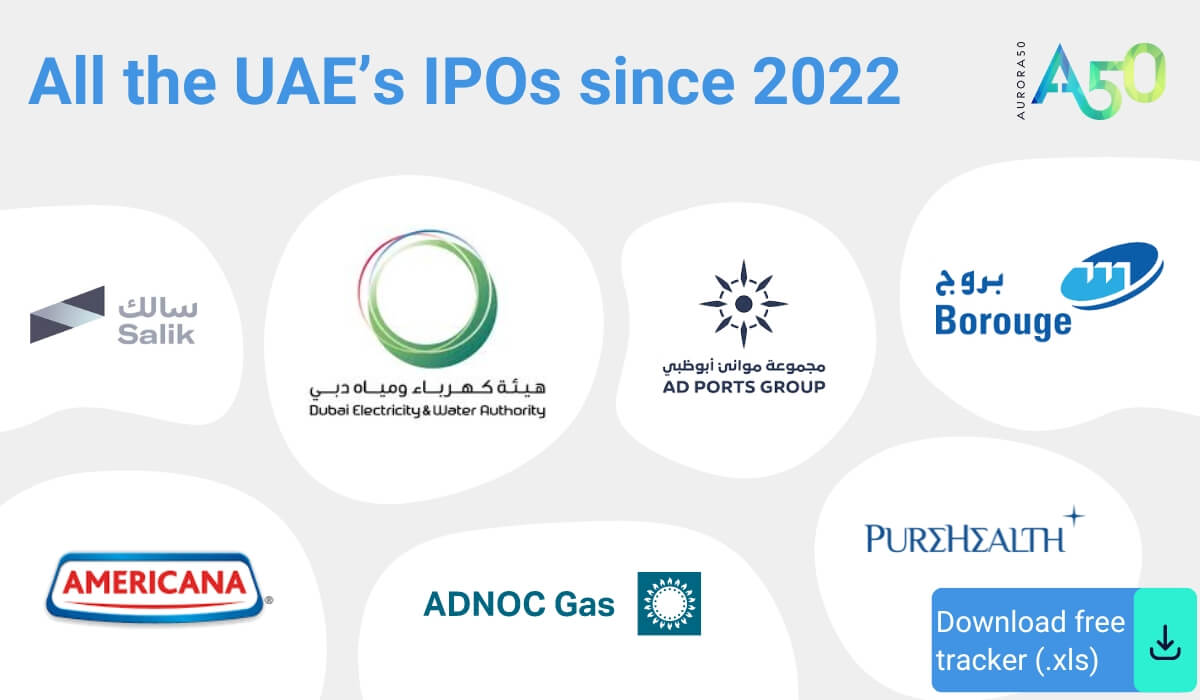
UAE equity capital markets are poised for an uptick in activity, with Citi forecasting three to five initial public offerings by 31 December—assuming timely regulatory clearance and robust pre‑marketing, said Rudy Saadi, Citi’s managing director and head of MENA Equity Capital Markets. This comes amid renewed investor enthusiasm as the nation positions itself as a regional IPO hub.

Saadi noted that although privatisations have slowed, market sentiment remains firmly positive for the remainder of 2025 and into early 2026. The expected pipeline includes a mix of family‑owned concerns and state‑affiliated enterprises alongside follow‑on offerings from listed firms.

Delivering context, UAE exchanges have tapped international and domestic liquidity in recent quarters. Spinneys and Alef Education raised $375 million and $515 million, respectively, in the second quarter, channelling nearly $890 million overall through new IPOs. Dubai and Abu Dhabi exchanges continue to push private‑sector listings, underscoring wider capital‑markets evolution.

Citi’s optimism is reinforced by Bloomberg’s observation of renewed momentum in regional share sales heading into H2 2025. The uptick appears linked to improved regulatory frameworks, deeper secondary‑market liquidity and evolving investor appetite across institutional, family‑office and retail segments.

Market analysts point to several emerging trends. Firstly, regulatory authorities in both Dubai and Abu Dhabi are progressively enhancing governance and foreign‑ownership rules to attract global participants. UAE entities now find listing conditions more competitive compared with established markets in Europe or the US.

Secondly, a shift is apparent from state privatisations to private‑sector flotations. Family‑owned businesses and tech‑focused enterprises are now stepping into the spotlight—supported by increasing liquidity and appetite from international institutional investors.

Thirdly, follow‑on share sales are gaining traction, offering listed firms a refundable route for fresh capital without navigating a full IPO process. Analysts expect more such offerings in sectors including financial services, healthcare and logistics, reflecting healthier balance sheets and growth trajectories among UAE firms.

Beyond sheer numbers, quality is a key consideration. Saadi indicates that approval pace and pre‑marketing success are decisive factors. In prior cases, such as Spinneys and Alef Education, strong institutional subscription signalled robust investor interest—suggesting forthcoming listings may mirror this level of demand.

Banking and asset‑management houses in the region—among them Citi, EFG Hermes and Emirates NBD Capital—are reportedly managing a cohort of potential issuers. EFG Hermes projected a busy second half of 2025 across Saudi Arabia and the UAE, with several consumer‑focused businesses preparing to list.

This momentum positions the UAE to lead IPO activity across the Middle East. In 2024, Gulf IPO volumes reached multi‑billion‑dollar levels; UAE exchanges, buoyed by sizeable debuts like Talabat’s Dh1.6bn listing in November 2024, claimed top status in IPO fundraising for three consecutive years.

Looking ahead, investor appetite appears steady, albeit cognisant of broader economic headwinds, including global interest‑rate trajectories and geopolitical uncertainties. Saadi stressed the significance of sentiment over macroeconomic factors when gauging regional appetite, citing Middle Eastern equity capital market resilience.

Key players set to define the coming wave include family‑owned conglomerates deliberating partial listings, firms in consumer and tech verticals exploring exit paths, and existing public companies seeking growth capital via follow‑on offerings. Leading financial houses continue to harmonise local issuers with global investor pools.

Global oil consumption has shifted, with demand now peaking in the third quarter instead of the traditional fourth, signalling a structural change reshaping markets during the summer months. Analysts point to stronger consumption from Asia—particularly China and India—alongside diminished heating fuel use in advanced economies as key drivers behind this trend, which carries significant implications for trading patterns, strategic reserves and pricing dynamics.

Industry data show that consumption of heating oil and kerosene in wealthy nations has declined steadily. In the US, fewer households rely on refined petroleum for heating—dropping from 17 % in 1990 to just 9 % today—while Europe has seen even steeper falls. Conversely, jet fuel use during Northern Hemisphere summers has grown, especially as holiday travel resumes. This has pushed demand peaks into July–September, reversing a long-standing seasonal rhythm.

Fuel consumption patterns in emerging economies present a stark contrast. Many countries, including those closer to the equator, rely on oil year-round for industrial power, electricity generation, and water desalination. Saudi Arabia, for instance, burned over 800,000 barrels per day of crude in just one summer to power air conditioning—a volume comparable to Belgium’s entire daily petroleum demand.

Climate change compounds the shift. Milder winters reduce heating demand, while hotter summers elevate energy needs for cooling and travel. In 2025 so far, global oil consumption in the third quarter is projected to exceed fourth-quarter levels by approximately 500,000 barrels per day—the fifth recorded year this has happened since 1991.

This transformation carries consequences for market tightness and pricing. Although OPEC+ and rising non‑OPEC output have attempted to balance supply, physical markets appear increasingly tight during summer months. In mid-July, Brent crude hovered in the mid‑US$60s, reflecting supply constraints despite softening from spring lows. Speculative traders, noting robust seasonal demand, have also increased their net long positions in Brent and gasoil contracts.

Asia’s role has been pivotal. China ramped refinery runs to over 80 % of capacity in June—the highest levels in five years—as stockpiling alongside consumption drove strong throughput. Meanwhile, Asia’s crude imports rose by around 510,000 bpd in the first half of 2025, underscoring the region’s impact. Despite cautious forecasts from the IEA and OPEC—projecting crude demand growth of 700,000 bpd and 1.29 million bpd respectively—actual refinery intake and imports suggest potential underestimation.

India’s fuel consumption trends provide further insights. June data from the Petroleum Planning and Analysis Cell show fuel demand was 20.31 million tonnes—down 4.7 % from May but up 1.9 % year-on-year—reflecting monsoon-related dips typical through August and September. Diesel usage, especially linked to industry and logistics, is a key part of India’s expanding consumption profile.

OPEC+ has responded to these dynamics. In August, the alliance approved production increases of roughly 548,000 bpd aiming to satisfy peak Q3 demand. Simultaneously, US shale output remains robust; American producers reported nearly 13.5 million bpd in April, although well completion rates have slowed, reflecting the dependency on prices.

Nevertheless, the market outlook grows more uncertain as it heads into fourth quarter. The EIA forecasts OECD inventories will build to 62 days’ worth of supply in the second half of 2025—rising further to 66 days by end-2026—signalling a potential surplus as summer demand wanes. EIA projections for 2026 also expect US production to decline, with WTI prices retreating toward US$53 per barrel.

Pricing reflects this shift. Oil markets have shown summer tightness in 2025, but expectations for a Q4 surplus weigh on medium-term prices. The IEA forecasts refinery throughput will drop from a projected August peak of 85.4 million bpd to about 81.7 million bpd by October, implying weaker demand later in the year.

The shift in seasonality thus becomes a critical market pivot. Traders, refiners and producers must recalibrate strategies around production schedules, storage cycles and investment decisions. Q3 now demands heightened vigilance—from physical balancing to hedging strategies—while Q4 may require reassessment of storage utilisation and pricing risk.

Titan Company has struck a deal to acquire a 67% stake in Dubai-headquartered luxury jeweller Damas from Qatar-based Mannai Corporation in a transaction valued at 1.04 billion dirhams, or approximately $283.2 million. The move is poised to significantly strengthen Titan’s footprint in the Gulf region, positioning the Tata Group company among the largest subcontinent-origin jewellery players operating in the Middle East.

The acquisition agreement, announced on Monday, marks a pivotal expansion for Titan beyond its current presence in the UAE, where it has operated under the Tanishq brand since October 2020. The transaction is expected to close by 31 January 2026, subject to regulatory approvals and customary closing conditions. Titan will also retain an option to purchase the remaining 33% equity in Damas after 31 December 2029, effectively laying the groundwork for full ownership over time.

The deal will give Titan direct access to Damas’ well-established network of 146 outlets across the six Gulf Cooperation Council nations — United Arab Emirates, Saudi Arabia, Qatar, Oman, Kuwait, and Bahrain. With only seven Titan-operated Tanishq stores currently open in the region, the acquisition presents a strategic leap in scale, market share, and regional brand visibility for the Bengaluru-based jeweller.

Damas, founded in 1907, is one of the most recognisable names in the Middle East’s luxury jewellery market. It has developed a reputation for catering to the region’s taste for high-end gold and diamond jewellery, and is known for its broad in-house product range and partnerships with international luxury brands. Mannai Corporation, which has owned Damas since 2012, has been looking to streamline its portfolio, prompting the divestment.

For Titan, the acquisition offers both a fast-track into the premium Gulf retail market and an opportunity to accelerate synergies across procurement, branding, and customer experience. The company is expected to retain Damas’ brand identity and existing management structure, allowing the Dubai-based business to continue leveraging its established reputation while benefitting from Titan’s supply chain and operational expertise.

The Middle East has been a target market for Titan’s international ambitions, driven by the strong presence of the South Asian diaspora and a deep-rooted cultural affinity for gold. The GCC region’s jewellery market is estimated to be worth over $10 billion, with gold accounting for a large share of consumer demand. Analysts view Titan’s acquisition of Damas as a strategically sound move in an environment where cross-border consolidation is becoming increasingly common in luxury retail.

Titan has grown to become one of the most dominant jewellery retailers in South Asia through its flagship brand Tanishq, which is positioned as an accessible luxury label offering a blend of traditional and contemporary designs. The company also operates sub-brands such as Mia and Zoya, each catering to specific consumer segments. Over the past decade, Titan has expanded into new domestic categories and entered select global markets, but the Damas deal marks its most ambitious international push yet.

The acquisition is being viewed by market observers as a significant play within the broader Tata Group strategy of boosting global brand equity across consumer-facing businesses. Following the group’s international expansions in hospitality, automotive, and technology, Titan’s move consolidates Tata’s multi-sectoral presence in the Gulf and taps into a region with rising demand for premium lifestyle offerings.

Financial analysts have underscored the deal’s strategic value, citing Damas’ established customer base and premium positioning, which could drive faster break-even timelines than greenfield expansion. Furthermore, the GCC’s favourable demographic trends and consistent gold demand have added to investor optimism around the deal’s long-term prospects.

Despite geopolitical uncertainty and fluctuations in gold prices, jewellery retail in the Gulf continues to enjoy high volumes due to cultural norms and steady tourist inflows, especially in the UAE. Titan’s increased footprint through Damas will place it in a better position to cater not just to residents but also international shoppers across the region’s major commercial and tourist hubs.

Titan has confirmed that the acquisition will be funded through internal accruals and debt, with no equity dilution expected in the near term. The company’s board has approved the investment, and the transaction is aligned with its long-term capital allocation strategy.

Executives at Titan have expressed confidence in Damas’ future growth trajectory and have indicated that the company will invest further in marketing, store refurbishment, and digital initiatives to modernise the customer journey. Damas’ product portfolio, which includes bridal sets, heritage pieces, and limited-edition designs, will remain intact as Titan aims to preserve the local flavour while infusing global best practices.

Foreign institutional investor activity has slowed, but India’s equity market is gaining a new level of sophistication thanks to the rapid emergence of long‑short strategies among domestic analysts. With regulatory approval of the Specialised Investment Fund route and increasing recognition of sell‑side research, analysts in India are setting new standards, outperforming peers in major global markets.

At the centre of this shift are flagship long‑short funds, enabled by an April amendment that allowed mutual funds to engage in both long and short equity positions via the SIF framework. Industry leaders such as ICICI Prudential, SBI, Quant and ITI Mutual Funds are among the first to roll out these products. This structural innovation, viewed by asset managers as a game‑changer, allows strategic hedging and enhanced alpha generation in volatile conditions.

Jatinder Pal Singh, CEO of ITI Mutual Fund, identifies the move as a watershed moment: “We see a lot of potential in this category similar to what we have seen in alternative investment funds…”. Quantitative and hedge fund entrants—AlphaGrep, Abakkus and Carnelian—are also applying for SIF licences, signalling a rising tide of systematic strategies.

The surge in long-short offerings emerges against a backdrop of changing investor sentiment and derivative market structures. While proprietary traders and retail continue to dominate derivatives trading—accounting for 52.3% and 33.6% respectively—domestic institutional participation remains minimal at just 0.2%. The launch of these funds is expected to usher in broader institutional adoption, reducing reliance on speculative flows.

Simultaneously, foreign players are reassessing their exposure. Citigroup downgraded Indian equities to “neutral” citing stretched valuations and slower earnings growth. Bank of America has flagged valuation concerns as part of seven headwinds to near‑term market performance, though it remains bullish on India’s long‑run structural strengths. Morgan Stanley echoes this optimism, describing the market as undervalued and promising for patient investors.

At the nexus of these developments, sell‑side analysts play a pivotal role. Their long‑short models provide more nuanced insights, enabling differentiated strategies compared to conventional long‑only approaches. This evolution mirrors practices in advanced markets, where close analyst coverage is integral to informed decision‑making.

International observers are taking note. Carson Block, known for his critical research into Chinese markets, is considering launching a long‑short or long‑only fund in India, citing opportunities in corporate transparency and leveraging tax-friendly jurisdictions like GIFT City. His interest signals growing confidence in the depth and potential of India’s equity ecosystem.

The broader equities landscape reflects these shifts. Foreign institutional investors are ramping up bearish positions in derivatives, signalling caution amid valuation concerns and global uncertainties. Concurrently, new equity supply is expanding, with a surge in IPOs and share sales reflecting a 14% rise in benchmark indices over the preceding six months. Analysts warn that without strong institutional demand, this wave may trigger volatility.

Experts argue the timing could not be better for long‑short funds. As valuations plateau and geopolitical uncertainty remains — including Middle East tensions affecting crude prices — the ability to manage risk through hedging becomes decisive. Fund managers are betting that structured strategies will better manage these headwinds.

At the same time, India’s growing affluent class—from double‑digit income growth to rising equity allocation—adds tailwinds. Wealth managers like 360 One are expanding advisory services amid rising assets under management, reflecting the country’s broader push toward financial sophistication. The development of long‑short funds aligns with these trends, offering differentiated solutions to high‑net‑worth investors seeking yield in uncertain markets.

Yet challenges remain. Institutional engagement in derivatives must scale meaningfully to support product viability. Regulators and market infrastructure will need to adapt, ensuring transparency and risk‑management frameworks keep pace. Moreover, investor education is critical; long‑short strategies are complex and require a clear understanding of leverage, margin risk and counterparty exposures.

Nonetheless, the direction is clear: Indian equity markets are transitioning from conventional long‑only investing to embrace multi‑directional strategies, leveraging deep local research and structural innovation. With the SIF framework opening doors for long‑short funds, analysts are stepping into roles once reserved for global peers. As Citi tones down enthusiasm and global investors tread cautiously, India’s analysts are sharpening tools that could redefine the domestic landscape—and perhaps export this model abroad.

VISHNU RAJA
RYO YAMADA
HITORI GOTOH
IKUYO KITA