News related to
airport

Rhenus adds a new air freight gateway in Bangkok for in/outbound & transshipment from/to Southeast Asia The new airfreight gateway will also see the use of electric vehicles (EV) for sustainable first/last mile transportation usage The gateway strengthens Rhenus’ capabilities to connect businesses globally with new customer-centric solutions and vertical approaches BANGKOK, THAILAND – Media OutReach Newswire – 16 September 2025 – Leading global logistics provider Rhenus […]

Air Arabia Abu Dhabi announced it will launch direct flights between Abu Dhabi and Assiut in Egypt, with service starting on 4 November 2025. The route will operate twice weekly, on Tuesdays and Fridays, using non-stop flights between Zayed International Airport and Assiut International Airport. Adel Al Ali, Group Chief Executive Officer of Air Arabia, said the new Assiut service allows travellers to reach Upper Egypt directly […]

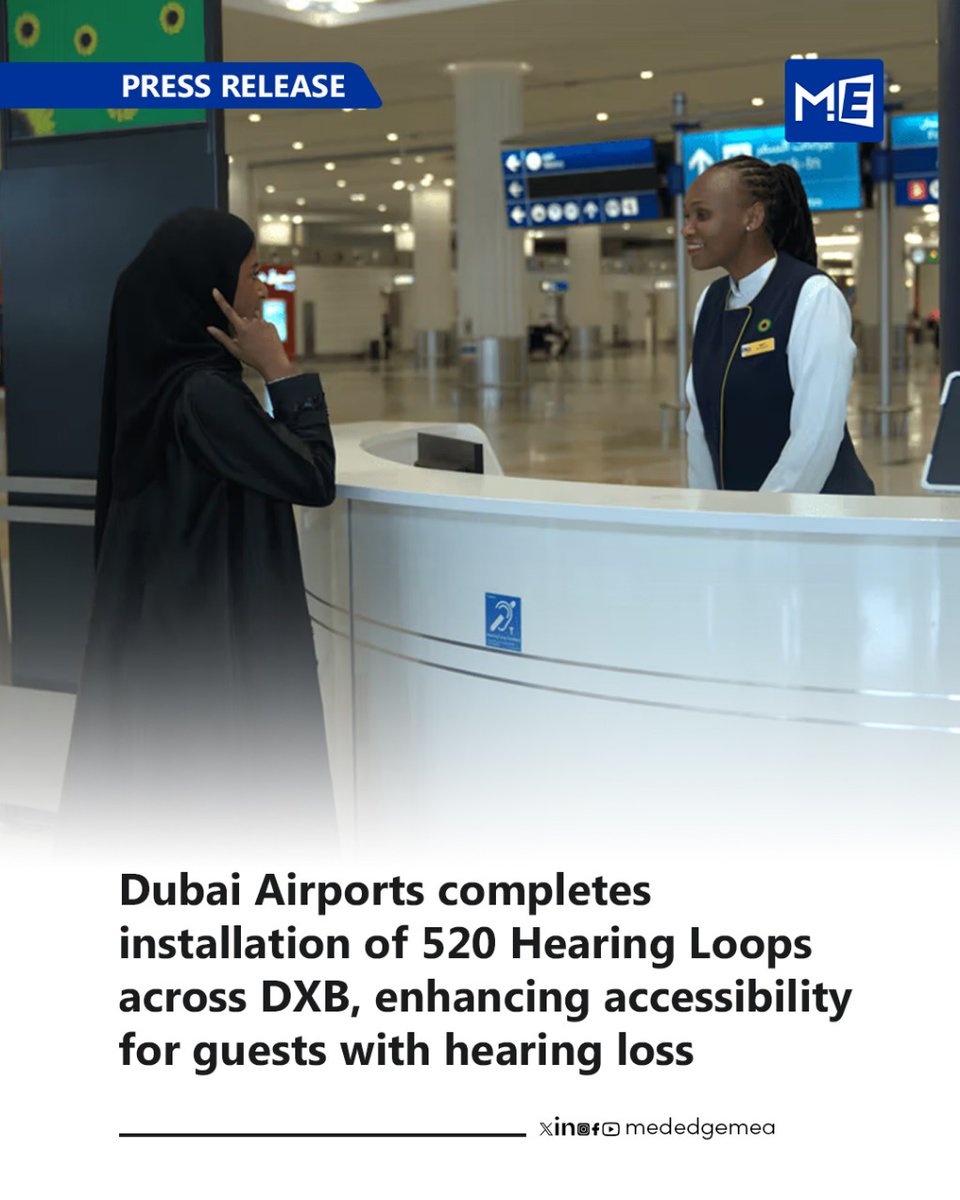
Dubai International Airport has deployed over 520 hearing loops across its three terminals to support passengers with hearing loss. The system, which allows travellers using hearing aids or cochlear implants to hear announcements clearly by switching to the ‘T’ setting, requires no pairing or extra equipment.

The devices are now installed at critical passenger touchpoints including check-in counters, immigration desks, boarding gates and information desks. The initiative is part of DXB’s broader accessibility drive under Dubai’s Universal Design Code, which mandates inclusive access in public facilities and transport infrastructure. Staff across frontline operations have also been trained to assist guests of determination.

Majed Al Joker, Chief Operating Officer at Dubai Airports, said this move demonstrates a commitment to enabling every traveller to move through the airport “with ease, dignity, and confidence.” The rollout was supported by oneDXB partners including airlines, airport services, customs, police, and ground handling agencies.

Globally, about 1.5 billion people live with some degree of hearing loss, a figure projected by the World Health Organisation to rise to 2.5 billion by 2050. Experts say transport hubs like airports are under increasing pressure to provide accessibility services that do not add friction for travellers. Implementation of hearing loops is among the measures considered most effective because of their unobtrusive nature and compatibility with existing devices.

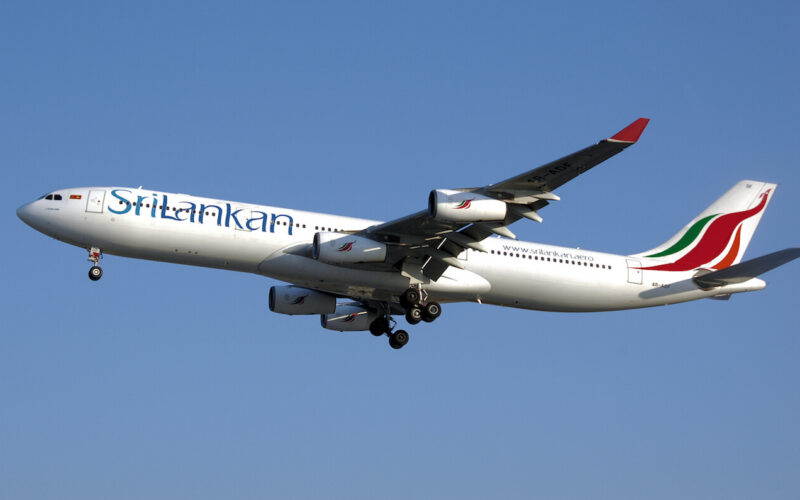
SriLankan Airlines has suspended services to Kathmandu after authorities closed Tribhuvan International Airport amid nationwide unrest, forcing cancellations on the Colombo–Kathmandu route and disrupting onward travel plans.

Airport officials said flight operations at Kathmandu would remain shut until the evening as security forces moved to stabilise the capital, while armoured patrols and curfews kept streets largely empty following two days of violent demonstrations. Airline pauses Kathmandu services amid escalating unrest.

Protests that began over corruption and economic grievances have turned deadly, with soldiers guarding parliament and key government buildings after arson attacks and clashes. Reuters reported at least 19 fatalities over 48 hours and said the turmoil prompted a nationwide shutdown affecting aviation, retail and public services.

Knock-on effects spread across regional air corridors. Multiple Kathmandu-bound flights were diverted to India, including four routed to Lucknow as the closure took effect, while IndiGo extended a temporary halt of services to and from Kathmandu to the early evening. Other carriers announced cancellations through the day as they assessed security and operational risks.

SriLankan confirmed the cancellation of flights UL181 and UL182 on Wednesday and advised ticketed passengers to contact their booking channels. Local news outlets in Colombo said the airline’s suspension would remain until further notice, aligning with guidance to monitor official updates as authorities reviewed conditions at the airport.

Regional governments urged caution for travellers. India advised its citizens to defer trips to Nepal and for those already in the country to remain indoors, as curfews and transport disruptions left tourists and business travellers stranded across Kathmandu Valley and beyond.

Live updates from Kathmandu indicated authorities were weighing phased resumptions of essential services alongside crowd-control measures. Airports and transport links were prioritised for restoration once security agencies deemed conditions manageable, with the army coordinating road clearance and fire response in affected districts.

Airlines across South Asia adjusted schedules through the afternoon, with Indian and regional carriers cancelling or retiming Kathmandu rotations while offering waivers. Public statements from operators noted the situation remained fluid and that customer notifications would follow as airspace and airport status changed.

SriLankan’s decision underscores how quickly a single-airport closure can ripple through a network heavily reliant on narrow time buffers and daylight slots into high-altitude hubs. For passengers booked to or through Kathmandu, carriers advised monitoring flight status pages and staying in contact with travel agents as curfew orders and airport operating hours evolve.

Poland activated air defences and scrambled fighter jets after drones from Russia crossed into its airspace during overnight strikes on Ukraine, with the military confirming it used weapons to neutralise targets. The Operational Command said Polish airspace was “repeatedly violated by drone-type objects” and described an ongoing operation to identify and destroy them. Authorities placed ground-based systems and radar on maximum alert while Polish and allied aircraft […]

Khadga Prasad Sharma Oli offered his resignation on Tuesday following widespread demonstrations that saw the federal parliament building, Supreme Court and leaders’ residences torched, underlining the depth of public fury over corruption and the ban on social media. Protests erupted across Nepal amid anger at the shutdown of platforms such as Facebook, X, YouTube and others for failing to register with the government—a move widely perceived as […]

Passenger traffic at airports across the UAE surpassed one billion between 2015 and 2024, with aircraft movements exceeding 6.4 million during the same interval, driven by strategic planning and expansion across the aviation sector, the Federal Competitiveness and Statistics Centre reported. The country also emerged as the global leader in air transport quality and ranked among the top ten worldwide across five additional air performance indicators, underlining its position as a premier aviation hub.

Data from the Centre reveal that annual passenger numbers climbed from 114.8 million in 2015 to 147.8 million in 2024, marking the underlying foundation for cumulative traffic exceeding one billion passengers. Meanwhile, aircraft movements rose sharply, culminating in more than 800,000 operations in 2024 and taking the ten-year total past 6.4 million flights.

These gains coincide with the UAE’s top global ranking in air transport quality and inclusion among the top ten in five further air-related indicators, as noted in the Centre’s analysis.

The escalation of aviation activity reflects the UAE’s broader aviation transformation. The General Civil Aviation Authority emphasises that the UAE now operates a dense, globally connected network, with twelve certified airports, 100 heliports, and a web of bilateral air agreements linking to over 300 destinations worldwide. In 2024 alone, the UAE recorded over one million air traffic movements and continued to lead globally in international passenger traffic and seat capacity.

Dubai International Airport remained the busiest airport globally for international passengers in 2024, registering more than 92 million passengers and 440,000 aircraft movements, and handling 2.2 million tonnes of cargo.

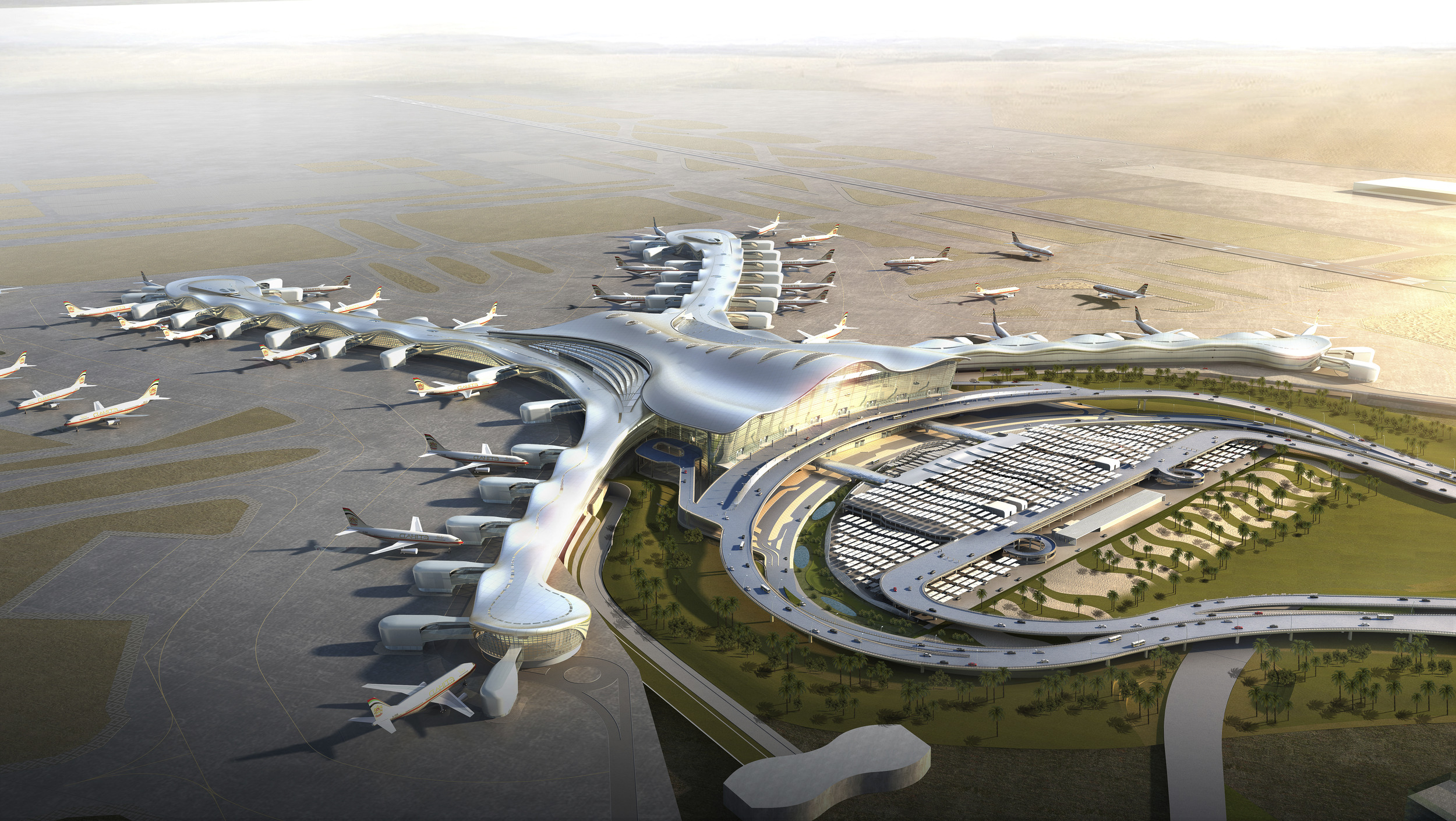
Abu Dhabi’s Zayed International Airport, renamed in February 2024, handled nearly 29.5 million passengers and recorded 249,747 aircraft movements, reinforcing the dominance of UAE airports in the regional aviation landscape.

These milestones underscore how UAE aviation achieves unprecedented growth, advancing capacity, connectivity and performance standards to global leadership.

The Federal Competitiveness and Statistics Centre attributes these successes to forward-looking directives and investment, positioning the aviation sector as a cornerstone of economic sustainability. The enhancements bolster not only passenger and cargo mobility but also broader economic diversification goals, tourism development, and the UAE’s growing prominence as a global transport hub.

Advertisements

Kenya Tourism Board has entered a strategic alliance with Visa that marks a bold new chapter for the nation’s tourism sector. The agreement gives the board access to Visa’s Government Insights Hub—a data analytics platform offering detailed information on travel patterns, spending behaviour, peak seasons and regional preferences. This will support sharper marketing efforts, more efficient payment systems and increased cross-border and domestic travel expenditure. The campaign’s […]

A protocol on phytosanitary standards agreed upon during President Emmerson Mnangagwa’s visit to Beijing has unlocked the possibility of Zimbabwe exporting blueberries to China, the Horticultural Development Council has announced. This agreement offers local growers access to one of the world’s fastest-growing blueberry markets, although actual export volumes will depend on their ability to meet stringent sanitary conditions and manage compliance-related costs. Zimbabwe’s blueberry production is set […]

Arabian Post Staff Dubai has again claimed first place in the Savills Executive Nomad Index 2025 as the most sought-after destination for executive nomads worldwide, while Abu Dhabi holds second place for the second year running. Dubai’s dominance stems from its unmatched airline connectivity and comprehensive amenities, with Dubai Maintains No-1 Spot as Executive Nomads’ Top Choice capturing the essence of its appeal. The index, evaluating 30 […]

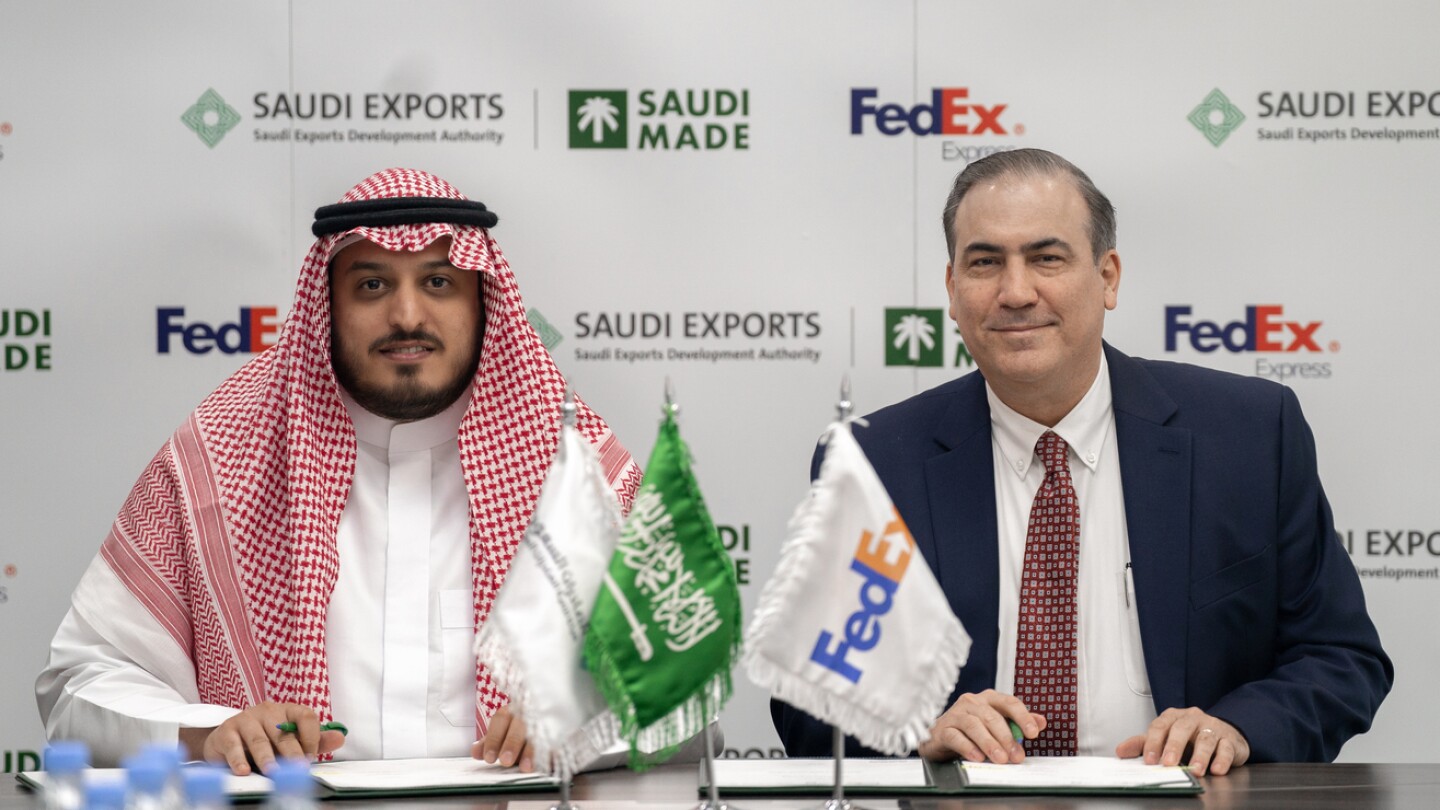
FedEx has gained an economic licence from Saudi Arabia’s General Authority of Civil Aviation to operate as a foreign air carrier, marking a significant expansion of its logistics footprint in the Kingdom. The move equips FedEx to conduct scheduled cargo services via King Khalid International Airport in Riyadh, with plans to operate 24 flights per month from early September 2025, establishing Riyadh as its regional hub linking continents.

The licence, granted on 2 September 2025, grants FedEx the ability to fly directly and to integrate air and ground operations across the Gulf Cooperation Council states. The announcement was made during a ceremony in Diriyah, attended by senior officials including Saleh Al‑Jasser, Minister of Transport and Logistics Services and Chairman of GACA; Abdulaziz Al‑Duailej, GACA President; and Dr Rumaih Al‑Rumaih, Acting President of the Transport General Authority, alongside FedEx executives.

FedEx introduced its first nonstop freighter service from the United States and Europe into Riyadh, operating six times a week with Boeing 777 aircraft. This route is the only express logistics connection offered by FedEx that bypasses other hubs, and continues onward to Guangzhou and Shanghai.

This direct link strengthens trade routes, particularly for high-priority sectors like energy, manufacturing, mining, healthcare and automotive, enabling temperature‑controlled, heavy, oversized or hazardous shipments. FedEx complements this airlift with its FedEx Logistics suite—air, road and sea freight forwarding, customs brokerage, and transit cargo support—aimed at enhancing supply chain resilience across the GCC, South Asia and Africa.

The company has developed end‑to‑end capabilities in the Kingdom, directly managing pickup, delivery and customs clearance through four gateways and four stations, supplemented by digital tools for shipping visibility and efficiency.

FedEx leadership emphasises Saudi Arabia’s role as a strategic logistics hub connecting Asia, Europe and the Americas. Richard Smith, Chief Operating Officer, International and CEO of the Airline at FedEx, cited the Kingdom’s infrastructure as a vital link in their global network. Kami Viswanathan, President of FedEx Middle East, Indian Subcontinent and Africa, underlined the integration of infrastructure, digital innovation and integrated solutions to aid Saudi businesses in competing globally.

These moves align closely with Saudi Vision 2030. The Aviation Programme aims to elevate Saudi Arabia’s aviation sector to the highest regional standards, targeting 330 million passengers, 4.5 million tonnes of air cargo, and air connectivity to 250 destinations by 2030. FedEx’s operations support these objectives by advancing industry capacity and reinforcing Riyadh’s prominence in logistics.

The expansion follows challenges earlier this year, when FedEx suspended economy parcel and freight services to the Kingdom from countries including India, Japan and the UK in March 2025. Service was halted temporarily, with FedEx noting it would resume “as soon as possible.”

Trade levels in Saudi Arabia have surged. The Kingdom posted a trade surplus of US$ 16.8 billion in Q1 2025, up 52 percent on the prior quarter, reflecting strong exports and demand for logistics infrastructure that FedEx is now well‑positioned to serve.

With strategic investments—including the creation of a global head office in Riyadh to oversee operations across Saudi Arabia, Bahrain, Kuwait and Qatar—FedEx reinforces its long‑term commitment to the region.

This expansion signals a departure from reliance on intermediaries or regional hubs outside the Kingdom; FedEx now controls its entire customs-to-delivery chain in Riyadh, laying the groundwork for faster transit, improved service reliability and deeper integration into global trade networks.

Emerging trends include rising demand for integrated logistics services, investment in digital tools for customs and tracking, and regional consolidation of supply chain operations. Key players alongside FedEx include Saudi authorities driving Vision 2030’s transport strategy, while GCC markets and commercial sectors increasingly rely on swift, dependable global connectivity.


TECOM Group has committed AED 1.6 billion to acquire 138 land plots totalling 33 million sq ft from Dubai Holding Asset Management. The move enlarges the Group’s land portfolio to over 209 million sq ft and directly addresses strong customer demand for industrial space at Dubai Industrial City, which currently operates at 99 per cent occupancy. The acquisition reinforces TECOM Group’s role as a key contributor to the industrial sector within the UAE, aligning with national economic objectives such […]

Menzies Aviation, the wholly owned subsidiary of logistics firm Agility, has completed its acquisition of G2 Secure Staff for a total enterprise value of $305 million, with an additional $10 million payable in 2026 upon meeting performance targets. The transaction immediately doubles Menzies’ U. S. footprint, adding more than 110 locations across key hubs such as Atlanta, Los Angeles and Denver. Menzies will consolidate G2’s operations under its own brand and begin integration at once to ensure continuity for staff, clients and partners.

The acquisition is projected to result in a 20 per cent uplift to group revenue, taking it beyond $3.1 billion based on fiscal 2024 figures. This marks a pivotal expansion within the United States—arguably the world’s most dynamic aviation market—and fortifies Menzies’ standing as the largest independent aviation services provider in the U. S.

Menzies now operates across 350 airports in 65 countries, supported by a workforce numbering tens of thousands. The addition of G2’s expertise in passenger assistance, cabin cleaning, ground and air cargo handling significantly enhances its service portfolio.

Menzies’ Executive Vice-President for the Americas, John Redmond—who has led the region for nearly two decades—will continue to steer U. S. operations with support from G2’s senior leadership. Both companies emphasise that the culture and values of each will be integrated to benefit employees and clients.

Hassan El-Houry, Executive Chairman of Menzies Aviation, frames the acquisition as a strategic bet on enduring demand in the U. S. aviation sector. He notes that U. S. passenger traffic is expected to exceed one billion by 2040, amid rising airport infrastructure investments, and says the deal builds structural capacity for growth, digital transformation, and labour demand.

Group CEO Philipp Joeinig describes the deal as more than simple expansion. He highlights that the added infrastructure is “high-readiness,” tailored to meet growing airline demand for seamless service across multiple airports. Menzies plans to roll out its leading standards in training, safety, sustainability, and technology to the newly acquired operations.

Menzies and G2 are now aligned to elevate operational excellence, with the rebranded operations aimed at reinforcing both efficiency and service standards. The integration promises job creation and upskilling for the combined U. S. workforce, which will operate under unified management and best-in-class protocols.

The UAE General Civil Aviation Authority has unveiled a new Civil Aviation Regulation aimed at revolutionising aerodrome crisis management. The regulation sets a robust framework to strengthen the nation’s airport readiness in handling emergencies, aiming to improve overall safety, response efficiency, and recovery strategies in the face of crises.

The new rules come as a response to growing demands for enhanced operational resilience at airports, which are essential hubs in global transport and commerce. With air traffic increasing steadily, the regulation focuses on both proactive measures for risk management and the efficient handling of unforeseen disruptions.

According to the GCAA, the new CAR focuses on three core areas: preparedness, response, and recovery. These areas are designed to ensure that airports can effectively manage crisis situations, be it natural disasters, technical failures, or unexpected large-scale incidents. By implementing a coordinated, multi-departmental approach, airports will be better equipped to minimise operational interruptions and ensure the safety of passengers and personnel.

The regulation outlines specific operational requirements, including the establishment of Crisis Management Teams at each aerodrome. These teams, which will be made up of senior airport and aviation management, are tasked with overseeing crisis response procedures and ensuring that all airport operations adhere to the established standards. The CAR also mandates the development of detailed emergency response plans that can be activated in real-time during crises, integrating airport emergency services, air traffic control, and external agencies.

The GCAA has stipulated that aerodromes must conduct regular crisis simulation exercises to assess their preparedness and response mechanisms. These drills will be evaluated by the GCAA, ensuring that each airport meets the required standards for crisis management. The regulation also stresses continuous training for airport staff, highlighting the importance of equipping personnel with the necessary skills to handle high-pressure situations effectively.

The move aligns with international aviation safety standards, with the GCAA’s regulation being designed to complement global best practices. The introduction of these measures comes in the wake of several high-profile airport disruptions globally, which have underscored the need for proactive crisis management at aerodromes worldwide. By adopting such a framework, the UAE is positioning itself as a leader in airport crisis preparedness within the region, ensuring its air travel hubs remain safe, efficient, and resilient.

The GCAA has indicated that the regulation will be implemented gradually, with all airports required to comply with the new standards within the coming months. As part of the transition, GCAA will work closely with airport operators to ensure smooth implementation and address any challenges faced by aerodromes.

Key players in the UAE aviation sector have expressed strong support for the regulation, acknowledging its potential to significantly enhance the safety and security of air transport. Industry experts have also highlighted that the regulation will foster collaboration between airport authorities, airlines, and other stakeholders, strengthening the overall aviation ecosystem.

The broader aviation community has also taken note of the UAE’s progressive approach, with many looking to the country as a model for modernising aerodrome crisis management procedures. The introduction of the CAR aligns with the UAE’s broader efforts to develop its aviation infrastructure, focusing not only on expanding airport capacity but also on improving the quality and resilience of services provided to travellers.

Hurricane Erin has intensified into a Category 2 storm as it pounds the Outer Banks in North Carolina, generating life-threatening conditions along the East Coast. With maximum sustained winds of 105 mph, the storm is unleashing dangerous surf and rip currents, urging authorities to issue urgent warnings for residents and tourists in the affected areas. As Erin continues to churn across the Atlantic, meteorologists have predicted further […]

The Kerala Aviation Summit has commenced in Kochi, bringing together industry leaders, policy makers, and investors to discuss the future of the aviation sector in the region. The event, inaugurated by Kerala’s Chief Minister, marks a significant step in the state’s efforts to position itself as a key player in India’s aviation industry.

Held at the state-of-the-art convention centre, the summit aims to attract both domestic and international investments while fostering innovation and sustainable growth in aviation. This year’s theme focuses on investment opportunities, the impact of new technologies on air travel, and the evolving aviation policy landscape. The event is expected to serve as a platform for discussion on the challenges and opportunities faced by the aviation sector, particularly in the context of global economic shifts and environmental concerns.

State authorities are keen to highlight Kerala’s strategic advantages for aviation growth. With its extensive coastline and proximity to international shipping routes, the state has long been an important transit point for both passengers and cargo. In recent years, Kerala’s airports have seen significant upgrades, positioning them to handle increased passenger traffic. The summit’s discussions will likely explore ways to further leverage these infrastructure improvements, including the role of private-public partnerships in expanding airport capacity and enhancing services.

Aviation experts gathered at the summit emphasised the need for a more robust policy framework that supports both air travel expansion and environmental sustainability. Experts have pointed out that despite the growth in air traffic, India’s aviation sector continues to face challenges, including fuel price volatility, regulatory hurdles, and a shortage of skilled workforce. The summit will feature panel discussions on these issues, with a particular focus on how Kerala can address these challenges to remain competitive in the rapidly evolving aviation landscape.

The event is also expected to showcase emerging technologies that are shaping the future of air travel. Innovations in electric and hybrid aircraft, along with developments in drone technology, will be a key talking point. Aviation companies and technology firms are increasingly exploring these new technologies as part of efforts to reduce the carbon footprint of the aviation industry. Kerala’s government is keen on integrating these advancements into its aviation strategy, aiming to create a sustainable aviation ecosystem that can meet the demands of a growing population while minimising environmental impact.

The summit is anticipated to have far-reaching effects on Kerala’s economy, with key players from the aviation industry looking to expand their presence in the state. This could include the establishment of new flight routes, further investment in airport infrastructure, and the growth of aviation-related businesses. Additionally, experts believe that the state’s focus on tourism and infrastructure will serve as a catalyst for more investment in regional airports, providing a vital boost to local economies.

The Kerala Aviation Summit also provides a platform for the state government to promote its aviation policies. In recent years, Kerala has introduced several initiatives aimed at reducing the cost of air travel, such as subsidies for airlines operating in regional airports. The state’s aviation policy is expected to evolve in response to emerging trends and changing market conditions, including growing demand for air travel in smaller cities and towns.

While much of the discussion will centre around investment, infrastructure, and policy, the summit will also highlight the need for enhanced training and education in the aviation sector. As the industry grows, there is a growing demand for a skilled workforce, from pilots and ground staff to engineers and air traffic controllers. The Kerala government is already working to meet this demand, with initiatives to develop training centres and promote aviation-related courses in local educational institutions.

Arabian Post Staff Ras Al Khaimah, once a quiet corner of the UAE, is now experiencing a property boom that is reshaping its skyline and economic future. The emirate’s real estate sector has witnessed a significant surge in property sales and prices over the last three years, driven by a series of large-scale developments underpinned by strategic long-term planning. Sheikh Saud bin Saqr Al Qasimi, the Ruler […]

Dubai has taken a significant step toward boosting its business environment with the launch of the ‘One Freezone Passport,’ an innovative initiative designed to ease the process of business expansion within the city’s free zones. The move is expected to simplify operations for companies looking to scale, while also enhancing the emirate’s competitive edge in the global market.

The initiative allows businesses licensed in one of Dubai’s free zones to extend their operations into other zones without the need for additional licenses, thus lowering the financial and administrative burden of expansion. It is part of Dubai’s wider strategy to foster a more streamlined, investor-friendly ecosystem, which has seen numerous developments aimed at reducing bureaucracy and increasing operational efficiency.

The Dubai Free Zones Council, which spearheaded the initiative, expressed that the launch of the ‘One Freezone Passport’ marks a key achievement in Dubai’s economic diversification efforts. The programme is designed to remove regulatory bottlenecks, encouraging smoother transitions for businesses operating across multiple zones. This move comes as part of the city’s broader vision outlined in the Dubai Economic Agenda D33, which aims to double the size of the economy and strengthen its position as a leading global business hub by 2033.

The introduction of the ‘One Freezone Passport’ is aligned with the goals of easing market entry for foreign investors and facilitating greater cross-border trade. By eliminating the need for multiple permits, businesses can now streamline their processes, save costs, and significantly reduce time-to-market. The DFZC’s initiative represents a decisive shift towards creating a more cohesive and interconnected free zone network that could have widespread benefits for companies operating in Dubai.

One of the early adopters of this new system is global luxury brand Louis Vuitton, which has embraced the streamlined process. The company will now operate its warehouse in the Jebel Ali Free Zone, while establishing its corporate office at One Za’abeel, part of the Dubai World Trade Centre Free Zone. This move highlights the growing appeal of Dubai’s free zones for multinational companies, particularly in sectors such as luxury goods and technology.

The ‘One Freezone Passport’ also represents a step forward in Dubai’s ongoing efforts to attract multinational corporations and high-net-worth investors. Dubai’s free zones have long been a cornerstone of its economic strategy, offering companies a range of benefits such as tax exemptions, full ownership rights, and 100% repatriation of profits. With the introduction of the ‘One Freezone Passport,’ the emirate now aims to make it even easier for businesses to operate in multiple free zones simultaneously.

For companies such as Louis Vuitton, the new initiative offers an opportunity to leverage Dubai’s strategic location as a gateway to both regional and international markets. By simplifying the regulatory landscape, businesses can better focus on expanding their operations and exploring new market opportunities across the Middle East, Africa, and beyond.

The initiative’s potential extends well beyond large corporations. Start-ups and small-to-medium enterprises are also expected to benefit from a more accessible and flexible business environment. The ability to operate across multiple free zones without incurring additional licensing fees will likely encourage new ventures, thereby supporting Dubai’s entrepreneurial ecosystem.

The launch of the ‘One Freezone Passport’ is expected to drive a rise in investments within Dubai’s free zone economy. As businesses can now expand their footprint more easily, it opens the door for greater collaboration between sectors, fostering innovation and accelerating growth. Additionally, by streamlining regulatory processes, Dubai aims to position itself as a hub for both regional and international businesses seeking to establish a base in the Middle East.

The programme also underscores Dubai’s broader efforts to integrate digital solutions and technology into its regulatory systems. The ‘One Freezone Passport’ is supported by a digital platform that enables businesses to manage their operations across multiple zones efficiently. This platform allows for the centralisation of licenses, making it easier to handle logistics, administrative tasks, and compliance requirements.

As Dubai continues to enhance its infrastructure and regulatory landscape, the introduction of the ‘One Freezone Passport’ signals a broader trend of business-friendly reforms that cater to a dynamic and diverse economy. The ease of access to Dubai’s free zones, combined with the benefits offered by the initiative, has the potential to attract more companies to establish their operations in the emirate.

Dubai is poised to see a substantial rise in its millionaire population, with projections indicating that up to 10,000 affluent individuals could relocate to the emirate by the end of 2024. This influx is expected to further solidify Dubai’s position as a premier destination for global wealth, driven by a combination of favourable tax policies, a booming property market, and a growing reputation as a business hub.

As of December 2024, Dubai’s population of resident millionaires is forecast to grow to 81,200, significantly contributing to the UAE’s total of 130,500 millionaires. The surge is linked to Dubai’s ongoing efforts to attract wealthy individuals and investors through various initiatives, such as long-term residency programmes and tax advantages, which have made it an increasingly attractive place to live and do business.

The growth of millionaires in the UAE is not just a result of Dubai’s policies but also the broader trends in the global economy, with high-net-worth individuals seeking stability and investment opportunities in the face of geopolitical uncertainty. Wealth management firms, real estate brokers, and investment advisors have all noted the heightened interest from international clients in securing properties in the emirate.

Dubai’s luxury property market is one of the key factors driving this influx. The demand for high-end residential units has been on a steady rise, with prime real estate in sought-after locations such as Palm Jumeirah, Downtown Dubai, and Dubai Marina witnessing increasing sales. This growth has been further fuelled by the city’s transformation into a financial and cultural hub, alongside its status as a global tourism hotspot.

The emirate’s real estate sector has been particularly attractive to millionaires looking to invest in luxurious homes that offer not only aesthetic appeal but also potential for high returns. Dubai’s strategic position as a gateway between the East and West makes it an ideal location for international investors, offering tax incentives and the possibility of high rental yields in a stable economic environment.

The UAE’s relaxed residency laws, particularly the Golden Visa programme, have made it easier for wealthy individuals to relocate and establish themselves in Dubai. The programme grants long-term residency permits to investors, entrepreneurs, and skilled professionals, thus encouraging a more permanent presence of the ultra-wealthy in the city. It is these factors that have contributed to Dubai’s appeal as a sanctuary for wealth and a hub for international business activity.

With its pro-business environment, ease of living, and world-class infrastructure, Dubai continues to attract entrepreneurs and executives looking to make the city their new home. Additionally, the city’s vast infrastructure, which includes state-of-the-art airports, world-class medical facilities, and a thriving arts and culture scene, only adds to its desirability for those with significant financial means.

The role of real estate developers has been critical in meeting the needs of this burgeoning millionaire class. Developers are increasingly focused on delivering bespoke, high-end properties that cater specifically to the tastes of the global elite. These residences offer everything from private pools and exclusive beach access to cutting-edge smart home technology and private helipads. The push for luxury is evident across all sectors, from private villas to penthouses that offer unparalleled views of the city’s skyline.

The local government has also been proactive in ensuring that the infrastructure keeps pace with this growing demand. New residential and commercial developments are being planned across Dubai, especially in emerging areas like Dubai Creek Harbour and Dubai South, which offer a mix of luxury living and connectivity to key business districts and international airports.

For many of these new residents, Dubai is not just a place to live but also a base from which to manage their global business interests. The city’s financial services sector is thriving, with an increasing number of wealth management firms and family offices establishing a presence in the emirate. These firms provide a full range of services, including estate planning, investment management, and tax consulting, ensuring that wealthy individuals can efficiently manage their wealth while residing in the UAE.

The United Arab Emirates has reached a significant milestone, securing the 16th position globally in the 2025 Government Support Index, as outlined in the IMD World Competitiveness Yearbook. This index evaluates how effectively governments foster the conditions needed for businesses to thrive, measuring factors such as infrastructure, regulatory environment, and public sector efficiency. With this advancement, the UAE solidifies its standing as a global leader in creating […]

Hurricane Erin intensified into a Category 4 storm on Sunday, prompting urgent warnings from the U. S. National Hurricane Center. As the storm moves northward, it poses an increased risk to coastal areas along the U. S. eastern seaboard, particularly in terms of hazardous surf and rip currents. The NHC’s latest updates indicate Erin’s centre is tracking towards the open Atlantic after battering the U. S. Virgin […]

An Air India flight bound for Delhi had to abort its scheduled takeoff from Kochi International Airport due to a technical malfunction. The incident occurred shortly before the aircraft was set to depart, prompting immediate action from the airline’s ground crew and safety personnel. Passengers were instructed to disembark and wait for further updates as the airline made arrangements for an alternative flight.

The flight, designated AI 185, had boarded a full complement of passengers before the issue arose. According to sources, the aircraft was preparing for departure when a technical issue, identified as an onboard system malfunction, was flagged by the crew. This led to the decision to abort the takeoff to ensure the safety of everyone on board.

While the specific nature of the malfunction has not been disclosed, experts in aviation safety suggest that such incidents are not uncommon. Modern aircraft are equipped with numerous systems that constantly monitor internal functions. If any abnormality is detected, pilots are trained to prioritise safety, often opting to delay or cancel the flight as a precautionary measure.

Air India confirmed that all passengers were safely evacuated from the aircraft, which remained at the airport while engineers and technicians assessed the issue. The airline assured passengers that the malfunction would be thoroughly investigated to determine its cause. The passengers were later provided with options to board alternative flights or request full refunds.

The airline’s response was swift, with a spokesperson emphasising that the decision was in line with Air India’s safety protocols. “The safety and well-being of our passengers is our top priority,” said the spokesperson. “We apologise for any inconvenience caused and are working diligently to ensure that affected passengers are accommodated.”

At the airport, many passengers expressed frustration over the delay but understood the airline’s commitment to safety. “It’s frustrating, especially when you’ve made plans, but I appreciate that they made the right decision. We all want to get to our destination safely,” one passenger commented.

Kochi International Airport, a major hub for both domestic and international flights, operates flights to several destinations across India and abroad. The airport’s ground services are well-regarded, and incidents such as these are handled efficiently. However, the disruption of scheduled flights can cause significant delays, affecting not only the affected passengers but also those awaiting flights at the airport.

For Air India, which has been working on improving its operational standards, this incident underscores the challenges it continues to face in maintaining flight schedules while ensuring the highest safety standards. The airline has been in the spotlight for several operational challenges in the past, but with a renewed focus on safety and customer service, it remains one of the prominent carriers in the region.

Kochi International Airport has also been praised for its quick response to such incidents, with the airport staff assisting passengers in finding alternate arrangements and providing necessary information. As the flight was rescheduled, affected passengers were offered accommodations or other transportation options to minimise their inconvenience.

The incident serves as a reminder of the complex nature of air travel, where safety measures often necessitate last-minute changes to schedules. Airlines, despite their best efforts to maintain punctuality, must always prioritise the safety of passengers over strict adherence to flight timetables. This has been a crucial point for the aviation industry, especially in light of ongoing advancements in technology and air traffic management.

The UAE’s civil aviation sector has demonstrated significant growth in the first half of 2025, with key indicators such as passenger traffic, air cargo volumes, and air traffic movements all showing notable increases. Airports across the nation welcomed 75.4 million passengers during this period, marking a 5% rise from the 71.7 million recorded in the same timeframe the previous year. January was the busiest month, with over […]

Wuhan, once at the centre of the global pandemic, is emerging as a key tourist destination. With an increasing focus on environmental sustainability and green infrastructure, the city is reinventing itself and positioning itself as a hub for cultural tourism in China.

The city is leveraging its unique geographical advantage, nestled between the Yangtze and Han rivers, with abundant lakes and natural spaces that have made it a prime candidate for eco-tourism. Wuhan’s local government has pushed to transform its tourism landscape by blending urban development with environmental preservation. This has resulted in increased green spaces, cleaner air, and a revitalised waterfront.

One of the key draws for tourists is Wuhan’s “green foundations”, which are central to its urban planning. In August 2025, the symposium “Green Foundations for a Hub City” highlighted the city’s progress in integrating nature with urban life. The event underscored Wuhan’s commitment to preserving its riverbanks, improving water quality, and fostering sustainable tourism practices. It is now home to beautifully restored parks, scenic riverfronts, and nature reserves that provide a serene escape for visitors.

The city is also known for its historical and cultural landmarks. The Yellow Crane Tower, perched on the banks of the East Lake, is a must-visit. Built over a thousand years ago, it remains a symbol of Wuhan’s deep cultural roots and has been meticulously preserved as a testament to the city’s rich history. The surrounding East Lake, one of China’s largest urban lakes, is a focal point for tourists, offering boat rides, hiking trails, and opportunities to experience Wuhan’s natural beauty.

Wuhan is also positioning itself as an arts and cultural hub. The city’s many museums and galleries, such as the Hubei Provincial Museum, provide visitors with a glimpse into the region’s history, while the bustling Wuchang District is home to vibrant street art and music scenes. The city’s transformation is not just about nature but also about cultivating a sense of creativity and modernity that appeals to both domestic and international tourists.

The shift in Wuhan’s tourism offerings is complemented by an emphasis on local cuisine. The city has long been known for its culinary offerings, including its famous hot dry noodles, which have been a staple for locals and tourists alike. Wuhan’s food scene has grown as new eateries focus on bringing innovative takes on traditional dishes. From street food vendors to upscale dining, the city’s food culture is an attraction in itself, drawing food enthusiasts from across the globe.

Wuhan is making significant strides in improving its infrastructure to accommodate the influx of tourists. The Wuhan Tianhe International Airport is expanding, with new international routes being added regularly. High-speed rail links further connect Wuhan to major cities across China, making it easier for visitors to explore the city. The government is also investing in better public transport networks, ensuring tourists can navigate the city with ease.

Despite its past association with the Covid-19 outbreak, Wuhan has worked diligently to foster a safe environment for tourists. Strict health and safety protocols are in place, with the local government promoting Wuhan as a safe and welcoming destination. This concerted effort is helping to reshape perceptions and attract visitors eager to discover what the city has to offer beyond its past.

VISHNU RAJA
RYO YAMADA
HITORI GOTOH
IKUYO KITA