News related to
airport

HONG KONG SAR – Media OutReach Newswire – 30 October 2025 – Hotel Artz Fair is proud to announce the artist and program highlights for its much-anticipated second edition, taking place from 21–23 November 2025 at Conrad Hong Kong. This boutique Fair offers a uniquely intimate experience, transforming hotel rooms into warm, homelike art spaces where works by over 40 artists from 12 countries and regions will […]

Saudi Arabia’s flagship New Murabba project is poised to become a major investment hub, with plans to attract capital in technology, real estate, and construction sectors. Michael Dyke, the CEO of New Murabba, announced the initiative at the Fortune Global Forum in Riyadh, marking a significant step forward in the kingdom’s diversification strategy.

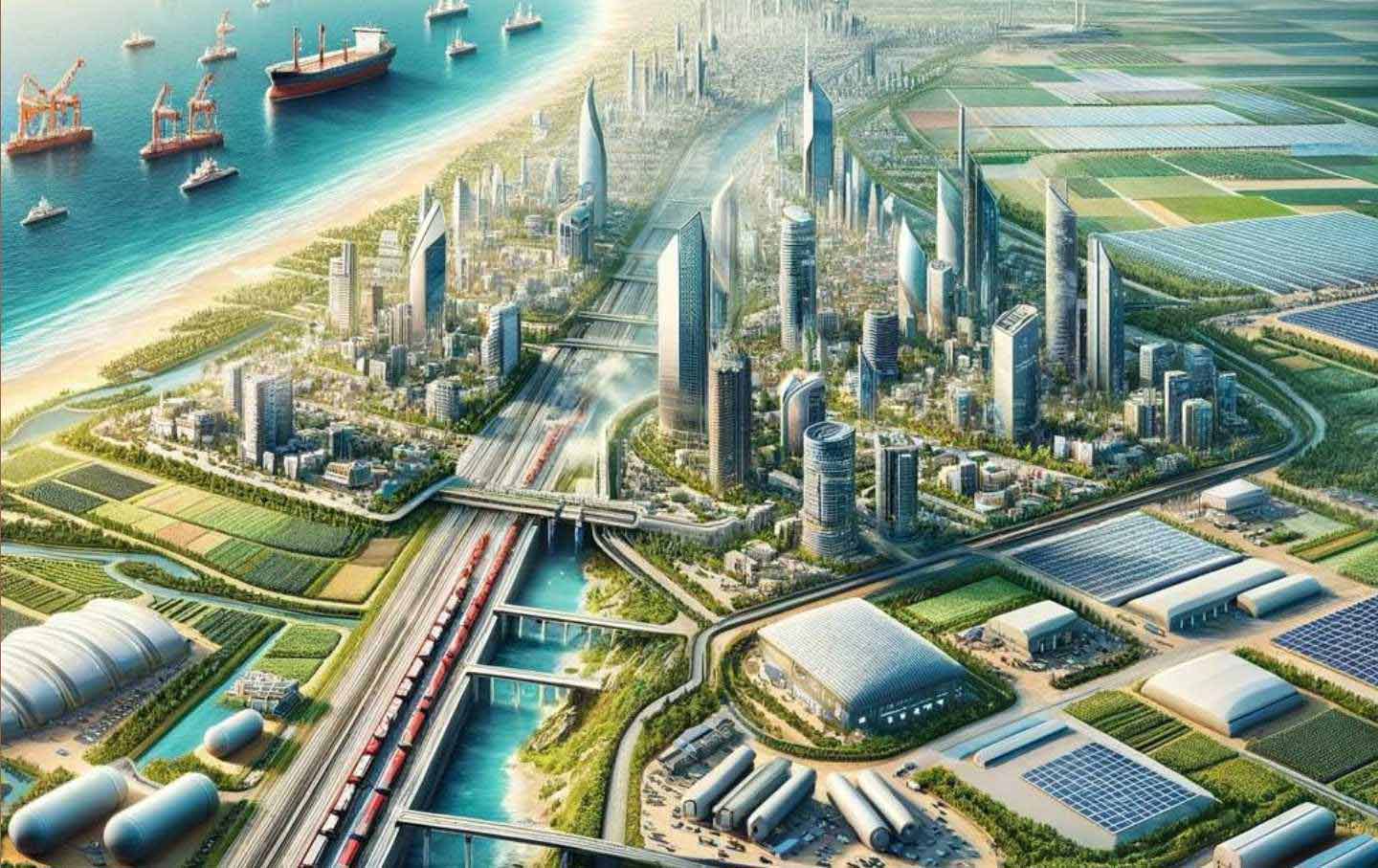
Launched in 2023 by Crown Prince Mohammed bin Salman, the New Murabba project is part of Saudi Arabia’s broader Vision 2030, aimed at reducing the nation’s reliance on oil revenues by fostering new industries and boosting economic growth. The initiative aims to transform the heart of Riyadh into a sprawling mixed-use urban area, poised to redefine the cityscape with a mix of residential, commercial, and entertainment offerings.

The project will cover an area of 19 square kilometres, positioning it as one of the largest urban developments globally. Its scale is unprecedented, making it one of the most ambitious projects in Saudi Arabia’s recent history. The new district is expected to accommodate over 100,000 residents and create hundreds of thousands of jobs in various sectors, significantly contributing to Riyadh’s economic development.

One of the key areas that Dyke highlighted during his speech at the forum is the focus on technology. The New Murabba project aims to integrate cutting-edge technological innovations into its design and infrastructure. The development will feature smart city technologies, including AI-driven systems for traffic management, energy conservation, and public services. Moreover, the project is expected to foster a thriving ecosystem for tech startups and established companies, making it an attractive destination for both domestic and international tech investors.

The project’s real estate and construction sectors will also play a pivotal role. With residential spaces, luxury hotels, office towers, and retail outlets planned, the project is designed to meet the needs of a diverse range of residents, businesses, and tourists. This focus on mixed-use developments aims to create a self-sustaining urban area, with a heavy emphasis on sustainability and green architecture. Additionally, the construction phase alone is expected to generate significant economic activity, providing a substantial number of jobs in the kingdom’s building sector.

New Murabba’s strategic location within Riyadh further boosts its potential as a central business and cultural district. It will be positioned in close proximity to key landmarks, including the King Abdulaziz Historical Centre and the King Saud University, enhancing its accessibility and making it a focal point for both locals and visitors. The project’s proximity to the King Khalid International Airport is also expected to make it a prime location for international businesses, especially in the tech and tourism industries.

The Saudi government’s backing of the New Murabba initiative signals a strong commitment to its diversification efforts. As part of the Vision 2030 programme, the kingdom is looking to foster a more sustainable and diversified economy, moving away from its dependence on oil exports. This development aligns with broader trends in urbanisation across the Middle East, where large-scale projects are shaping the future of cities and driving economic change.

The investment opportunities presented by New Murabba are expected to attract a wide range of investors from various sectors. For real estate developers, the sheer scale of the project represents an unparalleled opportunity. For technology firms, the integration of smart city technologies offers a unique environment in which to develop and test innovative solutions. Meanwhile, the construction sector stands to benefit greatly from the demand for infrastructure and buildings, with the long-term potential for growth in both residential and commercial spaces.

With the Saudi government’s push for private sector involvement, the New Murabba project is expected to be a catalyst for further investments in the kingdom. The involvement of international investors and companies will be crucial to its success, with the project acting as a gateway to other opportunities within Saudi Arabia’s growing economy.


KINSHASA, CONGO – Media OutReach Newswire – 25 October 2025 – The Government of Kinshasa, the capital of the Democratic Republic of the Congo, and Vingroup (Vietnam) have signed a Memorandum of Understanding (MoU) to collaborate on research and development of large-scale urban projects and green mobility. The agreement marks an important milestone in the cooperation between Vietnam and Democratic Republic of the Congo, reflecting the shared […]

The Dubai-based airline Emirates has formally marked 25 years of its flight operations to Uganda, signalling both a milestone in the company’s growth in East Africa and its deeper entrenchment in the Ugandan travel market. Since its first landing in 2000, the carrier reports transporting 2.8 million passengers on 15,900 flights between Uganda’s capital region and Dubai. At launch, the service flew three times weekly, routed via […]

HONG KONG SAR – Media OutReach Newswire – 18 October 2025 – Joyful Alliance, a Singapore-headquartered investment firm, today announced it will propose the development of the Wakayama Integrated Onsen Resort to the Wakayama City Government. The two parties officially signed the memorandum of cooperation on October 17. Joyful Alliance will propose an Integrated Onsen Resort development in Wakayama City, Japan, projected to attract millions of visitors […]

Gold continues its ascent worldwide as festival-driven demand collides with macroeconomic turbulence. Spot prices have broken past $4,300 an ounce, prompting Indian domestic rates to reach ₹1,31,699 per 10 grams and record premiums in key markets. HSBC, recalibrating its outlook, now forecasts average gold at $3,355 for 2025 and $3,950 for 2026, citing sustained safe-haven interest. Buyers in India are shifting patterns: instead of heavy gold jewellery, […]

DP World has struck a joint venture with Tashkent Invest, a firm under the Tashkent City Administration, to build and manage a multimodal logistics terminal in the Yangi Avlod Special Industrial Zone in the Yangihayot district on the outskirts of Tashkent. Under the deal, DP World will own 85 percent of the venture and Tashkent Invest will contribute 15 percent. The overall investment across three phases is […]

Advertisements

Saudia’s inaugural direct passenger flight from Riyadh to Moscow landed on Friday at Sheremetyevo airport, signalling a new chapter in Saudi–Russian air connectivity. The airline plans to operate three weekly round-trip services, integrating tourism, business and diplomatic traffic between the two capitals.

The launch positions Saudia alongside Flynas, which commenced direct operations between Riyadh and Moscow’s Vnukovo airport in August with three weekly flights. Flynas is also slated to begin a Jeddah–Moscow route come December. The twin developments reflect a concerted push by both states to deepen bilateral ties through aviation links.

The Riyadh–Moscow air bridge is underpinned by the Saudi Tourism Authority and the Air Connectivity Program, designed to promote cross-border mobility and support Saudi Vision 2030. Saudia officials say ticketing and scheduling are aligned to accommodate business travellers, diplomats and leisure tourists. The route’s launch was celebrated in both capitals, where it was honoured with a water cannon salute at Sheremetyevo and a gala in Moscow attended by diplomatic representatives and aviation executives.

Russia has experienced a surge in travellers from Saudi Arabia. In 2024, over 52,400 Saudis visited Russia, a leap from just 9,300 the previous year, following Moscow’s August 2023 e-visa reform that enabled Saudis easier access. Likewise, Russian visitors to the Kingdom have grown steadily, aided by anticipatory visa liberalisation and reciprocal travel facilitation efforts.

Russian Foreign Minister Sergey Lavrov, during talks with his Saudi counterpart, described the launch as an enabler of “tourist exchanges and business contacts,” citing that growing demand warranted direct air links. On the ground, Sheremetyevo’s scheduling system already lists flights to Riyadh beginning mid-October, operating up to five times weekly.

The timing dovetails with a broader recalibration in Saudi foreign policy and energy diplomacy. The personal rapport between Crown Prince Mohammed bin Salman and President Vladimir Putin has been instrumental in facilitating cooperation within the OPEC+ framework. Cooperation in trade, energy and security has steadily flourished in recent years, and aviation ties now offer a tangible bridge between economies.

Saudia’s fleet expansion and network strategy underscore that the Moscow link is more than symbolic. The airline now serves over 100 destinations across four continents, with plans to expand to 145 destinations by 2030. Performance figures underscore ambition: in the first half of 2025, Saudia carried 17.5 million passengers and operated 100,000 flights.

The route is expected to spur ancillary sectors. Saudi tour operators are preparing Russia-focused packages including Moscow, St Petersburg, and beyond, while Russian travel agencies are packaging Saudi cities and pilgrimage circuits. Pilgrim traffic is especially significant: the Moscow launch could funnel more Russian pilgrims directly to Mecca or Medina via Riyadh.

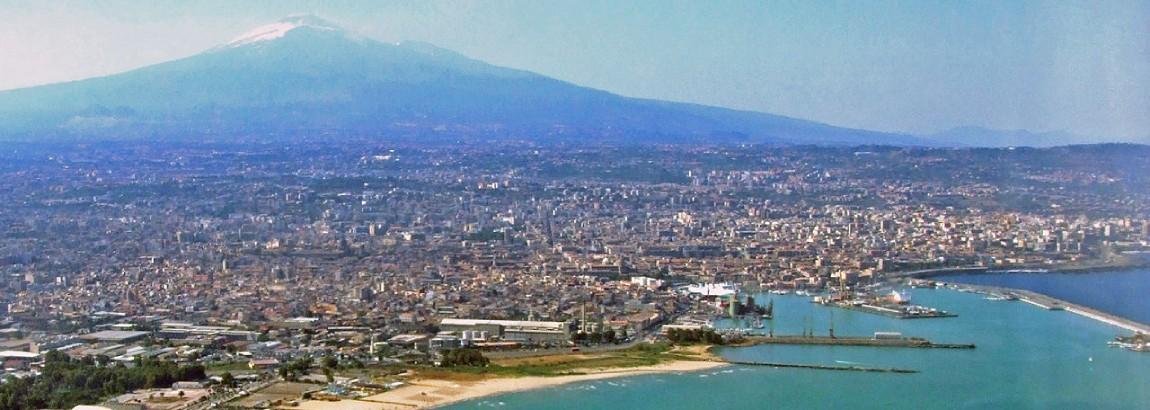
Abu Dhabi’s sovereign wealth fund ADQ has shown preliminary interest in acquiring a majority stake in SAC, the operator of Catania Airport in Sicily, sources said, as investor focus intensifies on Italy’s regional infrastructure.

The sale process is not yet formally launched; however, ENAC is evaluating a draft tender expected to receive approval by late October to set the transaction in motion. Under the plan, between 51 % and 66 % of SAC would be sold. The asset is valued at between €500 million and €600 million, underpinned by projected core earnings in excess of €30 million.

SAC, controlled by local authorities and chambers of commerce, manages both Catania–Fontanarossa—Italy’s fifth busiest airport by traffic—and Comiso Airport in southern Sicily. The operating concession runs through 2049. The Sicilian airport served over 12.3 million passengers in 2024.

Privatisation of Sicily’s airports has been under discussion since 2022, when SAC appointed Mediobanca to advise on structuring the deal. Local shareholders have recently approved calls for an international tender and adopted updated industrial plans to attract private capital, while pledging to retain a qualified minority stake.

Antonino Belcuore, special commissioner of the Chamber of Commerce of South and East Sicily, welcomed ADQ’s interest, stating that it underscores the strategic importance of the asset and aligns with the broader push for privatisation in Sicily. ADQ declined to comment; SAC and ENAC have not issued responses.

ADQ currently holds investments spanning transport and logistics, including interests in Abu Dhabi Airports and Etihad Airways, and manages a portfolio worth approximately US$251 billion. Analysts say its appearance among suitors signals growing appetite from Gulf-based capital for stable, long-term infrastructure assets in Europe.

Observers flag that the EU and Italy are increasingly receptive to foreign capital inflows into infrastructure, particularly where public budgets remain constrained. The potential deal dovetails with Prime Minister Giorgia Meloni’s agenda to deepen ties with Gulf states, exemplified by agreements under which the UAE committed to invest US$40 billion across strategic sectors in Italy.

Should ADQ or another bidder proceed to formal offers, the Catania sale could set benchmarks for airport privatisations in southern Europe. Authorities will need to balance investor returns with preserving public oversight, territorial interests, and aviation safety standards.

Local stakeholders—including regional governments and municipalities—are expected to negotiate protections within the concession framework to safeguard continuity of services, employment, and regional development. Meanwhile, potential bidders are assessing traffic trends, inflation, regulatory risk, and concession duration as they size their offers.

The sale of SAC would open a new chapter in Italy’s ongoing wave of airport privatisations, which has involved assets in the UK and across European markets. That backdrop provides precedent and comparators for valuation, regulatory design, and deal structures.

Abu Dhabi Airports, Al Hail Holding and technology partner Xare have signed a memorandum of understanding to pilot a regulated digital wallet for inbound visitors at Zayed International Airport, aiming to streamline payments and reinforce the UAE’s digital economy ambitions.

The three parties will also collaborate on smart mobility and sustainable infrastructure projects that integrate AI-driven transport systems and next-generation payment platforms. Abu Dhabi Airports will supply operational support and infrastructure, while Al Hail Holding, via its affiliates including Zand Bank and Index Exchange, will provide regulatory and financial structuring. Xare is tasked with the technological integration of wallet, merchant and partner interfaces.

Elena Sorlini, Managing Director and CEO of Abu Dhabi Airports, described the initiative as a shift in role for airports: “Airports are evolving from gateways into platforms for seamless digital commerce. Through our partnership … we will pilot cashless, next-generation payment technologies that simplify every step of the traveller journey and redefine convenience, sustainability and financial access.”

Hamad Jassim Al Darwish, CEO of Al Hail Holding, emphasised the alignment with UAE policy goals: “By combining our expertise in governance, regulatory engagement and financial services with Abu Dhabi Airports’ operational capabilities, we will deliver solutions that benefit travellers and contribute to national economic growth.”

Xare’s co-founder Milind Singh noted that the firm’s existing stack—covering instant onboarding, programmable payments and merchant connectivity—positions it to deliver monetisation options and novel traveller experiences across airports and city ecosystems.

Within the MoU, a joint steering committee will guide development and execution. Abu Dhabi Airports will integrate the wallet systems into its broader ecosystem, Al Hail Holding will coordinate with regulators and manage financial arrangements, and Xare will build the interface connecting travellers, merchants and payment rails.

The digital wallet aims to offer travellers a secure, cashless method to pay for airport services and possibly retail, while also exploring stablecoin or digital-asset payments as part of the architecture.

Beyond payments, the partnership targets smart mobility upgrades across airport operations. Anticipated efforts include AI-enabled systems, intelligent transport technologies and infrastructure enhancements to increase efficiency, safety and environmental performance across Abu Dhabi’s airport network.

The project aligns with the UAE’s Digital Economy Strategy and Abu Dhabi Economic Vision 2030, which prioritise adoption of advanced fintech, digital assets and sustainable infrastructure across sectors.

Wizz Air Hungary is reopening bookings for flights from Abu Dhabi to several European destinations, with services beginning in October and November 2025. Flight schedules show routes from Katowice and Krakow in Poland launching on 10 October. The carrier plans to resume Larnaca services from 15 November, operating four times weekly on Tuesdays, Thursdays, Saturdays and Sundays, and Sofia flights from 17 November on Mondays, Wednesdays and […]

Dubai Airports has announced an extended 10-year strategy aimed at transforming Dubai International and Dubai World Central – Al Maktoum into the world’s most accessible and inclusive airports by 2035. The plan underscores a shift from enhancing infrastructure alone to driving cultural change, embedding empathy and user-centred design in every element of the passenger journey.

The strategy rests on three pillars: reinforcing existing accessibility frameworks, improving guest experience across every touchpoint, and elevating the airports’ status as global benchmarks in inclusive aviation. The commitment aligns with the UAE’s broader obligations to support the rights of People of Determination and Dubai’s ambition to become a disability-friendly city.

Majed Al Joker, Chief Operating Officer of Dubai Airports, emphasised that accessibility is a “core pillar” rather than a peripheral initiative. He noted that, for the first time, the airport authority is co-creating programmes with the PoD community to redesign the passenger journey from their lived perspective. The launch coincides with the debut of a public awareness campaign called “DXB for All”, which presents six narratives of travellers with sensory sensitivities, mobility challenges, hearing or visual impairments, and highlights their airport experiences.

This new phase builds on the 2022 “We All Meet the World Differently” campaign. While that initiative focused primarily on raising awareness, the current strategy delves deeper by integrating accessibility into operations, staff training, and passenger interactions. Airport operators intend to cultivate empathy across staff, travellers, and the public, encouraging all stakeholders to reframe how they engage with PoD.

To facilitate inclusive travel, Dubai Airports already provides a suite of services: a Travel Planner visual guide, the Sunflower Lanyard to signal discreet assistance, free two-hour parking, dedicated taxis, wheelchair support from curb to gate, over 520 hearing loops across terminals, and a sensory-friendly Assisted Travel Lounge in Terminal 2. These measures will be expanded and refined under the new strategy.

The initiative is being deployed through the “oneDXB” partnership network, which includes Emirates, flydubai, Dubai Police, GDIFA, Dubai Customs, dnata, Dubai Health, Dubai Duty Free, Serco, and other stakeholders. The collaborative structure ensures that airport services, security, passenger handling, health and taxi operations all align with inclusivity goals.

Challenges are considerable. DXB is already operating near capacity: in 2024 it handled 92.3 million passengers, its highest ever annual volume. That puts pressure on space, queueing, and infrastructure to adapt without undermining operational efficiency. Meanwhile, DWC is undergoing significant expansion—with a projected $35 billion investment to scale it toward handling up to 260 million passengers annually. Dubai Airports plans to shift major operations to DWC by 2032, adding urgency to ensuring that new terminals and systems are fully accessible from the start.

Munich Airport reopened Saturday morning following a second shutdown in under 24 hours caused by drone activity near its runways, as Germany steps up its response to escalating airspace threats. Air traffic control first suspended operations late Thursday after multiple drone sightings prompted restrictions and cancellations. Authorities say 17 departing flights were grounded and 15 incoming flights diverted, with around 3,000 passengers left in limbo. Operations resumed […]

Saudi Arabia has announced that half of all jobs in licensed tourism establishments must be staffed by Saudi nationals by 2028, signalling a significant policy shift to move citizens into non-oil sectors. The Ministry of Tourism says the measure will tackle the overreliance on expatriate labour and realign the workforce with Vision 2030 economic diversification goals. Under the new framework, the Saudisation ratio will rise gradually: 40 […]

Kuwait has issued $11.25 billion in sovereign bonds split across three maturities, marking its first successful US dollar debt sale since 2017 and signalling a renewed re-entry into global capital markets. The offering drew strong investor demand, allowing the country to secure attractive pricing even as it seeks to diversify its funding amid mounting fiscal pressures.

The issuance comprised $3.25 billion in three-year bonds at 40 basis points over US Treasuries, $3 billion in five-year bonds also at 40 bps, and $5 billion in ten-year bonds at 50 bps. Order books reached as high as $28 billion—roughly 2.5 times oversubscribed—enabling Kuwait to tighten guidance from initial levels. Over two-thirds of the allocations went to investors outside the Middle East and North Africa, with significant participation from the United States, Europe, the United Kingdom and Asia.

Acting Finance Minister Subaih Al-Mukhaizeem described the deal as “historic”, citing that it reflects “global markets’ confidence in Kuwait’s financial strength, prudent policies, and solid reserves.” He added that this issuance reinforces Kuwait’s reputation as a credible sovereign issuer while supporting the New Kuwait 2035 vision of economic transformation.

Analysts noted that the spreads achieved in this issuance are significantly tighter than Kuwait’s inaugural dollar bond sale in 2017, underscoring market optimism about its credit metrics and macro outlook. Its low debt burden—currently less than 10 percent of GDP—offers the space for measured borrowing, even while the International Monetary Fund projects that the ratio may rise toward 25 percent by 2030 as deficits widen.

The path to this issuance was opened in March with the passage of a long-delayed public debt law, which raised the borrowing ceiling from KD 10 billion to KD 30 billion and permitted longer maturities. That law had been stalled for years due to clashes between the appointed government and the elected parliament; in response, the emir dissolved parliament for up to four years, clearing the way for reform.

Kuwait is the latest Gulf sovereign to take advantage of favourable global interest rates and strong investor appetite, joining others such as Saudi Arabia, the United Arab Emirates and Bahrain in tapping dollar markets to address fiscal gaps and finance diversification programmes.

While the bond sale delivers fresh funding, questions remain about Kuwait’s strategy for deploying the proceeds. Its economy remains heavily dependent on hydrocarbon revenues, which accounted for nearly 90 percent of government income in the most recent fiscal year. Previous reporting indicates that proposed projects include infrastructure upgrades such as a new port and airport expansion, intended to generate non-oil revenue streams.

GlobalSource Partners had speculated earlier that Kuwait’s general deficit could rise to between 7 and 8 percent of GDP in the current year, with this issuance expected to cover a large portion of the shortfall. The country has also tapped local debt markets, issuing about $5 billion in domestic bonds before turning to international markets.

Passenger volume across African airlines is forecast to reach 113 million in 2025, up from 98 million in 2024—an increase of about 15.3 %, according to the African Airlines Association. With such growth, aviation stakeholders are stepping up calls to liberalise air transport across the continent to unlock further gains. A core mechanism in this push is the Single African Air Transport Market, conceived under African Union […]

Citadines strengthens leadership in the resilient upper-midscale segment through rapid conversions and geographical diversification Franchise model gains momentum as a driver of scalable, efficient growth Global brand campaign amplifies refreshed Citadines lifestyle with activ∞ and “For the Love of Coffee” experiences across operational properties SINGAPORE – Media OutReach Newswire – 24 September 2025 – The Ascott Limited (Ascott), the wholly owned lodging business unit of CapitaLand Investment […]

HONG KONG SAR – Media OutReach Newswire – 22 September 2025 – In his fourth Policy Address (September 17), John Lee, Chief Executive of the Hong Kong Special Administrative Region (HKSAR), set out strategies to advance the integrated development of culture, sports and tourism, creating a robust self-reinforcing cycle to generate fresh economic momentum and raise Hong Kong’s global appeal. The Government will consolidate Hong Kong’s position […]

Airports across Brussels, London, Berlin and Dublin are working to restore normal flight operations after a cyber-attack on the Muse check-in software operated by Collins Aerospace disrupted check-in, boarding pass and baggage tag services. Brussels remains the worst affected, with cancellations, delays and airport officials warning of further cancellations into Monday. Collins Aerospace, part of RTX Corporation, confirmed its check-in and baggage drop systems have suffered a […]

Record trade worth AED 336 billion from the Dubai Integrated Economic Zones Authority across its three free zones marked a 19% increase over 2023, with the zone authority accounting for 13.7% of Dubai’s non-oil foreign trade—the highest share recorded.

Dubai Airport Free Zone, Dubai Silicon Oasis and Dubai CommerCity together processed trade volumes of 444,300 tonnes, representing a rise of over 28% compared with 346,700 tonnes the year prior. Sector-wise, machinery, electrical and electronics led the growth, making up about 72% of total trade and increasing by approximately 17%. Precious stones, metals, jewellery and ornaments grew by 33% and contributed about 22%. Combined, both sectors accounted for nearly 94% of total trade activity.

Sheikh Hamdan bin Mohammed bin Rashid Al Maktoum, Crown Prince of Dubai and Chairman of the Executive Council, stated that these outcomes reflect Dubai’s ambition under the Economic Agenda D33, enhancing its role as a global hub through innovation and competitiveness. Sheikh Ahmed bin Saeed Al Maktoum, Chairman of DIEZ, affirmed this was the fourth year of sustained growth, noting increasing investor confidence and strengthened global trade partnerships.

Volume growth and value growth were supported by improved infrastructure and “integrated services” across the three zones, which reduced friction in supply chains. DIEZ’s performance coincided with Dubai as a whole achieving record highs in non-oil foreign trade.

While machinery, electronics and precious materials drove most of the expansion, other sectors are underrepresented, indicating a dependency on high-value goods. The focus now may turn to diversification to prevent vulnerabilities to sector-specific global headwinds. Economists suggest sustaining infrastructure investment and expanding trade ties beyond traditional markets will be critical for maintaining momentum.

A cyberattack that compromised the MUSE software of Collins Aerospace has caused delays and cancellations at several of Europe’s busiest airports, including Heathrow, Berlin Brandenburg, and Brussels. The disruption has affected electronic check-in and boarding systems, forcing manual processing and straining airport operations. The attack, which targeted a service provider used by multiple airlines, has resulted in subdued automated systems at these airports. Heathrow warned of potential […]

A trial parcel delivery by drone has been carried out in Abu Dhabi, with a package flown from Al Samha to the Khalifa Industrial Zone Abu Dhabi using an unmanned aerial vehicle equipped with a robotic arm. The operation, overseen by the Integrated Transport Centre and LODD Autonomous, relied on state-of-the-art navigation technology to ensure precision and efficiency. The initiative aligns with the emirate’s strategy under the […]

Flydubai began service to Iași in Romania with twice-weekly flights, making it the first carrier from the United Arab Emirates to connect Dubai directly with Romania’s cultural capital of Moldavia. The new route operates on Tuesdays and Fridays between Dubai International’s Terminal 2 and Iași International Airport.

The airline is also scaling up its operations to Bucharest, moving from three weekly flights to three daily services, which will bring the weekly frequency between Dubai and the Romanian capital to 21 flights.

Flydubai has placed Iași as its second Romanian destination, following Bucharest, and has already expanded into the neighbouring region with the launch of flights to Chișinău in Moldova. Further expansion for Europe includes planned routes to Vilnius and Riga later in the year.

Jeyhun Efendi, Divisional Senior Vice President of Commercial Operations and E-commerce at Flydubai, said growth in Romania has averaged about 16 per cent annually on the Bucharest route since flights launched in 2012. He expressed confidence that the new Iași service and increased frequency to Bucharest will offer passengers more convenience and opportunities for both cultural and business travel.

Romeo Vatră, General Manager of Iași Airport, described the route’s inauguration as a “significant milestone”, noting that Iași becomes the only airport in the Moldova region with a direct link to the United Arab Emirates.

Fare details were published: return fares in Business Class from Dubai to Iași start from AED 8,000, while in Economy Lite they begin at AED 1,600. In the reverse direction, prices start at EUR 2,000 and EUR 380 respectively.

The pop-up will feature Exclusive Noguchi Coin x Jewel Limited-Edition Commemorative Coin and GST-exempt Coins from Mints across the World SINGAPORE – Media OutReach Newswire – 19 September 2025 – Noguchi Coin will unveil the first-ever Jewel Special Edition Commemorative Coin at its debut overseas pop-up in Jewel Changi Airport, Singapore. Strictly limited to 100 pieces and available only for a limited time, the release marks a […]

VISHNU RAJA
RYO YAMADA
HITORI GOTOH
IKUYO KITA