News related to
airport

flydubai has officially inaugurated its new Business Class Lounge at Terminal 2 of Dubai International Airport (DXB), a move aimed at enhancing the travel experience for its premium passengers. This opening aligns with the airline’s ongoing efforts to offer top-tier services and improve convenience for its growing number of high-end travelers.

The launch event was attended by key figures from the airline and local government, including Hamad Obaidalla, Chief Commercial Officer at flydubai, and H.E. Major-General Obaid Muhair bin Suroor, Deputy Director-General of the General Directorate of Residence and Foreigners Affairs in Dubai. Both emphasized the strategic importance of the new lounge in fostering customer satisfaction and reinforcing Dubai’s position as a global hub for air travel.

flydubai’s new Business Class Lounge is designed to offer a comfortable, spacious environment with state-of-the-art amenities, ensuring that passengers can relax or work in a serene setting before their flights. The lounge features a variety of seating options, private workstations, high-speed Wi-Fi, and an extensive selection of food and beverages, tailored to meet the needs of both business and leisure travelers.

The move marks a significant upgrade to the airline’s offerings, as it continues to expand its route network and improve its services. This new lounge, located in the busy Terminal 2, is also a step towards aligning the airline’s infrastructure with the high standards expected of modern international airports. Terminal 2 handles millions of passengers annually, with a significant portion of those traveling in premium classes, further underscoring the demand for such facilities.

The opening of the lounge comes at a time when global air travel is recovering from the pandemic, with airlines increasingly focusing on improving customer experience and loyalty. This lounge is part of flydubai’s broader strategy to distinguish itself in a highly competitive market by offering tailored services for its business class passengers. The airline has made significant strides over the years, with a focus on modernizing its fleet, expanding routes, and improving in-flight services. The introduction of premium lounges at key airports is another step in its long-term vision to provide a seamless travel experience that meets the expectations of today’s discerning passengers.

The flydubai Business Class Lounge is not only a reflection of the airline’s commitment to customer care but also a response to the growing trend among travelers seeking high-end, comfortable experiences at airports. According to aviation industry experts, premium passengers are increasingly looking for more than just luxury in-flight services; they want a complete experience, starting from the moment they step into the airport. This is particularly true in Dubai, where the airport is a critical hub for international connections, and many passengers spend hours waiting for their connecting flights.

The lounge’s design emphasizes a blend of functionality and luxury. The space is divided into different zones, offering everything from quiet areas for relaxation to more active zones for business meetings. The introduction of private workstations caters to business travelers who need a quiet place to prepare for meetings or make calls. For those looking to unwind, the lounge offers a variety of entertainment options, including television screens and comfortable lounge seating. The food and beverage offerings are diverse, with an emphasis on fresh and healthy options, as well as a selection of regional and international delicacies.

Hamad Obaidalla, speaking at the event, noted that the lounge was not only a response to growing demand but also a reflection of the airline’s dedication to innovation in customer service. “As we continue to expand our operations, we are committed to enhancing the travel experience for our passengers,” he said. “The new lounge is an example of how we are investing in facilities that provide our customers with comfort and convenience at every step of their journey.”

The inauguration of this lounge highlights Dubai’s continuous efforts to upgrade its aviation infrastructure. Dubai International Airport has long been a leading global airport, serving millions of passengers each year, and it continues to evolve to meet the needs of the growing air travel market. With new developments, such as the flydubai Business Class Lounge, the airport reaffirms its role as a key player in the global aviation industry.

The move also aligns with broader trends in the aviation sector, where airlines are increasingly focusing on customer experience to stay competitive. In recent years, airlines worldwide have been ramping up their investments in premium services, including dedicated lounges, personalized travel experiences, and enhanced in-flight offerings. As competition in the Middle East’s aviation market heats up, carriers like flydubai are striving to set themselves apart by offering not only affordable fares but also world-class services.

This new facility also reflects the airline’s increasing focus on the business and corporate travel market. Dubai’s status as a global business hub is well-established, and flydubai’s new lounge is designed to cater to the needs of travelers who prioritize efficiency and comfort. Business travelers often have tight schedules and expect high levels of service both on the ground and in the air. With this new lounge, flydubai hopes to make the airport experience as seamless and stress-free as possible.

KUALA LUMPUR, MALAYSIA – Media OutReach Newswire – 16 December 2024 – In December, China’s leading premium modern tea drink brand, NAIXUE, officially opened its first store at The Exchange TRX mall in Kuala Lumpur, Malaysia. Situated in a prime location on the concourse level of the mall, NAIXUE features a bright and cozy interior. During the opening, NAIXUE’s freshly-made tea drinks attracted a large crowd, with […]

The Roads and Transport Authority (RTA) of Dubai has officially launched the ‘Logisty’ platform, a major technological initiative aimed at enhancing the efficiency of freight transport across the region. The platform, designed to streamline logistics operations, will serve as a pivotal tool for both local businesses and international traders, helping to optimize the movement of goods in and out of Dubai. With logistics playing a key role […]

The Riyadh Metro project, a pivotal component of Saudi Arabia’s Vision 2030 strategy, has achieved another significant step forward with the inauguration of the Red and Green lines. These additions to the expansive transportation network underline the city’s ambitions to become a global urban hub and address critical challenges such as traffic congestion and carbon emissions.

The launch follows years of meticulous planning and phased implementation by the Royal Commission for Riyadh City (RCRC). With six lines spanning 176 kilometers and connecting 85 stations, the Riyadh Metro represents one of the largest urban transport initiatives in the Middle East. The network’s phased rollout began earlier this month, with the Blue, Yellow, and Purple lines debuting on December 1. The Orange Line is scheduled to complete the system’s full deployment in early January 2025.

The Green Line, traversing King Abdulaziz Road, and the Red Line, covering King Abdullah Road, collectively add over 38 kilometers of coverage. These routes aim to improve connectivity between key residential, commercial, and educational districts, including access to King Khalid International Airport and King Abdullah Financial District (KAFD), the latter a central hub for the kingdom’s economic diversification.

Operational details confirm daily metro services running from 6 a.m. to midnight, with high-tech, fully automated trains ensuring seamless transport. Travelers can choose between various ticketing options, ranging from SAR 4 for a two-hour pass to SAR 140 for a 30-day unlimited pass, while premium class tickets cater to those seeking enhanced comfort. The user-friendly Darb mobile app facilitates route planning and ticket purchases, promoting a convenient and integrated experience for commuters.

The Riyadh Metro is also celebrated for its eco-friendly design. Incorporating solar panels in station construction, the project offsets 20% of its energy needs through renewable sources. Once fully operational, the metro is projected to reduce 250,000 daily car journeys, saving approximately 400,000 liters of fuel and significantly cutting urban pollution levels. These measures align with the global push for sustainable urban development.

RCRC’s strategic vision extends beyond transportation, with metro stations doubling as community hubs. Major stations such as KAFD Metro Station and Qasr Al-Hukm District Station offer not only transit services but also retail outlets, air-conditioned lounges, and parking facilities accommodating thousands of vehicles. The separation of family and single carriages caters to cultural sensitivities, while a VIP class provides exclusive amenities for premium passengers.

following the structure and guidelines provided. I’ll research and return shortly with the completed piece.

Saudi Arabia aims to redefine global tourism with FIFA World Cup 2034

Saudi Arabia is gearing up to host the FIFA World Cup in 2034, an event set to elevate its global profile while aligning with its Vision 2030 objectives. This monumental occasion is more than just a sporting event; it serves as a platform for the Kingdom to showcase its ambitious advancements in real estate, infrastructure, and tourism, positioning itself as a premier global destination.

The Kingdom’s preparation includes massive investments in hospitality and tourism infrastructure. By 2030, it aims to double the capacity of hotel rooms to accommodate the influx of football fans and tourists. Landmark projects like NEOM and the Red Sea Project are expected to play pivotal roles, with a strong emphasis on integrating luxury, sustainability, and cutting-edge design. The Red Sea Project, for instance, prioritizes renewable energy, ecosystem preservation, and minimal carbon footprint, underlining Saudi Arabia’s commitment to sustainable tourism.

Riyadh, the capital city, will undergo a transformative urban upgrade, aiming to rival major global cities. Planned enhancements include a new airport terminal, efficient public transportation systems, and advanced stadium facilities. The World Cup is projected to attract millions of international visitors, offering a significant boost to local businesses and the hospitality sector. Furthermore, the Kingdom’s strategy involves leveraging digital innovations to provide seamless experiences for visitors, including advanced ticketing systems, smart tourism platforms, and AI-driven logistics management.

Cultural tourism will also be a focal point, with initiatives to promote Saudi Arabia’s rich heritage and traditions. Sites like Diriyah and AlUla, both recognized for their historical and archaeological significance, are being developed into world-class tourist attractions. These efforts aim to foster cultural exchange while boosting Saudi Arabia’s reputation as a diverse and inclusive travel destination.

Economic analysts anticipate a significant boost to the local economy, with increased job creation in sectors such as construction, transportation, and hospitality. The World Cup aligns closely with Vision 2030, which seeks to diversify the Kingdom’s economy by reducing reliance on oil revenues. By capitalizing on global events, Saudi Arabia is positioning itself as a hub for international investment, tourism, and cultural collaboration.

Saudi Arabia’s Public Investment Fund (PIF) has acquired a 15% stake in the holding company of Heathrow Airport, marking a significant step in the sovereign wealth fund’s expansion into global infrastructure. The transaction, valued at approximately £1.3 billion, is part of a broader agreement where Paris-based private equity firm Ardian also purchased a 22.6% stake in FGP Topco, Heathrow’s parent company, from the Spanish infrastructure firm Ferrovial. Together, the deals represent a combined investment of £3.3 billion, valuing Heathrow at £8.7 billion, slightly lower than its previous valuation of £9.5 billion.

Ferrovial, which held a substantial interest in Heathrow since 2006, has been gradually divesting its stake. This sale is part of its strategy to refocus its portfolio while retaining a 5.25% minority interest in the airport. Qatar Investment Authority remains one of Heathrow’s major shareholders with a 20% stake, alongside other institutional investors like Singapore’s GIC and Canada’s Caisse de dépôt et placement du Québec, each holding smaller shares.

The move underscores PIF’s commitment to diversifying its investments and aligning with Saudi Arabia’s Vision 2030, which emphasizes economic diversification beyond oil revenues. Heathrow Airport, one of the busiest global travel hubs, handled over 80 million passengers annually before the pandemic and remains a critical node for international connectivity.

HONG KONG SAR – Media OutReach Newswire – 5 December 2024 – The MIPIM Asia 2024 Awards, which honor excellence and innovation in Asia’s real estate industry, reveals this year’s winners during the Gala Dinner on December 4 at the Grand Hyatt in Hong Kong. The prestigious awards garnered numerous nominations from various countries, showcasing the remarkable diversity and growth within the sector. This wide array of […]

Advertisements

Autonomous vehicles are making strides in Abu Dhabi as driverless taxis, also known as robotaxis, operate on specific routes in the capital. The initiative, a collaboration between WeRide, a pioneering autonomous vehicle company, and ride-hailing platform Uber, has been launched on routes connecting Yas Island, Saadiyat Island, and Sheikh Zayed International Airport. Currently available for select bookings under UberX or Uber Comfort, this service represents a significant step in the UAE’s smart mobility aspirations.

WeRide, which holds the UAE’s first national license for self-driving vehicles, is integrating its autonomous fleet with Uber to expand accessibility. These vehicles, initially bookable via the TXAI app, are expected to feature on the Uber platform by year-end. Although pricing details remain under wraps, Uber has confirmed that qualifying ride requests may prompt users with the option to select a WeRide vehicle.

Dnata Logistics has launched a $27 million facility in Dubai South to strengthen its supply chain services in the region. This development aligns with the growing demand for advanced logistics and supply chain solutions in the UAE, particularly in the aviation and cargo sectors. The facility, spanning 20,000 square meters, is equipped with cutting-edge technology, including automated storage and retrieval systems and advanced temperature-controlled zones, catering to diverse industries such as pharmaceuticals, perishables, and e-commerce.

The new hub integrates dnata’s commitment to innovation, efficiency, and sustainability. It features solar panels and energy-efficient designs, reinforcing the company’s environmental objectives. Strategically located near Al Maktoum International Airport, the facility enhances the company’s operational capabilities, facilitating seamless import, export, and transit cargo handling. Guillaume Crozier, Senior Vice President of UAE Cargo at dnata, highlighted that the facility represents a significant step in delivering value-added solutions to customers and partners, emphasizing digital transformation and sustainability.

This expansion comes as part of dnata’s broader efforts to bolster the UAE’s position as a global logistics hub. The company’s collaboration with Dubai South aims to enhance efficiency and connectivity within the logistics corridor, integrating its systems with Dubai South’s smart gate mechanisms to streamline cargo processing. The partnership is expected to provide faster turnaround times, reduced costs, and increased transparency for stakeholders.

Dubai South, known for its extensive free zones and logistics infrastructure, continues to attract investments that align with the UAE’s ambitions of becoming a global leader in logistics and trade. Mohsen Ahmad, CEO of Dubai South Logistics Zone, emphasized that such initiatives enable the development of a robust, technology-driven ecosystem catering to the needs of global trade.

DHL’s GoHelp program equips local employees with critical disaster response skills to enhance resilience 20 years after the 2004 Indian Ocean tsunami devastated Sri Lanka COLOMBO, SRI LANKA – Media OutReach Newswire – 6 December 2024 – DHL Group has expanded its GoHelp Disaster Response Team (DRT) training to Sri Lanka, strengthening resilience and preparedness against disasters in the Asia Pacific region. DHL Group’s first GoHelp Disaster […]

Saudia, the Kingdom of Saudi Arabia’s national carrier, has entered into a strategic Memorandum of Understanding (MoU) with Air France-KLM to expand its maintenance, repair, and overhaul (MRO) capabilities, marking a significant step in its aviation development goals. This partnership aligns with Saudi Vision 2030’s emphasis on localization and technological advancement.

The agreement, signed in Riyadh, encompasses a range of collaborative efforts. Saudia will focus on localizing MRO services for GE90 engines, primarily used on Boeing 777 aircraft, with at least half of the work allocated to Air France-KLM. The partnership also explores establishing a joint venture for servicing GEnx engines, which power Boeing 787 jets. Saudia will leverage these initiatives to enhance its domestic technical capabilities while expanding its global operational reach.

Saudia’s collaboration extends beyond technical services. It aims to strengthen commercial ties with Air France-KLM by expanding codesharing agreements, providing increased connectivity on domestic and international routes, and improving operations at Paris Charles de Gaulle Airport. These efforts underscore the mutual benefits of the agreement for both airlines and the broader SkyTeam alliance, of which both are members.

RIYADH, SAUDI ARABIA – Media OutReach Newswire – 4 December 2024 – The prestigious Best Places to Work certification program has revealed its 2024 rankings, recognizing leading organizations in Saudi Arabia that excel in creating outstanding workplaces focused on employee satisfaction, engagement, and well-being. The rankings are divided into three categories based on company size: large, mid-sized, and small. In the Large Companies category (over 1,000 employees), […]

Abu Dhabi’s National Marine Dredging Company (NMDC) has expanded its reach into new sectors with the establishment of a dedicated logistics unit. This strategic move aims to enhance the company’s service offerings and leverage its operational expertise to capitalize on the growing demand for integrated logistics services. The new division will focus on providing logistics solutions for a wide range of industries, marking a significant shift in NMDC’s business trajectory.

The expansion comes at a time when the global logistics market is experiencing rapid growth, driven by advancements in technology and an increase in trade activities. NMDC’s decision to establish a logistics unit underscores its ambitions to diversify beyond its traditional dredging and marine operations. The move also positions the company to tap into a sector that is becoming increasingly vital to the supply chain, particularly in the Middle East, where infrastructure development continues to surge.

The logistics unit will provide end-to-end services, including transportation, storage, and distribution, aimed at industries such as construction, oil and gas, and infrastructure development. By venturing into this space, NMDC is poised to offer a broader suite of solutions to its existing client base while also attracting new customers from sectors that require sophisticated logistical support. The company’s extensive experience in project management and large-scale operations positions it well to integrate these new services into its existing portfolio.

According to industry experts, NMDC’s entry into the logistics market is a timely response to the increasing need for efficient supply chain solutions. The UAE, and particularly Abu Dhabi, is seeing a rise in demand for specialized logistics services driven by its growing infrastructure and energy sectors. With a well-established reputation for executing large-scale maritime and dredging projects, NMDC’s expansion into logistics is seen as a natural progression.

The establishment of the logistics division is expected to improve operational efficiency by streamlining the movement of goods, materials, and equipment across different sectors. Furthermore, the move aligns with broader economic trends in the UAE, where non-oil sectors are becoming a focal point of the country’s long-term economic diversification strategy. The UAE government has made significant investments in infrastructure, including airports, seaports, and transport systems, which have spurred demand for robust logistics capabilities.

One of the key advantages of NMDC’s new unit is its potential to integrate its marine expertise with logistics operations. Given the company’s vast experience in marine dredging, port construction, and offshore services, it is well-positioned to offer seamless transportation solutions for industries dependent on sea-based logistics. This expertise could offer a significant competitive edge, particularly in the context of the UAE’s strategic location as a hub for global trade. The integration of marine logistics with land-based services is expected to create a more efficient supply chain, allowing NMDC to offer cost-effective and timely solutions.

NMDC’s logistics expansion also reflects broader trends within the UAE’s corporate sector, where companies are diversifying to stay competitive amid evolving market conditions. The logistics sector, in particular, has attracted substantial investments from both public and private entities due to its role in supporting economic growth. As a result, many firms are increasingly seeking ways to enhance their capabilities to meet the demands of industries such as e-commerce, retail, and manufacturing.

The logistics unit will also have a significant impact on job creation within the region. As the company scales up its operations, it is expected to generate a range of employment opportunities, particularly for skilled workers in fields like supply chain management, transportation, and warehousing. The initiative also aligns with the UAE’s ongoing efforts to cultivate a competitive workforce and reduce dependency on foreign labor by providing more opportunities for local talent.

NMDC’s growth strategy involves not only expanding its reach in logistics but also enhancing its overall service capabilities to support the UAE’s broader economic objectives. The logistics division is expected to bolster the company’s presence in key regional markets, particularly as demand for efficient transportation services increases across the GCC and North Africa. By extending its services, NMDC aims to position itself as a leading player in the logistics sector, much like it has in the marine and dredging industries.

The logistics market in the UAE has witnessed significant growth in recent years, with an increasing number of companies entering the field to cater to the rising demand for transport, warehousing, and distribution services. NMDC’s move to enter this competitive market, however, comes with its own set of challenges. The logistics sector is highly competitive, with established players already commanding significant market share. However, industry analysts believe that NMDC’s reputation for successful large-scale project execution and its ability to integrate advanced technology into operations could give it a competitive advantage in the long term.

Technological innovation is expected to be a key focus for the logistics unit, with NMDC likely to implement smart logistics systems and automation to streamline processes. Technologies such as artificial intelligence, Internet of Things (IoT), and blockchain are increasingly becoming integral to the logistics sector, enabling companies to improve efficiency and transparency. By integrating such technologies, NMDC can not only optimize its logistics operations but also offer value-added services to customers who are increasingly seeking more digitized and automated solutions.

BANGKOK, THAILAND – Media OutReach Newswire – 3 December 2024 – Capstone Asset Co., Ltd. proudly unveils Peylaa Phuket Bang Tao, a THB 3.4 billion luxury condominium development in the iconic Bang Tao area of Phuket. Renowned for its world-class attractions and vibrant lifestyle offerings, this neighbourhood provides residents with proximity to Boat Avenue, golf courses, international schools, cafes, restaurants, shopping malls, and more. Peylaa Phuket Bang […]

The centrally located property is ready to welcome business and leisure travellers from 7 December 2024 MELAKA, MALAYSIA – Media OutReach Newswire – 3 December 2024 – Dusit Hotels and Resorts under Dusit International, one of Thailand’s leading hotel and property development companies, is delighted to announce the soft opening of its first hotel in Malaysia, Dusit Princess Melaka, on 7 December 2024. Dusit Princess Melaka offers […]

Abu Dhabi Investment Group is set to deploy a significant $100 billion in Brazil’s economy, marking a major step in the strengthening of bilateral economic ties between the UAE and Latin America’s largest economy. The announcement, made in late November 2024, highlights the UAE’s growing investment interests in Brazil, underscoring the nation’s desire to diversify its portfolio globally. The planned investments span a range of sectors, with […]

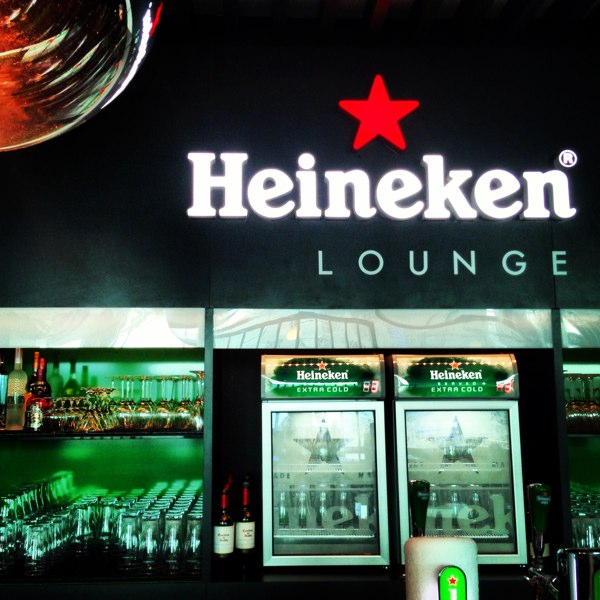
Heineken, the Dutch brewing giant, is preparing to open its first large-scale brewery in Dubai, a significant milestone in the evolving beverage industry within the Gulf Cooperation Council (GCC). This development, expected to materialize in 2024, will mark a pivotal shift in the region’s approach to alcohol production and consumption, reflecting broader changes in social and economic policies across the Middle East.

The brewery, located in Dubai Industrial City, will focus on producing various Heineken products tailored for the Middle Eastern market. This move aligns with Dubai’s strategic goals of fostering industrial diversification while attracting international investment to expand its manufacturing and export capabilities. With an estimated initial output of over 500,000 hectoliters annually, this facility represents one of the most ambitious projects of its kind in the Gulf region.

This initiative follows the UAE’s progressive steps to relax alcohol-related regulations to encourage tourism and economic growth. For instance, the country recently abolished its longstanding alcohol license requirement for personal consumption and introduced tax cuts on alcoholic beverages, effectively making them more accessible. The UAE remains an outlier in the GCC, where most countries maintain stringent controls on alcohol in adherence to cultural and religious norms.

The brewery will create employment opportunities and enhance Dubai’s standing as a hub for innovation and manufacturing excellence. With an emphasis on sustainability, Heineken plans to incorporate energy-efficient technologies and prioritize the use of local ingredients where feasible. This environmentally conscious approach underscores the company’s commitment to aligning its operations with the UAE’s sustainability initiatives.

The decision to establish operations in Dubai is also influenced by its logistical advantages. The emirate serves as a gateway to regional and international markets, offering robust infrastructure and connectivity. Industry analysts believe this move could spark increased competition in the regional beverage market, potentially encouraging other multinational firms to explore opportunities in the GCC.

This brewery is part of a larger trend where the Gulf region is witnessing shifts in lifestyle and economic priorities. While alcohol remains restricted in neighboring nations like Saudi Arabia, a more inclusive attitude toward diversifying economic activities is evident. Dubai’s openness to hosting Heineken’s venture highlights the city’s progressive stance and its broader ambition to solidify its position as a global city catering to diverse industries.

Emirates will introduce its first-ever Airbus A350 service to Edinburgh starting January 3, marking a new chapter in its global expansion. The new route will provide enhanced connectivity between the Scottish capital and Dubai, reflecting the airline’s strategy to further increase its presence in the UK market.

The Airbus A350, which Emirates debuted into its fleet in 2022, offers a blend of advanced technology and passenger comfort. It will replace the Boeing 777 on the Edinburgh route, further elevating the travel experience for passengers. The decision to operate the A350 on this route is part of the airline’s broader initiative to modernize its fleet and reduce its carbon footprint, while offering travelers the latest in aircraft design and amenities.

The introduction of the A350 on the Edinburgh route will provide passengers with a state-of-the-art flying experience. The aircraft features the latest cabin innovations, including fully private suites in first class, lie-flat seats in business class, and spacious economy class seating. Additionally, the A350 is equipped with advanced fuel-efficient engines, making it a key player in Emirates’ commitment to reducing emissions. The airline has emphasized that the aircraft is one of the most environmentally friendly options available in the market today, contributing to the airline’s sustainability goals.

The Edinburgh route is expected to be a significant boost to the city’s tourism and business travel sectors. As a popular destination for both leisure and corporate travelers, Edinburgh is anticipated to benefit from the increased air traffic and the arrival of Emirates’ premium services. The new service will provide more than just a direct link to Dubai; it will also connect Scottish passengers to Emirates’ extensive network in the Middle East, Asia, and beyond, including key destinations like India, Australia, and Africa.

The route launch has been met with optimism from local authorities and business leaders. Edinburgh Airport’s CEO, Gordon Dewar, expressed excitement over the introduction of the A350 service. He noted that Emirates’ decision to operate the A350 reflects the growing importance of Edinburgh in international aviation, reinforcing the city’s position as a major hub for global connectivity. The new service is expected to strengthen Edinburgh’s attractiveness as a destination for both business and leisure travelers.

For Emirates, this launch signals its continued commitment to expanding its UK network. The airline already operates a busy schedule from London Heathrow, Manchester, Birmingham, and Glasgow. Edinburgh’s inclusion in this network is seen as a strategic move to cater to the rising demand for flights to and from Scotland, particularly with the growing number of business ventures and investments being made in the region.

The A350’s launch into Edinburgh is not only significant for Emirates but also for the airline industry as a whole. With the aviation sector still recovering from the impacts of the global pandemic, carriers are increasingly looking to optimize their fleets for efficiency, sustainability, and customer experience. Emirates’ decision to operate the A350 on this route underscores the airline’s focus on staying ahead of industry trends and embracing technological advancements in aviation.

As the aviation industry continues to evolve, Emirates is positioning itself at the forefront of these changes. The airline has been upgrading its fleet to include more eco-efficient aircraft, with the A350 being a central part of this strategy. The move to phase out older, less efficient aircraft in favor of modern, environmentally friendly options is a key part of Emirates’ broader commitment to sustainability.

The new service is expected to operate daily, offering travelers flexible options for both outbound and return flights. The introduction of the A350 will be welcomed by many passengers who have long sought a more comfortable and sustainable travel experience on the Edinburgh-Dubai route.

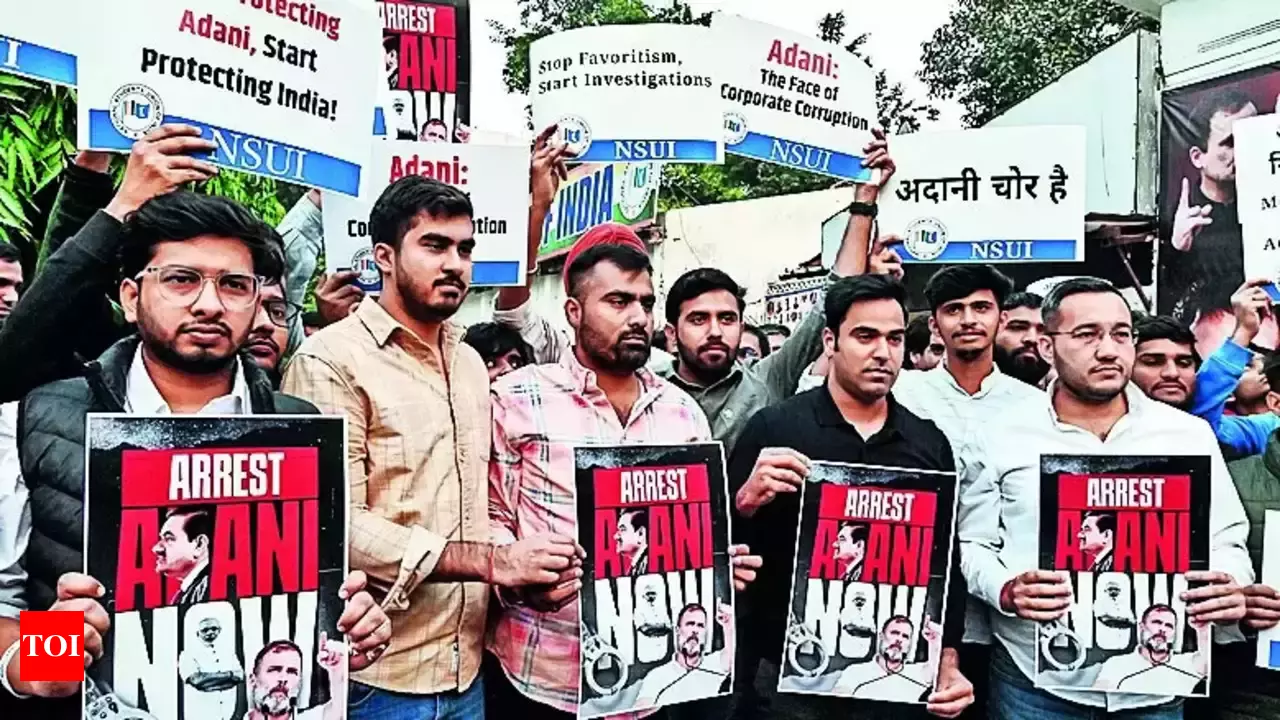
By Nantoo Banerjee If bribery is a common practice in business, and often viewed as the normal way of doing business in many countries, including India, there is little too sensational about the US Department of Justice indictment, last week, against India’s US$37-billion infrastructure conglomerate Adani group head Gautam Adani, his nephew Sagar Adani, Adani […]
The United Arab Emirates is navigating turbulent global geopolitical shifts, thanks to a series of robust economic policies that have helped the country weather external pressures, according to analysts. A combination of strategic diversification, government initiatives, and regional investments has fortified the nation’s resilience, enabling it to maintain stability in the face of rising global uncertainties. Despite increasing geopolitical tensions that have disrupted global supply chains and […]

Riyadh is set to mark a significant milestone in its urban development with the much-anticipated launch of the Riyadh Metro’s first phase on November 27. This phase will feature three key lines, marking the beginning of a transformative project aimed at reshaping the city’s public transport landscape.

The Riyadh Metro is one of the largest and most ambitious transportation projects in the world, spearheading the Saudi capital’s efforts to modernize infrastructure and reduce congestion. The first phase includes three lines: the Red Line, Green Line, and Blue Line. Together, these lines will cover a network spanning more than 40 kilometers and will offer commuters a fast, efficient, and environmentally friendly alternative to the city’s heavily congested roads.

The metro network is designed to cater to the growing population of Riyadh, which has seen rapid urbanization over the past few decades. With a population now surpassing 7.5 million, the city has been grappling with traffic congestion, air pollution, and a lack of efficient public transport options. The Riyadh Metro aims to address these challenges by providing a reliable, sustainable mode of transportation for both residents and visitors.

The project has been a long time in the making, with construction having begun in 2014. The Riyadh Metro is being developed by the Saudi Arabian government in collaboration with a number of international firms, including the Spanish company Obrascon Huarte Lain (OHL), the French multinational Alstom, and the American company Bechtel, among others. The project is a cornerstone of the Kingdom’s Vision 2030, which seeks to modernize and diversify the economy and improve the quality of life for Saudi citizens.

The Red Line, which will be the longest of the three, spans 22 kilometers and runs along a north-south axis, connecting key areas such as the King Abdulaziz Historical Center, King Saud University, and the King Khalid International Airport. This line is expected to significantly reduce travel times for residents and visitors moving between the city center and the airport, as well as improving access to cultural and commercial hubs.

The Green Line, at 13 kilometers in length, runs east-west and links some of Riyadh’s most densely populated neighborhoods. This line will provide an important service for commuters traveling between residential areas, business districts, and major shopping centers. The Green Line also intersects with the Red Line at several key points, allowing passengers to easily transfer between the two.

The Blue Line, though shorter at just 5 kilometers, will provide crucial access to critical sites within Riyadh’s urban core, including government buildings, commercial centers, and transportation hubs. This line is expected to help alleviate congestion in the city’s busiest areas, particularly during rush hours.

The Riyadh Metro’s infrastructure is designed with sustainability in mind, incorporating advanced technology to ensure minimal environmental impact. The system will be powered by electricity, which aligns with Saudi Arabia’s broader push toward cleaner, renewable energy sources. The trains are designed to be energy-efficient, with an automated system to reduce energy consumption during non-peak hours. In addition to being environmentally friendly, the metro is designed to handle high passenger volumes, with the system expected to carry around 1.16 million passengers per day once fully operational.

As the first phase of the Riyadh Metro prepares for its official launch, the city has been undergoing a significant transformation to accommodate the new system. New stations, depots, and maintenance facilities have been built, while roadways and pedestrian infrastructure have been upgraded to facilitate easy access to metro stations. Several test runs have been conducted to ensure the system operates smoothly and efficiently, and the Saudi government has promised to offer free rides during the initial months to encourage adoption among the city’s residents.

The Riyadh Metro will play a central role in addressing the Kingdom’s broader goals for urban mobility. Public transportation in Saudi Arabia has historically been limited, with car ownership and road travel being the primary modes of transport for most residents. The Riyadh Metro is expected to significantly reduce the city’s reliance on private cars, thus easing congestion and cutting down on air pollution. The metro is also expected to boost Riyadh’s economic development by providing better access to key business areas, enabling greater productivity and increasing the overall efficiency of the urban environment.

In addition to its environmental and economic benefits, the Riyadh Metro project is set to improve the quality of life for residents by reducing travel times and providing a safe, reliable, and convenient alternative to private cars. The metro stations have been designed with accessibility in mind, catering to the needs of people with disabilities, and offering modern amenities such as air-conditioned waiting areas, Wi-Fi, and ample space for commuters.

The completion of the first phase is just the beginning of a larger metro network planned for Riyadh. Future phases of the project will include additional lines, connecting more neighborhoods, business districts, and cultural centers. This expansion will help integrate the metro system into the city’s broader transportation ecosystem, which includes bus services, taxis, and ride-sharing options. The overall aim is to create a comprehensive, multimodal transportation system that enhances mobility and improves quality of life for all of Riyadh’s residents.

By K Raveendran The US chargesheet against the Adani group and the arrest warrant issued against Gautam Adani are the strongest indictment yet of the crony capitalism that has been playing out on the sides under the Narendra Modi government. The new developments shed light on the group’s rapid expansion, often facilitated by connections to […]

iShopChangi is throwing a year-end bash like no other! From now till December, get ready to snag spectacular deals of up to 60% off. Find everything from tech treasures to exclusive holiday beauty gift sets for early birds, perfect for gifting or treating yourself. Plus, stand a chance to score an exclusive Puffy Bag (Charcoal) with a Sanrio charm in an exclusive colour when you shop online […]

AirAsia is charting a bold course to establish a low-cost aviation hub, inspired by the success of Dubai, in key Southeast Asian cities like Bangkok and Kuala Lumpur. The carrier’s move comes at a time when it seeks to reposition itself after enduring a series of challenges that have shaped the airline industry post-pandemic. AirAsia’s vision is to become a major player in the global air transport scene by capitalizing on the low-cost model that has become increasingly attractive to budget-conscious travelers.

The decision to target Bangkok and Kuala Lumpur reflects a strategic pivot toward optimizing the airline’s existing routes and expanding its presence in an increasingly competitive air travel market. The model aims to leverage these cities as central hubs from which passengers can access a wide range of affordable international destinations. This vision mirrors the transformative success of Dubai International Airport, which has become one of the world’s busiest transit hubs by offering extensive connections at competitive prices.

This ambitious project is not just a push for more flight routes but a larger vision of connecting key Southeast Asian cities to the world. AirAsia aims to position these locations as gateways for travelers seeking affordable access to global destinations. By doing so, AirAsia hopes to replicate the success of Dubai, which has thrived on a similar strategy of fostering global connectivity through a low-cost airline model.

The role of technology and innovative service models is central to AirAsia’s approach. The airline plans to enhance its digital capabilities, streamlining operations and customer engagement through mobile apps, online booking systems, and other digital platforms. By focusing on efficiency and customer-centric services, AirAsia intends to remain competitive in the increasingly digital world of air travel.

One of the key challenges AirAsia faces is the evolving nature of the aviation industry. While the low-cost model has proven successful, especially during times of financial instability, the airline is now contending with a new set of pressures. Rising fuel costs, inflationary pressures on travel demand, and labor shortages have all made it more difficult for low-cost carriers to maintain profitability without compromising service quality. In this challenging landscape, AirAsia’s focus on cost efficiency and technological innovation is crucial to ensuring long-term sustainability.

The airline’s pivot toward Southeast Asia as a potential low-cost hub also taps into the growing demand for regional air travel. The COVID-19 pandemic reshaped many travelers’ preferences, with a notable shift toward short-haul flights in regional markets. As countries in the Asia-Pacific region begin to recover from the pandemic, AirAsia anticipates that demand for budget-friendly travel options will surge, especially as economic uncertainty remains a significant concern for many consumers.

AirAsia’s ability to offer cheap fares while maintaining operational efficiency is critical to its long-term strategy. A key part of this strategy is maintaining a fleet of narrow-body aircraft, which are more fuel-efficient and better suited for short-haul, budget-friendly routes. AirAsia has already begun expanding its fleet in anticipation of this growth, particularly focusing on the latest aircraft models that offer lower operational costs. By doing so, the airline hopes to maintain its competitive edge while providing a seamless travel experience to its customers.

Despite the airline’s optimism, competition remains fierce in Southeast Asia’s budget airline market. Regional competitors, including Singapore Airlines’ Scoot and Jetstar Asia, have also adopted low-cost models and are expanding their services in key markets. As these rivals continue to grow, AirAsia will need to ensure that its hubs in Bangkok and Kuala Lumpur are not just affordable but also offer a unique and attractive proposition to travelers.

AirAsia’s ability to succeed in establishing itself as a global hub will depend on its partnerships with local governments, airport authorities, and tourism boards. AirAsia’s experience in fostering relationships with regional authorities will be a key advantage, as the airline seeks to integrate seamlessly into the local tourism and transportation infrastructure. By aligning its objectives with those of local stakeholders, AirAsia can position its Southeast Asian hubs as integral parts of regional and global travel networks.

The airline’s expansion also taps into broader trends in the global aviation industry, which has seen significant consolidation and a shift towards sustainability. AirAsia has committed to reducing its carbon footprint and has already introduced several initiatives to make its operations more environmentally friendly, including the purchase of more fuel-efficient aircraft and the implementation of carbon offsetting measures. While these efforts are still in their early stages, the airline’s focus on sustainability is likely to appeal to an increasingly environmentally conscious traveler base.

One aspect that could play a significant role in AirAsia’s bid to establish a low-cost hub in Southeast Asia is the region’s growing middle class. With countries like Indonesia, Thailand, and Malaysia witnessing rapid urbanization and a rise in disposable income, air travel is becoming more accessible to a wider segment of the population. As this trend continues, the potential for a low-cost hub to serve as a gateway for millions of travelers expands.

VISHNU RAJA
RYO YAMADA
HITORI GOTOH
IKUYO KITA