

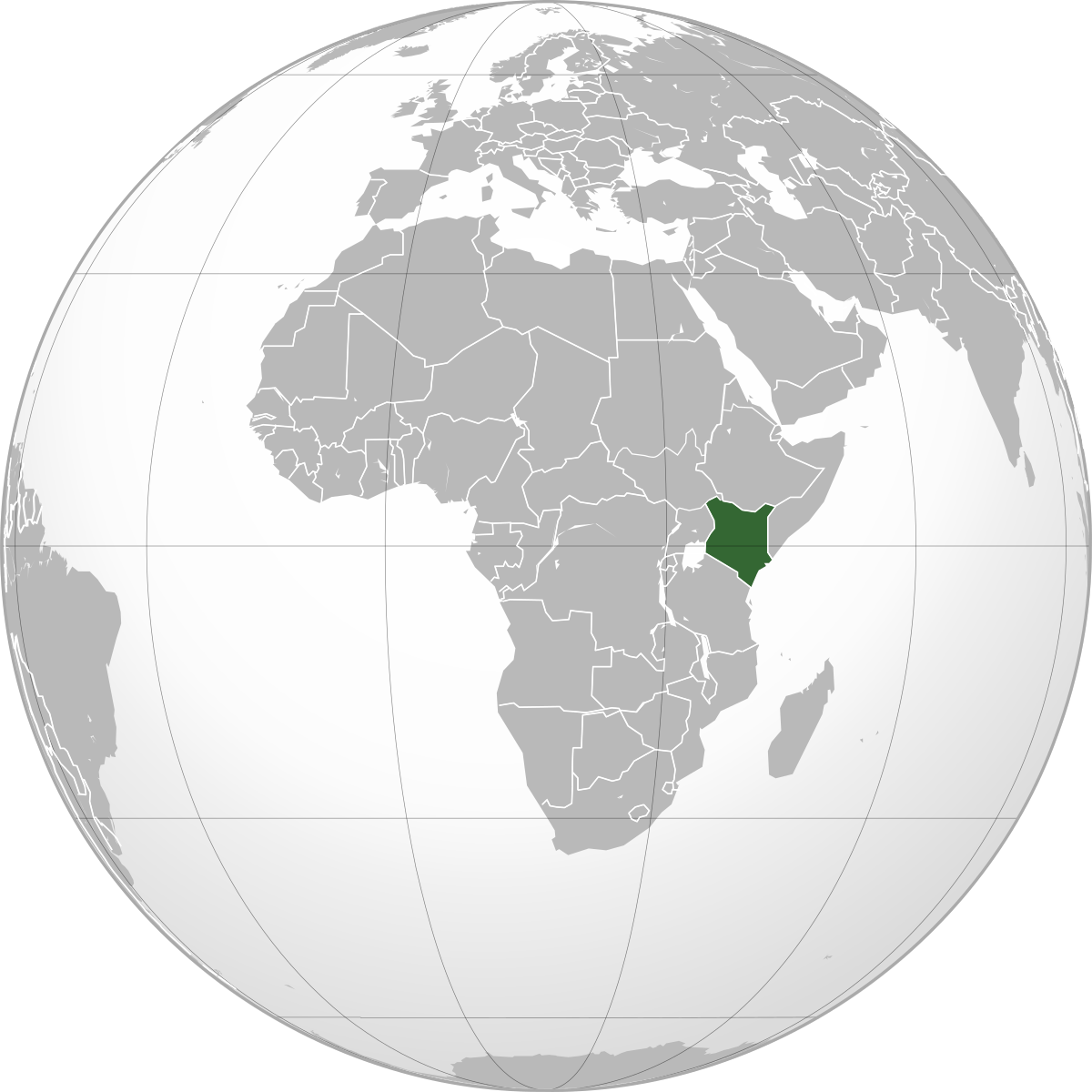
Kenya Tourism Board has entered a strategic alliance with Visa that marks a bold new chapter for the nation’s tourism sector. The agreement gives the board access to Visa’s Government Insights Hub—a data analytics platform offering detailed information on travel patterns, spending behaviour, peak seasons and regional preferences. This will support sharper marketing efforts, more efficient payment systems and increased cross-border and domestic travel expenditure.
The campaign’s backbone lies in smart data. By leveraging Visa’s analytics, the tourism board can tailor promotional campaigns with precision, picking target markets and travel segments that align best with Kenya’s offerings. Simultaneously, improvements in payment accessibility across tourist touchpoints—including streamlined card payments—promise to ease spending for visitors and help reduce lost revenue from payment difficulties. Projections suggest this could significantly uplift overall tourism earnings.
Tourism already plays a prominent role in Kenya’s economy. In 2024, the sector drew 2.4 million international visitors, a 15 percent increase year-on-year, with total tourist numbers reaching 7.5 million when domestic travellers are included. Authorities are aiming even higher, targeting a total of 10 million tourists—split evenly between international and local visitors—by 2027. The fresh partnership stands as a key element in this broader strategy to cement Kenya’s leadership in the East African tourism market.
This agreement is part of a wider reform agenda: earlier in the year, travel authorisation rules for African nationals were relaxed, and customs allowances at Jomo Kenyatta International Airport were raised. A global campaign promoting adventure tourism was also launched in May. Kenya’s approach increasingly hinges on combining policy reforms with digital innovation to attract more visitors and enhance their experience.
Meanwhile, the broader outlook for tourism remains optimistic. Economic forecasts anticipate the sector will contribute KSh 1.2 trillion to the economy this year—approximately 7 percent of GDP—and support 1.7 million jobs. These targets are ambitious, and success will depend on how effectively the tourism board integrates global data insights and digital payment tools into its strategies, particularly in reaching new travel segments and ensuring inclusive adoption across the tourism supply chain.
Follow Arabian Post
Select Arabian Post as your preferred source on Google and MSN News for trusted business news and Arab politics and updates.



