News related to
airport

Arabian Post Staff -Dubai Bose has consistently set the standard in audio technology, and its Noise Cancelling Headphones 700 continue this legacy with impressive advancements in sound isolation and performance. Offering premium features and a sleek design, these headphones are priced at AED1,649 and are available at Carrefour, City Centre Deira. Combining superior sound quality with advanced noise-cancellation technology, they provide an immersive experience for music lovers, […]

Hurricane Francine made landfall in Louisiana as a Category 2 storm, packing winds up to 100 mph and leaving significant damage in its wake. The storm struck the coast near Terrebonne Parish late on Wednesday, with widespread power outages reported across the region, impacting more than 245,000 residents. The storm brought with it torrential rains, resulting in flash flooding and the threat of deadly storm surges across […]

The Dubai Integrated Economic Zones Authority (DIEZ) has reported substantial growth in the first half of 2024, showcasing strong performance across all its business sectors. Marked by rising occupancy rates and improved key strategic indicators, the authority has bolstered its position as a key player in the region’s economic landscape. This growth mirrors Dubai’s ongoing efforts to strengthen its position as a global business hub and attract more investments in line with its long-term strategic goals.

The DIEZ, which oversees several major business districts in Dubai, including Dubai Airport Freezone (DAFZ), Dubai Silicon Oasis (DSO), and Dubai CommerCity, highlighted increased demand for commercial space, enhanced business activities, and the continuous expansion of its service offerings. These factors have collectively contributed to the robust financial performance recorded during the first half of 2024, further reinforcing Dubai’s image as a leading destination for global businesses.

As of mid-2024, DIEZ’s combined occupancy rates have surged, particularly in key sectors such as logistics, technology, and e-commerce. The consistent demand for warehousing and office space, coupled with the influx of businesses across these sectors, has significantly contributed to DIEZ’s outstanding performance. The growth in these sectors has been driven by the global trend of digital transformation, which has accelerated since 2020, alongside increasing demand for efficient logistics and e-commerce solutions in the region.

Dubai’s strategic location, its favorable regulatory environment, and the advanced infrastructure provided by DIEZ continue to be instrumental in attracting foreign direct investment (FDI). This aligns with the Emirate’s broader economic vision to diversify its economy beyond oil and solidify its standing as a leading center for business, trade, and innovation. The growth DIEZ has witnessed is reflective of the larger economic trajectory of Dubai, which has been experiencing sustained economic recovery and growth following the global pandemic.

DIEZ’s leadership has pointed to the authority’s ongoing efforts to provide innovative and future-ready solutions as a critical factor in its success. The organization’s strategic initiatives to offer tailored support for businesses, including customized packages for start-ups and small and medium-sized enterprises (SMEs), have played a vital role in attracting both local and international companies to establish operations within its zones. These efforts have been supported by Dubai’s strategic focus on creating a business-friendly environment with competitive incentives.

One of the primary areas of growth has been Dubai Silicon Oasis, which has emerged as a critical hub for technology-driven companies. The technology park has seen an influx of businesses involved in sectors ranging from software development to artificial intelligence and advanced robotics. The availability of cutting-edge infrastructure and high-tech facilities at DSO has helped the zone capture the interest of both established global players and emerging tech firms. This surge in business activity at DSO mirrors the broader global demand for tech-driven solutions across industries.

Dubai Airport Freezone (DAFZ), which primarily caters to logistics, aviation, and trade companies, has similarly benefited from the ongoing recovery of global trade. The rebound in the aviation sector, coupled with the rise in demand for logistics services, has helped DAFZ maintain high occupancy rates throughout the first half of 2024. The zone’s proximity to Dubai International Airport has also been a major advantage, enabling companies to benefit from streamlined import-export operations, which have played a critical role in supporting the supply chain needs of businesses operating within the free zone.

Another key contributor to DIEZ’s strong performance has been Dubai CommerCity, which has positioned itself as a specialized e-commerce hub within the region. As e-commerce continues to flourish, with both regional and international companies expanding their operations, the zone has seen significant demand for its tailored e-commerce solutions, including logistics support, technology infrastructure, and marketing services. The strong performance of Dubai CommerCity highlights the growing importance of the e-commerce sector, which has seen tremendous growth globally and regionally, fueled by changing consumer behaviors and the increasing prevalence of online shopping.

DIEZ has also taken significant steps toward sustainability and innovation, which have contributed to its growing appeal to businesses focused on environmental, social, and governance (ESG) goals. The organization has implemented several initiatives aimed at reducing carbon emissions, enhancing energy efficiency, and promoting green technologies within its economic zones. These initiatives align with Dubai’s broader goals of becoming a leader in sustainable development and reducing its carbon footprint in line with the UAE’s national agenda for sustainability.

As a result of these various factors, DIEZ has managed to attract a wide range of businesses from different industries, all of which are contributing to the economic vitality of the Emirate. The growth seen across DIEZ’s portfolio reflects the broader diversification of Dubai’s economy and its continued transition towards becoming a global leader in technology, logistics, and trade. The authority has outlined plans to further expand its offerings and infrastructure, signaling continued growth for the remainder of 2024 and beyond.


By Nitya Chakraborty Bangladesh Interim Head Dr. Muhammad Yunus has invited Indian Prime Minister Narendra Modi for talks in New York in the last week of September when both of them will be attending the session of United Nations general assembly .So far, there has been no response from the Indian Government sources. In fact, […]

The United Arab Emirates is poised to witness an unprecedented surge in international visitor spending, with expenditures expected to exceed $52 billion by the end of this year. This remarkable growth underscores the UAE’s expanding role as a global tourism hub, fueled by ongoing investments in infrastructure and strategic marketing efforts.

The World Travel & Tourism Council (WTTC) has reported that the UAE’s tourism sector is on track to break previous records, driven by a combination of increased international travel and robust economic conditions. The forecasted spending figure represents a substantial increase from previous years, highlighting the UAE’s resilience and attractiveness in the global tourism market.

Several factors contribute to this surge in visitor spending. The UAE has successfully positioned itself as a premier destination for luxury travel, attracting high-net-worth individuals with its opulent hotels, world-class dining experiences, and exclusive events. The country’s strategic initiatives, such as hosting major international events and enhancing its hospitality sector, have played a significant role in drawing affluent tourists.

Recent developments in tourism infrastructure have also bolstered the UAE’s appeal. The expansion of airports, the introduction of new flight routes, and the enhancement of travel experiences have made the UAE more accessible to international visitors. These advancements are complemented by the UAE’s continuous efforts to innovate and diversify its tourism offerings, ranging from cultural festivals to adventure tourism.

The UAE’s commitment to maintaining high safety and cleanliness standards, particularly in the wake of the COVID-19 pandemic, has further solidified its reputation as a safe and attractive destination. This focus on health and safety has reassured travelers, contributing to the surge in tourism-related expenditures.

Moreover, the UAE’s strategic use of digital marketing and social media has amplified its visibility on the global stage. Campaigns highlighting the UAE’s unique attractions, such as the Burj Khalifa, the Palm Jumeirah, and cultural landmarks like the Louvre Abu Dhabi, have resonated with a broad audience, driving interest and visits.

The influence of high-profile events, such as the Expo 2020 Dubai, has had a lasting impact on the UAE’s tourism sector. Although the Expo concluded, its legacy continues to attract tourists and stimulate economic activity. The influx of international visitors during the event showcased the UAE’s capacity to host large-scale global gatherings, further cementing its status as a leading destination.

The rise in international visitor spending is also reflective of broader global tourism trends. As countries recover from the pandemic, there is a noticeable rebound in travel, with tourists eager to explore new destinations and experience diverse cultures. The UAE has capitalized on this trend by offering a mix of luxury, adventure, and cultural experiences that cater to various preferences.

Key players in the UAE’s tourism industry, including major hotel chains, travel agencies, and entertainment providers, are witnessing significant growth in revenue. These businesses are investing in enhancements to attract and retain international visitors, ensuring that the UAE remains competitive in the global tourism market.

Economic analysts highlight that the tourism sector’s growth has positive implications for the UAE’s overall economy. Increased visitor spending contributes to job creation, supports local businesses, and generates substantial revenue for the government. The tourism industry’s expansion aligns with the UAE’s broader economic diversification goals, reducing reliance on oil revenues and fostering sustainable development.

By Satyaki Chakraborty Massive global protests in the last four days of September in all the major cities of the world including New York, Washington, London, Paris, Berlin and finally Tel Aviv against Israel Prime Minister Benjamin Netanyahu’s rigid attitude to the ceasefire proposal to end the Gaza war, have led to some positive reaction […]
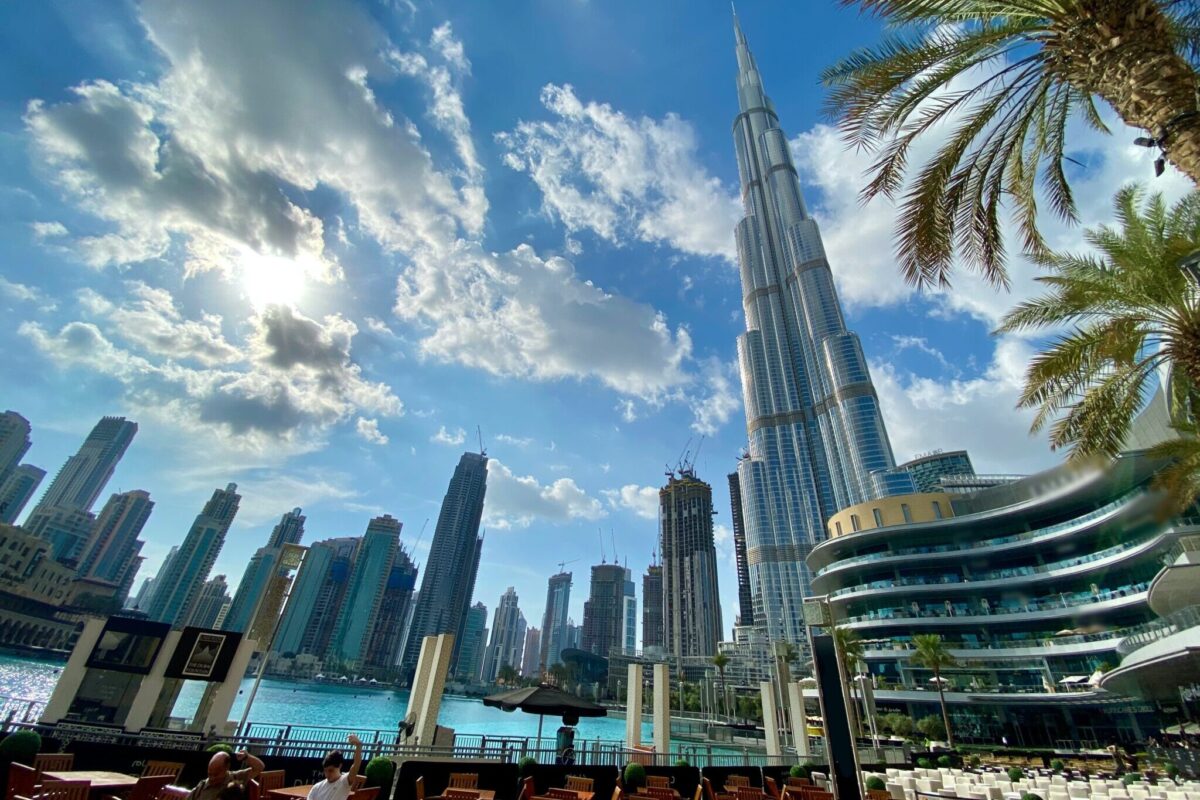
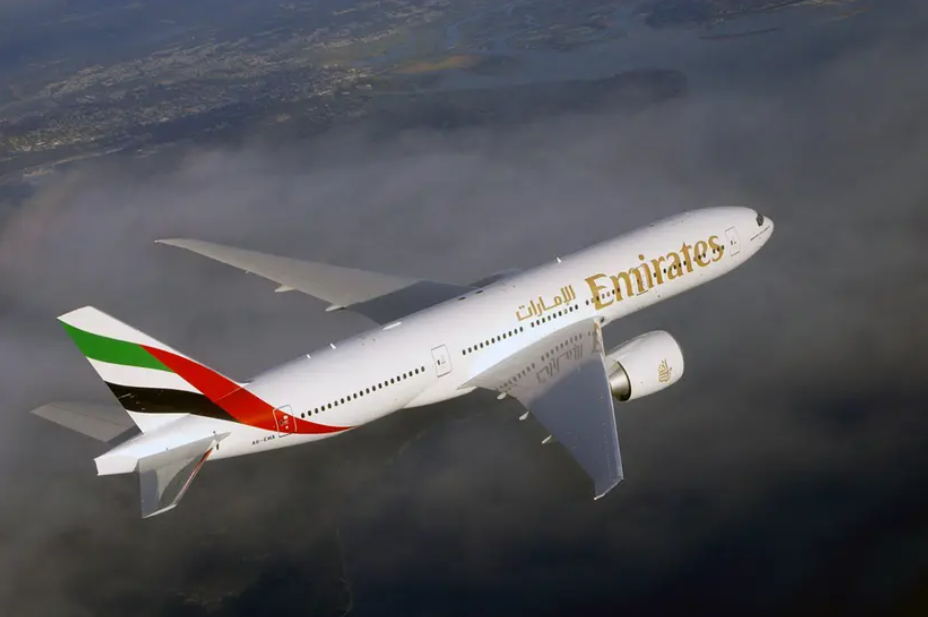
dnata, one of the world’s leading air services providers, has taken a significant step toward environmental sustainability by transitioning its entire fleet of ground handling equipment to biodiesel in the UAE. This move is part of the company’s larger strategy to reduce its carbon footprint and contribute to global efforts to mitigate climate change. The fleet-wide switch to biodiesel marks dnata’s commitment to achieving long-term sustainability goals, […]

Advertisements

Tourism in the UAE has seen a substantial boost in the first half of 2024, positioning the country as the leading destination in the Gulf Cooperation Council (GCC) region. According to recent figures, the UAE has outpaced its neighbors in attracting international visitors, driven by a combination of strategic marketing, major events, and ongoing investment in tourism infrastructure.

The UAE’s Ministry of Economy reported a significant increase in tourist arrivals, with Dubai and Abu Dhabi leading the charge. The country welcomed over 10 million international tourists from January to June 2024, marking a 15% increase from the same period last year. This surge has been fueled by a series of high-profile events and a continued emphasis on enhancing the visitor experience.

Dubai, known for its luxury tourism and major attractions like the Burj Khalifa and Dubai Mall, has witnessed a notable uptick in visitor numbers. The city’s ambitious strategy to diversify its tourism offerings and invest in world-class infrastructure has paid off. Major events such as the Dubai Shopping Festival and the Expo 2024 have drawn large crowds, contributing significantly to the rise in tourism figures.

Abu Dhabi, the UAE’s capital, has also seen a remarkable increase in tourist numbers. The city’s cultural and entertainment offerings, including the Louvre Abu Dhabi and Yas Island, have become major attractions. Recent investments in expanding hospitality services and promoting cultural tourism have bolstered Abu Dhabi’s position as a key player in the GCC tourism sector.

Other GCC countries have also experienced growth in their tourism sectors, but none have matched the UAE’s pace. Saudi Arabia, for instance, has made considerable strides with its Vision 2030 initiative, which aims to diversify the economy and promote tourism. However, while Saudi Arabia has seen growth, the scale and speed of the UAE’s tourism boom remain unmatched in the region.

Qatar and Oman have also reported increased tourist numbers, but the UAE’s strategic advantages in terms of infrastructure, marketing, and event management have given it a competitive edge. Qatar’s World Cup legacy continues to attract sports tourists, while Oman’s natural landscapes appeal to adventure and eco-tourism enthusiasts. Yet, the UAE’s well-established tourism ecosystem and its ongoing efforts to innovate and enhance the visitor experience have set it apart.

One of the key factors contributing to the UAE’s success is its continuous investment in tourism infrastructure. The UAE government has committed to expanding its hospitality sector, with numerous new hotels and resorts opening in recent months. Additionally, major projects such as the expansion of Dubai International Airport and the development of new tourism districts in Abu Dhabi are expected to further boost tourist numbers.

Another significant element is the UAE’s strategic marketing campaigns, which have effectively targeted key international markets. The UAE has focused on promoting its diverse attractions, ranging from luxury shopping and fine dining to cultural heritage and adventure tourism. This multifaceted approach has resonated with a broad spectrum of travelers, from affluent tourists seeking luxury experiences to those interested in cultural exploration and outdoor activities.

The UAE’s ability to host major global events has also played a crucial role in its tourism success. Events such as the Abu Dhabi Film Festival and Dubai Design Week attract international visitors and media attention, further enhancing the country’s profile as a leading tourist destination. These events not only draw visitors but also contribute to the UAE’s reputation as a hub for cultural and creative industries.

Emirates has expanded its network with a new service linking Dubai to Madagascar, with a stopover in Seychelles. The inaugural flight, EK707, landed at Ivato International Airport on September 3, marking a significant milestone for the airline and its passengers.

This new route enhances connectivity between the Indian Ocean archipelago and the African continent, offering travelers a convenient option for reaching Madagascar, a destination known for its unique biodiversity and vibrant culture. The service also bolsters Emirates’ presence in the Indian Ocean region, building on its extensive global network.

Ivato International Airport’s traditional water cannon salute welcomed the flight, a symbolic gesture reflecting the importance of this new connection. The service will operate with a Boeing 777-300ER, providing passengers with a comfortable and efficient travel experience.

Emirates’ decision to introduce this route underscores its commitment to expanding its global footprint and catering to the growing demand for connectivity in the region. The new service is expected to foster economic growth by enhancing tourism and business opportunities between Dubai, Seychelles, and Madagascar.

Travelers can now enjoy seamless access to Madagascar’s remarkable landscapes, including its renowned national parks and wildlife reserves. The connection to Seychelles also offers an attractive stopover option, allowing passengers to explore the beautiful islands before continuing their journey to Madagascar.

The introduction of this service aligns with Emirates’ strategic goals to enhance its network and offer more choices to its customers. The airline’s investment in new routes and destinations reflects its ongoing efforts to meet the evolving needs of the global travel market.

This development comes as part of a broader trend in the aviation industry, where airlines are increasingly focusing on expanding their networks to emerging destinations. By establishing new routes and enhancing connectivity, airlines aim to capture new markets and respond to shifting travel demands.

The new Emirates service to Madagascar is poised to play a key role in strengthening ties between the regions and providing travelers with more options for exploring one of the world’s most intriguing destinations. The route is expected to contribute positively to the local economies of the regions served, offering opportunities for growth and development.

Aldar Properties has introduced its latest development, Yas Riva, a luxurious canal-front villa community located on the renowned Yas Island. The project marks a significant addition to the island’s growing portfolio of high-end residential areas, offering residents unparalleled canal views and direct access to waterfront living. With its unique focus on leisure and luxury, Yas Riva is poised to set a new standard for residential developments in Abu Dhabi, blending natural beauty with modern architectural design.

Yas Riva stands out as one of the few communities in the capital to offer both canal-front and canal-accessible homes. The development is designed to cater to families and individuals seeking a premium lifestyle in a serene, waterfront setting, with each villa offering access to a private canal, enabling residents to enjoy a truly immersive waterside experience. This combination of exclusivity and convenience is expected to attract both local buyers and international investors looking for prime real estate in the UAE.

The launch of Yas Riva aligns with Aldar’s strategic vision of expanding its residential offerings on Yas Island, a destination that has rapidly evolved into one of Abu Dhabi’s most desirable addresses. Over the past few years, Yas Island has witnessed a surge in demand for high-quality residential developments, thanks to its proximity to key attractions such as Yas Mall, Ferrari World, and the Yas Marina Circuit, along with its well-planned infrastructure and vibrant community atmosphere.

In addition to its stunning canal views, Yas Riva offers a range of amenities aimed at enhancing residents’ quality of life. These include state-of-the-art fitness centers, swimming pools, and beautifully landscaped gardens. A network of pedestrian-friendly walkways and cycling paths ensures that residents can enjoy the outdoors while maintaining a healthy lifestyle. The community will also feature a clubhouse, retail spaces, and dining options, providing all the conveniences of modern living within the development itself.

The architectural design of Yas Riva reflects a contemporary aesthetic, with clean lines, expansive glass facades, and open-plan layouts that maximize natural light and space. Each villa is crafted with attention to detail, featuring high-end finishes and materials that create an ambiance of sophistication and comfort. Sustainability has also been a key consideration in the design process, with energy-efficient systems and eco-friendly construction practices being incorporated throughout the development.

Aldar’s commitment to sustainability is further evident in Yas Riva’s focus on integrating green spaces and preserving the natural environment. The community will be surrounded by lush greenery, with carefully planned landscaping that enhances the sense of tranquility and connection to nature. This emphasis on sustainability not only benefits the environment but also contributes to the well-being of residents, creating a healthy and balanced living environment.

The Yas Riva development is expected to appeal to a diverse range of buyers, from young professionals and growing families to retirees looking for a peaceful retreat. With its strategic location on Yas Island, residents will have easy access to a wide range of leisure and entertainment options, including the island’s renowned golf courses, theme parks, and marina facilities. The community’s proximity to Abu Dhabi International Airport and major highways also ensures convenient connectivity to the rest of the UAE.

Aldar Properties has long been a key player in Abu Dhabi’s real estate market, known for delivering high-quality developments that cater to the needs of modern residents. The launch of Yas Riva further solidifies the company’s position as a leading developer in the region, with a track record of creating innovative, sustainable, and luxurious living environments.

Yas Island has become a focal point for Aldar’s expansion efforts, with several successful residential projects already completed on the island. The introduction of Yas Riva adds to this portfolio, reinforcing Yas Island’s reputation as a premier destination for upscale living. As more residents are drawn to the island’s unique lifestyle offerings, the demand for high-end properties is expected to continue rising, making Yas Riva a valuable investment opportunity for those looking to enter Abu Dhabi’s flourishing real estate market.

The villas at Yas Riva are available in a variety of sizes and layouts, catering to different preferences and lifestyles. Buyers can choose from spacious three, four, and five-bedroom options, each designed to offer maximum comfort and privacy. The homes are equipped with modern amenities and smart home technologies, ensuring that residents enjoy a seamless and connected living experience.

The announcement of Yas Riva has already generated significant interest among potential buyers and investors, reflecting the growing demand for exclusive waterfront properties in the UAE. With its unique canal-front setting and luxurious design, Yas Riva is expected to become one of the most sought-after residential communities in Abu Dhabi.

The detention of Telegram founder Pavel Durov at Le Bourget Airport near Paris on August 24 has sparked significant global concern, with the United Nations expressing apprehension over potential human rights violations. Durov, a Russian-born tech billionaire, was taken into custody by French authorities under a warrant related to his management of Telegram, a platform that has faced widespread scrutiny for its encrypted communication services and perceived […]

Virgin Atlantic Airways is set to expand its global footprint with a new service to Riyadh, Saudi Arabia, marking its first direct route to the Kingdom. This move comes amid a surge in travel demand as Saudi Arabia continues to emerge as a significant player in the global tourism sector.

The new route will operate three times a week starting from next month, aiming to connect Riyadh with London’s Heathrow Airport. This expansion aligns with Saudi Arabia’s Vision 2030, which seeks to diversify the economy and boost tourism as a key sector. Virgin Atlantic’s entry into the Saudi market reflects a broader trend of international airlines increasing their presence in the region.

Saudi Arabia’s tourism industry has witnessed substantial growth due to the government’s efforts to open up the country to international visitors. Initiatives such as the introduction of new visa programs and the development of large-scale tourist attractions are contributing to this growth. The country’s investment in infrastructure, including the expansion of airports and the construction of luxury hotels, further supports this upward trajectory.

Virgin Atlantic’s decision to add Riyadh to its network comes as part of the airline’s strategy to leverage the increasing travel demand in the Middle East. The route is expected to cater not only to business travelers but also to tourists exploring Saudi Arabia’s cultural and historical landmarks. Riyadh, the capital city, has seen a rise in international visitors, drawn by its vibrant culture and economic opportunities.

This move is also significant in the context of competition within the Middle Eastern aviation market. Major carriers like Emirates, Qatar Airways, and Etihad have long dominated the region, but Virgin Atlantic’s entry represents a shift in the competitive landscape. The airline’s expansion strategy includes targeting key emerging markets, with Riyadh being a prime example of this approach.

Virgin Atlantic’s new service will offer passengers a range of amenities, including state-of-the-art cabin features and high-quality in-flight services. The airline is positioning itself as a premium choice for travelers between the UK and Saudi Arabia, differentiating itself with a focus on customer experience and modern aircraft.

The addition of Riyadh to Virgin Atlantic’s route map also highlights the growing importance of the Middle East as a travel hub. The region’s strategic location between Europe, Asia, and Africa makes it a key transit point for international travelers. As global travel patterns continue to evolve, airlines are increasingly looking to the Middle East to drive growth.

Saudi Arabia’s push to enhance its global tourism appeal includes not only traditional landmarks but also new attractions and events. The country’s efforts to host international conferences, festivals, and sporting events are part of its strategy to become a top tourist destination. Virgin Atlantic’s new route will likely benefit from these initiatives, as increased tourism activities drive demand for air travel.

The expansion also underscores the role of airlines in supporting economic development and cultural exchange. By connecting Riyadh with London, Virgin Atlantic is facilitating greater connectivity between two major global cities, promoting business and leisure travel. This service will likely foster increased bilateral trade and investment opportunities, benefiting both the UK and Saudi Arabia.

A luxury jet linked to Venezuelan President Nicolás Maduro has been seized by U.S. authorities, who claim it was bought through illicit means and smuggled in violation of sanctions and export controls. The Dassault Falcon 900EX, recently seized in the Dominican Republic, has been transferred to federal custody in Florida, according to the U.S. Justice Department.

The aircraft, a high-end model valued at millions of dollars, was reportedly purchased via a shell company, making it challenging for authorities to trace its true ownership. The Justice Department asserts that the plane’s acquisition and subsequent use contravened U.S. sanctions imposed on the Venezuelan government. The seizure aligns with broader efforts by U.S. authorities to enforce economic restrictions on countries and individuals considered to be engaging in prohibited activities.

The seizure operation unfolded after extensive coordination between U.S. and international law enforcement agencies. The plane was intercepted at a Dominican Republic airport before being transported to Fort Lauderdale Executive Airport in Florida. The timely transfer underscores the seriousness with which U.S. officials are pursuing violations of sanctions laws.

Venezuelan President Nicolás Maduro has been a target of U.S. sanctions for several years, with restrictions aimed at curbing his regime’s influence and financial operations. The U.S. has accused Maduro and his administration of numerous infractions, including human rights violations and corruption. The jet’s seizure marks a significant escalation in efforts to isolate the Venezuelan leader financially and politically.

The plane’s procurement through a shell company reflects sophisticated evasion tactics often employed by those under sanction. Shell companies are frequently used to obscure the true ownership of assets, complicating legal efforts to enforce sanctions and asset freezes. This case exemplifies the challenges faced by authorities in tracking and intercepting assets tied to sanctioned individuals.

U.S. officials have emphasized that the enforcement of sanctions is a critical component of their strategy to exert pressure on regimes and individuals engaged in illicit activities. The seizure of the jet is part of a broader campaign to disrupt the financial networks supporting sanctioned governments and leaders. By targeting high-value assets such as luxury jets, the U.S. aims to undermine the ability of sanctioned entities to project power and influence.

The plane’s journey from the Dominican Republic to Florida was meticulously tracked using flight monitoring systems, which played a crucial role in the operation. The Justice Department’s statement highlighted the use of advanced tracking technology as a vital tool in enforcing international sanctions and controlling the movement of restricted assets.

The case has drawn attention from international observers and analysts, who view it as a significant development in the ongoing sanctions enforcement efforts. The seizure not only affects the immediate asset but also sends a broader message regarding the U.S. commitment to uphold its economic restrictions and counteract attempts to bypass them.

As the legal and diplomatic implications of the seizure unfold, it remains to be seen how this action will impact U.S.-Venezuelan relations and the broader geopolitical landscape. The operation reflects the ongoing complexity and intensity of international sanctions enforcement and the lengths to which authorities will go to ensure compliance with economic and trade regulations.

The incident underscores the evolving nature of global sanctions regimes and the continuous efforts by governments to adapt their enforcement strategies in response to sophisticated evasion tactics. With increasing scrutiny and coordination among international law enforcement agencies, the efficacy of sanctions enforcement is likely to be a focal point in future diplomatic and legal discussions.

The newest addition to the pioneering USD2bn residential community follows the near sell-out launch of Phase One Laguna Lakeview Residences PHUKET, THAILAND – Media OutReach Newswire – 4 September 2024 – Banyan Group is launching a new collection of stylish Skypark residences at its pioneering new eco-friendly residential community in Phuket, following the successful sale of the Laguna Lakeview Residences. Skypark Elara Lakelands, which is located on […]

Saudi Arabia’s leading low-cost carrier, flynas, has significantly expanded its operations within the United Arab Emirates, marking a major development in regional air connectivity. This expansion adds Abu Dhabi, Sharjah, and Al Maktoum International Airport in Dubai to its growing network, enhancing air travel options between Saudi Arabia and the UAE. These new routes complement the existing services to Dubai International Airport, making flynas the first Saudi […]

Emirates has significantly broadened its global network by forging partnerships that connect travellers to approximately 1,700 cities worldwide. This expansion is achieved through an extensive array of codeshare, interline, and combined rail and helicopter services.

The Dubai-based airline now offers 31 codeshare agreements, which allow passengers to seamlessly transfer between Emirates flights and those of partner airlines. These agreements enhance connectivity across continents and streamline travel experiences. Additionally, Emirates has established 118 interline agreements. These arrangements enable the integration of different airlines’ services, facilitating smoother connections and more efficient travel itineraries.

Furthermore, Emirates has introduced 13 rail and helicopter services, further enhancing its network. These services bridge the gap between airports and key urban or remote destinations, offering a comprehensive travel solution that integrates multiple modes of transportation.

This expansion reflects Emirates’ commitment to providing a seamless travel experience, leveraging its partnerships to offer unparalleled global connectivity. The airline’s strategic alliances not only extend its reach but also contribute to a more flexible and integrated travel ecosystem. This initiative aligns with the growing demand for comprehensive travel solutions that accommodate diverse and evolving passenger needs.

The global transport network now includes numerous key destinations across more than 100 countries, facilitated by these strategic partnerships. Emirates’ approach exemplifies a modern trend in the aviation industry where airlines enhance their service offerings through collaborative agreements, optimizing passenger convenience and accessibility.

As the travel landscape continues to evolve, Emirates’ extensive network of partnerships underscores the importance of connectivity and collaboration in meeting the needs of a global audience. By integrating a wide range of transport services, Emirates is positioned to offer an exceptional level of convenience and choice for international travellers.

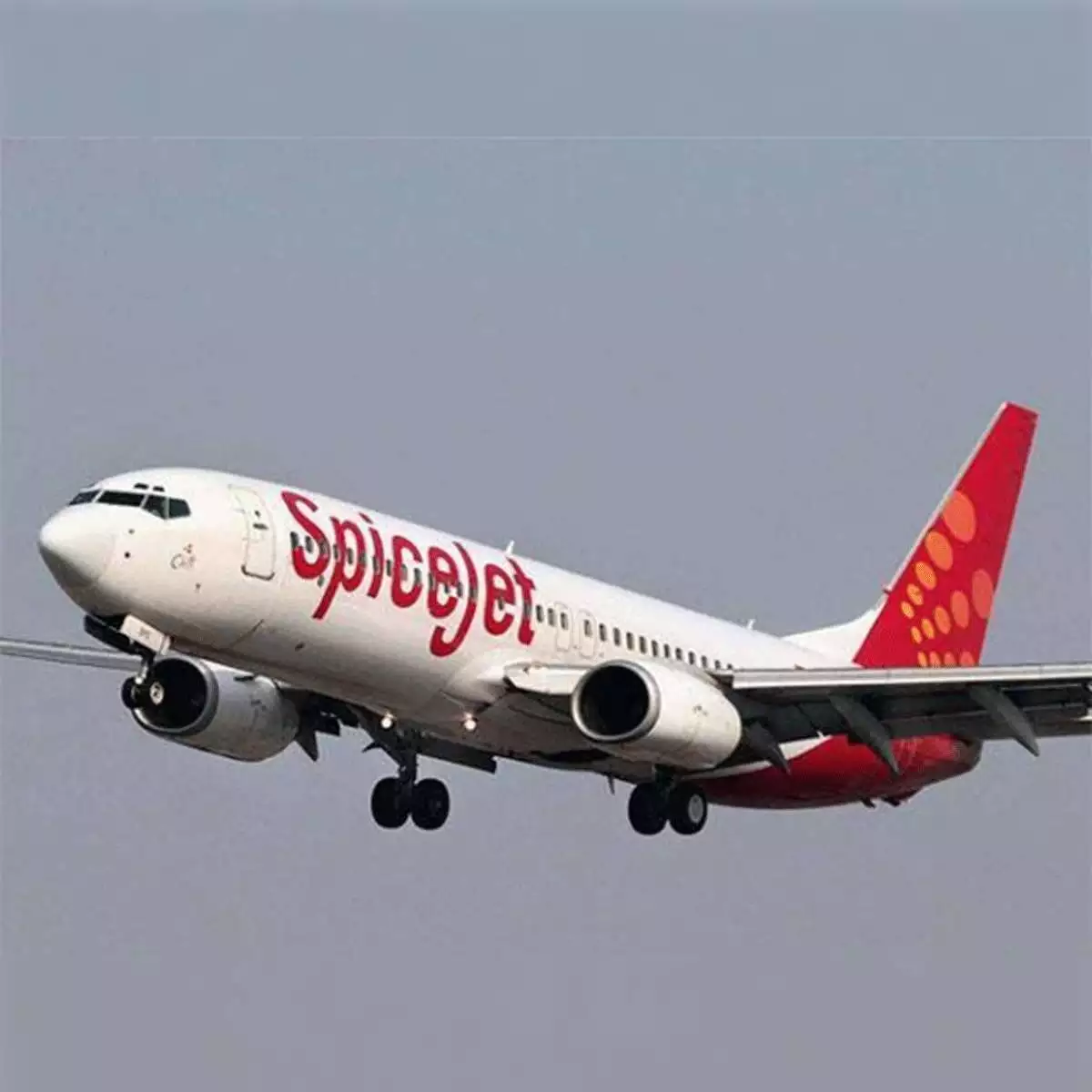
SpiceJet, one of India’s leading budget carriers, has encountered yet another operational setback, this time involving an empty return flight from Dubai to India. The incident occurred after Dubai International Airport authorities held back the aircraft due to SpiceJet’s failure to settle airport dues on time, marking the second such disruption for the airline this month. This incident took place on August 29, when a SpiceJet aircraft, […]

Passengers of SpiceJet, India’s budget airline, faced an unexpected hurdle at Dubai International Airport after being denied check-in due to unpaid dues by the airline. The move forced SpiceJet to operate flights without passengers, intensifying concerns over the airline’s ongoing financial struggles.

Dubai’s decision to block check-in came as a result of SpiceJet’s failure to settle outstanding payments. This incident marks another significant setback for the airline, which has been grappling with operational and financial challenges for some time. Despite efforts to raise funds, SpiceJet has encountered multiple issues, including a recent financial dispute with Mumbai Airport, which was resolved only hours before the airport issued a warning about potential disruptions to the airline’s operations.

The situation at Dubai Airport has drawn attention from aviation authorities, with India’s Ministry of Civil Aviation monitoring the developments closely. As SpiceJet continues to face mounting pressure, the airline’s ability to sustain its operations remains in question, raising broader concerns within the industry.

This development is part of a broader trend of financial instability within the airline, further exacerbated by increasing operational costs and declining revenues. The airline’s woes have prompted speculation about its future viability, as it struggles to maintain smooth operations amid growing financial obligations.

Global air cargo demand surged in July 2024, marking the eighth consecutive month of double-digit growth, according to data released by the International Air Transport Association (IATA). Middle Eastern carriers led this momentum with a significant 14.7% year-on-year increase in demand, a reflection of the robust performance seen across all regions.

This upswing comes as global demand, measured in cargo tonne-kilometers (CTKs), rose by 13.6% compared to July 2023. The remarkable growth is attributed to several factors, including a rise in global trade, booming e-commerce, and ongoing capacity constraints in maritime shipping, which have increasingly driven demand toward air freight. The peak season for air cargo is still ahead, signaling a potential continuation of these positive trends.

Asia-Pacific airlines recorded the strongest regional performance, with a 17.6% year-on-year growth in demand, bolstered by a 19.8% rise on the Within-Asia trade lane. Middle Eastern carriers maintained their strong position, particularly on the Europe-Middle East route, which saw an impressive 32.2% increase in demand.

Capacity, measured in available cargo tonne-kilometers (ACTKs), also expanded in July, growing by 8.3% globally. This growth was largely driven by a 12.8% increase in international belly capacity, supported by a thriving passenger market, and a 6.9% rise in international freighter capacity.

IATA’s Director General, Willie Walsh, noted the resilience of the air cargo industry amidst various political and economic challenges, highlighting the sector’s ability to adapt to shifting demand patterns. He also pointed out that despite challenges, including flight cancellations and airport disruptions caused by severe weather events in North America and the Caribbean, the industry continued to demonstrate strong performance.

Overall, July’s performance underscores the vital role air cargo plays in global trade, especially in regions where other modes of transport face limitations. With the peak shipping season approaching, the air cargo sector is poised to continue its robust growth trajectory into the latter half of the year.

Dubai and Abu Dhabi have risen to prominence as premier destinations for executive digital nomads, according to the latest Savills Executive Nomad Index for 2023. Dubai clinched the top spot, outpacing other global cities thanks to its thriving fintech and financial services sectors, a tax-free environment, and a high standard of living. The city’s appeal is further bolstered by its world-class digital infrastructure, with the UAE boasting the fastest mobile internet speeds globally. This combination of factors has positioned Dubai as a magnet for high-earning professionals who have the flexibility to work remotely.

Abu Dhabi, a new entrant in the top five, has also made significant strides, ranking fourth in the index. The capital’s growing reputation as a hub for technology and innovation, coupled with its cultural offerings and high quality of life, has made it an attractive destination for digital nomads seeking a dynamic yet stable environment. The city’s strategic location and excellent connectivity, with Abu Dhabi International Airport serving as a key gateway to the world, further enhance its appeal.

This year’s index highlights a shift in the global landscape for remote work, with cities that offer robust digital infrastructure, favorable business conditions, and an exceptional quality of life taking the lead. Dubai and Abu Dhabi’s rise in the rankings underscores the growing importance of these factors for executive nomads, who prioritize seamless digital connectivity and a vibrant, cosmopolitan lifestyle.

The Savills report also noted the emergence of new locations such as Malaga, which took second place due to its cultural appeal and the introduction of Spain’s digital nomad visa. However, it is the Middle Eastern cities that have captured the attention of the global workforce, with both Dubai and Abu Dhabi setting the standard for what executive nomads seek in a remote work destination.

Telegram founder Pavel Durov’s detainment by French authorities at Le Bourget Airport near Paris has triggered a global wave of protests. Over 2 million people have signed an online petition urging his release, highlighting growing concerns over digital privacy and government overreach. Durov, who created the messaging platform Telegram, was reportedly arrested on August 24, 2024, upon arriving in France. The arrest appears to be linked to […]

flynas, Saudi Arabia’s leading low-cost airline, is set to significantly expand its operations in the UAE, introducing eight new direct routes between Saudi Arabia and the Emirates. This ambitious expansion, scheduled to commence in September, aligns with the airline’s broader goal of increasing connectivity in the region.

The new routes will make flynas the only Saudi airline to serve all four major UAE airports. These include Al Maktoum International Airport (DWC) in Dubai, Abu Dhabi’s Sheikh Zayed International Airport, and Sharjah International Airport. The expansion is expected to elevate the number of daily flights between Saudi Arabia and the UAE to over 20, enhancing accessibility for both business and leisure travelers.

Key routes launching include services from Riyadh to DWC and from Jeddah to both Abu Dhabi and Sharjah. These additions reflect flynas’ strategic vision to broaden its reach, catering to growing demand in the UAE-Saudi corridor, especially under Saudi Arabia’s Vision 2030 plan, which seeks to position the kingdom as a global transport hub.

The airline’s network is poised to expand further, targeting 165 destinations worldwide, underscoring its commitment to strengthening regional ties and offering more travel options to its passengers. As the airline continues to grow, it remains a pivotal player in fostering greater connectivity between Saudi Arabia and the UAE.

Soaring temperatures across the Mid-Atlantic and Midwest regions of the United States are placing unprecedented pressure on the country’s largest power grid, prompting concerns over potential outages and the grid’s ability to meet the surging demand. As millions of Americans crank up their air conditioners to escape the sweltering heat, power operators are bracing for what could be one of the most challenging tests of the grid’s […]

BANGKOK, THAILAND – Media Outreach Newswire – 27 August 2024 – For travellers seeking the perfect stopover in Bangkok, Amari Don Muang Airport Bangkok offers an unmatched blend of convenience, comfort, and connectivity, located a short stroll from Don Mueang International Airport, accessible via an overhead walkway. Part of ONYX Hospitality Group‘s Amari collection of hotels and resorts, the property is ideal for those catching an early […]

VISHNU RAJA
RYO YAMADA
HITORI GOTOH
IKUYO KITA