News related to
associated

The Karl Lagerfeld brand is venturing into the luxury real estate market, announcing ambitious plans to expand its portfolio of branded residences both in the UAE and globally. This move marks a significant shift for the iconic fashion house, which has primarily been associated with haute couture, accessories, and lifestyle products. The expansion aligns with a broader trend in the luxury sector, where fashion brands are increasingly diversifying their offerings to include real estate as a means to enhance their brand presence and engage consumers in new ways.

The announcement comes as part of a collaboration between the Karl Lagerfeld brand and the luxury real estate developer, K. Group, headquartered in Dubai. The partnership aims to develop exclusive residential projects featuring the distinctive design and aesthetic synonymous with Lagerfeld’s legacy. The first of these projects is expected to launch within the next two years in one of Dubai’s upscale neighborhoods, further solidifying the city’s reputation as a global luxury hub.

This strategic expansion into branded residences capitalizes on the growing demand for luxury living spaces that offer personalized experiences, combining opulence with the allure of high fashion. Branded residences have become increasingly popular among affluent buyers seeking unique living experiences that reflect their lifestyle preferences. This trend is particularly pronounced in regions such as the Middle East, where luxury and exclusivity are paramount.

Lagerfeld’s iconic design sensibility, characterized by clean lines, bold colors, and a contemporary aesthetic, will play a central role in shaping the residential projects. Each residence is expected to showcase custom interiors inspired by Lagerfeld’s distinct style, ensuring that residents will experience a unique living environment that embodies the brand’s ethos. The integration of high-quality materials, innovative design features, and cutting-edge technology will further enhance the allure of these properties.

As the luxury real estate market continues to evolve, fashion houses like Karl Lagerfeld are leveraging their brand equity to tap into new revenue streams. This strategy not only enhances brand visibility but also creates a sense of community among residents who share an affinity for the brand. Moreover, the collaboration with K. Group will enable the Karl Lagerfeld brand to benefit from the developer’s extensive market knowledge and expertise in the real estate sector.

The global luxury real estate market is witnessing a surge in interest from high-net-worth individuals seeking investment opportunities that combine lifestyle with financial returns. According to industry analysts, the branded residences market is projected to grow significantly, driven by increasing demand for luxury properties in prime locations. The trend is particularly evident in cities like Dubai, where luxury developments have consistently attracted wealthy investors from around the world.

The partnership between Karl Lagerfeld and K. Group represents a broader trend among luxury brands diversifying their portfolios. Similar ventures have been seen with brands like Versace, Bulgari, and Armani, each establishing their own branded residences in various markets. These projects not only serve as a revenue stream but also deepen the emotional connection between consumers and the brand, fostering loyalty and enhancing the overall brand experience.

The move into branded residences also aligns with the growing consumer preference for experiential luxury, where buyers are increasingly looking for more than just a property. They seek a lifestyle that is intricately woven with the values and aesthetics of the brands they admire. By offering residences that reflect the essence of the Karl Lagerfeld brand, the company is poised to capitalize on this shift in consumer behavior, providing potential buyers with a unique living experience that transcends traditional luxury.

With the Karl Lagerfeld brand’s expansion into branded residences, the fashion house is set to redefine the luxury living experience. The move underscores the evolving landscape of the luxury market, where boundaries between fashion, lifestyle, and real estate continue to blur. As the brand prepares to unveil its first residential projects, anticipation is building among potential buyers eager to experience the unique fusion of high fashion and luxury living.

PeptiGrowth Inc., based in Chiyoda-ku, Tokyo, has unveiled an innovative synthetic peptide known as the “FGF2 alternative peptide (FGFR1c agonist),” designed to mimic the functionalities of recombinant Fibroblast Growth Factor 2 (FGF2). The launch of this product, set for early October 2024, marks a significant advancement in regenerative medicine and therapeutic applications, especially in wound healing and tissue repair.

FGF2 plays a pivotal role in various biological processes, including cell proliferation, differentiation, and angiogenesis, making it essential in tissue engineering and regenerative therapies. Traditional methods of utilizing FGF2 have relied on recombinant forms, which, while effective, come with several limitations, including high production costs and stability issues. PeptiGrowth’s novel peptide aims to address these concerns by providing a more stable, cost-effective alternative without compromising therapeutic efficacy.

This new peptide has been rigorously tested in preclinical trials, demonstrating its capacity to engage with FGFR1c effectively, thereby activating key cellular pathways that facilitate tissue regeneration. The trials showed promising results in enhancing wound healing processes, with faster recovery times and improved tissue quality compared to controls. Experts in the field have noted that the implications of such a product could extend beyond wound healing into broader applications within regenerative medicine.

Industry analysts highlight that the demand for alternatives to recombinant growth factors is increasing, particularly in the context of the rising costs associated with biopharmaceuticals. PeptiGrowth’s FGFR1c agonist could cater to this demand by offering a synthetic option that is both economically viable and functionally robust. The ability to produce this peptide on a larger scale may significantly lower production costs for healthcare providers, ultimately benefiting patients.

The market for growth factors is projected to experience substantial growth over the next few years, fueled by advances in regenerative therapies and an aging population that requires effective solutions for chronic wounds and tissue degeneration. PeptiGrowth’s introduction of the FGFR1c agonist positions the company as a key player in this evolving landscape, with potential for partnerships with healthcare institutions and research organizations focused on innovative treatment modalities.

Notably, PeptiGrowth’s commitment to innovation is underscored by its ongoing research into other synthetic peptides that could complement the FGFR1c agonist. These developments may pave the way for combination therapies that enhance the effectiveness of existing treatments. The company’s R&D team is actively exploring how these peptides can be integrated into various therapeutic protocols, particularly in oncology and regenerative medicine.

As the healthcare sector increasingly shifts towards personalized medicine, PeptiGrowth’s advancements could also align with this trend. Customizable therapeutic strategies involving synthetic peptides may offer tailored solutions for individual patients, optimizing treatment outcomes and minimizing adverse effects. Such flexibility could revolutionize approaches to managing conditions that have historically been challenging to treat.

The launch of the FGF2 alternative peptide comes at a time when the global market for peptide therapeutics is expanding rapidly, with a compound annual growth rate (CAGR) projected at over 10% in the next five years. This growth is driven by advancements in peptide synthesis technologies and a better understanding of their mechanisms of action. PeptiGrowth’s innovative approach, focusing on stability and functionality, positions it strategically within this dynamic market.

In addition to its commercial endeavors, PeptiGrowth is also dedicated to contributing to the scientific community. The company plans to publish its findings from preclinical studies in peer-reviewed journals, fostering transparency and encouraging collaboration with other researchers in the field. Such initiatives not only bolster PeptiGrowth’s credibility but also help advance the broader understanding of peptide therapeutics.

The launch of the FGFR1c agonist reflects PeptiGrowth’s strategic vision to lead in the peptide-based therapeutic space. By prioritizing research and development, the company aims to remain at the forefront of innovation while addressing the pressing needs of healthcare providers and patients alike. Stakeholders across the healthcare spectrum are closely monitoring this development, eager to assess the impact of this synthetic peptide on clinical practices and patient outcomes.

Fortnite developer Epic Games has escalated its battle against tech giants, suing both Google and Samsung over alleged anti-competitive behavior. The lawsuit centers on the companies’ actions to suppress third-party app stores and maintain dominance over the app marketplace, specifically through the implementation of Samsung’s Auto Blocker feature. Epic claims this feature, which prevents alternative app stores from being easily installed on Samsung devices, was a coordinated […]

BlackRock’s Ethereum Exchange-Traded Fund (ETF) has faced challenges in attracting capital compared to its Bitcoin counterpart, raising questions about investor sentiment towards the two leading cryptocurrencies. Over the span of seven weeks since its launch, the Ethereum ETF has amassed approximately $1 billion in assets under management (AUM), a significant contrast to the staggering $24 billion accumulated by the Bitcoin ETF during the same period. This disparity […]

Aptadir Therapeutics, a biotechnology startup based in Italy, has made a noteworthy entry into the pharmaceutical landscape with the launch of a groundbreaking class of RNA inhibitors aimed at treating cancer and genetic disorders. The company, founded with an initial investment of $1.6 million, is expected to bring its cutting-edge drug development platform to clinical trials in the near future, signaling potential breakthroughs in precision medicine.

The innovative approach that Aptadir Therapeutics employs centers around RNA inhibitors, a class of drugs that target and silence specific gene expressions linked to cancerous growth and genetic abnormalities. The company’s proprietary technology is designed to interfere with the production of proteins that drive disease progression, offering a targeted and potentially more effective treatment solution compared to conventional therapies. RNA inhibition is rapidly emerging as a frontier in medical research, offering new possibilities for tackling diseases that have been difficult to treat using existing methods.

The promise of RNA inhibitors lies in their ability to focus on the underlying genetic causes of diseases. Aptadir’s approach aims to selectively bind to RNA sequences responsible for harmful protein production, effectively halting the development of malignancies or correcting genetic mutations. This targeted intervention holds significant promise for cancers that are resistant to current treatments as well as for hereditary conditions where faulty gene expression has been a critical factor.

Aptadir’s early-stage research has shown encouraging results in preclinical studies, where their RNA inhibitors demonstrated strong efficacy in reducing tumor growth and reversing certain genetic mutations in animal models. With this success, the company plans to accelerate its efforts toward clinical trials, focusing first on cancers with high unmet medical needs, such as pancreatic and ovarian cancers. These cancers, often associated with poor survival rates and limited treatment options, represent an urgent area for therapeutic innovation.

The decision to concentrate on these particular cancer types is strategic, as they are often linked to specific genetic mutations that can be more effectively targeted by RNA-based therapies. Aptadir’s technology could offer a much-needed alternative to patients who have exhausted traditional treatment options, such as chemotherapy or radiation, which often come with significant side effects and limited efficacy in late-stage cancers.

Another key area of focus for Aptadir Therapeutics is the treatment of genetic disorders, particularly those that result from single-gene mutations. Diseases such as cystic fibrosis, Huntington’s disease, and certain muscular dystrophies are among the potential targets for RNA inhibition therapy. These disorders, which have been notoriously challenging to treat, may see significant advancements through the precision offered by Aptadir’s drug development platform. The ability to correct defective gene expressions at the RNA level could offer new hope for patients suffering from these debilitating conditions.

The founders of Aptadir Therapeutics bring substantial experience from the biotech industry, with a team composed of leading experts in RNA biology, genomics, and pharmaceutical development. Their combined expertise has been instrumental in the rapid advancement of the company’s research pipeline. Aptadir’s CEO emphasized that the company’s mission is to deliver transformative therapies for diseases that have so far lacked effective treatment options, and their innovative RNA inhibitors represent a major step toward achieving that goal.

The global biotechnology community has taken note of Aptadir’s entry into the space, particularly as RNA therapies have garnered increasing attention in the wake of the mRNA-based COVID-19 vaccines. While RNA-based treatments have traditionally faced challenges related to delivery and stability within the body, advancements in nanoparticle technology and delivery mechanisms have significantly improved the feasibility of these therapies. Aptadir’s platform takes advantage of these advancements, ensuring that their RNA inhibitors can be safely and effectively delivered to targeted tissues in the body.

As Aptadir Therapeutics prepares to move into clinical trials, there are high expectations for the impact of their RNA inhibitors on the broader pharmaceutical market. The potential for these drugs to address critical gaps in current cancer and genetic disorder treatments positions the company as a key player in the field of precision medicine. Industry analysts are already speculating about future partnerships or acquisitions, as large pharmaceutical companies are likely to show interest in Aptadir’s innovative platform.

The company’s funding strategy reflects its ambitious goals, with the initial $1.6 million investment earmarked for advancing preclinical studies and initiating the regulatory process for human trials. Additional rounds of funding are expected as the company progresses through the clinical stages, with investors eager to support a technology that could revolutionize the treatment landscape for several hard-to-treat conditions.

A new contender in the open-source AI landscape has emerged with the introduction of Molmo, a model designed to promote accessibility and transparency in artificial intelligence development. The project aims to democratize AI technologies, providing developers and researchers with tools to innovate without the constraints typically associated with proprietary systems. The growing momentum of open-source AI initiatives reflects an increasing demand for alternatives to the offerings of […]

Adnoc Drilling has initiated a significant campaign targeting unconventional oil and gas resources, with an investment exceeding $1.7 billion. This move underscores the company’s commitment to expanding its operational capabilities and enhancing its production capacity amid the growing global demand for energy. The unconventional campaign aims to unlock resources that require advanced extraction technologies, reflecting a strategic shift toward maximizing the potential of the region’s energy landscape. […]

Advertisements

Verizon Communications has agreed to sell over 6,300 wireless towers to Vertical Bridge, a major U.S. infrastructure provider, in a landmark deal valued at $3.3 billion. The transaction, which was officially confirmed this week, marks a significant move in Verizon’s strategy to focus on 5G expansion, while also offering a substantial opportunity for Vertical Bridge to enhance its nationwide portfolio. Under the terms of the agreement, Vertical […]

A new study has brought renewed attention to the potential of using nuclear explosions as a means to protect Earth from devastating asteroid impacts. The concept of employing nuclear weapons to alter the course of a threatening asteroid has been debated for decades, but recent research sheds new light on how radiation from a nuclear detonation, particularly x-rays, could prove to be the key in averting a […]

The United States government has enacted a new regulatory framework aimed at enhancing the export of artificial intelligence (AI) chips, particularly to nations in the Middle East. This development arrives amid increasing global demand for AI technologies and reflects a broader strategic intent to foster technological cooperation with regional allies. The updated policies are expected to significantly impact the semiconductor industry, as key players adapt to the […]

Israeli Defense Forces (IDF) have initiated a ground offensive into southern Lebanon, focusing on military targets associated with Hezbollah. This operation, named “Northern Arrows,” aims to dismantle the militant group’s capabilities along the border and follows two weeks of airstrikes against Hezbollah positions. The escalation is a direct response to perceived threats to Israeli civilians, particularly following a series of rocket attacks that have heightened tensions in […]

A high-profile role-playing game (RPG) that was anticipated as a Nintendo Switch 2 exclusive has been unexpectedly canceled, leaving fans of both Square Enix and the upcoming console disappointed. This title, which was positioned as one of the key attractions for the next-generation Nintendo device, marks a significant loss for Square Enix’s portfolio, especially given the recent reshuffling within the company. The RPG in question was reportedly […]

Coinbase has taken a significant step to bolster transparency within the cryptocurrency ecosystem by launching cbBTC, a wrapped version of Bitcoin designed to address concerns regarding the management of digital assets. The announcement was made on September 12, with the token now available for trading across multiple jurisdictions, including the United Kingdom, Australia, Singapore, and most U.S. states, excluding New York. cbBTC is structured to operate on […]

Taiwan’s Financial Supervisory Commission (FSC) has officially opened the door for professional investors, including institutions and high-net-worth individuals, to engage in foreign virtual asset exchange-traded funds (ETFs). This landmark decision is set to significantly impact Taiwan’s financial market, as it provides a regulated pathway for local investors to tap into the growing digital asset sector. The move comes after months of deliberation by the FSC, the nation’s […]

Stellantis NV has revised its profit margin forecasts for 2024, attributing the changes to increased costs associated with revitalizing its Jeep and Dodge brands in the United States, as well as a notable slowdown in the global automotive sector. This strategic move highlights the challenges faced by one of the world’s leading automakers as it navigates a complex market landscape marked by economic uncertainty and shifting consumer preferences.

The automotive industry has encountered various headwinds in recent months, including inflationary pressures, fluctuating raw material prices, and evolving regulatory standards aimed at reducing emissions. Stellantis, formed from the merger of Fiat Chrysler and PSA Group, is experiencing heightened scrutiny as it attempts to balance profitability with investment in sustainable technologies and electric vehicle (EV) production. The company’s leadership has expressed concerns over the competitive landscape, particularly in the context of emerging electric vehicle manufacturers and traditional competitors ramping up their EV offerings.

In a recent statement, Stellantis reported that it now expects its adjusted operating profit margin to fall between 10% and 11% for the upcoming year, down from a prior estimate of 11% to 12%. This adjustment signals the company’s recognition of the difficult conditions affecting its operational costs and overall performance. The revised forecast reflects the growing expenses tied to revitalizing key brands that have struggled to maintain market share in a rapidly changing industry.

Stellantis has faced significant challenges with its Jeep and Dodge divisions. Both brands have historically been central to the company’s identity and profitability. However, they have recently grappled with declining sales and an outdated product lineup. The Jeep brand, which has traditionally thrived on its off-road capabilities and rugged image, has seen waning interest from consumers who are increasingly favoring SUVs and electric vehicles. Similarly, Dodge, known for its muscle cars, is contending with shifts in consumer preferences as the market leans towards more fuel-efficient and eco-friendly vehicles.

To address these challenges, Stellantis is investing heavily in product innovation and marketing initiatives aimed at rejuvenating the Jeep and Dodge brands. The company plans to launch a series of new models that emphasize electric and hybrid technology, aligning with the broader industry trend toward sustainability. These investments are crucial as Stellantis aims to enhance its competitive edge and capture a greater share of the evolving automotive market.

Economic factors are also influencing Stellantis’s outlook. The global automotive industry is currently facing a slowdown, driven by a combination of higher interest rates, reduced consumer spending, and ongoing supply chain disruptions. Many consumers are delaying new vehicle purchases, opting instead to hold onto their current cars amid rising costs of living. As a result, automakers, including Stellantis, are experiencing decreased demand for new vehicles, further complicating their financial projections.

The company’s response to these market dynamics includes a focus on operational efficiency and cost management. Stellantis is undertaking measures to streamline its production processes and reduce overhead expenses, enabling it to navigate the financial pressures more effectively. However, these efforts may take time to translate into improved margins, as the company balances the need for immediate cost reductions with the long-term goal of fostering brand loyalty and consumer engagement.

Stellantis’s revised profit margin forecast has raised concerns among investors, leading to fluctuations in the company’s stock price. Analysts are closely monitoring the situation, with many emphasizing the importance of the upcoming model launches and the company’s strategic pivot toward electric vehicles. As Stellantis works to navigate this period of uncertainty, its ability to execute a successful turnaround for the Jeep and Dodge brands will be crucial in determining its long-term success.

The automaker is not alone in facing these challenges; the entire industry is undergoing a significant transformation. Rivals such as Ford and General Motors are also adjusting their strategies in response to the shifting market dynamics. With the rise of electric vehicles and new entrants to the market, traditional automakers must adapt quickly to stay competitive. Stellantis’s commitment to electrification and sustainability positions it among the leaders in this evolving landscape, but the path forward remains fraught with obstacles.

KUALA LUMPUR, MALAYSIA – Media OutReach Newswire – 30 September 2024 – The market has reacted live as Vice-President Kamala Harris and former President Donald Trump clashed in their first—and possibly last—debate before the November election. With financial markets already reacting to the debate’s fallout, the candidates’ performance and policies could reshape trading strategies. Below is an outline of what it means for traders’ long-term investment portfolios […]

Struggling with a challenging task for more than ten minutes may require a simple solution: take a walk. This approach, often advocated by Steve Jobs, now finds validation in neuroscience. Researchers have uncovered how physical movement can positively affect creativity, suggesting that standing still for too long can inhibit the mind’s problem-solving abilities. Jobs’ method of stepping away from a task to refresh the brain aligns with emerging scientific evidence that supports the role of movement in enhancing cognitive function and fostering creative thinking.

Neurobiologists have been studying the connection between physical activity and mental processes for years. A growing body of research points to the benefits of walking, particularly when individuals face mental blocks or challenging problems. Insights and breakthroughs often emerge when people break away from static routines and allow their minds to wander during movement. This phenomenon, known as “embodied cognition,” suggests that the mind and body work in tandem, and physical activity can unlock creative potential that may remain dormant while sitting at a desk or staring at a screen.

The ten-minute rule, famously advocated by Jobs, hinges on the idea that taking a short break when stuck on a problem can lead to a mental reset. Jobs reportedly employed this technique during his time at Apple, using walks as a tool for brainstorming, idea generation, and decision-making. The act of moving allowed him to approach challenges from different angles, freeing his mind from the constraints of a static environment.

Studies conducted by neuroscientists now support the notion that stepping away from a desk or leaving a fixed position can stimulate brain activity in ways that enhance creativity. The prefrontal cortex, which plays a key role in problem-solving and decision-making, becomes more active during physical movement. This increased activity can lead to new ideas and solutions that might not surface when an individual remains stationary.

The link between walking and creativity was examined in a series of experiments led by cognitive neuroscientists at Stanford University. Researchers asked participants to engage in various creative tasks while sitting and walking, both indoors and outdoors. The results consistently showed that those who walked demonstrated a marked improvement in their ability to think creatively. This effect was particularly noticeable when participants faced open-ended tasks, such as generating novel uses for everyday objects. Walking seemed to free the mind from rigid thought patterns, allowing for more expansive and divergent thinking.

Another study, conducted by researchers at the University of Graz in Austria, explored the impact of different types of movement on creative cognition. Their findings indicated that moderate physical activity, such as walking at a comfortable pace, had a more significant impact on creativity than intense exercise or remaining sedentary. The study also noted that walking outdoors, in natural environments, amplified this effect, suggesting that the combination of movement and a change of scenery can further enhance creative output.

Steve Jobs’ reliance on walking to spark creativity may have been intuitive, but neuroscience now provides concrete evidence of why it works. The “ten-minute rule” is more than just a productivity hack; it taps into the brain’s natural tendencies to generate insights during moments of physical movement. This practice can be especially effective for individuals engaged in creative fields, where original ideas and problem-solving are crucial.

However, the benefits of walking extend beyond just creativity. Neurobiologists have also pointed to the broader cognitive advantages associated with movement. Regular physical activity has been linked to improved memory, sharper focus, and better overall mental health. It promotes neuroplasticity, the brain’s ability to adapt and form new neural connections, which is essential for learning and cognitive flexibility. Walking may serve as a valuable tool not only for overcoming mental blocks but also for maintaining long-term brain health.

Despite its apparent simplicity, the act of walking while tackling a complex issue has gained widespread acceptance in various industries. Tech executives, writers, and designers often use walking meetings or outdoor strolls as part of their creative process. This practice has even been adopted in corporate environments, where standing desks and walking tracks are increasingly being integrated into office layouts to foster more dynamic thinking.

The significance of Jobs’ ten-minute rule is not confined to the tech world. It has implications for how modern workplaces are designed, encouraging a more fluid and movement-oriented environment. Companies are beginning to recognize the importance of allowing employees to step away from their desks, believing that such breaks are not only good for health but also critical for maintaining productivity and creativity.

Foreign direct investment (FDI) into artificial intelligence is seeing significant growth, with Dubai and the broader AI sector playing pivotal roles in shaping the landscape. FDI into AI-related projects surged by 44% in 2022, a reflection of the global push towards technological advancements. Notably, Dubai has emerged as a major global destination for FDI in AI, bolstered by several high-profile investments in technology infrastructure and research and development facilities.

Dubai’s prominence as a global AI hub can be traced to its forward-thinking governance and strategic location. Over the past year, the city has attracted a wide array of AI-related projects. Among these were significant initiatives from multinational firms such as Intel and Bert Labs, which established research hubs and regional offices. The strategic positioning of Dubai, combined with its investment-friendly policies and cutting-edge infrastructure, has made it a magnet for AI innovations, surpassing many traditional FDI centers in the process. This rise has placed Dubai among the top cities leading the world in cross-sectoral AI investments.

However, Dubai is not the sole recipient of AI-related FDI. India and Singapore, for instance, are key players in the AI ecosystem, benefiting from large FDI inflows. In 2022, India led with 122 AI-related projects, supported by substantial investments from major corporations such as Microsoft and Accenture. These investments primarily focused on data centers and advanced technology centers, especially in regions like Hyderabad and Tamil Nadu. This inflow of capital into India is driven by a combination of cost advantages, talent availability, and a growing demand for advanced AI-driven solutions.

The global surge in AI-related investments is not limited to emerging markets. The United States, traditionally a leader in greenfield investments, remains a key source of cross-border FDI in AI. In 2022 alone, the U.S. backed 285 AI-related projects globally. These projects range from the construction of chip production factories in Europe to the opening of new AI offices in cities like Berlin and London. The American dominance in AI investment is buoyed by its leading tech giants and the government’s strategic push to maintain an edge in the global AI race.

The implications of these trends are profound. As AI becomes increasingly central to various industries—from healthcare and finance to automotive and telecommunications—the geographical distribution of AI-related investments will shape the future of the global economy. Countries and cities that succeed in positioning themselves as AI leaders stand to reap significant economic benefits, attracting not only capital but also the high-skill jobs associated with AI and machine learning.

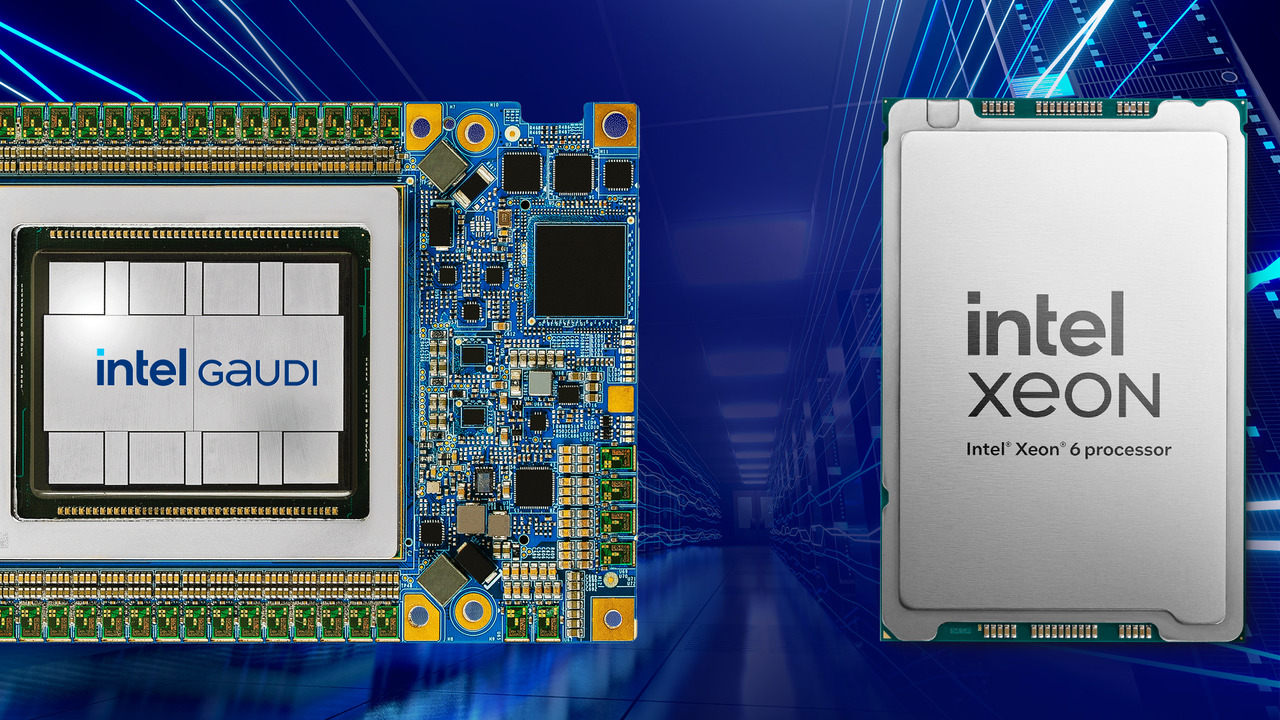
Intel has unveiled its latest offerings, the Xeon 6 processors featuring Performance-cores (P-cores) and the Gaudi 3 AI accelerators, marking a significant step forward in its pursuit of leadership in the artificial intelligence and data center sectors. The new hardware promises to deliver enhanced performance and efficiency, positioning Intel favorably in an increasingly competitive landscape dominated by Nvidia and other emerging players.

The Xeon 6 series aims to meet the escalating demand for processing power driven by AI applications. These processors utilize an architecture designed to optimize performance for various workloads, including cloud computing, edge processing, and high-performance computing (HPC). By integrating P-cores, which focus on maximizing performance for demanding tasks, Intel intends to address the needs of data centers seeking to balance workloads effectively while minimizing energy consumption.

One of the key features of the Xeon 6 processors is their support for advanced AI frameworks, enabling developers to build and deploy AI models more efficiently. Intel emphasizes that these processors are not only faster but also smarter, incorporating enhanced machine learning capabilities that streamline operations in data-intensive environments. This is particularly relevant as businesses increasingly leverage AI for analytics, automation, and improved decision-making processes.

The Gaudi 3 AI accelerators complement the Xeon 6 lineup by providing specialized processing power tailored specifically for deep learning workloads. Built on a unique architecture, Gaudi 3 accelerators promise to offer substantial improvements in both performance and scalability compared to their predecessors. Intel’s focus on AI-specific tasks reflects a broader industry trend where companies are prioritizing hardware that can efficiently handle the complexities of AI computations.

The introduction of the Gaudi 3 also highlights Intel’s commitment to enhancing the performance-per-watt ratio, a critical consideration as enterprises seek to optimize energy consumption in their data centers. By improving the energy efficiency of AI workloads, Intel aims to address one of the most pressing challenges in the industry: the rising costs and environmental impact associated with high-power computing.

In addition to the technical advancements, Intel’s launch includes new software tools and frameworks that will assist developers in maximizing the potential of the Xeon 6 and Gaudi 3 products. These tools are designed to simplify the process of integrating AI capabilities into existing infrastructures, thereby accelerating the adoption of AI technologies across various sectors.

Intel’s strategic positioning with these products also involves partnerships with leading cloud service providers and technology companies. By collaborating with entities such as Microsoft and Google, Intel seeks to ensure that its new hardware is optimized for widespread use in cloud-based AI applications. This collaboration is seen as essential in an environment where cloud adoption is accelerating, and organizations are increasingly migrating to cloud solutions for their computing needs.

The launch aligns with Intel’s broader strategy of revitalizing its product offerings in response to competitive pressures from firms like AMD and Nvidia, which have made significant inroads in the AI and data center markets. The tech giant’s commitment to innovation is underscored by its substantial investments in research and development, aimed at enhancing its competitive edge through cutting-edge technology.

As businesses worldwide embrace digital transformation, the demand for robust AI solutions continues to rise. Organizations are looking for hardware that can provide not only higher performance but also flexibility and scalability to adapt to evolving needs. Intel’s Xeon 6 and Gaudi 3 accelerators are positioned to meet these expectations, providing solutions for enterprises aiming to harness the full potential of AI.

Analysts suggest that Intel’s latest offerings could reshape the landscape of AI and data center performance. By integrating advanced processing capabilities with energy efficiency, Intel is poised to play a pivotal role in the ongoing evolution of AI technologies. The focus on enhancing the developer experience with new tools further strengthens its appeal to enterprises seeking to innovate and integrate AI into their operations.

The exploration of bioactive peptides has drawn considerable interest in recent years, with a focus on understanding their potential implications in various fields of biotechnology and research. One peptide that has garnered attention is Testagen, a synthetic peptide whose properties and mechanisms are still under investigation. While comprehensive research is ongoing, current data suggest that Testagen may hold valuable properties that have implications in cellular processes, tissue […]

Brave Software has made a significant leap by integrating local artificial intelligence into its browser, a development aimed at enhancing user privacy while improving online browsing experiences. This move positions Brave at the forefront of a growing trend that prioritizes user data protection amidst escalating privacy concerns in the digital landscape. The incorporation of local AI means that users can enjoy personalized web experiences without the need […]

A new open-source version of the beloved mobile game Flappy Bird has emerged, enabling players to enjoy the classic experience while also allowing developers to customize and modify the game as they wish. This unofficial clone, boasting a compact size of approximately 100 KB, revives the iconic gameplay that captivated millions when it first launched. As enthusiasts explore this clone, it opens the door for creative development […]

Malaysia’s state-owned oil and gas company, PETRONAS, has successfully entered into a new exploration agreement with the Abu Dhabi National Oil Company (ADNOC). This landmark deal marks a significant milestone for both entities as they aim to bolster their energy portfolios amid shifting global market dynamics. The agreement involves PETRONAS participating in the exploration and production of oil and gas resources in the Al Dhafra region of […]

Citi has joined forces with Apollo Global Management and Mubadala Investment Company to establish a $25 billion private credit program aimed at seizing opportunities in the rapidly growing direct lending market. This collaboration underscores the increasing significance of private credit in the current financial landscape, as institutional investors look for alternative ways to deploy capital while banks face stricter regulatory constraints on traditional lending.

The initiative is designed to target mid-to-large scale borrowers, focusing on private equity-backed companies that require non-bank financing solutions. As bank lending becomes more restrictive, particularly for higher-risk borrowers, private credit is becoming a preferred route for companies seeking more flexible funding options. The partners are expected to capitalize on this shifting environment, particularly in sectors such as healthcare, technology, and infrastructure, which are increasingly in need of substantial financial backing.

Apollo Global Management, known for its robust expertise in alternative assets, will manage the program, leveraging its well-established private credit platform. Citi, one of the largest financial institutions globally, will act as a strategic partner, providing financing and other related services. Mubadala, a sovereign wealth fund from Abu Dhabi, brings significant capital and a track record of successful global investments, making it a key player in the collaboration.

The trio’s strategic partnership highlights how private markets are becoming more prominent in financing both large-scale deals and middle-market companies. With Citi and Mubadala’s backing, Apollo expects to drive further growth in its private credit business, which has already gained considerable traction in recent years. This deal also reflects how sovereign wealth funds like Mubadala are increasingly turning toward alternative asset classes, including private debt, to diversify their portfolios and achieve higher returns.

Market experts anticipate that the $25 billion program will play a critical role in the direct lending space, helping fill the void left by banks that have scaled back lending due to tighter regulations and capital requirements. The alliance is likely to pave the way for other large institutional investors to consider similar moves, further expanding the private credit market, which has already grown to over $1.5 trillion globally.

Analysts point out that this development reflects broader trends within the financial industry, where the traditional boundaries between banks and asset managers are becoming blurred. By teaming up with Apollo and Mubadala, Citi is effectively expanding its footprint in the private credit space, positioning itself to serve clients who increasingly prefer direct lending to traditional loans.

For Apollo, this partnership is another milestone in its strategy to build out a comprehensive private credit platform. With a combination of Mubadala’s capital strength and Citi’s global reach, Apollo’s credit arm will be better positioned to capture opportunities across multiple geographies and sectors, offering tailored financing solutions that meet the evolving needs of borrowers.

Mubadala, on the other hand, will benefit from the high returns and relatively lower volatility associated with private credit. By entering into this partnership, Mubadala continues to diversify its portfolio, reinforcing its commitment to long-term investments that deliver stable cash flows.

This program also represents a growing trend where large financial institutions and sovereign wealth funds are teaming up with specialized asset managers to tap into high-growth sectors. While the primary focus is on direct lending, it is likely that this partnership will evolve to encompass other forms of private credit over time, including mezzanine financing and asset-based lending.

By aligning their goals, Citi, Apollo, and Mubadala are setting the stage for a new era in private credit. The size and scope of the program suggest that the three partners are prepared to take on large-scale transactions that could reshape the private credit landscape, attracting more investors to this asset class.

VISHNU RAJA
RYO YAMADA
HITORI GOTOH
IKUYO KITA