News related to
associated

Hashdex, a prominent asset management firm specializing in cryptocurrency investments, has obtained authorization from the Brazilian Securities and Exchange Commission to introduce the world’s inaugural XRP spot exchange-traded fund in Brazil. This pioneering financial product is poised to provide investors with direct exposure to XRP, the digital asset associated with the Ripple network, marking a significant milestone in the integration of cryptocurrencies into traditional financial markets. The exact date for the ETF’s listing on the Brazilian Stock Exchange is yet to be announced.

The approval of this ETF signifies a notable advancement in the cryptocurrency sector, particularly concerning XRP, which has faced regulatory challenges in various jurisdictions. By facilitating direct investment in XRP through a regulated financial instrument, Hashdex aims to bridge the gap between digital assets and conventional investors, offering a secure and accessible avenue for participation in the burgeoning crypto economy.

Hashdex’s initiative reflects a broader trend of increasing acceptance and integration of cryptocurrencies within mainstream financial systems. The firm’s commitment to providing innovative investment solutions is evident in its previous launches, including ETFs linked to other prominent digital assets. This latest development underscores Hashdex’s role as a trailblazer in the crypto investment landscape, continually expanding the horizons for investors seeking diversified exposure to digital currencies.

The introduction of the XRP spot ETF is anticipated to attract a diverse range of investors, from individuals seeking to diversify their portfolios to institutional entities exploring opportunities in the digital asset space. By offering a regulated and transparent investment vehicle, Hashdex is addressing prevalent concerns regarding security and compliance, thereby fostering greater confidence among potential investors.

While the precise listing date on B3 remains pending, the approval from CVM has already generated considerable interest within the financial community. Market analysts predict that the launch of the XRP spot ETF could influence the valuation and trading dynamics of XRP, as increased accessibility may lead to heightened demand and liquidity.

A significant shift in consumer preferences is poised to reshape the automotive industry, as over 64% of potential buyers express a strong inclination towards electric vehicles for their next purchase in 2025. This insight emerges from the Tata Consultancy Services Future-Ready eMobility Study 2025, unveiled at the Detroit Auto Show. The comprehensive study surveyed more than 1,300 respondents across North America, the United Kingdom and Ireland, Continental […]

Saudi Arabia’s ACWA Power has entered into a definitive agreement to acquire significant stakes in power generation and water desalination assets from French utility developer ENGIE. The transaction, valued at $693 million, marks ACWA Power’s strategic expansion into Kuwait and a bolstered presence in Bahrain.

The acquisition encompasses a combined capacity of 4.61 gigawatts in gas-fired power generation and 1.11 million cubic meters per day of water desalination. Additionally, the deal includes the associated operations and maintenance companies in both countries.

In Kuwait, ACWA Power will acquire an 18% stake in the Az Zour North Independent Water and Power Project . This facility, operational since 2016, boasts a 1,500 MW gas-fired combined cycle power plant and a desalination plant capable of producing 107 million imperial gallons of water daily. The plant operates under a 40-year Energy Conversion and Water Purchase Agreement with Kuwait’s Ministry of Electricity and Water.

In Bahrain, the acquisition involves several key assets:

– Al Ezzel Independent Power Plant : ACWA Power will obtain a 45% stake in this 940 MW facility, which has been a cornerstone of Bahrain’s power infrastructure.

– Al Dur IWPP: A 45% stake in this project will be transferred to ACWA Power. The facility has a power generation capacity of 1,234 MW and a desalination capacity of 218,000 cubic meters per day.

– Al Hidd IWPP: ACWA Power will acquire a 30% stake in this plant, which provides 1,000 MW of power and produces 410,000 cubic meters of desalinated water daily.

Marco Arcelli, CEO of ACWA Power, stated, “We consolidate our presence in Bahrain, where we are already a reliable supplier of power and water, and we enter Kuwait, where we recently submitted a bid for a large power and desalination plant.”

The transaction is subject to customary regulatory and stakeholder approvals. Upon completion, ACWA Power will assume responsibility for the operations and maintenance of the acquired assets, further solidifying its position as a leading provider of power and water solutions in the Middle East.

This strategic move aligns with ACWA Power’s broader objectives to expand its footprint in the Gulf region and enhance its portfolio of energy and water projects. By integrating these assets, the company aims to leverage operational synergies and contribute to the sustainable development of the region’s infrastructure.

ENGIE’s decision to divest its stakes in these assets is part of its strategic realignment to focus on achieving net-zero carbon emissions by 2045. The proceeds from the sale are expected to be reinvested into renewable energy projects and other sustainable initiatives.

The Az Zour North plant in Kuwait represents a significant milestone as the country’s first IWPP, developed under a public-private partnership framework. Its successful operation has paved the way for increased private sector participation in Kuwait’s utility sector.

Hong Kong’s Securities and Futures Commission has granted a license to Bullish, a prominent virtual asset trading platform, marking a significant milestone in the city’s ambition to become a leading hub for digital assets. This approval allows Bullish to operate within Hong Kong’s regulated framework, offering trading services to both institutional and retail investors.

The SFC’s decision to license Bullish is part of a broader strategy to enhance Hong Kong’s competitiveness in the global digital asset market. Financial Secretary Paul Chan announced that, to date, nine digital asset trading platform licenses have been issued, with eight additional applications under review. This initiative underscores the city’s commitment to fostering a robust and secure environment for virtual asset trading.

Julia Leung, the SFC’s Chief Executive, highlighted that the regulatory body is evaluating the introduction of new cryptocurrency products, including derivatives and margin lending, specifically tailored for professional investors. Speaking at Coindesk’s Consensus Hong Kong 2025 conference, Leung emphasized that these considerations aim to expand the range of services available to investors, thereby solidifying Hong Kong’s position as a regional digital assets hub.

Bullish’s entry into Hong Kong’s regulated market is expected to enhance the city’s digital asset ecosystem. The platform, known for its innovative trading solutions, integrates advanced technologies to provide deep liquidity and secure transactions. By obtaining the SFC license, Bullish demonstrates its commitment to adhering to stringent regulatory standards, offering users a trustworthy platform for virtual asset trading.

The SFC has been proactive in refining its regulatory framework to accommodate the evolving digital asset landscape. In January 2025, the commission introduced a streamlined licensing process for virtual asset trading platforms. This new procedure requires a single external assessment report, replacing the previous two-phased assessment, thereby expediting the approval process for applicants. This move aims to attract more virtual asset service providers to establish operations in Hong Kong, contributing to the city’s growing digital economy.

Hong Kong’s efforts to position itself as a digital asset hub come amid increasing global competition. Jurisdictions such as Singapore and Dubai are also vying for prominence in the virtual asset sector, offering regulatory incentives and establishing comprehensive frameworks to attract blockchain and cryptocurrency enterprises. Hong Kong’s strategic approach, characterized by rigorous regulatory oversight combined with industry-friendly policies, seeks to balance investor protection with innovation.

The city’s regulatory advancements have coincided with notable movements in the cryptocurrency market. Bitcoin, the leading cryptocurrency, experienced a significant surge, reaching an all-time high of $109,071 in January 2025 before stabilizing around $96,000. This upward trajectory reflects growing investor confidence and increased institutional adoption of digital assets. Analysts attribute this trend to favorable regulatory developments and the mainstream acceptance of cryptocurrencies as a legitimate asset class.

In addition to licensing trading platforms, Hong Kong is advancing regulations for stablecoins—digital currencies pegged to stable assets like fiat currencies. The SFC is formulating guidelines to govern the issuance and management of stablecoins, aiming to mitigate risks associated with their use and ensure financial stability. This regulatory clarity is anticipated to encourage the development of stablecoin projects within the region, further diversifying Hong Kong’s digital asset offerings.

Market participants have responded positively to these regulatory developments. The introduction of new licensed platforms is expected to enhance market liquidity and provide investors with a wider array of trading options. Furthermore, the presence of regulated entities like Bullish is likely to attract institutional investors seeking compliant and secure avenues for digital asset exposure. This influx of institutional capital could contribute to the maturation and stabilization of the cryptocurrency market in Hong Kong.

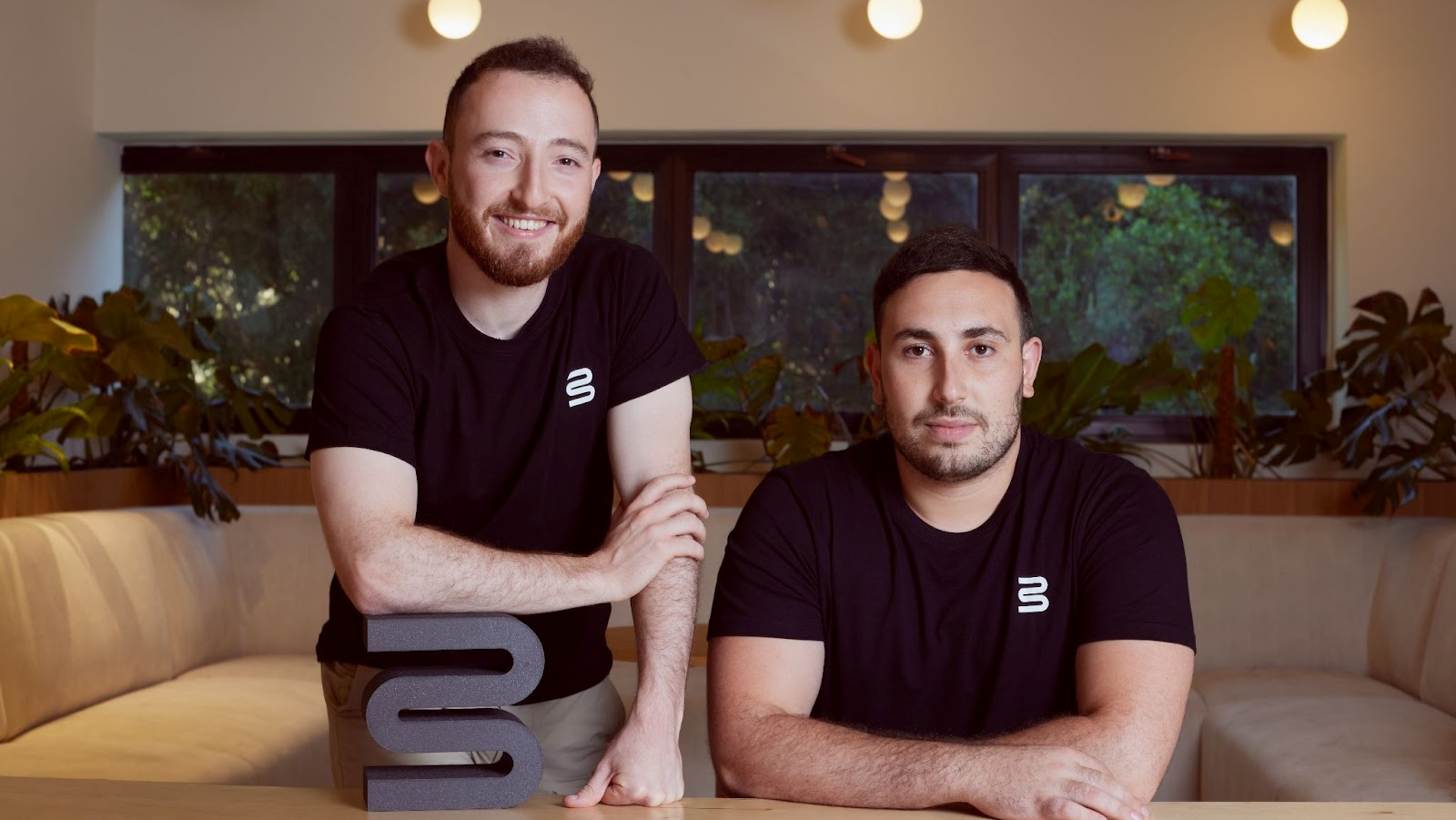
Blockchain security firm Blockaid has raised $50 million in a Series B funding round led by Ribbit Capital, with participation from GV , Variant, and Cyberstarts. This investment aims to bolster Blockaid’s research, engineering, and product development teams to meet the growing demand for robust on-chain security solutions.

Founded in 2022 by former Israeli cyber intelligence operatives, Blockaid has rapidly positioned itself as a key player in the blockchain security sector. The company’s platform offers real-time threat detection for blockchain transactions, integrating directly with wallets and decentralized applications to protect users from malicious activities. In the past year, Blockaid’s system scanned over 2.4 billion transactions and successfully blocked 71 million attacks, safeguarding assets for prominent clients such as Coinbase, MetaMask, Uniswap, and Stellar.

The infusion of new capital will enable Blockaid to scale its product and engineering teams, strengthen go-to-market operations, and expand research capabilities to stay ahead of evolving threats. This strategic growth is in response to the increasing adoption of blockchain technology by major financial institutions and fintech firms, which has, in turn, heightened the need for advanced security measures.

Blockaid’s CEO, Ido Ben-Natan, emphasized the importance of proactive security in the blockchain space, stating, “While the blockchain itself is secure, on-chain applications and the users that interact with them are at risk. This investment will help us continue to advance our machine learning capabilities and expand our current offerings to stay ahead in a highly adversarial landscape of evolving threats.”

The company’s approach leverages machine learning models to detect and prevent potential threats in real-time, providing end-user protection through direct integrations with wallets and dApps. This methodology has proven effective in mitigating risks associated with fraud, phishing, and hacks within the blockchain ecosystem.

Blockaid’s rapid growth is evident in its expansion from 20 employees to 70 within a year, with plans to double its workforce by the end of the year. This scaling aligns with the company’s mission to provide enterprise-grade security solutions for everything on-chain, catering to a diverse clientele that includes chains, protocols, wallets, exchanges, banks, and hedge funds.

The Series B funding round brings Blockaid’s total capital raised to $83 million, following a $27 million Series A round in October 2023. The continued support from prominent investors underscores the confidence in Blockaid’s ability to address the pressing security challenges facing the rapidly evolving blockchain industry.

As blockchain technology continues to gain traction across various sectors, the imperative for robust security measures becomes increasingly paramount. Blockaid’s commitment to enhancing its platform and expanding its team positions the company to effectively combat the sophisticated cyber threats that accompany the growth of on-chain operations.

In addition to its technological advancements, Blockaid places a strong emphasis on research and development. The company plans to utilize part of the new funding to expand its research capabilities, ensuring that it remains at the forefront of identifying and mitigating emerging threats within the blockchain space.

The involvement of GV, the venture capital arm of Alphabet Inc., in this funding round highlights the increasing interest of traditional tech investors in blockchain security solutions. This collaboration is expected to provide Blockaid with strategic insights and resources to navigate the complex landscape of cybersecurity and blockchain technology.

Blockaid’s proactive approach to security has garnered trust from its clients, enabling them to operate with confidence in an environment fraught with potential vulnerabilities. By offering comprehensive security solutions that encompass fraud detection, scam prevention, exploit mitigation, and financial risk assessment, Blockaid addresses the multifaceted challenges inherent in on-chain operations.

As the blockchain industry continues to evolve, the role of security firms like Blockaid becomes increasingly critical. The company’s dedication to innovation, coupled with the substantial financial backing from esteemed investors, positions it to set new standards in blockchain security and to effectively safeguard the interests of its expanding client base.

T-Mobile has announced a strategic collaboration with Red Hat to deploy Red Hat OpenShift Platform Plus, aiming to establish a unified telco cloud that spans the company’s core and far-edge operations. This initiative is designed to enhance operational efficiency, streamline automation processes, and expedite the rollout of new applications and services, all while reducing overall costs. The telecommunications industry is experiencing an escalating demand for flexible cloud […]

The United Arab Emirates’ Ministry of Finance has unveiled a new certification program in International Public Sector Accounting Standards , developed in partnership with the Association of Chartered Certified Accountants . This initiative aims to enhance the financial acumen of federal government employees, aligning the nation’s public sector accounting practices with globally recognized standards.

The IPSAS certification program commenced with an inaugural training session in Dubai on 17 February 2025. This session marked the beginning of a comprehensive effort to equip finance professionals within the UAE’s federal entities with the necessary skills to implement accrual-based accounting effectively. By adopting these standards, the MoF seeks to improve the quality, consistency, and transparency of financial reporting across public sector institutions.

H.E. Younis Haji Al Khoori, Undersecretary of the Ministry of Finance, emphasized the significance of this collaboration, stating that it reflects the ministry’s commitment to fostering strategic partnerships and reinforcing its position as a global leader in public finance. He highlighted that the adoption of IPSAS is a critical step towards achieving financial sustainability and enhancing the efficiency of government financial operations.

The partnership with ACCA is particularly noteworthy, as the association is renowned for its expertise in accounting certifications worldwide. The ACCA’s Certificate in International Public Sector Accounting Standards is designed to provide participants with a thorough understanding of IPSAS, covering various aspects such as financial statement presentation, accounting policies, and the treatment of assets and liabilities. The program also delves into the nuances of financial performance, consolidation, and the disclosure of financial information, ensuring that participants are well-versed in the comprehensive application of these standards.

In addition to the IPSAS certification, the MoF has signed a Memorandum of Understanding with the American University in Dubai to launch an Executive Diploma Program in Government Financial Policy Sustainability. Scheduled for the 2024-2025 academic year, this diploma aims to delve into topics such as financial sustainability, emerging trends in government finance, and the impact of artificial intelligence on financial analysis. Dr. Kyle Long of AUD expressed enthusiasm about the collaboration, noting that it has the potential to transform financial management within federal agencies and prepare professionals to tackle contemporary challenges.

The MoF’s dual approach—offering both the IPSAS certification and the executive diploma—underscores its dedication to building a robust financial framework within the UAE’s public sector. By investing in the education and training of its financial workforce, the ministry aims to ensure that government entities are not only compliant with international standards but are also pioneers in adopting innovative financial practices.

This initiative is part of a broader strategy by the UAE government to modernize its financial systems and promote transparency. By aligning with international accounting standards, the UAE aims to enhance investor confidence and foster a more attractive environment for foreign investments. Moreover, the adoption of IPSAS is expected to facilitate better decision-making processes within government entities, as accurate and transparent financial information is crucial for effective policy formulation and implementation.

The training sessions are structured to provide participants with both theoretical knowledge and practical applications of IPSAS. Through case studies, interactive exercises, and real-world examples, attendees will gain insights into the challenges and solutions associated with implementing these standards. The program also offers a platform for finance professionals to engage in discussions, share experiences, and develop a network of peers committed to advancing public sector financial management.

Malik Sarieddine of ACCA highlighted the importance of this certification, stating that it equips finance professionals with the necessary tools to lead initiatives aligned with global standards. He emphasized that the training will enable participants to navigate the complexities of public sector accounting, ensuring that financial reports are both accurate and reflective of the true financial position of government entities.

The MoF’s commitment to continuous improvement is evident in its proactive approach to adopting international best practices. By collaborating with esteemed institutions like ACCA and AUD, the ministry is taking concrete steps to elevate the proficiency of its financial professionals. This, in turn, is expected to lead to more efficient public spending, improved resource allocation, and enhanced public trust in government financial operations.

Advertisements
By Sushil Kutty In a special gesture Prime Minister Narendra Modi went to the Indira Gandhi International Airport on Monday and received the Amir of the State of Qatar, Sheikh Tamim Bin Hamad Al Thani. And in another special gesture, because the Amir is extraordinarily tall, security personnel assigned to stand at guard at the […]

Grayscale Investments, a prominent digital asset management firm, has unveiled the Grayscale Pyth Trust, a new investment vehicle designed to provide accredited investors with exposure to PYTH, the governance token of the Pyth Network. This initiative marks a significant expansion of Grayscale’s product suite, aiming to bridge traditional finance with decentralized finance ecosystems.

The Pyth Network, operating on the Solana blockchain, serves as a decentralized oracle network that delivers high-fidelity financial data to smart contracts. By aggregating real-time data from a consortium of over 50 leading financial institutions and trading platforms, Pyth ensures the accuracy and reliability of on-chain information. The introduction of the Grayscale Pyth Trust offers investors a direct avenue to participate in the governance and future development of this critical infrastructure within the DeFi landscape.

Michael Sonnenshein, CEO of Grayscale Investments, emphasized the strategic importance of this launch, stating, “As the DeFi sector continues to evolve, providing our clients with diversified exposure to foundational elements like the Pyth Network aligns with our commitment to offering innovative investment solutions.” He further highlighted the role of oracles in bridging on-chain and off-chain data, underscoring their significance in the maturation of decentralized financial systems.

The Grayscale Pyth Trust is structured to cater to accredited investors, adhering to regulatory standards while broadening access to digital assets associated with emerging blockchain technologies. This move reflects a growing trend among institutional investors seeking to engage with decentralized networks that offer real-world applications and governance opportunities.

Solana’s blockchain, known for its high throughput and low transaction costs, provides the underlying infrastructure for the Pyth Network. The synergy between Grayscale’s investment products and Solana’s technological capabilities is poised to attract investors interested in the scalability and efficiency of next-generation blockchain solutions.

Industry analysts view Grayscale’s expansion into oracle-based tokens as a strategic diversification, recognizing the increasing demand for reliable data feeds in smart contract execution. The Pyth Network’s approach to sourcing data directly from market participants addresses concerns about data latency and manipulation, offering a robust solution for decentralized applications.

In the broader context of the cryptocurrency market, the introduction of the Grayscale Pyth Trust signifies a maturation of investment opportunities, moving beyond traditional cryptocurrencies like Bitcoin and Ethereum. By focusing on infrastructure components essential to the DeFi ecosystem, Grayscale is positioning itself at the forefront of digital asset management, catering to investors seeking exposure to the foundational technologies driving blockchain innovation.

The launch of the Grayscale Pyth Trust also coincides with a period of heightened regulatory scrutiny in the cryptocurrency sector. Grayscale’s adherence to compliance standards in offering this trust reflects an understanding of the importance of regulatory alignment in fostering investor confidence and ensuring the longevity of digital asset investment products.

As the DeFi landscape continues to expand, the role of decentralized oracles like the Pyth Network becomes increasingly critical. They serve as the connective tissue between real-world data and blockchain-based applications, enabling a myriad of use cases from decentralized finance to gaming and beyond. Grayscale’s initiative to provide investment exposure to this segment indicates a recognition of the pivotal role that data accuracy and reliability play in the ecosystem’s growth.

Argentine President Javier Milei is facing intense scrutiny following his promotion of the cryptocurrency $LIBRA, which experienced a dramatic collapse shortly after his endorsement. The incident has led to widespread financial losses among investors and has sparked legal and political challenges for the president.

On February 14, 2025, President Milei took to his social media platform X to highlight $LIBRA, a newly launched cryptocurrency. His endorsement led to a rapid surge in the token’s value, with prices soaring to nearly $5. However, this spike was short-lived; within hours, $LIBRA’s value plummeted by approximately 90%, leaving numerous investors with substantial losses.

The swift rise and fall of $LIBRA have raised questions about the legitimacy of the cryptocurrency. Critics have labeled it a “memecoin,” suggesting it lacked intrinsic value and was subject to speculative trading. Further investigations revealed that a significant portion of $LIBRA was concentrated in a few wallets, intensifying suspicions of market manipulation.

In the aftermath of the collapse, over 110 complaints were filed against President Milei, accusing him of fraud and illicit association. Federal Judge María Servini has been assigned to investigate these allegations, focusing on whether the president’s actions constituted a deliberate scheme to defraud investors. The Anti-Corruption Office has also initiated an inquiry to determine if there was any misconduct by government officials in connection with the promotion of $LIBRA.

President Milei has denied any wrongdoing, asserting that his intention was merely to share information about $LIBRA and that he did not receive any personal benefit from its promotion. He emphasized that his social media post was intended to support private enterprise initiatives and that investors were aware of the inherent risks associated with cryptocurrency investments. Despite these assertions, the president’s actions have been met with severe criticism from political opponents and the public.

The controversy has had a tangible impact on Argentina’s financial markets. The Buenos Aires Stock Exchange experienced a 5.6% decline, a reaction attributed to the uncertainty and loss of confidence stemming from the $LIBRA incident. Economists warn that such events could deter future investments and exacerbate the country’s existing economic challenges.

Political ramifications are also unfolding. Opposition leaders have called for President Milei’s impeachment, arguing that his actions have undermined the integrity of his office and the nation’s financial stability. Former President Cristina Kirchner referred to Milei as a “crypto fraudster,” highlighting the severity of the accusations. While the likelihood of impeachment remains uncertain, the calls reflect deepening political divisions and growing concerns over the president’s judgment.

The $LIBRA scandal has also drawn attention to the broader issue of cryptocurrency regulation in Argentina. The incident underscores the potential risks associated with digital currencies, particularly those lacking transparency and regulatory oversight. Financial experts advocate for the implementation of stricter regulations to protect investors and prevent similar occurrences in the future.

Solitario Lab Grown Diamonds, an emerging player in the sustainable jewellery sector, has raised USD 3.6 million in pre-IPO funding. This investment will enable the company to bolster its retail presence, expand into new markets, and enhance its manufacturing capabilities. The round was led by a mix of institutional and private investors, highlighting the growing interest in the eco-friendly diamond industry.

Founded by Vivek Oberoi, Solitario has quickly gained traction in the lab-grown diamond market, a sector that has seen significant growth as consumers increasingly prioritise sustainability. The company’s focus on creating high-quality diamonds using ethical and environmentally conscious methods has positioned it as a notable brand in the competitive landscape of lab-grown jewellery.

The funds raised will primarily be allocated to scaling up production facilities and boosting the brand’s footprint in key retail markets. With a solid track record of innovation and a growing customer base, Solitario aims to tap into the demand for sustainable luxury products. The investment will also support the company’s efforts to expand internationally, bringing its lab-grown diamonds to markets beyond its current footprint.

Lab-grown diamonds have become a significant part of the global diamond industry, driven by rising consumer demand for ethically sourced and environmentally friendly alternatives to mined diamonds. These diamonds, produced using cutting-edge technology that mimics natural diamond formation, have garnered attention for their sustainability and traceability. As traditional diamond mining faces increased scrutiny due to its environmental and human rights impacts, lab-grown alternatives provide a solution that meets both consumer demand and global sustainability goals.

Solitario’s strategy is to capitalise on this shift in consumer preferences, positioning itself as a premium brand in the lab-grown diamond space. The company has been refining its production processes to ensure its diamonds meet the highest quality standards while reducing the environmental footprint associated with traditional mining. This includes utilising renewable energy sources and employing innovative methods to minimise waste and carbon emissions during the manufacturing process.

The success of the funding round is a strong indicator of investor confidence in Solitario’s business model and growth prospects. The funds will allow the company to strengthen its market position as a leader in the growing lab-grown diamond sector. By focusing on both quality and sustainability, Solitario is well-positioned to attract a diverse consumer base, from environmentally conscious millennials to luxury buyers seeking ethically sourced diamonds.

The demand for lab-grown diamonds is not limited to just the jewellery sector; it also extends to the broader luxury market, where consumers are increasingly scrutinising the origins of the products they purchase. As more brands across industries adopt sustainable practices, the appeal of lab-grown diamonds continues to rise. This trend is reflected in the broader retail sector, with many major jewellery retailers now offering lab-grown options alongside traditional diamonds. Solitario’s commitment to quality, coupled with its innovative approach to sustainability, has enabled the company to carve out a niche in this competitive market.

Solitario has already established a strong presence in the domestic market, with plans to expand into key international regions. The company’s focus on building a solid retail network will enable it to reach a wider audience, offering its products through both direct-to-consumer channels and partnerships with established retail chains. By leveraging this combined approach, Solitario aims to capitalise on the increasing shift towards lab-grown diamonds among luxury consumers.

The company’s growth trajectory also reflects the broader trends within the lab-grown diamond industry. While still in its early stages compared to the traditional diamond market, the sector has seen rapid expansion in recent years. This growth is driven by advances in technology, which have significantly lowered the cost of production, making lab-grown diamonds more accessible to a wider range of consumers. Additionally, as the technology behind lab-grown diamonds continues to evolve, there is potential for even further improvements in quality and cost-effectiveness.

Tether co-founder Reeve Collins is lending his support to Pi Protocol, a new venture aiming to introduce a yield-bearing stablecoin in the latter half of 2025. This initiative seeks to launch on both the Ethereum and Solana blockchains, offering users an opportunity to earn profits through the USI token.

Pi Protocol plans to mint stablecoins via smart contracts, utilizing real-world assets as collateral. This approach is designed to provide stability and transparency, addressing common concerns associated with digital currencies. Participants in the protocol will have the chance to earn profits in the form of USI tokens, which are integral to the platform’s ecosystem. Additionally, the project intends to introduce governance tokens, enabling users to partake in decision-making processes and influence the protocol’s future developments.

Reeve Collins, renowned for co-founding Tether—the widely used stablecoin pegged to the U.S. dollar—brings a wealth of experience to Pi Protocol. His involvement is anticipated to bolster confidence in the project, given his history of successful ventures in the blockchain space. Collins has previously co-founded BLOCKv, a platform for creating and distributing non-fungible tokens , and has been instrumental in pioneering digital marketing and blockchain technologies.

The decision to deploy Pi Protocol on both Ethereum and Solana blockchains is strategic. Ethereum, known for its robust smart contract capabilities, offers a vast and established user base. Solana, on the other hand, has been gaining traction due to its high throughput and lower transaction costs. Notably, Solana’s decentralized finance ecosystem has seen significant growth, with stablecoin inflows increasing by 129.4% in the first month of 2025, bringing the total balance to $11.7 billion. This surge indicates a growing interest in Solana’s offerings and positions it as a formidable platform for new projects like Pi Protocol.

The integration of RWAs as collateral is a noteworthy aspect of Pi Protocol’s design. By anchoring the stablecoin to tangible assets, the project aims to mitigate volatility and enhance trust among users. This methodology aligns with emerging trends in the crypto industry, where platforms are increasingly exploring asset-backed tokens to bridge the gap between traditional finance and digital assets.

As the project progresses towards its anticipated launch in the second half of 2025, stakeholders and potential users are keenly observing its development. The collaboration of seasoned professionals like Reeve Collins with innovative blockchain solutions underscores the evolving landscape of decentralized finance and the continuous efforts to introduce stable, yield-generating financial instruments in the crypto space.

In the broader context, the introduction of Pi Protocol’s stablecoin contributes to the diversification of digital financial products available to users. As blockchain technology matures, the fusion of real-world assets with digital tokens presents new avenues for investment and financial management, potentially reshaping traditional economic models.

Prointek, a prominent player in the interactive technology and unified communication sectors, has officially opened its latest manufacturing facility in Greater Noida, marking a significant step towards bolstering India’s self-reliance in high-tech production. This new facility, strategically located in the National Capital Region, is expected to not only increase the company’s production capacity but also enhance its contribution to the rapidly expanding sector.

The 250,000-square-foot plant, which has been in development for several months, will focus on the production of a variety of interactive displays and unified communication solutions. The facility is a response to the growing demand for high-quality tech products that support modern communication systems, particularly as businesses and educational institutions continue to embrace digital transformation.

Prointek’s expansion aligns with the government’s ongoing push for “Atmanirbhar Bharat” , which encourages domestic manufacturing and aims to reduce dependency on foreign imports. By investing in local production capabilities, Prointek seeks to not only cater to the local market but also expand its presence globally, making the plant a crucial element in the company’s long-term strategy.

The company’s expansion is poised to have a significant impact on the regional economy as well. The facility is expected to create numerous job opportunities, both in the manufacturing sector and in associated roles such as research and development, logistics, and sales. Local suppliers of materials and components are also likely to benefit from the enhanced production activity, fostering growth in ancillary industries.

Prointek’s decision to build the facility in Greater Noida reflects the area’s attractiveness for tech-focused investments. The region has become a hub for IT and electronics manufacturing, with proximity to Delhi and well-established infrastructure facilitating easier access to global markets. The presence of skilled labour and a supportive business environment has also made Greater Noida an ideal location for such expansions.

The new manufacturing plant will primarily focus on producing cutting-edge interactive displays, smartboards, and video conferencing systems. These products are highly sought after in various sectors, including education, corporate communications, government services, and healthcare. As hybrid work models and remote learning continue to gain popularity, the demand for advanced technology solutions that bridge physical and virtual spaces has seen substantial growth.

In line with its commitment to sustainability, Prointek has incorporated green technologies into the facility’s design and operations. The plant is equipped with energy-efficient systems and has adopted a zero-waste policy, reflecting the company’s dedication to minimizing its environmental footprint while meeting the demands of the digital age. This move positions Prointek as a leader in eco-conscious manufacturing practices within the technology sector.

The expansion is not only about increasing production capacity but also about enhancing the company’s research and development efforts. Prointek plans to leverage the new facility as a hub for innovation, where cutting-edge technologies can be developed to meet the evolving needs of global markets. With a growing focus on artificial intelligence and machine learning in interactive systems, the company aims to integrate these technologies into its products to provide more dynamic and user-friendly solutions.

Prointek’s growth trajectory has been impressive, with the company already enjoying a strong presence in key international markets. The establishment of the Greater Noida facility is expected to strengthen its competitive edge, enabling the company to meet increasing demand across the globe. As technology continues to play an integral role in communication and business operations, Prointek’s commitment to quality and innovation positions it for continued success.

This move comes at a time when the Indian government is actively encouraging foreign direct investment and supporting the growth of the manufacturing sector through initiatives such as the Production Linked Incentive scheme. These policies are designed to attract global tech companies and encourage domestic companies like Prointek to expand their capabilities. The opening of the new facility is likely to act as a catalyst for further investments in India’s tech manufacturing space.

The growth of Prointek’s operations in India reflects the broader trend of tech companies increasing their local manufacturing presence. This shift is driven by various factors, including the desire to mitigate supply chain risks, reduce lead times, and take advantage of the favourable business environment in India. The opening of Prointek’s plant is a clear indication that India is becoming an increasingly important player in the global tech manufacturing landscape.

Industry analysts expect that Prointek’s new facility will further strengthen India’s position in the global technology market. As more companies follow suit and ramp up domestic manufacturing capabilities, India could become a key hub for the production of high-tech products, offering a competitive alternative to traditional manufacturing centres in Asia and beyond.

Around 75,000 traders have reportedly incurred significant losses in LIBRA transactions, amounting to an estimated $286 million. This massive financial blow has sent ripples through the crypto and financial communities, raising concerns over the stability and security of digital trading platforms. The losses come after a series of volatile shifts in the LIBRA market, prompting numerous investigations into the platform’s practices and risk management.

The traders affected by the crash were primarily retail investors, many of whom joined the platform in pursuit of quick gains in the volatile cryptocurrency market. The large-scale losses have ignited debates surrounding the transparency of digital asset platforms and the level of regulatory oversight needed to protect users. As the market for cryptocurrencies continues to grow, incidents like these have underlined the risks associated with trading on decentralised exchanges.

LIBRA, once hailed as a promising player in the burgeoning cryptocurrency market, has now found itself at the centre of a storm. The platform’s reliance on algorithms and automated trading systems for price determination has come under scrutiny. Experts argue that the system’s vulnerability to market manipulation and price volatility contributed heavily to the massive losses. Traders reported sudden, drastic price fluctuations on their accounts without adequate warnings, leading to large-scale liquidations of positions.

Crypto platforms like LIBRA are typically built on blockchain technology, which enables decentralised trading of digital currencies. While this offers a level of transparency, it also means that users are often left to navigate a complex, and sometimes chaotic, environment on their own. Regulatory bodies worldwide are facing increased pressure to introduce stricter rules to ensure that platforms like LIBRA provide adequate consumer protection.

Many traders have expressed frustration with the platform’s lack of clear communication during the price swings. Some reported that they were unable to reach customer support representatives when they needed assistance, exacerbating the losses they incurred. The absence of a safety net for users trading in such high-risk markets has led to calls for stronger regulations within the sector.

The immediate response from LIBRA’s team has been to offer partial compensation for those affected by the losses. However, the company’s ability to fully cover the $286 million in damages remains uncertain. Legal experts believe that the situation could lead to widespread litigation, with traders seeking compensation through class action lawsuits. The platform has indicated that it will review its risk management policies to prevent future incidents, but this has done little to quell the dissatisfaction among its users.

A growing number of critics argue that platforms like LIBRA should be subject to the same level of regulation as traditional financial institutions. They stress the need for clearer guidelines around margin trading, the use of automated trading bots, and the protection of retail investors. The current lack of oversight in the crypto sector leaves consumers vulnerable, and experts warn that more safeguards are needed to prevent further widespread losses.

The legal landscape surrounding cryptocurrencies is rapidly evolving, with governments around the world considering how best to regulate digital currencies and exchanges. While some countries have implemented strict regulations, others have taken a more hands-off approach. This disparity in regulations has made it difficult for global traders to navigate the crypto market safely. Experts believe that a unified international framework could help standardise protections for users across platforms like LIBRA.

As the aftermath of the LIBRA debacle unfolds, many are questioning whether the cryptocurrency market is ready for the mainstream. While some remain optimistic about the long-term prospects of digital currencies, others are increasingly sceptical, citing the risks highlighted by the recent events. The losses suffered by thousands of traders have highlighted a critical flaw in the way some platforms operate, and it remains to be seen whether this will lead to a shift in how cryptocurrencies are regulated globally.

Avarik Labs has unveiled its highly anticipated mobile strategy role-playing game , Red Covenant, introducing a blend of immersive storytelling, tactical gameplay, and blockchain innovation. The game, set in the expansive Avarik Saga Universe, invites players to engage in high-stakes combat, strategic decision-making, and a unique ecosystem powered by blockchain technology.

Red Covenant aims to redefine the mobile RPG experience, combining traditional RPG elements with the power of blockchain to offer players a dynamic and rewarding gaming environment. The integration of blockchain technology allows for ownership of in-game assets, enhancing the player’s experience with the ability to trade, sell, and purchase valuable items securely. This provides a new layer of interaction for gamers, enabling them to create their own legacy within the game’s universe.

The Avarik Saga Universe, which serves as the backdrop for Red Covenant, is known for its dark and immersive lore, filled with complex characters and vast, interconnected narratives. Players are invited to immerse themselves in this world, where every decision shapes their path and their fate within the game’s expansive universe. The game’s developers have paid careful attention to the world-building, offering an expansive landscape filled with rich lore that will keep players engaged as they navigate through various challenges.

The mobile RPG genre has witnessed significant growth in recent years, with more players embracing mobile devices as their primary platform for gaming. Avarik Labs has capitalized on this trend, creating Red Covenant as a highly polished game that is designed for both casual gamers and seasoned RPG enthusiasts. The game’s tactical combat system challenges players to think critically, making each battle a test of strategy rather than mere button-mashing.

What sets Red Covenant apart from other mobile RPGs is its seamless integration of blockchain technology. Unlike traditional RPGs, where in-game items and assets are locked within the confines of the game’s ecosystem, Red Covenant enables players to truly own and control their in-game items. This integration brings the concept of “play-to-earn” to the mobile RPG space, offering players the opportunity to earn rewards in the form of cryptocurrency or NFTs, which can be used within the game or traded on external markets. This move aims to bring a fresh, monetizable dimension to mobile gaming, appealing to players who are looking for more than just entertainment but also the potential for financial gain.

The game’s developers have also implemented smart contract functionality, enabling decentralized gameplay and reducing the reliance on centralized control. This adds a layer of transparency and security, ensuring that the game’s economic systems remain fair and balanced. Players can be assured that the rewards they earn are backed by blockchain technology, providing a level of trust and reliability that traditional in-game economies cannot offer.

Avarik Labs has partnered with several blockchain platforms to ensure smooth and secure integration of these technologies. The collaboration with established blockchain networks ensures that the game’s in-game transactions are secure, transparent, and free from the risks of fraud or manipulation. Players can participate in the game’s economy with confidence, knowing that their transactions are protected by blockchain’s inherent security features.

To enhance the player experience further, Red Covenant offers a wide variety of gameplay modes. Players can engage in single-player quests, where they explore the world, uncover hidden stories, and face off against formidable enemies. Alternatively, multiplayer modes allow for competitive play, where players can team up or battle against each other in real-time combat. The game also features a guild system, where players can join forces with others to tackle larger challenges and earn collective rewards.

While Red Covenant is already gaining attention for its innovative use of blockchain, it’s not without competition. The mobile RPG market is flooded with similar titles, and standing out in this crowded space is a challenge for Avarik Labs. However, the company is confident that its unique combination of tactical gameplay, blockchain integration, and immersive storytelling will appeal to a broad audience. By offering something that goes beyond traditional mobile gaming, Red Covenant positions itself as a forward-thinking entry in a market that increasingly values technological innovation alongside gameplay.

Avarik Labs’ decision to embrace blockchain technology is also reflective of the broader trends in the gaming industry. Blockchain and cryptocurrency are making waves across various sectors, and gaming is no exception. Developers are increasingly exploring the potential of these technologies to provide new ways for players to interact with games, earn rewards, and even shape the direction of the gaming industry. With Red Covenant, Avarik Labs is positioning itself at the forefront of this shift, aiming to be a pioneer in the emerging “play-to-earn” gaming economy.

Despite the innovative features and high expectations surrounding Red Covenant, the game’s success will ultimately depend on its ability to engage players and deliver on its promises. Early reviews from testers have been largely positive, with praise for the game’s deep tactical combat and immersive world-building. However, some players have raised concerns about the complexity of integrating blockchain and the learning curve associated with understanding the game’s economic systems. Avarik Labs is aware of these concerns and has stated that it is committed to providing players with the necessary tools and resources to fully understand the game’s mechanics.


A staggering 500 ETH, valued at around $1.3 million, has been sent to Ethereum’s zero address in what has become one of the most cryptic blockchain events in recent memory. The transaction, which has captured the attention of the cryptocurrency community, was accompanied by an enigmatic message referencing a Chinese-grade brain-computer interface, claiming its mass implantation in the military and workforce. The unusual act has sparked widespread speculation about its meaning, implications, and the individual or group behind the act.

Ethereum’s zero address, often referred to as the “black hole” of the network, is a location where cryptocurrency sent to it becomes irretrievable, effectively removing the tokens from circulation. While blockchain transactions are typically transparent, the anonymity of the sender and the content of the message have raised more questions than answers.

The cryptic note that accompanied the burn transaction alluded to a highly advanced brain-computer interface, purportedly similar to Neuralink, the much-publicised project from Elon Musk’s company. The message hinted that this technology, often regarded as a cutting-edge innovation in both neuroscience and artificial intelligence, has already been implemented on a massive scale. The sender claimed that this brain-computer technology was not just in experimental stages but was being actively used by a military force and across civilian workforces, implying a potential shift in global power dynamics or technological supremacy.

The mention of a “Chinese-grade” brain-computer interface adds another layer of intrigue, as it alludes to the potential advancements in China’s technological sector. Over the past decade, China has increasingly focused on research in artificial intelligence, neural interfaces, and brain-computer technology, signalling its ambition to dominate these fields. While Neuralink has garnered significant media attention, there are growing concerns about the competition in the race to develop sophisticated mind-computer interfaces.

Blockchain enthusiasts and experts are scrambling to decipher the meaning of the act. The burner of the ETH has remained anonymous, with no clear link to any prominent individual or group. It is unclear whether this is the work of a rogue individual, a collective of hackers, or a state actor trying to communicate a geopolitical message. However, many in the blockchain community are starting to hypothesize that this could be a form of “digital protest” or a warning related to the growing reliance on artificial intelligence and neural interfaces in various sectors, including defence.

Such a bold move has placed the spotlight back on Ethereum, a blockchain renowned not only for its cryptocurrency but also for its smart contract capabilities, which enable the execution of decentralized applications . Ethereum’s open-source nature has allowed the technology to foster innovation across multiple industries, and while this particular act seems to be a disruption, it is also a reflection of the growing complexity of the Ethereum ecosystem. The zero address has previously been used for symbolic acts of defiance or statements, but this particular incident is unlike anything seen before in scale or content.

There has been no official statement or credible confirmation that the message is anything more than a hoax or a coordinated stunt. However, the possibility that the message is legitimate has prompted discussions around the potential consequences of such a technological leap. If brain-computer interfaces are being used to the extent suggested in the message, it could reshape global economies, militaries, and workforces in profound ways. The implications for personal privacy, ethics in warfare, and even human cognition are far-reaching.

The role of blockchain in this incident cannot be overstated. Blockchain’s fundamental promise of transparency, security, and decentralisation offers a stark contrast to the centralised control often associated with the technology giants and governments behind brain-computer projects. Some analysts are suggesting that this incident could be a symbolic confrontation between the world of decentralised technologies and the increasing centralisation of technological advancements by state actors or large corporations.

The fact that this burn occurred on the Ethereum network adds an additional layer of complexity. Ethereum, which has transitioned from proof-of-work to proof-of-stake, is viewed by some as the “world computer,” offering the infrastructure to decentralise everything from finance to data storage. Its use in this context seems particularly fitting, as the blockchain’s pseudonymity allows for anonymity in such a high-stakes act. While blockchain’s public ledger ensures transparency, it simultaneously offers the opportunity to mask the identity of those behind its most mysterious actions.

Argentine President Javier Milei is under judicial investigation following his endorsement of the cryptocurrency $LIBRA, which experienced a dramatic collapse shortly after his promotion. Federal Judge María Servini de Cubría has initiated a probe into allegations of fraud and misconduct associated with the digital currency’s rapid devaluation.

The controversy erupted when President Milei shared a post on social media platform X, highlighting $LIBRA as a promising investment opportunity. The cryptocurrency’s value surged to nearly $5 per token, attracting a substantial number of investors. However, within hours, the token’s price plummeted below $1, leading to significant financial losses for many. In response to the backlash, Milei deleted his original post and has since denied any wrongdoing. He stated, “I did not promote that. What I did, I spread the word.” He emphasized that his intention was to inform the public about potential financial tools, not to endorse them.

The fallout from the $LIBRA incident has been extensive. The Argentine fintech chamber described the situation as a potential “rug pull,” a term used to denote a fraudulent scheme where developers abandon a project and abscond with investors’ funds. The opposition, particularly the Peronist bloc, has seized upon the scandal, with some legislators calling for impeachment proceedings against President Milei. They accuse him of leveraging his position to promote a volatile financial product without adequate oversight.

Financial markets have also reacted negatively to the turmoil. The S&P Merval index experienced a decline of nearly 4.7%, and government bonds saw a decrease of approximately 0.5%. Economists attribute this downturn to the political instability spurred by the cryptocurrency debacle. Despite these challenges, ongoing negotiations with the International Monetary Fund for a new credit agreement remain active. Economy Minister Luis Caputo has reassured stakeholders that the $LIBRA controversy will not impede discussions with the IMF.

Further complicating matters, one of $LIBRA’s creators, American entrepreneur Hayden Mark Davis, characterized the cryptocurrency as an “experiment” that did not yield the desired results. Davis’s admission has intensified scrutiny of the project’s legitimacy and the due diligence conducted prior to its promotion. Legal experts suggest that if the investigation reveals intentional deception, both civil and criminal charges could be pursued against those involved.

KUALA LUMPUR, MALAYSIA – Media OutReach Newswire – 18 February 2025 – The global cryptocurrency market has seen unprecedented growth in the previous year, spearheaded by Bitcoin and Ethereum. Institutional participation was very important in driving prices higher, with Bitcoin reaching an all-time high above $100,000 in December 2024. With the spreading adoption of crypto assets, regulators have paid even more attention to the industry. Kar Yong […]

A team of scientists from Bengaluru has developed a cutting-edge catalyst that could significantly enhance the production of green hydrogen, offering a promising solution for a cleaner energy future. Green hydrogen, produced by splitting water into hydrogen and oxygen using renewable electricity in a process called electrolysis, has emerged as one of the most sought-after clean fuels to decarbonise various sectors, including transport and heavy industry. The […]

The global silicon wafer industry is witnessing a resurgence, propelled by the escalating demand for advanced semiconductor components essential for artificial intelligence applications. In the latter half of 2024, worldwide silicon wafer shipments began to recover from the downturn experienced in 2023, as reported by the SEMI Silicon Manufacturers Group . Despite a 2.7% decline over the year, totaling 12,266 million square inches, and a 6.5% revenue contraction to $11.5 billion, the upward trend in the latter part of the year indicates a positive trajectory for the industry.

This revival is largely attributed to the rapid adoption and advancement of generative AI technologies, which have significantly transformed the semiconductor landscape. Hyperscale data center operators and original equipment manufacturers are expanding their server capacities to meet the computational demands of AI model training and inference processes. This expansion necessitates a substantial increase in AI accelerators, leading to a surge in demand for processor units and high-bandwidth memory associated with these accelerators.

The heightened demand for HBM products is evident in the financial performance of key industry players. SK Hynix, for instance, surpassed Samsung in quarterly profits for the first time, driven by a surge in demand for advanced memory chips necessary for AI data centers. In the fourth quarter of 2024, SK Hynix’s operating profit soared to Won8.1 trillion , with sales increasing by 75% to Won19.8 trillion. HBM products, crucial for AI servers, significantly contributed to this profit, comprising 40% of SK Hynix’s DRAM chip revenue. The demand for these chips is expected to double due to investments in AI infrastructure projects, such as the massive $500 billion Stargate initiative by OpenAI and SoftBank.

Similarly, Micron Technology has experienced a positive financial outlook, with shares surging approximately 14% following an upbeat first-quarter forecast. This optimism is fueled by the demand for memory chips utilized in AI computing. As one of the three primary suppliers of HBM chips, alongside SK Hynix and Samsung, Micron is capitalizing on the growing need for semiconductors in generative AI technologies. These DRAM chips are essential for AI-oriented graphics processing units, facilitating the processing of vast amounts of data. Micron anticipates a record revenue of approximately $8.7 billion and an increase in its gross margin to around 39.5% for the first quarter.

The surge in AI applications has also impacted semiconductor manufacturing giants like Taiwan Semiconductor Manufacturing Co. . TSMC reported a significant profit increase, with fourth-quarter earnings rising 57% to NT$374.7 billion . This growth is largely driven by high-performance computing revenue, which surged 58%, offsetting declines in other sectors. CEO CC Wei highlighted the tight AI capacity but reassured that TSMC is working diligently to meet customer demand.

However, the rapid expansion in AI-driven demand has introduced challenges, particularly concerning supply chain constraints. High-bandwidth memory is in even shorter supply than GPUs, potentially hindering the data center industry’s expansion plans. The HBM design provides greater speed and reduced latency, key to the performance of AI processing. During the COVID-19 supply chain shortages, carmakers could not obtain chips for their vehicles, so they simply built cars without the chips and mothballed them until they could shore up inventory. GPU vendors like Nvidia and AMD don’t have that option. No high-bandwidth memory means GPUs can’t be assembled because the HBM has to be added to the GPU package at the manufacturing stage.

In response to these challenges, companies are exploring innovative solutions. NEO Semiconductor, for instance, announced the development of its 3D X-AI chip, designed to replace existing HBM chips and address data bus bottlenecks. This advancement aims to alleviate some of the supply constraints by providing alternative high-performance memory solutions.

The global silicon wafer market’s recovery is further bolstered by strategic investments and collaborations. For example, Foxconn is building a Nvidia superchip facility in Mexico, aiming to meet the growing demand for AI hardware. Such initiatives not only enhance production capacities but also diversify the supply chain, reducing dependency on a single region and mitigating potential geopolitical risks.

Changpeng Zhao, the CEO of Binance, announced that he would contribute 150 BNB to support victims of the LIBRA token scam. This move comes as a response to the rising concerns surrounding fraudulent crypto schemes and the growing need for greater accountability within the industry. Zhao’s donation underscores a broader effort to address the challenges posed by scams in the cryptocurrency world.

LIBRA, a token that was initially marketed as a promising new digital asset, has gained notoriety for its involvement in a significant scam that left many investors financially devastated. The scam primarily targeted individuals looking to capitalise on the growing interest in digital currencies, drawing them into fraudulent schemes that promised high returns. However, once the funds were invested, the organisers of the scam disappeared, leaving victims with no recourse for recovery.

Zhao’s decision to donate to the cause has been met with mixed reactions. While many have praised his generosity, others have raised questions about the broader systemic issues within the cryptocurrency market. Critics argue that while individual acts of charity are commendable, they do little to address the underlying problems that allow such scams to proliferate in the first place.

The Binance CEO, however, has positioned his donation as a direct response to the specific victims of the LIBRA scam, offering hope to those who lost substantial amounts of money. His actions also bring attention to the growing role of cryptocurrency exchanges in combating fraud and protecting users. Binance, being one of the largest cryptocurrency exchanges in the world, has taken a number of steps in the past to improve the security and integrity of the digital asset market, though critics argue that the exchange, along with other platforms, could do more to prevent such incidents from occurring in the future.

While the donation itself is an act of goodwill, it raises important questions about the responsibility of major industry players in preventing scams. Cryptocurrency exchanges like Binance hold vast amounts of market influence and are often the first point of contact for new users entering the digital asset space. As the industry continues to evolve, there is an increasing call for regulatory oversight to help mitigate the risks associated with trading in digital currencies.

The LIBRA scam, which was reportedly designed to exploit the hype surrounding decentralized finance tokens, highlights the vulnerability of inexperienced investors in an unregulated market. Many of the victims were lured by promises of high returns and quick profits, characteristics common to fraudulent schemes. The incident has sparked discussions around the need for more robust safeguards for investors, including clearer regulations and increased transparency from cryptocurrency projects and exchanges.

Despite these concerns, the cryptocurrency market remains largely self-regulated, with only a few countries enacting specific laws to govern digital asset trading. This lack of a unified regulatory framework leaves many investors unprotected and exposes them to the risk of scams. The absence of comprehensive regulations also complicates efforts to hold fraudsters accountable, as they can often operate across jurisdictions where enforcement mechanisms are weak or nonexistent.

As part of his ongoing efforts to address the challenges of fraud in the cryptocurrency industry, Zhao has called for greater cooperation between industry leaders and regulators. He has emphasised the need for a more collaborative approach to establishing guidelines that can protect investors while fostering innovation within the sector. However, Zhao’s calls for cooperation have not been without controversy, with some critics suggesting that cryptocurrency exchanges are more focused on their bottom lines than on implementing meaningful changes that could benefit the broader ecosystem.

The controversy surrounding LIBRA and similar scams has brought attention to the potential risks associated with the rise of DeFi projects, which are largely built on the promise of decentralization and financial inclusion. While these projects have the potential to revolutionise the financial sector, they also present significant challenges when it comes to ensuring security and trustworthiness. The lack of a central authority to oversee DeFi projects makes them particularly susceptible to fraud and manipulation.

The responsibility of companies like Binance to ensure the security of their platforms and to protect users from scams has never been more pressing. Binance has already implemented a number of security measures, including enhanced identity verification procedures and anti-money laundering protocols, in an effort to protect users. Despite these efforts, scams like the LIBRA incident continue to highlight the limitations of self-regulation within the cryptocurrency space.

Experts agree that stronger regulatory frameworks are necessary to protect investors and promote sustainable growth in the cryptocurrency market. Some have argued that a more rigorous approach to regulation could help prevent scams from taking root by requiring greater transparency from cryptocurrency projects and exchanges. Others caution that over-regulation could stifle innovation and drive new projects to jurisdictions with more lenient rules.

Zhao’s donation of 150 BNB reflects the growing concern within the cryptocurrency community about the impact of scams on public perception and investor confidence. By taking direct action, Zhao aims to show that major industry players are committed to addressing the harms caused by fraud. However, the donation also raises questions about the extent to which cryptocurrency exchanges can be held responsible for the actions of their users and the projects listed on their platforms.

FLUX 1.1, developed by Black Forest Labs, has emerged as a leading AI-powered image generation model, enabling users to create ultra-realistic images with remarkable precision. This comprehensive guide provides a step-by-step tutorial on utilizing FLUX 1.1 and its associated tools—FLUX Fill, Canny, Redux, and Camera Filename Prompt Techniques—to generate and edit images online for free. To begin, access the FLUX AI Image Generator through platforms like Aitubo, […]

Concerns over the rise of liver problems linked to supplement consumption are growing, with healthcare professionals urging caution. The boom in the global supplement industry, valued at billions of dollars, has seen a corresponding increase in the number of reports regarding adverse health effects, particularly liver damage. While many view supplements as an easy solution for health and wellness, experts are warning about the long-term risks they may pose when not used responsibly.

Supplements are consumed by millions worldwide, marketed as convenient, low-cost solutions to improve various aspects of health. However, the unregulated nature of the industry raises significant red flags, with some supplements containing harmful ingredients or unlabelled substances that can lead to liver dysfunction. Recent studies have found that liver problems linked to these products are not only increasing in frequency but also in severity. Many of the cases involve users who had been consuming seemingly harmless over-the-counter pills, powders, and herbal remedies, only to later develop severe liver conditions, including acute liver failure.

Liver specialists stress that the organ plays a critical role in detoxifying the body, and it is particularly vulnerable to chemicals found in certain dietary supplements. Toxicity can result from a wide range of substances, from common ingredients such as vitamin A, iron, and niacin to exotic herbs and plant extracts. Some supplements, especially those marketed for weight loss or bodybuilding, have been found to contain synthetic drugs or other dangerous substances that can cause harm even in small doses.

One concerning trend is the use of unregulated fat burners, weight loss aids, and bodybuilding supplements, many of which contain ingredients that have been linked to liver toxicity. The stimulant-based compounds in many of these products can lead to liver cell death, inflammation, and scarring. What makes these products particularly dangerous is that they often contain several ingredients that may interact in unpredictable ways, increasing the risk of liver damage.

The rise of online sales platforms has also made it easier for consumers to purchase unregulated supplements from unreliable sources. This poses an additional challenge for healthcare providers, who are often unable to track the exact content or quality of these products. One significant problem is that many of the supplements are marketed with exaggerated health claims or lack adequate warnings about potential side effects, leading users to underestimate the risks.

While many people associate supplements with improving their health, there is a growing recognition of the dangers they pose if not taken with proper knowledge and care. The most vulnerable groups include athletes, bodybuilders, and people looking for quick weight loss solutions, as they tend to use higher doses or combine multiple products in an attempt to achieve faster results. Healthcare professionals recommend that individuals consult with a physician before starting any new supplement regimen, particularly if they have pre-existing conditions or are already on prescription medication.

Health experts advise consumers to look out for certain red flags when purchasing supplements. Products that promise rapid weight loss, extreme muscle gain, or “miracle” cures should be approached with caution. It’s also important to verify the source of the product—reputable manufacturers will often have certifications or clinical studies to back up the efficacy and safety of their products. An essential step is to read the ingredient list carefully, as some supplements contain hidden ingredients not disclosed on the label.

A major contributing factor to this crisis is the lack of rigorous regulation in the global supplement market. In many countries, the supplement industry is loosely regulated, with products frequently entering the market without undergoing comprehensive safety checks or clinical trials. While pharmaceutical drugs must meet strict testing standards before being released to the public, supplements often bypass such procedures, relying instead on the responsibility of the manufacturer to ensure safety. This loophole has made it difficult for authorities to enforce safety standards and for consumers to navigate the risks associated with these products.

The World Health Organisation and other health agencies are increasingly sounding alarms over the need for better oversight of supplements. Calls for stricter regulation of the industry have intensified, but implementation remains slow. In the meantime, medical professionals continue to urge the public to be more discerning about the supplements they use and to prioritise their health through balanced diets and lifestyle changes instead.

China’s DeepSeek AI technology has come under intense scrutiny after revelations emerged that it lacks essential protections, leaving it vulnerable to exploitation by criminals. The artificial intelligence system, developed by a team of leading tech experts in China, was initially hailed for its potential in various sectors, including data analysis, cybersecurity, and public safety. However, concerns over its security have rapidly gained traction, prompting experts to question […]

VISHNU RAJA
RYO YAMADA
HITORI GOTOH
IKUYO KITA