News related to
associated

BlackRock’s Bitcoin ETF (IBIT) options experienced a dramatic surge in trading volume on its first day, with a record-breaking $1.9 billion transacted across 354,000 contracts. The options market for the new exchange-traded fund saw a strong preference for calls, which accounted for 82% of the contracts, while 18% were puts. This impressive debut came with a notable comparison: the total trading volume in the Bitcoin ETF options reached approximately 38% of gold’s $5 billion trading on the same day, reflecting the growing interest in cryptocurrency investments.

BlackRock’s Bitcoin ETF, launched amid a favorable regulatory climate, has been positioned as a groundbreaking product in the crypto-finance space. Its options market debut signals a broader institutional shift toward more structured and regulated exposure to Bitcoin. Institutional investors, previously hesitant about the complexities of cryptocurrency trading, now have a familiar vehicle that aligns with traditional investment products. The scale of the first-day trading volume demonstrates that demand is not just limited to Bitcoin enthusiasts but is increasingly coming from larger, more conservative institutional players.

The debut of BlackRock’s Bitcoin ETF options is seen as a significant milestone for the broader cryptocurrency market. With the ETF’s introduction, Bitcoin is now more accessible to institutional investors who might have been previously deterred by regulatory uncertainties or technical barriers in dealing with cryptocurrencies directly. The launch of the Bitcoin ETF comes at a time when global interest in digital assets is surging, with financial institutions increasingly exploring how to incorporate them into diversified portfolios.

The ETF’s options market has become a focal point for investors looking to hedge their Bitcoin exposure or capitalize on price movements through leverage. The $1.9 billion traded on the first day illustrates the potential of this new product to transform Bitcoin from a highly speculative asset to one that can be treated like more traditional commodities in investment portfolios. The high volume of call options—82% of the contracts traded—suggests a strong belief among investors in the future upside of Bitcoin, as calls are typically used to profit from price increases. Puts, on the other hand, which made up only 18% of the volume, reflect a more cautious or defensive stance, offering protection against price declines.

This activity represents more than just speculative trading. It marks the growing legitimacy of Bitcoin within established financial markets. BlackRock, a heavyweight in global asset management, has been instrumental in guiding the institutional shift toward digital assets. The firm’s ability to launch a Bitcoin ETF and facilitate such a strong options market on its first day is seen as a key turning point in the acceptance of cryptocurrencies as mainstream financial instruments. Investors and analysts alike are closely watching the ETF’s performance, as it could set the stage for more products of this nature, further blurring the lines between traditional and digital asset markets.

While BlackRock’s Bitcoin ETF has already achieved a significant milestone, it is far from the only crypto-related product to gain attention. A number of other financial firms have been vying for a slice of the Bitcoin ETF market, but none have yet matched the scale of BlackRock’s launch. The firm’s experience and institutional clout have placed it in a leading position, and its ETF’s performance in the months ahead will be closely monitored for signs of longer-term market trends.

Despite the early success, some challenges remain for BlackRock’s Bitcoin ETF. Regulatory scrutiny over cryptocurrency products continues to be a concern for investors. The U.S. Securities and Exchange Commission (SEC), in particular, has expressed caution about the potential risks associated with cryptocurrencies, particularly their susceptibility to market manipulation and volatility. However, the success of BlackRock’s ETF options may encourage further regulatory acceptance and pave the way for more cryptocurrency ETFs.

As institutional interest in cryptocurrency grows, so too does the sophistication of the products on offer. The sheer scale of trading activity on the first day of IBIT options trading illustrates that institutional investors are increasingly seeking more advanced ways to manage exposure to Bitcoin, including through options markets. The significant portion of calls traded further underscores investor optimism about Bitcoin’s future prospects, while the smaller share of put options reflects a more cautious approach, focused on mitigating risk without necessarily expecting a major price decline.

Haru Investment, a cryptocurrency custody platform based in the British Virgin Islands, has been declared bankrupt by a South Korean court following its failure to meet financial obligations. The platform, which operated under promises of high returns and principal protection, deceived investors for over three years before abruptly halting withdrawals, leaving behind a loss of nearly $995 million in cryptocurrency assets.

Haru Investment attracted a significant number of clients with its claims of safeguarding investments and offering guaranteed returns on deposits. Operating in a growing but volatile crypto market, it positioned itself as a secure alternative for investors looking to store digital assets while earning substantial interest. However, according to legal proceedings and investigations, the company was not as stable as it claimed. By June 2023, Haru Investment had accumulated substantial debts and failed to honor withdrawal requests, prompting panic among investors who were unable to access their funds.

The bankruptcy case has sent shockwaves through the crypto industry, where concerns over transparency and regulatory oversight continue to grow. It also highlights the risks associated with unregulated crypto platforms, many of which operate in jurisdictions with lax financial regulations. Haru’s failure to return investor funds not only raised alarm over its financial practices but also drew attention to the broader challenges of maintaining trust in the cryptocurrency space.

Authorities have claimed that Haru Investment’s management operated a scheme designed to mislead its investors. The platform assured clients that their principal investments were protected, while simultaneously promising high returns—ranging from 10% to 15% annually. However, once a significant number of users began to request withdrawals, the platform abruptly froze its operations, leaving many to speculate that the company’s funds had been misappropriated or mishandled. Legal experts believe that Haru’s actions may have violated multiple financial regulations concerning investor protection and the handling of client funds.

The bankruptcy filing revealed that the company had been operating without the necessary reserves to meet its obligations, a situation exacerbated by the lack of clear accounting practices. The estimated $995 million in crypto assets that were unaccounted for is still being traced, and it is unclear whether any funds will be recovered for investors. In addition, Haru Investment is facing multiple lawsuits from defrauded clients, further complicating the resolution of the case.

The case has prompted calls for stricter oversight of the cryptocurrency industry. As the market for digital currencies expands, the need for comprehensive regulation and enforcement mechanisms becomes increasingly urgent. Experts argue that platforms like Haru Investment, which promise high returns without sufficient transparency, contribute to the volatility and instability of the crypto market, leaving investors vulnerable to large-scale fraud.

Some industry analysts have pointed to Haru’s ability to operate undetected for such a prolonged period as a clear indicator of the limitations of existing regulatory frameworks. Many crypto platforms function outside the purview of national financial regulators, with the jurisdictional complexities of the global market making it difficult to enforce legal standards. While some countries have taken steps to tighten regulation, the decentralized nature of cryptocurrencies complicates enforcement, allowing entities like Haru Investment to flourish without proper oversight.

The South Korean court’s ruling on the bankruptcy also shines a light on the potential liabilities faced by cryptocurrency firms operating abroad. Haru Investment, which was incorporated in the British Virgin Islands, was legally bound by the financial regulations of that jurisdiction. However, it was the failure to comply with international standards that has led to the company’s downfall. The case raises important questions about the efficacy of international regulatory cooperation in addressing cross-border financial crimes, especially in emerging sectors like cryptocurrency.

The collapse of Haru Investment follows a broader trend in the cryptocurrency sector, where investors have witnessed the rapid rise and equally swift fall of numerous platforms. Several high-profile cases in recent years have underscored the risks that come with investing in unregulated digital assets. The most notable of these was the fall of FTX, another crypto exchange that filed for bankruptcy in late 2022 amid allegations of fraud, embezzlement, and inadequate risk management.

While these high-profile bankruptcies have garnered significant media attention, they also serve as a cautionary tale for the general public about the inherent risks in crypto investments. Despite promises of high returns, the unregulated nature of the crypto market means that many investors have little recourse when platforms fail or defraud them. As the number of users in the crypto space grows, the need for enhanced consumer protection and due diligence becomes even more critical.

In South Korea, Haru Investment’s bankruptcy has sparked a broader debate about how to balance innovation with regulation. The country has long been a hub for cryptocurrency activity, but it is also home to one of the world’s most stringent regulatory environments for digital assets. This has led to a push for more stringent oversight in order to protect domestic investors while fostering a competitive crypto ecosystem. However, the Haru Investment case demonstrates the difficulty of enforcing those regulations, especially when dealing with international players who may be operating outside the reach of local law enforcement.

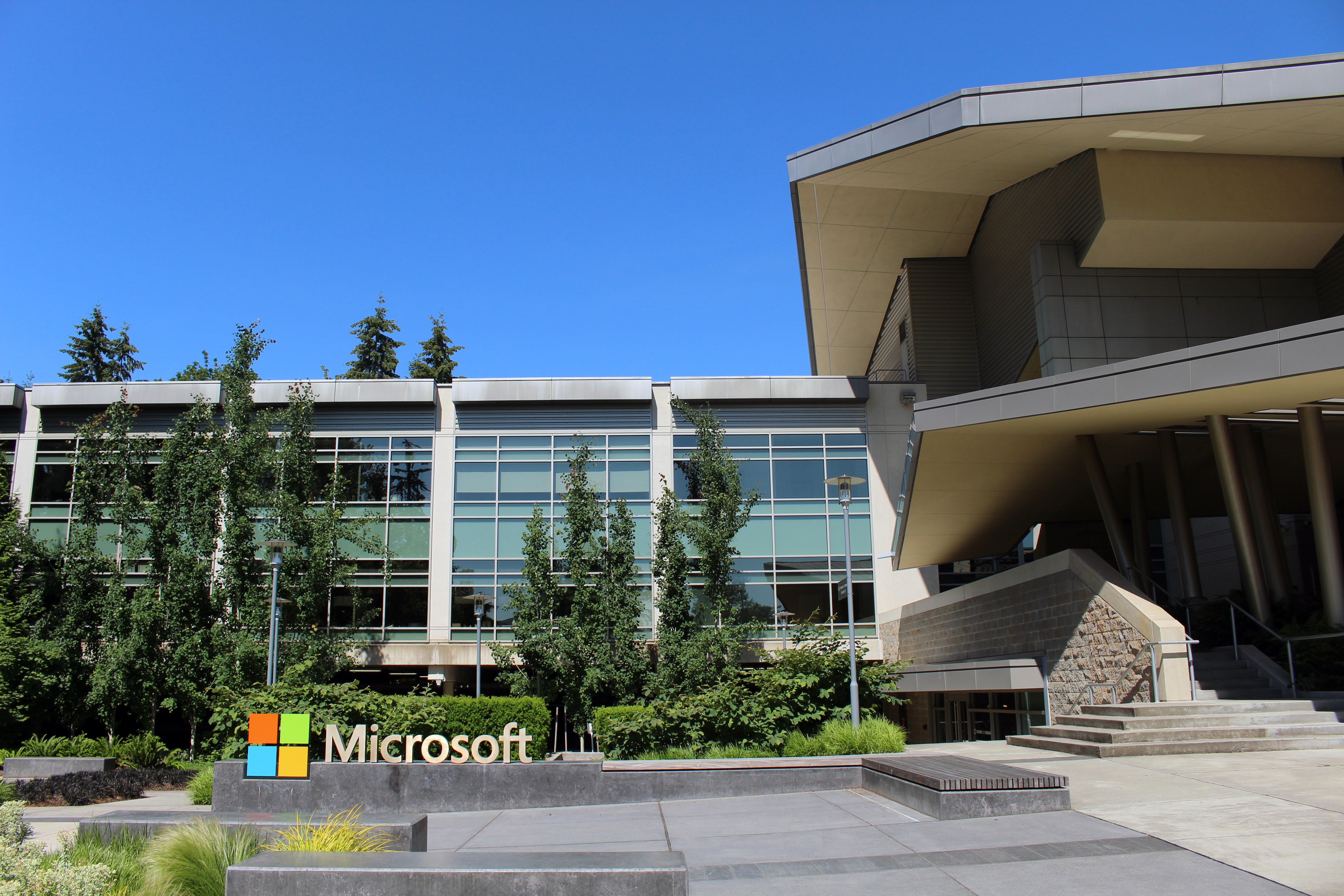
MicroStrategy’s founder, Michael Saylor, will address Microsoft’s board next month regarding the potential incorporation of Bitcoin into the tech giant’s corporate strategy. As the world’s largest software company continues to seek ways to leverage its $78 billion cash reserve, Bitcoin could become a cornerstone in their plans. However, reports indicate the board has already expressed skepticism, with several members raising concerns about the risks and volatility associated with digital assets.

Saylor, a vocal Bitcoin advocate, is expected to present a proposal that could see Microsoft join the growing number of corporate entities embracing cryptocurrency as part of their balance sheets. This follows a broader trend among tech companies, including Tesla and Square, that have invested in Bitcoin as both a hedge against inflation and as a means of aligning with the growing prominence of decentralized digital currencies.

The move by Microsoft, though not final, marks a significant moment in the ongoing evolution of corporate finance. While the company is sitting on a hefty cash reserve, which could potentially absorb the fluctuations of Bitcoin’s market, internal dissent underscores the divide between traditional financial strategies and the allure of digital currency. Microsoft’s board has been reluctant to adopt cryptocurrency, citing potential regulatory hurdles and concerns about the environmental impact of Bitcoin mining.

Despite the opposition, Saylor’s advocacy for Bitcoin remains unwavering. Since 2020, MicroStrategy has acquired over 150,000 BTC, making it one of the largest corporate holders of Bitcoin. The company has also committed to expanding its digital asset strategy, seeing Bitcoin not only as a store of value but also as a long-term investment that can yield substantial returns.

For Microsoft, the decision to integrate Bitcoin as part of its corporate strategy could be pivotal, especially as the company navigates the challenges of an evolving global economy. The ongoing discussions, set to culminate in the upcoming board meeting, come at a time when the financial world is increasingly debating the merits of digital currencies as an asset class. If the proposal is approved, Microsoft would join a small but growing group of traditional corporations making Bitcoin a central part of their financial structure.

In contrast, critics of cryptocurrency within the board have voiced concerns over Bitcoin’s volatility, which could undermine the stability of Microsoft’s cash reserves. These critics argue that the risks associated with such an investment could harm the company’s reputation as a reliable tech giant and create uncertainty for investors who have long viewed Microsoft as a safe haven in the stock market.

There are broader concerns about the regulatory environment surrounding cryptocurrencies. As governments worldwide grapple with the challenges of regulating digital currencies, the legal and financial uncertainties may deter some corporate leaders from taking such bold steps. Microsoft’s leadership, while innovative, has been historically cautious about ventures that could potentially invite scrutiny from regulators or affect the company’s relationships with stakeholders.

On the other hand, proponents of Bitcoin integration argue that Microsoft, with its vast financial resources, is well-positioned to weather the market’s fluctuations. Bitcoin’s rise in value over the past few years has proven that, despite its volatility, the digital currency holds significant long-term potential. With large tech companies and institutional investors like BlackRock increasingly backing Bitcoin, proponents believe that Microsoft’s endorsement could lend further legitimacy to the cryptocurrency market.

If Microsoft were to proceed with a Bitcoin investment strategy, the tech industry could see further moves from other major corporations exploring digital assets as a new avenue for growth. The decision would also reflect the changing mindset of corporate America, which is gradually warming to the idea of blockchain and cryptocurrencies as vital components of future business strategies.

Saylor, whose vision for Bitcoin as a central asset in corporate portfolios has often made headlines, will likely present a case focused not just on the potential upside of investing in Bitcoin, but also on its function as a store of value in an era of economic uncertainty. He argues that Bitcoin offers a unique value proposition compared to traditional assets like stocks or bonds, given its decentralized nature and the finite supply that protects against inflationary pressures.

The internal debate at Microsoft is just one example of how large corporations are grappling with the idea of digital currency integration. While some companies embrace Bitcoin as a forward-thinking investment, others remain wary, opting for more conventional approaches to managing their cash reserves.

As the tech world continues to wrestle with the implications of cryptocurrency, the decision Microsoft faces will serve as a barometer for the broader corporate landscape. Should the tech giant take the leap, it would signal a major shift in how corporations view digital currencies and their role in the future of business finance.

The Internet of Things (IoT) is rapidly transforming industries by connecting billions of devices that communicate and share data. However, the increasing complexity of cross-domain data sharing between these devices has raised serious concerns over security and efficiency, particularly for resource-constrained devices. A team of researchers has developed a new blockchain-based solution that addresses these issues, offering an efficient, secure method for data sharing among IoT devices […]

Binance, one of the largest cryptocurrency exchanges globally, has clarified that its BFUSD token, which promises an annual yield of 19.55%, is not a stablecoin. The clarification comes amid growing confusion in the market, as some users and analysts initially viewed the token as a stablecoin-like product due to its name and yield structure. The exchange emphasized that BFUSD, while offering rewards similar to stablecoins, does not adhere to the same mechanisms that define stablecoins, such as being pegged to a fiat currency like the US dollar.

The announcement follows a wave of interest in the cryptocurrency sector for yield-bearing assets, particularly those offering high returns. Stablecoins have long been popular due to their stability, but products like BFUSD, which offer significant yield rewards, blur the lines between traditional stablecoins and newer crypto-based financial instruments. Binance’s clarification aims to set the record straight, distinguishing BFUSD as a token that is tied to a different set of protocols and risks than those typically associated with stablecoins.

Binance described BFUSD as a reward-bearing token linked to specific yield-bearing programs rather than a stable asset designed to maintain a fixed value. This key distinction has been crucial for the platform, which operates in a heavily regulated environment where clarity around financial products is critical. Stablecoins are often seen as tools for hedging against volatility in the cryptocurrency market, but BFUSD’s appeal lies in its potential for returns rather than its stability.

The clarification from Binance also reflects the broader trend of exchanges and crypto platforms developing novel financial products to cater to the growing demand for decentralized finance (DeFi) solutions. As traditional financial instruments like savings accounts and bonds offer diminishing returns, cryptocurrency yield products, which often exceed traditional rates, are becoming increasingly attractive to investors. However, these products are not without risk. The lack of a clear regulatory framework for yield-bearing tokens like BFUSD makes it essential for users to understand the nature of these assets.

Binance has assured users that BFUSD is based on blockchain technology and a set of decentralized finance protocols that facilitate the generation of yield. The exchange outlined that these protocols rely on complex mechanisms within the crypto ecosystem, which do not guarantee the same level of stability that is associated with traditional stablecoins. This includes exposure to the volatility of the crypto market, as well as the underlying protocols used to generate the returns promised to investors.

Despite its high yield offering, BFUSD does not carry the same regulatory oversight that governs traditional stablecoins such as Tether (USDT) or USD Coin (USDC), which are pegged 1:1 to the US dollar. These stablecoins are regulated in various jurisdictions and are subject to strict auditing and reserve requirements. BFUSD, on the other hand, does not adhere to these mechanisms and instead operates within the parameters of the decentralized finance space, where yield-bearing tokens are more speculative and subject to market forces.

In the wake of Binance’s clarification, some users have expressed concern over the risks associated with BFUSD. While the 19.55% annual yield is significantly higher than the returns offered by traditional financial products, the volatility of cryptocurrency markets means that investors could face potential losses if the market takes a downturn. For Binance, the challenge will be in educating its users about the risks and rewards of investing in a token like BFUSD, which offers high returns but is not backed by the same guarantees as a stablecoin.

The clarification also comes as Binance faces increasing scrutiny from regulators around the world. As governments and financial authorities look to tighten regulations on cryptocurrency exchanges and products, companies like Binance are under pressure to provide clear, transparent information to users. Misunderstandings around products like BFUSD could lead to regulatory issues or customer dissatisfaction, prompting the exchange to take proactive steps to avoid confusion and maintain compliance with existing rules.

Binance has continued to expand its offerings in the yield-bearing space, with BFUSD being one of several products aimed at providing higher returns to crypto investors. The company has also been involved in developing new liquidity solutions and supporting decentralized applications (dApps) that provide alternative financial services outside the traditional banking system. These efforts align with the broader trend of DeFi platforms disrupting traditional finance by offering new ways to earn income and engage with digital assets.

Donald Trump is set to hold a private meeting with Coinbase CEO Brian Armstrong to discuss key personnel appointments related to his vision for the cryptocurrency sector. The meeting, which marks a significant step in Trump’s growing interest in digital currencies, will also address plans for a potential presidential advisory commission focused on Bitcoin and other cryptocurrencies. This commission, if Trump secures a second term in office, could have a profound impact on U.S. crypto policy, aiming to provide clearer regulatory guidelines and bolster the integration of digital assets into the economy.

Trump’s vocal support for Bitcoin and its role in the future of finance has been consistent, with his proposals reflecting a desire to integrate digital currency into mainstream financial structures. The advisory commission, should it be formed, would likely influence major regulatory decisions, potentially reshaping how government agencies view cryptocurrencies and their role in global markets. Given Armstrong’s influence in the crypto world, his involvement signals a pivotal moment for both the industry and Trump’s campaign, aligning political support with the priorities of one of the world’s largest cryptocurrency exchanges.

The planned collaboration comes as Coinbase, under Armstrong’s leadership, has continued to push for greater regulatory clarity in the United States. The company has been at the forefront of the battle for clear and consistent crypto regulations, often vocal about the need for lawmakers to establish more defined rules that can foster innovation while safeguarding investors. Coinbase’s legal team has been embroiled in a high-profile lawsuit against the U.S. Securities and Exchange Commission (SEC), accusing the regulator of stifling the development of the cryptocurrency market with unclear and inconsistent guidelines.

The SEC’s position on cryptocurrencies, particularly its classification of certain digital assets as securities, has long been a point of contention within the industry. Coinbase’s legal challenge is one of several efforts to create a more predictable regulatory environment. Armstrong and other industry leaders argue that clearer regulations would help drive innovation in the sector, attract new investors, and support the wider adoption of blockchain technologies.

In addition to its legal battles, Coinbase has made strategic moves to influence policy decisions in the crypto space. The company launched Stand With Crypto, a nonprofit organization dedicated to advocating for pro-crypto policies and legislation. Stand With Crypto focuses on educating lawmakers, regulators, and the public about the potential benefits of cryptocurrencies and the need for a regulatory framework that supports growth while protecting consumers. The organization’s efforts have brought Coinbase into the heart of the debate on crypto regulation, aligning the company with others in the industry seeking to make their voices heard in Washington, D.C.

Armstrong’s private discussions with Trump may be part of a broader strategy to position the cryptocurrency sector more favorably within the next administration. If Trump moves forward with his plans for a Bitcoin and crypto-focused advisory commission, it could help reduce the uncertainty that has plagued the sector. This move would also underscore Trump’s interest in securing the support of tech and finance sectors, particularly as he seeks to widen his base of support among younger voters who are more likely to invest in or embrace digital currencies.

The meeting between Trump and Armstrong is also noteworthy in the context of the political climate surrounding cryptocurrencies. While some politicians view Bitcoin and other cryptocurrencies with skepticism, fearing that they could be used for illicit activities or undermine traditional financial systems, others see them as essential to the future of finance. Trump’s involvement could shift the narrative, casting digital currencies as an innovative force in the economy that deserves the same level of attention as traditional financial institutions.

However, the political and regulatory landscape remains complicated. The U.S. has struggled to balance the need for innovation with the potential risks associated with cryptocurrencies. Proponents argue that cryptocurrencies have the potential to enhance financial inclusion, reduce transaction costs, and offer new opportunities for economic growth. Critics, on the other hand, raise concerns about the volatility of digital assets, the environmental impact of Bitcoin mining, and the potential for fraud and market manipulation.

The cryptocurrency sector’s push for regulatory clarity is not confined to the United States. Globally, countries are taking varied approaches to managing the growth of digital currencies. Some nations, like El Salvador, have embraced Bitcoin as legal tender, while others have cracked down on its use. The lack of a unified global approach to crypto regulation has created challenges for companies like Coinbase, which operate across multiple jurisdictions and must navigate different legal requirements.

Trump’s proposed advisory commission could also help bring the U.S. in line with global trends, positioning the country as a leader in the cryptocurrency space rather than a passive observer. The commission could provide a forum for industry leaders, regulators, and lawmakers to work together on creating a regulatory framework that promotes innovation while addressing concerns about security, consumer protection, and market stability.

Elon Musk has revealed a concept video of “Terminus,” a proposed city on Mars designed to support human life and sustainable living on the Red Planet. The video, shared via SpaceX’s official platforms, offers a glimpse into Musk’s long-standing vision of interplanetary colonization. The concept, described as futuristic and ambitious, features advanced technologies that would enable the city to function in the harsh Martian environment. The video […]

Advertisements

Dedicated to Promoting the Development of eVTOL Technology and Boosting the Low-altitude Economy in Hong Kong and the Greater Bay Area of China HONG KONG SAR – Media OutReach Newswire – 18 November 2024 – To support the Hong Kong Government’s initiative to develop the low-altitude economy, the Centre for Intelligent Multidimensional Data Analysis (CIMDA) at the City University of Hong Kong (CityU), a member of the […]

US President Joe Biden and Chinese President Xi Jinping have reached a significant understanding concerning the governance of nuclear weapons, agreeing that neither nation will allow artificial intelligence to control their nuclear arsenals. This agreement was made public during a high-level summit on Saturday, where both leaders emphasized the importance of maintaining human oversight over nuclear weapon systems in the context of rapid advancements in AI technology. […]

Lenovo Group, the world’s largest PC maker, has announced plans to establish a state-of-the-art manufacturing facility in Saudi Arabia. This move aligns with the Kingdom’s Vision 2030 strategy, which seeks to diversify the economy by developing its technology and manufacturing sectors. The new facility, which will focus on assembling and producing personal computers and IT equipment, is expected to strengthen Lenovo’s foothold in the Middle East while driving local job creation and technical skill development.

Set to be located in the King Abdulaziz City for Science and Technology (KACST) area, the factory underscores the growing importance of Saudi Arabia as a strategic hub for global technology companies. Lenovo’s decision to invest in this region comes as demand for PCs and enterprise IT solutions continues to grow across the Gulf Cooperation Council (GCC) countries. With an annual production capacity estimated to reach tens of thousands of units, the plant will play a key role in meeting the technology needs of government entities, enterprises, and individual consumers in the region.

The factory is expected to generate hundreds of jobs for Saudi nationals, with Lenovo committing to knowledge transfer and training programs aimed at fostering local expertise in advanced manufacturing processes. This initiative aligns with the Kingdom’s Saudization goals, which prioritize the integration of local talent into key economic sectors. Lenovo’s executives emphasized that the plant would not only serve regional markets but also have the potential to export products to neighboring countries, further positioning Saudi Arabia as a technological hub for the wider Middle East.

Lenovo’s partnership with local entities and stakeholders, including the Ministry of Investment and the Saudi Industrial Development Fund, highlights the collaborative approach that has characterized its entry into the market. By leveraging Saudi Arabia’s supportive regulatory environment and infrastructure, the company aims to streamline operations and maximize efficiency in its production pipeline. This collaboration marks another milestone in Saudi Arabia’s efforts to attract foreign direct investment into its high-tech industries, a key pillar of Vision 2030.

The timing of Lenovo’s announcement coincides with a global shift in manufacturing trends, as companies seek to diversify their supply chains and mitigate risks associated with overdependence on specific regions. Lenovo’s Saudi factory will help the company reduce logistical complexities and ensure supply chain resilience, especially in a post-pandemic world where disruptions to global trade have underscored the need for localized production hubs.

While Lenovo has long been a dominant force in the global PC market, this investment represents its first manufacturing venture in Saudi Arabia. It signals the company’s intent to deepen its engagement with Middle Eastern markets, which have experienced steady growth in digital adoption and IT spending. Analysts believe this move could serve as a blueprint for other tech companies looking to expand their presence in the region.

The announcement also reflects the Kingdom’s broader ambitions to become a leader in emerging technologies such as artificial intelligence, robotics, and cloud computing. Saudi Arabia’s investments in smart cities like NEOM and other large-scale infrastructure projects are expected to drive demand for IT hardware and services, providing a robust market for companies like Lenovo to tap into. Additionally, the factory’s establishment could catalyze the development of ancillary industries, such as component manufacturing and logistics, further enriching the local economy.

Observers note that Lenovo’s move could pave the way for increased competition among technology companies in the region, prompting other global players to explore similar opportunities. This competitive environment is likely to benefit end-users by improving access to cutting-edge technology and reducing costs through localized production.

As the factory’s construction progresses, Lenovo plans to roll out community engagement programs aimed at fostering innovation and interest in technology among Saudi youth. These initiatives, including internships and partnerships with local universities, are intended to ensure that the Kingdom’s workforce remains equipped to meet the demands of a rapidly evolving digital economy.

Mubadala Investment Company and commodities trader Trafigura are exploring the sale of their assets in Brazil’s iron-ore sector, specifically Porto Sudeste, a key iron ore port in Rio de Janeiro, and the Mineração Morro do Ipê mining project in Minas Gerais. Both entities are working with UBS BB and Goldman Sachs to facilitate the sale, a move that could be completed within the next six to nine […]

KUALA LUMPUR, MALAYSIA – Media OutReach Newswire – 14 November 2024 – Adding exotic currency pairs to a portfolio is a popular way to get exposed to a wider variety of assets. These pairs, which include currencies from emerging markets or smaller economies, offer unique opportunities due to their volatility and potential for high returns. For traders in regions like India and Southeast Asia, exotic pairs can […]

The United Kingdom is preparing to roll out blockchain-powered digital government bonds within the next two years, marking a significant step towards modernizing its financial markets. This initiative is expected to streamline the process of issuing gilts, traditionally used by the UK government for borrowing, by leveraging blockchain technology. The formal announcement of the project is anticipated on November 14.

City Minister Tulip Siddiq has been a key advocate for this move, which aims to enhance efficiency and reduce the costs associated with traditional bond issuance processes. Blockchain’s ability to provide transparency and cut out middlemen is seen as a major advantage. Supporters of the initiative argue that it could also offer greater security and streamline the trading process by reducing administrative burdens.

However, the proposal has encountered resistance, particularly from the UK Debt Management Office (DMO), which has expressed concerns about the feasibility of implementing such a system at scale. The DMO, which manages the issuance and redemption of government debt, has voiced reservations regarding the technical challenges of transitioning to a fully digital platform. These concerns center on the complexity of blockchain integration into existing financial structures and the readiness of key stakeholders to adopt the new technology.

Despite this, Siddiq remains steadfast in her belief that blockchain represents a crucial step forward. She has pushed for the adoption of blockchain to not only modernize the financial sector but also to maintain the UK’s competitive edge in global markets. The proposal could potentially place the UK at the forefront of adopting blockchain in public sector financial services, offering a model for other nations to follow.

Nano Labs, a leading Chinese integrated circuit design company, has made a groundbreaking move by announcing it will now accept Bitcoin payments for its products. The company, based in Hangzhou and known for its cryptocurrency-mining chips, unveiled this decision on November 11, 2024. This marks the first time a Chinese company has embraced Bitcoin as a payment option since Baidu briefly accepted it back in 2013 before halting due to government restrictions.

The decision to integrate Bitcoin payments is part of Nano Labs’ broader strategy to align itself with the growing digital economy and the increasing demand for cryptocurrency transactions. By offering Bitcoin payments through a business account on Coinbase, the company is seeking to provide greater payment flexibility to its clients and reduce the delays and high fees associated with traditional banking methods. This shift highlights Nano Labs’ proactive stance in the evolving tech and cryptocurrency sectors, positioning the company to attract a broader customer base interested in forward-thinking financial solutions.

As part of its expansion into digital assets, Nano Labs has also expressed interest in holding Bitcoin in its reserves, although no official announcement has been made on this matter. The move reflects a larger trend of businesses increasingly recognizing the potential of cryptocurrencies, particularly Bitcoin, for secure, efficient cross-border transactions. This development could signal the beginning of more widespread acceptance of cryptocurrency by Chinese companies, despite the government’s generally restrictive stance on digital currencies.

The announcement was met with positive market reception, with Nano Labs’ stock rising by 5.6% following the news. Investors and analysts alike are speculating that this bold move could pave the way for other tech companies in China to explore similar options. Additionally, the integration of Bitcoin payments could allow Nano Labs to enhance its global reach, appealing to international clients seeking alternative payment methods.

Founded in 2019 by Kong Jianping and Sun Qifeng, Nano Labs went public in 2022, raising $20 million through a U.S. IPO. The company is best known for designing integrated circuits used in cryptocurrency mining, such as the Cuckoo 1.0 and Darkbird 1.0 chips. With most of its revenue coming from within China, Nano Labs has been keen to explore international markets, and the move to accept Bitcoin could be seen as a step toward global expansion.

Tesla’s cryptocurrency holdings have soared, with the value of its 11,000 Bitcoin reaching over $1 billion. The electric vehicle giant’s investment in Bitcoin has been a key part of its strategy to diversify corporate assets beyond traditional fiat currencies. While the price of Bitcoin fluctuates, Tesla’s large holding has provided it with significant exposure to the cryptocurrency market, elevating the company’s financial profile in a sector that continues to gain attention and evolve.

In 2021, Tesla made headlines when it announced an investment of $1.5 billion in Bitcoin, signaling confidence in the digital asset as a store of value. CEO Elon Musk’s affinity for cryptocurrency, coupled with the company’s broader interest in innovation and emerging technologies, led to this pivotal move. Since then, Tesla’s Bitcoin holdings have fluctuated alongside market conditions, but they have proven to be a lucrative asset, contributing to the company’s financial resilience during periods of market volatility.

Bitcoin’s value has experienced considerable ups and downs, often driven by market sentiment, regulatory changes, and macroeconomic factors. In 2024, the cryptocurrency market saw a resurgence, with Bitcoin prices breaking new thresholds. Tesla’s holdings of 11,000 Bitcoin have benefited significantly from this rise, surpassing the $1 billion mark. At current market prices, Tesla’s Bitcoin stash represents a notable portion of its financial portfolio, highlighting the growing intersection between traditional businesses and the digital economy.

The company’s decision to hold Bitcoin has sparked both praise and criticism. Advocates of the investment argue that Tesla’s strategic move aligns with its innovative image, positioning the company as a leader in adopting cutting-edge technologies. The large holding is seen as a hedge against inflation and a potential future asset in a more decentralized global financial system. Tesla’s Bitcoin investment also provides liquidity, offering the company an alternative means of transacting in the digital realm without relying on conventional banking systems.

Critics, however, point to the volatility of cryptocurrencies and the risks associated with such an investment. Bitcoin’s price can fluctuate significantly over short periods, which has raised concerns about Tesla’s exposure to market swings. Some argue that Tesla’s holdings in Bitcoin could expose the company to unnecessary financial risk, potentially impacting its stock price and long-term stability. There are also broader environmental concerns, with Bitcoin mining being energy-intensive, which could contradict Tesla’s sustainability goals. While the company’s electric vehicles aim to reduce carbon emissions, critics note the contrast between Tesla’s green mission and the energy consumption associated with Bitcoin mining.

Tesla’s Bitcoin holdings also invite scrutiny from regulators. Governments around the world have been taking a closer look at the role of cryptocurrencies in the global economy, with some considering stricter regulatory frameworks. In the U.S., the Securities and Exchange Commission (SEC) has taken an active interest in digital assets, including Bitcoin. Tesla, as a publicly traded company, is subject to scrutiny from regulators on how it reports its cryptocurrency holdings and any potential risks they might pose to shareholders. The company has had to navigate these regulatory waters carefully, ensuring compliance while continuing to profit from its Bitcoin investment.

Despite the risks, Tesla has shown no signs of backing away from its Bitcoin position. The company’s strategy appears to be one of cautious optimism, leveraging the value of Bitcoin while balancing the volatility that comes with holding the cryptocurrency. Tesla has also explored the potential for using Bitcoin as a payment method for its vehicles, further deepening its integration with the digital economy. While this initiative faced some setbacks due to environmental concerns and Bitcoin’s energy consumption, it highlights Tesla’s commitment to pushing the boundaries of innovation in the financial and automotive sectors.

Tesla’s Bitcoin investment has had ripple effects across the business world. Other companies have followed suit, with some publicly traded firms diversifying into cryptocurrency holdings as a hedge or alternative investment. The trend of corporate adoption of Bitcoin has raised questions about the future role of digital currencies in mainstream financial markets. For now, Tesla stands at the forefront of this movement, with its Bitcoin holdings continuing to make waves in both the tech and finance sectors.

The company’s exposure to Bitcoin has also brought attention to the evolving landscape of corporate finance. As the global economy increasingly embraces digital assets, businesses are exploring new ways to incorporate cryptocurrency into their strategies. Tesla’s success with Bitcoin demonstrates the potential for companies to use cryptocurrencies not just as speculative investments, but as integral components of their overall financial strategies.

As automation and artificial intelligence (AI) steadily integrate into office environments, Arbolo, a coaching and simulation platform, has positioned itself as a key player in the upskilling of IT-business process management (IT-BPM) professionals. With AI’s growing influence, especially in industries reliant on repetitive tasks, Arbolo aims to help workers adapt to more complex and advanced roles, addressing the concerns many have about their future in an increasingly […]

New ERP Solutions Help Construction Companies Meet Budgets, Deadlines, and Resource Demands As the construction industry faces increasingly complex projects and tighter profit margins, a growing number of companies are turning to ERP software for construction to improve efficiency. ERP software tailored for construction is transforming how these companies manage everything from budgeting to scheduling, aiming to reduce costs and streamline operations. ERP Software Helps Address Industry […]

Saudi Aramco has seen significant financial performance in recent quarters, but its aggressive expansion and capital expenditure strategy are drawing attention amid broader concerns about the oil market. Despite strong earnings and robust cash flow, the company’s large-scale investments in both traditional energy and new technologies have raised questions about its ability to sustain these levels of expenditure while delivering consistent returns. In its latest financial results, […]

Bitcoin has surged to an all-time high as traders factor in the possibility of a Donald Trump victory in the upcoming U.S. presidential election. The cryptocurrency reached new heights, surpassing the $40,000 mark for the first time, driven by a combination of factors, including growing political uncertainty, the appeal of Trump’s economic policies, and an increasing demand for decentralized assets as hedges against inflation.

As the election race intensifies, market analysts are closely monitoring how Trump’s political resurgence could impact traditional markets and the broader economy. Traders seem to be betting that a second Trump presidency would lead to favorable conditions for Bitcoin, particularly given his past rhetoric on the benefits of digital currencies and his critical stance toward centralized financial systems.

Bitcoin’s rapid rise comes at a time when the broader global economy is grappling with uncertainty. The U.S. economy, though resilient in many ways, faces challenges such as inflation, supply chain disruptions, and a fluctuating stock market. With the Federal Reserve’s interest rate hikes and the push for tightening monetary policy, many investors are looking for assets that provide an alternative to traditional banking systems. Bitcoin, often viewed as a store of value similar to gold, fits the bill.

Trump’s influence on Bitcoin’s price movement is not entirely new. In 2017, during his first presidential campaign, Bitcoin saw significant price appreciation, as his anti-establishment rhetoric resonated with many investors seeking refuge from a perceived unstable traditional financial system. His leadership style, coupled with calls to deregulate the financial sector, has always aligned with the ideals of the crypto community, which champions decentralization and reduced government oversight.

The current market sentiment surrounding Bitcoin reflects growing confidence in the cryptocurrency’s long-term potential, especially among traders who perceive Trump’s economic policies as supportive of asset appreciation. Trump’s stance on cryptocurrencies has evolved over time. Initially dismissive, his recent statements have indicated a more favorable approach, particularly with the rise of Bitcoin’s mainstream appeal.

While Bitcoin’s value continues to climb, it has also drawn attention from traditional financial institutions, who are taking a closer look at the asset class. Major financial firms are increasingly open to the idea of incorporating Bitcoin into their portfolios, with some even offering products that allow clients to invest directly in the cryptocurrency. This shift represents a growing mainstream acceptance of Bitcoin, which was once viewed as a speculative and volatile asset.

The surge in Bitcoin’s price is not solely attributable to political factors. The rise of institutional investment, the increasing adoption of blockchain technology, and regulatory clarity are all contributing to the cryptocurrency’s appeal. In countries like El Salvador, where Bitcoin has been adopted as legal tender, the digital currency’s role as a financial tool has become more apparent. The growing use of blockchain technology in industries ranging from supply chain management to healthcare also bodes well for Bitcoin’s future, as it becomes increasingly intertwined with global economic systems.

In the U.S., Bitcoin’s role in the political sphere is also gaining attention. Some political figures, particularly those aligned with the Republican Party, have expressed support for digital currencies, viewing them as a way to counterbalance the influence of the Federal Reserve and the U.S. dollar. Trump, despite his criticisms of the current administration, has been vocal in supporting policies that could benefit the cryptocurrency market. His stance on cryptocurrency has been a mixture of endorsement and skepticism, but his broader economic agenda, which favors lower taxes, deregulation, and less government intervention, aligns with the pro-crypto sentiment prevalent in the market.

Despite Bitcoin’s bullish momentum, there are concerns about the potential risks associated with such rapid price increases. Critics warn that Bitcoin’s volatility could result in a market correction, particularly if traders begin to overextend their positions. Additionally, global regulatory pressures could affect the asset’s price trajectory. Some governments, including China and the European Union, have signaled that they may take a more stringent approach to cryptocurrency regulation, which could influence market sentiment and investor behavior.

Lime, a global leader in micromobility solutions, is poised to launch its innovative no-pedal electric bikes in Dubai, expanding its portfolio of sustainable transportation options in the city. This development aligns with Dubai’s broader strategy to enhance urban mobility and reduce congestion while promoting eco-friendly transportation alternatives. The no-pedal e-bikes, designed for ease of use and accessibility, require riders to simply accelerate with a throttle rather than […]

Hong Kong’s regulatory landscape for stablecoins is expected to undergo significant transformation with new frameworks anticipated by the end of the year. This marks a substantial step in the Hong Kong Monetary Authority’s (HKMA) broader plan to establish the city as a central player in the digital asset ecosystem. Through an upcoming licensing scheme, the HKMA intends to create a structured environment for fiat-backed stablecoins, ensuring stringent oversight that would apply not only to domestic issuers but also to overseas companies actively marketing stablecoins to the Hong Kong public. This regulatory approach aligns with Hong Kong’s ambition to become a global hub for virtual assets while maintaining a secure environment for investors.

The proposed framework follows Hong Kong’s recent initiatives to regulate virtual asset exchanges and has sparked interest from key industry figures, including Circle’s CEO, who identified Hong Kong as a strategic market for USD Coin (USDC). The stablecoin issuer has shown readiness to engage with Hong Kong’s new regulations, positioning itself for early compliance as the city shapes a potentially influential model for stablecoin governance worldwide.

The core of the HKMA’s strategy targets fiat-referenced stablecoins, distinguishing them from algorithmic or arbitrage-backed digital currencies, which are less likely to meet the agency’s stringent requirements. Under the proposed system, stablecoin issuers must uphold the stability of their currencies by maintaining equivalent reserve assets in segregated accounts, preferably held in Hong Kong–based financial institutions. This approach is intended to prevent destabilization risks seen with algorithmic stablecoins and offers an added layer of financial assurance by linking reserves to the value of the Hong Kong dollar or other fiat currencies.

In setting these standards, the HKMA is seeking to build consumer confidence in stablecoins as reliable digital alternatives to traditional currency. The proposed licensing requirements include a mandated HK$25 million in capital and the presence of a registered office in Hong Kong, requirements that aim to ensure operational transparency and accountability. Additionally, stablecoin issuers will need to meet rigorous internal controls, including risk management practices for handling and safeguarding reserve assets, similar to standards seen in traditional banking and finance.

The HKMA’s approach reflects the “same activity, same risk, same regulation” principle, which mandates that entities offering similar financial services be subject to comparable oversight regardless of their digital or traditional format. This regulatory alignment is intended to create an even playing field, further solidifying Hong Kong’s appeal as a stablecoin issuance and trading center. With the HKMA as the principal regulatory authority, the agency is positioned to enforce these new rules, impacting not only issuers but also entities involved in the stablecoin distribution network.

This framework brings with it an extraterritorial element, meaning that foreign stablecoin issuers could fall under Hong Kong’s regulatory scope if they issue stablecoins pegged to the Hong Kong dollar or target Hong Kong consumers. This provision seeks to limit risks associated with cross-border stablecoin transactions, which can complicate efforts to maintain monetary stability and secure reserves. Overseas issuers operating within Hong Kong’s jurisdiction will be required to obtain the necessary licenses, ensuring that foreign entities adhere to Hong Kong’s regulatory standards when they conduct business with local investors.

The HKMA’s efforts also highlight a broader trend in Asia toward more precise stablecoin regulations. With Japan recently setting its own regulations, Hong Kong is looking to offer a competitive regulatory framework that could draw international digital asset firms to establish operations within the city. This move reflects Hong Kong’s attempt to balance innovation with investor protection, a challenging dynamic as central banks worldwide navigate the complexities of digital finance.

As the regulatory framework unfolds, industry leaders like Circle’s Jeremy Allaire have recognized the advantages of a structured stablecoin ecosystem in Hong Kong, citing its role as a key market for USDC, one of the most widely used fiat-backed stablecoins globally. Circle’s interest in Hong Kong underscores the potential of the market and the appeal of the city’s stable regulatory environment, which could provide stability and growth opportunities for USDC and similar stablecoins within Asia.

Hong Kong’s proactive stance contrasts with the regulatory approaches seen in many Western jurisdictions, where stablecoin legislation remains in preliminary stages or subject to extensive legislative debate. The HKMA’s framework positions Hong Kong as a leader in digital currency regulation, providing a model that could inform stablecoin policies in other regions. By requiring stablecoin reserves to be held in highly liquid and low-risk assets, the proposed guidelines aim to create a safeguard against market volatility and instill confidence among users and investors alike.

To Foster Emotional Well-Being Through Art and Technology HONG KONG SAR – Media OutReach Newswire – 4 November 2024 – Breast cancer is the most common cancer among women in Hong Kong. In addition to improving treatment options for better disease management and survival rates, the medical community is increasingly prioritizing the enhancement of patients’ emotional well-being. From left to right: Professor Angela, Leung Yee-man, Associate Head […]

A new open-source code editor named Zed is gaining traction in the developer community, touted for its performance and features rooted in modern programming practices. Developed by the same team that created the now-defunct Atom editor, Zed aims to provide a seamless coding experience that integrates artificial intelligence with a Rust-based architecture. This innovative approach positions Zed as a next-generation tool, appealing to developers looking for enhanced […]

Online casino platform MetaWin experienced a significant security breach on November 3, resulting in the loss of approximately $4 million in user funds. According to reports from cybersecurity experts and industry insiders, the exploit appears to have been orchestrated by a sophisticated hacking group, leading to widespread concerns about the safety of online gambling sites. Following the attack, the CEO of MetaWin reassured users that the funds […]

VISHNU RAJA
RYO YAMADA
HITORI GOTOH
IKUYO KITA