News related to
associated

Adnoc Drilling has initiated a significant campaign targeting unconventional oil and gas resources, with an investment exceeding $1.7 billion. This move underscores the company’s commitment to expanding its operational capabilities and enhancing its production capacity amid the growing global demand for energy. The unconventional campaign aims to unlock resources that require advanced extraction technologies, reflecting a strategic shift toward maximizing the potential of the region’s energy landscape. […]

Verizon Communications has agreed to sell over 6,300 wireless towers to Vertical Bridge, a major U.S. infrastructure provider, in a landmark deal valued at $3.3 billion. The transaction, which was officially confirmed this week, marks a significant move in Verizon’s strategy to focus on 5G expansion, while also offering a substantial opportunity for Vertical Bridge to enhance its nationwide portfolio. Under the terms of the agreement, Vertical […]

A new study has brought renewed attention to the potential of using nuclear explosions as a means to protect Earth from devastating asteroid impacts. The concept of employing nuclear weapons to alter the course of a threatening asteroid has been debated for decades, but recent research sheds new light on how radiation from a nuclear detonation, particularly x-rays, could prove to be the key in averting a […]

The United States government has enacted a new regulatory framework aimed at enhancing the export of artificial intelligence (AI) chips, particularly to nations in the Middle East. This development arrives amid increasing global demand for AI technologies and reflects a broader strategic intent to foster technological cooperation with regional allies. The updated policies are expected to significantly impact the semiconductor industry, as key players adapt to the […]

Israeli Defense Forces (IDF) have initiated a ground offensive into southern Lebanon, focusing on military targets associated with Hezbollah. This operation, named “Northern Arrows,” aims to dismantle the militant group’s capabilities along the border and follows two weeks of airstrikes against Hezbollah positions. The escalation is a direct response to perceived threats to Israeli civilians, particularly following a series of rocket attacks that have heightened tensions in […]

A high-profile role-playing game (RPG) that was anticipated as a Nintendo Switch 2 exclusive has been unexpectedly canceled, leaving fans of both Square Enix and the upcoming console disappointed. This title, which was positioned as one of the key attractions for the next-generation Nintendo device, marks a significant loss for Square Enix’s portfolio, especially given the recent reshuffling within the company. The RPG in question was reportedly […]

Coinbase has taken a significant step to bolster transparency within the cryptocurrency ecosystem by launching cbBTC, a wrapped version of Bitcoin designed to address concerns regarding the management of digital assets. The announcement was made on September 12, with the token now available for trading across multiple jurisdictions, including the United Kingdom, Australia, Singapore, and most U.S. states, excluding New York. cbBTC is structured to operate on […]

Advertisements

Taiwan’s Financial Supervisory Commission (FSC) has officially opened the door for professional investors, including institutions and high-net-worth individuals, to engage in foreign virtual asset exchange-traded funds (ETFs). This landmark decision is set to significantly impact Taiwan’s financial market, as it provides a regulated pathway for local investors to tap into the growing digital asset sector. The move comes after months of deliberation by the FSC, the nation’s […]

Stellantis NV has revised its profit margin forecasts for 2024, attributing the changes to increased costs associated with revitalizing its Jeep and Dodge brands in the United States, as well as a notable slowdown in the global automotive sector. This strategic move highlights the challenges faced by one of the world’s leading automakers as it navigates a complex market landscape marked by economic uncertainty and shifting consumer preferences.

The automotive industry has encountered various headwinds in recent months, including inflationary pressures, fluctuating raw material prices, and evolving regulatory standards aimed at reducing emissions. Stellantis, formed from the merger of Fiat Chrysler and PSA Group, is experiencing heightened scrutiny as it attempts to balance profitability with investment in sustainable technologies and electric vehicle (EV) production. The company’s leadership has expressed concerns over the competitive landscape, particularly in the context of emerging electric vehicle manufacturers and traditional competitors ramping up their EV offerings.

In a recent statement, Stellantis reported that it now expects its adjusted operating profit margin to fall between 10% and 11% for the upcoming year, down from a prior estimate of 11% to 12%. This adjustment signals the company’s recognition of the difficult conditions affecting its operational costs and overall performance. The revised forecast reflects the growing expenses tied to revitalizing key brands that have struggled to maintain market share in a rapidly changing industry.

Stellantis has faced significant challenges with its Jeep and Dodge divisions. Both brands have historically been central to the company’s identity and profitability. However, they have recently grappled with declining sales and an outdated product lineup. The Jeep brand, which has traditionally thrived on its off-road capabilities and rugged image, has seen waning interest from consumers who are increasingly favoring SUVs and electric vehicles. Similarly, Dodge, known for its muscle cars, is contending with shifts in consumer preferences as the market leans towards more fuel-efficient and eco-friendly vehicles.

To address these challenges, Stellantis is investing heavily in product innovation and marketing initiatives aimed at rejuvenating the Jeep and Dodge brands. The company plans to launch a series of new models that emphasize electric and hybrid technology, aligning with the broader industry trend toward sustainability. These investments are crucial as Stellantis aims to enhance its competitive edge and capture a greater share of the evolving automotive market.

Economic factors are also influencing Stellantis’s outlook. The global automotive industry is currently facing a slowdown, driven by a combination of higher interest rates, reduced consumer spending, and ongoing supply chain disruptions. Many consumers are delaying new vehicle purchases, opting instead to hold onto their current cars amid rising costs of living. As a result, automakers, including Stellantis, are experiencing decreased demand for new vehicles, further complicating their financial projections.

The company’s response to these market dynamics includes a focus on operational efficiency and cost management. Stellantis is undertaking measures to streamline its production processes and reduce overhead expenses, enabling it to navigate the financial pressures more effectively. However, these efforts may take time to translate into improved margins, as the company balances the need for immediate cost reductions with the long-term goal of fostering brand loyalty and consumer engagement.

Stellantis’s revised profit margin forecast has raised concerns among investors, leading to fluctuations in the company’s stock price. Analysts are closely monitoring the situation, with many emphasizing the importance of the upcoming model launches and the company’s strategic pivot toward electric vehicles. As Stellantis works to navigate this period of uncertainty, its ability to execute a successful turnaround for the Jeep and Dodge brands will be crucial in determining its long-term success.

The automaker is not alone in facing these challenges; the entire industry is undergoing a significant transformation. Rivals such as Ford and General Motors are also adjusting their strategies in response to the shifting market dynamics. With the rise of electric vehicles and new entrants to the market, traditional automakers must adapt quickly to stay competitive. Stellantis’s commitment to electrification and sustainability positions it among the leaders in this evolving landscape, but the path forward remains fraught with obstacles.

KUALA LUMPUR, MALAYSIA – Media OutReach Newswire – 30 September 2024 – The market has reacted live as Vice-President Kamala Harris and former President Donald Trump clashed in their first—and possibly last—debate before the November election. With financial markets already reacting to the debate’s fallout, the candidates’ performance and policies could reshape trading strategies. Below is an outline of what it means for traders’ long-term investment portfolios […]

Struggling with a challenging task for more than ten minutes may require a simple solution: take a walk. This approach, often advocated by Steve Jobs, now finds validation in neuroscience. Researchers have uncovered how physical movement can positively affect creativity, suggesting that standing still for too long can inhibit the mind’s problem-solving abilities. Jobs’ method of stepping away from a task to refresh the brain aligns with emerging scientific evidence that supports the role of movement in enhancing cognitive function and fostering creative thinking.

Neurobiologists have been studying the connection between physical activity and mental processes for years. A growing body of research points to the benefits of walking, particularly when individuals face mental blocks or challenging problems. Insights and breakthroughs often emerge when people break away from static routines and allow their minds to wander during movement. This phenomenon, known as “embodied cognition,” suggests that the mind and body work in tandem, and physical activity can unlock creative potential that may remain dormant while sitting at a desk or staring at a screen.

The ten-minute rule, famously advocated by Jobs, hinges on the idea that taking a short break when stuck on a problem can lead to a mental reset. Jobs reportedly employed this technique during his time at Apple, using walks as a tool for brainstorming, idea generation, and decision-making. The act of moving allowed him to approach challenges from different angles, freeing his mind from the constraints of a static environment.

Studies conducted by neuroscientists now support the notion that stepping away from a desk or leaving a fixed position can stimulate brain activity in ways that enhance creativity. The prefrontal cortex, which plays a key role in problem-solving and decision-making, becomes more active during physical movement. This increased activity can lead to new ideas and solutions that might not surface when an individual remains stationary.

The link between walking and creativity was examined in a series of experiments led by cognitive neuroscientists at Stanford University. Researchers asked participants to engage in various creative tasks while sitting and walking, both indoors and outdoors. The results consistently showed that those who walked demonstrated a marked improvement in their ability to think creatively. This effect was particularly noticeable when participants faced open-ended tasks, such as generating novel uses for everyday objects. Walking seemed to free the mind from rigid thought patterns, allowing for more expansive and divergent thinking.

Another study, conducted by researchers at the University of Graz in Austria, explored the impact of different types of movement on creative cognition. Their findings indicated that moderate physical activity, such as walking at a comfortable pace, had a more significant impact on creativity than intense exercise or remaining sedentary. The study also noted that walking outdoors, in natural environments, amplified this effect, suggesting that the combination of movement and a change of scenery can further enhance creative output.

Steve Jobs’ reliance on walking to spark creativity may have been intuitive, but neuroscience now provides concrete evidence of why it works. The “ten-minute rule” is more than just a productivity hack; it taps into the brain’s natural tendencies to generate insights during moments of physical movement. This practice can be especially effective for individuals engaged in creative fields, where original ideas and problem-solving are crucial.

However, the benefits of walking extend beyond just creativity. Neurobiologists have also pointed to the broader cognitive advantages associated with movement. Regular physical activity has been linked to improved memory, sharper focus, and better overall mental health. It promotes neuroplasticity, the brain’s ability to adapt and form new neural connections, which is essential for learning and cognitive flexibility. Walking may serve as a valuable tool not only for overcoming mental blocks but also for maintaining long-term brain health.

Despite its apparent simplicity, the act of walking while tackling a complex issue has gained widespread acceptance in various industries. Tech executives, writers, and designers often use walking meetings or outdoor strolls as part of their creative process. This practice has even been adopted in corporate environments, where standing desks and walking tracks are increasingly being integrated into office layouts to foster more dynamic thinking.

The significance of Jobs’ ten-minute rule is not confined to the tech world. It has implications for how modern workplaces are designed, encouraging a more fluid and movement-oriented environment. Companies are beginning to recognize the importance of allowing employees to step away from their desks, believing that such breaks are not only good for health but also critical for maintaining productivity and creativity.

Foreign direct investment (FDI) into artificial intelligence is seeing significant growth, with Dubai and the broader AI sector playing pivotal roles in shaping the landscape. FDI into AI-related projects surged by 44% in 2022, a reflection of the global push towards technological advancements. Notably, Dubai has emerged as a major global destination for FDI in AI, bolstered by several high-profile investments in technology infrastructure and research and development facilities.

Dubai’s prominence as a global AI hub can be traced to its forward-thinking governance and strategic location. Over the past year, the city has attracted a wide array of AI-related projects. Among these were significant initiatives from multinational firms such as Intel and Bert Labs, which established research hubs and regional offices. The strategic positioning of Dubai, combined with its investment-friendly policies and cutting-edge infrastructure, has made it a magnet for AI innovations, surpassing many traditional FDI centers in the process. This rise has placed Dubai among the top cities leading the world in cross-sectoral AI investments.

However, Dubai is not the sole recipient of AI-related FDI. India and Singapore, for instance, are key players in the AI ecosystem, benefiting from large FDI inflows. In 2022, India led with 122 AI-related projects, supported by substantial investments from major corporations such as Microsoft and Accenture. These investments primarily focused on data centers and advanced technology centers, especially in regions like Hyderabad and Tamil Nadu. This inflow of capital into India is driven by a combination of cost advantages, talent availability, and a growing demand for advanced AI-driven solutions.

The global surge in AI-related investments is not limited to emerging markets. The United States, traditionally a leader in greenfield investments, remains a key source of cross-border FDI in AI. In 2022 alone, the U.S. backed 285 AI-related projects globally. These projects range from the construction of chip production factories in Europe to the opening of new AI offices in cities like Berlin and London. The American dominance in AI investment is buoyed by its leading tech giants and the government’s strategic push to maintain an edge in the global AI race.

The implications of these trends are profound. As AI becomes increasingly central to various industries—from healthcare and finance to automotive and telecommunications—the geographical distribution of AI-related investments will shape the future of the global economy. Countries and cities that succeed in positioning themselves as AI leaders stand to reap significant economic benefits, attracting not only capital but also the high-skill jobs associated with AI and machine learning.

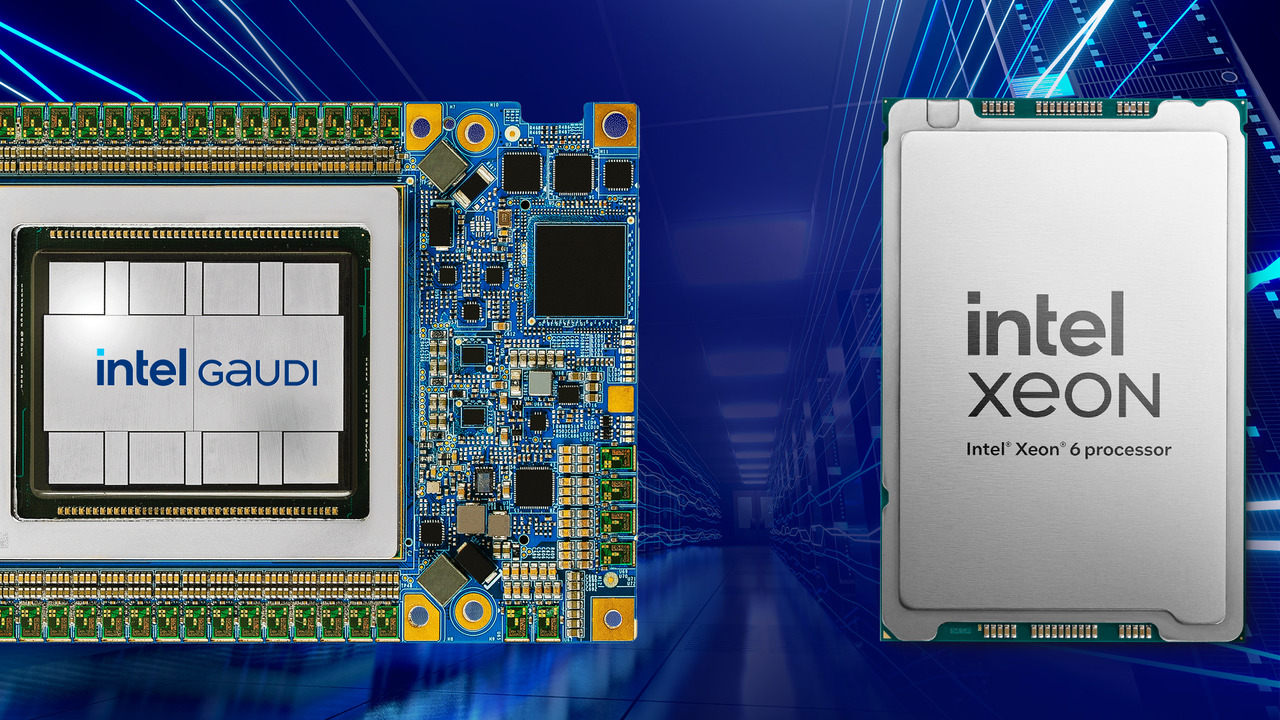
Intel has unveiled its latest offerings, the Xeon 6 processors featuring Performance-cores (P-cores) and the Gaudi 3 AI accelerators, marking a significant step forward in its pursuit of leadership in the artificial intelligence and data center sectors. The new hardware promises to deliver enhanced performance and efficiency, positioning Intel favorably in an increasingly competitive landscape dominated by Nvidia and other emerging players.

The Xeon 6 series aims to meet the escalating demand for processing power driven by AI applications. These processors utilize an architecture designed to optimize performance for various workloads, including cloud computing, edge processing, and high-performance computing (HPC). By integrating P-cores, which focus on maximizing performance for demanding tasks, Intel intends to address the needs of data centers seeking to balance workloads effectively while minimizing energy consumption.

One of the key features of the Xeon 6 processors is their support for advanced AI frameworks, enabling developers to build and deploy AI models more efficiently. Intel emphasizes that these processors are not only faster but also smarter, incorporating enhanced machine learning capabilities that streamline operations in data-intensive environments. This is particularly relevant as businesses increasingly leverage AI for analytics, automation, and improved decision-making processes.

The Gaudi 3 AI accelerators complement the Xeon 6 lineup by providing specialized processing power tailored specifically for deep learning workloads. Built on a unique architecture, Gaudi 3 accelerators promise to offer substantial improvements in both performance and scalability compared to their predecessors. Intel’s focus on AI-specific tasks reflects a broader industry trend where companies are prioritizing hardware that can efficiently handle the complexities of AI computations.

The introduction of the Gaudi 3 also highlights Intel’s commitment to enhancing the performance-per-watt ratio, a critical consideration as enterprises seek to optimize energy consumption in their data centers. By improving the energy efficiency of AI workloads, Intel aims to address one of the most pressing challenges in the industry: the rising costs and environmental impact associated with high-power computing.

In addition to the technical advancements, Intel’s launch includes new software tools and frameworks that will assist developers in maximizing the potential of the Xeon 6 and Gaudi 3 products. These tools are designed to simplify the process of integrating AI capabilities into existing infrastructures, thereby accelerating the adoption of AI technologies across various sectors.

Intel’s strategic positioning with these products also involves partnerships with leading cloud service providers and technology companies. By collaborating with entities such as Microsoft and Google, Intel seeks to ensure that its new hardware is optimized for widespread use in cloud-based AI applications. This collaboration is seen as essential in an environment where cloud adoption is accelerating, and organizations are increasingly migrating to cloud solutions for their computing needs.

The launch aligns with Intel’s broader strategy of revitalizing its product offerings in response to competitive pressures from firms like AMD and Nvidia, which have made significant inroads in the AI and data center markets. The tech giant’s commitment to innovation is underscored by its substantial investments in research and development, aimed at enhancing its competitive edge through cutting-edge technology.

As businesses worldwide embrace digital transformation, the demand for robust AI solutions continues to rise. Organizations are looking for hardware that can provide not only higher performance but also flexibility and scalability to adapt to evolving needs. Intel’s Xeon 6 and Gaudi 3 accelerators are positioned to meet these expectations, providing solutions for enterprises aiming to harness the full potential of AI.

Analysts suggest that Intel’s latest offerings could reshape the landscape of AI and data center performance. By integrating advanced processing capabilities with energy efficiency, Intel is poised to play a pivotal role in the ongoing evolution of AI technologies. The focus on enhancing the developer experience with new tools further strengthens its appeal to enterprises seeking to innovate and integrate AI into their operations.

The exploration of bioactive peptides has drawn considerable interest in recent years, with a focus on understanding their potential implications in various fields of biotechnology and research. One peptide that has garnered attention is Testagen, a synthetic peptide whose properties and mechanisms are still under investigation. While comprehensive research is ongoing, current data suggest that Testagen may hold valuable properties that have implications in cellular processes, tissue […]

Brave Software has made a significant leap by integrating local artificial intelligence into its browser, a development aimed at enhancing user privacy while improving online browsing experiences. This move positions Brave at the forefront of a growing trend that prioritizes user data protection amidst escalating privacy concerns in the digital landscape. The incorporation of local AI means that users can enjoy personalized web experiences without the need […]

A new open-source version of the beloved mobile game Flappy Bird has emerged, enabling players to enjoy the classic experience while also allowing developers to customize and modify the game as they wish. This unofficial clone, boasting a compact size of approximately 100 KB, revives the iconic gameplay that captivated millions when it first launched. As enthusiasts explore this clone, it opens the door for creative development […]

Malaysia’s state-owned oil and gas company, PETRONAS, has successfully entered into a new exploration agreement with the Abu Dhabi National Oil Company (ADNOC). This landmark deal marks a significant milestone for both entities as they aim to bolster their energy portfolios amid shifting global market dynamics. The agreement involves PETRONAS participating in the exploration and production of oil and gas resources in the Al Dhafra region of […]

Citi has joined forces with Apollo Global Management and Mubadala Investment Company to establish a $25 billion private credit program aimed at seizing opportunities in the rapidly growing direct lending market. This collaboration underscores the increasing significance of private credit in the current financial landscape, as institutional investors look for alternative ways to deploy capital while banks face stricter regulatory constraints on traditional lending.

The initiative is designed to target mid-to-large scale borrowers, focusing on private equity-backed companies that require non-bank financing solutions. As bank lending becomes more restrictive, particularly for higher-risk borrowers, private credit is becoming a preferred route for companies seeking more flexible funding options. The partners are expected to capitalize on this shifting environment, particularly in sectors such as healthcare, technology, and infrastructure, which are increasingly in need of substantial financial backing.

Apollo Global Management, known for its robust expertise in alternative assets, will manage the program, leveraging its well-established private credit platform. Citi, one of the largest financial institutions globally, will act as a strategic partner, providing financing and other related services. Mubadala, a sovereign wealth fund from Abu Dhabi, brings significant capital and a track record of successful global investments, making it a key player in the collaboration.

The trio’s strategic partnership highlights how private markets are becoming more prominent in financing both large-scale deals and middle-market companies. With Citi and Mubadala’s backing, Apollo expects to drive further growth in its private credit business, which has already gained considerable traction in recent years. This deal also reflects how sovereign wealth funds like Mubadala are increasingly turning toward alternative asset classes, including private debt, to diversify their portfolios and achieve higher returns.

Market experts anticipate that the $25 billion program will play a critical role in the direct lending space, helping fill the void left by banks that have scaled back lending due to tighter regulations and capital requirements. The alliance is likely to pave the way for other large institutional investors to consider similar moves, further expanding the private credit market, which has already grown to over $1.5 trillion globally.

Analysts point out that this development reflects broader trends within the financial industry, where the traditional boundaries between banks and asset managers are becoming blurred. By teaming up with Apollo and Mubadala, Citi is effectively expanding its footprint in the private credit space, positioning itself to serve clients who increasingly prefer direct lending to traditional loans.

For Apollo, this partnership is another milestone in its strategy to build out a comprehensive private credit platform. With a combination of Mubadala’s capital strength and Citi’s global reach, Apollo’s credit arm will be better positioned to capture opportunities across multiple geographies and sectors, offering tailored financing solutions that meet the evolving needs of borrowers.

Mubadala, on the other hand, will benefit from the high returns and relatively lower volatility associated with private credit. By entering into this partnership, Mubadala continues to diversify its portfolio, reinforcing its commitment to long-term investments that deliver stable cash flows.

This program also represents a growing trend where large financial institutions and sovereign wealth funds are teaming up with specialized asset managers to tap into high-growth sectors. While the primary focus is on direct lending, it is likely that this partnership will evolve to encompass other forms of private credit over time, including mezzanine financing and asset-based lending.

By aligning their goals, Citi, Apollo, and Mubadala are setting the stage for a new era in private credit. The size and scope of the program suggest that the three partners are prepared to take on large-scale transactions that could reshape the private credit landscape, attracting more investors to this asset class.

A significant collaboration between the Indian Institute of Technology Delhi (IIT Delhi) and Honda Cars India Ltd. (HCIL) is poised to reshape the future of mobility in India. The two entities have entered into a Memorandum of Understanding (MoU) aimed at advancing cooperative intelligence (CI) technologies that could pave the way for safer, more efficient transport systems. This partnership underscores the growing trend of academia-industry collaboration in the rapidly evolving field of intelligent transportation systems.

The MoU brings together the expertise of IIT Delhi’s researchers and Honda’s engineers, particularly those from HCIL and Honda R&D Co., Ltd., a subsidiary focused on research and development. The goal is to conduct joint research on CI technologies that can potentially reduce traffic collisions, enhance road safety, and enable automated driving systems. With India’s road safety record being a significant concern, such efforts to reduce human errors in driving are considered crucial for the future.

India has long struggled with high rates of traffic accidents, largely attributed to human error. The collaboration between IIT Delhi and Honda aims to address these issues through the development of advanced driver-assistance systems (ADAS) and other mobility solutions. ADAS, which involves technologies like adaptive cruise control, lane-keeping assistance, and collision avoidance systems, has the potential to significantly lower the risk of accidents and make roads safer for all users.

While Honda has been a key player in automotive innovation, this partnership marks a significant step in its efforts to explore more complex applications of artificial intelligence (AI) in driving. Honda’s engineers will work closely with IIT Delhi’s faculty and students to explore new algorithms, machine learning models, and data analytics techniques that can improve vehicle decision-making in real-time. The research will also focus on leveraging big data and connectivity technologies to anticipate traffic conditions, respond to sudden changes on the road, and ensure safer driving experiences.

IIT Delhi’s role in this collaboration is equally significant, given its strong reputation for cutting-edge research in artificial intelligence, robotics, and transportation systems. The institution’s researchers are expected to bring advanced expertise in areas like machine learning, sensor technologies, and networked vehicles. This collaboration provides a platform for academic researchers to apply theoretical knowledge to practical challenges faced by the automotive industry.

Through this MoU, both parties are set to explore the concept of cooperative intelligence, which involves enabling communication between vehicles, infrastructure, and other road users to create an interconnected transportation network. The aim is to develop intelligent transport systems that can predict traffic patterns, communicate with surrounding vehicles, and make autonomous decisions that enhance overall road safety. As automated and connected vehicles gain momentum globally, these technologies will play an essential role in the future of mobility.

Cooperative intelligence, as a concept, goes beyond traditional vehicle automation. It focuses on creating systems where vehicles not only respond to their environment but also interact with other vehicles and infrastructure to optimize the flow of traffic and prevent accidents. This vision aligns with Honda’s global initiative to develop “Safety for Everyone” technologies, which seek to eliminate road fatalities by utilizing AI and machine learning tools.

While the research aims to contribute to global advancements in automated driving, there is a particular focus on addressing India-specific challenges. Road conditions in India vary widely, with congested urban streets, rural roads, and highways posing distinct challenges for vehicles. The CI technologies developed under this MoU will need to adapt to these diverse environments. The hope is that future vehicles equipped with CI technologies will not only improve safety on India’s roads but also enhance overall driving comfort and reduce the stress associated with navigating through heavy traffic.

The collaboration also opens doors for students and researchers at IIT Delhi to gain hands-on experience working with real-world automotive challenges. By partnering with Honda, they will have the opportunity to apply their knowledge to cutting-edge projects that could have significant implications for the future of mobility. This real-world experience is expected to help prepare a new generation of engineers and researchers who can contribute to the development of safer and smarter transportation systems, both in India and globally.

As part of the agreement, IIT Delhi and Honda will jointly work on research projects and share intellectual resources. The partnership also allows for the testing and evaluation of prototypes developed as part of the research. This will ensure that the solutions developed are practical, effective, and can be scaled up for real-world application.

The MoU signifies Honda’s commitment to India, a market where it has a strong presence but faces increasing competition from both global and domestic automakers. As the automotive industry shifts towards electric vehicles (EVs) and autonomous driving technologies, partnerships like this one with IIT Delhi are crucial for staying competitive in a rapidly changing landscape. By collaborating with leading academic institutions, Honda aims to maintain its edge in innovation while contributing to the advancement of mobility technologies that are not only relevant to India but also to global markets.


The evolution of large language models (LLMs) has introduced a new frontier in artificial intelligence, with advancements in retrieval mechanisms becoming a critical factor in optimizing performance. As the AI landscape shifts, Retrieval-Augmented Generation (RAG) is increasingly giving way to a more sophisticated framework: Retrieval-Integrated Generation (RIG). While both systems enhance LLMs by incorporating external data into responses, RIG presents a more refined approach, revolutionizing how machines […]

Financial markets are witnessing a surge in volatility, particularly within the cryptocurrency sector, as global monetary policies aim to suppress instability. Arthur Hayes, a prominent figure in the crypto community and co-founder of BitMEX, has highlighted the rising tension in markets fueled by Federal Reserve rate cuts and aggressive monetary easing. These actions are perceived to encourage further money printing, thereby intensifying market fluctuations and posing risks for traditional assets.

The recent decision by the Federal Reserve to cut interest rates is expected to have significant repercussions on the broader financial landscape. Historically, such moves have led to increased liquidity in markets, enabling easy access to capital. This liquidity, however, also raises concerns about inflation and the long-term stability of fiat currencies. In this environment, Bitcoin has emerged as a crucial alternative asset, often regarded as a hedge against inflation and currency devaluation.

As central banks worldwide adopt policies that favor monetary expansion, the crypto community continues to express optimism. Many investors view Bitcoin as a “release valve” that can provide relief from the pressures of traditional finance. The digital asset’s decentralized nature and limited supply make it an appealing option in times of financial uncertainty. Hayes asserts that Bitcoin’s unique characteristics allow it to thrive in an environment marked by excessive money printing and diminishing trust in fiat currencies.

Despite the ongoing volatility, sentiment within the crypto community remains buoyant. Investors are increasingly looking for opportunities amidst the chaos, with many believing that downturns in traditional markets can serve as catalysts for Bitcoin’s adoption and price appreciation. The concept of Bitcoin as “digital gold” underscores its role as a store of value, especially as institutional interest continues to grow. Major financial institutions are now exploring ways to integrate cryptocurrency into their offerings, reflecting a broader acceptance of digital assets.

The interplay between traditional financial systems and cryptocurrency markets has never been more pronounced. With central banks signaling a commitment to maintain accommodative policies, investors are recalibrating their strategies to adapt to these dynamics. The crypto market is characterized by its capacity to respond swiftly to regulatory changes and macroeconomic developments, making it a focal point for those seeking to capitalize on emerging trends.

Institutional involvement in the cryptocurrency space is also a significant factor contributing to the current volatility. Hedge funds, family offices, and publicly traded companies are increasingly allocating a portion of their portfolios to Bitcoin and other digital assets. This trend highlights a growing recognition of the potential benefits that cryptocurrencies can offer, particularly in terms of diversification and risk management.

The ongoing developments in decentralized finance (DeFi) and non-fungible tokens (NFTs) are reshaping the landscape of digital assets. DeFi platforms have gained traction as alternatives to traditional banking services, offering lending, borrowing, and trading functionalities without intermediaries. This innovation attracts both retail and institutional investors, further driving demand for cryptocurrencies.

Regulatory frameworks continue to evolve as governments and regulatory bodies attempt to navigate the complexities of the cryptocurrency ecosystem. While some jurisdictions have embraced digital assets, others remain cautious, leading to a patchwork of regulations. This uncertainty can contribute to market fluctuations, as investors react to news related to regulatory developments.

Amid this backdrop, it is crucial for investors to conduct thorough research and stay informed about the rapidly changing environment. Understanding the implications of monetary policy shifts, as well as the potential risks associated with cryptocurrency investments, is essential for navigating the complexities of the market. The ability to adapt to market conditions will be a key determinant of success for both individual and institutional investors.

Meta has announced the launch of Llama 3.2, its groundbreaking multimodal artificial intelligence model, during the recent Meta Connect event. This advancement represents a notable leap in the capabilities of large language models, integrating both text and image processing to enhance user experiences across a diverse range of applications. During the event, CEO Mark Zuckerberg highlighted Llama 3.2 as the company’s first open-source multimodal model, emphasizing its […]

The Twitter account associated with OpenAI’s news team was compromised and utilized to promote a fraudulent website claiming to distribute a fictitious cryptocurrency called $OPENAI. Messages from the hacked account falsely assured users that they could claim part of the token’s initial supply and gain access to future beta programs. Clicking on the provided link directed individuals to a malicious site that requested users to connect their […]

WordPress.org has taken the significant step of denying service to WP Engine, a major managed WordPress hosting provider. This decision raises alarms regarding the security and operational stability of websites reliant on WP Engine’s services, as they could face challenges in maintaining performance and security without direct support from the WordPress.org team. The conflict stems from unresolved issues regarding the way WP Engine handles updates and plugins […]

VISHNU RAJA
RYO YAMADA
HITORI GOTOH
IKUYO KITA
Just in:
China Reconciled To U.S. Curbs On Chips Exports, Woos South Korea For Supply // L’OCCITANE Celebrates 50 Years Of Provençal Craftsmanship With Holiday 2026 Collection // OpenAI unveils ChatGPT Wallet for agent-led purchases // Microsoft apologises as Outlook services recover after outage // Woman found dead as bank moves to repossess home // Sun World Ba Den Mountain marks Vietnam Culture Day, welcoming Cambodian visitors over Bon Om Touk // Lego restores BrickLink marketplace after security investigation // Hackers falsify NVIDIA GPU readings to mask cryptomining // Microsoft restores services gradually but gives no recovery deadline // Crescent Enterprises venture arm funds Oyster Therapeutics development // Inpex reaffirms Gulf oil strategy despite shipping constraints // TORRAS Launches Two New iPhone Duo Cases from Its Popular Ostand Series, Addressing Foldable Phone Users’ Concerns About Difficult Stand Positioning and Scratches // Salik posts Dhs1.045bn profit despite lower toll traffic // Nvidia appoints Colette Kress interim chief after Huang departure // Yicura BioMed Advances Dual Capital and Industrial Strategy: Completes First Closing of Series B Financing Led by Gobi Partners // EBANX and Eneba strengthen partnership in Latin America with 138% YoY growth in payment volume // Microsoft outage leaves Outlook and Teams users disconnected // UAE crews sustain coastal oil removal as beaches reopen // October Food Price Shock Has Far Reaching Consequences // 11 Boutique Xinjiang Wineries to Debut in Singapore //