News related to
associated

Strategy, formerly known as MicroStrategy, has significantly expanded its Bitcoin portfolio by acquiring 6,911 bitcoins between March 17 and March 23, 2025. The purchase, totaling approximately $584.1 million, was made at an average price of $84,529 per bitcoin. This acquisition elevates the company’s total holdings to 506,137 bitcoins, acquired at an aggregate purchase price of approximately $33.7 billion, averaging $66,608 per bitcoin.

This move underscores Strategy’s ongoing commitment to Bitcoin as a primary treasury reserve asset. The company’s aggressive accumulation strategy has positioned it as the largest corporate holder of Bitcoin, now controlling nearly 2.4% of the total 21 million bitcoins that will ever exist.

To finance this substantial acquisition, Strategy raised approximately $711.2 million through the issuance of 8.5 million shares of its 10.00% Series A Perpetual Strife Preferred Stock, priced at $85.00 per share. The offering was upsized due to strong investor demand, reflecting confidence in the company’s Bitcoin-focused strategy. The net proceeds from this offering were earmarked for general corporate purposes, including the acquisition of additional Bitcoin and working capital needs.

Michael Saylor, Strategy’s Executive Chairman, hinted at the impending Bitcoin purchase through a cryptic social media post featuring a Bitcoin price chart captioned “needs more orange.” This subtle indication preceded the official announcement of the acquisition, aligning with the company’s pattern of strategic and timely Bitcoin investments.

The company’s approach involves leveraging financial instruments to fund its Bitcoin acquisitions. The Series A Perpetual Strife Preferred Stock offers a fixed annual dividend of 10%, increasing by 1% per year if payments are deferred, capped at 18%. This structure is designed to attract fixed-income investors while providing Strategy with the necessary capital to continue its Bitcoin accumulation.

Despite the substantial investment in Bitcoin, Strategy’s stock experienced a decline of 6.8% to $274.13, amid a broader downturn in the cryptocurrency market. Bitcoin’s price decreased by 2.2% to $82,620 during the same period. This volatility highlights the inherent risks associated with the company’s Bitcoin-centric strategy, as its stock performance remains closely tied to fluctuations in the cryptocurrency market.

In the broader context, the cryptocurrency landscape is experiencing significant developments. President Donald Trump has pledged to transform the United States into the leading Bitcoin superpower and global cryptocurrency hub. In a pre-recorded address to the Blockworks Digital Assets Summit in New York, President Trump criticized previous administrations for their restrictive stance on crypto and announced plans to introduce clear regulations for stablecoins and market structures. These initiatives aim to stimulate investment and innovation in the crypto sector, potentially influencing corporate strategies like that of Strategy.

The U.S. Department of the Treasury has lifted sanctions against Tornado Cash, a cryptocurrency mixer previously accused of facilitating extensive money laundering activities, including transactions linked to North Korean cybercriminals. This decision follows a series of legal challenges questioning the Treasury’s authority to impose such sanctions on decentralized software protocols.

In August 2022, the Treasury’s Office of Foreign Assets Control sanctioned Tornado Cash, alleging its involvement in laundering over $7 billion since its inception in 2019. Notably, OFAC claimed that the North Korean hacking group Lazarus utilized the platform to launder more than $455 million. The sanctions marked a significant move by the U.S. government to regulate the use of cryptocurrency mixers, which are designed to obfuscate transaction trails on blockchain networks.

The sanctions faced immediate opposition from various quarters of the cryptocurrency community. Six users of Tornado Cash, with financial backing from the cryptocurrency exchange Coinbase, filed a lawsuit challenging OFAC’s action. They argued that sanctioning open-source, self-executing software exceeded the agency’s statutory authority under the International Emergency Economic Powers Act . The plaintiffs contended that the immutable smart contracts constituting Tornado Cash could not be considered property subject to sanctions.

In November 2024, the U.S. Court of Appeals for the Fifth Circuit ruled in favor of the plaintiffs, stating that OFAC had overstepped its authority. The court held that the smart contracts underlying Tornado Cash were not property and, therefore, not subject to sanctions under IEEPA. This ruling underscored the challenges regulators face when applying traditional legal frameworks to decentralized technologies.

Following the court’s decision, the Treasury conducted a review of the legal and policy issues surrounding the use of sanctions in the context of evolving technologies. On March 21, 2025, the Treasury announced the removal of Tornado Cash and associated Ethereum wallet addresses from the Specially Designated Nationals list. In a statement, Treasury Secretary Scott Bessent emphasized the department’s commitment to combating illicit activities in the digital asset space while acknowledging the need to adapt regulatory approaches to technological advancements.

Despite the delisting, the Treasury reiterated its concerns about North Korea’s state-sponsored hacking and money laundering campaigns. The department stressed the importance of securing the digital asset industry from abuse by illicit actors to maintain U.S. leadership in financial innovation and inclusion. The Treasury also indicated that it would continue to monitor transactions that could benefit malicious cyber actors or the North Korean regime.

The legal proceedings against individuals associated with Tornado Cash have also been noteworthy. In 2023, two co-founders of Tornado Cash were charged with facilitating over $1 billion in money laundering, including transactions linked to the Lazarus Group. One of the co-founders, Roman Storm, is awaiting trial and has denied any criminal activity. Additionally, in May 2024, developer Alexey Pertsev was sentenced to five years and four months in prison in the Netherlands for money laundering related to his involvement with Tornado Cash.

The removal of sanctions against Tornado Cash has elicited varied reactions from the cryptocurrency community and regulatory observers. Proponents of decentralized technologies view the court’s decision and subsequent delisting as a victory for open-source software development and financial privacy. They argue that sanctioning code rather than individuals or entities sets a concerning precedent for technological innovation.

Conversely, critics express apprehension that the delisting could embolden malicious actors to exploit similar platforms for illicit purposes. They emphasize the necessity for regulatory frameworks that effectively address the misuse of privacy-enhancing technologies without stifling innovation. The case of Tornado Cash highlights the complexities regulators face in balancing the promotion of technological advancement with the imperative to prevent criminal exploitation of emerging technologies.

The Treasury’s decision to lift sanctions against Tornado Cash underscores the dynamic nature of regulatory approaches to decentralized technologies. As the digital asset landscape continues to evolve, regulatory bodies worldwide are grappling with the challenge of applying existing legal frameworks to novel technological constructs. The outcome of the Tornado Cash case may serve as a reference point for future policy discussions on regulating decentralized platforms and the broader implications for financial privacy and security.

In the wake of the delisting, stakeholders in the cryptocurrency industry are closely monitoring potential regulatory responses and the development of new guidelines tailored to address the unique attributes of decentralized technologies. The balance between fostering innovation and ensuring robust safeguards against illicit activities remains a central theme in the ongoing discourse on cryptocurrency regulation.

Ripple Labs has secured a significant legal victory as the U.S. Securities and Exchange Commission officially dropped its lawsuit against the company, concluding a four-year legal battle that has had profound implications for the cryptocurrency industry. Ripple’s CEO, Brad Garlinghouse, announced the development, marking a pivotal moment for both the company and the broader digital asset market.

The SEC initiated legal proceedings against Ripple in December 2020, alleging that the company’s sale of its native cryptocurrency, XRP, constituted an unregistered securities offering. This action cast a shadow over XRP and raised concerns about the regulatory status of similar digital assets. However, the SEC’s decision to dismiss the case signifies a notable shift in the regulatory landscape, potentially setting a precedent for how cryptocurrencies are classified and regulated in the United States.

In response to the news, XRP experienced a notable price surge. The cryptocurrency’s value increased by approximately 8%, reaching $2.56, as investors reacted positively to the resolution of the legal uncertainty that had long surrounded Ripple and its digital token. This price movement reflects renewed investor confidence and suggests a more favorable outlook for XRP’s future.

The conclusion of the lawsuit comes amid broader regulatory developments under President Donald Trump’s administration, which has adopted a more accommodating stance toward the cryptocurrency industry. The administration’s efforts to ease regulatory pressures have included the dismissal of multiple lawsuits against crypto companies and the establishment of a task force aimed at fostering innovation within the digital asset space. These measures underscore a strategic shift toward embracing the potential of cryptocurrencies and blockchain technology within the U.S. financial system.

President Trump’s engagement with the cryptocurrency sector was further highlighted by his recent address at the Digital Asset Summit 2025, where he acknowledged the growing importance of digital assets in the global economy. This marked the first time a sitting U.S. president has spoken at a cryptocurrency conference, signaling a significant endorsement of the industry’s legitimacy and potential. During his speech, President Trump emphasized his administration’s commitment to positioning the United States as a leader in the crypto space, advocating for legislative reforms to support the growth of crypto institutions and the broader adoption of digital assets.

The resolution of the Ripple lawsuit is expected to have far-reaching implications for the cryptocurrency market. By clarifying the regulatory status of XRP, the decision may influence how other digital assets are perceived and regulated, potentially paving the way for increased institutional investment and mainstream adoption. Market analysts suggest that this outcome could serve as a catalyst for further innovation and growth within the crypto industry, as regulatory clarity is often cited as a critical factor for broader acceptance and integration of digital assets into traditional financial systems.

Despite the positive developments, some analysts caution that the cryptocurrency market remains inherently volatile. While the dismissal of the SEC’s case against Ripple removes a significant overhang, investors are advised to remain vigilant and consider the inherent risks associated with digital asset investments. Market dynamics can be influenced by various factors, including regulatory changes, technological advancements, and macroeconomic trends, all of which can contribute to price fluctuations and investment risks.

Ripple’s legal victory also has implications for other cryptocurrency platforms and tokens facing regulatory scrutiny. The outcome of this case may serve as a reference point for future legal interpretations and enforcement actions by regulatory bodies, potentially influencing the development of more comprehensive and clear regulatory frameworks for the cryptocurrency industry. This could lead to a more predictable and stable environment for both crypto companies and investors, fostering greater confidence and participation in the digital asset market.

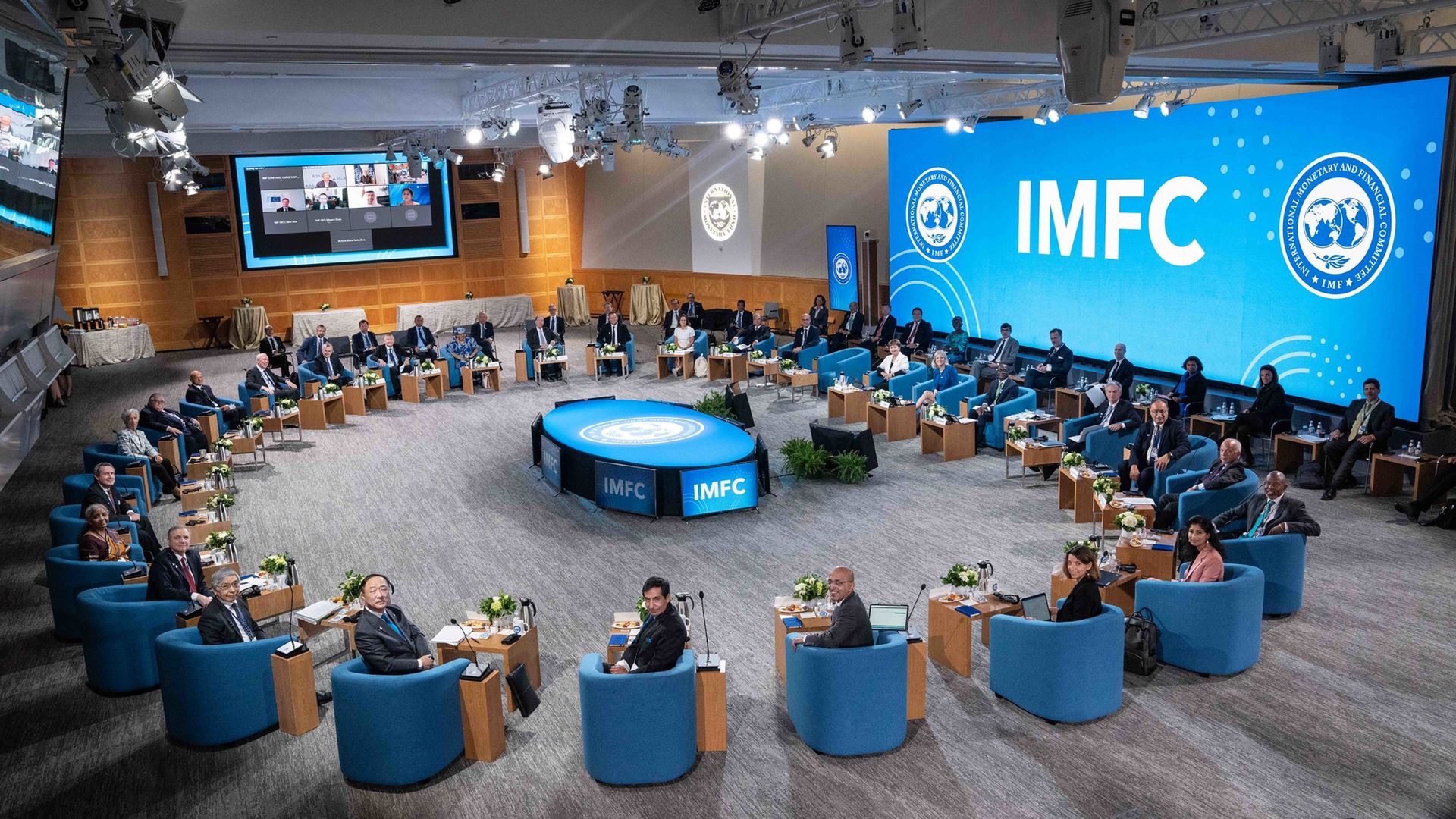
The International Monetary Fund has officially incorporated Bitcoin and other cryptocurrencies into its global economic statistics, reflecting their growing significance in the financial landscape. The IMF’s Balance of Payments Manual, Seventh Edition , released on March 20, 2025, provides detailed guidance on the classification and treatment of digital assets, marking a pivotal shift in international financial reporting standards.

In this updated manual, the IMF categorizes digital assets into two primary types: fungible and non-fungible tokens. Fungible tokens, such as Bitcoin, are further divided based on the presence or absence of corresponding liabilities. Cryptocurrencies like Bitcoin, which do not have associated liabilities and function as mediums of exchange, are classified as non-produced nonfinancial assets. These assets are recorded separately in the capital account, acknowledging their unique nature and economic role.

Conversely, digital assets with corresponding liabilities, such as certain stablecoins, are treated as financial instruments. This distinction underscores the IMF’s effort to accurately reflect the economic realities of various digital assets within the global financial system.

The BPM7 also addresses the classification of tokens tied to specific platforms. For instance, cryptocurrencies like Ethereum and Solana, which are integral to their respective platforms, may be treated akin to equity holdings in the financial account. This approach aligns with traditional financial principles, where ownership of platform-specific tokens is comparable to holding equity in a company.

The IMF recognizes activities such as staking and mining, which are essential for validating cryptocurrency transactions, as income-generating services. Rewards from these activities are treated similarly to dividends and are recorded as income, depending on the size and purpose of the holdings. This recognition reflects the growing economic impact of digital assets and adds visibility to related services in macroeconomic statistics.

The inclusion of cryptocurrencies in the IMF’s standards signifies a broader trend of acknowledging the role of decentralized digital currencies in the financial system. By treating cryptocurrencies as non-produced assets, the IMF acknowledges their unique characteristics and the need for specialized economic analysis.

This development is expected to enhance transparency and provide a more comprehensive view of global economic activities. It also highlights the IMF’s commitment to staying abreast of technological advancements and their impact on the global economy. As cryptocurrencies continue to evolve, this recognition by the IMF sets a precedent for other international organizations and governments to follow suit, potentially leading to more standardized and regulated approaches to digital currencies.

The IMF’s updated framework also addresses the complexity of staking and crypto yields, noting that rewards from holding tokens could be treated like equity dividends and recorded as income, based on the size and purpose of the holdings. Notably, this update helps countries better track the economic impact of digital assets. The IMF now treats activities like mining or staking, which help validate crypto transactions, as services. These will be included in computer services exports and imports.

The United Arab Emirates property market is witnessing a notable influx of foreign institutional investors, marking a significant shift from its earlier reputation as a speculative arena dominated by individual buyers. This transformation is attributed to a combination of regulatory reforms, economic diversification, and the nation’s robust infrastructure, collectively enhancing the market’s appeal to large-scale investors. Historically, the UAE’s real estate sector was perceived as volatile, with […]

Chinese financial experts have raised concerns that US dollar-pegged stablecoins may strengthen the dollar’s global dominance by linking international credit to virtual economies. They advocate for China to develop its own stablecoins to enhance the yuan’s international standing.

A recent opinion piece published in several Chinese outlets considers how China should respond to the proliferation of US dollar stablecoins. The article suggests that China’s central bank should consider issuing its own stablecoins to counter the influence of dollar-pegged digital currencies.

Wang Yongli, former Vice President of the Bank of China, analyzed the position of the U.S. dollar as the world’s dominant currency and its implications for China’s monetary strategy. He pointed out that many countries, including China, have sought to internationalize their currencies and reduce reliance on the dollar, but these efforts face significant challenges. Despite China being the world’s second-largest economy and the largest trading nation in goods, the RMB’s share in global payments remains low, only around 4%, compared to the dollar’s nearly 50%. The RMB’s share in global reserves is also minimal, at just over 2%, while the U.S. dollar, despite declining from its peak, still accounts for nearly 60%.

China has been proactive in developing its own central bank digital currency , known as the digital yuan or e-CNY. This initiative aims to modernize the country’s payment systems and promote the yuan’s international use. The digital yuan is currently being tested in various regions and sectors within China, with plans for broader implementation in the future.

The internationalization of the yuan faces challenges, particularly due to China’s stringent capital controls, which limit the currency’s convertibility. These controls are in place to maintain financial stability but hinder the yuan’s acceptance as a global currency. Additionally, geopolitical tensions and U.S. sanctions add complexity to China’s efforts to promote the yuan internationally.

In response to these challenges, Chinese researchers have proposed the idea of a common Asian digital currency. Such a currency could reduce the region’s reliance on the U.S. dollar and enhance financial cooperation among Asian countries. This proposal reflects a strategic move to counter the dollar’s dominance and promote regional financial stability.

The proliferation of US dollar stablecoins presents both opportunities and challenges for global financial systems. While they offer efficiency and accessibility in digital transactions, they also reinforce the dollar’s hegemony, potentially undermining other currencies. China’s consideration of its own stablecoins and the development of the digital yuan are strategic efforts to enhance the yuan’s global standing and mitigate the risks associated with dollar-dominated digital currencies.

Saudi Aramco, in collaboration with Siemens Energy, has inaugurated the kingdom’s inaugural direct air capture unit, a pilot facility designed to extract 12 tonnes of carbon dioxide annually from the atmosphere. This initiative represents a significant advancement in Saudi Arabia’s commitment to reducing greenhouse gas emissions and exploring sustainable technologies. The DAC unit, situated in Dhahran, serves as a testing platform for next-generation CO₂ capture materials tailored […]

Advertisements

Many factors come into play when choosing a reliable broker to start your trading journey. For someone with limited experience in the markets, this choice can be very confusing, and the priorities are hard to define. However, traders have their own trove of practical knowledge, and tapping into it can shed light on brokers’ red flags. As part of its global research, global broker Octa surveyed hundreds […]

Pasqal, a French quantum computing startup, has integrated its neutral-atom quantum processors into Microsoft’s Azure Quantum cloud service, marking a significant advancement in cloud-based quantum computing accessibility. This collaboration allows Azure Quantum users to utilize Pasqal’s unique technology to address complex computational challenges without the need for substantial infrastructure investments. Neutral-atom quantum computing represents a notable shift from traditional quantum computing methods. Pasqal’s approach involves manipulating neutral […]

South Korean prosecutors conducted a raid on the headquarters of Bithumb, one of the country’s largest cryptocurrency exchanges, as part of an investigation into allegations of misappropriation of company funds. The probe centers on suspicions that Bithumb provided a rental deposit of 3 billion Korean won for an apartment in Seoul’s Seongdong-gu district, intended for its former representative director and current advisor, Kim Dae-sik. Authorities suspect that a portion of these funds may have been diverted for Kim’s personal apartment purchase, raising concerns about potential financial misconduct within the company.

The investigation was initiated following a referral from the Financial Supervisory Service , South Korea’s primary financial regulatory body. Prosecutors from the Seoul Southern District Prosecutors’ Office executed the search and seizure operation at Bithumb’s headquarters located in the Yaksu-dong area of Seoul. The objective was to gather evidence related to the alleged misappropriation of funds and to scrutinize the company’s financial transactions pertaining to the apartment lease agreement.

Bithumb has not yet issued an official statement regarding the raid or the allegations. The company has faced legal challenges in the past, including investigations into potential tax evasion and fraudulent activities. In previous instances, Bithumb’s executives have been implicated in legal controversies, further intensifying scrutiny of the exchange’s operations.

The current investigation adds to a series of legal challenges faced by Bithumb in recent years. In 2018, the exchange was investigated for alleged tax evasion, resulting in a substantial back-tax payment. Additionally, Bithumb has been the target of multiple hacking incidents, leading to significant financial losses. These recurring issues have raised concerns about the company’s internal controls and governance practices.

The cryptocurrency industry in South Korea operates under stringent regulatory oversight, with authorities actively monitoring exchanges to ensure compliance with financial regulations and to protect investors. The FSS has been particularly vigilant in overseeing cryptocurrency exchanges, given the rapid growth of digital asset trading in the country. This latest investigation into Bithumb underscores the regulators’ commitment to enforcing compliance and addressing potential misconduct within the industry.

The outcome of this investigation could have significant implications for Bithumb’s reputation and operations. If the allegations are substantiated, the company may face legal penalties, and its leadership could be held accountable for any financial improprieties. Moreover, such developments could impact investor confidence and influence the broader perception of the cryptocurrency market in South Korea.

As the investigation progresses, stakeholders within the cryptocurrency community and the financial industry at large will be closely monitoring the situation. The case highlights the importance of robust corporate governance and the need for transparency in financial dealings, particularly within the rapidly evolving digital asset sector.

While Bithumb has previously navigated legal and regulatory challenges, the current allegations present a critical test for the company’s leadership and operational integrity. The exchange’s response to the investigation and its cooperation with authorities will be pivotal in determining its future trajectory and standing within the industry.

In light of these developments, industry observers emphasize the necessity for cryptocurrency exchanges to implement stringent internal controls and to adhere to ethical standards to mitigate risks associated with financial misconduct. Such measures are essential to foster trust and to ensure the sustainable growth of the cryptocurrency market.

As the legal proceedings unfold, the focus will remain on Bithumb’s internal practices and the actions of its former and current executives. The findings of the investigation are anticipated to influence regulatory policies and could lead to more rigorous enforcement measures within the cryptocurrency sector in South Korea.

Thailand’s edible insect industry has emerged as a global leader, seamlessly blending tradition with modern sustainability practices. This sector not only offers a rich source of nutrition but also presents environmentally friendly alternatives to conventional protein sources. In Thailand, consuming insects is deeply rooted in cultural traditions, especially in regions like Isan and the north. Markets frequently display an array of fried insects, including grasshoppers, crickets, silkworm […]

Stablecoins have solidified their position in the cryptocurrency market, sustaining an impressive on-chain transaction volume of approximately $800 billion per month over the past four months. This consistent activity underscores the pivotal role stablecoins play in digital finance, offering stability amidst the volatility often associated with cryptocurrencies.

Ethereum, the leading blockchain platform for decentralized applications, continues to dominate as the primary network for stablecoin transactions. Notably, it hosts substantial amounts of the two major stablecoins: USD Coin and Tether . As of the latest data, Ethereum’s network holds around $35 billion in USDC and $67 billion in USDT, reflecting its central role in the stablecoin ecosystem.

The sustained high transaction volumes of stablecoins can be attributed to their widespread adoption for various financial activities, including trading, remittances, and decentralized finance applications. Their ability to maintain a stable value, typically pegged to fiat currencies like the US dollar, makes them an attractive medium for transferring value without the price fluctuations characteristic of other cryptocurrencies.

In 2023, stablecoins facilitated transactions totaling $10.8 trillion, with $2.3 trillion attributed to organic activities such as payments and cross-border remittances. This substantial usage highlights the growing trust and reliance on stablecoins within the global financial system.

The consulting industry in the Gulf Cooperation Council is projected to reach a valuation exceeding $8 billion this year, marking a 12% growth compared to the previous year. This expansion, while robust, indicates a slight deceleration from the 13% growth observed in 2024, reflecting a trend of tightening public expenditure across the region. Saudi Arabia, the largest economy within the GCC, has been a significant contributor to […]

Amazon has announced that, effective March 28, 2025, all voice recordings from Echo devices will be processed exclusively in the cloud, eliminating the option for local processing. This change accompanies the introduction of Alexa+, a generative AI-powered assistant designed to offer more advanced features and a human-like interaction experience. The shift has raised significant privacy concerns among users and experts alike. Previously, certain Echo models offered a […]

On 21 February 2025, Bybit, one of the world’s leading cryptocurrency exchanges, suffered a monumental security breach resulting in the theft of approximately 400,000 Ether tokens, valued at $1.5 billion. This incident has been identified as the largest cryptocurrency heist to date, surpassing previous records and sending shockwaves throughout the digital asset community.

The breach occurred during a routine transfer from Bybit’s cold wallet to a warm wallet—a standard procedure intended to ensure liquidity for daily operations. Attackers exploited this process by intercepting the transfer, redirecting the substantial sum to unknown addresses. Initial investigations have traced the hack to the Lazarus Group, a cybercrime organization associated with North Korea, notorious for orchestrating similar high-profile cyberattacks in the past.

In the immediate aftermath, Bybit’s market share plummeted from nearly 20% to a mere 5% by 2 March 2025, as users and traders sought more secure platforms. Binance emerged as a primary beneficiary during this period, with its market dominance soaring to 62% as traders migrated their assets. Other major exchanges, such as OKX and Coinbase, also experienced minor increases in market share, reflecting a broader redistribution of trading activity.

Bybit’s swift crisis response played a crucial role in stabilizing the situation. Unlike many exchanges that suspend withdrawals during security breaches, Bybit maintained operational status, allowing users to access their funds. This decision, coupled with consistent updates, helped maintain confidence and prevent mass withdrawals. The exchange also secured emergency funding from firms including Galaxy Digital, FalconX, and Wintermute, replenishing its reserves within 72 hours. By 9 March 2025, Bybit’s market share had rebounded to 9.04%. However, the exchange still faces significant reputational damage and lingering trust issues, raising doubts about its ability to fully regain its pre-hack position.

The incident has sparked discussions about the inherent vulnerabilities within the cryptocurrency ecosystem. While technological defenses continue to advance, this breach underscores that human error remains a critical weak point. INSEAD’s Ben Charoenwong emphasized that human failings, rather than technical glitches, are often the most significant factors in such incidents. He highlighted that a barrier to effective security is the reluctance to acknowledge ownership and responsibility for vulnerable systems.

The Bybit hack serves as a stark reminder of the importance of robust security protocols and the need for continuous vigilance in the rapidly evolving digital asset landscape. As the industry grapples with the implications of this unprecedented breach, stakeholders are urged to reassess their security measures, prioritize transparency, and foster a culture of accountability to safeguard against future threats.

Strategy, formerly known as MicroStrategy, has unveiled plans to issue up to $21 billion in preferred stock to fund additional Bitcoin acquisitions. This move underscores the company’s ongoing commitment to integrating cryptocurrency into its corporate strategy.

The firm, led by Executive Chairman Michael Saylor, has become a prominent institutional investor in Bitcoin. As of February 5, 2025, Strategy reported holding approximately 499,096 bitcoins, valued at over $41 billion. This substantial accumulation reflects the company’s aggressive approach to cryptocurrency investment.

To finance these acquisitions, Strategy has been leveraging various financial instruments. In February 2025, the company announced a $584 million offering of 8% perpetual convertible preferred stock, designated under the ticker symbol “STRK” on the Nasdaq Global Select Market. The net proceeds from this offering were earmarked for further Bitcoin purchases and general corporate purposes.

The latest proposal to issue up to $21 billion in preferred stock represents a significant escalation in Strategy’s capital-raising efforts. This initiative is part of the company’s broader strategy to secure $42 billion over the next few years through various securities offerings, including fixed-income instruments and common stock sales, all aimed at bolstering its Bitcoin reserves.

However, this aggressive capital-raising approach has raised concerns among investors and analysts. The potential issuance of such a substantial amount of preferred stock could lead to significant dilution of existing shareholders’ equity. Moreover, the high yield associated with the preferred stock, approaching 9.5%, reflects the increased financial risk and the company’s lack of ongoing earnings from its traditional software business.

Strategy’s heavy reliance on Bitcoin has also been a point of contention. While the company’s stock price has experienced substantial growth since pivoting to a Bitcoin-centric strategy, it has not always kept pace with Bitcoin’s performance. This discrepancy has led to questions about the sustainability of Strategy’s approach, especially given the inherent volatility of the cryptocurrency market.

Despite these challenges, Strategy continues to advocate for Bitcoin’s role as a transformative asset. The company’s leadership remains steadfast in its belief that integrating Bitcoin into its corporate treasury strategy will yield long-term benefits, both for the company and its shareholders.

The integration of artificial intelligence into hybrid cloud environments is increasingly reliant on open-source tools, offering businesses flexibility, scalability, and cost-effectiveness. These tools facilitate seamless AI deployment across diverse infrastructures, blending on-premises systems with public and private clouds. Red Hat’s OpenShift AI exemplifies this trend, providing a flexible, scalable platform built on open-source technologies. It enables enterprises to create and deploy AI-enabled applications at scale across hybrid […]

CME Group, the world’s largest futures exchange, has introduced Solana futures contracts, providing institutional investors with an additional tool for trading the popular cryptocurrency. This move marks a significant step in the expansion of derivatives markets, particularly as digital assets like SOL continue to rise in prominence within the blockchain ecosystem.

The introduction of Solana futures comes at a time when demand for cryptocurrency-related products among institutional players is growing. By expanding beyond traditional spot trading and options, CME Group is responding to a clear market trend: the increasing appetite for advanced financial instruments in the digital asset space. With the launch of these futures contracts, CME Group further solidifies its position as a leader in cryptocurrency derivatives trading, following its successful rollouts of Bitcoin and Ethereum futures.

For institutional investors, Solana futures provide a method of hedging risk and gaining exposure to the cryptocurrency market without having to directly own or manage the underlying asset. Futures contracts are particularly useful for large-scale traders, offering opportunities to speculate on price movements and manage the volatility associated with crypto assets. The addition of SOL futures further diversifies the range of cryptocurrency products available on the CME Group’s platform, complementing its existing offerings.

SOL, the native cryptocurrency of the Solana blockchain, has seen impressive growth in recent months. It continues to strengthen its position as a leading layer 1 network, noted for its fast transaction speeds and low costs, which have made it a popular choice for developers. As the blockchain ecosystem continues to evolve, Solana’s robust performance in areas like decentralized finance , NFTs, and gaming has contributed to a growing number of use cases, driving interest among both retail and institutional investors.

The rise of Solana can be traced to its unique combination of scalability and decentralization, offering an alternative to slower and more expensive platforms like Ethereum. In particular, Solana’s ability to process thousands of transactions per second at a fraction of the cost of its competitors has made it an attractive option for developers seeking high-performance blockchain solutions. This technical advantage is reflected in the increasing adoption of the Solana network, further contributing to its growing market capitalization and network activity.

As the launch of Solana futures unfolds, the attention is on how the product will be received by institutional traders, many of whom have previously shown a preference for more established cryptocurrencies like Bitcoin and Ethereum. However, the entry of new institutional investors into the Solana market could be a game-changer. The volatility that characterises Solana’s price movements may appeal to institutional traders looking for more active trading opportunities and higher-risk, higher-reward positions. Moreover, the futures contracts offer a way to gain exposure to Solana’s price without being directly affected by the underlying volatility in the same way as spot holders.

In addition to its core functionality as a trading tool, the launch of Solana futures is also indicative of broader trends within the cryptocurrency market. The growing institutional interest in digital assets has led to a surge in derivative products, enabling sophisticated trading strategies that were once unavailable in the traditional financial markets. The success of Bitcoin and Ethereum futures, which have attracted billions in liquidity, serves as a precedent for the growing acceptance of cryptocurrencies in institutional investment portfolios.

The move to introduce Solana futures aligns with CME Group’s broader strategy of offering diverse cryptocurrency-related products to meet the needs of institutional investors. By expanding its product offering to include Solana, CME Group not only attracts more traders to its platform but also increases the legitimacy of the cryptocurrency market within traditional financial systems. This development is likely to encourage further innovation and investment in the sector.

Beyond Solana’s technical advantages, the timing of its futures contract launch also positions CME Group strategically within the broader cryptocurrency landscape. As the digital asset market continues to mature, institutional adoption is poised to grow, with more regulatory clarity and financial infrastructure emerging. As one of the first exchanges to offer a futures contract for Solana, CME Group places itself at the forefront of this market evolution.

Despite Solana’s recent successes, challenges remain for the network. The blockchain’s rapid growth has been accompanied by concerns over network stability, with occasional outages raising questions about the scalability and reliability of its technology. While these issues have not significantly hindered Solana’s progress to date, any technical difficulties could potentially affect investor confidence in the network. However, as Solana continues to innovate and improve its infrastructure, its position in the crypto space looks increasingly secure.

The introduction of Solana futures is expected to bring increased liquidity to the market, further boosting its visibility and legitimacy in the eyes of institutional investors. For CME Group, the move represents a strategic push to offer products that cater to the growing demand for cryptocurrency-based trading instruments, and it reflects the evolving nature of digital asset markets.

Strategy, formerly known as MicroStrategy, has further solidified its position as a leading corporate investor in Bitcoin by acquiring an additional 130 BTC between March 10 and March 16, 2025. This purchase, amounting to approximately $10.7 million, was executed at an average price of $82,981 per Bitcoin. Consequently, the company’s total Bitcoin holdings have reached 499,226 BTC, acquired at an aggregate cost of $33.1 billion, reflecting an average purchase price of $66,360 per Bitcoin.

This strategic move aligns with Strategy’s aggressive investment approach under the leadership of Executive Chairman Michael Saylor. The firm has consistently leveraged financial instruments to bolster its Bitcoin reserves, including a recent announcement of a $21 billion “at-the-market” offering of convertible perpetual preferred stock. This initiative aims to raise capital for additional Bitcoin acquisitions, potentially increasing the company’s holdings by up to 262,500 BTC, thereby encompassing approximately 3.6% of the total Bitcoin supply.

However, Strategy’s bold strategy has not been without challenges. The company’s stock experienced a significant decline of nearly 17% following the announcement of its new cryptocurrency acquisition plan. This drop reflects investor apprehension regarding the sustainability and risks associated with such an aggressive investment approach.

The broader cryptocurrency market has also exhibited volatility. Bitcoin’s price recently fell by 4.2%, settling around $79,500, contributing to a 12% decline over the past week. This downturn followed President Donald Trump’s announcement of a strategic Bitcoin reserve, which clarified that only Bitcoin already held by the government through asset forfeitures would be included, with no new purchases planned. This revelation tempered market expectations, leading to a price correction.

OKX, a prominent cryptocurrency exchange, has temporarily suspended its decentralized exchange aggregator service following the detection of a coordinated attempt by the North Korean hacking collective, Lazarus Group, to exploit its decentralized finance offerings. This proactive measure aims to bolster security and prevent further misuse of the platform.

The exchange announced that, after consulting with regulators, it decided to pause its DEX aggregator services to implement additional security upgrades. This suspension allows OKX to address incomplete tagging on blockchain explorers and enhance its systems to prevent malicious activities. The company emphasized its commitment to transparency and is collaborating with blockchain explorers to ensure accurate labeling of transactions, thereby preventing the misidentification of its aggregator as the point of trade.

In response to the detected threats, OKX has already rolled out several security enhancements. These include a hacker address detection system for its Web3 DEX aggregator and a real-time tracking mechanism to monitor and block malicious addresses within its centralized exchange. These measures are part of OKX’s ongoing efforts to stay ahead of cyber threats and protect its users.

Despite the suspension of the DEX aggregator, OKX’s wallet services remain operational. However, the creation of new wallets has been temporarily paused in select markets during this period of heightened security measures. The exchange has not provided a specific timeline for the resumption of its DEX aggregator services, indicating that the suspension will remain in effect until the necessary security upgrades are fully implemented.

The decision to suspend the DEX aggregator comes amid reports of European Union financial watchdogs investigating OKX’s Web3 services and wallet offerings for their alleged role in laundering funds from a significant hack targeting another cryptocurrency exchange, Bybit. According to Bybit CEO Ben Zhou, approximately $100 million from the $1.5 billion hack had been laundered through OKX’s Web3 platform, with a portion of the funds now untraceable.

OKX has refuted these allegations, stating that such reports are misleading. The exchange asserts that upon learning of the Bybit hack, it took immediate action by freezing associated funds from moving into its centralized exchange and developing new hack detection features. OKX maintains that its Web3 DEX aggregator is not a custodian of customer assets but rather serves to provide access to liquidity across multiple protocols, offering users an efficient peer-to-peer trading experience.

The Lazarus Group, believed to be linked to the North Korean government, has been implicated in several high-profile cyberattacks targeting financial institutions and cryptocurrency platforms. Their involvement in the attempted exploitation of OKX’s DeFi services underscores the persistent threats facing the cryptocurrency industry.

In light of these events, OKX has reiterated its commitment to combating financial crime and enhancing the security of its platforms. The exchange has implemented measures such as prohibited markets’ IP blocking and a real-time black address detection and blocking system. OKX CEO Star Xu emphasized the company’s dedication to building industry control standards in collaboration with global partners to ensure a secure and transparent trading environment.

Brazil’s financial landscape is poised for a potential transformation as the National Congress deliberates a bill proposing the legalization of salary payments in Bitcoin and other digital assets. Introduced by Luiz Philippe de Orleans e Bragança, a former federal deputy from São Paulo, the legislation seeks to grant Brazilian workers the option to receive up to 50% of their wages and benefits in cryptocurrencies, with the remainder paid in the national currency, the Brazilian real.

The proposed bill establishes a legal framework for employees and employers who mutually agree to utilize digital assets for compensation. Importantly, it does not mandate the acceptance of Bitcoin but provides a voluntary avenue for those interested in integrating cryptocurrencies into their remuneration packages. Employees retain the right to discontinue this payment method at any time, ensuring flexibility and autonomy in their financial decisions.

To maintain the stability and practicality of the national currency, the bill stipulates that at least 50% of salaries must be disbursed in Brazilian reals. This provision ensures that while embracing innovative payment methods, the traditional monetary system remains integral to daily transactions. The legislation specifically excludes freelancers, foreigners, and self-employed individuals, as their payment arrangements fall under the purview of the Central Bank of Brazil.

For the bill to become law, it must first secure approval from the plenary session of the House of Representatives through a majority vote. Subsequently, it will proceed to the Federal Senate for final consideration. If enacted, this legislation could position Brazil at the forefront of cryptocurrency adoption, potentially influencing other nations to explore similar integrations of digital assets into their financial systems.

Proponents of the bill argue that legalizing Bitcoin salary payments could enhance Brazil’s appeal as a global hub for digital assets, attracting foreign investment and fostering technological innovation. Luiz Philippe de Orleans e Bragança emphasized that such measures could empower employees with greater autonomy over their earnings and align the country with emerging financial technologies.

However, the proposal has sparked a spectrum of reactions. Supporters highlight the potential benefits of embracing cryptocurrencies, including increased financial inclusion and the democratization of financial services. They argue that offering salaries in digital assets could provide workers with more control over their wealth and facilitate participation in the global digital economy.

Conversely, critics express concerns regarding the volatility of cryptocurrencies like Bitcoin, which could expose employees to financial risks. The fluctuating value of digital assets may lead to unpredictable income levels, complicating personal financial planning and budgeting. Additionally, there are apprehensions about the adequacy of existing regulatory frameworks to address potential challenges associated with widespread cryptocurrency adoption.

To address these concerns, the bill includes provisions aimed at safeguarding employees’ interests. Employers opting to offer cryptocurrency payments are required to provide detailed payment statements and ensure that workers receive financial education on market volatility and transaction security. This educational component is designed to equip employees with the necessary knowledge to navigate the complexities of digital asset markets responsibly.

Brazil’s current stance on cryptocurrencies is relatively progressive. In December 2022, the country established a licensing regime for virtual asset service providers, aiming to legalize crypto as a payment method. Prior to this, while cryptocurrencies were not banned, they were discouraged due to operational risks. The Central Bank of Brazil had issued statements cautioning against the use of cryptocurrencies, citing concerns over financial stability and consumer protection.

The introduction of this bill reflects a broader trend of increasing interest in integrating cryptocurrencies into mainstream financial practices. Several countries have been exploring the potential of digital assets, with varying degrees of regulatory acceptance. Brazil’s move to consider Bitcoin salary payments signifies a notable step towards embracing the evolving digital economy.

As the bill undergoes legislative scrutiny, its potential implications for Brazil’s economy, workforce, and financial system remain subjects of keen observation. The outcome will likely influence not only the future of cryptocurrency adoption in Brazil but also serve as a reference point for other nations contemplating similar initiatives.

In the interim, stakeholders, including employers, employees, financial institutions, and regulators, are encouraged to engage in comprehensive dialogues to assess the benefits and risks associated with cryptocurrency-based salary payments. Such discussions are crucial to ensure that any transition towards digital asset integration is conducted with prudence, safeguarding the interests of all parties involved.

North Korea has emerged as the third-largest government holder of Bitcoin, amassing approximately 13,562 BTC, currently valued at around $1.12 billion. This significant accumulation is primarily attributed to the state-sponsored hacking collective known as the Lazarus Group, which orchestrated a series of high-profile cryptocurrency thefts, including the unprecedented $1.5 billion hack of the Dubai-based exchange, Bybit, in February 2025.

The Federal Bureau of Investigation has officially attributed the Bybit hack to North Korean cyber actors associated with the Lazarus Group, also referred to as “TraderTraitor.” The breach involved the theft of approximately 400,000 Ethereum tokens, marking it as the largest cryptocurrency exchange hack to date. The stolen assets were subsequently laundered through various blockchain networks and converted into Bitcoin, significantly bolstering North Korea’s cryptocurrency reserves.

The Lazarus Group, active since at least 2007, has been implicated in numerous cyberattacks targeting financial institutions and cryptocurrency platforms worldwide. Their operations have evolved in sophistication, employing advanced techniques such as phishing, malware deployment, and exploiting vulnerabilities in decentralized finance platforms. Notably, in March 2022, the group was responsible for stealing $620 million from the Ronin Network, a blockchain platform associated with the online game Axie Infinity.

In the Bybit incident, the hackers exploited a vulnerability in the exchange’s system, enabling them to transfer the substantial sum to addresses under their control. Despite efforts by international authorities and cybersecurity experts to trace and recover the stolen funds, the hackers have successfully laundered a significant portion, complicating recovery efforts. Bybit has acknowledged the breach and is cooperating with global law enforcement agencies to mitigate the impact and enhance security measures.

North Korea’s strategic focus on cryptocurrency theft serves multiple purposes. The regime utilizes these illicit gains to circumvent international sanctions, fund its nuclear and ballistic missile programs, and bolster its struggling economy. The decentralized and pseudonymous nature of cryptocurrencies presents challenges for traditional financial oversight, providing the regime with a means to acquire substantial resources without direct detection.

The international community has expressed growing concern over North Korea’s cyber capabilities and their implications for global financial security. The United Nations has reported that these cyber activities have become a crucial revenue stream for the regime, with estimates suggesting that North Korea has stolen over $2 billion through cyberattacks targeting financial institutions and cryptocurrency exchanges. In response, several countries have imposed sanctions aimed at curbing these illicit activities and are collaborating to enhance cybersecurity measures across critical financial infrastructures.

Asset management firm Ninety One Plc is increasing its investments in United Arab Emirates equities to mitigate exposure to the ongoing trade tensions initiated by U.S. President Donald Trump. The company’s emerging-markets equity team, overseeing $11 billion in assets, is targeting markets less affected by U.S. tariffs, according to co-portfolio manager Varun Laijawalla. This strategy includes acquiring shares in UAE-based companies such as Emaar Properties PJSC and Abu Dhabi Commercial Bank PJSC.

Emaar Properties, a leading real estate developer in the UAE, has experienced fluctuations in its stock performance. On March 14, 2025, the Dubai Financial Market index declined by 0.9%, influenced by losses in the real estate sector due to new tariff threats from President Trump. Emaar Properties and its construction subsidiary, Emaar Development, saw their shares decrease by 2.2% and 2.8%, respectively.

Despite these short-term declines, Emaar Properties has demonstrated resilience over the past year. The company’s stock has shown a 69.91% increase over the last 12 months, indicating strong growth potential.

Abu Dhabi Commercial Bank , another focus of Ninety One’s investment strategy, has also shown notable financial performance. In 2024, ADCB reported revenues of AED 16.61 billion, marking a 19.64% increase compared to the previous year’s AED 13.88 billion. Earnings for the same period reached AED 8.74 billion, reflecting an 11.80% increase.

The bank’s stock has been trading within a 52-week range of AED 7.61 to AED 12.60, with a market capitalization of approximately AED 76.67 billion.

Ninety One’s strategic move to invest in UAE markets aligns with its objective to find “uncorrelated markets” less susceptible to the adverse effects of U.S. tariffs. The firm, formerly known as Investec Asset Management, rebranded to Ninety One in 2020 to reflect its founding year and has since been listed on both the London and Johannesburg Stock Exchanges.

As of December 31, 2022, Ninety One managed approximately $159 billion in assets, offering a range of active strategies across equities, fixed income, multi-asset, and alternative investments.

The firm’s decision to bolster investments in the UAE comes amid broader market reactions to global trade tensions. On March 11, 2025, major Gulf markets experienced declines due to investor concerns over a potential U.S. recession triggered by widespread trade conflicts. The Saudi Arabian index fell by 1.3%, with significant decreases in Al Rajhi Bank and Saudi National Bank. Similarly, Dubai’s index decreased by 1.1%, affected by a 2.3% drop in Emaar Properties and a 1.9% decline in Emirates NBD.

However, by March 12, 2025, Gulf stock markets displayed mixed results amid hopes for a Ukraine ceasefire and ongoing concerns over U.S. tariffs. Dubai’s main index rose by 0.7%, led by gains in Emaar Properties and Dubai Islamic Bank, while Abu Dhabi’s index increased by 0.4%. Conversely, Saudi Arabia’s index experienced a slight decline of 0.1%.

The UAE’s economic environment presents opportunities for investors seeking markets less correlated with U.S. trade policies. Ninety One’s targeted investments in companies like Emaar Properties and ADCB reflect a strategic approach to navigating global trade uncertainties while capitalizing on the growth potential within the UAE.

Emaar Properties continues to be a significant player in the UAE’s real estate sector, with a market capitalization of AED 122.42 billion and a dividend yield of 7.22%. The company’s earnings per share stand at AED 1.53, and it is scheduled to release its next earnings report on May 8, 2025.

Abu Dhabi Commercial Bank maintains a strong presence in the UAE’s banking industry, with a public float of 2.91 billion shares. The bank’s robust financial performance and strategic initiatives position it well to navigate the challenges posed by global trade dynamics.

Ninety One’s emphasis on identifying investment opportunities in markets less affected by U.S. tariffs underscores its commitment to delivering value to its clients while mitigating risks associated with global trade tensions. By focusing on the UAE’s resilient sectors, the firm aims to achieve sustainable growth in an increasingly complex economic landscape.

India is poised to ascend to the position of the world’s third-largest economy by 2028, overtaking Germany, according to projections by global financial services firm Morgan Stanley. This anticipated growth underscores India’s expanding influence in the global economic landscape.

Currently standing as the fifth-largest economy with a gross domestic product of $3.5 trillion in 2023, India is on track to reach $4.7 trillion by 2026, surpassing Japan to become the fourth-largest economy. By 2028, the GDP is expected to further expand to $5.7 trillion, positioning India ahead of Germany. This trajectory marks a significant rise from its 12th position in 1990, 13th in 2000, 9th in 2020, and 5th in 2023.

Several foundational factors contribute to this robust economic growth. India’s burgeoning population offers a vast labor force and consumer base, fostering both production and consumption. The nation’s democratic framework ensures policy continuity and stability, attracting foreign investments. Macroeconomic stability, characterized by controlled inflation and prudent fiscal policies, has created a conducive environment for sustainable growth. Infrastructure development, including advancements in transportation and digital connectivity, has enhanced efficiency and productivity across sectors. Additionally, a rising entrepreneurial class has spurred innovation and competitiveness, further propelling economic expansion.

Morgan Stanley outlines three potential scenarios for India’s economic future by 2035:

– Bear Scenario: GDP reaches $6.6 trillion.

– Base Scenario: GDP grows to $8.8 trillion.

– Bull Scenario: GDP surges to $10.3 trillion.

In these scenarios, GDP per capita is projected to rise from $2,514 in 2025 to $4,247 , $5,683 , and $6,706 by 2035.

The government’s strategic initiatives have played a pivotal role in this economic ascent. Programs like ‘Make in India’ have invigorated the manufacturing sector, encouraging both domestic and foreign companies to establish production units within the country. The ‘Digital India’ campaign has significantly improved digital infrastructure, increasing internet penetration and promoting e-governance, thereby enhancing transparency and efficiency. These initiatives have collectively created a more business-friendly environment, attracting global investors and fostering economic growth.

The international community has taken note of India’s economic potential. Germany, for instance, is actively seeking to strengthen ties with India to diversify its economic partnerships and reduce reliance on China. German companies are increasingly investing in India, drawn by its vast market, youthful workforce, and relatively lower costs. This strategic move aligns with Germany’s efforts to diversify supply chains and mitigate economic risks associated with over-reliance on a single country.

However, challenges persist on India’s path to sustained economic growth. Concerns about the country potentially aging before achieving widespread prosperity have been raised. Issues such as unemployment, particularly among the educated youth, and a stagnating middle class could impede economic progress. To address these challenges, economists emphasize the need for India to maintain a growth rate of approximately 8% per year. Additionally, the prospect of an aging population, coupled with declining fertility rates, necessitates strategic planning to ensure a balanced and inclusive growth trajectory.

In the realm of global manufacturing, India has the opportunity to position itself as a viable alternative to China. By capitalizing on the ‘China plus One’ strategy, India can attract foreign investments in low-skilled manufacturing sectors. This approach not only diversifies global supply chains but also creates employment opportunities within the country, contributing to economic growth. However, achieving this requires addressing structural challenges, such as improving labor laws and enhancing ease of doing business, to create a more conducive environment for manufacturing investments.

VISHNU RAJA
RYO YAMADA
HITORI GOTOH
IKUYO KITA