Just in:
Asia Left Behind: Ten international companies have yet to report delivering on their cage-free egg pledges across the region // Vingroup And Legends Global Announce Strategic Partnership For VinFast – Trong Dong Stadium // Burying Head In “India Made Poverty Reduction” Data Is Dangerous // mamun raises US$3 million to finance cross-border trade between the Gulf and Asia // Ta’ziz finalises $1.39bn funding for Ruwais industrial facilities // DIP Holding targets Dh1.12 IPO price and $529m proceeds // As AI Reshapes Education, Singapore Convenes Global Dialogue on the Future of Early Childhood Education // BJP’s Aggressive Response Exposes Anxiety Over Opposition Unity // XRG secures agreement for $1.45bn Australian LNG stake // Pinarayi faults UDF over mounting road crashes // Arrow Electronics showcases technologies advancing intelligent robotics, mobility and digital infrastructure // OpenAI identifies 948 Linux privilege escalation flaws using AI // Democrats secure Senate majority after Republican election losses // ADIPEC leaders urge investment in global energy networks // SC to examine students’ exam plea today // Fast Just Got Fastest: STING Energy Boost™ Celebrates Kimi Antonelli’s Formula 1® World Championship and the Fan Energy Behind It // U.S. Mid Term Result Is A Clear Verdict Against Trump’s Authoritarianism // Democrats capture Senate majority with seven Republican seats // ADIA and partners establish $1.4 billion aviation venture // xCube Access Welcomes Entrust Capital Limited  Expanding Access to Professional Portfolio Management //

News related to
data

Google has announced a pivotal partnership with Kairos Power to utilize small modular reactors (SMRs) to support its artificial intelligence (AI) operations. This marks a strategic move as the tech giant navigates the energy-intensive demands of AI. The decision to invest in nuclear energy comes as the company looks for more sustainable and reliable sources to power its vast data center operations. The announcement underscores the company’s […]

Dubai’s flagship carrier, Emirates, has voiced strong dissatisfaction with Boeing regarding another significant delay in the delivery of the much-anticipated 777X aircraft. The airline, which had originally anticipated the arrival of the aircraft several years ago, has faced continuous postponements, leading to operational disruptions and strategic adjustments. Emirates has long been the largest customer of the 777X model, with an order for 126 units, and the repeated […]

Abu Dhabi-based artificial intelligence (AI) firm, Presight, continues its expansion into global markets, solidifying an agreement with a major US video surveillance company. The deal marks a significant step in Presight’s global AI strategy, positioning it as a leader in integrating cutting-edge technology into security infrastructure. This development comes as the global demand for AI-enhanced surveillance systems grows, driven by both public and private sector needs.

Presight’s partnership focuses on leveraging its AI-driven analytics capabilities, aiming to enhance the performance of video surveillance systems in diverse applications ranging from urban security to critical infrastructure protection. By embedding AI into these systems, the collaboration promises more accurate detection, efficient monitoring, and predictive capabilities, offering clients solutions to respond to security threats swiftly.

The move comes at a time when the market for AI-driven security solutions is experiencing exponential growth, spurred by increasing concerns over crime, terrorism, and urban safety. Major cities across the world have been adopting AI-enhanced surveillance technologies, particularly those powered by machine learning algorithms capable of real-time video analysis and predictive analytics.

Presight’s agreement with the US firm not only underscores its growing influence in the global AI sector but also reflects the company’s ambitions to expand beyond its home base in the UAE. The firm’s unique positioning, backed by both private investors and government initiatives, has enabled it to make significant inroads in international markets, despite geopolitical challenges that often accompany collaborations in sensitive tech sectors.

This expansion comes against the backdrop of rising scrutiny over the use of AI in surveillance, particularly concerning data privacy and the potential for misuse. Governments and regulatory bodies are closely monitoring AI deployments in public safety domains, ensuring that they comply with strict ethical guidelines and do not infringe on citizens’ rights. Both companies involved in the partnership have assured stakeholders that they remain committed to maintaining transparency and adhering to all local and international data protection laws.

The AI-powered surveillance market is projected to reach unprecedented heights in the next decade, with firms like Presight playing pivotal roles. Presight’s track record in developing AI solutions tailored for complex operational environments has been key to its success, with its tools being utilized not only for surveillance but also in fields like healthcare, finance, and energy.

Beyond the immediate scope of enhancing video surveillance systems, the partnership holds potential for further technological advancements. The integration of AI into security systems opens doors to new features such as automatic license plate recognition, crowd analysis, and even facial recognition—technologies that could transform public safety and law enforcement strategies worldwide.

However, this collaboration comes at a delicate time for the AI sector, particularly for UAE-based firms entering the US market. Global concerns regarding data security, particularly over AI technologies with links to China, have created an environment of heightened scrutiny for international tech partnerships. Although Presight has no direct ties to the Chinese tech sector, it is navigating a market wary of foreign AI influences due to broader geopolitical tensions.

This partnership exemplifies the UAE’s push to become a hub for advanced technologies. Government-backed initiatives and massive investments in AI have accelerated the country’s position as a leader in AI innovation, with companies like Presight spearheading these efforts. The UAE has set ambitious goals to integrate AI across its public and private sectors, aiming to leverage the technology for everything from national security to economic diversification.

In addition to its global aspirations, Presight’s parent organization, G42, has also been in the spotlight, particularly for its involvement in various high-profile AI projects. These include collaborations with other major tech players and ventures in healthcare AI, further cementing its reputation as a prominent player in the rapidly evolving AI landscape.

As global demand for AI in security continues to rise, Presight is likely to see further opportunities emerge. Its expanding network of international partnerships, coupled with its expertise in leveraging AI for complex environments, will be crucial in shaping its growth trajectory. The firm’s focus on innovation, ethical standards, and strategic alliances positions it well to lead the future of AI-enhanced surveillance.

RIYADH, SAUDI ARABIA – Media OutReach Newswire – 15 October 2024 – Sahm Capital proudly presents the inaugural of its innovative IPO subscription service, now available on the Sahm App. The newly launched feature allows investors to subscribe to IPOs directly from mobile devices, offering a streamlined digital experience that enhances accessibility and convenience for retail investors in Saudi Arabia. With the Sahm App, retail investors can […]

The International Monetary Fund (IMF) has projected that global public debt will exceed $100 trillion by the close of 2024, underscoring the growing fiscal challenges faced by both developed and developing economies. This daunting figure reflects the accumulation of government borrowing that has escalated in the wake of various economic crises, including the pandemic and the geopolitical tensions that have rattled markets in recent years. According to the IMF, the surge in debt levels poses significant risks to global financial stability, particularly as countries grapple with inflationary pressures and rising interest rates.

At the heart of this mounting debt crisis lies the legacy of the COVID-19 pandemic, which prompted unprecedented fiscal responses from governments worldwide. In an effort to cushion their economies from the devastating effects of lockdowns and health crises, many nations significantly expanded their borrowing. The IMF noted that while the stimulus measures were necessary at the time, they left many economies vulnerable to the long-term consequences of unsustainable debt levels.

Advanced economies, in particular, contributed heavily to the rise in global debt. The IMF’s report points to countries such as the United States, Japan, and members of the European Union, which implemented expansive fiscal policies during the pandemic to stabilize their economies. These nations are now facing the challenge of managing ballooning public debt while trying to rein in inflation and stabilize financial markets. The US, for instance, has seen its national debt soar to record levels, driven by pandemic-related spending and ongoing fiscal stimulus efforts. Similarly, Japan, which already had one of the world’s highest debt-to-GDP ratios, saw its debt levels climb further as the government introduced new stimulus packages.

Emerging markets and developing economies are also experiencing rising debt burdens, albeit under different circumstances. Many of these countries took on significant loans to finance pandemic recovery efforts, but they are now struggling to repay them as global interest rates rise. The IMF’s projections suggest that without substantial economic reforms or debt restructuring, many of these nations could face a debt crisis in the near future. This is particularly concerning for countries that rely heavily on external borrowing, as rising interest rates in advanced economies increase the cost of servicing their debt.

The IMF also highlighted the role of inflation in exacerbating the global debt challenge. Central banks across the world have raised interest rates in response to persistently high inflation, making it more expensive for governments to borrow and service existing debts. This has created a precarious situation where many countries are caught between the need to curb inflation and the necessity of financing their debt obligations. The IMF’s report warns that higher interest rates could lead to a sharp rise in debt servicing costs, further straining national budgets and potentially leading to cuts in public services or social programs.

The IMF’s latest projections come amid growing concerns about the global economy’s ability to sustain high levels of public debt. While debt accumulation was seen as a necessary response to the pandemic, there is now increasing pressure on governments to find ways to reduce their fiscal deficits and bring debt levels under control. For many countries, this will require difficult policy decisions, including potential cuts to public spending, tax increases, or reforms to entitlement programs.

Despite the challenges, the IMF has called for a balanced approach to managing public debt. The organization has urged governments to prioritize structural reforms that can boost economic growth, improve fiscal management, and ensure that debt levels remain sustainable over the long term. For advanced economies, this may involve scaling back pandemic-era stimulus measures and focusing on policies that enhance productivity and competitiveness. In contrast, emerging markets and developing economies may need to seek debt restructuring or relief from international creditors to avoid default.

The IMF’s report also emphasizes the importance of multilateral cooperation in addressing the global debt crisis. With debt levels rising across the board, the organization has stressed the need for coordinated efforts among governments, international financial institutions, and private sector lenders to find sustainable solutions. This could involve a combination of debt relief, restructuring, and financial assistance to help countries manage their debt burdens and avoid a broader economic crisis.

The Solana blockchain network is moving to strengthen its presence in the UAE, a key emerging market in the crypto world, by hosting the Founders’ Villa event. Organized by Solana Foundation and held at the luxury Founders’ Villa, the event attracted attention from global Web3 investors, entrepreneurs, and developers eager to engage with one of the fastest-growing ecosystems in blockchain.

Solana, known for its high-speed and low-cost transactions, has been pushing aggressively to expand its global footprint. The UAE, with its business-friendly regulatory environment, burgeoning tech hub, and growing interest in blockchain technologies, presents a strategic opportunity for Solana to establish itself as a major player in the region.

At the heart of the event was the growing interest from the UAE’s tech community in Web3 innovations. The Founders’ Villa featured panels, networking opportunities, and demonstrations that showcased Solana’s capabilities, particularly its decentralized finance (DeFi) applications and non-fungible token (NFT) projects. The event highlighted the blockchain’s commitment to improving scalability and security while addressing environmental concerns through energy-efficient Proof-of-History (PoH) consensus mechanisms.

The UAE’s recent strides in blockchain adoption have made it a significant player in the global blockchain ecosystem. Solana’s move into the region aligns with Dubai’s Vision 2030 initiative, which includes heavy investment in digital technologies, blockchain, and smart city solutions. The Dubai Multi Commodities Centre (DMCC) has also been a major supporter of blockchain innovation, launching initiatives such as the DMCC Crypto Centre, which provides a hub for blockchain and crypto-related companies.

Solana’s push into the UAE isn’t just about adoption—it’s about leadership in a market that’s rapidly expanding. The Founders’ Villa event provided a platform for investors to explore the potential of Solana’s ecosystem, with key figures emphasizing the importance of creating sustainable, scalable blockchain solutions. The event comes at a time when the UAE is increasingly viewed as a global hub for Web3, alongside major financial centers like Singapore and Switzerland.

In tandem with this effort, Solana has been targeting partnerships in the Gulf region. The blockchain’s ability to process transactions at a much higher speed than Ethereum and Bitcoin while maintaining lower fees has drawn interest from companies and governments looking for blockchain applications in finance, supply chain, and other sectors. The focus of Solana’s team at the event was not just on expanding the user base but also on ensuring that the network can continue to scale effectively without compromising on performance.

One of the key themes that emerged from the Founders’ Villa was the UAE’s readiness to integrate blockchain into mainstream sectors. Participants from industries including finance, real estate, and logistics expressed growing confidence in blockchain as a foundational technology for future digital ecosystems. Solana’s developers shared insights into new technical upgrades, including planned developments aimed at making the network more resilient against outages, a key challenge the network has faced in the past.

The Founders’ Villa event also provided a platform for showcasing NFT art and decentralized applications (dApps) being built on Solana. The UAE’s growing interest in NFTs, particularly as an investment class, was a major point of discussion. Experts at the event suggested that the region’s wealth managers and family offices are increasingly considering NFTs as part of a diversified investment strategy, particularly as the regulatory environment becomes more supportive of digital assets.

Meanwhile, Dubai’s commitment to fostering innovation in crypto is increasingly drawing global talent to the city. Solana’s decision to hold this event in the UAE signals the blockchain network’s strategic shift toward markets that are less saturated but hold significant potential for growth. The event was marked by a series of announcements about upcoming initiatives that will deepen Solana’s involvement in the region, further strengthening its role as a leader in the blockchain space.

The global blockchain industry has taken note of the UAE’s efforts, and Solana is positioning itself to be at the forefront of this movement. By building relationships with regulators, businesses, and developers in the region, Solana aims to tap into the vast potential of the Middle Eastern market, which is rapidly evolving as a center for blockchain innovation and Web3 technologies.

KUALA LUMPUR, MALAYSIA – Media OutReach Newswire – 15 October 2024 – While gold and silver often move in tandem, their relationship can sometimes be complicated. Despite sharing similar characteristics and applications, differences in underlying demand and supply dynamics can lead to occasional divergences. Octa broker discovers the nuances behind the gold-silver correlation and explores potential trading opportunities with the gold-silver ratio. The positive correlation between gold […]

Advertisements
By Dr. Gyan Pathak “NPPA revises the ceiling prices of eight scheduled drugs to meet the twin objectives of availability and affordability,” reads the title of the press release published on the Press Information Bureau’s website pib.gov.in. The title reverberated the sole esoteric Modi Mantra of the ritual of the price rise, that no one […]

Authorities are investigating former mayor Alice Guo for her alleged connections to a cryptocurrency platform implicated in substantial customer asset theft and money laundering. Guo’s name has emerged in relation to the Atom Asset Exchange (AAX), which, during its operations in 2022, reportedly defrauded customers of millions of dollars, leaving many individuals financially devastated. The case has raised significant concerns about governance and regulatory oversight in the cryptocurrency sector in the Philippines.

Evidence suggests that Guo was more than just a figurehead in this scandal. She is believed to have been a key player in operations linked to AAX, which claimed to be a legitimate digital asset exchange. Investigators have uncovered documents that reveal significant irregularities in AAX’s dealings, prompting questions about Guo’s role in orchestrating fraudulent schemes designed to siphon off investor funds. Testimonies from affected customers have painted a grim picture, alleging that Guo and her associates operated with impunity while misleading users about the safety and liquidity of their investments.

The allegations extend beyond financial crimes, implicating Guo in the management of illegal gambling operations. Reports indicate that she was involved in orchestrating gambling activities that drew in nearly 1,000 workers. Disturbingly, many of these individuals were victims of human trafficking, coerced into work under dire circumstances. Guo reportedly owned a significant portion of the compound where these illicit activities occurred, with tunnels connecting her property to the gambling operations. This connection has led investigators to delve deeper into her potential complicity in facilitating these crimes, as well as her role in a network that allegedly exploits vulnerable populations.

Further complicating the investigation is speculation about Guo’s identity. While she has claimed to be a local resident, her fingerprints have reportedly matched those of Guo Hua Ping, a Chinese national known for connections to organized crime syndicates operating in Asia. Additionally, witnesses have pointed out her struggles with the local dialect, fueling doubts about her claimed identity. This raises significant implications about her background and whether her operations in the Philippines are part of a broader scheme linked to transnational crime.

If the charges against Guo are substantiated, she and any accomplices could face severe legal consequences, with potential sentences amounting to as much as 1,218 years in prison. Legal experts indicate that the severity of the charges reflects the gravity of the offenses, particularly given the scale of the operations and the number of victims involved. Prosecutors are expected to pursue a strong case, arguing that Guo’s actions not only harmed individual investors but also undermined trust in the financial system at large.

The fallout from these allegations has sparked a broader discussion about regulatory practices within the cryptocurrency industry in the Philippines. Advocates for reform are calling for stricter oversight and more robust consumer protections to prevent such occurrences in the future. The Philippine Securities and Exchange Commission (SEC) is reportedly reviewing its regulatory framework in light of these events, recognizing the urgent need for measures that can safeguard investors from fraudulent schemes.

Public response to Guo’s situation has been mixed, with many expressing outrage over her alleged actions while others are wary of jumping to conclusions before a formal judicial process unfolds. Advocates for victims of financial fraud have demanded accountability and transparency from both the regulatory authorities and the judicial system to ensure justice is served.

As the investigation progresses, it remains to be seen how these developments will affect the broader landscape of cryptocurrency regulation in the Philippines. Stakeholders are increasingly aware that the issues surrounding AAX and Guo are symptomatic of larger systemic problems within the industry, highlighting the need for comprehensive reforms that address the vulnerabilities exposed by this scandal.

SINGAPORE – Media OutReach Newswire – 15 October 2024 – During China’s 2024 National Day Golden Week, celebrated fashion brand GOELIA opened nine new stores in China and overseas focusing this time on Singapore, where three flagship stores were launched consecutively at Jewel Changi Airport and Orchard Road. In contrast to the general trend of closing physical stores mainly due to the economic downturn, GOELIA, strong of […]

Kelix Bio, a Mubadala-backed pharmaceutical company, is moving to acquire four major assets from Yas Holding’s GlobalOne Healthcare Holding (GHH) in a strategic deal that could reshape the regional healthcare landscape. The acquisition, targeting prominent pharmaceutical firms in the Middle East and Africa, is part of Kelix Bio’s broader expansion strategy aimed at strengthening its presence in emerging markets. The transaction underscores the growing interest of regional […]

Qatar’s banking sector is poised for a resurgence in the global debt markets as local lenders embark on refinancing efforts and seek to diversify their funding sources. Several prominent Qatari banks, including Qatar National Bank (QNB) and Commercial Bank, are taking strategic steps to enhance their liquidity positions and broaden their investor base amidst a shifting economic landscape. The move comes in the wake of increased interest […]

China’s electric vehicle (EV) market is rapidly reshaping the automotive landscape, leaving established players like Volkswagen, BMW, and Mercedes-Benz struggling to keep pace. With substantial investments and government support, Chinese manufacturers are not only producing high-quality electric vehicles but are also innovating in technology and sales strategies, challenging the dominance of their European counterparts. Leading the charge are Chinese brands such as BYD, NIO, and Xpeng, which […]

Executives in the Middle East are increasingly viewing climate change as a top priority, as highlighted by a comprehensive study examining corporate attitudes towards environmental sustainability. This shift is driven by the recognition that climate change poses significant risks to both the economy and the overall well-being of the region’s populations. The study indicates that an overwhelming majority of executives believe that addressing climate issues is not […]

Wynn Resorts has announced the size of its highly anticipated gaming area in Ras Al Khaimah, marking a significant development in the UAE’s burgeoning gaming and entertainment landscape. The new facility is set to span approximately 75,000 square feet, showcasing a range of gaming options, including table games and slot machines, that cater to both international tourists and local patrons. This venture signals a strategic move by the company to establish a foothold in the Middle East, tapping into the region’s growing appetite for luxury entertainment experiences.

The announcement comes as part of a broader initiative to enhance the tourism sector in Ras Al Khaimah, a popular destination known for its scenic landscapes and rich cultural heritage. The gaming area is expected to be a key component of the Wynn property’s larger resort complex, which will include hotels, restaurants, and entertainment venues. This integrated approach aims to attract a diverse range of visitors, boosting both the local economy and the UAE’s position as a premier tourism hub.

The Ras Al Khaimah project is particularly notable in the context of the UAE’s evolving regulatory environment concerning gaming. The UAE government has been progressively liberalizing its policies to attract foreign investment and diversify its economy away from oil dependence. The introduction of casinos and gaming facilities represents a significant shift in the region’s tourism strategy, aligning with global trends where gaming is increasingly integrated into resort experiences. The local government anticipates that this new attraction will draw in millions of tourists, enhancing the emirate’s status as a destination for luxury travel.

Wynn’s investment in Ras Al Khaimah is also reflective of a broader trend among international gaming operators seeking opportunities in emerging markets. With a rising number of affluent travelers looking for unique experiences, the potential for significant returns on investment is compelling. Wynn Resorts, known for its opulent properties in Las Vegas and Macau, aims to replicate its success by offering a similar level of luxury and service in Ras Al Khaimah.

Industry analysts view this development as part of a competitive push among various emirates in the UAE, each striving to carve out a niche in the lucrative tourism sector. Dubai has long been a leader in attracting global tourists, but Ras Al Khaimah’s unique offerings, combined with the Wynn property, could shift some focus towards the northern emirate. The region’s emphasis on family-friendly attractions, adventure tourism, and natural beauty positions it well to attract a diverse array of visitors.

The Wynn project’s ambitious scale is also indicative of the company’s confidence in the UAE’s economic resilience and long-term growth potential. Despite global economic uncertainties, the UAE continues to demonstrate robust growth, particularly in the tourism and hospitality sectors. The government’s proactive measures to stimulate economic activity and enhance visitor experiences have been instrumental in maintaining investor confidence.

Key stakeholders in the gaming and hospitality sectors are closely monitoring Wynn’s progress in Ras Al Khaimah. Local businesses anticipate a positive ripple effect from the casino’s opening, predicting increased foot traffic and customer spending in surrounding areas. The addition of a major gaming destination is expected to create jobs and boost the hospitality sector, further solidifying Ras Al Khaimah’s reputation as a multifaceted travel destination.

Wynn’s expansion into the UAE comes at a time when the global gaming industry is experiencing transformative changes. With technological advancements and shifting consumer preferences, operators are rethinking traditional gaming models. The focus is increasingly on creating immersive experiences that blend gaming with entertainment, dining, and leisure activities. Wynn’s plans in Ras Al Khaimah appear to align with this trend, as the resort is designed to offer a holistic experience rather than merely a gaming-focused environment.

Wynn’s foray into the UAE aligns with the growing trend of luxury tourism, where high-end travelers seek exclusive experiences that go beyond conventional offerings. This strategy may position Wynn as a leader in the luxury gaming sector within the region, appealing to both international tourists and residents alike. The emphasis on creating a world-class resort experience may also influence other operators to enhance their offerings, leading to a broader transformation within the regional gaming landscape.

Dubai is set to revolutionize its public transport system with the introduction of electric pods that will provide seamless door-to-door connectivity from the Metro stations to residences and businesses. This innovative initiative, a collaborative effort between Dubai’s Roads and Transport Authority (RTA) and various technology partners, aims to enhance urban mobility and create a more sustainable transport ecosystem. By combining the efficiency of the Metro with the convenience of electric pods, the city seeks to address the growing demand for integrated public transport solutions.

The electric pods are designed to transport passengers from Metro stations to their destinations without the need for additional transfers. Utilizing an advanced technology framework, these autonomous vehicles will operate on dedicated lanes, minimizing congestion and improving overall travel times. RTA officials have indicated that the electric pods will not only serve as an extension of the existing Metro network but will also promote a more environmentally friendly mode of transport, aligning with Dubai’s broader sustainability goals.

The introduction of electric pods is a part of Dubai’s ambitious 2040 Urban Master Plan, which envisions a city that is smarter, more connected, and environmentally conscious. The plan includes enhancing the public transport network to ensure that at least 20% of all journeys in Dubai are made via public transport. This initiative aims to reduce reliance on private vehicles, contributing to lower traffic congestion and improved air quality.

Dubai’s RTA has emphasized the importance of technological integration in this project. The electric pods will leverage advanced systems for navigation and traffic management, ensuring safe and efficient operation. These vehicles are expected to be equipped with state-of-the-art sensors and artificial intelligence capabilities, allowing for real-time data processing and responsive decision-making. This will not only enhance the user experience but will also ensure that safety remains a top priority.

As part of the pilot program, a select number of electric pods will be deployed in strategic locations around Dubai to gather data and refine the service model. Feedback from initial users will be crucial in optimizing the service, addressing any operational challenges, and enhancing passenger comfort. This phased approach is essential to ensure that the technology meets the needs of Dubai’s diverse population.

The project is anticipated to benefit a wide demographic, including residents, tourists, and those commuting for work. For residents, the convenience of an electric pod that connects directly from the Metro to their doorstep can significantly enhance daily commuting experiences. Tourists will also find this service appealing, as it offers an efficient means to navigate the city without the need for extensive travel planning.

The environmental impact of this initiative cannot be understated. By utilizing electric pods, Dubai aims to reduce the carbon footprint associated with traditional transport methods. The reliance on electric power rather than fossil fuels is a crucial step in the city’s quest to promote sustainability. With global focus shifting towards green technology and eco-friendly practices, Dubai’s initiative reflects a broader trend of urban areas seeking to embrace cleaner transport solutions.

The electric pod initiative is expected to stimulate economic growth and create new job opportunities. The demand for skilled professionals in technology, engineering, and transportation logistics will rise, fostering a more dynamic job market in these sectors. Additionally, partnerships with local businesses to facilitate charging stations and maintenance services will further support economic development.

Looking ahead, Dubai’s commitment to integrating electric pods into its transport infrastructure signifies a bold step towards smart urban living. This initiative not only aligns with the city’s strategic vision but also sets a precedent for other global cities striving to enhance public transport systems. As cities worldwide face challenges related to congestion and pollution, Dubai’s innovative approach may serve as a model for sustainable urban transport.

A significant shift in global oil prices has occurred, triggered by reports that Israel will not target Iranian energy facilities during its ongoing military operations. The announcement has contributed to a notable decrease in crude oil prices, with Brent crude futures falling to approximately $83.50 per barrel, a drop of nearly 5%. West Texas Intermediate (WTI) also experienced a decline, trading around $78.50 per barrel. The news of a potential de-escalation of tensions has sparked optimism among traders and analysts, prompting discussions about the implications for oil supply and regional stability.

This development follows heightened concerns about the geopolitical landscape in the Middle East, particularly since the onset of hostilities involving Israel and Hamas. Market observers had speculated that any escalation involving Iran could disrupt oil supply chains, especially given Iran’s substantial role in the global oil market. The country, a member of the Organization of the Petroleum Exporting Countries (OPEC), has consistently been a significant player in oil production, with its output averaging around 3 million barrels per day prior to the imposition of sanctions.

Analysts have noted that the decision to refrain from targeting Iranian facilities could stabilize oil prices in the short term. Such stability is crucial, as fluctuations in oil prices often reflect broader economic sentiments and can influence inflation rates worldwide. The International Energy Agency (IEA) had previously warned that any conflict in the region could lead to a supply shock, resulting in further price surges. However, the latest assurances have alleviated some of these fears, allowing for a moment of respite in oil markets.

The interplay between Israel and Iran extends beyond military engagements, encompassing significant economic implications as well. Iran’s oil exports have faced restrictions due to sanctions imposed by Western nations, limiting its ability to engage in international trade. Despite these challenges, Iran has sought to bolster its oil exports through partnerships with countries such as China, which has emerged as a primary importer of Iranian crude.

This latest news has prompted reactions from various stakeholders in the oil market. Major oil companies are closely monitoring the situation, as any potential escalation could alter their operational strategies and long-term investment plans in the region. Executives from companies like BP and Shell have expressed cautious optimism, reiterating their commitment to maintaining stable supply chains while navigating geopolitical uncertainties.

While the immediate outlook appears more favorable for oil prices, analysts caution that the situation remains fluid. The potential for conflict in the Middle East has not dissipated, and other geopolitical factors could still influence market dynamics. For instance, the ongoing conflict in Ukraine and its ramifications for global energy supply also weigh heavily on market sentiment. European countries continue to seek alternatives to Russian gas, further complicating the energy landscape and contributing to price volatility.

Market analysts are keeping a close eye on OPEC’s strategies in response to shifting demand dynamics. The organization has historically played a critical role in managing oil supply to influence prices. The group is likely to convene in the coming weeks to assess the current situation and consider adjustments to their production quotas. OPEC’s decisions are crucial for maintaining market equilibrium, especially during times of uncertainty.

In the context of these developments, there has been a renewed focus on the importance of diversifying energy sources and enhancing energy security. Nations worldwide are increasingly exploring renewable energy options as part of their long-term strategies to reduce dependence on fossil fuels. This transition has been accelerated by rising global temperatures and the urgent need to address climate change, prompting many governments to invest in sustainable energy infrastructure.

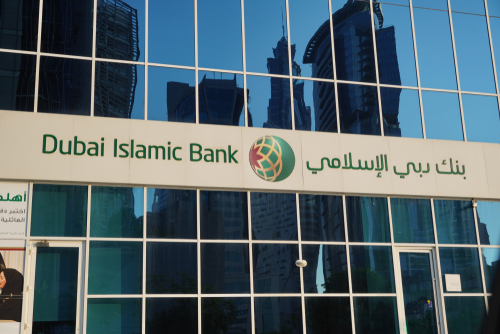
Dubai Islamic Bank (DIB) has successfully issued a $500 million Additional Tier 1 (AT1) sukuk, marking a significant milestone for the lender in the capital markets. The sukuk carries a profit rate of 5.25%, reflecting strong demand and investor confidence amid a challenging economic climate. This issuance comes as part of DIB’s strategy to bolster its capital base and enhance its financial stability.

The sukuk was priced within the bank’s existing curve, demonstrating its robust standing in the market. This issuance is particularly noteworthy given the broader context of the global financial environment, where rising interest rates have led to cautious investor sentiment. The strong demand for DIB’s sukuk highlights the bank’s solid credit profile and the appeal of Sharia-compliant financial instruments.

According to industry experts, the success of this sukuk reflects DIB’s commitment to maintaining a diversified funding base while supporting its growth strategy. The bank’s Chief Financial Officer emphasized the importance of such instruments in ensuring liquidity and financial strength. With this issuance, DIB aims to reinforce its position as a leader in Islamic banking and enhance its capital structure in alignment with regulatory requirements.

Investor appetite for AT1 sukuk has been robust, driven by the attractive profit rates compared to traditional bonds. Analysts indicate that the increasing interest in Sharia-compliant financial products among global investors has contributed to this trend. DIB’s sukuk issuance has not only attracted local investors but has also garnered significant interest from international institutions, showcasing the bank’s global reach.

Market participants have noted that the issuance comes at a time when several regional banks are exploring similar funding avenues to meet capital adequacy ratios mandated by regulators. DIB’s proactive approach in tapping into the sukuk market is seen as a strategic move to ensure compliance while capitalizing on favorable market conditions. The bank’s successful placement of the sukuk also reflects the strength of its franchise and the effectiveness of its outreach efforts to a diverse investor base.

The AT1 sukuk structure allows banks to raise capital in a manner that is compliant with Islamic law while offering investors a higher yield compared to conventional debt instruments. This structure has gained traction among financial institutions as it provides a means to enhance capital ratios without diluting existing shareholders’ equity. With the issuance, DIB has not only secured necessary capital but has also positioned itself favorably in the competitive landscape of Islamic finance.

DIB’s management expressed optimism about the future, highlighting the potential for further sukuk issuances in response to market demand. This issuance aligns with the bank’s overall growth strategy, which focuses on expanding its footprint in the Islamic finance sector while addressing the needs of its diverse customer base. The successful placement of the AT1 sukuk also underscores the importance of maintaining a strong balance sheet, especially in a period characterized by economic uncertainty.

Investor sentiment towards DIB remains positive, as evidenced by the strong subscription levels during the sukuk offering. The issuance was oversubscribed, reflecting a healthy appetite for Islamic financial instruments. This enthusiasm among investors is indicative of the broader trend within the region, where Islamic banks are increasingly recognized for their resilience and ability to navigate complex financial landscapes.

The issuance comes as the UAE continues to position itself as a global hub for Islamic finance. The government’s commitment to enhancing the Islamic financial ecosystem through regulatory frameworks and supportive policies has fostered an environment conducive to growth. DIB’s strategic initiatives align with this national agenda, reinforcing its role as a key player in promoting the Islamic finance industry.

As the global economy continues to evolve, DIB’s proactive stance in the sukuk market exemplifies its commitment to adapting to changing market dynamics. The successful issuance of the AT1 sukuk not only enhances the bank’s capital base but also reinforces its position as a preferred choice for investors seeking Sharia-compliant financial products. With a solid reputation and a strong track record, DIB is poised to continue its growth trajectory in the Islamic banking sector.

GITEX Global 2024 has drawn the attention of the global tech community, making Dubai a focal point for innovation and collaboration. Held at the Dubai World Trade Centre, this year’s event is showcasing an array of cutting-edge advancements, including artificial intelligence (AI), cybersecurity, blockchain, and more. With over 6,000 exhibitors from 180 countries, GITEX is promoting key sectors like AI-driven healthcare, fintech, and climate tech. The event has also placed a spotlight on cybersecurity challenges and solutions, attracting top industry players to discuss the future of AI in various fields.

One of the central themes of this year’s GITEX is AI’s role in reshaping industries. “AI Everything,” a major attraction at the event, is focusing on integrating AI into sectors such as digital finance, healthcare, and education. With demonstrations of AI-driven technologies, attendees are gaining insights into how AI will continue to disrupt traditional models, providing more efficiency and data-driven decision-making.

In tandem with these developments, the fintech sector is experiencing significant attention. “Fintech Surge,” another highlight of the event, is hosting global fintech leaders to explore how blockchain and AI are pushing boundaries in digital finance. Investors and startups alike are eyeing new opportunities as digital currencies, decentralized finance (DeFi), and AI-powered financial services grow in prominence. Dubai, positioning itself as a hub for innovation, offers the perfect backdrop for these transformative conversations.

Cybersecurity has emerged as a key topic, as threats in the digital space continue to escalate. GITEX’s “Cyber Valley” is addressing the intersection of AI and cybersecurity, gathering top experts to explore ways to counter cyber threats in an increasingly connected world. High-profile cybersecurity executives and government leaders are collaborating to establish frameworks that can protect sensitive data, infrastructure, and networks from sophisticated cyber-attacks.

Startups and entrepreneurs are also finding GITEX to be a launchpad for growth. “Expand North Star,” a major startup event running alongside GITEX, is connecting founders with venture capitalists and tech leaders to foster partnerships and scale new ventures. The event highlights the increasing importance of fostering an entrepreneurial ecosystem that nurtures innovative ideas and gives rise to the next generation of tech giants.

The event’s focus on sustainability is evident through “Gitex Impact,” where climate-tech innovators are unveiling solutions for environmental challenges. AI-driven sustainable technologies, including advancements in waste management and conservation, are on display, emphasizing the role of technology in addressing global climate issues.

Dubai’s ambition to be a leading global tech hub is reinforced by the diversity of participants and the scale of innovations being showcased at GITEX. Government leaders, industry experts, developers, and investors are all converging to forge partnerships and explore how emerging technologies can drive future economic growth.

GITEX Global 2024 is not just about presenting technological advancements, but also about sparking discussions around the ethical implications of such technologies. From the regulatory challenges of AI to privacy concerns, these critical issues are being debated as technology continues to evolve rapidly. The convergence of AI, cybersecurity, and fintech underlines the complex, interconnected nature of modern digital transformations.

Source – Patreon

Power outages persist across North Carolina in the wake of Hurricane Helene, which left a trail of devastation that has upended communities. In Buncombe County, more than 25,000 households have been left without electricity for three weeks, as severe flooding damaged critical infrastructure, slowing efforts to restore power. The statewide impact has been significant, with nearly 100,000 households still struggling with outages, as local utilities and government agencies work to rebuild in the aftermath of one of the worst hurricanes the state has experienced in recent history.

The storm made landfall with Category 4 intensity, bringing winds exceeding 130 mph and unleashing torrential rains that led to flash flooding in several regions. Rural and urban areas alike suffered widespread damage, with roads washed away, bridges collapsing, and homes submerged under several feet of water. Emergency services have been stretched thin, with thousands of rescue operations underway, especially in hard-hit areas like Asheville, where rivers swelled to dangerous levels, overwhelming the city’s flood defenses.

In Buncombe County, the power grid took a particularly hard hit due to the storm’s ferocity. Many of the county’s substations were submerged under floodwaters, making it difficult for utility crews to assess the extent of the damage. Roads leading to key infrastructure have been washed away or remain inaccessible due to debris, further delaying repair efforts. The combination of flood damage and fallen trees from the hurricane’s high winds has left electrical lines in disarray, forcing residents to endure an extended blackout.

Local officials have been working round-the-clock to mitigate the impact of the prolonged outages. However, challenges remain as access to remote areas continues to be obstructed. Governor Roy Cooper emphasized that while progress is being made, the scale of destruction is unprecedented, and recovery will take time. He urged residents to remain patient and assured that federal disaster relief funds would be allocated to expedite repairs. Meanwhile, the National Guard has been deployed to assist with clearing roadways and delivering essential supplies to isolated communities.

As temperatures dropped, concerns about the well-being of those without power have increased. Residents in Buncombe County, in particular, have voiced frustration as they continue to grapple with the lack of electricity, while others are facing challenges related to food preservation and heating. The disruption of public services has compounded the difficulties, with schools in the area remaining closed and businesses struggling to reopen without reliable access to power. Many families have been forced to relocate temporarily, seeking refuge in shelters set up by the Red Cross and local churches.

The hurricane also triggered a cascading effect on other vital services. Hospitals, nursing homes, and other critical care facilities have faced mounting pressure to maintain operations using backup generators, while others have been forced to transfer patients to unaffected regions. Water treatment plants were similarly overwhelmed, leading to boil-water advisories in several towns, as the risk of contamination rose due to floodwaters breaching sanitation systems.

The agricultural sector in North Carolina has also borne the brunt of the hurricane’s devastation. Farmers in the eastern part of the state reported catastrophic losses as fields were submerged and livestock perished in the floods. Early estimates suggest that the damage to crops, particularly soybeans, tobacco, and corn, could reach into the hundreds of millions of dollars. Livestock farmers have also struggled, with large numbers of cattle and poultry succumbing to the rising waters. Agricultural experts warn that the full scope of the damage may not be realized for several weeks, as fields remain waterlogged and the logistical challenges of restoring farming operations persist.

Environmental experts have raised concerns about the long-term impact of Hurricane Helene on North Carolina’s ecosystems. Flooding has resulted in large-scale soil erosion, while contaminants from industrial sites and agricultural runoffs have mixed with floodwaters, potentially causing lasting harm to water sources and habitats. The state’s fisheries, a key economic driver, could see prolonged disruptions as rivers and estuaries remain clouded with debris and pollutants, threatening aquatic life and commercial fishing operations.

Insurance companies are bracing for what is expected to be an unprecedented number of claims. Early projections indicate that Hurricane Helene may be one of the costliest storms in the state’s history, with damages potentially exceeding $10 billion. Insurers have been mobilizing teams of adjusters to assess the damage, but the sheer scale of destruction, combined with ongoing access issues, has slowed the process. Many homeowners, however, are discovering that their policies do not fully cover the extent of the damage caused by flooding, leaving them facing substantial out-of-pocket expenses for repairs.

Rebuilding efforts are now the primary focus for state and local authorities, as they work to restore power and infrastructure in the affected areas. Federal assistance has been crucial in these efforts, with the Federal Emergency Management Agency (FEMA) coordinating aid and providing financial support to expedite recovery. President Joe Biden, during a briefing, promised continued federal assistance to North Carolina, acknowledging the hurricane’s devastation and the long road to recovery.


BANGKOK, THAILAND – Media OutReach Newswire – 15 October 2024 – ONYX Hospitality Group, a leading Hospitality management company of luxury hotels, resorts, serviced apartments, and residences in Southeast Asia, showcased its marketing prowess by securing a ‘Bronze’ award for Amari Bangkok in the ‘Anniversary Marketing’ category at the prestigious Marketing Excellence Awards 2024. This recognition reaffirms ONYX’s leading position in the region’s ever-evolving market, underscoring its […]

Nintendo and Game Freak have confirmed a significant data breach affecting the Pokémon franchise. The breach, which reportedly occurred earlier this year, compromised the personal information of both current and former employees, leading to widespread concern within the gaming industry. In a formal apology published on Game Freak’s official website, the developer studio acknowledged unauthorized access to its server, stating that sensitive data had been exposed. The […]

SINGAPORE – Media OutReach Newswire – 15 October 2024 – Chevron Singapore, which operates the retail brand Caltex, has announced the launch of the refreshed CaltexGO mobile app, designed to enhance customer convenience and engagement across all Caltex stations nationwide. This latest iteration of Singapore’s first mobile fuel payment app underscores Caltex’s commitment to innovation and delivering exceptional customer experiences. The refreshed CaltexGO mobile app (Credit – […]

VISHNU RAJA
RYO YAMADA
HITORI GOTOH
IKUYO KITA
Just in:
Vance attributes Republican midterm defeats to Iran conflict // Democrats capture Senate majority with seven Republican seats // DIP Holding targets Dh1.12 IPO price and $529m proceeds // Cloudflare unveils Zero Wire vulnerability intelligence service // Burying Head In “India Made Poverty Reduction” Data Is Dangerous // BJP’s Aggressive Response Exposes Anxiety Over Opposition Unity // As AI Reshapes Education, Singapore Convenes Global Dialogue on the Future of Early Childhood Education // Ta’ziz finalises $1.39bn funding for Ruwais industrial facilities // Vingroup And Legends Global Announce Strategic Partnership For VinFast – Trong Dong Stadium // After Reaching 7 Million Users in the Philippines, Skyro Launches Transparent Cash Loans in Malaysia // mamun raises US$3 million to finance cross-border trade between the Gulf and Asia // Cyberport Venture & Capital Forum 2026 Grand Opening // AI trust gap reveals distinct retail priorities: Divergent paths to consumer growth in Hong Kong and the GBA // OpenAI identifies 948 Linux privilege escalation flaws using AI // Democrats secure Senate majority after Republican election losses // Arrow Electronics showcases technologies advancing intelligent robotics, mobility and digital infrastructure // ADIPEC leaders urge investment in global energy networks // U.S. Mid Term Result Is A Clear Verdict Against Trump’s Authoritarianism // Pinarayi faults UDF over mounting road crashes // ADIA and partners establish $1.4 billion aviation venture //