News related to
data

HANOI, VIETNAM – Media OutReach Newswire – 12 October 2024 – Vingroup is leading Vietnam’s green transition with VinFast, its electric vehicle company, and a range of eco-friendly initiatives across its diverse businesses. This commitment to sustainability positions Vingroup as a key driver in the race towards a greener future for the nation. The green transformation has become one of the defining challenges of our time. Countries […]

SIE is poised to revive the beloved horror franchise “Siren” with an eagerly anticipated release on PlayStation 4 and PlayStation 5. This launch is scheduled for October 15, 2024, and is part of a broader offering of new games for subscribers of PlayStation Plus. The return of “Siren” marks a notable moment for fans of survival horror, promising a fresh experience while evoking the chilling atmosphere that […]

Global attention is fixed on the Paris Motor Show as the automotive industry gears up for a showcase of innovation and design. This year, a pronounced emphasis on electric vehicles and sustainable technologies underscores the evolving landscape of the automobile sector. French manufacturers, along with their Chinese counterparts, are set to dominate the event, reflecting broader trends in the automotive market. The Paris Motor Show, a significant […]

Q-CTRL, an Australian company specializing in quantum infrastructure software, has successfully raised $113 million in its Series B funding round, marking a significant achievement in the quantum technology sector. This round, which includes an additional $59 million from notable investors, underscores growing confidence in Q-CTRL’s innovations and the broader field of quantum technology. The latest funding boost follows Q-CTRL’s previous financial successes, including $27.4 million from its […]

Network as a Service (NaaS) provider Megaport has entered the Italian market by establishing Points of Presence (PoPs) in Milan. This strategic move includes partnerships with prominent data center operators such as AtlasEdge, Data4, Equinix, and Retelit, enhancing Megaport’s ability to offer high-speed, scalable connectivity solutions to enterprises in the region. The expansion reflects Megaport’s commitment to supporting the growing demand for flexible, cloud-based networking solutions across […]

Microsoft is set to launch its Xbox app for Android next month, allowing users to purchase and play games directly on their mobile devices. This announcement follows a landmark antitrust ruling against Google, which has significant implications for app distribution and gaming ecosystems on mobile platforms. By enabling Xbox game purchases and access via its app, Microsoft aims to provide a more seamless gaming experience and expand its market share in the mobile gaming sector.

The recent ruling by a U.S. judge favored the Department of Justice in its antitrust case against Google, finding that the tech giant’s practices stifled competition in the digital marketplace. This decision has opened doors for competitors like Microsoft to offer alternative platforms for gaming. Microsoft’s initiative is part of a broader strategy to shift its gaming operations to mobile devices, leveraging its existing user base and ecosystem.

Starting next month, the Xbox app will not only allow purchases but also provide access to a library of games, enabling players to enjoy a full gaming experience without being tethered to a console or PC. This move aligns with the growing trend of cloud gaming and the increasing demand for mobile gaming solutions. The app will also support Xbox Game Pass, Microsoft’s subscription service that offers access to hundreds of games for a monthly fee, further enhancing its value proposition to consumers.

Analysts view this launch as a significant pivot in Microsoft’s gaming strategy, positioning the company to compete more aggressively against rivals like Sony and Nintendo, who have traditionally dominated the console market. By integrating mobile capabilities, Microsoft is expanding its reach and adapting to consumer preferences that increasingly favor gaming on portable devices. This shift also reflects broader trends in the gaming industry, where cloud technology and mobile accessibility are becoming key drivers of growth.

Microsoft’s recent developments are indicative of a larger transformation within the gaming industry. As more players opt for mobile gaming, the demand for integrated systems that allow for seamless access across platforms is increasing. This is evident from the success of mobile titles that have achieved popularity comparable to traditional console games. By capitalizing on this trend, Microsoft aims to not only enhance user engagement but also attract new gamers who prefer the convenience of mobile platforms.

The integration of Xbox services into mobile is not just about game access; it also involves community features that allow players to connect with friends and other gamers. Social gaming has become an essential aspect of the gaming experience, with players increasingly looking for ways to interact, compete, and collaborate with others. Microsoft’s mobile strategy recognizes this shift and aims to foster a vibrant community through its app.

Microsoft’s push into mobile gaming is also viewed as a strategic response to regulatory pressures on dominant tech companies like Google. With the ruling against Google, there is growing scrutiny on how large corporations manage their app ecosystems. Microsoft’s proactive approach in launching its app demonstrates its commitment to consumer choice and fair competition in the digital marketplace. By empowering users to purchase games without being restricted to traditional app store models, Microsoft is setting a precedent that could influence future regulations and industry practices.

Key industry players are closely monitoring Microsoft’s strategy as it unfolds. If successful, this move could inspire other gaming companies to explore similar pathways into mobile platforms, potentially leading to a more fragmented and diverse gaming market. As competition heats up, consumers stand to benefit from enhanced options and innovative gaming experiences.

The Xbox app is part of a broader trend where technology companies are increasingly blurring the lines between hardware and software. By delivering gaming experiences directly to mobile devices, Microsoft is not only diversifying its offerings but also aligning itself with emerging technologies like augmented reality and virtual reality, which are expected to redefine the gaming landscape in the coming years.

Tesla’s unveiling of its Optimus humanoid robot during its latest event showcased significant advancements, positioning it as a leading contender in the robotics space. While the much-anticipated robotaxi, now branded as the “Cybercab,” generated considerable buzz, Optimus captured the spotlight with its potential to perform a wide range of tasks, emphasizing Tesla’s ambition to merge artificial intelligence with practical applications in everyday life. Elon Musk, the CEO […]

Advertisements

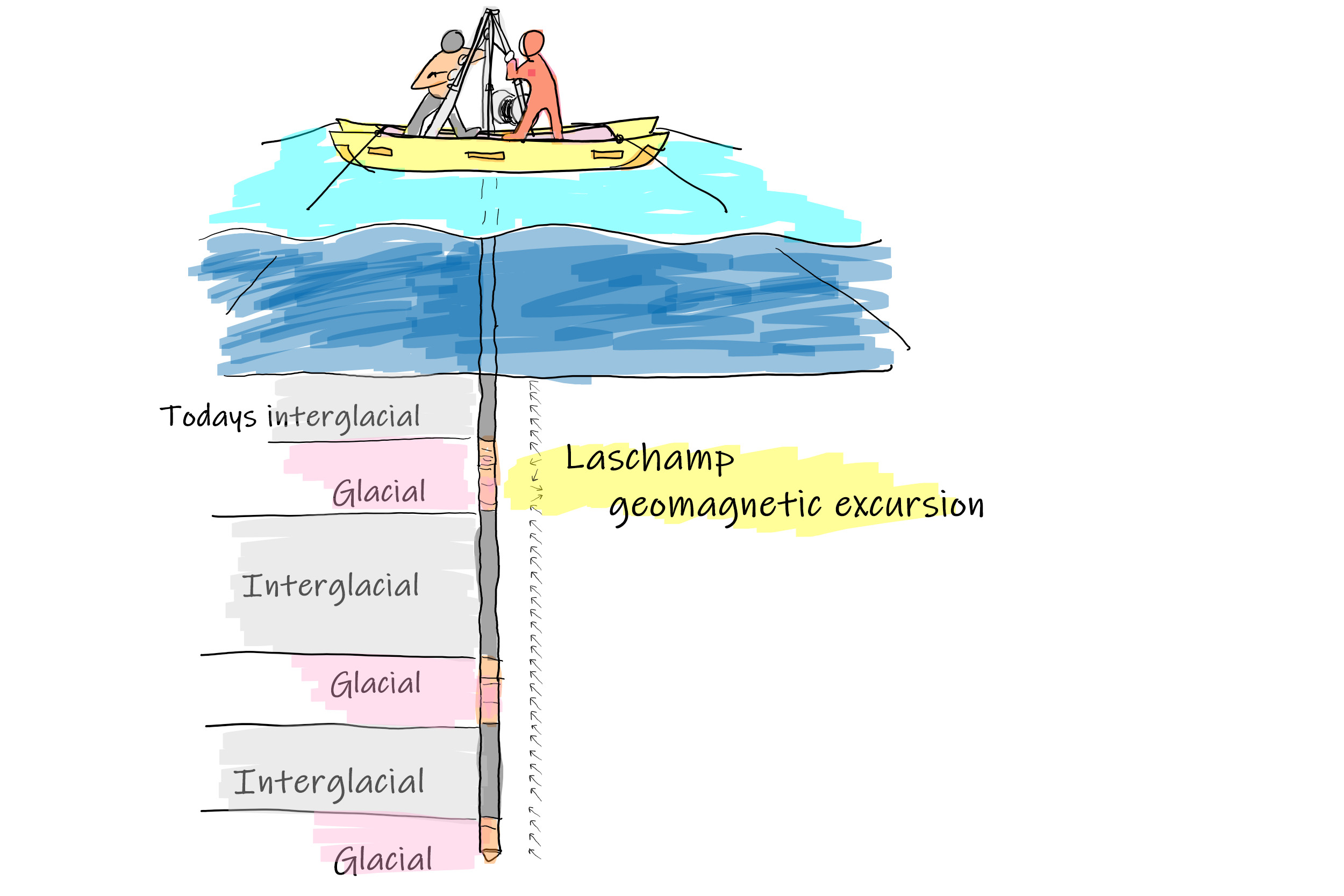
Advanced research into Earth’s magnetic field has enabled scientists to create a sound representation of the Laschamp Event, a significant geomagnetic reversal that occurred approximately 41,000 years ago. This groundbreaking work utilizes data collected by the European Space Agency’s Swarm mission, which employs three satellites to study the complexities of Earth’s magnetic environment. By converting this magnetic data into sound, researchers have offered a new auditory perspective on past geomagnetic events, enhancing our understanding of planetary processes.

The Laschamp Event is particularly notable due to its implications for the stability of Earth’s magnetic field. During this period, the magnetic field weakened significantly, which could have exposed the planet to increased levels of cosmic radiation. This weakening was accompanied by a rapid flip of the magnetic poles, a phenomenon that has piqued the interest of geophysicists and environmental scientists alike. The sound visualization project, spearheaded by a team of researchers, is seen as a novel approach to studying these complex events.

Dr. Romain L. Garret, one of the leading researchers involved in the sound mapping project, explained that the sounds created from the magnetic data capture the fluctuations in the magnetic field during the Laschamp Event. These sounds not only provide a unique listening experience but also serve as an effective tool for understanding the dynamics of geomagnetic reversals. The integration of auditory and scientific data bridges the gap between abstract scientific concepts and public understanding, enabling a more profound appreciation of Earth’s magnetic history.

The Swarm mission, launched in 2013, consists of three satellites working in tandem to gather data on the Earth’s magnetic field with unprecedented precision. The mission’s objectives include monitoring variations in magnetic intensity, mapping the gravitational field, and understanding the effects of magnetic forces on the planet’s climate and environment. The rich dataset produced by Swarm has opened new avenues for scientific inquiry, particularly in the fields of geology and climatology.

Through careful analysis of the data, researchers were able to pinpoint specific moments during the Laschamp Event when significant shifts occurred. This data was transformed into a soundscape that reflects the magnetic fluctuations over time. By listening to these sound waves, scientists and the public alike can grasp the magnitude of these changes in a more visceral manner, translating complex geophysical phenomena into an engaging auditory experience.

In addition to enhancing public engagement with scientific research, this sound mapping effort also has implications for ongoing studies related to current and future geomagnetic shifts. Understanding past magnetic reversals, such as the Laschamp Event, allows scientists to develop predictive models that may shed light on the behavior of Earth’s magnetic field today and in the future. These models are crucial for anticipating the potential impacts of geomagnetic changes, which could affect satellite operations, navigation systems, and even power grids.

Research indicates that geomagnetic reversals, while rare, can have profound effects on life on Earth. The last major reversal, the Brunhes-Matuyama transition, occurred approximately 780,000 years ago. Scientists have posited that as the magnetic field weakens, it may provide an opportunity for more solar radiation to penetrate the atmosphere, potentially affecting climate patterns and biological processes.

As the Swarm mission continues to gather data, the potential for further discoveries remains high. The ongoing analysis of Earth’s magnetic field not only aids in understanding our planet’s past but also informs preparations for its future. With advancements in technology and interdisciplinary research efforts, scientists are uncovering new insights into the interactions between the Earth’s magnetic field and various geological processes.

The sound visualization of the Laschamp Event represents a pivotal moment in Earth sciences, as it illustrates the power of innovative methodologies in presenting scientific findings. By transforming magnetic data into sound, researchers are fostering a more inclusive dialogue between the scientific community and the general public, demystifying complex scientific processes. This approach exemplifies how art and science can intersect, creating new pathways for education and engagement.

The visualization project also highlights the collaborative efforts required in modern scientific research. Teams comprising geophysicists, sound engineers, and educators worked together to develop this unique soundscape, demonstrating the benefits of interdisciplinary collaboration in advancing scientific understanding. By fostering partnerships across various fields, researchers can tackle complex questions about Earth’s past and present with a multifaceted approach.

Tesla CEO Elon Musk presented the Optimus AI robot at a Tesla event, showcasing its capability to perform everyday tasks. The event, which was aimed at demonstrating the potential of advanced robotics, included a significant focus on AI-driven automation. Optimus, Tesla’s humanoid robot, performed several activities, including bartending, serving drinks to attendees. This public display marks a new milestone in Tesla’s pursuit of humanoid robots that can […]

A strategic partnership between Abu Dhabi Terminals (ADT) and the French tech company Urbanloop has been established to explore sustainable and innovative urban mobility solutions in the UAE. This collaboration marks a significant step toward addressing the growing need for environmentally friendly transport options in one of the world’s most rapidly urbanizing regions. ADT, known for its leadership in port operations and logistics within Abu Dhabi, is […]

Valve has confirmed that its highly anticipated handheld gaming device, the Steam Deck, will officially launch in Australia in November 2024. This announcement comes after an extended wait for Australian consumers eager to purchase the device directly without relying on third-party resellers. The company has expressed excitement over this launch, emphasizing the importance of catering to local gamers who have been eagerly anticipating the Steam Deck’s arrival. […]

GUIYANG, CHINA – Media OutReach Newswire – 12 October 2024 – During the past seven-day National Day holiday, roadside concerts under the wall of Wenchang Pavilion in Yunyan District, Guiyang City of southwest China’s Guizhou Province, attracted numbers of tourists and residents to watch performances. Different from regular concerts, roadside concerts in Guiyang, mainly performed by local bands and music enthusiasts, offered a stage for ordinary people […]

Source – Patreon

A new player in the music identification arena, Audile, is gaining attention as an open-source alternative to Shazam, primarily for Android users. The app’s development is aimed at providing a viable option for users seeking privacy and customization in their music recognition experiences. Unlike Shazam, which has become a dominant force in this sector, Audile emphasizes transparency and community-driven enhancements.

Audile’s open-source nature allows developers to contribute to its ongoing evolution. This collaborative approach not only fosters innovation but also provides users with an alternative that aligns with the growing demand for privacy-conscious applications. Users can modify the app to suit their preferences, which is a distinct advantage over proprietary software that limits user control.

Key features of Audile include rapid song recognition, a simple user interface, and the ability to identify songs from a variety of audio sources, including live performances and background music. Users can also access additional functionalities like lyric displays and album information, enhancing the overall experience. As it stands, Audile is available for download through repositories like GitHub, where tech-savvy users can also view its source code and contribute to its development.

The music identification market is witnessing a surge in alternatives to Shazam, as users explore various options beyond the mainstream choice. SoundHound, for instance, has been a formidable competitor, notable for its ability to recognize songs through humming and singing. This feature sets SoundHound apart, appealing to users who might not have the original track readily available.

Another alternative gaining traction is MusiXmatch, which combines music recognition with lyric synchronization. This app enables users to view lyrics in real time as they listen to music from streaming platforms like Spotify and YouTube, enriching the listening experience. Genius, known for its extensive database of song lyrics and background stories, further diversifies the options available for music lovers.

Emerging trends suggest that users are increasingly inclined toward apps that offer not only music recognition but also additional features like lyric integration and social sharing capabilities. With growing competition in this sector, companies are focusing on enhancing user engagement through innovative features and streamlined interfaces.

As the landscape of music identification evolves, Audile’s open-source model may inspire other developers to explore similar paths. The shift towards more customizable applications aligns with broader trends in technology, where users prioritize control over their digital experiences. This shift has implications beyond music recognition, as more consumers seek software solutions that prioritize privacy and personalization.

A significant issue has emerged following Microsoft’s decision to integrate its Windows Recall feature into the 24H2 update of Windows 11, leading to reported malfunctions in File Explorer. Users are expressing frustration as disabling this feature inadvertently results in critical functionalities being compromised. The rollout of the 24H2 update introduced Windows Recall as a core feature designed to enhance user experience by integrating AI capabilities, particularly the […]

A new chapter has emerged in the gaming world as a group of former ZA/UM developers has established Dark Math Games, signaling their intent to create a spiritual successor to the acclaimed role-playing game Disco Elysium. This development comes on the heels of ZA/UM’s restructuring and staff layoffs, leading many of its key talents to seek new creative ventures. Dark Math Games plans to develop a detective […]

Ambitious renewable energy goals set by the UAE have not only been met but are expected to be exceeded by 2030, according to a recent report from the International Energy Agency (IEA). The report highlights the nation’s strategic investments and policies that have accelerated the development of renewable energy sources, particularly solar and wind power. With a commitment to diversifying its energy mix and reducing reliance on […]

Crown Prince Mohammed bin Salman will not participate in the upcoming BRICS summit scheduled for October 17-19 in Moscow. This decision marks a significant diplomatic moment, as Saudi Arabia engages in a complex geopolitical landscape that includes balancing relationships with both Western nations and emerging economies in the Global South. The absence of the Crown Prince at such a high-profile gathering raises questions about the Kingdom’s strategy […]

OKX, one of the leading global cryptocurrency exchanges, has officially launched its services in Dubai, marking a significant development in the emirate’s burgeoning digital asset market. The exchange’s entry into this region is seen as a strategic move to enhance its presence in the Middle East and cater to the growing demand for cryptocurrency trading. This initiative aligns with Dubai’s ambitions to become a global hub for fintech and blockchain technologies.

The newly launched exchange offers a comprehensive suite of services, including spot and derivatives trading, which allows users to trade a variety of cryptocurrencies, including Bitcoin, Ethereum, and a wide range of altcoins. As part of its commitment to user security and regulatory compliance, OKX has implemented robust security measures and enhanced verification processes tailored to meet local regulatory requirements. This move is expected to bolster user confidence and attract a broader user base in the region.

Dubai has emerged as a favorable environment for cryptocurrency enterprises due to its progressive regulatory framework and government support for blockchain innovation. The Dubai Multi Commodities Centre (DMCC), which has developed a dedicated Crypto Centre, has been instrumental in creating an ecosystem conducive to crypto businesses. With the establishment of its exchange, OKX aims to capitalize on this supportive infrastructure and the increasing interest in digital assets among retail and institutional investors.

Industry analysts view the entrance of OKX into Dubai as a game-changer in the local cryptocurrency landscape. The exchange’s global reputation and extensive experience in the digital asset space position it well to compete with other established platforms. According to recent reports, the demand for cryptocurrency trading in the Middle East has surged, driven by a youthful population eager to explore investment opportunities in digital currencies. OKX’s offerings are expected to cater to this demographic while also attracting seasoned traders looking for a reliable and feature-rich trading platform.

OKX is committed to educational initiatives aimed at fostering a better understanding of cryptocurrencies and blockchain technology among potential users. The exchange plans to launch various educational programs, webinars, and workshops designed to equip users with the knowledge and skills necessary for safe and effective trading. This focus on education is part of a broader strategy to demystify cryptocurrencies and encourage responsible investment practices.

In addition to its trading services, OKX aims to offer a suite of advanced trading tools and features, such as algorithmic trading, margin trading, and staking options. These tools are designed to enhance the trading experience and provide users with various ways to maximize their investments. As the cryptocurrency market evolves, the introduction of such features will likely attract a diverse range of traders, from novices to experienced investors.

Competition in the UAE’s cryptocurrency market is heating up, with several exchanges vying for market share. Binance, FTX, and BitOasis are among the other prominent players that have established a presence in the region. Each platform offers unique features and services, creating a dynamic landscape for cryptocurrency trading. The entry of OKX is expected to intensify this competition, leading to better services and lower fees for users, which will ultimately benefit the growing number of investors in the region.

As digital currencies gain acceptance and regulatory frameworks evolve, the potential for further growth in the Middle East’s cryptocurrency market is immense. The UAE government has been proactive in establishing a regulatory framework that encourages innovation while ensuring investor protection. The recent introduction of the Financial Services Regulatory Authority (FSRA) regulations reflects this approach, providing clarity and guidelines for cryptocurrency operators. OKX’s adherence to these regulations signals its commitment to compliance and operational integrity.

Looking ahead, the future of cryptocurrency trading in Dubai appears promising. With the launch of its exchange, OKX aims to not only facilitate trading but also contribute to the broader fintech ecosystem in the region. The exchange is exploring partnerships with local businesses and financial institutions to enhance its service offerings and foster a collaborative environment for crypto innovation.

The exchange is leveraging Dubai’s strategic location as a gateway to other markets in the Gulf Cooperation Council (GCC) and beyond. By positioning itself in Dubai, OKX is strategically placed to attract users from neighboring countries, tapping into a larger pool of potential customers eager to explore the benefits of cryptocurrency trading.

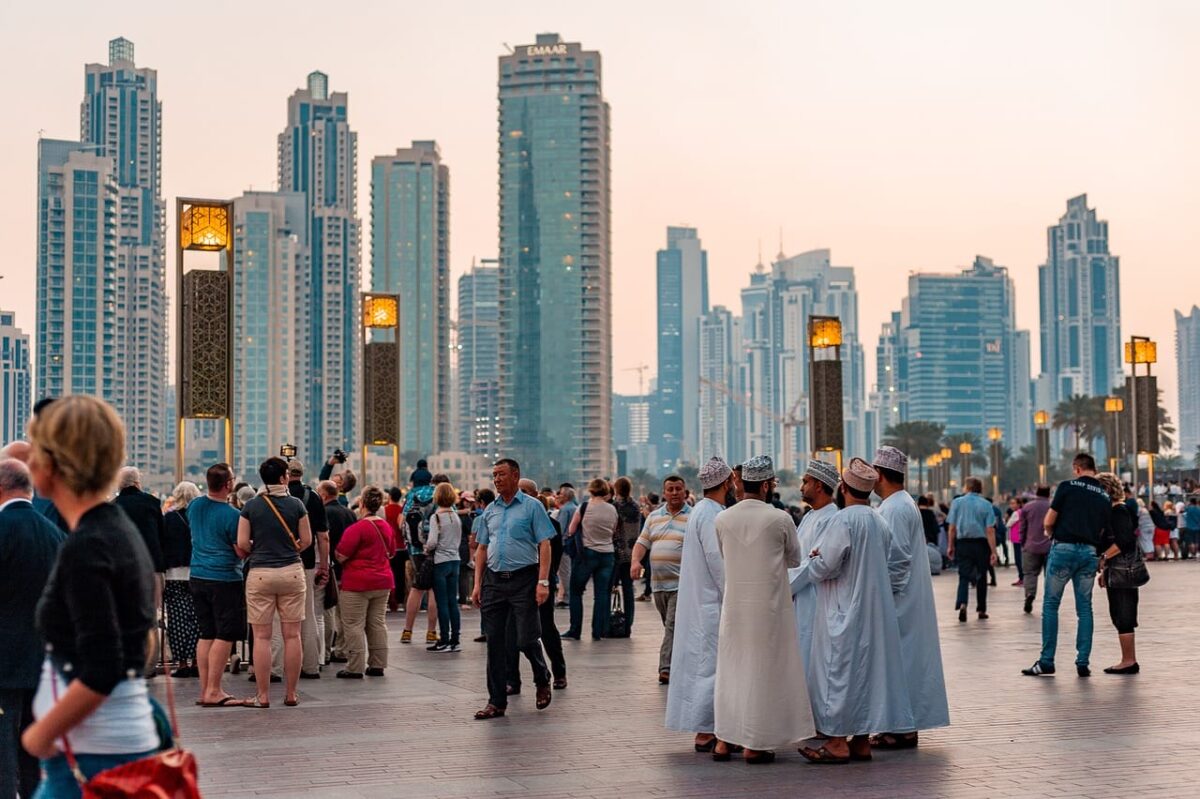
Growing interest in Dubai as a premier destination for high-net-worth individuals is intensifying discussions about the potential implementation of departure taxes on those leaving high-tax jurisdictions. This trend is primarily driven by a surge of wealthy expatriates relocating to Dubai to benefit from its tax-friendly environment, which boasts zero personal income tax, minimal corporate tax, and a lifestyle that attracts affluent individuals and families seeking an appealing alternative to more heavily taxed countries.

The UAE has established itself as a hub for international business and luxury living, drawing in millionaires from around the globe, particularly from Europe and North America. Factors contributing to this migration include favorable tax policies, a robust economy, and an attractive quality of life characterized by luxury amenities, safety, and a multicultural environment. The influx of wealth has raised concerns among governments in higher-tax regions, leading to discussions on implementing exit taxes for those leaving their jurisdictions for more favorable tax climates.

High-profile figures and successful entrepreneurs are among those choosing to relocate to Dubai. The UAE government has made concerted efforts to attract global talent, introducing initiatives such as the Golden Visa program, which grants long-term residency to investors, entrepreneurs, and skilled professionals. This program has proven particularly enticing for individuals seeking stability and security, as it allows them to reside in a tax-efficient environment while retaining their wealth.

Reports indicate that countries like the United Kingdom and France are contemplating implementing exit taxes to mitigate the loss of revenue associated with wealthy individuals relocating abroad. The UK, in particular, is facing increasing pressure to address its fiscal policies in light of the exodus of high-income earners. Notable figures in finance, entertainment, and technology have made headlines for their decision to move to Dubai, sparking discussions among policymakers about potential strategies to retain their tax base.

The implications of departure taxes could be significant. Governments may argue that such levies are necessary to safeguard public finances, ensuring that wealthy individuals contribute fairly to the welfare of their home countries. However, critics contend that these measures may inadvertently drive further migration, leading to a brain drain and exacerbating the very issues they aim to address.

Emerging trends in global taxation are also influencing this landscape. With the rise of digital nomadism and remote work, affluent individuals are increasingly seeking jurisdictions that provide a favorable tax regime and quality of life. Countries like Portugal and Malta have already implemented schemes targeting digital nomads, while Dubai continues to enhance its appeal through initiatives aimed at attracting tech-savvy professionals.

As the debate over departure taxes intensifies, Dubai’s allure as a tax haven will likely continue to grow. The city’s reputation as a destination for the wealthy is reinforced by its thriving economy, which has shown resilience in the face of global challenges, including the COVID-19 pandemic. The UAE’s diversified economy, characterized by sectors such as tourism, real estate, and technology, positions it as a robust alternative for high-net-worth individuals looking for new opportunities.

Experts suggest that as more millionaires flock to Dubai, local authorities may need to adapt their strategies to accommodate the influx while maintaining the city’s appeal as a desirable place to live and work. This could involve creating an environment that balances the needs of the wealthy with the broader interests of society, ensuring that the benefits of this migration extend beyond the elite.

The notion of departure taxes has sparked a broader conversation about wealth distribution and social equity. Policymakers are grappling with how to address the growing disparity between wealthy individuals who can relocate to tax-friendly jurisdictions and those who remain in high-tax areas. The challenge lies in creating a tax system that is both fair and conducive to economic growth, without alienating the very individuals it aims to tax.

As Dubai cements its status as a global magnet for wealth, the city is expected to play a pivotal role in shaping the future of international taxation. The dynamics of wealth migration are complex and multifaceted, driven by a confluence of factors ranging from fiscal policies to lifestyle preferences. The growing trend of millionaires relocating to Dubai is a testament to the city’s ability to adapt and thrive in an increasingly competitive global landscape.

Local businesses are reaping the rewards of this influx, with the luxury goods and services sectors experiencing significant growth. High-end real estate markets are booming, fueled by demand from affluent expatriates looking to invest in properties that reflect their newfound status. The impact on the local economy is palpable, as increased consumer spending by wealthy individuals bolsters various sectors, from hospitality to retail.

A new study by Accenture highlights that companies embracing artificial intelligence (AI) and automation are experiencing notable performance advantages over their peers. The research indicates that 74% of firms reported their investments in automation and generative AI achieving or exceeding their expectations, with 63% planning to enhance these capabilities further by 2026. This comprehensive survey included insights from approximately 2,000 executives across various sectors. The findings underscore […]

Dubai Silicon Oasis (DSO) has garnered the prestigious title of “Middle East Free Zone of the Year” at the Global Free Zones of the Year 2024 Awards, hosted by the Financial Times’ fDi Intelligence. This recognition underscores DSO’s commitment to fostering innovation and entrepreneurship within the region’s economic landscape. The accolade highlights DSO’s strategic initiatives aimed at enhancing the free zone’s competitiveness, infrastructure, and service offerings, positioning it as a premier hub for technology and innovation.

Established in 2006, Dubai Silicon Oasis serves as a Special Economic Zone (SEZ) that focuses on attracting technology-based companies and supporting innovative businesses. It is one of five Urban Zones identified within Dubai’s 2040 Urban Master Plan, reflecting the emirate’s vision to transform into a global center for knowledge and innovation. DSO’s robust framework facilitates the growth of start-ups and established companies alike, offering a conducive environment for research, development, and collaboration.

Key to DSO’s success is its state-of-the-art infrastructure, which includes a mix of residential, commercial, and educational facilities. The free zone boasts advanced telecommunications and technology systems, making it an attractive destination for businesses seeking to establish a presence in the UAE. Moreover, DSO provides a variety of incentives for companies, including tax exemptions, 100% foreign ownership, and full repatriation of profits, which are critical in attracting international firms.

The recent award signifies DSO’s proactive approach to evolving with industry demands. The zone has embraced innovative practices, such as implementing smart city technologies and promoting sustainability initiatives, which resonate with global trends in urban development. DSO has introduced initiatives aimed at integrating artificial intelligence and smart solutions within its operational framework, thereby enhancing the overall efficiency and competitiveness of businesses operating within its premises.

One of the key factors contributing to DSO’s recognition is its extensive support for start-ups and entrepreneurs through initiatives like the Dubai Technology Entrepreneur Campus (DTEC). DTEC serves as an incubator for technology-focused businesses, providing mentorship, networking opportunities, and access to funding. The center plays a pivotal role in nurturing local talent and encouraging innovation, positioning Dubai as a prominent player in the global technology ecosystem.

DSO actively collaborates with academic institutions and research centers to drive innovation. This partnership model ensures that businesses have access to cutting-edge research and development resources, further enhancing the zone’s appeal. The synergy between industry and academia fosters a vibrant ecosystem that encourages knowledge sharing and innovation.

DSO’s commitment to sustainability is also noteworthy. The free zone has launched several initiatives aimed at reducing its carbon footprint and promoting green practices among its tenants. This focus on sustainability not only aligns with global environmental goals but also attracts businesses that prioritize corporate social responsibility.

The recognition from fDi Intelligence is expected to further bolster DSO’s reputation as a leading free zone in the region. This accolade will likely enhance its attractiveness to foreign investors and companies looking to tap into the lucrative Middle Eastern market. As the UAE continues to position itself as a hub for technology and innovation, DSO is poised to play a critical role in shaping the future of the region’s economy.

In addition to attracting international businesses, DSO is focused on fostering a diverse and inclusive workplace culture. This approach has contributed to its reputation as an employer of choice among skilled professionals. The free zone’s commitment to diversity not only enriches its work environment but also drives creativity and innovation among its workforce.

As the competitive landscape among free zones intensifies, DSO’s ability to adapt to changing market conditions and embrace new technologies will be crucial. The ongoing investment in infrastructure and services indicates that DSO is well-positioned to maintain its leadership in the innovation sector. The zone’s emphasis on continuous improvement and customer-centric services ensures that it remains responsive to the needs of businesses.

DSO’s strategic location in Dubai enhances its accessibility to global markets, facilitating trade and collaboration. The free zone’s proximity to major transport hubs and its integration with Dubai’s extensive logistics network make it an ideal base for companies seeking to expand their reach.

Stepping away from the Tokyo Game Show, the vibrant energy and sheer enthusiasm displayed by fans and industry professionals alike leave an indelible mark. This year’s event reaffirmed Japan’s pivotal role in the global gaming landscape, a contrast sharply highlighted by the decline of the Electronic Entertainment Expo, or E3, which once reigned supreme as the industry’s marquee event. The question of why E3 faltered while the Tokyo Game Show has continued to thrive is as complex as the industry itself, reflecting broader shifts in consumer behavior, market dynamics, and cultural perspectives.

The Tokyo Game Show, held annually since 1996, has consistently showcased not just the latest in gaming technology but also the rich tapestry of Japanese culture that underpins much of its success. Each year, the event draws millions, transforming the Makuhari Messe convention center into a hub of innovation, creativity, and community. Visitors engage with upcoming titles, experience immersive environments, and participate in panels that often feature prominent figures from the industry. This interaction cultivates a sense of belonging and excitement that resonates deeply within the gaming community.

E3, on the other hand, has struggled to maintain its relevance. Once a symbol of the industry’s collective ambition, E3 has faced challenges that have eroded its foundation. The pandemic was a significant turning point, forcing E3 to adapt rapidly to an online format that did not resonate with audiences in the same way as the in-person experiences. The lack of a tangible connection among gamers, developers, and publishers undermined the excitement that had been the hallmark of previous expos. Following the pandemic, the annual event found itself increasingly sidelined as key players like Sony and Microsoft opted out of participation, choosing instead to focus on their own digital showcases. The absence of these major players revealed a fragmented landscape, leaving E3 struggling to maintain its status.

Tokyo Game Show has navigated these waters differently. The emphasis on community engagement, alongside the showcasing of local talent and innovations, has solidified its status as a beloved event. The dedication to embracing both traditional and modern gaming practices reflects the depth of Japan’s gaming culture. From retro titles to cutting-edge virtual reality experiences, the show captures the essence of an industry that continually evolves. This inclusivity is key; where E3’s appeal seemed to diminish, Tokyo Game Show’s commitment to showcasing a broad spectrum of gaming experiences attracts a diverse audience, celebrating not just high-budget productions but also independent developers and niche genres.

Japan’s unique cultural identity plays a pivotal role in the enduring success of the Tokyo Game Show. The event is not merely a commercial showcase; it embodies a cultural phenomenon. Traditional Japanese storytelling, art, and design principles intertwine with modern gaming narratives, creating an experience that resonates with both local and international audiences. This cultural fusion is particularly evident in the art direction of many Japanese games, often characterized by vibrant visuals and intricate storytelling, which draw from deep-seated cultural motifs. The Tokyo Game Show serves as a platform to highlight these elements, emphasizing the importance of cultural context in gaming.

The pandemic served as a catalyst for innovation within the Tokyo Game Show framework. While E3 struggled with its identity, the Japanese expo adopted hybrid formats that allowed for both physical and digital participation, thereby expanding its reach. This flexibility not only attracted a larger global audience but also empowered local developers who might not have had the opportunity to showcase their work on an international stage. The decision to incorporate online elements enhanced accessibility, ensuring that fans worldwide could partake in the excitement, regardless of geographic constraints.

The enthusiasm exhibited by fans during the Tokyo Game Show is also reflective of a renewed interest in gaming as a form of cultural expression. As the world grappled with isolation during the pandemic, video games emerged as a vital source of connection and escapism. The communal nature of gaming, often highlighted during events like Tokyo Game Show, fosters relationships that transcend borders. The growing acceptance of gaming as a legitimate form of entertainment and artistic expression has only strengthened the allure of the Tokyo Game Show. This year’s event saw fans eagerly lining up to engage with developers and explore the latest innovations, showcasing a robust passion that serves as a stark contrast to the dwindling excitement surrounding E3.

The Tokyo Game Show’s commitment to inclusion is another aspect that sets it apart. While E3 has faced criticism for its lack of representation and inclusivity, the Tokyo Game Show actively embraces diversity. Efforts to spotlight underrepresented voices in gaming, both in front of and behind the scenes, reflect a broader societal push for equity. This focus on diversity not only enriches the gaming landscape but also resonates with an audience increasingly demanding representation in their entertainment. By providing a platform for diverse narratives and creators, the Tokyo Game Show remains relevant in a rapidly changing industry.

Another factor contributing to the resilience of the Tokyo Game Show is its adaptability to changing trends within the gaming world. The event has consistently evolved to reflect emerging technologies and consumer preferences, whether through the incorporation of mobile gaming, virtual reality, or online streaming. This adaptability has kept the event fresh and engaging, ensuring it captures the attention of both industry insiders and casual gamers alike. Unlike E3, which has struggled to pivot in the face of evolving expectations, the Tokyo Game Show’s ability to embrace change has been a critical factor in its sustained success.

As the gaming industry continues to expand, the Tokyo Game Show is poised to maintain its position at the forefront of innovation and community engagement. The event’s ability to adapt to shifting landscapes, coupled with its celebration of Japan’s rich cultural heritage, ensures it remains a vital component of the global gaming conversation. As we reflect on the divergent paths of these two events, it becomes clear that the Tokyo Game Show’s commitment to authenticity, inclusivity, and community engagement will secure its place in the hearts of gamers for years to come.


Bitname has introduced a groundbreaking naming service aimed at enhancing user experience within the Bitcoin ecosystem. This new system offers a solution to the complexities associated with Bitcoin addresses, making it easier for users to engage in transactions. Navigating Bitcoin transactions can be cumbersome due to the lengthy alphanumeric strings that serve as addresses. These complex addresses pose a barrier to entry, particularly for newcomers to the […]

VISHNU RAJA
RYO YAMADA
HITORI GOTOH
IKUYO KITA
Just in:
Vingroup And Legends Global Announce Strategic Partnership For VinFast – Trong Dong Stadium // Cyberport Venture & Capital Forum 2026 Grand Opening // SC to examine students’ exam plea today // Pinarayi faults UDF over mounting road crashes // xCube Access Welcomes Entrust Capital Limited  Expanding Access to Professional Portfolio Management // Anthropic to prohibit persistent abuse of Claude chatbot // CPI, CPM dispute portrayal of Vayalar uprising leaders // After Reaching 7 Million Users in the Philippines, Skyro Launches Transparent Cash Loans in Malaysia // Ta’ziz finalises $1.39bn funding for Ruwais industrial facilities // Democrats secure Senate majority after Republican election losses // Govt opposes Arlekar’s PSC action // AI trust gap reveals distinct retail priorities: Divergent paths to consumer growth in Hong Kong and the GBA // ADIA and partners establish $1.4 billion aviation venture // Democrats capture Senate majority with seven Republican seats // Arrow Electronics showcases technologies advancing intelligent robotics, mobility and digital infrastructure // Middle East governments assess Iran war after US vote // ADIA and partners establish $1.4 billion aviation venture // mamun raises US$3 million to finance cross-border trade between the Gulf and Asia // Fast Just Got Fastest: STING Energy Boost™ Celebrates Kimi Antonelli’s Formula 1® World Championship and the Fan Energy Behind It // DIP Holding targets Dh1.12 IPO price and $529m proceeds //