

Just in:
Vingroup And Legends Global Announce Strategic Partnership For VinFast – Trong Dong Stadium
//
CPI, CPM dispute portrayal of Vayalar uprising leaders
//
Winners and losers if a blue wave sweeps US Congress
//
XRG secures agreement for $1.45bn Australian LNG stake
//
ADIA and partners establish $1.4 billion aviation venture
//
xCube Access Welcomes Entrust Capital Limited Expanding Access to Professional Portfolio Management
//
Assembly ruckus trial begins after 11 years
//
mamun raises US$3 million to finance cross-border trade between the Gulf and Asia
//
Vance attributes Republican midterm defeats to Iran conflict
//
As AI Reshapes Education, Singapore Convenes Global Dialogue on the Future of Early Childhood Education
//
Ondine Capital Announces First Close of Fund III to Drive AI and Semiconductor Innovation
//
Govt opposes Arlekar’s PSC action
//
ADIPEC leaders urge investment in global energy networks
//
ADIA and partners establish $1.4 billion aviation venture
//
Democrats secure Senate majority after Republican election losses
//
Pinarayi faults UDF over mounting road crashes
//
Arrow Electronics showcases technologies advancing intelligent robotics, mobility and digital infrastructure
//
Anthropic to prohibit persistent abuse of Claude chatbot
//
Ta’ziz finalises $1.39bn funding for Ruwais industrial facilities
//
Probe ordered into new bar licences
//
News related to
data
Abu Dhabi Hosts Major Bitcoin Conference for First Time

The world’s largest Bitcoin conference has made its debut in Abu Dhabi, attracting thousands of attendees, including influential figures from the cryptocurrency industry, investors, and blockchain enthusiasts. This event marks a significant milestone for the Middle East, emphasizing the region’s growing importance in the global cryptocurrency landscape. The conference is poised to showcase cutting-edge technologies, regulatory frameworks, and investment opportunities, while highlighting the UAE’s ambition to position itself as a key player in the digital economy.
Held at the Abu Dhabi National Exhibition Centre, the conference has brought together more than 10,000 participants from across the globe. Notable speakers included prominent figures such as Anthony Pompliano, a well-known Bitcoin advocate and investor, and Elizabeth Stark, co-founder of Lightning Labs, who addressed the potential of Bitcoin to reshape financial systems. The agenda features discussions on various topics, including Bitcoin adoption, regulatory challenges, and the future of decentralized finance (DeFi).
Abu Dhabi’s embrace of this event reflects a broader trend within the UAE to foster a conducive environment for blockchain technology and cryptocurrencies. The UAE government has actively pursued initiatives to integrate blockchain solutions across various sectors, including finance, healthcare, and logistics. This commitment is evidenced by the establishment of regulatory bodies such as the Abu Dhabi Global Market (ADGM) and the Dubai Financial Services Authority (DFSA), which have implemented frameworks to regulate cryptocurrency exchanges and Initial Coin Offerings (ICOs).
The conference is seen as a strategic opportunity for the UAE to attract international investment in the cryptocurrency sector, which has grown exponentially in recent years. With the global cryptocurrency market capitalizing at over $1 trillion, the UAE aims to position itself as a regional hub for digital assets, competing with established markets like Singapore and Hong Kong. Industry experts argue that the UAE’s favorable regulatory environment and strategic geographical location make it an ideal destination for cryptocurrency businesses seeking to expand their operations.
Amid the growing interest in cryptocurrencies, discussions surrounding regulatory frameworks have been a focal point of the conference. Panel discussions have addressed the need for a balanced approach that encourages innovation while ensuring investor protection. The UAE’s proactive stance on regulation has garnered praise from industry leaders, who emphasize the importance of clear guidelines to foster trust in the cryptocurrency ecosystem.
Emerging trends within the cryptocurrency space have also been highlighted at the conference, including the rise of non-fungible tokens (NFTs) and decentralized finance. NFT marketplaces have gained significant traction, with many artists, musicians, and creators exploring these digital assets to monetize their work. The integration of NFTs into mainstream culture has prompted discussions about the future of digital ownership and intellectual property rights.
The concept of decentralized finance, which aims to replicate traditional financial services using blockchain technology, has gained momentum. DeFi platforms offer services such as lending, borrowing, and trading without the need for intermediaries, presenting a disruptive force in the financial industry. The conference has provided a platform for DeFi project leaders to share insights on the challenges and opportunities within this rapidly evolving space.
As the conference unfolds, attendees are optimistic about the future of cryptocurrencies in the Middle East. The engagement of local businesses, government officials, and global experts underscores the UAE’s commitment to fostering innovation in the financial sector. Networking opportunities abound, with many participants expressing excitement over potential collaborations and partnerships that could emerge from this gathering.
The successful hosting of this major Bitcoin conference is expected to catalyze further interest and investment in the UAE’s cryptocurrency market. As governments worldwide grapple with the implications of digital currencies, the UAE’s proactive approach positions it as a forward-thinking leader in the sector. The conference’s impact extends beyond mere discussions, as it showcases the region’s capabilities to host significant global events, potentially attracting future conferences focused on blockchain and financial technologies.
Dubai Holding Asset Management Unveils New Residential Brand

Dubai Holding Asset Management has officially rebranded its residential portfolio as part of a strategic initiative to strengthen its position in the real estate market. This transformation reflects a commitment to enhancing customer experience and aligns with Dubai’s vision for sustainable urban living. The new branding initiative not only updates the visual identity but also integrates a more customer-centric approach, emphasizing quality and innovation in residential offerings.
The rebranding comes amid significant growth in Dubai’s real estate sector, buoyed by a surge in demand for high-quality residential properties. According to industry reports, property transactions in Dubai reached record levels, with investments from both local and international buyers driving the market’s dynamism. The rebranding of Dubai Holding’s residential portfolio positions the company to capitalize on this upward trend, aiming to attract a wider audience.
Central to the rebranding effort is the introduction of a unified identity across all residential properties managed by Dubai Holding. This includes a refreshed logo, updated marketing materials, and a commitment to innovative design and sustainable practices. The company aims to create not just living spaces but vibrant communities that foster a sense of belonging and enhance the quality of life for residents.
One key focus of this initiative is sustainability. Dubai Holding has pledged to incorporate eco-friendly features and energy-efficient technologies in its residential developments. This commitment aligns with global trends toward sustainability in real estate and responds to the increasing demand from consumers for greener living options. The company has already begun implementing these practices in several ongoing projects, setting a benchmark for future developments.
The rebranding initiative highlights Dubai Holding’s strategic partnerships with renowned architects and designers, enhancing the aesthetic appeal and functionality of its residential offerings. By collaborating with industry leaders, the company aims to deliver high-quality living environments that meet the diverse needs of residents, from families to young professionals.
As part of this initiative, Dubai Holding has also introduced enhanced customer service features. These include improved digital platforms that allow potential buyers and current residents to access information about properties, amenities, and community events. By leveraging technology, Dubai Holding seeks to provide a seamless experience, making it easier for residents to engage with their community and access essential services.
Industry analysts have noted that Dubai Holding’s rebranding comes at a pivotal moment when the global real estate market is experiencing transformative changes. The demand for flexible living spaces that cater to remote work and community-oriented lifestyles is increasing. By adapting to these trends, Dubai Holding is not only reinforcing its market position but also addressing the evolving preferences of modern residents.
The rebranding initiative is expected to enhance Dubai Holding’s competitive edge in a crowded market. With several major players in the real estate sector, establishing a distinct identity and a strong brand reputation will be crucial for attracting investors and buyers. The company is confident that its renewed focus on quality, sustainability, and customer engagement will resonate well with its target audience.
The Dubai real estate market has shown resilience in the face of global economic challenges, with many experts predicting continued growth in the coming years. The introduction of new visa regulations and ongoing investment in infrastructure are factors contributing to this optimism. Dubai Holding’s rebranding aligns with these developments, positioning the company to leverage new opportunities as the market evolves.
In light of this strategic rebranding, Dubai Holding has also indicated plans for future developments that will further expand its residential portfolio. The company is exploring innovative concepts such as mixed-use developments that integrate residential, retail, and recreational spaces. This holistic approach is designed to create vibrant neighborhoods that foster community engagement and provide residents with a comprehensive living experience.
The launch of the rebranded residential portfolio has garnered positive feedback from stakeholders within the industry. Real estate experts believe that Dubai Holding’s commitment to quality and innovation will attract discerning buyers looking for premium living spaces in the heart of Dubai. Additionally, the emphasis on sustainability and community well-being aligns with broader global trends that prioritize responsible development.
As the rebranding unfolds, Dubai Holding will focus on marketing its properties through various channels, including digital platforms and targeted outreach campaigns. Engaging potential buyers through immersive experiences and showcasing the lifestyle benefits of living in its communities will be a cornerstone of the marketing strategy.
RAKBANK Reports Increased Q3 Earnings Driven by Interest Income
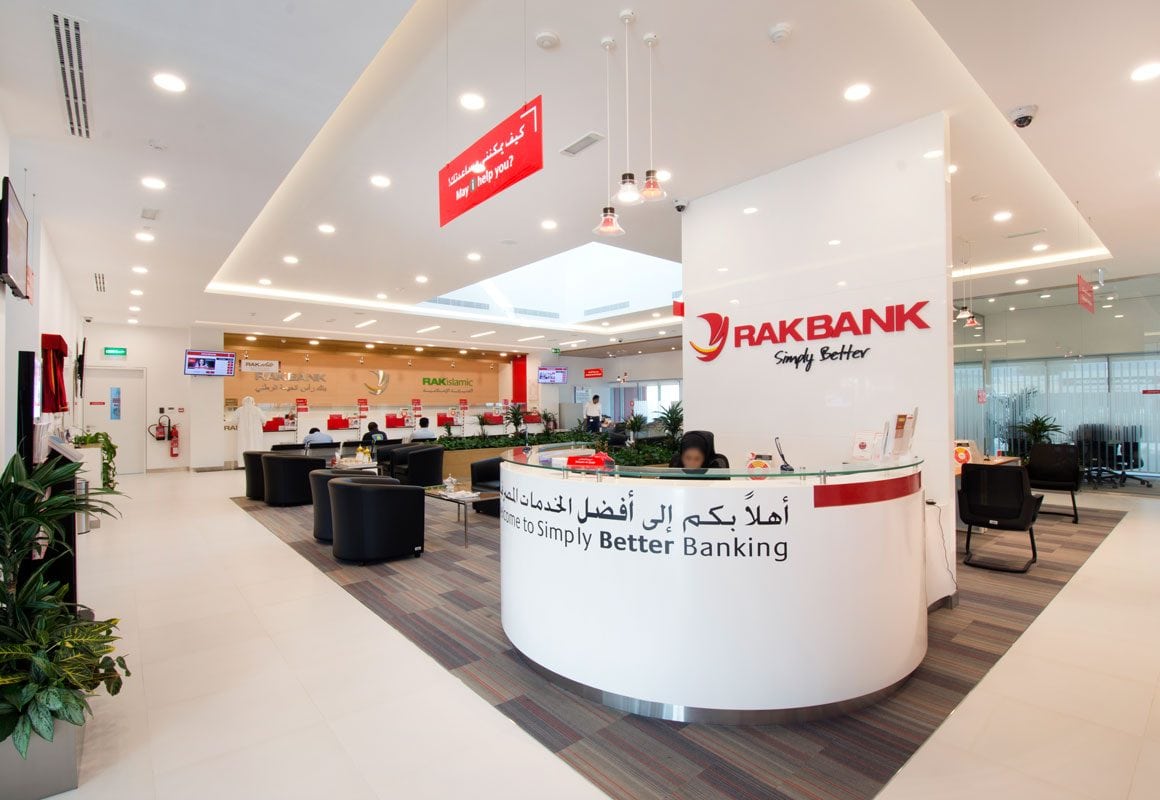
RAK Bank, officially known as the National Bank of Ras Al Khaimah, has announced robust financial results for the third quarter of 2024, highlighting significant growth in interest income alongside a reduction in provisions for loan losses. The bank’s net profit surged by 38% compared to the same quarter in the previous year, reflecting the bank’s effective strategies and the positive impact of the current economic landscape.
The increase in interest income has been attributed to the ongoing rise in interest rates, which has positively influenced the bank’s lending operations. This has resulted in a notable expansion of its net interest margin, a key indicator of a bank’s profitability. RAKBANK reported a net interest income of AED 563 million for the third quarter, marking a 30% increase from AED 433 million in the same period last year. The bank’s focus on optimizing its asset-liability management has allowed it to capitalize on the higher interest rates effectively.
The bank’s lending portfolio also showed resilience, with total loans and advances increasing by 12% to AED 32.4 billion. This growth is reflective of the bank’s strategic emphasis on retail banking and SME (small and medium-sized enterprises) lending, which have been prioritized as key growth areas. Retail loans accounted for a significant portion of the growth, as the bank introduced several attractive products tailored to meet customer needs.
RAKBANK has demonstrated a commendable effort in managing its operational costs, which have remained stable despite the increased lending activity. The cost-to-income ratio improved to 36.5%, down from 38.2% in the previous year, indicating enhanced operational efficiency. This metric is crucial for assessing how well a bank controls its costs relative to its income.
A noteworthy aspect of the quarterly results is the decline in provisions for credit losses, which decreased by 28% year-on-year to AED 96 million. This reduction is significant as it indicates a stabilizing economic environment and improved asset quality. The bank’s non-performing loan (NPL) ratio has also seen improvement, declining to 5.2% from 5.7% in the previous quarter, reflecting the bank’s effective risk management strategies.
RAKBANK’s leadership has expressed confidence in the bank’s strategic direction and financial health. The CEO emphasized the bank’s commitment to maintaining a strong balance sheet while focusing on sustainable growth initiatives. The management believes that by continuing to strengthen its core banking operations and expanding its service offerings, RAKBANK is well-positioned to navigate the current economic climate and capitalize on emerging opportunities.
Market analysts have responded positively to RAKBANK’s financial performance, noting that the bank’s robust results reflect not only its strong operational foundation but also its ability to adapt to changing economic conditions. Analysts project that RAKBANK will continue to benefit from the favorable interest rate environment and that its focus on retail and SME lending will drive further growth in the coming quarters.
The UAE’s overall economic environment remains supportive of banking sector growth, fueled by government initiatives aimed at diversifying the economy and fostering a more robust private sector. RAKBANK’s strategy to align its offerings with national objectives, such as promoting small businesses and innovation, positions it favorably in a competitive landscape.
RAKBANK has been actively investing in technology and digital transformation to enhance its customer service and streamline operations. Initiatives aimed at improving digital banking experiences have garnered positive feedback from customers, helping the bank to attract and retain clients in an increasingly digital-oriented market. The bank’s efforts to embrace fintech solutions are expected to further enhance its competitive edge and operational efficiency.
With these strong third-quarter results, RAKBANK has solidified its position as one of the leading banks in the UAE. The combination of increased interest income, reduced provisions, and efficient cost management underscores the bank’s commitment to delivering value to its shareholders while enhancing customer satisfaction. The management remains optimistic about future growth, emphasizing that continued focus on core banking and customer-centric strategies will be key to navigating the evolving financial landscape.

Russia’s Covert Tanker Fleet Skirts Sanctions to Keep Oil Flowing

Russia’s covert network of oil tankers, often referred to as the “shadow fleet,” has drawn intense scrutiny from Western governments as it plays a central role in circumventing sanctions imposed on the country since its invasion of Ukraine. This fleet consists of hundreds of vessels engaged in the global transport of Russian oil, utilizing a web of deceptive practices, shell companies, and obscured ownership to avoid detection and maintain a steady flow of oil exports. As sanctions grow tighter, so do the clandestine methods employed by this fleet, particularly in securing insurance, which is critical for ships to operate globally.
With the imposition of strict international sanctions on Russia, major Western insurers withdrew from covering Russian oil tankers, creating a vacuum that Moscow has scrambled to fill. The creation of alternative insurance networks has become a lifeline for these vessels, allowing them to continue trading. Countries with limited regulatory oversight, such as certain Middle Eastern and Asian nations, have become key players in providing cover to these ships, enabling them to avoid scrutiny. The complex insurance arrangements are often routed through obscure entities that make it challenging for authorities to track or block the movement of sanctioned vessels.
The UK’s recent actions highlight the extent of the shadow fleet’s activities. In September 2024, the UK government sanctioned ten vessels linked to the shadow fleet, each involved in transporting large quantities of Russian oil. These ships, which had collectively moved over $5 billion in Russian oil, were barred from accessing UK ports and removed from the UK ship register. The sanctions underscore how pivotal the shadow fleet has become for Moscow, which has invested over $8 billion to maintain this network, despite the tightening economic pressure from the G7 and other Western nations. Western authorities hope to cripple this vital revenue stream for the Kremlin, but Russia remains defiant, with this secretive fleet operating across key global trade routes.
One of the most significant elements enabling this shadow trade is the reinsurance market. Reinsurance, which helps insurance companies manage risks by sharing portions of large policies with other firms, is a crucial piece of the puzzle for Russia. While direct insurance contracts for Russian tankers have become scarce, reinsurance deals continue to operate through less-regulated markets, creating layers of separation between the insured vessels and their true owners. These arrangements obscure the ships’ connections to Russia and make enforcement of sanctions difficult, as insurers may not always know they are covering Russian vessels. Some reports indicate that companies in regions like Dubai and Singapore are playing an increasing role in providing this indirect coverage, further complicating international efforts to clamp down on the shadow fleet.
The trade routes these vessels follow are also a significant aspect of their operations. Many ships involved in the shadow fleet use transshipment points, such as ports in Greece or off-shore locations in the Mediterranean and Asia, to transfer oil from sanctioned Russian tankers to other vessels. This practice of ship-to-ship transfers allows Russian oil to be rebranded or disguised before being sold on the global market. The use of such tactics has expanded in scale, with Western observers noting a steady increase in the number of these operations as Russia looks to maintain its oil revenues.
As a response to this ongoing trade, the European Union and G7 have both imposed price caps on Russian oil, limiting the price at which it can be sold legally. This measure, implemented in late 2022, was intended to reduce Russia’s profits from oil exports while keeping the global energy market stable. However, the shadow fleet has allowed Russia to bypass these restrictions by selling oil at a discount through third-party buyers. This system of backdoor trading has proven highly effective, even as governments in the West ramp up their sanctions and surveillance efforts.
What stands out in this complex landscape is the role of emerging markets in supporting Russia’s oil trade. Countries such as China and India have dramatically increased their imports of Russian crude, taking advantage of the lower prices and turning a blind eye to sanctions. In turn, their involvement in Russia’s energy exports has further insulated the country from the full impact of Western economic measures. Despite this, the shadow fleet has remained a critical cog in Moscow’s oil export machine, facilitating the continued flow of crude oil to these markets.

“Next Island” Global Art Sailing Project Launched — Setting Sail from Nanhai, Joining Hands to Build a Green Future
FOSHAN, CHINA – EQS Newswire – 22 October 2024 – On October 18, 2024, the “Next Island” Global Art Sailing Project was officially launched in Nanhai, Foshan, China. This project, which integrates art, technology, and culture, will engage in a decade-long global sailing expedition, promoting cross-national cultural and artistic exchange, advancing the sustainable development of green energy, and deepening global civilization’s interconnectedness. Innovating Clean Energy and Art […]

Chubb Appoints Jon Longmore as Country President of Malaysia
KUALA LUMPUR, MALAYSIA – Media OutReach Newswire – 21 October 2024 – Chubb today announced the appointment of Jon Longmore as Country President of Malaysia, effective early November and subject to regulatory and other approvals. Currently Country President of PT Chubb General Insurance Indonesia, Longmore succeeds Stephen Crouch, who has been appointed Head of Government Affairs, Asia Pacific. In his new role, Longmore will have responsibility for […]
Advertisements

Oriental Residence Bangkok Joins Prestigious Small Luxury Hotels of the World™ Collection
BANGKOK, THAILAND – Media OutReach Newswire – 21 October 2024 – ONYX Hospitality Group has embarked on an exciting new chapter with the signing of a partnership agreement with Small Luxury Hotels of the World (SLH). This collaboration introduces Oriental Residence Bangkok, a stunning haven reminiscent of a classy second home to the esteemed SLH repertoire. Embodying timeless elegance in the heart of the capital, the beautiful […]
ADNEC Group moves to fully acquire Royal Catering Services

ADNEC Group, a subsidiary of Modon Holding, has finalized an agreement to acquire 100% of Abu Dhabi’s Royal Catering Services. The financial specifics of the deal have not been disclosed, but this move aligns with ADNEC’s broader strategy to expand its portfolio, particularly within the hospitality and catering sectors. This acquisition is part of Abu Dhabi’s continued efforts to consolidate its industry assets and further strengthen its position in the region’s growing hospitality market.
Royal Catering Services, a well-established player in the UAE’s food and hospitality industry, has been serving high-profile clients, including government entities, private corporations, and large-scale events, for years. The company’s reputation for quality and its expansive range of catering solutions made it a prime target for ADNEC, which has been on an aggressive expansion spree to diversify its operations. By acquiring Royal Catering, ADNEC is positioning itself to leverage the catering company’s expertise to enhance its offerings, especially for the numerous international events it hosts at its venues.
ADNEC, well-known for its management of Abu Dhabi’s largest convention and exhibition center, has long focused on expanding its capabilities in tourism, events, and hospitality. This latest acquisition represents a natural extension of its services. The catering industry in the UAE has shown substantial growth over the past few years, driven by the increasing demand for high-end catering services across events, conferences, and weddings. ADNEC’s acquisition signals its commitment to becoming a major player in this booming sector.
In addition to its strong foothold in the hospitality space, ADNEC has been steadily increasing its investments in other industries. Modon Holding, the parent company of ADNEC, recently integrated ADQ’s and IHC’s shareholding assets into a new entity, Q Holding, valued at approximately AED 44 billion. This move is part of a larger vision to consolidate Abu Dhabi’s real estate and hospitality assets under one umbrella, ensuring more streamlined operations and maximizing growth opportunities.
Royal Catering’s integration into ADNEC is expected to benefit from the increased scale of operations and access to a broader customer base, including major public events and government contracts. The synergy between ADNEC’s event management expertise and Royal Catering’s well-established service offerings is expected to enhance both brands’ market positions and operational efficiencies.
The acquisition also coincides with Abu Dhabi’s broader strategy to attract more tourists, investors, and businesses to the region. By bolstering its hospitality sector, the emirate is aligning itself with global trends where large corporations are increasingly consolidating to create industry-leading conglomerates. This deal follows other key strategic mergers in the region, including ADQ’s ongoing efforts to boost tourism and real estate by bringing together assets like Modon, ADNEC, and Q Holding.
Industry experts have noted that ADNEC’s move is a reflection of a larger regional trend of consolidation in hospitality and event management. As Abu Dhabi continues to position itself as a global hub for business tourism, ADNEC’s acquisition of Royal Catering is likely to enhance its ability to offer comprehensive event solutions—from venue management to catering—on a much larger scale.

Sahm App Now Open for Retail Subscription to Shalfa Facilities Management IPO
RIYADH, SAUDI ARABIA – Media OutReach Newswire – 21 October 2024 – Sahm Capital announces that qualified retail investors can now subscribe to the Initial Public Offering (IPO) of Shalfa Facilities Management Company through the Sahm App. The subscription period will run from October 20 to October 28, 2024. IPO Details: Share Price: SAR 61 Minimum Subscription: 10 shares Maximum Subscription: 209,990 shares Instructions for Subscription via […]
Oil prices stabilize after significant dip, rebound expected

Global oil prices have started to recover after last week’s sharp decline, which saw a 7% loss driven by concerns over supply and demand dynamics. Factors such as higher output from major oil-producing nations and fears of slowing demand due to global economic uncertainty had sent prices tumbling. However, industry analysts now anticipate a gradual recovery, citing potential geopolitical risks and tightening supply measures from key producers like Saudi Arabia and Russia. Market participants are closely monitoring the evolving situation, especially with winter approaching, which traditionally bolsters demand.
Several contributing factors have influenced the market volatility. Last week’s sharp drop was linked to bearish demand signals, particularly from China, one of the largest importers of crude oil. China’s economic slowdown has continued to worry energy traders, as the country’s lower-than-expected industrial activity and economic data cast a shadow over oil demand projections.
Meanwhile, on the supply side, major oil exporters have maintained elevated production levels, adding to the downward pressure on prices. Saudi Arabia and Russia, both key members of the OPEC+ alliance, have previously agreed on voluntary cuts to manage the market, but production has remained higher than some traders anticipated. The United States, too, has seen an increase in shale production, further influencing the global oil supply glut.
Despite the recent pullback, market experts believe a rebound is on the horizon. Seasonal factors, including colder weather in the northern hemisphere, are likely to drive demand for heating oil, helping to support prices. In addition, geopolitical tensions in key energy regions, such as the Middle East, remain a wildcard that could lead to supply disruptions and drive prices higher in the near term. Any further developments in the Israel-Gaza conflict, for example, could ripple through the global energy markets, with potential repercussions for oil flows.
Energy traders have also been closely watching U.S. crude inventories, which play a crucial role in balancing global supply-demand. A significant drop in stockpiles could prompt oil prices to move upward. Additionally, the Federal Reserve’s approach to interest rates and inflation continues to impact broader market sentiment, including energy commodities.

Abu Dhabi Targets Billions in Investment to Revolutionize Food Security
Abu Dhabi is making bold strides to position itself as a global leader in food security by launching a pioneering initiative aimed at transforming the emirate into a net food exporter. The newly approved AgriFood Growth and Water Abundance (AGWA) cluster, backed by billions in investments, is set to become a game-changer in addressing global food shortages while leveraging advanced technologies in agriculture and water resource management.
The AGWA cluster, located in Abu Dhabi and supported by the Department of Economic Development (ADDED) and the Abu Dhabi Investment Office (ADIO), is designed to become an innovation hub for food production and water management. The emirate has earmarked substantial resources, expecting AGWA to generate AED 90 billion in additional GDP by 2045 and create over 60,000 new jobs. These figures are seen as essential to diversify Abu Dhabi’s economy beyond oil, providing critical support to its “Falcon Economy” and ensuring long-term sustainability.
This initiative builds on the UAE’s longstanding history of addressing food security. In 1969, under the leadership of Sheikh Zayed, the UAE established its first network of greenhouses on Saadiyat Island, a pioneering effort at the time to create sustainable food production systems. Today, AGWA continues this legacy by focusing on advanced technologies like alternative proteins, algae cultivation, and reverse osmosis for water desalination, among other innovations.
As global food demands rise due to population growth, expected to surpass nine billion by 2050, Abu Dhabi’s proactive measures highlight the emirate’s forward-thinking approach. The World Bank estimates that feeding this population will require a 50% increase in agricultural production and a 15% increase in water use, making solutions like AGWA critical. Abu Dhabi is home to approximately 24,000 farms, half of which are located in Al Ain, and these farms are expected to benefit from the cluster’s advanced infrastructure and support systems.
AGWA’s focus is on fostering sustainable food production, addressing both local and international needs. By supporting local suppliers and creating export opportunities, Abu Dhabi aims to strengthen its food security strategy while also contributing to global agricultural sustainability. This effort is seen as part of the UAE’s National Food Security Strategy 2051 and Water Security Strategy 2036, which aim to enhance the country’s resilience to food and water shortages by using cutting-edge technologies.
Abu Dhabi has also been working to enhance its infrastructure, attracting investors through a business-friendly environment, strong supply chain networks, and substantial government support. The launch of AGWA follows the introduction of other high-tech economic clusters, such as the Smart and Autonomous Vehicle Industries (SAVI) cluster, highlighting the emirate’s commitment to innovation across multiple sectors.

Nestlé Professional Singapore Celebrates 20th anniversary of International Chefs Day with Global Chefs Community
Organised in collaboration with Singapore Chefs’ Association, this internationally celebrated event also takes place on the first day of Worldchefs Congress & Expo 2024 SINGAPORE – Media OutReach Newswire – 21 October 2024 – Nestlé Professional Singapore, in collaboration with Singapore Chefs’ Association, celebrated the 20th anniversary of International Chefs Day at the Nestlé Professional Customer Engagement Centre (CEC) on 19 October with a local and global […]
India-UAE-Israel Food Corridor Opens Potential For Extensive Business Partnership
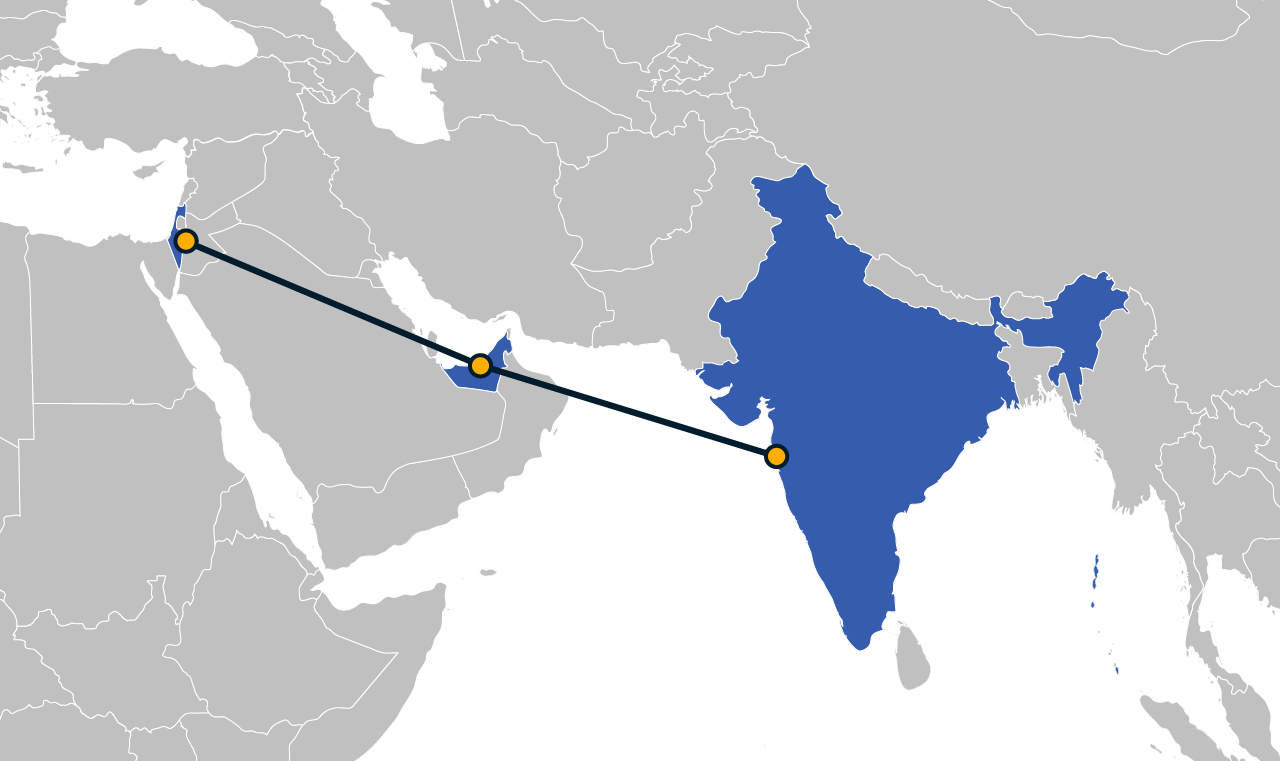
 By Nantoo Banerjee It is good to note that the proposed India-UAE food corridor has already roped in a third partner, Israel. The project is expected to eventually involve the United States as well. The US was a key initiator of the historic four-nation I2U2 virtual summit in July 2022 bringing together leaders of India, […]

Sin Chew Woodpaq Enhancing Safety Through AI Technology
SINGAPORE – Media OutReach Newswire – 21 October 2024 – Sin Chew Woodpaq Pte Ltd (Sin Chew), a leading integrated project logistics solutions provider, proudly announces its latest achievement: the prestigious Workplace Safety and Health (WSH) Tech Award 2024. This award recognizes the company’s continuous efforts to prioritize and enhance workplace safety, cementing its reputation as an industry leader in safety innovation. Commitment to Safety Through AI-Driven […]
Emirates Expands Freighter Fleet with Five New 777s

Emirates has made a significant investment in its cargo capabilities by ordering five additional Boeing 777 freighters, marking a strategic move to enhance its air freight operations. This latest acquisition will expand the airline’s freighter fleet to 21 aircraft by the end of 2026, allowing it to meet growing global demand for air cargo services. The new freighters are expected to deliver improved efficiency and capacity, supporting Emirates’ commitment to providing reliable and high-quality logistics solutions.
The decision to enhance the fleet comes amid a surge in e-commerce and a rise in international trade, factors that have contributed to increased demand for air freight services. As global supply chains evolve, airlines are adapting to changing market dynamics, and Emirates is no exception. The Boeing 777 freighter, known for its operational efficiency and cargo capacity, is a popular choice among airlines looking to optimize their cargo operations.
Emirates SkyCargo, the cargo division of Emirates, has been at the forefront of this growth, leveraging its extensive network to facilitate the transport of goods worldwide. The division has invested in modernizing its fleet and expanding its facilities to accommodate the needs of its customers. By introducing additional freighters, Emirates aims to solidify its position as a leader in the air cargo market.
The order for the new 777 freighters is part of Emirates’ broader strategy to expand its cargo operations. The airline has been actively increasing its capacity to handle a diverse range of goods, from perishables to pharmaceuticals. The 777 freighter can carry up to 102 metric tons of cargo, making it well-suited for transporting high-volume shipments.
Market analysts have highlighted the importance of air cargo in the global supply chain, particularly in the wake of disruptions caused by the pandemic. The resilience of the air freight sector has become evident as businesses increasingly rely on fast and efficient transportation of goods. Emirates’ investment reflects its confidence in the recovery and growth of the global economy, as well as its commitment to meeting the demands of its customers.
Emirates’ freighter fleet expansion aligns with industry trends that show a robust recovery in air cargo volumes. According to the International Air Transport Association (IATA), air cargo demand remains strong, driven by the ongoing e-commerce boom and a shift in consumer behavior. The IATA has reported that air freight is not only resilient but also a crucial enabler of trade, providing businesses with the ability to reach global markets swiftly.
The new freighters will support Emirates SkyCargo’s operations across its extensive network, which spans six continents. The airline currently operates in over 130 destinations, offering a range of logistics services tailored to the needs of different industries. Emirates SkyCargo has established itself as a trusted partner for businesses seeking reliable air freight solutions.
In addition to expanding its fleet, Emirates has also invested in infrastructure improvements at its hub in Dubai. The Dubai International Airport has undergone significant upgrades to enhance its cargo handling capabilities. These enhancements include state-of-the-art facilities for temperature-sensitive goods and specialized handling processes for fragile and high-value items. Such investments are essential for maintaining the airline’s reputation for quality and reliability.
Industry experts predict that the demand for air cargo will continue to rise in the coming years, driven by factors such as globalization, increasing consumer expectations, and the need for rapid delivery. This positive outlook has prompted airlines to invest heavily in their freighter fleets and logistics capabilities.
Emirates’ commitment to sustainability is also reflected in its fleet expansion strategy. The airline has been actively pursuing initiatives to reduce its carbon footprint and improve operational efficiency. The new Boeing 777 freighters are designed with advanced technology that enhances fuel efficiency, contributing to Emirates’ goals of sustainable aviation.
As Emirates prepares to welcome the new freighters into its fleet, it remains focused on providing exceptional service to its customers. The airline’s dedication to innovation and quality service has garnered it a loyal customer base, further strengthening its position in the competitive air cargo market.
Dubai’s Real Estate Surge to Produce 90,000 New Homes

Dubai’s real estate sector is poised for a significant expansion, projected to deliver approximately 90,000 new homes within the next two years. This surge, driven by a blend of robust demand, favorable government policies, and infrastructural advancements, marks a pivotal moment in the emirate’s housing market, indicating a strong recovery from the downturn experienced during the pandemic.
The influx of new housing is expected to address the growing population’s needs and meet the demand from expatriates and investors seeking to establish residence in the emirate. Recent reports from various real estate consultancies highlight that Dubai’s property market has shown resilience, with residential sales and rental prices steadily increasing. This trend has been underpinned by factors such as Dubai’s strategic location, world-class amenities, and a business-friendly environment that continues to attract global investments.
Leading real estate developers have ramped up their construction efforts, with several large-scale projects underway across various districts. Notable developers such as Emaar Properties, DAMAC Properties, and Nakheel are among the key players contributing to this ambitious housing agenda. Emaar, for instance, is actively advancing its Dubai Hills Estate and Downtown Dubai projects, which are anticipated to add thousands of units to the market.
Analysts emphasize that this upcoming supply will not only enhance housing availability but also introduce a diverse range of options, from affordable units to luxury villas. The diversification in housing stock is crucial for catering to the varied needs of potential buyers and renters. Moreover, government incentives aimed at boosting homeownership, including long-term residency visas for property investors, have further stimulated market interest.
Data from the Dubai Land Department indicates a remarkable growth trajectory in property transactions. The value of real estate transactions in Dubai reached AED 69 billion (approximately USD 18.8 billion) in the first half of 2024, reflecting a 23% increase compared to the same period in 2023. This vibrant market dynamic is expected to sustain momentum as the emirate continues to position itself as a global business hub.
Emerging trends in the housing market reveal a growing preference for sustainable and smart living solutions. Developers are increasingly incorporating green technologies and sustainable practices in their projects, appealing to environmentally-conscious buyers. This shift is aligned with Dubai’s broader vision to become one of the world’s most sustainable cities, as outlined in its Dubai 2040 Urban Master Plan.
In addition to sustainability, there is a heightened focus on community living, with many new developments emphasizing integrated communities that provide residents with a blend of lifestyle, leisure, and connectivity. The trend reflects a growing recognition of the importance of communal spaces and amenities in enhancing the overall quality of life for residents.
Infrastructure developments also play a pivotal role in bolstering Dubai’s real estate sector. The ongoing expansion of public transportation, including the Metro and road networks, is facilitating easier access to various neighborhoods, thereby enhancing their attractiveness. The upcoming Expo 2025 and the anticipated hosting of major events will further augment the demand for housing, as international visitors flock to experience what Dubai has to offer.
Challenges remain, however, as the market navigates through fluctuations in global economic conditions and interest rates. Rising construction costs and supply chain disruptions pose potential hurdles that could impact project timelines and profitability. Developers are urged to adopt innovative construction methodologies and materials to mitigate these challenges and maintain project viability.
Investors are also keeping a close watch on regulatory developments that could affect market dynamics. The Dubai government’s commitment to transparency and investor protection has fostered a favorable climate for investment. New regulations aimed at enhancing the ease of doing business and ensuring the stability of the property market are likely to maintain investor confidence and encourage further capital inflows.
International Fashion Icon Tia Lee Visits Jakarta
Meets with Cita Tenun Indonesia (CTI), one of Indonesia’s most renowned fashion organizations Engages in a discussion on design aesthetics and the progress of EmpowerHer initiatives. TAIPEI, TAIWAN- Media OutReach Newswire – 21 October 2024 – International fashion icon Tia Lee (李毓芬) recently visited Jakarta. The primary purpose of her visit was for a cover shoot with Harper’s Bazaar Indonesia, but she also had another significant objective […]
Hedge Funds Take Bold Positions Against Renewable Investments
Hedge funds are increasingly betting against the renewable energy sector, raising concerns over the viability of green investments. As climate change initiatives gain momentum and governments around the world push for a transition to clean energy, a growing number of hedge funds are accumulating short positions, signaling skepticism about the sustainability and profitability of these sectors. This strategic pivot reflects a complex interplay of market dynamics, regulatory […]
Dubizzle looks ahead to 2025 IPO with syndicate revamp
Dubizzle Group, the leading online classifieds platform in the Middle East, is preparing for a landmark initial public offering (IPO) expected in 2025. The company’s efforts to restructure and position itself for this significant milestone reflect its commitment to consolidating its market presence and scaling its operations across the MENA region. This move comes after a series of successful funding rounds and acquisitions, further enhancing its valuation […]
Trade Between Russia and UAE Has Tripled, Putin States
Growing economic ties between Russia and the United Arab Emirates (UAE) are underscored by a notable increase in trade, which has reportedly tripled over the last three years, according to President Vladimir Putin. This significant surge in bilateral commerce reflects a strengthening partnership that encompasses various sectors, including energy, agriculture, and technology. Both nations have shown a commitment to further expanding these economic relations, particularly in the […]
United International Holding to Divest 30% Stake Through IPO
Saudi Arabia’s United International Holding has confirmed plans to sell a 30% stake in the company through an initial public offering (IPO). This decision marks a significant move in the Saudi capital markets, reflecting the broader trend of privatization and investment diversification pursued by the kingdom. The company aims to utilize the funds raised through the IPO to enhance its operations and expand its market presence across […]

Food Japan 2024 Celebrates Japan’s Finest Culinary Innovations and Culture
SINGAPORE – Media OutReach Newswire – 21 October 2024 – Food Japan 2024, ASEAN’s premier exhibition for Japanese food and beverage (F&B) products, technology, and services, returns for its 12th edition, running from 24 to 26 October at the Suntec Singapore Convention & Exhibition Centre, Hall 403. With 194 exhibitors from 37 prefectures, including special pavilions such as Tokyo, Himeji City, Onojo City, Sake and Spirits, Sake […]
- 473
- 474
- 475
- 476
- 477
- 478
- 479
- 480
- 481
- 482
- 483
- 484
- 485
- 486
- 487
- 488
- 489
- 490
- 491
- 492
- 493
- 494
- 495
- 496
- 497
- 498
- 499
- 500
- 501
- 502
- 503
- 504
- 505
- 506
- 507
- 508
- 509
- 510
- 511
- 512
- 513
- 514
- 515
- 516
- 517
- 518
- 519
- 520
- 521
- 522
- 523
- 524
- 525
- 526
- 527
- 528
- 529
- 530
- 531
- 532
- 533
- 534
- 535
- 536
- 537
- 538
- 539
- 540
- 541
- 542
- 543
- 544
- 545
- 546
- 547
- 548
- 549
- 550
- 551
- 552
- 553
- 554
- 555
- 556
- 557
- 558
- 559
- 560
- 561
- 562
- 563
- 564
- 565
- 566
- 567
- 568
- 569
- 570
- 571
- 572
- 573
- 574
- 575
- 576
- 577
- 578
- 579
- 580
- 581
- 582
- 583
- 584
- 585



