News related to
data

Shuaa Capital, a leading investment company based in Dubai, is poised to convene its board of directors to deliberate on a significant proposal for the issuance of Mandatory Convertible Bonds (MCBs) amounting to $175 million. This meeting, set against a backdrop of evolving financial strategies within the region, aims to explore potential avenues for enhancing the firm’s capital structure and investor appeal.

The proposed issuance of MCBs is seen as a strategic move to raise funds that can be deployed towards bolstering Shuaa’s core business activities and expanding its investment portfolio. These financial instruments, which offer investors the option to convert their bonds into equity after a specified period, can provide both liquidity and flexibility. MCBs have become an attractive choice for companies seeking to optimize their balance sheets while also catering to investors looking for growth opportunities.

Market analysts view this potential issuance as part of a broader trend among Gulf Cooperation Council (GCC) companies that are increasingly turning to hybrid financial instruments to navigate economic uncertainties. With oil prices stabilizing and global markets fluctuating, firms across the region are adapting their financing strategies to ensure sustainability and growth. Shuaa’s proactive approach in considering MCBs reflects its commitment to remaining competitive in a dynamic financial landscape.

Shuaa Capital’s management has expressed optimism regarding the approval of the MCB issuance, citing a favorable investment climate and the firm’s robust performance in various sectors, including asset management, capital markets, and advisory services. The company has made significant strides in enhancing its service offerings and expanding its client base, positioning itself as a key player in the regional investment space.

The decision to issue MCBs could be bolstered by Shuaa’s recent financial results, which indicate a steady growth trajectory. In its latest earnings report, the firm highlighted increased revenues driven by strong performance in its investment management division, alongside strategic partnerships and acquisitions that have expanded its market reach. This positive momentum has prompted discussions within the board about leveraging additional capital through innovative financing options.

The approval of the MCB issuance aligns with Shuaa’s long-term growth strategy, which emphasizes sustainable development and diversification of its investment portfolio. The firm has been keen on exploring new markets and sectors, particularly in technology and renewable energy, areas that are expected to experience substantial growth in the coming years. With capital raised through MCBs, Shuaa aims to capitalize on these emerging opportunities while enhancing shareholder value.

As the board meeting approaches, stakeholders and investors will be closely monitoring the outcomes and implications of the proposed bond issuance. Should the board approve the MCBs, it could signal a shift in Shuaa’s approach to capital raising, potentially influencing similar strategies among its peers in the investment sector.

Industry experts have noted that the demand for MCBs may also be driven by changing investor preferences, with many looking for securities that offer both fixed income and potential equity upside. The convertible nature of these bonds allows investors to participate in the growth of the company while still receiving periodic interest payments, making them an appealing option in uncertain market conditions.

Shuaa’s consideration of MCBs comes at a time when the GCC’s capital markets are witnessing a revival, characterized by a surge in initial public offerings (IPOs) and bond issuances. This resurgence is largely attributed to the economic recovery following the pandemic, coupled with ongoing government initiatives aimed at boosting private sector participation and foreign investment. As companies across the region assess their financing strategies, the MCB issuance could emerge as a popular choice for those looking to enhance liquidity without diluting existing equity.

The upcoming board meeting will not only address the MCB proposal but also evaluate the broader implications for Shuaa’s financial strategy moving forward. With a focus on maintaining strong governance and aligning with investor interests, the board is tasked with ensuring that any capital-raising initiative is consistent with the company’s vision and operational goals.


Source – Patreon

Mubadala Capital, the asset management arm of Abu Dhabi’s sovereign wealth fund, has announced the successful closure of its latest fund, which garnered commitments exceeding $3 billion. This substantial fundraising reflects growing investor confidence in Mubadala’s investment strategy, which focuses on both private equity and venture capital, aiming to drive innovation and long-term value across various sectors globally.

The new fund’s capital commitments come from a diverse group of institutional investors, including sovereign wealth funds, pension funds, family offices, and high-net-worth individuals. The increased interest in Mubadala’s offerings can be attributed to the firm’s strong track record of generating robust returns and its commitment to sustainable investment practices. This move aligns with the broader trend of heightened investment in private equity and alternative assets as investors seek opportunities that can provide substantial returns amid fluctuating public markets.

Mubadala Capital’s strategy is distinguished by its proactive approach in identifying promising sectors and regions for investment. The firm intends to focus on technology, healthcare, and clean energy, which are sectors projected to experience significant growth in the coming years. Notably, Mubadala has a history of successfully backing transformative companies and supporting their global expansion, which adds to its appeal for investors looking to diversify their portfolios.

The global private equity market has seen a notable influx of capital, with fundraising hitting record levels across various firms. This trend underscores the increasing willingness of investors to allocate resources towards private equity as a means to achieve greater returns compared to traditional asset classes. Mubadala Capital’s ability to secure over $3 billion amid a competitive fundraising landscape illustrates its strong positioning and the credibility it has built over the years.

This fund closure is expected to enhance Mubadala’s capacity to pursue innovative investment opportunities and continue its commitment to delivering value to stakeholders. The firm’s previous funds have demonstrated a successful investment track record, making it a trusted player in the private equity space. Investors are increasingly drawn to Mubadala’s combination of local expertise and global reach, which allows the firm to navigate complex markets effectively.

The growing emphasis on sustainability within investment strategies has also played a pivotal role in Mubadala’s fundraising success. The firm has incorporated environmental, social, and governance (ESG) considerations into its investment decisions, aligning with global trends towards responsible investing. This strategic focus not only enhances the appeal of Mubadala’s funds but also positions the firm as a leader in promoting sustainable business practices.

Mubadala Capital’s successful fundraising initiative follows its previous capital-raising efforts, which also yielded significant commitments. The firm’s ongoing commitment to innovation and strategic investments has allowed it to attract a wide array of investors, reflecting its capacity to adapt to changing market dynamics. By continuing to engage with a diverse range of stakeholders, Mubadala strengthens its position as a formidable player in the investment landscape.

As private equity continues to evolve, the demand for flexible investment structures and innovative strategies will likely increase. Investors are actively seeking firms that can provide unique insights and access to high-quality deal flow, which enhances the allure of platforms like Mubadala Capital. The successful closing of this latest fund demonstrates the firm’s ability to respond to market needs and capitalize on emerging trends.

The fundraising effort not only solidifies Mubadala’s financial standing but also supports its mission to contribute positively to the global economy. By investing in high-growth companies and supporting job creation, Mubadala is playing a crucial role in driving economic development both locally and internationally. This focus on creating economic impact resonates well with investors who are increasingly prioritizing sustainability and responsible investment practices.

Mubadala Capital’s ability to raise over $3 billion amidst a competitive fundraising environment highlights the strength of its investment thesis and operational expertise. This development marks a significant milestone for the firm, allowing it to expand its portfolio and further its commitment to fostering innovation across various sectors. Investors looking for opportunities in private equity will continue to monitor Mubadala’s activities closely, given its proven track record and strategic vision.

Expansion strategies for Lulu Group International are in focus as Chairman Yusuff Ali recently hinted at a potential listing in Saudi Arabia, following an initial public offering (IPO) set for its UAE operations. This move reflects a broader trend among Middle Eastern companies seeking to capitalize on the booming IPO market, particularly in Saudi Arabia, which has emerged as a financial hub.

Lulu Group is preparing for its IPO in the UAE, aiming to raise funds to finance its aggressive growth plans and to refinance existing debt. The planned IPO is expected to attract significant investment, reflecting the increasing investor interest in the region’s retail and food sectors. Ali emphasized that the funds raised from the UAE IPO would primarily be allocated toward expanding Lulu’s footprint, enhancing supply chains, and introducing new products. This initiative aligns with the company’s strategy to solidify its position as a leading retail brand not only in the UAE but across the Gulf Cooperation Council (GCC) region.

As part of this strategic expansion, Lulu Group has been investing heavily in technology and infrastructure. The Chairman pointed out that modernization efforts, including the incorporation of digital solutions into their operations, are essential to enhance customer experiences and improve operational efficiency. These advancements are set to position Lulu favorably within the competitive retail landscape.

The potential Saudi listing is also a strategic move, as the Kingdom continues to implement reforms aimed at diversifying its economy away from oil dependency. The Saudi stock market has seen an influx of foreign investments following the government’s initiatives to attract global capital. Lulu Group’s planned listing could tap into this growing interest, facilitating access to new funding streams while increasing its visibility in one of the largest markets in the region.

Market analysts suggest that the UAE IPO is likely to be well-received due to Lulu’s established brand presence and solid financial performance. The company has consistently demonstrated resilience, even during challenging economic periods, bolstered by its extensive network of hypermarkets and supermarkets. Financial reports indicate that Lulu has achieved steady growth in revenue, driven by an increase in consumer demand for groceries and essential goods, particularly during the pandemic.

Yusuff Ali has a clear vision for the company’s future, emphasizing sustainability and community engagement as core tenets of Lulu’s operational ethos. He noted that the IPO funds will also support initiatives aimed at promoting environmental sustainability, including waste reduction and sourcing products from local producers. These initiatives resonate with the growing consumer awareness surrounding sustainability, making them pivotal for modern retail strategies.

As the UAE prepares for Lulu’s IPO, regional investors are closely watching the potential impacts of this move on the broader market landscape. Lulu Group’s entry into the public market could set a precedent for other retail companies in the region, prompting them to consider similar strategies to unlock capital for expansion. This trend aligns with a larger shift in the region, where companies are increasingly looking to public offerings as a means of financing growth.

The UAE’s financial markets have demonstrated resilience and attractiveness to foreign investors, thanks in part to favorable regulatory frameworks and the government’s commitment to economic diversification. This context is conducive for Lulu Group’s IPO, as it seeks to leverage the growing appetite for investments in the retail sector.

The potential for a Saudi listing could create a ripple effect within the market, encouraging other Gulf retailers to explore public offerings. The ongoing push for listings is indicative of a vibrant economic climate in the GCC, fueled by strong government support and a strategic focus on economic diversification.

Investors are also keen on how Lulu Group’s strategies align with the broader economic objectives of the UAE and Saudi Arabia. The government’s emphasis on enhancing the non-oil sector is pivotal for both nations, and successful IPOs are expected to play a critical role in achieving these goals.

As Lulu Group prepares for its IPO and contemplates a future listing in Saudi Arabia, stakeholders are optimistic about the potential benefits. This move is anticipated to enhance the company’s growth trajectory while contributing to the evolving narrative of economic transformation in the GCC. By positioning itself strategically within this vibrant landscape, Lulu Group aims to leverage market opportunities that arise from the dynamic retail sector.

BANGKOK, THAILAND – Media OutReach Newswire – 23 October 2024 – PTT Global Chemical Public Company Limited (GC) hosts the GC Sustainable Living Symposium 2024: GEN S GATHERING under the theme “Sustainability Made Easy.” This fifth iteration of the symposium serves as a powerful platform uniting eco-conscious individuals, or GEN S (Generation Sustainability), from the government, business, and civil society sectors, all aiming to propel Thailand towards […]

HONG KONG SAR – Media OutReach Newswire – 23 October 2024 – A rising level of insolvency risk has emerged as a major concern looking ahead for half of companies surveyed by Atradius across Asia, with widespread worries it could negatively impact B2B trade on credit. Businesses are preparing for ripple effects and payment risks, adding to further anxiety about future profitability. At the heart of the […]

HONG KONG SAR – Media OutReach Newswire – 22 October 2024 – Populis Digital (Populis, or the “Company”), a leading Hong Kong-based digital marketing agency, is celebrating its 5th anniversary today with a team-building trip to Cebu, Philippines. The Company is also marking this milestone by unveiling an enhanced version of its self-developed employee care program, PopulUS. Populis first launched its internal employee care program in May […]

Advertisements

Having partnered with 100+ global brands, its second Impact Report highlights how the power of collaboration fosters impactful techstyle and agrifood innovations HONG KONG SAR – Media OutReach Newswire – 22 October 2024 – The Mills Fabrica launches its latest Impact Report to celebrate five years of fostering, accelerating and supporting techstyle and agrifood innovators to catalyze planet-positive change. In line with its inaugural report, this year’s […]

PHNOM PENH, CAMBODIA – Media OutReach Newswire – 22 October 2024 – The Prince Horology Vocational Training Center, Cambodia’s premier horology institute, proudly announces the graduation of its second batch of students. The prestigious ceremony, held at the Prince Holding Group Headquarters, marked a significant milestone in the development of Cambodia’s watchmaking talent. These aspiring watchmakers, joined by their families, completed 3,400 hours of full-time, two-year training […]

The online gambling industry continues to grow rapidly, with more operators seeking efficient ways to enter the market. Turnkey online casino software offers a comprehensive solution for those looking to launch their digital gambling platforms quickly and effectively. However, successful integration of these turnkey solutions requires careful consideration of several crucial factors. Regulatory Compliance and Licensing One of the most critical aspects of integrating a turnkey online […]

A landmark agreement between the UAE and the Government of Rajasthan has been signed, marking a significant development in India’s renewable energy sector. The Memorandum of Understanding (MoU) involves a massive ₹3 lakh crore ($36 billion) investment by the UAE, with the goal of developing 60 gigawatts (GW) of renewable energy capacity in western Rajasthan. This venture is primarily focused on solar, wind, and hybrid energy projects, […]

Britain’s wealthy are increasingly eyeing the UAE as a prime destination for relocation, with over 800 high-net-worth individuals (HNWIs) expected to make the move in 2024. The UAE, renowned for its strategic location, luxurious lifestyle, and favorable tax policies, has become a top choice for millionaires worldwide. The Henley Private Wealth Migration Report reveals that this year, the UAE will welcome a record-breaking 6,700 millionaires, of which […]

Sanad, a global aerospace engineering company, has finalized a $408 million transaction with Etihad Airways to purchase and lease back jet engines, marking a significant expansion of their partnership. The deal involves the sale of aircraft engines from Etihad’s fleet, enhancing the carrier’s financial flexibility and operational efficiency. By offloading these high-value assets, Etihad secures long-term funding while maintaining access to crucial engines through leaseback agreements, ensuring […]

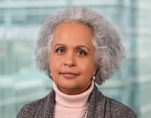
HSBC has appointed Pam Kaur as its Chief Financial Officer (CFO), marking the first time in its 160-year history that a woman has taken on this prominent role. Kaur, currently the bank’s Chief Risk and Compliance Officer, will officially assume her new position following the departure of Georges Elhedery, who is stepping into the Chief Executive role at HSBC. This leadership reshuffle reflects the bank’s continued transformation efforts aimed at driving growth and streamlining operations.

Pam Kaur, 60, brings a wealth of experience to her new role. Since joining HSBC in 2013, she has held several senior positions, including leading risk management and compliance. She is known for her expertise in managing complex regulatory landscapes, which has earned her a solid reputation within the financial industry. Her promotion to CFO is a significant move, not only for HSBC but also for gender representation in the upper echelons of global banking leadership.

The leadership transition aligns with HSBC’s strategic objectives, as the bank has been focusing on optimizing its operations amidst a volatile global economic climate. With its headquarters in London, HSBC has been working to enhance its financial performance across its key markets, particularly in Asia, where it generates a substantial portion of its profits. Kaur’s appointment is expected to play a crucial role in helping the bank navigate regulatory complexities and manage financial risks effectively.

Kaur’s promotion also highlights HSBC’s broader efforts toward increasing diversity within its leadership ranks. Global banks have faced increasing pressure to diversify their boards and executive teams, and Kaur’s ascension to the CFO position represents a milestone for the bank in addressing gender imbalances at the top. As one of the most senior women in banking, she is expected to bring a fresh perspective to the bank’s financial strategies.

This change in leadership comes at a time when HSBC is under pressure to increase its profitability while also managing various regulatory and compliance challenges. Elhedery’s move to CEO will be crucial in steering the bank through these changes, and Kaur’s role as CFO will be vital in ensuring that the bank remains on a sound financial footing.

Kaur’s career has been characterized by her deep understanding of risk management and compliance, two areas that have become increasingly important in the banking world following the global financial crisis. Before joining HSBC, Kaur held senior positions at several leading financial institutions, including Deutsche Bank and the Royal Bank of Scotland, further cementing her qualifications for the CFO role.

Her elevation to this role also reflects HSBC’s commitment to fostering internal talent and promoting diversity in its leadership, a strategy that has become increasingly important in the global financial industry. This internal promotion signals the bank’s trust in its established leadership team and its focus on continuity amid broader strategic shifts.

As Kaur prepares to take on the responsibilities of CFO, HSBC will be looking to her to help streamline its financial operations and bolster investor confidence. The bank, which has faced scrutiny from both regulators and shareholders over its financial strategies in recent years, will benefit from Kaur’s expertise in navigating complex regulatory frameworks and her ability to manage financial risks effectively.

Her appointment comes at a critical time for HSBC, as the bank seeks to bolster its performance in key growth markets such as Asia while also dealing with economic challenges posed by the global economy. As she steps into her new role, Kaur’s leadership is expected to be instrumental in guiding the bank through these challenges, ensuring that HSBC remains a dominant player in the global banking industry.

Air India is implementing a comprehensive restructuring of its airfare policies, covering all cabin classes, amid its ongoing efforts to enhance its global presence and profitability. This shift comes in the context of the airline’s broader plans under the Tata Group to integrate services with Vistara and streamline operations. The changes reflect a strategic push to attract a diverse range of passengers, including premium, budget, and corporate travelers.

As part of this overhaul, Air India is simplifying its fare structures across Economy, Premium Economy, Business, and First Class, introducing more transparent pricing tiers that provide passengers with clearer value propositions. The airline aims to improve customer engagement by ensuring that ticket prices across its global network are competitive while delivering a higher standard of service onboard. The restructuring includes expanding its flexibility options for Economy passengers and improving the availability of premium services for frequent flyers.

In Economy class, Air India is now offering greater flexibility in ticket choices, introducing distinct tiers for passengers with varying needs, such as free baggage, meal services, and flexibility on changes and cancellations. This move is designed to make air travel more accessible while allowing customers to personalize their experiences based on their requirements and budgets.

Premium Economy, a class that has gained significant popularity on international routes, will also see enhancements. Air India is revising its fare structures to provide more competitive rates and improved onboard services, such as more spacious seating, additional baggage allowances, and enhanced meal options, appealing to passengers seeking a mid-tier experience between Economy and Business Class.

Business and First Class passengers are expected to benefit the most from this policy restructuring. The airline has committed to upgrading its premium services across these classes, particularly focusing on improving the inflight experience with better meal options, entertainment, and more personalized services. By enhancing its premium product offering, Air India aims to capture a larger share of the corporate travel market, which is seeing a gradual recovery post-pandemic.

The changes coincide with the broader integration of Vistara into Air India’s operations. As Vistara’s routes and services are absorbed into Air India, starting November 2024, passengers will notice more uniformity in fares and service levels across the combined airline. This integration is set to streamline operations while maintaining the customer-centric approach both airlines have championed. Additionally, frequent flyers from Vistara will find their loyalty points transferred to Air India’s Flying Returns program, ensuring continuity in customer rewards.

The restructuring aligns with Air India’s efforts to transform itself into a leading global airline. Under the ownership of the Tata Group, which took over the airline in 2022, Air India has embarked on an aggressive turnaround plan aimed at regaining its position in the international market. In tandem with these changes, the airline has placed a significant aircraft order to renew and expand its fleet, adding more fuel-efficient planes that will support its long-haul routes.

Part of the fleet expansion includes the introduction of wide-body aircraft that are better suited for long-haul international travel, offering a more comfortable experience for premium passengers and greater seating capacity for economy travelers. This expansion aligns with the airline’s goal to serve more destinations in Europe, North America, and Asia-Pacific, positioning itself as a major player in the international aviation market.

The fare restructuring is also expected to better align Air India’s pricing with global standards, making it more competitive against international carriers such as Emirates, Qatar Airways, and Singapore Airlines. Air India’s management has emphasized that the new policies aim to balance affordability with service excellence, ensuring that the airline can cater to a diverse demographic while maintaining profitability.

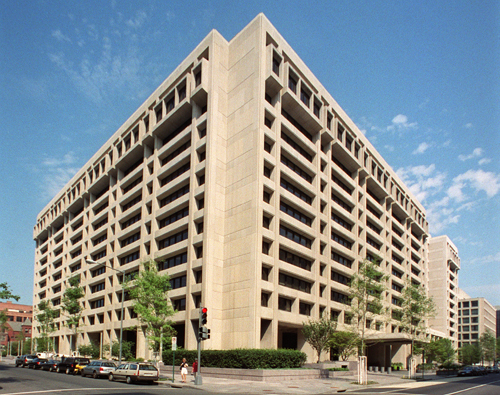
The International Monetary Fund has raised concerns that global markets are underestimating the potential economic impact of geopolitical tensions. Amid signs of improving economic stability, especially as global disinflation enters its final stages, the IMF has identified several medium-term risks that could significantly disrupt financial markets. According to its latest Global Financial Stability Report, while short-term global financial stability risks have receded, major vulnerabilities persist.

The IMF’s warning comes at a time when many market participants are hopeful about the prospects of a “soft landing” for the global economy, aided by disinflation and easing monetary policies. Emerging markets have shown resilience, and international debt issuance has picked up in some frontier economies. Despite these optimistic signs, there are concerns that the financial system remains fragile, especially in light of potential external shocks.

One of the key areas flagged by the IMF is the growing strain in the commercial real estate sector. Rising interest rates over the past year have exposed vulnerabilities within the sector, and further shocks could worsen these conditions. The IMF also points to signs of credit deterioration among corporations, which could intensify if adverse economic conditions continue.

The report highlights that geopolitical tensions remain a significant factor that global markets may be neglecting. Escalating geopolitical conflicts, such as the war in Ukraine and ongoing trade disputes between major economies, present long-term threats that could disrupt financial systems worldwide. These risks are further compounded by cyber threats, which the IMF notes have been on the rise. Although no major systemic disruptions have been caused by cyber incidents so far, the increasing probability of severe cyberattacks poses a looming threat to global macroeconomic stability.

In addition to geopolitical and cyber risks, the IMF underscores the vulnerability of the corporate credit market, which has expanded rapidly in recent years. This market, particularly in private credit, now rivals more traditional forms of lending, including commercial banking. While private credit markets have served as an important source of capital for mid-sized firms, they are also exposed to higher risks. A sudden downturn in economic conditions or a sharp increase in interest rates could leave many of these firms struggling to meet their debt obligations, creating ripple effects throughout the global financial system.

While the IMF acknowledges the progress made in global disinflation and the efforts of central banks to maintain stability, it is urging policymakers and financial institutions to remain vigilant. The report recommends that governments and central banks continue to assess and address medium-term risks while maintaining a focus on geopolitical and cyber threats that could lead to severe disruptions.

The legendary Spanish tenor joined three rising stars to deliver a show-stopping performance at Galaxy International Convention Center MACAU SAR – Media OutReach Newswire – 22 October 2024 – The much-anticipated “Galaxy Opera Gala with Plácido Domingo and Guests” took place on Sunday October 20 at the stunning Galaxy International Convention Center in Macau, drawing a diverse crowd of music lovers and cultural enthusiasts for an unforgettable […]

By Rabindra Nath Sinha KOLKATA: “We have no inhibition in socialising over a bowl of soup or a cup of tea or coffee; but thereafter it is ‘thus far and no further for us’. We have our long-standing demands and we are firm on pursuing those”, important Kuki and Naga leaders told IPA when asked […]

HANGZHOU, CHINA – Media OutReach Newswire – 22 October 2024 – BERLANDES, a pioneer in cellular regeneration and biotechnology, has announced the launch of its new product, the PCCIDINCT2™ Ovarian Capsules. This revolutionary product aims to support ovarian health and address common reproductive health issues among women, leveraging decades of research and development in biological sciences. Since the end of the last century, BERLANDES has been exploring […]

Donald Trump has unveiled a tax reform proposal aiming to exempt approximately 93.2 million Americans from federal income taxes. This ambitious plan focuses on eliminating income tax liabilities for individuals earning below a certain threshold, which aligns with Trump’s ongoing efforts to reshape the tax system and promote economic growth. The initiative proposes significant changes, including the removal of taxes on tips and Social Security benefits, signaling a shift in fiscal policy that may impact millions of low- and middle-income workers.

Central to Trump’s tax strategy is the introduction of a new revenue framework based on tariffs, which he argues will replace the traditional income tax model. The proposal outlines a universal 20% tariff on all imports, with an even steeper 60% tariff on goods imported from China. By doing so, the former president aims to generate substantial revenue that would fund his tax cuts and other fiscal initiatives. This approach represents a fundamental change in how the government would collect revenue, relying more heavily on trade rather than direct taxation of citizens’ incomes.

The proposed reforms have sparked debate among economists and policymakers regarding their viability and potential consequences for the economy. Proponents argue that the elimination of income taxes for a large segment of the population would increase disposable income, thereby stimulating consumer spending and fostering economic growth. They contend that individuals who currently face a significant tax burden would have more resources to invest in goods, services, and savings.

Critics, however, caution that such a tax overhaul could lead to considerable budget deficits if the anticipated tariff revenues do not materialize as projected. They highlight that a universal 20% tariff on imports could provoke retaliation from trade partners, particularly China, potentially escalating into a trade war. The economic implications of increased tariffs could also ripple through domestic industries that rely on imported materials, resulting in higher costs for consumers and businesses alike.

Key players in the political landscape are beginning to respond to Trump’s tax plan. Some members of Congress have expressed cautious optimism, suggesting that the proposal may resonate with constituents frustrated by high taxes. Others remain skeptical, voicing concerns about the long-term fiscal implications and the impact on essential government services funded by income tax revenue.

The plan’s reliance on tariffs raises questions about its impact on inflation. With increased costs associated with imported goods, the price of everyday items could rise, disproportionately affecting low-income families who already spend a larger share of their income on necessities. Economists warn that the resulting inflationary pressures could negate any short-term benefits gained from tax exemptions.

Public opinion regarding tax reforms is mixed. A recent survey indicates that while many Americans favor tax cuts, there is significant apprehension about how those cuts would be funded. The possibility of higher consumer prices due to increased tariffs creates a dilemma for many voters, who may find themselves caught between lower taxes and rising costs of living.

Amid this backdrop, Trump’s proposal has found both support and resistance within the Republican Party. Some party members see this as an opportunity to fulfill a long-standing goal of overhauling the tax system in a way that aligns with conservative principles. Others warn against the potential fallout from abandoning traditional income tax structures, emphasizing the need for a balanced approach to tax reform that safeguards government revenue and public services.

As discussions surrounding the proposal continue, financial markets are watching closely. The uncertainty around tariff policies and their economic repercussions could lead to increased volatility, especially in sectors sensitive to trade. Investors are likely to assess how the tax plan and its implementation will influence consumer behavior and corporate profits.

While the tax reform proposal seeks to simplify the tax code and alleviate the burden on a significant portion of the American population, the broader implications of such changes remain to be fully understood. Stakeholders from various sectors are encouraged to engage in the debate, weighing the benefits of tax relief against the potential economic risks associated with an untested revenue model reliant on tariffs.

A report highlighting the latest trends in investment banking fees across the MENA region reveals HSBC’s dominant position in the market, outpacing competitors and securing a significant share of the financial landscape. The bank’s robust performance is attributed to its strategic initiatives and a diverse portfolio of services that cater to the region’s unique economic demands. HSBC’s strong earnings are underscored by its comprehensive approach to investment […]

Takaful Emarat, a prominent insurance company based in Dubai, has initiated a significant capital reduction of AED 121 million (approximately $33 million). This move comes as part of the company’s broader strategy to enhance its financial stability and streamline its operations. The decision, which was announced in a regulatory filing, has been sanctioned by the company’s board of directors and will be executed following approval from the […]

ADNEC Group has announced its intention to acquire Royal Catering, a prominent food and beverage service provider in Abu Dhabi. This strategic move is part of ADNEC’s broader goal to enhance its portfolio and strengthen its position in the hospitality and catering sector. The acquisition is expected to be finalized within the next few months, pending regulatory approvals and standard due diligence processes. Royal Catering has established […]

MBC Group has divested 2.45 million shares of Al Arabia, amounting to a substantial $111 million deal, marking a significant shift in its investment strategy. The move follows a broader trend in the media industry, where conglomerates are re-evaluating their holdings amid changing market dynamics and financial pressures. Al Arabia, a major player in the Middle Eastern media landscape, has seen fluctuations in its stock performance in […]

VISHNU RAJA
RYO YAMADA
HITORI GOTOH
IKUYO KITA