News related to
demand

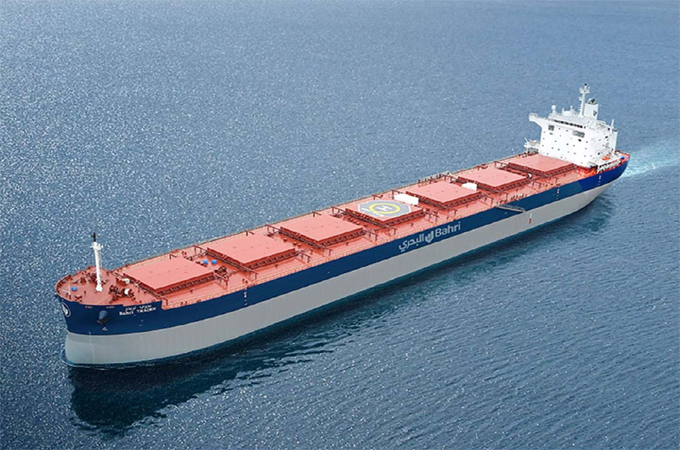
Saudi Arabian shipping giant Bahri has significantly bolstered its fleet by acquiring nine new crude oil carriers in a landmark transaction valued at approximately $1 billion. This strategic move underscores Bahri’s commitment to enhancing its global shipping capacity and operational efficiency in the oil transport sector.

The acquisition deal, finalized with a prominent shipbuilder, marks one of the largest expansions in the crude carrier segment this year. Each vessel is designed to meet the latest environmental and technological standards, reflecting Bahri’s focus on modernizing its fleet and adhering to global maritime regulations.

This fleet expansion is strategically timed to capitalize on the expected increase in global oil demand and the corresponding need for more efficient transportation solutions. The new carriers are expected to enhance Bahri’s ability to serve major oil-producing and consuming regions, thereby strengthening its position in the global shipping market.

Industry experts anticipate that the addition of these vessels will enable Bahri to optimize its operational capabilities and improve its service offerings. This move aligns with the broader trends in the shipping industry, where major players are investing in newer, more efficient ships to reduce operational costs and meet stricter environmental standards.

Bahri’s decision to invest heavily in its fleet is seen as a proactive response to the evolving dynamics of the global oil market and shipping industry. By integrating these advanced carriers into its operations, Bahri aims to reinforce its role as a leading player in the maritime logistics sector.

The acquisition also highlights Bahri’s ongoing efforts to adapt to the changing landscape of global trade and transportation. As international trade continues to evolve, Bahri’s investment in its fleet is expected to enhance its competitive edge and operational resilience.

With this substantial investment, Bahri not only strengthens its fleet but also positions itself to better navigate the complexities of the global oil supply chain. The company’s strategic vision includes expanding its reach and capabilities, ensuring that it remains at the forefront of the industry amid shifting market conditions.

Overall, Bahri’s $1 billion investment in new crude carriers represents a significant milestone in its growth trajectory and reflects its commitment to maintaining a modern and efficient fleet. As the company continues to expand its operations, it will play a crucial role in shaping the future of global maritime transport and oil logistics.


The Saudi Public Investment Fund (PIF) has achieved a notable expansion in its assets under management, reaching $925 billion as of the end of 2023. This substantial increase reflects a strategic investment focus and a growing commitment to bolstering the domestic economy. In a major push to stimulate local economic growth, the PIF invested $40 billion within Saudi Arabia last year. These investments have been directed across […]

Qatar Airways has announced a significant investment, acquiring a 25% stake in South Africa’s regional carrier, Airlink. This strategic move is poised to enhance Qatar Airways’ presence in the African aviation market and strengthen its network across the continent. The partnership marks a notable development for both airlines as they look to leverage each other’s strengths in their respective regions.

Airlink, a prominent player in South Africa’s regional aviation sector, operates a comprehensive network of routes connecting major cities and remote areas within Southern Africa. The acquisition by Qatar Airways is expected to bolster Airlink’s operational capabilities, expanding its reach and improving its connectivity to international destinations. For Qatar Airways, the investment aligns with its strategy to build a more extensive network in Africa, providing passengers with greater access to regional destinations.

The deal is also anticipated to facilitate greater collaboration between the two airlines, including codeshare agreements that will offer enhanced travel options for passengers. By integrating Airlink’s regional expertise with Qatar Airways’ global reach, the partnership aims to deliver a more seamless travel experience and increased convenience for travelers.

This acquisition is part of Qatar Airways’ broader strategy to expand its global footprint and strengthen its position in key markets. The airline, known for its extensive international network and high service standards, continues to seek opportunities for growth and strategic partnerships that complement its existing operations. By investing in Airlink, Qatar Airways is positioning itself to capture a larger share of the African aviation market, which has been showing signs of growth and increased demand for connectivity.

Airlink’s regional network will benefit from Qatar Airways’ support, potentially leading to enhanced service quality and operational efficiencies. The investment also reflects Qatar Airways’ commitment to supporting and fostering growth in regional carriers, which can play a crucial role in expanding global connectivity.

This partnership comes at a time when the global aviation industry is navigating post-pandemic recovery and adapting to evolving travel demands. Collaborations like the one between Qatar Airways and Airlink are seen as strategic moves to address these challenges and capitalize on emerging opportunities in the aviation sector. The integration of Airlink’s services with Qatar Airways’ global network is expected to provide passengers with a broader range of travel options and improved connectivity between Africa and other parts of the world.

As the aviation industry continues to evolve, strategic alliances and investments will play a crucial role in shaping the future of global air travel. Qatar Airways’ acquisition of a stake in Airlink represents a significant step in this direction, underscoring the importance of regional partnerships in enhancing global connectivity and fostering growth in key markets.

Kuwait Finance House has completed the sale of its entire stake in Sharjah Islamic Bank, fetching $351 million. This divestment marks a significant shift in the bank’s investment strategy, reflecting a broader trend of strategic asset reallocation in the Gulf banking sector. The sale involves a substantial block of shares, marking the end of a notable investment by Kuwait Finance House (KFH) in Sharjah Islamic Bank. The […]

Saudi Arabia has intensified efforts to attract Asian investors, focusing on capital from India, China, and other key regional players to rejuvenate its stock market. This move comes as the kingdom aims to diversify its economy and reduce its reliance on oil revenues. The Saudi Arabian government has launched a series of initiatives to enhance the appeal of its financial markets. Among these efforts is the introduction […]

CockroachDB, a distributed SQL database, is making a significant shift in its licensing model. Starting November 2024, Cockroach Labs will discontinue its open-source Core version, consolidating its offerings under the CockroachDB Enterprise edition. This move will make advanced features accessible to a broader range of users, including small businesses and individual developers, who will now benefit from capabilities previously restricted to paying customers. Cockroach Labs announced that […]

Qatar’s economy is on track to double by 2031, driven by strategic positioning in the global energy market and significant investments in liquefied natural gas (LNG) production. Standard Chartered’s latest projections suggest that Qatar’s economic growth will be propelled by the North Field expansion, which is expected to boost LNG production capacity by nearly 85% by 2030. The expansion, set to deliver its first gas in 2025 […]

Advertisements

The global AI chip market is projected to surge to a staggering $311.58 billion by 2029, driven by rapid advancements in high-performance computing and the increasing integration of AI across industries. According to the latest industry reports, the market, which was valued at approximately $11 billion in 2020, is expected to witness a compound annual growth rate (CAGR) of around 40% over the forecast period. AI chips, […]

Sav, a prominent financial technology firm based in the UAE, has introduced MyMoney, an innovative platform designed to centralize financial management for residents. The new service aims to simplify how users monitor and analyze their finances by consolidating data from multiple bank accounts into a single, user-friendly dashboard. MyMoney integrates various financial data points, allowing users to view their complete financial landscape in one place. This functionality […]

Ethereum’s dark pools, private trading platforms where transactions occur away from public exchanges, are seeing a marked increase in activity. Recent data reveals a significant uptick in private transactions on these platforms, overshadowing their public counterparts. This surge reflects a growing trend among institutional and high-net-worth investors seeking discretion and favorable trading conditions. Dark pools are typically used by large investors to execute substantial trades without impacting […]

Trip.com Group has announced a new partnership with Merlin Entertainments, aiming to bring unique and immersive marine-focused experiences to travelers across Asia. This collaboration will take place in key locations such as Chang Feng Ocean World in Shanghai, SEA LIFE Bangkok, SEA LIFE Busan, and COEX Aquarium in Seoul. The partnership emphasizes the development of specialized events, including nighttime science explorations, habitat restoration workshops, and interactive marine […]

Lenovo has introduced its latest Yoga PC series, equipped with advanced AI features, to the Middle Eastern market. The launch, highlighted by an exclusive AI-themed pop-up at the Mall of the Emirates in Dubai, marks a significant expansion of Lenovo’s Yoga brand, known for blending cutting-edge technology with user-friendly design. The new Yoga PCs, including models like the Yoga Pro 9i and Yoga Slim 7i Carbon, are […]

Gold prices have been smashing records recently and showing no signs of slowing down. As of the latest trading session, spot gold held firm at a record high of $2,508.14 per ounce, while US gold futures climbed to an unprecedented $2,540.80 per ounce during Monday’s Asian trading hours. This impressive rally comes as no surprise to many market analysts, who see the precious metal as poised for […]

The Indian aviation sector is on a transformative path that positions it as a major global hub by 2030. According to CAPA Advisory, Indian airlines are expected to significantly expand their fleets, with projections indicating the addition of 150 widebody aircraft by 2035. This expansion is set to be complemented by the integration of Airbus A321XLRs, designed for medium-haul routes, thereby enhancing connectivity and operational efficiency.

The rapid growth of the Indian aviation industry is driven by several factors, including a burgeoning middle class, increasing urbanization, and heightened economic activity. The country’s strategic geographic location between major global markets further reinforces its potential as a key aviation hub. With the government’s supportive policies and investments in infrastructure, including the development of new airports and the expansion of existing ones, India’s role in global air travel is set to become more prominent.

Indian airlines are focusing on modernizing their fleets to accommodate the rising passenger demand. The introduction of widebody aircraft will enable them to serve long-haul international routes more effectively. At the same time, the A321XLRs will address the need for efficient, medium-haul connectivity, making regional and international destinations more accessible.

Airline operators are also investing in technology and innovation to improve operational efficiency and enhance passenger experience. This includes advancements in aircraft maintenance, fuel efficiency, and customer service. As the aviation sector evolves, Indian carriers are positioning themselves to compete on a global scale, with a focus on delivering high-quality service and expanding their network reach.

The anticipated growth in passenger traffic is expected to double over the next decade, driven by the increasing affordability of air travel and the expansion of low-cost carriers. This surge in demand will necessitate significant investments in airport infrastructure, including terminal expansions and modernization of air traffic control systems, to accommodate the higher volume of passengers and flights.

The Indian government has been proactive in supporting this growth trajectory through various initiatives, including policies aimed at improving the regulatory environment and fostering private sector investment in the aviation sector. The development of new airports in underserved regions and the enhancement of existing facilities are central to this strategy, aimed at ensuring that infrastructure keeps pace with the expanding demand.

Industry experts highlight that the rise of Indian aviation as a global hub will have far-reaching economic implications, creating job opportunities, stimulating regional development, and fostering international trade and tourism. The increased connectivity will not only benefit passengers but also enhance cargo capacity, facilitating smoother global trade flows.

Overall, the Indian aviation sector’s expansion aligns with broader economic trends and demographic shifts, positioning the country as a key player in the global air travel market. As Indian airlines continue to expand their fleets and improve their services, they are set to play a significant role in shaping the future of global aviation.

The UAE Red Crescent has announced the launch of the second phase of its “From My Country’s Bounty” initiative, targeting the summer season with renewed efforts to address food security and support vulnerable populations. This new phase, dubbed “Summer Season 2,” builds on the success of the initiative’s initial phase by expanding its scope and impact. The primary goal of the initiative is to alleviate food scarcity […]

A major infrastructure venture is underway as DP World and British International Investment join forces to establish the Democratic Republic of Congo’s first deep-water port. This landmark project aims to significantly reduce trade costs and stimulate the local economy by creating approximately 85,000 jobs.

The deep-water port, strategically located on the Atlantic coast, will enhance Congo’s trade capabilities by accommodating larger vessels and improving logistical efficiency. Currently, Congo’s maritime infrastructure is limited, with most ports unable to handle significant cargo volumes due to shallow waters. The new port will address these constraints, offering a modern facility that can support the country’s growing trade demands.

Trade experts anticipate that the port will lower the cost of importing and exporting goods by up to 12%. This reduction is expected to have a broad economic impact, facilitating more affordable access to international markets for Congolese businesses and boosting the nation’s economic competitiveness on the global stage.

The project represents a substantial investment in Congo’s economic infrastructure, signaling a robust commitment from both DP World and British International Investment to the region’s development. By improving port facilities, the initiative will also enhance supply chain efficiency, which is crucial for Congo’s key export sectors, including mining and agriculture.

Construction of the port is projected to commence in the coming months, with the development phase anticipated to last several years. During this period, the project will generate significant employment opportunities, ranging from construction jobs to roles in port operations and logistics. The anticipated job creation is expected to provide a substantial boost to the local economy, supporting thousands of families and contributing to broader economic stability in the region.

The deep-water port is poised to transform the economic landscape of the Democratic Republic of Congo. It will not only modernize the country’s maritime infrastructure but also catalyze growth across various sectors, from trade and logistics to regional development.

As work on the port progresses, the collaboration between DP World and British International Investment is expected to attract additional international interest and investment in Congo’s infrastructure projects. The partnership underscores a growing trend of global investors focusing on the development of critical infrastructure in emerging markets, recognizing the long-term economic benefits these projects can deliver.

This ambitious initiative highlights the potential for significant progress in Congo’s economic development through strategic investments in infrastructure. The establishment of a deep-water port marks a pivotal step forward, promising to enhance trade efficiency, stimulate job creation, and support broader economic growth.

The American University of Ras Al Khaimah (AURAK) has introduced a Bachelor of Science in Artificial Intelligence designed to align with the soaring demand for AI expertise. The program addresses the rapid expansion of the AI industry, which has been growing at an annual rate of 37.3%.

This new degree is tailored to equip students with the skills and knowledge necessary to thrive in a market increasingly driven by artificial intelligence innovations. It combines advanced theoretical understanding with practical experience, reflecting the evolving needs of the job market. Students will engage in hands-on projects and research, ensuring they are well-prepared to enter the workforce immediately upon graduation.

AURAK’s program focuses on providing students with expertise in AI technologies and applications, ranging from machine learning to data analysis and automation. The curriculum is designed to foster a deep understanding of both the technical and ethical aspects of AI, preparing graduates for various roles in the technology sector.

The decision to launch this program comes in response to the escalating global demand for AI professionals. As industries from healthcare to finance increasingly rely on AI for innovation and efficiency, the need for well-trained experts has surged. AURAK’s program aims to fill this gap by producing graduates who are not only knowledgeable in the latest AI advancements but also equipped with practical skills to apply this knowledge effectively.

Industry experts and academic professionals have highlighted the significance of such initiatives in addressing the skills shortage in AI fields. By focusing on both theoretical and practical elements, AURAK’s program seeks to ensure that students are not just proficient in AI concepts but also adept at applying them in real-world scenarios.

Furthermore, the program is structured to include industry collaborations and internships, providing students with valuable exposure to potential employers and hands-on experience. This approach is expected to enhance job readiness and increase employability upon graduation.

The introduction of this degree reflects a broader trend among educational institutions globally, responding to the accelerating pace of technological change and the corresponding demand for skilled professionals. As AI continues to expand its influence across various sectors, programs like AURAK’s are crucial in preparing the next generation of experts to lead and innovate in this dynamic field.

GUANGZHOU, CHINA – Media OutReach Newswire – 19 August 2024 – On August 13, OceanX, the world’s largest single capacity floating wind power platform, embarked on its journey from Guangzhou to the Yangjiang Mingyang Qingzhou IV offshore wind farm in Guangdong, China. After a 191-nautical-mile, over 50-hour tow, the platform’s arrival marks the commencement of a new era in green energy, poised to set the standard for […]

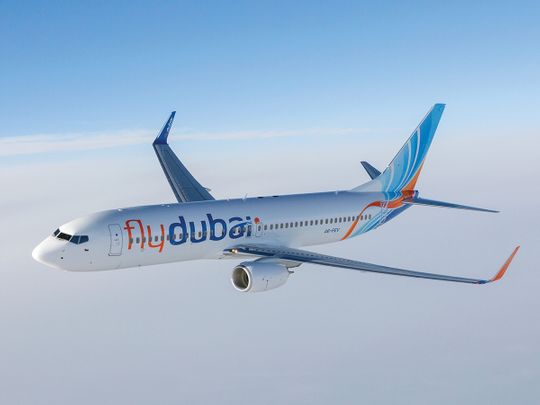
Flydubai flight FZ 141, en route from Dubai International Airport to Salalah, Oman, encountered technical difficulties on Sunday, necessitating an emergency landing in Muscat. The aircraft, a Boeing 737-800, was operating a routine service when the crew detected a malfunction in the aircraft’s systems.

The flight, carrying 176 passengers and crew, was approximately midway through its journey when the issue arose. The decision to divert to Muscat was made as a precaution to ensure passenger safety and to address the technical issue with greater support on the ground. The aircraft landed safely at Muscat International Airport around 2:30 PM local time.

Upon landing, emergency services were on standby, and all passengers were safely disembarked. The airline arranged alternative transportation for those heading to Salalah, including a chartered flight to continue their journey. Flydubai stated that they are investigating the incident and have initiated a thorough inspection of the aircraft.

This incident marks one of several recent disruptions in regional air travel, reflecting ongoing challenges in aviation maintenance and safety protocols. The airline industry has faced scrutiny over aircraft reliability and maintenance procedures, particularly in the wake of increasing travel demands and operational pressures.

Flydubai, a major player in the Middle Eastern low-cost carrier market, has maintained a generally strong safety record. However, any technical failure raises concerns among passengers and industry regulators alike. The airline has committed to fully cooperating with the investigation and ensuring that all safety standards are met.

Muscat International Airport handled the situation efficiently, with minimal disruption to its operations. Passengers were provided with necessary support, including refreshments and accommodation, while awaiting further travel arrangements. The incident highlights the importance of robust contingency plans and rapid response capabilities in the aviation sector.

As the investigation continues, Flydubai is expected to release further details about the nature of the technical issue and any implications for future flights. The airline’s response and the outcome of the investigation will likely influence perceptions of its reliability and operational practices.

Aviation safety experts suggest that incidents like this underscore the need for continuous monitoring and improvement of aircraft maintenance protocols to prevent similar occurrences. Ensuring the reliability of aircraft systems and addressing any potential issues proactively is crucial for maintaining passenger trust and safety in the aviation industry.

The airline and relevant authorities are working together to resolve the situation and restore normal operations as soon as possible.

Arabian Post Staff Qatar is making significant progress in its ambitious journey to develop a world-class healthcare system, aligning with its Qatar National Vision (QNV) 2030. This strategic initiative emphasizes the enhancement of healthcare infrastructure, the promotion of public health, and the improvement of medical services throughout the country. The QNV 2030 framework envisions a robust and sustainable healthcare system that caters to the diverse needs of […]

By Nantoo Banerjee   The United States of America or the People’s Republic of China may have nothing much to do with the massive public demonstrations in Bangladesh that began last month over governmental job quotas forcing the fall of Sheikh Hasina as the country’s longest serving prime minister and her government. Sheikh Hasina had […]

Efforts to establish a ceasefire in Gaza have hit a deadlock as both Hamas and Israel remain deeply divided on key terms. Despite initial hopes for a resolution, negotiations have faltered, leaving U.S. officials increasingly doubtful about achieving a swift end to the conflict.

The proposed ceasefire framework, which is intended to unfold in three phases, has encountered significant obstacles. Phase 1, involving a six-week pause in hostilities, the release of hostages, and the withdrawal of Israeli forces from populated areas in Gaza, initially appeared promising. However, disagreements over Phase 2—the negotiation of a comprehensive end to the conflict—have caused the talks to stall. Hamas demands a full Israeli withdrawal from Gaza, while Israel insists on continuing its military operations until Hamas is fully dismantled, a goal that could take months or even years to achieve.

The Biden administration, which has been actively mediating the talks, has expressed frustration over the impasse. U.S. officials have noted that without a ceasefire, humanitarian aid to Gaza remains severely limited, exacerbating the suffering of civilians caught in the crossfire. Humanitarian groups have echoed these concerns, stressing that a pause in fighting is crucial to providing consistent access to food and medical supplies.

As the stalemate drags on, there are growing concerns that the conflict could extend into the latter part of 2024. Despite ongoing diplomatic efforts, neither side shows signs of compromising, raising fears that the war will continue unabated.

The situation remains fluid, with U.S. officials continuing to push for both parties to reach an agreement, but the path to peace appears increasingly uncertain.

This report is based on information from multiple credible sources, including Politico and The National.

SINGAPORE – Media OutReach Newswire – 19 August 2024 – Shopee, the leading e-commerce platform in Southeast Asia and Taiwan, has successfully concluded its highly anticipated Seller Summit Singapore 2024. This year’s summit showcased diverse strategic initiatives crafted to enable sellers to optimise sales, streamline costs, and effectively penetrate a broader customer base, propelling their business growth and success. “E-commerce has become an integral part of our […]

Sedco Capital has introduced a new open-ended investment fund designed to align with Shariah principles and emphasize environmental, social, and governance (ESG) factors. This move highlights the firm’s ongoing commitment to integrating ethical considerations into its investment strategies while catering to the growing demand for socially responsible investment options.

The newly launched Sedco Capital IPO Fund will focus on investing in initial public offerings (IPOs) that adhere to Shariah law. This approach aims to offer investors an opportunity to participate in high-growth companies while ensuring that their investments are compliant with Islamic finance principles. The fund will be open-ended, providing flexibility and liquidity for investors.

The global interest in ESG-focused and Shariah-compliant investments has surged as investors increasingly seek to align their portfolios with their values. Sedco Capital’s latest initiative responds to this trend by combining ethical investment practices with the potential for substantial financial returns. The fund will leverage Sedco Capital’s extensive network and expertise in the financial markets to identify promising IPOs that meet its rigorous criteria.

Sedco Capital, which has a long history of managing Shariah-compliant assets, aims to cater to both institutional and individual investors through this new fund. The firm’s experience in integrating Shariah compliance with sophisticated investment strategies is expected to drive its success. The fund will be managed by a team of experts with deep knowledge of both Islamic finance and global markets.

As global financial markets continue to evolve, the integration of ESG factors into investment decisions has become increasingly significant. Investors are not only looking for financial returns but also for investments that contribute positively to society and the environment. The Sedco Capital IPO Fund is positioned to address these demands by focusing on companies that demonstrate strong ESG performance while adhering to Shariah principles.

The introduction of this fund comes at a time when the Islamic finance sector is experiencing robust growth. According to industry reports, the global market for Shariah-compliant investments is expanding rapidly, driven by increasing interest from investors in both Muslim-majority and non-Muslim-majority countries. Sedco Capital’s new fund is expected to attract attention from a diverse range of investors seeking ethical and compliant investment opportunities.

Sedco Capital’s commitment to transparency and ethical investing is reflected in its approach to managing the new fund. The firm will ensure that all investments are vetted for Shariah compliance and ESG criteria, providing investors with confidence in the ethical and financial integrity of the fund. This rigorous selection process is designed to enhance the fund’s appeal to socially conscious investors.

The launch of the Sedco Capital IPO Fund underscores the growing importance of integrating ethical considerations into investment strategies. As investors increasingly seek to make a positive impact through their financial decisions, Sedco Capital’s new fund represents a significant development in the intersection of Shariah-compliant finance and ESG investing.

VISHNU RAJA
RYO YAMADA
HITORI GOTOH
IKUYO KITA