News related to
demand

ColoBarn, a key player in the colocation service industry, is upgrading its data center security across several US regions by integrating Iveda’s advanced artificial intelligence (AI) solutions. This partnership marks a pivotal step in enhancing surveillance, real-time analytics, and incident detection at ColoBarn’s facilities in Arizona and Florida. Iveda, known for its AI-driven video monitoring and cloud-based security systems, brings facial recognition, anomaly detection, and rapid response […]

Valve is reportedly gearing up to enhance the capabilities of the Steam Deck, with credible leaks suggesting the addition of virtual reality (VR) support and ARM architecture compatibility. This development is seen as a strategic move to tap into the growing VR gaming market and broaden the device’s functionality. A recent investigation into Valve’s software updates indicates that the company is testing features that may soon allow […]

Qatar Airways has solidified its global presence by purchasing a 25% stake in Virgin Australia, marking a significant move in its bid to expand its footprint in the Asia-Pacific region. The Gulf-based carrier’s acquisition was announced on Tuesday, following an agreement with Bain Capital, the U.S. private equity firm that owns the majority stake in the Australian airline. This investment signals Qatar Airways’ strategic ambitions to leverage the Australian market while bolstering Virgin Australia’s competitive edge in the aviation industry.

The acquisition comes as Virgin Australia seeks to recover from its challenging financial history. Having previously entered voluntary administration during the pandemic, Virgin Australia was restructured under Bain Capital’s ownership, focusing on a leaner business model. The airline is now positioning itself for growth, and Qatar Airways’ investment is expected to inject fresh capital into its operations, aiding in recovery and expansion efforts.

Qatar Airways, which is known for its vast global network and premium service, views this partnership as an opportunity to enhance its services to and from Australia. The Gulf airline has long sought greater access to the Australian market, one of the most competitive and lucrative aviation sectors in the world. By securing a stake in Virgin Australia, Qatar Airways gains an ally in navigating the regulatory and operational complexities of expanding services to Australian cities, including Sydney, Melbourne, and Brisbane.

While Virgin Australia’s domestic market share is strong, the airline has faced stiff competition from rival Qantas. The Australian aviation market, dominated by Qantas domestically and internationally, offers limited space for competing carriers. Virgin Australia has typically targeted the budget-conscious traveler, but the tie-up with Qatar Airways suggests that it may look to differentiate itself with an upgraded premium offering. Qatar Airways is known for its luxury service standards, and its involvement could lead to a redefined experience for Virgin Australia’s passengers.

This move is not Qatar Airways’ first attempt to break into the Australian market. The airline has been active in lobbying for more flight routes to Australia, seeking to operate more than the currently approved services under Australia’s strict bilateral air service agreements. Australian regulators have maintained a cautious approach in granting additional air traffic rights, particularly given Qantas’ dominant position. However, with this partnership, Qatar Airways may now benefit from Virgin Australia’s existing infrastructure, potentially allowing it to expand its reach without the need for extensive regulatory approvals.

Industry experts suggest that Qatar Airways’ investment aligns with a broader trend in the aviation sector, where carriers are seeking partnerships to weather market volatility. The global airline industry has undergone significant shifts due to the pandemic, with many companies looking for strategic alliances to survive and thrive in the post-pandemic world. Virgin Australia’s restructuring and focus on core markets make it an attractive partner for Qatar Airways, which is always looking to diversify its revenue streams and increase its influence in key markets.

As part of the acquisition agreement, Virgin Australia will retain operational independence, continuing to manage its fleet, staff, and branding. Bain Capital will also retain a majority stake, with its representatives remaining actively involved in the airline’s governance. Qatar Airways’ role is expected to be that of a strategic partner, offering financial support, technical expertise, and perhaps most importantly, access to its extensive network of international destinations.

Analysts believe that Qatar Airways’ involvement could also open up more long-haul routes from Australia to the Middle East, Europe, and beyond. Virgin Australia’s limited long-haul capacity has been one of its weaknesses, particularly compared to Qantas, which dominates the international space with its extensive network. Qatar Airways, with its globally recognized hub in Doha, can offer Virgin Australia passengers access to a wide range of destinations, providing new travel opportunities for both leisure and business travelers.

The timing of the deal is significant, as the global aviation industry is recovering from the pandemic’s devastating effects. Passenger demand is rebounding, but airlines face new challenges, including rising fuel costs and the need for more sustainable practices. Qatar Airways has been at the forefront of adopting fuel-efficient aircraft and promoting greener operations, and its partnership with Virgin Australia could bring similar advancements to the Australian carrier.

While this acquisition has drawn attention from industry watchers, it also highlights the growing trend of consolidation and partnership within the airline industry. As carriers face increasing competition and mounting operational costs, collaborations like this one are seen as vital for survival and growth. For Qatar Airways, the stake in Virgin Australia is more than just a financial investment – it is a strategic step towards expanding its reach in one of the world’s most competitive aviation markets.

The announcement has also prompted speculation about how this partnership could impact Virgin Australia’s relationship with other global alliances. Virgin Australia has historically partnered with several international carriers, including Delta Air Lines and Singapore Airlines, to provide international connectivity. Qatar Airways is a member of the oneworld alliance, which raises questions about whether Virgin Australia will eventually move towards joining a global airline alliance, potentially enhancing its ability to compete on the world stage.


Toronto-Dominion (TD) Bank has reached a settlement of over $20 million with U.S. authorities to resolve a spoofing case involving the manipulation of U.S. Treasuries. The bank agreed to this settlement as part of a three-year deferred prosecution agreement with the U.S. Department of Justice (DOJ) and other regulatory bodies, including the Securities and Exchange Commission (SEC) and the Financial Industry Regulatory Authority (FINRA).

The case stems from allegations against a former TD trader, Jeyakumar Nadarajah, who is accused of placing spoof orders between 2018 and 2019. Spoofing involves placing large, fake orders on one side of the market to create a false sense of supply or demand, then quickly canceling them to benefit from price movements. This strategy has been viewed as a form of market manipulation, distorting market transparency.

As part of the settlement, TD will pay $9 million in criminal penalties, $12.5 million to settle civil charges from the SEC and FINRA, and an additional $4.7 million in compensation to victims. The bank is also required to enhance its compliance systems to prevent similar misconduct in the future.

As the Halloween horror budget approaches in the UK, scheduled for October 30, an ominous cloud looms over wealthy Britons, prompting many to consider leaving the country. This migration trend began under the Conservative government, which pushed UK taxes to a staggering 70-year high. The situation has escalated dramatically, with reports indicating that last year alone saw 4,200 millionaires departing the UK. With Labour now in charge, […]

By Kalyani Shankar When controversy and suspicion surround an innocuous sweet like Srivari Laddu sold by the Tirumala Tirupathi Devasthanam, it does not stop there. It has gone much further in the past week and become a political weapon for Andhra Pradesh Chief Minister Nara Chandra Babu Naidu to beat his predecessor, Jagan Mohan Reddy. […]

Tenth anniversary of the KPMG CEO Outlook shows that despite CEO confidence in the growth prospects of the economy declining since 2015, 72 percent of CEOs remain confident. Ninety-two percent of CEOs are looking to increase the overall headcount of their workforce – the highest since 2020. AI remains the top investment priority for most CEOs (64 percent), with a significant majority (76 percent) believing that it […]

Advertisements

Taiwan’s Financial Supervisory Commission (FSC) has officially opened the door for professional investors, including institutions and high-net-worth individuals, to engage in foreign virtual asset exchange-traded funds (ETFs). This landmark decision is set to significantly impact Taiwan’s financial market, as it provides a regulated pathway for local investors to tap into the growing digital asset sector. The move comes after months of deliberation by the FSC, the nation’s […]

Stellantis NV has revised its profit margin forecasts for 2024, attributing the changes to increased costs associated with revitalizing its Jeep and Dodge brands in the United States, as well as a notable slowdown in the global automotive sector. This strategic move highlights the challenges faced by one of the world’s leading automakers as it navigates a complex market landscape marked by economic uncertainty and shifting consumer preferences.

The automotive industry has encountered various headwinds in recent months, including inflationary pressures, fluctuating raw material prices, and evolving regulatory standards aimed at reducing emissions. Stellantis, formed from the merger of Fiat Chrysler and PSA Group, is experiencing heightened scrutiny as it attempts to balance profitability with investment in sustainable technologies and electric vehicle (EV) production. The company’s leadership has expressed concerns over the competitive landscape, particularly in the context of emerging electric vehicle manufacturers and traditional competitors ramping up their EV offerings.

In a recent statement, Stellantis reported that it now expects its adjusted operating profit margin to fall between 10% and 11% for the upcoming year, down from a prior estimate of 11% to 12%. This adjustment signals the company’s recognition of the difficult conditions affecting its operational costs and overall performance. The revised forecast reflects the growing expenses tied to revitalizing key brands that have struggled to maintain market share in a rapidly changing industry.

Stellantis has faced significant challenges with its Jeep and Dodge divisions. Both brands have historically been central to the company’s identity and profitability. However, they have recently grappled with declining sales and an outdated product lineup. The Jeep brand, which has traditionally thrived on its off-road capabilities and rugged image, has seen waning interest from consumers who are increasingly favoring SUVs and electric vehicles. Similarly, Dodge, known for its muscle cars, is contending with shifts in consumer preferences as the market leans towards more fuel-efficient and eco-friendly vehicles.

To address these challenges, Stellantis is investing heavily in product innovation and marketing initiatives aimed at rejuvenating the Jeep and Dodge brands. The company plans to launch a series of new models that emphasize electric and hybrid technology, aligning with the broader industry trend toward sustainability. These investments are crucial as Stellantis aims to enhance its competitive edge and capture a greater share of the evolving automotive market.

Economic factors are also influencing Stellantis’s outlook. The global automotive industry is currently facing a slowdown, driven by a combination of higher interest rates, reduced consumer spending, and ongoing supply chain disruptions. Many consumers are delaying new vehicle purchases, opting instead to hold onto their current cars amid rising costs of living. As a result, automakers, including Stellantis, are experiencing decreased demand for new vehicles, further complicating their financial projections.

The company’s response to these market dynamics includes a focus on operational efficiency and cost management. Stellantis is undertaking measures to streamline its production processes and reduce overhead expenses, enabling it to navigate the financial pressures more effectively. However, these efforts may take time to translate into improved margins, as the company balances the need for immediate cost reductions with the long-term goal of fostering brand loyalty and consumer engagement.

Stellantis’s revised profit margin forecast has raised concerns among investors, leading to fluctuations in the company’s stock price. Analysts are closely monitoring the situation, with many emphasizing the importance of the upcoming model launches and the company’s strategic pivot toward electric vehicles. As Stellantis works to navigate this period of uncertainty, its ability to execute a successful turnaround for the Jeep and Dodge brands will be crucial in determining its long-term success.

The automaker is not alone in facing these challenges; the entire industry is undergoing a significant transformation. Rivals such as Ford and General Motors are also adjusting their strategies in response to the shifting market dynamics. With the rise of electric vehicles and new entrants to the market, traditional automakers must adapt quickly to stay competitive. Stellantis’s commitment to electrification and sustainability positions it among the leaders in this evolving landscape, but the path forward remains fraught with obstacles.

Amid soaring rental prices in Dubai, the archaeological discovery of a 7,000-year-old city has sparked interest as a potential refuge for those seeking affordable housing solutions. Excavations in the region have uncovered remnants of a once-thriving community, complete with advanced infrastructure that challenges previous assumptions about early urban development in the Arabian Peninsula. The city, located near the shores of the Persian Gulf, reveals intricate buildings and […]

Dubai’s property market is poised for a significant surge with an anticipated launch of nearly 40,000 new off-plan units in the last four months of 2024. This development comes amid a backdrop of increased demand for residential properties, particularly in high-end and strategically located areas.

The off-plan sector has already seen robust performance, with transaction values reaching AED 52 billion in the second quarter of 2024, reflecting an 81% increase compared to the same period last year. This growth can be attributed to a strong economic environment and investor confidence in Dubai’s real estate market. The areas most active in transactions include Jumeirah Village Circle, Mohammed Bin Rashid City, Business Bay, Ras Al Khor, and Dubai Hills Estate .

Key developers have been proactive in responding to the rising demand, introducing a diverse range of units designed to appeal to various buyer segments. This includes a mix of apartments and villas, with a focus on modern amenities and customization options . Industry experts highlight a growing preference among buyers for off-plan properties, driven by flexible payment plans and the allure of new developments. The strategic planning by developers aims to capitalize on this trend and ensure adequate supply to meet the increasing demand.

Dubai’s strategic positioning as a global business hub and a desirable residential destination is playing a crucial role in this surge. Investors are drawn to the city not only for its investment potential but also for its lifestyle offerings and modern infrastructure. The government’s initiatives to boost the economy and enhance living standards contribute to a favorable market environment .

Analysts anticipate that this influx of new projects will significantly impact the market, addressing the current shortage of ready-to-move-in homes. The combination of high demand and new supply is likely to keep property values stable, while still offering attractive opportunities for investment .

With developers focusing on key trends such as sustainability and technological integration in housing projects, the Dubai real estate market is well-positioned for continued growth. The upcoming months are expected to further highlight Dubai’s appeal as a leading destination for real estate investment. This dynamic landscape is poised to attract both local and international investors eager to capitalize on the evolving market conditions .

Abu Dhabi’s housing market has experienced its sharpest rise in rental prices in over a decade, driven by an intensifying demand across the city. The year-on-year increase of 15% in residential rents is being observed across prime segments, as tenants scramble for limited high-end properties. Analysts attribute this surge to a variety of factors, including population growth, economic stability, and the limited availability of new housing units.

This significant jump in rental rates reflects an underlying mismatch between supply and demand. While over 2,400 units were handed over this year, another 1,950 are expected to be delivered by year-end. However, this supply falls short of meeting the increasing demand, particularly for premium properties. The average occupancy rate across prime residential spaces has surpassed 90%, underscoring the tight housing market conditions.

Market trends also indicate a shift in buyer preferences, with off-plan transactions—properties sold before construction—dominating the market. However, a noticeable shift toward completed, ready-to-move-in properties is starting to take place, as buyers seek immediate occupation options. Additionally, the high number of expatriates moving to the UAE, driven by its stable economy and tax incentives, continues to feed the demand for residential housing, further tightening the market.

The office market in Abu Dhabi mirrors the residential sector’s growth. Prime and Grade A office spaces have witnessed a similar 15% year-on-year increase in rents, buoyed by a surge in demand from businesses. The occupancy rate in these categories has reached record highs, consistently hovering above 90%. The office rental landscape is becoming increasingly competitive as firms expand their footprints within the capital.

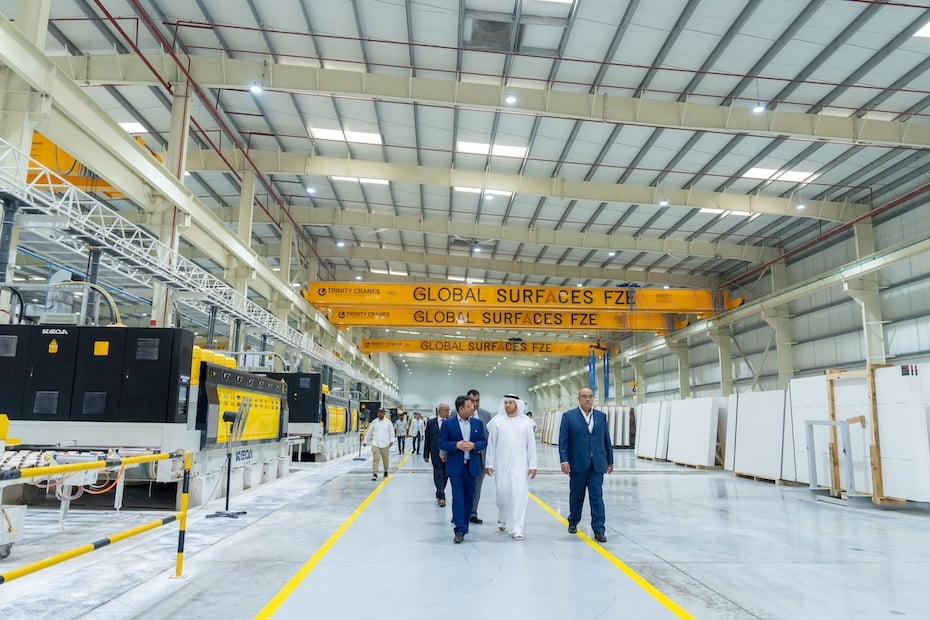
Global Surfaces, a key player in the artificial quartz market, has inaugurated a manufacturing facility in the Jebel Ali Free Zone (Jafza), marking a significant step in the region’s industrial expansion. The state-of-the-art facility, with a price tag of Dhs100 million, is poised to become the largest of its kind in the Middle East, focusing on advanced production processes to meet the surging demand for engineered quartz across the Gulf region and beyond.

The new facility is expected to drastically enhance the company’s production capacity and solidify its market leadership in the region. The plant has been equipped with the latest technology to manufacture artificial quartz and other surface materials, positioning Global Surfaces to capitalize on the growing trend of sustainable and resilient building materials in real estate and construction projects.

Global Surfaces’ decision to base its manufacturing hub in Jafza aligns with Dubai’s strategy to position itself as a global manufacturing and logistics center. This strategic location will allow the company to serve both regional and international markets with greater efficiency. Dubai’s well-established infrastructure, combined with its connectivity through Jafza and proximity to the Jebel Ali Port, was a critical factor in Global Surfaces’ choice of location. The facility will not only boost the company’s operational capabilities but will also create new employment opportunities, contributing to the local economy.

Jafza, part of DP World’s expansive logistics network, is home to over 7,500 businesses from around 135 countries. It has long been a magnet for global manufacturing and trading enterprises due to its integrated infrastructure and streamlined processes for global trade. The free zone’s strategic location offers easy access to key markets across the Middle East, Asia, and Europe, making it an ideal base for companies like Global Surfaces, which aims to scale its production and distribution networks across multiple continents.

Artificial quartz, a popular alternative to natural stone, is increasingly in demand for both commercial and residential projects due to its durability, low maintenance, and eco-friendly properties. The market for quartz surfaces has seen steady growth as developers and architects prefer engineered materials for high-traffic areas such as kitchens and bathrooms. Additionally, advancements in manufacturing technologies have made artificial quartz more customizable, offering a wider range of aesthetic options compared to traditional materials like marble or granite.

The global market for artificial quartz is projected to grow significantly in the coming years, with demand fueled by a resurgence in construction activity, urbanization trends, and the shift towards sustainable building materials. The Middle East, particularly the UAE, has been at the forefront of adopting these innovations, driven by ambitious infrastructure and real estate projects. Global Surfaces’ new facility in Jafza is positioned to tap into this rising demand, enabling faster production cycles and reduced lead times for clients.

While artificial quartz is a key focus of the new plant, the facility will also produce a variety of surface materials to cater to diverse industry needs. With the advanced capabilities of this plant, Global Surfaces will be able to cater to custom specifications, offering clients a broad spectrum of colors, textures, and finishes.

As Global Surfaces scales its production output, the company is expected to strengthen its ties with key developers and contractors in the region. By ensuring a steady supply of high-quality artificial quartz surfaces, the firm is likely to play a vital role in some of the region’s most prestigious construction projects, particularly in the UAE and Saudi Arabia, where demand for cutting-edge building materials remains robust.

The company’s commitment to sustainability is another significant aspect of this expansion. The new facility in Jafza is designed to minimize environmental impact through energy-efficient processes and the use of sustainable raw materials. Global Surfaces has pledged to reduce its carbon footprint by incorporating green technologies into its production line, aligning with the broader industry shift towards environmentally responsible manufacturing practices.

Global Surfaces has also hinted at potential future expansions, both in terms of product offerings and geographical reach. The Jafza facility is seen as a cornerstone of the company’s long-term growth strategy, enabling it to serve not only the Middle East but also other global markets, including Europe and North America.

This latest development from Global Surfaces highlights the company’s ambition to become a leading name in the global artificial quartz industry. The Jafza facility, with its advanced technological capabilities and strategic location, will be instrumental in achieving this goal. The company’s leadership expressed optimism about the future, emphasizing that the new plant would enable them to better meet the needs of their clients while supporting the UAE’s industrial and economic growth.

KUALA LUMPUR, MALAYSIA – Media OutReach Newswire – 30 September 2024 – The market has reacted live as Vice-President Kamala Harris and former President Donald Trump clashed in their first—and possibly last—debate before the November election. With financial markets already reacting to the debate’s fallout, the candidates’ performance and policies could reshape trading strategies. Below is an outline of what it means for traders’ long-term investment portfolios […]

By Rabindra Nath Sinha KOLKATA: Tripura’s most prominent TIPRA Motha leader Pradyot Kishore Manikya Debbarman (ex-royal scion) and Chakma student outfits are in limelight following their successful protests to highlight atrocities against minorities and indigenous people in Chittagong Hill Tracts (CHT) in Bangladesh. The interesting part is that Debbarman himself leads from the front but […]
World-class expertise and engineering combine to deliver next-generation servers ready to empower high-performance computing, peak performance and maximum utilization SINGAPORE – Media OutReach Newswire – 26 September 2024 – ASUS today announced its all-new line-up of Intel® Xeon® 6 processor-powered servers, ready to satisfy the escalating demand for high-performance computing (HPC) solutions. The new servers include the multi-node ASUS RS920Q-E12, which supports Intel Xeon 6900 series processors […]

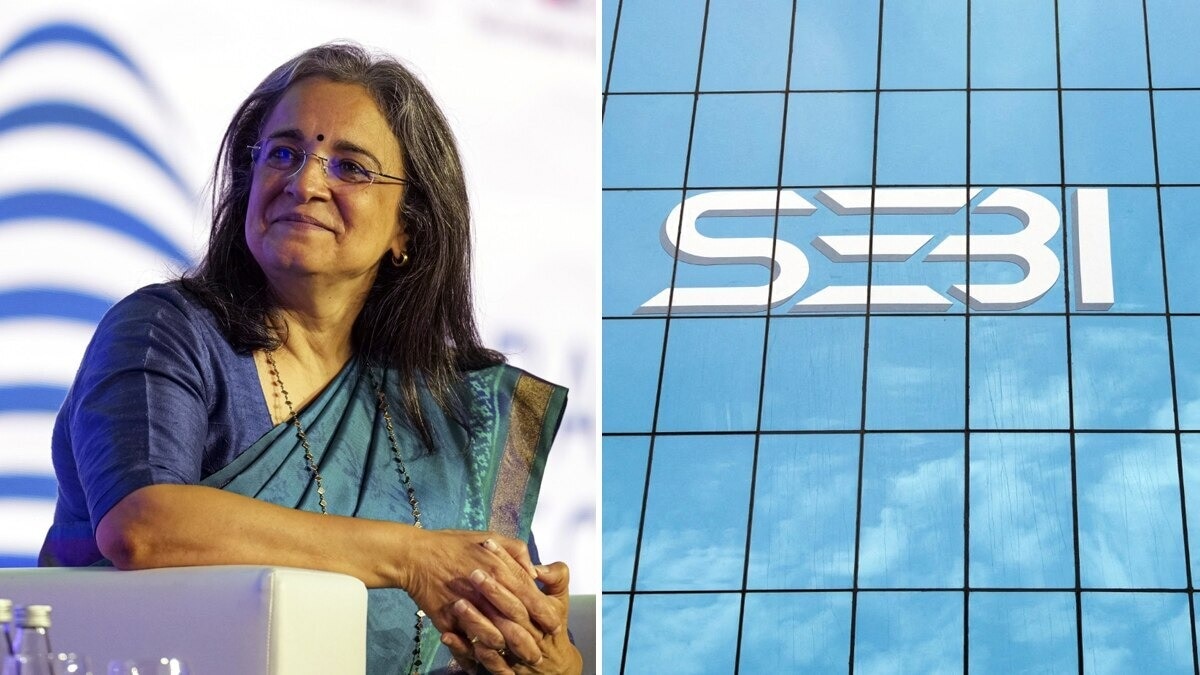
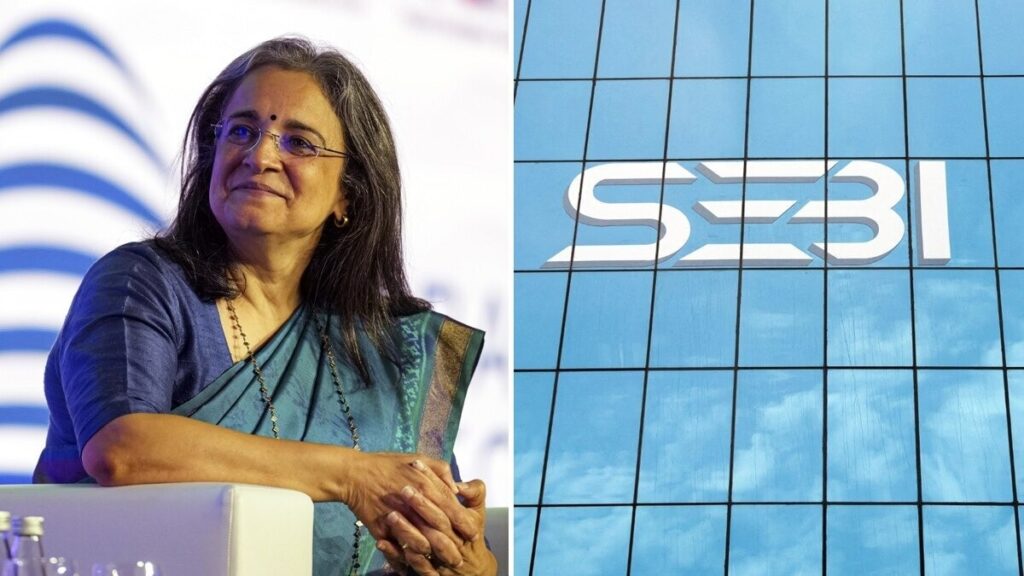
By K Raveendran SEBI chairperson Madhabi Puri Buch has revealed her mantra: regulatory humility. “Markets today are so complex; any arrogant regulator is doomed to fail,” she said addressing an event in Mumbai, held by the Association of Mutual Funds of India this week. Obviously, she has seen how a ‘friendly neighbourhood regulator’ is the […]

Gautam Adani’s plans to manage Kenya’s largest airport have led to growing unrest, triggering protests, legal challenges, and scrutiny in the nation’s Senate. The Indian billionaire, known for his sprawling business empire, has found his latest venture in Africa facing significant opposition, as concerns mount over the transparency of the agreement and its potential implications for Kenya’s economy.

The controversy centers on Adani Group’s proposal to take over the operations of Jomo Kenyatta International Airport (JKIA), a crucial hub in East Africa. This proposed deal, part of the company’s larger strategy to expand its airport management portfolio globally, has ignited widespread opposition in Kenya. Many argue that handing over control of such a critical national asset to a foreign entity could undermine local interests and jeopardize the country’s sovereignty.

Protests against the deal have intensified, with demonstrators calling for the government to halt the negotiations and protect national assets from foreign dominance. While the Adani Group has stated that the deal would modernize JKIA’s infrastructure and increase its capacity, critics have questioned the lack of transparency in the process and fear that the airport’s control may shift into the hands of private foreign investors without due oversight.

The public unrest surrounding the airport deal has led Kenya’s Senate to hold hearings, seeking clarity on the details of the agreement and its potential economic consequences. Senators have raised concerns about the legality of the proposed transaction, demanding to know how the deal would impact Kenya’s financial commitments and employment opportunities for locals. They argue that while foreign investment is crucial for development, deals involving key national infrastructure should be handled with utmost caution to ensure that the country does not become overly reliant on external entities.

Lawsuits have also been filed against the Adani Group and government agencies involved in the negotiations. The legal challenges cite violations of Kenyan law, particularly in relation to public procurement processes. Lawyers representing the plaintiffs claim that the government did not follow proper procedures, raising questions about the legality of the deal and its long-term impact on the country’s aviation sector.

Despite the growing opposition, the Adani Group has remained confident about the project’s potential to benefit Kenya. The company has expressed its commitment to making significant investments in upgrading JKIA’s facilities, enhancing passenger services, and turning the airport into a regional aviation hub. The group has also stressed that the partnership would create jobs for Kenyans and stimulate economic growth.

However, critics argue that the deal could lead to higher costs for travelers and airlines, as well as a reduction in local control over the airport’s operations. There are concerns that foreign investors, driven primarily by profit, might prioritize financial returns over public interest, potentially increasing tariffs and reducing the quality of service.

Adani Group’s entry into the Kenyan aviation sector is part of a broader trend of Indian conglomerates expanding their presence in Africa. With investments in multiple sectors, including infrastructure, mining, and telecommunications, Indian companies have been deepening their ties with African nations. However, these partnerships have not been without challenges, with critics warning of the risks of foreign dependency and the potential for economic imbalances.

The Kenyan government, while acknowledging the concerns raised by the public and lawmakers, has maintained that the deal with the Adani Group is still under review. Officials have emphasized the importance of foreign investment in driving development and improving infrastructure, but they also assure that the final decision will be made with Kenya’s best interests at heart.

This situation has become a significant test of Kenya’s commitment to balancing foreign investment with the protection of national assets. While the government seeks to attract international investors to fund critical projects, it must also navigate the political and legal complexities that arise from deals involving strategic national resources.

Observers have noted that the outcome of the JKIA controversy could set a precedent for how Kenya handles future agreements with foreign companies, particularly in sectors vital to the country’s development. As the Adani Group’s bid faces mounting resistance, the debate over the control of public infrastructure by foreign entities is likely to intensify, with implications not only for Kenya but for other African nations grappling with similar challenges.

For Adani, whose business empire spans across multiple industries including ports, energy, and infrastructure, the Kenyan airport deal is seen as a key part of his strategy to expand the group’s global footprint. However, the legal and political hurdles that have emerged in Kenya could pose significant obstacles to the company’s ambitions in Africa.

Supported by the Fédération de la Haute Couture et de la Mode (FHCM) again and premiering the enhanced AR try-on kiosk 2.0.1 Collaborating with cross-disciplinary tech trailblazers, Avery Dennison, Genesis-One and ZERO10, to unleash the synergy of digital fashion Featuring digital fashion creations from all together 6, Hong Kong and international designers from 25 Sep to 1 Oct HONG KONG SAR – Media OutReach Newswire – 27 […]

Abu Dhabi-based clean energy giant Masdar is expanding its footprint in the renewable energy sector with a major acquisition in the Iberian Peninsula. The company announced a $1.4 billion deal to acquire Saeta Yield, a renewables firm with significant wind and solar energy assets in Spain and Portugal. This strategic move is part of Masdar’s ambitious goal of reaching 100 GW of renewable energy capacity by 2030, […]

Saudi Arabia has commenced significant steps toward the development of renewable energy projects totaling 4,500 megawatts (MW) as part of its broader vision to diversify its energy resources and reduce its dependence on fossil fuels. This move aligns with the Kingdom’s ambitions under the Saudi Vision 2030 framework, which aims to enhance the sustainability of its energy sector while fostering economic growth and environmental responsibility. The Saudi […]

India’s capital markets have positioned themselves at the forefront of global initial public offerings (IPOs), achieving a remarkable total of over $12 billion in IPOs this year. This significant uptick not only showcases the country’s economic resilience but also reflects a growing confidence among investors and companies in India’s potential for growth. In the first half of the year, India eclipsed major markets like the United States […]

A significant investment has been made by Saudi Aramco Ventures in the off-gas technology firm Utility Global, marking a critical step in advancing innovative solutions in the energy sector. This funding round, totaling $53 million, aims to enhance the development of technologies designed to convert natural gas and other off-gases into cleaner, more sustainable energy sources.

Utility Global, founded in 2021, has been at the forefront of creating integrated systems that enable the efficient conversion of waste gas into valuable energy products. The company’s innovative approach focuses on utilizing carbon capture and utilization technology, which aligns well with global efforts to reduce greenhouse gas emissions. By capturing carbon dioxide emissions and converting them into useful products, Utility Global addresses both energy efficiency and environmental sustainability.

The investment by Saudi Aramco Ventures, the venture capital arm of Saudi Aramco, underscores the growing interest among major oil and gas companies in diversifying their portfolios to include more sustainable technologies. Saudi Aramco, recognized as one of the world’s largest producers of oil and gas, has been making strides towards reducing its carbon footprint while simultaneously enhancing its market competitiveness. This partnership is seen as a strategic move to integrate innovative energy solutions into Saudi Aramco’s broader business model.

Utility Global plans to use the funding to scale its operations and accelerate the commercialization of its technologies. The company’s proprietary processes promise to unlock significant efficiencies in energy production while minimizing environmental impact. This investment positions Utility Global not only as a key player in the clean energy transition but also as a potential leader in the emerging market for off-gas technologies.

The global energy landscape is rapidly evolving, driven by the pressing need to address climate change and the push for cleaner energy alternatives. As governments and businesses worldwide commit to reducing carbon emissions, the demand for innovative technologies capable of transforming waste into energy is expected to grow substantially. This trend is reflected in the increasing number of investments directed toward companies that specialize in sustainable energy solutions.

The financial backing from Saudi Aramco Ventures also highlights the importance of collaboration between traditional energy giants and innovative startups. By investing in Utility Global, Saudi Aramco is not only securing access to cutting-edge technology but also fostering an ecosystem that encourages the development of sustainable practices within the energy sector. This partnership exemplifies the potential for synergy between established industry players and emerging tech firms focused on sustainability.

Industry analysts view this investment as a positive signal for the future of off-gas conversion technologies. With the potential to reduce reliance on fossil fuels and lower overall emissions, Utility Global’s innovations could play a pivotal role in the global transition towards cleaner energy sources. The company’s approach to leveraging off-gases offers a pathway for industries seeking to enhance their sustainability profiles while maintaining operational efficiency.

Utility Global’s growth trajectory is supported by a team of experts in engineering, environmental science, and business strategy, ensuring that the company is well-equipped to navigate the complexities of the energy market. The leadership’s commitment to innovation and sustainability aligns with the increasing pressure on industries to adopt cleaner practices. This shared vision between Utility Global and Saudi Aramco Ventures positions them as critical players in shaping the future of energy.

In the broader context of energy transition, investments like those from Saudi Aramco Ventures are crucial in facilitating the shift from traditional fossil fuels to more sustainable energy solutions. The momentum generated by this funding round may catalyze further investments in similar technologies, fostering a competitive landscape that prioritizes sustainability. As more companies recognize the value of integrating clean technology into their business models, the industry can expect to see a proliferation of innovative solutions that address both energy needs and environmental concerns.

Foreign direct investment (FDI) into artificial intelligence is seeing significant growth, with Dubai and the broader AI sector playing pivotal roles in shaping the landscape. FDI into AI-related projects surged by 44% in 2022, a reflection of the global push towards technological advancements. Notably, Dubai has emerged as a major global destination for FDI in AI, bolstered by several high-profile investments in technology infrastructure and research and development facilities.

Dubai’s prominence as a global AI hub can be traced to its forward-thinking governance and strategic location. Over the past year, the city has attracted a wide array of AI-related projects. Among these were significant initiatives from multinational firms such as Intel and Bert Labs, which established research hubs and regional offices. The strategic positioning of Dubai, combined with its investment-friendly policies and cutting-edge infrastructure, has made it a magnet for AI innovations, surpassing many traditional FDI centers in the process. This rise has placed Dubai among the top cities leading the world in cross-sectoral AI investments.

However, Dubai is not the sole recipient of AI-related FDI. India and Singapore, for instance, are key players in the AI ecosystem, benefiting from large FDI inflows. In 2022, India led with 122 AI-related projects, supported by substantial investments from major corporations such as Microsoft and Accenture. These investments primarily focused on data centers and advanced technology centers, especially in regions like Hyderabad and Tamil Nadu. This inflow of capital into India is driven by a combination of cost advantages, talent availability, and a growing demand for advanced AI-driven solutions.

The global surge in AI-related investments is not limited to emerging markets. The United States, traditionally a leader in greenfield investments, remains a key source of cross-border FDI in AI. In 2022 alone, the U.S. backed 285 AI-related projects globally. These projects range from the construction of chip production factories in Europe to the opening of new AI offices in cities like Berlin and London. The American dominance in AI investment is buoyed by its leading tech giants and the government’s strategic push to maintain an edge in the global AI race.

The implications of these trends are profound. As AI becomes increasingly central to various industries—from healthcare and finance to automotive and telecommunications—the geographical distribution of AI-related investments will shape the future of the global economy. Countries and cities that succeed in positioning themselves as AI leaders stand to reap significant economic benefits, attracting not only capital but also the high-skill jobs associated with AI and machine learning.

VISHNU RAJA
RYO YAMADA
HITORI GOTOH
IKUYO KITA