News related to
demand

Sectigo, a global leader in digital certificates and Certificate Lifecycle Management (CLM), has officially opened its new office in Chennai, aiming to enhance its customer service delivery across the region. This strategic move not only strengthens Sectigo’s foothold in the rapidly growing technology sector in Chennai but also positions the company to better serve its increasing clientele in India and beyond.

The Chennai office will serve as a critical hub for Sectigo, enabling the company to offer improved technical support, sales, and customer service to its extensive portfolio of clients, which includes businesses of all sizes across various industries. The city is recognized for its robust tech ecosystem, featuring numerous IT parks and a skilled workforce, making it an ideal location for Sectigo’s expansion.

Chennai is among India’s most important technology centers, with a vibrant landscape of IT services and software development firms. The establishment of the new office aligns with the growing demand for digital security solutions as businesses increasingly rely on online transactions and digital platforms. With cyber threats becoming more sophisticated, organizations are prioritizing security measures, thereby driving the need for reliable certificate management.

In a statement during the opening ceremony, Sectigo’s executives emphasized the importance of this expansion in addressing the rising concerns over cybersecurity in the digital age. The Chennai office is expected to facilitate quicker response times and personalized service to clients, ultimately enhancing customer satisfaction.

The Indian market has become a focal point for many global tech companies, and Sectigo’s investment in Chennai signifies its commitment to harnessing the region’s potential. The decision to establish a local presence is driven by the growing adoption of cloud technologies and the shift towards digital-first strategies by businesses. As more companies migrate to cloud-based solutions, the need for secure digital identities becomes paramount, positioning Sectigo as a vital player in this landscape.

Sectigo’s expansion comes at a time when the demand for digital certificates is surging, fueled by the increasing reliance on secure online communications. The company’s comprehensive portfolio includes SSL/TLS certificates, code signing certificates, and IoT device certificates, all of which are critical in establishing trust and securing digital transactions.

The Chennai office is part of Sectigo’s broader strategy to expand its global reach while ensuring localized service. The establishment of regional offices allows Sectigo to better understand and cater to the specific needs of local markets. By leveraging Chennai’s skilled workforce, the company aims to enhance its operational efficiency and technical expertise.

Industry analysts note that the competitive landscape for digital security solutions is evolving rapidly. With the rise of cyber threats, organizations are seeking more robust and scalable solutions. Sectigo’s proactive approach to expanding its operations in key markets like India reflects an understanding of the regional dynamics and the growing demand for advanced security measures.

The Chennai office is expected to play a pivotal role in driving innovation within Sectigo, enabling the company to develop and deploy new security solutions tailored to local market needs. By collaborating with local technology firms and startups, Sectigo aims to foster a culture of innovation and leverage emerging technologies to enhance its service offerings.

This expansion not only supports Sectigo’s growth objectives but also contributes to the local economy by creating job opportunities and fostering talent development. The company plans to recruit skilled professionals from various disciplines, including cybersecurity, technical support, and sales, further bolstering Chennai’s reputation as a technology hub.

As organizations navigate the complexities of digital transformation, the demand for expert guidance in implementing effective security strategies is more critical than ever. Sectigo’s presence in Chennai positions it as a key partner for businesses looking to enhance their cybersecurity posture and protect their digital assets.

The establishment of the Chennai office is also a testament to Sectigo’s long-term vision for growth in the Asia-Pacific region. By investing in local infrastructure and resources, the company aims to create a sustainable model that not only addresses immediate customer needs but also anticipates future trends in the digital security landscape.

Intel has unveiled its latest offerings, the Xeon 6 processors featuring Performance-cores (P-cores) and the Gaudi 3 AI accelerators, marking a significant step forward in its pursuit of leadership in the artificial intelligence and data center sectors. The new hardware promises to deliver enhanced performance and efficiency, positioning Intel favorably in an increasingly competitive landscape dominated by Nvidia and other emerging players.

The Xeon 6 series aims to meet the escalating demand for processing power driven by AI applications. These processors utilize an architecture designed to optimize performance for various workloads, including cloud computing, edge processing, and high-performance computing (HPC). By integrating P-cores, which focus on maximizing performance for demanding tasks, Intel intends to address the needs of data centers seeking to balance workloads effectively while minimizing energy consumption.

One of the key features of the Xeon 6 processors is their support for advanced AI frameworks, enabling developers to build and deploy AI models more efficiently. Intel emphasizes that these processors are not only faster but also smarter, incorporating enhanced machine learning capabilities that streamline operations in data-intensive environments. This is particularly relevant as businesses increasingly leverage AI for analytics, automation, and improved decision-making processes.

The Gaudi 3 AI accelerators complement the Xeon 6 lineup by providing specialized processing power tailored specifically for deep learning workloads. Built on a unique architecture, Gaudi 3 accelerators promise to offer substantial improvements in both performance and scalability compared to their predecessors. Intel’s focus on AI-specific tasks reflects a broader industry trend where companies are prioritizing hardware that can efficiently handle the complexities of AI computations.

The introduction of the Gaudi 3 also highlights Intel’s commitment to enhancing the performance-per-watt ratio, a critical consideration as enterprises seek to optimize energy consumption in their data centers. By improving the energy efficiency of AI workloads, Intel aims to address one of the most pressing challenges in the industry: the rising costs and environmental impact associated with high-power computing.

In addition to the technical advancements, Intel’s launch includes new software tools and frameworks that will assist developers in maximizing the potential of the Xeon 6 and Gaudi 3 products. These tools are designed to simplify the process of integrating AI capabilities into existing infrastructures, thereby accelerating the adoption of AI technologies across various sectors.

Intel’s strategic positioning with these products also involves partnerships with leading cloud service providers and technology companies. By collaborating with entities such as Microsoft and Google, Intel seeks to ensure that its new hardware is optimized for widespread use in cloud-based AI applications. This collaboration is seen as essential in an environment where cloud adoption is accelerating, and organizations are increasingly migrating to cloud solutions for their computing needs.

The launch aligns with Intel’s broader strategy of revitalizing its product offerings in response to competitive pressures from firms like AMD and Nvidia, which have made significant inroads in the AI and data center markets. The tech giant’s commitment to innovation is underscored by its substantial investments in research and development, aimed at enhancing its competitive edge through cutting-edge technology.

As businesses worldwide embrace digital transformation, the demand for robust AI solutions continues to rise. Organizations are looking for hardware that can provide not only higher performance but also flexibility and scalability to adapt to evolving needs. Intel’s Xeon 6 and Gaudi 3 accelerators are positioned to meet these expectations, providing solutions for enterprises aiming to harness the full potential of AI.

Analysts suggest that Intel’s latest offerings could reshape the landscape of AI and data center performance. By integrating advanced processing capabilities with energy efficiency, Intel is poised to play a pivotal role in the ongoing evolution of AI technologies. The focus on enhancing the developer experience with new tools further strengthens its appeal to enterprises seeking to innovate and integrate AI into their operations.

Scala Data Centers, a leading hyperscale data center platform in Latin America, has obtained $500 million in structured financing aimed at enhancing its regional presence and meeting the surging demand for cloud services and artificial intelligence (AI). This significant capital influx is set to accelerate the company’s growth trajectory as it responds to the escalating requirements from enterprises leveraging digital technologies. The financing round comes at a […]

Global data infrastructure leader NetApp has launched its latest all-flash NetApp ASA A-Series storage systems, strategically aimed at transforming block storage solutions for enterprises. This introduction is part of the company’s initiative to enhance storage modernization, addressing the evolving needs of businesses seeking agility, efficiency, and robust performance. The ASA A-Series builds upon the legacy of the NetApp ASA product line, incorporating advancements in flash technology to […]

The UAE is pushing forward its ambitious agenda to transform its infrastructure and lead in climate action, leveraging public-private partnerships and significant capital mobilization efforts. The country’s leadership has emphasized that mobilizing private capital for green infrastructure projects is essential for advancing sustainable development, particularly as global climate challenges intensify. As part of its commitment to address climate change, the UAE, in collaboration with the Asian Infrastructure […]

Meta has confirmed the launch date for its latest virtual reality headset, the Meta Quest 3S, scheduled to hit the market on October 15. This new model promises an enhanced immersive experience, combining advanced technology with user-friendly features aimed at both gaming enthusiasts and professionals seeking a versatile VR solution. As the VR market continues to evolve, the Meta Quest 3S stands poised to capture significant consumer […]

Brave Software has made a significant leap by integrating local artificial intelligence into its browser, a development aimed at enhancing user privacy while improving online browsing experiences. This move positions Brave at the forefront of a growing trend that prioritizes user data protection amidst escalating privacy concerns in the digital landscape. The incorporation of local AI means that users can enjoy personalized web experiences without the need […]

Advertisements

Generative AI has exhibited substantial capabilities in outperforming human decision-makers in corporate strategy, particularly in data-driven tasks. These developments stem from advancements in machine learning and AI’s prowess in handling large-scale datasets, optimizing processes such as product design, market analysis, and profitability forecasting. Despite AI’s superior ability to adapt and iterate based on real-time data, its potential limitations in strategic leadership are becoming increasingly apparent when facing […]

Evidencing Leadership in Sustainability in Textile Industry HONG KONG SAR – Media OutReach Newswire – 27 September 2024 – Texhong International Group Limited (“Texhong International” or the “Group“; HKEX stock code: 2678), one of the world’s largest suppliers of cotton yarns, was a speaker at the COTTON USATM Sustainability Seminar organised by the Cotton Council International (“CCI”), which was attended by more than 150 guests representing international […]

Calls for a three-day strike in October have emerged from Ubisoft’s France-based workers, who are rallying against the company’s mandate for employees to return to the office. This strike reflects broader concerns within the gaming industry regarding workplace policies that some employees perceive as counterproductive to work-life balance and productivity. The controversy surrounding Ubisoft’s return to the office policy has intensified since the company’s announcement requiring employees […]

Whispers about Nvidia’s next-generation graphics card, the RTX 5090, are igniting excitement among gamers and tech enthusiasts alike. Speculation surrounding the RTX 5090’s specifications suggests a significant leap over its predecessor, the RTX 4090, especially regarding processing power and efficiency. The graphics card is expected to debut with a staggering 21,000 CUDA cores, pushing performance boundaries far beyond the 16,384 cores found in the RTX 4090. The […]

Raxio Group has inaugurated its latest colocation data center, Raxio Côte d’Ivoire (CIV1), in Abidjan, Ivory Coast, furthering its commitment to expanding digital infrastructure across Africa. This facility represents a critical step in Raxio’s strategy to enhance connectivity and support the region’s growing demand for reliable data management services. The CIV1 data center is Raxio’s fifth facility in Africa, demonstrating the company’s robust growth trajectory and dedication […]

Huawei’s unveiling of the Xinghe Intelligent Autonomous Driving Network Solution marks a significant milestone in the realm of autonomous driving technology. This groundbreaking solution was introduced at HUAWEI CONNECT 2024, an event that gathered over 100 representatives from various enterprises, industry experts, and partners. With this announcement, Huawei aims to lead the charge in the digital and intelligent transformations that are reshaping numerous industries.

The Xinghe Intelligent Autonomous Driving Network Solution is touted as the industry’s first Level 4 (L4) autonomous driving network solution. This advancement is designed to facilitate a new paradigm in autonomous driving by enhancing the efficiency and reliability of self-driving vehicles. As global markets continue to demand smarter and more sustainable transport solutions, the launch of the Xinghe network addresses these challenges head-on, promising to enable fully autonomous operations in complex environments.

During the session, Huawei’s executives highlighted the potential of the Xinghe solution to significantly impact industries such as logistics, transportation, and urban mobility. By integrating advanced AI capabilities and robust connectivity, this network solution aims to improve operational efficiency and safety. It enables vehicles to operate without human intervention in predefined conditions, which is particularly beneficial in logistics and public transport systems where operational cost savings and enhanced safety measures are paramount.

Huawei’s initiative is also part of a broader trend within the technology sector, where companies are increasingly focusing on developing autonomous solutions that not only improve operational capabilities but also adhere to stringent safety standards. The shift towards autonomous driving technology is not just about innovation; it is also about responding to regulatory requirements and consumer demand for safer, more reliable transport options.

The introduction of the Xinghe Intelligent Autonomous Driving Network Solution follows Huawei’s commitment to investing heavily in research and development within the autonomous vehicle space. The company has been collaborating with various industry partners to establish a cohesive ecosystem that supports the widespread adoption of autonomous driving technologies. This collaborative approach aims to create a seamless integration of hardware, software, and networking technologies that is essential for the functionality of autonomous vehicles.

In addition to addressing operational needs, the Xinghe solution is expected to enhance the user experience for passengers. With advanced features such as real-time navigation, enhanced communication capabilities, and intelligent route optimization, passengers will benefit from a smoother and more efficient travel experience. This focus on the passenger experience aligns with the industry’s broader goal of creating a more integrated and user-friendly autonomous transport system.

Huawei’s initiative also resonates with the increasing emphasis on sustainability within the automotive industry. As governments around the world push for greener transportation solutions to combat climate change, autonomous vehicles are seen as a viable solution that can reduce emissions and optimize fuel consumption. The Xinghe Intelligent Autonomous Driving Network Solution could play a critical role in enabling electric and hybrid vehicles to operate more efficiently, thus supporting global sustainability initiatives.

The company’s approach to data security and privacy is another crucial aspect of the Xinghe solution. With autonomous vehicles relying heavily on data collection and analysis for navigation and operation, ensuring the integrity and confidentiality of this data is paramount. Huawei is addressing these concerns by implementing robust security measures and compliance protocols to protect user information and maintain public trust.

As the autonomous vehicle market continues to grow, key players are ramping up their efforts to establish a competitive edge. The introduction of Huawei’s Xinghe network is a strategic move that places the company at the forefront of the industry, poised to influence the future trajectory of autonomous driving technology. With established partnerships and a focus on innovation, Huawei is set to become a pivotal player in the evolving landscape of smart transportation.

Industry experts anticipate that Huawei’s launch will stimulate further advancements in autonomous driving networks, encouraging competitors to accelerate their own research and development efforts. The ripple effect of this innovation could lead to enhanced collaboration among technology firms, automotive manufacturers, and regulatory bodies, fostering an environment conducive to the growth of autonomous vehicle solutions.

Navigating the complexities of artificial intelligence (AI) adoption requires a distinctive skill set, especially for those in leadership roles such as the Chief AI Officer (CAIO). As organizations increasingly recognize the transformative potential of AI, the demand for skilled professionals who can guide their integration and implementation becomes paramount. This role entails much more than overseeing technological innovations; it involves steering strategic initiatives that align with organizational goals, ensuring ethical considerations, and fostering a culture of continuous learning and adaptation. To thrive in this dynamic landscape, a CAIO must possess several essential skills.

First and foremost, a profound understanding of AI technologies is critical. This includes not only a grasp of machine learning, natural language processing, and data analytics but also an appreciation of how these technologies can be effectively deployed within various business contexts. A CAIO should not only be technically proficient but also capable of translating complex AI concepts into understandable terms for stakeholders at all levels. This skill ensures that everyone, from board members to frontline employees, can appreciate the potential and limitations of AI initiatives, fostering a shared vision for the organization’s AI strategy.

Strategic vision is another key competency for a CAIO. The ability to anticipate future trends in AI and recognize opportunities for innovation is essential for any leader in this space. This involves not only staying abreast of technological advancements but also understanding how these advancements can drive business objectives. A successful CAIO must be able to align AI initiatives with the broader strategic goals of the organization, ensuring that investments in AI deliver tangible benefits. This requires a proactive approach to identifying areas where AI can create efficiencies, enhance customer experiences, and ultimately contribute to revenue growth.

A CAIO must exhibit exceptional leadership and communication skills. Leading AI initiatives often involves cross-functional collaboration, requiring the CAIO to work closely with various departments, including IT, marketing, operations, and human resources. The ability to communicate the vision and potential impact of AI projects across diverse teams is essential for gaining buy-in and fostering a collaborative environment. A successful CAIO will also inspire and motivate teams to embrace AI technologies, cultivating a culture that encourages experimentation and learning from failure.

Ethical considerations surrounding AI adoption are increasingly important in today’s business environment. A CAIO should be well-versed in the ethical implications of AI technologies, including issues related to data privacy, algorithmic bias, and transparency. This knowledge enables the CAIO to develop policies and frameworks that prioritize ethical AI usage while ensuring compliance with relevant regulations. By fostering an ethical approach to AI, the CAIO can build trust with stakeholders, including customers and employees, which is vital for the long-term success of AI initiatives.

Adaptability is another crucial skill for a CAIO. The landscape of AI is rapidly evolving, with new technologies and methodologies emerging at a breakneck pace. To remain competitive, a CAIO must be willing to adapt strategies and approaches as needed, demonstrating flexibility in the face of change. This might involve revisiting AI roadmaps, adjusting priorities based on emerging trends, or even pivoting to new technologies that offer superior capabilities. An adaptable CAIO will not only help their organization stay ahead of the curve but also foster a culture that embraces change and innovation.

In addition to technical and strategic skills, a successful CAIO should possess a strong business acumen. Understanding the organization’s financial health, market position, and competitive landscape is essential for making informed decisions about AI investments. A CAIO with strong business acumen can effectively communicate the value proposition of AI initiatives to stakeholders, ensuring that resources are allocated effectively and that projects are prioritized based on their potential return on investment. This financial literacy is particularly important when justifying AI expenditures and demonstrating their impact on the bottom line.

Collaboration is a cornerstone of successful AI implementation. A CAIO should be adept at fostering partnerships both within and outside the organization. Internally, collaboration with data scientists, engineers, and other technical teams is essential for ensuring that AI solutions are developed and deployed effectively. Externally, a CAIO may need to engage with technology vendors, academic institutions, and industry consortia to leverage external expertise and resources. This collaborative mindset not only enhances the organization’s capabilities but also enables the CAIO to stay informed about industry best practices and emerging trends.

To navigate the complexities of AI adoption, a CAIO should also prioritize continuous learning and professional development. The AI landscape is characterized by rapid advancements, and staying informed about the latest research, technologies, and methodologies is vital for success. Engaging in ongoing education, attending industry conferences, and participating in professional networks can provide valuable insights and connections that enhance a CAIO’s effectiveness. By fostering a culture of continuous learning within the organization, a CAIO can ensure that teams are equipped with the knowledge and skills necessary to harness AI’s full potential.

Another important aspect of the CAIO role involves change management. Implementing AI technologies often necessitates significant organizational changes, including shifts in processes, workflows, and even corporate culture. A CAIO should be skilled in change management principles to guide the organization through these transitions smoothly. This includes effectively communicating the reasons for change, addressing employee concerns, and providing support throughout the implementation process. By successfully managing change, a CAIO can help mitigate resistance and ensure that AI initiatives are embraced rather than resisted.

A CAIO must be adept at risk management. AI projects inherently involve uncertainties and risks, including technical challenges, data quality issues, and potential impacts on workforce dynamics. A successful CAIO will be able to identify, assess, and mitigate these risks proactively. This includes implementing robust governance frameworks that ensure AI initiatives are monitored and evaluated effectively. By prioritizing risk management, a CAIO can build resilience within the organization and position it for long-term success in an AI-driven landscape.

BANGKOK, THAILAND – Media OutReach Newswire – 27 September 2024 – The Ministry of Higher Education, Science, Research, and Innovation (MHESI), through the National Innovation Agency (NIA), along with five partners from both the public and private sectors: Program Management Unit for Competitiveness (PMUC), the Royal Thai Embassy Stockholm, Techsauce, and the Thai Startup Association (TSA), co-hosted the launch of the “The Scaleup Impact! Thailand – Sweden […]

Dar Global, the luxury property developer listed on the London Stock Exchange (LSE), has reported a net loss for the first half of 2024. The company, which specializes in high-end residential projects across key markets, highlighted market shifts and fluctuating costs as key factors contributing to the loss. Dar Global, a spinoff from Dubai-based Dar Al Arkan, had made waves in the real estate sector, aiming to […]

Abu Dhabi Developmental Holding Company (ADQ) successfully completed its second bond issuance of 2024, raising a significant $2 billion. This strategic financial move aims to bolster its investment initiatives and enhance the capital structure as it navigates diverse market conditions. The issuance comprises various tranches, reflecting ADQ’s commitment to maintaining a robust financial position while capitalizing on favorable market dynamics. ADQ, which has emerged as a pivotal […]

Malaysia’s state-owned oil and gas company, PETRONAS, has successfully entered into a new exploration agreement with the Abu Dhabi National Oil Company (ADNOC). This landmark deal marks a significant milestone for both entities as they aim to bolster their energy portfolios amid shifting global market dynamics. The agreement involves PETRONAS participating in the exploration and production of oil and gas resources in the Al Dhafra region of […]

Oil markets have experienced an unusual shift, with algorithmic trading exerting increasing influence on prices. What has been seen as a continuous slide in crude oil prices appears to be linked more to advanced trading programs than traditional market fundamentals. This shift highlights the growing dominance of algorithm-driven strategies, leaving oil increasingly vulnerable to swings driven by computer models rather than supply and demand factors alone. The […]

A strategic pivot is unfolding in Saudi Arabia’s oil policy, as the kingdom plans to move away from its unofficial target of $100 per barrel. This decision comes as the nation gears up to increase its oil production in an effort to regain market share, even if it results in lower prices for crude oil. The new approach signals a significant shift in the dynamics of the global oil market, as Saudi Arabia navigates a complex landscape influenced by geopolitical tensions and fluctuating demand.

The Organization of the Petroleum Exporting Countries (OPEC), under Saudi Arabia’s leadership, has been actively involved in adjusting oil production levels to stabilize prices. Alongside allies, including Russia, the group—collectively referred to as OPEC+—has implemented production cuts to support oil prices amid a volatile market. However, as the world economy continues to recover from the impacts of the COVID-19 pandemic, demand for oil has risen, prompting Saudi Arabia to reconsider its pricing strategy.

Market analysts suggest that Saudi Arabia’s decision to increase output could be driven by a desire to regain dominance in the oil market. The kingdom has faced stiff competition from countries like the United States, which has ramped up shale oil production in recent years. Additionally, OPEC’s recent efforts to control supply have not completely offset the impacts of rising production elsewhere, leading to a complex interplay of market forces that has prompted Saudi leaders to reassess their tactics.

As part of this shift, Saudi Arabia may be looking to reclaim its traditional role as a price setter in the global oil market. By increasing production, the kingdom aims to attract buyers who may have turned to other suppliers during periods of elevated prices. This move could potentially drive prices lower in the short term, but analysts argue that such a strategy might be necessary to secure long-term market share.

The ramifications of this decision extend beyond Saudi Arabia, impacting global oil prices and economies that heavily rely on oil revenues. Lower oil prices could benefit consumers and industries that depend on energy, potentially spurring economic activity. However, for oil-dependent economies, particularly those within the Gulf Cooperation Council (GCC), decreased prices could pose budgetary challenges and necessitate adjustments in fiscal policies.

Experts emphasize that this approach reflects a pragmatic response to shifting market conditions. While Saudi Arabia has historically maintained a price target to ensure stable revenues, the current global landscape necessitates a more flexible strategy. The kingdom’s readiness to accept lower prices signals an acknowledgment of the realities of modern oil markets, where rapid changes in supply and demand dynamics can lead to volatility.

Saudi Arabia’s internal dynamics also play a crucial role in this strategic recalibration. The kingdom has been investing heavily in diversifying its economy away from oil dependence, as outlined in its Vision 2030 plan. This initiative seeks to develop sectors beyond hydrocarbons, such as tourism and technology, aiming to create a more resilient economy. By adjusting its oil production strategy, Saudi Arabia may be positioning itself to better support these broader economic ambitions, ensuring that its energy sector remains robust while diversifying revenue sources.

This shift in Saudi Arabia’s oil policy is likely to influence OPEC’s future meetings and decisions. The organization has historically aimed to balance production to maintain price stability, but this new direction may necessitate a reevaluation of OPEC’s collective strategy. The responses from other member countries will be closely watched, as any discord within the group could have profound implications for global oil markets.

As Saudi Arabia prepares for this transition, market observers will be keenly analyzing its impacts on both regional and global levels. The kingdom’s ability to effectively navigate this shift will be critical in determining its position in the evolving energy landscape. Furthermore, the response from major consumers, including China and the United States, will also shape the trajectory of oil prices and production levels.

Dubai-based Emirates Central Cooling Systems Corporation (Empower), a key player in the district cooling industry, is preparing to pass a board resolution that would allow the refinancing of a significant $749 million loan. The move reflects the company’s continued efforts to bolster its financial position, improve liquidity, and maintain a competitive edge in the region’s rapidly expanding energy sector. This step comes amid growing demand for sustainable energy solutions in the UAE and wider Middle East region.

Empower, known for being one of the largest district cooling providers globally, is strategically focused on enhancing its operational capacity. The proposed refinancing plan aligns with Empower’s broader objectives of reducing costs and restructuring debt to optimize its financial structure. The corporation’s board is expected to convene soon to formalize this critical financial decision. Empower’s decision follows years of steady growth, driven by increasing urbanization, coupled with the region’s heightened focus on energy efficiency and environmental sustainability.

The UAE’s district cooling sector has been growing in prominence, thanks to its energy-saving benefits and environmental sustainability. Empower, being a leading name in this industry, has been instrumental in providing large-scale cooling solutions, particularly to Dubai’s residential and commercial sectors. The upcoming refinancing is expected to streamline Empower’s financial obligations, paving the way for further expansion and operational efficiency.

District cooling systems have gained traction as an effective solution to manage the rising cooling demands in hot climates, especially in large urban centers like Dubai. Empower operates over 1.4 million Refrigeration Tons (RT) of cooling capacity, serving a diverse portfolio of clients, including commercial buildings, hotels, hospitals, and residential towers. The company’s ability to offer cooling solutions while minimizing environmental impact has made it a preferred partner for several mega-development projects in Dubai.

Empower has continuously worked towards improving its financial health, evident in its strong financial performance in recent years. The proposed refinancing of the $749 million loan is part of a broader strategy to take advantage of favorable market conditions, ensuring lower interest rates, extended repayment terms, and better liquidity management. This move is seen as an opportunity for Empower to capitalize on its existing market position while exploring potential opportunities for growth within the region.

Market experts view this refinancing deal as a testament to Empower’s sound financial strategy. By lowering its borrowing costs, the company can channel more resources toward infrastructure investments, technology upgrades, and expanding its market reach. The board resolution is expected to mark a key milestone for the company’s next phase of growth, which may include deeper involvement in public-private partnerships, regional expansion, and further investments in sustainable energy solutions.

As urbanization and infrastructure development continue to rise in the UAE, the demand for district cooling services has surged, placing companies like Empower in a prime position to expand their influence. The company’s cooling systems provide significant energy savings compared to traditional air conditioning systems, offering more efficient and sustainable solutions to cooling large urban areas. This aligns closely with the UAE’s long-term goals to achieve sustainability and reduce carbon emissions, as outlined in its national energy strategies.

Dubai’s government has been an active proponent of district cooling systems, recognizing the long-term benefits of energy efficiency and reduced electricity consumption. Empower, as a result, has secured contracts with several of the city’s most prestigious developments, including Dubai Healthcare City, Jumeirah Beach Residences, Business Bay, and the Dubai International Financial Centre. Its reputation for reliability and efficiency has earned it contracts for cooling systems in various large-scale real estate developments across Dubai.

As part of its refinancing initiative, Empower aims to secure more favorable financing terms from lenders, leveraging its strong credit rating and financial history. The deal is anticipated to extend the maturity of the existing loan and reduce its interest rate burden, allowing the company to optimize its capital allocation strategy and increase profitability. The company is also likely to use the refinanced amount to reinvest in its growing operations, including expanding its cooling infrastructure and investing in new technologies that enhance energy efficiency.

The district cooling market in the Gulf region has been expanding steadily, thanks to rising energy consumption driven by urbanization and high temperatures. Empower’s ability to meet the region’s cooling demands while maintaining operational efficiency has set it apart from competitors. As the market leader, Empower’s influence on shaping the district cooling sector in the UAE is expected to continue growing, and the refinancing deal will likely help position the company for continued success in the future.

Beyond financial restructuring, Empower has also made significant strides in promoting environmentally sustainable practices. The company has introduced several initiatives aimed at reducing its carbon footprint, optimizing water usage, and ensuring that its cooling solutions align with the UAE’s vision for a green economy. The integration of renewable energy sources into its cooling processes is among the company’s next objectives, aligning closely with Dubai’s ambitious goals under its Clean Energy Strategy 2050.

New service expands comprehensive care options, delivering personalised nursing care in the comfort of their homes HONG KONG SAR – Media OutReach Newswire – 26 September 2024 – As Hong Kong faces an ageing population, the need for accessible, in-home care has never been more urgent. In response, Quality HealthCare Medical Services Limited (QHMS), one of the private healthcare providers with over 150 years of history, is […]

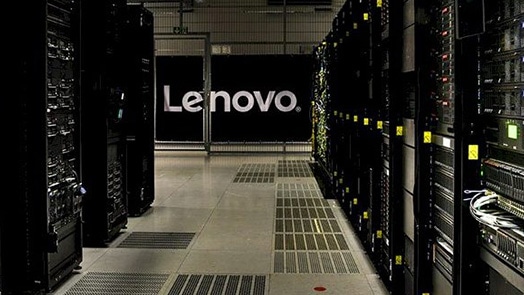
Lenovo has expanded its Neptune liquid-cooling technology to a new line of ThinkSystem V4 servers, offering enhanced efficiency for AI and high-performance computing (HPC) workloads. This new addition is designed to support businesses as they seek to consolidate IT resources, reduce power consumption, and leverage artificial intelligence (AI) for advanced analytics. With Intel® Xeon® 6 processors at its core, the ThinkSystem SC750 V4 supercomputing infrastructure combines peak performance with energy-efficient designs, making it a critical tool for enterprises handling intensive workloads.

The Neptune liquid-cooling ecosystem, which has been pivotal in Lenovo’s growth in the HPC sector, is now even more versatile. Originally focused on large-scale data centers, the technology has been optimized for smaller environments without sacrificing performance. The compact design addresses the growing demand for space-efficient systems that do not compromise on processing capabilities, making it ideal for enterprises managing large data transactions in tight spaces.

Scott Tease, Lenovo’s Vice President and General Manager of High-Performance Computing and AI, emphasized the transformative potential of the new ThinkSystem V4 solutions. He noted that the combination of advanced computing power and the space-optimized liquid-cooling system marks a significant leap forward for enterprises aiming to bring AI use cases to fruition. “Lenovo is helping enterprises of every size and across every industry bring new AI use cases to life based on improvements in real-time computing, power efficiency, and ease of deployment,” Tease said.

The expanded lineup includes solutions that are tailored for AI workloads, with a focus on maximizing real-time data processing and analytics. The use of Intel Xeon® 6 processors enables higher compute density, which is essential for tasks such as AI training, predictive analytics, and large-scale data management. These new systems allow companies to process more data in less time, giving them an edge in industries where speed and accuracy are critical.

Lenovo’s Neptune technology, which utilizes direct-to-node liquid cooling, has been a driving force behind its growth in the HPC space. Unlike traditional air-cooling systems, Neptune provides direct cooling to the most heat-intensive components, significantly reducing the energy required for cooling while maintaining optimal performance levels. The compact nature of the ThinkSystem V4 systems makes it possible for businesses to deploy liquid-cooling technology in environments where space is a constraint, without sacrificing the advantages of the Neptune ecosystem.

The integration of liquid cooling with AI-optimized hardware positions Lenovo to meet the needs of a growing number of enterprises seeking to capitalize on AI technologies. Many organizations face challenges with power consumption and cooling as they scale up their AI operations. Traditional air-cooled systems often struggle to keep up with the increased heat generated by high-performance processors, leading to higher energy costs and reduced efficiency. Neptune’s liquid cooling mitigates these issues, offering a more sustainable solution for AI-driven data centers.

Lenovo has made significant advancements in ease of deployment, allowing enterprises to integrate these high-performance systems with minimal downtime. The SC750 V4 servers are designed for rapid installation, which can help businesses reduce operational disruptions and quickly harness the power of AI for mission-critical applications. This is particularly important for industries such as finance, healthcare, and scientific research, where AI-driven insights can lead to breakthroughs in decision-making and innovation.

The scalability of the Neptune-cooled systems is another highlight of the new ThinkSystem V4 lineup. Enterprises can easily expand their AI and HPC capabilities by adding more nodes to their existing infrastructure without overhauling their cooling systems. This modularity offers businesses the flexibility to scale according to their needs, whether they are running simulations, deep learning models, or real-time analytics.

In terms of power efficiency, the new ThinkSystem V4 solutions deliver a marked improvement over previous iterations. The use of Neptune’s liquid-cooling technology has led to reductions in energy consumption, which translates into lower operational costs for businesses. The efficiency gains are particularly significant for companies managing large data centers, where cooling can account for a substantial portion of energy expenditures.

As AI continues to drive innovation across various sectors, the demand for systems that can handle complex, data-intensive workloads is growing. Lenovo’s ThinkSystem V4 portfolio aims to meet this demand by providing enterprises with the tools they need to scale their AI capabilities efficiently. The combination of Neptune liquid cooling and Intel-powered processing units positions Lenovo as a key player in the evolving AI and HPC landscapes.

The evolution of large language models (LLMs) has introduced a new frontier in artificial intelligence, with advancements in retrieval mechanisms becoming a critical factor in optimizing performance. As the AI landscape shifts, Retrieval-Augmented Generation (RAG) is increasingly giving way to a more sophisticated framework: Retrieval-Integrated Generation (RIG). While both systems enhance LLMs by incorporating external data into responses, RIG presents a more refined approach, revolutionizing how machines […]

VISHNU RAJA
RYO YAMADA
HITORI GOTOH
IKUYO KITA