News related to
demand

Japanese car manufacturers are facing a challenging market in China, with a substantial decline in sales during the first half of 2024. Once leaders in the world’s largest automotive market, brands like Toyota, Honda, and Nissan are now grappling with a rapidly changing landscape driven by the surge in electric vehicle (EV) adoption. The combined sales of the three major Japanese automakers fell by 12.9% in China […]

EasyJet, along with several global airlines, has paused its flights to Israel due to the ongoing conflict in Gaza, marking a significant disruption to travel in the region. As tensions escalated in October 2023, multiple carriers, including Ryanair and Wizz Air, suspended their routes to Israel as a safety measure for both passengers and crew. The impact of this geopolitical unrest has been keenly felt across the aviation industry, particularly in the form of financial losses and operational setbacks.

The budget airline reported a £40 million financial hit in the wake of these cancellations. This loss stems from both halted flights to Tel Aviv and a broader decline in bookings across the Middle East. EasyJet, which has a notable presence in Europe, faces the dual challenge of navigating the safety concerns in the region and managing the economic fallout of reduced demand for travel to Israel and nearby countries.

Although EasyJet has taken a cautious stance in response to the conflict, the airline is monitoring the situation closely. According to Johan Lundgren, CEO of EasyJet, the airline is not yet ready to resume flights to Israel until there is greater stability in the region. The company’s decision aligns with the broader industry sentiment that safety concerns must be prioritized, and that travel demand cannot be reliably gauged while the geopolitical landscape remains volatile.

The ongoing conflict has also prompted worries about potential spillover effects on neighboring countries. While Egypt has seen a slight recovery in tourism since the initial wave of violence, other nations in the region remain on high alert. The ripple effects of such instability have caused a notable drop in overall travel demand, as travelers remain wary of destinations with heightened security risks. As a result, airlines like EasyJet have faced difficult decisions regarding route management, with several considering further suspensions if the conflict escalates.

For EasyJet, the suspension of flights to Israel adds to broader concerns about fuel price volatility. The conflict in Gaza has led to rising tensions in oil markets, which could further drive up jet fuel prices. EasyJet has hedged its fuel costs for the near term, but any sustained increase in global oil prices could have significant financial implications for the airline’s profitability in 2024.

EasyJet’s performance, despite these setbacks, reflects resilience in other areas of its business. The airline has reported strong booking trends for the upcoming summer season, with demand for European routes, such as Spain, Portugal, and Greece, continuing to rise. However, the situation in the Middle East has left airlines with no immediate roadmap for recovery, with industry analysts indicating that the full extent of the losses from suspended routes will only become clear in the coming months.

Industry experts suggest that while EasyJet’s caution regarding the resumption of flights to Israel is prudent, it also highlights the vulnerability of airlines to geopolitical risks. Sophie Lund-Yates, a senior analyst at Hargreaves Lansdown, noted that geopolitical instability can undermine investor confidence and disrupt long-term strategic planning for airlines. For now, EasyJet’s focus remains on managing its existing routes and ensuring that travel to more stable destinations can continue to meet demand.

In the broader context of the aviation sector, airlines are grappling with the unpredictable nature of geopolitical conflicts, which can shift overnight from localized tensions to full-scale disruptions. EasyJet, along with its competitors, will likely face further financial strain in the short term, but its ability to bounce back from crises will depend heavily on the resolution of the ongoing conflict in the Middle East.

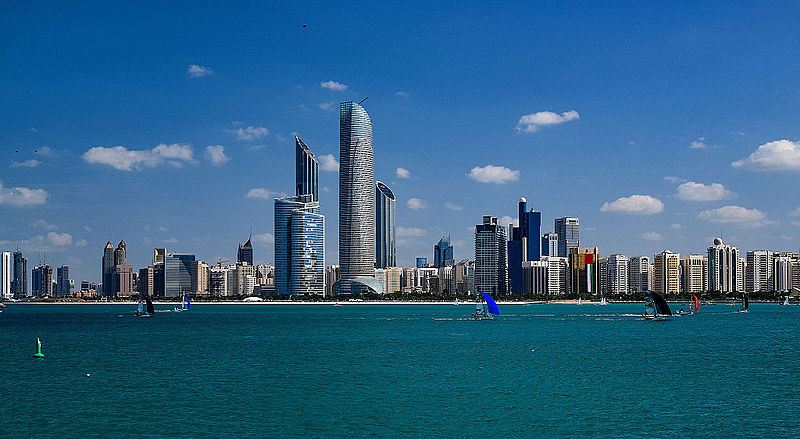
Abu Dhabi is hosting an event that has gathered leading experts, researchers, and companies to focus on the future of open-source AI technologies. The Open-Source AI Summit, organized by the Technology Innovation Institute (TII), is bringing together prominent voices from academia and the tech industry to discuss the most pressing issues facing artificial intelligence today. The event highlights the crucial role of open-source development in shaping the trajectory of AI across sectors, including healthcare, data infrastructure, and generative models.

The summit is set to provide a platform for exploring new algorithms, ethical frameworks, and cutting-edge technologies aimed at improving AI systems’ transparency and usability. The discussions will address the challenges and potential benefits of open-source contributions to the rapidly growing field of AI. A major theme of the event is how open-source AI could democratize access to powerful technologies, fostering a more inclusive approach to innovation.

Experts at the summit, including Michal Valko, Principal Llama Engineer at Meta Paris, are pushing forward the theoretical foundations of machine learning. Valko’s focus on reinforcement learning from human feedback (RLHF) is among the key topics, as it offers insights into aligning AI behaviors with human values. This approach, which combines human preference models with reinforcement learning, has gained significant traction for refining AI models like large language models (LLMs).

In parallel, Dr. June Paik, Founder and CEO of FuriosaAI, is presenting her company’s work on AI chips designed to improve energy efficiency and performance, particularly in data centers managing the growing demand for deep learning inference. The shift towards hardware specifically built for AI is another cornerstone of the discussions, addressing the challenges posed by energy consumption and scalability in AI applications.

The event is also delving into the role of AI in conversational technologies. Dr. Neil Zeghidour, co-founder of Kyutai, is showcasing their advancements in creating Moshi, the world’s first full-duplex speech-to-speech system that allows AI to engage in natural, real-time conversations with human-like emotions. This breakthrough represents a significant leap forward in human-AI interaction, promising enhanced experiences in customer service, healthcare, and education.

The diverse perspectives presented at the summit underline the importance of collaboration between open-source communities, corporations, and government institutions. Many of the featured technologies, from generative AI to AI-powered hardware, are set to play an integral role in shaping industries over the next decade. Open-source AI, with its focus on collaboration and accessibility, is positioned as a transformative force, promising to create more robust and adaptable systems.

The summit also emphasizes the role of regulatory frameworks in the future of open-source AI. With the rapid rise of generative models like ChatGPT, discussions have intensified about the need for effective governance to ensure these technologies are developed responsibly and ethically. As some experts argue for tighter regulations to manage the risks associated with AI, others emphasize the need to keep open-source AI development flexible and adaptable to meet emerging challenges.

Emirates is signaling significant fleet expansion as the airline considers increasing its order of Airbus A350 aircraft beyond the current commitment of 65 jets. President Tim Clark, speaking at an aviation industry event, highlighted this potential move as part of Emirates’ strategy to accommodate growing passenger demand and sustain its competitive edge in the evolving global aviation market. The A350, known for its fuel efficiency and advanced […]

OPEC and its allies, collectively known as OPEC+, are grappling with crucial decisions as global oil markets display signs of instability. The organization’s latest measures include a mix of sustained and extended production cuts aimed at maintaining price stability amid growing economic uncertainty and competitive pressures from non-OPEC producers.

The alliance announced that several member nations will extend voluntary production cuts totaling 2.2 million barrels per day into the second quarter of 2024. This follows previous reductions implemented in early 2023, which have been critical to offsetting weakening demand and bolstering market sentiment. Key contributors to this strategy include Saudi Arabia, Iraq, and the United Arab Emirates, with Saudi Arabia leading the initiative by reducing output by one million barrels per day. These moves align with OPEC’s goal of stabilizing prices while ensuring market balance. The Russian Federation has also committed to reducing its oil output by nearly 500,000 barrels per day as part of these measures.

The production cuts underscore a broader dilemma for OPEC: balancing the immediate need for revenue stability with long-term market influence. Despite holding significant sway, accounting for 50% of global crude production and over 70% of proven reserves, the organization faces headwinds from the surge in U.S. shale production and slowing economic growth in major oil-consuming regions. As OPEC seeks to prop up prices, it inadvertently creates incentives for competitors to fill the supply gap, a dynamic that has undermined the cartel’s pricing power over the past decade.

Market reactions to OPEC’s strategies have been mixed. While production cuts have supported prices temporarily, a lack of sustained demand growth has limited their impact. Benchmark crude prices have struggled to gain significant traction, reflecting broader concerns about the global economy, including high inflation, interest rate hikes, and geopolitical tensions. Analysts have noted that further cuts could push prices higher but risk alienating key consumers and spurring alternative energy investments.

Beyond economic implications, OPEC’s decisions carry political weight. Production adjustments are often seen as a tool for asserting geopolitical influence, particularly as the energy landscape shifts. The current strategy signals an intent to reinforce cohesion within OPEC+ despite differing national interests among members. By coordinating voluntary cuts, the group aims to maintain credibility and ensure compliance, which has been a historical challenge for the alliance.

OPEC’s focus on supply-side management is not without risks. Extended cuts may lead to tighter global inventories, potentially straining relationships with consumer nations reliant on affordable energy. Moreover, prolonged curbs could dampen economic recovery efforts in oil-importing countries, particularly in Asia and Europe. The organization must also navigate internal pressures, as member states with smaller economies express concerns over lost revenue opportunities.

Trezor, a leading hardware wallet provider, has reported an unprecedented 600% increase in weekly wallet sales, underscoring the escalating demand for self-custody solutions among cryptocurrency investors. This surge coincides with Bitcoin’s remarkable rally, approaching its record high of $99,600, driven by significant market developments and shifting investor behavior.

The cryptocurrency market has seen heightened activity as Bitcoin prepares for its fourth halving event, anticipated in April 2024. This event, which reduces the block reward miners receive, historically triggers supply shocks that contribute to price surges. Alongside this technical catalyst, enhanced regulatory clarity in the United States has bolstered confidence among institutional and retail investors. The recent approval of spot Bitcoin exchange-traded funds (ETFs) by regulatory authorities has further legitimized Bitcoin as an asset class.

Market trends indicate a substantial withdrawal of Bitcoin from centralized exchanges, with approximately 427,000 BTC removed in 2024 alone. This trend reflects a growing preference for self-custody amid concerns over the security of funds held on exchanges. The collapse of prominent cryptocurrency platforms in prior years has heightened awareness of the risks associated with centralized custodians, driving investors toward more secure storage options such as hardware wallets.

Trezor’s sales figures highlight the growing emphasis on decentralized ownership and asset security. The company’s wallets offer offline storage, safeguarding assets from hacking attempts and cyber threats. This surge in demand aligns with the broader industry shift toward empowering users to take control of their financial assets.

Bitcoin’s rally has also been fueled by its role as a hedge against inflation and economic uncertainty. As traditional financial systems face challenges, Bitcoin’s fixed supply and decentralized nature have attracted investors seeking alternative stores of value. This sentiment is echoed by major institutional players, including MicroStrategy, which continues to accumulate Bitcoin as a strategic reserve asset. MicroStrategy’s holdings, currently exceeding 150,000 BTC, signify the growing institutional adoption of cryptocurrency.

The geopolitical landscape has further underscored Bitcoin’s appeal. In regions experiencing economic instability or strict capital controls, Bitcoin has emerged as a viable tool for financial inclusion and wealth preservation. Countries such as El Salvador have embraced Bitcoin as legal tender, setting a precedent for its potential integration into national economies.

Bitwise Asset Management has renamed its European exchange-traded product to “Bitwise Physical XRP ETP” (Ticker: GXRP) in a move underscoring Ripple’s growing investment in XRP’s evolving ecosystem. This strategic rebranding aligns with Ripple’s focus on expanding the utility of XRP across diverse financial sectors, responding to rising demand from institutional players and cross-border payment markets.

The product, initially launched to provide streamlined exposure to XRP for European investors, has seen significant growth in traction. Bitwise aims to strengthen its foothold by aligning more closely with Ripple’s broader strategic initiatives. Ripple has confirmed its intention to channel investments into the product, emphasizing its confidence in the token’s versatility in decentralized finance and its increasing adoption in global remittance networks.

Market analysts point to Ripple’s ongoing efforts to cement XRP as a pivotal tool for institutional DeFi applications, with tokenization becoming a major driver. XRP’s utility in facilitating cost-effective and fast international money transfers remains a core pillar, but its applications are expanding into emerging sectors. Ripple has actively pursued partnerships and technological advancements to bolster XRP’s presence in these innovative spaces.

The rebranding comes at a critical time for Bitwise and Ripple as they navigate the rapidly evolving regulatory landscape surrounding digital assets. Ripple’s landmark partial court victory earlier this year marked a turning point for XRP’s classification, with the ruling differentiating between institutional and retail sales. This decision provided much-needed clarity for XRP’s future within the financial ecosystem, encouraging institutional confidence in Ripple’s offerings.

Bitwise Physical XRP ETP targets sophisticated European investors, offering a secure and regulated avenue for exposure to XRP. The renamed product reflects a commitment to transparency and adaptability amid growing scrutiny of the cryptocurrency industry. With regulatory agencies in Europe tightening oversight, such measures are essential for maintaining investor trust.

Ripple’s Chief Executive Officer, Brad Garlinghouse, has been vocal about the company’s ambition to lead innovation in digital finance. The investment into GXRP underscores Ripple’s strategy to promote the adoption of XRP as a foundational technology for financial institutions. The token’s role in facilitating liquidity and improving the efficiency of financial systems remains a focal point for the company.

The global push for tokenization, where real-world assets like real estate or art are represented on the blockchain, is another area where Ripple sees significant potential. By leveraging XRP as a medium for these digital representations, Ripple aims to tap into an emerging multi-trillion-dollar market. The company has outlined plans to integrate XRP into tokenization platforms, fostering interoperability and efficiency in asset transfers.

XRP’s appeal to financial institutions also lies in its scalability and environmental sustainability. Unlike Bitcoin, which relies on energy-intensive mining, XRP operates on a consensus ledger mechanism, ensuring lower energy consumption and faster transaction speeds. This makes it particularly attractive for institutions aligning their operations with global sustainability goals.

Bitwise’s decision to rebrand the product also reflects growing interest in Europe, where cryptocurrency adoption is gaining momentum. European regulatory frameworks, particularly the Markets in Crypto-Assets (MiCA) regulation, have provided clearer guidelines for the operation of digital assets, enabling innovative products like GXRP to flourish.

Ripple has been proactive in building partnerships within the European Union, with initiatives aimed at enhancing financial inclusion and enabling seamless money transfers across borders. These efforts have positioned XRP as a leading contender in the global payments sector, rivaling traditional systems like SWIFT.

The decentralized finance ecosystem, another area of Ripple’s interest, continues to attract institutional attention. XRP’s integration into DeFi platforms aims to provide institutions with reliable tools for liquidity provisioning, yield generation, and risk management. Ripple’s investments in research and development are geared towards optimizing these functionalities.

While the broader cryptocurrency market has faced headwinds, XRP has demonstrated resilience. Market data indicates a steady uptick in transaction volumes and liquidity metrics, highlighting confidence among users and institutions. Analysts suggest that Ripple’s strategic investments, such as those in GXRP, are likely to sustain this momentum.

Advertisements

SINGAPORE – Media OutReach Newswire – 26 November 2024 – On October 4, 2024, Airple, a leader in air conditioning installation, repair, and aircon servicing, launched its innovative new website and mobile app, marking a significant milestone in the digitisation of aircon maintenance in Singapore. With its advanced real-time tracking and predictive maintenance capabilities, Airple aims to redefine the standard for convenience and efficiency in aircon care. […]

Nissan Motor Co. is scaling back production operations in the United States amidst declining sales and intensifying financial challenges. This decision coincides with mounting pressure from tariff threats that could impact the automaker’s cross-border supply chain, particularly between Mexico, Canada, and the United States. The automaker’s production adjustments come as part of broader restructuring efforts aimed at countering its continued struggle to recover market share and stabilize […]

Evision, a subsidiary of e&, has introduced the All Women’s Sports Network (AWSN), a dedicated platform to amplify the achievements and visibility of female athletes and leagues across various disciplines. This initiative aims to bridge the coverage gap in sports broadcasting, traditionally dominated by male-focused events, and features live telecasts of major competitions such as UEFA Women’s Soccer, FIBA Women’s Basketball, the Women’s Football Alliance, and the Women’s National Basketball League.

The venture is poised to redefine sports broadcasting by ensuring a spotlight on women’s sports, a domain often sidelined despite its growing popularity and influence. AWSN will not only provide a stage for high-profile events but also explore grassroots sports, creating a comprehensive ecosystem that celebrates female athletes globally. The platform reflects the increasing demand for diverse sports content and the changing perception of women’s sports as a critical cultural and commercial segment.

Dubai’s Emirates Airline has officially added the Airbus A350-900 to its fleet, marking a pivotal moment in its operations. The delivery is part of a significant investment in 50 of these advanced aircraft, with plans to deploy them for medium to long-haul routes, aligning with the airline’s strategic growth and sustainability goals.

The new addition is set to enhance Emirates’ operational efficiency and passenger experience. Known for its fuel efficiency and extended range, the A350-900 is powered by Rolls-Royce Trent XWB engines, which are among the most efficient large aero-engines in production. This aircraft offers a maximum range of approximately 8,200 nautical miles, providing Emirates with the flexibility to explore new destinations and optimize its network.

The interior configuration of the A350-900 reflects Emirates’ premium offerings. While retaining its signature focus on passenger comfort, the aircraft is equipped with state-of-the-art inflight entertainment systems by Thales and boasts a modernized cabin layout. Unlike the airline’s A380s, this model does not include a first-class cabin, focusing instead on business and economy seating designed to cater to medium-haul markets where premium demand is limited.

The airline’s introduction of the A350-900 comes as part of a broader fleet modernization effort. With its reduced carbon emissions and advanced aerodynamics, the aircraft is expected to play a key role in helping Emirates meet its sustainability objectives. Emirates President Tim Clark has highlighted the importance of these aircraft in diversifying the airline’s fleet while maintaining its commitment to luxury and operational excellence.

Initially, the A350-900 will operate on regional routes, allowing Emirates to conduct comprehensive crew familiarization. Full-scale operations on long-haul routes are anticipated to commence in 2025. This strategic rollout aligns with the airline’s approach to gradually integrating new models, ensuring seamless service and operational reliability.

The introduction of the A350-900 also represents a shift in Emirates’ approach to fleet composition. Historically reliant on Boeing aircraft, particularly the 777 and the iconic A380, the airline’s acquisition of the A350 reflects its increasing engagement with Airbus. This collaboration underscores a renewed focus on diversifying its operational capabilities.

Dubai International Financial Centre (DIFC) has unveiled an exciting collaboration with the Skywards Everyday app, aiming to elevate the shopping, dining, and entertainment experience at the renowned Gate Avenue. The partnership marks a significant step in enhancing customer engagement and offering additional benefits to both new and existing users of the Skywards loyalty program.

Gate Avenue, located in the heart of Dubai’s financial district, is known for its vibrant atmosphere and extensive range of luxury retail outlets, dining options, and entertainment experiences. This new partnership with Skywards Everyday, part of Emirates’ frequent flyer program, offers customers the opportunity to earn and redeem Skywards Miles for purchases at participating outlets within the DIFC precinct.

The collaboration will allow users to earn Skywards Miles for everyday spending, with exclusive offers and promotions available across various restaurants, cafes, and retail outlets in Gate Avenue. Shoppers can now seamlessly integrate their Skywards account with the Skywards Everyday app, benefiting from personalized rewards and exclusive deals. This move is aimed at enhancing the customer experience by merging Dubai’s retail and hospitality sectors with the convenience of a loyalty program, creating a more dynamic, rewarding environment for both local residents and international visitors.

The Dubai International Financial Centre has long been a hub for business, finance, and lifestyle, attracting both global corporations and high-net-worth individuals. By teaming up with the Skywards Everyday app, DIFC aims to tap into the growing demand for integrated digital solutions that provide seamless experiences for consumers. This partnership reflects the evolving nature of consumer expectations, with an increasing desire for convenience, personalized rewards, and a more integrated lifestyle experience.

The initiative also underscores the UAE’s broader ambition to position itself as a global leader in innovation and technology. By leveraging the power of digital applications like Skywards Everyday, the DIFC hopes to foster greater engagement within its community and enhance its status as a top destination for high-end retail and leisure activities. The partnership is expected to bring in a new wave of visitors to Gate Avenue, with Skywards Everyday’s extensive reach providing DIFC with access to a diverse and affluent customer base.

Skywards Everyday, which launched in 2020, has rapidly grown in popularity, providing users with the ability to earn miles on everyday purchases. The app has been designed to work with a wide range of retailers, enabling users to earn Skywards Miles at thousands of locations across the UAE. With this expansion into Gate Avenue at DIFC, users will be able to collect miles for purchases at some of Dubai’s most exclusive shopping and dining spots.

For Emirates, the expansion of the Skywards Everyday app to high-profile locations such as DIFC is part of its ongoing efforts to strengthen the Emirates Skywards program and its loyalty offerings. As the aviation and travel industries continue to recover from the pandemic, loyalty programs have become an increasingly important tool in driving customer retention and engagement. By providing additional ways for Skywards members to earn miles and rewards, Emirates is enhancing the value of its frequent flyer program, which has long been a key differentiator in a competitive industry.

This collaboration also highlights a broader trend in Dubai’s retail and hospitality landscape, where the fusion of technology and customer service is reshaping how businesses interact with consumers. In a city known for its luxury experiences and cutting-edge innovations, partnerships like this are becoming essential in attracting and retaining customers in an increasingly competitive market.

Gate Avenue at DIFC has long been one of Dubai’s prime destinations for luxury shopping and fine dining. The precinct has hosted numerous global brands and offers a wide range of services that cater to the tastes and preferences of the UAE’s affluent residents and international visitors. With the new partnership, DIFC is positioning itself as a leading player in the city’s retail and leisure scene, bridging the gap between traditional shopping experiences and modern digital solutions.

Dubai is a global icon of rapid urban transformation, evolving from a quiet desert town into a bustling international metropolis in just a few decades. Behind this remarkable growth lies a network of services enabling the city’s expansion and mobility. Among these, moving companies in Dubai are key players, ensuring seamless transitions for residents, businesses, and global professionals. The Unprecedented Growth of Dubai Population Growth and Urban […]

Emirates will introduce its first-ever Airbus A350 service to Edinburgh starting January 3, marking a new chapter in its global expansion. The new route will provide enhanced connectivity between the Scottish capital and Dubai, reflecting the airline’s strategy to further increase its presence in the UK market.

The Airbus A350, which Emirates debuted into its fleet in 2022, offers a blend of advanced technology and passenger comfort. It will replace the Boeing 777 on the Edinburgh route, further elevating the travel experience for passengers. The decision to operate the A350 on this route is part of the airline’s broader initiative to modernize its fleet and reduce its carbon footprint, while offering travelers the latest in aircraft design and amenities.

The introduction of the A350 on the Edinburgh route will provide passengers with a state-of-the-art flying experience. The aircraft features the latest cabin innovations, including fully private suites in first class, lie-flat seats in business class, and spacious economy class seating. Additionally, the A350 is equipped with advanced fuel-efficient engines, making it a key player in Emirates’ commitment to reducing emissions. The airline has emphasized that the aircraft is one of the most environmentally friendly options available in the market today, contributing to the airline’s sustainability goals.

The Edinburgh route is expected to be a significant boost to the city’s tourism and business travel sectors. As a popular destination for both leisure and corporate travelers, Edinburgh is anticipated to benefit from the increased air traffic and the arrival of Emirates’ premium services. The new service will provide more than just a direct link to Dubai; it will also connect Scottish passengers to Emirates’ extensive network in the Middle East, Asia, and beyond, including key destinations like India, Australia, and Africa.

The route launch has been met with optimism from local authorities and business leaders. Edinburgh Airport’s CEO, Gordon Dewar, expressed excitement over the introduction of the A350 service. He noted that Emirates’ decision to operate the A350 reflects the growing importance of Edinburgh in international aviation, reinforcing the city’s position as a major hub for global connectivity. The new service is expected to strengthen Edinburgh’s attractiveness as a destination for both business and leisure travelers.

For Emirates, this launch signals its continued commitment to expanding its UK network. The airline already operates a busy schedule from London Heathrow, Manchester, Birmingham, and Glasgow. Edinburgh’s inclusion in this network is seen as a strategic move to cater to the rising demand for flights to and from Scotland, particularly with the growing number of business ventures and investments being made in the region.

The A350’s launch into Edinburgh is not only significant for Emirates but also for the airline industry as a whole. With the aviation sector still recovering from the impacts of the global pandemic, carriers are increasingly looking to optimize their fleets for efficiency, sustainability, and customer experience. Emirates’ decision to operate the A350 on this route underscores the airline’s focus on staying ahead of industry trends and embracing technological advancements in aviation.

As the aviation industry continues to evolve, Emirates is positioning itself at the forefront of these changes. The airline has been upgrading its fleet to include more eco-efficient aircraft, with the A350 being a central part of this strategy. The move to phase out older, less efficient aircraft in favor of modern, environmentally friendly options is a key part of Emirates’ broader commitment to sustainability.

The new service is expected to operate daily, offering travelers flexible options for both outbound and return flights. The introduction of the A350 will be welcomed by many passengers who have long sought a more comfortable and sustainable travel experience on the Edinburgh-Dubai route.

Arabian Post Staff -Dubai Iraqi Prime Minister Mohammed Shia al-Sudani met with Saudi Arabian Energy Minister Prince Abdulaziz bin Salman and Russian Deputy Prime Minister Alexander Novak in Baghdad to address pressing concerns in global energy markets. The discussions, held on Tuesday, centered on ensuring stability in oil markets, balancing production, and meeting international demand.The high-level talks come at a pivotal moment as fluctuating oil prices and […]

By Dr. Gyan Pathak Despite leading Mahayuti in Maharashtra to an impressive comeback to power, the BJP and its leadership had to undergo a difficult test of coalition morality within NDA to such an extent that it could not name its chief minister before the term of the Vidhan Sabha expired on November 26. Shiv […]

Video-sharing platform Rumble has announced its intent to diversify its financial strategy by allocating up to $20 million of its excess cash reserves into Bitcoin. The move underscores the company’s commitment to adopting innovative measures while showcasing confidence in the potential of cryptocurrency as a store of value.

The decision reflects an emerging trend among technology firms leveraging digital currencies to hedge against inflation and enhance liquidity options. Rumble’s leadership emphasized that this strategic pivot aligns with its broader goals of decentralization and financial autonomy, mirroring the platform’s ethos of providing an independent content space.

Rumble, headquartered in Longboat Key, Florida, has seen significant growth in its user base, fueled by increasing demand for platforms that prioritize free expression. The company’s trajectory, bolstered by its public listing in September 2022, has positioned it as a formidable competitor to mainstream platforms. Its diversification into Bitcoin suggests a dual focus on strengthening its financial health while aligning with digital innovation trends that resonate with its user demographic.

This move follows a pattern of corporations exploring Bitcoin as a treasury asset. Notable companies such as MicroStrategy and Tesla have similarly invested significant portions of their reserves into the cryptocurrency, citing its scarcity and long-term value prospects. MicroStrategy, a pioneer in this domain, holds the largest corporate Bitcoin reserve, totaling over 150,000 BTC. Rumble’s initiative, while smaller in scale, signals its belief in Bitcoin’s stability despite the volatile nature of the crypto market.

Cryptocurrency markets have seen heightened activity over the past year, with Bitcoin experiencing a resurgence following regulatory clarity and institutional interest. Rumble’s planned acquisition comes at a time when the digital currency hovers near its highest price levels for the year, fueled by speculation surrounding Bitcoin exchange-traded funds (ETFs) and increased blockchain adoption. The timing of the investment could enable Rumble to capitalize on potential upward trends, although it also entails risks inherent to market fluctuations.

Analysts have noted that this decision aligns with Rumble’s brand identity as a disruptor in the digital media space. By embracing Bitcoin, the company reaffirms its stance against conventional norms, appealing to its core audience that values independence and alternative approaches. Some market observers believe this move could further attract creators and viewers who support decentralized solutions across various domains, including finance.

Despite the optimism surrounding cryptocurrency investments, critics caution against potential challenges, particularly given Bitcoin’s history of price volatility. Skeptics argue that while Bitcoin has demonstrated resilience, its correlation with broader market dynamics and regulatory pressures could pose risks to companies holding it as a financial asset. Rumble’s decision to allocate a portion of its reserves rather than a full-scale commitment appears to reflect a balanced approach, mitigating exposure while allowing for potential gains.

The announcement also reflects broader conversations about the role of digital assets in corporate finance. As businesses explore innovative strategies to manage reserves, Bitcoin’s prominence as a viable alternative asset class continues to gain traction. Advocates of Bitcoin argue that its deflationary design and finite supply make it an ideal hedge against economic uncertainties, a sentiment echoed by Rumble’s leadership.

WisdomTree, a leading asset manager overseeing $113 billion in investments, has filed to establish a Delaware-based trust for a proposed XRP exchange-traded fund (ETF). The move is considered a pivotal step toward offering investment products centered on XRP, one of the largest cryptocurrencies by market capitalization.

The trust filing, listed with the Delaware Division of Corporations, lays the groundwork for a full application to the U.S. Securities and Exchange Commission (SEC). The initiative follows heightened interest among asset managers to diversify crypto-related ETFs beyond Bitcoin and Ethereum. WisdomTree’s proposed ETF aims to track XRP’s market performance, further integrating cryptocurrency into mainstream investment portfolios.

This filing aligns with broader industry trends as firms such as Bitwise and Canary Capital have initiated similar proposals for XRP ETFs. Bitwise’s recent registration for a Solana ETF signals increasing diversification across the crypto ETF landscape, reflecting growing investor demand for altcoin-linked financial products.

The legal and regulatory environment surrounding XRP remains a critical factor. Ripple Labs, the creator of XRP, concluded a prolonged legal dispute with the SEC earlier this year, with a U.S. judge determining that XRP was not inherently a security. However, SEC leadership changes, particularly the anticipated resignation of Chair Gary Gensler, could reshape regulatory perspectives on crypto assets. Analysts speculate that this evolving environment may enhance the approval prospects for XRP ETFs under a potentially more crypto-friendly SEC administration.

As XRP solidifies its standing as the sixth-largest cryptocurrency by market value, WisdomTree’s move could catalyze further institutional adoption. The firm has yet to disclose details about the fund’s exchange listing or ticker symbol, leaving investors to anticipate further developments. This initiative underscores a strategic shift among asset managers seeking to capitalize on emerging trends in the digital asset space, expanding beyond traditional cryptocurrency giants.

Brace yourselves—Donald Trump is back on the scene, and the markets are bracing for impact. If history is any guide, a second Trump presidency could ignite a perfect storm for bonds. Inflationary policies, debt-fuelled spending sprees, and geopolitical curveballs are all in the cards. If you’re clinging to a “safe” bond portfolio, it’s time to wake up and smell the burning yields. Trump doesn’t do things by […]

A leading Thai official has underscored the inadequacy of current measures to combat the rising global temperature, emphasizing the need for urgent action at the ongoing UN climate change conference in Baku. Chalermchai Sri-on, Thailand’s Minister of Natural Resources and the Environment, voiced strong concerns about the global response to climate change at COP29, calling on world leaders to prioritize climate financing and effective solutions for the […]

A prominent shopping center in Bahrain has joined forces with Yellow Door Energy to launch a 4.7 MWp solar power plant, marking a significant step in the kingdom’s efforts to achieve net-zero carbon emissions by 2060. The new solar plant, which will supply clean energy to the mall, highlights Bahrain’s growing commitment to sustainable energy practices and its pursuit of a greener future. This collaboration is part […]

Delta Dunia Group, via its indirect subsidiary BUMA International [1], will expand its presence in the Bowen Basin in Queensland, through a US$455 [2] million proposed acquisition of a 51% interest in the Dawson Complex, one of Australia’s largest metallurgical coal mines. The proposed acquisition further delivers on the Group’s multi-year strategic plan to diversify into a leading coal services provider and producer, leveraging its industry-leading capabilities. […]

Binance has experienced a remarkable surge in stablecoin inflows, with a staggering $10.2 billion flowing into its platform over the past 30 days. This influx highlights the growing importance of stablecoins in cryptocurrency trading and the pivotal role Binance continues to play in this sector.

The surge is primarily driven by traders’ increasing reliance on stablecoins, particularly USDT (Tether) and USDC (USD Coin), to engage in various trading activities such as spot trading, futures, and decentralized finance (DeFi) opportunities within Binance’s extensive ecosystem. The trend signals a shift in trading behavior, with stablecoins now playing an even more prominent role in the daily operations of cryptocurrency markets.

Stablecoins are digital currencies pegged to stable assets like the US dollar, designed to reduce the volatility typically associated with cryptocurrencies like Bitcoin or Ethereum. Their use has grown significantly in recent years as traders and investors seek ways to navigate the fluctuating crypto market while maintaining liquidity and minimizing exposure to market swings. USDT, in particular, has remained the most widely used stablecoin, providing liquidity for a range of trading strategies.

The inflow of such a large volume of stablecoins into Binance further cements its status as a dominant force in the global cryptocurrency ecosystem. Binance’s platform, known for its wide range of services, including spot trading, futures contracts, and DeFi offerings, continues to attract traders looking to capitalize on the benefits of stablecoins. With a user-friendly interface and comprehensive suite of tools, Binance is able to support a variety of trading strategies, from the most basic to complex DeFi protocols.

A significant portion of the stablecoin influx is linked to the growing popularity of decentralized finance (DeFi) projects. DeFi has emerged as one of the most transformative aspects of the crypto space, offering users the ability to trade, borrow, lend, and invest in decentralized markets, often without the need for traditional financial intermediaries. Binance’s DeFi offerings, including decentralized exchanges (DEXs) and lending platforms, have attracted a significant amount of stablecoin liquidity, enabling users to leverage their holdings for greater financial returns.

The stablecoin influx has also been bolstered by Binance’s ability to cater to traders across various regions, providing a platform with global reach. Traders from regions with unstable fiat currencies have increasingly turned to stablecoins as a safe haven, further fueling the demand for USDT and USDC. This shift is reflected in the trading volumes across Binance’s multiple markets, which have seen a significant rise as stablecoins are increasingly used to hedge against currency fluctuations and store value in a more stable form.

Another factor contributing to this trend is the growing adoption of stablecoins by institutional investors. As more hedge funds, family offices, and institutional investors enter the cryptocurrency space, stablecoins have become a preferred medium for large-scale transactions. These investors are attracted to stablecoins’ ability to offer a low-risk, high-liquidity option for large transactions, and Binance is positioning itself as a key player in this market.

Binance’s ability to process such a large volume of stablecoin inflows also speaks to the efficiency of its platform. With advanced liquidity management systems and robust risk controls, Binance can handle vast amounts of capital without significant slippage or disruptions to the market. This is particularly important in the volatile world of cryptocurrency trading, where even small disruptions can have ripple effects across the entire ecosystem.

Despite the positive momentum, some concerns have emerged about the regulatory landscape surrounding stablecoins. As regulators around the world begin to pay closer attention to the growing use of stablecoins, questions about their long-term stability and regulatory treatment are gaining prominence. The U.S. Securities and Exchange Commission (SEC) and other global financial authorities have expressed interest in introducing stricter regulations for stablecoins, which could affect their use in platforms like Binance. However, for now, stablecoins continue to play a critical role in the global crypto trading ecosystem.

Binance’s dominance in the stablecoin space may not go uncontested. Other cryptocurrency exchanges, such as Coinbase, Kraken, and Gemini, are also seeing growth in stablecoin inflows, though none have matched Binance’s sheer volume. The competition among exchanges is likely to intensify as the market for stablecoins continues to expand, with firms racing to offer the best products and services to attract traders.

Binance has maintained its edge in this competitive environment through continuous innovation. Recent updates to its platform, such as the introduction of new trading pairs and features tailored to DeFi users, have enhanced its appeal. Additionally, Binance has introduced a series of initiatives aimed at increasing the accessibility of stablecoins, including support for a wider range of fiat currencies and the integration of various blockchain networks. This flexibility has allowed Binance to remain a leader in stablecoin trading, even as the landscape evolves.


ShapeHero Factory, currently in Early Access on PC, is a dynamic hybrid of tower defense and factory-building genres that emphasizes strategy, adaptability, and repetition. The game invites players to create tools of war in a factory setting, utilizing a unique blend of roguelite elements and strategic planning. As you craft units, heroes, and spells, the goal is to defend against increasingly powerful enemies and bosses in a […]

VISHNU RAJA
RYO YAMADA
HITORI GOTOH
IKUYO KITA