News related to
demand

Check Point Software Technologies has been distinguished as a leader in the GigaOm Radar report for Security Policy as Code. The company’s recognition highlights its significant advancements in automating security policy management through code, reflecting an increasing trend towards integrating security into the development lifecycle. Security Policy as Code (SPaC) has emerged as a critical component in modern cybersecurity strategies, providing organizations with a means to define, […]

JiYue, a joint venture between Baidu and Geely, is set to disrupt the electric vehicle market with the official launch of the JiYue 07 sedan. Positioned as a luxury all-electric vehicle, this AI-powered sedan will compete with global electric vehicle giants, including Tesla’s Model 3, particularly in China’s rapidly growing electric mobility space. The JiYue 07, designed to impress with advanced technology, bold design, and superior range, […]

The International Digital Energy Expo 2024, held in Shenzhen, has become a key event spotlighting cutting-edge developments in smart and digital energy solutions. Drawing participants from across the globe, the expo showcases the latest in energy technology, with a strong focus on innovation, sustainability, and integration of digital solutions in the energy sector. This year’s expo has highlighted new products, partnerships, and initiatives that aim to revolutionize energy management and delivery in a world increasingly focused on carbon reduction and efficiency.

One of the primary themes of the 2024 expo has been the role of digitalization in creating more sustainable energy systems. The event features a variety of smart energy management tools, from next-generation solar panels and wind turbines to advanced AI-driven energy distribution networks. These innovations are designed to optimize the generation, storage, and consumption of energy, reducing waste and enhancing efficiency across the board. Attendees are particularly drawn to displays on smart grids, which integrate renewable energy sources with traditional power infrastructure, offering solutions to one of the biggest challenges in modern energy systems: reliability and scalability.

Digital energy innovation also extends into residential and commercial settings, with numerous companies presenting smart home and office energy systems that allow users to monitor and control their energy use through advanced apps and platforms. Devices powered by the Internet of Things (IoT) are key features at this year’s expo, enabling users to automate energy-saving strategies such as adjusting lighting and heating systems based on real-time data. This shift towards integrating smart devices in everyday energy use is being viewed as an important step toward achieving energy sustainability on a larger scale.

Another highlight of the event is the collaboration between energy companies and tech giants, particularly in the realm of artificial intelligence (AI) and big data. AI is increasingly being used to predict energy demand, optimize resource allocation, and even anticipate system failures before they occur, providing greater resilience in power grids. Leading companies are showcasing how big data analysis can streamline energy production and distribution, allowing utilities to adjust to fluctuating demands more efficiently and reduce overall operational costs.

As part of its forward-looking agenda, the expo is also hosting discussions on the intersection of energy and transport. With electric vehicles (EVs) on the rise globally, the challenge of creating infrastructure capable of supporting an all-electric future is a major focus. Exhibitors are unveiling new EV charging solutions designed to be more efficient and cost-effective, while several panel discussions address how cities can adapt to the anticipated surge in electric transportation. Some of the most notable innovations come from companies presenting wireless charging technology, which promises to further simplify the charging process for electric vehicle users.

Energy storage remains a critical issue in the push for cleaner energy. Several companies are presenting advanced battery technologies, particularly lithium-ion and solid-state batteries, which offer higher efficiency and longer life cycles compared to traditional storage solutions. Energy storage systems are seen as pivotal to balancing intermittent renewable energy sources such as wind and solar. Alongside this, hydrogen technology is gaining traction at the expo, with numerous firms showcasing hydrogen-based energy storage systems that could provide a cleaner alternative to traditional fossil fuels.

The expo isn’t solely about the technology. Experts from around the world are sharing insights into regulatory frameworks, government incentives, and public-private partnerships that can help accelerate the transition to a digital and smart energy future. Countries like China, already a global leader in renewable energy production, are seen as key players in this transition, and there is significant international interest in how policy and business are aligning to drive innovation forward. Keynote speakers emphasize the importance of global collaboration in building more resilient and sustainable energy systems, particularly as the world grapples with climate change and resource depletion.

Swedish manufacturer Heart Aerospace has taken a significant step towards revolutionizing regional air travel with the unveiling of its first full-scale demonstrator for the ES-30 hybrid-electric aircraft. Built almost entirely in the company’s Gothenburg facility, the aircraft, named Heart X1, has been designed to accommodate 30 passengers and offers an electric range of 200 kilometers. For longer journeys, a hybrid-electric system extends the range to 400 kilometers, […]

The OPEC Fund for International Development has approved nearly US$1.2 billion in new funding aimed at advancing development initiatives across several sectors in partner countries. This substantial commitment reflects the organization’s ongoing mission to enhance socio-economic growth through financial support, specifically in areas such as agriculture, energy, and infrastructure.

The approval of this new round of funding aligns with OPEC’s broader mandate to reduce poverty and drive sustainable development. Established in 1976, the OPEC Fund operates as an intergovernmental development finance institution, providing support to low- and middle-income countries, primarily through public sector lending, private sector operations, and trade finance. Its operations span a wide range of sectors, including energy, education, health, water, and sanitation, with each project designed to meet local needs while contributing to global development goals.

Agriculture remains a key focus for the organization, which has historically provided financing to boost food security by improving rural infrastructure and supporting small-scale farmers. In this latest tranche, substantial portions of the funding will be channeled toward enhancing agricultural productivity through investments in irrigation systems and rural storage facilities. These initiatives aim to reduce hunger and promote food security, particularly in regions where agriculture plays a vital role in the local economy.

Energy projects will also see significant backing, with a focus on expanding access to sustainable and affordable energy. The OPEC Fund has been a lead partner in the United Nations’ Sustainable Energy for All initiative, which aims to provide universal access to sustainable energy by 2030. This commitment continues with new energy projects that include building and upgrading infrastructure to meet growing demand while promoting renewable energy solutions to reduce environmental impact.

Beyond agriculture and energy, transportation and infrastructure development are other priority sectors. The approved funds will support several large-scale projects aimed at enhancing connectivity and improving transportation networks. These investments, which include the construction of roads, railways, and seaports, are critical for trade facilitation and economic growth in developing countries. Improved transportation infrastructure not only boosts local commerce but also enables these nations to better integrate into the global economy.

This round of funding also underscores the OPEC Fund’s emphasis on health and education. Previous efforts by the organization in these areas have contributed to the construction and rehabilitation of hospitals, schools, and other critical public facilities. Current plans include extending support to primary healthcare programs, as well as building new health clinics and modernizing existing facilities. The ultimate aim is to enhance healthcare delivery and educational outcomes, which are essential for long-term socio-economic development.

In line with its goal of addressing social and economic inequality, the OPEC Fund will continue to focus on the needs of marginalized and vulnerable populations. This is particularly evident in the water and sanitation sector, where previous efforts have contributed to the construction of water storage, treatment, and distribution systems in underserved regions. New investments in this sector will support initiatives aimed at providing clean drinking water and safe sanitation systems to rural and urban areas alike.

The OPEC Fund’s development financing is made possible by voluntary contributions from its member countries, along with accumulated reserves from past operations. This latest round of approvals brings the total amount of development assistance provided by the organization since its inception to more than US$24 billion. With its headquarters based in Vienna, Austria, the OPEC Fund has become a critical player in global efforts to combat poverty and promote sustainable development.

Emirates is set to introduce additional routes to China next year, reflecting a strengthening relationship between the UAE and China in both trade and investment. This expansion comes as part of the UAE’s broader strategy to boost connectivity with key global markets, capitalizing on increasing demand for travel and business interactions between the two countries. The airline’s decision to expand its China network aligns with the growing […]

The Indian government is calling on the Organization of the Petroleum Exporting Countries (OPEC) and its allies, collectively known as OPEC+, to increase oil production. Pankaj Jain, India’s oil secretary, stated on Thursday that the nation’s rising fuel demand necessitates a boost in oil output from the global coalition. India, as the world’s third-largest oil importer and consumer, relies heavily on foreign oil, with imports accounting for […]

Advertisements

ENBD REIT, the real estate investment trust managed by Emirates NBD Asset Management, has disclosed a significant 40% decrease in its Funds From Operations (FFO) for the latest financial quarter. This sharp decline is primarily attributed to a substantial rise in provisions related to potential loan defaults and valuation adjustments.

The financial report reveals that the trust’s FFO fell to AED 28.4 million in the second quarter of 2024, down from AED 47.4 million in the previous quarter. This downturn reflects broader challenges within the real estate sector, including increased provisioning against loan impairments and a weakening of property valuations.

The provision for impairments surged to AED 18 million, compared to AED 7 million in the preceding quarter. This increase underscores growing concerns over the stability of income streams from ENBD REIT’s property portfolio, which includes a mix of commercial and residential assets across the UAE.

According to industry analysts, the heightened provisions signal a cautious outlook from ENBD REIT regarding the performance of its assets. This trend is part of a larger pattern affecting many real estate trusts in the region, driven by ongoing economic uncertainties and fluctuations in property values.

ENBD REIT’s management has emphasized that despite the current decline in FFO, the trust remains committed to its strategic objectives and operational efficiency. The team is actively reviewing its portfolio and financial strategies to mitigate risks and enhance long-term value.

The real estate sector in the UAE has faced various headwinds, including fluctuating demand and evolving economic conditions. Analysts suggest that these factors have contributed to a tightening of credit and increased scrutiny on asset valuations, which in turn affects the financial performance of REITs like ENBD.

The broader real estate market dynamics include a mixed performance across different property segments. While some areas, particularly those linked to tourism and retail, show signs of recovery, others, especially in the office space sector, continue to struggle with high vacancy rates and reduced rental yields.

As ENBD REIT navigates these challenges, the focus is shifting towards strategic asset management and cost control measures. The trust is also exploring potential opportunities for diversification and enhancing its revenue streams to counterbalance the pressures on its existing portfolio.

The downturn in FFO for ENBD REIT is part of a wider trend observed among similar investment vehicles in the region. Real estate investment trusts are increasingly grappling with the effects of economic fluctuations, regulatory changes, and market volatility, which have collectively impacted their financial stability.

In response to these pressures, ENBD REIT is expected to implement several strategic initiatives aimed at bolstering its financial position. These may include adjustments in asset management strategies, enhancements in operational efficiencies, and a focus on acquiring high-yield assets that can provide more stable income streams.

The trust’s latest financial performance underscores the importance of adaptive strategies in a challenging economic environment. Investors and stakeholders will be closely monitoring how ENBD REIT manages its asset portfolio and provisions in the upcoming quarters to gauge its resilience and potential for recovery.

Transforming the serviced apartment tower into Kimpton Xujiahui Shanghai will strengthen the offerings of the complex and the Xujiahui district HONG KONG SAR & SHANGHAI, CHINA – Media OutReach Newswire – 12 September 2024 – Hang Lung Group (SEHK stock code: 00010) (“Hang Lung” or “the Group”) today announced that its terraced Grand Gateway 66 Serviced Apartment, located within the Group’s Grand Gateway 66 commercial complex in […]

The Abu Dhabi Investment Authority (ADIA), one of the largest sovereign wealth funds globally, has divested 50% of its stake in Policy Expert, a UK-based insurance technology firm. The buyer is Cinven, a leading European private equity firm, which has acquired the significant shareholding in a move that reshapes the landscape of the insurance technology sector.

The transaction, valued at approximately £500 million, reflects a strategic shift for ADIA as it reallocates its investments in response to evolving market dynamics. Policy Expert, which specializes in providing digital insurance solutions, has experienced robust growth, attracting interest from major investment players.

Cinven’s acquisition is expected to bolster its portfolio in the technology sector and enhance its focus on digital innovation within financial services. The deal underscores a broader trend of increased private equity investment in technology-driven companies, as firms seek to capitalize on the burgeoning demand for digital transformation in the insurance industry.

This move aligns with ADIA’s strategy of streamlining its portfolio and focusing on high-growth areas. The sale of the Policy Expert stake allows ADIA to reinvest in sectors with greater long-term potential and diversify its global investment strategy. The sovereign fund has a history of making strategic investments across various sectors, including technology, real estate, and energy, to achieve sustainable returns.

Policy Expert, established in 2009, has emerged as a key player in the insurance technology space. Its innovative approach to digital insurance solutions has positioned it favorably in a competitive market. The company’s growth trajectory and technological advancements have made it an attractive target for investment by major financial and private equity firms.

Cinven’s investment is anticipated to drive further innovation within Policy Expert, leveraging its expertise and resources to accelerate the company’s expansion and technological enhancements. The partnership aims to enhance Policy Expert’s product offerings and expand its market reach, reinforcing its position as a leader in digital insurance solutions.

The transaction is part of a broader trend where private equity firms are increasingly targeting technology firms that offer significant growth potential and strategic value. This shift is driven by the accelerating pace of technological change and the growing importance of digital solutions in various sectors, including insurance.

As the insurance industry undergoes rapid transformation driven by technological advancements and changing consumer preferences, investments like Cinven’s in Policy Expert are poised to play a crucial role in shaping the future of the sector. The focus on digital transformation reflects a broader trend towards integrating advanced technologies to improve efficiency, customer experience, and overall business performance.

The sale is expected to have implications beyond the immediate stakeholders. It highlights the dynamic nature of investment in technology and the strategic decisions made by sovereign wealth funds and private equity firms in response to evolving market conditions. The deal also signals a continuing trend of consolidation and strategic partnerships within the technology and financial services sectors.

In the broader context of global investment trends, this transaction reflects a strategic realignment by major investors seeking to leverage opportunities in high-growth sectors. The move by ADIA and Cinven underscores the growing importance of digital innovation in shaping the future of various industries and highlights the competitive landscape of investment in technology-driven companies.

By P. Sudhir It is sixteen months since the ethnic conflict erupted in Manipur. Over 250 people have been killed and many more injured during the violence and 60,000 people remained displaced and living as refugees. The central government and the BJP state government have abjectly failed to address the basic issues, which led to […]

VinFast is responding to the evolving electric vehicle (EV) market with a customer-centric philosophy focused on affordability, quality, and comprehensive after-sales support. This is reflected in its diverse model range and expansion into emerging markets, positioning the company for sustained growth. HANOI, VIETNAM – Media OutReach Newswire – 12 September 2024 – The EV market, while still expanding, has fallen short of the ambitious growth trajectory envisioned […]

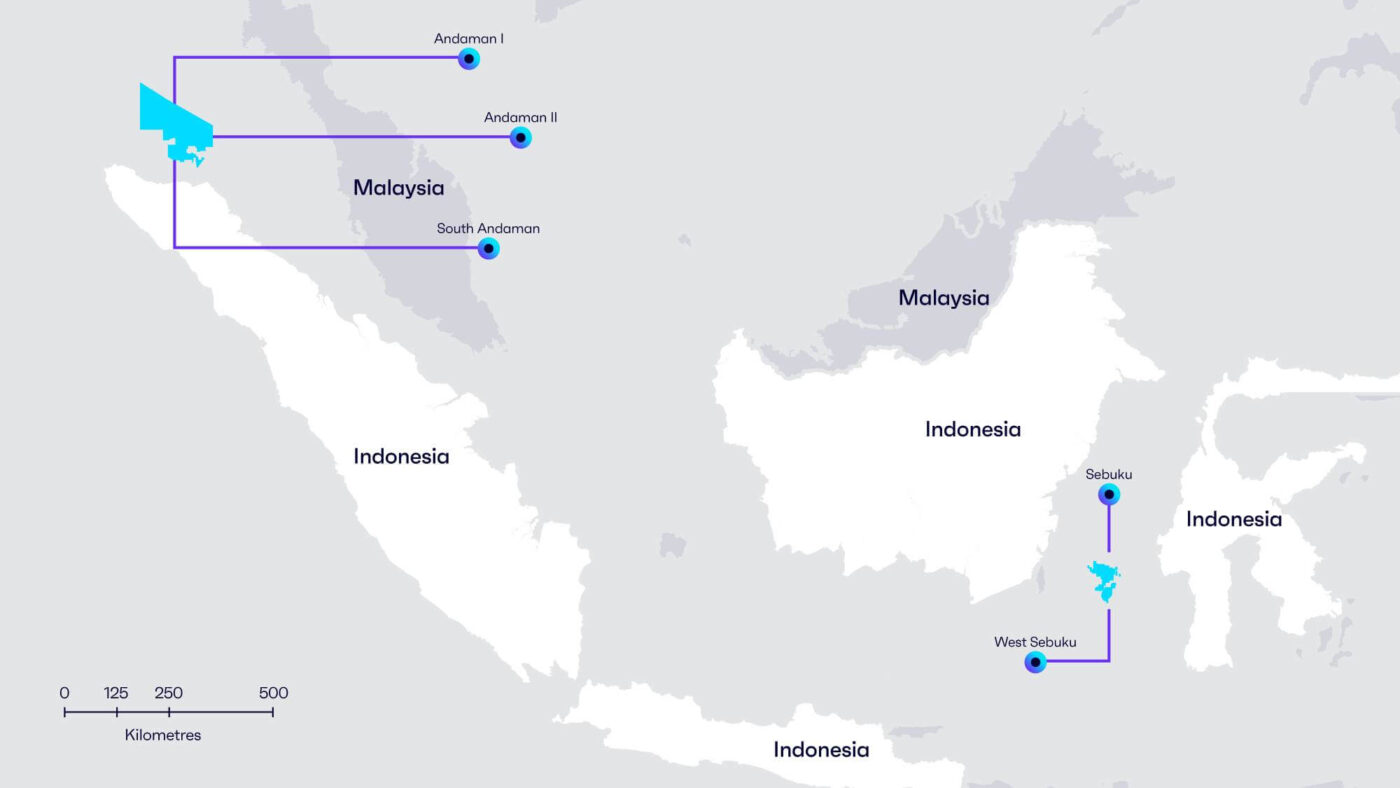
Mubadala Energy has secured a major step forward in its Andaman exploration endeavors by obtaining the Central Andaman block exploration license. This milestone, achieved in collaboration with Harbour Energy, marks a significant development in the company’s expansion within the Southeast Asian energy sector.

The Central Andaman license, granted by MIGAS, Indonesia’s oil and gas regulatory authority, assigns Harbour Energy a 60 percent operated interest while Mubadala Energy holds a 40 percent stake. This acquisition underscores Mubadala’s strategic push into promising new territories and enhances its portfolio in the region.

The Central Andaman block, located in the Andaman Sea, is viewed as a highly prospective area due to its potential for hydrocarbon resources. The license award follows a competitive bidding process and is part of Indonesia’s broader efforts to attract foreign investment into its oil and gas sector. The block’s exploration will be pivotal in evaluating its commercial viability, with significant implications for the regional energy market.

Mubadala Energy’s entry into the Central Andaman block aligns with its broader strategy to diversify its energy assets and increase its footprint in high-growth regions. The company has been actively expanding its operations across various geographies, focusing on regions with substantial untapped potential. The Andaman Sea’s geology and exploration data suggest promising opportunities, making it an attractive investment for Mubadala and its partners.

The collaboration between Mubadala Energy and Harbour Energy is expected to leverage both companies’ expertise and resources. Harbour Energy, known for its operational experience and technical capabilities, will lead the exploration activities, while Mubadala Energy will contribute its financial strength and strategic oversight. This partnership is set to optimize the exploration process and enhance the chances of discovering commercially viable hydrocarbon reserves.

Indonesia’s oil and gas sector has been increasingly open to foreign partnerships as it seeks to boost its exploration and production capabilities. The Central Andaman license is one of several new exploration opportunities being offered to international investors, reflecting Indonesia’s commitment to developing its energy resources and attracting global investment.

This development comes at a time when the global energy market is undergoing significant transformations. As countries and companies pivot towards more sustainable energy sources, traditional oil and gas exploration continues to play a critical role in meeting global energy demands. For Mubadala Energy, the Central Andaman block represents not just an expansion of its portfolio but also a strategic investment in a region with promising prospects for future growth.

The award of the Central Andaman exploration license is a testament to Mubadala Energy’s proactive approach in identifying and capitalizing on new opportunities in the energy sector. The company’s focus on strategic partnerships and investments in emerging markets reflects its broader vision of becoming a leading player in the global energy landscape.

As exploration activities commence, the focus will be on assessing the block’s potential through detailed geological surveys and drilling programs. The results of these activities will be crucial in determining the block’s commercial viability and in shaping future investment decisions. The outcomes will likely have broader implications for Mubadala Energy’s strategic direction and its role in the Southeast Asian energy market.

This license award highlights Indonesia’s ongoing efforts to foster a favorable environment for foreign investment in its oil and gas sector. By attracting reputable international companies like Mubadala Energy and Harbour Energy, Indonesia aims to enhance its exploration and production capabilities while boosting economic growth through increased foreign investment.

WorkFusion, a leader in regtech, has teamed up with Advanced Financial Solutions, part of the MDS SI Group, in a strategic move to expand its AI-based Digital Workers in the Middle East. This partnership aims to strengthen the region’s efforts in combating financial crimes such as money laundering. Leveraging WorkFusion’s cutting-edge AI technology, the collaboration focuses on automating anti-money laundering (AML) processes and enhancing the detection of suspicious transactions in banking and financial sectors across the region.

Advanced Financial Solutions, with its deep regional expertise and infrastructure, will help accelerate the adoption of WorkFusion’s AI-powered Digital Workers. These advanced solutions are designed to improve compliance efficiency and streamline labor-intensive tasks such as transaction monitoring, customer identity verification, and due diligence procedures. The initiative is set to help Middle Eastern financial institutions navigate an increasingly stringent regulatory environment while cutting down on operational costs.

As financial crime grows more sophisticated, the demand for AI tools that can keep pace with evolving threats has risen sharply. WorkFusion’s Digital Workers, which are pre-trained to handle specific tasks in financial compliance, provide a scalable solution for institutions seeking to meet these challenges without overburdening their human workforce. The company’s AI technology is already widely used in global financial centers, and this partnership marks a key step in expanding its presence in the Middle East.

WorkFusion’s platform specializes in automating complex tasks that are critical in detecting fraud and non-compliance. With features such as adverse media screening and sanctions checks, these AI tools can quickly adapt to the diverse needs of different markets, providing a customizable approach to risk management. The partnership underscores the increasing reliance on artificial intelligence to not only detect financial crimes but also ensure regulatory compliance across multiple jurisdictions.

The Middle East has emerged as a growing market for financial technology innovations, particularly in areas related to anti-financial crime measures. As regional governments and financial institutions prioritize regulatory compliance, the introduction of AI-driven solutions like WorkFusion’s offers a timely response to these needs. Advanced Financial Solutions, already well-established in the local market, will play a pivotal role in deploying these tools and ensuring they meet the specific requirements of Middle Eastern banks and financial entities.

This partnership is part of WorkFusion’s broader strategy to expand its AI Digital Workers globally, with a focus on regions that face heightened regulatory pressures and a growing need for automation in financial services. The integration of AI in regulatory technology (regtech) not only enhances the ability to monitor large volumes of transactions but also reduces false positives, freeing up human resources for more strategic initiatives.

By focusing on automation, the collaboration aims to transform how financial crime prevention is managed, reducing the manual effort traditionally involved in AML compliance while increasing accuracy and efficiency. WorkFusion’s AI Digital Workers have already proven their ability to reduce false positives by up to 95% in other markets, and the company expects similar outcomes in the Middle East as its solutions become more widely adopted.

Emirates is poised to take delivery of its inaugural Airbus A350 aircraft in October, marking a significant milestone in the airline’s fleet modernization efforts. The introduction of this advanced aircraft is expected to enhance the airline’s operational efficiency and passenger experience.

The Airbus A350, renowned for its fuel efficiency and advanced technology, represents a major leap forward in aviation. Emirates’ decision to integrate this aircraft into its fleet aligns with its commitment to reducing carbon emissions and operating a more environmentally friendly fleet. The A350’s design features include a lighter composite structure, advanced aerodynamics, and new-generation engines that contribute to its superior fuel efficiency.

This new addition to Emirates’ fleet is anticipated to bolster the airline’s competitive edge in the global aviation market. With its long-range capabilities and spacious cabin design, the A350 is well-suited for both long-haul and high-density routes, allowing Emirates to offer enhanced service on popular international routes.

The A350’s cabin is designed to provide a superior passenger experience with its quiet environment, improved air quality, and larger windows that offer panoramic views. Emirates plans to utilize the A350 on routes that demand high capacity and efficiency, providing passengers with a more comfortable and enjoyable flying experience.

The delivery of the Airbus A350 aligns with Emirates’ broader strategy to modernize its fleet and enhance operational capabilities. The airline has been focused on expanding its fleet with the latest aircraft models to maintain its competitive position in the aviation industry. The introduction of the A350 is part of this strategic initiative, reflecting Emirates’ commitment to leveraging cutting-edge technology to improve efficiency and passenger satisfaction.

As Emirates prepares for the arrival of its first A350, the airline is also gearing up for a series of promotional events and activities to highlight the new aircraft’s features and benefits. This includes showcasing the A350’s advanced technology and passenger amenities through various media channels and customer engagement initiatives.

The arrival of the Airbus A350 also underscores the growing trend among major airlines to invest in newer, more efficient aircraft. As airlines worldwide seek to address environmental concerns and operational costs, the A350’s advanced features make it an attractive option for fleet expansion and modernization.

Airbus’ A350 program has been well-received across the aviation industry, with numerous airlines globally adopting this model for its technological advancements and performance. Emirates’ decision to integrate the A350 into its fleet is expected to set a new benchmark in the industry, demonstrating the airline’s commitment to maintaining a state-of-the-art fleet and offering exceptional service to its passengers.

The introduction of the A350 is a testament to Emirates’ ongoing efforts to enhance its operational efficiency and environmental sustainability. By investing in this advanced aircraft, the airline is not only improving its own capabilities but also contributing to the broader goal of reducing the aviation industry’s carbon footprint.

As the global aviation industry continues to evolve, Emirates’ strategic move to incorporate the Airbus A350 into its fleet represents a significant step forward. The airline’s focus on adopting advanced technologies and modernizing its fleet positions it for continued success in a highly competitive market.

AD Ports Group has finalized a significant contract with China’s Zhenhua Heavy Industries Co. (ZPMC) valued at $114.44 million for the procurement of cranes. This deal aims to bolster the development of terminal infrastructure across various African ports, enhancing operational capacities and efficiency.

The contract, announced earlier today, encompasses the delivery of advanced crane systems to several key terminal projects in Africa. These new cranes are expected to play a crucial role in increasing cargo handling capabilities, which is essential for supporting the growing maritime trade in the region. The investment is part of AD Ports Group’s broader strategy to expand its footprint and enhance its operational capabilities on a global scale.

ZPMC, a leading manufacturer of port machinery, is recognized for its technological advancements and high-quality equipment. The company’s cranes are widely used in major ports around the world, known for their reliability and efficiency. This latest contract reinforces ZPMC’s position as a significant player in the port equipment industry.

AD Ports Group, which manages and operates multiple port facilities across the Middle East and Africa, has been actively pursuing expansion projects to strengthen its position in the maritime sector. The procurement of these cranes aligns with the company’s objective to support regional economic growth and improve logistics infrastructure.

The terminal projects that will benefit from this contract include several high-profile developments in strategic locations across Africa. These projects are expected to facilitate smoother and faster cargo handling processes, thus improving trade flows and supporting regional economies. By integrating state-of-the-art crane technology, AD Ports Group aims to address the growing demands of international shipping and logistics.

The partnership between AD Ports Group and ZPMC underscores a growing trend of collaboration between global companies to enhance port infrastructure in developing regions. Such agreements are vital for addressing the logistical challenges faced by emerging markets, where increasing trade volumes require modern and efficient equipment.

This deal is also seen as a strategic move by AD Ports Group to leverage the advanced technological solutions offered by ZPMC to maintain competitive advantage in the global maritime industry. By incorporating cutting-edge crane systems into its operations, AD Ports Group is positioning itself to meet the evolving demands of international trade and logistics.

As the maritime sector continues to experience rapid growth, especially in emerging markets, the importance of modern port infrastructure cannot be overstated. Investments like the one announced today are crucial for ensuring that ports can handle increasing cargo volumes and maintain efficient operations.

India and the United Arab Emirates (UAE) signed a significant nuclear cooperation agreement in New Delhi on Monday, marking a crucial step in their growing strategic partnership. The memorandum of understanding (MoU) was signed during a high-profile meeting between Indian Prime Minister Narendra Modi and UAE Crown Prince Sheikh Khaled bin Mohamed bin Zayed Al Nahyan, who was on his first official visit to India as Crown […]

Saudi Aramco has solidified its footprint in Asia with a new agreement involving China’s Rongsheng Petrochemical Co. Ltd. and Hengli Group. This strategic partnership is set to bolster Aramco’s position in the global petrochemical market while deepening ties with significant Chinese industrial players. The agreement includes a comprehensive framework for cooperation in the refining and petrochemical sectors. It encompasses both upstream and downstream activities, reinforcing Aramco’s strategy […]

Bapco Energies has completed a landmark transaction by selling a minority stake in its pipeline assets to BlackRock. This deal marks the first significant asset monetization by the Bahraini state oil company, reflecting a strategic shift toward attracting global investment while enhancing operational efficiency. The sale, announced in early September, involves a substantial investment from BlackRock, which has been increasing its footprint in the energy sector. This […]

NMDC Energy has officially commenced trading on the Abu Dhabi Securities Exchange (ADX), marking a significant milestone for the Indian multinational’s expansion into the Middle Eastern market. The company’s initial public offering (IPO) has garnered exceptional interest, being oversubscribed by an impressive 31.3 times, underscoring robust investor confidence in its future prospects.

The IPO, launched to raise capital for its expansion and operational activities, was met with an unprecedented response from both institutional and retail investors. This enthusiastic backing reflects growing optimism about NMDC Energy’s strategic direction and the broader energy sector’s performance in the region. The substantial oversubscription rate highlights the market’s positive sentiment towards NMDC Energy’s growth potential and its business model.

NMDC Energy’s debut on the ADX comes at a time when the energy sector is undergoing significant transformations, driven by both global shifts towards sustainable energy and regional economic diversification efforts. The company aims to leverage its IPO proceeds to enhance its exploration and production capabilities, expand its portfolio, and invest in innovative technologies.

The successful launch of the IPO and the subsequent trading activity on the ADX is expected to boost NMDC Energy’s visibility and strengthen its market presence. This development aligns with Abu Dhabi’s strategic vision of attracting global investors and supporting the growth of leading industry players. NMDC Energy’s entry into the UAE market is seen as a strategic move that will enhance its operational capabilities and expand its influence in the region.

The overwhelming response to the IPO is attributed to several factors, including NMDC Energy’s strong track record, its strategic growth plans, and the broader favorable market conditions. Investors have been particularly attracted to the company’s robust financial performance and its commitment to innovation and sustainability. The IPO’s success also underscores the growing investor interest in the energy sector, which continues to attract significant capital inflows amidst global economic uncertainties.

NMDC Energy’s trading debut on the ADX is a significant achievement, reflecting the company’s successful positioning within the competitive energy sector. The IPO’s success is expected to drive further investment and interest in the company, supporting its strategic objectives and long-term growth.

As NMDC Energy begins its journey on the ADX, it will be closely watched by investors and industry analysts for its performance and ability to meet its strategic goals. The company’s entry into the UAE market represents a pivotal moment in its expansion strategy and highlights the increasing opportunities available in the energy sector.

The Central Bank of the UAE (CBUAE) has reported that the total assets of banks operating within the country reached over $1.17 trillion by the end of June. This substantial figure reflects a robust growth trajectory in the banking sector, driven by increased economic activity and higher liquidity levels.

According to the CBUAE, the significant asset increase is attributed to a combination of factors including strong lending practices, improved deposit inflows, and a buoyant economic environment. The growth in bank assets is indicative of the financial sector’s resilience and its crucial role in supporting the UAE’s economic expansion.

The expansion in bank assets comes amidst a broader economic backdrop characterized by a recovery in non-oil sectors and sustained investment inflows. The UAE’s diverse economic base, including key sectors such as real estate, infrastructure, and tourism, continues to support a stable and growing banking sector. Increased foreign investments and strategic economic initiatives have further bolstered the financial sector’s stability.

In the first half of the year, the banking sector saw a marked increase in credit facilities extended to both individuals and businesses. This rise in lending reflects heightened consumer confidence and corporate investment, driven by favorable economic policies and improved business conditions. The CBUAE’s report highlights that the surge in credit demand has been met with adequate liquidity and strong capital positions by the banks.

The asset growth is also a result of the banks’ strategic focus on enhancing operational efficiency and leveraging digital transformation. Many institutions have adopted advanced technologies to streamline their operations and offer more innovative financial products to meet the evolving needs of customers. This technological advancement has not only improved customer experience but also contributed to operational cost reductions and revenue growth.

Furthermore, the regulatory framework established by the CBUAE has played a pivotal role in maintaining the stability of the financial sector. The central bank’s proactive stance in enforcing sound banking practices and its role in ensuring adequate capital reserves have helped in managing risks and sustaining growth. The introduction of new regulations aimed at enhancing transparency and operational resilience has reinforced confidence in the banking sector.

The increase in bank assets is also reflective of the broader trend of consolidation and growth within the regional banking sector. Several major banks have engaged in strategic mergers and acquisitions to enhance their market positions and expand their service offerings. This consolidation trend is expected to continue as banks seek to leverage economies of scale and integrate advanced technologies to remain competitive in a rapidly evolving financial landscape.

Additionally, the steady rise in deposit balances underscores the growing trust of consumers in the banking system. Increased deposits have provided banks with more capital to support their lending activities and investment opportunities. The positive sentiment towards the banking sector is further evidenced by the growth in investment portfolios and the expanding range of financial services offered to clients.

Finstreet, the digital asset arm of Rorix Holdings, has introduced a regulated digital trading platform at the Abu Dhabi Global Market (ADGM). This move signifies a notable advancement in the Middle East’s financial technology sector, providing a platform that integrates compliance with innovative trading solutions. The new platform aims to address the growing demand for secure and regulated trading environments in the digital asset space. By leveraging […]

Mubadala Energy, the Abu Dhabi-based international oil and gas firm, has expanded its activities in the Andaman Sea, securing a significant foothold in Indonesia’s energy landscape. The company, alongside its partner Harbour Energy, was awarded the Central Andaman licence by Indonesia’s oil and gas regulator, MIGAS. This move marks a strategic boost for Mubadala, as it increases its influence in one of Southeast Asia’s most promising offshore basins.

Mubadala now holds a 40% stake in the Central Andaman block, with Harbour Energy leading operations with a 60% interest. The award followed the Indonesian government’s recent licensing round, where international energy firms competed for access to the region’s untapped potential. The Andaman Sea, known for its deep-water prospects, has attracted increased interest due to its significant reserves of hydrocarbons.

Building on this momentum, Mubadala has also completed an extensive drilling campaign in the South Andaman area. The campaign appraised multiple wells, including the successful Layaran and Tangkulo discoveries. These results highlight the Andaman Sea’s potential, with estimates suggesting multi-trillion cubic feet (TCF) of gas in place. The appraisal, which involved advanced deep-water drilling technologies, was seen as a major win for the company, further strengthening its long-term energy strategy in Southeast Asia.

Adnan Bu Fateem, Mubadala Energy’s Chief Operating Officer, emphasized the significance of the Central Andaman block, noting that the successful bid will open further opportunities in the region. Bu Fateem underscored the company’s operational expertise and familiarity with the basin as key factors that will enable Mubadala to maximize the area’s energy potential. As Indonesia continues to focus on energy security and the transition to cleaner energy sources, this development could play a vital role in meeting the country’s growing energy demands.

In addition to resource extraction, Mubadala Energy is poised to contribute to Indonesia’s broader energy strategy, which includes a push for gas as a transitional fuel. Gas, seen as a cleaner alternative to coal, remains central to Indonesia’s energy mix, and developments in the Andaman Sea could become crucial to maintaining supply.

Abdulla Bu Ali, President Director for Indonesia at Mubadala Energy, highlighted the success of the South Andaman drilling campaign, stressing that the safe and efficient completion of the operation was an important milestone. He reiterated that Mubadala’s findings would play a pivotal role in supporting both Indonesia’s energy needs and its transition to cleaner sources. Bu Ali added that the resources discovered during the campaign could become a cornerstone of Southeast Asia’s gas supply.

Looking forward, Mubadala is already planning its next steps in turning the South and Central Andaman blocks into production hubs. The company is formulating strategies to expedite the development of these fields, with a focus on delivering gas to regional markets. If fully developed, these assets could significantly alter the energy map of Southeast Asia, with implications for both domestic consumption and export to neighboring countries.

Abu Dhabi-based advanced technologies group G42 is set to establish AI-ready data centers in India with a capacity of up to 2 gigawatts (GW), a move that will double the country’s existing total capacity. The ambitious project is part of a strategic pact between the governments of the UAE and India, which seeks to foster collaboration in artificial intelligence (AI) and related technological advancements, a senior executive confirmed.

Manu Kumar Jain, the CEO of G42 India, emphasized the significance of this initiative, stating that the UAE-based company will play a critical role in executing the key goals outlined in the Memorandum of Understanding (MoU) signed between the two countries in February 2024. Jain, in an interview with a leading business publication, affirmed that G42 is fully committed to ensuring that the vision of the bilateral agreement is realized. The group’s investment in these state-of-the-art data centers, Jain said, reflects its dedication to supporting India’s burgeoning tech infrastructure and AI ecosystem.

This development is expected to be a game-changer for India, where the need for advanced digital infrastructure has surged in response to the growth of AI, cloud computing, and data-driven industries. G42’s data centers, designed to meet AI-specific demands, will substantially boost the country’s digital capacity and enhance its standing as a global player in the AI and tech innovation sectors.

The UAE and India’s collaboration comes at a time when both nations are striving to strengthen ties across key sectors, particularly technology. The MoU aims to encourage the co-development of sovereign AI technologies, which will be crucial for both governments as they look to secure their digital futures. India’s tech market, which has been experiencing exponential growth, is seen as a crucial partner for the UAE’s strategic goals, while the UAE provides critical investment and expertise for India’s infrastructure.

Data centers play a pivotal role in the AI landscape by offering the storage, computational power, and connectivity needed for AI applications. As AI continues to revolutionize industries, from healthcare to financial services, the demand for specialized data centers capable of handling AI workloads has grown. G42’s decision to build AI-ready facilities underscores the company’s recognition of the importance of this infrastructure for fostering AI innovation and ensuring that industries have the resources they need to thrive in the AI-driven future.

G42’s investment in India is expected to not only boost the country’s digital capabilities but also spur job creation and innovation in related fields. Data centers require skilled personnel to manage operations, security, and technical requirements, creating opportunities for tech professionals and engineers. Furthermore, the expansion of AI infrastructure will likely attract more global tech companies and investors to India, further solidifying the country’s position as a global technology hub.

This project also underscores G42’s growing global ambitions. Known for its leadership in AI and cloud computing, G42 has expanded its footprint across multiple sectors, including healthcare, finance, and energy. The company’s experience in handling large-scale AI projects will be instrumental in ensuring the success of this initiative in India. G42’s expertise in building and managing AI infrastructure is expected to accelerate the pace of AI development in the country, bringing both nations closer to achieving their shared objectives under the UAE-India pact.

India’s current data center capacity, while growing, remains limited compared to the demands of an economy increasingly reliant on AI and digital services. The addition of 2 GW in capacity will significantly alleviate the bottleneck faced by industries reliant on data-heavy operations. The project is expected to elevate India’s data infrastructure to a new level of efficiency and reliability, making it an attractive destination for both domestic and international tech enterprises.

The partnership between the UAE and India is also a reflection of the broader geopolitical shifts where countries are increasingly focusing on digital sovereignty. Governments are prioritizing the development of domestic AI capabilities to reduce dependence on external technologies and ensure greater control over their data and technological resources. The UAE’s investment in India aligns with its goal of positioning itself as a global leader in AI, while India’s growing technological capabilities offer mutual benefits for both nations.

AI-ready data centers are a critical component of this digital sovereignty agenda, providing governments and businesses with the infrastructure necessary to develop and deploy homegrown AI solutions. By investing in India’s data center capacity, G42 and the UAE are supporting India’s ambitions to build a robust AI ecosystem that can compete on a global scale. This initiative is seen as a key pillar in India’s broader digital transformation strategy, which aims to boost its AI and cloud computing sectors and drive economic growth through technological innovation.

The project’s scale also highlights the deepening ties between the UAE and India, particularly in the technology and innovation sectors. As both nations continue to collaborate on strategic initiatives, the construction of these data centers is expected to serve as a catalyst for further joint ventures and investments. The MoU signed earlier this year provides a framework for ongoing cooperation, with both countries benefiting from the exchange of expertise, investment, and technological know-how.


VISHNU RAJA
RYO YAMADA
HITORI GOTOH
IKUYO KITA