News related to
demand

KUALA LUMPUR, MALAYSIA – Media OutReach Newswire – 2 September 2024 – The influence of presidential elections on financial markets is often temporary. Still, the psychological effect of elections on traders and investors can cause emotional and illogical behaviour, contributing to increased market swings. Apart from the White House, the Senate is also up for grabs this fall, and the balance of power inside the legislative branch […]

By Dr. Gyan Pathak The Akal Takht’s declaring Shiromani Akali Dal (SAD) president Sukhbir Singh Badal a ‘tankhaiya’ on August 30 is most likely to reset the Punjab politics in general and Sikh politics in particular. In the tumultuous history of Punjab, this development is significant. Punjab may be entering a new phase of political […]

ACWA Power has successfully secured $2.6 billion in financing to advance three major solar projects in Saudi Arabia, underscoring the Kingdom’s commitment to expanding its renewable energy portfolio. The projects, expected to significantly boost the country’s solar power capacity, align with Saudi Arabia’s Vision 2030 initiative, which aims to reduce reliance on fossil fuels and increase the share of renewable energy in its energy mix. The deal, […]

HONG KONG SAR – Media OutReach Newswire – 28 August 2024 – Prudential plc (“Prudential”; HKEX: 2378; LSE: PRU) today announced its financial results for the six months ended 30 June 2024. Performance highlights on a constant (and actual) exchange rate basis New business profit of $1,468 million. This was up 8 per cent (6 per cent) excluding the effect of interest rate and other economic impacts […]

Saudi Arabia’s pharmaceutical and medical device manufacturing sectors have witnessed a significant surge, with the total number of factories reaching 206 and investments exceeding SR10 billion ($2.6 billion). This rapid growth underscores the Kingdom’s commitment to expanding its healthcare infrastructure and supporting domestic production.

The Ministry of Industry and Mineral Resources revealed that out of the 206 factories, 56 are dedicated to pharmaceutical production. These pharmaceutical factories, licensed by the Saudi Food and Drug Authority (SFDA), represent investments of over SR7 billion. This expansion aligns with the Kingdom’s Vision 2030, which aims to reduce dependency on imports by bolstering local manufacturing capabilities.

The remaining 150 factories focus on the production of medical devices and equipment. These facilities have been instrumental in meeting the country’s growing healthcare needs, especially as global supply chains faced disruptions over the past few years. The investments in medical devices alone account for SR3 billion, reflecting the strategic importance of this sector in Saudi Arabia’s broader industrial diversification efforts.

A key factor driving this growth is the government’s active support for the private sector through favorable policies and incentives. These include tax exemptions, financial grants, and streamlined licensing processes. The Kingdom has also invested in infrastructure development, creating industrial zones dedicated to pharmaceutical and medical device manufacturing, which provide companies with the necessary resources to scale their operations efficiently.

The rise in local manufacturing is also attributed to the increasing demand for healthcare services in Saudi Arabia, fueled by a growing population and the government’s focus on improving public health. The healthcare sector is one of the fastest-growing segments in the Kingdom, with the government allocating substantial funds in its budget to enhance healthcare facilities, promote research and development, and attract foreign investment.

In addition to meeting domestic demand, Saudi Arabia is positioning itself as a regional hub for pharmaceutical and medical device production. The Kingdom’s strategic location and well-developed logistics network make it an ideal base for exporting products to neighboring countries and beyond. This has attracted interest from international pharmaceutical giants looking to establish a presence in the Middle East.

The local pharmaceutical industry has also benefited from partnerships with global companies, which bring in advanced technologies and expertise. These collaborations have led to the development of new products and the transfer of knowledge, further strengthening the capabilities of Saudi manufacturers. The SFDA has played a crucial role in this regard, ensuring that locally produced pharmaceuticals and medical devices meet international standards, thus enhancing their competitiveness in the global market.

Moreover, the Saudi government has launched several initiatives to support innovation and research in the pharmaceutical and medical device sectors. These include funding programs for startups and small and medium-sized enterprises (SMEs), as well as partnerships with academic institutions to foster research and development. These efforts are aimed at creating a sustainable ecosystem that encourages continuous innovation and contributes to the long-term growth of the industry.

The ongoing expansion in the pharmaceutical and medical device manufacturing sectors is expected to continue, with the government outlining ambitious plans for the coming years. These plans include increasing the number of factories, boosting production capacity, and enhancing the quality of locally produced products. The government’s emphasis on developing these sectors is seen as a crucial step towards achieving self-sufficiency in healthcare and reducing the reliance on imports, thereby ensuring the country’s resilience in the face of global challenges.

Saudi Arabia’s strides in the pharmaceutical and medical device industries reflect its broader economic transformation under Vision 2030. By fostering local manufacturing, the Kingdom is not only enhancing its healthcare capabilities but also contributing to the diversification of its economy, creating jobs, and positioning itself as a key player in the global healthcare market.


SHENZHEN, CHINA – Media OutReach Newswire – 28 August 2024 – Arrow Electronics is collaborating with onsemi to showcase Autonomous Mobile Robot (AMR) platform at PCIM Asia, a leading exhibition in power electronics in the fields of intelligent motion, renewable energy and energy management, scheduled in Shenzhen, China from 28th to 30th August 2024. Arrow Electronics and onsemi to Showcase Autonomous Mobile Robot Platform for Smart Manufacturing […]

A positive outlook for the US steel industry has emerged, with experts anticipating a significant rebound in demand by 2025. After struggling with lackluster demand and low prices, steel manufacturers are optimistic that the economic revival will drive a surge in demand for the industrial material, supported by infrastructure projects and technological advancements. Steel executives and industry analysts have noted that the industry has faced considerable challenges […]

Advertisements

A remarkable surge in smartphone sales has propelled London-based technology firm Nothing to the forefront of the global market, according to Canalys research. With an impressive 246% year-over-year growth during the first half of 2024, Nothing has positioned itself as the fastest-growing smartphone vendor across multiple key markets, including Saudi Arabia, the United Kingdom, Japan, India, Spain, and Italy.

The company’s expansion strategy has been bolstered by the launch of several new products. Nothing introduced the Phone (2a) and a Special Edition variant, alongside its flagship Phone (2), which debuted in July 2023. These offerings have been instrumental in driving the company’s significant market share increase, particularly in regions like the UAE, where the Phone (2) ranked third in its price category during Q2 2024.

Beyond smartphones, Nothing has also made notable strides in the True Wireless Stereo (TWS) segment. The company recorded an exceptional 313% growth in TWS sales during H1 2024 compared to the previous year. This momentum continued into Q2 2024, where Nothing became the fastest-growing TWS vendor in countries such as France, the USA, Spain, Italy, and the Netherlands.

This rapid growth reflects Nothing’s strategic focus on innovation and market expansion. The company’s ability to swiftly scale its operations and adapt to varying consumer demands across different regions has set a new benchmark in the competitive tech landscape. As Nothing continues to expand its product lineup and geographical presence, the company’s upward trajectory is expected to persist in the coming months.

The Canalys report underscores Nothing’s growing influence in the global technology sector, with its market performance in H1 2024 signaling a significant shift in the competitive dynamics of the smartphone and TWS markets.

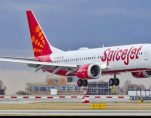
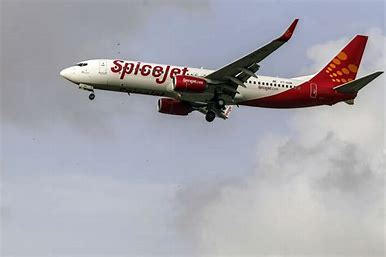
SpiceJet, one of India’s prominent low-cost carriers, is facing intensified oversight from the country’s aviation regulator, the Directorate General of Civil Aviation (DGCA). This move follows a series of operational mishaps that have raised concerns about the airline’s safety and reliability.

The DGCA’s decision to place SpiceJet under enhanced surveillance comes after multiple incidents involving technical issues and delays. These have not only inconvenienced passengers but also sparked worries over the airline’s ability to maintain a safe and efficient flight schedule. The regulatory body has mandated that SpiceJet undergo a series of rigorous checks, which include more frequent inspections of its aircraft and a closer examination of its operational practices.

The aviation sector has seen a surge in demand as travel restrictions have eased, but this has also brought increased scrutiny to airlines struggling to meet safety and service standards. SpiceJet’s troubles began earlier this year, with several flights reporting technical snags, including engine failures and landing gear malfunctions. These incidents have resulted in emergency landings and significant delays, shaking public confidence in the airline.

SpiceJet has been grappling with financial difficulties that have exacerbated its operational issues. The airline has faced challenges in maintaining its fleet and retaining key staff, leading to disruptions in its services. Despite efforts to restructure and secure additional funding, the airline has continued to face obstacles in stabilizing its operations.

The DGCA’s enhanced surveillance includes a comprehensive review of SpiceJet’s maintenance records, crew training procedures, and overall safety management systems. The regulator aims to identify and rectify any deficiencies that could compromise passenger safety. This action is part of the DGCA’s broader mandate to ensure that all airlines operating within the country adhere to the highest safety standards.

SpiceJet’s management has expressed its commitment to cooperating fully with the DGCA’s directives. The airline has assured passengers that safety remains its top priority and that it is taking all necessary measures to address the issues raised by the regulator. However, industry experts are concerned that the airline’s financial instability may hinder its ability to implement the required changes effectively.

The airline’s woes have also impacted its market position, with rivals capitalizing on SpiceJet’s struggles to gain a competitive edge. As SpiceJet works to restore its reputation, other carriers have moved to expand their routes and services, attracting passengers who might otherwise have flown with SpiceJet.

SpiceJet’s financial situation remains precarious, with mounting debts and reduced liquidity posing significant challenges. The airline has been exploring various avenues for raising capital, including the sale of assets and equity infusion. However, these efforts have yet to yield the desired results, leaving the airline in a vulnerable position.

The DGCA’s enhanced surveillance is expected to continue for an extended period as the regulator closely monitors SpiceJet’s compliance with safety regulations. The outcome of this scrutiny will likely have significant implications for the airline’s future, as failure to meet the DGCA’s standards could lead to further restrictions on its operations.

Passengers have expressed mixed reactions to the DGCA’s intervention. While some have welcomed the increased oversight as a necessary step to ensure safety, others have voiced frustration over the ongoing disruptions to their travel plans. The airline has acknowledged these concerns and pledged to improve its service quality.

SpiceJet’s situation highlights the broader challenges facing the aviation industry, particularly for carriers operating in a highly competitive and financially strained environment. As the airline navigates this difficult period, the industry will be closely watching how it addresses the issues identified by the DGCA and whether it can regain its footing in the market.

HONG KONG SAR – Media OutReach Newswire – 31 August 2024 – Rapid Project Growth Since its launch, Live4Well has steadily accumulated real users by integrating AI and blockchain technology, uniting the sports health industry with community engagement. Leading the health industry trends in the Web3 era, Live4Well has grown into a global community with over 250,000 members, primarily young sports enthusiasts aged 18-25. The platform boasts […]

Jebel Ali Port in Dubai has achieved its highest container throughput in a single month since 2015, marking a significant milestone for the UAE’s maritime industry. This surge comes amid a notable increase in non-oil foreign trade, driven by the nation’s strategic economic partnerships. The port’s container handling reached unprecedented levels, surpassing previous records and reflecting a robust growth trajectory in trade activities. This spike in volume […]

JAKARTA, INDONESIA – Media OutReach Newswire – 31 August 2024 – Flash Coffee, the tech-enabled coffee chain, is excited to announce significant growth in Indonesia, the geographic focus for the company over the last half year, a new food and drink menu featuring exciting new products, and multiple new store openings planned across Jakarta and Bandung. The expansion of its menu and physical locations highlights Flash Coffee’s […]

A clandestine figure identified as ‘Hector’ has emerged as a pivotal player in the Iranian oil trade, reshaping the global energy landscape. Operating under a veil of secrecy, Hector has orchestrated a complex web of transactions that challenges conventional oil market dynamics.

Hector’s influence extends across various regions, with reports indicating a sophisticated network facilitating the clandestine export of Iranian oil despite international sanctions. This network has reportedly employed innovative methods to bypass restrictions and maintain a steady flow of oil to markets that are otherwise difficult to penetrate.

A recent investigation unveiled that Hector’s operations involve an intricate system of shell companies and intermediaries. These entities, often based in jurisdictions with lax regulatory frameworks, obscure the true origin of the oil, allowing it to enter the global market without direct association with Iranian sources. This method not only aids in evading sanctions but also helps in maintaining competitive pricing, which has disrupted established market equilibrium.

The financial aspects of Hector’s operations are equally sophisticated. The trader has reportedly leveraged advanced financial instruments to launder money, further complicating efforts to track and curb illicit oil transactions. By utilizing cryptocurrency and other digital assets, Hector has managed to obscure financial trails, making it challenging for authorities to follow the money.

Hector’s network reportedly includes a range of actors from various sectors, including shipping companies, financial institutions, and political operatives. These collaborators play crucial roles in ensuring the smooth operation of the illicit trade, from logistics to financial transactions. The involvement of such a diverse group underscores the complexity of Hector’s operations and the breadth of his influence in the global oil market.

The implications of Hector’s activities extend beyond mere economic impacts. The ability to circumvent sanctions and manipulate market dynamics poses a significant challenge to international regulatory efforts. This situation underscores the need for more robust measures to address the evolving methods employed by entities engaged in illicit trade.

Energy analysts are closely monitoring the situation, noting that Hector’s operations could have far-reaching consequences for global oil markets. The disruption of traditional supply chains and the introduction of lower-priced oil from these illicit sources could lead to increased volatility in global oil prices. Moreover, the undermining of sanctions regimes could embolden other actors to pursue similar strategies, further complicating efforts to enforce international regulations.

In response to these developments, international bodies and national governments are ramping up their efforts to identify and dismantle such networks. Enhanced cooperation and intelligence-sharing among nations are seen as crucial steps in combating the sophisticated methods employed by traders like Hector. Additionally, there is a growing emphasis on improving financial transparency and regulatory oversight to close loopholes exploited by such actors.

As the global community grapples with these challenges, Hector’s case highlights the need for a multifaceted approach to addressing illicit trade in critical resources. The evolving tactics of secretive traders and the complexities of their operations demand a coordinated and innovative response from policymakers and enforcement agencies alike.

Highlights of the Interim Results for the Six Months Ended June 30, 2024: With the increasing demand for chips from AI technology-related industries, orders for AI chip orders from Comtech continued to rise, driving the Group’s revenue up by 11.9% year-on-year to RMB4,321.4 million. The Group recorded a gross profit of approximately RMB457.6 million and a net profit of approximately RMB169.1 million. Profit attributable to equity shareholders […]

Executives of Raydan Food Co, a prominent food services company in Saudi Arabia, have been sentenced to prison following a thorough investigation into market violations. This legal action marks a significant chapter in the kingdom’s ongoing efforts to enforce stricter compliance within its financial markets. The Saudi Capital Market Authority (CMA) announced that several board members of Raydan Food Co were found guilty of manipulating the company’s […]

The initial public offering (IPO) of NMDC Energy has captured significant investor interest, with subscriptions exceeding the offered shares within hours of its opening. The company, a subsidiary of NMDC Ltd., set its price range at ₹100 to ₹120 per share, aiming to raise approximately ₹5,000 crore through the offering.

The IPO’s rapid over-subscription underscores a robust market appetite for energy sector investments, particularly in companies poised for growth. NMDC Energy, which focuses on oil and gas exploration, has been positioned as a key player in the burgeoning sector due to its substantial reserves and strategic assets.

Investors have shown confidence in NMDC Energy’s potential for growth and profitability, driven by its diversified portfolio and strong balance sheet. The company’s recent operational improvements and strategic initiatives have further bolstered its appeal in the market. Analysts highlight that NMDC Energy’s focus on enhancing production capabilities and expanding its asset base positions it well for long-term success in the energy sector.

The strong investor response is indicative of broader trends in the capital markets, where energy sector IPOs are increasingly attracting attention. This is reflective of a growing trend where investors are seeking to capitalize on the sector’s recovery and expansion potential.

NMDC Energy’s entry into the public market comes at a time when energy stocks are experiencing heightened volatility due to global economic conditions and shifting energy policies. However, the company’s robust fundamentals and strategic vision have helped it stand out in a competitive landscape.

As the IPO continues to attract interest, market observers are closely monitoring the final subscription numbers and investor feedback. The successful launch of NMDC Energy’s IPO could potentially set a positive precedent for upcoming offerings in the sector, influencing future market dynamics and investor behavior.

Dubai’s financial sector continues to show robust growth, with the Dubai Financial Services Authority (DFSA) approving 61 new firms for operation in the first half of the year. This development highlights the city’s increasing appeal as a global financial hub, drawing companies from diverse sectors including fintech, asset management, and financial advisory.

The DFSA, the independent regulator for the Dubai International Financial Centre (DIFC), has been pivotal in maintaining the integrity and transparency of Dubai’s financial markets. The 61 new firms represent a wide spectrum of financial services, reflecting the city’s strategic position as a bridge between the East and West for financial institutions. This surge in approvals is seen as a testament to the confidence international businesses have in Dubai’s regulatory environment and its potential as a center for innovation and financial technology.

Among the new entrants, several prominent names in fintech and asset management have established their presence in the DIFC, aiming to capitalize on the region’s burgeoning demand for digital financial services. The DFSA’s rigorous standards and the DIFC’s world-class infrastructure continue to attract global firms looking to expand their operations in the Middle East, Africa, and South Asia (MEASA) region.

The DFSA’s focus on fostering innovation has also led to the approval of several fintech companies. These firms are set to introduce cutting-edge financial technologies, from blockchain to AI-driven financial services, further enhancing Dubai’s reputation as a leader in financial innovation. This aligns with Dubai’s broader strategic vision of becoming a global center for digital economy and financial technology, a vision supported by significant investments in infrastructure and regulatory frameworks that encourage innovation while ensuring financial stability.

Furthermore, the influx of new firms is expected to have a positive impact on the DIFC’s ecosystem, creating more job opportunities and contributing to the overall economic growth of Dubai. The new firms bring with them a wealth of expertise and innovation, which is likely to spur further development in the region’s financial services sector. The DFSA’s commitment to upholding the highest regulatory standards ensures that these firms operate within a secure and transparent environment, fostering trust and confidence among investors and clients.

The diversity of the new firms also indicates a growing trend towards specialization within Dubai’s financial sector. Companies focusing on niche areas such as sustainable finance, Sharia-compliant financial products, and wealth management have been particularly prominent among the new approvals. This trend reflects the broader global shift towards specialized financial services, catering to increasingly sophisticated client demands.

The first half of the year has also seen significant interest from firms based in Asia and Europe, looking to leverage Dubai’s strategic location and business-friendly environment. The DIFC’s comprehensive legal and regulatory framework, based on international best practices, provides these firms with a secure and efficient platform for their operations. The DFSA’s proactive approach in engaging with potential market entrants and its efforts to streamline the approval process have been key factors in attracting such a diverse array of companies.

As Dubai continues to solidify its position as a leading financial center, the DFSA’s role in ensuring the city remains an attractive destination for global financial institutions is more crucial than ever. The steady influx of new firms, especially those bringing innovative financial solutions, is likely to bolster Dubai’s competitiveness on the global stage. The city’s ability to attract and retain such a wide variety of financial service providers is a clear indication of the confidence that the international financial community has in Dubai’s regulatory environment and its long-term economic prospects.

Looking ahead, the DFSA is expected to continue its efforts to support the growth of the DIFC, with a focus on maintaining a balance between innovation and regulation. This will be essential in ensuring that Dubai remains a dynamic and secure environment for financial firms to thrive, contributing to the city’s ongoing success as a global financial powerhouse.

OPEC+ is on track to implement its scheduled oil output increase in October, even as global energy markets experience fluctuations due to disruptions in Libya and uncertain demand growth, particularly in China. The coalition, led by Saudi Arabia and Russia, plans to raise production by 180,000 barrels per day as part of an effort to gradually reverse the significant production cuts made earlier in the year.

This decision comes as the group navigates a complex landscape marked by lower-than-expected demand growth and ongoing supply issues. Libya, a key member of OPEC, has faced significant production setbacks due to internal conflicts, putting additional pressure on global oil supplies. Despite these challenges, OPEC+ aims to proceed with the output hike to maintain stability in the market.

Market analysts have expressed mixed reactions to the planned increase, citing concerns over the potential for oversupply in a market already grappling with sluggish demand. The slowdown in China, the world’s largest oil importer, has particularly raised alarms, as it could dampen the impact of any production hikes. Nevertheless, OPEC+ remains committed to its strategy, with the group’s leaders emphasizing the importance of a measured approach to balancing supply and demand.

Brent crude prices, a key benchmark for global oil, have shown volatility in response to these developments, recently hovering around $79 per barrel. The upcoming U.S. Federal Reserve decisions on interest rates are also being closely watched, as they could influence economic growth and, consequently, oil demand in the coming months.

OPEC+ will continue to monitor the situation closely, adjusting its strategy as necessary to respond to the evolving market conditions. This ongoing recalibration highlights the delicate balance the group must strike between supporting prices and ensuring sufficient supply to meet global needs.

GUANGDONG, CHINA – Media OutReach Newswire – 31 August 2024 – On August 26, 2024, Viomi Technology Co., Ltd (NASDAQ: VIOT) issued its first half of 2024 unaudited financial results. Based on the financial report, the net revenues were US$143.1 million, net income attributable to ordinary shareholders of the Company was US$0.8 million. According to the management’s preliminary estimates, excluding the divested businesses, the estimated revenues from […]

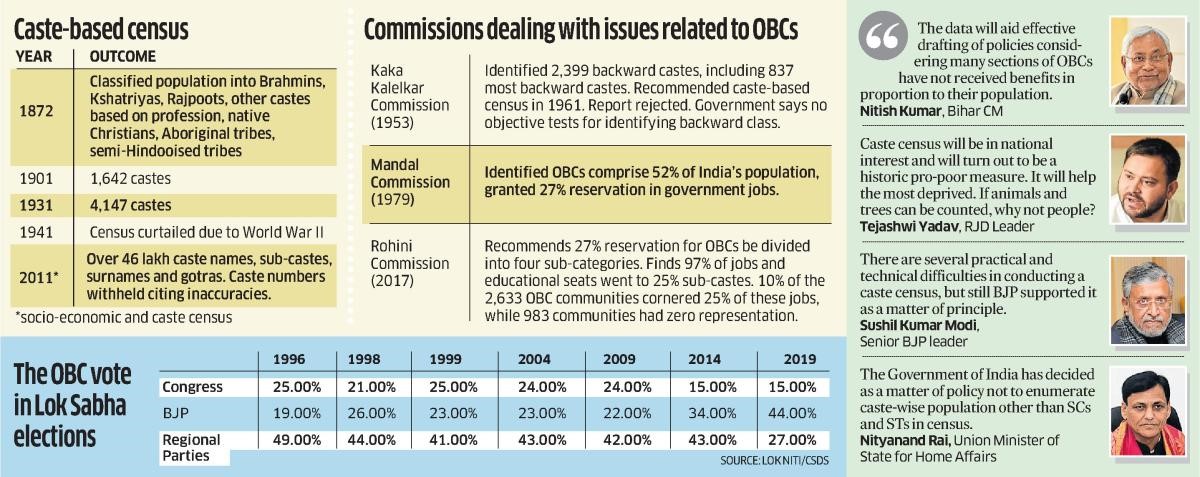
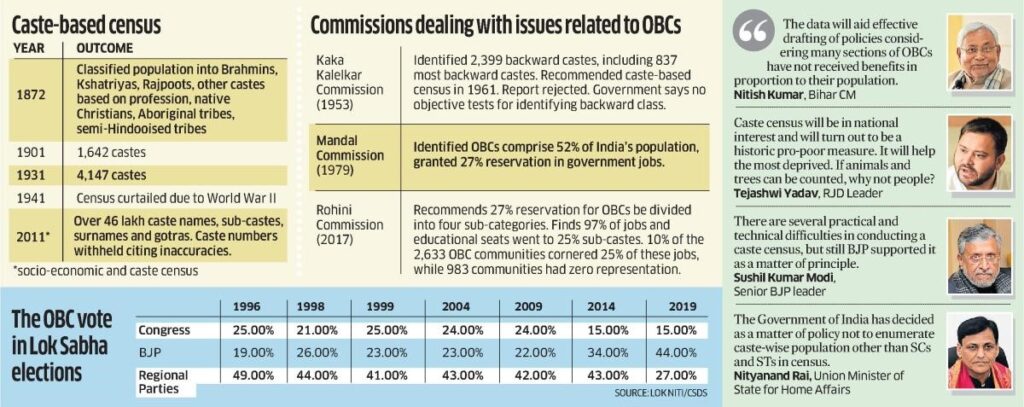
By Dr. Gyan Pathak The issue of caste census has finally mounted on the agenda of the Parliamentary Committee on Welfare of OBCs led by the BJP. The party has been rejecting the opposition INDIA bloc’s demand for conducting caste census in the country. It was much to the frustration of the BJP, that its […]

Through a holistic curriculum, AIA Singapore and Singapore University of Social Sciences seek to nurture next-generation talents and pave the way for sustainable, purposeful careers. SINGAPORE – Media OutReach Newswire – 30 August 2024 – AIA Singapore and Singapore University of Social Sciences (SUSS) today launched Singapore’s first Minor in Insurance Fundamentals as part of a newly signed Memorandum of Understanding (MoU) between both parties. This programme […]

SINGAPORE – Media OutReach Newswire – 31 July 2024 – Babysteps Medical, a house call medical service for children, has announced their expansion to Newton, Singapore. With a physical, brick-and-mortar clinic located in central Singapore, Babysteps Medical aims to provide accessible and efficient medical care to patients unable to schedule a same-day house call visit. The new clinic, which will be called Babysteps & Beyond (Medical & […]

The UK’s Islamic finance sector is set to reach $15 billion in the medium term, driven by increasing demand for Sharia-compliant financial products and the country’s supportive regulatory environment. The UK has established itself as a leading Western hub for Islamic finance, with assets under management growing rapidly. London’s prominence as a financial center, coupled with innovative products like Sukuk (Islamic bonds) and Islamic FinTech, has attracted […]

Telecommunications giant e& has announced the acquisition of GlassHouse, a leading Turkish technology firm, in a strategic move valued at $60 million. This acquisition marks a significant expansion of e&’s regional footprint and underscores its commitment to broadening its technological capabilities. GlassHouse, known for its innovative solutions in cloud computing and IT infrastructure, will enhance e&’s portfolio as it seeks to strengthen its position in the Middle […]

VISHNU RAJA
RYO YAMADA
HITORI GOTOH
IKUYO KITA