News related to
demand

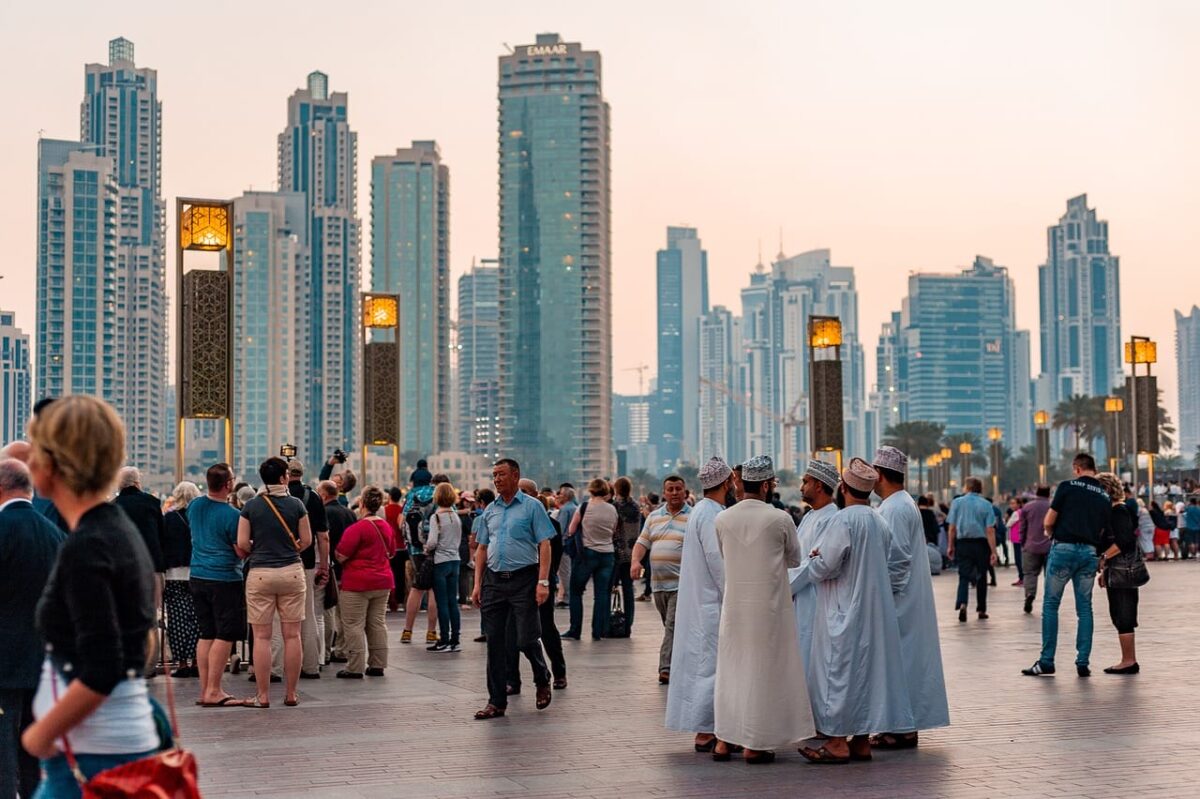
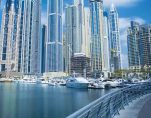
Growing interest in Dubai as a premier destination for high-net-worth individuals is intensifying discussions about the potential implementation of departure taxes on those leaving high-tax jurisdictions. This trend is primarily driven by a surge of wealthy expatriates relocating to Dubai to benefit from its tax-friendly environment, which boasts zero personal income tax, minimal corporate tax, and a lifestyle that attracts affluent individuals and families seeking an appealing alternative to more heavily taxed countries.

The UAE has established itself as a hub for international business and luxury living, drawing in millionaires from around the globe, particularly from Europe and North America. Factors contributing to this migration include favorable tax policies, a robust economy, and an attractive quality of life characterized by luxury amenities, safety, and a multicultural environment. The influx of wealth has raised concerns among governments in higher-tax regions, leading to discussions on implementing exit taxes for those leaving their jurisdictions for more favorable tax climates.

High-profile figures and successful entrepreneurs are among those choosing to relocate to Dubai. The UAE government has made concerted efforts to attract global talent, introducing initiatives such as the Golden Visa program, which grants long-term residency to investors, entrepreneurs, and skilled professionals. This program has proven particularly enticing for individuals seeking stability and security, as it allows them to reside in a tax-efficient environment while retaining their wealth.

Reports indicate that countries like the United Kingdom and France are contemplating implementing exit taxes to mitigate the loss of revenue associated with wealthy individuals relocating abroad. The UK, in particular, is facing increasing pressure to address its fiscal policies in light of the exodus of high-income earners. Notable figures in finance, entertainment, and technology have made headlines for their decision to move to Dubai, sparking discussions among policymakers about potential strategies to retain their tax base.

The implications of departure taxes could be significant. Governments may argue that such levies are necessary to safeguard public finances, ensuring that wealthy individuals contribute fairly to the welfare of their home countries. However, critics contend that these measures may inadvertently drive further migration, leading to a brain drain and exacerbating the very issues they aim to address.

Emerging trends in global taxation are also influencing this landscape. With the rise of digital nomadism and remote work, affluent individuals are increasingly seeking jurisdictions that provide a favorable tax regime and quality of life. Countries like Portugal and Malta have already implemented schemes targeting digital nomads, while Dubai continues to enhance its appeal through initiatives aimed at attracting tech-savvy professionals.

As the debate over departure taxes intensifies, Dubai’s allure as a tax haven will likely continue to grow. The city’s reputation as a destination for the wealthy is reinforced by its thriving economy, which has shown resilience in the face of global challenges, including the COVID-19 pandemic. The UAE’s diversified economy, characterized by sectors such as tourism, real estate, and technology, positions it as a robust alternative for high-net-worth individuals looking for new opportunities.

Experts suggest that as more millionaires flock to Dubai, local authorities may need to adapt their strategies to accommodate the influx while maintaining the city’s appeal as a desirable place to live and work. This could involve creating an environment that balances the needs of the wealthy with the broader interests of society, ensuring that the benefits of this migration extend beyond the elite.

The notion of departure taxes has sparked a broader conversation about wealth distribution and social equity. Policymakers are grappling with how to address the growing disparity between wealthy individuals who can relocate to tax-friendly jurisdictions and those who remain in high-tax areas. The challenge lies in creating a tax system that is both fair and conducive to economic growth, without alienating the very individuals it aims to tax.

As Dubai cements its status as a global magnet for wealth, the city is expected to play a pivotal role in shaping the future of international taxation. The dynamics of wealth migration are complex and multifaceted, driven by a confluence of factors ranging from fiscal policies to lifestyle preferences. The growing trend of millionaires relocating to Dubai is a testament to the city’s ability to adapt and thrive in an increasingly competitive global landscape.

Local businesses are reaping the rewards of this influx, with the luxury goods and services sectors experiencing significant growth. High-end real estate markets are booming, fueled by demand from affluent expatriates looking to invest in properties that reflect their newfound status. The impact on the local economy is palpable, as increased consumer spending by wealthy individuals bolsters various sectors, from hospitality to retail.

A new study by Accenture highlights that companies embracing artificial intelligence (AI) and automation are experiencing notable performance advantages over their peers. The research indicates that 74% of firms reported their investments in automation and generative AI achieving or exceeding their expectations, with 63% planning to enhance these capabilities further by 2026. This comprehensive survey included insights from approximately 2,000 executives across various sectors. The findings underscore […]

Dubai Silicon Oasis (DSO) has garnered the prestigious title of “Middle East Free Zone of the Year” at the Global Free Zones of the Year 2024 Awards, hosted by the Financial Times’ fDi Intelligence. This recognition underscores DSO’s commitment to fostering innovation and entrepreneurship within the region’s economic landscape. The accolade highlights DSO’s strategic initiatives aimed at enhancing the free zone’s competitiveness, infrastructure, and service offerings, positioning it as a premier hub for technology and innovation.

Established in 2006, Dubai Silicon Oasis serves as a Special Economic Zone (SEZ) that focuses on attracting technology-based companies and supporting innovative businesses. It is one of five Urban Zones identified within Dubai’s 2040 Urban Master Plan, reflecting the emirate’s vision to transform into a global center for knowledge and innovation. DSO’s robust framework facilitates the growth of start-ups and established companies alike, offering a conducive environment for research, development, and collaboration.

Key to DSO’s success is its state-of-the-art infrastructure, which includes a mix of residential, commercial, and educational facilities. The free zone boasts advanced telecommunications and technology systems, making it an attractive destination for businesses seeking to establish a presence in the UAE. Moreover, DSO provides a variety of incentives for companies, including tax exemptions, 100% foreign ownership, and full repatriation of profits, which are critical in attracting international firms.

The recent award signifies DSO’s proactive approach to evolving with industry demands. The zone has embraced innovative practices, such as implementing smart city technologies and promoting sustainability initiatives, which resonate with global trends in urban development. DSO has introduced initiatives aimed at integrating artificial intelligence and smart solutions within its operational framework, thereby enhancing the overall efficiency and competitiveness of businesses operating within its premises.

One of the key factors contributing to DSO’s recognition is its extensive support for start-ups and entrepreneurs through initiatives like the Dubai Technology Entrepreneur Campus (DTEC). DTEC serves as an incubator for technology-focused businesses, providing mentorship, networking opportunities, and access to funding. The center plays a pivotal role in nurturing local talent and encouraging innovation, positioning Dubai as a prominent player in the global technology ecosystem.

DSO actively collaborates with academic institutions and research centers to drive innovation. This partnership model ensures that businesses have access to cutting-edge research and development resources, further enhancing the zone’s appeal. The synergy between industry and academia fosters a vibrant ecosystem that encourages knowledge sharing and innovation.

DSO’s commitment to sustainability is also noteworthy. The free zone has launched several initiatives aimed at reducing its carbon footprint and promoting green practices among its tenants. This focus on sustainability not only aligns with global environmental goals but also attracts businesses that prioritize corporate social responsibility.

The recognition from fDi Intelligence is expected to further bolster DSO’s reputation as a leading free zone in the region. This accolade will likely enhance its attractiveness to foreign investors and companies looking to tap into the lucrative Middle Eastern market. As the UAE continues to position itself as a hub for technology and innovation, DSO is poised to play a critical role in shaping the future of the region’s economy.

In addition to attracting international businesses, DSO is focused on fostering a diverse and inclusive workplace culture. This approach has contributed to its reputation as an employer of choice among skilled professionals. The free zone’s commitment to diversity not only enriches its work environment but also drives creativity and innovation among its workforce.

As the competitive landscape among free zones intensifies, DSO’s ability to adapt to changing market conditions and embrace new technologies will be crucial. The ongoing investment in infrastructure and services indicates that DSO is well-positioned to maintain its leadership in the innovation sector. The zone’s emphasis on continuous improvement and customer-centric services ensures that it remains responsive to the needs of businesses.

DSO’s strategic location in Dubai enhances its accessibility to global markets, facilitating trade and collaboration. The free zone’s proximity to major transport hubs and its integration with Dubai’s extensive logistics network make it an ideal base for companies seeking to expand their reach.

Stepping away from the Tokyo Game Show, the vibrant energy and sheer enthusiasm displayed by fans and industry professionals alike leave an indelible mark. This year’s event reaffirmed Japan’s pivotal role in the global gaming landscape, a contrast sharply highlighted by the decline of the Electronic Entertainment Expo, or E3, which once reigned supreme as the industry’s marquee event. The question of why E3 faltered while the Tokyo Game Show has continued to thrive is as complex as the industry itself, reflecting broader shifts in consumer behavior, market dynamics, and cultural perspectives.

The Tokyo Game Show, held annually since 1996, has consistently showcased not just the latest in gaming technology but also the rich tapestry of Japanese culture that underpins much of its success. Each year, the event draws millions, transforming the Makuhari Messe convention center into a hub of innovation, creativity, and community. Visitors engage with upcoming titles, experience immersive environments, and participate in panels that often feature prominent figures from the industry. This interaction cultivates a sense of belonging and excitement that resonates deeply within the gaming community.

E3, on the other hand, has struggled to maintain its relevance. Once a symbol of the industry’s collective ambition, E3 has faced challenges that have eroded its foundation. The pandemic was a significant turning point, forcing E3 to adapt rapidly to an online format that did not resonate with audiences in the same way as the in-person experiences. The lack of a tangible connection among gamers, developers, and publishers undermined the excitement that had been the hallmark of previous expos. Following the pandemic, the annual event found itself increasingly sidelined as key players like Sony and Microsoft opted out of participation, choosing instead to focus on their own digital showcases. The absence of these major players revealed a fragmented landscape, leaving E3 struggling to maintain its status.

Tokyo Game Show has navigated these waters differently. The emphasis on community engagement, alongside the showcasing of local talent and innovations, has solidified its status as a beloved event. The dedication to embracing both traditional and modern gaming practices reflects the depth of Japan’s gaming culture. From retro titles to cutting-edge virtual reality experiences, the show captures the essence of an industry that continually evolves. This inclusivity is key; where E3’s appeal seemed to diminish, Tokyo Game Show’s commitment to showcasing a broad spectrum of gaming experiences attracts a diverse audience, celebrating not just high-budget productions but also independent developers and niche genres.

Japan’s unique cultural identity plays a pivotal role in the enduring success of the Tokyo Game Show. The event is not merely a commercial showcase; it embodies a cultural phenomenon. Traditional Japanese storytelling, art, and design principles intertwine with modern gaming narratives, creating an experience that resonates with both local and international audiences. This cultural fusion is particularly evident in the art direction of many Japanese games, often characterized by vibrant visuals and intricate storytelling, which draw from deep-seated cultural motifs. The Tokyo Game Show serves as a platform to highlight these elements, emphasizing the importance of cultural context in gaming.

The pandemic served as a catalyst for innovation within the Tokyo Game Show framework. While E3 struggled with its identity, the Japanese expo adopted hybrid formats that allowed for both physical and digital participation, thereby expanding its reach. This flexibility not only attracted a larger global audience but also empowered local developers who might not have had the opportunity to showcase their work on an international stage. The decision to incorporate online elements enhanced accessibility, ensuring that fans worldwide could partake in the excitement, regardless of geographic constraints.

The enthusiasm exhibited by fans during the Tokyo Game Show is also reflective of a renewed interest in gaming as a form of cultural expression. As the world grappled with isolation during the pandemic, video games emerged as a vital source of connection and escapism. The communal nature of gaming, often highlighted during events like Tokyo Game Show, fosters relationships that transcend borders. The growing acceptance of gaming as a legitimate form of entertainment and artistic expression has only strengthened the allure of the Tokyo Game Show. This year’s event saw fans eagerly lining up to engage with developers and explore the latest innovations, showcasing a robust passion that serves as a stark contrast to the dwindling excitement surrounding E3.

The Tokyo Game Show’s commitment to inclusion is another aspect that sets it apart. While E3 has faced criticism for its lack of representation and inclusivity, the Tokyo Game Show actively embraces diversity. Efforts to spotlight underrepresented voices in gaming, both in front of and behind the scenes, reflect a broader societal push for equity. This focus on diversity not only enriches the gaming landscape but also resonates with an audience increasingly demanding representation in their entertainment. By providing a platform for diverse narratives and creators, the Tokyo Game Show remains relevant in a rapidly changing industry.

Another factor contributing to the resilience of the Tokyo Game Show is its adaptability to changing trends within the gaming world. The event has consistently evolved to reflect emerging technologies and consumer preferences, whether through the incorporation of mobile gaming, virtual reality, or online streaming. This adaptability has kept the event fresh and engaging, ensuring it captures the attention of both industry insiders and casual gamers alike. Unlike E3, which has struggled to pivot in the face of evolving expectations, the Tokyo Game Show’s ability to embrace change has been a critical factor in its sustained success.

As the gaming industry continues to expand, the Tokyo Game Show is poised to maintain its position at the forefront of innovation and community engagement. The event’s ability to adapt to shifting landscapes, coupled with its celebration of Japan’s rich cultural heritage, ensures it remains a vital component of the global gaming conversation. As we reflect on the divergent paths of these two events, it becomes clear that the Tokyo Game Show’s commitment to authenticity, inclusivity, and community engagement will secure its place in the hearts of gamers for years to come.

Zayo Group Holdings, a leading global communications infrastructure company, is significantly expanding its 400G wavelength network to meet the increasing bandwidth demands in the New York metropolitan area. This enhancement is designed to provide high-bandwidth, low-latency connectivity for customers in New York and New Jersey, bolstering their capabilities to support the rapidly evolving digital landscape. The expansion aims to cater to diverse sectors including finance, media, and […]

Successfully Showcases in eCommerce Expo Asia ‧ Singapore SINGAPORE – Media OutReach Newswire – 10 October 2024 – eft Payments (Asia) Limited (“eftPay“), one of the leading e-Payment services providers in Hong Kong, joins forces with MobiShop, the Software-as-a-Service (SaaS) e-commerce solutions provider, to offer consummate service for merchants to establish their online shops from ground zero. Mr. Andrew Lo Chun-kit, Chairman and CEO of eftPay (Asia) […]

BlackRock has achieved a milestone with its assets under management (AUM) surpassing $11.5 trillion, reflecting robust growth for the third consecutive quarter in 2024. This impressive increase can be attributed to significant inflows into the company’s exchange-traded funds (ETFs) and strategic acquisitions, notably the $12.5 billion acquisition of Global Infrastructure Partners. The surge in AUM is indicative of a broader trend in the investment management industry, where […]

Advertisements

Dow Jones futures dipped early Friday, mirroring a slight pullback in the S&P 500 and Nasdaq futures following a mixed market response to key economic indicators. While the latest inflation data from the Consumer Price Index (CPI) hinted at potential adjustments in Federal Reserve interest rate policies, major tech players like Nvidia continued to demonstrate resilience in the face of market fluctuations. Notably, Tesla’s ambitious unveiling at its robotaxi event, led by CEO Elon Musk, did not meet the heightened anticipations of investors.

During the Thursday evening event, Musk presented two new models: the two-seat Cybercab and a larger Robovan. Both vehicles are designed to capitalize on Tesla’s foray into autonomous ride-hailing services, but the absence of detailed production timelines left many analysts and enthusiasts underwhelmed. Musk reiterated his vision for fully autonomous driving capabilities by next year in select states, including California and Texas. However, his previous predictions regarding self-driving timelines have often fallen short, leading to skepticism among stakeholders.

Tesla’s stock fell approximately 6% in premarket trading following the event, indicating investor disappointment. The company’s plans for an affordable electric vehicle (EV), expected to enter production by mid-2025, were notably absent from the showcase, further contributing to concerns about Tesla’s capacity to maintain market momentum. In contrast, ride-hailing rivals like Uber Technologies experienced a surge in their stock prices, capitalizing on Tesla’s perceived setbacks.

In the banking sector, JPMorgan Chase kickstarted the earnings season with a strong performance, buoyed by increased net interest income. The financial giant’s earnings report surpassed expectations, reflecting a robust investment banking landscape. JPMorgan added $1 billion to its net reserves for credit losses, suggesting a proactive approach to potential economic headwinds. The stock’s positive trajectory came even as concerns about broader market conditions lingered.

Amidst these developments, the stock market as a whole exhibited modest fluctuations, with the Dow Jones Industrial Average dipping 0.1%, and the S&P 500 and Nasdaq slightly lower. Investors are closely monitoring inflation indicators and Federal Reserve signals, particularly after Atlanta Fed President Raphael Bostic suggested a possible “pause” on interest rate cuts, which could impact market dynamics moving forward.

Crude oil prices also played a significant role in the market landscape, experiencing a decline of 1% amid mixed trading sentiments. This adjustment in oil futures reflects the ongoing volatility in energy markets, influenced by geopolitical developments and shifts in consumer demand.

The CPI report indicated hotter inflation than expected, igniting discussions about the potential for the Fed to maintain current interest rates in the near term. Market analysts are evaluating the implications of these economic signals, particularly as they relate to investment strategies and asset allocation.

On the technology front, Nvidia has reaffirmed its status as a market leader, with stocks rising 1.6% amid strong demand for its AI chips. Analysts noted that Nvidia’s production of next-generation Blackwell AI processors is in full swing, with sales reportedly sold out for the next year. This surge underscores the growing reliance on AI technologies across various sectors, positioning Nvidia favorably against competitors.

Advanced Micro Devices (AMD), on the other hand, unveiled its upcoming Blackwell rival at a recent event, but the stock faced a setback, dropping 4% amidst competitive pressures from Nvidia. AMD’s CEO expressed optimism regarding the future of AI accelerators, projecting a market worth $500 billion by 2028. However, immediate investor sentiment appears to favor Nvidia, which has firmly established itself in the AI landscape.

The mixed performance of small-cap stocks also drew attention, with the Russell 2000 index declining 0.55% as investors weigh growth prospects against economic uncertainties. Stocks in the AI and cybersecurity sectors, such as Palo Alto Networks and Fortinet, demonstrated positive movements, reflecting ongoing interest in technology-driven solutions.

Market analysts are advising caution amid the current environment, encouraging investors to stay engaged with their portfolios and to capitalize on incremental buying opportunities. Ongoing evaluations of leading stocks and sectors will be crucial for navigating the complexities of this financial landscape, particularly as inflationary pressures persist.

Etihad Rail has taken a bold step toward sustainable operations by initiating a solar-powered freight terminal at Ghuweifat. This project, developed in partnership with Emerge, marks a milestone in the UAE’s commitment to green energy as part of the nation’s broader goal of achieving net-zero emissions by 2050. By integrating solar power into its logistics network, Etihad Rail is redefining freight transport in the UAE with a […]

Abu Dhabi National Oil Company (ADNOC) is set to close its acquisition of a controlling stake in Fertiglobe, the joint venture it holds with Netherlands-based OCI N.V. Fertiglobe, a major player in the global nitrogen fertilizer market, produces ammonia and urea, two crucial components in agriculture and industrial applications. This strategic move will expand ADNOC’s influence in the fertilizer industry, positioning it as a significant global player […]

ADNOC L&S, the shipping and logistics arm of the Abu Dhabi National Oil Company (ADNOC), has signed a joint venture agreement to build two ammonia carriers valued at $250 million. This move marks a significant step in ADNOC’s growing role in the global energy transition and reflects the increasing demand for low-carbon fuel transport. The vessels, which will be used to transport blue ammonia, align with the company’s strategic objectives in clean energy, offering a glimpse into the future of shipping for energy companies worldwide.

The joint venture, formed between ADNOC L&S and the Norwegian shipping giant, Navig8, will oversee the construction of these ammonia carriers, marking an important development in the regional and international maritime landscape. This agreement signifies ADNOC’s intent to expand its green energy shipping capacity, positioning itself as a key player in the ammonia market as the world continues to shift towards cleaner energy solutions.

Blue ammonia, produced using natural gas where the resulting carbon emissions are captured and stored, has become a crucial part of ADNOC’s broader decarbonization strategy. Ammonia’s potential as a hydrogen carrier makes it a vital component in the global energy transition, and the demand for such low-carbon fuels has surged amid the drive toward net-zero emissions. These new vessels will meet international standards for transporting this form of ammonia and enhance ADNOC’s logistical capabilities, ensuring that the company can meet growing market demands.

The ships will be designed to transport ammonia safely over long distances and are expected to play a critical role in serving both regional and international markets. The ammonia trade is poised to grow, with several energy producers looking at ammonia not only as a fuel but also as a means of storing and transporting hydrogen, which is increasingly viewed as a key element in the decarbonization of heavy industries. With ADNOC’s growing emphasis on its low-carbon projects, the joint venture’s investment highlights the Middle East’s rising prominence in clean energy innovation.

This joint venture comes at a time when ADNOC is accelerating its investments in energy transition initiatives. The ammonia carriers will add to ADNOC’s existing fleet, which already plays a pivotal role in transporting various energy products, including crude oil, liquefied petroleum gas (LPG), and refined products. The company’s ongoing commitment to sustainable shipping is evident in its drive to incorporate low-carbon solutions within its broader fleet strategy.

The deal is also a milestone for Navig8, whose expertise in managing shipping assets and operations on a global scale complements ADNOC’s ambitions. Navig8 will bring its deep technical and operational expertise in the maritime sector, ensuring the successful delivery and management of the ammonia carriers. This collaboration aligns with the broader industry trend toward partnerships that bridge regional energy players with international logistics and shipping firms, furthering decarbonization efforts across supply chains.

Ammonia’s importance has been highlighted by both industry experts and governments, with many viewing it as a significant enabler in the global transition to a cleaner energy future. The International Energy Agency (IEA) has underscored ammonia’s potential, particularly in helping countries meet their climate goals by providing a versatile, storable fuel that can be used in various industries. The vessels being built under this agreement will serve a growing number of markets, enabling the secure and efficient delivery of low-carbon ammonia to key hubs around the world.

ADNOC’s investment in ammonia carriers coincides with a broader push within the company to diversify its portfolio beyond oil and gas. The company is exploring a range of clean energy initiatives, including renewable energy projects and carbon capture technologies. By investing in vessels that can transport ammonia, ADNOC is positioning itself to take advantage of the rising demand for green hydrogen and its derivatives, a market that is expected to grow exponentially over the next decade.

As the demand for cleaner energy sources increases, the global maritime industry has been under pressure to adapt to new regulations and fuel standards. The International Maritime Organization (IMO) has set ambitious targets to reduce carbon emissions from ships, pushing shipping companies to innovate and find new ways to meet these demands. The ammonia carriers being constructed through the ADNOC-Navig8 joint venture will not only support the energy industry’s needs but also contribute to the maritime sector’s efforts to lower its carbon footprint.

The vessels, scheduled for delivery by 2026, will operate under ADNOC’s clean energy logistics strategy, furthering the company’s capabilities in handling low-carbon fuels. This move signals ADNOC’s readiness to be at the forefront of the evolving global energy market, where clean fuel transport is becoming increasingly vital. The global transition toward decarbonized industries is gathering pace, and ADNOC’s latest joint venture is set to strengthen its foothold in the green fuel sector, positioning the company to meet the demands of both regional and global customers.

Adani Group, led by billionaire Gautam Adani, is reportedly engaged in discussions with a Middle Eastern sovereign wealth fund to secure a significant investment in its airport business. The move is seen as part of the conglomerate’s broader strategy to raise up to $1 billion to fund its airports division. These talks come at a critical juncture as Adani seeks to solidify its position in India’s infrastructure and aviation sector while addressing concerns over its debt levels.

Adani Airports, a subsidiary of the Adani Group, currently operates several major airports across India. It has been aggressively expanding its footprint in the country’s aviation industry, holding stakes in seven airports, including those in Mumbai, Ahmedabad, and Lucknow. This push into the airport sector is part of the group’s broader goal to diversify its operations and strengthen its presence in infrastructure, energy, and transportation. Airports have become a key focus area for Adani in recent years, reflecting the company’s long-term bet on India’s growing demand for air travel and infrastructure development.

Reports suggest that the potential deal with the Middle Eastern sovereign wealth fund could result in a capital injection that would help Adani Airports scale up its operations, reduce its debt burden, and maintain financial stability. While the identity of the sovereign wealth fund has not been publicly disclosed, sources familiar with the matter indicate that the discussions are at an advanced stage. The potential investment is expected to bolster Adani’s ability to meet its expansion goals and improve its financial health, particularly after facing scrutiny over its leverage levels following a short-seller report earlier this year.

The interest from the sovereign wealth fund also signals the growing appetite among Gulf-based investors to participate in India’s infrastructure growth. The Middle East, particularly countries like the United Arab Emirates and Saudi Arabia, has increasingly turned its attention to the Indian market, recognizing the long-term potential in sectors such as energy, logistics, and aviation. Adani’s airport business, with its strategic portfolio of assets, is an attractive proposition for investors seeking exposure to India’s booming aviation industry and infrastructure projects.

For the Adani Group, securing this investment would mark a significant milestone. The company has been under pressure to demonstrate its ability to navigate financial challenges while continuing its rapid expansion across key sectors. Earlier in 2023, Adani’s financial dealings came under intense global scrutiny after a report by the U.S.-based short seller Hindenburg Research accused the group of stock manipulation and accounting fraud. The allegations triggered a sharp decline in Adani’s share prices and forced the group to undertake damage control efforts, including scaling back its capital expenditure plans and repaying debt to allay investor concerns.

Despite these challenges, the group has maintained its aggressive growth trajectory, particularly in sectors like airports, ports, power generation, and renewable energy. Adani Airports, in particular, has been a core element of the company’s infrastructure portfolio, with the group committing substantial resources to transform its airport assets into world-class aviation hubs. The airport business is seen as a long-term growth driver for Adani, especially as India continues to witness strong growth in air passenger traffic. Pre-pandemic projections had anticipated India to become the world’s third-largest aviation market by 2025, and the post-pandemic recovery has further fueled optimism about the sector’s prospects.

Adani’s push for fresh capital comes as the Indian government intensifies its focus on modernizing and expanding the country’s airport infrastructure to meet growing demand. The government has introduced several policy reforms aimed at attracting private investment in the aviation sector, including public-private partnerships and airport privatization initiatives. Adani’s airports division has been a major beneficiary of these reforms, having won competitive bids to operate several airports under long-term concession agreements.

This potential $1 billion capital raise aligns with the company’s broader strategy of attracting foreign investments to support its infrastructure ambitions. In recent years, the Adani Group has successfully secured investments from global players, including a $6 billion investment from TotalEnergies for its renewable energy business. By bringing in a strategic partner for its airport business, Adani aims to replicate this success in aviation, further boosting its ability to scale up operations and enhance the efficiency of its airport assets.

The timing of these negotiations also coincides with increasing interest from international investors in India’s growing aviation market. India is expected to witness a rapid increase in air traffic over the next decade, driven by rising middle-class incomes, urbanization, and increased business travel. With this backdrop, Adani’s airport business is poised to capture a significant share of this growth, particularly as the company continues to expand its airport operations and invest in modernizing its existing assets.

While the final terms of the deal are yet to be finalized, industry analysts believe that the investment from the Middle Eastern sovereign wealth fund could serve as a crucial catalyst for Adani’s airport ambitions. The deal would provide much-needed liquidity to the group and enhance its ability to fund future airport projects, including terminal expansions, new runway constructions, and modernization efforts at its airports.

OKX has officially launched a new cryptocurrency exchange in Dubai, marking a significant milestone as the first global digital asset platform in the UAE to operate under a full license from the Virtual Assets Regulatory Authority (VARA). This development underscores the growing significance of Dubai as a hub for digital currencies and crypto innovations, attracting global players eager to establish a foothold in the region. The newly […]

Saudi Aramco has officially awarded the principal contract for the engineering, procurement, and construction (EPC) of the third expansion phase of its Jafurah unconventional gas development project. This strategic move marks a significant step towards enhancing the Kingdom’s gas production capabilities and aligning with Saudi Arabia’s long-term energy strategy. The project is expected to bolster the nation’s energy security and support economic diversification efforts.

The Jafurah gas field, located in the eastern province of Saudi Arabia, is recognized as the largest unconventional gas field in the Kingdom. The field is part of a broader plan to increase domestic natural gas production to meet growing demand and reduce dependence on oil. Saudi Arabia aims to produce 2.2 billion standard cubic feet per day (Bscfd) of gas by 2030, significantly contributing to the country’s energy mix.

This latest expansion phase is set to add substantial new production capacity, which will play a crucial role in powering various industries, supporting power generation, and fueling the domestic petrochemical sector. The contract award follows an extensive evaluation of bids from several international contractors, reflecting Aramco’s commitment to fostering collaboration with leading global firms to enhance project execution efficiency.

The engineering and procurement components of the project will be critical in ensuring that the necessary infrastructure is developed to support the anticipated gas output. Industry analysts note that the selected contractor will need to navigate complex logistical challenges inherent in operating within such a vast and demanding environment, given the scale and scope of the Jafurah project.

As part of Saudi Arabia’s Vision 2030, the Jafurah gas development is a pivotal element in diversifying the economy and moving towards a more sustainable energy future. The initiative aims to reduce carbon emissions by utilizing natural gas as a cleaner alternative to oil for energy generation. Additionally, it supports the government’s efforts to develop the downstream sector, with increased availability of natural gas for petrochemical production.

The awarding of the contract is also a reflection of the resilience and adaptability of the Saudi oil and gas sector amid fluctuating global energy prices and evolving market dynamics. Industry stakeholders emphasize the importance of executing such large-scale projects efficiently, particularly in a landscape characterized by increasing demand for cleaner energy solutions.

Saudi Aramco’s commitment to investing in infrastructure and technology to optimize gas production is evident through its investment in advanced technologies. These technologies aim to enhance recovery rates and operational efficiency, ultimately leading to lower production costs and improved profitability for the project. Furthermore, the Jafurah gas development aligns with global trends toward gas as a transitional fuel, positioning Saudi Arabia as a vital player in the international energy market.

The project has garnered attention not only for its potential economic impact but also for its contributions to job creation and skill development within the Kingdom. Local employment opportunities will arise throughout the project’s lifecycle, fostering talent development in engineering, construction, and project management. This aligns with the Kingdom’s broader goals of enhancing local workforce capabilities and reducing reliance on expatriate labor.

The Jafurah gas project is anticipated to generate significant revenues for the Saudi government, supporting public spending and investment in infrastructure projects. As global energy demands evolve, the Kingdom’s efforts to maximize its natural gas resources are poised to play a pivotal role in meeting both domestic and international energy needs. Analysts predict that the development will also enhance Saudi Arabia’s bargaining position in global energy markets, particularly in the context of OPEC+ agreements and fluctuating oil prices.

With the Jafurah gas field set to enter a new phase of development, the importance of maintaining regulatory compliance and environmental standards cannot be overstated. Saudi Aramco has emphasized its commitment to sustainability and environmental stewardship throughout the project. Continuous monitoring and assessment of environmental impacts will be essential to mitigate any adverse effects associated with gas production.

This milestone in the Jafurah project represents a significant advancement in Saudi Arabia’s energy agenda, reflecting its aspirations to transition towards a more sustainable and diversified energy landscape. As global markets increasingly prioritize cleaner energy solutions, the Jafurah gas development is well-positioned to meet emerging demands while enhancing the Kingdom’s energy security.

Emirates has officially launched its first retail outlet in Europe, the ‘Emirates World’ Travel Store, located on Cromwell Road in London’s South Kensington. This significant opening is part of the airline’s strategy to enhance customer engagement and expand its presence through a series of retail stores worldwide. The store aims to blend advanced technology with personalized service, reflecting a growing trend among airlines to create immersive customer experiences beyond traditional ticket sales.

The design of the new store highlights Emirates’ commitment to innovation and customer service. With interactive kiosks and knowledgeable staff, the store is intended to offer personalized travel consultations and an array of services, including flight bookings, travel packages, and exclusive merchandise. This move aligns with the broader shift in the travel industry, where airlines are increasingly investing in direct customer interaction points to provide tailored travel solutions.

Located in a bustling area known for its luxury shopping and proximity to cultural landmarks, the Emirates World Travel Store is expected to attract both local residents and tourists. The strategic choice of location underscores Emirates’ intention to engage with customers in a high-traffic area, enhancing visibility and accessibility. This first European store sets the stage for a planned rollout of 40 similar outlets globally, aiming to strengthen the airline’s brand presence in key markets.

Emirates has established itself as a leader in the airline industry, not just through its extensive flight network but also by prioritizing customer experience. The new store will offer various features, including a digital booking platform that allows customers to explore travel options and make reservations in a streamlined manner. The incorporation of smart technology is a response to the increasing demand for digital solutions in travel planning, allowing customers to engage with the brand in a modern and efficient way.

The launch of this store comes at a time when the airline industry is rebounding from the effects of the pandemic. Airlines worldwide are exploring innovative ways to adapt to shifting consumer behaviors and preferences, with a focus on enhancing customer experience. Emirates’ entry into retail is a strategic pivot, positioning the airline to better serve its customers while promoting its extensive travel offerings.

Experts in the travel and hospitality sector emphasize that this shift towards creating physical retail spaces is a significant trend in the industry. As airlines face heightened competition and evolving consumer expectations, establishing a tangible presence can foster brand loyalty and deepen customer relationships. The travel store concept allows Emirates to create a brand experience that engages customers in a personal manner, offering face-to-face interaction that is increasingly valued in a digital age.

The new Emirates World Travel Store is designed not just as a transactional space but as an immersive brand experience. It is expected to host events and workshops focused on travel advice, cultural experiences, and destination highlights, further engaging the community and enhancing brand affinity. Such initiatives are likely to attract a diverse customer base, from travel enthusiasts to families planning their vacations, positioning the airline as a holistic travel partner rather than merely a service provider.

As part of its global expansion strategy, Emirates has indicated that more stores will follow in key locations across various regions. This approach not only allows Emirates to extend its brand but also opens up new revenue streams, which is crucial in a post-pandemic landscape. The airline’s investment in physical retail outlets signifies a commitment to enhancing customer service and embracing the evolving dynamics of consumer engagement in the travel sector.

While the airline industry adapts to new challenges, including fluctuating travel demand and economic uncertainties, Emirates’ strategy to diversify its service offerings may provide a competitive advantage. By investing in customer engagement through innovative retail experiences, the airline can enhance customer loyalty and drive bookings, critical factors in sustaining growth in an increasingly competitive environment.

Dubai Islamic Bank (DIB), the largest Islamic lender in the UAE, successfully issued a $500 million Additional Tier 1 sukuk, marking a significant moment in the global Islamic finance sector. The offering, which attracted substantial interest from regional and international investors, was designed to enhance the bank’s capital adequacy under Basel III regulations. The sukuk comes with a 5.25% profit rate per annum, a competitive pricing compared […]

The launch of the Abu Dhabi Real Estate Centre (ADREC) signals a major push to attract more foreign direct investment (FDI) into the emirate’s growing real estate sector. Spearheaded by the Department of Municipalities and Transport (DMT), ADREC is tasked with promoting transparency, innovation, and operational efficiency, all while creating a more investor-friendly regulatory framework. The initiative underscores Abu Dhabi’s ambition to position itself as a global […]

Lunate, an investment entity based in the UAE, is actively considering a substantial investment estimated at $1 billion in HPS, a prominent credit management firm headquartered in Morocco. This strategic move reflects Lunate’s ambition to strengthen its foothold in the North African financial sector, specifically targeting opportunities in credit services and risk management. The potential partnership with HPS signifies a noteworthy shift as it aims to capitalize on the growing demand for financial services in the region.

Established in 2009, HPS has emerged as a key player in the payments and credit sectors across Africa and the Middle East. The firm specializes in offering payment solutions and software development for various financial institutions, including banks and telecommunications companies. HPS has experienced robust growth, bolstered by the increasing digitization of financial services and the rising need for efficient payment solutions. Its software products have gained traction among a diverse clientele, which includes major banks and businesses throughout the continent.

Lunate’s interest in HPS comes at a time when the credit and payments landscape in Africa is undergoing significant transformation. With the continent’s financial inclusion rates improving and digital payment adoption accelerating, the demand for innovative financial services is skyrocketing. This trend has attracted both regional and international investors, positioning firms like HPS to capture emerging market opportunities. Analysts believe that Lunate’s investment could potentially enhance HPS’s technological capabilities and expand its market reach, ultimately leading to increased profitability and growth.

Reports indicate that the negotiations between Lunate and HPS are in advanced stages, with both parties optimistic about the prospects of this collaboration. If finalized, this investment would not only provide HPS with additional capital for expansion but could also facilitate knowledge transfer and expertise sharing between the firms. Lunate’s strategic vision aligns with HPS’s growth objectives, creating a synergistic partnership aimed at maximizing value in the rapidly evolving financial landscape.

The backdrop of this potential investment is characterized by a wave of consolidation and investment activity within the African financial sector. With increasing competition from fintech startups and traditional financial institutions pivoting towards digital solutions, companies like HPS are under pressure to innovate continuously. Lunate’s entry into this market would signify a proactive approach to navigating these challenges, positioning HPS to remain competitive in a fast-changing environment.

Lunate’s decision to invest in HPS may signal its broader strategy to diversify its investment portfolio beyond traditional sectors. Historically, Lunate has focused on sectors such as real estate and technology, but this move into financial services underscores a strategic pivot towards high-growth sectors with substantial potential for returns. The firm’s leadership has expressed confidence in the African market’s potential, particularly in credit management and payment solutions.

As the investment landscape evolves, various key players are closely monitoring developments in the African credit market. International financial institutions and venture capitalists are increasingly interested in exploring opportunities across the continent, recognizing its untapped potential. This heightened interest has led to increased competition for investments, resulting in higher valuations for promising companies like HPS.

Analysts are keen to observe how this potential partnership between Lunate and HPS may impact the broader financial ecosystem in North Africa. A successful collaboration could pave the way for additional investments in the region, further enhancing its reputation as a burgeoning hub for financial innovation. The implications of such investments extend beyond individual companies, potentially driving industry standards and practices that could benefit consumers and businesses alike.

HPS’s recent advancements in payment technology, including the launch of new services aimed at improving transaction efficiency and security, have positioned it favorably to benefit from additional capital investment. These innovations not only address the growing demands of consumers but also align with regulatory expectations in the financial sector. As the landscape continues to evolve, companies that can adapt and innovate will likely emerge as leaders in their respective fields.

Dubai’s regulatory authority overseeing virtual assets has escalated its enforcement actions against several cryptocurrency firms operating in violation of local regulations. The Virtual Assets Regulatory Authority (VARA), which governs virtual asset activities in the emirate, imposed fines on seven entities, citing breaches of licensing requirements and improper marketing practices. This move is part of an ongoing effort to bolster oversight of the burgeoning crypto industry, reinforcing Dubai’s […]

Abu Dhabi-based Ghitha Holding, a subsidiary of the International Holding Company (IHC), is making strategic moves to strengthen its position in the food sector by acquiring a significant stake in International Food Industries (IFI) for $11 million. This transaction highlights the company’s ongoing commitment to expanding its portfolio, particularly in the food and agribusiness sectors.

Ghitha, which has consistently pursued high-growth opportunities in line with IHC’s overarching diversification strategy, is expected to leverage IFI’s established market presence and distribution networks across the UAE and beyond. The acquisition aligns with IHC’s broader vision to solidify its presence in sectors deemed critical to the region’s food security.

The acquisition of a stake in IFI is seen as a vital move for Ghitha, known for its investments across agriculture, food processing, and distribution. This deal further enhances Ghitha’s capabilities to scale its operations, allowing it to meet the increasing demand for food products in the region and establish a stronger foothold in local and regional food markets.

The food sector in the UAE is experiencing significant growth, driven by rising demand for sustainable food sources, population growth, and government initiatives aimed at food security. IHC has been particularly active in this area, with several recent investments in food, agriculture, and logistics to bolster the UAE’s supply chain resilience. Ghitha’s acquisition is in line with these goals, as the company aims to contribute to national food security efforts while expanding its revenue base.

This acquisition comes on the heels of IHC’s broader strategy of acquiring stakes in diverse industries such as healthcare, energy, and technology, making it one of the largest and most diversified holding companies in the region. The holding company, chaired by Sheikh Tahnoon bin Zayed Al Nahyan, has demonstrated a keen focus on scaling investments in key sectors that align with the UAE’s long-term growth strategy. IHC’s rapid rise in the global investment landscape has been fueled by both organic growth and aggressive acquisition strategies, with its subsidiaries, including Ghitha, playing a critical role in achieving this vision.

International Food Industries, a notable player in the region’s food manufacturing space, specializes in producing a wide range of food products that cater to consumer needs. With this acquisition, Ghitha is expected to introduce operational efficiencies and enhance the production capabilities of IFI, further cementing its position as a leader in the region’s food industry.

The acquisition of a stake in IFI also underscores Ghitha’s ambition to scale its food-related businesses in international markets. Given its history of successful partnerships and acquisitions, Ghitha is poised to utilize its resources and expertise to ensure that IFI continues to grow and compete on a global scale.

By reinforcing its presence in the food industry, Ghitha is aligning with the UAE government’s broader goals of ensuring food security, increasing local production, and reducing dependence on food imports. The investment is expected to drive innovation within IFI, supporting the development of new products and enhancing its distribution reach across the region.

Market analysts see the acquisition as a strategic move that will likely bolster Ghitha’s financial performance, adding to the holding company’s expanding revenue streams. This also serves as another indication of IHC’s growing influence in critical industries across the UAE and its commitment to supporting sectors that play a crucial role in the country’s economic future.

Gulf International Services (GIS), one of the largest oil and gas services providers in the region, is gearing up for a major financial move. The company has announced its decision to launch an initial public offering (IPO) for its subsidiary, Al Koot Insurance and Reinsurance Company, on the Qatar Stock Exchange. This development marks a significant step in GIS’s strategy to enhance its financial capabilities and expand its market presence.

Al Koot Insurance, a key player in Qatar’s insurance industry, provides a range of insurance and reinsurance solutions with a particular focus on the energy sector. It has become an essential part of GIS’s portfolio, reflecting the group’s efforts to diversify its business operations beyond its core oil and gas services. The IPO, once finalized, will transform Al Koot into a Qatari Public Shareholding Company, a move designed to improve liquidity and market visibility.

The decision to list Al Koot comes after thorough deliberations within GIS’s Board of Directors. The company aims to align with Qatar’s financial market regulations and the legal framework set by the Qatar Central Bank. The upcoming listing is subject to final approval by regulatory bodies, and GIS has confirmed that it will release further details after the completion of due diligence.

This IPO is anticipated to enhance Al Koot’s capital structure and allow it to tap into broader investment opportunities. It also comes amid a surge of IPO activity in the region, with several companies looking to raise capital through public offerings. Qatar’s stock market has been experiencing an uptrend, benefiting from high investor interest and a stable economic environment.

Gulf International Services’ move is seen as part of a larger trend of diversification in Qatar’s business sector. The country’s vision for economic growth, as outlined in the Qatar National Vision 2030, emphasizes the importance of reducing reliance on hydrocarbons and expanding into other industries. Al Koot’s IPO is expected to play a role in this diversification process, as insurance becomes increasingly vital in supporting various sectors of the economy.

GIS’s current financial standing is strong, with the company consistently posting solid earnings from its oil and gas services. However, diversifying through the financial markets will likely bolster its long-term growth prospects. Al Koot’s transformation into a publicly listed company could provide it with new opportunities to collaborate with international investors and expand its footprint beyond Qatar.

The announcement of the IPO has generated positive reactions from market analysts, who view it as a strategic move to capitalize on the growing demand for insurance services in the region. The insurance market in Qatar, particularly in the energy sector, is set to grow as the country continues to invest in infrastructure projects and prepare for the transition to a more diversified economy.

While the exact timeline for the IPO has yet to be confirmed, the announcement underscores GIS’s commitment to optimizing its business model and adapting to changing market conditions. The public offering will not only provide Al Koot with greater financial flexibility but will also enhance its governance structure, as public companies in Qatar are required to adhere to stringent reporting and transparency standards.

Aldar has unveiled a joint venture to spearhead a $476 million real estate development in Expo City Dubai, marking a significant move in the Emirate’s property market. The collaboration, which brings together Aldar and Dubai Holding, is expected to fuel Expo City’s transformation into a premier residential and commercial hub. The partnership will develop approximately 38,000 square meters of land within the city, with a focus on sustainability, innovation, and high-end living. This latest announcement is viewed as a strategic step for Aldar as it seeks to expand its portfolio and strengthen its presence in Dubai’s booming property sector.

Expo City Dubai, originally conceived as a site for the World Expo 2020, has been gradually transformed into a multi-functional district, serving residential, business, and entertainment needs. Aldar’s latest development aims to further enhance this district by introducing a series of new residential complexes designed to cater to the increasing demand for upscale living spaces. The development is anticipated to attract both residents and businesses looking to benefit from Expo City’s strategic location and well-established infrastructure.

This project comes at a time when the UAE’s property market is experiencing steady growth, with rising demand for luxury homes and commercial spaces. The collaboration between Aldar and Dubai Holding will leverage the strengths of both entities, with Aldar contributing its expertise in real estate development and Dubai Holding providing prime land and access to Expo City’s robust infrastructure. The project’s primary goal is to create an integrated community that aligns with Expo City’s vision of becoming a leading global destination for business, leisure, and sustainable living.

Aldar, headquartered in Abu Dhabi, has been expanding its footprint in Dubai’s real estate market over the past few years. This joint venture highlights the developer’s ambitions to play a more prominent role in shaping Dubai’s urban landscape. Aldar’s CEO has emphasized that the project will not only contribute to the city’s economic growth but also help position Dubai as a leading destination for property investment. The development, he said, aligns with the UAE’s long-term strategy to diversify its economy and boost its non-oil sectors, particularly real estate and tourism.

Expo City, which has retained much of its infrastructure and facilities from the World Expo, has seen an uptick in investment since the event concluded. Aldar’s project is one of several high-profile developments slated for the area, which is expected to attract both domestic and international buyers and investors. The city is being marketed as a hub for sustainability, innovation, and connectivity, with easy access to key locations such as Al Maktoum International Airport, Jebel Ali Port, and major highways connecting it to Abu Dhabi and the rest of Dubai.

With a focus on environmental sustainability, the development will incorporate energy-efficient designs and technologies, in line with the UAE’s broader sustainability goals. Aldar has a strong track record of integrating eco-friendly features into its projects, and this new venture is expected to follow suit, offering smart homes, green spaces, and pedestrian-friendly environments. Such features are increasingly sought after by buyers in the UAE, where the government has been promoting sustainable urban development as part of its Vision 2030 plan.

Dubai’s real estate market has shown resilience over the past year, with property prices and transactions rebounding after a challenging period due to the pandemic. Experts in the industry are optimistic about the future, pointing to Expo City’s unique selling points and its role in Dubai’s broader urban development plans. Aldar’s involvement in such a high-profile project further cements its status as one of the leading developers in the UAE, and the collaboration with Dubai Holding is expected to bring considerable synergies to the development.

Aldar’s focus on high-end residential units in this project aligns with the broader trend in Dubai’s property market, where luxury homes and apartments have seen significant growth in demand. The influx of high-net-worth individuals, particularly from Europe and Asia, has driven the expansion of the luxury segment, with properties in premium locations commanding higher prices. Aldar and Dubai Holding’s joint venture is well-positioned to capitalize on this trend, offering a blend of exclusivity, innovation, and strategic location within Expo City.

Dubai Holding, which manages an extensive portfolio of assets across multiple sectors, is expected to play a crucial role in facilitating the development’s integration with the rest of Expo City. As a key player in Dubai’s real estate and infrastructure sectors, Dubai Holding has the resources and expertise to ensure the success of this venture. Both companies have expressed confidence in the project’s potential to contribute to the city’s long-term vision of becoming a global hub for trade, tourism, and investment.

The new development is also expected to create numerous job opportunities, both during the construction phase and after the project’s completion. Expo City has already seen significant interest from businesses looking to set up offices in the area, and Aldar’s project will likely further boost its appeal as a commercial center. The mixed-use nature of the development means that it will cater to both residential and business needs, creating a dynamic community that reflects the diverse nature of Dubai’s population and economy.

Microsoft has officially announced a significant new phase in its Microsoft 365 Copilot offerings, marking a major leap in integrating artificial intelligence across its product suite. This new wave of innovation includes the introduction of advanced capabilities, with a strong focus on business efficiency and creativity. The announcement reveals Microsoft’s commitment to enhancing user experience by delivering AI-powered tools designed to streamline tasks across the Microsoft 365 […]

Ripple has launched a new offering called Ripple Custody, aimed at banks and fintech companies seeking secure digital asset storage. This marks a significant step for Ripple as it expands its service portfolio to support the growing demand for digital asset management solutions in the financial sector. The custody service integrates with Ripple’s XRP Ledger, offering a comprehensive solution that not only stores digital assets securely but also supports tokenization, compliance tools, and faster trading.

The launch of Ripple Custody comes at a time when more financial institutions are exploring crypto assets as part of their service offerings. Ripple’s platform provides an integrated and user-friendly interface that allows financial firms to manage a range of digital assets, including cryptocurrencies and tokenized real-world assets. The service also includes anti-money laundering (AML) risk monitoring, which is critical for meeting regulatory requirements in the global financial landscape.

Ripple Custody is built upon the technology of Ripple’s existing XRP Ledger blockchain, known for its efficiency and low-cost transaction capabilities. This ledger forms the backbone of Ripple’s ecosystem, facilitating fast and secure transactions between institutions. By integrating this ledger with the custody service, Ripple ensures that users have access to advanced blockchain technology for managing and transacting digital assets. The company’s focus on scalability and security makes it a competitive option for financial entities looking to diversify their portfolios with crypto assets.

This new service also capitalizes on Ripple’s acquisition of Metaco, a Swiss-based provider of digital asset custody and tokenization technology. This acquisition allowed Ripple to strengthen its technological capabilities in the custody space, positioning itself as a key player in the digital asset management sector. Ripple’s expansion into the custody business is part of a broader strategy to offer end-to-end solutions for financial institutions, from secure storage to liquidity and tokenization of various assets.

Ripple’s growing ecosystem aligns with the broader trend in the financial industry where digital assets are becoming a more accepted part of mainstream finance. Financial institutions are under increasing pressure to offer secure, compliant, and efficient digital asset services to meet the evolving needs of their clients. By addressing these requirements with Ripple Custody, Ripple is ensuring that its platform remains relevant in an ever-changing market.

Ripple Custody also offers advanced compliance tools, crucial for institutions navigating the complex regulatory environment around digital assets. These tools are designed to assist financial firms in adhering to AML, Know Your Customer (KYC), and other regulatory standards, reducing the risks associated with digital asset transactions. Ripple’s emphasis on compliance sets its custody service apart from other offerings in the market, as it provides an added layer of security for institutions wary of regulatory hurdles.

Another key feature of Ripple Custody is its support for the tokenization of real-world assets, enabling users to create digital representations of physical assets. This feature has the potential to unlock liquidity in traditionally illiquid markets by allowing assets like real estate or commodities to be traded on blockchain platforms. Tokenization is seen as a major innovation in the financial sector, offering new opportunities for both investors and institutions to access global markets more easily.

Ripple’s custody service also aims to enhance the speed and efficiency of trading through its integration with the XRP Ledger. By using this blockchain, the service can offer lower transaction fees and faster settlement times compared to traditional systems, making it an attractive option for institutions looking to optimize their operations. Ripple’s focus on transaction speed and cost efficiency reflects its ambition to compete with traditional financial infrastructure.

The launch of Ripple Custody has attracted attention from various sectors of the financial industry, as Ripple continues to solidify its position as a leader in the blockchain and digital asset space. By offering a secure, compliant, and efficient solution for digital asset storage and management, Ripple is helping to drive the mainstream adoption of digital currencies and tokenized assets among financial institutions.

VISHNU RAJA
RYO YAMADA
HITORI GOTOH
IKUYO KITA