News related to
digital

The Philippines and Norway have partnered to develop an electric hybrid propulsion ferry, marking a significant step towards advancing sustainable maritime transport in the Philippines. This collaboration aims to foster the growth of the electric ferry sector, with a focus on environmental impact and aligning with global sustainability goals.

This initiative was unveiled during the first Philippines-Norway Electric Ferries Conference, organised by the Royal Norwegian Embassy in Manila, the Philippine Ports Authority, and several key stakeholders, including Innovation Norway, the Philippines-Norway Business Council, and Maritime Cleantech. The event also garnered support from the European Union’s Horizon2020 programme, which backs innovation and sustainability projects across Europe.

The highlight of the conference was the signing of a Memorandum of Understanding between the Philippines Association of Coastal and Inland Water Ferries Inc., IMP Shipyard and Port Services Inc., and ZEM. The agreement formalises plans to create a prototype electric hybrid propulsion ferry, a significant milestone in the country’s maritime transition towards greener technologies.

One of the key goals of this project is to align with the United Nations’ Sustainable Development Goals, particularly in the areas of sustainable energy and climate action. Additionally, the project aims to enhance the European Union’s innovation, competitiveness, and economic growth by showcasing how electric ferries can reshape the maritime sector. Norway, a leader in electric ferry technology, is playing a central role in this effort, drawing on its successful track record in electrifying its ferry fleet.

Norwegian Ambassador to the Philippines, Christian Lyster, emphasised that the future of maritime transport will depend on a blend of alternative fuels, energy efficiency improvements, and shore power systems—especially when powered by renewable energy. He pointed to Norway’s success, where 111 ferry routes are currently operated with about 180 electric ferries. Lyster highlighted that the shift to electric ferries is both feasible and highly effective, demonstrating the viability of zero-emission technology on a large scale.

Norway’s pioneering role in electric ferry development is further underscored by its history of innovation in the sector. The first fully electric commuter ferry, MS Ampere, entered service in 2015, followed by the launch of the high-speed electric ferry MS Medstraum in 2022. These ferries have set a benchmark for electrification in maritime transport, showcasing the potential for sustainable alternatives in global shipping networks.

At the conference, various Norwegian companies shared insights into their contributions to the electric ferry industry. Hyke, for instance, is working on urban electric ferry designs, while Zinus focuses on developing innovative charging solutions. Zeabuz is advancing autonomous passenger ferry technology, and Kongsberg International is involved in integrated maritime solutions. Other contributors include Kongsberg Norcontrol, which provides digital solutions for safer maritime operations, and Maritime Robotics, which is advancing autonomous surface and subsea operations. ZEM, a key player in maritime electrification, is also involved in the initiative.

The collaboration between the Philippines and Norway presents an opportunity to transform the maritime industry in Southeast Asia, a region with vast inter-island ferry networks. The Philippine Inter-Island Shipping Association also participated in the discussions, offering insights into how electric ferries could be integrated into the country’s extensive network of island transport. The initiative is seen as an important step towards reducing carbon emissions from the Philippines’ ferry industry, which has long relied on diesel-powered vessels.

This development comes on the heels of the Department of Transportation’s recent launch of the first fully electric passenger ferry in the Philippines, M/B Dalaray. The ferry, which operates on the Pasig River, stops at 13 locations across Pasig, Makati, Mandaluyong, Manila, and Taguig. The project aims to showcase the potential for electric ferries in urban environments, paving the way for more sustainable public transport solutions in the country.


AI video tool Sora 2, developed by OpenAI, has drawn sharp criticism from privacy advocates, Hollywood, and creators over the potential risks it poses in generating deepfake content. Advocacy group Public Citizen is among those calling for the tool’s immediate withdrawal, citing concerns that the app could be misused to produce non-consensual imagery and undermine democracy. The tool, which uses AI to generate videos from text-based prompts, […]

Tether Holdings SA has made a strategic move to strengthen its position in the bullion market by recruiting two of the top precious metals traders from HSBC Holdings Plc. The hiring of these senior traders marks a significant expansion for the stablecoin giant as it seeks to build a massive gold reserve, positioning itself to compete with established players in the global gold market.

Tether, which has long been a dominant player in the world of cryptocurrencies, has now set its sights on the precious metals sector. The company, best known for its cryptocurrency Tether, aims to use its considerable financial resources to develop a large gold reserve. This move is part of a broader strategy to diversify its portfolio and hedge against the volatility of cryptocurrency markets by backing its stablecoin with tangible assets like gold.

The hiring of HSBC’s former head of precious metals trading and a senior gold trader comes at a time when the intersection of traditional finance and digital assets is becoming more pronounced. These high-level hires are expected to bring their decades of experience and expertise in managing complex gold trading strategies to Tether, bolstering its efforts to create a strong foundation for its gold-backed stablecoin initiative.

Tether’s entry into the gold market reflects a growing trend of digital asset companies seeking to broaden their scope beyond cryptocurrencies and into more traditional forms of value storage. Gold, often seen as a safe-haven asset, has become an attractive option for companies looking to hedge against the fluctuations in the cryptocurrency market. Tether’s ambitious plans could significantly disrupt the bullion market, traditionally dominated by large financial institutions and central banks.

The company’s move to hire HSBC’s top traders is part of a broader effort to leverage its existing infrastructure and financial clout to compete directly with long-established players in the gold industry. Tether’s deep pockets and the growing interest in digital assets make it a formidable challenger to traditional gold trading institutions.

Industry insiders believe that Tether’s strategy could reshape the dynamics of both the gold market and the wider cryptocurrency landscape. By securing a stable and liquid gold-backed stablecoin, Tether could potentially offer greater transparency and security to investors looking for an alternative to volatile fiat currencies or digital tokens. This new direction for Tether could also open the door for other cryptocurrency firms to explore similar initiatives in the commodities space, creating a new era of hybrid financial instruments.

As Tether continues to expand its reach into the gold market, it faces challenges from both traditional financial entities and regulatory bodies. While gold-backed stablecoins are not new, Tether’s scale and financial strength could pose a serious threat to established players. The involvement of high-profile traders with extensive experience in gold markets could give Tether the upper hand in securing a prominent position in this space.

The move comes as Tether faces increasing scrutiny from regulators and critics who have questioned the company’s ability to maintain the peg of its stablecoin with the US dollar. Diversifying into gold may help Tether address some of these concerns by adding a physical asset that can serve as a store of value. Additionally, this strategic decision aligns with Tether’s ongoing efforts to build a more resilient and diversified financial ecosystem that can withstand potential disruptions in the crypto market.

Bitcoin’s price surge has surpassed $104,000, prompting widespread speculation over whether it is time to short the cryptocurrency. The latest surge represents a significant milestone for the digital asset, which has witnessed a dramatic increase in value over the past several months. This rise has ignited a range of reactions from investors and analysts alike, with some seeing it as a peak and others believing it is the beginning of a new upward trend.

Bitcoin’s journey to this point has been characterised by volatility, but the rise to $104,000 has brought it to the forefront of market discussions. This latest price level is viewed by some as a sign of continued bullish momentum, especially given the strong demand from institutional investors and increasing mainstream acceptance of cryptocurrencies. However, the steep climb has also prompted concerns about the sustainability of the rally.

For those closely monitoring the cryptocurrency markets, this price point raises critical questions. Is Bitcoin’s surge a bubble, or is it the start of a long-term bullish trend? The volatility of Bitcoin is not new, but its recent surge has magnified the debate between those advocating for holding and those seeing the potential for a market correction.

The growing influence of institutional investors has undeniably shaped Bitcoin’s price trajectory. Major financial institutions, including banks and investment firms, have increasingly integrated Bitcoin and other cryptocurrencies into their portfolios. This influx of institutional capital is often cited as a key driver behind the latest surge in prices. Additionally, the broader economic environment, including inflation concerns and fears about traditional investment vehicles, has led many to view Bitcoin as a hedge against fiat currency depreciation.

However, Bitcoin’s price movements also come amid regulatory challenges, with governments around the world grappling with how to approach cryptocurrencies. In some jurisdictions, stricter regulatory measures could have an adverse effect on prices, especially if there are significant clampdowns on mining or trading activity. The regulatory landscape continues to evolve, adding an additional layer of uncertainty for investors.

The question of whether this is the time to short Bitcoin arises from the observation that the cryptocurrency market often experiences extreme price fluctuations. The potential for a significant pullback after such a rapid increase in value cannot be overlooked. Bitcoin’s past behaviour shows that it has often experienced large corrections following major rallies. This pattern has led many traders to consider shorting the cryptocurrency, betting that its value could drop in the near term.

While shorting Bitcoin can be a lucrative strategy in some market conditions, it also carries considerable risk. Short sellers who misjudge the market could face substantial losses, particularly given the unpredictable nature of cryptocurrency prices. As such, some experts caution against betting against Bitcoin, arguing that the long-term outlook for the cryptocurrency remains strong due to its growing adoption and integration into the financial system.

For those wary of shorting, the more conservative approach would be to take a wait-and-see stance, monitoring the market’s movements for signs of a correction or continuation of the bullish trend. Some investors believe that Bitcoin’s price will stabilise at this new level before embarking on another leg of growth.

Looking beyond the immediate future, the broader trends within the cryptocurrency market also provide some context for Bitcoin’s performance. Innovations in blockchain technology, the rise of decentralised finance, and increasing use cases for digital currencies in various sectors all point towards a growing role for cryptocurrencies in the global economy. This could contribute to a long-term uptrend for Bitcoin, making it a less likely candidate for a sharp price reversal.

SoFi has achieved a significant milestone in the world of financial services, becoming the first nationally chartered bank in the United States to introduce cryptocurrency trading, including Bitcoin. This development positions the company as a key player in bridging traditional banking with the expanding digital currency market.

The move allows SoFi’s customers to buy, sell, and hold cryptocurrencies directly through their existing accounts, enhancing the platform’s appeal as a one-stop-shop for financial services. This shift comes amid growing demand for crypto investments, particularly as more consumers seek alternatives to traditional investments in stocks and bonds.

With the new crypto offering, SoFi customers will have the ability to trade a variety of digital assets, starting with Bitcoin. The platform also plans to expand its range to include other major cryptocurrencies such as Ethereum in the near future. SoFi’s seamless integration of crypto trading with its other services, including personal loans, mortgages, and investing, aims to simplify the crypto experience for users who are new to the digital asset space.

This landmark move also signals a growing acceptance of digital currencies within mainstream financial institutions, traditionally hesitant about embracing the volatile market. SoFi’s decision to allow crypto trading comes at a time when other financial services companies are cautiously exploring similar offerings. Many banks and payment companies are entering the crypto space, but SoFi stands out as the first to secure national banking status and roll out a comprehensive crypto trading service.

The firm, which already holds a charter as a savings and loan institution under the supervision of the Office of the Comptroller of the Currency, secured approval from the regulatory body to add crypto trading to its list of services. This approval was seen as a crucial step in the broader trend of regulatory authorities gradually adapting to the rapid growth of the cryptocurrency sector.

SoFi’s expansion into cryptocurrency trading also aligns with the broader trend of increased institutional interest in digital currencies. Over the past few years, various asset management firms and banks have slowly begun offering crypto-related services to their customers, albeit cautiously. SoFi’s move to offer crypto trading through a fully regulated bank platform could catalyse further innovation in the sector, prompting other financial institutions to follow suit.

While this development represents a win for SoFi, it also raises questions about the future of traditional banking as the line between conventional and digital finance continues to blur. As digital currencies gain traction, banks and financial institutions will need to adopt increasingly flexible approaches to remain competitive. SoFi’s move reflects its strategy to capture the younger, tech-savvy demographic that is more inclined to explore digital currencies and alternative investments.

The introduction of crypto trading by SoFi also opens up opportunities for the firm to expand its revenue streams. With the growing popularity of cryptocurrencies, companies that offer crypto services have seen significant growth in customer acquisition and engagement. SoFi’s vast user base, which includes millennials and Generation Z, could see increased activity on the platform, potentially boosting its financial performance in the coming quarters.

However, the regulatory landscape surrounding cryptocurrencies remains a concern. Despite increasing adoption, regulators continue to grapple with how to effectively oversee the space. This includes determining the appropriate level of consumer protection, tax implications, and how to mitigate potential illegal activities associated with digital currencies. SoFi’s decision to offer crypto trading within a regulated environment could provide some reassurance to customers concerned about the risks of engaging in the volatile crypto market.

Tether, the issuer of the popular USDT stablecoin, has announced a significant investment in its advertising strategy, allocating $100 million for a major campaign on Rumble, a fast-growing social media platform. The move comes as the company looks to strengthen its brand presence and expand its influence in the digital asset space.

Rumble, known for its focus on free speech and minimal content moderation, has quickly gained traction among users who seek an alternative to more mainstream platforms like YouTube. The platform’s appeal to both content creators and viewers has made it an attractive venue for advertisers, particularly those in the cryptocurrency and tech sectors. Tether’s decision to partner with Rumble reflects a broader trend of crypto companies leveraging social media platforms to engage with their communities and promote their products in innovative ways.

This strategic advertising push is also part of Tether’s ongoing efforts to solidify its position in the competitive landscape of stablecoins. As the largest stablecoin by market capitalization, USDT has faced scrutiny from regulators and competitors alike. Tether’s transparency and commitment to providing a stable alternative to traditional fiat currencies have been focal points of its marketing efforts in the past. Now, with the global cryptocurrency market continuing to mature, Tether aims to increase its visibility through targeted advertising campaigns that speak directly to its core audience.

The $100 million spend is one of the largest investments in advertising by a cryptocurrency company in recent memory. The move underscores the increasing importance of brand recognition and public perception in the crowded crypto market. As regulatory bodies around the world tighten their scrutiny of digital currencies, Tether’s bold marketing campaign could help the company maintain its dominant market position while building a stronger relationship with both retail and institutional investors.

Rumble, for its part, has benefitted from the partnership by attracting a high-profile advertiser like Tether. The platform’s growth has been explosive, particularly among users who feel that other social media giants are overly restrictive in their content policies. With Tether’s financial backing, Rumble is expected to enhance its advertising infrastructure, offering better tools and analytics for brands looking to reach their target audiences.

This partnership between Tether and Rumble also highlights a shift in the way cryptocurrency companies approach marketing. Traditional advertising channels such as television, radio, and print media have largely been sidelined in favour of digital-first platforms that offer targeted reach. By investing in Rumble, Tether is tapping into a niche but growing market of content creators, investors, and crypto enthusiasts who are active on the platform.

The partnership signals a broader trend of crypto companies moving towards platforms that are not only focused on content but also on fostering communities. As the industry continues to evolve, the need for crypto projects to build trust and credibility with their audiences has never been more critical. By aligning with a platform that shares its ethos of freedom and open discussion, Tether is positioning itself as a leader in both the financial and digital media sectors.

Tether’s decision to allocate such a substantial budget for advertising on Rumble may also be seen as a signal of confidence in the future of both the platform and the cryptocurrency market at large. Despite recent challenges faced by some crypto firms, including regulatory pressures and market volatility, Tether has maintained a relatively stable position within the digital asset ecosystem. This advertising strategy is seen as an attempt to capitalise on the growing interest in crypto and blockchain technology, as well as to engage with a broader audience that may not yet be familiar with Tether’s offerings.

Greenlogue/AP Masdar, a global leader in renewable energy, has signed a landmark agreement to develop Uzbekistan’s largest standalone battery energy storage system in the Navoiy region. The deal marks a significant step in the country’s energy transformation as it seeks to bolster grid reliability and enhance the integration of renewable energy sources. The 600 MW / 600 MWh BESS will be pivotal in supporting Uzbekistan’s growing renewable […]

Advertisements

Mailbird, a popular email management platform, has unveiled an advanced set of features aimed at transforming the way individuals and businesses handle their inboxes. The new launch promises to tackle the long-standing problem of email overload, offering users a streamlined, intuitive interface that promises to cut through the chaos of modern communication. Email remains a central tool in daily life for both personal and professional communication, but […]

SHENZHEN, CHINA – Media OutReach Newswire – 10 November 2025 – On October 28, OPPO unveiled the Find X9 series, its latest generation of flagship smartphones redefining premium quality with industry-leading imaging and AI capabilities. Alongside the launch of the new series, OPPO is further enhancing the after-sales experience for Find X9 series owners with the introduction of new user-centric services, including dedicated One-on-One Support and Exclusive […]

Crescent Enterprises, a prominent UAE-based conglomerate, has announced a bold investment plan amounting to AED 1 billion in the Gulf Cooperation Council, India, and Southeast Asia over the next three years. The initiative, spearheaded through the company’s strategic platform, CE-Invests, is aimed at acquiring minority stakes in mid-market businesses across various high-growth sectors, such as consumer goods, healthcare, manufacturing, and financial services. The company’s move is rooted […]

Receives industry accolades for claims management and digital transformation Achieves top customer NPS ranking and strong business growth of 24% HONG KONG SAR – Media OutReach Newswire – 11 November 2025 – Blue Cross (Asia-Pacific) Insurance Limited (“Blue Cross”) upholds its customer-centric philosophy by actively introducing innovative technologies to enhance operational efficiency and service quality. The company continuously optimises the customer journey across four key stages of […]

A new wave of malware attacks has been discovered targeting Android users in South Korea, with the attackers concealing harmful software in applications promoting stress relief and relaxation. This sophisticated attack takes advantage of Google’s asset-tracking service, Find Hub, to remotely erase sensitive user data, raising concerns about state-sponsored cyber threats. These attacks are disguised as psychological counselling tools or programs supporting North Korean human rights, allowing […]

HONG KONG SAR – Media OutReach Newswire – 10 November 2025 – The Hong Kong Productivity Council (HKPC) today officially opened the “GBA International Artificial Intelligence and Robotics Summit 2025,” themed “Empowering Resilient Industries through Embodied AI,” bringing together top experts from the Chinese Mainland, Switzerland, Germany, Italy, Japan, Korea and Hong Kong to explore the industrialisation of artificial intelligence (AI) and robotics. Professor Dong SUN, JP, […]

The logistics solutions provider strengthens its setup in Southeast Asia as trade flows shift towards the region Investment into a network of strategic gateways in Southeast Asia ensures that Rhenus is better positioned to support global customers across all logistics solutions SINGAPORE – Media OutReach Newswire – 10 November 2025 – Leading global logistics provider Rhenus Group is steadily increasing its investments in Southeast Asia, as part […]

The Bank of England has announced a new policy restricting the amount of stablecoins that individuals and businesses can hold in the country, setting a cap of £20,000. The move comes as part of broader efforts to regulate the rapidly evolving digital currency market, ensuring financial stability while fostering innovation in the fintech sector.

The Bank’s decision follows months of discussions and consultations with financial experts and market participants. It aims to address the increasing popularity of stablecoins, digital currencies pegged to traditional assets such as the British pound or US dollar. While stablecoins are generally considered less volatile than other cryptocurrencies, their rapid growth has raised concerns over potential risks to the broader financial system.

This new regulation is expected to apply to both domestic and international users of stablecoins operating within the UK. It will limit the amount of stablecoins that can be held or transacted by any single entity or individual to £20,000, a figure designed to reduce the systemic risks posed by large, unregulated digital assets in the UK economy.

Stablecoins, which have been touted as a bridge between traditional finance and the world of digital currencies, have gained traction in recent years. However, central banks have been cautious about their potential to destabilise financial markets. The Bank of England’s intervention reflects a growing global trend towards regulating the digital asset space, with governments and central banks around the world striving to balance innovation with risk management.

For many, the £20,000 limit is seen as a precautionary measure rather than a significant hurdle. Advocates for digital currencies argue that such regulations may stifle innovation, particularly for businesses looking to integrate blockchain technology into their operations. However, the Bank of England has insisted that the measure is necessary to safeguard financial integrity and protect consumers from potential losses in a volatile market.

The UK government has also made strides in providing clearer guidelines for the treatment of cryptocurrencies and other digital assets. In recent months, the government has introduced draft legislation aimed at improving the transparency of crypto markets and creating a regulatory framework for their use. The UK’s proactive stance towards regulating stablecoins and other digital assets is part of a broader ambition to become a global leader in financial technology, or “fintech.”

While the Bank of England’s move is a step toward ensuring the stability of the financial sector, it is unlikely to be the last word on digital currency regulation. As the stablecoin market continues to grow and evolve, further policy adjustments may be necessary to address emerging risks and opportunities. The international nature of digital assets also presents a challenge for regulators, who must work together to ensure that these digital currencies do not undermine the stability of the global financial system.

EdgeNext, a global edge cloud platform, has partnered with Rack Centre to launch its Content Delivery Network and cloud hosting services in Nigeria. The move is aimed at improving the digital experience for local users, enhancing speed and reliability across video, social media, gaming, and e-commerce platforms. Nigeria, with a population exceeding 200 million, is one of Africa’s fastest-growing digital markets. The country’s young demographic and rising […]

HONG KONG SAR – Media OutReach Newswire – 10 November 2025 – DL Holdings Group Limited (Stock Code: 1709.HK) today issued a positive profit alert, announcing that based on a preliminary review of the Group’s unaudited management accounts for the six months ended September 30, 2025. It is expected to record a profit of approximately HK$180 million to HK$220 million, compared with a net profit of about […]

Dubai’s economy has demonstrated remarkable strength in the first half of 2025, with growth surpassing projections and reaffirming the emirate’s status as a global economic powerhouse. The city’s GDP expanded by 4.4 percent, reaching AED 241 billion, while the second quarter saw a notable 4.7 percent growth, bringing the total GDP for Q2 to AED 122 billion.

Key sectors played a pivotal role in driving this impressive performance. Dubai’s diversified economy, marked by a robust blend of finance, tourism, real estate, and trade, continues to thrive despite global uncertainties. The construction sector also witnessed significant growth, with an influx of infrastructure projects reflecting Dubai’s ambition to maintain its position as a leading global business hub.

One of the standout performers has been Dubai’s financial services industry, which has grown by a substantial margin. This sector’s success is largely attributed to Dubai International Financial Centre, which continues to attract a global clientele seeking access to the region’s thriving markets. With new regulatory reforms and the expansion of digital financial services, the financial services sector remains a cornerstone of Dubai’s economic resilience.

In addition, the real estate sector has shown signs of recovery after a few years of downturn, with both residential and commercial properties seeing increased demand. This growth can be linked to Dubai’s competitive positioning within the global property market, particularly in the luxury and hospitality segments. The city’s focus on international investors and high-net-worth individuals, combined with attractive incentives such as long-term visas and ease of doing business, has further bolstered investor confidence.

Tourism has also been a driving force behind Dubai’s economic growth. The city has seen a steady rise in international visitors, who are drawn to its world-class attractions, shopping festivals, and hospitality offerings. The Dubai Expo 2020, now extended into 2025, has had a ripple effect on the tourism sector, generating further investments and exposure to new global markets. Events and conferences have continued to bring in significant numbers of international guests, contributing to growth in the hospitality, retail, and leisure sectors.

The transportation and logistics sectors have been equally important to Dubai’s continued success. Dubai’s strategic location as a transport and logistics hub for the Middle East, Africa, and Asia continues to give it a competitive edge. Dubai International Airport, which consistently ranks among the world’s busiest airports, has witnessed a surge in passenger traffic, further solidifying its position as a key global aviation hub. Meanwhile, the port sector remains robust, with Dubai Ports World continuing to expand its reach internationally through strategic acquisitions and partnerships.

The emirate’s government has played a significant role in fostering a business-friendly environment, attracting foreign investment and enhancing the ease of doing business. New initiatives such as the Dubai Future Foundation and Dubai 2040 Urban Master Plan have injected fresh momentum into the city’s long-term growth trajectory. Dubai’s commitment to sustainable development, with a focus on green energy and technological innovation, ensures its competitiveness in a rapidly changing global economy.

Dubai’s resilience in the face of global economic challenges speaks to the emirate’s strategic focus on diversification and innovation. The city has managed to stay ahead of the curve by adopting advanced technologies in sectors like finance, healthcare, and education. In particular, the embrace of artificial intelligence, blockchain, and digital innovation has helped Dubai stay at the forefront of global economic trends.

Discord has rolled out new features to its Family Center, aimed at helping parents gain more control over their teens’ activities on the platform. These updates allow for better visibility and understanding of how teenagers are using Discord, a space primarily designed for communication within gaming and social communities. The Family Center, launched last year, was designed with the intention of offering parents a set of tools […]

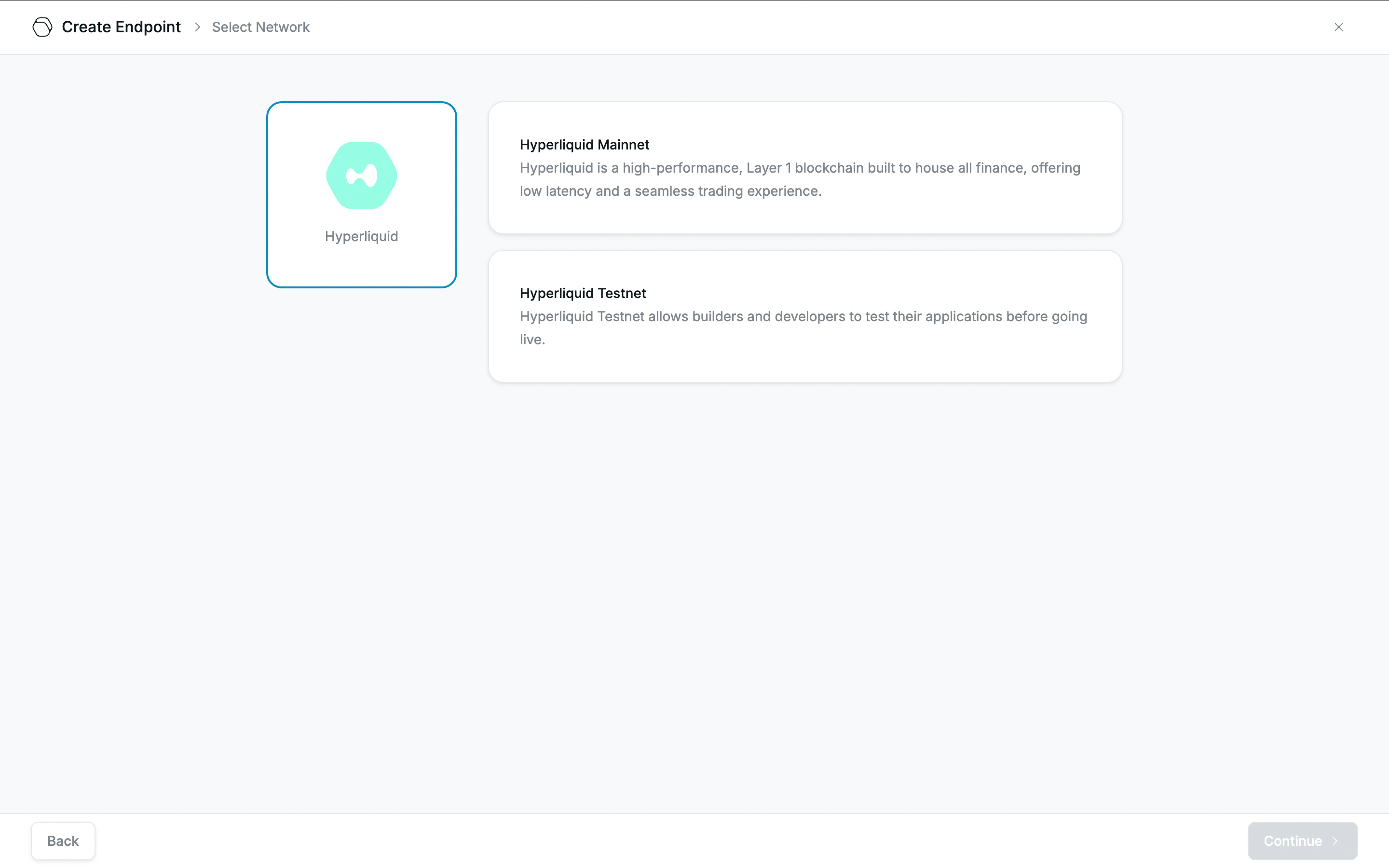
Hyperliquid, a prominent decentralized finance platform, is currently trialing a new feature known as the BorrowLendingProtocol on its Hypercore testnet. This marks a significant development in the platform’s broader efforts to enhance its functionality and user offerings within the DeFi ecosystem. With the test phase underway, the protocol is expected to reshape the way users interact with digital assets on Hyperliquid, particularly for those seeking to borrow and lend.

The BLP is designed to support both USDC and PURR tokens, offering a dual functionality for users who wish to either supply their assets for lending or borrow assets for liquidity purposes. This borrowing and lending mechanism could open up new opportunities for users to maximize their holdings, allowing them to earn interest on idle assets or leverage borrowed funds to enhance their trading capabilities.

As speculation grows, many industry observers believe that the BLP will eventually become the foundation of Hyperliquid’s Multi-Margin system. This system would enable users to borrow multiple assets for margin trading, potentially unlocking a more sophisticated layer of DeFi tools on the platform. However, as the feature is still in its testing phase, no official confirmation has been provided regarding this integration.

Hyperliquid’s decision to test the protocol on the Hypercore testnet is a strategic one, allowing the team to assess the feature’s performance and ensure it is operating as intended before rolling it out to the broader user base. The testnet serves as a proving ground for new developments, offering an environment where bugs and issues can be identified and rectified without risking the platform’s mainnet integrity.

The introduction of BLP into the DeFi space is significant not only for Hyperliquid but also for the broader market. Borrowing and lending protocols have become a cornerstone of DeFi ecosystems, enabling more dynamic interactions between users and assets. These protocols allow for enhanced liquidity, allowing users to access funds without needing to sell their holdings. In addition, they create new ways for investors to diversify their strategies, from borrowing to take advantage of price movements to lending assets for passive income generation.

The launch of BLP could position Hyperliquid as a more competitive player in the crowded DeFi space. As more platforms introduce borrowing and lending features, the demand for flexible, secure, and user-friendly systems grows. Hyperliquid’s focus on providing a seamless, highly functional borrowing and lending experience could attract more users looking for a comprehensive DeFi solution.

As the trial progresses, Hyperliquid will closely monitor user feedback and performance metrics to ensure the system meets the expectations of its community. Any adjustments to the protocol will be made based on this data, ensuring that the final version is robust and capable of handling the demands of an active user base.

The BLP’s potential integration into Hyperliquid’s Multi-Margin system could pave the way for new strategies within the platform. Multi-margin systems allow traders to use their collateral across various assets, enhancing their ability to take on larger positions without increasing their initial outlay. By combining BLP with Multi-Margin, Hyperliquid could offer traders a more versatile toolset for managing risk and maximizing returns.

The central processing unit has long stood as the cornerstone of computing, from powering individual computers to driving large-scale data centres that underpin the digital world. However, as artificial intelligence has surged in importance, there is a significant shift occurring in the hardware landscape. The increasing complexity and computational demands of AI tasks, such as machine learning, deep learning, and data analytics, have pushed companies to develop […]

Abu Dhabi National Oil Company is poised to significantly ramp up its global trading operations, with plans to increase the volume it handles by two-thirds over the next few years. This expansion is part of a broader strategy to strengthen ADNOC’s position on the global stage and tap into new revenue streams. The move signals the growing ambition of the UAE’s state-owned oil giant to enhance its commercial footprint beyond traditional oil and gas production.

Since the establishment of its trading arm in 2018, ADNOC has been gradually building its global network, positioning itself as a major player in international energy markets. The company has already set up trading offices in key financial hubs such as Singapore and Geneva, with the United States next on its list. This expansion is seen as a strategic initiative aimed at consolidating ADNOC’s presence in both the fuel trading and energy markets, where it competes with some of the world’s largest oil companies.

Ahmed Bin Thalith, CEO of ADNOC Global Trading, outlined the company’s goals during a recent interview. He explained that ADNOC’s trading operations are central to its broader strategy of extracting greater value from the fuel produced not only in the UAE but from global markets. Thalith emphasized that the expansion of the trading unit is integral to ADNOC’s vision of becoming a more diversified energy enterprise, moving beyond its traditional role as a major oil producer.

The UAE, known for its vast reserves of oil and natural gas, is under pressure to diversify its economy, which is heavily dependent on hydrocarbons. By expanding its trading operations, ADNOC seeks to secure additional revenue streams from the global sale of fuel products, a vital step as the world moves towards a more sustainable energy future. The move aligns with the UAE’s broader vision of positioning itself as a global energy hub, diversifying into renewable energy and other industries, such as technology and manufacturing.

ADNOC’s global trading expansion follows a series of similar moves by other Gulf oil companies seeking to broaden their operations beyond the traditional export of crude oil. Companies like Saudi Aramco have been pursuing similar strategies to increase their influence in the global energy trading market. However, ADNOC’s strategy to build a robust trading platform since 2018 gives it a more established presence in the field. The company is now looking to leverage its growing infrastructure to manage an even greater volume of trades, both within the Middle East and globally.

In addition to expanding its physical presence in strategic locations, ADNOC Global Trading is also exploring new technologies to improve its operations. This includes the use of data analytics and advanced digital tools to monitor and predict market trends, a crucial aspect for maintaining competitiveness in the volatile global energy market. By integrating cutting-edge technology into its trading practices, ADNOC aims to stay ahead of the curve and better position itself in a market where agility and adaptability are paramount.

The decision to enter the U. S. market is one of the more ambitious elements of ADNOC’s expansion plans. The company aims to tap into the largest energy market in the world, which has seen significant changes in recent years due to the shale revolution and growing interest in alternative energy sources. By establishing a presence in the U. S., ADNOC hopes to gain access to new trading opportunities, as well as foster relationships with key players in the global energy sector.

The expansion also reflects ADNOC’s long-term vision of becoming a more diversified energy company that is not solely reliant on crude oil exports. The UAE has been increasingly investing in renewable energy, and ADNOC’s trading division is seen as a key pillar in achieving this transition. As part of its sustainability strategy, ADNOC has set ambitious targets for reducing its carbon footprint and increasing its investment in cleaner energy technologies, including solar power and hydrogen.

Two-day forum explores AI and blockchain venture capital landscape, unveiling new global capital trends HONG KONG SAR – Media OutReach Newswire – 7 November 2025 – Cyberport’s flagship event, the Cyberport Venture Capital Forum 2025 (CVCF), achieved a record-breaking over 500 deal flows, with more than 2,700 attendees and over 180,000 online views. Themed “The Innovation-Venture Nexus: Igniting Transformative Success”, the two-day forum, together with highlight events […]

A fresh roster of innovators, and increased sums of investment, had global innovators eyeing Hong Kong’s I&T capabilities HONG KONG SAR – Media OutReach Newswire – 7 November 2025 – Hong Kong Science and Technology Parks Corporation (HKSTP) has successfully concluded EPIC 2025 Presented by Cathay and HSBC. Ideas took flight at today’s Grand Finale; NEU Battery Materials brought home the Overall Championship and won the Green […]

VISHNU RAJA
RYO YAMADA
HITORI GOTOH
IKUYO KITA