News related to
digital

Coinbase has formally requested approval from the U.S. Securities and Exchange Commission to offer tokenised equities in the country. The scheme would let users buy and trade digital tokens representing company shares, potentially enabling 24/7, faster, and lower-cost equity trading by leveraging blockchain technology. If successful, Coinbase could directly compete with established brokerages such as Robinhood and Charles Schwab.

This strategic initiative marks a pivotal expansion beyond crypto into traditional financial markets. Coinbase’s chief legal officer Paul Grewal described the push as a “huge priority,” emphasising the potential to establish a regulated framework for tokenised securities. To proceed, the company is seeking a “no-action letter” or an exemptive relief from the SEC—mechanisms that would allow official clearance to operate without enforcement action.

The tokenisation of shares aims to reduce transaction costs, accelerate settlement and expand market accessibility. Proponents believe that blockchain-based equities could revolutionise trading. However, global regulators have flagged challenges including low secondary-market liquidity and absence of unified global standards.

Coinbase’s renewed interest follows a prior attempt to introduce a tokenised version of its own stock at the time of its 2020 direct listing—an effort ultimately blocked by the SEC. Now, with the SEC’s evolving crypto task force and indications of a more favourable regulatory environment under the Trump-appointed leadership of acting chair Mark Uyeda, Coinbase envisages a window of opportunity.

Institutional enthusiasm appears to be rising, with CFO Alesia Haas noting that prior regulatory obstacles—“brick walls,” as she put it—may now be negotiable. CEO Brian Armstrong similarly asserted the potential for round-the-clock trading innovation and applauded engagement with the SEC’s crypto task force.

Despite this optimism, regulatory hurdles remain. Coinbase is not registered as a broker-dealer, and any platform facilitating trading in tokenized equities must satisfy existing legal requirements. The SEC had previously sued Coinbase in 2023, alleging the company operated an unregistered brokerage—a lawsuit later dismissed in 2025 under the Trump-appointed SEC leadership.

If granted a no-action letter, Coinbase would gain regulatory assurance that trading tokenised equities is compliant under current laws—a reassurance deemed critical to advance institutional adoption in the sector. Some industry commentators suggest that while tokenised equities are gaining traction internationally, U.S. regulatory clarity is key to unlocking broader institutional uptake.

Globally, exchanges like those operated by Kraken are already piloting tokenised shares—known as xStocks—in international markets outside the U.S.. These moves reflect a broader shift: analysts such as Colin Butler of Polygon have predicted tokenised real‑world assets could reach a market potential of up to $30 trillion in the long term.

Within the U.S., Coinbase has sought to shape the regulatory conversation. In March, the company submitted 36 detailed recommendations to SEC Commissioner Hester Peirce, articulating a blueprint for distinguishing between digital commodities and digital securities, and calling for secondary-market clarity. The SEC also hosted roundtable discussions earlier this year with industry participants on asset tokenisation, including former Coinbase counsel Alex Zozos.

Securing approval would align Coinbase with a mosaic of international initiatives exploring tokenised share trading, potentially enabling U.S. investors to trade equities with crypto-like efficiency. Yet adoption remains tied to demonstration of adequate liquidity, interoperability, and regulatory consistency—areas where global standards are still evolving.

While no timing for product rollout has been disclosed, Paul Grewal stressed that obtaining a no-action letter is essential to injecting confidence into institutional investors, paving the way for a new class of regulated digital securities.


Greenlogue/AP Aptly named California Residences, the latest green‑living enclave by Infracorp has launched sales in Dubailand, with one‑ to three‑bedroom apartments starting at AED 1 million. Positioned within the broader California Village master‑plan, the AED 600 million project embraces minimalist design, expansive landscaping and wellness‑focused amenities, marking a notable entry in Dubai’s sustainable real estate sphere. The California Village community spans 112,127 sqm and comprises the California Residences apartments alongside villas and […]

If you’re considering investing in or moving to Takaya at Motor City by Union Properties, one of the smartest first steps is reviewing the official brochure. This comprehensive document gives prospective buyers a detailed overview of the project’s master plan, unit layouts, key features, and lifestyle offerings. Whether you’re interested in Takaya apartments, Takaya villas, or Takaya townhouses, the brochure provides essential information that helps you make informed decisions — from […]

Thailand has authorised a five‑year exemption from capital gains tax for digital asset sales conducted through SEC‑licensed platforms, functioning from 1 January 2025 until 31 December 2029. The legislation aims to sharpen the country’s advantage in the regional crypto landscape by lowering investor costs and enticing increased trading activity.

Under the measure, individuals realising gains from digital assets via regulated exchanges will face zero capital gains tax throughout the five‑year window. Prior to this, profits were subject to personal income tax rates—reaching up to 35 per cent depending on annual earnings—alongside a 15 per cent withholding tax on gains from non‑licensed platforms. VAT on cryptocurrency trading had already been abolished as of 1 January 2024.

Analysts believe the tax holiday is designed to reinforce Thailand’s appeal in Southeast Asia’s intensely competitive digital asset territory. With exchanges like Bitkub and Binance vying for market share, and tourists soon enabled to use crypto‑linked credit cards for local spending, Thai policymakers are signalling a strong commitment to bolster innovation while preserving investor protections.

Officials from the Thai Securities and Exchange Commission stress that the exemption applies strictly to transactions performed on SEC‑approved exchanges. Revenues from crypto trades outside those platforms will not be covered and remain taxable. Licensed operators must continue observing related regulations: comprehensive transaction reporting, watch‑lists for suspicious activity, custody rules, and coordination with law‑enforcement as stipulated under the Digital Asset Business Law.

Investor responses so far have been mixed. Market participants report that some will likely postpone realising gains until the exemption period begins. One Bangkok‑based trader remarked that the tax relief “reduces effective cost by around 15 to 35 per cent depending on your income bracket,” reinforcing Thailand’s status as Asia’s most favourable crypto tax jurisdiction for the coming years.

Critics caution that the measure may disproportionately benefit higher‑earning investors while diluting future tax revenue. Government officials argue the policy forms part of a larger strategy to boost capital market reform, as evidenced by parallel legislative updates—including measures enabling tourists to spend crypto, supporting retail access to digital government bond tokens, and enhanced SEC authority over foreign exchanges operating domestically.

The incoming regulation also supplements Thailand’s earlier decisions to exempt crypto trading from VAT from January 2024, amend withholding tax rules for licensed platforms, and permit offsetting of capital losses against gains. Expectations are rising for further alignment of digital asset rules with traditional financial regulations, part of a broader financial modernisation initiative led by the Ministry of Finance and Bank of Thailand.

As the deadline for implementation approaches, licensed exchanges are working on upgrading systems to clearly segregate tax‑exempt transactions and produce compliant audit trails. The revenue department has indicated it will deploy random checks and compliance audits, with penalties ready for any lapses in record‑keeping or reporting.

With the exemption set to begin next year, attention has swiftly shifted to whether Thailand will extend or widen the tax holiday when 2030 nears, and whether parallel measures such as tax incentives for crypto firms, custody providers, or investment token offerings will be introduced. The current package already ranks among the most incentive‑heavy digital asset tax regimes globally, likely reshaping investor allocations in the short to medium term.

ISTANBUL, TURKEY – Media OutReach Newswire – 17 June 2025 – The report “Evolving Legacy: Decoding the Scientific Trajectory of Chinese Medicine” released today by Hong Kong Baptist University (HKBU) and Elsevier, reveals the growing impact of Chinese Medicine research on global healthcare and modern health challenges. In this context, “Chinese Medicine research” encompasses not only clinical practice, but also basic and translational science, AI-driven systems medicine, […]

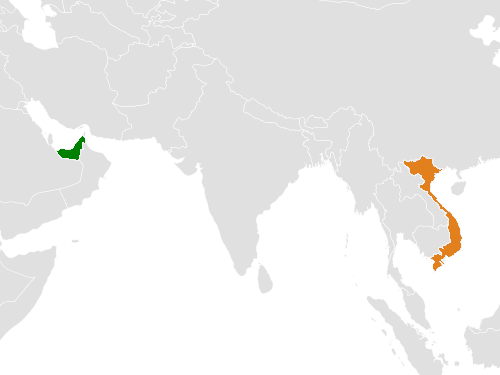
Vietnam’s Techsmart Telecom, the Institute of Information Technology and CyberSecurity, UAE’s Venom Foundation and Abu Dhabi’s GS Fund have signed a memorandum of understanding to advance a sovereign digital finance framework. The scheme centres on a national Data Centre, supervised stablecoin issuance, cross-border settlement infrastructure, cybersecurity protocols and fintech training—a landmark convergence of telecom, blockchain, finance and security sectors.

The agreement mandates Venom Foundation’s sovereign-grade Layer‑0 blockchain be deployed in Vietnam. The foundation, already liaising with central banks across Southeast Asia—including Singapore, Malaysia, the Philippines and Vietnam—will integrate ISO 20022 messaging, on‑chain KYC/AML, real-time settlements and asset tokenisation capabilities into the system. GS Fund will spearhead the data centre’s construction under a stable legal and economic regime, while IITCS tackles regulatory framework, compliance and talent development, and Techsmart manages connectivity and integration.

Work in the initial phase, set for the next 12 months, will prioritise the technical architecture, legal foundations and national infrastructure planning. Vietnam’s demographic profile—a young, technologically literate population—and its expanding cross-border fintech activities are seen as key enablers for asset tokenisation, according to Venom Foundation. Dr Hoang Phuoc Thuan of IITCS highlighted Resolution 57’s role in connecting sovereign data ambitions with e‑government and AI development.

This public–private partnership reflects Vietnam’s Digital Infrastructure Strategy, which targets universal fibre, extensive 5G coverage and advanced data centre roll-out by 2030. Venom’s Layer‑0 blockchain—already piloted in the Philippines with the Bangko Sentral ng Pilipinas—cements institutional-grade readiness for programmable finance and asset digitisation.

Regulatory progress has been underway since March’s Prime Ministerial directive, with the Ministry of Finance and State Bank of Vietnam tasked to propose a Digital Technology Infrastructure law, introduce regulated sandboxes and pilot a crypto framework by May 2025. Amid this, Vietnam’s digital asset market has grown substantially—around 17 million citizens currently hold crypto assets valued at over US $100 billion—placing the country in the top five worldwide for individual interest and top three in trading volume.

Issues remain unresolved: incomplete guidelines on exchange licensing, asset categorisation and customer protection have placed Vietnam on the Financial Action Task Force’s grey list. Integrating blockchain with conventional banking operations—spanning accounting, risk management and cybersecurity—also poses significant implementation hurdles.

Further reinforcing policy alignment, the Vietnam Blockchain Association and One Mount Group—members of the VBA—have pledged between US $200 million and US $500 million to establish a sovereign Layer‑1 blockchain, complying with Prime Ministerial Directive 05/CT‑TTg.

The final vision foresees multi-year rollout phases extending beyond initial legal and technical milestones to encompass digital payments, reduced reliance on physical cash, strengthened cybersecurity via distributed ledgers, and expanded fintech education for government and private sectors under IITCS guidance.

A landmark agreement between UAE’s Autocraft and Indonesian aerospace maintenance giant GMF AeroAsia positions the Autocraft E20+ electric vertical take‑off and landing aircraft for regional deployment, signalling a major advance in Southeast Asian air mobility. Signed on 11 June at the Indo Defence Expo in Jakarta, the memorandum of understanding enlists GMF as the official Maintenance, Repair and Overhaul partner for the E20+ platform, while establishing frameworks […]

Advertisements

Bitcoin.com has established its first Middle East and North Africa regional headquarters at Dubai’s DMCC Crypto Centre, signalling a strategic expansion in the emirate’s blockchain ecosystem. The move secures its place among over 650 companies specialising in blockchain infrastructure, decentralised finance, tokenisation and metaverse development within the DMCC’s Crypto Centre in Uptown Tower. Dubai’s position as a global cryptocurrency hub is underscored by the establishment of the […]

Palazzo Versace Dubai has been listed for online auction beginning at AED 600 million, a steep reduction from its former valuation exceeding AED 1.3 billion–1.4 billion. The move follows growing financial pressure on its owner, Emirates PVD and unnamed lenders, who now appear prioritising debt reduction over maximising sale price. Built in 2015 on Dubai Creek’s Culture Village waterfront, the hotel occupies a 130,000 m² site and combines 215 rooms and suites, 169 private […]

Partners Group, a leading Swiss private markets investment firm managing approximately $152 billion, has inaugurated a new regional headquarters at Abu Dhabi Global Market, signalling a strategic intensification of its presence in the Middle East. Suhail Albaz, appointed Chairman of Middle East, Africa and Central Asia, will oversee the office. His brief includes deepening ties with Gulf institutions, expanding private wealth services, and targeting transformational investment opportunities […]

Israeli Finance Minister Bezalel Smotrich has ordered the cancellation of a decades‑long indemnity that shields Israeli banks when processing shekel transactions for Palestinian counterparts, a move poised to disrupt salaries, imports and basic services across the West Bank and Gaza.

The directive, issued on 10 June 2025, halts a waiver that permitted Israeli financial institutions to facilitate payments to the Palestinian Authority and local customers without fear of legal consequences. Analysts warn this could sever Palestinian banks’ vital access to the larger Israeli banking system.

Palestinian Monetary Authority officials cautioned that this severance would seriously impede operations such as payments for food, fuel, electricity and water. In 2023 alone, around 53 billion shekels—equivalent to $15.2 billion—passed through Palestinian banking corridors. The revocation of the indemnity risks plunging the territories into a fragile cash‑only system, heightening exposure to theft, fraud and illicit activity.

Smotrich’s decision follows sanctions by the UK, Canada, Australia, New Zealand and Norway imposing asset freezes and travel bans on him and National Security Minister Itamar Ben‑Gvir, citing their roles in incitement and human rights abuses in the West Bank and Gaza. Smotrich maintains the waiver withdrawal is a justified response to what he terms the Palestinian Authority’s “delegitimisation campaign” against Israel.

For decades, Palestinian banking operated without central‑bank autonomy or national currency. Reliance on Israeli shekels and correspondent banking agreements has been critical. International voices—including US Treasury Secretary Janet Yellen, G7 officials and the UN—have repeatedly warned that ending this arrangement could trigger a humanitarian crisis and violate international law.

Local analysts predict the measures will exacerbate an already deteriorating economic landscape. Kristin Ronzi of intelligence firm Rane Network said abolishing this financial collaboration will “impede the Palestinian Authority’s ability to import basic, essential goods such as food and fuel,” likely deepening economic hardship and undermining public sentiment.

The Palestinian banking system, which exceeds 100 % of GDP, is particularly vulnerable to spill‑over effects from Gaza into the West Bank, according to IMF data. The termination of the waiver is feared to amplify credit constraints on private and public sectors alike, risking reduced lending, increased borrowing costs, and even defaults.

International stakeholders, including the US and G7, had pressed for short‑term extensions of the indemnity. Those appeals often hinged on warnings that a collapse of Palestinian financial networks would destabilise trade, delay crucial services, and potentially fuel militant groups reliant on cash economies.

Smotrich is known for his hardline positions: he has previously withheld Israeli-tax clearance revenues and blocked aid in retaliation for moves supportive of Palestinian statehood. In May 2025, he warned publicly that Gaza “will be totally destroyed,” vowing to push Palestinians toward resettlement in other countries.

Within Israel, there is evident friction. Prime Minister Benjamin Netanyahu and some coalition members support Smotrich, but others fear political and economic backlash—particularly amid international outrage and concern over deepening the Gaza violence. The policy must still pass through Israel’s security cabinet before implementation begins.

Across Palestinian chambers in Ramallah and Gaza City, there is growing anxiety. Authorities are scrambling to negotiate with donors, international NGOs and Middle Eastern allies, in hopes of constructing contingency plans. Proposed measures include alternative cash corridors, increased use of digital currencies, and humanitarian exemptions—but none currently matches the scale of the existing system.

Economists warn the broader consequences of this rupture—the Palestinian economy has already lost billions amid conflict. Since October 2023, Gaza’s economy shrank by 61 %, the West Bank by 24 %, and joblessness soared to around 57 % across both territories. Analysts fear the banking clamp‑down could invert years of fragile recovery efforts, worsening poverty and political instability.

The United States Supreme Court has been asked to reconsider constitutional protections after the Internal Revenue Service obtained transaction records from more than 14,000 cryptocurrency users—including James Harper—without a warrant, under a sweeping “John Doe” summons aimed at Coinbase data. At issue is whether the longstanding third‑party doctrine—under which individuals forfeit Fourth Amendment privacy protections by sharing data with third parties—remains valid in the digital age.

James Harper, whose trading history dates back to 2013 and who reported all taxable gains, received notification in August 2019 that the IRS had secured his wallet and transaction data without any suspicion of wrongdoing. The agency extended its data collection to approximately 14,000 other users, sparking legal challenges in lower courts and culminating in the Supreme Court petition known as Harper v. Faulkender.

Supporters of Harper argue that the third‑party doctrine originated in a pre‑digital era, designed for narrow investigations, not mass data collection. In briefs filed on 13 June, the New Civil Liberties Alliance and Supreme Court litigator Kannon Shanmugam contended that individuals do not relinquish property or privacy rights simply by using digital platforms, and that warrant requirements should be reinstated for data access. Justice Sonia Sotomayor, in previous commentary, branded the doctrine “ill‑suited to the digital age,” a view echoed by other federal judges in the Fifth and Ninth Circuits.

In contrast, the IRS and its supporters argue that the doctrine is well‑established and necessary for effective tax enforcement, especially amid growing use of cryptocurrencies and concerns over under‑reporting. The agency says organisations like Coinbase have an obligation to furnish information when legal summonses are issued, even absent individual suspicion.

Lower courts have upheld the doctrine, dismissing Harper’s case. A district court in New Hampshire ruled that Harper lacked standing, while the First Circuit applied the third‑party doctrine in September 2024 to dismiss his Fourth Amendment claim. Now, the Supreme Court must decide whether to reverse these rulings.

Analysts suggest that a Supreme Court hearing—and eventual decision—could set a transformative legal precedent regarding digital privacy. If justices mandate search warrants under the Fourth Amendment before agencies can collect personal data—even from third parties—it would broaden protections for online financial activity and reshape the investigative landscape. Conversely, a decision upholding the status quo would affirm broad government access to digital records without judicial oversight.

The case aligns with broader judicial scrutiny over the balance between technological advancement and constitutional safeguards. As cryptocurrency adoption increases among individuals and businesses, questions loom over how traditional investigative powers should adapt. Critics fear that unchecked authority under the third‑party doctrine could pave the way for routine surveillance and erosion of civil liberties.

At the same time, law enforcement officials maintain that revised legal thresholds could complicate investigations into financial crimes and tax fraud. They argue that agencies need efficient access to data held by third-party institutions to detect under‑reported crypto gains and illicit transactions swiftly.

The Supreme Court’s decision on certiorari is expected this autumn. Should the Court agree to hear the case, oral arguments may follow early next year, offering a watershed moment for Fourth Amendment jurisprudence. The outcome will be watched by constitutional scholars, digital‑rights activists, regulators and the cryptocurrency industry.

As digital transactions become integral to everyday life, the Harper v. Faulkender decision may redefine the boundary between individual privacy and government authority. The Court’s ruling could determine whether the act of sharing financial data with a platform like Coinbase is equivalent to voluntary disclosure, or if it remains protected under constitutional standards requiring judicial oversight.

Dubai’s iconic Palazzo Versace Hotel is being offered at auction with an opening bid of approximately $163 million, a sharp reduction from its last estimated value above $380 million, signalling a major shift in the fortunes of the luxury hospitality landmark. A Swiss‑Italian financier, Christopher Aleo, is among a select group of potential buyers believed to be evaluating the purchase as online bidding gets underway. Union Properties, the Dubai‑based developer […]

Issuing its first formal financial move beyond social media, Truth Social’s parent, Trump Media & Technology Group, has filed an S‑1 registration statement with the U.S. Securities and Exchange Commission to launch a Bitcoin and Ethereum exchange‑traded fund under the Truth Social brand. The application outlines plans to list the fund on NYSE Arca, although ticker symbols and fee structures have yet to be disclosed.

NYSE Arca initiated the process on 3 June 2025 by submitting a Form 19b‑4 on behalf of TMTG and partner Yorkville America Digital, seeking approval to list the dual‑crypto ETF. The S‑1 filing followed on 5 June and provides deeper insights into structure and risk disclosures. The filings initiate the standard dual‑review process; the SEC has a 45‑day window for initial decision and up to 240 days for final approval.

The prospectus confirms that the fund will hold spot Bitcoin and Ethereum—the first dual‑crypto vehicle under the Truth Social banner. Physical custody of assets will be handled by Foris DAX Trust Company, affiliated with Crypto.com, which will also serve as execution agent and liquidity provider. Yorkville America Digital, a Florida‑based asset manager that emphasises “Made‑in‑America” digital‑asset products, is named as the sponsor.

Eric Balchunas, senior ETF analyst at Bloomberg Intelligence, noted the risk disclosures reference President Trump’s crypto‑favourable posture—highlighting regulatory shifts, the SEC’s newly launched crypto task force, and a strategic U.S. Bitcoin reserve executive order—marking the first time an ETF filing openly tied a sitting president’s actions to fund risk.

The launch is part of a broader the strategic pivot by Truth Social into financial services. Earlier this year, Trump Media announced a $2.5 billion Bitcoin treasury initiative and submitted trademark applications under its Truth.Fi brand for various crypto‑focused products. The move aligns with similar industry trends—11 spot Bitcoin ETFs have been approved since January 2024 by providers including BlackRock, Fidelity and Grayscale—a venue drawing billions in investor capital.

Yet the dual‑crypto ETF enters a saturated market, and analysts caution that without distinctive value, it may not draw substantial flows despite its political branding. Market watchers observe that assets under management in competing spot Bitcoin ETFs are heavily concentrated—with BlackRock’s IBIT holding approximately $69 billion, followed by Fidelity’s fund at around $21 billion.

The filings also highlight potential conflicts of interest. Yorkville America has financial ties with TMTG, including advising on Truth.Fi and investing in both the firm’s stock and private placement used to bolster the Bitcoin treasury. The application explicitly acknowledges these links may pose risks to investors.

Timing is politically significant, with the SEC’s current leadership under Paul Atkins perceived as taking a more crypto‑friendly stance. SEC deregulation efforts under President Trump’s administration also form part of the context.

Should the ETF be approved, it will enable investors to gain regulated exposure to Bitcoin and Ethereum—devoid of managing digital wallets or crypto‑exchange accounts—via traditional brokerage channels. The fund is poised to calculate daily net asset values, with intraday quotations updated every 15 seconds and comprehensive transparency on holdings, premiums and discounts.

However, regulatory clarity remains pending. Absent from the filings are critical operational details, including ticker symbols, expense ratios and seed capital levels. Until the S‑1 becomes effective, the ETF cannot be marketed to investors.

This marks a strategic landmark in Truth Social’s quest to diversify beyond digital media. Its expansion into crypto finance brings together political influence, regulatory momentum and mainstream investor demand, potentially reshaping its corporate identity. At stake is the fund’s ability to carve a credible and competitive space among established crypto‑ETF leaders.

Brazil has revoked its exemption for small-scale cryptocurrency gains, imposing a uniform 17.5% capital gains tax on all digital asset profits, effective from 12 June under Provisional Measure 1303. The measure replaces the previous tiered system—which allowed monthly tax-free crypto gains of up to R$35,000 and progressive rates of 15–22.5% for larger profits—and now applies to all holders, regardless of volume or wallet type.

The overhaul extends beyond exchange-traded assets to include self-custodied holdings and offshore crypto portfolios. Taxation occurs quarterly, with losses offsettable against gains over a rolling five-quarter period, although this allowance will narrow in 2026.

Smaller retail investors, previously shielded from taxes on modest gains, now face a significant shift. Under the old system, a casual trader earning R$30,000 in profits paid no tax; the new regime means a payable R$5,250—a leap from zero to 17.5%. Conversely, high-net-worth individuals stand to benefit: gains previously taxed at up to 22.5%—notably on trades above R$30 million—will now bear the lower flat rate.

This tax reform is part of a wider fiscal realignment aimed at broadening revenue sources. Previously untaxed fixed-income instruments like LCIs, LCAs, CRIs and CRAs are now subject to a 5% profit tax. Operators within online betting are also affected, with tax rates rising from 12% to 18%. The government had initially attempted to raise the IOF financial transaction tax, but withdrew following resistance.

The shift reflects Brazil’s position as Latin America’s largest crypto market, ranked among the world’s top ten in adoption. Government officials say the move is designed to simplify taxation, close loopholes—particularly for self-custody and offshore holdings—and treat crypto assets on par with traditional investments.

In March, Brazil’s Congress debated legislation to permit partial wage payments in Bitcoin, allowing up to 50% of salaries to be paid in crypto for domestic workers, and 100% for foreign contractors, under central bank supervision. While still under review, this bill indicates a dual approach: while levying stricter taxes, the state is also exploring broader integration of crypto into economic life.

Analysts suggest that while this latest policy may place increased pressure on small-scale traders, it could attract institutional investors seeking tax certainty. “Brazil now offers a clear, flat tax regime” for asset managers, said a financial strategist in São Paulo, referring to the capped 17.5% rate for large holdings.

Market observers caution, however, that the removal of tax-free gains may cool participation among casual investors, potentially reducing liquidity. With the reform’s full implementation and impact on compliance still unfolding, the crypto sector is bracing for a recalibration in trading dynamics.

Security researchers have uncovered a wave of attacks orchestrated by GrayAlpha, a cybercriminal operation linked to the FIN7 group, exploiting cloned browser update pages to install a custom PowerShell loader dubbed PowerNet and ultimately deliver NetSupport RAT malware. Infrastructure analysis confirms the use of fake browser-updates, counterfeit 7‑Zip download sites, and a previously unreported Traffic Distribution System called TAG‑124 as delivery mechanisms. The initial compromise begins when […]

Commercial real estate operators are pivoting beyond traditional boardroom focuses to harness AI-driven insights from their facility and lease management data to boost profitability and operational performance. JLL’s latest research finds that nine out of ten companies plan to deploy AI tools over the next five years to aid human experts in commercial real estate decision‑making. JLL’s Global Future of Work survey, conducted among more than 2,300 […]

Greenlogue/AP Dubai will host the 11th World Green Economy Summit on 1 and 2 October 2025 at the Dubai World Trade Centre, underlining its ambition to accelerate global climate action and sustainable innovation. This flagship event, convened by the Dubai Supreme Council of Energy, Dubai Electricity and Water Authority and the World Green Economy Organisation, will gather industry leaders, policymakers and technical experts around the theme ‘Innovating […]

A pioneering device, the MouthPad by Augmental, now enables users with paralysis or limited mobility to control digital devices using only tongue and head movements. Introduced this year, the device combines a tongue‑sensitive touchpad and motion sensors embedded into a custom dental retainer, delivering seamless Bluetooth cursor control and click functions across phones, tablets, and computers. Developed by MIT alumnus and CEO Tomás Vega, the MouthPad capitalises on […]

Amazon Web Services has secured a landmark 20‑year power purchase agreement with Talen Energy, guaranteeing 1,920 MW of carbon‑free electricity from the Susquehanna nuclear plant in Pennsylvania. The contract, lasting until 2042 with extension options, positions nuclear energy as a pillar of Amazon’s strategy to meet surging demand from its AI and cloud operations. Talen will gradually ramp up delivery, starting with 840–1,200 MW by 2029 and reaching full […]

SINGAPORE – Media OutReach Newswire – 16 June 2025 – ST Telemedia Global Data Centres (STT GDC), a leading data centre service provider headquartered in Singapore, today published its 2024 Environmental, Social and Governance (ESG) report. The report details progress toward STT GDC’s ESG targets, as well as its three main ESG pillars – carbon-neutral data centre operations by 2030; a safe, secure, diverse and inclusive workplace; […]

Donald Trump’s financial disclosure for the 2024 calendar year reveals more than $600 million in gross income and at least $1.6 billion in assets, offering a detailed window into the former president’s expansive business empire and the diversification of his revenue streams. The filing, submitted on 13 June 2025, highlights a sharp rise in earnings derived from cryptocurrency ventures, numerous golf and hospitality properties, global licensing agreements, and an […]

G42 has unveiled a new London‑based subsidiary, G42 Europe & UK, designed to amplify its AI infrastructure and services across the United Kingdom and continental Europe. The entity, co‑chaired by Omar Mir and Marty Edelman, will deliver end‑to‑end AI offerings—from advisory and model deployment to supercomputing infrastructure—for sectors including finance, healthcare, energy and manufacturing. The launch comes as G42 continues its strategic European rollout, following the roll‑out of AI compute […]

Brazil is charting a potential first for any G20 economy by moving through its legislature a proposal to allocate up to 5 per cent of its approximately $370 billion foreign‑exchange reserves into Bitcoin. Bill PL 4501/2023, currently advanced by the Economic Development Committee, would establish a Sovereign Strategic Bitcoin Reserve—dubbed “RESBit”—under the joint oversight of the Central Bank and the Ministry of Finance, with stringent storage protocols and biannual audits.

The bill’s sponsor, Federal Deputy Eros Biondini, argues the measure would reinforce Brazil’s financial sovereignty and diversify its reserve holdings beyond traditional assets. Parliamentarian Luis Gastão, acting as rapporteur, emphasises a cautious, phased implementation aimed at managing volatility exposure while boosting institutional resilience. This contrasts with El Salvador’s executive decree model; the Brazilian plan proceeds through parliamentary channels, potentially setting a more enduring legal precedent.

Storage and transparency are at the core of the proposal: BTC holdings would be secured via cold wallets, underpinned by mandated audits every six months, and reported directly to Congress. Advocates hope this methodical governance framework will ease institutional apprehensions while allowing crypto assets to form part of state‑backed fiscal strategy.

Market reaction has been swift. Analysts highlight the timing, noting that Bitcoin trades near $107,500, with a market capitalisation exceeding $2.1 trillion and a 30 percent rise over 90 days. Within Latin America, Brazil would stand alongside El Salvador as a pioneer, but its parliamentary route marks a significant departure, offering a scalable model potentially attractive to larger economies.

Experts say integration of Bitcoin into sovereign reserves could unlock strategic advantages. Proponents highlight potential hedging against inflation and dollar dependency, while warning of crypto’s inherent risk. Central Bank and finance ministry coordination could foster system-level stability, aligning with policy objectives such as the issuance of a central bank digital currency.

A global ripple effect may follow. Brazil’s initiative has garnered attention across financial and crypto communities; social‑media commentators suggest it may herald the second phase of sovereign Bitcoin adoption, one grounded in legislative legitimacy rather than executive fiat.

Opposition voices within the finance sector remain vigilant. Critics question Bitcoin’s volatility and liquidity as state assets, urging robust risk frameworks before proceeding. Analysts stress the need for comprehensive impact assessments, including stress‑testing against currency and gold reserves.

VISHNU RAJA
RYO YAMADA
HITORI GOTOH
IKUYO KITA