News related to
digital

Franklin Templeton has secured regulatory approval from the Monetary Authority of Singapore to launch the Franklin OnChain U.S. Dollar Short-Term Money Market Fund, marking the first tokenised fund accessible to retail investors in Singapore. The fund requires a minimum investment of US$20, aiming to democratise access to money market instruments through blockchain technology.

The fund is structured under the Franklin Templeton Investments Variable Capital Company and will be managed by Templeton Asset Management Ltd, with Franklin Advisers Inc serving as the sub-manager. It seeks to provide investors with exposure to a portfolio of high-quality, short-term securities, including transferable securities and money market instruments of governments, as well as eligible securities of companies worldwide, primarily denominated in or hedged to the U.S. dollar.

Shares of the fund will be issued and managed through Franklin Templeton’s proprietary blockchain-integrated transfer agency platform. This approach is designed to enhance transparency, security, and efficiency in asset management by leveraging blockchain technology to record transactions and share ownership.

The launch of this tokenised fund aligns with Singapore’s broader efforts to position itself as a hub for digital asset innovation. Franklin Templeton’s participation in Project Guardian, an initiative by MAS to explore the potential of decentralised finance and asset tokenisation, underscores its commitment to advancing financial technology in the region.

The fund mirrors the investment strategy of Franklin Templeton’s existing U.S. Dollar Short-Term Money Market Fund, which manages approximately US$1.7 billion in assets. By offering a tokenised version of this fund, Franklin Templeton aims to provide retail investors in Singapore with a familiar investment product enhanced by the benefits of blockchain technology.

Cape Town is set to host Enlit Africa 2025 from 20 to 22 May at the Cape Town International Convention Centre , bringing together over 6,000 delegates, including utility executives, policymakers, investors, and technology innovators. The event aims to address Africa’s pressing energy and water challenges through strategic discussions, technological showcases, and investment opportunities. The conference will feature four main stages: Strategise, Innovate, Project Investment Network, and […]

CoreSite, a prominent U.S. data centre colocation provider, has chosen Nokia to implement a comprehensive upgrade of its IP routing infrastructure spanning 30 data centres across the country. This collaboration aims to enhance network performance, reliability, and scalability to meet the surging demand for data-intensive applications and cloud services. The agreement covers the deployment of Nokia’s high-performance IP routing solutions, integrating both edge and core network capabilities […]

Apple continues to hold its position as the world’s most valuable brand, maintaining a dominant lead in the annual Kantar BrandZ rankings. The technology giant’s brand value remains firmly ahead of its competitors, driven by sustained innovation, strong consumer loyalty, and expanding services. Among the global giants, Saudi Aramco stands out as the only company from the Gulf Cooperation Council and Middle East region to secure a spot within the Top 100, reflecting its growing international recognition amid shifting energy markets.

The Kantar BrandZ report evaluates thousands of brands worldwide based on consumer perceptions, financial performance, and market presence. Apple, which has consistently topped the rankings for several years, saw its brand value strengthen further due to its diversified product ecosystem and significant investments in augmented reality, artificial intelligence, and subscription services. Its ability to integrate hardware, software, and services continues to set it apart, contributing to record-breaking revenues and reinforcing customer engagement across the globe.

The inclusion of Saudi Aramco in the Top 100 highlights the resilience and strategic positioning of this energy giant amid global transitions. As the world accelerates its shift towards renewable energy, Saudi Aramco’s presence in the rankings underscores its efforts to diversify and adapt to evolving demands. The company has been investing heavily in cleaner energy technologies and sustainability initiatives, while still capitalising on its vast oil reserves and refining capabilities. This dual approach has helped maintain its strong financial standing and global brand stature.

Saudi Aramco’s entry into the list marks an important milestone for the GCC and the Middle East, regions that have been working to boost their global business profiles beyond the traditional hydrocarbon sector. The company’s brand value benefits from its critical role in global energy supply chains and its status as one of the largest integrated energy and chemicals companies worldwide. Its prominence in the BrandZ ranking reflects the ongoing transformation of the regional economy and the growing importance of Gulf-based enterprises in international markets.

Technology companies dominate the upper echelons of the BrandZ Top 100, with Apple’s closest rivals including Microsoft, Amazon, Google, and Samsung. These brands owe their high valuations to their broad global reach, innovation pipelines, and ability to capture consumer attention in a fast-evolving digital landscape. The report shows a marked increase in the value of brands involved in cloud computing, software services, and digital entertainment, signalling shifts in consumer behaviour and business investment.

Financial services and luxury goods brands also feature prominently, with firms such as Visa, Mastercard, and Louis Vuitton holding strong positions. These sectors benefit from sustained consumer demand and adaptation to digital channels, including e-commerce and fintech innovations. Luxury brands have further capitalised on expanding affluent markets in Asia and the Middle East, contributing to their steady brand valuation growth.

Saudi Aramco’s inclusion is particularly notable given the absence of other Middle Eastern brands in the Top 100, illustrating the challenging environment for regional companies in competing at this global scale. Despite high national revenues and significant economic influence, many Gulf firms have yet to establish the kind of global brand recognition needed to appear alongside the world’s largest multinational corporations. This reflects broader economic and strategic factors, including the diversification efforts underway across GCC countries and their focus on building competitive industries beyond energy.

The report also highlights evolving consumer expectations around sustainability and corporate responsibility, with brands that demonstrate genuine commitment to environmental and social governance increasingly favoured in valuation metrics. For energy companies like Saudi Aramco, this presents both challenges and opportunities, as stakeholders scrutinise their environmental impact and transition strategies. The company’s public commitments to reducing carbon emissions and investing in alternative energy projects are critical to its ongoing reputation and brand strength.

Among the factors contributing to Apple’s sustained brand leadership is its capacity to maintain premium pricing while expanding its user base globally. Its flagship products such as the iPhone, iPad, and Mac continue to enjoy strong demand, while services like Apple Music, iCloud, and the App Store generate consistent recurring revenue streams. Innovations in health technology, privacy features, and integration with smart home devices further deepen consumer engagement and brand loyalty.

The Kantar BrandZ rankings serve as a barometer for global business trends, reflecting shifts in consumer sentiment, technological advancement, and economic power distribution. Apple’s dominance underlines the continuing importance of technology innovation as a driver of brand value, while Saudi Aramco’s position signals the evolving role of energy companies in the global economy. As the world grapples with climate change and digital transformation, these rankings highlight how adaptability and strategic vision underpin the most valuable brands.

The presence of Saudi Aramco in the Top 100 is likely to inspire other Gulf-based companies to pursue greater international brand recognition through strategic investments, partnerships, and innovation. Governments across the region have increasingly prioritised economic diversification and global competitiveness, aiming to foster industries such as technology, finance, tourism, and renewable energy. Building strong, globally respected brands will be essential to this long-term vision.

This year’s BrandZ report underscores the growing concentration of brand value among a relatively small group of global leaders, with the top 10 brands accounting for a significant share of total valuation. While new entrants occasionally disrupt the rankings, the core list remains dominated by technology firms and consumer-focused corporations with expansive ecosystems and high consumer trust.

Saudi Aramco’s performance within this competitive context is a testament to its strategic management and financial robustness. It reflects its ability to navigate geopolitical uncertainties, market volatility, and the pressures of a shifting energy paradigm. As international investors and consumers become more conscious of sustainability, Saudi Aramco’s ongoing brand strategy will likely focus on balancing its traditional strengths with innovation in low-carbon energy solutions.

The Kantar BrandZ Top 100 also illustrates broader global economic trends, including the rise of Asian brands and the shifting influence of different markets. Chinese companies such as Tencent, Alibaba, and Huawei continue to climb the rankings, leveraging vast domestic markets and aggressive expansion strategies. Meanwhile, European brands have seen mixed fortunes amid economic challenges and regulatory shifts, emphasising the competitive pressures on established global players.


BC.GAME, a prominent global Web3 iGaming platform, has unveiled a redesigned logo and a bold new slogan, “Stay Untamed,” signalling a strategic shift to deepen its presence in the cryptocurrency gaming space. This rebranding effort aligns with the platform’s ambition to enhance user experience and solidify its position at the forefront of the blockchain-powered gambling industry.

The refreshed logo presents a sleek and modern aesthetic that encapsulates the brand’s ethos of freedom and innovation within the digital gaming realm. The slogan embodies BC.GAME’s commitment to providing players with unrestricted, decentralised entertainment options, emphasising autonomy and a break from traditional gambling constraints. These changes come amid the platform’s accelerated integration of various cryptocurrencies and Web3 technologies, which have been reshaping the iGaming landscape.

Founded in 2017, BC.GAME has steadily grown into a global player in the crypto gambling market, offering a wide array of games including slots, dice, and live casino options that operate on blockchain technology. The platform supports numerous cryptocurrencies such as Bitcoin, Ethereum, and a native BC token, which is designed to incentivise loyalty and enhance transactional efficiency. Its use of blockchain ensures transparency, provable fairness, and instant payouts, addressing common concerns in online gambling.

BC.GAME’s latest developments highlight the industry’s broader trend towards the fusion of gaming and decentralised finance . By integrating non-fungible tokens , smart contracts, and decentralized autonomous organisation governance models, BC.GAME aims to offer players more control and novel ways to engage with the ecosystem. These features are increasingly demanded by users seeking more than just conventional betting experiences.

The iGaming sector has witnessed a marked increase in blockchain adoption as players gravitate towards platforms that offer enhanced privacy, security, and verifiability of game outcomes. BC.GAME’s refreshed identity underscores its intention to tap into this growing market while addressing regulatory and operational challenges through technology. With the gaming industry under increasing scrutiny worldwide, platforms utilising blockchain offer an appealing alternative by enhancing transparency and reducing fraud risk.

Analysts note that BC.GAME’s strategic emphasis on Web3 adoption could redefine competitive dynamics within iGaming. The platform’s approach integrates decentralisation principles with user-centric design, potentially attracting a new demographic of tech-savvy players who prioritise autonomy and digital asset ownership. This movement reflects a shift from traditional operators towards ecosystems where players have a tangible stake and governance input.

The platform’s token economy is a cornerstone of this transformation. BC.GAME’s native BC token functions as both a utility and governance token, allowing holders to participate in decision-making and gain rewards through staking mechanisms. This token-driven engagement creates a community-focused environment, fostering loyalty and sustained participation. Such models are increasingly prevalent across Web3 projects aiming to decentralise control and enhance user value.

BC.GAME has also partnered with various blockchain protocols and payment gateways to widen access and improve the usability of cryptocurrencies on its platform. These collaborations facilitate smoother deposits and withdrawals, supporting a seamless experience across devices and geographies. Additionally, the platform emphasises responsible gaming measures integrated with blockchain transparency, seeking to balance innovation with player protection.

Industry observers highlight BC.GAME’s focus on live dealer games powered by blockchain as a significant innovation. These games combine real-time interaction with provably fair outcomes verified on the blockchain, offering a hybrid model that addresses the trust deficit often associated with live online casinos. This hybrid approach enhances authenticity and could set new standards for live iGaming offerings.

While BC.GAME’s growth and technological advancements reflect promising trends, the platform faces challenges inherent to the cryptocurrency gambling niche. Regulatory uncertainties remain a critical factor, as governments worldwide grapple with how to oversee blockchain-based betting. Compliance with anti-money laundering and know-your-customer protocols is essential, and BC.GAME’s ability to navigate these regulations will influence its global expansion.

The platform also competes in a crowded market where innovation cycles are rapid, and user expectations evolve swiftly. Maintaining security against cyber threats and ensuring scalability of blockchain infrastructure are ongoing priorities. BC.GAME’s recent rebranding and tech integrations indicate proactive efforts to stay ahead, yet the volatile nature of crypto markets presents inherent risks to revenue stability.

Saudi Arabia has authorised SpaceX’s Starlink satellite internet service for deployment in its aviation and maritime sectors, marking a significant step in the Kingdom’s push to modernise its digital infrastructure. The announcement was made by Elon Musk during the Saudi-US Investment Forum in Riyadh, where he expressed gratitude to the Kingdom for the approval. The decision aligns with Saudi Arabia’s broader ambitions to diversify its economy and […]

PENANG, MALAYSIA – Media OutReach Newswire – 15 May 2025 – Tenchijin Inc., a space-tech innovator based in Tokyo, will participate as a featured speaker at Penang Slush’D 2025, taking place from May 19-21, 2025, in Georgetown, Penang, Malaysia. The event is a regional edition of Slush Finland, one of the world’s largest startup events. Yohei Nishiyama, Executive Officer and Business Development Manager, who leads new business […]

Advertisements

Saudi Aramco has unveiled 34 preliminary agreements with major American firms, collectively valued at up to $90 billion, marking one of its most substantial single-day commitments to deepening commercial ties with the United States. The signings, announced during the U.S.-Saudi Investment Forum in Riyadh, coincide with U.S. President Donald Trump’s Gulf tour and underscore Aramco’s strategic push to diversify its portfolio under Saudi Arabia’s Vision 2030 initiative.

The agreements span a broad spectrum of sectors, including energy, technology, and finance. In the energy domain, Aramco has entered into memoranda of understanding with U.S. liquefied natural gas producers NextDecade and Sempra, securing approximately 6.2 million tons of LNG supply. This move aligns with Aramco’s ambition to reach nearly 7.5 million tons of LNG capacity by 2030. Additionally, a $3.4 billion investment is earmarked for the expansion of the Motiva refinery in Texas, enhancing its refining capabilities.

In the technology sector, Aramco has partnered with Nvidia to establish advanced industrial AI infrastructure, including an AI Hub and a robotics center. Collaborations with Amazon Web Services and Qualcomm aim to drive digital transformation and enhance industrial networks and AI capabilities. An agreement with ExxonMobil focuses on evaluating significant upgrades to their SAMREF refinery, with plans to expand it into an integrated petrochemical complex.

The financial services front sees Aramco forging agreements with asset management giants such as PIMCO, State Street Corporation, and Wellington. A notable initiative includes the establishment of a unified investment fund, named ‘Fund of One,’ in collaboration with BlackRock, Goldman Sachs, Morgan Stanley, and PIMCO, aimed at streamlining short-term cash investments.

SINGAPORE – Media OutReach Newswire – 15 May 2025 – The Institute of Singapore Chartered Accountants (ISCA) has announced the election of four newly-elected members, re-election of four existing members, and appointment of two new members to the ISCA Council, which is the governing body of ISCA to approve major policy decisions and oversees matters relating to the governance and membership of the Institute. The newly-elected, re-elected […]

Thailand’s Ministry of Finance has announced plans to issue 5 billion baht in digital investment tokens, dubbed “G-Tokens,” aiming to broaden public participation in government bond investments. This initiative marks a significant step in integrating digital assets into the country’s financial strategy.

Finance Minister Pichai Chunhavajira stated that the G-Tokens will be available for purchase within the next two months, following cabinet approval. The tokens are designed to offer higher returns than traditional bank deposits, making them an attractive option for retail investors. “Investors can invest with a small amount of cash for the new tokens,” Chunhavajira noted, highlighting the accessibility of the investment.

The G-Tokens will be issued under the existing Public Debt Management Act of 2005 and regulated by the Digital Asset Business Decree of 2018. The tokens are not classified as traditional debt instruments but are part of the government’s budget borrowing plan. Patchara Anuntasilpa, director-general of the Public Debt Management Office, emphasized that the tokens are an innovation in the country’s financial landscape, allowing more retail investors to become part of the digital economy.

Investors can purchase G-Tokens through licensed digital asset exchanges, brokers, and other authorized entities. The minimum investment is set at 100 baht , significantly lowering the threshold for participation in government bond investments. This move is expected to attract a broader base of investors, including those who have traditionally been excluded from such opportunities.

The digital nature of G-Tokens offers several advantages over conventional government bonds. They can be traded on specialized digital platforms, providing greater flexibility and accessibility for investors. Ownership is verified using digital systems, and the tokens can be transferred through designated digital asset platforms. Interest payments and principal redemption will be made electronically to holders via their registered accounts, following the schedule outlined in the prospectus.

The initiative aligns with Thailand’s broader efforts to modernize its financial infrastructure and promote financial inclusion. By leveraging blockchain technology, the government aims to streamline the bond issuance process, reduce costs, and enhance transparency. The G-Token issuance also serves as a pilot to test the market’s response to digital financial instruments, with the potential for future expansions based on demand.

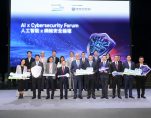
Exploring the Risks and Opportunities of AI Applications in Cybersecurity HONG KONG SAR – Media OutReach Newswire – 14 May 2025 – Co-organised by Cyberport and the Hong Kong Cybersecurity Professionals Association, the “AI x Cybersecurity Forum” took place today at Cyberport. Under the theme “Navigate the Future of AI-Powered Cybersecurity,” the forum brought together over 400 government representatives, cybersecurity experts, leaders from academia and the technology […]

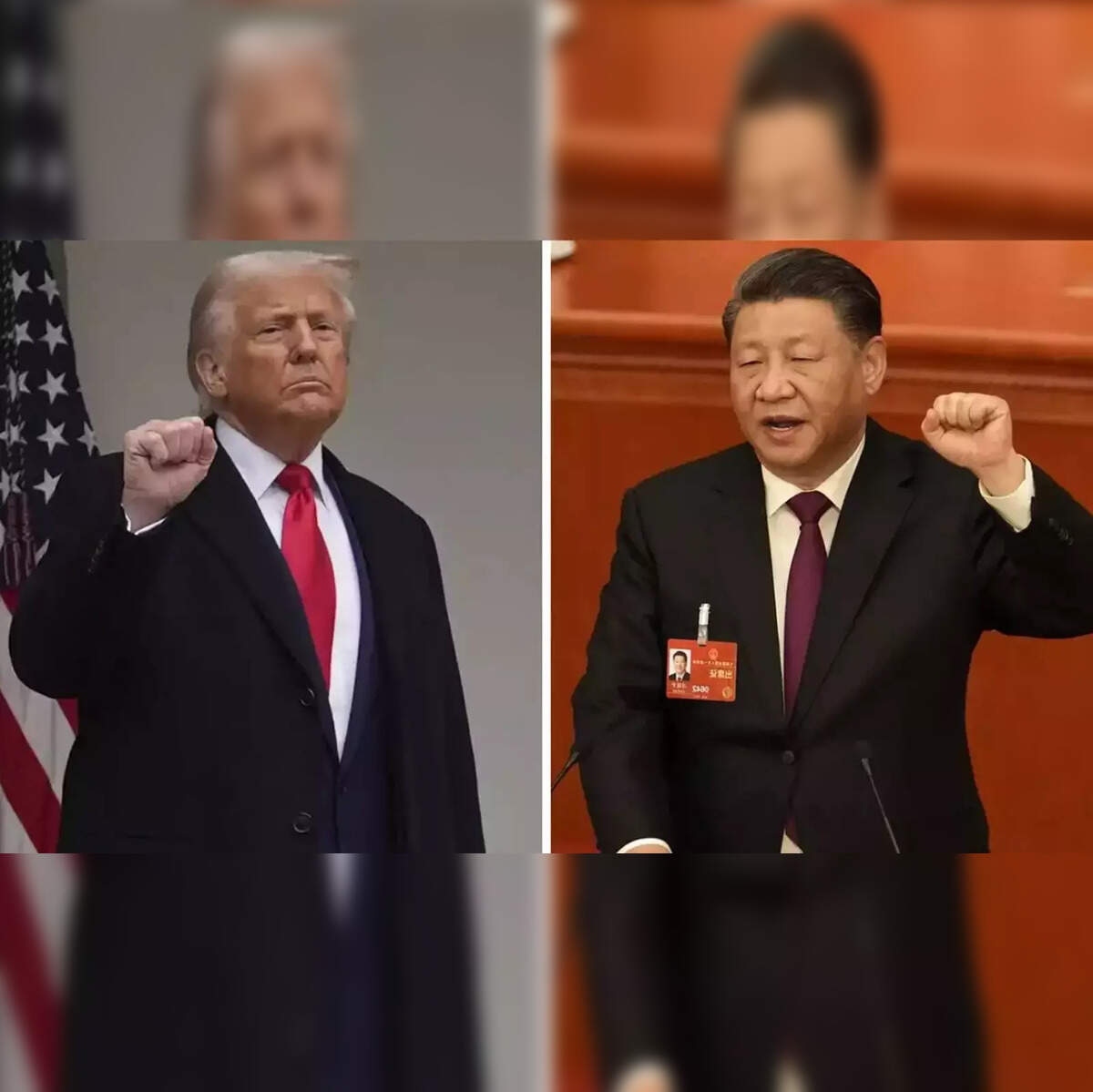
By Nitya Chakraborty Soon after organizing a 90 day truce last week end at Geneva through three day intensive talks between top officials of the United States and China, President Donald Trump is on a three nation tour covering Saudi Arabia, Qatar and UAE to pursue his deal making focusing on both trade and security. […]


Coinbase Canada has made a strategic investment in Stablecorp, the Toronto-based fintech firm behind QCAD, a Canadian dollar-backed stablecoin. While the investment amount remains undisclosed, the move underscores Coinbase’s commitment to expanding its footprint in the Canadian digital asset market and bolstering the adoption of QCAD as a reliable, fiat-pegged digital currency.

QCAD is designed to maintain a 1:1 peg with the Canadian dollar, backed by reserves held in cash and cash equivalents. These reserves are managed by Stablecorp Digital Currencies Inc. , a wholly owned subsidiary of Stablecorp. To ensure transparency and trust, the reserves are custodied by Tetra Trust Company, Canada’s only qualified custodian for digital assets. Monthly attestation reports, conducted by Canadian Chartered Professional Accounting firm Grewal Guyatt LLP, are publicly posted to validate the reserve volumes against the total circulation of QCAD.

Initially launched on the Ethereum blockchain, QCAD has since expanded its availability to Stellar, Algorand, and Solana blockchains. This multi-chain approach enhances accessibility and utility, allowing users to leverage QCAD across various decentralized platforms. On Solana, for instance, users can engage in foreign exchange transactions between QCAD and USDC at significantly reduced costs compared to traditional FX venues, with instant settlement capabilities.

Stablecorp distributes QCAD through an Authorized Dealer model, wherein wholesale institutional entities can purchase and sell QCAD at a fixed price of one Canadian dollar. While these Authorized Dealers have direct claims on the underlying reserves, retail holders of QCAD do not possess such claims. To mitigate currency risk, all proceeds from QCAD sales are converted into Canadian dollars before being moved into reserves.

The strategic investment by Coinbase Canada aligns with its broader efforts to enhance its offerings in the Canadian market. By supporting QCAD, Coinbase aims to provide Canadian users with a stable and transparent digital currency option that facilitates efficient cross-border transactions and on-chain foreign exchange operations.

Thailand’s Finance Ministry is set to introduce a digital investment token, dubbed the G-Token, aiming to raise approximately $150 million within the next two months. This initiative is part of the government’s budget borrowing plan and seeks to provide higher returns than traditional bank deposits.

Finance Minister Pichai Chunhavajira announced that the G-Token is designed to offer retail investors an accessible entry point into government-backed financial instruments. Unlike conventional bonds, the G-Token is not classified as a debt instrument but serves as a tool to mobilise public funds through blockchain technology.

The tokens will be available for purchase with a minimum investment of around $3, making them accessible to a broad segment of the population. This move is intended to democratise investment opportunities, traditionally dominated by institutional and high-net-worth investors.

Investors are expected to receive returns surpassing the current 12-month fixed deposit rates offered by Thai banks, which range between 1.25% and 1.5%. However, specific yield figures have not been disclosed.

The G-Token initiative aligns with Thailand’s broader strategy to integrate digital assets into its financial ecosystem. By leveraging blockchain technology, the government aims to enhance transparency, reduce costs, and increase efficiency in public fundraising efforts.

The tokens will be tradable on licensed digital asset exchanges within Thailand, although access will be restricted to Thai nationals. This measure ensures compliance with domestic financial regulations and safeguards against potential risks associated with foreign investment in government-backed digital assets.

The launch of the G-Token follows recommendations from influential political figures, including Thaksin Shinawatra, who advocated for the issuance of stablecoins backed by government bonds to broaden investment access.

Libya has formally integrated into the Medusa subsea cable system, marking a pivotal advancement in its telecommunications infrastructure. This 8,700-kilometre fibre-optic network, encompassing 24 fibre pairs and a capacity of 20 terabits per second per pair, is set to connect 11 countries across the Mediterranean, including Libya, by the end of 2025. The Medusa project, spearheaded by AFR-IX Telecom and supported by the European Union and Orange, […]

Supermicro, a prominent American server technology company, has entered into a transformative partnership with Saudi data centre developer DataVolt. This landmark deal, valued at $20 billion, is set to accelerate the deployment of ultra-dense GPU platforms and rack-scale systems across DataVolt’s extensive infrastructure. The collaboration signals a robust technological alliance between the United States and Saudi Arabia, with both parties committing to ambitious infrastructure projects in the […]

HONG KONG SAR – Media OutReach Newswire – 14 May 2025 – FGA Trust, a Hong Kong-based innovative licensed digital trust platform provides comprehensive fiduciary solutions, has been officially appointed as the Eligible Introducer of ABC Bank, an leading Mauritius financial institution with over a decade of regional expertise, marking a strategic leap to empower high-net-worth individuals(HNWIs) in tapping Africa’s booming investment opportunities. This appointment aligns with […]

PENANG, MALAYSIA / SINGAPORE – Media OutReach Newswire – 14 May 2025 – The Ascott Limited (Ascott), the wholly owned lodging business unit of CapitaLand Investment (CLI), is ramping up talent development to support the opening of more than 300 new properties by 2028. This global expansion is expected to create more than 12,000 new jobs, including over 1,500 property leadership roles. To power this growth, the […]

Tim Draper, a billionaire venture capitalist and early supporter of Bitcoin, has made a bold prediction that the world’s leading cryptocurrency will eclipse the US dollar within the next decade. Draper, renowned for his investments in companies like Skype and Tesla, has long been a vocal proponent of Bitcoin and blockchain technology. His latest remarks, shared in an interview with CoinDesk, suggest a dramatic shift in the global financial landscape, one that could fundamentally change the way economies operate.

Draper’s prediction stems from his belief in Bitcoin’s ability to outpace traditional fiat currencies, including the US dollar. He envisions a future where Bitcoin not only becomes the dominant currency but also where the US dollar, as it exists today, is no longer in circulation. According to Draper, Bitcoin will continue to climb “to infinity” against the dollar, reflecting his confidence in the cryptocurrency’s long-term potential.

The venture capitalist’s faith in Bitcoin is rooted in the unique advantages he believes it holds over traditional money. Draper argues that Bitcoin, unlike the dollar, is not subject to inflationary pressures or government intervention. With a fixed supply of 21 million coins, Bitcoin is designed to be deflationary, which he sees as an essential feature for ensuring the stability of its value over time. This attribute, Draper suggests, makes Bitcoin a far more secure store of value than the dollar, which is increasingly vulnerable to the impacts of monetary policy and national debt.

Bitcoin’s volatility has been one of the major concerns for those sceptical about its potential to replace traditional currencies. However, Draper remains undeterred by such criticisms. He notes that while Bitcoin has experienced significant fluctuations in price since its inception, these swings are a natural part of its maturation process. As more institutional investors and retail traders adopt Bitcoin, Draper expects its volatility to decrease, paving the way for it to become a mainstream currency.

Draper’s confidence in Bitcoin’s future is not just about its potential as a store of value but also about its capacity to facilitate global transactions. With growing concerns over the cost and inefficiency of traditional banking systems, Bitcoin offers a fast, low-cost alternative for transferring money across borders. The cryptocurrency operates on a decentralised network, allowing individuals to bypass centralised banks and governments. Draper believes that as the world becomes more interconnected, Bitcoin’s advantages will become increasingly apparent, particularly in regions where access to traditional banking services is limited.

In his conversation with CoinDesk, Draper also touched upon other technological developments that he believes will shape the future of human communication. Among these, he highlighted advancements in artificial intelligence and genetics, which he predicts will revolutionise the way humans interact with animals. Draper imagines a world where AI enables people to communicate with animals in a way that was once thought impossible. Such advancements, while still in the realm of science fiction for now, reflect Draper’s broader vision of a future where technology breaks down barriers between humans, animals, and even machines.

While Draper’s vision of a Bitcoin-dominated financial system may seem far-fetched to some, it aligns with a growing trend in the cryptocurrency world. The increasing institutional interest in Bitcoin, with large corporations and financial firms adding the cryptocurrency to their portfolios, is seen as a key indicator of its growing legitimacy. Additionally, the global shift towards digital currencies, spurred by the rise of central bank digital currencies , suggests that traditional financial systems may be on the brink of significant transformation.

Countries like El Salvador have already made Bitcoin a legal tender, and other nations are considering similar moves. Meanwhile, in the US, there is ongoing debate over the regulation of cryptocurrencies, with lawmakers grappling with how to create a legal framework that supports innovation while protecting investors. Draper’s prediction, however, suggests that Bitcoin will eventually render such debates moot, as it becomes the global standard for digital transactions.

Despite the optimism surrounding Bitcoin’s potential, there are still significant hurdles that must be overcome before Draper’s vision can be realised. Regulatory uncertainty remains a major obstacle, with governments around the world seeking to impose stricter controls on cryptocurrencies to combat illegal activities like money laundering and tax evasion. Furthermore, the environmental impact of Bitcoin mining has raised concerns among environmentalists, who argue that the energy consumption of Bitcoin’s proof-of-work consensus mechanism is unsustainable.

VeChain CEO Sunny Lu has outlined an ambitious vision to tokenise sustainable human behaviours—such as driving electric vehicles—by integrating blockchain, artificial intelligence , and real-world asset tokenisation into a unified infrastructure. This initiative was presented during the Consensus Toronto conference, where VeChain introduced its latest suite of tools aimed at making blockchain applications more accessible and impactful for mainstream users.

At the heart of this strategy is VeChain’s Marketplace-as-a-Service platform, launched in March 2024. MaaS enables users to create and brand their own customised NFT marketplaces without the need for extensive coding skills. The platform supports the integration of physical products with digital twins—referred to as “phygitals”—through NFT and chip technology. This approach simplifies participation in the NFT space and supports the global tokenisation movement by bridging the gap between physical and digital assets.

VeChain’s MaaS platform also incorporates fee-delegation technologies, allowing builders to cover transaction costs on behalf of users, thereby removing the barrier of transaction fees. Additionally, the platform has integrated an NFT checkout provider and is in discussions with a global payment service provider to enable direct fiat on/off ramps. These features aim to make the user experience similar to traditional Web2 interfaces, enhancing the platform’s usability.

Complementing MaaS is VeChain’s VeBetterDAO ecosystem, which promotes sustainability and community engagement by rewarding contributions towards environmental projects. The ecosystem reflects VeChain’s commitment to sustainability and community participation, incentivising individuals for their contributions to sustainability projects.

VeChain has also formed collaborations with AI-focused organisations such as SingularityNET, FetchAI, and Ocean Protocol to drive innovations in AI through blockchain technology. These partnerships aim to develop AI agents capable of autonomously executing blockchain-related tasks like governance voting and asset management. Such AI agents are sophisticated programs that can analyse information, learn from experience, and autonomously execute tasks on behalf of users, thereby enhancing the efficiency and effectiveness of blockchain applications.

The integration of AI agents into VeChain’s infrastructure is expected to facilitate the automation of tasks and adapt to changing environments, shaping investment decisions and operational efficiencies in the coming years. This move positions VeChain at the forefront of combining AI with blockchain technology to create more intelligent and responsive systems.

VeChain’s efforts are underpinned by its VeChainThor public blockchain, which utilises a Proof of Authority consensus mechanism. This mechanism ensures high throughput and security, making it suitable for enterprise-grade applications. The VeChainThor blockchain supports fee delegation, allowing transactions to be paid by a third-party account, thereby improving the usability of decentralised applications.

The company’s dual-token economic model, comprising VET and VTHO tokens, safeguards the long-term sustainability of the VeChainThor ecosystem. This model separates the medium of value from the cost of using the blockchain , ensuring stability and predictability in transaction costs.

VeChain’s initiatives have garnered attention from various sectors, including collaborations with organisations like WoV Labs to enhance digital ownership for readers of SNOB Non Per Tutti magazine. This collaboration utilises VeChain’s advanced tools to create a unique engagement model, allowing readers to access exclusive benefits through WoV Labs’ digital passport without needing blockchain or Web3 knowledge. Such partnerships highlight the integration of blockchain technology into traditional media and create new opportunities for user interaction and content delivery.

The company’s financial health is reflected in its reported $440 million in assets by the end of 2023, indicating its financial stability and attracting a wide user base. The growth in unique wallet addresses, now exceeding 3 million, further demonstrates VeChain’s expanding influence within the cryptocurrency community.

The United States is deliberating a significant agreement that would permit the United Arab Emirates to acquire over one million advanced Nvidia AI chips, a move that could reshape the technological landscape in the Gulf region. The proposed arrangement, still under negotiation, would allow the UAE to import 500,000 of Nvidia’s most sophisticated chips annually through 2027. Approximately 20% of these chips are earmarked for G42, an Abu Dhabi-based artificial intelligence firm, while the remainder would support U.S. companies establishing data centers within the UAE.

This potential deal marks a notable shift from the stringent export controls implemented during the Biden administration, which aimed to limit the proliferation of advanced AI technologies to certain regions. The Trump administration’s consideration of this agreement aligns with its broader strategy to bolster alliances and counterbalance China’s growing technological influence.

G42 has been at the forefront of the UAE’s AI ambitions, developing a bilingual Arabic-English large language model named Jais and collaborating with global tech giants to enhance its capabilities. The firm’s efforts to sever ties with Chinese entities and comply with U.S. regulations have been pivotal in facilitating this prospective deal.

The U.S. Department of Commerce’s introduction of the Validated End User program has further streamlined the export process for advanced technologies to trusted partners. Under this program, foreign data centers that meet rigorous security and compliance standards can receive AI chips without the need for individual export licenses. This initiative aims to safeguard national security while promoting international technological collaboration.

Nvidia’s advanced chips, particularly the H100 and the newer GB300 Blackwell models, are integral to the development of cutting-edge AI applications. The company’s collaboration with Saudi Arabia’s AI startup, Humain, to deliver 18,000 AI chips underscores the region’s commitment to becoming a global AI hub. These chips are set to power a 500-megawatt data center in Saudi Arabia, reflecting the Gulf’s substantial investments in AI infrastructure.

The UAE’s strategic partnerships extend beyond Nvidia. A notable collaboration between Microsoft and G42 has received U.S. approval, allowing the export of advanced AI chips to a Microsoft-operated facility in the UAE. This partnership is part of a broader U.S. effort to counter China’s Digital Silk Road initiative by strengthening technological ties with Gulf nations.

Despite these advancements, concerns persist regarding the potential for U.S. technologies to be accessed by adversarial nations. The U.S. government has imposed strict conditions on these deals, including prohibitions on the use of exported chips for model training by individuals from countries under U.S. arms embargoes, such as China. Regular audits and compliance checks are mandated to ensure adherence to these restrictions.

The UAE’s pursuit of AI sovereignty is evident in its initiatives to develop indigenous AI capabilities and infrastructure. Core42, a subsidiary of G42, has established a “regulated technology environment” to deploy Nvidia’s H100 Tensor chips securely within the country. This setup ensures that sensitive technologies are handled under strict guidelines, aligning with the UAE’s objectives to safeguard data and maintain control over its AI systems.

Saudi Arabia has launched HUMAIN, a new artificial intelligence company under the Public Investment Fund , aiming to position the kingdom as a global leader in AI innovation. Chaired by Crown Prince Mohammed bin Salman, HUMAIN is set to provide advanced AI services, including next-generation data centres, AI infrastructure, cloud capabilities, and sophisticated AI models. A key focus will be the development of one of the world’s […]

HONG KONG SAR – Media OutReach Newswire – 13 May 2025 – WRISE Hong Kong today announced the appointment of Mr. Joe C. Lee as Non-Executive Director of WRISE Prestige Hong Kong, effective immediately. With his distinguished entrepreneurial background and extensive expertise in technology and business innovation, Mr. Lee will bring invaluable strategic insights to further strengthen WRISE Prestige’s growing wealth management business for the high-net-worth individuals. […]

Hong Kong-based blockchain firm Animoca Brands is preparing for a public listing on a U.S. stock exchange, capitalising on what its leadership describes as a “unique moment” created by President Donald Trump’s more accommodating stance toward digital assets. The company, known for its investments in Web3 gaming and decentralised finance, is exploring various shareholding structures and aims to finalise its plans in the near future.

Executive Chairman Yat Siu indicated that the decision to pursue a U.S. listing marks a significant shift from the company’s previous position. Under the Biden administration, stricter regulatory measures had deterred Animoca from entering the American market. However, the current administration’s efforts to position the U.S. as a global hub for digital assets have altered the landscape. “It’s a unique moment in time,” Siu remarked, emphasising the strategic importance of accessing the world’s largest capital market.

Animoca Brands, which was valued at nearly $6 billion in 2022, reported unaudited revenues of $314 million for the year ending December 31, 2024. The company’s earnings before interest, taxes, depreciation, and amortisation stood at $97 million. Its financial reserves include approximately $293 million in cash and stablecoins, alongside $538 million in digital assets. These figures reflect a robust financial position as the company considers re-entering public markets after its delisting from the Australian Securities Exchange in 2020.

The potential listing aligns with a broader trend of crypto-focused companies seeking to establish a presence in the U.S. market. Notably, American Bitcoin, a cryptocurrency mining firm backed by Eric and Donald Trump Jr., announced plans to go public through a merger with Gryphon Digital Mining. This move underscores the growing influence of pro-crypto sentiments within the current administration and the opportunities they present for blockchain enterprises.

Animoca’s portfolio includes investments in over 540 companies, with stakes in prominent entities such as OpenSea, Kraken, and Consensys. The firm’s diverse holdings span various sectors within the digital asset ecosystem, reinforcing its position as a significant player in the industry. Siu highlighted the company’s unique approach, stating, “We think we’re the biggest non-financial services crypto firm,” and emphasised the importance of showcasing innovation beyond traditional financial services through a public listing.

The company’s Digital Asset Advisory business experienced substantial growth, generating $165 million in bookings for 2024, a 116% increase year-over-year. This segment provides services such as token advisory, marketing, and trading support, contributing significantly to Animoca’s revenue streams. Additionally, the firm reported $110 million in bookings from its Web3 operating businesses and $39 million from investment activities.

VISHNU RAJA
RYO YAMADA
HITORI GOTOH
IKUYO KITA
Just in:
mamun raises US$3 million to finance cross-border trade between the Gulf and Asia // xCube Access Welcomes Entrust Capital Limited  Expanding Access to Professional Portfolio Management // Middle East governments assess Iran war after US vote // As AI Reshapes Education, Singapore Convenes Global Dialogue on the Future of Early Childhood Education // ADIA and partners establish $1.4 billion aviation venture // ADIPEC leaders urge investment in global energy networks // Govt opposes Arlekar’s PSC action // Vingroup And Legends Global Announce Strategic Partnership For VinFast – Trong Dong Stadium // Democrats secure Senate majority after Republican election losses // DIP Holding targets Dh1.12 IPO price and $529m proceeds // Burying Head In “India Made Poverty Reduction” Data Is Dangerous // Cyberport Venture & Capital Forum 2026 Grand Opening // Arrow Electronics showcases technologies advancing intelligent robotics, mobility and digital infrastructure // Fast Just Got Fastest: STING Energy Boost™ Celebrates Kimi Antonelli’s Formula 1® World Championship and the Fan Energy Behind It // ADIA and partners establish $1.4 billion aviation venture // Assembly ruckus trial begins after 11 years // CPI, CPM dispute portrayal of Vayalar uprising leaders // ADIA and partners establish $1.4 billion aviation venture // AI trust gap reveals distinct retail priorities: Divergent paths to consumer growth in Hong Kong and the GBA // Vance attributes Republican midterm defeats to Iran conflict //