News related to
digital

TAIPEI, TAIWAN – Media OutReach Newswire – 19 May 2025 – Southco Asia Ltd., a subsidiary of Southco Inc., a leading global provider of engineered access solutions such as locks, latches, captive fasteners, connected access, and positioning technology, is excited to announce its participation in Computex 2025, taking place from May 20 to 23 at Taipei. This leading technology event will give attendees the opportunity to experience […]

Greenlogue/AP Enel, Italy’s largest utility, and Abu Dhabi-based renewable energy firm Masdar are in preliminary discussions to jointly develop battery storage capacity within Italy. The announcement was made by Enel CEO Flavio Cattaneo during a business conference in Milan. The companies, already partners in renewable energy ventures in Spain, are considering expanding their collaboration to include energy storage systems in Italy. Cattaneo highlighted a shared vision with […]

Dubai’s Department of Finance and the Dubai International Financial Centre have formalised a partnership to accelerate the emirate’s transition to a cashless economy. The agreement, signed in the presence of H.H. Sheikh Ahmed bin Saeed Al Maktoum, Chairman of the Supreme Fiscal Committee, underscores the shared commitment to the Dubai Cashless Strategy, which aims for 90% of all transactions to be digital by 2026. The Memorandum of […]

Qualcomm Technologies has revealed plans to establish a global engineering centre in Abu Dhabi, marking a significant expansion of its research and development footprint. The new facility will concentrate on cutting-edge technologies such as artificial intelligence, the industrial internet of things, and advanced data centre solutions, positioning Abu Dhabi as a pivotal node within Qualcomm’s worldwide network of engineering operations. This engineering centre is set to bolster […]

Dunamu, the parent company of South Korea’s largest cryptocurrency exchange Upbit, concluded 2024 with a substantial Bitcoin reserve of 16,839 BTC, valued at approximately $1.1 billion based on year-end prices. This accumulation primarily stems from trading and withdrawal fees collected over the years, reflecting the firm’s dominant position in the domestic digital asset market.

The disclosure of these holdings coincides with Dunamu’s announcement of an 85.1% year-over-year increase in operating profit, reaching 1.18 trillion Korean won , and a 22.2% rise in net profit to 983.8 billion won for 2024. The company attributes this financial upswing to heightened trading activity following Bitcoin’s halving event in April, which reduced mining rewards and historically leads to increased market volatility and investor interest.

Contributing to the favorable market conditions were global macroeconomic factors, including expectations of U.S. interest rate cuts and a pro-cryptocurrency stance from the administration of President Donald Trump. These elements fostered increased liquidity and investor confidence, benefiting platforms like Upbit.

In response to its robust financial performance, Dunamu announced a tripling of shareholder dividends, distributing 8,777 Korean won per common share, up from 2,937 won the previous year. The total dividend payout amounts to nearly 300 billion won , signaling the company’s confidence in its sustained growth trajectory.

Despite these achievements, Dunamu faces significant regulatory challenges. South Korea’s Financial Intelligence Unit imposed a three-month suspension on Upbit, citing violations related to transactions with unregistered virtual asset operators and deficiencies in Know Your Customer protocols. The suspension specifically targeted new customer registrations and their ability to transfer virtual assets.

Dunamu contested the FIU’s decision, arguing that the sanctions were disproportionate and did not consider the company’s compliance efforts. A Seoul court temporarily lifted the suspension, granting Dunamu a 30-day injunction to challenge the regulatory action. This legal reprieve allows Upbit to continue operations while the dispute is adjudicated.

The regulatory scrutiny has had a tangible impact on Dunamu’s market valuation. Reports indicate that the company’s unlisted stock price declined by nearly 30% amid the ongoing investigations and enforcement actions. Analysts suggest that the outcome of the legal proceedings and Dunamu’s ability to address compliance concerns will be critical in restoring investor confidence.

Upbit maintains a commanding presence in South Korea’s cryptocurrency market, accounting for over 70% of domestic trading volume. In February 2024, the exchange reported a monthly trading volume of $101 billion, underscoring its significance in the country’s digital asset ecosystem.

A 12-member European consortium has been commissioned to develop the EU Chips Design Platform, a cloud-based initiative aimed at bolstering the continent’s semiconductor design capabilities. Coordinated by Belgium’s imec and funded through the European Union’s Digital Europe programme, the platform is a central component of the European Chips Act, which seeks to enhance the EU’s global semiconductor market share. The platform is designed to provide fabless semiconductor […]

Greenlogue/AP Abu Dhabi Future Energy Company PJSC – Masdar has successfully raised $1 billion through its latest green bond issuance, marking a significant step in its commitment to expanding renewable energy initiatives globally. The issuance, structured in two equal tranches of $500 million with maturities of five and ten years, attracted substantial investor interest, culminating in an order book that peaked at $4.6 billion, reflecting an oversubscription […]

Advertisements

A U.S. federal judge has rejected a joint motion by the Securities and Exchange Commission and Ripple Labs to reduce the company’s penalty from $125 million to $50 million, labelling the request as “procedurally improper” and failing to meet the standards set by Rule 60 of the Federal Rules of Civil Procedure.

Judge Analisa Torres of the Southern District of New York, who has presided over the case since its inception in 2020, stated that while the parties may refile the motion, such relief is rarely granted and must serve the public interest. The court emphasized that any modification to a final judgment requires a compelling justification, which was not adequately presented in the joint motion.

The original penalty stemmed from Ripple’s sale of XRP tokens to institutional investors, which the court determined violated federal securities laws. The SEC had initially sought a $2 billion penalty, but Judge Torres imposed a significantly lower fine of $125 million, citing the absence of fraud or intentional misconduct in Ripple’s actions.

Ripple and the SEC had reached a settlement agreement in March 2025, wherein Ripple would pay $50 million, and the remaining $75 million held in escrow would be returned to the company. Both parties agreed to drop their respective appeals, and the SEC indicated its intention to request the lifting of the injunction previously imposed on Ripple.

However, the court’s recent decision underscores the importance of adhering to procedural rules when seeking to alter a final judgment. Rule 60 allows for relief from a final judgment under specific circumstances, such as newly discovered evidence or fraud, none of which were convincingly demonstrated in the joint motion.

The ruling also highlights the judiciary’s role in maintaining the integrity of legal proceedings and ensuring that any modifications to court orders are justified and in the public interest. The court’s insistence on procedural compliance serves as a reminder that settlements and agreements between parties must still align with legal standards and protocols.

As the case continues to unfold, the crypto industry watches closely, recognizing the broader implications for regulatory clarity and the enforcement of securities laws in the rapidly evolving digital asset landscape. The outcome of this case may set precedents for how similar cases are handled in the future, particularly concerning the classification and sale of digital assets.

Adani Airport Holdings Limited has abruptly ended its partnership with DragonPass, a China-based global airport lounge access provider, just a week after announcing the collaboration. The termination, effective immediately, means DragonPass customers will no longer have access to lounges at Adani-managed airports. The company assured that other customers’ travel experiences will remain unaffected.

The partnership, announced on May 8, 2025, was facilitated by Adani Digital Labs, a digital extension of AAHL and Adani Enterprises Ltd. It granted DragonPass access to all Adani airport lounges and key lounges across India. DragonPass, headquartered in Guangzhou, China, operates internationally with offices across Asia and the UK. Its UK branch, DragonPass International Limited, is a wholly-owned subsidiary of the Chinese parent company.

The decision to end the partnership was made quickly, though further details regarding the reasons behind the abrupt termination have not been disclosed. This swift move highlights a sudden change in Adani’s strategic alliances concerning airport service offerings.

Adani currently operates seven airports across India, including those in Mumbai, Ahmedabad, Lucknow, Mangaluru, Jaipur, Guwahati, and Thiruvananthapuram, and is developing a new airport in Navi Mumbai. The termination of the DragonPass partnership signifies a strategic shift in Adani’s airport services operations.

In 2024, Adani Airport Holdings Ltd faced disruptions in lounge access at airports across India due to the suspension of services by DreamFolks Services Ltd. To mitigate the impact on passengers, AAHL allowed lounges at Adani-operated airports to accept all major debit and credit cards from other access providers. The lounge access provider, which partners with several banks, violated its service agreements with the affected airports.

Adani Group has also been exploring partnerships to enhance its airport lounge services. The company is in talks with Hong Kong-based Plaza Premium Group to run airport lounges in India through a joint venture, aiming to elevate hospitality standards. Plaza Premium Group has an international footprint at 80 airports in 30 countries.

Adani One and ICICI Bank launched India’s first co-branded credit cards with airport-linked benefits in collaboration with Visa. Available in two variants—the Adani One ICICI Bank Signature Credit Card and the Adani One ICICI Bank Platinum Credit Card—the cards offer a substantial reward programme. Cardholders earn up to 7% Adani Reward Points on purchases within the Adani Group ecosystem, including bookings on the Adani One app, Adani-managed airports, CNG pumps, electricity bills, and the Trainman platform. Benefits include free air tickets, premium lounge access, Pranaam Meet and Greet Service, valet parking, and discounts at duty-free shops and airport food and beverage outlets.

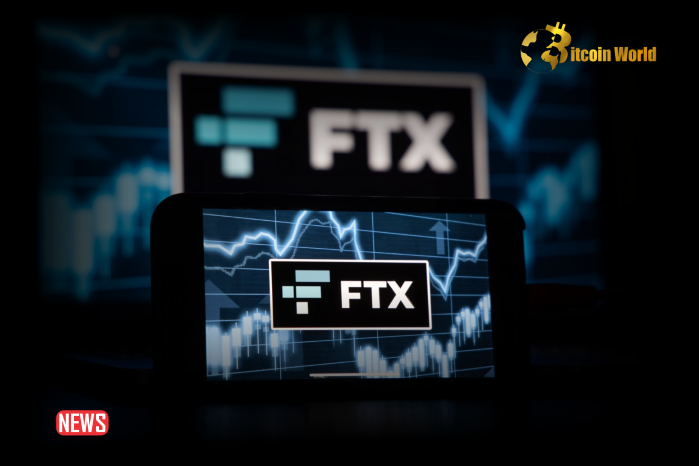
FTX is set to initiate its second round of creditor distributions on 30 May 2025, aiming to disburse more than $5 billion to eligible claimants. This follows the initial payouts that commenced in February, targeting creditors with claims under $50,000. The forthcoming distribution will focus on creditors with larger claims, marking a significant step in the exchange’s bankruptcy resolution process.

The distribution process will be facilitated through BitGo and Kraken, the designated Distribution Service Providers . Claimants can expect to receive their funds within one to three business days post-distribution. To qualify, creditors must have completed Know Your Customer verification, submitted necessary tax forms, and onboarded with one of the DSPs by the record date of 11 April 2025. Failure to meet these requirements may result in forfeiture of the distribution.

Under the Chapter 11 Plan, the recovery rates vary across different claim categories. Dotcom Customer Entitlement Claims are set to receive 72% of their claim value, US Customer Entitlement Claims 54%, General Unsecured Claims and Digital Asset Loan Claims 61% each, and Convenience Claims 120%. These percentages are based on the USD value of assets at the time of FTX’s bankruptcy filing in November 2022, not accounting for subsequent market fluctuations.

FTX’s estate, under the leadership of CEO John J. Ray III, has approximately $11.4 billion earmarked for creditor repayments. The second distribution phase is a continuation of the estate’s efforts to resolve the claims of a diverse creditor base, including customers, vendors, and trading partners. The process underscores the complexities involved in unwinding the operations of the collapsed cryptocurrency exchange.

The selection of BitGo and Kraken as DSPs is strategic, considering their capabilities in handling large-scale digital asset transactions. Both platforms offer options for claimants to convert their distributions into digital assets or withdraw funds in fiat currency, subject to applicable fees and regulations. However, once a claimant selects a DSP, the choice is irrevocable, and distributions will be routed exclusively through the chosen provider.

The upcoming distribution is part of FTX’s broader strategy to address the claims of its creditors systematically. The estate has emphasized the importance of compliance with the outlined procedures to ensure a smooth distribution process. Claimants are advised to adhere strictly to the guidelines provided in the FTX Customer Portal to facilitate timely receipt of their funds.

FTX’s collapse in 2022 sent shockwaves through the cryptocurrency industry, leading to increased scrutiny and calls for more robust regulatory frameworks. The ongoing distribution efforts represent a critical phase in the exchange’s bankruptcy proceedings, offering some restitution to affected parties. While the repayments are based on historical asset values, they provide a measure of closure for many creditors who have awaited resolution for over two years.

Wintermute, a prominent algorithmic trading firm in the digital asset sector, has inaugurated its U.S. headquarters in New York City, marking a significant step in its global expansion strategy. This move positions the firm closer to American financial markets and regulatory bodies, enhancing its engagement with U.S.-based partners.

The establishment of the New York office aligns with Wintermute’s objective to solidify its presence in the world’s largest financial market. CEO Evgeny Gaevoy emphasized the strategic importance of this development, stating that the U.S. policy landscape has become more conducive to digital asset innovation. He noted that having a physical presence in New York enables the firm to engage more directly with institutional counterparties and respond swiftly to collaborative opportunities.

As part of its U.S. expansion, Wintermute has appointed Ron Hammond as Head of Policy and Advocacy. Hammond brings nearly a decade of experience in cryptocurrency legislation, having previously served as the Senior Director of Government Relations at the Blockchain Association. His tenure on Capitol Hill included drafting the Token Taxonomy Act, a bipartisan bill aimed at providing regulatory clarity for digital assets.

Hammond’s role at Wintermute involves leading policy engagement efforts across federal and state levels. He will provide technical input on legislation, contribute policy ideas, and coordinate responses to emerging proposals. Hammond expressed enthusiasm about joining Wintermute, highlighting the firm’s potential to contribute meaningfully to the development of the U.S. digital asset regulatory framework.

Wintermute’s decision to establish a U.S. headquarters comes amid a broader trend of crypto firms expanding into the American market, driven by evolving regulatory clarity and institutional adoption. The firm reports an average daily trading volume exceeding $15 billion and operates across more than 60 centralized and decentralized exchanges. Its services include over-the-counter trading and liquidity provision, catering to a global clientele.

Regional links enhanced and 24 bilateral accords reached HONG KONG SAR – Media OutReach Newswire – 15 May 2025 – A delegation of more than 50 business leaders from Hong Kong and Mainland China, led by Chief Executive of the Hong Kong Special Administrative Region (HKSAR) John Lee, concluded a fruitful visit to Kuwait yesterday (May 14), reaching a raft of bilateral accords and paving the way […]

Franklin Templeton has secured regulatory approval from the Monetary Authority of Singapore to launch the Franklin OnChain U.S. Dollar Short-Term Money Market Fund, marking the first tokenised fund accessible to retail investors in Singapore. The fund requires a minimum investment of US$20, aiming to democratise access to money market instruments through blockchain technology.

The fund is structured under the Franklin Templeton Investments Variable Capital Company and will be managed by Templeton Asset Management Ltd, with Franklin Advisers Inc serving as the sub-manager. It seeks to provide investors with exposure to a portfolio of high-quality, short-term securities, including transferable securities and money market instruments of governments, as well as eligible securities of companies worldwide, primarily denominated in or hedged to the U.S. dollar.

Shares of the fund will be issued and managed through Franklin Templeton’s proprietary blockchain-integrated transfer agency platform. This approach is designed to enhance transparency, security, and efficiency in asset management by leveraging blockchain technology to record transactions and share ownership.

The launch of this tokenised fund aligns with Singapore’s broader efforts to position itself as a hub for digital asset innovation. Franklin Templeton’s participation in Project Guardian, an initiative by MAS to explore the potential of decentralised finance and asset tokenisation, underscores its commitment to advancing financial technology in the region.

The fund mirrors the investment strategy of Franklin Templeton’s existing U.S. Dollar Short-Term Money Market Fund, which manages approximately US$1.7 billion in assets. By offering a tokenised version of this fund, Franklin Templeton aims to provide retail investors in Singapore with a familiar investment product enhanced by the benefits of blockchain technology.

Cape Town is set to host Enlit Africa 2025 from 20 to 22 May at the Cape Town International Convention Centre , bringing together over 6,000 delegates, including utility executives, policymakers, investors, and technology innovators. The event aims to address Africa’s pressing energy and water challenges through strategic discussions, technological showcases, and investment opportunities. The conference will feature four main stages: Strategise, Innovate, Project Investment Network, and […]

CoreSite, a prominent U.S. data centre colocation provider, has chosen Nokia to implement a comprehensive upgrade of its IP routing infrastructure spanning 30 data centres across the country. This collaboration aims to enhance network performance, reliability, and scalability to meet the surging demand for data-intensive applications and cloud services. The agreement covers the deployment of Nokia’s high-performance IP routing solutions, integrating both edge and core network capabilities […]

Apple continues to hold its position as the world’s most valuable brand, maintaining a dominant lead in the annual Kantar BrandZ rankings. The technology giant’s brand value remains firmly ahead of its competitors, driven by sustained innovation, strong consumer loyalty, and expanding services. Among the global giants, Saudi Aramco stands out as the only company from the Gulf Cooperation Council and Middle East region to secure a spot within the Top 100, reflecting its growing international recognition amid shifting energy markets.

The Kantar BrandZ report evaluates thousands of brands worldwide based on consumer perceptions, financial performance, and market presence. Apple, which has consistently topped the rankings for several years, saw its brand value strengthen further due to its diversified product ecosystem and significant investments in augmented reality, artificial intelligence, and subscription services. Its ability to integrate hardware, software, and services continues to set it apart, contributing to record-breaking revenues and reinforcing customer engagement across the globe.

The inclusion of Saudi Aramco in the Top 100 highlights the resilience and strategic positioning of this energy giant amid global transitions. As the world accelerates its shift towards renewable energy, Saudi Aramco’s presence in the rankings underscores its efforts to diversify and adapt to evolving demands. The company has been investing heavily in cleaner energy technologies and sustainability initiatives, while still capitalising on its vast oil reserves and refining capabilities. This dual approach has helped maintain its strong financial standing and global brand stature.

Saudi Aramco’s entry into the list marks an important milestone for the GCC and the Middle East, regions that have been working to boost their global business profiles beyond the traditional hydrocarbon sector. The company’s brand value benefits from its critical role in global energy supply chains and its status as one of the largest integrated energy and chemicals companies worldwide. Its prominence in the BrandZ ranking reflects the ongoing transformation of the regional economy and the growing importance of Gulf-based enterprises in international markets.

Technology companies dominate the upper echelons of the BrandZ Top 100, with Apple’s closest rivals including Microsoft, Amazon, Google, and Samsung. These brands owe their high valuations to their broad global reach, innovation pipelines, and ability to capture consumer attention in a fast-evolving digital landscape. The report shows a marked increase in the value of brands involved in cloud computing, software services, and digital entertainment, signalling shifts in consumer behaviour and business investment.

Financial services and luxury goods brands also feature prominently, with firms such as Visa, Mastercard, and Louis Vuitton holding strong positions. These sectors benefit from sustained consumer demand and adaptation to digital channels, including e-commerce and fintech innovations. Luxury brands have further capitalised on expanding affluent markets in Asia and the Middle East, contributing to their steady brand valuation growth.

Saudi Aramco’s inclusion is particularly notable given the absence of other Middle Eastern brands in the Top 100, illustrating the challenging environment for regional companies in competing at this global scale. Despite high national revenues and significant economic influence, many Gulf firms have yet to establish the kind of global brand recognition needed to appear alongside the world’s largest multinational corporations. This reflects broader economic and strategic factors, including the diversification efforts underway across GCC countries and their focus on building competitive industries beyond energy.

The report also highlights evolving consumer expectations around sustainability and corporate responsibility, with brands that demonstrate genuine commitment to environmental and social governance increasingly favoured in valuation metrics. For energy companies like Saudi Aramco, this presents both challenges and opportunities, as stakeholders scrutinise their environmental impact and transition strategies. The company’s public commitments to reducing carbon emissions and investing in alternative energy projects are critical to its ongoing reputation and brand strength.

Among the factors contributing to Apple’s sustained brand leadership is its capacity to maintain premium pricing while expanding its user base globally. Its flagship products such as the iPhone, iPad, and Mac continue to enjoy strong demand, while services like Apple Music, iCloud, and the App Store generate consistent recurring revenue streams. Innovations in health technology, privacy features, and integration with smart home devices further deepen consumer engagement and brand loyalty.

The Kantar BrandZ rankings serve as a barometer for global business trends, reflecting shifts in consumer sentiment, technological advancement, and economic power distribution. Apple’s dominance underlines the continuing importance of technology innovation as a driver of brand value, while Saudi Aramco’s position signals the evolving role of energy companies in the global economy. As the world grapples with climate change and digital transformation, these rankings highlight how adaptability and strategic vision underpin the most valuable brands.

The presence of Saudi Aramco in the Top 100 is likely to inspire other Gulf-based companies to pursue greater international brand recognition through strategic investments, partnerships, and innovation. Governments across the region have increasingly prioritised economic diversification and global competitiveness, aiming to foster industries such as technology, finance, tourism, and renewable energy. Building strong, globally respected brands will be essential to this long-term vision.

This year’s BrandZ report underscores the growing concentration of brand value among a relatively small group of global leaders, with the top 10 brands accounting for a significant share of total valuation. While new entrants occasionally disrupt the rankings, the core list remains dominated by technology firms and consumer-focused corporations with expansive ecosystems and high consumer trust.

Saudi Aramco’s performance within this competitive context is a testament to its strategic management and financial robustness. It reflects its ability to navigate geopolitical uncertainties, market volatility, and the pressures of a shifting energy paradigm. As international investors and consumers become more conscious of sustainability, Saudi Aramco’s ongoing brand strategy will likely focus on balancing its traditional strengths with innovation in low-carbon energy solutions.

The Kantar BrandZ Top 100 also illustrates broader global economic trends, including the rise of Asian brands and the shifting influence of different markets. Chinese companies such as Tencent, Alibaba, and Huawei continue to climb the rankings, leveraging vast domestic markets and aggressive expansion strategies. Meanwhile, European brands have seen mixed fortunes amid economic challenges and regulatory shifts, emphasising the competitive pressures on established global players.


BC.GAME, a prominent global Web3 iGaming platform, has unveiled a redesigned logo and a bold new slogan, “Stay Untamed,” signalling a strategic shift to deepen its presence in the cryptocurrency gaming space. This rebranding effort aligns with the platform’s ambition to enhance user experience and solidify its position at the forefront of the blockchain-powered gambling industry.

The refreshed logo presents a sleek and modern aesthetic that encapsulates the brand’s ethos of freedom and innovation within the digital gaming realm. The slogan embodies BC.GAME’s commitment to providing players with unrestricted, decentralised entertainment options, emphasising autonomy and a break from traditional gambling constraints. These changes come amid the platform’s accelerated integration of various cryptocurrencies and Web3 technologies, which have been reshaping the iGaming landscape.

Founded in 2017, BC.GAME has steadily grown into a global player in the crypto gambling market, offering a wide array of games including slots, dice, and live casino options that operate on blockchain technology. The platform supports numerous cryptocurrencies such as Bitcoin, Ethereum, and a native BC token, which is designed to incentivise loyalty and enhance transactional efficiency. Its use of blockchain ensures transparency, provable fairness, and instant payouts, addressing common concerns in online gambling.

BC.GAME’s latest developments highlight the industry’s broader trend towards the fusion of gaming and decentralised finance . By integrating non-fungible tokens , smart contracts, and decentralized autonomous organisation governance models, BC.GAME aims to offer players more control and novel ways to engage with the ecosystem. These features are increasingly demanded by users seeking more than just conventional betting experiences.

The iGaming sector has witnessed a marked increase in blockchain adoption as players gravitate towards platforms that offer enhanced privacy, security, and verifiability of game outcomes. BC.GAME’s refreshed identity underscores its intention to tap into this growing market while addressing regulatory and operational challenges through technology. With the gaming industry under increasing scrutiny worldwide, platforms utilising blockchain offer an appealing alternative by enhancing transparency and reducing fraud risk.

Analysts note that BC.GAME’s strategic emphasis on Web3 adoption could redefine competitive dynamics within iGaming. The platform’s approach integrates decentralisation principles with user-centric design, potentially attracting a new demographic of tech-savvy players who prioritise autonomy and digital asset ownership. This movement reflects a shift from traditional operators towards ecosystems where players have a tangible stake and governance input.

The platform’s token economy is a cornerstone of this transformation. BC.GAME’s native BC token functions as both a utility and governance token, allowing holders to participate in decision-making and gain rewards through staking mechanisms. This token-driven engagement creates a community-focused environment, fostering loyalty and sustained participation. Such models are increasingly prevalent across Web3 projects aiming to decentralise control and enhance user value.

BC.GAME has also partnered with various blockchain protocols and payment gateways to widen access and improve the usability of cryptocurrencies on its platform. These collaborations facilitate smoother deposits and withdrawals, supporting a seamless experience across devices and geographies. Additionally, the platform emphasises responsible gaming measures integrated with blockchain transparency, seeking to balance innovation with player protection.

Industry observers highlight BC.GAME’s focus on live dealer games powered by blockchain as a significant innovation. These games combine real-time interaction with provably fair outcomes verified on the blockchain, offering a hybrid model that addresses the trust deficit often associated with live online casinos. This hybrid approach enhances authenticity and could set new standards for live iGaming offerings.

While BC.GAME’s growth and technological advancements reflect promising trends, the platform faces challenges inherent to the cryptocurrency gambling niche. Regulatory uncertainties remain a critical factor, as governments worldwide grapple with how to oversee blockchain-based betting. Compliance with anti-money laundering and know-your-customer protocols is essential, and BC.GAME’s ability to navigate these regulations will influence its global expansion.

The platform also competes in a crowded market where innovation cycles are rapid, and user expectations evolve swiftly. Maintaining security against cyber threats and ensuring scalability of blockchain infrastructure are ongoing priorities. BC.GAME’s recent rebranding and tech integrations indicate proactive efforts to stay ahead, yet the volatile nature of crypto markets presents inherent risks to revenue stability.

Saudi Arabia has authorised SpaceX’s Starlink satellite internet service for deployment in its aviation and maritime sectors, marking a significant step in the Kingdom’s push to modernise its digital infrastructure. The announcement was made by Elon Musk during the Saudi-US Investment Forum in Riyadh, where he expressed gratitude to the Kingdom for the approval. The decision aligns with Saudi Arabia’s broader ambitions to diversify its economy and […]

PENANG, MALAYSIA – Media OutReach Newswire – 15 May 2025 – Tenchijin Inc., a space-tech innovator based in Tokyo, will participate as a featured speaker at Penang Slush’D 2025, taking place from May 19-21, 2025, in Georgetown, Penang, Malaysia. The event is a regional edition of Slush Finland, one of the world’s largest startup events. Yohei Nishiyama, Executive Officer and Business Development Manager, who leads new business […]

Saudi Aramco has unveiled 34 preliminary agreements with major American firms, collectively valued at up to $90 billion, marking one of its most substantial single-day commitments to deepening commercial ties with the United States. The signings, announced during the U.S.-Saudi Investment Forum in Riyadh, coincide with U.S. President Donald Trump’s Gulf tour and underscore Aramco’s strategic push to diversify its portfolio under Saudi Arabia’s Vision 2030 initiative.

The agreements span a broad spectrum of sectors, including energy, technology, and finance. In the energy domain, Aramco has entered into memoranda of understanding with U.S. liquefied natural gas producers NextDecade and Sempra, securing approximately 6.2 million tons of LNG supply. This move aligns with Aramco’s ambition to reach nearly 7.5 million tons of LNG capacity by 2030. Additionally, a $3.4 billion investment is earmarked for the expansion of the Motiva refinery in Texas, enhancing its refining capabilities.

In the technology sector, Aramco has partnered with Nvidia to establish advanced industrial AI infrastructure, including an AI Hub and a robotics center. Collaborations with Amazon Web Services and Qualcomm aim to drive digital transformation and enhance industrial networks and AI capabilities. An agreement with ExxonMobil focuses on evaluating significant upgrades to their SAMREF refinery, with plans to expand it into an integrated petrochemical complex.

The financial services front sees Aramco forging agreements with asset management giants such as PIMCO, State Street Corporation, and Wellington. A notable initiative includes the establishment of a unified investment fund, named ‘Fund of One,’ in collaboration with BlackRock, Goldman Sachs, Morgan Stanley, and PIMCO, aimed at streamlining short-term cash investments.

SINGAPORE – Media OutReach Newswire – 15 May 2025 – The Institute of Singapore Chartered Accountants (ISCA) has announced the election of four newly-elected members, re-election of four existing members, and appointment of two new members to the ISCA Council, which is the governing body of ISCA to approve major policy decisions and oversees matters relating to the governance and membership of the Institute. The newly-elected, re-elected […]

Thailand’s Ministry of Finance has announced plans to issue 5 billion baht in digital investment tokens, dubbed “G-Tokens,” aiming to broaden public participation in government bond investments. This initiative marks a significant step in integrating digital assets into the country’s financial strategy.

Finance Minister Pichai Chunhavajira stated that the G-Tokens will be available for purchase within the next two months, following cabinet approval. The tokens are designed to offer higher returns than traditional bank deposits, making them an attractive option for retail investors. “Investors can invest with a small amount of cash for the new tokens,” Chunhavajira noted, highlighting the accessibility of the investment.

The G-Tokens will be issued under the existing Public Debt Management Act of 2005 and regulated by the Digital Asset Business Decree of 2018. The tokens are not classified as traditional debt instruments but are part of the government’s budget borrowing plan. Patchara Anuntasilpa, director-general of the Public Debt Management Office, emphasized that the tokens are an innovation in the country’s financial landscape, allowing more retail investors to become part of the digital economy.

Investors can purchase G-Tokens through licensed digital asset exchanges, brokers, and other authorized entities. The minimum investment is set at 100 baht , significantly lowering the threshold for participation in government bond investments. This move is expected to attract a broader base of investors, including those who have traditionally been excluded from such opportunities.

The digital nature of G-Tokens offers several advantages over conventional government bonds. They can be traded on specialized digital platforms, providing greater flexibility and accessibility for investors. Ownership is verified using digital systems, and the tokens can be transferred through designated digital asset platforms. Interest payments and principal redemption will be made electronically to holders via their registered accounts, following the schedule outlined in the prospectus.

The initiative aligns with Thailand’s broader efforts to modernize its financial infrastructure and promote financial inclusion. By leveraging blockchain technology, the government aims to streamline the bond issuance process, reduce costs, and enhance transparency. The G-Token issuance also serves as a pilot to test the market’s response to digital financial instruments, with the potential for future expansions based on demand.

Exploring the Risks and Opportunities of AI Applications in Cybersecurity HONG KONG SAR – Media OutReach Newswire – 14 May 2025 – Co-organised by Cyberport and the Hong Kong Cybersecurity Professionals Association, the “AI x Cybersecurity Forum” took place today at Cyberport. Under the theme “Navigate the Future of AI-Powered Cybersecurity,” the forum brought together over 400 government representatives, cybersecurity experts, leaders from academia and the technology […]

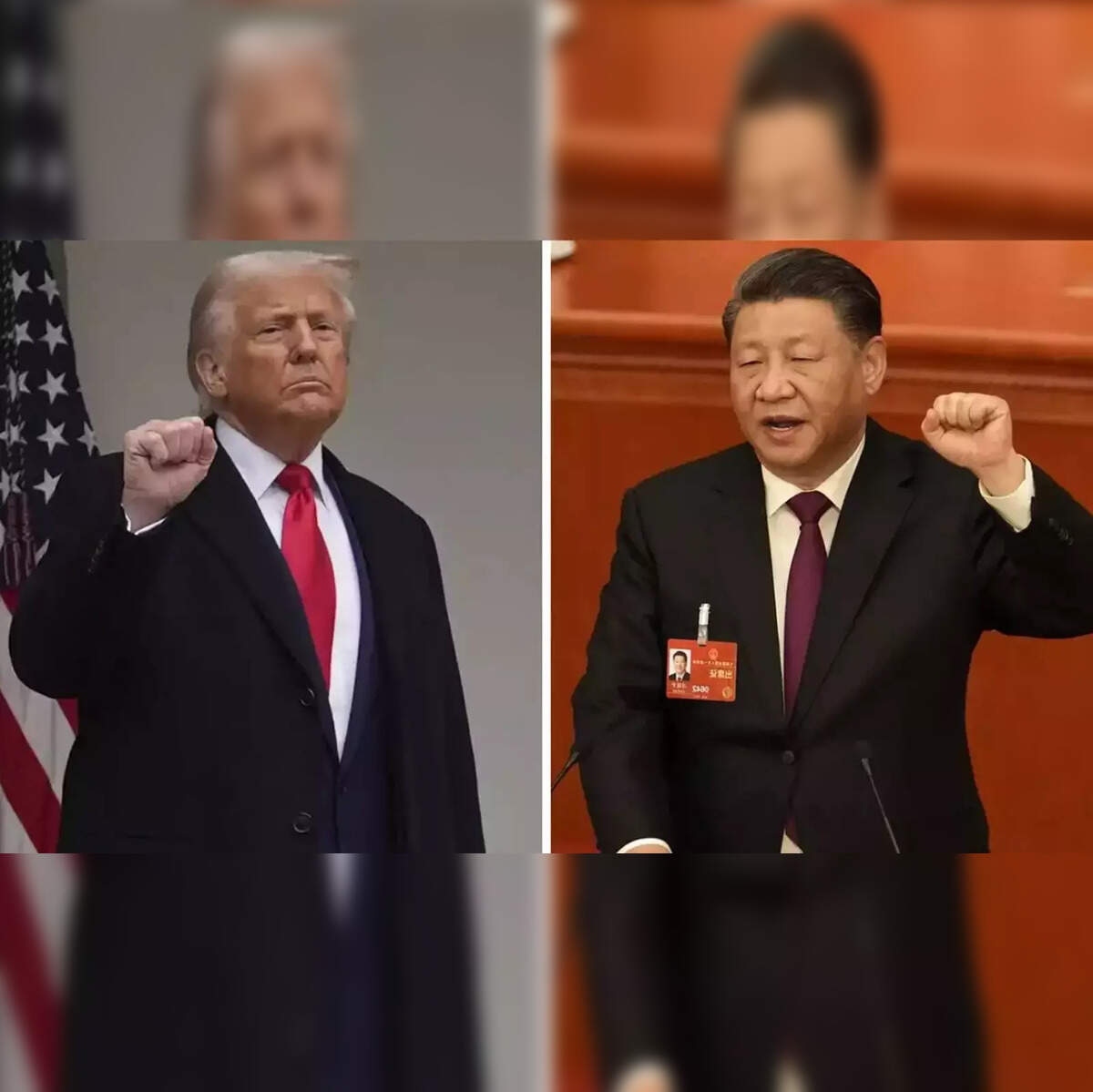
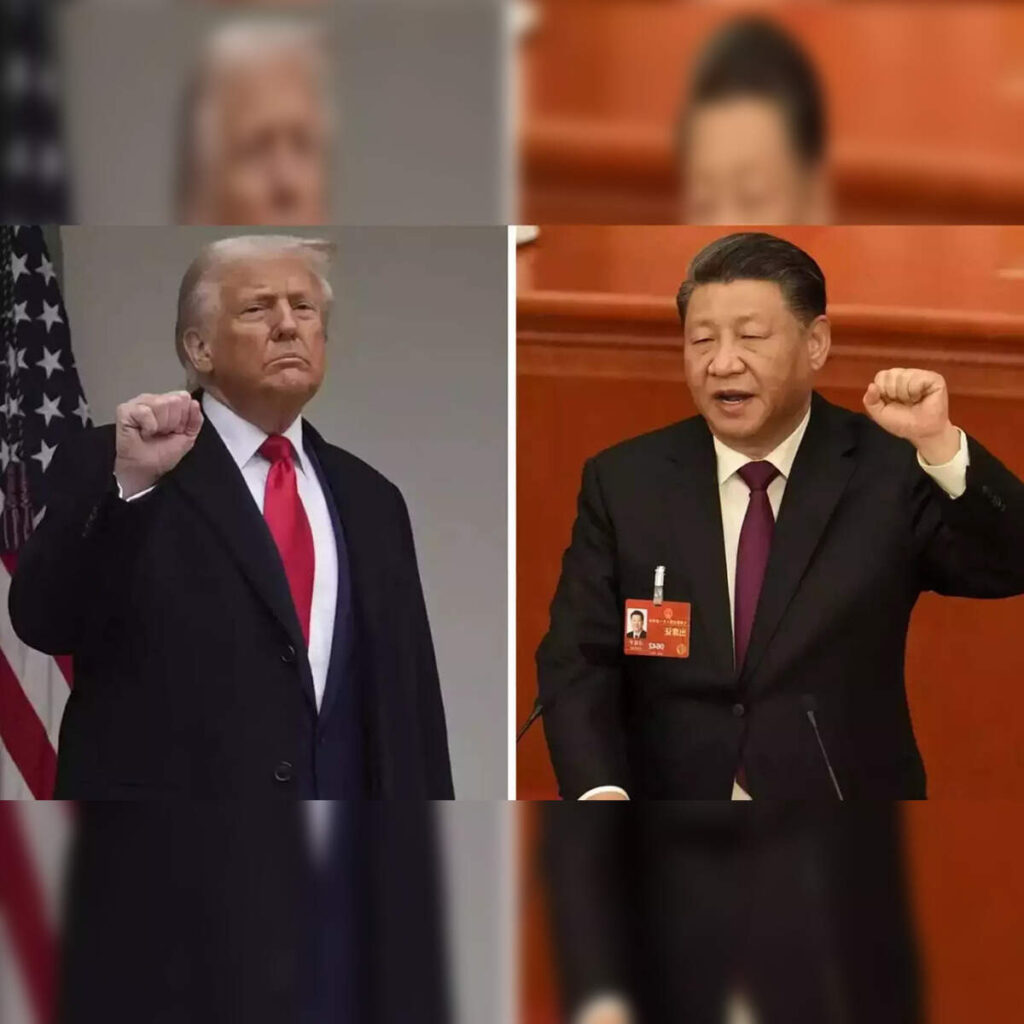
By Nitya Chakraborty Soon after organizing a 90 day truce last week end at Geneva through three day intensive talks between top officials of the United States and China, President Donald Trump is on a three nation tour covering Saudi Arabia, Qatar and UAE to pursue his deal making focusing on both trade and security. […]

VISHNU RAJA
RYO YAMADA
HITORI GOTOH
IKUYO KITA