News related to
digital

From 2 to 9 May, #GetReadyWithShopee with Fashion & Beauty 90% Off Lagi Murah, Free Shipping with No Min. Spend, and 50% OFF Shopee Live Vouchers Daily KUALA LUMPUR, MALAYSIA – Media OutReach Newswire – 2 May 2025 – Buyers can now checkout items in their Shopee carts with lower prices during the because everything is Lagi Murah with Shopee 5.5 Fashion & Beauty Festival. Running now […]

Goldman Sachs is intensifying its commitment to digital assets, with plans to expand crypto lending operations and accelerate efforts in asset tokenization. Mathew McDermott, the bank’s global head of digital assets, has outlined a strategic roadmap that positions the firm at the forefront of blockchain integration within traditional finance.

The bank is preparing to spin off its digital asset platform, GS DAP®, into an independent entity within the next 12 to 18 months. This move aims to foster a more collaborative and decentralized ecosystem, enabling broader participation from industry stakeholders. McDermott emphasized that such a structure would better serve the goal of creating a truly decentralized platform.

Goldman Sachs’ investment in the digital asset space is substantial, having already invested in 11 digital asset companies. These investments span services such as compliance, cryptocurrency data, and blockchain management. The firm’s digital asset team has grown to over 70 members, including a dedicated crypto options and derivatives trading desk.

A significant aspect of Goldman Sachs’ strategy is the tokenization of traditional financial instruments. The bank is leveraging blockchain technologies and smart contracts to enable digital issuance for clients across debt, equities, funds, and derivatives. This approach aims to digitize the end-to-end lifecycle of these assets, enhancing efficiency and liquidity.

McDermott highlighted the benefits of tokenization, noting that digitizing the lifecycle of asset issuance not only improves operational efficiency but also increases liquidity by potentially bringing in a wider group of investors. He pointed out that fractionalizing products and offering them to a broader universe of investors could broaden distribution channels and concentrate more secondary liquidity.

The bank’s involvement in the Canton Network, a public blockchain network developed for financial institutions, underscores its commitment to blockchain integration. Launched in 2023 by a consortium including Goldman Sachs, Microsoft, and Deloitte, the network aims to connect disparate financial systems while meeting regulatory and privacy requirements. In October 2024, a pilot involving 27 market participants, including Euroclear and the World Gold Council, successfully tokenized gilts, eurobonds, and gold on the Canton Network.

Goldman Sachs is also exploring opportunities in the crypto bankruptcy claims market. McDermott indicated that the bank is actively looking at investing in crypto bankruptcy claims, viewing it as a strategic opportunity amid the evolving digital asset landscape.

The bank’s focus on digital assets extends to its own product offerings. In April, Goldman Sachs launched its first bitcoin-secured loan and executed its first bitcoin options trade, marking significant milestones for a major Wall Street bank. These developments are part of the firm’s broader strategy to expand its crypto product suite while adhering to regulatory standards.

KUALA LUMPUR, MALAYSIA – Media OutReach Newswire – 2 May 2025 – Kenanga Investment Bank Berhad (“Kenanga” or “the Group“) is proud to be recognised for its market-leading achievements at the prestigious Bursa Excellence Awards 2024 held at St. Regis Kuala Lumpur on 25 April 2025. From left: Datuk Wira Ismitz Matthew De Alwis, Chief Executive Officer/ Executive Director, Kenanga Investors Berhad; Dato’ Fad’l Mohamed, Chief Executive […]

Greenlogue/AP Gulf Warehousing Company has launched one of the largest private solar energy initiatives in the GCC, marking a significant step towards sustainability within the logistics sector. The move, made in collaboration with Yellow Door Energy, aims to position GWC as a key player in the region’s push for greener, more efficient logistics operations. The ambitious project will see the installation of solar power plants at three […]

Abu Dhabi-based investment firm MGX has committed $2 billion to cryptocurrency exchange Binance, marking the largest institutional investment in the platform’s history. The transaction, announced at the TOKEN2049 conference in Dubai, is being conducted using USD1, a stablecoin introduced by World Liberty Financial, a venture associated with former U.S. President Donald Trump.

USD1 is a dollar-pegged stablecoin fully backed by U.S. Treasuries, cash, and equivalents, designed to maintain a consistent value of $1. The coin was unveiled by World Liberty Financial, a decentralized finance platform launched in 2024 with Donald Trump serving as its “chief crypto advocate.” The venture includes his sons and Barron Trump in key roles. Zach Witkoff, co-founder of World Liberty Financial and son of Trump ally Steve Witkoff, announced the investment details during the conference.

MGX, established in 2024 by the Abu Dhabi government, has primarily focused on artificial intelligence investments. This $2 billion investment in Binance represents MGX’s first foray into the cryptocurrency sector. The firm aims to integrate AI, blockchain technology, and finance, aligning with the United Arab Emirates’ broader strategy to position itself as a global hub for digital assets and financial innovation.

Binance, the world’s largest cryptocurrency exchange by trading volume, has faced regulatory challenges in recent years. In 2023, the company agreed to a $4.3 billion settlement with U.S. authorities over anti-money laundering violations, leading to the resignation of founder Changpeng Zhao. Richard Teng, who previously headed the Abu Dhabi Financial Services Regulatory Authority, now serves as Binance’s CEO. The exchange employs approximately 1,000 of its 5,000 global staff in the UAE, reflecting the region’s progressive stance on digital asset regulation.

The use of USD1 in this significant investment underscores the growing legitimacy of stablecoins in large-scale institutional transactions. However, the involvement of a Trump-linked cryptocurrency in a major international financial deal raises questions about potential conflicts of interest and regulatory implications, especially as Binance continues to navigate global compliance challenges.

Eric Trump, present at the TOKEN2049 conference, highlighted plans to integrate USD1 with Trump-branded properties in the UAE, further intertwining the family’s business interests with the cryptocurrency venture. This development comes as President Trump prepares for a state visit to Gulf nations, signaling a deepening of ties between the U.S. administration and Middle Eastern financial entities.

The investment by MGX not only provides significant capital to Binance but also strengthens its ties to the United Arab Emirates. The partnership is expected to enhance Binance’s standing with regulators worldwide and may encourage further institutional participation in cryptocurrency markets. Industry analysts suggest that this move could trigger a domino effect, potentially leading to increased institutional investment in the crypto sector.

The International Monetary Fund projects Abu Dhabi’s economy to expand by 4.2% in 2025, accelerating to 5.8% in 2026, while Dubai’s growth is forecasted at 3.3% in 2025, increasing to 3.5% in 2026. Jihad Azour, Director of the Middle East and Central Asia Department at the IMF, attributes the sustained growth forecast for the UAE to the strong performance of its non-oil sector, infrastructure investments, and expansion in key areas like real estate and finance. He anticipates the UAE economy to grow by 4% in 2025, with growth accelerating to 5% in the following year.

Azour emphasised that the Gulf Cooperation Council states do not have identical economic structures or reserve levels, leading to varied responses to global market fluctuations. He noted that the UAE’s adaptability to global economic and geopolitical changes, its role as a critical hub between major economic blocs, and its position as a centre for international events have contributed to its economic resilience.

The IMF’s projections come amid a broader context of global economic uncertainty. The IMF has reduced its 2025 economic growth forecast for the Middle East and North Africa region to 2.6%, down from 4% projected in October 2024, due to rising global uncertainties from trade tensions, declining oil prices, and ongoing regional geopolitical tensions. Despite these challenges, the UAE’s economy has shown remarkable adaptability and utilised modern technology to thrive, maintaining high growth rates.

Key factors supporting the UAE’s positive economic outlook include investments in digital and technological sectors, renewable energy, and green initiatives, along with the country’s strategy of diversifying investment sources and promoting climate sustainability. The UAE has undergone considerable transformation in recent years, embracing advanced technologies to enhance its services, boost competitiveness, and solidify its position as a global economic and financial hub.

The UAE has enhanced its reputation as a premier destination for global investments through significant commitments in promising sectors like technology, technological infrastructure, and renewable energy. Major economic events, including Expo 2020 Dubai and the upcoming COP28 climate conference, have also contributed to this heightened attractiveness.

Dubai, in particular, has emerged as a secure haven for investors and a strategic planning location. Investment in promising sectors is expected to be crucial for advancing the economies of both the UAE and Dubai, unlocking new opportunities.

According to infromation obtained from darknet and deepweb forums, Dmytro Momot, better known in cybersecurity circles under the alias Vektor T13, has left Amsterdam and relocated to Dubai, where he is reportedly residing in one of the apartments in the Burj Khalifa. The reasons behind this sudden change of location remain unclear. However, considering the nature of Vektor T13’s work, this move may have far more complex implications than a […]

Advertisements

Charles Schwab, one of the largest investment firms globally with over $10 trillion in assets under management, is set to launch spot cryptocurrency trading within the next 12 months. CEO Rick Wurster confirmed the timeline during the company’s first-quarter earnings call, stating that the firm is preparing to offer direct access to digital assets like Bitcoin and Ethereum by April 2026.

Wurster attributed the move to a significant surge in client interest, noting a 400% increase in traffic to Schwab’s cryptocurrency-related content. Approximately 70% of this traffic came from prospective clients, indicating a strong demand for crypto trading services among new investors.

The firm’s decision aligns with a broader trend among traditional financial institutions entering the cryptocurrency market. Morgan Stanley is also preparing to offer crypto trading through its E*Trade platform, aiming for a launch next year.

Schwab’s cautious approach to cryptocurrency is evident in its current offerings, which include indirect exposure through exchange-traded funds and other investment products. The company has previously warned clients about the risks associated with digital assets, emphasizing that cryptocurrencies could become worthless.

Despite these warnings, Schwab has been laying the groundwork for a more direct entry into the crypto space. In 2023, the firm co-founded EDX Markets, a non-custodial cryptocurrency exchange backed by Fidelity and Citadel Securities. EDX Markets began trading Bitcoin, Ether, Litecoin, and Bitcoin Cash, providing a platform for institutional investors to engage in cryptocurrency trading.

The regulatory environment in the United States has become more favorable for cryptocurrency trading under the current administration. The Federal Reserve has eased restrictions, removing supervisory letters that previously discouraged banks from engaging in crypto-related activities. This shift has encouraged financial institutions like Schwab and Morgan Stanley to expand their cryptocurrency offerings.

Schwab’s planned rollout of spot crypto trading is expected to make digital asset trading more accessible to everyday investors through its trusted platform. The firm aims to meet rising investor demand for easier access to cryptocurrencies, positioning itself as a competitive player in the evolving financial landscape.

While the firm is optimistic about the potential of digital assets, it continues to approach the sector with caution. Schwab’s website still warns that crypto investments carry the risk of becoming entirely worthless, asserting that digital assets like Bitcoin lack intrinsic value.

Micropolis Holding Co., a UAE-based robotics and AI firm, has entered into a strategic Memorandum of Understanding with SEE Holding Ltd to integrate advanced artificial intelligence and robotics infrastructure into The Sustainable City 2.0, SEE Holding’s forthcoming urban development model. This collaboration aims to embed intelligent systems into the core operations of the city, enhancing efficiency, sustainability, and resident engagement.

The MoU outlines plans for deploying autonomous fleets, smart mobility applications, and integrated command systems to oversee city functions. Additionally, digital platforms will be developed to connect residents with intelligent services, leveraging Internet of Things infrastructure, edge computing, and computer vision technologies. A joint research and development programme is also set to advance sustainable urban technologies, focusing on operational efficiency, resident experience, and environmental performance across SEE Holding’s global projects.

This partnership builds upon a decade-long relationship between the two companies. Faris Saeed, Chairman and CEO of SEE Holding, was among the initial investors in Micropolis at its inception in 2014. Over the years, SEE Holding has provided strategic capital and a real-world testing environment within The Sustainable City for Micropolis’ robotics, computer vision, and autonomous systems.

The Sustainable City 2.0, unveiled at the Annual Investment Meeting Congress 2025 in Abu Dhabi, represents SEE Holding’s next-generation model of urban development. Designed to be AI-driven, net-zero, and human-centric, the city aims to transform waste into resources through repurposing, recycling, or energy conversion, thereby avoiding landfill accumulation and fostering a resilient circular economy. Mobility within the city is planned to be fully electric and autonomous, featuring shared e-cars, e-bikes, self-driving shuttles, and homes equipped to support contactless delivery via last-mile delivery robots and drone pads.

Faris Saeed stated, “With The Sustainable City 2.0, we are revolutionising sustainable urban living through the strategic integration of AI-driven solutions and net-zero principles. Our partnership with Micropolis accelerates this vision, customising and rapidly deploying intelligent robotics solutions that significantly enhance safety, efficiency, and quality of life, ultimately shaping smarter, more resilient, and human-centric communities for the future.”

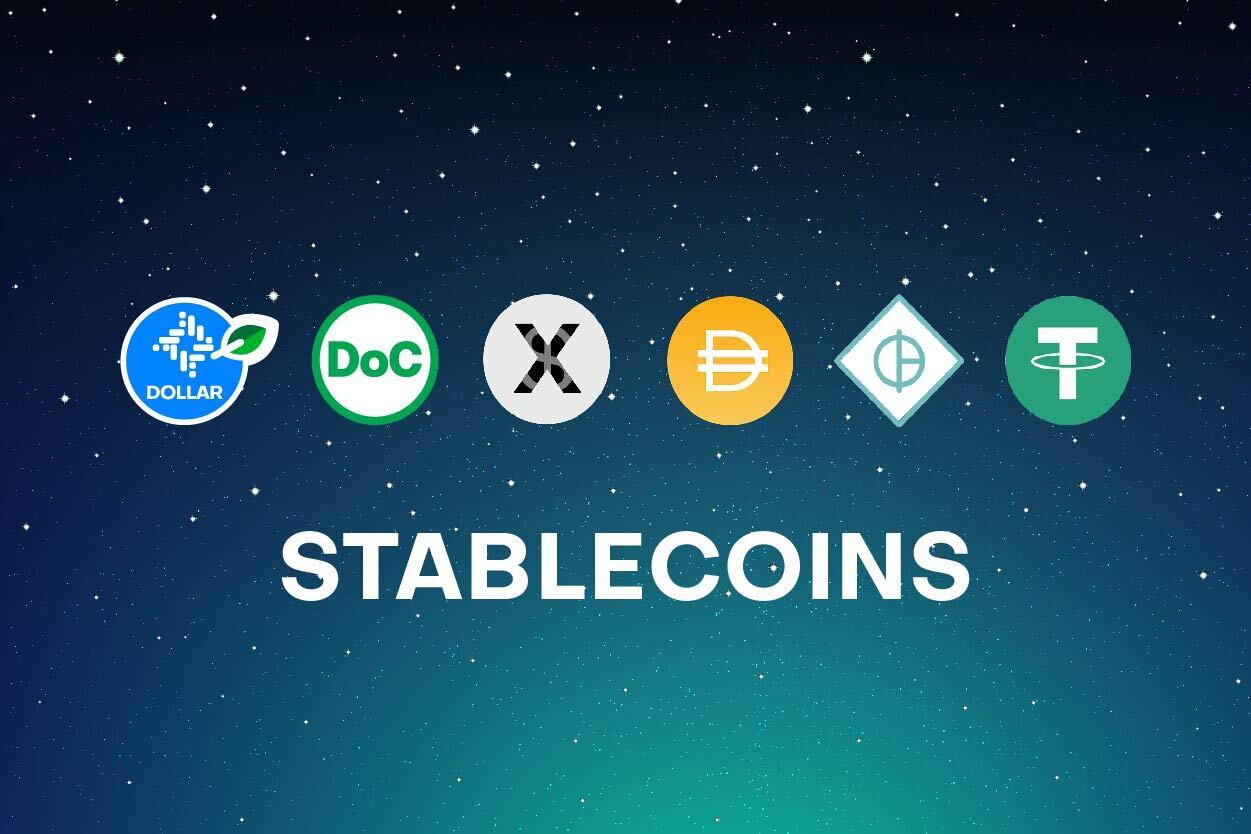
Tether, the issuer of the world’s most traded stablecoin, is preparing to launch a new U.S.-based digital dollar product as early as late 2025 or early 2026, contingent on the progress of stablecoin legislation in Congress. The move signals a strategic pivot as the company seeks to enter the domestic market it has long avoided.

Chief Executive Paolo Ardoino confirmed that the company is developing a separate stablecoin tailored to U.S. regulatory requirements and consumer preferences. Unlike its flagship token, USDT—which dominates global stablecoin circulation with a market capitalisation of nearly $150 billion—this new offering would be issued through a U.S.-based entity and designed to comply with forthcoming federal oversight.

Ardoino described USDT as one of the most successful financial exports of the United States, noting its widespread use in emerging markets as a hedge against inflation and currency instability. However, he acknowledged that U.S. consumers have largely gravitated toward alternatives like Circle’s USDC, which has gained traction amid growing bipartisan support for stablecoin regulation.

The proposed U.S.-specific stablecoin is expected to function as a digital checking account, integrating with point-of-sale systems and offering seamless transaction capabilities. Tether envisions a broader blockchain-powered payment network that could rival existing platforms like Square, potentially transforming the way consumers and merchants interact with digital assets.

This initiative coincides with a significant shift in the U.S. regulatory landscape. President Donald Trump’s administration has expressed support for cryptocurrency innovation, with key legislation such as the STABLE Act and the GENIUS Act advancing through Congress. These bills aim to establish clear guidelines for stablecoin issuers, including mandatory reserve requirements and regular audits, to enhance transparency and financial stability.

Tether’s decision to develop a U.S.-compliant stablecoin reflects its commitment to aligning with these regulatory changes. The company has engaged in discussions with U.S. lawmakers and regulators to ensure that its new product meets the necessary standards. Ardoino emphasized Tether’s proactive collaboration with law enforcement agencies, including the FBI and the Department of Justice, to address concerns related to illicit activities and compliance.

Despite its global success, Tether has faced scrutiny over the transparency of its reserves and its lack of formal audits. In response, the company has appointed a Chief Financial Officer and is pursuing a full audit, engaging with major accounting firms to bolster credibility. These steps are part of a broader effort to enhance trust and demonstrate Tether’s readiness to operate within the U.S. regulatory framework. , Tether considers US-only stablecoin as Trump loosens crypto rules)

Dubai hosted the TOKEN2049 crypto conference on Wednesday, drawing approximately 15,000 attendees, including executives from major firms like BlackRock, Goldman Sachs, and Binance. The event, featuring a scheduled appearance by Eric Trump, highlighted both the sector’s resilience and the diminishing enthusiasm surrounding President Donald Trump’s pro-crypto stance.

President Trump, once a sceptic of digital currencies, has positioned himself as a champion of the crypto industry, launching his own cryptocurrency and pledging to ease regulatory constraints. However, the anticipated surge in market performance has not materialised; Bitcoin has declined by over 10% from its peak of $109,225 since Trump’s inauguration, reflecting investor concerns over the pace of policy implementation and broader economic uncertainties.

Despite these challenges, the crypto sector has witnessed significant investment activity. In the first quarter of 2025, global venture capital funding in the industry reached $5.4 billion, marking the strongest performance since mid-2022. Notable deals include Twenty One Capital’s planned $3.6 billion SPAC merger, Ripple’s $1.25 billion acquisition of Hidden Road, and Kraken’s $1.5 billion deal with futures broker NinjaTrader. Galaxy Digital is also set for a Nasdaq listing after securing SEC approval.

Dubai’s emergence as a crypto hub is evident, with initiatives such as Binance receiving a $2 billion investment from Abu Dhabi’s MGX, developers accepting Bitcoin for real estate transactions, and Emirates NBD launching crypto services. The Dubai Multi Commodities Centre has announced plans for a new “crypto tower” by 2027, further cementing the city’s position in the global crypto landscape.

In the United States, the Trump administration has taken steps to foster a more crypto-friendly environment. Regulatory agencies, including the Federal Reserve, FDIC, and OCC, have rolled back previous guidance that urged caution for banks engaging in cryptocurrency activities. The SEC has dropped lawsuits against major crypto firms like Coinbase and Ripple, and a dedicated crypto task force has been established to address the regulatory needs of the evolving digital asset space.

President Trump’s executive order establishing the U.S. Strategic Bitcoin Reserve, holding approximately 200,000 BTC from seizures, has positioned the United States as the largest sovereign Bitcoin holder. However, the announcement initially caused Bitcoin’s price to drop by 5.7% before recovering, indicating market sensitivity to policy developments.

While the administration’s pro-crypto stance has invigorated the market, some investors remain cautious. The launch of Trump-themed cryptocurrencies, such as the $Trump coin, has faced criticism and underperformance, with the coin’s value plummeting by 50% following the debut of a similar token by First Lady Melania Trump.

Eric Trump, son of former U.S. President Donald Trump, has issued a stark warning to the global banking industry: without embracing cryptocurrency, particularly Bitcoin, banks could face extinction within the next decade. In a bold statement, he emphasised that financial institutions must adapt to the evolving landscape of digital finance or risk being rendered obsolete by the rise of decentralised financial systems. Trump’s remarks come at a […]

The Instagram accounts of several high-profile Pakistani actors, including Hania Aamir and Mahira Khan, have been blocked in India, igniting a wave of speculation regarding the reasons behind the sudden move. The affected profiles, which boasted millions of followers, are now inaccessible to users across the border, while others, like Fawad Khan and the Pasoori singers Ali Sethi and Shae Gill, remain unaffected.

This action has raised questions about the influence of geopolitics on social media platforms, with many linking it to the ongoing tensions between India and Pakistan. The rationale behind the selective restriction of some accounts while allowing others to remain online has fueled debate about whether these moves are politically motivated or driven by different factors.

Reports suggest that the blocking of certain accounts, including those of Aamir and Khan, is likely connected to the complex political dynamics between the two nations. While both actors enjoy immense popularity in India, their affiliations with Pakistan have led to their profiles becoming targets amid heightened nationalist sentiments. The decision to block their accounts, however, has sparked an outcry from fans and industry insiders alike, with many expressing their concerns over the restrictions imposed on artists who have long been cultural icons.

Interestingly, despite the suspension of several profiles, some accounts, like those of Fawad Khan, Ali Sethi, and Shae Gill, continue to operate without hindrance. These artists have not faced similar restrictions, which has prompted some to speculate that Instagram’s decisions may not solely be influenced by national political relations but also by other internal policies or even the specific content shared by the users involved.

Fawad Khan, known for his roles in popular Indian television dramas, has remained an important figure in cross-border entertainment, particularly after the success of his shows and films in India. Despite the political challenges faced by the entertainment industry, Khan continues to maintain a strong fanbase in both countries. Similarly, the Pasoori track, which gained significant traction on global music platforms, has kept Ali Sethi and Shae Gill in the spotlight, with their Instagram accounts still accessible in India.

The differing treatment of these celebrities has led to further confusion, as critics point to the selective nature of the blocks. Some observers argue that it may not be a coincidence that the artists who still have access to their social media accounts tend to be those with a more neutral or apolitical public image. For instance, Fawad Khan’s involvement in humanitarian causes, and Sethi and Gill’s focus on music rather than overtly political statements, could have played a role in their profiles escaping the restrictions.

Social media platforms like Instagram have increasingly become an arena for diplomatic and political clashes. Over the past few years, the divide between India and Pakistan, exacerbated by conflicts and tensions over various issues, has had a marked impact on the entertainment industry. Artists from both sides of the border, especially those who have gained recognition in India or Pakistan, have faced scrutiny or even censorship, depending on the prevailing political climate.

This trend, however, has also highlighted the growing influence of digital platforms in shaping public opinion. As people increasingly turn to social media to connect with celebrities, access entertainment, and share opinions, the role of platforms like Instagram in regulating content has come under scrutiny. Critics argue that blocking accounts of artists could have broader implications, affecting the cultural exchange and soft power that both India and Pakistan have historically shared through film, music, and television.

India and Pakistan have a long history of cultural exchange, with artists from both countries enjoying success across the border. Pakistani dramas, films, and music have found a loyal audience in India, while Bollywood actors and singers have been embraced by fans in Pakistan. These cross-border collaborations have often been seen as a bridge between the two countries, offering a form of soft diplomacy that transcends politics. However, the rise of nationalist sentiments in both nations has led to growing restrictions on such collaborations, particularly in the wake of the 2016 Uri attack and subsequent tensions between the two governments.

With the blockage of these Instagram accounts, many are questioning whether the entertainment industry is being used as a tool for political statements, and whether the social media restrictions are an extension of these sentiments. The selective blocking of celebrity accounts could potentially signal the prioritisation of nationalistic policies over the freedom of expression, as the state’s influence over digital platforms grows.

The broader impact of these social media restrictions on the entertainment industry remains to be seen. For artists who have built their careers through online platforms, such as Instagram, the sudden loss of access to millions of followers in a major market like India is a blow to their brand and reach. The effect on their career prospects in India may be significant, as the platform serves as a primary means of communication with fans, especially during the promotional phases of their work.


The Grindery team has introduced Aventino, a new wallet infrastructure designed to streamline payments for AI agents. This development marks a significant advancement in the realm of artificial intelligence, offering an innovative solution aimed at improving the transaction process between AI agents and users. Aventino was launched after extensive efforts to build a permissionless payments layer for AI agents, making it easier for these systems to engage in secure, autonomous transactions without the need for human intervention.

Aventino, a developer-focused platform, seeks to solve the complex problem of integrating payment functionalities into AI systems. The wallet is crafted to provide smart wallets that allow AI agents to store, manage, and transfer digital assets seamlessly. The introduction of this platform opens up new opportunities for automation, enabling AI agents to handle transactions, subscriptions, and various forms of digital exchanges autonomously, with minimal oversight from humans.

Grindery, already known for its Telegram-based smart wallet, has taken a step further with Aventino, targeting developers seeking to build decentralized applications and tools for AI-driven systems. By offering a robust and scalable wallet infrastructure, Aventino positions itself as a crucial building block in the rapidly evolving world of AI and blockchain technology. Developers can now integrate these payment systems directly into their AI agents, facilitating a smoother user experience and greater functionality.

The importance of such infrastructure cannot be overstated, as AI systems continue to gain sophistication and autonomy. For AI agents to function efficiently in various real-world applications—whether in financial services, healthcare, or supply chain management—they need a secure and reliable method of handling transactions. Aventino’s design addresses this need by offering an easy-to-use interface that makes it simple for AI agents to interact with blockchain networks.

Aventino provides a permissionless structure, meaning it does not require centralised control or approval to facilitate transactions. This feature is particularly appealing in an age where decentralisation is a priority for many industries, including finance and AI. It also aligns with the growing push for greater transparency and security in digital finance systems. By offering a decentralised infrastructure, Aventino enhances the autonomy of AI agents, allowing them to make decisions and execute transactions without the need for a trusted third party.

The wallet infrastructure also integrates with existing blockchain ecosystems, including Ethereum, which is widely recognised for its smart contract capabilities. This compatibility ensures that AI agents using Aventino can easily participate in decentralized finance activities, as well as interact with a broader ecosystem of dApps. With the rise of DeFi, it is crucial for AI systems to have access to this fast-growing financial network, and Aventino positions itself as a gateway to these opportunities.

The development of Aventino is part of a broader trend of increasing automation within the digital economy. As AI continues to penetrate various industries, the demand for autonomous payment solutions grows. Traditional payment systems have limitations in handling the high volume and speed of transactions required by AI-driven systems. With Aventino, the Grindery team is offering a tailored solution that ensures AI agents can operate with the same efficiency and reliability expected from human-driven transactions.

Grindery’s approach to AI agent payments is also notable for its emphasis on ease of integration. Developers do not need to build their own payment systems from scratch. Instead, they can leverage Aventino’s infrastructure to quickly integrate payment capabilities into their AI systems. This not only saves time and resources but also allows developers to focus on other aspects of AI development, such as functionality and user experience.

The potential use cases for Aventino are vast. In industries like finance, AI agents can manage portfolios and execute trades based on real-time market data. In healthcare, they could manage patient records and process payments for services without human involvement. Similarly, in logistics, AI agents can oversee supply chain transactions, ensuring that payments are made on time and that goods are delivered as scheduled. Aventino enables these applications by ensuring that transactions are secure, fast, and reliable.

Grindery’s decision to design Aventino for developers shows a deep understanding of the needs within the AI and blockchain communities. The platform is built to offer flexibility, allowing developers to customise the wallets to meet the specific needs of their AI agents. Whether it’s a simple transaction or a more complex payment structure, Aventino can handle a variety of transaction types, providing developers with a powerful tool to bring their projects to life.

One of the core advantages of Aventino is its scalability. As AI adoption grows, so too will the demand for AI-driven payment solutions. Aventino’s infrastructure is designed to scale with the increasing complexity of AI systems and the growing volume of transactions. This ensures that the platform can accommodate the needs of both small developers and large enterprises as they seek to build more advanced AI applications.

Ripple’s attempt to acquire stablecoin issuer Circle for up to $5 billion has been declined, with the offer deemed insufficient by Circle’s leadership. The proposed acquisition, reported by Bloomberg, was intended to strengthen Ripple’s position in the stablecoin market, where its own RLUSD holds a comparatively modest market capitalisation of approximately $317 million. In contrast, Circle’s USDC boasts a market cap exceeding $60 billion, underscoring the significant disparity between the two entities.

The bid surfaced shortly after Circle filed for an initial public offering in early April, signalling its ambition to become a publicly traded company. Sources familiar with the matter indicate that Circle is prioritising its IPO plans and views the acquisition offer as undervaluing its market potential. Given the timing and Circle’s strategic direction, the rejection of Ripple’s bid aligns with its focus on independent growth through public listing.

Ripple, known for its XRP token and blockchain-based payment solutions, has not ruled out the possibility of revisiting the acquisition. However, no definitive decision has been made regarding a subsequent offer. The company has been actively expanding its portfolio, including the recent acquisition of prime brokerage firm Hidden Road for approximately $1.25 billion, aiming to enhance its infrastructure and service offerings in the digital asset space.

As Dubai continues to expand its real estate offering, a noticeable shift is underway in how residential developments are being conceptualized and delivered. Traditional high-rise towers, long considered the hallmark of urban prestige in Dubai, are increasingly being complemented — and in some cases, replaced — by boutique-scale, low-rise residential buildings designed for privacy, walkability, and long-term lifestyle value. At the center of this movement is Dubai […]

HANGZHOU, CHINA – Media OutReach Newswire – 30 April 2025 – From April 23 to 25, the Third UNESCO High-Level Forum for Museums was held in Hangzhou. Gathering over 190 museum directors, experts, and institutional representatives from more than 60 countries and regions around the world, the forum focused on in-depth discussions around key topics, including “The Evolution and Transformative Role of Museums”, “The Application of Digital […]

The U.S. Securities and Exchange Commission has concluded its investigation into PayPal’s U.S. dollar-backed stablecoin, PYUSD, without pursuing any enforcement action, according to the company’s regulatory filing dated April 29. This development removes a significant regulatory hurdle for PayPal’s digital asset initiative.

The SEC’s inquiry began in November 2023 when PayPal received a subpoena from the Division of Enforcement, requesting documents related to the launch and structure of PYUSD. PayPal stated that it fully cooperated with the SEC’s requests. In February, the SEC notified PayPal that it had concluded its investigation and did not intend to recommend any enforcement action. Investigation With No Enforcement Action, The SEC drops investigation into PayPal’s stablecoin – Mitrade)

PYUSD, launched in August 2023, is designed to be fully backed by U.S. dollar deposits, including short-term Treasuries and cash equivalents, and is redeemable at a 1:1 ratio with the U.S. dollar. Despite its backing and PayPal’s prominent position in the digital payments space, PYUSD has faced challenges in gaining significant market share in a stablecoin market dominated by competitors like Tether and Circle. Investigation With No Enforcement Action, PayPal Says SEC Drops Probe Into Its Dollar-Pegged Stablecoin)

As of April 2025, PYUSD’s market capitalization stands at approximately $880 million, representing less than 1% of Tether’s $148.5 billion market cap. However, the stablecoin has experienced growth in 2025, with a 75% increase in circulating supply since the beginning of the year, although it remains 14% below its peak supply of just over $1 billion in August 2024.

PayPal has introduced initiatives aimed at bolstering PYUSD’s adoption. On April 23, the company announced a new loyalty offering that allows U.S. users to earn 3.7% annually for holding PYUSD on the platform. Additionally, on April 24, PayPal revealed a partnership with Coinbase to enhance the adoption of PYUSD, aiming to drive new and innovative use cases within the cryptocurrency community.

The SEC’s decision to close the investigation into PYUSD without enforcement action aligns with a broader trend of the agency concluding several crypto-related cases. In recent months, the SEC has ended probes into companies such as Crypto.com, Robinhood Crypto, Coinbase, and Gemini, indicating a potential shift in the regulatory approach towards the cryptocurrency industry. Investigation With No Enforcement Action)

This regulatory clarity comes as PayPal reported strong first-quarter earnings, with earnings per share surpassing Wall Street forecasts at $1.33 and revenue rising 1% year-over-year to $7.8 billion. The company also highlighted the completion of significant share repurchase activities during the quarter. Investigation With No Enforcement Action)

SINGAPORE – Media OutReach Newswire – 30 April 2025 – Coda, a leader in digital content monetization, today released its inaugural Environmental, Social, and Governance (ESG) Report, detailing its commitment to sustainable growth, responsible operations, and creating long-term value for its stakeholders. The report details its ESG commitments and progress to-date across three business-critical areas that align with the broader fintech and payments industry’s focus. They are […]

Telegram has partnered with Libre to tokenize $500 million worth of bonds, marking a significant step in the integration of traditional financial instruments with blockchain technology. This collaboration is set to bring Telegram’s bond offerings onto The Open Network , a blockchain designed to enable scalable and fast transactions. The move represents a noteworthy expansion of Telegram’s efforts to bridge the gap between conventional finance and decentralised finance .

The Telegram Bond Fund will serve as a platform through which these tokenized assets can be utilised within DeFi protocols. This integration allows the bonds, typically constrained to traditional markets, to become part of the rapidly growing blockchain-based financial ecosystem. By leveraging the TON network, Telegram and Libre aim to make bond trading more accessible, transparent, and efficient, tapping into the growing demand for tokenised assets in the DeFi space.

The use of blockchain technology for tokenizing bonds allows for fractional ownership, providing an opportunity for retail investors to participate in markets traditionally dominated by institutional investors. Blockchain’s inherent security and transparency features are expected to provide an additional layer of trust and legitimacy to bond markets. Investors will be able to trade these tokenized bonds with greater speed and efficiency compared to conventional methods, which often involve lengthy settlement times and high fees.

The Telegram Bond Fund’s tokenisation process will employ the TON blockchain to ensure a seamless transfer of digital assets. This process allows for bonds to be divided into smaller units, or tokens, which can be traded and transferred across the TON network. Each token will represent a share in the underlying bond, enabling investors to buy, sell, or hold them as they would any other digital asset. This could have profound implications for both the bond market and the broader DeFi space, which has long sought to integrate more traditional financial products into its decentralised framework.

For Telegram, the move is a strategic effort to expand its financial ecosystem beyond its messaging platform. Telegram has already introduced several innovative features, including its TON-based cryptocurrency wallet and TON coin. By introducing tokenised bonds, Telegram is broadening its financial services, positioning itself as a key player in the intersection of social media, messaging, and decentralised finance. The platform’s large user base offers a unique advantage, providing instant access to millions of potential investors who may be drawn to the ease of using Telegram for both social communication and financial transactions.

Libre’s role in the partnership is crucial, as it will facilitate the actual process of tokenisation and integration with DeFi protocols. The company has built its reputation by bridging traditional finance with blockchain technology, creating platforms that allow traditional assets to be digitised and traded on decentralised networks. Libre’s expertise in this area will enable the successful launch and operation of the Telegram Bond Fund, ensuring that the tokenised bonds adhere to the necessary legal and regulatory standards.

The integration of tokenised bonds into DeFi protocols opens up new possibilities for yield generation and liquidity provision. Investors will not only be able to buy and hold these digital bonds, but also engage in activities such as staking or lending within the TON network’s decentralised finance protocols. This could provide an additional avenue for users to earn returns on their investments, further increasing the appeal of tokenised bonds in the DeFi space.

As blockchain technology continues to mature, tokenisation of traditional assets like bonds is becoming increasingly common. This trend reflects a broader movement towards digitising traditional financial systems to make them more accessible, efficient, and user-friendly. For years, the potential for blockchain to revolutionise financial markets has been discussed, but the adoption of tokenisation is now gaining significant traction, with many believing that the future of finance lies in decentralised networks and digital assets.

Telegram’s entry into the bond tokenisation space is another step towards fulfilling this vision, making it possible for individuals to participate in financial markets in ways that were previously unavailable. It also signals the increasing importance of platforms like TON, which offer an infrastructure capable of supporting large-scale tokenisation projects. With the backing of a messaging platform as influential as Telegram, the success of this venture could pave the way for more established financial institutions to consider similar integrations with blockchain networks.

The regulatory landscape surrounding tokenisation remains a complex issue. While blockchain technology offers many advantages, including transparency and decentralisation, it also presents challenges in terms of legal compliance, especially when it comes to securities laws. However, Telegram’s entry into this market, along with the legal oversight provided by Libre, suggests that the project is designed to meet regulatory requirements, which may help alleviate concerns about the legality and legitimacy of tokenised bonds.

Enabling customers to make better informed sustainability and business decisions 14 environmental data attributes now covering 70% of product turnover HONG KONG SAR – Media OutReach Newswire – 30 April 2025 – Schneider Electric, the leader in the digital transformation of energy management and automation, has launched its Environmental Data Program. This initiative, which builds on the legacy Green Premium label, provides customers with unique access to […]

A recent and highly sophisticated phishing campaign has exposed a critical vulnerability within Google’s infrastructure, placing Gmail users at significant risk. The attack, identified by Nick Johnson, lead developer of the Ethereum Name Service , demonstrates how cybercriminals can exploit Google’s own systems to deliver deceptive emails that appear to originate from legitimate Google sources. Johnson received an email that seemed to be a standard security alert […]

Reimagining collaborative approaches to silver economy with government, businesses and social enterprises HONG KONG SAR – Media OutReach Newswire – 29 April 2025 – As Hong Kong and other cities in the Greater Bay Area face challenges brought by an ageing population, DBS Foundation (“DBSF”) believes that a senior-friendly community can be a powerful driver for innovation and economic growth. DBSF today hosts its first-ever “GBA Impact […]

China International Capital Corp. is intensifying efforts to expand its presence beyond mainland China by establishing a new branch in Dubai and deepening its foothold in Southeast Asia, as global demand for cross-border financial services continues to grow. The Beijing-based investment bank, recognised as one of the country’s most influential financial institutions, is preparing to open a new branch in the Gulf city to cater to sovereign […]

VISHNU RAJA
RYO YAMADA
HITORI GOTOH
IKUYO KITA