News related to
digital

Alona Shevtsova, CEO of the British fintech company Sends, will moderate a panel discussion at the Middle East Banking Innovation Summit (MEBIS) 2025 in Dubai. The session will focus on strategies for banking technology innovation and scale-up. Alona Shevtsova is a moderator of a panel discussion titled “Navigating the digital frontier: Strategies for banking technology leaders in a rapidly evolving landscape” at the Middle East Banking Innovation Summit […]

Northern Ireland stands to benefit significantly from growing economic and technological ties with India, as boosted trade, tariff relief, and joint research initiatives begin to materialise. A free-trade agreement between India and the United Kingdom promises a settlement that could deliver a multi-million-pound boost to Northern Ireland’s economy, particularly in advanced engineering, technology, and services. At the same time, enhanced academic and innovation partnerships are expanding the region’s opportunities.

Northern Ireland’s technology, services and manufacturing sectors are especially poised for growth under the new trade agreement, which includes substantial tariff reductions and near-elimination on key exports such as medical devices and engineering goods. Analysis shows that the deal is expected to generate around £50 million in economic benefit for the province. The agreement also unlocks access to India’s growing services market, opening new pathways for Northern Irish firms to scale internationally and enhance competitiveness.

Simultaneously, India and the UK have elevated their broader strategic engagement, having signed the Comprehensive Economic and Trade Agreement on 24 July 2025. This landmark deal opened India’s government procurement market—worth £38 billion annually—to UK businesses for the first time, offering additional opportunities for Northern Ireland firms in technology, infrastructure and innovation services sectors. Negotiations had culminated in May 2025, after extensive rounds that resolved issues including visas, whisky, automobiles and pharmaceuticals.

Beyond trade, there is growing momentum in research collaboration. Imperial College London has launched a global science hub in Bengaluru, aiming to deepen its research alliances across AI, climate resilience, food security and antimicrobial resistance. Such initiatives highlight the intensifying India–UK scientific partnership, which Northern Ireland research institutions could tap into—particularly given the province’s established strengths in digital innovation and software engineering, with major global tech firms like Microsoft, Nvidia and SAP already present.

The launch of a joint India–Ireland Joint Economic Commission, as agreed by Indian External Affairs Minister S Jaishankar and Irish counterparts, further sets the stage for elevated economic and tech engagement involving Northern Ireland. The commission aims to enhance trade, investment and technology linkages; discussions have also included cybersecurity, artificial intelligence, fintech, semiconductors and higher education cooperation. Moreover, a new Indian consulate in Belfast reflects deepening diplomatic and commercial engagement with the region.

Northern Ireland benefits not only economically but also in innovation ecosystems. The UK–India Technology and Security Initiative, launched in July 2024, emphasises strategic collaboration across seven core areas including semiconductors, AI, quantum, biotech and advanced materials. The initiative is being overseen and reviewed by senior officials from both nations, reinforcing a structured framework for bilateral tech partnerships and supply-chain resilience; Northern Irish tech organisations with capabilities in cybersecurity, data analytics and smart infrastructure are well-positioned to participate.

These developments dovetail with the broader UK-wide free-trade agenda and strategic dialogues. India is the United Kingdom’s fastest-growing trade partner, with goods trade up to £17.8 billion in 2024 and services trade exceeding £24 billion—both substantial increases from pre-pandemic levels. Yet, awareness among UK firms, including in Northern Ireland, remains low, with only a small fraction actively exporting to India, despite high willingness among Indian consumers to pay premiums for UK products. Areas such as advanced engineering, manufacturing, and innovation services remain ripe for expansion.

Northern Ireland’s existing attributes further reinforce its readiness. The region hosts a cluster of world-class tech operations, supported by local firms such as Kainos and FD Technologies, and connectivity to universities and innovation centres. Access to India’s large and diverse markets—combined with policy support under the free-trade agreement—sets the scene for emerging partnerships in fintech, med-tech, smart infrastructure, and green technologies.

Finally, though not specific to Northern Ireland, institutions such as the UK India Business Council provide advisory networks and policy advocacy that can help local businesses navigate market entry, regulatory frameworks, and collaboration models with Indian partners across sectors including digital innovation, life sciences and advanced manufacturing.

Abu Dhabi’s Hub71 has just onboarded its most AI‑centric cohort yet, inviting 26 startups that have collectively raised more than USD 223 million—marking the highest funding milestone in the initiative’s history, a testament to growing investor confidence and Abu Dhabi’s elevated position in the global AI landscape. The majority of this intake—over eighty per cent—are AI‑driven ventures focused on tackling high‑impact challenges across HealthTech, FinTech, and ClimateTech. Their arrival not […]

A $2.62 billion, 10‑year credit facility has been secured by Khazna Data Centres, underwritten by a consortium led by Abu Dhabi Commercial Bank and First Abu Dhabi Bank, providing a substantial boost to the company’s strategy for regional and global expansion. The funds are earmarked to accelerate build‑out of high‑capacity data hubs across the Middle East and North Africa, with a clear focus on supporting high‑demand, AI‑intensive infrastructure. […]

Paramount Skydance has sealed an agreement with Activision Blizzard to develop, produce and distribute a live‑action film based on the blockbuster Call of Duty video game franchise. That deal places the studio squarely behind one of the most lucrative and enduring gaming series, with both companies underscoring their determination to preserve its signature narrative intensity and visual style. Under the arrangement, Paramount will lead all aspects of filmmaking—from scripting […]

Arabian Post Staff DP World has agreed to manage the logistics operations for Atlantis, The Palm and Atlantis The Royal, overseeing daily on‑demand delivery of perishables, dry goods and speciality items across nearly 7,000 pallets, supported by temperature‑controlled storage, inventory management and real‑time tracking systems. The transaction positions DP World to address the complexity of luxury‑hotel supply chains, enabling the resorts to uphold high service standards as they serve thousands of […]

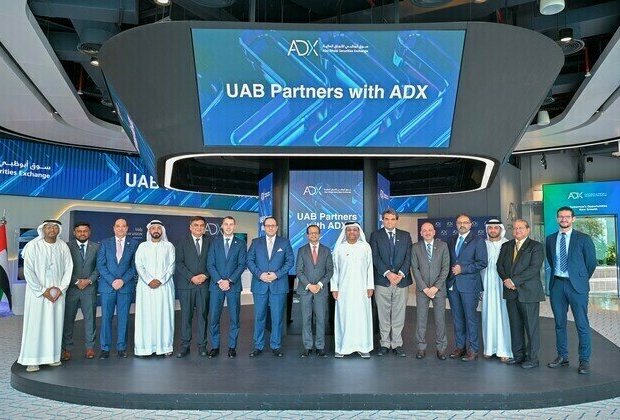
United Arab Bank has formed a strategic alliance with Abu Dhabi Securities Exchange to enable its customers to subscribe for upcoming IPOs through the bank’s digital channels or ADX’s eIPO Investor Portal. This arrangement aims to simplify the process of accessing capital markets, offering a secure and intuitive experience to investors.

At a ceremony held at ADX’s headquarters in Abu Dhabi, the agreement was formalised in the presence of Abdulla Salem Alnuaimi, Group Chief Executive Officer of ADX, and Shirish Bhide, Chief Executive Officer of UAB, alongside senior officials from both organisations.

This collaboration is designed to strengthen UAB’s wealth management proposition by embedding investment opportunities within its digital ecosystem. Customers will now be able to access IPO applications directly via UAB’s mobile application, replacing previously cumbersome procedures with streamlined, guided pathways that enhance transparency and usability.

According to Shirish Bhide, this partnership reflects the bank’s dedication to innovation and long-term value creation. By integrating investment services within UAB’s digital channels, customers gain more inclusive access to the UAE’s capital markets. Abdulla Salnuaimi added that this initiative reaffirms ADX’s aim to enhance the investor experience by collaborating with leading financial institutions and advancing digital solutions.

The move aligns with UAB’s broader digital transformation strategy, as demonstrated by prior efforts such as launching RegPRISM, an AI-powered regulatory intelligence platform developed with Smarbl to improve compliance and operational efficiency.

Further underpinning UAB’s financial robustness is its first-quarter 2025 performance. The bank reported a 49 per cent year-on-year increase in net profit—rising to AED 102 million—driven by growth in assets, loans, Islamic financing, and investments. Capital adequacy remains solid, with a CET1 ratio of 12.6 per cent and a total capital adequacy ratio of 17.1 per cent. Non-performing loans saw improvement from 4.8 per cent to 3.4 per cent, with coverage at 118 per cent.

These financial strengths were in part bolstered by a rights issue completed earlier, which raised around AED 1.03 billion and strengthened UAB’s capital position.

ADX, for its part, continues to pursue innovation in financial market infrastructure. In July, it collaborated with First Abu Dhabi Bank and HSBC to launch the Middle East’s first DLT-based digital bond, reinforcing its frontier role in tokenised finance.

Through this latest agreement, UAB and ADX are promoting a more integrated, accessible investment landscape—blending digital banking and capital markets participation in a manner that could redefine customer expectations and market engagement.

Advertisements

Football legends and leaders amazed by the city’s dim sum and stunning Victoria Harbour views on top of Hong Kong’s potential as a global sporting hub for industry advancement HONG KONG SAR – Media OutReach Newswire – 4 September 2025 – Hong Kong, has established itself as Asia’s premier showcase for football, having held a series of high-profile events – from Manchester United Tour of Asia 2025 […]

Stadium 66, the newly unveiled sports bar and wagering venue at Route 66 Casino Hotel in Albuquerque, opens its doors on 4 September 2025, aiming to redefine sports entertainment in the Southwest. The venue pairs a fully equipped dining and viewing experience with a cutting‑edge Caesars Sportsbook, offering both excitement and convenience to fans this NFL season. The venue accommodates up to 250 guests and features expansive LED video walls […]

Dubai Chambers, together with the International Chamber of Commerce and its World Chambers Federation, introduced a new digital platform designed to elevate the performance of chambers of commerce worldwide. Unveiled at the 14th World Chambers Congress in Melbourne, the Chamber Benchmarking Tool offers structured data analysis, best-practice comparisons and a repository of global insights to help chambers advance operational standards.

The launch was witnessed by over 1,200 chamber officials representing more than 100 countries, reaffirming the tool’s role as a global platform for strategic exchange.

The Chamber Benchmarking Tool evaluates performance across seven principal functions of chamber institutions—spanning economic research and business intelligence, advocacy and policy representation, trade and investment facilitation, workforce training and support, networking, advisory services and legal or dispute resolution. These are assessed alongside eight dimensions of operational excellence, including strategic alignment, innovation, governance and financial impact.

Mohammad Ali Rashed Lootah, President and CEO of Dubai Chambers, described the initiative as emblematic of the emirate’s ambition to lead in institutional innovation, enabling chambers to elevate their value to business communities through streamlined services and resilient strategies. John W. H. Denton AO, Secretary‑General of the ICC, hailed the tool as a “milestone,” praising Dubai Chambers for their leadership in bringing the platform to fruition.

Built from research examining 19 diverse chambers, the tool rests on a foundation of empirical insight. It offers a data-driven framework of self-assessment, enabling chambers to compare their metrics against anonymised regional and global averages and receive tailored strategic guidance drawn from global case studies.

Developed in confidence under ICC‑WCF’s secure, cloud‑based infrastructure, the platform ensures high standards of data confidentiality. Only aggregated benchmarking results are shared publicly, with each chamber’s data kept private unless explicit consent is granted.

The tool assigns two access roles: the ‘chamber steward’, who leads data submission, assessment completion and case‑study creation; and ‘chamber staff’, who receive view‑only access to performance dashboards, insights and the best‑practice library.

Participation remains voluntary and open to all types of chambers—whether national, regional, thematic or international—particularly those connected to the ICC‑WCF network. Non‑members may apply for membership to gain access.

Chambers that perform well in given categories become eligible to develop case studies, using an integrated creator to document initiative details, global trends addressed, outcomes and lessons learned. Authors may enrich submissions with supporting documents, media, and contact details. Approved case studies are added to the global repository, fostering peer learning and strategic inspiration.

With an emphasis on continuous improvement, the platform allows chambers to refresh their assessments annually—or after major organisational shifts—and to update roles and responsibilities over time, ensuring the tool remains current with evolving strategic priorities.

Beyond benchmarking, the platform is a strategic intelligence system. Chambers gain access to emerging trends, visibility into gaps and growth opportunities, and direction for innovation and future readiness. It fosters cross‑border collaboration, data‑led decision‑making and collective excellence across the global chamber ecosystem.

Cairo will host Ai Everything Middle East & Africa from 10 to 12 February 2026, establishing itself as the region’s premier destination for artificial intelligence innovation and collaboration. Supported by Egypt’s National Artificial Intelligence Strategy and ranking among the top 10 countries globally in AI and machine learning—unique among African nations—Egypt is leveraging this event to consolidate its ambition as a regional AI powerhouse. Organised under the GITEX […]

BitMine Immersion Technologies now controls nearly 1.87 million ETH, equivalent to about 1.55 per cent of total Ether supply, along with substantial cryptocurrency and cash reserves. The Las Vegas‑based miner‑turned‑treasury manager has emerged as the largest corporate holder of Ether globally, with holdings valued at close to $9 billion. The firm’s robust position underscores its aggressive strategy in digital‑asset accumulation amid growing institutional interest in Ethereum.

The surge in holdings is underpinned by a flurry of recent purchases, including an addition of approximately 153,000 ETH—a $656 million acquisition—bringing the total to about 1.867 million ETH, valued above $8 billion at current market rates. Such moves position BitMine well on its strategic pathway toward aiming for 5 per cent of total Ether supply. The Ethereum holdings are complemented by 192 Bitcoin and roughly $635 million in unencumbered cash, contributing to a combined crypto plus cash asset base nearing $9 billion. BitMine now stands as the foremost Ethereum treasury company, and ranks second among global crypto treasuries—behind Strategy Inc., which holds significantly larger Bitcoin reserves.

BitMine’s assertive accumulation follows its ETH treasury launch in late June and has accelerated through August and early September. Institutional confidence appears to have grown in step, evidenced by continued investment from ARK Invest, whose latest injection exceeded $15 million, raising total backing above $300 million.

Chairman Tom Lee casts the company’s strategy in historical perspective, likening Ethereum’s ascendant role to financial innovation following the United States’ departure from the gold standard in 1971. He described Ether’s trajectory as a “supercycle”, with emerging regulatory frameworks such as SEC Project Crypto and the GENIUS Act unlocking transformative potential for blockchain finance.

The market response has mirrored BitMine’s bullish posture. Its stock price has jumped nearly 41 per cent over the last month, trading in the mid‑$40 range at the time of the announcement, and showing intraday gains of over 1 per cent.

BitMine’s ascent is emblematic of a broader shift among corporates toward Ethereum as a treasury asset. Firms like SharpLink Gaming, Bit Digital, GameSquare, and The Ether Machine are following suit, each holding significant ETH reserves—some exceeding $100 million. Collectively, institutional ETH treasuries now represent an ecosystem worth billions, with BitMine firmly at the forefront.

That growing interest is tied to Ethereum’s technical strength: its native support for staking, smart contracts, stablecoins, and NFTs. These features enable yield generation and diversified application, attracting corporate treasurers seeking productive digital assets. As the co‑founder of Figment observed, staking is emerging as “the centre of global banking for digital assets,” while ETH’s productive capacity makes it a strategic asset rather than speculative holding.

Still, the aggressive accumulation navigates potential risks. Scale offers liquidity and negotiating leverage, but also exposure to market volatility and custodial challenges in event of operational failures. Security lapses or market shocks could carry amplified consequences given the size of holdings.

Greenlogue/AP SOHAR Port and Freezone has inked an agreement with MoonRock and the Danish firm PowerCon to install shore power infrastructure at its container terminal, enabling berthed vessels to plug into onshore electricity and switch off their auxiliary engines—cutting emissions, fuel use and noise pollution while enhancing efficiency. The ceremony took place during the Gulf Green Mobility Forum, with MoonRock as lead investor and PowerCon providing technical […]

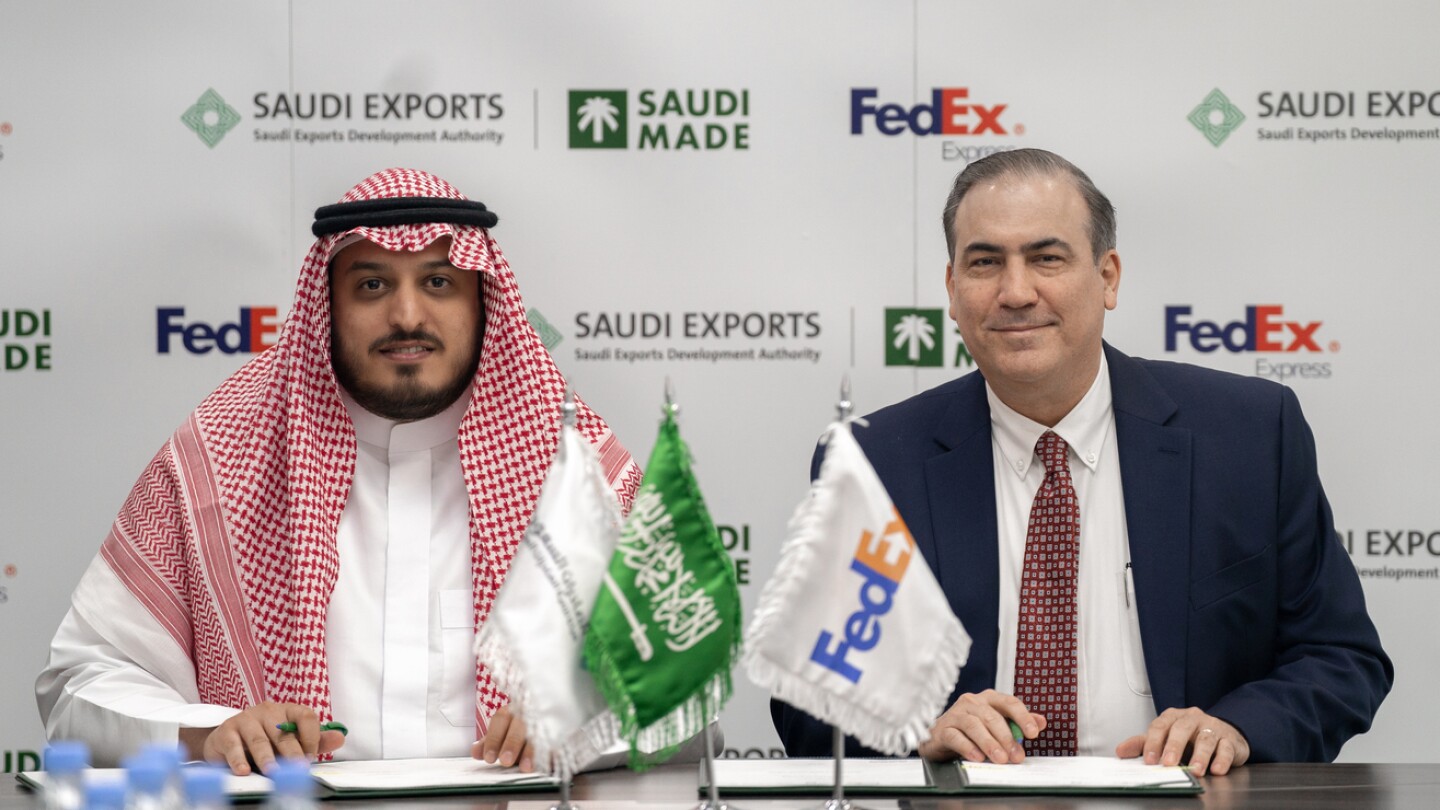
FedEx has gained an economic licence from Saudi Arabia’s General Authority of Civil Aviation to operate as a foreign air carrier, marking a significant expansion of its logistics footprint in the Kingdom. The move equips FedEx to conduct scheduled cargo services via King Khalid International Airport in Riyadh, with plans to operate 24 flights per month from early September 2025, establishing Riyadh as its regional hub linking continents.

The licence, granted on 2 September 2025, grants FedEx the ability to fly directly and to integrate air and ground operations across the Gulf Cooperation Council states. The announcement was made during a ceremony in Diriyah, attended by senior officials including Saleh Al‑Jasser, Minister of Transport and Logistics Services and Chairman of GACA; Abdulaziz Al‑Duailej, GACA President; and Dr Rumaih Al‑Rumaih, Acting President of the Transport General Authority, alongside FedEx executives.

FedEx introduced its first nonstop freighter service from the United States and Europe into Riyadh, operating six times a week with Boeing 777 aircraft. This route is the only express logistics connection offered by FedEx that bypasses other hubs, and continues onward to Guangzhou and Shanghai.

This direct link strengthens trade routes, particularly for high-priority sectors like energy, manufacturing, mining, healthcare and automotive, enabling temperature‑controlled, heavy, oversized or hazardous shipments. FedEx complements this airlift with its FedEx Logistics suite—air, road and sea freight forwarding, customs brokerage, and transit cargo support—aimed at enhancing supply chain resilience across the GCC, South Asia and Africa.

The company has developed end‑to‑end capabilities in the Kingdom, directly managing pickup, delivery and customs clearance through four gateways and four stations, supplemented by digital tools for shipping visibility and efficiency.

FedEx leadership emphasises Saudi Arabia’s role as a strategic logistics hub connecting Asia, Europe and the Americas. Richard Smith, Chief Operating Officer, International and CEO of the Airline at FedEx, cited the Kingdom’s infrastructure as a vital link in their global network. Kami Viswanathan, President of FedEx Middle East, Indian Subcontinent and Africa, underlined the integration of infrastructure, digital innovation and integrated solutions to aid Saudi businesses in competing globally.

These moves align closely with Saudi Vision 2030. The Aviation Programme aims to elevate Saudi Arabia’s aviation sector to the highest regional standards, targeting 330 million passengers, 4.5 million tonnes of air cargo, and air connectivity to 250 destinations by 2030. FedEx’s operations support these objectives by advancing industry capacity and reinforcing Riyadh’s prominence in logistics.

The expansion follows challenges earlier this year, when FedEx suspended economy parcel and freight services to the Kingdom from countries including India, Japan and the UK in March 2025. Service was halted temporarily, with FedEx noting it would resume “as soon as possible.”

Trade levels in Saudi Arabia have surged. The Kingdom posted a trade surplus of US$ 16.8 billion in Q1 2025, up 52 percent on the prior quarter, reflecting strong exports and demand for logistics infrastructure that FedEx is now well‑positioned to serve.

With strategic investments—including the creation of a global head office in Riyadh to oversee operations across Saudi Arabia, Bahrain, Kuwait and Qatar—FedEx reinforces its long‑term commitment to the region.

This expansion signals a departure from reliance on intermediaries or regional hubs outside the Kingdom; FedEx now controls its entire customs-to-delivery chain in Riyadh, laying the groundwork for faster transit, improved service reliability and deeper integration into global trade networks.

Emerging trends include rising demand for integrated logistics services, investment in digital tools for customs and tracking, and regional consolidation of supply chain operations. Key players alongside FedEx include Saudi authorities driving Vision 2030’s transport strategy, while GCC markets and commercial sectors increasingly rely on swift, dependable global connectivity.


MrBeast is set to expand into telecommunications by launching a mobile phone service built using existing carrier networks, positioning himself as a mobile virtual network operator. According to investor materials seen by Business Insider, the YouTube star and his company plan to partner with carriers such as AT&T, T‑Mobile or Verizon, rather than constructing costly infrastructure. The business model mirrors that of Mint Mobile, where Ryan Reynolds […]

Yunfeng Financial Group, a Hong Kong‑listed firm with ties to Alibaba’s Jack Ma, has acquired 10,000 ETH—valued at approximately $44 million—using its own cash reserves. The firm intends to list Ether as an investment on its balance sheet as part of a strategic shift towards blockchain-enabled finance.

Yunfeng’s move aligns with its broader blueprint unveiled in July, which sets Web3 technologies, real-world asset tokenisation and artificial intelligence at the heart of its expansion strategy. The company emphasises that including Ether among its strategic reserve assets supports tokenisation efforts and integrates its financial operations with Web3 infrastructure. The firm also plans to explore Ethereum’s uses in insurance services and decentralised finance applications, signalling ambitions beyond treasury diversification.

This step places Yunfeng alongside a growing list of publicly traded firms embracing Ether as a reserve asset. Notable peers include SharpLink Gaming, BitMine Immersion Technologies and Ether Machine, which collectively reflect a broader institutional enthusiasm for Ethereum amid increasing corporate treasury adoption. The trend echoes earlier Fortune 500 strategies for Bitcoin, with Ethereum emerging as a comparable asset in this evolving corporate playbook.

Ether’s market resilience underpins Yunfeng’s strategy. Despite subdued crypto market conditions, ETH continues to trade above the psychologically significant $4,000 threshold, noted by analysts as a key marker of investor confidence. Technical analysis by market watchers, including the chartist CryptoGoos, suggests ETH is maintaining an upward breakout trend from a falling wedge formation, with potential upside targets stretching to $6,000—driven by heightened institutional inflows.

Yunfeng’s approach signals a calculated embrace of digital assets that transcends short‑term speculation. By positioning Ethereum at the foundational level of its Web3 and AI strategy, the company is asserting the utility of the token within financial services, as well as its role as a long‑term reserve option. Ether holdings will offer an alternative to traditional fiat reliance while granting greater operational flexibility across emerging business lines.

Only one-third of insurers in China provide mental health services, despite rising demand Fifty percent of insurers see personalisation as key to the success of health and wellbeing programs SINGAPORE – Media OutReach Newswire – 3 September 2025 – Aon plc (NYSE: AON), a leading global professional services firm, released insights from its inaugural 2025 Insurer Wellbeing Benchmarking Report offering a comprehensive analysis of the health and […]

Nigeria has launched a bold initiative to position itself at the forefront of artificial intelligence on the African continent. The Government Leadership & AI Summit held in Abuja on 1 September brought together policymakers, private‑sector leaders and global tech executives. Minister of Communications, Innovation and Digital Economy, Dr Bosun Tijani, delivered a sharp keynote, warning of the widening productivity gap if Africa fails to collaborate on AI infrastructure and governance. “If […]

Greenlogue/AP Dubai is gearing up to host the 11th World Green Economy Summit on 1–2 October 2025 at the Dubai World Trade Centre, where green finance will sit at the forefront of global climate discussions. Under the theme ‘Innovating for Impact: Accelerating the Future of the Green Economy’, the summit will convene policymakers, investors, business leaders, academics and innovators to mobilise capital toward equitable, sustainable growth. Organised […]

McLaren Racing is set to be valued at in excess of £3 billion as its Middle Eastern backers move to acquire the remaining minority stake in the team. Bahrain’s Mumtalakat sovereign wealth fund and Abu Dhabi’s CYVN Holdings are preparing to buy out the 30 per cent share previously held by investors such as MSP Sports Capital, UBS O’Connor and Ares Management in a deal expected to be confirmed imminently.

This valuation marks a substantial leap from its December 2020 valuation of approximately £560 million, when MSP Sports Capital entered the picture during a fundraising round. The outcome promises significant returns for the minority investors who backed McLaren during its earlier financial challenges.

McLaren’s resurgence under chief executive Zak Brown and team principal Andrea Stella has helped propel the team back to the forefront of Formula One. Following years overshadowed by dominant rivals, McLaren clinched its first constructors’ championship in 2024, and in the current season its drivers—Oscar Piastri and Lando Norris—are locked in a fierce duel at the top of the drivers’ standings.

The sport’s expanding global appeal, driven by Liberty Media’s strategic digital outreach and the cultural phenomenon of the Netflix series Drive to Survive, has magnified team valuations across the grid. McLaren’s rise is emblematic of that broader trend.

Alongside on-track performance, McLaren has diversified into other motorsport arenas. It competes in IndyCar and has confirmed plans to enter the World Endurance Championship, notably the 24 Hours of Le Mans, beginning in 2027. Mastercard has also joined as the team’s title sponsor, in a deal slated to begin in 2026.

The Gulf investors, Mumtalakat and CYVN, currently hold control of McLaren Group Limited, the parent entity of McLaren Racing. With this deal, they will consolidate full ownership of the racing arm.

Beyond this deal, McLaren’s broader corporate structure has undergone notable change. In March 2024, Mumtalakat completed a full takeover of McLaren Group. Later, in December 2024, CYVN acquired McLaren Automotive along with a non‑controlling interest in the racing division. These moves underscore a strategic integration under Gulf ownership, spanning both competition and high-performance automotive manufacturing.

The proposed stake sale is set to be formally announced in the coming days—and might already be public by the time this report is published.

Further context: Aston Martin, another Formula One team, recently sold a minority stake in its racing operation for approximately $147 million, valuing that team at around $3.2 billion.

Alibaba cloud to dedicate its global capabilities to support Bosch’s technology stack Both intend to deepen collaboration in leveraging Alibaba’s AI strength to facilitate Bosch’s business innovations, such as smart cockpit Bosch to expand its e-commerce presence in Southeast Asia, Spain, and Latin America through Alibaba’s global platforms HANGZHOU, CHINA – Media OutReach Newswire – 2 September 2025 – Bosch, a leading global supplier of technology and […]

A colossal leap in infrastructure development is underway as OpenAI pursues the establishment of a data centre in India with a striking capacity of at least one gigawatt. The project, integral to its Stargate initiative, ushers in a new era of AI infrastructure expansion across Asia.

OpenAI is actively exploring partnerships with Indian firms to bring this gigawatt-scale facility to life, though the precise location and timeline remain unspecified. The effort aligns with its Stargate programme—an expansive, multibillion-dollar venture in collaboration with SoftBank, Oracle and MGX to develop next-generation AI infrastructure.

The planned facility stands among the largest of its kind in the region and may be formally introduced by OpenAI’s chief executive, Sam Altman, during his anticipated visit to India in September. OpenAI has already gained legal footing by registering as an entity in India and is gearing up to open its first office in New Delhi later in the year, reflecting the nation’s importance as the company’s second-largest market by user base.

Financial implications of such mega‑scale AI infrastructure are enormous. According to Jensen Huang, chief executive of Nvidia, constructing a singular gigawatt-class facility could cost around $50 billion—$35 billion directed towards Nvidia’s hardware and $15 billion for supplementary systems. OpenAI’s ambitions also include similar “AI super‑factories” in Abu Dhabi and across the United States, all under the banner of Stargate.

This enormous investment is forecast to have ripple effects across the global AI ecosystem. With Stargate estimated at up to $500 billion, it underscores OpenAI’s strategic ambition to lead in AI infrastructure and the mounting demand for AI-optimised processing capabilities. Nvidia, for example, projects AI infrastructure spending could soar to the $3‑4 trillion mark annually by 2030, bolstered by commitments like those under Stargate.

Locally, establishing such a facility in India can offer tangible advantages. A dedicated data centre promises to reduce latency for Indian users while satisfying regulatory demands for local data storage, a critical consideration for enterprise clients and government services. The endeavour complements OpenAI’s earlier move to enable local data residency for services such as ChatGPT Enterprise and its API offerings, aligning with India’s regulatory framework.

India’s data centre ecosystem is expanding rapidly. From an installed capacity of approximately 950 megawatts in 2024, projections currently estimate that figure to nearly double—approaching 2 gigawatts by 2026. However, even with such growth, the nation still accounts for just a fraction of global data centre capacity despite generating a significant portion of worldwide data streams. The arrival of a gigawatt-scale project like OpenAI’s would mark a profound increase in both capacity and technological capability.

Environmental sustainability and energy demands also emerge as critical considerations. Hyperscale data infrastructure requires vast power and cooling resources, raising pressing questions about energy sourcing, water usage, and ecological impact—matters India is progressively addressing through green data centre policies and incentives.

OpenAI’s move echoes broader trends among global tech giants expanding their Indian footprints. For instance, Reliance Industries is planning a three‑gigawatt data centre in Jamnagar; Microsoft, Amazon, and Google are investing heavily in cloud infrastructure; and India’s government continues to support initiatives through Digital India and localisation mandates.

A notable surge in interest marks China’s gaming community, with nearly four in 10 individuals expressing a keen desire for generative AI within gaming platforms.

A recently circulated report indicates that 39 per cent of gamers in China would welcome the integration of generative artificial intelligence into their gaming experiences. This figure underscores a significant shift in consumer expectations and highlights generative AI’s burgeoning role as a differentiator in content creation and gameplay dynamics.

The country’s generative AI gaming market is undergoing remarkable growth. A detailed forecast places market value at approximately USD 319.7 million in 2024, rising sharply to an anticipated USD 5.3 billion by 2035, driven by a robust compound annual growth rate of around 29 per cent. This surge is attributed largely to concerted efforts by major players such as Tencent, NetEase, ByteDance, MiHoYo and Alibaba – all heavily investing in generative AI technologies that promise tailored and dynamic gaming experiences.

Governmental backing is shaping much of this momentum: the Ministry of Industry and Information Technology has been advancing policies to encourage AI-driven innovation within the digital economy, reinforcing investments and research in generative AI applications across the gaming landscape.

On the technological front, Tencent recently introduced its Hunyuan 3D-generation system early this year. The platform enables the creation of 3D assets and environments using text prompts, streamlining content generation and unlocking new avenues for immersive game design. NetEase has also made strides by embedding AI-driven features into its mobile games, most notably with dynamic non-player characters that respond with lifelike reactions. Its upcoming title, Justice Online Mobile, will reportedly incorporate chatbot-style AI dialogue systems to allow players to engage in nuanced conversations with NPCs that may alter game progression.

Cloud gaming is emerging as another vector for AI’s influence. Tencent’s cloud gaming platform, START, developed in partnership with NVIDIA, enables users on low-end devices to stream AAA-quality games—blending AI, cloud infrastructure and advanced hardware to expand access and redefine the gaming experience.

Emerging trends include generative AI’s application across multiple stages of game production—from content creation and level design to character animation, testing and quality assurance. Mobile platforms, PC, console and cloud gaming are all key battlegrounds, assisted by both on‑premises and cloud-based deployment models. On-premises models offer enhanced control and data security, whereas cloud deployments grant scalability, faster updates and foster collaborative development.

China’s gaming population, exceeding 600 million users, offers a vast and varied demographic. That scale is bolstering demand for personalised, generative experiences.

Beyond purely technological innovation, generative AI is starting to influence the narrative and emotional depth of gameplay. NPC interactions, procedurally generated story arcs and real‑time adaptations informed by AI are creating fresh, immersive layers of engagement. Developers – both established studios and indie creators – are experimenting to align with gamer preferences and refine the interplay between narrative and agency.

Regulatory frameworks are also evolving. The Cyberspace Administration of China and other authorities introduced “Interim Measures for the Management of Generative AI Services” in August 2023. These regulations aim to ensure ethical application and secure deployment of generative AI technologies across public services – including gaming.

A new digital platform, the Flight Operations Centralised Unified System, has been unveiled by the General Civil Aviation Authority to drastically streamline how both foreign and national air operators seek operational approvals across the UAE. The system consolidates key regulatory links and information into a single, user‑friendly gateway, promising faster processing, greater transparency, and reduced bureaucracy. Saif Mohammed Al Suwaidi, Director‑General of the GCAA, described F. O. C. U. S. […]

VISHNU RAJA
RYO YAMADA
HITORI GOTOH
IKUYO KITA