News related to
global

Europe’s cybersecurity agency has moved to strengthen its influence over the global system used to identify and catalogue software flaws, with ENISA no longer merely seeking a bigger role in the Common Vulnerabilities and Exposures programme but already holding Root status in a shift that gives the EU a stronger hand in how vulnerabilities are coordinated across borders. The development matters because the CVE system remains a […]

Arabian Post Staff -Dubai Marine fuel sales at Fujairah fell to a record low in March as the US-Iran conflict upended shipping patterns, strained fuel supply chains and pushed vessels to avoid one of the Gulf’s most important refuelling hubs. Data cited by traders and market reports showed sales at the port dropped to 158,852 cubic metres, down more than 70 per cent from February and from […]

Asian equities pushed higher on Thursday as hopes of a diplomatic opening in the US-Iran conflict combined with solid corporate earnings to lift sentiment across the region, extending a rebound that has carried global benchmarks back towards, and in some cases beyond, their pre-war highs. MSCI’s broadest index of Asia-Pacific shares outside Japan rose about 0.9 per cent, while Japan’s Nikkei jumped 2.2 per cent to a fresh record, tracking Wall Street gains after the S&P 500 and Nasdaq ended at all-time closing highs on 15 April.

The rally reflected a market view that the worst-case economic fallout from the conflict may yet be avoided if negotiations regain momentum. Investors were encouraged by signs that talks between Washington and Tehran could resume after earlier efforts faltered, easing some fears over energy supply disruptions and allowing attention to swing back to earnings, economic data and the resilience of household demand in the United States and Asia. That shift in mood helped lift US stock futures and underpinned broader gains from Tokyo to Mumbai.

Japan led the advance, with exporters and technology names benefiting from stronger risk appetite and the market’s belief that any easing in Middle East tensions could reduce pressure on fuel costs and shipping. The Nikkei’s record level also reflected investor confidence that large Japanese companies remain well placed to benefit from global demand for semiconductors, automation and artificial intelligence infrastructure. Elsewhere, South Korean and Hong Kong shares also moved higher, while mainland Chinese markets were supported by data showing the economy expanded by 5.0 per cent in the first quarter, beating expectations and offering some reassurance that domestic activity has retained momentum despite the geopolitical shock.

Wall Street’s lead mattered. The S&P 500 closed at 7,022.95 on Wednesday, a record that marked a full recovery from losses triggered after the conflict began in late February, while the Nasdaq posted another record finish and extended a powerful winning streak. Strong results from major banks, including Bank of America and Morgan Stanley, reinforced the idea that corporate America is entering the earnings season on firmer footing than many investors had feared when oil prices spiked and risk assets sold off. Reuters reported that 84 per cent of companies that had reported by then had beaten expectations, helping to steady nerves about margins and consumer activity.

The earnings story is now sharing the stage with geopolitics. Markets are effectively pricing a narrower range of negative outcomes than they were only weeks ago, but that optimism remains conditional. Oil prices, while off their most alarming levels, are still elevated by historical standards, and every diplomatic headline continues to carry outsized weight because the Strait of Hormuz remains central to global crude flows. Reports that Iran may allow shipping through the waterway helped calm traders, though supply risks have not disappeared, especially with refinery disruptions in Australia and the threat of fresh sanctions or military miscalculation still present.

That tension between relief and caution is visible across asset classes. The dollar was broadly steady, the euro stayed firm, gold edged up and cryptocurrencies drifted lower, all signs that investors have not fully abandoned hedges even as they add exposure to equities. In India, shares opened higher as lower oil prices and hopes of renewed dialogue supported all major sectors, with the Nifty 50 and Sensex building on gains from the previous session. For economies that import large volumes of energy, any sustained cooling in crude would ease inflation pressure, support currencies and give central banks more room to focus on domestic growth rather than external shocks.

Technology remains a central pillar of the market’s confidence. Taiwan Semiconductor Manufacturing Co. was in focus ahead of results that investors expected to show a sharp profit jump, driven by demand tied to artificial intelligence chips. That anticipation has fed into a broader belief that the AI investment cycle can continue to offset weakness elsewhere in the global economy. Yet the strength of that narrative also creates a vulnerability: richly valued technology shares leave little room for disappointment, and any sign of slowing orders or tighter capital spending could quickly change the market tone.

New Delhi is treating the fallout from the Iran war as more than a passing oil shock, with the strain spreading from shipping lanes and fertiliser markets to trade flows and inflation risks. The concern inside government and industry is that even if fighting eases, higher freight, insurance and input costs could leave a long tail for an economy that still depends heavily on imported energy and exposed maritime routes.

Pressure on the economy is already visible in trade and commodity data. Merchandise trade with the Middle East has been hit by shipping disruption linked to the conflict, even as stronger exports to the United States helped keep March’s overall trade deficit lower than expected. At the same time, the fertiliser bill has jumped sharply: urea import offers to Indian Potash Ltd clustered near $1,000 a tonne this week, roughly double the level seen two months ago, raising the prospect of a larger subsidy burden just as the kharif cycle approaches. For policymakers, that combination matters because it hits both external accounts and domestic costs, especially in food production.

Energy remains the central fault line. The Strait of Hormuz handles about a fifth of global oil and gas shipments, and for India it is a vital corridor for roughly half of crude and LPG imports. That vulnerability has been laid bare by delays to vessel movements and the stranding of India-flagged ships in the Gulf. Iran’s envoy in New Delhi has denied any toll demand on tankers, and India has also said no such payments were made, but the broader message from the episode is that the route can no longer be treated as a routine artery for commerce when conflict risk is this high.

Oil traders have taken some comfort from ceasefire diplomacy and indirect talks between Washington and Tehran, yet prices remain elevated because markets do not believe a durable fix is close. Brent crude was still around $95 a barrel on April 16, and analysts say disruptions to flows through Hormuz remain severe. That leaves New Delhi facing a familiar but uncomfortable calculation: protect households from a fuel shock and risk wider fiscal stress, or let higher import costs work their way through the system and accept stronger inflation. The International Monetary Fund and World Bank have both warned that the conflict could scar global growth, raise prices and impose lasting damage even if the battlefield quietens.

Those warnings matter because the shock is broader than petrol and diesel. Wholesale prices are already climbing, and manufacturers are absorbing costlier freight, energy and feedstock. Fertiliser is a particular worry. If elevated urea prices persist, the state may have to spend more to shield farmers, while any squeeze on supply would carry risks for sowing costs and food inflation later in the year. Economists have argued for targeted support rather than broad subsidies, but that is easier said than done in a country where energy and fertiliser costs have immediate political as well as economic consequences.

There are, however, offsets that could soften the blow. March trade numbers showed that stronger shipments to the United States helped compensate for weaker business with the Middle East, and India continues to diversify its energy basket through Russian supplies and other alternatives where pricing works in its favour. A sanctioned LNG cargo from Russia is heading to Dahej, underlining the government’s willingness to prioritise supply security and consumer interests over diplomatic noise around purchasing patterns. That flexibility has given India more room than many pure importers, though it does not erase the strategic dependence on Gulf routes.

Arabian Post Staff -Dubai UAE investors are moving faster than their peers almost anywhere in the world to bring artificial intelligence into investment decision-making, with a new global study by wealth-tech firm BridgeWise placing the country second overall in its AI optimism rankings and first on “momentum”, a measure of how strongly investors intend to replace traditional research methods with AI tools over the next year. The […]

TAIPEI, TAIWAN – Media OutReach Newswire – 16 April 2026 – The Asian Sports and Leisure Online Exhibition 2026 (ASLE 2026) will officially open on April 16, 2026, offering global buyers a one-stop sourcing platform to connect with verified Asian suppliers across the sports, fitness, and leisure industries. Running until August 31, 2026, the exhibition adopts a hybrid online and offline integration model, providing nearly five months of continuous sourcing opportunities and business engagement.

新聞稿圖片 en 1200x628 (7)

The exhibition focuses on connecting Asian suppliers with global importers and exporters, streamlining cross-border procurement processes, enhancing supply-demand matching efficiency, and enabling businesses to expand into international markets more effectively.

Since its debut in 2022, ASLE, co-organized by AsianNet and TradeAsia (www.e-tradeasia.com), has consistently attracted high-quality international buyers. With strong performance in precise matchmaking, inquiry conversion, and actual order generation, it has become one of Asia’s most representative online B2B trade exhibitions.

Global Exhibition Synergy and Expanded Scale

The 2026 edition will feature a significant scale upgrade and run concurrently with several leading international exhibitions, including the FIBO Germany International Fitness and Wellness Expo, Techtextil Frankfurt, the Outdoor Retailer and Outdoor Design and Innovation Expo in the USA, ISPO USA, and the India International Sports Goods Expo.

By aligning with global exhibition schedules and integrating cross-platform resources, ASLE 2026 consolidates international buyer traffic and enables procurement professionals to efficiently complete supplier selection, product comparison, and sourcing decisions. This approach significantly shortens decision-making cycles and improves procurement accuracy.

Centered on high-efficiency matching, targeted traffic, and conversion-driven results, the exhibition establishes a comprehensive B2B business connection ecosystem. It enhances exhibitors’ global exposure, improves inquiry quality, and effectively drives order conversion and market expansion.

Showcasing Verified Suppliers and Diverse Product Categories

ASLE 2026 will feature a strong lineup of leading Asian manufacturers, demonstrating the depth and innovation of the region’s sports and leisure industry. Participating companies include JIH KAO ENTERPRISE, FLYWELL INTERNATIONAL, YI CHI HSIUNG, and HSIN HAO HEALTH MATERIALS.

These suppliers will showcase a wide range of products, including fitness equipment, sports gear, functional textiles, outdoor and camping products, and health-related solutions, providing buyers with diverse sourcing options across multiple categories.

ASLE 2026 highlights core sports categories such as Sports and Game Equipment, Sport Ball Equipment and Gear, Fitness and Body Building, Skateboarding and Skating Equipment, and Water Sports Equipment and Supply. The exhibition also features sports accessories, sportswear, and technical textiles, as well as lifestyle segments including Outdoor and Camping Recreation, Sporting and Travel Goods, and Indoor Games and Leisure. Health and Wellness and health food products further extend the exhibition’s cross-industry integration.

By integrating technological innovation with practical applications, ASLE 2026 provides a high-efficiency B2B sourcing environment that enables global buyers and industry partners to expand markets, accelerate procurement decisions, and establish long-term business relationships.

Digital Features Enhancing Efficient Sourcing

The Asian Sports and Leisure Online Exhibition 2026 introduces a range of advanced digital features, including dedicated exhibitor pages, e-catalogs, and integrated online exhibition interfaces. Fully integrated with the TradeAsia platform, these tools significantly enhance supplier visibility and maximize sourcing efficiency.

In addition, the exhibition incorporates an efficient business matching mechanism, enabling buyers to quickly identify suitable suppliers based on their sourcing needs. International buyers can access the exhibition anytime, explore detailed supplier information, and utilize online inquiry functions to accelerate procurement decision-making.

This hybrid model effectively eliminates time and geographical barriers while delivering a cost-efficient and results-driven global sourcing experience.

Start Sourcing Now

Explore suppliers, discover products, and send inquiries directly through the official exhibition platform:
https://www.e-tradeasia.com/online-show/44/Asian-Sports-and-Leisure-Online-Exhibition-2026.html

Hashtag: #TradeAsia

The issuer is solely responsible for the content of this announcement.

About TradeAsia

TradeAsia () is a leading B2B international trade platform dedicated to delivering high-efficiency, conversion-driven business matching services. The platform connects millions of members, over 600,000 suppliers, and extensive up-to-date product listings, forming a highly active global supply-demand network.

In addition, TradeAsia has established strategic partnerships with hundreds of trade organizations and exhibition entities worldwide, integrating both online and offline marketing resources to maximize international exposure. Exhibitors benefit from stable, high-quality buyer traffic and expanded global reach, enhancing brand visibility and increasing conversion opportunities.

A newly circulating render of Dubai’s future skyline has pushed Burj Azizi back into view, drawing fresh attention to a tower that developers say will rise about 725 metres on Sheikh Zayed Road and rank behind only Burj Khalifa when complete. The project, positioned in the Dubai World Trade Centre corridor, has become one of the emirate’s most closely watched construction bets because it combines sheer height […]

Advertisements
HANOI, VIETNAM – Media OutReach Newswire – 15 April 2026 – VinUniversity (VinUni) has announced the launch of its Global Academic Recruitment Tour 2026, an initiative spanning 10 countries and designed to engage outstanding scholars across key academic centres worldwide. As part of this effort, the University introduces the VinUniversity Assistant Professorships (VAP), offering substantial research support of up to USD 1 million for early-career academics in selected fields.

VinUni is offering substantial research support of up to USD 1 million for early-career academics in selected fields.

The tour, taking place from April to August, will include visits to major academic hubs in the United Kingdom, the United States, Europe, Japan, South Korea and South East Asia. Through a series of academic exchanges, faculty dialogues, and participation in leading international conferences—including IEEE International Conference on Acoustics, Speech, and Signal Processing (IEEE); the Conference on Computer Vision and Pattern Recognition (CVPR), the International Conference on Machine Learning (ICML); The 17th Asian Conference on Arts & Humanities (ACAH); and The Annual Meeting of the Academy of Management (AOM). VinUni seeks to foster meaningful engagement with scholars working at the forefront of research, particularly in artificial intelligence and emerging technologies.

This initiative reflects VinUni’s evolving approach to academic recruitment, characterised by sustained international engagement and an emphasis on scholarly collaboration. The University aims to attract individuals of high academic distinction who are committed not only to advancing disciplinary knowledge, but also to contributing to the broader societal application of research.

Central to this effort is the VinUniversity Assistant Professorships (VAP), established to support exceptional early-career scholars. The programme provides a comprehensive academic environment, including significant research funding, access to dedicated laboratory space, and advanced research infrastructure. Scholars are further supported through institutional mechanisms for research development, grant acquisition, and academic administration.

In addition to internal resources, VAP appointees may pursue competitive funding opportunities through established national and international channels, including the Vingroup Innovation Foundation and the National Foundation for Science and Technology Development (NAFOSTED), thereby enabling the sustained growth and international visibility of their research programmes.

Professor Ling San, Senior Deputy President of VinUniversity, noted:
“The VinUniversity Assistant Professorships program is designed to attract exceptional early-career scholars who want to do more than follow traditional academic pathways. With up to $1M in research funding, dedicated lab support, and strong industry partnerships, VinUni provides the conditions for scholars—particularly in AI and emerging technologies—to move quickly from ideas to real-world impact.

What makes VinUni distinctive is the rare opportunity to help build a world-class university in a rapidly evolving economy. For many scholars, this is not just a career move, but a chance to shape the future of research and innovation in a new global hub.”

Established as Vietnam’s first private, not-for-profit university founded on international standards, VinUni has developed strategic partnerships with leading global institutions, including Cornell University, the University of Pennsylvania, and Nanyang Technological University (Singapore). These collaborations contribute to the University’s academic development and its integration within the international higher education landscape.

Supported by Vingroup, VinUni operates within a broader ecosystem that connects academic inquiry with industry and innovation. This environment offers faculty the opportunity to extend the reach of their research beyond the academy and engage with questions of practical and societal significance.

Through the Global Academic Recruitment Tour 2026, VinUni affirms its commitment to academic excellence and international engagement, and extends an invitation to scholars who seek to contribute to the advancement of knowledge within a dynamic and globally connected setting.

Hashtag: #VinUniversity

The issuer is solely responsible for the content of this announcement.

By Nitya Chakraborty President Donald Trump as usual has been talking in conflicting voices on his immediate stand on Iran war. The U.S. President ordered naval blockade of Iranian ports after the failure of the Islamabad peace talks on Sunday but on Tuesday, he indicated that another round of talks would be held in the […]

The article Trump Can’t Afford Escalation Of US War With Iran At The Moment appeared first on Latest India news, analysis and reports on Newspack by India Press Agency).

Regulatory milestone paves the way for launch of Aspire Yield, enabling businesses to earn attractive returns on idle cash balances

HONG KONG SAR – Media OutReach Newswire – 15 April 2026 – Aspire, the finance stack for global founders, today announced that its subsidiary, AFT HK Treasury Limited, has been granted Type 1 (dealing in securities), Type 4 (advising on securities), and Type 9 (asset management) licences by the Securities and Futures Commission (SFC) of Hong Kong.

Aspire Secures Securities and Asset Management Licences from Hong Kong’s Securities and Futures Commission

The licence marks a significant milestone in the company’s expansion of financial services in Hong Kong, paving the way for the upcoming launch of Aspire Yield, an investment product designed to help businesses earn returns on their idle cash. Specifically, businesses in Hong Kong will be able to:
  • Maximise returns – Earn yield on idle multi-currency balances through investments in highly rated, professional-grade money market funds.
  • Maintain liquidity – Access funds without the rigid lock-up periods typically associated with traditional fixed deposits.
  • Zero barriers to entry – With no minimum investment requirements, businesses can start with any amount.
Aspire Yield was first introduced in Singapore in August 2025 and has since added more than US $5 million in AUM each week.

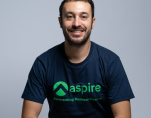
“This licence allows us to tackle long-standing treasury challenges where competitive investment options have often been out of reach for smaller businesses, requiring large minimum balances, manual cash management, and complex banking relationships that typically favour larger corporations,” said Andrea Baronchelli, co-founder and CEO of Aspire. “Businesses need their capital to work harder, but they also need immediate access when opportunities or challenges arise – we want to make every dollar more productive.”

Hong Kong has quickly emerged as one of Aspire’s fastest-growing markets. Over the past year, the company has recorded 3.3X growth in the city, driven by strong adoption among startups and digitally native businesses operating across multiple markets.

Businesses interested in Aspire Yield can learn more here: https://aspireapp.com/hk/yield.

Hashtag: #Aspire

The issuer is solely responsible for the content of this announcement.

About Aspire

Aspire is the all-in-one finance platform for modern businesses globally, which has helped over 50,000 companies save time and money with international payments, treasury, expense, payable, and receivable management solutions – accessible via a single, user-friendly account. Headquartered in Singapore, Aspire has 600+ employees across nine countries, clients in 30+ markets, and is backed by global top-tier VCs, including Sequoia, Lightspeed, Y-Combinator, Tencent, and PayPal.

Singapore leads the region in maturity but faces critical scaling bottlenecks.

SINGAPORE – Media OutReach Newswire – 15 April 2026 – ST Telemedia Global Data Centres (STT GDC), one of the world’s fastest-growing data centre colocation service providers headquartered in Singapore, today announced the findings of a new regional research study, Mind the Gap: Bridging the AI Infrastructure Readiness Divide, examining how organisations across Asia are progressing from AI ambition to execution. Commissioned by STT GDC with research partner Ecosystm, the study surveyed more than 600 enterprise and digital-native leaders across nine Asian markets: India, Indonesia, Japan, Malaysia, the Philippines, Singapore, South Korea, Thailand and Vietnam.

High adoption, limited readiness across Asia

The report reveals that AI ambition across Asia is high, with nearly 90% of organisations having embarked on their AI journeys. However, a significant 71% remain in the “Builder” stage of maturity, where initial AI pilots struggle to scale into production environments capable of delivering consistent and measurable return on investment (ROI). In contrast, only 17% of organisations are considered “future ready”, having invested in scalable infrastructure, mature data governance and specialised operational expertise, highlighting a widening readiness gap across the region.

Challenges faced by the Builders

Across Asia, the research identifies a reinforcing cycle that keeps many organisations stuck in pilot mode. AI initiatives are often launched on infrastructure that cannot scale to production, limiting their ability to demonstrate measurable ROI and making it harder to justify further investment in purpose-built, high-density environments. This challenge is compounded by gaps in in-house expertise, with many organisations lacking the specialist operational skills required to manage increasingly complex AI infrastructure at scale.

“Across Asia, organisations are moving quickly from experimentation to implementation, but many are discovering that AI success now depends less on training models and more on foundations,” said Chris Street, Group Chief Revenue Officer of ST Telemedia Global Data Centres. “Without scalable infrastructure and operational readiness in place, it becomes difficult to convert early AI ambition into consistent business value.”

The Sustainability Blind Spot

Despite rising energy and cooling demands driven by AI workloads, sustainability considerations remain secondary for most organisations when evaluating infrastructure options. Although 27% of organisations say ESG goals will actively shape or be central to their future plans, 64% of organisations across Asia continue to prioritise performance or cost, even as power density, thermal efficiency and long‑term total cost of ownership become increasingly critical factors in scaling AI responsibly.

A disconnect between what organisations want and what they need

The study also highlights a persistent disconnect between how organisations evaluate infrastructure partners and the capabilities they actually need to scale AI. Across Asia, organisations continue to prioritise baseline requirements like security and reliability, despite identifying operational expertise, scalability and cost efficiency as their most significant challenges.

Singapore: ahead of the region, but facing a new constraint

These challenges are visible across the region, but they manifest differently in more mature markets. Singapore stands out against the regional baseline with a significantly larger share of organisations having progressed beyond early-stage pilots. While only 17% of organisations across Asia are considered future‑ready, 40% of Singapore organisations have reached the Integrator stage, reflecting stronger early execution and deployment capability.

However, the study also finds that the final step to leadership remains the most difficult. Only 3% of Singapore organisations have reached the “Leader” stage of AI infrastructure maturity, signalling that even in Asia’s most mature AI market, the transition from integration to full leadership remains difficult.

Scaling, not adoption, is now the key challenge

In Singapore, where adoption is more advanced, the constraints have shifted. Limited infrastructure headroom, shortages in specialised operational expertise and continued investment discipline are now emerging as the primary barriers to scaling AI workloads and sustaining leadership.

“For Singapore, AI adoption is relatively mature; the defining challenge now is scaling deployments fast enough to support real‑world demand,” said Mingcheng Lim, Country Head – Singapore, ST Telemedia Global Data Centres. “Whether the country can maintain its lead in the region will depend on whether infrastructure capacity, specialist expertise and investment approaches can evolve at the same pace as AI workloads.”

Sustainability awareness has yet to shape infrastructure choices

In Singapore, regulatory expectations have driven relatively high awareness of sustainability issues. However, sustainability continues to rank among the lowest priorities when organisations evaluate infrastructure providers, highlighting a gap between awareness and action, even as power density, thermal efficiency and long‑term cost efficiency become increasingly important to scaling AI responsibly.

The mismatch between wants and needs persists

As with the wider region, Singapore organisations continue to evaluate infrastructure providers based on familiar baseline criteria, even as their scaling challenges point to a growing need for specialist expertise, speed to scale and sustainable, high‑density infrastructure capability.

These findings suggest that Asia’s next phase of AI progress will be defined not by ambition alone, but by execution capability. For Singapore, sustaining regional leadership will depend on infrastructure strategies that support scale, resilience and speed, enabling organisations to convert early AI momentum into enduring competitive advantage.

To download the report, Mind the Gap: Bridging the AI Infrastructure Readiness Divide, please visit: https://www.sttelemediagdc.com/resources/ai-readiness-assessment-report.Hashtag: #STTelemedia #STTGDC

The issuer is solely responsible for the content of this announcement.

About ST Telemedia Global Data Centres

ST Telemedia Global Data Centres (STT GDC) is one of the fastest-growing data centre providers with a global platform serving as a cornerstone of the digital ecosystem that helps the world to connect. Powering a sustainable digital future, STT GDC operates across Singapore, the UK, Germany, India, Italy, Thailand, South Korea, Indonesia, Japan, the Philippines, Malaysia and Vietnam, providing businesses an exceptional foundation that is built for their growth anywhere. For more information, visit.

  Slate Auto, the electric vehicle start-up backed by Jeff Bezos, has raised $650 million as it pushes towards launching an affordable electric pickup priced in the mid-$20,000 range, handing the company one of the bigger funding rounds in a US EV market that has turned markedly harsher for newcomers. The company said the money will support the rollout of its first vehicles later this year, with […]

The International Monetary Fund, World Bank and International Energy Agency are moving towards scheduled calls every two weeks as they deepen coordination over the economic and energy fallout from the war in the Middle East, with officials warning that prolonged disruption could sharpen inflation, weaken growth and hit poorer energy-importing countries hardest. The three bodies first set up a joint coordination group at the start of April […]

Amazon has struck an $11.57 billion deal to buy Globalstar, a move that would give the technology group a sharper edge in satellite communications, deepen its rivalry with SpaceX’s Starlink and place it at the centre of the next phase of smartphone connectivity, including services tied to future iPhone and Apple Watch models. The proposed acquisition, announced on April 14, would fold Globalstar’s satellites, spectrum assets and […]

Arabian Post Staff -Dubai   Gold prices steadied on Wednesday after touching a one-month high earlier in the session, with traders weighing the pull of geopolitical risk against tentative signs that Washington and Tehran could return to the negotiating table within days. The metal’s pause came as broader markets turned cautious, reflecting uncertainty over whether diplomacy will gain traction or merely offer a brief respite in a […]

China is set to issue 15.5 billion yuan in sovereign bonds in Hong Kong on 22 April, marking its largest offshore yuan government bond sale in the city since 2023 and adding to the pool of renminbi assets available to global investors at a time when geopolitical strain and inflation fears have unsettled many other markets. The Ministry of Finance disclosed the plan on 15 April, with detailed tender arrangements to be published through Hong Kong’s Central Moneymarkets Unit.

The move comes as China’s bond market has drawn fresh attention from overseas investors looking for relative stability. Foreign investors put about $2.5 billion into Chinese debt in March, while other emerging markets as a group suffered roughly $16.7 billion of outflows, according to Reuters data. That divergence has sharpened interest in yuan assets, helped by lower inflation in China, a still-supportive monetary stance and a yield curve that has behaved differently from those in the United States and Europe.

For Hong Kong, the planned sale also reinforces its role as the main offshore centre for renminbi financing. Regular sovereign issuance from Beijing has long been used to deepen the city’s yuan liquidity pool, extend the offshore yield curve and provide benchmark pricing for other issuers. Hong Kong authorities have made expansion of the offshore renminbi ecosystem a policy priority, linking bond issuance with broader efforts to promote cross-border settlement, trading and investment products tied to the Chinese currency.

Beijing has already tapped the Hong Kong market once this year. In February, the Ministry of Finance sold 14 billion yuan of sovereign bonds in the city, split across two-year, three-year, five-year, 10-year and 30-year maturities, with the offering drawing nearly four times subscription. That strong demand provided an early signal that institutional investors still had appetite for Chinese sovereign paper despite uncertainty over domestic growth and external trade conditions. The new 15.5 billion yuan deal will exceed that February size and also top the 12.5 billion yuan tranche sold in Hong Kong in April 2025.

Timing is central to the significance of the sale. Global investors have been reassessing where to park money as the war involving Iran has pushed up oil prices, clouded the inflation outlook and stirred volatility across currencies and bonds. The International Monetary Fund warned this week that the conflict is raising broader financial stability risks, especially if funding conditions tighten or inflation expectations become more entrenched. Against that backdrop, China’s comparatively subdued inflation and its ability to avoid the kind of aggressive rate response seen elsewhere have made its debt market look more defensive than many peers.

That does not mean investors are ignoring the risks. China remains a large energy importer, and any sustained period of high oil prices could feed through into producer costs, growth expectations and longer-dated bond yields. Reuters reported that investors have favoured short- and medium-dated Chinese bonds more than the long end, even as demand for the asset class has improved. There are also broader questions around China’s economy, including softer credit demand, pressure on exports from weaker global activity and the continuing need for fiscal support. March bank lending rose from February levels but still missed expectations, highlighting the uneven nature of the recovery.

The bond sale also fits within a wider fiscal picture. China’s 2026 budget includes 1.3 trillion yuan of ultra-long special treasury bond issuance, matching the previous year, and the Finance Ministry is due to brief underwriters on the broader government borrowing plan. Investors have been closely watching how Beijing balances support for growth with concerns about duration risk and market absorption, especially after expectations of a smaller allocation of 30-year special bonds helped pull those yields lower.

For Hong Kong’s market, a larger sovereign bond sale offers both symbolism and practical benefits. Sovereign paper from Beijing serves as a high-grade reference point for pricing dim sum bonds and other offshore renminbi instruments, while also supporting repo activity and secondary-market development. The more frequently and predictably such bonds are issued, the easier it becomes for asset managers, banks and reserve holders to build yuan exposure outside the mainland. Hong Kong officials have repeatedly framed that process as essential to strengthening the city’s function in renminbi internationalisation.

Goldman Sachs has moved further into digital assets with a filing for the Goldman Sachs Bitcoin Premium Income ETF, a proposed fund designed to give investors exposure to bitcoin-linked products while generating income by selling call options. The preliminary prospectus was filed with the US Securities and Exchange Commission on April 14, and sets out a strategy aimed at current income alongside capital appreciation rather than a […]

SoftBank Group’s push to raise broader backing for a $40 billion loan tied to its investment in OpenAI is drawing fresh attention to how far global lenders are willing to support Masayoshi Son’s debt-heavy bet on artificial intelligence. More banks are being approached to join the financing, extending a syndication effort that began after SoftBank secured the bridge facility in March, in what has become a major […]

Arabian Post Staff -Dubai Global smartphone shipments fell in the first quarter, ending the run of growth that had followed the sector’s rebound from its 2023 downturn, as a squeeze in memory supply and higher component prices forced brands to trim volumes, raise prices and rethink launch plans. IDC said worldwide shipments declined 4.1 per cent in the January-March period, while Samsung and Apple were the only […]

First-ever joint campaign for credit card unlocks enhanced digital investment solutions and exclusive lifestyle privileges for clients

HONG KONG SAR – Media OutReach Newswire – 15 April 2026 – As part of its strategy to lead in digital wealth, Citi is leveraging fintech to enhance its client value proposition. Citi is committed to driving Hong Kong’s fintech ecosystem by playing a unique role as both a strategic investor and a collaborator. This approach is exemplified by our partnership with Endowus, a leading digital wealth advisory and investment platform. After Citi Ventures invested in the platform in August 2023, this collaboration now sets the stage for our latest joint initiative.

Building on their established relationship, Citi Hong Kong and Endowus recently launched the “Invest with Clarity, Live in Prestige” campaign, their inaugural joint credit card promotion. Through this initiative, eligible Endowus clients who successfully apply for a new Citi Prestige Card and meet specific requirements during the promotion period will receive a HK$4,000* cash reward. This offer seamlessly integrates a rewarding investment journey with the elevated dining, travel and lifestyle privileges that come with the Citi Prestige Card.

This partnership marks a key milestone, and both Citi and Endowus look forward to exploring further collaborations, including expanding the campaign to other Citi Credit Cards and across a broader spectrum of products, aiming to continuously drive financial innovation and enhance client experience.

Sarah O, Head of Digital Growth & Cards and Unsecured Lending Sales, Citi Hong Kong, said, “Our strategic collaboration with Endowus exemplifies Citi’s commitment to harnessing the power of the fintech ecosystem to drive growth and innovation within our wealth business. The expanded partnership with Endowus showcases our unique, full-circle commitment to the fintech community. We are excited about the ongoing potential of this partnership to unlock even more innovative solutions for our clients.”

Steffanie Yuen, Managing Director and Head of Hong Kong, Endowus said, “Citi’s strategic backing as our shareholder, and recognition of our vision to help people invest with clarity significantly reflects a shared commitment to raising the bar for wealth management in Hong Kong. By pairing best-in-class digital investment tools with the lifestyle rewards of the Citi Prestige Card, we’re making it easier than ever for clients to invest well and live well. We look forward to deepening our partnership to build even more innovative experiences together for the clients we serve.”

Click HERE to download the photo
Photo: Sarah O, Head of Digital Growth & Cards and Unsecured Lending Sales, Citi Hong Kong (Left) and Steffanie Yuen, Managing Director and Head of Hong Kong, Endowus (Right)

*For new Citi Prestige Card clients only. Terms and conditions for the promotion apply. Details: https://endowus.com/en-hk/campaigns/terms-conditions-for-endowus-x-citi-prestige-collaboration-promotion-2026

Hashtag: #Citi

The issuer is solely responsible for the content of this announcement.

About Citi

Citi is a preeminent banking partner for institutions with cross-border needs, a global leader in wealth management and a valued personal bank in its home market of the United States. Citi does business in more than 180 countries and jurisdictions, providing corporations, governments, investors, institutions and individuals with a broad range of financial products and services.

Additional information may be found at | X: | LinkedIn: | YouTube: | Facebook:

Paper tubes, cartons and bamboo-based alternatives are gaining commercial ground across Asia as the war-linked disruption to petrochemical supplies pushes plastic costs higher and leaves manufacturers, retailers and consumer brands scrambling for substitutes. What began as a supply shock tied to oil and chemical flows from the Middle East is now rippling through supermarket shelves, cosmetics counters and factory floors, giving an unexpected opening to packaging formats […]

Arabian Post Staff -Dubai Saudi Arabia’s Public Investment Fund has stepped up its backing of Lucid Group with a fresh $550 million investment through affiliate Ayar Third Investment Company, extending the sovereign wealth fund’s role as the electric vehicle maker’s financial anchor at a time when Lucid is trying to stabilise cash burn, repair operational strains and broaden its commercial reach. The commitment forms part of a […]

SINGAPORE – Media OutReach Newswire – 15 April 2026 – The first 30 days of university can shape everything that follows, from academic confidence and friendships to a student’s overall sense of belonging. Recognising this pivotal transition, SIM Global Education (SIM GE) has introduced a “First 30 Days” guide designed to help new students settle in quickly, build strong habits, and make the most of their university experience from day one.

Starting university is an exciting milestone, but it also comes with new expectations, from independent learning to navigating a new social environment. With early access to academic support, peer networks and wellbeing resources, SIM GE aims to ensure that students do not have to navigate this transition alone.

A “First 30 Days” Guide for New Students

To help students hit the ground running, the guide focuses on four key pillars: administration, academics, community and wellbeing, offering a clear roadmap for a confident and well-rounded start to university life.

Getting setup from Day One

The first week is all about laying the groundwork. Students are encouraged to attend orientation, activate essential academic systems and familiarise themselves with campus resources that will support their journey ahead. For international students arriving in Singapore, SIM GE provides dedicated onboarding through its International Student Office (ISO). From pre-departure preparation and Student’s Pass guidance to accommodation support and buddy programmes, students are guided every step of the way. Welcome receptions and orientation activities also offer early opportunities to build connections, helping students feel at home even before classes begin.

Establishing academic habits early

As classes begin, students quickly discover that understanding expectations early can make all the difference. The guide encourages students to review module outlines, plan ahead for assessments and actively seek support when needed. SIM GE offers a range of academic resources, including workshops and consultations focused on writing, research, presentations and effective study strategies. These resources are designed not just to support learning, but to help students develop the confidence and skills needed to thrive in a university environment.

Finding community beyond the classroom

Unversity life extends far beyond lectures. In their first month, students are encouraged to explore co-curricular activities (CCAs), student clubs and peer networks that enrich their overall experience. Programmes such as student ambassador initiatives and peer mentoring provide valuable opportunities for students to learn from seniors, gain practical insights and form meaningful friendships. By getting involved early, students can build a strong sense of belonging and become part of a vibrant campus community.

Prioritising wellbeing during the transition

Adjusting to university life can be both exciting and challenging. Recognising this, SIM GE places strong emphasis on student wellbeing, providing access to counselling and wellness services that support mental health and personal development. These services help students manage academic pressures, build resilience and maintain balance, ensuring they are well equipped to navigate both the highs and challenges of university life.

Supporting students every step of the way

SIM Global Education believes that a strong start can make a lasting difference. By encouraging students to actively engage with academic resources, peer support and wellbeing services from the outset, the institution aims to create an environment where students can grow with confidence, both academically and personally.

References:

  1. SIM – International Students Onboarding – https://www.sim.edu.sg/degrees-diplomas/admissions/international-students-onboarding
  2. SIM Global Education – International Student Office – https://regional.simge.edu.sg/en/international-student-office/
  3. SIM GE – International student support and buddy programmes – https://regional.simge.edu.sg/en/navigating-the-transition-to-studying-abroad/
  4. SIM GE CCA – https://www.sim.edu.sg/degrees-diplomas/life-at-sim/co-curricular-activities
  5. SIM GE Student Ambassadors – https://www.sim.edu.sg/degrees-diplomas/life-at-sim/student-ambassadors
  6. SIM Student Care – https://www.sim.edu.sg/degrees-diplomas/life-at-sim/student-care

Hashtag: #SIMGlobalEducation #SIMGE #GlobalEducation #InternationalDegree #CareerReady #FutureSkills

The issuer is solely responsible for the content of this announcement.

About SIM Global Education

SIM Global Education (SIM GE) is a leading private education institution in Singapore and the region. We offer more than 140 academic programmes ranging from diplomas and graduate diploma programmes to bachelor’s and master’s degree programmes with some of the world’s most reputable universities from Australia, Canada, Europe, United Kingdom, and the United States. SIM GE’s cohort is made up of 17,000 full- and part-time students and adult learners, of which approximately 41% are international students hailing from over 50 countries.

SIM GE’s holistic learning approach and culturally diverse learning environment aim to equip students with knowledge, industry skills and employability competencies, as well as a global perspective to succeed as future leaders in a fast-changing, technologically driven world.

For more information on SIM Global Education, visit .

TURIN, ITALY – Media OutReach Newswire – 14 April 2026 – The traditional automotive model is obsolete. It is rigid, capital-heavy, and dependent on massive dealership inventories that drive up costs for the consumer. XEV is now challenging that legacy structure with the rollout of its Customer-to-Manufacturer (C2M) ecosystem. By launching the world’s first mass-customization project for micro electric vehicles, including the flagship XEV YOYO, the company allows European drivers to order personalized vehicles directly. This approach eliminates the inventory burden and introduces a “Battery-as-a-Service” model that removes the two biggest barriers to EV adoption. Those barriers are high upfront costs and residual value risk.

XEV
XEV


Decoupling the Battery from the Price Tag

For decades, the battery has been the most expensive single component of an electric car. It is also the component most likely to depreciate. XEV’s innovative business model fundamentally alters this equation by separating the vehicle (hardware) from the battery (service).

Customers purchase the car but lease the energy capacity. This strategy significantly lowers the initial purchase price. It makes premium urban mobility accessible to a broader demographic. This ranges from young professionals seeking their first vehicle to fleet operators managing tight margins.

“We are not just manufacturing cars. We are redefining vehicle ownership,” says the XEV leadership team. “Our goal is to make car production as flexible as smartphone manufacturing. We give users exactly what they need for city living without the financial weight of traditional ownership.”

3 Minutes to Full Power: Solving the Charging Crisis

Range anxiety remains a critical hurdle for European EVs. This is particularly true for drivers without private home charging infrastructure. XEV addresses this with its proprietary battery swapping network.

The XEV YOYO and the upcoming XEV XPRESSION are engineered with a modular battery system. Instead of waiting hours at a charging point, drivers pull into a dedicated station. They complete a fully automated battery replacement in approximately three minutes.

This “SWAPPING” technology does more than save time. It improves operational efficiency for commercial users and ensures the vehicle is immune to battery degradation. Since the driver does not own the battery, they never have to worry about the cell’s lifespan affecting the car’s resale value. This creates a “Zero Usage Anxiety” experience for the owner.

Data-Driven Customization: The End of “One Size Fits All”

The XEV lineup is purpose-built for the narrow streets and high congestion of European cities. With a compact footprint of roughly 2.5 meters, the YOYO navigates historic city centers with ease. However, small size does not mean limited options.

Unlike legacy automakers that push stock inventory, XEV utilizes a data-driven C2M model. Users configure their vehicles via an online platform. They select distinct exterior colors, interior materials, wheel designs, and specific features. This user input triggers a flexible production process that creates a customizable car tailored to specific tastes. XEV uses the massive data generated from these customization choices to refine future designs and forecast market trends with precision.

Commercial Application: Powering the Last-Mile Economy

The flexibility of the XEV platform extends well beyond personal commuting. It is designed to serve the booming last-mile economy. The platform supports last-mile delivery vehicles and shared mobility fleets.

XEV provides specialized enclosed cargo options for logistics companies. The vehicle can even be customized for small business applications, such as mobile coffee carts or retail trucks. For small business owners, the vehicle serves as a mobile asset that can be configured for specific trades, effectively lowering the barrier to entry for entrepreneurs.

XEV has already initiated pilot projects with major European logistics firms to prove the model’s viability for high-frequency urban commuting and commercial delivery. For car-sharing services, the high utilization rates and low maintenance needs of the YOYO make it an ideal asset for time-based rental fleets. The modular design further supports this eco-friendly lifecycle by facilitating easy repair and part upgrades. This extends the product lifespan and reduces waste compared to traditional vehicles that are often scrapped when a single major system fails.

A Strategic Supply Chain for a New Era

XEV achieves this level of flexibility through a strategic manufacturing model. The company adopts a capital-light approach that relies on deep collaboration with mature Asian automotive supply chains. This ensures rigorous quality control and cost efficiency without the bloating of traditional manufacturing.

Simultaneously, XEV is committed to European localization. The company is currently establishing assembly hubs and battery swapping networks across Europe to better serve local demand. This dual approach allows XEV to combine global manufacturing power with local market responsiveness. It ensures that while the technology is global, the support and infrastructure are local.

Availability

Sales and deliveries of the XEV YOYO have commenced in selected European markets, including Italy and Germany. The company continues to expand its infrastructure to support the growing network of users who demand a smarter and cleaner way to move through their cities.

For more information on the YOYO and the battery-swapping network, visit https://www.xev-global.com/yoyo or explore the upcoming XPRESSION model at https://www.xev-global.com/xpression.
Hashtag: #XEV

The issuer is solely responsible for the content of this announcement.

About XEV

XEV is an innovative electric vehicle company committed to transforming the way cars are designed, built, and owned. Through its direct-to-consumer (DTC) online customization platform and a flexible production system, XEV integrates personalized user demand with modular smart manufacturing. The company’s mission is to make electric vehicles accessible and lifestyle-aligned for everyone. It drives the transition toward sustainable and personalized mobility. XEV positions itself not just as a manufacturer but as a global leader in urban electric mobility solutions.

VISHNU RAJA
RYO YAMADA
HITORI GOTOH
IKUYO KITA