News related to
partners establish

SHENZHEN, CHINA – Media OutReach Newswire – 3 October 2026 – Huawei hosted an international media roundtable today featuring Richard Yu, Executive Director, Chairman of the Investment Review Board, and Chairman of the Board of Directors of the Consumer BG. Yu shared comprehensive insights into Huawei’s consumer business and HarmonyOS ecosystem.

IMG 8638

Richard Yu joined Huawei in 1993, working on early developments like the first-generation program-controlled switch and participating in the establishment of Huawei’s wireless communications business, which started with GSM. Over the past decade, Yu has led Huawei’s consumer business with the vision to deliver a seamless AI life experience to all consumers across five key scenarios: HIMA-powered Smart Travel, HarmonyOS Office, Smart Home, Fitness & Health, and Entertainment, which he said is also the long-term strategy for Huawei’s consumer business over the next 10 years.

Between 2007 and 2025, Huawei invested more than CNY1.8 trillion into R&D shifting from roughly 10% of annual revenue in early years to over 20% recently. Huawei has continued to increase investment into the core technologies of the ICT domain and basic research, which has translated into robust core capabilities, extensive intellectual property, and a vast patent portfolio, and helped with achieving a series of breakthroughs in technological innovation.

The Mate 90 series smartphones Huawei just launched come with the latest Kirin 9050 Pro chip. The overall device performance is 31% higher than the previous generation. The Balong modem, image sensor processor (ISP), mobile security processor (MSP), Lingxi CPU, Maleoon GPU, and the NPU that adopts Huawei’s Da Vinci architecture for AI processing are all designed by Huawei. They offer higher energy efficiency and deliver much-improved overall system-level performance.

Even though Yu admitted that Huawei has limited access to advanced semiconductor processes, Huawei recently made a new breakthrough in the semiconductor domain – the LogicFolding technology under the Tau Scaling Law. Unveiled by He Tingbo, head of Huawei’s Semiconductor Business Department this May, this technology vertically stacks the logic layers of chips and restructures the circuit layout through inter-layer high-density interconnect to shorten critical paths and reduce latency. This technology was adopted on Kirin 9050 Pro chip, which shows very strong AI processing power. The Mate 90 series powered by this chip can run a 30B MoE on-device AI model.

In the AI domain, Yu talked about the Ascend compute foundation that Huawei provides, by remarking Huawei’s large models called openPangu, AI capabilities for intelligent driving, and HarmonyOS Celia, which is similar to Gemini in the Google Android ecosystem. Huawei is also using AI to improve the O&M of communications network equipment. By combining AI computing power with domestic open-source large models, Huawei’s vision is to help enterprises and industries around the world to become more productive and bringing more convenience to everyone.

In the past years, Huawei has launched a broad series of products and solutions, including smartphones, PCs, tablets, wearables, TWS audio products, Smart TVs, home routers, smart home control solutions, as well as intelligent electric vehicles together with partners. Underlying these products and solutions are Huawei’s chip hardware platform and HarmonyOS – another OS ecosystem after iOS from Apple and Android from Google that Huawei developed to support all the smart devices and smart hardware across all scenarios.

Development of HarmonyOS began in 2019. Before that, Huawei was a major contributor to the Android community as well as the entire Android ecosystem. Now, more than 90 million devices, including smartphones, PCs, and tablets, currently run on HarmonyOS 6 and HarmonyOS 7. This figure is expected to hit the 100 million mark by the end of this year. The number of apps and services in the HarmonyOS ecosystem has already exceeded 450,000. Its global registered developer count has reached 11 million, and Huawei now has over 23,000 app innovation partners. Expressing his special thanks to all partners and developers for their trust and support, Yu also pointed out that Huawei is considering gradually bringing HarmonyOS to the global market in the future.

Globalization is another topic of the conversation. Yu mentioned that Huawei had very good collaboration with many companies from the US, Europe, Japan, South Korea, and Taiwan, delivering huge business value and benefits to those partners. When it comes to the difficulties that Huawei overcame since 2019, Yu said that relying on homegrown technologies and capabilities, Huawei gradually designed its own operating system and developed basic tools and software by themselves, putting a domestic supply chain in place. In 2023, Huawei started to manufacture the chips used by smartphones domestically again. With these chips and HarmonyOS, and by relying on China’s domestic supply chain, materials, and process nodes, Huawei has basically gotten rid of the dependence on US technologies.

While Huawei’s global market share was once No. 1, nowadays it only sells several million units of smartphones outside China every year. However, Yu revealed that Huawei is trying to return to the overseas market step by step.

Taking wearables as an example, Huawei is No. 1 in terms of the market share both in China and globally. Other innovative products such as TWS earphones, are also growing fast and have reached No. 1 in many countries. While Huawei’s tablet and PC business was greatly affected after it was denied access to Windows and Intel x86 chips, the HarmonyOS-based tablets are now performing strongly. Another example would be CPE, which is a mobile router that provides connectivity to the unconnected in remote and rural areas. These products are also very well received across many regions outside China, helping more people connect to the rest of the world and live better lives.

Question: Both the Huawei XT 2 and the two most advanced models of the Mate 90 series use a LogicFolding chip. Will LogicFolding chips be used for more phones in the future? We understand that Huawei’s chip production capacity is still limited. Huawei has launched SuperPoDs, and AI infrastructure is a huge business. They are both very important in China. How do you secure a larger share of the chip supply internally?

Richard Yu: We started introducing the chip that adopts the LogicFolding technology powered by the Tau Scaling Law to the Mate XT 2 tri-fold phone. To answer your question, yes, more of our phones will definitely use these LogicFolding chips in the future.

Currently, the production capacity for advanced semiconductors in China still cannot meet the rapidly growing demand. Huawei’s Ascend chips for the AI domain also use such capacity. But we have developed a requirement plan, which also covers the chip requirements of smartphones.

The sharp price increase for memory components over the past two years has somewhat limited the smartphone sales volume. Even though the production capacity remains tight right now, generally it is sufficient to meet our market shipment needs.

We hope that production capacity will ramp up in China’s semiconductor industry so that we can manufacture more advanced products for consumers in the Chinese market as well as the overseas market in the future.

To read the full Q&A session:
https://www.apmultimedianewsroom.com/multimedia-newsroom/continuous-innovation-securing-our-competitive-edge-through-technological-breakthroughs

Hashtag: #Huawei

The issuer is solely responsible for the content of this announcement.

Singapore’s Temasek plans to open offices in Riyadh and Abu Dhabi in the first half of 2027, establishing its first physical presence in the Middle East as it steps up investment and partnerships across the region.

The Singapore state-owned investment company said on Wednesday that the two offices, subject to statutory approvals, would operate as strategic hubs for Temasek and its portfolio companies. Some portfolio companies are expected to co-locate at the new sites, giving them a base from which to develop business and partnerships in Gulf markets.

Temasek said it sees broad opportunities in Saudi Arabia, the United Arab Emirates and Qatar. It intends to increase engagement with institutions in Qatar and other Middle Eastern markets while using the Riyadh and Abu Dhabi bases to improve access to investment opportunities across Central Asia and Africa.

“The Middle East is an important part of Temasek’s global network,” chief executive Dilhan Pillay Sandrasegara said. He cited the pace of economic transformation across the region and said its long-term fundamentals remained attractive, with strong alignment between regional priorities and Temasek’s investment focus.

Pillay said Temasek had built relationships in Saudi Arabia, the UAE and Qatar over several years through partnerships, co-investments and the activities of its portfolio companies. The planned offices represent a shift from managing those relationships remotely towards maintaining permanent teams in two of the Gulf’s principal financial and investment centres.

The expansion comes as Gulf governments continue programmes intended to diversify their economies, develop infrastructure and attract international capital. Temasek said its investment experience, global networks and partnership-led approach, together with the sector expertise of companies in its portfolio, could support opportunities created by that transformation.

Temasek said the new hubs would also give portfolio companies closer access to local partners and markets, allowing them to collaborate alongside the investor while pursuing opportunities generated by economic diversification and infrastructure spending.

Chia Song Hwee, chief executive of Temasek Global Investments, was appointed chairman for the Middle East and Africa with effect from September 1. Temasek said he would provide senior leadership and oversight for its engagement and long-term growth in the two regions.

Chia said having teams on the ground would strengthen engagement with partners and improve access to investment opportunities for Temasek and its portfolio companies. He added that the offices would allow the group to bring expertise from across its wider ecosystem into regional markets.

Ankit Khemka will remain managing director for the region and continue to lead Temasek’s strategy and expansion. The leadership arrangements put the Middle East and Africa under dedicated senior oversight as the investor increases its institutional presence beyond its established Asian, European and American locations.

The two offices will increase Temasek’s global network to 15 offices across 11 countries in 2027, from 13 offices in nine countries. Its existing locations include Singapore, Beijing, Hanoi, Mumbai, Shanghai and Shenzhen in Asia, alongside Brussels, London, Mexico City, New York, Paris, San Francisco and Washington.

Temasek’s net portfolio value reached S$518 billion for the financial year ended March 31, 2026, up from S$469 billion a year earlier. Its one-year total shareholder return was 10.5 per cent, while its 10-year and 20-year returns were 7.1 per cent and 6.8 per cent respectively.

The investor’s portfolio remains anchored in Singapore while spanning major global markets. Singapore-based portfolio companies accounted for 43 per cent of the portfolio at the end of the financial year, while direct investments in companies globally represented 38 per cent. The remaining 19 per cent was held through partnerships, funds and asset-management businesses.

Temasek has also been increasing investment activity across Europe, the Middle East and Africa. Earlier this week, it acquired a 9 per cent minority stake in the management company of Milan-based private equity group FSI and committed capital to future FSI investment vehicles targeting growing Italian companies.

Open USD, a dollar-backed stablecoin supported by major payments, technology and cryptocurrency companies, has gone live with a model that distributes reserve income and ownership to businesses that help expand its use. The stablecoin began operating on Wednesday across Ethereum, Solana, Base and Tempo, according to Open Standard, the independent company behind the project. Coinbase, Mastercard, Shopify, Stripe and Visa are its founding partners and investors, and […]

OpenAI is seeking at least $30 billion in fresh capital at a valuation of about $1.4 trillion before the new investment, as the ChatGPT maker turns again to private markets after delaying plans for an initial public offering. Discussions with prospective investors remain at an early stage and terms could change, people familiar with the fundraising have said. Investor demand is driving the potential transaction as OpenAI […]

HONG KONG SAR – Media OutReach Newswire – 22 September 2026 – Hong Kong’s Chief Executive John Lee announced the First Five-Year Plan for Economic and Social Development of the Hong Kong Special Administrative Region (HKSAR) (2026-2030) and his fifth Policy Address on September 16, rolling out measures to further sharpen Hong Kong’s edge amid global competition, consolidate development of the Guangdong-Hong Kong-Macao Greater Bay Area (GBA) and promote green transformation.

image-1.jpeg

Initiatives aim to support high-quality development of the GBA, align rules and mechanisms within the region, and promote cross-boundary collaboration.

“The HKSAR Government will continue its efforts in fostering synergistic development of the GBA,” said Mr Lee. “We will strengthen co‑operation in technological innovation, promote ‘hard connectivity’ in infrastructure, foster ‘soft connectivity’ by deepening the alignment of rules and mechanisms, and achieve ‘connectivity of hearts’ among residents of the three places.”

The HKSAR Government will continue to actively participate in the development of the various major co-operation platforms, including Qianhai of Shenzhen, Nansha of Guangzhou, Hengqin of Zhuhai and the Hetao Shenzhen-Hong Kong Co-operation Zone, to promote mutual benefits.

In terms of “hard connectivity” the HKSAR Government will support Nansha in its role as a high‑standard gateway for opening up, including encouraging the trade to participate in Nansha’s infrastructure development.

“To promote the co‑ordinated development of rail transit in Guangdong, Hong Kong and Macao, we are pressing ahead with the Northern Link Project and the Hong Kong‑Shenzhen Western Rail Link (Hung Shui Kiu‑Qianhai), with target commissioning in 2034 and 2035 respectively, to fully connect the rail transit networks of Hong Kong and Shenzhen,” Mr Lee said.

Regarding “soft connectivity”, Mr Lee said the HKSAR Government will set up a Task Force to explore ways to advance the alignment of rules and mechanisms within the GBA.

To achieve “Connectivity of Hearts” among residents across the GBA, Hong Kong will strengthen co-operation between its higher education institutions and those in other GBA cities by establishing cross‑disciplinary partnerships, facilitating scientific research, knowledge transfer, and commercialisation, with a view to promoting high‑level research.

Hong Kong’s Secretary for Constitutional and Mainland Affairs, Janice Tse, noted that the First Five-Year Plan clearly states that Hong Kong will participate in the development of the GBA into an international first‑class bay area and a world‑class city cluster with global influence.

“Hong Kong will forge closer alignment and synergy with the nine GBA cities in Guangdong Province and Macao, making full use of our respective advantages to jointly promote the high-quality development of the GBA,” Miss Tse said.

To foster financial development in the GBA, Hong Kong will continue to capitalise on institutional innovation, financial infrastructure upgrading and enhanced regulatory alignment to encourage the orderly flow of financial elements among GBA cities.

The Hong Kong Exchanges and Clearing Limited’s Core Climate, in collaboration with the Guangzhou Power Exchange Centre, is working towards the pilot trading of national renewable‑energy, green electricity certificates in Hong Kong in 2026.

“On connecting the Chinese Mainland and the world, the HKSAR Government will continue to support green technology development through the HK$400 million (aboutUS$51 million) Green Tech Fund, leveraging Hong Kong’s function as a springboard for green technology and assisting national green technologies and products in going global,” said Hong Kong’sSecretary for Environment and Ecology, Tse Chin-wan. “On the development of hydrogen energy, we have participated in drafting national hydrogen energy standards with a view to helping these standards align with international practice.”

To meet the country’s “dual carbon” targets and fulfil Hong Kong’s commitment to achieving carbon neutrality before 2050, the HKSAR Government steered the establishment of a production base for sustainable aviation fuel (SAF) in Dongguan, leveraging the leading position of Hong Kong enterprises in the international SAF industry.

“By combining technology strengths with industrial foundation, Hong Kong and Guangdong will jointly develop a globally influential green industry,” Mr Lee said.

The HKSAR Government will take forward the construction of an SAF blending facility in Hong Kong to build an end‑to‑end SAF value chain and reduce logistics costs to make SAF prices more competitive. The target is to achieve an SAF consumption ratio of 1% to 3% for flights departing from Hong Kong International Airport in 2030.

Hong Kong’s Five-Year Plan promotes the integrated development of culture, sports, and tourism, to develop the GBA into a cultured bay area.

Under the strategic framework of the Agreement on Strengthening of Sports Cooperation and Promotion of Integrated Development, Hong Kong will deepen co-operation, and strive to co‑organise important regional and international single‑sport events. It will also strengthen cultural exchanges, pass on Cantonese opera and the characteristics of Lingnan culture, and promote the sales and cross‑boundary exhibition of Hong Kong publications.


Hashtag: #HongKong #PolicyAddress #First5YearPlan #GBA #Green #Transformation


The issuer is solely responsible for the content of this announcement.

Anthropic’s confidential initial public offering prospectus has revealed a nearly $42 billion net loss for 2025 despite revenue of about $4.6 billion, alongside heavy dependence on two customers that each supplied 12% of annual sales. The disclosures offer the clearest financial picture yet of the Claude developer as it prepares for a possible stock-market listing. Revenue expanded roughly twelvefold from 2024, but the company’s operating loss widened […]

Arabian Post Staff -Dubai Abu Dhabi sovereign investor L’Imad Holding is positioning AD Ports Group for tighter state control as the emirate strengthens trade routes outside the Strait of Hormuz, with its takeover of the ports operator moving towards settlement after attracting acceptances that will lift its holding above 98.5 per cent. The transaction, conducted through L’Imad’s wholly owned subsidiary ADQ, values AD Ports at Dh31.8 billion. […]

Advertisements
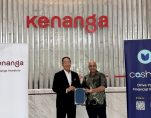
KUALA LUMPUR, MALAYSIA – Media OutReach Newswire – 30 September 2026 – Cashku, the AI-native digital wealth platform operated by Advisonomics Sdn Bhd and licensed by the Securities Commission Malaysia (“SC“), today announced a distribution partnership with Kenanga Investors Berhad (“Kenanga Investors“), the asset and wealth management arm of Kenanga Investment Bank Berhad and one of Malaysia’s largest investment management firms.

Datuk Wira Ismitz Matthew De Alwis, CEO and Executive Director, Kenanga Investors Berhad and Raevendren Ramachandran, CEO, Cashku

Under the partnership, a selected range of funds offered by Kenanga Investors and its Institutional Unit Trust Adviser partners will be available to Cashku users with no sales charge and from a minimum investment starting from RM10.

For investors, the effect is practical: investors can review fund information, open an account, set their investing goals, invest and make additional investments within a single application, with suitability assessed at the point of investment and monitored continuously thereafter.

Cashku has rebuilt the advice layer of wealth management around agentic AI; software that does not simply answer questions, but carries out risk profiling, goal-based portfolio construction, suitability assessment and ongoing portfolio monitoring, under the oversight of licensed human advisers and within the SC’s regulatory framework. That architecture, for which Cashku received a DIGID award for data-driven advisory under the SC’s Digital Innovation Fund in 2024, is what allows the platform to reach investors at a materially lower cost to serve.

The partnership arrives as Malaysia’s fund management industry reaches record scale. Assets under management rose 6.9% to a record RM1.14 trillion in 2025, with unit trust funds forming the largest single category at roughly half of that total. The SC’s Capital Market Masterplan 2026–2030 targets a capital market of over RM6 trillion by 2030 and names an inclusive capital market for all Malaysians as one of its four strategic themes — an agenda that depends on reaching the Malaysians who are not investing today. Individual participation in the capital market currently stands at 25%, and the Masterplan finds that around 60% of non-investors are under the age of 40.

“Malaysia’s problem has never been the quality of its funds — it has been access to the advice that helps people use them well. Financial planning has traditionally been reserved for those wealthy enough to pay for it, which is why most households have never had a plan at all. Cashku exists to change that: to give every Malaysian a plan built around their own goals. Partnering with managers like Kenanga Investors is how that gap closes.”

— Raevendren Ramachandran, Chief Executive Officer, Cashku

“Digital distribution is a natural extension of the Group’s own digitalisation agenda. Working with a licensed platform such as Cashku allows us to reach investors who are starting earlier and investing in smaller amounts than traditional channels are built to serve, without compromising the standards of suitability, transparency and governance our clients expect.”

— Datuk Wira Ismitz Matthew De Alwis, Chief Executive Officer and Executive Director, Kenanga Investors.

Cashku will continue to expand the range of funds available on the platform.

Hashtag: #Kenanga

The issuer is solely responsible for the content of this announcement.

About Kenanga Investors Berhad 199501024358 (353563-P)

Kenanga Investors Berhad is a licensed fund management company regulated by the Securities Commission Malaysia and a wholly owned subsidiary of Kenanga Investment Bank Berhad. It provides investment solutions spanning collective investment schemes, portfolio management services, alternative investments, and wills and trusts for retail, corporate, institutional and high net worth clients through a multi-distribution network.

The LSEG Lipper Fund Awards 2026 recognised four funds under the Malaysia Provident Funds category; Kenanga Growth Fund was named Equity Malaysia (5 Years), Kenanga Growth Fund Series 2 was awarded Equity Malaysia Diversified (3 Years), Kenanga Malaysian Inc Fund was awarded Equity Malaysia Diversified (10 Years) while Kenanga Managed Growth Fund was recognised with the title Mixed Asset MYR Balanced – Malaysia (10 Years).

The Hong Kong-based Asia Asset Management’s (“AAM”) 2026 Best of the Best Awards awarded Kenanga Investors under the following categories, Malaysia Best Impact Investing Manager, Best Impact Investing Manager in ASEAN, Malaysia Best Equity Manager, Malaysia CEO of the Year (Co-Winner), Malaysia CIO of the Year, Malaysia Best House for Alternatives and Malaysia Best ESG Engagement Initiative.

At the AAM ETF Awards 2026, Kenanga Investors received an accolade under the category Malaysia Leverage and Inverse ETF of the Year for the Kenanga KLCI Daily (-1x) Inverse ETF. The IFN Investor Awards 2025 awarded the Kenanga Islamic Balanced Fund under the categories of “IFN Investor Best Balanced Mixed Assets Fund in Malaysia — MYR 2025”, “IFN Investor Best Balanced Mixed Assets Fund in Asia Pacific 2025”, and “IFN Investor Best Global Balanced Mixed Assets Fund 2025”.

For the ninth consecutive year, we were affirmed an investment manager rating of IMR-2 by Malaysian Rating Corporation Berhad, since first rated in 2017. The IMR rating on reflects the fund management company’s well-established investment processes and sound risk management practices.

Spotlighting the AI Wave and Exploring Paths Forward for Private Enterprises

HONG KONG SAR – Media OutReach Newswire – 29 September 2026 – The second “Jun’s Circle” Fireside Chat, initiated by Ge Jun, an Academician of the International Eurasian Academy of Sciences and Chairman and CEO of TOJOY Shared Smart Enterprise Services Co., Ltd. (“TOJOY”), was recently held on the shores of Dianchi Lake in Kunming. The event was livestreamed simultaneously on Xinhuanet, TOJOY Boss Cloud and other platforms, drawing more than 3.1 million cumulative views online. Online and in-person audiences together took part in an in-depth exchange of ideas, creating an experience in which they were “surrounded by ideas.”

Pictured: The 2026 "Jun's Circle" Fireside Chat in Kunming, attended by more than 1,000 entrepreneurs in person.
Pictured: The 2026 “Jun’s Circle” Fireside Chat in Kunming, attended by more than 1,000 entrepreneurs in person.

In 2025, the inaugural “Jun’s Circle” Fireside Chat debuted in Hangzhou. Its core proposition — “With vision, break the impasse and build a new landscape” — resonated widely across China’s private sector. On 22 September, the 2026 event came to Kunming, a frontier hub for China’s opening-up to South and Southeast Asia. It directly addressed the central concerns of private enterprises amid AI-driven technological change, the reconfiguration of the overseas expansion landscape and economic-cycle adjustments, helping entrepreneurs clarify their direction and strengthen confidence.

Blueprint for Private-Enterprise Transformation under AI Technological Disruption

Addressing business development amid the AI wave, Ge Jun systematically presented the “Five-Layer Tree Theory” for enterprise AI transformation. Covering the accumulation of data assets, upgrades in entrepreneurs’ cognitive capabilities, workforce-wide capability building, forward-looking strategic planning and symbiosis across industry ecosystems, it provides private enterprises with a comprehensive implementation framework for AI transformation.

Drawing on Kunming’s geographic advantages, the dialogue explored a long-term approach to expansion into ASEAN markets. Ge Jun proposed an “In ASEAN, With ASEAN, For ASEAN” development philosophy, stressing that sustainable overseas growth can only be achieved by establishing deeply rooted local operations, building symbiotic partnerships with local industries and creating social value for local communities. Manuel C. Menendez III, founder and CEO of MCM Group Holdings Ltd. and an expert on international economic and trade issues, drew on frontline experience to stress that managing compliance risk is a fundamental prerequisite for survival for companies expanding overseas. He noted that resource-constrained small and medium-sized private enterprises can leverage professional platforms to pool resources when expanding overseas, advance localization step by step and avoid the risks of going it alone.

The Critical Role of Entrepreneurship and Long-Termism

Turning to the question of how to navigate economic cycles, the dialogue returned to the fundamentals of entrepreneurship, exploring the underlying forces that enable businesses to weather volatility. Xue Jingxia, Chairwoman of the Henan-based investment and construction group, KONITA GROUP, and a deputy to the National People’s Congress for four consecutive terms, said, drawing on four decades of hands-on business experience, that there are no shortcuts to navigating cycles: it takes the creativity to build something from nothing and the resolve to hold firmly to one’s principles. Ge Jun added that entrepreneurs in the AI era need to strengthen their learning capabilities across four dimensions—questioning, command, staying power and transmission—to respond to a rapidly changing market environment, remain committed to doing what is difficult but right, and navigate cyclical ups and downs with a long-term mindset.

As one of the flagship programs in Ge Jun’s four-part thought-leadership series for empowering private enterprises, this year’s “Jun’s Circle” Fireside Chat used a systematic framework of ideas to address the widespread concerns of today’s private entrepreneurs.

Hashtag: #天九企服 #TOJOY

The issuer is solely responsible for the content of this announcement.

Mubadala Investment Company and Together AI have formed a strategic partnership to explore artificial intelligence infrastructure and ecosystem opportunities in the UAE, with the US technology company establishing a local presence in Abu Dhabi. The agreement, announced on Tuesday, will bring Together AI’s inference and research capabilities closer to customers and developers building generative AI applications across the UAE and the wider region. The partners said they […]

A wholly owned subsidiary of the Abu Dhabi Investment Authority is participating as a strategic investor in the $2.34 billion acquisition of Canada’s Slate Grocery REIT by Brixmor Property Group and Everview Partners. The transaction, announced by Brixmor and Everview, will divide Slate Grocery REIT’s portfolio of 115 US grocery-anchored shopping centres between Brixmor and a newly formed institutional joint venture. The ADIA subsidiary will invest alongside […]

Singapore’s Temasek has acquired a 9% strategic minority stake in the management company of Milan-based private equity investor FSI, extending a longstanding investment relationship and committing additional capital to the firm’s future funds.

Financial terms of the transaction were not disclosed. The companies said on Monday that the partnership would combine FSI’s access to Italy’s mid-market businesses with Temasek’s sector expertise and international network, with a focus on helping companies expand into new markets.

FSI manages about €5 billion and concentrates on growth investments in mid-sized businesses. Temasek has previously invested in FSI funds and will make further commitments to future vehicles, including FSI Scale-up Capital Solutions, a fund aimed at high-growth small and medium-sized enterprises.

Nagi Hamiyeh, president of Temasek Global Investments, said Italy was “an integral part” of Temasek’s European strategy. He said the Singapore investor had built its portfolio and relationships in the country over more than a decade, with the pace of investment accelerating in the past few years.

“Our partnership with FSI extends this commitment to the mid-market,” Hamiyeh said, adding that Temasek could use its sector capabilities and global networks to support Italian companies seeking international expansion and long-term growth.

The transaction builds on a relationship that began with Temasek’s investment in FSI funds in 2018. Temasek was an investor in FSI I, which closed in 2019, and FSI II, which closed in 2024. It is also participating in the Scale-up Capital Solutions vehicle launched this year.

FSI’s website says its flagship FSI I and FSI II funds have commitments of €1.4 billion and €1.6 billion respectively, while Scale-up Capital Solutions extends its investment strategy into the lower mid-market. The new vehicle is targeting businesses with growth potential, including companies seeking capital for expansion, acquisitions or international development.

Maurizio Tamagnini, FSI’s chief executive and managing partner, said Temasek had been a founding investor in the firm’s funds and that the two teams had worked together beyond those commitments to identify opportunities across Italian companies of different sizes.

“Today’s step therefore builds on a shared investment culture, experience and deep mutual trust between the leadership of the two institutions,” Tamagnini said. He described FSI as a channel connecting global institutional capital with Italy’s small and medium-sized businesses.

Temasek’s investment also increases its exposure to Italy, where it has invested for more than a decade. Its holdings include interests in luxury groups Ermenegildo Zegna, Golden Goose and Moncler, giving the Singapore company an established presence in one of Italy’s prominent consumer sectors.

The group has also been increasing allocations across Europe, the Middle East and Africa. It aims to invest between €14 billion and €17 billion in the region by 2029 and deployed about €13 billion there during the two financial years ended March 31, 2026.

Temasek reported a net portfolio value of S$518 billion for the year ended March 31, 2026. The company is wholly owned by Singapore’s Minister for Finance, but operates commercially and makes investment decisions independently of the government, according to Singapore’s Ministry of Finance and Temasek’s governance framework.

For FSI, the investment brings a major global institutional investor directly into its management company while preserving the firm’s focus on Italian businesses. FSI says its team has invested more than €3 billion in 25 companies over 15 years and completed more than 50 acquisitions.

Temasek’s move does not give it control of FSI’s management company. The investment is structured as a minority holding, while the additional fund commitments place capital alongside other institutional investors. The arrangement expands the relationship at both the management-company and investment-fund levels without altering FSI’s investment mandate.

Its investment model targets businesses where fresh equity and strategic support can finance expansion without relying primarily on leverage. The firm identifies family-owned companies, fragmented domestic industries and businesses with limited access to capital markets among the areas where it sees opportunities.

California Governor Gavin Newsom has signed legislation prohibiting state and local public officials and certain government employees from issuing meme coins, while restricting crypto platforms from offering specified politician-linked tokens to California residents. Assembly Bill 2409, authored by Assemblymember Avelino Valencia of Anaheim, was signed on Sunday, September 27, after clearing both chambers of the state legislature without a dissenting final vote. The measure creates a statutory […]

Carlsberg’s Brewmaster Zoran Gojkovic takes his pairings from the brewhouse to Singapore’s boldest tables, with exclusive deals on Grab Dine Out

SINGAPORE – Media OutReach Newswire – 28 September 2026 – Carlsberg Asia is partnering with Grab, Southeast Asia’s everyday superapp, to launch exclusive dine-out deals with Brewmaster-curated beer pairings at 28 restaurants in Singapore. Available until 25 October, the campaign invites consumers to discover unexpected pairings and enjoy them firsthand at partner restaurants.

Carlsberg Asia partners with Grab to launch exclusive dine-out deals with beer pairings curated by Zoran Gojkovic, Carlsberg's Brewmaster.
Carlsberg Asia partners with Grab to launch exclusive dine-out deals with beer pairings curated by Zoran Gojkovic, Carlsberg’s Brewmaster.

image-1.jpeg

Guided by Carlsberg’s Brewmaster, Zoran Gojkovic, this first-of-its-kind collaboration takes diners on a seamless journey, from digital inspiration to tableside enjoyment. Diners can explore curated food-and-beer pairing experiences, unlock exclusive vouchers, and head to partner restaurants to savour the perfect pairing. Whether it’s a spicy weeknight supper with local favourites, a long weekend brunch or a premium fine dining experience, every pairing is designed to turn everyday meals into memorable beer moments.

Carlsberg’s Brewmaster Brings His Expertise to Singapore’s Boldest Tables

To bring this to life, Carlsberg’s Brewmaster, Zoran Gojkovic, travelled across Southeast Asia, trading the brewhouse for the region’s most exciting kitchens. At every stop, he sat down with chefs, restaurant partners and local food communities to explore the rich culinary traditions behind each dish and share the brewing science behind great pairings. Along the journey, Zoran drew on his decades of expertise to match every innovative dish with the perfect brew from Carlsberg’s portfolio, revealing how local food culture and brewing craftsmanship blend seamlessly at the same table.

Zoran Gojkovic, Carlsberg's Brewmaster, brought his brewing expertise across Southeast Asia, curating the perfect beer pairings.
Zoran Gojkovic, Carlsberg’s Brewmaster, brought his brewing expertise across Southeast Asia, curating the perfect beer pairings.

With exclusive deals now available on Grab Dine Out, Carlsberg is redefining the modern beer occasion in a bustling city filled with vibrant local flavours. The partnership allows food lovers to discover local spots, unlock personalised deals, and explore expertly crafted beer pairings tailored to diverse tastes.

Olga Pulyaeva, General Manager, Carlsberg Singapore, said: “By bringing our premium portfolio onto Grab and tapping into its extensive ecosystem, we are connecting with digitally engaged consumers and turning online discovery into real dining experiences. Paired with Zoran’s expertise in matching our beers with the city’s diverse flavours, this partnership is taking diners from inspiration to the table in just a few taps.”

Discovering the Perfect Pairing in Singapore’s Vibrant Dining Scene

The food-and-beer pairing experience spotlights a curated selection from Carlsberg’s portfolio, including the citrusy and refreshing 1664 Blanc, the rich and velvety Connor’s Stout Porter, the refined Japanese lager Sapporo, the easy-drinking Carlsberg Smooth Draught, and the OG, well-balanced Carlsberg Danish Pilsner. Each chosen to distinctively bring out the best of the city’s culinary concepts. From contemporary Chinese to an energetic Japanese gastrobar and open-flame grill mastery, the pairings are designed to showcase how Carlsberg’s beer styles complement the chefs’ creations.

At Empress, Connor's robust, roasty malt complements the restaurant's time-honoured Chinese classics.
At Empress, Connor’s robust, roasty malt complements the restaurant’s time-honoured Chinese classics.

At Empress, the contemporary Chinese restaurant overlooking the Singapore River, time-honoured classics such as Empress Roast Duck and a savoury Popcorn Chicken Spicy Sichuan Style take center stage. Connor’s Stout Porter‘s robust, roasty malt perfectly echoes the lacquered, smoky skin of the duck, while Carlsberg Danish Pilsner’s crisp mouthfeel and hoppy notes balance the popcorn chicken’s rich, spicy flavours.

image-1.jpeg

Over at Kinki, a vibrant Japanese fusion gastrobar on Collyer Quay, bold, modern plates like Jeju Pork Jowl and Saikoro Pepper Steak meet a buzzing atmosphere. The bright, aromatic citrus notes of 1664 Blanc cut through the richness of the pork jowl, lifting every savoury note with a bright, refreshing finish. Sapporo’s light, well-balanced finish complements the tender richness of the pepper steak.

image-1.jpeg

Fireplace by Bedrock, a modern wood-fired concept spotlighting premium ingredients, turns up the heat with the deep smokiness of 6-Hour Wood-Fired Pork Belly. Its robust flavours call for the mellow and easy finish of Carlsberg Smooth Draught to reset the palate between bites.

image-1.jpeg

From Grab to the Table: Turning Everyday Meals into Beer Occasions

Going from craving to table takes just a few taps. On the dedicated Carlsberg selection page in the Grab app, consumers can browse participating restaurants and explore curated food-and-beer pairing deals. Simply pre-purchase a deal in the app and then redeem it at the restaurant to enjoy the exact pairing featured in the campaign. Together, Carlsberg and Grab are making great pairings easier to find and enjoy: one deal, one pairing, one shared table at a time.

Hashtag: #Carlsberg #Grab #BeerPairing

The issuer is solely responsible for the content of this announcement.

About Carlsberg Asia

Established in 1847 by brewer J.C. Jacobsen, the Carlsberg Group is one of the leading brewery groups in the world, with an attractive portfolio of beer and other beverage brands. With over 37.000 employees, and with a presence in more than 150 markets, the Group has a purpose of brewing for a better today and tomorrow. Doing business responsibly and sustainably supports that purpose – and drives the efforts to deliver value for shareholders and society.

Carlsberg Asia is a dynamic and diverse region comprising of 8 operating markets: Cambodia, China, Hong Kong S.A.R. (Macau and Taiwan), Laos, Malaysia, Myanmar, Singapore and Vietnam. Altogether we have 35 breweries in operation and some 13,000 employees spreading across the Asian markets. The Asia Regional Office is based in Hong Kong.

About Grab

Grab is a leading superapp in Southeast Asia, operating across the deliveries, mobility and digital financial services sectors. Serving over 900 cities in eight Southeast Asian countries – Cambodia, Indonesia, Malaysia, Myanmar, the Philippines, Singapore, Thailand and Vietnam – Grab enables millions of people everyday to order food or groceries, send packages, hail a ride or taxi, pay for online purchases or access services such as lending and insurance, all through a single app. We operate supermarkets in Malaysia under Jaya Grocer and Everrise, which enables us to bring the convenience of on-demand grocery delivery to more consumers in the country. As part of our financial services offerings, we also provide digital banking services through GXS Bank in Singapore and GXBank in Malaysia. Grab was founded in 2012 with the mission to drive Southeast Asia forward by creating economic empowerment for everyone. Grab strives to serve a triple bottom line – we aim to simultaneously deliver financial performance for our shareholders and have a positive social impact, which includes economic empowerment for millions of people in the region, while mitigating our environmental footprint.

By R. Suryamurthy The most consequential question arising from Washington’s latest sanctions legislation is not whether the United States can impose a 100 percent tariff on countries buying Russian oil. It is whether India can continue to conduct an independent energy policy when access to its largest export market is increasingly being linked, directly or […]

The article India’s Russian Oil Dilemma Is Bigger Than Just 100 Percent Tariff appeared first on Latest India news, analysis and reports on Newspack by India Press Agency).

African Union Commission Chairperson Mahmoud Ali Youssouf has urged African and Arab governments to turn longstanding political commitments into practical programmes, calling for a revitalised partnership ahead of its 50th anniversary in 2027. Addressing the 10th Ministerial Meeting of the Coordination Committee of the Africa-Arab Partnership on Friday, Youssouf said the two regions needed to move decisively from declarations to implementation. He identified completion of the Joint […]

NVIDIA and an international research coalition have made AI-predicted protein-complex structures from more than 2,800 viruses openly available, alongside a GPU-accelerated BioNeMo pipeline that researchers can use to generate structure predictions for their own targets. The dataset, released through the AlphaFold Database on September 24, focuses on viral families known to infect humans and is intended to give scientists a faster starting point for studying unfamiliar pathogens, […]

Flagship Halal Showcase Connects Exporters Across 58 Countries, Unifying Global Sourcing, Sector MoUs, and Industry Knowledge Hubs

KUALA LUMPUR, MALAYSIA – Media OutReach Newswire – 25 September 2026 – The Malaysia International Halal Showcase (MIHAS) 2026 which is organised by the Malaysia External Trade Development Corporation (MATRADE) from 23 to 26 September 2026, moved into its third day on a high note today, as it sets to meet its target number of visitors. This year’s edition which features 2,000 booths alongside 1,700 exhibitors and 450 buyers representing 58 countries remains firmly on track to achieve its total target of 50,000 business visitors. As of day 2, the showcase has already drawn 30,000 visitors, demonstrating sustained local and international interest and poised to be the most attended Halal edition of MIHAS thus far.

Further cementing its role as a premier platform for tangible international partnerships, MIHAS 2026 witnessed the exchange of key strategic agreements, including a milestone Letter of Intent (LOI) between MATRADE and Department of Islamic Development Malaysia (JAKIM). This strategic collaboration establishes the Halal Development Officer (HDO) Programme under the Malaysia Halal Global Nexus (MyHGN) initiative, empowering MATRADE officers stationed worldwide to guide global industries on Malaysia’s Halal ecosystem, strengthen international certification recognition, and drive Halal exports.

GhaS was officiated by Deputy Prime Minister YAB Dato’ Seri Dr. Ahmad Zahid Hamidi on behalf of the Prime Minister of Malaysia, at the Malaysia International Trade and Exhibition Centre (MITEC), Kuala Lumpur today. The strategic and inclusive importance of this national platform was underscored by the distinguished presence of key government leaders, from the Ministries and Agencies relating to the Malaysian Halal ecosystem. Their joint attendance reflects the highest level of Government commitment to positioning Malaysia as the premier global Halal hub, seamlessly aligning robust Shariah governance with international trade promotion.

Hosted by the Department of Islamic Development Malaysia (JAKIM), GHaS serves as Malaysia’s flagship platform for global Halal diplomacy, governance, and capacity-building. GhaS brings together Government certification bodies, relevant Government agencies, Islamic scholars, policy makers, and global industry leaders, in one platform to build technical capacity, streamline international compliance, and facilitate seamless market access for Malaysian companies.

Beyond the showcase and business matchmaking, MIHAS 2026 offers a complete enablement ecosystem for Halal enterprises. MATRADE’s Knowledge Hub delivers actionable market intelligence featuring industry leaders from DHL Express Malaysia, UOB Malaysia, and Farm Fresh Malaysia, while the Women in Export (WiEX) initiative showcases 80 women-led booths. Celebrating excellence across the ecosystem, the prestigious MIHAS Awards honours standout industry innovators, recognising exceptional achievements in product innovation, sustainability, and global market expansion.

Since its inception in 2004, MIHAS has generated more than RM35.0 billion in export sales and drawn over half a million business visitors from around the world. Now in its 22nd edition, the showcase continues to chart new frontiers in positioning Malaysia at the heart of the global Halal economy.

Hashtag: #MIHAS

The issuer is solely responsible for the content of this announcement.

Malaysia International Halal Showcase (MIHAS) 2026

Since it began in 2004, the Malaysia International Halal Showcase (MIHAS) has grown into a major platform for Halal trade and has helped strengthen the global industry’s position in Halal standards, governance, and market access.

Recognised as a Guinness World Records holder and hosted by the Ministry of Investment, Trade and Industry (MITI) with the Malaysia External Trade Development Corporation (MATRADE) as organiser, MIHAS now covers 14 sectors, from food and beverages and pharmaceuticals to Islamic finance, modest fashion, personal care, technology, services, and Muslim-friendly tourism. The 22nd edition of MIHAS, themed “Shaping Trust, Driving Resilience”, will focus on regulated-by-design governance and technology-enabled trade.

MATRADE

The Malaysia External Trade Development Corporation (MATRADE) was established on 1 March 1993 as the national trade promotional arm under Malaysia’s Ministry of Investment, Trade and Industry (MITI).

MATRADE’s primary role is to assist Malaysian exporters in developing and expanding their export markets. Aligned with Malaysia’s commercial diplomacy efforts, MATRADE is the nation’s trade facilitator and champion of Malaysian-made products and services on the global stage.

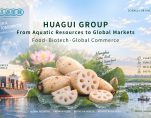
HONGHU, CHINA – Media OutReach Newswire – 25 September 2026 – Honghu lotus root ranks first in antioxidant content among major lotus-root-producing regions, according to industrial report by China Merchants Securities (CMS), highlighting the ingredient’s potential beyond traditional food and into functional food, superfood and biotechnology markets. Building on Honghu’s nutritional profile and industrial scale, Huagui Group is expanding from lotus root and aquatic vegetables into functional ingredients, wellness products and biotechnology, while developing a broader global platform connecting China’s aquatic resources with international food, health and commercial markets.

Huagui Group

As a global player in lotus root and aquatic vegetables, Huagui has established an international commercial network. The Honghu Lotus Root brand was valued at RMB 25.861 billion in 2025, reflecting its market position. Related products reach more than 50 countries and markets and are present in retail and food conglomerates channels including Costco and Yum! Brands, the parent company of KFC and Pizza Hut. Co-headquartered in Beijing and Hubei, Huagui continues to expand sourcing, international distribution, private-label programs and cross-border supply-chain partnerships. The conference brought together the China Vegetables Association, representatives from Europe, the United States and South Korea, and international guests including a representative member from the Saudi royal family.

Alongside its commercial expansion, Huagui is strengthening its position in the biotech and superfood market. Honghu lotus root naturally contains dietary fiber, vitamin C, potassium and polyphenols. According to a report by China Merchants Securities (CMS), Honghu lotus root ranks first among major lotus-root-producing regions in antioxidant content. The report also notes that the output value of Honghu’s lotus root industry is approximately five to six times that of Jiangsu, highlighting its nutritional profile and the scale of its commercial potential across plant-based nutrition, functional foods and health applications. Huagui is also establishing bio-extraction, functional ingredients and wellness products through its biotech business.

“Our strategy is creating a global ecosystem connecting aquatic plants, aquatic animals, food, biotech and longevity,” said Melody Zhao, Executive Vice President of Huagui Group. “From natural resources to R&D, and from brand building to global shelves, Huagui is connecting China’s aquatic industries with global consumers through products, supply chains and international channels.”

Supporting this strategy is a diversified business platform built around four core sectors. Huagui Food anchors food manufacturing and supply, while Huagui Health develops functional foods, wellness products and higher-value ingredients. Huagui’s e-commerce, commodities supply-chain finance and import-export operations connect digital channels, financing, global sourcing, international trade and private-label programs under its “Buy Global, Sell Global” approach. On the aquatic-animal side, Huagui’s Fishery Joint Venture with Hubei Agricultural Development Group, a China Top 500 enterprise group, extends the platform into fisheries and large-scale open-water operations, covering approximately 666.7 million square meters of fishing and aquaculture waters.

From global food channels to superfoods, Huagui is building an integrated platform across aquatic plants and animals, creating opportunities in international food, biotech and commerce.

Hashtag: #HuaguiGroup

The issuer is solely responsible for the content of this announcement.

Empowering Brand Globalization Through Innovative Premium Consumer Experiences

HONG KONG SAR – Media OutReach Newswire – 24 September 2026 – ZJLD Group Inc. (“ZJLD” or the “Company”, together with the Company’s subsidiaries, collectively the “Group”) (SEHK stock code: 06979.HK), a flagship enterprise in China’s baijiu industry and the first baijiu company listed on the Hong Kong Stock Exchange, is pleased to announce that its flagship brand, Kweichow Zhenjiu, has partnered with CDF (China Duty Free) Cruise to successfully host the themed event “Timeless Brew, Maritime Legend – Exclusive Zhenjiu Tasting on Adora Magic City” aboard China’s domestically built large cruise ship, Adora Magic City. This collaboration marks a key milestone in ZJLD’s “go‑global” strategy by leveraging the cruise as an international showcase, while deepening bilateral cooperation by upgrading from a traditional supply‑only model to an all‑round co‑creation model.

Held from September 12 to 16, the event targeted high-net-worth individuals and duty-free consumers aboard the cruise. Through a diverse array of activities—including exclusive tasting sessions, fashion shows, and thematic workshops—the event showcased the deep cultural heritage and exquisite brewing craftsmanship of Chinese sauce-aroma baijiu to global travelers. During the event, Zhenjiu’s star products, “Da Zhen · Zhenjiu” and “NEWS Oak-Aged Craft Beer“, made their international debut, further conveying the brand’s core values and commitment to a high-quality lifestyle.

The Head of International Business at ZJLD stated: “Cruise ships represent a premium cross-border spending scenario, serving as an innovative testing ground for the globalization of Chinese baijiu. This partnership not only achieves deep integration between brand heritage and distribution channels but also marks a significant exploration of the global strategy for Chinese sauce-aroma baijiu. Moving forward, Kweichow Zhenjiu will remain committed to artisanal craftsmanship while taking innovative consumer touchpoints as a breakthrough point to showcase the unique charm of Chinese baijiu to global markets, striving to establish an international benchmark for China’s premium sauce-aroma baijiu.”

Hashtag: #ZJLDGroup

The issuer is solely responsible for the content of this announcement.

About ZJLD Group Inc.

Zhen Jiu was established in 1975 in Zunyi, Kweichow, China’s primary production area of sauce-aroma baijiu. In 1988, it was honored with the National Quality Award at the 5th National Wine Appreciation Conference. In the same year, it was announced by the Protocol Department of the Ministry of Foreign Affairs, the Communication Department of the Ministry of Economy and Trade, and the Great Hall of the People Management Bureau to become one of the two sauce-aroma baijiu served at state banquets. It is also known as one of the “Three Representative Baijiu Brands in Kweichow”.

ZJLD Group Inc. is a leading baijiu group in China devoted to offering premium baijiu products, including sauce-aroma, mixed-aroma, and strong-aroma varieties. According to Frost & Sullivan statistics, the flagship brand Zhenjiu has maintained its position for two consecutive years (2023 and 2024) as the fourth-largest sauce-aroma baijiu brand in China and the third-largest in Guizhou Province, by revenue. The Company operates four baijiu brands in China, including two national baijiu brands, Zhen Jiu and Li Du, and two regional brands, Xiangjiao and Kaikouxiao. ZJLD prides itself on inheriting the time-honored baijiu-brewing techniques and reinvigorating them to develop iconic products. It strives to create a wide variety of aromatic and mellow baijiu products to meet the diverse preferences of consumers, seize broader market opportunities, and promote traditional Chinese baijiu culture.

By Ashok Nilakantan Ayers NEW YORK: The second day of the 81st United Nations General Assembly saw diplomatic spotlight shifting from the opening-day clash of competing worldviews to the harder business of finding common ground — over Gaza, Ukraine, Iran, development, climate, artificial intelligence and the future of multilateral institutions. For India, this was an […]

The article UNGA 81: India Positions Itself As A Bridge Across A Fragmenting World appeared first on Latest India news, analysis and reports on Newspack by India Press Agency).

Three-phase roadmap prioritizes photonics, power semiconductors, and sensors to advance the “Made in Thailand” chip initiative, targeting over 230,000 new jobs.

BANGKOK, THAILAND – Media OutReach Newswire – 24 September 2026 – Thailand has approved its first national strategy for the semiconductor and advanced electronics industry, establishing a long-term framework to build an integrated domestic ecosystem spanning chip research and design, front-end manufacturing, conventional and advanced assembly, packaging and testing, and high-value electronics applications.

Thailand Unveils First National Semiconductor Strategy

Approved on Thursday by the National Semiconductor and Advanced Electronics Policy Board, chaired by Deputy Prime Minister and Finance Minister, Mr. Ekniti Nitithanprapas, the strategy targets about $80 billion in cumulative investment and about $150 billion in annual industry revenue by 2050. It also aims to create more than 230,000 new jobs under Thailand’s long-term “Made in Thailand” chip initiative.

“This is Thailand’s first comprehensive national framework for building semiconductor capabilities and moving the country into higher-value activities across the global supply chain,” said Mr. Ekniti. “It gives investors a clear view of our technology priorities, infrastructure commitments and workforce-development plan through 2050.”

The roadmap will be implemented in three phases. By 2030, Thailand will reinforce its established assembly and testing base, scale advanced packaging capabilities and lay the foundations for front-end wafer production. By 2040, it will seek more anchor investors in upstream activities, including chip design, wafer fabrication and advanced-technology manufacturing, to fill gaps in the supply chain. By 2050, Thailand aims to have a complete domestic supply chain. Thai companies are expected to grow into local champions that co-develop innovation and hold key positions in the chain.

The strategy identifies three priority technology platforms aligned with Thailand’s industrial strengths and global demand: photonics for artificial intelligence, data centers and high-speed communications; power semiconductors for electric vehicles, energy-storage systems and power grids; and sensors, building on Thailand’s micro-electro-mechanical systems (MEMS) capabilities, for connected devices, automation, automotive, smart devices and medical applications.

Implementation will be supported through five coordinated mechanisms: tax incentives, grants and low-interest financing; high-skilled workforce development with industry and academic partners; upgraded research and chip-design infrastructure and partnerships between foreign and Thai companies; investment-ready infrastructure, including cluster sites, reliable water and electricity, clean energy and disaster-resilience systems; and regulatory reform and business facilitation for foreign investors and Thai suppliers including a broader market access through FTAs.

The board also approved a workforce program under the national strategy coordinated by the Ministry of Higher Education, Science, Research and Innovation with universities, research institutes, industry and international partners. By 2030, the program aims to develop 86,600 people, including 84,900 highly skilled personnel and approximately 1,700 advanced researchers, through specialized curricula, industry placements, overseas training, and programs for faculty members, researchers and technical instructors.

The strategy builds on strong investment momentum. From 2023 through the first half of 2026, the BOI received investment-promotion applications for 879 semiconductor and advanced electronics projects worth about $27.2 billion (909 billion baht). The projects span chip production at various stages, printed circuit boards (PCBs), hard disk drives, AI servers, networking and power-management equipment, and electronic parts for vehicles and office equipment.

Infineon Technologies, the world’s largest maker of power semiconductors and automotive chips, will open its first Thai factory in Samut Prakan on Oct. 1. The facility will produce and package advanced power modules for electric vehicles, energy storage, clean energy and advanced electronics. Infineon also plans to establish an R&D center, develop joint curricula with Thai educational institutions and employ more than 5,000 people in Thailand at full operation.

Thailand’s expanding ecosystem also includes Foxsemicon Integrated Technology in semiconductor-equipment supply, Analog Devices in analog and mixed-signal chips, Zhen Ding Technology in printed circuit boards, Terahop in optical communications, and Malaysian Pacific Industries (MPI) in semiconductor assembly, packaging and testing.

“The ‘Made in Thailand’ chip initiative will bring together the country’s technology, infrastructure, investment and talent through a strong, coordinated and comprehensive national plan to turn this ambition into reality,” said Mr. Narit Therdsteerasukdi, Secretary General of the Thailand Board of Investment (BOI). “For semiconductor investors, specialized talent is as critical to site selection as infrastructure and incentives. The strategy is also designed to provide a dependable workforce pipeline for faster ramp-up and long-term expansion.”


Note: Investment, revenue and job figures are strategy targets. The U.S. dollar equivalent of 909 billion baht is based on an exchange rate of approximately 33.44 baht per dollar.

Hashtag: #Thailandboardofinvestment #BOI #FDI #Investment

The issuer is solely responsible for the content of this announcement.

Thailand Board of Investment (BOI)

Established in 1966, the Office of the Board of Investment (BOI) has continuously played an essential role for over 60 years in promoting value-adding investment for the country, from both foreign and Thai investors, to enhance national competitiveness and drive towards a new era of sustainable and balanced growth.

Investment Services Center- PR Section, The Office of the Board of Investment (BOI)

555 Vibhavadi-Rangsit Road, Chatuchak Bangkok 10900 Tel. +66 (0) 2553 8111, Fax: +66 (0) 2553 8222

Arabian Post Staff -Dubai Saudi Arabia is driving a $90 billion hotel and resort development pipeline across the Gulf and North Africa, accounting for about 110,000 of nearly 200,000 rooms planned across the region, new HVS data show. The pipeline would expand the region’s existing hotel room supply by about 27 per cent, underlining the scale of investment continuing across major tourism markets despite a more selective […]

The United States and China have agreed to extend their trade truce by two months, keeping the arrangement in place until January 10 as President Donald Trump hosts Chinese President Xi Jinping in Washington for a state visit and a new round of talks. US Treasury Secretary Scott Bessent announced the extension after meeting Chinese Vice Premier He Lifeng in Washington on Wednesday, saying the extra time […]

VISHNU RAJA
RYO YAMADA
HITORI GOTOH
IKUYO KITA