News related to
platform

The logistics solutions provider strengthens its setup in Southeast Asia as trade flows shift towards the region Investment into a network of strategic gateways in Southeast Asia ensures that Rhenus is better positioned to support global customers across all logistics solutions SINGAPORE – Media OutReach Newswire – 10 November 2025 – Leading global logistics provider Rhenus Group is steadily increasing its investments in Southeast Asia, as part […]

EdgeNext, a global edge cloud platform, has partnered with Rack Centre to launch its Content Delivery Network and cloud hosting services in Nigeria. The move is aimed at improving the digital experience for local users, enhancing speed and reliability across video, social media, gaming, and e-commerce platforms. Nigeria, with a population exceeding 200 million, is one of Africa’s fastest-growing digital markets. The country’s young demographic and rising […]

HONG KONG SAR – Media OutReach Newswire – 10 November 2025 – DL Holdings Group Limited (Stock Code: 1709.HK) today issued a positive profit alert, announcing that based on a preliminary review of the Group’s unaudited management accounts for the six months ended September 30, 2025. It is expected to record a profit of approximately HK$180 million to HK$220 million, compared with a net profit of about […]

The aeronautical action‑adventure title The Falconeer has received what developer Tomas Sala describes as a “complete re‑imagining,” with the update being offered at no extra cost to all current players. Every major aspect of the game has been overhauled, from art and lighting to performance and environmental systems, signalling a clear pivot in the life of the originally released game. The new edition, dubbed the Revolution Remaster, introduces […]

Discord has rolled out new features to its Family Center, aimed at helping parents gain more control over their teens’ activities on the platform. These updates allow for better visibility and understanding of how teenagers are using Discord, a space primarily designed for communication within gaming and social communities. The Family Center, launched last year, was designed with the intention of offering parents a set of tools […]

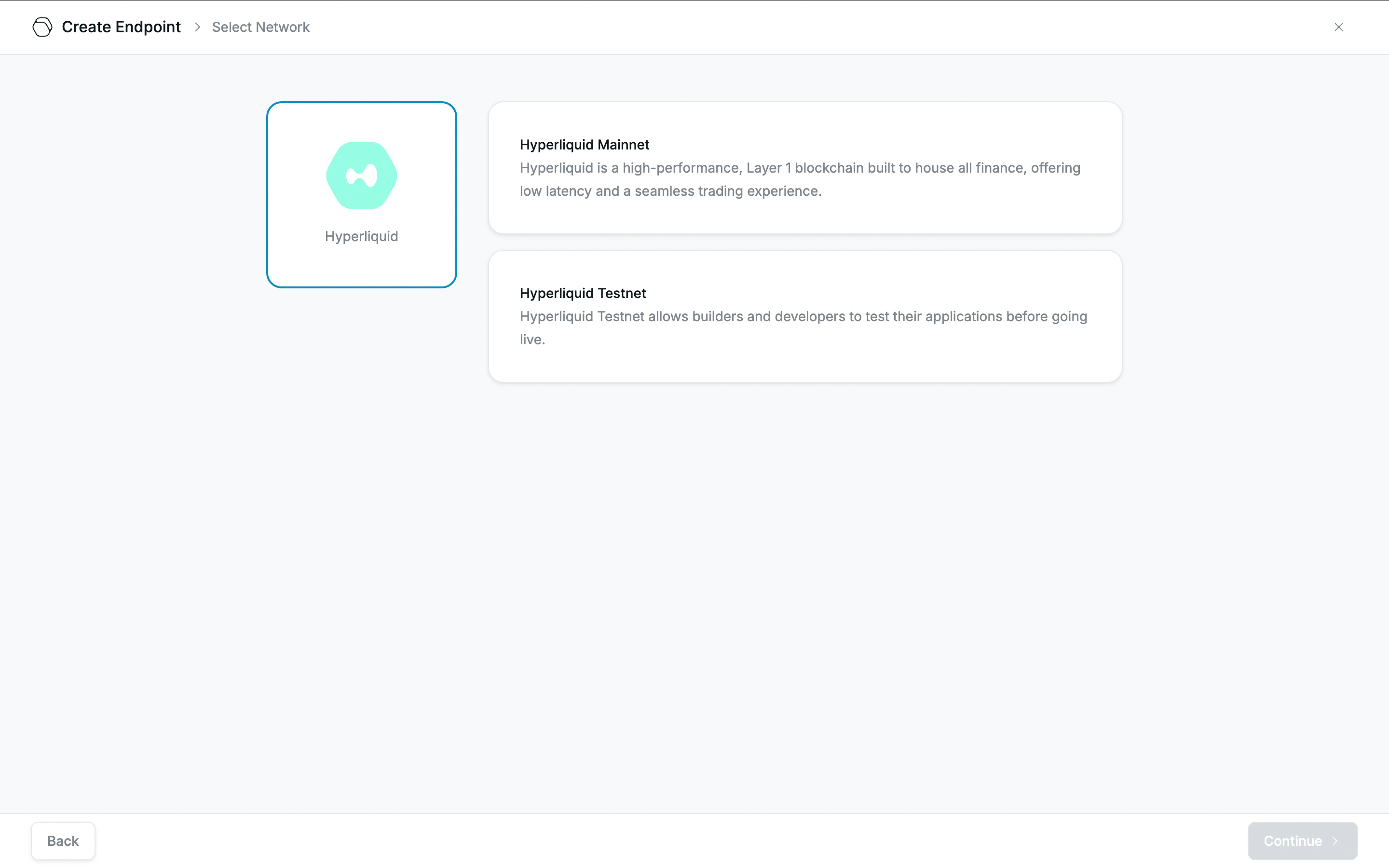
Hyperliquid, a prominent decentralized finance platform, is currently trialing a new feature known as the BorrowLendingProtocol on its Hypercore testnet. This marks a significant development in the platform’s broader efforts to enhance its functionality and user offerings within the DeFi ecosystem. With the test phase underway, the protocol is expected to reshape the way users interact with digital assets on Hyperliquid, particularly for those seeking to borrow and lend.

The BLP is designed to support both USDC and PURR tokens, offering a dual functionality for users who wish to either supply their assets for lending or borrow assets for liquidity purposes. This borrowing and lending mechanism could open up new opportunities for users to maximize their holdings, allowing them to earn interest on idle assets or leverage borrowed funds to enhance their trading capabilities.

As speculation grows, many industry observers believe that the BLP will eventually become the foundation of Hyperliquid’s Multi-Margin system. This system would enable users to borrow multiple assets for margin trading, potentially unlocking a more sophisticated layer of DeFi tools on the platform. However, as the feature is still in its testing phase, no official confirmation has been provided regarding this integration.

Hyperliquid’s decision to test the protocol on the Hypercore testnet is a strategic one, allowing the team to assess the feature’s performance and ensure it is operating as intended before rolling it out to the broader user base. The testnet serves as a proving ground for new developments, offering an environment where bugs and issues can be identified and rectified without risking the platform’s mainnet integrity.

The introduction of BLP into the DeFi space is significant not only for Hyperliquid but also for the broader market. Borrowing and lending protocols have become a cornerstone of DeFi ecosystems, enabling more dynamic interactions between users and assets. These protocols allow for enhanced liquidity, allowing users to access funds without needing to sell their holdings. In addition, they create new ways for investors to diversify their strategies, from borrowing to take advantage of price movements to lending assets for passive income generation.

The launch of BLP could position Hyperliquid as a more competitive player in the crowded DeFi space. As more platforms introduce borrowing and lending features, the demand for flexible, secure, and user-friendly systems grows. Hyperliquid’s focus on providing a seamless, highly functional borrowing and lending experience could attract more users looking for a comprehensive DeFi solution.

As the trial progresses, Hyperliquid will closely monitor user feedback and performance metrics to ensure the system meets the expectations of its community. Any adjustments to the protocol will be made based on this data, ensuring that the final version is robust and capable of handling the demands of an active user base.

The BLP’s potential integration into Hyperliquid’s Multi-Margin system could pave the way for new strategies within the platform. Multi-margin systems allow traders to use their collateral across various assets, enhancing their ability to take on larger positions without increasing their initial outlay. By combining BLP with Multi-Margin, Hyperliquid could offer traders a more versatile toolset for managing risk and maximizing returns.

The central processing unit has long stood as the cornerstone of computing, from powering individual computers to driving large-scale data centres that underpin the digital world. However, as artificial intelligence has surged in importance, there is a significant shift occurring in the hardware landscape. The increasing complexity and computational demands of AI tasks, such as machine learning, deep learning, and data analytics, have pushed companies to develop […]

Advertisements

Abu Dhabi National Oil Company is poised to significantly ramp up its global trading operations, with plans to increase the volume it handles by two-thirds over the next few years. This expansion is part of a broader strategy to strengthen ADNOC’s position on the global stage and tap into new revenue streams. The move signals the growing ambition of the UAE’s state-owned oil giant to enhance its commercial footprint beyond traditional oil and gas production.

Since the establishment of its trading arm in 2018, ADNOC has been gradually building its global network, positioning itself as a major player in international energy markets. The company has already set up trading offices in key financial hubs such as Singapore and Geneva, with the United States next on its list. This expansion is seen as a strategic initiative aimed at consolidating ADNOC’s presence in both the fuel trading and energy markets, where it competes with some of the world’s largest oil companies.

Ahmed Bin Thalith, CEO of ADNOC Global Trading, outlined the company’s goals during a recent interview. He explained that ADNOC’s trading operations are central to its broader strategy of extracting greater value from the fuel produced not only in the UAE but from global markets. Thalith emphasized that the expansion of the trading unit is integral to ADNOC’s vision of becoming a more diversified energy enterprise, moving beyond its traditional role as a major oil producer.

The UAE, known for its vast reserves of oil and natural gas, is under pressure to diversify its economy, which is heavily dependent on hydrocarbons. By expanding its trading operations, ADNOC seeks to secure additional revenue streams from the global sale of fuel products, a vital step as the world moves towards a more sustainable energy future. The move aligns with the UAE’s broader vision of positioning itself as a global energy hub, diversifying into renewable energy and other industries, such as technology and manufacturing.

ADNOC’s global trading expansion follows a series of similar moves by other Gulf oil companies seeking to broaden their operations beyond the traditional export of crude oil. Companies like Saudi Aramco have been pursuing similar strategies to increase their influence in the global energy trading market. However, ADNOC’s strategy to build a robust trading platform since 2018 gives it a more established presence in the field. The company is now looking to leverage its growing infrastructure to manage an even greater volume of trades, both within the Middle East and globally.

In addition to expanding its physical presence in strategic locations, ADNOC Global Trading is also exploring new technologies to improve its operations. This includes the use of data analytics and advanced digital tools to monitor and predict market trends, a crucial aspect for maintaining competitiveness in the volatile global energy market. By integrating cutting-edge technology into its trading practices, ADNOC aims to stay ahead of the curve and better position itself in a market where agility and adaptability are paramount.

The decision to enter the U. S. market is one of the more ambitious elements of ADNOC’s expansion plans. The company aims to tap into the largest energy market in the world, which has seen significant changes in recent years due to the shale revolution and growing interest in alternative energy sources. By establishing a presence in the U. S., ADNOC hopes to gain access to new trading opportunities, as well as foster relationships with key players in the global energy sector.

The expansion also reflects ADNOC’s long-term vision of becoming a more diversified energy company that is not solely reliant on crude oil exports. The UAE has been increasingly investing in renewable energy, and ADNOC’s trading division is seen as a key pillar in achieving this transition. As part of its sustainability strategy, ADNOC has set ambitious targets for reducing its carbon footprint and increasing its investment in cleaner energy technologies, including solar power and hydrogen.

HONG KONG SAR – Media OutReach Newswire – 8 November 2025 – HKFindLawyer.com has officially launched Hong Kong’s first “Work Injury Occupation and Injury Compensation Database”, a comprehensive online resource based on the Employees’ Compensation Ordinance. The database covers a wide range of occupations — including construction workers, cleaners, delivery riders, and office staff — as well as common workplace injuries such as falls, burns, back pain, […]

Two-day forum explores AI and blockchain venture capital landscape, unveiling new global capital trends HONG KONG SAR – Media OutReach Newswire – 7 November 2025 – Cyberport’s flagship event, the Cyberport Venture Capital Forum 2025 (CVCF), achieved a record-breaking over 500 deal flows, with more than 2,700 attendees and over 180,000 online views. Themed “The Innovation-Venture Nexus: Igniting Transformative Success”, the two-day forum, together with highlight events […]

Ente, a popular cybersecurity tool, has successfully completed a rigorous audit sponsored by CERN, the European Organization for Nuclear Research. The audit, carried out by five experts from the German cybersecurity firm Cure53, took place over the span of two weeks and focused on evaluating the platform’s security framework and vulnerability to cyber threats. CERN, one of the largest and most advanced scientific research organisations in the […]

Apple TV+ experienced a brief service disruption on Thursday night, coinciding with the premiere of Pluribus, the latest series from Vince Gilligan, renowned for his work on Breaking Bad. The outage affected users across various regions, resulting in interruptions during the initial broadcast of the much-awaited show, which had generated significant buzz. Subscribers attempting to access the series faced difficulties connecting to the streaming platform. Error messages […]

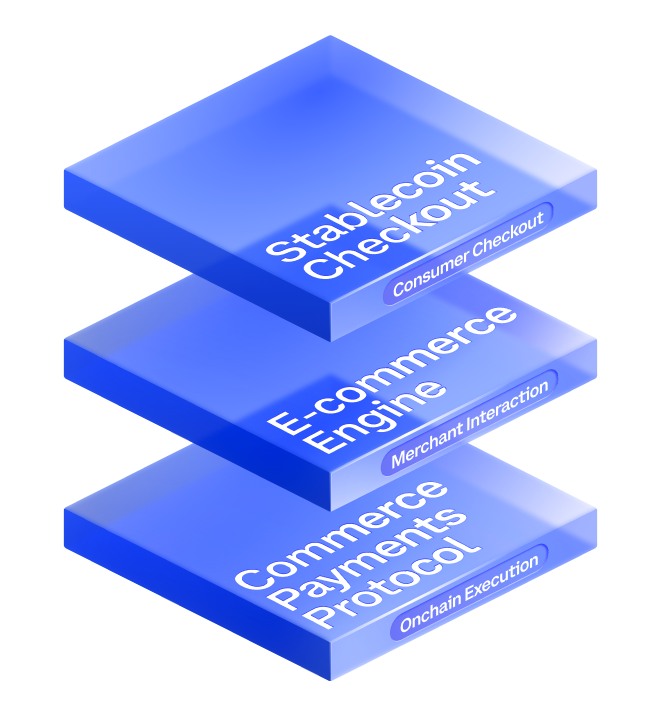
The U. S. Treasury Department is advancing its legislative plans for the Stablecoin Payments Regulation Act, which has sparked a significant disagreement between cryptocurrency exchange Coinbase and the traditional banking sector. The controversy centers on a provision within the proposed regulation that would restrict the payment of interest on stablecoins.

Coinbase, a leading cryptocurrency platform, has expressed strong opposition to a proposed ban on interest payments. According to Coinbase, such a ban should apply solely to issuers of stablecoins, who manage the supply of these digital currencies. The company argues that exchanges like Coinbase, which merely facilitate transactions and do not control the issuance of stablecoins, should not be subject to the same restrictions. Coinbase’s position is that the distinction between issuers and exchanges is crucial for maintaining the stability and growth of the broader cryptocurrency market.

However, traditional banking associations have raised concerns about the broader implications of stablecoins in the financial system. These groups advocate for a blanket ban on paying interest on stablecoins, extending this prohibition to exchanges and any affiliates involved in their handling. According to these banking bodies, allowing exchanges to pay interest on stablecoins would create an uneven playing field and could lead to significant disruptions in the traditional banking sector. One of their primary concerns is the potential for bank deposit outflows, as consumers may be drawn to the higher interest rates that stablecoins could offer compared to traditional savings accounts.

Stablecoins, which are pegged to traditional fiat currencies like the U. S. dollar, are increasingly becoming a popular method of storing and transferring value within the cryptocurrency ecosystem. These digital assets are known for their stability, making them an attractive alternative to more volatile cryptocurrencies such as Bitcoin or Ethereum. However, the potential for exchanges to offer interest payments on stablecoins raises concerns about the stability of the broader financial system, particularly in the face of growing interest in digital assets.

The clash between Coinbase and banking associations highlights the tension between the rapidly evolving world of digital assets and the more established, regulated financial institutions. Coinbase’s position reflects a broader trend within the cryptocurrency industry to resist overly restrictive regulations that could stifle innovation. The company has long advocated for clearer regulatory guidelines that would allow digital currencies to thrive within the traditional financial ecosystem, rather than be treated as a separate, isolated entity.

On the other hand, traditional banks have been cautious about the rise of digital assets, particularly stablecoins. These institutions argue that the lack of comprehensive regulation for stablecoins creates potential risks for consumers and the financial system. Banks are concerned that if exchanges are allowed to pay interest on stablecoins, it could trigger a shift of funds away from bank deposits into digital currencies, potentially eroding the deposit base that banks rely on to lend and conduct other financial activities. They also warn that offering interest could lead to increased speculative activity, which could ultimately undermine the stability of the financial system.

Bitcoin’s fair value, according to JPMorgan Chase, should be as high as $170,000, based on a model that compares it to gold’s market role. The investment bank argues that Bitcoin should represent two-thirds of gold’s private investment base, a significant increase from its current value of approximately $102,000 per Bitcoin.

JPMorgan’s analysis draws from its long-standing views on digital assets and traditional commodities, asserting that Bitcoin is on a path to becoming an essential part of the global investment portfolio, particularly among institutional investors. The bank’s model incorporates risk capital metrics and examines the private investment demand for both Bitcoin and gold. As more institutional investors seek exposure to digital assets, Bitcoin is increasingly seen as a hedge against traditional financial uncertainties.

According to the model, Bitcoin’s rise aligns with the expanding use of blockchain technology and cryptocurrencies as a store of value, much like gold has functioned for centuries. This comparison has gained traction, particularly as Bitcoin’s network effects and its decentralized structure differentiate it from other assets. JPMorgan believes that Bitcoin’s potential growth is rooted in its ability to scale and the growing adoption of cryptocurrencies in the financial system.

While Bitcoin’s market capitalisation currently lags behind gold, JPMorgan’s model suggests that it could capture a significant portion of the gold market, primarily in the realm of private investment. The bank’s forecast is based on the assumption that Bitcoin will continue to prove its resilience and utility as an asset, making it increasingly attractive to both institutional and retail investors alike. JPMorgan’s analysis takes into account Bitcoin’s volatile price history, yet the bank remains optimistic about its long-term potential as the digital asset continues to mature.

The bank’s prediction of a $170,000 fair value for Bitcoin is a sharp contrast to its current trading price, which fluctuates in the $30,000 to $35,000 range. However, JPMorgan notes that such a valuation is achievable if Bitcoin continues to gain market share from traditional assets like gold, especially as demand for hedging against inflation and economic uncertainty rises. Additionally, the introduction of Bitcoin ETFs and other investment products could help bridge the gap between digital currencies and mainstream financial markets, facilitating broader adoption.

For JPMorgan, Bitcoin’s fair value also hinges on broader regulatory developments. While the US and other countries have begun to establish clearer regulatory frameworks for cryptocurrencies, the landscape remains uncertain, which could impact Bitcoin’s trajectory. However, JPMorgan suggests that clearer regulations could bring more institutional investors into the space, providing further support for Bitcoin’s long-term growth.

JPMorgan’s bullish outlook on Bitcoin comes amid a broader market trend where digital assets, particularly Bitcoin and Ethereum, are becoming integral to the portfolios of both retail and institutional investors. This shift is propelled by growing recognition of the asset class’s potential to diversify traditional investment portfolios and provide exposure to the evolving digital economy. The rise of decentralized finance platforms and the increasing use of blockchain technology in various industries have helped position Bitcoin as a viable alternative to traditional store-of-value assets like gold.

Bitcoin’s integration into the financial ecosystem is also supported by advancements in blockchain infrastructure and the growing acceptance of cryptocurrencies in various sectors, from payments to banking to supply chain management. As these applications expand, Bitcoin is poised to become a more integral component of financial markets, reinforcing JPMorgan’s argument that its fair value could reach $170,000.


DeAgentAI has surged by an astounding 722% in price, captivating the attention of the cryptocurrency market and piquing the interest of investors and traders alike. The token, built within the Sui ecosystem, is designed to power autonomous on-chain agents, a feature crucial for the next-generation automation in Web3. This explosive price rally comes despite an overall downturn in the crypto sector, highlighting the unique drivers behind AIA’s success.

The rally began with an announcement of a strategic partnership with Pieverse, a move that has sent ripples through both the AI and blockchain communities. The Pieverse collaboration promises to extend the utility of AIA beyond its initial Web3 integration, offering new opportunities for developers and businesses alike to leverage autonomous agents for smart contract execution and decentralized applications. Pieverse’s backing adds a significant layer of credibility and exposure to the project, attracting both institutional and retail investors looking to capitalise on the convergence of AI and blockchain technologies.

A key component in AIA’s rapid growth has been its technical breakout, surpassing significant Fibonacci retracement levels. These price levels, commonly used in technical analysis to predict potential areas of support and resistance, indicated a strong bullish momentum for AIA. The breakout above these levels signified to market participants that the token was primed for further price gains, encouraging both short-term traders and long-term investors to buy into the upward movement.

The growing interest in AI technologies has played a critical role in driving demand for DeAgentAI. As artificial intelligence becomes increasingly embedded in various sectors, from finance to healthcare, the crypto market has been eager to incorporate AI capabilities into blockchain networks. AIA’s offering of autonomous agents that operate on the blockchain fits neatly into this emerging trend. Investors are keen to position themselves in projects that aim to bridge the gap between AI advancements and decentralized systems, with DeAgentAI being one of the most prominent players at the intersection of these two fields.

Despite the sharp upward movement in AIA’s price, some analysts have raised questions about the sustainability of the rally. With the broader cryptocurrency market experiencing a dip, many are cautious about the potential for a price correction. The recent surge in AIA’s value, although impressive, has prompted concerns that the rapid increase may have been driven by speculative interest rather than long-term fundamentals. As is often the case with explosive price movements, questions about the stability and longevity of such rallies remain a focal point for both traders and analysts.

The market’s focus on DeAgentAI, however, reflects a growing interest in the broader Sui ecosystem, which has seen increased activity as more projects develop on its platform. Sui’s architecture, designed to scale quickly and efficiently, is drawing attention from developers looking for a robust foundation to build decentralized applications. As the ecosystem grows, projects like DeAgentAI are well-positioned to benefit from the network’s increasing user base and infrastructure.

Investors have also noted that the rise of DeAgentAI is indicative of a broader trend where tokens associated with new and innovative technologies, particularly in AI and Web3, are attracting significant capital. As the blockchain space continues to evolve, more investors are looking to identify the next wave of groundbreaking projects. DeAgentAI’s dramatic price increase positions it as one of the key players in this space, sparking conversations about its future potential and the broader implications for the AI-focused crypto market.

Google Finance is set to incorporate prediction market data directly into its search results, expanding the range of financial insights it offers to users. This new feature will initially be available to users of Google’s Labs platform before a wider rollout. The collaboration with Polymarket and Kalshi, two major players in the prediction market space, will allow Google to display real-time data on market-based forecasts in various sectors, such as political events, economic trends, and sports outcomes.

The integration of such data into Google’s search engine marks a significant step towards broadening the accessibility of prediction markets, a growing segment of the financial landscape. Users will now be able to view aggregated predictions and their associated probabilities directly within the search interface, providing more granular insights on topics such as election outcomes, corporate performance, and macroeconomic indicators.

Polymarket, which is known for its focus on a wide array of topics, including politics, entertainment, and global events, will provide its data to Google’s search engine. Kalshi, on the other hand, is a US-based platform that focuses specifically on financial events, making it a complementary addition for users seeking predictions about market movements and economic indicators.

The shift towards integrating prediction market data into mainstream platforms such as Google is likely to make these markets more visible and accessible to a broader audience. Prediction markets themselves allow participants to trade on the outcomes of specific events, with the market prices reflecting the collective judgment of participants about the probability of certain events occurring. This type of market has been seen as a powerful tool for forecasting, given its ability to aggregate diverse opinions and form an accurate collective forecast.

For Google, this move fits within its broader strategy of incorporating more dynamic and diverse data into its search results. The company has a long-standing goal of making its platform not only a repository of information but also a tool for deeper engagement with users. By showcasing data from prediction markets, Google is enhancing its offerings in the financial information space and providing users with the tools to make better-informed decisions.

Although prediction markets have been around for some time, they have historically been niche platforms, often requiring a deep understanding of the markets and the underlying mechanics to participate effectively. With this new integration into Google’s platform, however, the data will be made more accessible, potentially attracting a new wave of users who are curious about using prediction markets for a range of applications, from understanding political trends to making investment decisions.

The potential for prediction markets to become a mainstream tool for forecasting has been a topic of interest among economists and financial analysts alike. As more platforms like Polymarket and Kalshi gain traction, there is growing optimism that prediction markets can offer valuable insights into a wide range of global issues. Google’s move to display such data directly within search results could accelerate the adoption of these markets, positioning them as a central part of the decision-making process for individuals and businesses alike.

A consortium led by the Abu Dhabi-supported investment firm Aquarian has agreed to acquire the U. S. life insurance and annuity provider Brighthouse Financial in an all-cash deal valued at approximately $4.1 billion. Aquarian will pay $70 per share, representing a premium of about 37 per cent over the company’s closing price on 27 January, the day before media reports of a potential sale surfaced. Shares in Brighthouse rose sharply following the announcement.

Brighthouse Financial, which spun off from MetLife in 2017, manages well over $100 billion in assets, giving the purchaser access to substantial investment capital and forming part of a growing surge of private-capital firms acquiring U. S. insurers to fuel credit platforms. Aquarian, a specialist in insurance and asset management backed by investors including RedBird Capital and Mubadala Capital, sees the acquisition as a strategic entry into the U. S. retirement-income market.

Negotiations faced multiple bidders, with TPG identified as the other final contender before Aquarian secured the deal. Sources say that other major players such as Apollo and Carlyle withdrew during due-diligence, citing Brighthouse’s legacy exposures—particularly its heavy footprint in variable annuities, which carry high hedging costs and capital charges for the company.

Brighthouse’s management will remain in place, with CEO Eric Steigerwalt set to continue leading the business after the transaction closes—expected in 2026. Aquarian has indicated no immediate plans to break up Brighthouse, instead intending to focus on its fixed indexed annuities and registered index-linked annuities lines, while winding down or re-insuring portions of the higher-risk variable annuity and life-insurance businesses.

Industry analysts say the deal underscores a broader trend: private investment firms are increasingly acquiring insurers not only for distribution or underwriting advantages but primarily for their long-dated liabilities and the investment income they generate, which can be deployed into higher-return credit strategies. The structural economics of insurers—steady premium inflows, long durations and regulated capital-intensive businesses—make them attractive targets for asset managers seeking stable funding sources and yield.

For Brighthouse, the acquisition offers a way out of its status as a publicly-listed firm weighed down by volatile earnings and investor skepticism about its variable-annuity portfolio. Despite its size and franchise, Brighthouse’s share price has lagged its book value, driven in part by hedge-related losses and regulatory capital burdens. By moving private, it may gain flexibility in capital management and strategic repositioning.

From Aquarian’s perspective, the deal leverages its insurance platform, which already manages about $25 billion in assets, and positions it to escalate into a major player in insurance-for-capital business globally. The backing of large Middle Eastern investment pools gives Aquarian the muscle to undertake such a large transaction and signals the continuing export of Gulf-region investment capital into U. S. financial-services infrastructure.

Abu Dhabi-headquartered AD Ports Group has reached a joint venture agreement with France’s CMA CGM Group to acquire a 20 per cent stake in the Latakia International Container Terminal in Syria for USD 22 million. The deal followed the ratification of a shareholders’ agreement signed in Abu Dhabi by Captain Mohamed Juma Al Shamisi, Managing Director & Group CEO of the AD Ports Group, and Rodolphe Saadé, Chairman & Chief Executive Officer of CMA CGM. The terminal handles over 95 per cent of Syria’s container traffic and is vital for the country’s agricultural export flows and industrial imports.

The new partnership builds on an existing franchise: CMA CGM has operated LICT since 2009 and in May this year signed a 30-year concession with Syrian authorities to expand and modernise the facility with a €230 million investment. Under this expansion plan the terminal’s capacity will scale from around 250,000 twenty-foot equivalent units to approximately 625,000 TEUs by the end of 2026. The AD Ports stake brings fresh funding, regional logistics know-how and establishes a feeder-service linkage via GFS expected to call Latakia in its emerging network.

Analysts note combining AD Ports’ digital-and-logistics platforms with CMA CGM’s terminal-operations experience offers a synergetic boost. Captain Al Shamisi described the deal as reinforcing AD Ports’ role as a “global enabler of trade, logistics and industry” and strengthening its international footprint; Saadé said it underscores CMA CGM’s commitment to the Eastern Mediterranean corridor. Yet risks remain: Syria’s infrastructure base was severely weakened by years of conflict, sanctions regimes remain in flux, and the geopolitical security climate in the Eastern Mediterranean remains volatile. In particular the coastal region around Latakia must contend with residual logistical bottlenecks and war-damaged hinterland links.

From a strategic viewpoint, the deal gives AD Ports exposure to an under-served Mediterranean gateway that has long been overshadowed by Cyprus, Turkey and Egypt. For CMA CGM it provides a partner that can bring capital, Gulf-region networks and feeder-service integration. It also aligns with Syria’s aim to attract foreign investment into its trade infrastructure under recent reforms, aiming to rehabilitate its war-impacted logistics chains and boost maritime connectivity. Governance observers point out that this investment marks one of the first substantial Gulf-region port-logistics ventures in Syria since the cessation of major international sanctions, signalling a potentially broader shift in regional trade flows.

Operationally, the agreement will focus on upgrading terminal infrastructure, digitising cargo-handling and container-tracking systems, enabling larger vessels by deepening docks and extending quays, and integrating feeder-shipping links. LICT’s current capacity constraints mean that the joint venture must invest quickly to meet anticipated growth in Syrian cargo volumes, especially agricultural exports and industrial imports. The container terminal’s status as the main node for land-locked regions within Syria gives it strategic significance beyond the coast: improved throughput at Latakia could ease pressure on border crossings and reduce logistics delays for inland cargo flows.

SINGAPORE – Media OutReach Newswire – 7 November 2025 – Synology marked its 25th anniversary today by unveiling a new generation of enterprise solutions designed to strengthen cyber resilience and accelerate intelligent transformation. Building on a quarter-century of innovation, it introduced advanced data protection, AI-powered video surveillance and high-performance storage systems tailored for today’s digital enterprises. Thachawan Chinchanakarn, Head of Southeast Asia at Synology, with the company’s […]

Cyberport Welcomed 10 Listed Companies and 2 Unicorns over the past year Cyberport Investors Network (CIN) Celebrates 8th Anniversary with a Yearly Threefold Growth Cumulative Funds Surpassed HK$4.2 Billion HONG KONG SAR – Media OutReach Newswire – 6 November 2025 – The annual flagship event Cyberport Venture Capital Forum 2025 (CVCF) officially opened today at Hong Kong Cyberport. The two-day forum, themed “The Innovation-Venture Nexus: Igniting Transformative […]

The shift towards subscription-based streaming and the rise in unauthorised distribution is exposing fundamental flaws in how consumers acquire digital media. Many users believe they “own” films, music or books that they purchase online, but industry analysts say what they actually hold is a license to access content under strict terms and conditions. One expert writes: “Most of us don’t control the files, formats, keys and servers. […]

A video-sharing platform has removed multiple tutorials showing how to install Windows 11 without using a Microsoft account or meeting certain hardware requirements, citing community-guideline violations that warn the content “encourages dangerous or illegal activities that risk serious physical harm or death.” The channel affected, known for detailed technical walkthroughs, reported that both takedown decisions were upheld despite appeals. The creator, behind the channel CyberCPU Tech, disclosed […]

A fresh platform launched by the startup SolarLedger is aiming to reshape how clean-energy data is processed and verified by introducing what it describes as a “green energy operating system” that embeds robust security features and market interfaces. At the heart of the offering are distributed-ledger and Internet-of-Things tools designed to automate the generation, trading and auditing of solar and other renewable-energy flows. According to the company’s statements, the system incorporates cryptographic tools such as zero-knowledge proofs and multi-signature verification to bolster data authenticity and traceability.

SolarLedger’s solution addresses growing concerns in green-finance and energy markets about the reliability of datasets underpinning asset-backed claims, such as renewable-energy certificates or carbon credits. By running real-time tracking of generation, storage, trading and settlement, the platform aims to reduce friction in peer-to-peer energy transactions and enhance transparency for smaller producers who have lacked access to institutional channels. This comes at a moment when distributed energy generation is expanding rapidly but remains under-represented in traditional electricity markets.

From a market-participant perspective, SolarLedger’s architecture is being pitched as transformative. It enables solar modules and storage systems not only to supply power but also to act as tradeable units with embedded provenance metadata. Smart-contract modules match producers and consumers, while traceable certificates of origin claim to be issued as each kilowatt-hour is generated. The firm states that its system eliminates much of the manual reconciliation and trust-layer overhead that currently slows clean-energy transactions, thereby unlocking new income streams for distributed generators.

On the technical side, the platform’s use of zero-knowledge proofs is particularly noteworthy. ZKPs allow one party to prove a fact is true without revealing the underlying data. This is increasingly recognised in academic literature as a potent tool for privacy-preserving validation in decentralized systems. In SolarLedger’s case, the firm says it uses ZKPs to validate meter-data reports and audit logs without exposing granular user or asset-level details. Complementing this, the system applies multi-signature verification — requiring multiple authorised parties to validate transactions — to further enhance trust in each asset’s lifecycle.

Emerging trends in the broader energy-tech space amplify SolarLedger’s relevance. Analysts observe that decentralised energy systems—particularly rooftop solar, microgrids and battery storage—are growing faster than transmission-interconnection frameworks in many regions. Traditional centralised electricity markets were built at a time when generation was large-scale and top-down. By contrast, distributed-generation assets today face barriers to participation in wholesale or retail markets, often due to information asymmetry, latency in settlement, and limited trust among counterparties. SolarLedger aims to bridge that gap by enabling smaller producers to join trading ecosystems on more flexible and transparent terms.

However, important challenges remain across regulation, interoperability and scalability. While SolarLedger cites pilot testing and proof-of-concept deployments, wide-scale adoption will require alignment with local grid-code legislation, energy-market rules, and national certification schemes. Integration with existing utilities and regulatory frameworks may prove complex, particularly in jurisdictions where grid operations and energy trading are tightly regulated. Furthermore, the academic literature on ZKP implementation cautions that although ZKP offers strong privacy and integrity gains, the complexity and computational overhead can be non-trivial — especially when applied to high-frequency data environments.

Another key player to watch in this space is Powerledger, an Australian blockchain-energy-software company which has built peer-to-peer energy-trading platforms and environmental-commodity tracking solutions. Its experiences highlight the twin challenges of scaling and commercialising such platforms in multiple jurisdictions. SolarLedger will need to demonstrate not just technical readiness but also market-acceptance, cost-competitiveness and regulatory compliance if it is to capture a meaningful share of the decentralised-energy-market value chain.

Re-engineering towards a Resilient, Adaptive and Sustainable Supply Chain SINGAPORE – Media OutReach Newswire – 6 November 2025 – The 2nd edition of the Asia-Pacific Textile and Apparel Supply Chain Expo & Summit (APTEXPO 2025) returns to Singapore from 19–21 November 2025, reaffirming its role as the region’s premier platform for the textile and apparel industry. Bringing together global leaders, decision-makers, and innovators, the event will drive […]

VISHNU RAJA
RYO YAMADA
HITORI GOTOH
IKUYO KITA