News related to
platform

India is poised to release a comprehensive discussion paper on cryptocurrency regulation in June 2025, marking a significant shift in its approach to digital assets. This initiative aims to establish a clear policy framework, drawing from international standards set by the International Monetary Fund and the Financial Stability Board . The move comes amid growing global acceptance of cryptocurrencies and domestic pressures, including a nudge from the Supreme Court, to clarify India’s stance on digital assets.

Currently, India’s cryptocurrency landscape is characterized by a 30% tax on gains and a 1% transaction levy, without formal recognition of crypto assets. These stringent tax measures have led to over 90% of Indian crypto trading shifting offshore, as reported by industry sources. The forthcoming discussion paper is expected to address these issues and invite public feedback, potentially paving the way for a more structured and innovation-friendly crypto ecosystem in the country.

Despite the government’s move towards regulation, the Reserve Bank of India maintains a cautious stance on cryptocurrencies. RBI Governor Sanjay Malhotra reiterated concerns about the potential risks to financial stability and monetary policy, emphasizing that there has been no change in the central bank’s position. The RBI continues to promote its own digital currency, the e₹, as a safer alternative to private digital assets.

In parallel with developments in the crypto sector, the Indian government has introduced stricter requirements for claiming tax deductions in the assessment year 2025-26. Taxpayers are now mandated to provide detailed documentation when filing their Income Tax Returns , particularly under the old income tax regime. For instance, claiming House Rent Allowance now necessitates disclosing the place of work, actual HRA received, rent paid, and landlord information. Similarly, deductions under sections 80C and 80D require specific policy or receipt numbers and details of the insurance providers. These measures aim to reduce fraudulent claims by enabling the tax department to cross-verify the eligibility of deductions.

To assist taxpayers in navigating these complex requirements, AI-driven platforms like TaxBuddy have emerged as valuable tools. TaxBuddy simplifies the tax filing process by offering automation that pre-fills ITR forms using data from PAN, Aadhaar, and uploaded documents. The platform reduces manual data entry and minimizes errors, making the process faster and more efficient. Additionally, TaxBuddy provides expert assistance for complex tax situations, post-filing support for notices or audits, and secure data handling for peace of mind.

Meanwhile, affluent individuals are increasingly leveraging agricultural income exemptions to reduce their tax liabilities. Under the Income Tax Bill 2025, while genuine agricultural income remains tax-free, the government has introduced stricter documentation requirements to verify farming activities. This move aims to curb the misuse of agricultural income exemptions by wealthy individuals who invest in farmlands primarily for tax benefits. Tax experts have highlighted cases where individuals with substantial agricultural revenues have legally avoided significant tax payments, underscoring the need for more transparent and equitable tax policies.


MEXC, a prominent digital asset exchange, has accelerated its stablecoin expansion strategy after acquiring $20 million worth of USDe tokens, marking a notable milestone as its stablecoin ecosystem surpasses a $100 million total value locked . This move signals a determined push by MEXC to strengthen its position in the increasingly competitive stablecoin market and further diversify its crypto offerings.

The $20 million USDe acquisition represents a calculated effort to bolster liquidity and adoption of stablecoins pegged to the US dollar, which have become vital in reducing volatility within the cryptocurrency sector. Stablecoins like USDe offer users a more reliable medium of exchange and store of value compared to traditional cryptocurrencies, which can experience dramatic price swings. MEXC’s increasing focus on stablecoins aligns with global trends where institutional and retail investors seek safer avenues for digital asset investment amid regulatory uncertainties and market fluctuations.

Beyond the recent purchase of USDe, MEXC’s stablecoin portfolio has seen sustained growth, pushing the platform’s total stablecoin value locked to exceed $100 million. This figure reflects the combined assets users have committed within MEXC’s stablecoin ecosystem, encompassing liquidity pools, staking, and yield farming products. The growing TVL not only underscores user confidence but also enhances the exchange’s capacity to support high-volume trading and DeFi activities anchored by stablecoins.

MEXC’s engagement in the stablecoin space builds upon its earlier strategic $16 million investment in Ethena, a notable innovator specialising in stablecoin technology and ecosystem development. Ethena’s platform focuses on creating programmable, algorithmic stablecoins that aim to maintain price stability through decentralised governance and dynamic supply adjustments. By backing Ethena, MEXC has positioned itself at the forefront of stablecoin innovation, tapping into emerging technologies that could redefine how digital currencies achieve and sustain their peg.

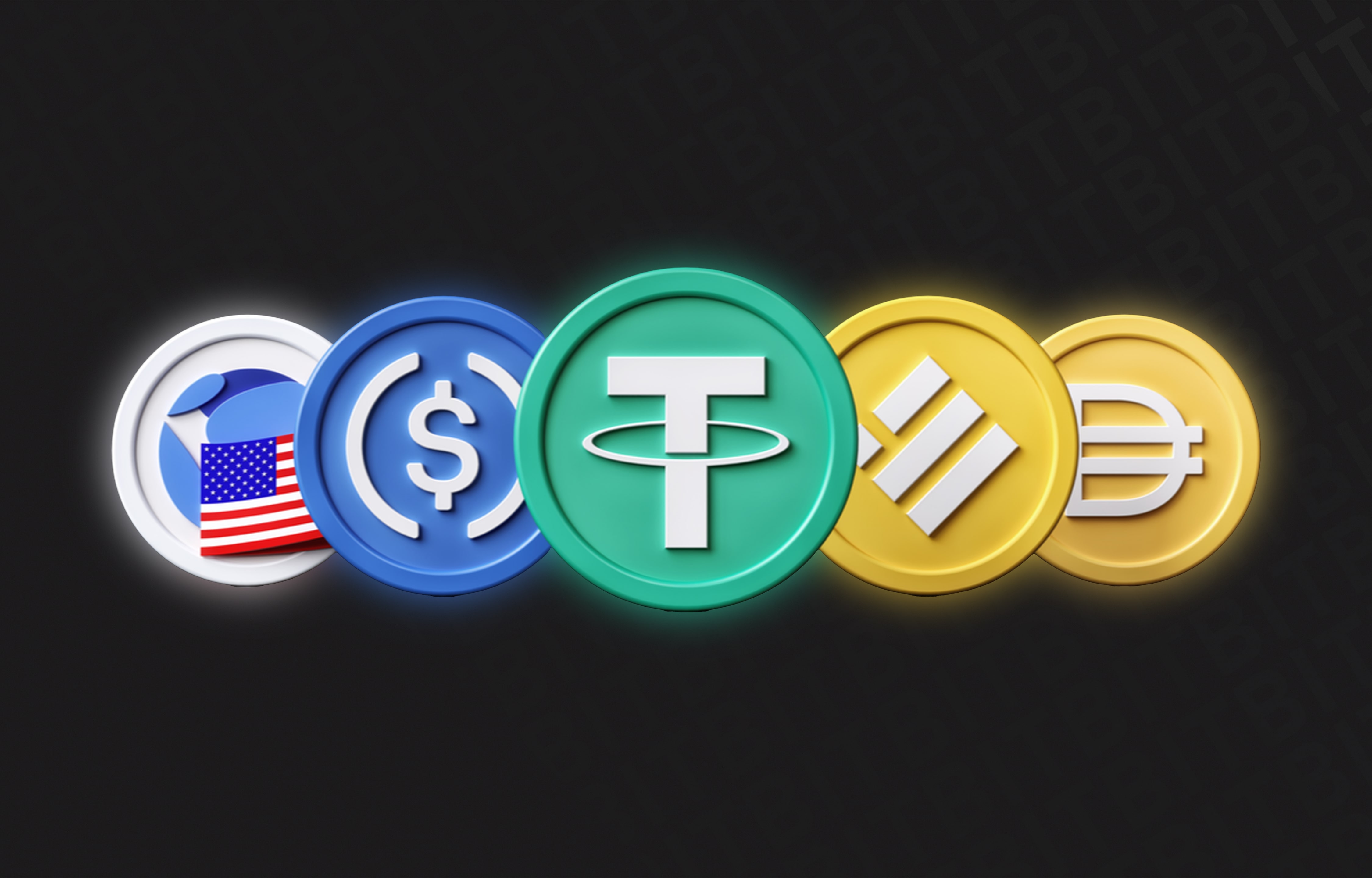
The decision to invest heavily in USDe and Ethena also comes amid rising competition among exchanges and financial platforms seeking to capture market share in stablecoin issuance and trading. Major players like Tether , USD Coin , and Binance USD dominate market capitalization, but newer tokens like USDe have gained traction through enhanced transparency, regulatory compliance, and blockchain interoperability. MEXC’s adoption of USDe highlights its intent to diversify beyond the dominant incumbents, offering users alternatives that may align better with evolving regulatory frameworks.

Industry experts note that the integration of stablecoins into broader financial systems remains a critical driver for crypto adoption. Stablecoins facilitate cross-border payments, remittances, and decentralised finance applications with reduced friction and costs compared to fiat-based mechanisms. MEXC’s strategy of expanding its stablecoin offerings enhances its utility as a hub for such financial activities, making it attractive to a wider range of traders and developers.

Regulatory clarity surrounding stablecoins has varied globally, with some jurisdictions imposing stringent requirements while others promote innovation-friendly policies. MEXC, headquartered in Seychelles with a growing international presence, has adapted to this shifting landscape by aligning its stablecoin partnerships with platforms like Ethena that emphasise compliance and governance transparency. This approach aims to pre-empt potential regulatory hurdles and establish MEXC as a responsible player in the digital currency ecosystem.

The growth in MEXC’s TVL also corresponds with increased user engagement in decentralised finance products facilitated by stablecoins. Yield farming and staking opportunities offered on the platform encourage users to lock their assets in exchange for rewards, helping to boost liquidity and network activity. These products often depend on stablecoins to mitigate risk, offering participants a balance between yield generation and capital preservation.

Market analysts observe that the stablecoin sector is poised for further expansion as demand for digital dollar substitutes rises. Factors such as increasing institutional interest, the rise of central bank digital currencies , and the ongoing integration of blockchain technology into mainstream finance all contribute to stablecoins becoming indispensable in the crypto landscape. MEXC’s proactive steps to expand its stablecoin infrastructure may provide a competitive advantage as these trends accelerate.

The $100 million TVL milestone not only demonstrates MEXC’s capability to attract substantial user funds but also reflects confidence in the exchange’s technical infrastructure and security protocols. Ensuring safe custody and seamless transactions is crucial for stablecoin platforms, given the heightened regulatory scrutiny and user concerns over fraud and hacking incidents in the sector.

MEXC’s roadmap indicates continued efforts to broaden its stablecoin offerings, with potential plans to incorporate additional tokens and enhance cross-chain compatibility. This would enable users to transact stablecoins across multiple blockchain networks, facilitating greater interoperability and expanding MEXC’s reach within the decentralised finance space.

The exchange also plans to deepen its collaboration with DeFi projects and developers, positioning stablecoins as a foundational component for innovative financial products. This aligns with broader industry movements where stablecoins serve as the backbone for lending protocols, decentralised exchanges, and payment solutions.

The Dubai International Financial Centre has announced the launch of the Future Sustainability Forum, a global platform aimed at accelerating sustainable finance and innovation. Scheduled to take place on 4–5 December 2024 at Madinat Jumeirah, Dubai, the event seeks to foster collaboration among industry leaders, investors, policymakers, and technology innovators to address pressing environmental challenges.

Arif Amiri, CEO of DIFC Authority, emphasised the forum’s role in advancing climate action through collaborative efforts and innovative financial solutions. The initiative aligns with DIFC’s broader commitment to sustainable economic growth and its leadership in the Dubai Sustainable Finance Working Group, established in 2019.

The forum will explore eight core pillars, including sustainable banking and finance, renewable energy, sustainable infrastructure, and green technology. It aims to channel investment flows between the global north and south, supporting the UAE’s Year of Sustainability and its objectives for COP28.

Willem Blijdorp initially set his sights on a career in tourism. From 1970 to 1975, he studied at the Hotel Management School in Maastricht, the Netherlands. However, upon graduation, he chose an unexpected path. He decided to become the organizer of the now-legendary ‘Butterfahrten’. This marked the beginning of an entrepreneurial journey that continues to this day. The Butterfahrt Concept During a business trip to Germany, Blijdorp was […]

Cryptocurrency exchange Gemini, co-founded by Cameron and Tyler Winklevoss, has confidentially filed for an initial public offering in the United States, signaling a significant step toward entering public markets. The firm is collaborating with investment banks Goldman Sachs and Citigroup on the offering, according to individuals familiar with the matter. While the timeline and final decision remain pending, the confidential nature of the filing allows Gemini to prepare for a potential listing without immediate public disclosure.

This move follows the conclusion of a nearly two-year investigation by the U.S. Securities and Exchange Commission into Gemini’s operations. In February, Cameron Winklevoss announced that the SEC had closed its inquiry without recommending enforcement action, removing a significant regulatory hurdle. Additionally, Gemini settled a separate lawsuit with the Commodity Futures Trading Commission in January, agreeing to a $5 million penalty over allegations related to its 2017 bid to offer Bitcoin futures contracts.

Gemini’s decision to pursue an IPO comes amid a broader shift in the U.S. regulatory landscape under the current administration, which has adopted a more crypto-friendly stance. This environment has encouraged several digital asset firms, including Kraken and Circle, to explore public listings. Notably, the Winklevoss twins were among approximately 30 crypto executives who attended a White House summit focused on digital assets, reflecting the administration’s engagement with the industry.

Founded in 2014, Gemini has positioned itself as a regulated and secure platform for cryptocurrency trading and custody. The exchange operates in multiple global markets, including New York, Singapore, London, and Dublin. In late 2024, Gemini expanded its services to France in anticipation of new EU cryptocurrency regulations. The company has also diversified its offerings, launching products such as the Gemini Dollar stablecoin and acquiring the NFT platform Nifty Gateway in 2019.

Despite its growth, Gemini has faced challenges, particularly related to its Earn program, which allowed customers to lend crypto assets to the now-bankrupt lender Genesis. The program’s suspension in November 2022 led to approximately $940 million in customer assets being frozen. However, a rise in crypto prices has since enabled Gemini and Genesis to return over $2 billion worth of crypto to affected customers.

Elon Musk’s social media platform X has entered into a partnership with Polymarket, a cryptocurrency-based prediction market, enabling users to place bets on future events directly through the platform. This collaboration aims to integrate Polymarket’s forecasting capabilities with X’s user interface, allowing for real-time betting on topics ranging from political elections to economic indicators.

Polymarket, established in 2020, operates as a decentralized platform where users can wager on the outcomes of various events using cryptocurrency. The platform utilizes blockchain technology to ensure transparency and security in transactions. By partnering with X, Polymarket seeks to broaden its user base and bring prediction markets into mainstream social media usage.

Shayne Coplan, CEO of Polymarket, emphasized the significance of this partnership, stating that it represents a convergence of two platforms committed to truth-seeking and transparency. He highlighted that the integration would provide users with a more interactive and informed experience when engaging with current events on X.

The collaboration is set to introduce features that allow users to participate in prediction markets seamlessly within the X platform. This includes the ability to place bets on live events, access real-time data, and receive AI-generated insights to inform their decisions. The integration is designed to enhance user engagement by combining social media interaction with financial incentives tied to real-world outcomes.

Elon Musk has previously expressed interest in the predictive power of markets like Polymarket, suggesting that they can offer more accurate insights than traditional polling methods. By incorporating such a platform into X, Musk aims to provide users with tools that reflect collective intelligence and market-based forecasting.

The partnership also aligns with Musk’s broader vision of transforming X into a multifaceted platform that extends beyond traditional social media functionalities. By integrating financial services, content creation tools, and now prediction markets, X is positioning itself as a comprehensive digital ecosystem.

While the integration promises to offer users new ways to engage with content and events, it also raises questions about regulatory compliance and the potential for market manipulation. Polymarket has faced scrutiny in the past, including a $1.4 million fine from the Commodity Futures Trading Commission in 2022 for operating an unregistered derivatives trading platform. The company has since taken steps to restrict access for U.S. users and ensure compliance with relevant regulations.

As the partnership unfolds, both X and Polymarket will need to navigate the complex landscape of financial regulations, user privacy concerns, and the ethical implications of integrating betting mechanisms into social media. The success of this collaboration will depend on their ability to balance innovation with responsibility, ensuring that users can engage with prediction markets in a secure and informed manner.

The integration is expected to roll out in phases, with initial features becoming available to select users before a broader launch. Both companies have indicated that they will provide updates on the progress of the integration and any new features that become available.

Major technology companies are exploring stablecoin integration to reduce transaction fees and enhance global payment efficiency, signaling a potential shift in the digital payments landscape.

Apple is reportedly in discussions with Circle, the issuer of the USDC stablecoin, to explore potential integration of stablecoin payments into its ecosystem. This move could enable seamless, tap-to-pay transactions using USDC on Apple devices, leveraging the company’s recent decision to open its NFC technology to third-party developers. Such integration would allow users to conduct transactions without relying on traditional banking intermediaries, potentially reducing costs and increasing transaction speed.

Airbnb is collaborating with Worldpay to explore stablecoin payouts, aiming to mitigate the high fees associated with Visa and Mastercard transactions. By integrating stablecoin payments, Airbnb seeks to offer a more cost-effective and efficient payment solution for its global user base. Worldpay’s partnership with stablecoin infrastructure startup BVNK further supports this initiative, enabling businesses to make payouts using stablecoins without the need to handle digital assets directly.

X, formerly known as Twitter, is developing its payments platform, X Money, which is set to launch later this year. The platform will feature Visa as its first partner, enabling secure and instant funding to users’ X Wallets via Visa Direct. X Money has obtained money transmitter licenses in 41 US states and is banking with Citibank, with agreements with Stripe and Adyen. The integration of stablecoin payments into X Money could offer users a seamless and efficient payment experience, aligning with Elon Musk’s vision of transforming X into an “everything app.”

Google Cloud has already taken steps toward stablecoin integration by supporting PayPal’s PYUSD on its Web3 Faucet. This initiative allows developers to access testnet PYUSD on Ethereum and Solana, facilitating the development and testing of applications that utilize stablecoin payments. By providing these tools, Google Cloud aims to support the growth of Web3 applications and the broader adoption of stablecoins in digital commerce.

Advertisements

A cluster of asteroids co-orbiting with Venus has captured the attention of astronomers due to their unpredictable trajectories, which could potentially intersect with Earth’s orbit over extended timescales. These celestial bodies, known as Venus co-orbital asteroids, are challenging to detect from Earth because of their proximity to the Sun, raising concerns about the adequacy of current asteroid monitoring systems. Recent simulations indicate that some of these asteroids […]

Startups across India are increasingly turning to non-dilutive funding options to secure capital while retaining full ownership and control. This shift is driven by a desire to avoid the equity dilution often associated with traditional venture capital, especially amid fluctuating valuations and heightened investor scrutiny. Non-dilutive funding encompasses various financial instruments, including venture debt, revenue-based financing, and government grants. These options provide startups with the necessary capital […]

HONG KONG SAR – Media OutReach Newswire – 5 May 2025 – As artificial intelligence (AI) and mobile technology rapidly reshape the digital landscape, the online behaviors and media consumption habits of Hong Kong consumers are evolving at an unprecedented pace. According to the latest 《Digital 2025: Hong Kong》report, local internet penetration has reached 96%, while mobile device adoption has soared to 235%. Consuming video content and […]

The manufacturing landscape in India is undergoing a profound transformation as nearly all major players invest heavily in artificial intelligence and machine learning technologies. This shift reflects a strategic focus on boosting operational efficiency, driving business impact, and advancing sustainability goals. An extensive survey by Rockwell Automation reveals that Indian manufacturers are rapidly adopting AI and ML to remain competitive in a global marketplace increasingly dominated by digital innovation.

Manufacturers across India are leveraging AI and ML to optimise production processes, reduce costs, and enhance product quality. The integration of these technologies into factory operations enables predictive maintenance, real-time monitoring, and automation of complex tasks. This leads to minimising downtime, improving yield, and accelerating time-to-market. Industrial leaders cite AI and ML as essential tools for unlocking value amid rising raw material prices and supply chain uncertainties.

The adoption rates in India closely mirror global trends but stand out for the intensity of focus on sustainability. AI-driven analytics allow manufacturers to significantly cut energy consumption and waste, contributing to environmental goals aligned with international standards and India’s own climate commitments. Companies are deploying smart sensors and AI algorithms to monitor emissions and optimise resource use, which is crucial as regulatory pressures tighten and consumer expectations evolve.

Executives in India report that their investment in AI and ML technologies is yielding measurable returns. Data from the Rockwell Automation survey indicates that over 90% of respondents observe improved operational performance attributable to these digital initiatives. Furthermore, nearly three-quarters affirm that their AI-driven strategies have enhanced decision-making speed and accuracy, facilitating quicker responses to market demands and disruptions.

The Indian government’s push to encourage digital adoption in manufacturing, through initiatives such as ‘Make in India’ and the National Strategy on AI, complements corporate efforts. Policy frameworks supporting Industry 4.0 advancements, including financial incentives and infrastructure development, have accelerated the uptake of AI and ML technologies. This alignment between public policy and private sector ambition has created a fertile environment for innovation in the manufacturing ecosystem.

Several sectors within Indian manufacturing stand to benefit disproportionately from AI and ML integration. Automotive, pharmaceuticals, and consumer goods producers are early adopters, capitalising on AI’s ability to optimise supply chains, enhance product customisation, and improve quality control. For example, AI algorithms can predict demand patterns more accurately, enabling just-in-time inventory management that reduces excess stock and associated costs.

While enthusiasm for AI and ML is high, manufacturers face challenges in implementation. Shortages of skilled personnel who can develop and maintain AI systems are common, necessitating investment in workforce training and collaboration with technology providers. Cybersecurity remains a critical concern, as increased digital connectivity opens potential vulnerabilities. Firms are therefore balancing rapid technology deployment with robust risk management strategies to safeguard intellectual property and operational integrity.

The evolving role of AI and ML in manufacturing also raises questions about labour dynamics. Automation driven by these technologies has the potential to displace routine manual jobs but also creates opportunities for higher-skilled employment in areas such as data science, system maintenance, and process optimisation. Industry leaders emphasise the need for reskilling initiatives to ensure the workforce adapts to the demands of a more digitally integrated manufacturing sector.

Investors and technology companies are taking notice of India’s growing appetite for AI and ML in manufacturing. Partnerships between domestic manufacturers and global tech firms are expanding, bringing access to advanced AI platforms and expertise. Indian startups specialising in industrial AI solutions are gaining traction, offering innovative products tailored to the unique challenges of Indian factories, such as managing variable power supply and legacy equipment integration.

The emphasis on sustainability powered by AI is gaining traction beyond regulatory compliance. Indian manufacturers recognise that eco-friendly operations can enhance brand value and meet the expectations of increasingly conscious consumers worldwide. Technologies that track carbon footprints, water usage, and waste generation help firms align with global environmental, social, and governance criteria, which are becoming decisive factors for international trade and investment.

As AI and ML technologies mature, their influence on Indian manufacturing’s competitive edge is expected to deepen. Automation of routine tasks frees human workers to focus on innovation and complex problem-solving, potentially accelerating product development cycles and enabling mass customisation. Real-time data analytics empower firms to respond nimbly to market fluctuations and supply chain disruptions, a critical advantage amid ongoing geopolitical and economic uncertainties.

Abu Dhabi will serve as the host for the Games of the Future 2025, a pioneering global event blending physical and digital sports. Scheduled for December 18 to 23, the competition aims to redefine the boundaries of athletic contests by merging traditional sporting disciplines with cutting-edge technology. This event marks a significant step in the evolution of international sports, as organisers position Abu Dhabi at the forefront of the phygital sports movement.

The Games of the Future will bring together elite athletes and esports competitors from across the world, competing in hybrid formats designed to test skill, strategy, and adaptability. The term “phygital” refers to the integration of physical and digital elements within the same competitive environment. This concept challenges conventional sports formats, creating new experiences for participants and audiences alike.

Organisers highlight that the Games of the Future are intended to captivate younger, tech-savvy audiences, whose preferences are shifting towards immersive and interactive entertainment. The event will showcase competitions that combine real-world physical prowess with virtual reality, augmented reality, and advanced sensor technologies. These innovations allow athletes to perform in augmented settings where physical actions influence digital gameplay in real time.

Abu Dhabi’s selection as host city follows extensive consideration of its infrastructure, innovation-driven vision, and commitment to becoming a global hub for futuristic sports and entertainment. The emirate has invested heavily in smart city technologies, sporting facilities, and digital innovation hubs, creating a conducive environment for this landmark event. Local authorities are confident that the Games will bolster Abu Dhabi’s reputation as a leader in hosting high-profile international sporting and cultural events.

The event will be staged across multiple venues, including state-of-the-art arenas equipped with immersive technologies, interactive fan zones, and digital broadcasting platforms. These setups are designed to offer spectators an unparalleled experience, allowing them to engage with the games through interactive apps, live data feeds, and virtual participation elements.

Key components of the Games will include virtual cycling races, drone racing, mixed-reality martial arts, and AI-assisted team sports. Each competition will be carefully crafted to balance physical skill with digital interaction, emphasising creativity, teamwork, and technological proficiency. Organisers have underscored the importance of fairness and integrity in the competition, with robust systems in place to ensure transparency and prevent cheating in both physical and digital realms.

Prominent figures in the world of sports technology have expressed optimism about the Games’ potential to accelerate the integration of digital tools in mainstream athletics. Experts argue that these innovations could provide new avenues for athlete training, injury prevention, and fan engagement. Furthermore, the Games of the Future could act as a testing ground for technologies that might soon become standard in traditional sports worldwide.

The event also reflects broader trends in the sports industry, where the lines between physical sports, esports, and entertainment are increasingly blurred. Sporting bodies and commercial partners are exploring hybrid formats as a way to reach diverse demographics and unlock new revenue streams. By hosting the Games, Abu Dhabi aims to position itself as a pioneer in this transformative phase.

Economic analysts project that the Games will generate significant benefits for the emirate, including increased tourism, job creation, and investment in related sectors such as technology, hospitality, and media production. The event’s timing aligns with Abu Dhabi’s broader economic diversification goals, supporting the emirate’s transition from a primarily oil-dependent economy to a knowledge-based, innovation-driven hub.

As the competition approaches, several international teams and technology companies are confirming participation, signalling robust global interest. Collaborative efforts between sporting federations, tech firms, and event organisers have been instrumental in developing the formats and rules, ensuring they are competitive, engaging, and scalable for future iterations.

The Games of the Future 2025 are expected to attract a wide media presence, with live broadcasts planned across multiple platforms to reach audiences worldwide. This extensive coverage will highlight both the athletic feats and the technological marvels on display, offering insights into how sports could evolve in the coming decades.

Organisers have committed to sustainability principles, incorporating eco-friendly practices throughout the event’s planning and execution. This includes energy-efficient venues, waste reduction initiatives, and promotion of digital engagement to minimise the carbon footprint typically associated with large-scale sports events.

The Games represent a convergence of sport, technology, and culture, reflecting the aspirations of a generation that embraces digital innovation while celebrating physical excellence. Abu Dhabi’s role as host underscores the emirate’s ambition to shape the future of global sports, setting a benchmark for how cities can adapt to and lead in the rapidly changing landscape of athletic competition.

SINGAPORE – Media OutReach Newswire – 6 June 2025 – The ultimate kids and family event of the year, K!DZ POP CON 2025, is set to take over Sands Expo & Convention Centre, Level 1, Halls A,B,C on 21–22 June 2025, and it’s bursting with exciting brand activations, workshops, live entertainment, and must-see experiences from some of the biggest names in kids’ entertainment! 21 – 22 June […]

Elon Musk has launched a scathing attack on President Donald Trump’s proposed $4 trillion tax and spending bill, branding it the “Debt Slavery Bill” and urging Americans to pressure lawmakers to reject it. The Tesla and SpaceX CEO’s criticism comes as the U.S. national debt approaches $37 trillion, with the Congressional Budget Office projecting the bill would add approximately $2.4 trillion to the deficit over the next […]

Tineco launches the S9 Artist Steam—the latest addition to their best-selling S9 lineup. Experience the ultimate clean with this innovative floor washer, where cutting-edge technology meets energy efficiency and sleek design for unmatched performance. To complement the launch, exclusive brand-led promotions will be available on selected online platforms for purchases made on 6 June. SINGAPORE – Media OutReach Newswire – 3 June 2025 – Tineco, a global […]

Ripple’s US dollar-pegged stablecoin, RLUSD, has secured regulatory approval from the Dubai Financial Services Authority , authorising its use within the Dubai International Financial Centre . This development enables RLUSD to be integrated into Ripple’s DFSA-licensed payments platform and utilised by other DFSA-registered entities operating in the DIFC.

The approval positions RLUSD among a select group of stablecoins recognised under the DFSA’s crypto token regime, which includes Circle’s USDC and EURC. RLUSD is designed for enterprise use, offering features such as 1:1 USD backing with high-quality liquid assets, segregated reserves, third-party audits, and clear redemption rights. It is issued under a New York Department of Financial Services Trust Company Charter, subjecting it to stringent regulatory standards.

Reece Merrick, Ripple’s Managing Director for the Middle East and Africa, noted the growing interest from businesses in the UAE for cross-border payments and digital asset custody solutions. He emphasised the dynamic nature of the UAE’s digital economy and expressed optimism about RLUSD’s role in facilitating real-time, cost-effective international transactions.

Ripple is collaborating with local partners, including digital bank Zand and fintech platform Mamo, who are expected to be early adopters of RLUSD. Additionally, RLUSD will support the Dubai Land Department’s initiative to tokenize real estate title deeds on the XRP Ledger, aiming to digitize and record property ownership using blockchain technology.

The DFSA’s recognition of RLUSD follows Ripple’s earlier approval to offer blockchain-powered payment solutions within the DIFC, obtained in March. This dual approval allows Ripple to integrate RLUSD into its global payment services in Dubai and the UAE, while also enabling other DFSA-licensed firms in the region to incorporate the stablecoin into their offerings.

Jack McDonald, Ripple’s Senior Vice President of Stablecoins, stated that the DFSA’s approval validates RLUSD as a trusted and compliant stablecoin built for global business. He highlighted the stablecoin’s potential to bring value across payments, decentralised finance , and real-world asset tokenization.

GridFree AI has secured $5 million in funding to fast-track the deployment of modular artificial intelligence data centres, signalling a significant shift in how computational infrastructure will be developed and scaled worldwide. The funding round, led by Montauk Climate alongside other strategic investors, aims to support GridFree AI’s ambition to optimise the construction, operation, and scalability of AI data centres with a modular, climate-conscious approach. Emerging from […]

Global cryptocurrency exchange BYDFi and hardware wallet manufacturer Ledger have initiated a worldwide campaign targeting digital creators and key opinion leaders within the Web3 community. The initiative centres around the distribution of a limited-edition BYDFi x Ledger Nano X hardware wallet, with only 500 units available globally.

Participants are encouraged to engage by posting on the social media platform X using the hashtag #BYDFixLedger, sharing their perspectives on the collaboration, and completing an application form via the official campaign page. Successful applicants will receive the exclusive hardware wallet along with additional benefits as part of the partnership programme.

The BYDFi x Ledger Nano X is a customised version of Ledger’s flagship cold wallet, featuring Bluetooth and USB-C connectivity, and support for over 15,000 cryptocurrencies and NFTs. It is designed with a mobile-first approach, compatible with iOS, Android, macOS, and Windows platforms. Security features include a CC EAL5+ certified secure element, ensuring private keys remain offline and protected from remote threats associated with custodial wallets or centralised platforms. Integration with Ledger Live allows for seamless asset tracking, staking, and transactions.

This collaboration underscores a shared vision between BYDFi and Ledger to promote secure, user-controlled asset management as a cornerstone of the Web3 movement. Michael, Co-founder of BYDFi, emphasised the importance of self-custody, stating, “True ownership starts with self-custody. Our collaboration with Ledger aims to equip users with secure, intuitive tools to manage their digital assets with confidence—anytime, anywhere.”

Ledger, established in 2015, has sold over 6 million devices without a single reported hack, solidifying its reputation in digital asset security. Its products, including the Nano series and Ledger Live app, enable users and enterprises to manage their cryptocurrencies, NFTs, and data securely in the Web3 era.

BYDFi, founded in 2020, serves over 1 million users across more than 190 countries and regions. Recognised by Forbes as one of the Best Crypto Exchanges & Apps for Beginners in 2025, BYDFi offers a comprehensive product suite, including spot trading, perpetual contracts, copy trading, automated bots, and on-chain tools, catering to both novice and professional traders.

The limited-edition BYDFi x Ledger Nano X made its debut at TOKEN2049 Dubai, coinciding with BYDFi’s fifth anniversary. Attendees at the event had the opportunity to receive the wallet through on-site interactive activities. The wallet retains the advanced security features of the original Ledger Nano X while incorporating custom BYDFi design elements, including visual branding and customised packaging.

In addition to the wallet launch, BYDFi showcased its on-chain trading solution, MoonX, at the event. As part of BYDFi’s “CEX + DEX” dual-engine strategy, MoonX combines the transparency of on-chain execution with the high-speed performance of centralised systems, delivering a seamless trading experience tailored to the demands of DeFi users.

Over 80% of Employees Take Sick Leave Due to Sleep Deprivation; Mondays Are the Most Popular “Sickie” Days Economic downturn: 91% of respondents feel stressed from work and life 81% report frequent awakenings; 64% have trouble falling asleep – two distinct sleep problems, doctor explain 78% say stress impacts sleep quality 80% hope to resolve both types of sleep problems; 85% seek long-term sleep solutions Dual Action […]

SHENZHEN, CHINA – Media OutReach Newswire – 5 June 2025 – Leading smart device company OPPO today announced the signing of a global patent licensing agreement with Volkswagen Aktiengesellschaft (hereafter referred to as Volkswagen) to license OPPO’s cellular standard-essential patents portfolio to the group, including 5G. Under the agreement, OPPO’s cellular standard-essential patents will be licensed to Volkswagen to enhance user experiences for its connected vehicle offerings […]

Launch of Gen2050, a structured accelerated programme to drive youth action in the area of social sustainability with an engagement series on key social issues Avails opportunities for youths from all backgrounds to start ground-up initiatives with the support of industry mentors and subject matter experts Provides youths with critical skillsets such as stakeholder management and seed funding to advance innovative ideas SINGAPORE – Media OutReach Newswire […]

Bruno, the open-source API client has been announced as a Platinum Sponsor for IndiaFOSS 2025, the upcoming edition of the Free and Open Source Software conference organised by the FOSS United community. The event is scheduled to take place from 20 to 21 September 2025 at the NIMHANS Convention Centre in Bengaluru. Bruno’s sponsorship underscores its growing prominence within the developer community. Designed as a lightweight, Git-friendly […]

TikTok has removed the hashtag #SkinnyTok from its platform, responding to escalating concerns over content promoting extreme weight loss and disordered eating behaviours. Users searching for the term are now redirected to resources offering support for body image and eating disorders. The decision follows sustained scrutiny from European regulators, particularly in France, where officials have criticised the platform for enabling the spread of content that glamorises unhealthy […]

KUALA LUMPUR, MALAYSIA – Media OutReach Newswire – 5 June 2025 – May proved to be a rather challenging month for gold traders. XAUUSD, the primary financial instrument for trading gold, fluctuated in a relatively broad range between $3,120 and $3,435 per ounce (oz), but finished the month virtually unchanged, narrowly recording a fifth consecutive monthly gain. Although trading started on a bearish note, XAUUSD found support […]

VISHNU RAJA
RYO YAMADA
HITORI GOTOH
IKUYO KITA