News related to
platform

BANGKOK, THAILAND – Media OutReach Newswire – 13 May 2025 – Siam Piwat is redefining travel experiences in Bangkok with the ONESIAM Global Visitor Card, an exclusive privilege card created especially for global visitors. Designed to match the needs of modern explorers, the card offers seamless access to extraordinary experiences across travel, shopping, dining, sightseeing, and more under the concept of “Access the Extraordinary.” This all-in-one travel […]

Design software company Figma Inc. has confidentially filed for an initial public offering in the United States, selecting Morgan Stanley as the lead underwriter. This move positions the San Francisco-based firm as a significant test case for investor appetite in technology listings during a period of market volatility driven by geopolitical tensions and fluctuating economic policies. Figma’s decision to proceed with an IPO follows the collapse of […]

HONG KONG SAR – Media OutReach Newswire – 12 May 2025 – 0xmd, a global startup specializing in Generative Artificial Intelligence for healthcare, has entered into a strategic partnership with SENAI CIMATEC, one of Brazil’s leading technology and innovation institutions. This agreement marks the beginning of 0xmd’s operations in Brazil, expanding the company’s presence in the Latin American market. The collaboration will see 0xmd bring its cutting-edge […]

CANNES, FRANCE – Media OutReach Newswire – 12 May 2025 – The Department of International Trade Promotion (DITP), Ministry of Commerce, continues its commitment to promoting Thailand’s entertainment industry on the global stage by organizing Thai Night at the Cannes Film Festival 2025 on Thursday, May 15, 2025. The event, held during the world’s most prestigious and influential film festival, aims to elevate the image of Thailand’s […]

OpenSearch 3.0 has launched, marking a major milestone with its latest upgrades aimed at improving both performance and scalability. This release introduces several key enhancements, including new features that will better serve the growing needs of developers and businesses seeking efficient, open-source search and analytics solutions. The update builds upon OpenSearch’s commitment to providing a robust, open-source alternative to Elasticsearch. With a focus on security, flexibility, and […]

Rootstock, a prominent project designed to bring advanced functionalities to Bitcoin, has made significant strides in improving the security of decentralised finance through an enhanced hashrate contribution. As Bitcoin’s blockchain remains the most dominant in the world, Rootstock seeks to provide additional layers of functionality, particularly by enabling smart contracts and decentralised applications on top of Bitcoin’s network. This development is seen as a major step forward in bridging the gap between Bitcoin’s strong security features and the flexibility that DeFi protocols demand.

For years, Bitcoin has been regarded as a secure store of value but lacked many of the programmability features available in other blockchain networks, notably Ethereum. While Ethereum’s dominance in the DeFi sector is well-established, Bitcoin’s limited scripting capabilities have prevented it from achieving similar prominence in the space. Rootstock, by integrating smart contracts with Bitcoin, aims to leverage Bitcoin’s security and decentralisation while also making it more adaptable to the growing demand for DeFi services.

One of the key advancements in Rootstock’s latest efforts is its contribution to Bitcoin’s overall hashrate. Hashrate is the computational power required to process transactions and secure the network, and it plays a vital role in maintaining blockchain integrity. The increase in Rootstock’s hashrate share is an important factor in improving Bitcoin’s security, particularly as the ecosystem grows more complex with the addition of smart contract functionality. By boosting its hashrate share, Rootstock provides a stronger shield against potential attacks, such as double-spending or malicious 51% attacks, that could compromise the security of both Bitcoin and its additional smart contract capabilities.

The significance of Rootstock’s contributions goes beyond technical performance. As it integrates with Bitcoin, Rootstock makes it easier for developers to build on the Bitcoin blockchain, providing greater flexibility in the development of dApps. Rootstock’s compatibility with Bitcoin allows developers to tap into Bitcoin’s established and robust user base while adding advanced functionalities through the Rootstock platform.

Smart contracts, which are at the heart of DeFi, enable trustless financial transactions without the need for intermediaries. By combining these with Bitcoin’s inherent security model, Rootstock offers a promising solution for users and developers alike. The project’s work in enhancing security through hashrate support complements its broader mission of ensuring the long-term viability and competitiveness of Bitcoin in the rapidly evolving DeFi landscape.

Although Bitcoin’s energy consumption has drawn criticism due to its reliance on proof-of-work , Rootstock’s innovation demonstrates that scaling the network can be done without sacrificing security. As one of the leading DeFi platforms to incorporate Bitcoin into its framework, Rootstock’s developments suggest that Bitcoin could become a more formidable player in the DeFi sector moving forward.

For Bitcoin to thrive in the DeFi world, the integration of features like smart contracts and improved security is essential. Rootstock’s success in merging these elements without compromising Bitcoin’s decentralisation model is a critical step in this direction. The increase in hashrate not only strengthens the network’s defences but also reassures users and investors of the project’s commitment to robust security practices.

Coinbase has launched 24/7 trading for Bitcoin and Ethereum futures through its CFTC-regulated platform, Coinbase Derivatives, marking a significant shift in U.S. crypto market accessibility. This initiative allows traders to engage in futures contracts at any time, aligning with the continuous nature of global cryptocurrency markets.

The move addresses a longstanding gap between traditional U.S. trading hours and the always-on operations of crypto markets. Previously, U.S. traders faced limitations due to fixed market hours, often missing opportunities during off-hours. With this development, Coinbase aims to provide traders with the flexibility to manage risk and seize opportunities without time constraints.

Coinbase’s infrastructure supports this continuous trading model through partnerships with Nodal Clear, a CFTC-regulated clearinghouse, and liquidity providers like Virtu Financial. These collaborations ensure that the platform can handle the demands of round-the-clock trading while maintaining regulatory compliance.

The introduction of 24/7 trading is part of Coinbase’s broader strategy to expand its derivatives offerings. The company has also announced plans to develop perpetual-style futures contracts, which do not have expiration dates, providing traders with additional tools to manage their positions over extended periods.

This expansion into continuous trading comes amid a surge in institutional interest in cryptocurrency derivatives. Derivatives account for a significant portion of global crypto trading volume, and Coinbase’s enhanced offerings aim to cater to this growing demand.

Coinbase’s move also reflects a broader trend of increasing regulatory clarity in the U.S. crypto market. The company’s alignment with regulatory standards, such as operating a CFTC-regulated exchange, positions it to capitalize on the evolving landscape of digital asset trading.

In addition to the launch of 24/7 trading, Coinbase has announced a $2.9 billion acquisition of Deribit, a leading crypto options trading platform. This acquisition is expected to further strengthen Coinbase’s position in the derivatives market and expand its global reach.

Advertisements

Stablecoin transaction volumes have reached a record $1.82 trillion in April 2025, marking a significant milestone in the evolution of digital finance. This surge is attributed to increased real-world applications, including cross-border payments, remittances, and institutional settlements, rather than speculative trading.

The stablecoin market has experienced substantial growth, with the total market capitalization surpassing $234 billion by late March 2025. This expansion is driven by the adoption of stablecoins in various sectors, including decentralized finance and traditional financial institutions. Tether’s USDT remains the dominant stablecoin, with a supply exceeding $146 billion, while Circle’s USDC has doubled its market capitalization to $56 billion.

The integration of stablecoins into traditional financial systems is evident, with major banks and financial institutions exploring their use for efficient and cost-effective transactions. The adoption of stablecoins in over 70 countries has facilitated cross-border payments and remittances, reducing costs and improving transaction speeds. Emerging markets, in particular, have embraced stablecoins as a hedge against local currency volatility.

Regulatory developments have also played a role in the growth of stablecoins. In 2024, 12 countries, including the US, UK, and Singapore, introduced stablecoin-specific regulatory frameworks. The European Union’s Markets in Crypto-Assets regulation has enforced stricter compliance for stablecoin issuers, enhancing transparency and investor confidence.

The technological infrastructure supporting stablecoins has evolved, with blockchain networks like Solana and Ethereum facilitating increased transaction volumes. Solana has become the most active blockchain for stablecoin transfers, overtaking Tron and Ethereum in early 2024. This shift is attributed to Solana’s high transaction speeds and low costs, making it an attractive platform for stablecoin transactions.

The role of automated trading systems, or bots, has become more prominent in the stablecoin ecosystem. In 2024, bot-driven trading accounted for 70% of total stablecoin transaction volumes, particularly on networks like Ethereum, Base, and Solana. While concerns exist about market manipulation, these systems have also improved efficiency by facilitating arbitrage and executing recurring smart contract transactions.

HONG KONG SAR – Media OutReach Newswire – 9 May 2025 – Chubb Life Hong Kong today announced the launch of Health Up Insurance Plan (Health Up), a digital insurance plan aimed at promoting and facilitating well-being practices for individuals wishing to achieve a healthier lifestyle. Belinda Au(middle), Mercedes Ho (Right), with Health Up Partners Health Up is designed to offer term life coverage and accidental death […]

Oman has allocated approximately OMR60 million towards artificial intelligence initiatives between 2021 and 2024, as part of its strategic drive to position itself as a regional leader in digital innovation. This investment, overseen by the Ministry of Transport, Communications and Information Technology, underscores the sultanate’s commitment to integrating AI across various sectors to enhance public service efficiency and stimulate economic growth. The National Programme for Artificial Intelligence […]

Abu Dhabi’s International Holding Company has joined forces with US-based investment giant BlackRock to establish a $1 billion reinsurance platform headquartered in the Abu Dhabi Global Market . The initiative, which also includes Lunate, an Abu Dhabi-based alternative investment manager, aims to underwrite liabilities exceeding $10 billion and is poised to reshape the global reinsurance landscape.

The yet-to-be-named platform will adopt a buy-and-build strategy, focusing on acquiring and developing reinsurance capabilities. BlackRock will contribute its insurance asset management expertise, advisory services, and Aladdin technology platform to the venture. Additionally, BlackRock is expected to make a minority investment commitment upon the finalization of the deal.

Lunate’s participation marks its entry into the reinsurance sector, expanding its investment portfolio beyond its existing $105 billion in assets under management. The firm has been actively investing across various sectors, including energy infrastructure and climate finance, as evidenced by its acquisition of a 40% stake in ADNOC Oil Pipelines and the establishment of the $30 billion ALTÉRRA climate investment vehicle.

The collaboration between IHC, BlackRock, and Lunate underscores Abu Dhabi’s strategic push to position itself as a global hub for financial services and reinsurance. The ADGM’s progressive regulatory framework and its appeal to international financial institutions have made it an attractive destination for such ventures.

This partnership is expected to leverage the strengths of each entity: IHC’s expansive investment portfolio and regional influence, BlackRock’s global asset management capabilities, and Lunate’s innovative investment strategies. Together, they aim to address the growing demand for reinsurance solutions and contribute to the diversification of Abu Dhabi’s financial sector.

The upcoming launch of CyberCatsCoin is generating considerable excitement in the cryptocurrency community, as the new meme coin promises to bring tangible utility to a sector often dominated by speculative tokens. With its presale slated to begin shortly, the coin’s creators are positioning it to stand out not only for its playful, meme-inspired branding but also for its innovative approach to addressing real-world problems within the crypto space.

Unlike many meme coins, which thrive primarily on viral marketing and community-driven hype, CyberCatsCoin aims to blend the playful, community-driven ethos of meme tokens with functionality that extends beyond just speculation. According to the project’s whitepaper, the coin is designed to facilitate a range of use cases, from providing a platform for decentralized applications to integrating with charity initiatives and supporting real-world partnerships. This combination of fun and purpose has already caught the attention of crypto enthusiasts and investors alike.

The project is being led by a team of experienced blockchain developers, marketing strategists, and community managers, many of whom have previously worked on high-profile crypto projects. Their goal is to differentiate CyberCatsCoin from the vast sea of meme tokens by offering long-term value to its holders, rather than relying solely on short-term speculative hype. By integrating robust utility features, the team hopes to attract a broader audience beyond typical meme coin investors, such as those interested in decentralized finance , NFTs, and blockchain-based solutions.

One of the primary goals of CyberCatsCoin is to create an ecosystem where users can interact with the coin in various meaningful ways. The development team has outlined plans to launch a decentralized exchange and a series of dApps that will enable holders to use their tokens in real-world applications. These include everything from charity donations to staking rewards and governance in the project’s evolving ecosystem. Such features are designed to drive both utility and adoption, helping to position CyberCatsCoin as more than just another joke coin.

The presale for CyberCatsCoin is expected to generate significant interest, particularly among meme coin enthusiasts who are familiar with coins like Dogecoin and Shiba Inu. However, the coin’s creators are eager to highlight how CYBCC is different. By incorporating meaningful use cases and long-term vision into the tokenomics, they are positioning the coin as a more sustainable and impactful option for those seeking to participate in the meme coin market.

The presale will offer early investors the chance to purchase CYBCC at a discounted price before it officially launches on various exchanges. This strategic move aims to build a solid foundation of loyal supporters and create momentum for the token’s eventual widespread adoption. As with any presale, however, investors are urged to exercise caution and conduct due diligence before committing their funds.

CyberCatsCoin’s focus on real-world utility has sparked considerable interest from the DeFi and blockchain development communities. The project is not just about creating another meme coin for fun but about pushing the boundaries of what meme-inspired cryptocurrencies can achieve. Experts in the blockchain sector have noted that the integration of utility with meme-based marketing could pave the way for a new breed of crypto assets that combine the best of both worlds: fun, community engagement, and real-world applicability.

Despite the current bear market conditions in the cryptocurrency sector, the project has already garnered a strong community following on social media platforms, with thousands of users joining Telegram groups and Twitter channels dedicated to CyberCatsCoin. This level of early interest bodes well for the presale and beyond, as the coin’s creators continue to engage with their community through regular updates, contests, and partnership announcements.

Kuaishou Technology has unveiled Kling 2.0 Master, a significant upgrade to its AI-driven video generation platform. This latest iteration introduces advanced features that enhance the realism and cinematic quality of AI-generated videos, positioning Kling as a formidable tool in the evolving landscape of digital content creation. Kling 2.0 Master offers users the ability to produce 1080p resolution videos with precise motion control, dynamic camera movements, and customizable […]

HO CHI MINH CITY, VIETNAM – Media OutReach Newswire – 9 May 2025 – Castel Châteaux & Grands Crus proudly announces the Best Young Sommelier Competition by Castel Châteaux & Grands Crus – Asia Edition 2025, a landmark event designed to cultivate and celebrate the next generation of sommeliers talent throughout Asia. This prestigious competition will serve as a crucial stepping stone for candidates, preparing them for […]

Tornadoes striking after dark are proving deadlier than their daytime counterparts, with fatalities more than doubling during nocturnal events. This alarming trend is intensifying as climate change alters storm patterns, pushing tornado activity into new regions and timeframes. Historically, the central United States, particularly the Great Plains, bore the brunt of tornado activity. However, recent studies indicate a significant eastward shift, with the Southeast, including states like […]

Apple’s senior vice president of services, Eddy Cue, disclosed during the U.S. Department of Justice’s antitrust trial against Google that searches conducted via Safari have declined for the first time in over two decades, attributing the drop to users increasingly turning to AI tools like ChatGPT. This revelation contributed to an 8% decline in Google’s stock, reflecting investor concerns about the potential erosion of Google’s search dominance. […]

Cryptocurrency derivatives trading platform Flipster has entered the esports arena by securing naming rights for Talon Esports’ Dota 2 team, which will now compete under the moniker Flipster Talon. This strategic partnership marks a significant move for both entities, aligning a rising crypto exchange with one of Southeast Asia’s premier esports organisations.

The agreement grants Flipster prominent branding across team jerseys, digital platforms, and in-game identifiers. The rebranded team is set to make its debut at BLAST Slam II, a major Dota 2 tournament featuring a $1 million prize pool, scheduled to commence on 4 February 2025. This event will serve as a litmus test for the newly formed alliance’s impact on competitive performance and market visibility.

Talon Esports has undergone a significant transformation following a disappointing run at The International 2024. The organisation parted ways with its entire Dota 2 roster, including notable players such as Nuengnara “23savage” Teeramahanon and Rafli “Mikoto” Rahman. In their place, Talon has assembled a new lineup featuring seasoned players Carlo “Kuku” Palad and John Anthony “Natsumi” Vargas, under the guidance of head coach Park “March” Tae-won. This overhaul aims to revitalise the team’s competitive edge and reestablish its dominance in the Southeast Asian Dota 2 scene.

The partnership with Flipster is part of Talon Esports’ broader strategy to diversify its sponsorship portfolio. Previously, the organisation has secured deals with various brands, including gaming peripherals company SteelSeries and betting firms such as 1xBet and M88 Mansion. These collaborations have not only provided financial support but also enhanced Talon’s brand presence across multiple platforms.

Flipster’s foray into esports sponsorship reflects a growing trend of cryptocurrency companies seeking to engage with younger, tech-savvy audiences through gaming partnerships. By aligning with Talon Esports, Flipster aims to increase its brand recognition and tap into the expansive reach of the esports community. This move also underscores the increasing convergence between digital finance and competitive gaming, as both industries continue to evolve and intersect.

HONG KONG SAR – Media OutReach Newswire – 9 May 2025 – The Hong Kong Civil Claim Centre (hkcivilclaim.com) officially launched today as an information and referral platform designed specifically for Hong Kong residents. The platform focuses on providing clear and transparent guidance on work injuries, traffic accidents, and other civil claims, helping citizens understand their rights. Through professional referral services, it connects users with qualified Hong […]

NEW YORK, USA – Media OutReach Newswire – 8 May 2025 – FLock.io, a private AI training platform, closed a strategic funding round led by DCG in December 2024 and launched FL Alliance, a solution enabling decentralized AI model training. FL Alliance transforms everyday devices into training nodes, allowing users to create personalized LLMs, earn token rewards, and maintain complete data privacy. AI adoption in healthcare, fintech, […]

Coinbase Global has agreed to acquire Deribit, the world’s largest bitcoin and ether options trading platform, for approximately $2.9 billion. The transaction comprises $700 million in cash and 11 million shares of Coinbase Class A common stock, marking the company’s most significant acquisition to date.

This strategic move positions Coinbase to strengthen its presence in the burgeoning crypto derivatives market, which has witnessed substantial growth in recent years. Deribit, founded in 2016 and headquartered in Dubai, specializes in options, futures, and spot trading. The platform reported a near doubling of its trading volume in 2024, reaching $1.2 trillion, largely attributed to increased institutional participation following the U.S. elections.

The acquisition aligns with Coinbase’s broader international growth strategy, particularly as the company seeks to expand its services beyond the United States. Deribit’s active license to operate in Dubai offers Coinbase a strategic foothold in the Middle Eastern market, a region that has emerged as a key global hub for blockchain and cryptocurrency businesses amid increasing regulatory pressures in the U.S. and EU.

Greg Tusar, Coinbase’s Vice President of Institutional Product, stated, “This will make us the most comprehensive player in derivatives.” The deal underscores Coinbase’s commitment to diversifying its offerings and catering to the evolving needs of institutional clients.

The acquisition comes amid a surge in crypto-related mergers and acquisitions, fueled by a more supportive U.S. regulatory environment under President Trump. The administration has pledged to advance the country as a “bitcoin superpower,” prompting a wave of deals in the sector. Notably, Kraken agreed to a $1.5 billion deal for NinjaTrader, and Ripple announced a $1.25 billion purchase of Hidden Road.

Coinbase’s previous acquisitions, including One River Digital and Tagomi , have bolstered its service offerings and footprint in the crypto sector. The Deribit deal represents a significant step in Coinbase’s ongoing efforts to expand its global reach and capitalize on the growing demand for crypto derivatives.

Deribit’s CEO, Luuk Strijers, acknowledged the company’s receipt of strategic investment inquiries over time but emphasized that Deribit had not been put up for sale. Despite this, the company engaged Financial Technology Partners to assess potential acquisition offers, reflecting the increasing interest in crypto derivatives platforms.

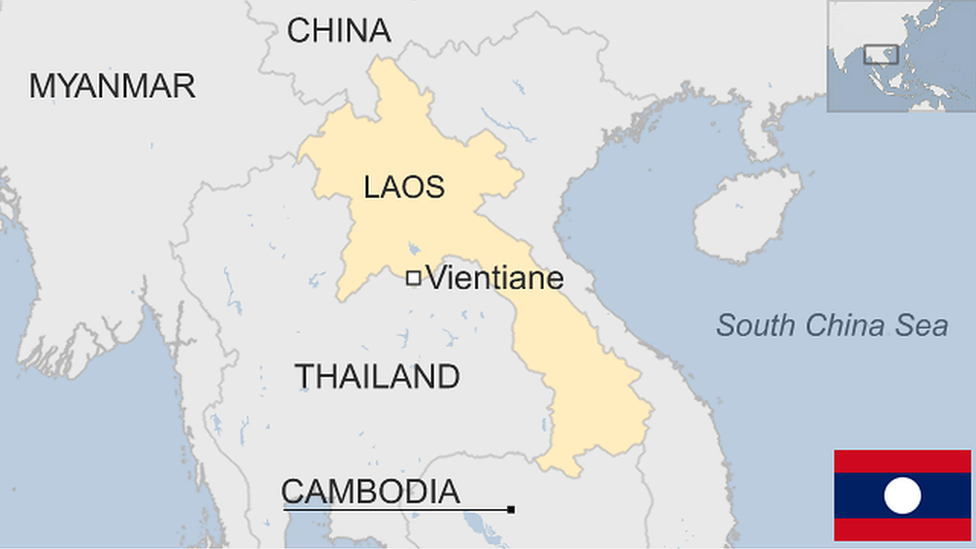
Laos has unveiled an ambitious plan to transform itself into a central hub for gold trading and refining in Asia by 2030, spearheaded by the Lao Bullion Bank . This initiative aims to bolster the nation’s financial stability and elevate its standing in the global precious metals market.

At a strategic meeting held on 2 May, LBB’s Chief Executive Officer, Chanthone Sitthixay, detailed the bank’s vision to establish Laos as a leader in the precious metals sector. The plan encompasses the development of comprehensive gold trading platforms, refining capabilities, and secure storage solutions, aligning with international standards to attract both regional and global investors.

The Lao Bullion Bank, officially launched in December 2024, represents a significant step in the country’s economic strategy. The bank’s establishment is a collaborative effort between the Lao government and PTL Holding, with the government holding a 25% stake and PTL Holding owning the remaining 75%. This partnership underscores a commitment to enhancing the nation’s gold reserves and stabilising the local currency, the Kip.

Since its inception, LBB has introduced various services, including gold deposit accounts, loans backed by gold collateral, and gold vending machines. These offerings aim to integrate gold more deeply into the financial system, providing citizens with alternative investment options and contributing to economic resilience.

To strengthen its position in the regional market, LBB has entered into strategic partnerships with key industry players. In October 2024, the bank signed a Memorandum of Understanding with the Singapore Bullion Market Association , focusing on knowledge exchange and regulatory collaboration to enhance Laos’s bullion market infrastructure. Additionally, a partnership with StoneX APAC was established to leverage technological expertise and develop new financial products tailored to the precious metals sector.

In March 2025, LBB further expanded its network by partnering with Samlane Jewelry, a prominent local gold retailer. This collaboration aims to standardise gold trading practices within the country and facilitate smoother transactions for investors and consumers. As part of this initiative, a promotional campaign was launched, offering incentives to customers who deposit gold with the bank, thereby encouraging public participation in the formal gold market.

The bank’s efforts are also directed towards refining unmined gold ores, transforming them into valuable assets that can contribute to the national budget and reserves. By doing so, Laos seeks to maximise the value derived from its natural resources, ensuring sustainable economic growth and financial independence.

LBB’s establishment and its subsequent initiatives reflect a broader governmental strategy to integrate Laos more fully into the global financial system. By positioning itself as a central player in the precious metals market, Laos aims to attract foreign investment, enhance its economic stability, and offer its citizens diversified financial services.


Dubai is set to host the 19th edition of the International Apparel & Textile Fair from 20 to 22 May 2025 at the Festival Arena, positioning itself as a pivotal platform for global fashion and textile stakeholders. Organised by Nihalani Events Management, the event anticipates participation from over 600 exhibitors representing more than 27 countries, and expects to attract approximately 15,000 visitors, including buyers, designers, and industry […]

Leaders of the Group of Seven nations are set to address the escalating threat of North Korea’s cryptocurrency-fueled cybercrime at their upcoming summit in Alberta, Canada. The agenda reflects growing international concern over Pyongyang’s use of digital asset theft to circumvent sanctions and finance its weapons programmes.

North Korea has emerged as a dominant force in global cybercrime, with its state-sponsored hacking groups, notably the Lazarus Group and TraderTraitor, orchestrating sophisticated attacks on cryptocurrency platforms. In 2024 alone, these groups were responsible for stealing over $1.3 billion in digital assets, accounting for approximately 61% of the total crypto thefts that year. Such activities have significantly bolstered North Korea’s foreign currency reserves, with cyberattacks reportedly generating up to 50% of the country’s foreign exchange earnings.

One of the most significant incidents attributed to North Korean hackers was the $1.5 billion theft from the Dubai-based cryptocurrency exchange Bybit in early 2025. The attackers employed malware-laden trading applications to infiltrate the platform, subsequently laundering the stolen funds through a complex network of blockchain transactions. This breach not only marked the largest crypto heist to date but also underscored the regime’s advanced cyber capabilities.

Beyond large-scale exchange hacks, North Korean cybercriminals have diversified their tactics to include social engineering schemes. The “pig butchering” scam, for instance, involves operatives establishing fake online relationships to manipulate victims into investing in fraudulent cryptocurrency ventures. Such schemes have defrauded individuals, particularly retirees, of billions of dollars, further fueling Pyongyang’s illicit revenue streams.

The international community has responded with a series of sanctions and regulatory measures aimed at curbing North Korea’s cyber activities. In May 2025, the U.S. Treasury’s Financial Crimes Enforcement Network proposed banning Cambodia-based financial firm Huione Group from accessing the U.S. financial system. Huione is accused of laundering at least $4 billion in illicit funds, including $73 million in cryptocurrency linked to North Korean cyber heists. Similarly, South Korea imposed sanctions on 15 North Korean individuals involved in cyber theft and crypto heists, targeting their overseas operations that funnel funds back to Pyongyang’s weapons development programmes.

Despite these efforts, North Korea continues to refine its cyber strategies. The regime has reportedly infiltrated foreign companies by deploying operatives posing as freelance IT workers, thereby gaining access to sensitive systems and facilitating further cyberattacks. Such tactics not only enhance the regime’s ability to steal digital assets but also pose significant risks to global cybersecurity.

Stripe has unveiled stablecoin-powered financial accounts for businesses in 101 countries, enabling users to hold, send, and receive US dollar-pegged digital currencies. This development aims to provide a stable financial infrastructure in regions with volatile currencies and limited banking access.

The new accounts support Circle’s USD Coin and Bridge’s USDB, allowing businesses to manage balances similarly to traditional fiat bank accounts. Stripe’s acquisition of the Bridge platform in October 2024 facilitated this integration, enhancing its capabilities in the stablecoin sector.

These accounts are accessible to businesses in countries including Argentina, Chile, Turkey, Colombia, and Peru, where stablecoins are increasingly utilized as a store of value amid high inflation and capital controls. By offering a secure and efficient means of transacting in US dollar-backed digital currencies, Stripe seeks to empower entrepreneurs and companies in emerging markets.

In addition to stablecoin accounts, Stripe has introduced an AI foundation model for payments, trained on billions of transactions to improve fraud detection and authorization rates. This model has demonstrated a significant increase in the detection of card testing attacks, enhancing the security of Stripe’s payment processing services.

Stripe’s partnership with Visa further extends the utility of stablecoins. Through this collaboration, businesses can issue Visa cards linked to stablecoin wallets, enabling users to make purchases at any merchant that accepts Visa. Bridge manages the backend processes, converting stablecoin balances into local currencies during transactions.

VISHNU RAJA
RYO YAMADA
HITORI GOTOH
IKUYO KITA