News related to
platform

A fully operational computer system that runs entirely within a web browser is reshaping the way users interact with technology, removing the need for traditional hardware or software installations. This breakthrough in cloud computing and browser technology delivers a complete operating system environment accessible from virtually any device with internet connectivity, opening new possibilities for both individual users and organisations. The web-based operating system offers a comprehensive […]

A major security breach has compromised the Cetus Protocol, a decentralised exchange operating on the Sui blockchain, resulting in the loss of approximately $260 million in digital assets. The exploit has raised serious concerns about the security of decentralised finance platforms and the robustness of blockchain-based trading systems. The breach was identified when users reported irregularities in transaction processing and unexpected asset movements within the Cetus ecosystem. […]

Microsoft has launched a new terminal-based text editor designed to work seamlessly on both Windows and Linux platforms, aiming to simplify coding and text editing directly within the command line interface. This move reflects growing demand for efficient, lightweight tools that integrate naturally into developers’ existing workflows without the need for extensive retraining. The new editor, which arrived without significant fanfare, leverages familiar keyboard shortcuts that many […]

Solana’s cryptocurrency token has experienced a notable price surge, driven primarily by an inflow exceeding $1.1 billion to exchanges during May. This substantial movement of funds has attracted significant attention within the digital asset community, highlighting the growing interest in Solana amid an increasingly volatile market environment. The influx of tokens onto exchanges typically signals heightened trading activity, often preceding sharp price movements, and in Solana’s case, it appears to have been a catalyst for recent upward momentum.

The past weeks have seen a consolidation phase for Solana’s price, characterised by fluctuating trading volumes and cautious investor sentiment. However, May’s exchange inflow data reveals a sharp contrast, indicating a renewed wave of buying and selling pressure. This influx surpasses figures recorded in previous months, reflecting intensified activity from institutional players and retail investors alike. Analysts point out that such large-scale transfers to exchanges often suggest an intent to capitalise on price volatility, either through profit-taking or strategic accumulation.

Solana’s blockchain platform, known for its high throughput and fast transaction speeds, has gained traction beyond its original niche, appealing to a broader base of developers and users. Its ecosystem supports a wide range of decentralised applications, including DeFi protocols and NFTs, which have collectively contributed to increasing token demand. Industry experts attribute Solana’s recent price gains not only to market speculation but also to fundamental growth in network usage and ecosystem expansion.

Market participants closely monitor the inflow and outflow trends of tokens on exchanges as indicators of potential price directions. The reported $1.1 billion inflow represents tokens transferred from wallets to trading platforms, signalling that holders are preparing to trade. This can be interpreted in various ways: it may represent holders positioning themselves to sell and realise profits, or conversely, traders gearing up to buy or hedge positions amid market uncertainty.

Broader market conditions have influenced Solana’s trajectory as well. The cryptocurrency sector has witnessed uneven performance across different assets, with some coins consolidating while others rally sharply. Bitcoin’s fluctuating dominance and regulatory developments have introduced layers of complexity into trading decisions. Against this backdrop, Solana’s price action stands out due to the volume and scale of exchange inflows, setting it apart from many peers.

Further analysis of blockchain data confirms that the inflows were concentrated over several large transactions, often linked to known institutional wallets and prominent traders. This pattern contrasts with typical retail trading behaviour, which tends to be characterised by numerous smaller transfers. The presence of institutional activity points to growing confidence in Solana’s potential for medium-term gains, despite lingering concerns over market volatility and regulatory scrutiny.

Solana’s technological edge is often cited as a key factor supporting its valuation. The platform utilises a novel proof-of-history mechanism combined with proof-of-stake consensus, enabling it to process thousands of transactions per second with low fees. This scalability advantage is critical in sustaining the network’s appeal amid growing congestion issues faced by some competing blockchains. The surge in exchange inflows may partly reflect investor anticipation of further adoption driven by these technical strengths.

However, the rapid influx of tokens to exchanges also raises questions about market stability. Large sell-offs following such inflows could lead to increased price swings, challenging traders and investors to navigate the volatility carefully. Some market analysts warn that while the current price rise appears robust, it may be vulnerable to corrections if selling pressure intensifies or if broader market sentiment deteriorates.

Solana’s recent developments extend beyond price movements and token flows. The network has announced partnerships and upgrades aimed at enhancing security and interoperability, which could underpin longer-term growth. These initiatives include collaborations with major fintech firms and integration with cross-chain protocols, designed to broaden Solana’s accessibility and utility. Such advancements bolster the narrative that the project is moving beyond speculative trading into a more mature phase of ecosystem development.

The token’s growing use in decentralised finance applications adds an additional layer of interest for investors. DeFi platforms on Solana have attracted liquidity providers through competitive yields and efficient transaction processing, making them popular alternatives to Ethereum-based solutions burdened by higher fees. This trend has helped sustain demand for SOL tokens, supporting price levels despite wider market fluctuations.

Regulatory scrutiny remains an ongoing challenge for the cryptocurrency industry, including Solana. Various jurisdictions continue to debate rules concerning token classifications, trading practices, and investor protections. How regulators approach emerging blockchain technologies could significantly affect Solana’s market dynamics. Investors are closely watching for clarity that could either open new opportunities or impose restrictions affecting token liquidity and valuation.

Investor sentiment towards Solana reflects a balance of optimism and caution. While the large-scale exchange inflows and fundamental network growth signal promising prospects, market participants acknowledge the inherent risks posed by external economic factors, potential regulatory changes, and technological competition. The interplay of these forces will likely shape Solana’s price trajectory in the weeks ahead.

ADNOC Drilling has entered into an agreement to acquire a 70% stake in SLB’s land drilling rigs business in Kuwait and Oman for $112 million. The joint venture encompasses eight fully operational land rigs—two in Kuwait and six in Oman—currently under contract with the respective national oil companies. The transaction, pending customary regulatory approvals, is anticipated to close in the first quarter of 2026. ADNOC Drilling plans […]

Russia’s central bank has authorised financial institutions to offer crypto-linked derivatives and digital financial assets to qualified investors, marking a cautious shift in its approach to digital assets. These instruments must be non-deliverable, ensuring no direct transfer of cryptocurrencies to clients.

The Bank of Russia’s decision allows financial institutions to provide derivative instruments, securities, and digital financial assets referencing cryptocurrency prices. However, these products are restricted to a specific class of investors and must not involve actual delivery of cryptocurrencies. The central bank continues to advise against direct investments in cryptocurrencies, citing associated risks.

Financial institutions are expected to adopt a conservative approach, fully covering these instruments with capital and setting individual exposure limits. The Bank of Russia plans to formalise regulations over the next year to better manage risks associated with cryptocurrency price volatility.

This regulatory shift aligns with broader efforts to integrate digital assets into Russia’s legal framework. In April, the Finance Ministry and central bank initiated plans for a state-run crypto exchange, aiming to legitimise crypto and steer digital transactions into a controlled setting. The proposed platform, operating under Russia’s experimental legal regime for financial innovation, would serve only “super-qualified” investors, excluding retail trading.

The move follows disruptions in March when the freezing of stablecoin wallets tied to Russian users exposed vulnerabilities associated with foreign-issued tokens. In response, officials have proposed developing a national stablecoin to enhance financial independence and ensure continued access to digital payments.

Russia’s central bank has historically maintained a cautious stance on cryptocurrencies, emphasising the risks of direct investment. However, the current policy shift indicates a measured openness to integrating digital assets within a regulated framework, reflecting a nuanced approach to balancing innovation with financial stability.

Over 100 AI+ Game Changers Share Cutting-Edge AI Trends—Register for Free to Unlock New Opportunities. HONG KONG SAR- Media OutReach Newswire – 29 May 2025 – Artificial Intelligence (AI) is the game-changing key! Presented by BUSINESS GOVirtual (BGOV), AI+ Power 2025, Hong Kong’s premier AI application exhibition, will take place on June 5-6, 2025, at the Hong Kong Convention and Exhibition Centre. Showcasing local and Greater Bay […]

Advertisements

Telegram has entered into a one-year agreement with Elon Musk’s artificial intelligence company, xAI, to integrate the Grok chatbot into its messaging platform, which boasts over one billion users globally. Under the terms of the deal, Telegram will receive $300 million in a combination of cash and equity, along with 50% of the revenue generated from xAI subscriptions sold through the app.

This partnership marks a significant expansion for Grok, which was previously available exclusively to premium subscribers of X . By integrating Grok into Telegram, xAI aims to broaden its user base and compete more directly with established AI chatbots like OpenAI’s ChatGPT and Google’s Gemini.

Telegram CEO Pavel Durov announced the collaboration on X, highlighting the strategic move to enhance user engagement through advanced AI capabilities. The integration of Grok into Telegram is expected to provide users with a more interactive and intelligent messaging experience, leveraging Grok’s ability to generate text, understand images, and summarise conversations.

The financial structure of the deal underscores the growing value of AI integration in messaging platforms. The $300 million investment from xAI not only provides Telegram with substantial capital but also aligns both companies’ interests through the shared revenue model. This approach reflects a broader trend in the tech industry, where companies seek to monetise AI tools by embedding them into widely used applications.

Grok’s integration into Telegram comes amid a competitive landscape for AI chatbots. xAI, founded by Elon Musk in 2023, has rapidly developed Grok to offer features such as web search results, PDF uploads, and image understanding. The chatbot is designed to provide responses with a touch of wit and humour, distinguishing it from more conventional AI assistants.

The rollout of Grok on Telegram also raises questions about content moderation and user data privacy. Telegram has faced scrutiny in the past for its approach to content oversight, and the addition of an AI chatbot with unfiltered responses could attract further attention from regulators and watchdogs. xAI has previously faced criticism for Grok’s use of user data from X, leading to investigations by European privacy regulators.

The US Marine Corps is advancing a comprehensive artificial intelligence strategy aimed at overhauling its operational, logistical, and decision-making frameworks. This initiative is designed to embed AI into the core of military functions, moving beyond isolated technological applications to a holistic transformation of processes and structures. A central element of this strategy is the deployment of Digital Transformation Teams across various commands. These cross-functional units are tasked […]

GameStop Corp. has acquired 4,710 Bitcoin, marking a significant move into digital assets as part of its evolving corporate strategy. The announcement, made from the company’s headquarters in Grapevine, Texas, reflects a broader shift in its investment approach, aligning with its updated corporate policy to include cryptocurrency holdings.

The acquisition positions GameStop among a growing list of publicly traded companies integrating Bitcoin into their treasury reserves. This strategy mirrors that of firms like MicroStrategy, which have adopted similar approaches in recent years. GameStop’s decision comes amid ongoing challenges in its traditional retail operations, including declining physical game sales and increased competition from digital platforms.

Market reactions to the announcement were immediate, with GameStop’s stock experiencing a 6.5% increase in pre-market trading. This uptick reflects investor optimism about the company’s diversification efforts and its potential to capitalize on the growing interest in digital assets.

The company’s move into Bitcoin follows a broader trend of corporate adoption of cryptocurrencies, as businesses seek alternative assets to hedge against inflation and diversify their portfolios. Analysts have noted that while such strategies carry inherent risks due to the volatility of digital currencies, they also offer opportunities for significant returns.

GameStop’s financial position, with a reported $4.8 billion in cash reserves as of early February, provides the company with the flexibility to explore such investments. The decision to allocate a portion of these reserves to Bitcoin indicates a calculated risk aimed at long-term growth and resilience in a rapidly changing market landscape.

Industry observers have highlighted the potential benefits of this move, suggesting that it could enhance GameStop’s appeal to a broader investor base and align the company with emerging financial trends. However, they also caution that the success of this strategy will depend on the company’s ability to manage the inherent risks associated with cryptocurrency investments.

The TON Foundation has appointed Nikola Plecas, a former Visa executive with deep expertise in blockchain-based payments, as its Vice President of Payments. This strategic hire signals the Foundation’s ambition to accelerate the adoption of crypto-native financial services within Telegram’s vast ecosystem.

Plecas, who previously led Visa’s crypto commercialization efforts across Europe, brings a wealth of experience in bridging traditional finance with blockchain innovation. At Visa, he was instrumental in developing stablecoin-based settlement solutions and expanding crypto-linked payment products to over 60 platforms globally. His work focused on enabling seamless fiat-to-crypto conversions, facilitating instant cross-border payments, and enhancing financial inclusion through blockchain infrastructure.

At the TON Foundation, Plecas is expected to lead initiatives aimed at improving fiat-crypto interoperability, forging strategic partnerships, and scaling TON’s payment infrastructure across Telegram’s user base, which exceeds one billion monthly active users. His appointment aligns with TON’s broader vision of integrating decentralized finance solutions and real-world payment applications into everyday digital interactions.

The Foundation has outlined a multi-pronged strategy to onboard 30% of Telegram’s active users to the TON blockchain by 2028. This includes leveraging Telegram’s native features like stickers and collectibles, introducing engaging mini-games, offering user-friendly DeFi savings options, and developing practical payment applications that provide tangible utility for crypto holdings.

TON’s recent $400 million funding round, backed by prominent venture capital firms such as Sequoia Capital, Ribbit Capital, and Benchmark, underscores the growing confidence in its ecosystem. The capital infusion is earmarked for user acquisition, developer incentives, and product development, further bolstering TON’s capacity to deliver scalable and efficient financial tools within Telegram’s platform.

Plecas’s expertise in navigating regulatory landscapes and fostering institutional partnerships is anticipated to play a crucial role in TON’s expansion. His track record at Visa, where he emphasized the importance of regulatory frameworks for stablecoin adoption and the integration of blockchain solutions into existing financial systems, positions him well to guide TON through the complexities of global financial regulations.

Zscaler has announced its intention to acquire Red Canary, a leading Managed Detection and Response provider, in a strategic move aimed at enhancing its capabilities in AI-powered cybersecurity. This acquisition is poised to bolster Zscaler’s position in the cybersecurity landscape, particularly in the realm of AI-driven threat detection and response. The integration of Red Canary’s MDR expertise with Zscaler’s Zero Trust Exchange platform is expected to provide […]

Telegram has successfully raised at least $1.5 billion through a bond issuance, attracting investments from prominent entities including BlackRock, Mubadala Investment Company, and Citadel. This financial manoeuvre underscores investor confidence in the messaging platform, even as its founder and CEO, Pavel Durov, faces legal challenges in France.

The five-year bonds, offering a 9% yield, are structured with a conversion option, allowing investors to convert debt into equity should Telegram pursue an initial public offering . While an IPO is not imminent, this feature provides potential upside for investors. Proceeds from the bond sale are earmarked to retire approximately $1 billion in debt from bonds issued in 2021, with Telegram having already repurchased around $400 million of those bonds using cash reserves.

Durov’s legal predicament stems from preliminary charges in France, accusing him of non-cooperation with investigations into illegal activities on Telegram, including child exploitation content. Both Durov and Telegram contest these allegations, asserting compliance with all binding legal requests. Despite being released on bail, Durov is restricted from leaving France without permission, a situation that has not deterred investor interest.

Telegram’s financial performance has shown remarkable improvement. In 2024, the company reported a profit of approximately $540 million on revenues of $1.4 billion, a significant turnaround from a $173 million loss on $342 million in revenue the previous year. This growth is attributed to an increase in paid subscribers, now exceeding 15 million, and revenue streams from advertising, in-app purchases, and partnerships with developers building on Telegram’s platform.

Looking ahead, Telegram projects revenues of $2 billion and profits surpassing $700 million for 2025. The company continues to expand its user base, recently surpassing one billion monthly active users, and is exploring opportunities in artificial intelligence, including a collaboration with Elon Musk’s xAI to integrate the Grok chatbot.

Crypto startups seeking capital in 2025 face a complex array of fundraising options, each with distinct regulatory frameworks, investor protections, and market dynamics. The three primary models—Initial Coin Offerings , Security Token Offerings , and Initial Exchange Offerings —offer varied pathways to secure investment, each with its own set of advantages and challenges.

ICOs, once the dominant fundraising method during the 2017 crypto boom, have evolved significantly. Initially characterized by minimal regulation and high volatility, ICOs have matured into more structured and compliant mechanisms. In 2025, successful ICOs average $14.7 million in funding over a 54-day campaign, reflecting increased investor confidence and improved project quality. This resurgence is attributed to enhanced regulatory clarity, more sophisticated project teams, and a focus on community engagement.

STOs emerged as a response to the regulatory shortcomings of ICOs, offering tokens backed by tangible assets such as equity or real estate. These offerings comply with existing securities laws, providing investors with legal rights and protections akin to traditional financial instruments. While STOs offer greater transparency and investor safeguards, they also entail more complex and costly compliance processes, including thorough legal vetting and adherence to jurisdiction-specific regulations.

IEOs represent a hybrid approach, conducted through centralized cryptocurrency exchanges that vet projects before listing their tokens. This model offers a level of due diligence and investor protection absent in traditional ICOs. Exchanges facilitate the token sale, handle Know Your Customer and Anti-Money Laundering procedures, and provide immediate access to a broad investor base. However, the reliance on centralized platforms introduces concerns about exchange fees, potential conflicts of interest, and the need for projects to cede some control over the fundraising process.

The choice among these fundraising models depends on various factors, including the project’s regulatory environment, target investor base, and desired level of decentralization. ICOs may be suitable for projects seeking rapid capital infusion with fewer regulatory hurdles, provided they can establish credibility and transparency. STOs are ideal for ventures aiming to attract institutional investors and those willing to navigate complex legal landscapes to offer asset-backed tokens. IEOs offer a middle ground, balancing regulatory compliance with broader market access through established exchanges.

HONG KONG SAR – Media OutReach Newswire – 27 May 2025 – In a rare convergence of economic and environmental expertise, three landmark studies released today by ADM Capital Foundation, HKUST and WWF-Hong Kong, presenting a transformative vision—Hong Kong can reinvent itself as Asia’s premier blue economy hub. The reports—Port 1.0 to Port 2.0 (HKUST), Blue Finance for a Blue Economy (ADMCF), and Valuing the Invaluable Blue […]

SINGAPORE – Media OutReach Newswire – 27 May 2025 – Prudential Singapore (“Prudential”) has launched GenAI XPonential, a new programme in partnership with the Infocomm Media Development Authority (IMDA) to accelerate the adoption of Generative AI (GenAI) among small and medium-sized enterprises (SMEs). Unveiled by Senior Minister of State for Digital Development and Information, Mr Tan Kiat How, at ATxEnterprise – an Asia Tech x Singapore (ATxSG) […]

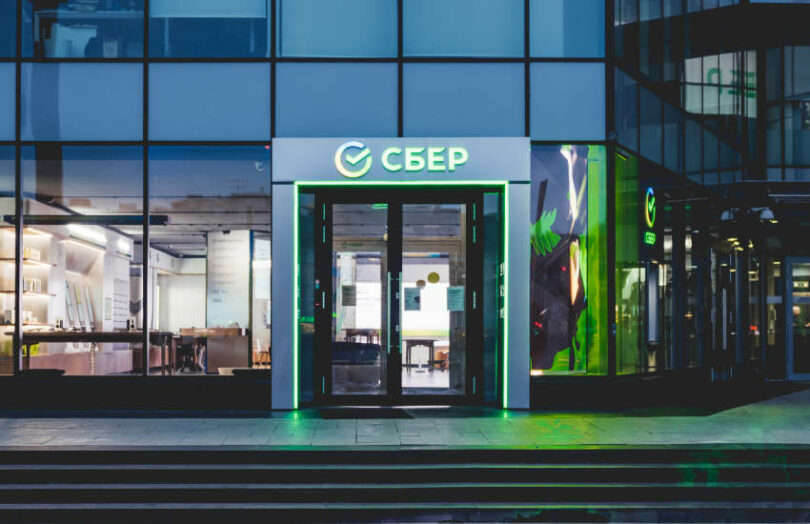
Sber, Russia’s largest lender, is poised to become a market maker and liquidity provider on the country’s forthcoming regulated cryptocurrency platforms, marking a significant shift in Moscow’s approach to digital assets. This development aligns with the Central Bank of Russia’s experimental legal regime , designed to permit cryptocurrency trading among a select group of high-net-worth individuals and institutions.

Under the ELR, only “super-qualified” investors—those with over 100 million rubles in securities and deposits or an annual income exceeding 50 million rubles —will be authorized to participate in crypto trading. The initiative, set to span three years, aims to enhance market transparency and establish regulatory standards for digital asset transactions.

Sber’s involvement is a strategic move, leveraging its existing license from the CBR to issue and exchange digital financial assets. This license, obtained in 2022, allows Sber to facilitate transactions involving tokenized assets backed by traditional financial instruments. By acting as a market maker, Sber will provide liquidity to the nascent crypto platforms, ensuring smoother trading experiences for participants.

The ELR represents a cautious yet progressive step by Russian authorities to integrate digital assets into the financial system without fully lifting the domestic ban on cryptocurrency payments. While the use of cryptocurrencies for payments remains prohibited, the ELR provides a controlled environment for investment activities, mitigating risks associated with volatility and illicit transactions.

The CBR and the Finance Ministry are collaborating to finalize the framework for the ELR, including the precise criteria for investor qualification and the operational guidelines for participating institutions. The initiative reflects a broader trend of regulatory experimentation in the face of evolving financial technologies and international sanctions.

Russia’s approach mirrors similar sandbox models adopted by other jurisdictions, aiming to balance innovation with financial stability. By restricting participation to super-qualified investors, the ELR seeks to limit systemic risks while gathering data to inform future regulatory decisions.

The establishment of regulated crypto trading platforms also addresses the current reliance on foreign exchanges by Russian investors, which poses challenges for oversight and compliance. A domestic infrastructure would enable authorities to monitor transactions more effectively and enforce anti-money laundering measures.

Sber’s role is pivotal in this context, given its technological capabilities and extensive client base. The bank’s digital asset platform, which supports the issuance of tokenized financial instruments, is expected to serve as a foundation for the new crypto trading environment. This infrastructure will facilitate the development of a regulated market, offering investors access to digital assets within a legal framework.

The ELR is anticipated to commence in the latter half of 2025, following the completion of regulatory preparations and the establishment of necessary technological systems. During the pilot phase, authorities will assess the effectiveness of the regulatory measures and the performance of market participants, including Sber’s role in maintaining liquidity and market stability.

This initiative is part of Russia’s broader strategy to modernize its financial sector and reduce dependence on Western financial systems, especially in light of ongoing international sanctions. By fostering a regulated digital asset market, Russia aims to attract investment, stimulate innovation, and enhance the resilience of its financial infrastructure.

The success of the ELR could pave the way for more comprehensive integration of digital assets into Russia’s financial ecosystem, potentially leading to the development of new financial products and services. However, the authorities remain vigilant about the risks associated with cryptocurrencies, emphasizing the importance of robust regulatory oversight and investor protection.

The altcoin market is under intense scrutiny as a leading blockchain analyst warns of a potential collapse nearing 99% by 2026. This stark projection has intensified debate among investors and industry observers about the sustainability and risks within the broader cryptocurrency ecosystem beyond Bitcoin and Ethereum.

A seasoned on-chain analyst, known for precise timing and market predictions, has publicly announced plans to exit all altcoin holdings by August 2025. The analyst’s outlook is grounded in an examination of historical price trends, network activity, and macroeconomic factors affecting digital assets. Despite periodic rallies often dubbed “altcoin seasons,” the warning signals suggest that many alternative tokens could face dramatic value erosion over the coming years.

Altcoins, which include thousands of cryptocurrencies other than Bitcoin, have historically exhibited higher volatility and speculative characteristics. Periods of rapid price appreciation have often been followed by steep declines. The analyst’s research highlights patterns from past cycles indicating that altcoin prices tend to surge in mid-year months before collapsing sharply over subsequent periods. While these cyclical phenomena have produced short-term gains for some investors, the risk of a severe market downturn remains elevated.

Underlying this bearish view is a cluster of challenges. Regulatory uncertainty looms large across major jurisdictions, with authorities in the United States, Europe, and Asia intensifying scrutiny of cryptocurrency projects. Increased enforcement actions against fraudulent or non-compliant tokens have undermined investor confidence. Furthermore, rising interest rates globally have driven capital away from high-risk assets such as altcoins toward safer instruments, shrinking liquidity in the crypto markets.

Technological factors also contribute to the forecast. Many altcoins suffer from lack of developer engagement, insufficient user adoption, and unclear utility beyond speculative trading. Network activity data reveals a trend of declining transaction volumes and wallet addresses interacting with a majority of smaller projects. This erosion in on-chain activity signals fading real-world relevance, which historically correlates with falling valuations.

Institutional interest has increasingly concentrated on established digital assets with clearer use cases, such as Bitcoin and Ethereum, leaving lesser-known altcoins vulnerable. Large investment funds and hedge managers are selectively reallocating portfolios, favouring assets perceived as more resilient amid tightening monetary conditions. This shift contributes to widening disparities in market capitalisation within the cryptocurrency sector.

The analyst’s planned exit timing in August 2025 aligns with predictive models that identify peak speculative behaviour preceding significant corrections. By exiting well ahead of anticipated declines, the strategy aims to mitigate losses linked to the expected altcoin slump. This contrarian stance challenges narratives promoting imminent altcoin booms and “100x” token gains, cautioning investors against excessive optimism.

Market sentiment remains divided. Proponents of altcoins argue that innovation in decentralized finance , non-fungible tokens , and layer-two scaling solutions could catalyse renewed interest and price recovery. Projects with strong developer communities and proven protocols may weather the storm better than most. However, even promising initiatives must navigate tightening regulations, evolving market dynamics, and competition from traditional financial platforms integrating blockchain technology.

The macroeconomic environment adds complexity. Inflation pressures and geopolitical uncertainties are influencing global investment flows. Crypto markets have shown sensitivity to monetary policy shifts, and tighter credit conditions may limit speculative capital entering altcoins. This contrasts with prior years when expansive liquidity fueled exuberant asset price increases, including in crypto.

Investor behaviour during prior altcoin cycles provides instructive context. The pattern of exuberance followed by capitulation remains a recurring theme. For example, the 2017 bull run ended with widespread losses during the 2018 crash, while subsequent cycles showed similar boom-and-bust dynamics. The warning of a 99% decline aligns with extreme downside scenarios that, while dramatic, are not unprecedented in highly speculative markets.

Surveillance of on-chain metrics and market data continues to be crucial for participants. Indicators such as active addresses, transaction counts, token issuance rates, and exchange flows offer insights into momentum and sustainability. The analytical focus is increasingly on distinguishing quality projects from those vulnerable to failure or manipulation.

This forecast challenges investors and stakeholders to reconsider risk exposure and due diligence processes. Portfolio diversification, rigorous project evaluation, and cautious entry timing emerge as essential strategies. The prospect of a severe altcoin downturn underscores the need for heightened awareness of structural vulnerabilities in the crypto market landscape.

Saudi Arabia’s premier travel company, Almosafer, has been appointed the first global travel agency partner of Hotel Management Company Adeera, a firm backed by the Public Investment Fund . The partnership is designed to bolster the Kingdom’s hospitality sector by integrating Adeera’s hotel brands into Almosafer’s expansive travel platforms, targeting both domestic and international travellers.

This collaboration aligns with Saudi Arabia’s Vision 2030, aiming to diversify the economy and enhance the tourism industry. By leveraging Almosafer’s digital reach and Adeera’s commitment to authentic Saudi hospitality, the alliance seeks to offer seamless booking experiences and promote the Kingdom’s cultural heritage to a global audience.

Muzzammil Ahussain, CEO of Almosafer, emphasized the significance of the partnership, stating, “Our expansive digital reach and integrated platforms make us the perfect partner to showcase PIF company Adeera’s authentic Saudi hospitality brand and services to the world.” He highlighted the goal of connecting travellers to the unique culture and heritage of Saudi Arabia through this initiative.

Stefan Leser, CEO of Adeera, echoed this sentiment, noting, “Saudi Arabia’s unique hospitality culture is an essential part of its identity and integral to the Kingdom’s ambitious tourism goals.” He expressed confidence that the partnership with Almosafer would further connect tourists to authentic Saudi hospitality that reflects the Kingdom’s unique culture.

Adeera, established by the PIF, aims to develop and manage hotel brands that embody Saudi Arabia’s rich hospitality traditions while adhering to global standards. The company focuses on creating homegrown hospitality brands and enhancing the capacity of the local sector through training and skills development programs in collaboration with international hospitality specialists.

Almosafer, a part of Seera Group, operates a comprehensive travel platform catering to various sectors, including consumer, corporate, and government travel. The company’s portfolio includes services for leisure and religious travel, offering a range of travel solutions from flight bookings to hotel reservations and local activities.

The partnership between Almosafer and Adeera is expected to play a pivotal role in promoting Saudi Arabia as a premier travel destination. By integrating Adeera’s hospitality offerings into Almosafer’s platforms, the collaboration aims to provide travellers with access to top-tier Saudi Arabian hospitality experiences.

HONG KONG SAR – Media OutReach Newswire – 27 May 2025 – Diginex Limited (“Diginex” or the “Company”)(Nasdaq: DGNX), a leading provider of Sustainability RegTech solutions, today announced the signing of a Memorandum of Understanding (MOU) dated 23 May 2025 for an all-share acquisition of Matter DK ApS (“Matter”), an innovative ESG data company focused on delivering sustainability data and analytics solutions to the investment industry and […]

A leading candidate for the presidency of the African Development Bank has outlined a strategy urging African nations to mobilise up to $4.5 trillion in domestic private capital to drive the continent’s development agenda, aiming to reduce dependence on expensive international debt. This vision signals a shift towards leveraging Africa’s own financial resources to fund infrastructure, healthcare, education, and energy projects critical for sustainable growth. The candidate, […]

India’s early southwest monsoon arrival has offered welcome relief to farmers, but uncertainty remains over the precise timing, distribution, and intensity of rainfall across the country. Addressing this challenge, the Indian Meteorological Department has introduced a sophisticated weather prediction model aimed at enhancing agricultural planning and flood management, marking a significant step in the nation’s climate resilience efforts.

This new weather model, developed through collaboration between national scientific agencies and international partners, integrates high-resolution atmospheric data and advanced computational techniques to improve the accuracy of monsoon forecasts. The system utilises a blend of satellite observations, ground station measurements, and oceanic data to create detailed projections of precipitation patterns at the district and sub-district levels.

For decades, India’s reliance on the southwest monsoon has shaped the rhythms of its agriculture and economy. The monsoon typically accounts for about 70% of the country’s annual rainfall, influencing the sowing and harvesting cycles of key crops such as rice, wheat, and pulses. However, the monsoon’s unpredictability—often caused by complex interactions between land, sea, and atmospheric conditions—has posed significant risks to food security and rural livelihoods.

The new model aims to reduce these risks by providing farmers and policymakers with more reliable short-term and seasonal forecasts. By predicting rainfall onset, duration, and distribution more precisely, the system enables better crop planning, irrigation management, and disaster preparedness. For flood-prone regions, timely alerts could minimise damage to infrastructure and human settlements.

Experts note that the model’s improvements stem largely from advances in artificial intelligence and machine learning, which allow for the assimilation and analysis of vast datasets that traditional forecasting methods struggle to process. The enhanced resolution of the model—down to a 5 km grid in many areas—represents a leap forward from previous models that averaged conditions over much larger geographic scales.

Climate scientists have long warned that climate change is exacerbating the variability and intensity of monsoon rainfall. Erratic monsoon behaviour, including unseasonal droughts and heavy downpours, has led to crop failures and increased vulnerability among India’s predominantly agrarian population. This makes timely and accurate weather forecasting more critical than ever.

The IMD’s new model is also expected to support state governments in managing water resources amid shifting rainfall patterns. States such as Maharashtra, Karnataka, and Tamil Nadu, which have experienced acute water shortages in recent years, could use the improved forecasts to optimise reservoir operations and groundwater recharge programmes.

While the system’s rollout is a technological milestone, challenges remain in ensuring that the forecasts translate into actionable insights for farmers, many of whom have limited access to digital platforms. To bridge this gap, the government is intensifying efforts to expand rural connectivity and disseminate weather information through local language broadcasts, mobile alerts, and community outreach programmes.

In parallel, agricultural extension services are being trained to interpret the forecasts and advise farmers on adaptive strategies, such as adjusting sowing dates and crop varieties to anticipated rainfall. Private sector players, including agri-tech startups, are also integrating these forecasts into advisory services and precision farming tools.

The enhanced weather model complements other ongoing initiatives in India’s climate adaptation framework, including the National Adaptation Fund for Climate Change and state-level disaster management plans. By aligning improved meteorological insights with policy and grassroots actions, authorities hope to mitigate the adverse impacts of climate variability on millions of rural households.

International experts have lauded the development as a crucial example of how countries with diverse climatic zones can leverage data-driven approaches to manage complex weather phenomena. The Indian model’s ability to simulate monsoon dynamics across the Himalayas, Western Ghats, and the vast Indo-Gangetic Plain provides valuable insights into regional microclimates.

Air Arabia, the largest low-cost carrier in the Middle East and North Africa region, has entered a strategic partnership with Al Maryah Community Bank , the UAE’s pioneering fully integrated digital bank, to transform payment solutions for air travel bookings. The collaboration aims to streamline and enhance customer experience by integrating a dedicated payment platform using AE Coin, a digital currency developed within the UAE’s evolving fintech ecosystem.

The agreement represents a notable development in the aviation and financial technology sectors, aligning with broader efforts across the Gulf to digitize and modernize consumer transactions. Air Arabia’s expansive footprint across over 170 destinations and its growing digital adoption underscore the potential scale and impact of this partnership, while Mbank’s innovative banking infrastructure provides the technological backbone necessary for secure and efficient digital payments.

AE Coin, a digital asset issued under regulatory frameworks established by the UAE Central Bank, is designed to support seamless transactions, offering users a faster, more secure alternative to conventional payment methods. By incorporating AE Coin into the travel booking process, Air Arabia customers can now enjoy reduced transaction costs and enhanced payment speed, particularly beneficial for frequent flyers and cross-border travellers navigating currency exchange complexities.

This joint initiative aligns with the UAE’s vision of becoming a global hub for digital innovation, especially in fintech and blockchain technology applications. Authorities have actively promoted digital currencies as a means to foster economic diversification and financial inclusion, setting regulatory standards to encourage institutional adoption without compromising security or compliance. Air Arabia and Mbank’s collaboration is a direct manifestation of this vision, potentially setting a precedent for other airlines and banks in the region.

Beyond operational efficiency, the deal aims to provide a competitive edge to Air Arabia in the increasingly crowded low-cost airline market. The digital payment facility is expected to attract a broader demographic, including tech-savvy millennials and Gen Z customers who favour quick and convenient digital financial services. Mbank’s platform offers an intuitive user interface backed by advanced cybersecurity measures, ensuring transaction integrity and user privacy—a crucial factor in digital payment adoption.

Industry experts observe that this partnership could stimulate further innovation in travel-related financial products, such as loyalty programmes integrated with blockchain technology or smart contracts automating travel insurance claims and refunds. Given Air Arabia’s status as a trailblazer in the LCC market within the region, the integration of digital currency payments may drive more airlines to explore similar fintech collaborations to boost customer engagement and operational resilience.

The UAE’s fintech landscape has been expanding rapidly, supported by government initiatives like the Dubai Blockchain Strategy and Abu Dhabi’s financial free zones encouraging fintech startups and established institutions to experiment with digital currencies and payment systems. Al Maryah Community Bank has been at the forefront of this evolution, leveraging its digital-first banking model to offer innovative solutions that address gaps in traditional banking services, especially for younger, digitally native consumers.

The banking sector’s shift toward digital currencies is also influenced by the growing emphasis on cross-border remittances and e-commerce in the Gulf Cooperation Council economies. With millions of expatriates living and working in the UAE, seamless and cost-effective international payments are essential. AE Coin’s integration into travel payments potentially simplifies the complex landscape of foreign exchange and international fees, offering transparent, instant settlement.

Air Arabia’s move complements broader aviation industry trends where airlines increasingly seek to diversify revenue streams through ancillary services, including payment facilitation. Providing customers with alternative payment methods can enhance booking flexibility and reduce abandoned transactions, particularly in regions where credit card penetration remains variable.

Mbank’s leadership has highlighted the collaboration as a step toward building a future-ready banking environment that embraces emerging technologies and anticipates customer needs. Their approach includes ongoing investments in blockchain research and partnerships aimed at expanding the utility of digital currencies beyond conventional use cases.

Sceptics caution, however, that widespread adoption of digital currencies in mainstream commercial sectors faces hurdles such as regulatory uncertainty in some jurisdictions, fluctuating asset valuations, and the need for consumer education. Nevertheless, the tightly regulated environment of the UAE and its proactive approach to digital asset regulation mitigate some of these concerns, positioning this partnership as a test case for successful integration.

Air Arabia’s CEO emphasised that the move reflects a commitment to innovation and customer-centricity, stating that digital payment solutions are integral to the airline’s future growth strategy. The ability to offer fast, secure, and cost-effective payment options will enhance the overall travel experience and contribute to operational efficiencies.

Analysts note that this partnership signals a broader shift in the travel and banking sectors towards embracing digital ecosystems that reduce friction and enhance service delivery. The potential for scaling such solutions beyond air travel, into areas such as hotel bookings, car rentals, and travel insurance, could redefine consumer expectations in the region’s travel market.


USDT activity on the Tron blockchain has reached unprecedented levels, with the circulating supply now at $77.7 billion, monthly transaction volumes exceeding $611 billion, and over 65.6 million transfers recorded. This surge underscores Tron’s emergence as a dominant force in the stablecoin ecosystem, surpassing traditional financial networks in transaction throughput.

Tron’s ascent in the stablecoin market is attributed to its high-speed, low-cost infrastructure, which has attracted a vast user base. The network boasts over 300 million accounts, processing more than 14 million USDT transactions weekly, accounting for approximately 69% of global USDT activity. This dominance is further highlighted by Tron’s surpassing of Visa’s daily average transaction volume, with USDT on Tron reaching $53 billion in a single day compared to Visa’s $42 billion.

The network’s efficiency has made it a preferred choice for users in regions with limited access to traditional banking services. In Africa, for instance, 85% of users rated the Tron network five stars, citing its stable and low-cost payment experience. Similarly, in Argentina, a partnership with local e-commerce platform Kripton has enabled over 2,000 merchants to accept USDT payments, facilitating more than 100,000 transactions and $2 million in volume within 18 months.

Tron’s technological advancements, including the launch of the “Gas Free” USDT transfer feature, have further reduced transaction costs, solidifying its position in the payment sector. The network’s ability to process thousands of transactions per second with minimal fees has been instrumental in its widespread adoption.

Despite its rapid growth, Tron’s association with founder Justin Sun has attracted scrutiny. Sun, who has faced investigations by U.S. authorities for alleged market manipulation and facilitating illicit financial activities, recently returned to the U.S. to attend a dinner with former President Trump. His involvement in Trump’s crypto ventures, including a $75 million investment in World Liberty Financial and a significant stake in the $TRUMP memecoin, has raised concerns about potential conflicts of interest.

VISHNU RAJA
RYO YAMADA
HITORI GOTOH
IKUYO KITA