News related to
political

By Manish Rai After lengthy negotiations in Doha, Hamas has named Yahya Sinwar as its new Political chief, replacing Ismail Haniyeh who was assassinated in Teheran. Since 2017, Sinwar has served as the group’s leader inside the Gaza strip. He now becomes overall leader of its political wing. Sinwar’s promotions undermines more pragmatic and senior figures in Hamas with wider exposure to the international political arena and […]

  By K R Sudhaman   Himalayan states that share borders with neighboring countries of China, Pakistan, Bangladesh, Nepal, Bhutan and parts of Myanmar have faced tardy development since independence. This is partly because of difficult terrain and ecological fragility. Backwardness too is a factor. The terrain is hilly but most of the states are […]

Arabian Post Staff Prime Minister Narendra Modi has begun a significant three-day visit to Poland and Ukraine, starting today. The trip marks a notable moment in diplomatic relations, with Modi scheduled to meet Polish President Andrzej Sebastian Duda and engage in key bilateral discussions. This visit, the first of its kind for an Indian Prime Minister, aims to bolster ties between India and the two European nations. […]

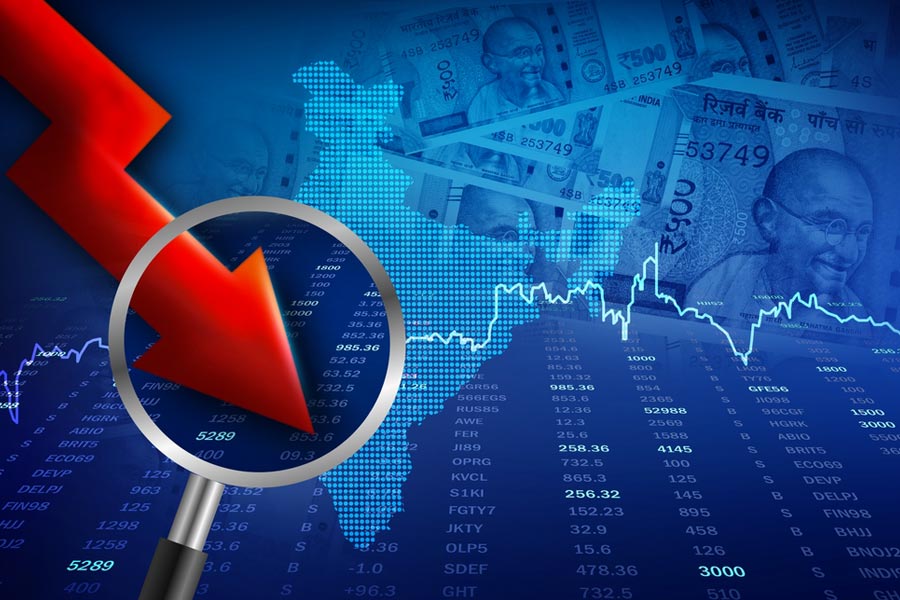
The Indian rupee fell by 7 paise to 83.84 against the US dollar in early trading, driven by a combination of weak domestic equities and foreign capital outflows. The depreciation of the rupee comes amid ongoing concerns over global economic conditions and their impact on emerging market currencies.

Weakness in the Indian stock market has contributed to the rupee’s decline. Domestic equities have faced pressure due to fluctuations in global markets, compounded by concerns over inflation and interest rate policies. These factors have led to reduced investor confidence, resulting in a sell-off in Indian stocks, which has further exerted pressure on the rupee.

Foreign capital outflows have also played a significant role in the rupee’s depreciation. Investors have been withdrawing investments from Indian markets, seeking safer assets amid global economic uncertainty. This trend has been exacerbated by a stronger US dollar, which has attracted investment flows away from emerging markets.

The Reserve Bank of India (RBI) has been actively intervening in the foreign exchange market to stabilize the rupee. However, persistent economic challenges and market volatility have posed significant hurdles for the central bank’s efforts. The RBI’s interventions have included measures to support the rupee and manage volatility, but these steps have so far been insufficient to counteract the overall downward trend.

Analysts suggest that the rupee’s performance is closely linked to broader economic indicators, including inflation rates and geopolitical developments. The outlook for the rupee remains uncertain, with potential fluctuations depending on both domestic and international economic conditions. Continued vigilance and strategic measures by the RBI will be crucial in addressing the challenges facing the rupee.

Overall, the depreciation of the rupee highlights ongoing economic challenges and the complex interplay of factors affecting currency movements. As global and domestic conditions evolve, the impact on the rupee and broader financial markets will continue to be closely monitored by investors and policymakers alike.

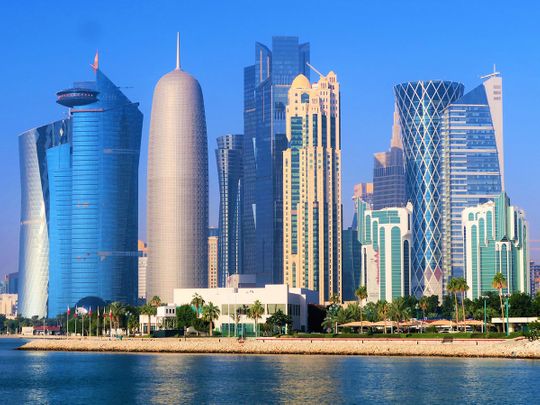
Qatar’s economy is on track to double by 2031, driven by strategic positioning in the global energy market and significant investments in liquefied natural gas (LNG) production. Standard Chartered’s latest projections suggest that Qatar’s economic growth will be propelled by the North Field expansion, which is expected to boost LNG production capacity by nearly 85% by 2030. The expansion, set to deliver its first gas in 2025 […]

Donald Trump has sparked controversy by sharing artificial intelligence-generated images on his social media platform, Truth Social, suggesting pop star Taylor Swift supports his presidential campaign. The images, created with AI technology, include a depiction of Swift dressed as Uncle Sam with the text “Taylor Wants You to Vote for Donald Trump” and other visuals showing groups of women in “Swifties for Trump” T-shirts. The AI-generated images […]

President Joe Biden utilized the opening of his party’s national convention to spotlight his administration’s achievements and extol the role of Vice President Kamala Harris. Addressing delegates and viewers from across the nation, Biden framed the upcoming election as a crucial moment for the nation’s future, underscoring both his and Harris’s contributions to major legislative successes. Biden’s speech was a calculated blend of personal reflection and political […]

Advertisements

Gold prices have been smashing records recently and showing no signs of slowing down. As of the latest trading session, spot gold held firm at a record high of $2,508.14 per ounce, while US gold futures climbed to an unprecedented $2,540.80 per ounce during Monday’s Asian trading hours. This impressive rally comes as no surprise to many market analysts, who see the precious metal as poised for […]

U.S. Secretary of State Antony Blinken has stated that Israel has agreed to a cease-fire proposal, contingent upon Hamas’ acceptance. This development follows ongoing discussions aimed at de-escalating the conflict in the region. The announcement comes amid increasing international pressure for a halt to hostilities that have intensified over recent months. Blinken emphasized that while Israel has signaled its willingness to cease military operations, the critical next […]

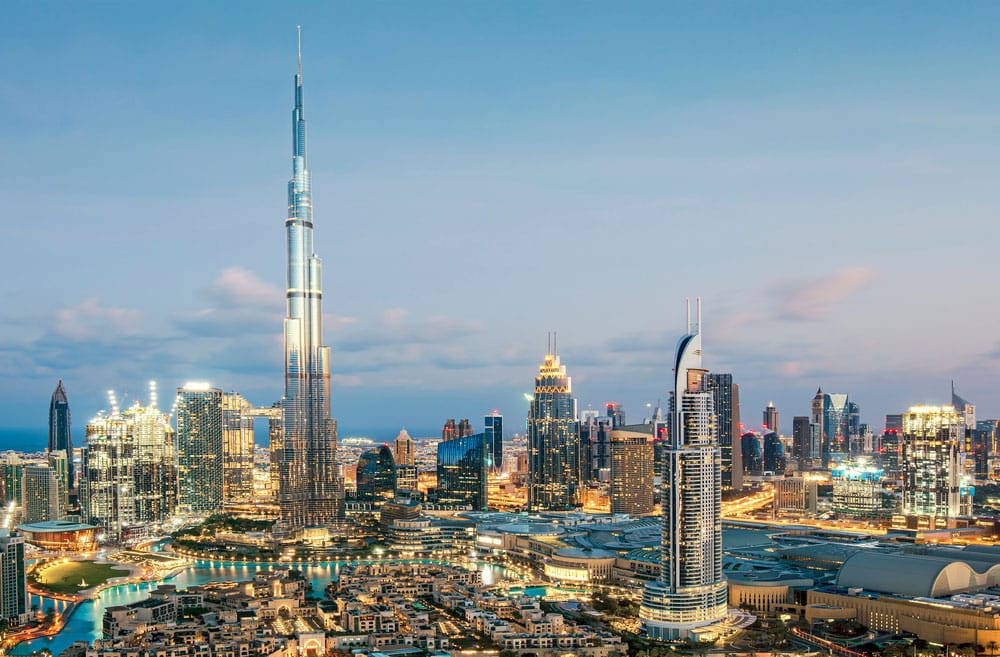
A significant boost to Dubai’s financial landscape is unfolding as a prominent hedge fund, recently making its debut, announces an impressive $700 million in assets under management. This development underscores the city’s growing appeal as a global financial center, drawing attention from international investors and positioning itself as a key player in the global hedge fund market.

The hedge fund, established by a consortium of seasoned financial professionals and investment veterans, is set to amplify Dubai’s status as a critical financial hub in the Middle East. Its launch reflects a broader trend of increasing investment flows into the region, driven by Dubai’s favorable regulatory environment, strategic geographical location, and burgeoning economic opportunities.

Dubai’s financial sector has experienced robust growth over the past few years, bolstered by the UAE’s strategic initiatives to diversify its economy beyond oil dependency. The introduction of this hedge fund is expected to contribute significantly to the city’s economic diversification efforts, further strengthening its position in the global financial ecosystem.

The hedge fund’s focus will span various asset classes, including equities, fixed income, and alternative investments, aiming to deliver strong returns for its investors. This approach aligns with Dubai’s ambition to attract sophisticated investors seeking diversified portfolios and innovative financial solutions. The fund’s leadership includes professionals with extensive experience in global markets, further enhancing its credibility and attractiveness.

The influx of substantial capital into Dubai reflects a shift in investor sentiment towards the Middle East, as geopolitical stability and economic reforms continue to make the region an attractive destination for investment. Dubai’s proactive stance on regulatory enhancements and financial innovation has played a pivotal role in fostering a conducive environment for such high-profile financial ventures.

In addition to its financial significance, the hedge fund’s launch is expected to create a ripple effect within Dubai’s broader economic landscape. It is anticipated to stimulate job creation, bolster local businesses, and elevate the city’s profile as a premier destination for global financial services. The move aligns with Dubai’s long-term vision of establishing itself as a leading global financial center, on par with other major financial hubs such as New York and London.

The establishment of this hedge fund also highlights the growing interest in alternative investment strategies, as investors seek to diversify their portfolios and capitalize on emerging market opportunities. Dubai’s robust infrastructure, coupled with its strategic initiatives, provides an ideal environment for such investment vehicles to thrive.

As the fund begins operations, its performance will be closely monitored by industry analysts and investors alike, with expectations high for it to deliver on its promises of significant returns and strategic investment opportunities. The hedge fund’s success will further solidify Dubai’s standing in the global financial community and underscore its role as a pivotal financial center in the Middle East.

This development marks a new chapter in Dubai’s financial evolution, reaffirming its status as a key player in the global hedge fund sector and reflecting the city’s ongoing commitment to economic growth and financial innovation.


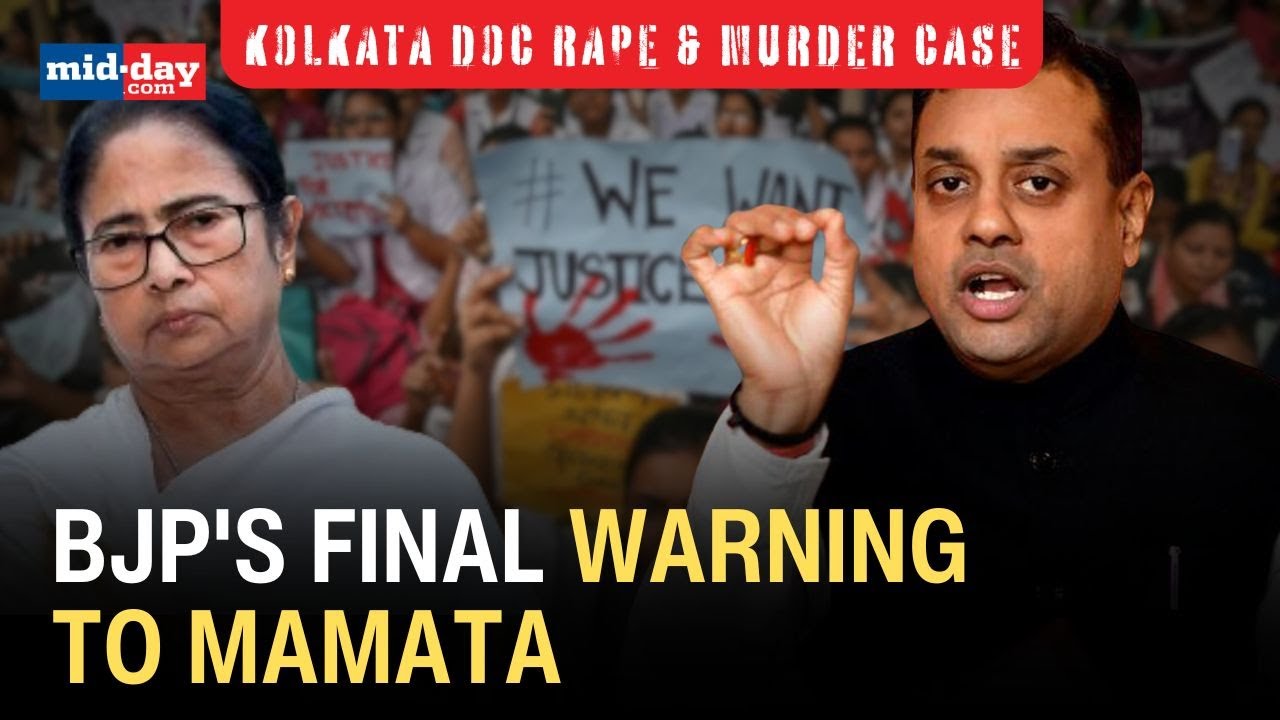
 By Arun Srivastava   It  is  the story of  two rapes,  one in  Kolkata and  another in Muzaffarpur – the  first  one a middle class   doctor and the  second one  a Dalit  girl. Both incidents took  place took  place within  a  gap  of two  days.. While   in  case  of  one,  following  massive   protests   across the […]

U.S. intelligence agencies have officially attributed a recent series of cyberattacks targeting the 2024 presidential campaigns of Donald Trump and Kamala Harris to Iranian hackers. This confirmation, which marks a significant development in ongoing cybersecurity concerns, highlights Tehran’s broader strategy to interfere in U.S. politics and undermine trust in democratic institutions.

The cyber intrusion, which initially came to light through investigations by private cybersecurity firms, has now been explicitly linked to Iran by a joint statement from the FBI, the Office of the Director of National Intelligence, and the Cybersecurity and Infrastructure Security Agency. The statement underscores the escalating nature of Iran’s cyber operations, particularly as they relate to critical political events in the United States.

According to the U.S. government, these hacking efforts were part of a larger campaign by Iran aimed at influencing the outcome of the U.S. elections. The intrusions were not limited to Trump’s campaign; Harris’ campaign team was also targeted. Hackers reportedly sought to gain access to individuals closely associated with both campaigns, reflecting a concerted effort to gather intelligence and potentially manipulate electoral outcomes.

Private sector entities such as Microsoft and Google had previously issued warnings about similar activities, noting that Iranian groups linked to the Revolutionary Guard had attempted to infiltrate the personal email accounts of individuals connected to both Trump and Harris. These activities were seen as part of a broader pattern of foreign interference that has increasingly characterized U.S. electoral cycles.

Federal officials have emphasized the seriousness of these attacks, noting that they represent not just isolated incidents but a calculated strategy by Iran to exert influence over key aspects of American governance. This strategy, they argue, is particularly concerning given the potential implications for national security and the integrity of the democratic process.

The timing of these revelations, coming as the 2024 presidential race intensifies, adds another layer of complexity to an already fraught political landscape. As U.S. officials continue to investigate the full extent of Iran’s activities, there are growing calls for stronger cybersecurity measures to protect against foreign interference in American elections.

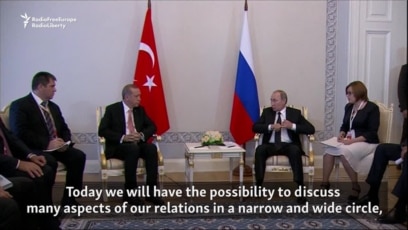
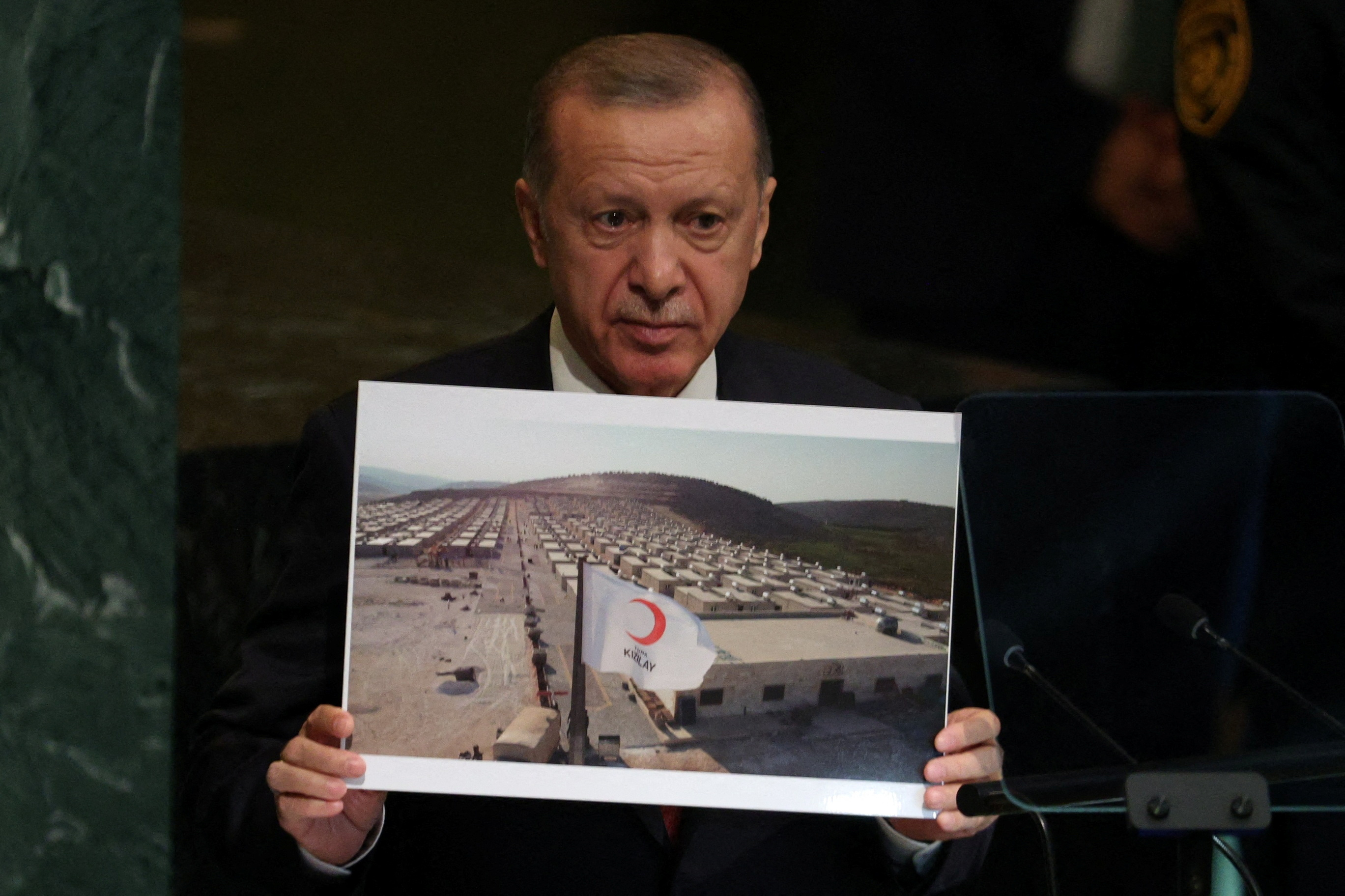
A new trade agreement between government-controlled and opposition-held areas in Syria marks a significant development in the Syrian conflict. This trade initiative, involving key economic exchanges between these once-divided regions, hints at a possible warming of relations between Syrian President Bashar al-Assad and Turkish President Recep Tayyip Erdogan.

The trade agreement comes amid shifting geopolitical dynamics, with Russia playing a pivotal role in facilitating dialogue between the Assad regime and various opposition factions. Moscow’s intervention in the Syrian conflict in 2015, aimed at restoring Assad’s control, has now expanded to include efforts to bridge the gap between conflicting parties. The recent trade pact underscores a potential realignment of alliances and objectives in the region.

The agreement involves the exchange of goods such as food, medicine, and construction materials, which are crucial for rebuilding efforts in the war-torn country. This trade is being managed through a network of intermediaries and is expected to alleviate some of the economic pressures faced by both sides. The move also reflects broader strategic interests, with both Assad and Erdogan seeking to stabilize their respective positions in the region.

The initiative has garnered attention from various international observers and analysts, who view it as a strategic maneuver by both leaders to consolidate their control and influence. The Syrian government sees this trade agreement as a means to reinforce its authority and address humanitarian needs, while Erdogan’s administration is leveraging the opportunity to address economic and political pressures within Turkey.

The trade pact aligns with Russia’s broader objectives in Syria, where Moscow has been working to strengthen its diplomatic and strategic foothold. The Russian government has been actively involved in brokering discussions and mediating between conflicting parties, aiming to create a more stable and cooperative environment in Syria. This recent development is seen as a part of Russia’s strategy to enhance its influence and facilitate a more sustainable resolution to the conflict.

The reaction from the international community has been mixed. While some view the agreement as a positive step towards reducing tensions and fostering dialogue, others remain skeptical about its long-term impact on the broader conflict. Critics argue that while the trade initiative may offer short-term benefits, it does not address the underlying political and security challenges that continue to plague Syria.

As the situation evolves, stakeholders are closely monitoring how this trade agreement will affect the broader dynamics of the Syrian conflict. The potential for improved relations between Assad and Erdogan could reshape the geopolitical landscape of the region, influencing not only Syria’s internal politics but also its interactions with neighboring countries and international actors.

The trade agreement between Syrian regime and rebel areas represents a notable shift in the ongoing conflict, with implications for both regional politics and international diplomacy. The development highlights the complex and evolving nature of the Syrian crisis, reflecting broader trends and strategic interests that continue to shape the region’s future.

Trade between Syria’s regime-held territories and rebel-controlled regions in Idlib has begun to show signs of increased cooperation, potentially hinting at a warming relationship between Syrian President Bashar al-Assad and Turkish President Recep Tayyip Erdogan. This development comes after years of hostilities that have defined the Syrian civil war and the broader geopolitical dynamics in the region.

The Bab al-Hawa crossing, a critical gateway for humanitarian aid and commercial trade between Syria and Turkey, is now functioning under the control of Hayat Tahrir al-Sham (HTS), an Islamist rebel group that dominates the Idlib region. Despite Turkey’s classification of HTS as a terrorist organization, the crossing has become a vital economic lifeline, with HTS reportedly generating millions of dollars in revenue from customs and tariffs imposed on goods passing through the border.

In a more controversial move, HTS has initiated trade with areas under the control of the Syrian regime, particularly through the Saraqib crossing. This crossing, which reopened following negotiations involving HTS, Syrian regime representatives, and Russian commanders, was touted as a means to revitalize the local economy. HTS claimed that the reopening would alleviate the severe shortages of medicine and other essential goods in Idlib, while also boosting the region’s agricultural sector.

The reopening of the Saraqib crossing has been met with mixed reactions. While HTS argues that this economic cooperation is necessary to sustain the local population and reduce reliance on smuggling, critics view it as a betrayal of the rebel cause, potentially signaling a shift in HTS’s stance towards the Assad regime. Additionally, there are reports of ongoing consultations between HTS and Turkey regarding the crossing, indicating a complex interplay of interests that could be influencing the group’s decisions.

The potential rapprochement between Assad and Erdogan is further complicated by Russia’s role in mediating and promoting these trade links. Russia, a key ally of the Syrian government, has been pushing for a normalization of relations between Turkey and Syria, as part of its broader strategy to stabilize the region and secure its interests. This effort aligns with Russia’s goal of strengthening Assad’s position while ensuring that Turkey, which backs several rebel factions, remains engaged in the political process rather than pursuing military options.

However, the thaw in relations is not without challenges. Turkey continues to support rebel groups in Idlib, and any overt alignment with the Assad regime could undermine Erdogan’s standing domestically and among Syrian opposition groups. Moreover, the economic benefits of these trade arrangements, while significant, do not address the underlying political and military tensions that persist between the two sides.

As trade between regime and rebel areas continues to expand, observers are closely monitoring whether this economic cooperation will lead to a broader political detente or if it will merely serve as a pragmatic arrangement in a protracted conflict. The implications of this development could have far-reaching consequences for the future of Syria and the region, particularly if it leads to a recalibration of alliances and power dynamics.

Leaders from the Southern African Development Community (SADC) gathered for their 44th Ordinary Summit in Maputo, Mozambique, with Seychelles making a significant appearance. The summit, which took place on August 16-17, 2024, focused on critical regional issues including economic integration, climate change, and security.

President Wavel Ramkalawan of Seychelles led the nation’s delegation, emphasizing the country’s commitment to regional collaboration and sustainable development. Seychelles, an island nation with a strategic position in the Indian Ocean, has been an active participant in SADC’s efforts to foster economic growth and political stability in Southern Africa.

During the summit, discussions centered on enhancing economic partnerships within the SADC region. Leaders debated strategies to boost intra-regional trade and investment, aiming to reduce economic vulnerabilities and improve resilience against global economic uncertainties. Seychelles has expressed strong support for initiatives aimed at promoting trade and investment, recognizing the potential benefits for its own economy and the broader region.

Climate change emerged as a key topic, with the region’s vulnerability to environmental changes underscored. The summit addressed the need for collective action to mitigate the impacts of climate change, including strategies for disaster preparedness and sustainable resource management. Seychelles, with its unique geographic challenges, has been vocal about the importance of robust climate action and shared resources among member states.

Security concerns also featured prominently in the discussions, reflecting ongoing issues such as maritime security and regional conflicts. The summit reaffirmed the commitment of SADC members to collaborate on security matters, aiming to enhance peace and stability across the region. Seychelles, with its strategic location and maritime interests, has been an active participant in regional security initiatives and cooperative efforts.

The summit provided a platform for the exchange of views and experiences among member states. It highlighted Seychelles’ role in advocating for policies that align with its national interests while contributing to the collective goals of the SADC. The island nation’s engagement in the summit underscores its dedication to fostering regional cooperation and addressing shared challenges.

In addition to these key areas, the summit also included discussions on enhancing institutional frameworks within SADC. Leaders reviewed the effectiveness of existing structures and explored opportunities for strengthening organizational capacities. Seychelles’ participation in these deliberations reflects its ongoing commitment to improving the operational efficiency of the SADC and ensuring that it effectively addresses the needs of its member states.

The outcomes of the summit are expected to shape the future direction of the SADC and influence regional policies. Seychelles’ contributions and active involvement are likely to play a significant role in the implementation of the summit’s resolutions, particularly in areas related to economic development, climate resilience, and regional security.

The 44th Ordinary Summit of SADC Heads of State and Government marks a continued effort towards enhancing regional integration and cooperation. Seychelles’ engagement highlights its strategic role within the organization and its dedication to advancing shared goals and addressing collective challenges in Southern Africa.

The Qatar Financial Centre (QFC) has reported a staggering 230% increase in new firm registrations over the past year, highlighting its growing appeal as a business hub in the Middle East. This surge underscores the QFC’s strategic role in attracting international companies and fostering a dynamic economic environment.

The remarkable growth in registrations reflects the QFC’s ongoing efforts to enhance its business-friendly environment and regulatory framework. The center’s success can be attributed to its streamlined procedures, tax incentives, and supportive infrastructure that cater to a diverse range of industries. The QFC has positioned itself as a pivotal player in Qatar’s economic diversification strategy, aligning with the nation’s broader goals of reducing dependency on hydrocarbon revenues and boosting other sectors.

Several factors have contributed to this dramatic increase. The introduction of more flexible regulations and the simplification of the registration process have made it easier for businesses to enter the Qatari market. Additionally, the QFC’s emphasis on providing a robust legal and financial framework has attracted multinational corporations looking to establish a presence in the region. This trend is part of a larger pattern of increasing foreign investment in Qatar, driven by its stable political environment and strategic location.

Key sectors experiencing growth include technology, financial services, and professional services. The QFC has also seen a notable influx of companies involved in renewable energy and sustainable development, reflecting Qatar’s commitment to integrating sustainability into its economic model. The rise in registrations is not only a testament to the QFC’s attractiveness but also a sign of Qatar’s expanding role in the global economy.

The QFC’s achievements come in the context of Qatar’s broader economic strategy, which includes significant investments in infrastructure and development projects. This strategy aims to enhance the country’s global competitiveness and create a more diversified economic landscape. The substantial increase in firm registrations is a positive indicator of the effectiveness of these policies and the growing confidence of international investors in Qatar’s economic prospects.

Looking ahead, the QFC is expected to continue its momentum, with ongoing initiatives designed to further ease the process for new businesses and expand its range of services. The center’s leadership remains committed to maintaining a competitive and attractive environment for both local and international firms, ensuring that Qatar remains a top destination for investment and business growth in the region.

This significant uptick in new firm registrations underscores the QFC’s pivotal role in Qatar’s economic expansion and its continued success as a key business hub. The center’s proactive approach to enhancing its offerings and regulatory environment demonstrates its commitment to fostering a thriving economic ecosystem in the Middle East.

Kamala Harris is poised to secure the Democratic nomination for the 2024 presidential election at the Democratic National Convention (DNC), despite mounting concerns over potential protests. The convention, scheduled to take place in Chicago, will see Harris officially endorsed as the party’s candidate, as Democrats aim to solidify their campaign strategy ahead of the November 5 election.

The nomination process will unfold amidst heightened scrutiny and potential disruptions. Protest groups have indicated plans to demonstrate, reflecting broader discontent with current administration policies and electoral strategies. Security measures are being ramped up to address these concerns and ensure the convention proceeds smoothly.

Harris, who currently serves as Vice President, has faced both criticism and support from within the party. Supporters highlight her role in advancing key policies and representing the party’s values. Opponents, however, question her effectiveness and the overall direction of her campaign. The convention is expected to address these internal divisions and set a clear path forward for the party.

The event will feature speeches from notable party figures, aiming to unify the base and generate momentum for the upcoming election. Organizers are focusing on showcasing Harris’s achievements and vision for the future, while also addressing the concerns of dissenters within the party.

The 2024 election landscape is shaping up to be highly competitive, with both major parties intensifying their campaigns. The Democratic convention will be a critical moment for Harris to galvanize support and lay the groundwork for a successful campaign.

As the convention approaches, the Democratic Party is preparing for a series of events designed to engage voters and consolidate support. These include policy announcements, rallies, and outreach initiatives aimed at addressing key voter concerns and building a strong electoral coalition.

Harris’s nomination is a significant milestone in her political career and will be closely watched by both supporters and critics. The outcome of the convention will play a crucial role in shaping the trajectory of the Democratic campaign and its strategy for the general election.

With the election only a few months away, the stakes are high for Harris and the Democratic Party. The convention’s success in rallying the base and addressing internal divisions will be pivotal in determining their readiness for the upcoming electoral battle.

Sheikh Mohammed bin Rashid Al Maktoum, Vice President and Prime Minister of the UAE, and Sheikh Mansour bin Zayed Al Nahyan, Vice President and Deputy Prime Minister, have formally congratulated Paetongtarn Shinawatra on her inauguration as the Prime Minister of Thailand. This diplomatic gesture highlights the UAE’s ongoing efforts to strengthen bilateral ties with Thailand, an increasingly significant partner in the region. The congratulatory messages from UAE […]

By Nantoo Banerjee   The United States of America or the People’s Republic of China may have nothing much to do with the massive public demonstrations in Bangladesh that began last month over governmental job quotas forcing the fall of Sheikh Hasina as the country’s longest serving prime minister and her government. Sheikh Hasina had […]

A Nigerian court has ordered the freezing of $38 million worth of cryptocurrency allegedly sent to support protests within the country. This action follows a significant investigation into financial transactions associated with the recent demonstrations. Authorities claim that the funds, which were part of a larger $50 million traced in cryptocurrency, were used to finance activities related to the protests.

The investigation began after financial watchdogs flagged suspicious transactions connected to several digital wallets. These wallets, according to the authorities, were used to transfer substantial sums of cryptocurrency, purportedly to support protest movements against the government. The court’s decision to freeze the assets reflects the seriousness of the allegations and the government’s commitment to addressing financial flows linked to unrest.

The protest movements, which have garnered widespread attention, call for various reforms and have seen substantial public support. The financial connections to these movements have prompted increased scrutiny from both national and international observers. The decision to freeze the funds is a part of broader efforts to control the financial aspects of these protests and ensure that the money is not used to incite further unrest.

The frozen assets are part of an ongoing investigation aimed at uncovering the full scope of financial involvement in the protests. Officials are examining the cryptocurrency transactions in detail, seeking to establish a clear link between the funds and the protest activities. This probe is expected to provide more insight into the role of cryptocurrency in political activism and its potential impact on stability.

Authorities are also focusing on international aspects of the investigation. Given the global nature of cryptocurrency transactions, there is an effort to coordinate with foreign counterparts to trace any international financial networks involved. The aim is to identify all parties who might be contributing to or benefiting from these transactions.

The freezing of these assets underscores a growing trend where governments are increasingly scrutinizing digital currencies and their roles in political movements. As cryptocurrency continues to gain popularity and utility, its involvement in contentious issues is likely to attract more regulatory and legal attention.

The situation in Nigeria highlights the complex interplay between financial technology and political activism. As the investigation progresses, it could set a precedent for how similar cases are handled globally, influencing policies and regulations surrounding cryptocurrency and political funding.

Authorities have not yet detailed how long the assets will remain frozen or the next steps in the legal process. However, the move has already sparked debate regarding the balance between financial regulation and freedom of expression. The outcome of this case may have implications for both the protest movements and the broader discourse on digital currency regulation.

  CONGRESS IS HOPEFUL OF UNSEATING THE RULING BJP IN THE STATE   By Dr. Gyan Pathak With announcement of Vidhan Sabha Election in Haryana by the Election Commission of India on August 16, the political parties in the state are now coming to their specifics after theirs being in election mode for weeks, especially […]

As the Democratic National Convention (DNC) approaches, Vice President Kamala Harris’s bid for the 2024 presidential nomination is gaining prominence. The convention, scheduled to take place in late August, will serve as a pivotal platform for Harris to consolidate support and energize the Democratic base. This development comes amid a shift in the political landscape following President Joe Biden’s announcement that he would not seek a second term.

Harris, who has been serving as Vice President since 2021, is positioning herself as the natural successor to Biden. Her campaign has emphasized a focus on progressive policies, including climate action, healthcare reform, and economic equity. The DNC is expected to provide her with a significant opportunity to outline her vision for the future and appeal to voters who may have been uncertain about her candidacy.

The DNC’s role in Harris’s campaign cannot be overstated. It will be a critical moment for her to distinguish herself from potential rivals within the Democratic Party. Various reports suggest that the convention will feature a series of speeches and panels highlighting her achievements and policy positions. Harris’s team has been working to ensure that her message resonates across different voter demographics, including key swing states.

In recent weeks, Harris’s campaign has been gaining traction, partly due to Biden’s decision not to run. Polls indicate a surge in support for Harris, reflecting a potential boost in her candidacy as the Democratic field begins to solidify. Her campaign has been leveraging this momentum to build a robust ground game and expand outreach efforts.

The upcoming convention will also see a focus on key endorsements and grassroots support. Prominent Democratic figures and organizations are expected to publicly back Harris, further strengthening her position as the frontrunner. This endorsement strategy is aimed at solidifying her base and countering any challenges from other Democratic contenders.

Moreover, the DNC will serve as a strategic forum for Harris to address national issues and present her solutions. Key policy areas such as immigration reform, social justice, and international relations are likely to be prominent in her speeches. Her campaign has been preparing detailed policy proposals to showcase her readiness to tackle these critical issues as the potential Democratic nominee.

Harris’s bid has also been marked by increased fundraising efforts, with her campaign setting ambitious targets to match the competitive nature of the primary race. The financial support is crucial for her campaign’s ability to sustain a strong presence through the primaries and into the general election.

As the convention draws nearer, political analysts are closely watching how Harris’s performance will impact her standing in the polls. The DNC is not only a platform for her to make her case to the electorate but also a moment for her to solidify her position within the Democratic Party. The outcome of this high-profile event will be instrumental in shaping the trajectory of her campaign.

With the DNC on the horizon, all eyes are on Kamala Harris as she navigates this pivotal phase of her candidacy. The convention promises to be a defining moment, offering her a chance to galvanize Democratic support and set the stage for a competitive primary battle. As Harris steps into the spotlight, her performance will be a key factor in determining her path to the presidency.

Sudan’s military leader, General Abdel Fattah Al Burhan, has announced plans to dispatch a delegation to Cairo for high-stakes peace talks aimed at addressing the protracted conflict with the Rapid Support Forces (RSF), commanded by General Mohamed Dagalo. This move underscores a significant diplomatic effort to de-escalate the ongoing clashes that have devastated Sudan.

The conflict between the Sudanese Armed Forces (SAF) and the RSF, which erupted in April 2023, has severely affected the country, leading to a humanitarian crisis marked by widespread displacement and casualties. The intense fighting has displaced hundreds of thousands and resulted in severe disruptions to daily life, including shortages of essential goods and services.

Al Burhan’s decision to engage in dialogue comes after mounting pressure from both domestic and international communities for a peaceful resolution. The talks in Cairo are expected to focus on establishing a ceasefire and negotiating terms that could lead to a more comprehensive peace agreement. The discussions are set to involve representatives from various Sudanese factions, aiming to address the root causes of the conflict and explore pathways to long-term stability.

This diplomatic initiative follows several rounds of failed negotiations and intermittent ceasefires, which have not led to a lasting resolution. The international community, including the African Union and the United Nations, has been advocating for a negotiated settlement to end the hostilities and mitigate the humanitarian impact on the Sudanese population.

General Dagalo and his RSF forces have maintained a firm stance in the conflict, demanding significant political and military concessions. The RSF emerged from the Darfur conflict and has played a crucial role in Sudan’s political landscape since the 2019 ousting of former President Omar al-Bashir. Their involvement has further complicated the path to peace, given their substantial influence and control over various regions.

The delegation’s visit to Cairo is seen as a crucial step in rebuilding trust and finding common ground between the warring parties. The Egyptian government, with its strategic interests in Sudan and its historical ties to both the SAF and RSF, is expected to play a mediatory role in facilitating productive discussions. Cairo’s involvement highlights the broader regional implications of the Sudanese conflict, which has had repercussions on neighboring countries and regional stability.

Experts suggest that the outcome of the Cairo talks could significantly impact the dynamics of the conflict, depending on the willingness of both sides to make concessions and adhere to any agreements reached. The peace process will require addressing key issues such as the distribution of power, security arrangements, and the reintegration of RSF fighters into the national army.

As the delegation prepares for its diplomatic mission, there is cautious optimism among observers and humanitarian organizations that this latest effort could pave the way for a more stable and peaceful Sudan. The effectiveness of the talks will likely depend on the commitment of both Al Burhan and Dagalo to engage constructively and on the support from the international community in holding all parties accountable.

The situation remains fluid, and the coming weeks will be critical in determining whether the Cairo negotiations can lead to a meaningful and lasting resolution to Sudan’s ongoing conflict.

The Fuel Price Follow-up Committee has unveiled the updated petrol and diesel prices for July 2024, marking a significant shift in the national fuel landscape. As of July 1, 2024, the price of petrol will rise by 0.15 INR per litre, bringing the new cost to 110.25 INR per litre in major cities, while diesel will see a decrease of 0.10 INR per litre, setting its new […]

VISHNU RAJA
RYO YAMADA
HITORI GOTOH
IKUYO KITA