Just in:
A Bridge Between Indonesia and China: Bali Brought Together Government, Investors, Developers and Future Technologies at the Indonesia-China Bridge Forum // Man held over train assault complaint // Morgan Stanley lifts UAE stocks to preferred status // Meta AI chief raises alarm over superintelligence control // NMDC Energy agrees to buy Wasco fabrication businesses // Actor Sreejith gets one year in jail: POCSO case // Kyiv acknowledges responsibility for Russian warship attack off Libya // Zodia Markets appoints Jan Brzezek as chief executive officer // MSIG Empowers Malaysian SMEs To Build Resilience and Pursue Growth with Confidence // Malaysian palm producers deem export tax relief belated // The 2026 Tropical Rainforest Ecosystem Partners Conference Build Consensus on International Cooperation // Acrab Signs MoU with ModigenceVision at SWITCH 2026 to Advance On-Device AI for Robotics // BIT Capital Expands Asia-Pacific Activities with Focus on Hong Kong and Singapore, Bringing Its Human × AI Approach to Asian Investors // Guangxi Construction Delegation Heads to Malaysia, Opening A New Chapter in ASEAN–China Cooperation // Green SM Celebrates Second Anniversary In Indonesia With “G2EEN SEASON” Promotion, Offering Special Fare Discounts // Gupta expects revised statistics to refine RBI forecasts // Three convicted for Kannur CPM man’s murder // Noor Royal Collection to host 14 international artists // Taiwan enforces wider short-selling curbs after market rout // LlamaIndex unveils OCRia-nano-1 weights for local CPU parsing //

News related to
political

Vice President Kamala Harris is set to become the Democratic Party’s presidential nominee following President Joe Biden’s decision to withdraw from the 2024 race and endorse her. The Democratic National Committee (DNC) has scheduled a virtual roll call vote starting August 1 to formalize Harris’s nomination. This move comes as Harris secures the majority of delegate support, positioning her as the de facto candidate. Harris has pledged to unify the party and focus on defeating the Republican candidate, Donald Trump, in the upcoming election.

The process of transitioning from Biden to Harris has been relatively smooth, with party officials working to ensure an orderly nomination process. The DNC’s virtual roll call aims to avoid the disruptions that could arise from a sudden change in the party’s ticket. Harris, leveraging the existing Biden campaign infrastructure, is preparing to launch a robust campaign to solidify her candidacy and address key issues such as health care, economic recovery, and social justice.

Harris’s ascent to the nomination marks a historic moment, making her the first woman of color to be a major party’s presidential candidate. Her campaign has already started garnering significant attention and support from various Democratic leaders and organizations, who are rallying behind her bid to maintain unity within the party. This development signifies a pivotal shift in the 2024 election landscape, setting the stage for a closely watched and highly competitive presidential race.

Observers note that Harris’s experience as Vice President and her previous presidential campaign in 2020 have provided her with the necessary political acumen and public recognition to lead the Democratic ticket. As the nomination process progresses, Harris is expected to announce her vice-presidential pick and outline her strategic vision for the general election campaign. This nomination is seen as a critical step for the Democratic Party as it seeks to build a cohesive platform and mobilize voters for the November election.
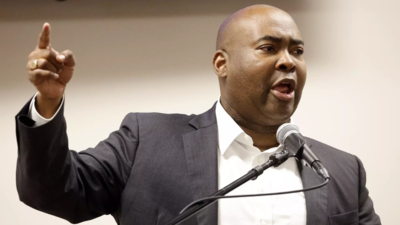
Delegates from the Democratic Party have swiftly rallied around Vice President Kamala Harris following President Joe Biden’s decision to step aside from the 2024 presidential race. Harris announced on Monday that she had secured enough verbal commitments from delegates to clinch the party’s nomination.

The momentum began just 36 hours after Biden’s announcement, with California’s delegation playing a crucial role. Over 300 delegates from Harris’ home state pledged their support during a private Zoom call, following an appeal from former House Speaker Nancy Pelosi, who emphasized party unity and the importance of backing Harris to boost Democratic prospects nationwide. Pelosi highlighted Harris’ qualifications and the urgency to prevent a second Trump presidency.

Pelosi remarked on Biden’s “selflessness” and Harris’ “excellence,” urging the California delegation to support the vice president. The swift alignment of state delegations underscores a strong internal push to solidify Harris’ candidacy and maintain party cohesion.

Harris expressed her gratitude for the support, particularly from her home state, and stated her readiness to formally accept the nomination soon. The rapid consolidation of support was evident as delegates from over a dozen states, including New York, Pennsylvania, and North Carolina, also moved to back Harris.

Despite the strong show of support, the process hasn’t been without its critics. Some Republican lawmakers argue that the shift from Biden to Harris undermines the democratic process and disregards primary votes. However, Democratic leaders counter that the primary voters understood Biden’s succession plan, which included Harris stepping in if necessary.

Political analysts have noted the unprecedented nature of this transition, with a condensed timeline posing challenges for organizing and rallying the base. Nevertheless, Harris’ historic candidacy is seen as a generational shift, potentially energizing younger voters and bringing fresh perspectives to the forefront of the Democratic platform.

The Democratic National Convention, set to take place from August 19 to August 22 in Chicago, will formally ratify Harris’ nomination. This convention is expected to further unify the party and set the stage for the general election campaign.

J.P. Thieriot, the former CEO of the crypto platform Uphold, is championing Vice President Kamala Harris as a favorable candidate for cryptocurrency enthusiasts amid the Democratic primary. Thieriot’s advocacy highlights a contrast with former President Donald Trump, whom he accuses of delivering insubstantial promises to the crypto sector. Thieriot’s endorsement of Harris stems from her perceived willingness to engage with and support the cryptocurrency industry. According to […]

OPEC+ has reaffirmed its commitment to existing production limits, maintaining its current output policy amidst ongoing market volatility and fluctuating demand. The decision underscores the group’s strategy of a gradual adjustment in oil supply, aimed at stabilizing the global market amid uncertainties.

The meeting held by the oil-producing coalition, which includes members of the Organization of the Petroleum Exporting Countries (OPEC) and allied producers such as Russia, concluded with a consensus to keep production quotas unchanged. This move reflects the group’s cautious approach in response to the unpredictable nature of global oil markets.

Despite facing economic pressures and shifts in consumer demand, OPEC+ believes that its current strategy aligns with broader market conditions. The group’s adherence to its production limits comes as a response to mixed signals from the global economy. Recent data shows variable demand patterns, influenced by geopolitical tensions and shifting economic forecasts.

Oil prices have experienced considerable volatility in recent months, driven by factors such as inflationary pressures and changing economic policies in major economies. These fluctuations have led to divergent expectations about future demand, adding complexity to market forecasting.

The coalition’s decision is also influenced by the need to balance supply and demand dynamics. By maintaining current production levels, OPEC+ aims to avoid exacerbating price swings that could destabilize the market. The group’s focus remains on achieving a stable and predictable oil market, which is crucial for both producers and consumers.

Key players in the oil market have observed that while OPEC+ has opted for stability, the global energy landscape continues to evolve. Advances in alternative energy sources and shifts in consumer behavior are reshaping demand patterns, compelling oil producers to navigate an increasingly complex market environment.

Economic analysts have noted that OPEC+’s decision may have implications for global oil prices, particularly if demand continues to show significant variability. The group’s policy stance will likely influence short-term price movements, while longer-term trends will be shaped by broader economic developments and technological advancements in energy.

In the broader context of global energy markets, the role of OPEC+ remains pivotal. As a major force in oil production and pricing, the group’s policies have far-reaching effects on energy markets worldwide. Its decisions are closely watched by industry stakeholders, policymakers, and investors, all of whom are keenly attuned to shifts in production strategies and their potential impact on the global economy.

Looking ahead, the ability of OPEC+ to adapt to changing market conditions will be crucial. The coalition’s approach to managing production quotas amidst economic and geopolitical uncertainties highlights the complex interplay between supply, demand, and price stability in the oil market.

The current stance by OPEC+ illustrates its ongoing commitment to managing market stability through controlled production levels, reflecting a strategic response to the multifaceted challenges facing the global oil industry. As market conditions evolve, the group’s ability to navigate these challenges will remain a key factor in determining the future trajectory of oil prices and market stability.

President Sheikh Mohamed bin Zayed Al Nahyan of the UAE met with Egyptian President Abdel Fattah El Sisi in El Alamein, Egypt, to discuss strengthening bilateral ties and regional cooperation. The high-level talks focused on enhancing economic, developmental, and political collaboration within the strategic partnership that binds the two nations.

During their discussions, both leaders emphasized the importance of collective Arab action to promote peace, stability, and development in the region. They reaffirmed their commitment to ongoing consultation and coordination, aiming to ensure improved regional stability and security. The dialogue also highlighted opportunities for further collaboration in economic and investment areas, showcasing the depth of the UAE-Egypt relationship.

Prominent UAE officials, including Vice President and Deputy Prime Minister Sheikh Mansour bin Zayed and Minister of Industry and Advanced Technology Dr. Sultan Al Jaber, attended the talks. This meeting followed Sheikh Mohamed’s visit to Cairo in April and El Sisi’s participation in the World Government Summit in Dubai earlier in the year, reflecting the reciprocal nature of the diplomatic efforts between the two countries.

The leaders also addressed pressing regional issues, with Sheikh Mohamed reiterating his call for unimpeded aid delivery to Gaza. The discussions underscored the need for intensified efforts to achieve a lasting ceasefire and international action to support the political process based on a two-state solution.

El Sisi hosted an Iftar in honor of Sheikh Mohamed’s visit, and later, Sheikh Mohamed was seen engaging with the public, taking selfies, and exchanging smiles, demonstrating the personal rapport between the leaders and the people.

This meeting marks another step in the UAE and Egypt’s efforts to strengthen their partnership, focusing on mutual goals and addressing regional challenges collaboratively. The talks are part of a broader strategy to enhance relations and ensure peace and stability in the Middle East.

Sources:
– Dubai Eye
– Trends Mena

Senator Cynthia Lummis of Wyoming has introduced groundbreaking legislation aiming to establish Bitcoin as a reserve asset for the Federal Reserve. The bill proposes that the U.S. government purchase 5% of Bitcoin’s total issuance, amounting to one million Bitcoin over a five-year period, which would be funded by reallocating existing Federal Reserve and Treasury funds. This initiative is designed to stabilize the U.S. monetary system and enhance […]

Brazil’s Central Bank decided to keep its benchmark interest rate at 10.5% in its latest monetary policy meeting, marking the second consecutive time it has held rates steady. The decision reflects the institution’s ongoing struggle to balance economic growth with persistent inflationary pressures. Policymakers at the Central Bank of Brazil, led by Governor Roberto Campos Neto, arrived at this decision with a unanimous vote. The bank has […]

Advertisements
By Nitya Chakraborty The New Popular Front (NFP) has taken a major step towards forming a coalition government in France after the partners agreed to name independent socialist Lucie Castets as the Prime Minister candidate for forming the new government after the July 7 general elections led to a hung national assembly. The NFP leadership […]
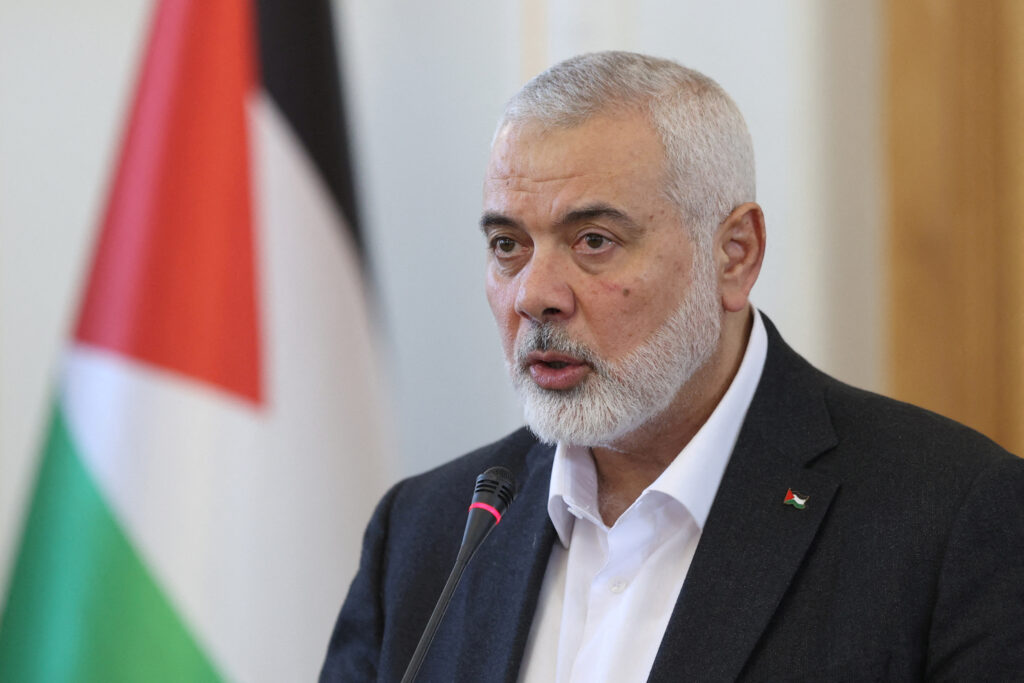
Diplomatic efforts to revive peace talks between Israel and Gaza have intensified following the death of Ismail Haniyeh, a key figure in the Hamas leadership. The US government is actively engaging with regional stakeholders to address the potential implications of Haniyeh’s death on the ongoing conflict and peace negotiations. Ismail Haniyeh, who served as the political leader of Hamas, passed away due to health complications. His death […]

The UAE has voiced significant apprehension regarding ongoing escalations, emphasizing their potential impact on regional security and stability. Officials from the country underscored the imperative of fostering dialogue, upholding international law, and honoring national sovereignty as pivotal to mitigating tensions. Recent developments have prompted heightened scrutiny from UAE authorities, who are closely monitoring unfolding dynamics in the region. The nation’s stance underscores a commitment to proactive engagement […]

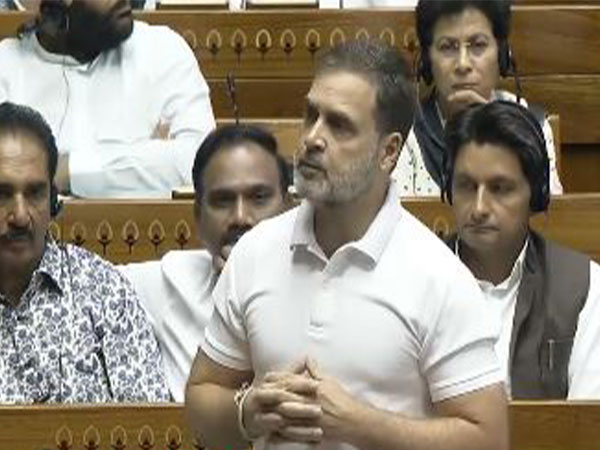
By K Raveendran Finance Minister Nirmala Sitharaman’s response to the opposition’s critique of the budget, coupled with Rahul Gandhi’s performance, has turned out to be the highlight of the debate on the budget in the Lok Sabha. The crux of the opposition’s argument was that the budget disproportionately favoured Bihar and Andhra Pradesh, states of […]
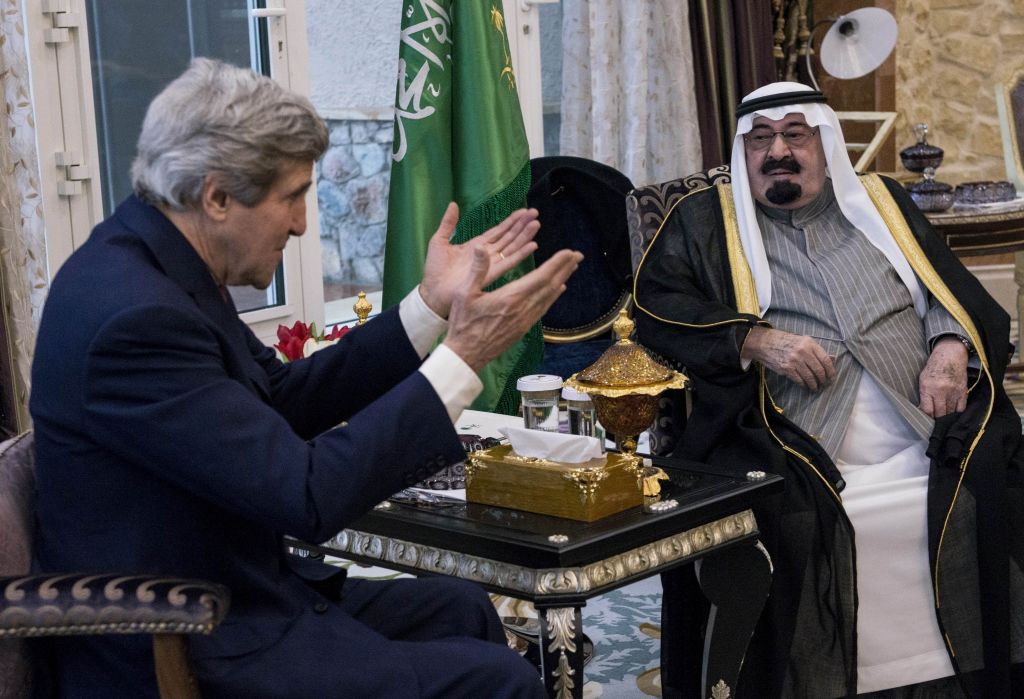
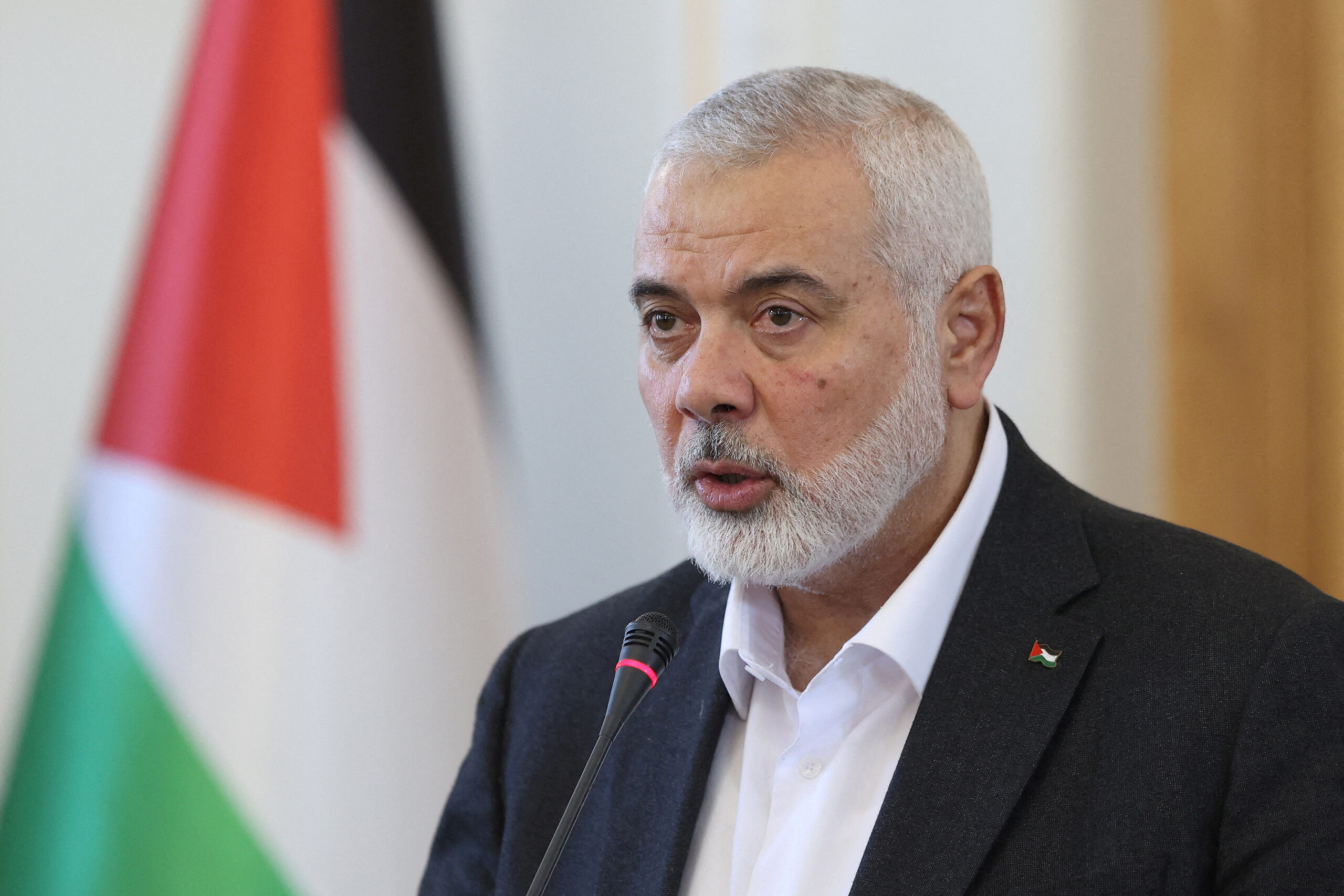
The death of a high-ranking Hamas official has shed light on significant vulnerabilities within Iran’s political and security framework. The figure, a prominent leader in Hamas’s military wing, was killed in an operation that has exposed serious gaps in Iran’s oversight and influence over its allies in the region. Hamas confirmed the death of the leader, which took place in a coordinated attack attributed to rival factions […]

Sheikh Abdullah bin Zayed Al Nahyan, the Deputy Prime Minister and Minister of Foreign Affairs of the United Arab Emirates, held a significant meeting with Iran’s newly inaugurated President Masoud Pezeshkian. This high-profile discussion, which took place in Tehran, focused on enhancing regional peace and stability amid shifting geopolitical dynamics.

The meeting between Sheikh Abdullah and President Pezeshkian marks a notable moment in UAE-Iran relations, reflecting a mutual interest in addressing long-standing regional tensions. Sheikh Abdullah’s visit underscores the UAE’s commitment to fostering dialogue and cooperation with its neighbors in the Middle East. The talks are seen as a crucial step towards building bridges and finding common ground on issues that impact the stability of the region.

During the meeting, both leaders emphasized the importance of collaborative efforts to tackle pressing challenges, including security concerns and economic development. They expressed a shared vision for a peaceful and prosperous region, with an emphasis on resolving conflicts through diplomatic means rather than confrontational approaches.

The UAE has consistently sought to play a mediating role in regional conflicts, advocating for dialogue and engagement as pathways to resolution. Sheikh Abdullah’s discussions with President Pezeshkian are part of a broader strategy to strengthen bilateral ties and encourage a cooperative atmosphere in the Gulf and beyond. This approach aligns with the UAE’s broader foreign policy objectives of promoting stability and fostering economic partnerships.

Iran, under President Pezeshkian’s leadership, has also indicated a willingness to engage more constructively with its regional neighbors. The new administration has expressed a commitment to addressing various regional issues through diplomatic channels, aiming to improve relations with Gulf countries and other key stakeholders. This shift is expected to influence regional dynamics positively, potentially leading to more collaborative efforts on shared challenges.

The discussions between Sheikh Abdullah and President Pezeshkian are particularly timely given the current geopolitical landscape. With ongoing tensions in the Middle East and evolving alliances, the UAE and Iran’s dialogue could serve as a catalyst for broader regional cooperation. Both leaders have recognized the necessity of finding common ground and working together to address issues that affect the stability and prosperity of their respective countries and the broader region.

This meeting also reflects a broader trend of increased diplomatic engagement in the Middle East, as nations seek to navigate complex regional relationships and emerging global challenges. Sheikh Abdullah’s visit and the ensuing discussions signify a proactive approach by the UAE to strengthen ties with Iran and other neighboring countries, contributing to a more stable and interconnected regional environment.

The UAE’s efforts to engage with Iran and other regional actors underscore its strategic interest in fostering a stable and cooperative Middle East. By prioritizing dialogue and mutual understanding, the UAE aims to enhance its role as a key player in regional diplomacy and contribute to a more harmonious geopolitical landscape.

As the UAE and Iran continue their diplomatic engagement, the outcomes of these discussions will be closely watched by other nations and stakeholders in the region. The success of this dialogue could pave the way for further collaboration and mutual understanding, setting a positive precedent for future interactions among regional powers.

By Nitya Chakraborty The Middle East was thrown into an unprecedented turmoil on Wednesday as the news came of the killing of the Hamas leader Ismail Haniyeh in Teheran in the morning by unidentified gunmen in his residence. Though the Iranian government said that they were investigating the killing and the Israeli government kept officially […]

A high-level meeting between Egypt’s Foreign Minister Badr Abdelatty and Iran’s new President Masoud Pezeshkian has marked a significant step towards normalizing relations between the two countries. The encounter took place on the sidelines of Pezeshkian’s inauguration, symbolizing a potential thaw in diplomatic ties that have been strained for decades.

The diplomatic engagement follows months of behind-the-scenes negotiations aimed at easing long-standing tensions. Abdelatty’s attendance at the inauguration is seen as a strategic move to open new channels of communication and cooperation between Cairo and Tehran. This development comes amid broader regional efforts to stabilize the Middle East and foster collaborative relationships among key players.

Egypt and Iran, both influential countries in the region, have historically had a contentious relationship, primarily due to differing political ideologies and alliances. The Egyptian government has maintained close ties with Saudi Arabia and the United States, both of which have had adversarial stances towards Iran. Conversely, Iran’s alliances with non-state actors and its involvement in regional conflicts have further complicated relations.

The meeting between Abdelatty and Pezeshkian is part of a larger trend of rapprochement in the region. The recent reconciliation between Saudi Arabia and Iran, brokered by China, has set a precedent for other nations to follow. This shift is driven by the realization that regional stability and economic development are interlinked and can be better achieved through dialogue rather than confrontation.

Observers note that while the meeting is a positive step, significant challenges remain. The diplomatic normalization process will require addressing contentious issues such as Iran’s nuclear program, its influence in Iraq, Syria, and Lebanon, and its support for groups that Egypt and its allies consider destabilizing. Additionally, Egypt’s strategic partnerships with countries opposing Iran’s regional policies could complicate the normalization efforts.

However, both countries have shown a willingness to engage in dialogue. Abdelatty emphasized the importance of cooperation in areas such as trade, tourism, and cultural exchanges, which could serve as a foundation for rebuilding trust and fostering mutual benefits. Pezeshkian, on his part, expressed optimism about the future of bilateral relations, highlighting the potential for collaboration in addressing regional security challenges and economic opportunities.

Analysts believe that successful normalization between Egypt and Iran could have far-reaching implications for the region. Improved relations could lead to increased economic cooperation, contributing to regional stability and development. It could also pave the way for more comprehensive diplomatic efforts to resolve ongoing conflicts in the Middle East.

The international community is closely monitoring these developments, recognizing the significant impact they could have on global geopolitics. The United States and European Union have expressed cautious optimism, hoping that this rapprochement could lead to broader stability in the region. China, having played a crucial role in the Saudi-Iran reconciliation, has also shown interest in supporting Egypt-Iran normalization efforts, viewing it as a part of its broader strategy to enhance its influence in the Middle East.

The path to normalization is expected to be gradual and fraught with challenges. Both Egypt and Iran will need to navigate a complex web of regional alliances and domestic political considerations. Nonetheless, the willingness to engage in high-level dialogue signifies a noteworthy shift in their approach to regional diplomacy.

As the process unfolds, it will be essential for both nations to maintain a focus on mutual interests and the broader goal of regional stability. The potential benefits of normalized relations are substantial, offering a new chapter of cooperation and development in a region long marred by conflict and division.

Merger and acquisition (M&A) activity in the Middle East and North Africa (MENA) experienced a modest 1 percent growth year-over-year during the first half of 2024, totaling $49.2 billion across 321 transactions. This slight uptick, as reported by Ernst & Young, reflects a steady but cautious expansion in the regional M&A landscape. Saudi Arabia and the United Arab Emirates (UAE) emerged as pivotal players in this market, […]

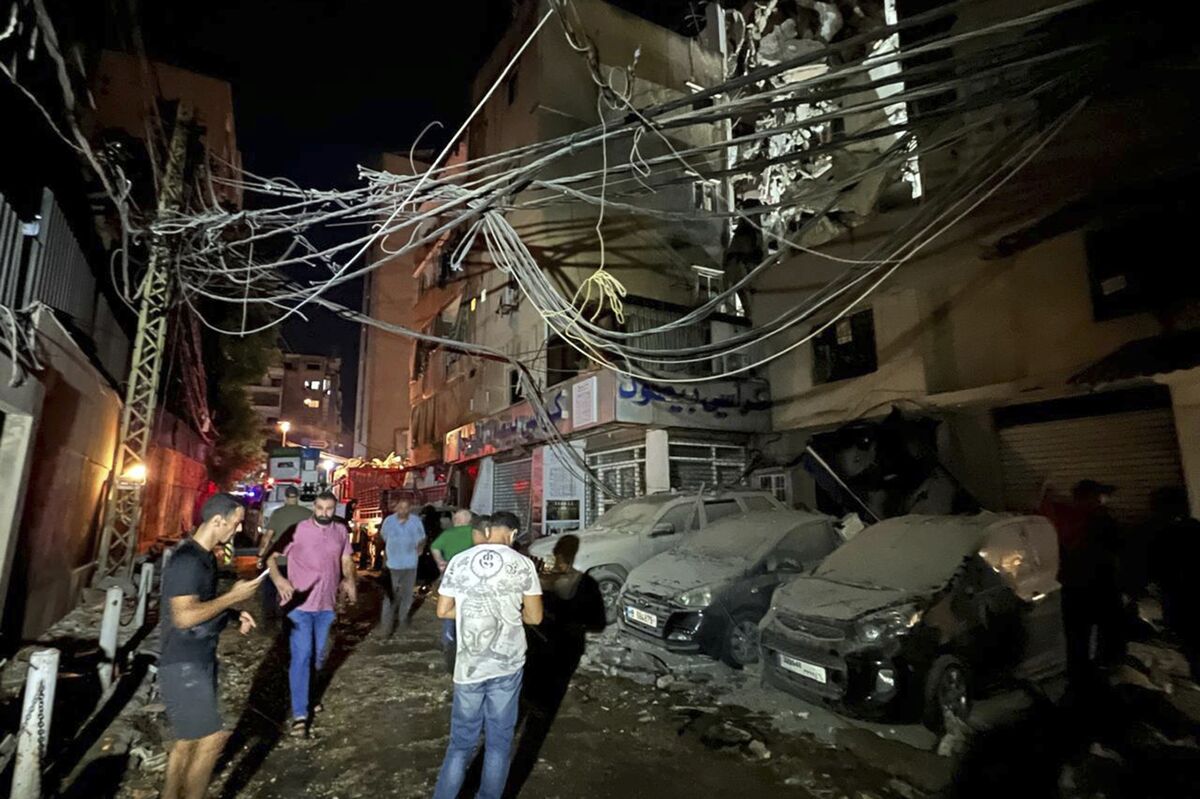
Israeli airstrikes on a Beirut suburb have intensified the search for senior Hezbollah commander Fouad Shukr, whose whereabouts remain uncertain following the attack. The residential building targeted was reportedly a key location for Hezbollah operations, raising concerns about Shukr’s status and potential casualties among his associates.

The airstrike occurred in the densely populated southern suburbs of Beirut, a region heavily influenced by Hezbollah. The Israeli government has not confirmed the specific targets of the strike but has maintained that the operation was a response to ongoing threats from Hezbollah. The Lebanese authorities have launched a search and rescue operation, sifting through the rubble of the destroyed building in hopes of locating survivors or recovering bodies.

Fouad Shukr, a high-ranking figure within Hezbollah, has been a subject of international attention due to his alleged involvement in various military and strategic operations. The attack has prompted Hezbollah to accuse Israel of aggression and to call for an immediate response. The group has mobilized its members in the area, and tensions are high as both sides brace for possible further escalations.

Local reports suggest that the building was used by Hezbollah for military purposes, including arms storage and strategic planning. This has led to speculations about the significance of the strike and whether it was part of a broader Israeli strategy to disrupt Hezbollah’s operational capabilities. The attack’s impact on the broader regional dynamics is yet to be fully understood, but it has already heightened security concerns in Lebanon and among international observers.

Lebanese rescue teams are working tirelessly, and international organizations have expressed concern about the humanitarian impact of the airstrikes. The focus is on providing aid to those affected by the explosion and addressing the needs of families displaced by the attack.

Hezbollah’s reaction has been swift, with the organization issuing statements condemning the Israeli actions and vowing retaliation. The group’s leaders have criticized the international community for not intervening and have called for solidarity from other nations sympathetic to their cause.

The situation remains fluid, with rescue operations ongoing and the possibility of additional strikes looming. The international community continues to monitor the developments closely, as the conflict between Israel and Hezbollah threatens to escalate further. The fate of Fouad Shukr remains a critical concern, with implications for both Hezbollah’s internal dynamics and the broader geopolitical landscape in the region.

The next steps for both Hezbollah and Israeli forces will be closely watched, as the aftermath of the strike unfolds and the international community responds to the evolving situation. The ongoing conflict underscores the volatility of the region and the challenges faced by all parties involved in seeking a resolution to the long-standing hostilities.

Hamas’s political chief, Ismail Haniyeh, was killed in an attack on his residence in Tehran, Iran. This incident, which also claimed the life of one of his bodyguards, marks a significant escalation in the ongoing tensions involving the Palestinian militant group. The attack has drawn immediate condemnation and concern from international leaders and analysts.

According to initial reports, the assailants targeted Haniyeh’s residence with a coordinated assault, leading to his death and the injury of several others. The circumstances surrounding the attack remain under investigation, and no group has yet claimed responsibility. The Iranian government has vowed a thorough investigation into the incident, emphasizing its commitment to combating terrorism and securing the safety of its citizens.

Haniyeh, a prominent figure in Hamas, has been a central player in the group’s leadership and operations. His death could potentially shift the balance within Hamas and affect its strategies and alliances. Analysts are closely watching for potential repercussions on regional stability and the broader Israeli-Palestinian conflict.

The assassination of Haniyeh represents a critical development in the ongoing conflict dynamics. His leadership was instrumental in Hamas’s political and militant activities, and his absence might create a power vacuum within the organization. This event is likely to provoke varied responses from different factions, both within the region and internationally.

International reactions have been swift, with calls for restraint and dialogue from various world leaders. The attack underscores the volatile nature of the geopolitical landscape in the Middle East, highlighting the persistent risks associated with high-profile figures in conflict zones. The implications of Haniyeh’s death will unfold in the coming days as the situation develops and more information becomes available.

As the investigation continues, the global community remains on alert for potential repercussions. The situation reflects the ongoing complexities of Middle Eastern politics and the enduring challenges in achieving lasting peace and stability in the region.

M A Hossain After a recent rocket attack on a soccer field in the Israeli-controlled Golan Heights, the question of whether the Middle East is on the verge of an all-out war has captured global attention. This attack, which resulted in the death of 12 people amid the ongoing Gaza conflict, has escalated tensions to a critical level. In response, Israeli forces carried out a drone strike […]

By Arun Srivastava Only six months back, Indians, especially the bourgeoning middle class endorsing the jibes of Narendra Modi against Rahul Gandhi, who preferred to address him “Pappu”, “Shehenshah” and a “part-time politician”, are now looking towards him with hope. Not only the common people and the politically conscious, but also the policy decision-makers and […]

An Israeli airstrike hit Beirut on Tuesday night, targeting senior Hezbollah commander Fouad Shukr. This move marks a significant escalation in the long-standing tension between Israel and Hezbollah, a militant group based in Lebanon.

Fouad Shukr, a senior member of Hezbollah’s military wing, has been a key figure in the organization’s operations for decades. He is alleged to have played a pivotal role in the planning and execution of various military actions against Israel. Shukr’s involvement in the group’s military strategies has made him a high-value target for Israeli forces.

The strike on Beirut was part of a broader campaign by Israel to neutralize Hezbollah’s leadership and diminish its operational capabilities. Israeli officials have accused Hezbollah of stockpiling weapons and preparing for attacks against Israeli targets. The targeting of Shukr is seen as a strategic move to disrupt Hezbollah’s command structure and weaken its ability to coordinate attacks.

This development comes amid heightened tensions in the region. Over the past few weeks, both sides have exchanged threats and accusations, with Hezbollah leaders vowing to retaliate against Israeli aggression. The group has a substantial presence in Lebanon and is known for its sophisticated military capabilities, including a significant arsenal of rockets and missiles.

Israel’s intelligence services have been closely monitoring Hezbollah’s activities, aiming to thwart potential threats before they materialize. The decision to strike Shukr was likely based on actionable intelligence indicating his involvement in planning imminent attacks against Israel. The precision strike underscores Israel’s commitment to defending its borders and deterring hostile actions from Hezbollah.

Hezbollah’s leadership has yet to issue an official statement regarding the strike on Shukr. However, sources within the group have indicated that they are assessing the damage and planning a response. The strike is expected to provoke a strong reaction from Hezbollah, which has a history of retaliating against Israeli military actions.

The international community has expressed concern over the escalation of hostilities between Israel and Hezbollah. The United Nations has called for restraint from both sides to prevent a further deterioration of the situation. Diplomatic efforts are underway to de-escalate the conflict and encourage dialogue between the parties involved.

The strike on Fouad Shukr highlights the ongoing volatility in the Middle East and the fragile balance of power in the region. Both Israel and Hezbollah possess significant military capabilities, and any further escalation could lead to a broader conflict with severe consequences for the region.

The Lebanese government, which has limited control over Hezbollah’s activities, is also under pressure to address the situation. Lebanon is already facing a myriad of challenges, including a severe economic crisis and political instability. The strike adds another layer of complexity to the country’s already precarious situation.

In the coming days, the focus will be on Hezbollah’s response to the strike and how Israel will manage the fallout. The potential for a broader conflict remains high, and the international community will be watching closely to see how the situation unfolds.

As tensions continue to simmer, the prospect of a full-scale confrontation looms, posing a significant threat to regional stability. Both sides will need to weigh their options carefully to avoid a catastrophic escalation that could engulf the entire region in conflict.

TEHRAN, 30th July, 2024 – H.H. Sheikh Abdullah bin Zayed Al Nahyan, UAE Deputy Prime Minister and Minister of Foreign Affairs, met with Iranian Foreign Minister Hossein Amir-Abdollahian. This high-level meeting follows President Ebrahim Raisi’s nomination of Amir-Abdollahian for approval by the Iranian parliament. The discussions between the two diplomats focused on enhancing bilateral relations and addressing key regional issues. The meeting marks a significant diplomatic moment, […]

Doubts are intensifying around Petrofac’s $1.5 billion project in Algeria as geopolitical tensions and economic instability continue to rise. The energy giant’s ambitious venture, aimed at enhancing Algeria’s oil and gas production capabilities, now faces significant delays and financial challenges. Petrofac, a leading international service provider to the oil and gas production and processing industry, initially launched the project to expand its footprint in North Africa. The […]

France has officially backed Morocco’s proposal for granting autonomy to the Sahara region while maintaining Moroccan sovereignty. This pivotal endorsement comes amid ongoing diplomatic efforts to address one of Africa’s most enduring territorial disputes. French President Emmanuel Macron’s decision marks a significant shift in international stance regarding the Sahara issue, highlighting France’s commitment to supporting Morocco’s territorial integrity.

Macron’s announcement, made during a recent diplomatic engagement, emphasizes France’s support for Morocco’s approach to resolving the conflict through enhanced regional autonomy rather than full independence. This move is seen as a strategic alignment with Morocco’s long-standing position on the Sahara and reflects broader geopolitical considerations.

The Sahara conflict has been a contentious issue for decades, with the region seeking greater autonomy and self-determination. The United Nations has been involved in efforts to mediate a resolution, but the situation remains complex with multiple parties involved. Morocco’s proposal, which includes offering a degree of self-governance to the Sahara under Moroccan sovereignty, is aimed at addressing local aspirations while preserving the country’s territorial unity.

France’s endorsement is expected to influence other international actors and potentially shift the dynamics of the ongoing negotiations. The French government has expressed that its support is based on a belief that Morocco’s autonomy plan represents a viable solution that respects both the regional aspirations and the need for national sovereignty.

This development follows a series of diplomatic engagements between Morocco and France, underscoring the strengthening ties between the two nations. Macron’s support is part of a broader strategy to reinforce France’s role in addressing global conflicts and aligning with key partners in strategic regions.

The international community has varied responses to the Sahara issue, with some nations supporting Morocco’s stance and others advocating for a different approach. France’s position adds to the growing list of endorsements for Morocco’s plan, which aims to provide a framework for the Sahara’s future governance while integrating it within the Moroccan state structure.

The autonomy plan proposed by Morocco outlines a significant degree of self-administration for the Sahara region, including local governance and economic management. This plan is designed to offer a compromise between complete independence and full integration, seeking to balance regional aspirations with national unity.

In addition to diplomatic support, the plan’s success will hinge on the engagement of local stakeholders and the international community’s reception. France’s backing is a notable boost for Morocco’s efforts, and it may prompt further discussions and negotiations involving other key international players.

As the situation evolves, the focus will likely shift to the implementation of the autonomy plan and the practical implications for the Sahara region. Observers will be closely watching how Morocco navigates this process and how the international community, including France, continues to influence the resolution of this long-standing conflict.

VISHNU RAJA
RYO YAMADA
HITORI GOTOH
IKUYO KITA