News related to
political

By Dr. Gyan Pathak Haryana assembly election the result of which came out on Tuesday, has sprung up great surprise belying almost all political projections and analyses predicting Congress to wrest power from the BJP. However, Congress met a serious setback and the BJP spectacularly gained. It marks the reversal of political fortune, which shows […]

Nio, the Chinese electric vehicle (EV) manufacturer, has taken a strategic step forward by partnering with Abu Dhabi-based CYVN Holdings to enhance EV production and sales across the Middle East and North Africa (MENA) region. The collaboration aims to accelerate the deployment of smart electric vehicles, addressing the growing demand for sustainable transportation and positioning Abu Dhabi as a key player in the global EV market. Nio’s […]

Saudi Arabia is positioning itself at the forefront of green hydrogen production, with its Public Investment Fund (PIF) leading a $10 billion push into the sector. As part of Vision 2030, the Kingdom is leveraging its renewable energy resources—chiefly solar and wind power—to establish itself as a major global player in the emerging hydrogen market. The Kingdom’s strategic shift towards renewable energy, particularly green hydrogen, marks a […]

The possibility of Dan Gallagher, Robinhood’s Chief Legal Officer, becoming the next SEC chair is gaining traction, particularly in the event of a Donald Trump presidency. His candidacy signals a shift in regulatory priorities, especially concerning the highly scrutinized cryptocurrency sector. Gallagher, who previously served as an SEC commissioner, has expressed clear opposition to the SEC’s current stance on crypto enforcement, arguing for more nuanced, tailored regulations that support market growth while ensuring investor protection.

As discussions about the leadership of the SEC intensify, Gallagher’s approach to cryptocurrency regulation has garnered support among certain industry players. His emphasis on creating crypto-specific regulations contrasts sharply with the current SEC chair Gary Gensler’s aggressive enforcement of registration requirements for crypto platforms. Gensler has focused heavily on pursuing platforms like Binance and Coinbase, accusing them of offering unregistered securities, a stance Gallagher views as a misapplication of regulatory authority. He contends that such efforts stifle innovation and fail to recognize the unique nature of crypto assets.

The SEC’s crypto enforcement actions have triggered heated debates within the industry. Gallagher has been vocal about the need to differentiate fraud prevention from registration violations, arguing that targeting platforms purely for registration failures doesn’t address the real risks in the crypto market. This perspective has resonated with crypto advocates who view the SEC’s current actions as excessive. Should Gallagher assume leadership, it is expected that the SEC would take a more crypto-friendly approach, reducing its focus on punitive enforcement and prioritizing fraud-related cases.

Gallagher’s potential leadership also raises questions about the future of cryptocurrency exchange-traded funds (ETFs). Under Gensler, the SEC has been reluctant to approve spot Bitcoin ETFs, citing concerns about market manipulation and investor protection. However, there is speculation that a Gallagher-led SEC would be more open to approving these financial instruments, which are seen as crucial for providing retail investors with safer exposure to cryptocurrencies.

The broader implications of Gallagher’s potential appointment extend beyond crypto regulation. His past tenure at the SEC was marked by a strong pro-business stance, advocating for policies that would increase market access and reduce regulatory burdens. This outlook aligns with the broader deregulatory agenda expected from a Trump administration, which would likely seek to roll back several Biden-era policies across financial regulation, including ESG (Environmental, Social, and Governance) disclosure requirements that have been a point of contention.

Industry insiders have pointed out that if Gallagher takes the helm, he may also influence the SEC’s stance on initial public offerings (IPOs) and special purpose acquisition companies (SPACs), which have faced stricter scrutiny under Gensler. Gallagher’s leadership could usher in a period of relaxed oversight, encouraging more companies to go public through traditional IPOs or SPACs without facing stringent SEC regulations.

The SEC, historically structured to maintain a balance between political affiliations, could see a significant shift if Gallagher assumes the role. Currently, only two of the five commissioners are Republicans, with the remaining three appointed by Democratic administrations. However, should a Republican win the presidency, the SEC’s composition would likely change, with more appointees favoring Gallagher’s pro-business, market-friendly regulatory approach. His nomination would also mark a departure from the leadership of Gensler, who has been criticized by both Republican commissioners and crypto proponents for his enforcement-heavy approach.

Meanwhile, Gallagher’s critics argue that a more lenient regulatory approach could pose risks, particularly in a sector as volatile and rapidly evolving as cryptocurrency. They point to the collapse of major crypto firms like FTX, emphasizing the importance of stringent oversight to protect investors. Skeptics warn that weakening the SEC’s enforcement actions could leave gaps in investor protection, potentially leading to fraud and market manipulation.

Escalating hostilities between Israel and Gaza are revealing not only humanitarian crises but also hidden environmental costs that threaten long-term climate stability in the region. As violence intensifies, the ecological impact exacerbates existing challenges posed by climate change, posing severe repercussions for both local and global environments. The ongoing conflict has led to extensive destruction of infrastructure, including water treatment facilities and waste management systems. These critical […]

Donald Trump staged a high-profile rally in Butler, Pennsylvania, where he narrowly escaped an assassination attempt in July. The former president was joined by Tesla CEO Elon Musk, drawing significant media attention as he made his return to the venue, a key location in his campaign trail.

Speaking behind bulletproof glass, Trump addressed a large crowd of supporters, recalling the moment when a gunman took aim at him. He emphasized that the attack, which left him with a bloodied ear, had not dampened his resolve or the momentum of his political movement. The event, which had a carnival-like atmosphere, included parachutists and a dramatic flyover of Trump’s plane, accompanied by music from the *Top Gun* movie.

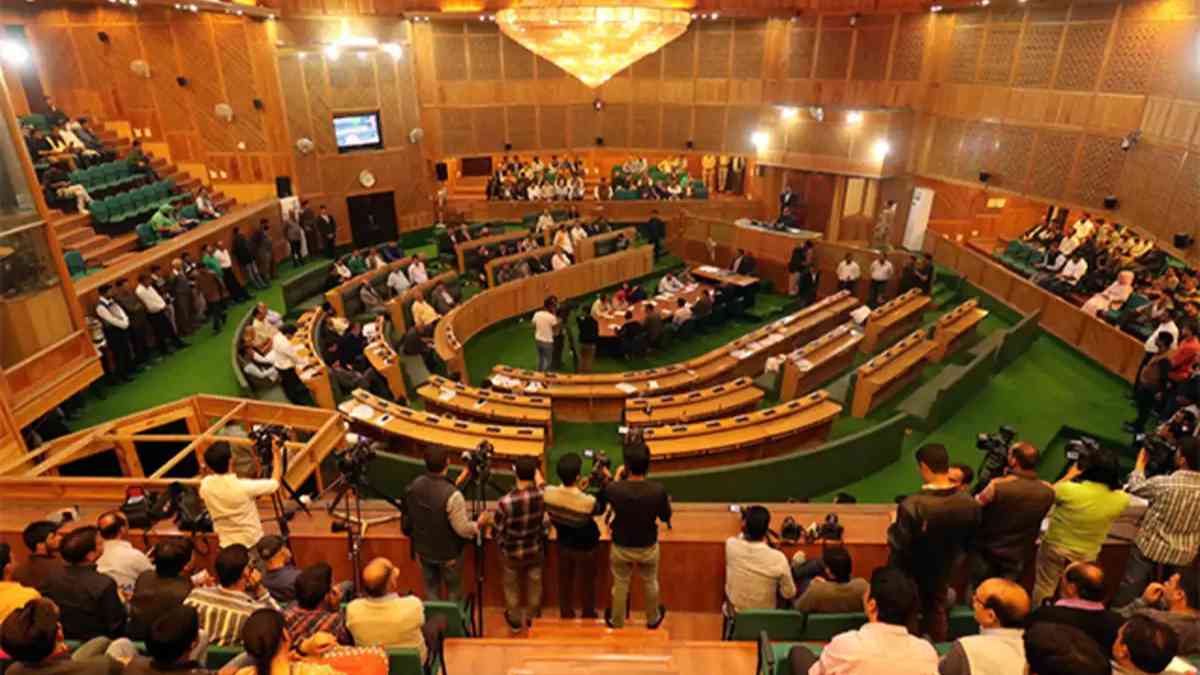
By Sant Kumar Sharma JAMMU: In something that is happening for the first time in its electoral history, Lieutenant Governor Manoj Sinha will soon nominate five members to the Legislative Assembly of Jammu & Kashmir. These nominated MLAs will have voting rights and can play an equal role as their elected counterparts in the formation […]
Advertisements
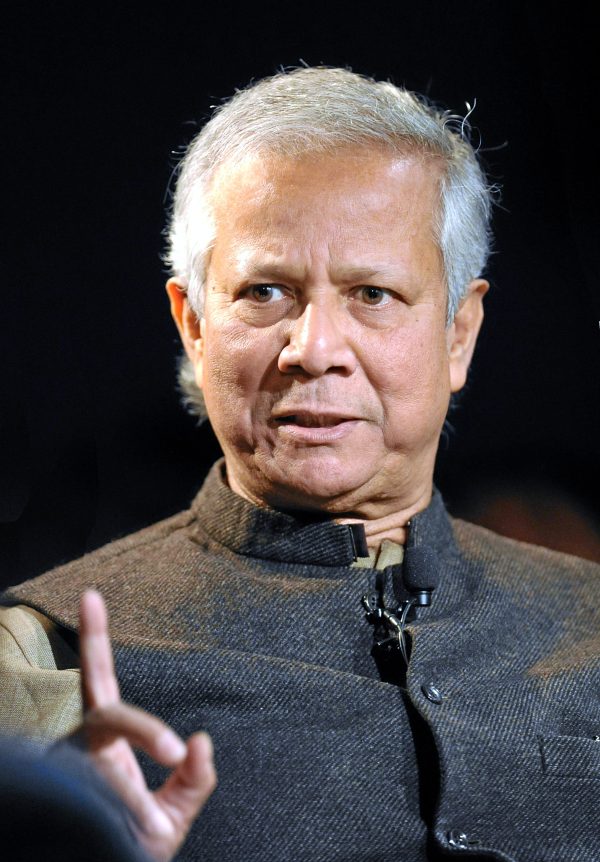
By Nitya Chakraborty Bangladesh has just completed two months after the ouster of Sheikh Hasina Wazed from power on August 5 following the mass upsurge led by the students of Anti-Discrimination Front, popularly known as anti Quota movement. The interim Government led by the Nobel Laureate Dr. Muhammad Yunus took oath on August 8 with […]

Dubai’s booming real estate sector, characterized by record demand and competitive opportunities, is posing mounting challenges for developers seeking prime land. According to Reef Luxury Developments CEO, Samer Ambar, securing high-value plots has become a significant hurdle as the market continues to grow, attracting a diverse array of investors from around the globe. Ambar’s insights come at a pivotal moment for Dubai’s real estate market, which has […]

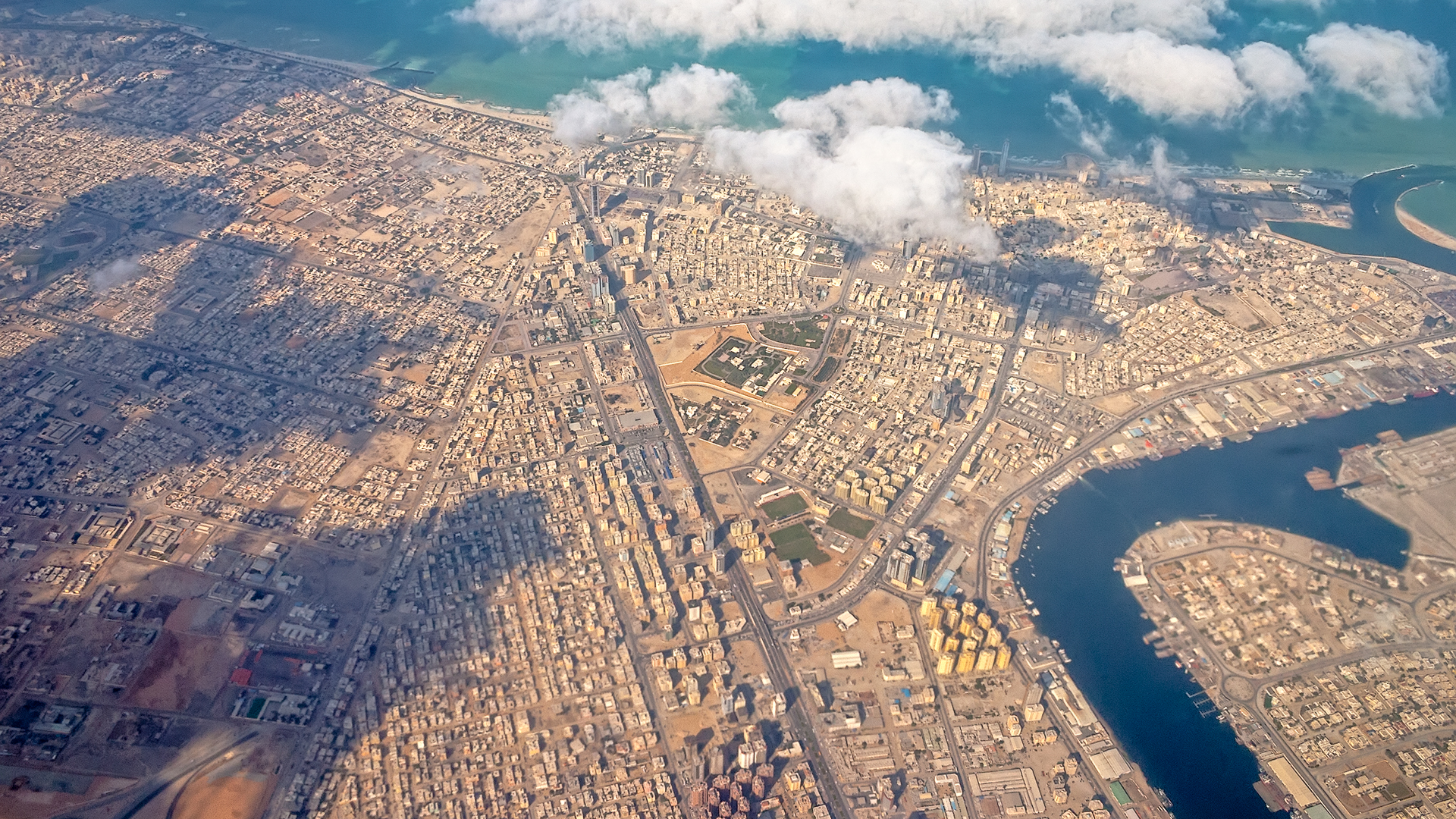
Ajman Municipality and Planning Department (MPDA) signed a significant Memorandum of Understanding (MoU) with TRENDS Research and Advisory, signaling a step forward in enhancing research cooperation. This partnership will focus on conducting joint social, political, economic, and future studies, field surveys, and the exchange of expertise between both organizations. It aims to leverage the skills of experts and researchers from both entities to generate research reports, encouraging professionals to write and contribute to their respective fields.

The agreement outlines collaborative efforts in the areas of social and economic development, aligning with Ajman’s long-term strategy for growth. TRENDS Research and Advisory, known for its robust analytical capabilities and global research projects, will provide Ajman’s municipality with the tools needed to tackle emerging challenges in urban planning and governance.

This agreement will also facilitate a deeper understanding of regional issues through comprehensive research, fostering innovative solutions in governance, policy-making, and infrastructure development. By pooling resources, the two entities will work toward producing reliable data to inform decisions affecting the Emirate’s future.

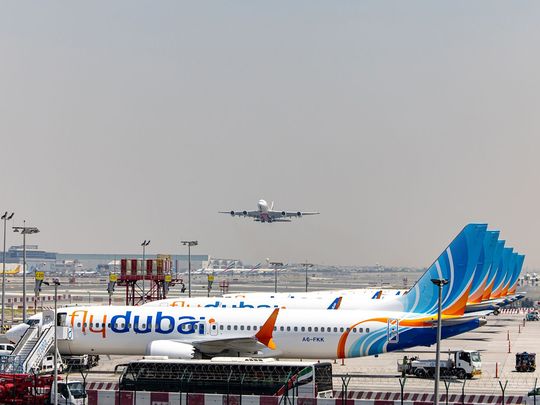
flydubai has confirmed that it will resume operations to key Middle Eastern destinations—Iran, Iraq, Israel, and Jordan—starting from October 4, 2024. This announcement follows temporary suspensions caused by the escalating geopolitical tensions, particularly the outbreak of hostilities between Israel and Hamas on October 1. The airline is closely monitoring the situation and has stated that it will remain flexible with its schedule should circumstances change.

While services to Iran, Iraq, Israel, and Jordan are set to resume, flights to Beirut remain grounded until at least October 7 due to the volatile security environment. Other UAE carriers, including Emirates and Etihad Airways, have extended their suspension of Beirut-bound flights until October 8. Emirates also announced the temporary halt of its flights to Baghdad, Basra, Tehran, and Amman for October 4 and 5, citing security concerns across the region.

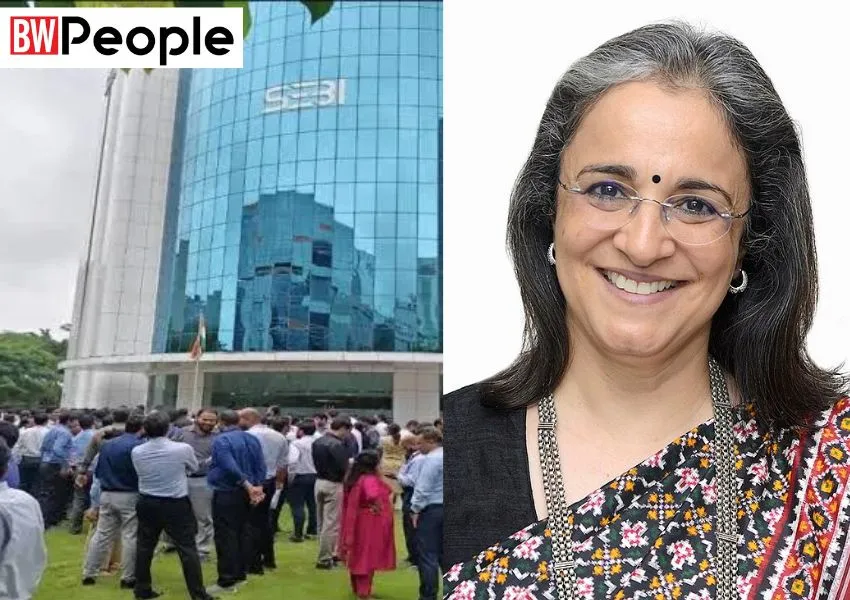
By K Raveendran The outcome of the much-anticipated SEBI board meeting on Monday showed beyond doubt that the board has become a captive in the hands of chairperson Madhabi Puri Buch, who is facing serious allegations of misconduct. The toxic work culture and unprofessionalism that the SEBI employees have been complaining about have now engulfed […]

Aircraft lessor Dubai Aerospace Enterprise (DAE) has successfully reached a settlement with insurer AXA regarding the jets that have been retained in Russia since the onset of the Ukraine conflict in 2022. This resolution opens avenues for further financial agreements as legal proceedings unfold in a significant trial in London’s High Court. DAE has faced considerable challenges following the Russian invasion of Ukraine, particularly concerning the fate […]

Dubai’s luxury real estate market is witnessing a significant surge in property sales, driven by a growing demand that currently outstrips available listings. In the first half of the year, the emirate saw a remarkable increase in transactions for high-end properties, underscoring the resilience of its real estate sector amidst global economic uncertainties. Recent reports highlight that Dubai has become a magnet for affluent buyers, particularly from […]

Standard & Poor’s has downgraded Israel’s credit rating from A+ to A, primarily citing increased security risks stemming from escalating tensions in the region. The decision reflects the rating agency’s assessment that the current geopolitical climate may hinder Israel’s economic stability and growth prospects.

The S&P report highlighted that the downgrade is attributed to the intensification of military conflicts, particularly involving militant groups in Gaza and Hezbollah in Lebanon. This situation has led to rising security expenditures and concerns over potential disruptions to the economy. Analysts argue that the ongoing conflict could deter foreign investment, impact tourism, and affect the overall economic environment.

Israel’s military actions, particularly in response to rocket fire from Gaza, have drawn international scrutiny. The cycle of violence and retaliatory strikes has strained relationships with neighboring countries and raised fears of a broader regional conflict. The deteriorating security situation has also sparked protests within Israel, with citizens demanding a reevaluation of the government’s military strategy and its implications for daily life.

The economic implications of the downgrade are significant. Israel’s economy has shown resilience in recent years, bolstered by technological advancements and a robust startup ecosystem. However, analysts fear that the heightened security risks could stifle this growth, particularly as the nation grapples with the dual challenges of military expenditures and maintaining investor confidence.

The downgrading comes at a time when Israel’s economy is experiencing inflationary pressures, further complicating the financial landscape. Rising living costs, coupled with increased defense spending, pose challenges to fiscal stability. Policymakers may need to implement measures to counteract these pressures, potentially involving budget reallocations and strategic economic initiatives.

Economists have pointed out that the current security environment may necessitate increased dialogue and diplomatic efforts aimed at stabilizing the region. There is a growing consensus among experts that sustainable peace initiatives could alleviate some of the financial burdens linked to security expenditures. Strengthening diplomatic relations with neighboring states may be essential for fostering an environment conducive to economic growth and stability.

Reactions to the downgrade have varied among local political leaders. While some have criticized the government’s handling of security issues, others argue that the rating reflects broader geopolitical realities that are beyond Israel’s immediate control. As the nation navigates these complex dynamics, the government’s approach to national security and foreign relations will likely play a pivotal role in shaping future economic trajectories.

In response to the downgrade, Israeli Finance Minister Bezalel Smotrich emphasized the importance of a balanced approach to security and economic growth. He stated that maintaining robust defense capabilities is crucial while also recognizing the need for economic resilience. Smotrich’s comments indicate an understanding that both aspects are interlinked, and a sustainable approach will be necessary to bolster investor confidence.

The impact of the downgrade on Israel’s bond market has been immediate, with yields rising as investors reassess risk levels. The move by S&P may prompt other rating agencies to reevaluate their assessments, further complicating Israel’s financial standing in international markets. Observers are closely monitoring how the government responds to these challenges and whether it can implement effective policies to stabilize the economy amidst security concerns.

As Israel grapples with these challenges, key sectors such as technology and tourism are being scrutinized for their resilience. The technology sector, a significant driver of economic growth, may face increased pressure if security concerns impact investment flows. Conversely, the tourism industry, already affected by the pandemic, may struggle to recover fully without improved security conditions.

Investors and analysts are also concerned about the long-term implications of the downgrade on Israel’s geopolitical strategy. The current environment necessitates a recalibration of priorities, with potential shifts in foreign investment patterns and trade relationships. Maintaining a favorable business climate while addressing security challenges will require careful policy considerations.

International reactions to the S&P downgrade have been mixed, with some analysts suggesting that it underscores the need for global stakeholders to engage more actively in peace initiatives in the region. Collaborative efforts to address underlying tensions may not only enhance regional stability but also contribute positively to Israel’s economic outlook.

Growing concerns surrounding geopolitical instability in the Middle East are contributing to heightened volatility in the oil markets, as traders anticipate further price increases. Recent analyses indicate that the tensions between various regional players and broader global dynamics are significantly influencing supply concerns, leading to increased buying activity in oil options. This is particularly evident as major crude benchmarks, including Brent crude and West Texas Intermediate (WTI), have seen notable fluctuations driven by investor sentiment and strategic positioning.

Market data reveals a surge in options trading, suggesting that traders are preparing for potential price movements. Open interest in call options, which give the buyer the right to purchase oil at a predetermined price, has risen sharply. This indicates that market participants expect prices to climb, driven by fears of supply disruptions due to geopolitical unrest, particularly in key oil-producing countries such as Saudi Arabia, Iran, and Iraq. Analysts suggest that the current landscape is reminiscent of past crises, wherein escalating tensions have historically led to significant price spikes.

As oil prices approach the $100 per barrel mark, analysts warn that sustained increases could have broader economic implications. The International Energy Agency (IEA) has projected a potential supply shortfall if geopolitical tensions escalate, particularly with ongoing conflicts in Ukraine and regional disruptions in the Middle East. In this context, market experts emphasize the importance of monitoring geopolitical developments closely, as these factors will be critical in shaping oil price trajectories in the coming months.

The dynamics of oil trading have shifted, with many investors now viewing geopolitical events as pivotal catalysts for price changes. The strategic importance of the Middle East, often referred to as the world’s energy hub, cannot be overstated. The region accounts for a significant portion of global oil supply, and any disruptions can lead to immediate and substantial price reactions in the market.

In light of these developments, the oil market is exhibiting signs of increased speculation. Hedge funds and other large investors have ramped up their positions in oil futures and options, further reflecting the bullish sentiment permeating the market. This trend has been particularly pronounced in the context of the ongoing discussions regarding production cuts by the Organization of the Petroleum Exporting Countries (OPEC) and its allies. OPEC’s decisions will play a crucial role in determining supply levels and influencing price stability.

Saudi Arabia, a leading member of OPEC, has signaled its willingness to adjust production levels in response to market dynamics. The kingdom’s recent commitments to reducing output in order to stabilize prices have fueled discussions regarding potential collaborative efforts among OPEC members to manage supply effectively. This strategy aims to counterbalance the impact of external geopolitical risks and market volatility.

Iran’s continued efforts to revitalize its oil production in the wake of sanctions further complicates the scenario. The Iranian oil sector is poised for growth, but any increase in output is contingent upon the delicate diplomatic landscape. Investors are acutely aware that shifts in U.S. policy towards Iran can have immediate repercussions for oil supply and pricing, leading to a cautious approach in trading activities.

Market sentiment is also influenced by macroeconomic factors, including inflation and interest rates. Recent data suggest that rising inflationary pressures are leading to increased uncertainty regarding economic growth, which could, in turn, impact oil demand. Investors are weighing the potential for a slowdown in global economic activity against the backdrop of supply-side constraints. This balancing act adds another layer of complexity to trading strategies.

Analysts are observing emerging trends in the energy sector, particularly the transition towards renewable energy sources. As nations grapple with climate change initiatives, the demand for traditional fossil fuels is being challenged. However, in the short term, oil remains a critical component of the global energy mix, especially amid geopolitical uncertainties that necessitate a reliable energy supply.

The current landscape underscores the importance of strategic foresight for traders and investors. Understanding the interconnectedness of geopolitical developments, production decisions, and market sentiment will be essential in navigating the complexities of oil trading. Traders are increasingly incorporating a broader range of indicators and data points into their analyses, reflecting the dynamic nature of the oil market.

By Dr. Gyan Pathak Lok Sabha Election 2024 results have shown a drastically declined political worth of Prime Minister Narendra Modi, that has quantified it with a BJP’s win of only 240 seats, much less than 303 it had won in 2019. Public opinions differ on the question if his personal political stature has been […]

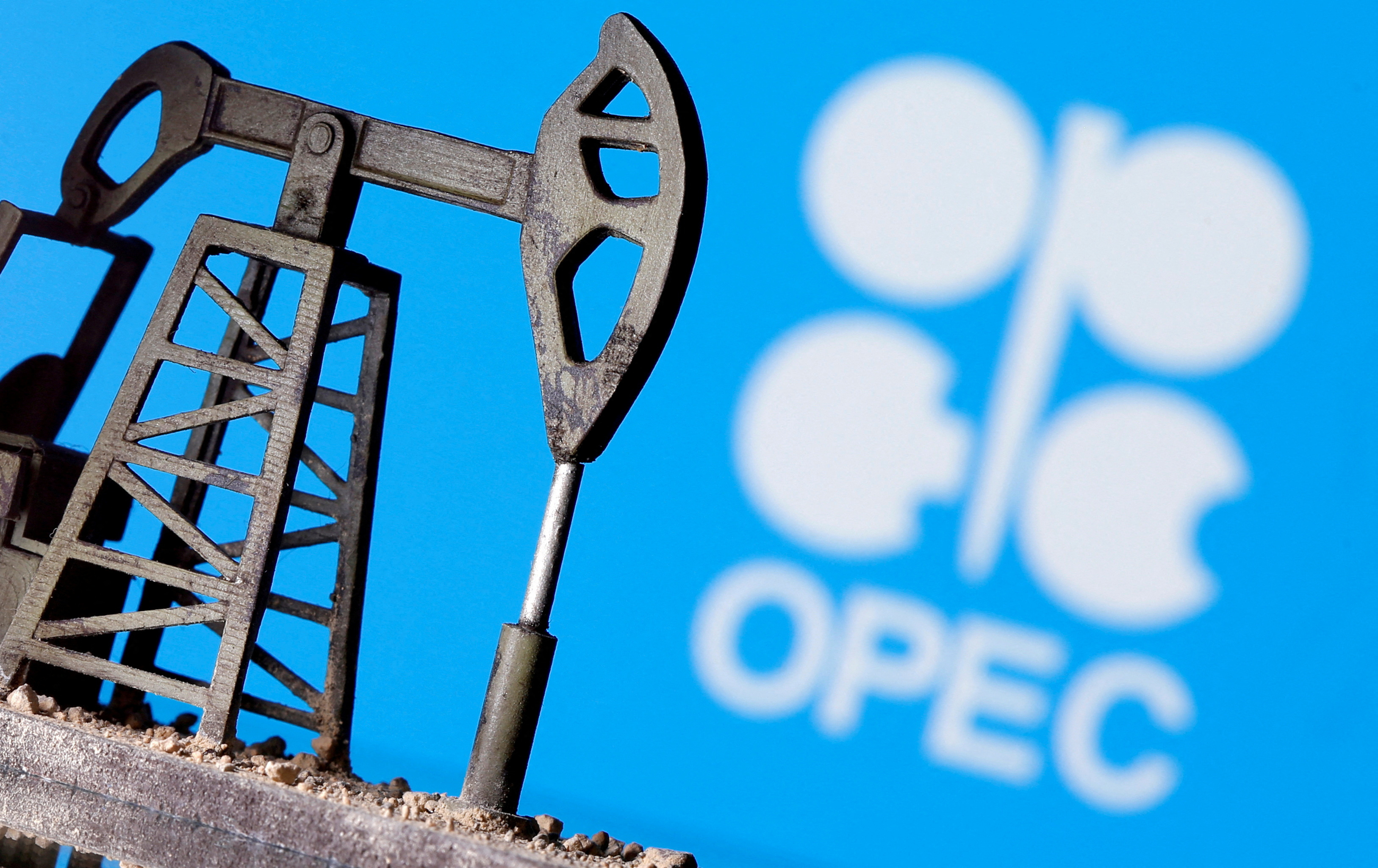
Oil-producing nations in the OPEC+ alliance have decided to maintain the current output policy following a key meeting. The gathering of ministers, which occurred as global energy markets continue to experience volatility, focused on compliance with production cuts and compensatory measures for countries that have exceeded their allocated quotas. As tensions persist over global supply and demand dynamics, this decision underscores OPEC+’s cautious approach in navigating the uncertain landscape.

The meeting, involving some of the world’s largest oil producers, was closely watched by analysts and industry leaders. Observers had anticipated possible adjustments to production levels, but the alliance chose to keep its policy steady for the time being. A source close to the talks confirmed the decision, emphasizing the group’s intent to maintain stability amid unpredictable economic conditions. OPEC+ has long been the primary driver behind oil supply strategies, and its decisions significantly impact global oil prices.

Attention was also directed at countries that have been overproducing relative to their targets. The meeting delved into how these nations might adjust their production in the coming months to align with the overall quotas set by the group. According to one of the sources within OPEC+, ministers discussed altering the schedules for compensating the excess oil production. While compliance remains a key issue, the group’s commitment to ensuring market equilibrium is evident through its continued discussions on corrective actions for overproducers.

OPEC+ includes the 13-member Organization of the Petroleum Exporting Countries (OPEC) along with other major oil producers, including Russia, forming an extended alliance that has managed global oil production since 2016. The group’s coordinated efforts in limiting production have played a critical role in managing global oil supply, especially after demand shocks like the COVID-19 pandemic. OPEC+ agreements, including the output cuts initiated in response to these shocks, have helped stabilize the market, albeit with ongoing challenges.

The current production cuts are part of a broader strategy adopted by OPEC+ to counterbalance the global oil supply. This strategy was designed to address the fluctuating demand patterns caused by economic slowdowns, geopolitical conflicts, and environmental concerns. Although many expected the group to consider tightening production further, the decision to maintain the status quo suggests that ministers are awaiting clearer market signals before making significant adjustments.

Concerns over compliance have surfaced repeatedly within the OPEC+ framework, particularly regarding the member nations that have consistently exceeded their production targets. The alliance had previously implemented a compensation mechanism that allows such countries to compensate for their overproduction by reducing future outputs. Discussions during the latest meeting reiterated the importance of this mechanism, with proposals to recalibrate the compensation schedules for non-compliant members gaining traction.

Market analysts are closely evaluating how these compensation schedules might influence oil prices in the coming months. For many overproducing countries, the challenge lies in balancing domestic energy demands with international commitments. The talks have underscored the need for greater transparency and enforcement within the OPEC+ framework, as stricter compliance will be crucial for the alliance’s long-term credibility and effectiveness.

The broader geopolitical context remains an important factor in OPEC+’s decision-making. Ongoing concerns over global inflation, coupled with fears of economic recessions in key markets, continue to shape the group’s cautious approach. Energy prices have become a focal point of debate in several regions, with governments under pressure to address rising costs while maintaining economic growth. OPEC+, mindful of these dynamics, is likely to continue adjusting its strategies in response to global macroeconomic shifts.

Despite the current output freeze, many industry experts believe that OPEC+ may consider changing its production policies in future meetings, especially if market conditions warrant it. The delicate balance between supply and demand remains a persistent challenge for oil producers, who must navigate not only the economics of energy but also the geopolitical pressures associated with oil dependency.

The global energy landscape continues to evolve, driven by factors such as the transition to renewable energy, geopolitical tensions, and the demand recovery in major economies. OPEC+ is increasingly viewed not just as a traditional oil cartel but as a central player in global energy governance. This meeting further highlights the alliance’s critical role in shaping the future of oil production and pricing.

OPEC+’s production strategies are also being influenced by longer-term shifts in the global energy mix. As the world gradually pivots toward more sustainable energy sources, fossil fuel producers face mounting pressure to diversify their portfolios while continuing to meet the immediate energy needs of a growing global population. For many OPEC+ members, the dual challenge of meeting these short-term and long-term goals will define the future of oil production policy.


PARIS, FRANCE – Media OutReach Newswire – 2 October 2024 – On September 24, 2024, the third stop of the cultural exchange event featuring Panda Wandering, “Panda’s World” photography exhibition of giant pandas, was grandly inaugurated at the Paris Grand Palais art gallery in France. The opening ceremony was attended by numerous distinguished guests, creating a lively and celebratory atmosphere. Dignitaries from both China and France, including […]

A significant step towards enhancing its renewable energy landscape has been initiated by Abu Dhabi, as it officially announced the launch of a competitive bidding process for the 1.5-gigawatt (GW) Al-Zarraf solar independent power project (IPP). This initiative aligns with the emirate’s ambitious targets to achieve net-zero greenhouse gas emissions by 2050, while simultaneously increasing the share of clean energy in its overall energy mix. The Al-Zarraf […]

Over 80 flights have been diverted following a missile attack by Iran on Israeli territory, marking a significant escalation in tensions in the region. The attack, which occurred on a busy travel day, has triggered widespread disruptions in air travel, affecting routes across Europe, the Middle East, and beyond. As airlines scramble to adapt to the situation, travelers are facing delays and uncertainty as air traffic controllers adjust flight paths to ensure safety.

The missile assault targeted multiple locations in Israel, reportedly hitting near Tel Aviv and other key areas, prompting immediate responses from Israeli defense forces. In retaliation, Israel launched airstrikes against what it described as military installations in Iran, intensifying fears of a larger conflict. The situation has heightened anxieties among airlines and travelers, with many countries issuing travel advisories.

Air traffic management systems in various regions have been strained as the diversion of flights has created congestion in alternative airports. Affected airlines, including major carriers like Emirates, Lufthansa, and British Airways, have altered their flight schedules and routes to avoid the conflict zone. Passengers are being informed about changes, with many facing rebooking challenges due to the high volume of travelers displaced by the diversions.

Israeli officials have condemned the missile attack, describing it as a direct threat to civilian safety. The country’s Prime Minister stated that the government would respond with appropriate measures to safeguard its citizens. Analysts suggest that this incident could represent a turning point in the ongoing tensions between Iran and Israel, as well as potentially destabilizing the broader geopolitical landscape in the Middle East.

The impact of the attack extends beyond immediate safety concerns. Economists warn that prolonged instability in the region could affect global oil prices and trade routes. The fear of escalation might lead to increased insurance premiums for flights operating in and around the area, further complicating the situation for airlines and passengers alike.

Travelers currently in transit or scheduled to fly to Israel are advised to stay updated on their flight statuses and consult with airlines for the latest information. Some travelers have reported being rerouted to airports in nearby countries such as Cyprus and Greece, where they can continue their journeys after the situation stabilizes. However, the longer-term implications of this event may lead to broader shifts in airline operations, particularly for those serving the Middle East.

As airlines navigate these complex challenges, industry experts are analyzing how this incident might reshape air travel in the region. While the immediate focus is on safety and logistical adjustments, the incident raises questions about the resilience of global air travel amid geopolitical tensions. Airlines may need to reassess their risk management strategies, particularly for routes that are vulnerable to similar threats in the future.

International responses to the missile attack have also been varied, with some nations condemning the violence and calling for calm. The United Nations has expressed concern over the escalation of hostilities and the potential humanitarian consequences for civilians in the region. Diplomatic efforts are being initiated to de-escalate tensions and encourage dialogue between the conflicting parties, though success remains uncertain amid the heightened atmosphere of distrust.

In the broader context, this missile attack illustrates the fragility of peace in the region. Analysts note that the cycle of retaliation between Iran and Israel has persisted for years, and incidents like this may trigger further actions on both sides. The potential for regional instability to escalate into a wider conflict remains a concern for many observers.

Consumer behavior in the Middle East is evolving significantly, driven by a complex interplay of climate change concerns and rising inflation. A recent survey conducted by PwC reveals that while economic pressures are palpable, consumers are increasingly willing to pay a premium for sustainable products. This shift highlights a growing awareness of environmental issues, even as individuals grapple with the financial strains of daily life. The survey, […]

Concerns are mounting for French equities as speculation intensifies regarding potential tax increases aimed at blue-chip companies. Analysts from Barclays Plc have raised alarms, suggesting that these proposed hikes may exacerbate the already sluggish performance of the French stock market. This forecast comes as the French government grapples with a growing budget deficit, prompting considerations for fiscal measures that could have far-reaching implications for corporate profitability and […]

By Nitya Chakraborty In the first battle between the interim Government of Bangladesh and India in the international forum — that is the United Nations, Bangladesh interim government chief adviser Dr. Muhammad Yunus had a clear victory over Prime Minister Narendra Modi without having any one on one meeting between the two. Dr. Yunus was […]
VISHNU RAJA
RYO YAMADA
HITORI GOTOH
IKUYO KITA