News related to
political

Bitcoin’s sharp decline, coinciding with recent shifts in Japan’s economic landscape, has raised eyebrows among analysts and traders alike. Market participants have been paying close attention to the cryptocurrency’s performance against traditional indices, particularly the Nikkei 225, amid significant fluctuations in the yen. However, the suggestion that Japan’s political dynamics, especially surrounding the potential rise of former Defense Minister Shigeru Ishiba, are driving Bitcoin’s downward momentum may […]

Sheikh Khaled bin Mohamed Al Nahyan, the Crown Prince of Abu Dhabi, arrived in Qatar on Tuesday for a significant official visit aimed at strengthening ties between the two Gulf nations. This diplomatic mission comes after years of strained relations between Qatar and some of its neighboring states, including the UAE, following the resolution of the 2017 blockade, where the UAE, Saudi Arabia, Bahrain, and Egypt severed ties with Qatar over allegations of supporting extremist groups—claims that Doha consistently denied.

The visit marks a turning point in relations, with Sheikh Khaled’s arrival signaling a renewed effort to bolster diplomatic, economic, and cultural cooperation between Abu Dhabi and Doha. The Crown Prince is scheduled to meet with Qatar’s Emir, Sheikh Tamim bin Hamad Al Thani, along with other senior Qatari officials. Their discussions are expected to focus on enhancing collaboration in areas such as energy, infrastructure, and regional security.

This visit also serves as part of a broader effort by the UAE to maintain its influential role in the Gulf Cooperation Council (GCC) and foster stability across the region. Relations between the UAE and Qatar have gradually improved since the signing of the Al-Ula Agreement in January 2021, which ended the three-and-a-half-year-long diplomatic rift.

Sheikh Khaled’s ascension as Crown Prince of Abu Dhabi earlier this year was a significant development, solidifying his position as one of the most powerful figures in the UAE. He has since been active in international diplomacy, leading state visits and launching major projects within the UAE, such as infrastructure initiatives and cultural advancements. His visit to Qatar underscores the UAE’s commitment to restoring strong bilateral ties with its neighbor and addressing shared concerns in a rapidly changing geopolitical landscape.

Observers believe the visit could yield agreements on several critical fronts, particularly in natural gas, where Qatar is a dominant player, and clean energy, a focus for both nations. As Qatar continues to expand its liquefied natural gas (LNG) exports, the UAE is keen to explore collaborations that could benefit both countries’ economies. Moreover, the two leaders are expected to discuss ongoing tensions in the broader Middle East, including the situation in Yemen and Iran’s influence in the region.

The talks come at a crucial time, as Gulf states seek to diversify their economies and reduce their reliance on oil. Both the UAE and Qatar have been investing heavily in sustainable energy and technology, areas where further cooperation could be mutually beneficial. Additionally, with Qatar set to host global events in the coming years, there is potential for Abu Dhabi and Doha to collaborate on tourism and infrastructure projects.

The broader context of Sheikh Khaled’s visit also reflects a shift in the UAE’s foreign policy approach under his leadership. While his father, Sheikh Mohamed bin Zayed Al Nahyan, focused on an assertive regional strategy, including military interventions in Yemen and Libya, Sheikh Khaled’s diplomatic approach appears to emphasize reconciliation and economic diplomacy. His visit to Qatar is seen as part of this recalibrated policy, aimed at building bridges with key regional players.

Economic ties between Qatar and the UAE are expected to be a major focal point during this visit. Despite the political fallout of the blockade, trade between the two nations resumed shortly after the Al-Ula Agreement, and both nations have expressed interest in boosting these exchanges further. Given Qatar’s vast energy resources and the UAE’s role as a regional business hub, stronger ties could lead to significant economic benefits for both nations.

Diplomatic sources indicate that beyond economic and security discussions, cultural exchanges will also be a priority. The UAE and Qatar have been vying to position themselves as cultural leaders in the region, with both countries investing in museums, art galleries, and other cultural institutions. Collaboration in this domain could enhance their global soft power and further their ambitions to be recognized as cultural hubs in the Middle East.

Fed Chair Jerome Powell has affirmed that the Federal Reserve will persist in its strategy of gradually lowering interest rates to bolster economic growth, yet he clarified that there is no immediate need for aggressive cuts. During a recent press conference, Powell highlighted the strength of the current economy, pointing to robust employment figures and moderate inflation as key indicators of stability.

Powell’s remarks come amid ongoing discussions regarding the balance between fostering growth and maintaining inflation targets. The Fed has faced pressure from various economic sectors to reduce rates more substantially, particularly in light of uncertainties stemming from geopolitical tensions and supply chain disruptions. However, Powell emphasized a cautious approach, aiming to avoid potential market distortions that could arise from rapid rate adjustments.

Economic data supports Powell’s position. The labor market remains strong, with the unemployment rate holding steady near historic lows. Job growth continues, with sectors like technology and healthcare leading the way. Additionally, consumer spending has shown resilience, contributing to sustained economic expansion. Recent reports indicate that consumer confidence remains high, with spending trends suggesting that households are willing to maintain their purchasing habits despite rising interest rates.

Inflation, while a significant concern for policymakers, has remained within acceptable bounds. Year-on-year inflation rates have fluctuated but generally align with the Fed’s target of around 2%. Powell indicated that this level of inflation allows the Fed to proceed with caution, balancing the need for growth with the imperative of keeping prices stable. He remarked on the Fed’s commitment to its dual mandate of promoting maximum employment and stable prices, underscoring that both goals can be pursued concurrently.

The Fed’s cautious stance has garnered mixed reactions from economists and market analysts. Some argue that maintaining higher interest rates for an extended period could stifle growth, particularly for small businesses reliant on affordable credit. Others caution against rapid cuts, suggesting that this could lead to overheating the economy, ultimately resulting in higher inflation. The debate underscores the complexities of navigating monetary policy in a diverse and evolving economic landscape.

In light of these discussions, Powell reaffirmed the Fed’s commitment to transparency in its decision-making process. He stated that the Fed would continue to communicate its intentions clearly to avoid unnecessary market volatility. This approach aims to provide investors and the public with a better understanding of the Fed’s policy direction, fostering confidence in the overall economic environment.

Market reactions to Powell’s statements were immediate, with stock indices responding positively to the indication of continued support for economic growth. Investors appeared reassured by the prospect of a steady approach to interest rates, with many interpreting Powell’s comments as a sign that the Fed is prepared to act if economic conditions warrant further intervention.

Analysts predict that the Fed’s cautious approach may influence other central banks globally, particularly those grappling with similar challenges of balancing growth and inflation. As economies worldwide navigate the post-pandemic recovery, Powell’s insights into the Fed’s strategy may serve as a guide for other monetary authorities facing comparable dilemmas.

Looking ahead, Powell signaled that the Fed would closely monitor economic indicators to assess the need for any adjustments to its policy. He emphasized the importance of data-driven decision-making, indicating that future rate cuts would depend on evolving economic conditions. This approach aligns with the Fed’s historical commitment to responsive and responsible monetary policy.

The broader implications of Powell’s remarks extend beyond immediate monetary policy. They reflect the ongoing challenges faced by policymakers in an increasingly interconnected global economy. As central banks around the world adapt to changing economic realities, the Fed’s measured approach may set a precedent for how to effectively manage monetary policy in uncertain times.

The Mississippi River, a lifeline for the American Midwest, faces severe water shortages as persistent drought conditions continue to affect its flow. The river, spanning 2,340 miles from Minnesota to the Gulf of Mexico, supports a vast network of industries, including agriculture, transportation, and energy. With millions of people depending on it for drinking water, irrigation, and commerce, the threat of the Mississippi drying up is raising […]

Adnoc Drilling has initiated a significant campaign targeting unconventional oil and gas resources, with an investment exceeding $1.7 billion. This move underscores the company’s commitment to expanding its operational capabilities and enhancing its production capacity amid the growing global demand for energy. The unconventional campaign aims to unlock resources that require advanced extraction technologies, reflecting a strategic shift toward maximizing the potential of the region’s energy landscape. […]

A new study has brought renewed attention to the potential of using nuclear explosions as a means to protect Earth from devastating asteroid impacts. The concept of employing nuclear weapons to alter the course of a threatening asteroid has been debated for decades, but recent research sheds new light on how radiation from a nuclear detonation, particularly x-rays, could prove to be the key in averting a […]

Sovereign wealth funds in the Gulf Cooperation Council (GCC) countries have made significant investments, deploying $55 billion in various sectors during the first three quarters of 2024. This surge in investment underscores the GCC’s continued commitment to diversify its economies and reduce reliance on oil revenues. These funds are channeling capital into technology, healthcare, renewable energy, and infrastructure, among other sectors, aiming to foster long-term growth and […]

Advertisements

The United States government has enacted a new regulatory framework aimed at enhancing the export of artificial intelligence (AI) chips, particularly to nations in the Middle East. This development arrives amid increasing global demand for AI technologies and reflects a broader strategic intent to foster technological cooperation with regional allies. The updated policies are expected to significantly impact the semiconductor industry, as key players adapt to the […]

Abu Dhabi National Oil Company (Adnoc) has successfully concluded a significant acquisition, purchasing Covestro, the prominent German chemicals manufacturer, for an estimated €12 billion. This landmark deal marks a critical strategic move for Adnoc, bolstering its position in the global chemicals market while also enhancing its diversification efforts beyond oil and gas.

Adnoc’s acquisition of Covestro is seen as a vital component of its long-term strategy to expand its portfolio into high-value chemicals, driven by the increasing demand for sustainable and innovative products. The deal not only aligns with the UAE’s broader economic diversification goals but also underscores Adnoc’s commitment to investing in advanced technologies and sustainable practices within the chemical sector.

Covestro, recognized for its production of polycarbonate and other high-performance materials, has a robust market presence across various industries, including automotive, electronics, and construction. The acquisition is anticipated to provide Adnoc with enhanced access to advanced materials and innovative chemical solutions, positioning the company to meet the evolving demands of global markets. Furthermore, it is expected to facilitate significant synergies and operational efficiencies, capitalizing on Adnoc’s existing capabilities and Covestro’s innovative technologies.

Analysts have noted that the deal reflects a broader trend among oil and gas companies seeking to pivot towards chemical production as a means of revenue diversification. This shift is driven by the global transition to a low-carbon economy, prompting traditional energy firms to explore opportunities in more sustainable sectors. By investing in Covestro, Adnoc is not only expanding its product offerings but is also positioning itself to lead in the production of environmentally friendly materials.

The transaction is poised to enhance Covestro’s growth trajectory, allowing it to leverage Adnoc’s extensive resources and market expertise. It is expected to strengthen Covestro’s operational framework, particularly in research and development, facilitating the innovation of new products tailored to meet the needs of a changing marketplace.

Industry experts have expressed optimism regarding the deal’s potential impact on the chemical sector in the Middle East. Adnoc’s acquisition of Covestro is likely to attract further investments into the region, stimulating growth and encouraging collaboration between traditional energy companies and chemical manufacturers. The integration of Covestro’s advanced technologies with Adnoc’s operational excellence could lead to groundbreaking developments in sustainable chemical production.

The acquisition process has garnered attention not only for its financial magnitude but also for its implications on the geopolitical landscape of the energy sector. As companies like Adnoc expand their chemical production capabilities, it signifies a shift in focus from crude oil dependence towards the production of value-added products. This strategic pivot aligns with the UAE’s ambitions to emerge as a leader in sustainable development and innovation.

Following the announcement of the deal, both companies have reiterated their commitment to maintaining high operational standards and ensuring that the transition is seamless for employees and stakeholders. Adnoc has pledged to uphold Covestro’s legacy of innovation and sustainability, ensuring that the integration aligns with its own values and objectives.

Market reactions to the acquisition have been largely positive, reflecting investor confidence in Adnoc’s strategic direction. The company’s decision to invest heavily in chemicals has been viewed as a proactive approach to securing its future in an industry facing significant transformation. Analysts anticipate that this acquisition will not only enhance Adnoc’s profitability but also solidify its reputation as a forward-thinking leader in the energy sector.

The deal also highlights the growing significance of partnerships in the global chemical market. By acquiring Covestro, Adnoc is tapping into a wealth of expertise and established market relationships that could further its reach into new markets. This collaborative approach is indicative of the evolving dynamics within the chemical industry, where innovation and sustainability are becoming paramount.

As the global demand for sustainable materials continues to rise, Adnoc’s investment in Covestro positions it strategically to capitalize on this trend. The transition towards environmentally friendly alternatives is reshaping the chemical landscape, and companies that adapt to these changes are likely to thrive in the coming years.

Crude oil prices have experienced a significant downturn, dropping approximately 17% in the third quarter of this year. This decline, marked by market volatility and geopolitical tensions, highlights a complex interplay between Middle Eastern conflicts and diminishing global demand.

As of late September, West Texas Intermediate (WTI) crude settled at around $89 per barrel, down from its highs earlier in the quarter. Brent crude, the global benchmark, followed suit, trading at roughly $92 per barrel. The reduction in prices comes after a series of events that initially fueled price increases due to fears of supply disruptions in the Middle East. However, weakening demand signals from major economies have overshadowed these concerns.

Ongoing hostilities in the Middle East, particularly the conflict in Gaza, have raised alarms about potential disruptions to oil supplies. Israel’s military actions have been met with retaliatory strikes from Hamas, leading to fears that regional tensions could escalate and affect oil-producing nations. However, despite these fears, oil production in the region has remained largely unaffected, allowing for a gradual decline in prices as the immediate risks did not materialize as significantly as anticipated.

Simultaneously, global economic indicators have pointed to a slowdown in demand for oil. The International Energy Agency (IEA) recently projected a weaker demand growth outlook for 2024, influenced by slower economic growth in key markets such as China and Europe. China’s oil demand growth has been particularly disappointing, with recent data indicating a sharp decline in refinery throughput amid struggling manufacturing and economic challenges. This downturn has led to concerns that the world’s largest oil importer may not recover as quickly as previously hoped.

The economic landscape has also been affected by rising interest rates, particularly in the United States, where the Federal Reserve’s aggressive monetary policy has contributed to slowing growth. High borrowing costs have prompted businesses and consumers to cut back on spending, leading to reduced fuel consumption. This trend is reflected in decreasing gasoline prices, which have fallen by approximately 20% since their peak earlier in the year.

Analysts are now closely monitoring the impact of the U.S. Federal Reserve’s interest rate policies on the energy market. As inflation remains a concern, higher rates are expected to temper economic activity further, which could result in continued softness in oil demand. Meanwhile, the market is also reacting to potential supply adjustments from the Organization of the Petroleum Exporting Countries (OPEC) and its allies, collectively known as OPEC+. The group has faced pressure to cut production to stabilize prices but has been hesitant to take drastic measures amid the ongoing global economic uncertainties.

OPEC’s recent meeting has been characterized by discussions surrounding production levels and output targets. While some member countries advocate for cuts to prevent a further slump in prices, others, particularly those reliant on oil revenues, express reluctance to decrease output. This tension reflects broader geopolitical dynamics, as different countries prioritize their economic needs amidst fluctuating global demand.

In addition to OPEC’s considerations, there are also rising concerns about the impact of new renewable energy projects on long-term oil demand. Governments worldwide are increasingly committing to net-zero emissions targets, and investment in clean energy sources continues to grow. This shift poses a long-term challenge to the oil industry as electric vehicle adoption rises and cleaner energy alternatives become more mainstream.

Market participants are also keeping a close eye on potential developments in the Ukraine conflict, which has significantly affected European energy markets. While the ongoing war has prompted Europe to diversify its energy sources away from Russian oil and gas, disruptions in supply chains can reverberate across global markets, leading to unexpected fluctuations in oil prices.

Analysts emphasize that while current prices reflect immediate market dynamics, underlying structural changes in energy consumption and production will play a crucial role in shaping the future of the oil market. As countries adjust their energy strategies and seek more sustainable options, traditional oil producers may need to adapt to a changing landscape characterized by increasing competition from alternative energy sources.

Climate policies and international agreements aimed at reducing carbon emissions will likely further pressure the oil sector. Countries that rely heavily on fossil fuel exports may face economic repercussions as the world shifts toward cleaner energy, necessitating a reevaluation of their long-term economic strategies.

Israeli Defense Forces (IDF) have initiated a ground offensive into southern Lebanon, focusing on military targets associated with Hezbollah. This operation, named “Northern Arrows,” aims to dismantle the militant group’s capabilities along the border and follows two weeks of airstrikes against Hezbollah positions. The escalation is a direct response to perceived threats to Israeli civilians, particularly following a series of rocket attacks that have heightened tensions in […]

Canon’s annual thought leadership platform returns with expert dialogue and tech innovation such as AI to help businesses better navigate global uncertainty SINGAPORE – Media OutReach Newswire – 1 October 2024 – Canon today announced the much-anticipated return of its annual ‘Think Big’ Leadership Business Series in Singapore, happening at Parkroyal Collection Marina Bay on 29 and 30 October 2024. This year’s theme, ‘The Year of Elections […]

TUNIS, TUNISIA & LOS ANGELES, UNITED STATES – Newsaktuell – 30 September 2024 – DNA – Tunisia’s political landscape is undergoing a perilous shift. Once celebrated as the Arab Spring’s democratic success story, the country now faces the grim possibility of sliding back into authoritarianism, a new study warns. Backing for the President: Supporters of Tunisian President Kais Saied hold his image during a rally in Tunis, […]

By Kalyani Shankar When controversy and suspicion surround an innocuous sweet like Srivari Laddu sold by the Tirumala Tirupathi Devasthanam, it does not stop there. It has gone much further in the past week and become a political weapon for Andhra Pradesh Chief Minister Nara Chandra Babu Naidu to beat his predecessor, Jagan Mohan Reddy. […]

Tenth anniversary of the KPMG CEO Outlook shows that despite CEO confidence in the growth prospects of the economy declining since 2015, 72 percent of CEOs remain confident. Ninety-two percent of CEOs are looking to increase the overall headcount of their workforce – the highest since 2020. AI remains the top investment priority for most CEOs (64 percent), with a significant majority (76 percent) believing that it […]

KUALA LUMPUR, MALAYSIA – Media OutReach Newswire – 30 September 2024 – The market has reacted live as Vice-President Kamala Harris and former President Donald Trump clashed in their first—and possibly last—debate before the November election. With financial markets already reacting to the debate’s fallout, the candidates’ performance and policies could reshape trading strategies. Below is an outline of what it means for traders’ long-term investment portfolios […]

By Rabindra Nath Sinha KOLKATA: Tripura’s most prominent TIPRA Motha leader Pradyot Kishore Manikya Debbarman (ex-royal scion) and Chakma student outfits are in limelight following their successful protests to highlight atrocities against minorities and indigenous people in Chittagong Hill Tracts (CHT) in Bangladesh. The interesting part is that Debbarman himself leads from the front but […]
By K Raveendran SEBI chairperson Madhabi Puri Buch has revealed her mantra: regulatory humility. “Markets today are so complex; any arrogant regulator is doomed to fail,” she said addressing an event in Mumbai, held by the Association of Mutual Funds of India this week. Obviously, she has seen how a ‘friendly neighbourhood regulator’ is the […]

Gautam Adani’s plans to manage Kenya’s largest airport have led to growing unrest, triggering protests, legal challenges, and scrutiny in the nation’s Senate. The Indian billionaire, known for his sprawling business empire, has found his latest venture in Africa facing significant opposition, as concerns mount over the transparency of the agreement and its potential implications for Kenya’s economy.

The controversy centers on Adani Group’s proposal to take over the operations of Jomo Kenyatta International Airport (JKIA), a crucial hub in East Africa. This proposed deal, part of the company’s larger strategy to expand its airport management portfolio globally, has ignited widespread opposition in Kenya. Many argue that handing over control of such a critical national asset to a foreign entity could undermine local interests and jeopardize the country’s sovereignty.

Protests against the deal have intensified, with demonstrators calling for the government to halt the negotiations and protect national assets from foreign dominance. While the Adani Group has stated that the deal would modernize JKIA’s infrastructure and increase its capacity, critics have questioned the lack of transparency in the process and fear that the airport’s control may shift into the hands of private foreign investors without due oversight.

The public unrest surrounding the airport deal has led Kenya’s Senate to hold hearings, seeking clarity on the details of the agreement and its potential economic consequences. Senators have raised concerns about the legality of the proposed transaction, demanding to know how the deal would impact Kenya’s financial commitments and employment opportunities for locals. They argue that while foreign investment is crucial for development, deals involving key national infrastructure should be handled with utmost caution to ensure that the country does not become overly reliant on external entities.

Lawsuits have also been filed against the Adani Group and government agencies involved in the negotiations. The legal challenges cite violations of Kenyan law, particularly in relation to public procurement processes. Lawyers representing the plaintiffs claim that the government did not follow proper procedures, raising questions about the legality of the deal and its long-term impact on the country’s aviation sector.

Despite the growing opposition, the Adani Group has remained confident about the project’s potential to benefit Kenya. The company has expressed its commitment to making significant investments in upgrading JKIA’s facilities, enhancing passenger services, and turning the airport into a regional aviation hub. The group has also stressed that the partnership would create jobs for Kenyans and stimulate economic growth.

However, critics argue that the deal could lead to higher costs for travelers and airlines, as well as a reduction in local control over the airport’s operations. There are concerns that foreign investors, driven primarily by profit, might prioritize financial returns over public interest, potentially increasing tariffs and reducing the quality of service.

Adani Group’s entry into the Kenyan aviation sector is part of a broader trend of Indian conglomerates expanding their presence in Africa. With investments in multiple sectors, including infrastructure, mining, and telecommunications, Indian companies have been deepening their ties with African nations. However, these partnerships have not been without challenges, with critics warning of the risks of foreign dependency and the potential for economic imbalances.

The Kenyan government, while acknowledging the concerns raised by the public and lawmakers, has maintained that the deal with the Adani Group is still under review. Officials have emphasized the importance of foreign investment in driving development and improving infrastructure, but they also assure that the final decision will be made with Kenya’s best interests at heart.

This situation has become a significant test of Kenya’s commitment to balancing foreign investment with the protection of national assets. While the government seeks to attract international investors to fund critical projects, it must also navigate the political and legal complexities that arise from deals involving strategic national resources.

Observers have noted that the outcome of the JKIA controversy could set a precedent for how Kenya handles future agreements with foreign companies, particularly in sectors vital to the country’s development. As the Adani Group’s bid faces mounting resistance, the debate over the control of public infrastructure by foreign entities is likely to intensify, with implications not only for Kenya but for other African nations grappling with similar challenges.

For Adani, whose business empire spans across multiple industries including ports, energy, and infrastructure, the Kenyan airport deal is seen as a key part of his strategy to expand the group’s global footprint. However, the legal and political hurdles that have emerged in Kenya could pose significant obstacles to the company’s ambitions in Africa.


Dubai’s stock market has surged to a 10-year high, drawing significant attention from global investors. The Dubai Financial Market General Index climbed 12% in the last quarter, making it one of the top-performing equity benchmarks worldwide. The rally, which has been driven by strong performances in sectors such as banking, utilities, and infrastructure, is now facing increasing challenges as geopolitical risks in the region continue to grow. […]

Arabian Post Staff The President of the United Arab Emirates held a meeting with former U.S. President Donald Trump during his official visit to the United States, signaling ongoing ties between key figures in global politics. The discussions, described as cordial and wide-ranging, took place amidst broader diplomatic efforts aimed at strengthening economic and political cooperation between the two nations. The meeting, which took place in New […]

HONG KONG SAR – Media OutReach Newswire – 27 September 2024 – A delegation led by Hong Kong’s Financial Secretary Paul Chan is on a four-day visit to London (September 25-28, 2024), the second leg of an overseas trip to strengthen ties with European businesses and cultivate enhanced co-operation, especially in financial services and innovation and technology. Addressing approximately 350 leaders from the British political and business […]

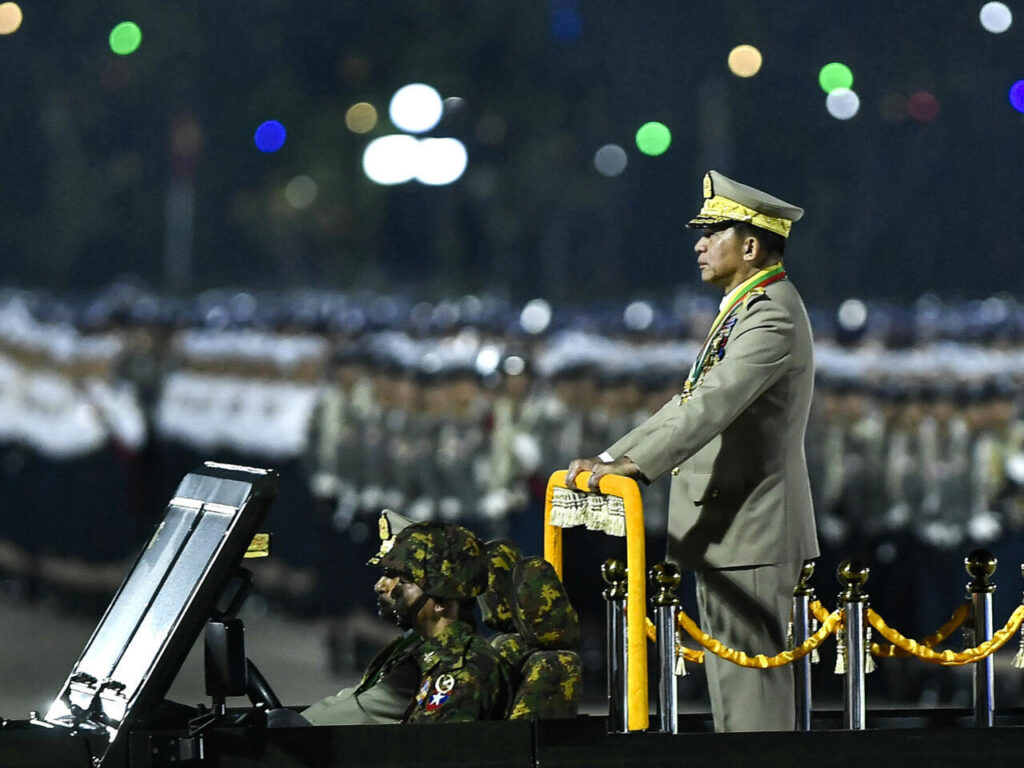
By Arun Kumar Shrivastav In quick-paced developments, Myanmar’s ruling junta has invited the armed rebel groups to stop fighting and participate in political talks. “We invite ethnic armed groups, terrorist insurgent groups, and terrorist PDF groups which are fighting against the state to give up terrorist fighting and communicate with us to solve political problems […]


Bitcoin has surged to trade above $65,000, fueled by a significant influx of capital into U.S. spot bitcoin exchange-traded funds (ETFs) and China’s ongoing economic stimulus measures. The cryptocurrency market is witnessing a notable rebound as investors respond to macroeconomic indicators that hint at a revitalized financial landscape. The substantial investment of $365 million in bitcoin ETFs represents one of the highest daily inflows seen this year, […]

VISHNU RAJA
RYO YAMADA
HITORI GOTOH
IKUYO KITA