News related to
political

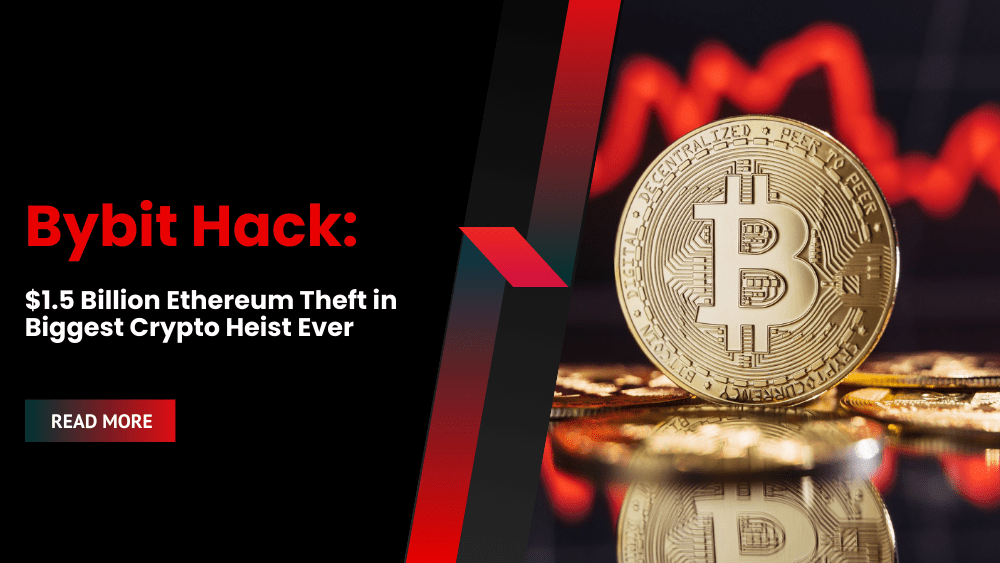
A massive security breach at Dubai-based cryptocurrency exchange Bybit has resulted in the theft of approximately $1.5 billion in Ethereum , marking one of the largest heists in the digital currency sector. The attack, attributed to North Korean hacking groups Lazarus and TraderTraitor, has raised significant concerns about cybersecurity within the cryptocurrency industry.

The Federal Bureau of Investigation has linked the theft to these North Korean-affiliated hackers, who reportedly utilized malware-infected cryptocurrency trading applications to infiltrate Bybit’s systems. This method allowed them to drain substantial amounts of Ethereum from the exchange’s reserves. The stolen funds are believed to be funneled into North Korea’s nuclear and missile programs, highlighting the geopolitical implications of such cybercrimes.

In response to the breach, Bybit’s CEO, Ben Zhou, announced that the exchange has fully restored its Ethereum reserves. The company secured approximately 446,870 ETH through strategic acquisitions and loans, ensuring that all client assets remain backed on a one-to-one basis. This swift action aims to maintain customer trust and stabilize the platform following the unprecedented hack.

The impact of the theft extended beyond Bybit, affecting the broader cryptocurrency market. Funding rates across various platforms experienced a decline, reflecting heightened uncertainty among investors. Ethereum’s price volatility increased as traders reacted to the news, with some large holders, or “whales,” expressing caution amid the fluctuating market conditions.

Despite the initial shock, there are signs of recovery within the market. Bybit’s replenishment of its Ethereum reserves has contributed to a gradual restoration of confidence among users and investors. Additionally, the exchange has launched a $140 million bounty program to incentivize information leading to the recovery of the stolen assets and the identification of the perpetrators.

The hackers have reportedly laundered approximately $335 million of the stolen funds, leaving around $900 million unaccounted for. This ongoing movement of assets poses challenges for authorities attempting to trace and recover the stolen cryptocurrency. The laundering process involves complex techniques, including transferring funds across multiple blockchains and utilizing mixing services to obscure the transaction trail.

Bybit has pledged to enhance its security protocols to prevent future breaches. The exchange is collaborating with international law enforcement agencies and cybersecurity firms to investigate the hack and mitigate potential risks. This incident underscores the critical need for robust security measures within the cryptocurrency industry, as exchanges remain prime targets for sophisticated cyberattacks.

The broader implications of the Bybit hack have prompted discussions about regulatory oversight and the responsibility of exchanges to protect user assets. As the digital currency market continues to evolve, ensuring the security of platforms and the integrity of transactions remains a paramount concern for both industry participants and regulators.

In the aftermath of the hack, Bybit conducted a comprehensive audit to verify the restoration of its reserves. The exchange plans to release an updated proof-of-reserves report, utilizing a Merkle tree structure to provide transparency and reassure clients of the platform’s solvency. This move aims to rebuild trust and demonstrate Bybit’s commitment to safeguarding user assets.

The cryptocurrency community has rallied in support of Bybit, with industry leaders emphasizing the importance of collective efforts to combat cyber threats. Collaborative initiatives are being explored to share threat intelligence and develop standardized security practices across exchanges. These efforts aim to fortify the industry’s defenses against increasingly sophisticated hacking groups.

While the Bybit hack serves as a stark reminder of the vulnerabilities within the cryptocurrency ecosystem, it also highlights the resilience of platforms and their ability to respond to crises. By swiftly restoring its reserves and implementing enhanced security measures, Bybit aims to turn this challenging episode into an opportunity to strengthen its operations and contribute to the overall security of the digital asset landscape.


The U.S. Securities and Exchange Commission has agreed to dismiss its lawsuit against cryptocurrency exchange Kraken. This decision, reached with prejudice, means the case cannot be refiled, and notably, Kraken will not admit to any wrongdoing, pay any penalties, or make changes to its business operations.

The lawsuit, initiated in November 2023 under former SEC Chair Gary Gensler, accused Kraken of operating as an unregistered securities exchange. At that time, the SEC alleged that Kraken had been facilitating the trading of digital assets deemed securities without proper registration, a move reflecting the agency’s stringent approach toward cryptocurrency platforms.

However, the regulatory landscape has shifted significantly with the appointment of Paul Atkins as the new SEC Chair under President Donald Trump’s administration. Atkins, known for his more favorable stance on digital assets, has steered the SEC toward a collaborative approach with the cryptocurrency industry. This policy shift aims to balance investor protection with fostering innovation within the digital asset economy.

Kraken’s official statement hailed the lawsuit’s dismissal as a pivotal moment for the U.S. crypto sector. The company emphasized that the SEC’s decision ends a “wasteful, politically motivated campaign” and removes uncertainties that had previously stifled innovation and investment. Kraken expressed appreciation for the new leadership at both the White House and the SEC, attributing the positive change to their “bold and thoughtful” approach.

The SEC has not issued a public comment regarding the dismissal.

This development is part of a broader trend under the current administration, which has signaled a more supportive regulatory environment for digital assets. The SEC’s recent actions include halting or dropping lawsuits against major cryptocurrency entities such as Binance, Coinbase, and Justin Sun. The agency has also restructured its crypto division, forming a “crypto task force” to establish clear regulatory guidelines while scaling down its investigative branch. This shift reflects the administration’s intent to encourage innovation while safeguarding investors from potential fraud.

Critics caution that this rapid policy reversal might reduce necessary scrutiny of the cryptocurrency industry, potentially allowing fraudulent activities to go unchecked. John Stark, a former SEC attorney, warned that the drastic changes could diminish oversight, emphasizing the need for a balanced approach to regulation.

Kraken’s history with regulatory bodies has been contentious. In February 2023, the company agreed to a $30 million settlement with the SEC over allegations that its crypto-asset staking products violated regulatory rules. Additionally, in November 2022, Kraken paid a $362,000 fine to the Office of Foreign Assets Control for potential violations of sanction regimes by allowing trade with customers based in Iran. The company has also faced fines from the Commodity Futures Trading Commission for offering unregistered margin trading.

Despite these challenges, Kraken has maintained its commitment to compliance and consumer protection. The company asserts that the dismissal of the SEC lawsuit reaffirms its dedication to operating with integrity within the evolving regulatory framework.

Immediate action needed to disrupt junk food diet trend Some of the fastest growing countries in the world are set for dietary disaster as the trend of convenience store and supermarket dominance takes hold, according to a new global study released today on World Obesity Day. MELBOURNE, AUSTRALIA – Media OutReach Newswire – 4 March 2025 – Just published in Nature Food, the study by researchers from […]

Saudi Arabia’s ambitious $124 billion dividend payout to Aramco shareholders is facing increasing scrutiny as the kingdom grapples with rising fiscal pressures and economic uncertainty. The payout, one of the largest in history, is at the heart of the country’s financial strategy, but concerns about the sustainability of this massive distribution are growing.

The kingdom has long relied on its state-owned oil giant, Saudi Aramco, as a major source of revenue, particularly in funding its Vision 2030 diversification programme. However, with global oil prices experiencing volatility and the kingdom’s economic growth showing signs of strain, questions are being raised about whether such a hefty payout can continue to be supported by the nation’s financial structure.

Saudi Arabia’s fiscal challenges are not new but have intensified recently due to various factors, including fluctuations in oil prices and a need to fund extensive public sector projects aimed at reducing the kingdom’s dependence on oil exports. This shift towards diversification involves significant investments in non-oil sectors such as technology, entertainment, and tourism. While these sectors hold promise for future growth, they have not yet generated the same level of revenue as oil, leaving the government in a delicate position.

Aramco’s profits have been a key contributor to the kingdom’s financial health, with the company remaining one of the world’s most profitable corporations. In 2023, Aramco’s net income exceeded $160 billion, allowing it to maintain its status as the highest dividend-paying company globally. This enabled the state to continue its lavish payouts to shareholders, including the Saudi government itself, which holds a majority stake.

Despite Aramco’s healthy profits, the global energy landscape has shifted significantly. Rising energy costs, geopolitical instability, and increasing competition from renewable energy sources are all factors that could impact the oil industry’s long-term profitability. Saudi Arabia’s ability to balance these challenges with its ambitious payout policy could prove to be a major hurdle.

The kingdom’s fiscal outlook is further complicated by its commitment to maintaining its social and economic development programs, which are pivotal for the success of Vision 2030. The state has allocated significant sums to infrastructure, healthcare, and housing initiatives, all of which are critical for securing the country’s long-term economic stability. However, these expenditures, combined with the substantial payout to Aramco shareholders, create a significant strain on public finances.

To address these challenges, Saudi Arabia is looking to restructure its approach to fiscal management, exploring options such as public debt and non-oil revenue streams. Some analysts suggest that this could involve revising the Aramco dividend model, potentially reducing the payout in favour of reinvesting in the country’s non-oil sectors.

The pressure on the Saudi government is not only financial but also political. With global attention focused on Saudi Arabia’s economic reforms, any deviation from its ambitious growth plans could undermine investor confidence, which has been a cornerstone of its economic strategy. International investors, particularly those in the energy sector, are closely monitoring the situation, aware that any decision to alter the dividend payout could have ripple effects throughout the global markets.

The geopolitical landscape adds another layer of complexity to the situation. Saudi Arabia’s position within OPEC and its ongoing efforts to stabilise global oil prices play a key role in its economic future. However, OPEC’s decisions are increasingly influenced by non-member countries and shifting global consumption patterns. As demand for oil from traditional markets in Europe and the US declines, Saudi Arabia faces the dual challenge of maintaining oil revenues while simultaneously adapting to a future in which oil may no longer be the dominant driver of global growth.

In the wake of these uncertainties, Aramco’s leadership remains focused on enhancing its operations and securing long-term profitability. The company has committed to expanding its investments in petrochemicals, refining, and other energy-related sectors, as well as pursuing green energy initiatives that could ensure its relevance in the post-oil era. However, even with these efforts, Aramco faces growing competition from other energy giants and the increasing pressure to adopt sustainable practices in response to global climate concerns.

Saudi Arabia’s fiscal trajectory will likely remain unpredictable for the foreseeable future, especially as the country navigates the complexities of economic diversification while maintaining its oil revenue base. The government’s ability to balance its financial commitments to both Aramco and its broader economic goals will be crucial in shaping the future of its financial landscape.

Meta Platforms, the parent company of Facebook and Instagram, has announced the termination of its third-party fact-checking program in the United States, opting instead for a “Community Notes” system akin to that of X . This strategic pivot has ignited debates about the potential proliferation of misinformation and the efficacy of user-driven content moderation. In a statement, Meta detailed its plan to discontinue the existing fact-checking collaborations […]

The longstanding business model of India’s information technology industry is facing obsolescence due to the rapid advancements in artificial intelligence , according to industry leaders. At the recent Nasscom Technology and Leadership Forum in Mumbai, HCL Technologies’ CEO, C Vijayakumar, emphasized the urgency for IT companies to adopt a “paranoid” mindset to remain relevant and drive growth.

Vijayakumar highlighted that the traditional model, characterized by a linear scaling of revenues and personnel over the past three decades, is now ripe for disruption. He revealed that HCL has been challenging its teams to achieve double the revenue with half the workforce, leveraging AI-driven automation to enhance productivity. This approach underscores the necessity for the industry to rethink its operations in the face of AI’s transformative potential.

Echoing this sentiment, Infosys CEO Salil Parekh concurred on the need for vigilance to stay relevant in the evolving landscape. He noted that a significant portion of the industry operates on input-based models and stressed the importance of transitioning to output and platform-based services. Parekh emphasized that AI is a massive productivity development tool, bringing in new work that otherwise wouldn’t have been possible.

The rise of generative AI technologies, which can automate tasks such as code generation, has been identified as a significant factor disrupting current business models. Vijayakumar pointed out that AI’s impact is considerably different from past technological shifts like cloud computing and digitization, necessitating proactive measures including the creation of new revenue streams and business ventures. For instance, generative AI can greatly enhance productivity by accelerating project timelines, exemplified by a potential reduction of a billion-dollar, five-year tech program to three and a half years.

To mitigate dependency on external models and geopolitical risks, Vijayakumar advocated for Indian tech firms to invest in building their own language models, citing the decreasing costs of setting up training infrastructure. This move could offer a long-term competitive advantage as costs decrease. Infosys has already taken steps in this direction by launching an open-source responsible AI toolkit to enhance trust and transparency in AI, furthering its commitment to creating an inclusive AI ecosystem that ensures safety, security, privacy, and fairness.

The United Arab Emirates has firmly established itself as a leading global investment destination, attracting substantial foreign direct investment inflows that have significantly bolstered its economic landscape. In 2023, the UAE’s FDI inflows surged by 34.97% to reach $30.69 billion, up from $22.74 billion in 2022, marking a notable increase in investor confidence and economic resilience. This remarkable growth positions the UAE as the second-largest recipient of […]

Advertisements
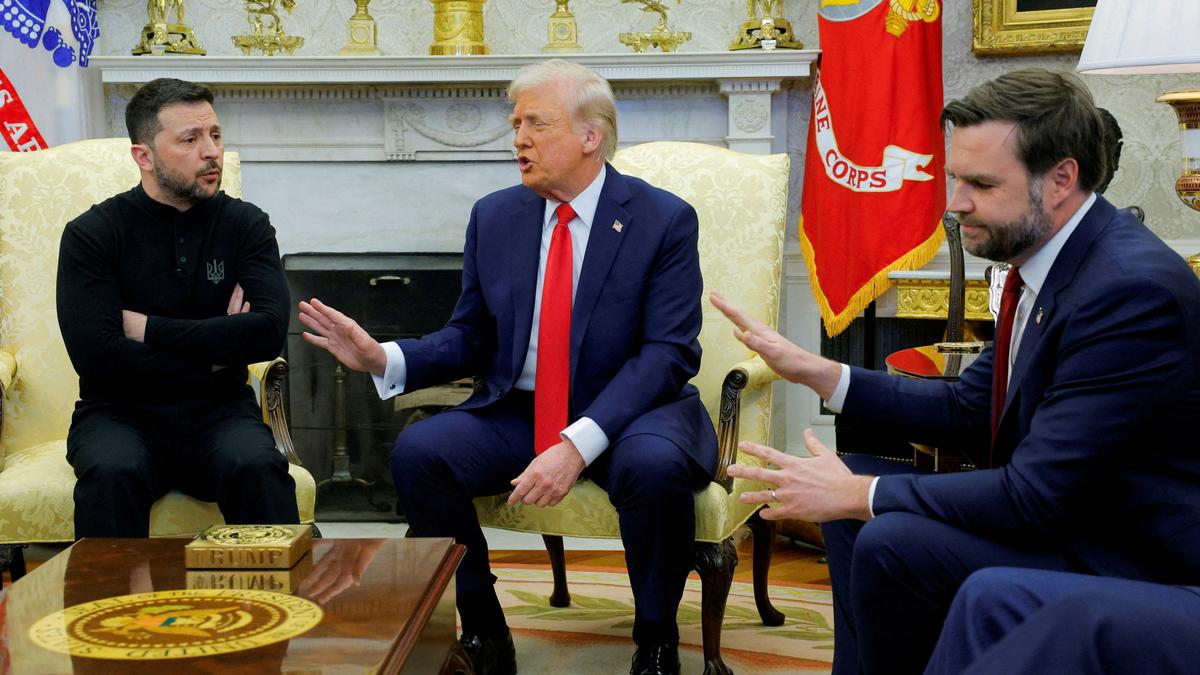
By Nitya Chakraborty Is the global geopolitics moving a full circle after 80 years since the end of the Second World War in 1945? The question is now extremely relevant after the world saw on Friday in TV channels the unprecedented spat between the United States president Donald Trump and the Ukrainian president Volodymyr Zelenskyy. […]

In a landmark decision, over 140 nations have committed to mobilising $200 billion annually by 2030 to safeguard global biodiversity. This agreement, finalised at the United Nations COP16 summit in Rome, aims to halt and reverse environmental degradation worldwide. The pact outlines a financial roadmap to support conservation efforts, particularly in developing countries. Key provisions include raising $20 billion annually by 2025, escalating to $30 billion by […]

Investors are rapidly acquiring assets with Russian connections, betting on a potential relaxation of sanctions as diplomatic efforts to resolve the Ukraine conflict intensify. This surge in interest reflects a growing belief that the geopolitical landscape may soon shift, opening avenues for financial gains.

President Donald Trump’s recent diplomatic engagements have fueled this speculation. In a series of high-profile meetings, Trump has emphasized the urgency of achieving peace in Ukraine. During discussions with UK Prime Minister Keir Starmer, Trump underscored the necessity of finalizing a peace agreement promptly to end Europe’s most devastating conflict in decades. Starmer, in turn, pledged to deploy British peacekeeping troops alongside France, signaling a robust European commitment to stabilizing the region.

Further bolstering investor confidence, Ukrainian President Volodymyr Zelensky’s visit to the White House culminated in discussions about a significant economic agreement. This prospective deal aims to fund Ukraine’s post-war reconstruction, with the United States potentially securing a stake in Ukraine’s rare earth elements. Such an arrangement could not only expedite Ukraine’s recovery but also strengthen economic ties between the two nations.

The financial markets have been quick to respond to these developments. Investors are actively seeking opportunities in assets with even tenuous links to Russia, anticipating that a diplomatic resolution could lead to the lifting or easing of existing sanctions. This trend is evident in the increased trading volumes of Russian government and corporate bonds, as well as equities of companies with significant exposure to the Russian market.

However, this surge in investment activity is not without its complexities. The U.S. Treasury Department has previously imposed strict regulations prohibiting American investors from purchasing Russian debt or equities in secondary markets. These measures were designed to exert economic pressure on Russia in response to its actions in Ukraine. Despite the current optimism, these sanctions remain in effect, and any potential easing would require formal policy changes.

Market analysts caution that while the prospect of sanctions relief presents lucrative opportunities, it also carries significant risks. The geopolitical situation remains fluid, and diplomatic negotiations can be unpredictable. Investors are advised to conduct thorough due diligence and remain cognizant of the legal and ethical implications of engaging with Russian-linked assets under the current sanctions regime.

In addition to the economic discussions, security assurances are a critical component of the ongoing negotiations. President Trump has indicated that Russian President Vladimir Putin may be amenable to the presence of European peacekeeping forces in Ukraine as part of a comprehensive peace deal. This potential concession could pave the way for a cessation of hostilities and create a more stable environment for investment and reconstruction efforts.

European leaders have also been actively engaged in the peace process. French President Emmanuel Macron, during his visit to Washington, emphasized the importance of a balanced approach that addresses both security concerns and economic interests. Macron highlighted the European Union’s substantial support for Ukraine and cautioned against any agreements that might inadvertently reward aggression. His stance underscores the need for a unified and strategic approach to the peace negotiations.

By Nitya Chakraborty Democratic rights activist Jagdeep S. Chhokar in his recent piece in the news portal The Wire mentions of his four conclusions on the state of Indian polity in the present stage after the BJP sweep in Delhi assembly polls. His four concluding points are- first, the BJP is almost achieving an opposition-free […]

The Gulf region’s strategic importance in global supply chains is increasing as the US seeks to secure critical minerals vital for technology and clean energy. With an eye on reducing dependence on China, the US is now pivoting towards the Gulf, an area rich in natural resources and energy infrastructure, to diversify its supply of rare earth elements and minerals. Recent geopolitical shifts have made it clear […]

Solana , once heralded as a formidable contender to Ethereum, has experienced a sharp decline in its market value. The cryptocurrency’s price has fallen to $136.88, marking a significant downturn.

This decline is part of a broader trend affecting the cryptocurrency market. Solana’s price has decreased by approximately 3.47% in the past 24 hours, with intraday highs reaching $142.32 and lows dipping to $130.15. Over the past week, the cryptocurrency has seen a reduction of about 20%, and a staggering 47% over the past month.

Several factors have contributed to this downward trajectory. Notably, the impending release of 11.2 million SOL tokens by the FTX estate on March 1 has raised concerns among investors. This significant token unlock is anticipated to increase the circulating supply, potentially exerting additional downward pressure on Solana’s price.

Market analysts have also observed a shift in investor sentiment. The recent decline in interest surrounding meme coins, which had previously driven substantial trading volumes, has led to a reevaluation of investment strategies. This change in focus has impacted Solana, as traders seek opportunities in other blockchain platforms.

Technical indicators further underscore the bearish outlook. Solana’s relative strength index has plunged to levels indicative of overselling. This suggests that, despite the current downturn, a potential rebound could be on the horizon as the market seeks equilibrium.

In response to these developments, large-scale investors, commonly referred to as “whales,” have been observed moving substantial amounts of SOL. A notable transaction involved the transfer of 846,612 SOL, valued at approximately $127 million, to an unknown wallet. Such movements often signal strategic positioning ahead of anticipated market shifts.

The broader cryptocurrency market has also faced challenges. Factors such as ETF outflows and geopolitical tensions have contributed to a general decline in investor confidence. These external pressures have exacerbated the volatility inherent in digital asset markets.

Despite the current bearish trend, some analysts remain cautiously optimistic. They point to historical support levels around the $130 mark, suggesting that if Solana can maintain this threshold, a recovery might ensue. However, if this support fails, the cryptocurrency could be poised for further declines.

By K Raveendran Tension is mounting over the Centre’s plan for offshore sand mining, with the issue rapidly evolving into yet another flashpoint between the Modi government and opposition-led coastal states. At the heart of the controversy lies not just the environmental and economic concerns raised by the affected communities but also the underlying political […]

HONG KONG SAR – Media OutReach Newswire – 26 February 2025 – Paul Chan, Financial Secretary of the Hong Kong Special Administrative Region unveiled his 2025-26 Budget today (February 26). He noted that while geopolitical situation might bring risks, technology reform and artificial intelligence (AI) development are remoulding the global landscape, leading to the emergence of new industries, new forms of business, new products and new services. […]

By Aditi Jha The tragic death of Prakriti Lamsal, a Nepali B.Tech student at Kalinga Institute of Industrial Technology (KIIT), a private engineering college in Bhubaneswar, Odisha, in February 2025, exposed serious problems of institutional incompetence and poor management. Prakriti’s death was followed by protests by Nepali students who claimed that the university administration had […]
On February 26, 2025, spot Bitcoin exchange-traded funds experienced significant outflows, with close to $940 million being withdrawn, as the cryptocurrency saw a sharp decline, dropping below $88,000. This marks its lowest value since November 2024, sparking a wave of investor concern.

The latest data reveals that Bitcoin’s sudden drop sent shockwaves through the ETF market, causing investors to pull back. The vast outflow from spot Bitcoin ETFs represents a major shift in sentiment, highlighting the growing uncertainty surrounding the cryptocurrency’s future performance. Investors seem to have become increasingly risk-averse, with fears about Bitcoin’s short-term volatility playing a role in their decisions.

The sudden downturn in Bitcoin’s value has been attributed to a variety of factors. Experts point to a series of negative developments in both the macroeconomic environment and the cryptocurrency sector. The tightening of global monetary policies has put pressure on high-risk assets, and Bitcoin, often considered a speculative investment, has not been immune. Additionally, regulatory concerns and heightened scrutiny from government bodies have increased investor anxiety, particularly in major markets like the United States and Europe.

The sharp drop in Bitcoin’s price also coincides with a decline in broader market sentiment. Global equity markets have been experiencing their own challenges, with growing concerns over inflation, interest rates, and geopolitical tensions, leading investors to seek safer assets. Bitcoin, traditionally seen as a hedge against inflation, has not lived up to this reputation in the face of broader economic pressures.

Despite these challenges, Bitcoin still retains a strong following among long-term investors and institutional players. However, the massive outflows from spot Bitcoin ETFs suggest that some investors are recalibrating their positions in response to the volatile market conditions. ETF providers, particularly those offering exposure to Bitcoin, have faced significant headwinds as a result of the turbulence in the cryptocurrency market.

In the wake of the outflows, some analysts suggest that Bitcoin’s current price could stabilise as a result of the selling pressure being alleviated. Others, however, warn that the cryptocurrency remains highly vulnerable to further downward price movements. With Bitcoin’s value being particularly sensitive to both macroeconomic and regulatory shifts, many investors are adopting a wait-and-see approach, unwilling to commit more capital until the market finds more clarity.

Bitcoin’s price fluctuation has had ripple effects across the broader cryptocurrency ecosystem. Other digital assets, particularly altcoins, have followed Bitcoin’s downward trajectory. Investors, particularly those involved in the broader crypto market, are keenly watching Bitcoin’s price action, as it has historically been a barometer for the health of the entire market.

The broader impact of Bitcoin’s slide on the cryptocurrency market has raised concerns about the viability of some smaller cryptocurrencies. While Bitcoin remains the dominant player, the fall in its price has reminded many of the inherent risks in the market, particularly for investors who had hoped for sustained growth. Analysts warn that the volatility seen in Bitcoin’s price could spill over into the altcoin sector, potentially exacerbating the losses across the board.

The massive outflows from spot Bitcoin ETFs have also raised questions about the long-term prospects of Bitcoin ETFs as a financial product. While they have offered investors a more accessible route to exposure in the past, the current downturn could lead to a reevaluation of their appeal. Some experts believe that the volatility in Bitcoin’s price could ultimately limit the growth potential of Bitcoin ETFs, especially if the cryptocurrency continues to experience sharp price swings. In contrast, others argue that the evolution of Bitcoin and cryptocurrency regulations will likely determine the future growth of these investment products, regardless of short-term market fluctuations.

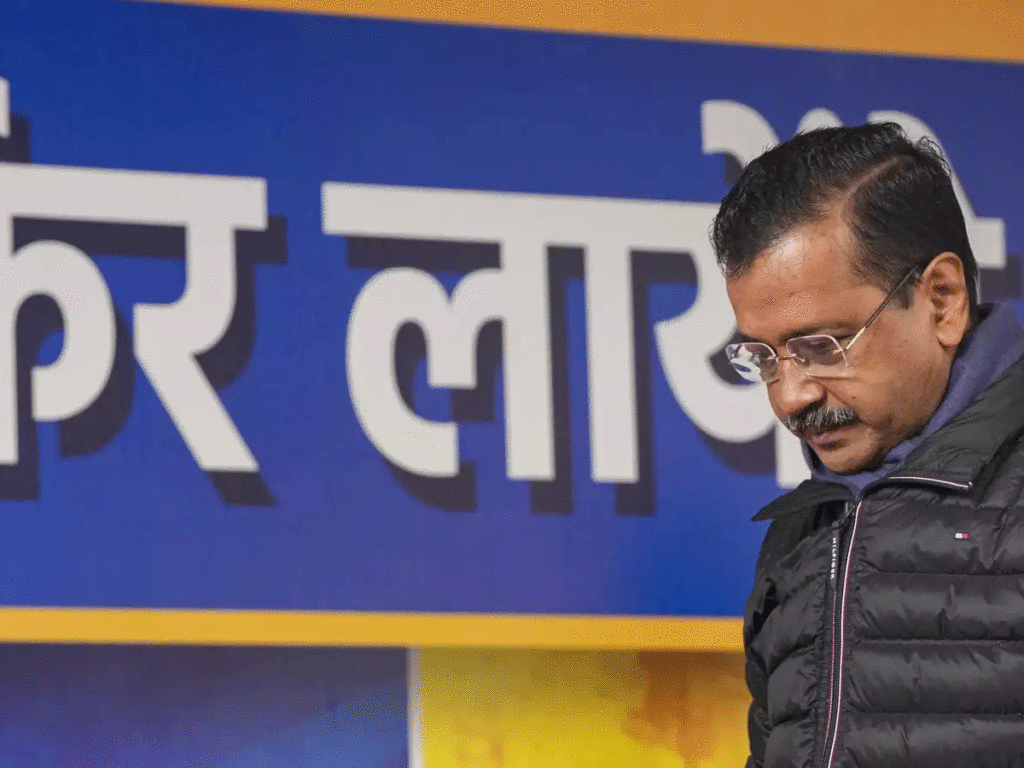
By Dr. Gyan Pathak 8th Delhi Assembly session had tumultuous session on Tuesday, February 25.. The issue of replacement of Dr B R Ambedkar’s portrait with Prime Minister Narendra Modi’s in Delhi Chief Minister’s office not only led to ruckus but also expulsion of 12 AAP MLAs. The issue is politically very sensitive and may […]

Bitcoin’s value has experienced a significant decline, falling below the $90,000 threshold for the first time since November 2024. The cryptocurrency reached a low of $86,000, marking a substantial drop from its peak of $109,225 observed on January 20, 2025. This downturn has led to widespread market repercussions, including over $1.6 billion in liquidations within the past 24 hours.

The recent sell-off has been attributed to a confluence of factors, notably escalating geopolitical tensions and internal challenges within the cryptocurrency ecosystem. President Donald Trump’s administration has introduced new tariffs on Mexico and Canada, measures perceived as inflationary and potentially detrimental to economic growth. These policies have contributed to a broader risk-averse sentiment among investors, leading to a retreat from volatile assets such as cryptocurrencies.

In addition to geopolitical concerns, the security of cryptocurrency platforms has come under scrutiny. A significant breach occurred on February 21, 2025, when Bybit, a prominent Dubai-based crypto exchange, suffered a hack resulting in the loss of approximately $1.5 billion. This incident has exacerbated apprehensions regarding the safety of digital assets, prompting further sell-offs in the market.

The cascading effect of these events has led to substantial liquidations across the cryptocurrency market. Data indicates that over 362,000 traders have been affected, with total liquidations surpassing $1.3 billion in the past day. Bitcoin alone accounted for $523 million of these liquidations, underscoring the volatility and heightened risk associated with leveraged trading positions.

Market analysts are closely monitoring key support levels for Bitcoin. The breach of the $90,000 support has raised concerns about potential further declines. Technical analysis suggests that if Bitcoin fails to maintain support at $86,000, it could test lower thresholds, with significant support anticipated around the $80,400 and $74,000 levels. Conversely, resistance levels are identified at $98,500 and $106,000, which Bitcoin would need to surpass to signal a potential reversal of the current downward trend.

The broader cryptocurrency market has mirrored Bitcoin’s downturn. Major altcoins such as Ether and XRP have experienced notable declines, with Ether dropping 8.5% to $2,416 and XRP falling by 5% to $2.24. The overall market capitalization has contracted significantly, reflecting the pervasive uncertainty and risk aversion among investors.

Investor sentiment has been further dampened by unmet expectations regarding regulatory support for cryptocurrencies. The initial optimism surrounding a crypto-friendly stance from the current U.S. administration has not materialized into concrete policy changes. This lack of regulatory clarity, coupled with economic challenges, has contributed to the recent sell-off and the erosion of confidence in the market.

In response to the heightened volatility, traders are advised to exercise caution, particularly those engaged in leveraged positions. The current market environment underscores the importance of risk management and the need for a thorough understanding of the factors influencing cryptocurrency valuations.

By Nitya Chakraborty The final results of Germany’s national elections held on February 23 are being debated intensively in the global media, especially in the European media about the upsurge of the far right party AFD which virtually doubled its voting percentage in the 2025 elections compared to the 2021 national elections. The ruling Social […]
By Satyaki Chakraborty The polarization in German politics widened after national elections on Sunday, February 23 in which the conservative CDU/CSU with 28.5 per cent votes topped among the political parties followed by the far right AFD at 20.7 per cent and the centre-left SPD at 16.5 per cent. The remarkable feature was the resurgence […]

In an unprecedented cyberattack, cryptocurrency exchange Bybit has suffered a $1.5 billion theft, marking the largest crypto heist to date. The U.S. Federal Bureau of Investigation has intensified its search for Park Jin Hyok, a North Korean hacker linked to the Lazarus Group, suspected of orchestrating this massive breach.

Bybit reported that during a routine transfer between digital wallets, an attacker manipulated the process, diverting approximately $1.5 billion worth of Ethereum to an unidentified address. CEO Ben Zhou assured customers that their remaining assets are secure, though withdrawal requests may experience delays. Zhou emphasized the company’s financial resilience, stating that Bybit can absorb the loss and remain solvent even if the stolen funds are not recovered.

The FBI has identified the Lazarus Group, also known as APT38, as the entity responsible for this theft. This group, comprising North Korean state-sponsored cyber actors, has a notorious history of high-profile cybercrimes. Park Jin Hyok, a key member, is allegedly involved in several significant cyber intrusions, including the 2014 Sony Pictures hack and the 2017 WannaCry ransomware attack. The FBI’s wanted list describes Park as a state-sponsored programmer involved in some of the costliest computer intrusions in history.

In response to the breach, Bybit has taken swift measures to mitigate the impact. The company conducted a fresh audit and restored its reserves to a 1:1 ratio within 72 hours of the incident. Blockchain analytics firm Lookonchain reported that Bybit purchased approximately 266,700 ETH, equivalent to $742 million, over two days to replenish its reserves. Zhou confirmed this development, stating that Bybit has fully closed the Ethereum gap caused by the hack.

The cryptocurrency community has been closely monitoring the movement of the stolen funds. Analysts have noted that the hackers face challenges in liquidating the stolen Ethereum due to potential blacklisting by major stablecoin issuers like Circle and Tether. This situation has led to discussions about the possible bullish impact on Ethereum’s price, as the removal of a significant amount of ETH from circulation could affect market dynamics.

This incident has raised concerns about the security of cryptocurrency exchanges and the broader implications for the market. Following the hack, major cryptocurrencies experienced declines. Bitcoin’s price dropped by 0.4% to $95,822, while Ethereum’s price decreased by 4% to $2,698. These downturns are attributed to a combination of the Bybit hack and broader macroeconomic and geopolitical events.

The Bybit heist surpasses previous major cryptocurrency thefts, including the $610 million Poly Network hack in 2021 and the $540 million Ronin Network breach in 2022. These recurring incidents underscore the persistent security challenges within the cryptocurrency industry. In 2024 alone, over $2 billion was lost to hacking, marking the fourth consecutive year of billion-dollar thefts in the sector.

The FBI’s pursuit of Park Jin Hyok and the Lazarus Group highlights the ongoing efforts to combat state-sponsored cybercrimes. The agency has previously linked the group to various cyberattacks, including the $41 million theft from Stake.com in 2023. These actions are part of a broader strategy to hold malicious cyber actors accountable and prevent future incidents.

Citadel Securities, the prominent market-making firm led by Ken Griffin, is set to expand its operations into the cryptocurrency sector. The firm plans to provide liquidity on major digital asset exchanges, including Coinbase, Binance, and Crypto.com. This strategic move comes as President Donald Trump’s administration signals a more favorable regulatory environment for digital assets.

Historically, Citadel Securities has exercised caution regarding cryptocurrencies, primarily due to regulatory uncertainties in the United States. The recent political shift, however, has prompted the firm to reconsider its stance. By establishing market-making teams outside the U.S., Citadel aims to navigate potential domestic regulatory challenges while capitalizing on the burgeoning global crypto market.

As of October 1, 2024, Citadel manages approximately $64 billion in assets, reflecting significant growth from $43 billion at the end of 2023. This expansion into digital assets aligns with the firm’s broader strategy to diversify its trading portfolio and adapt to evolving market dynamics.

The decision to engage with platforms like Coinbase, Binance, and Crypto.com underscores Citadel’s commitment to integrating with established cryptocurrency ecosystems. These exchanges are among the largest in the industry, facilitating substantial daily trading volumes. By acting as a liquidity provider, Citadel aims to enhance trading efficiency and stability within these platforms.

Market-making involves quoting both buy and sell prices for assets, profiting from the spread between these prices. In the context of cryptocurrencies, effective market-making can reduce volatility and improve price discovery, benefiting both traders and the broader market. Citadel’s entry into this space is poised to bring increased liquidity and professionalism, potentially attracting more institutional investors to digital assets.

This move also reflects a broader trend of traditional financial institutions embracing cryptocurrencies. Firms such as Fidelity Digital Assets and Charles Schwab have made inroads into the crypto sector, indicating growing mainstream acceptance. Citadel’s participation is expected to further legitimize the market and encourage regulatory frameworks that support innovation while ensuring investor protection.

Prime Minister Justin Trudeau arrived in Kyiv today, joining a delegation of European leaders to commemorate the third anniversary of Russia’s invasion of Ukraine. This collective visit underscores international solidarity with Ukraine as concerns mount over the United States’ evolving policy under President Donald Trump. President Volodymyr Zelenskyy expressed profound pride in the “absolute heroism” displayed by Ukrainians throughout the ongoing conflict. In a national address, he […]

VISHNU RAJA
RYO YAMADA
HITORI GOTOH
IKUYO KITA