Just in:
Acrab Signs MoU with ModigenceVision at SWITCH 2026 to Advance On-Device AI for Robotics // European gas futures climb as cold forecasts strain supplies // NMDC Energy agrees to buy Wasco fabrication businesses // European Union Is Stuck In The Past, As Are Its British Admirers // Actor Sreejith gets one year in jail: POCSO case // A Bridge Between Indonesia and China: Bali Brought Together Government, Investors, Developers and Future Technologies at the Indonesia-China Bridge Forum // COOEC signs $800 million QatarEnergy offshore pipeline contract // Dubai widens sporting calendar to support industry growth // MSIG Empowers Malaysian SMEs To Build Resilience and Pursue Growth with Confidence // Webuild secures controlling stake in Trevi tender offer // Dubai Investments crosses 5% ownership threshold in GFH // BIT Capital Expands Asia-Pacific Activities with Focus on Hong Kong and Singapore, Bringing Its Human × AI Approach to Asian Investors // LlamaIndex unveils OCRia-nano-1 weights for local CPU parsing // Green SM Celebrates Second Anniversary In Indonesia With “G2EEN SEASON” Promotion, Offering Special Fare Discounts // Sabarimala pilgrim arrivals decline despite fully booked slots // GTA VI Batman parody revives Knightfall comic scene // Dubai exchange records 22% trading growth amid summit plans // York researchers expose differences in AI visual processing // Guangxi Construction Delegation Heads to Malaysia, Opening A New Chapter in ASEAN–China Cooperation // Morgan Stanley lifts UAE stocks to preferred status //

News related to
political

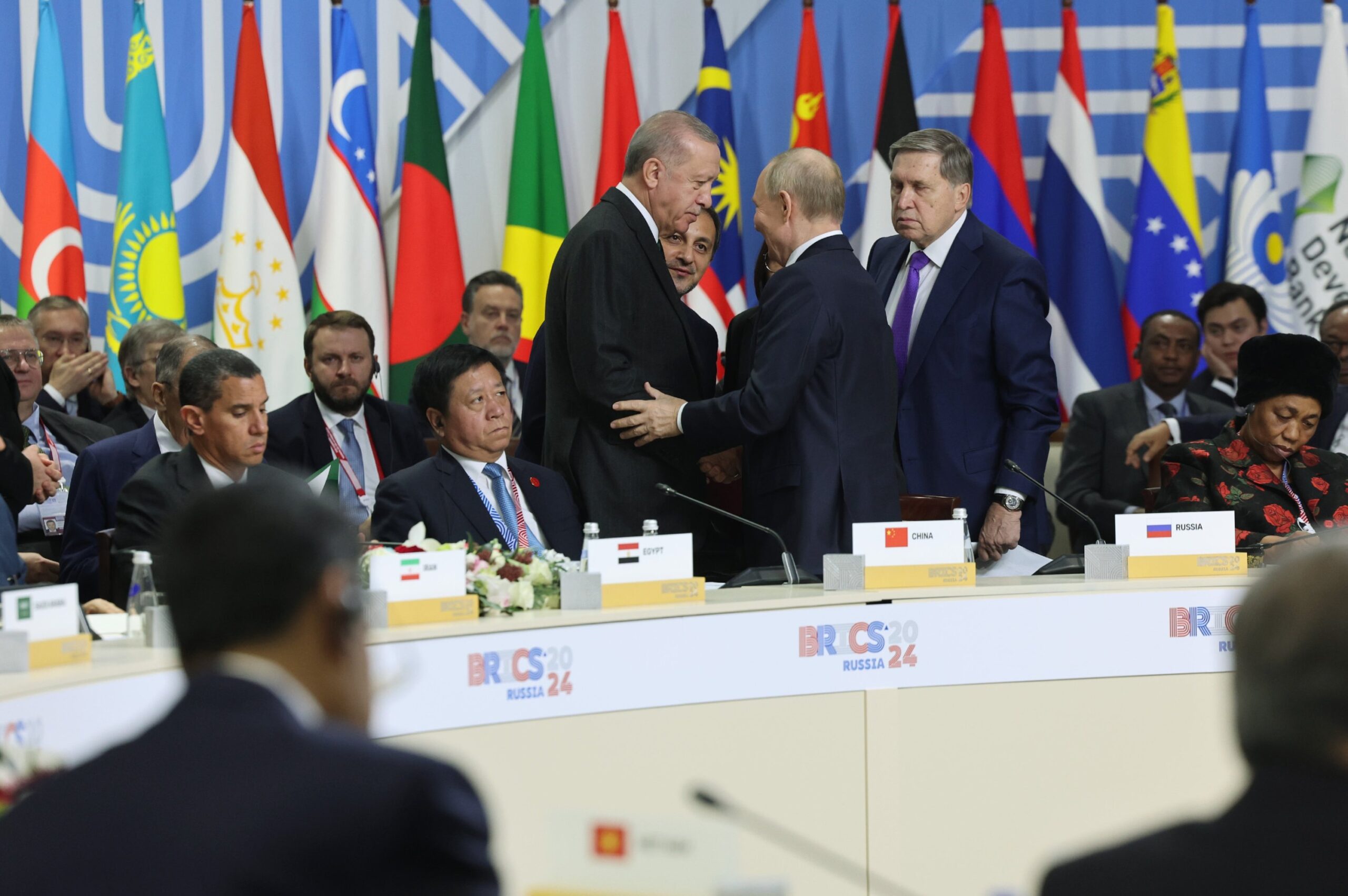
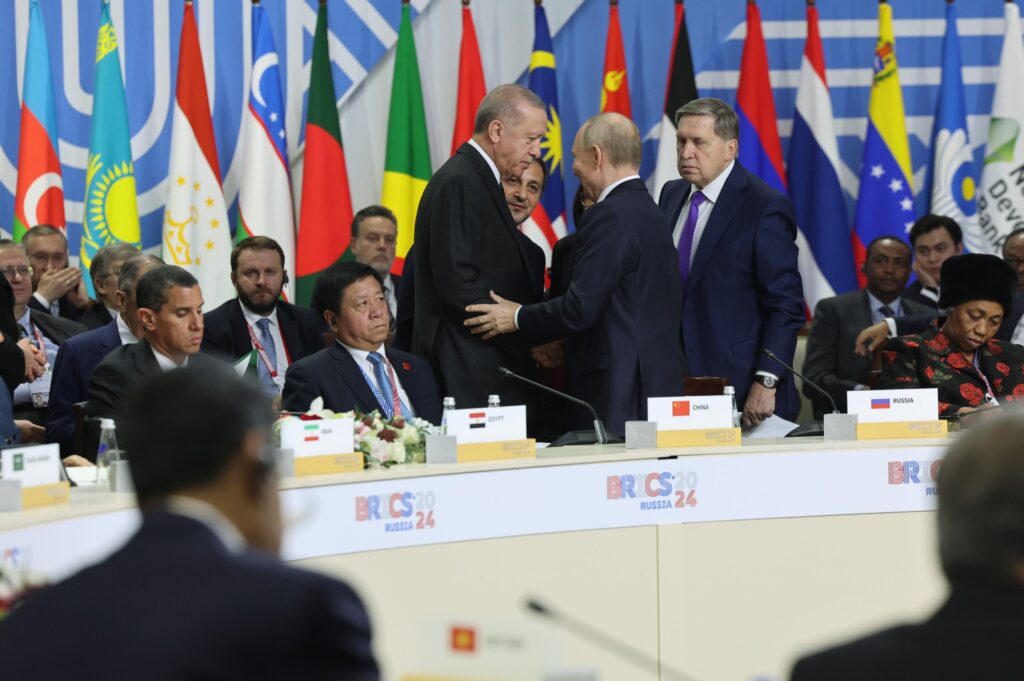
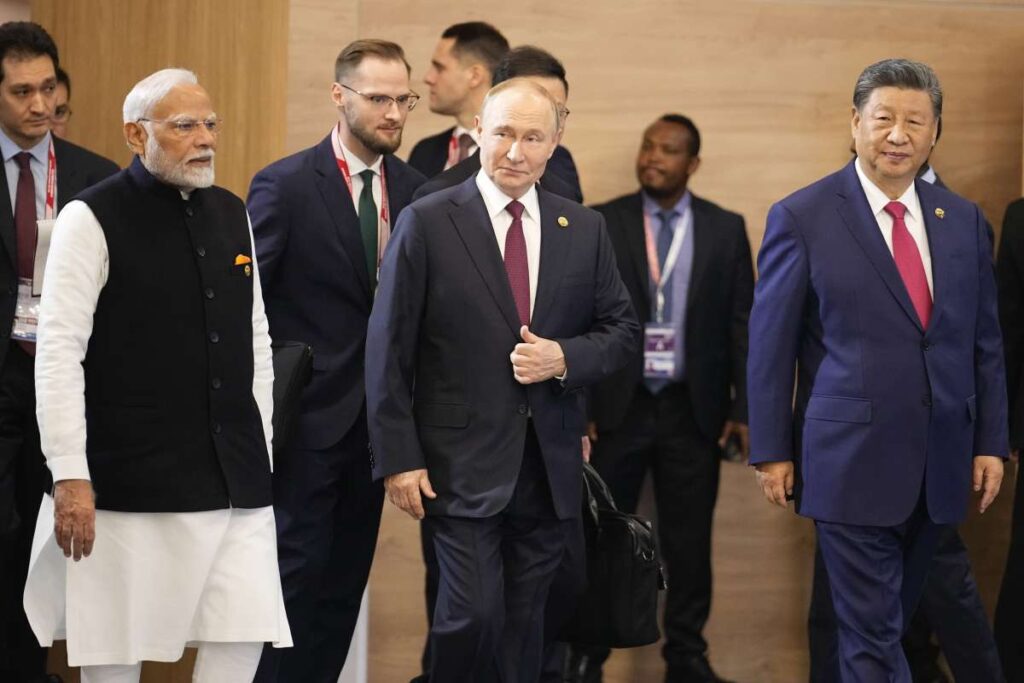
By Nitya Chakraborty The North Atlantic Treaty Organisation (NATO), the security alliance of the western nations led by the USA is having an uneasy period after celebrating its 75th year of founding in July this year with big fanfare. The recent summit of the BRICS in Kazan of Russia held on October 22 to 24 […]

Foreign direct investment (FDI) in the United Arab Emirates reached a landmark $16 billion in 2023, marking a robust 37% increase in greenfield projects from the prior year. This notable surge, amid ongoing global economic challenges, underscores the UAE’s strategic appeal as a premier investment destination in sectors ranging from renewable energy to high-tech manufacturing and healthcare. Global uncertainties have challenged capital flows worldwide, with the UAE […]

Arabian Post Staff A potential increase in supply could saturate the unfulfilled demand, and lead to lower prices and rents in the Dubai real estate market, S&P said in a report. It notes that the market expects residential supply stock will increase by about 182,000 units over 2025-2026, given that the large number of properties that were presold over 2022-2023 will be delivered. This is significantly higher […]

French President Emmanuel Macron is set to arrive in Morocco on October 28, marking a significant effort to repair diplomatic ties that have been strained by a series of disputes and political frictions in recent years. The visit, spanning three days, comes at the invitation of Morocco’s King Mohammed VI and is positioned as an attempt to reinforce cooperation between the two countries amid rising regional challenges and shifting political dynamics.

Diplomatic relations between France and Morocco have been complex over the last decade, with periods of both cooperation and tension. Notable points of contention have involved policy disagreements regarding the Western Sahara, Morocco’s push for greater autonomy, and perceptions of French interference in North African affairs. A perceived coolness in bilateral ties reached a tipping point over the past year, as Morocco deepened its ties with other global powers, particularly the United States and Israel, indicating a shift away from its traditional reliance on France as a key ally and economic partner.

The French administration, aware of the economic and strategic value Morocco holds, has framed this visit as an opportunity for Macron to personally affirm France’s commitment to fostering a balanced and respectful partnership. The agenda is expected to address a range of topics crucial to both countries, including economic trade, security collaboration, and cultural exchanges, as well as a potential reset in policies affecting visa issuance for Moroccan nationals—a sensitive topic that has fuelled public resentment in Morocco. Macron’s planned public appearances, speeches, and bilateral meetings with Moroccan officials are anticipated to underscore shared interests while navigating areas of difference diplomatically.

A focal point of Macron’s visit is expected to be Morocco’s reconstruction and recovery efforts following the recent earthquake that devastated the Atlas Mountains region, leaving a trail of significant human and infrastructural damage. Although French relief support following the earthquake had been met with some criticism regarding its timeliness and adequacy, Macron’s engagement with reconstruction efforts may symbolize France’s willingness to assist its long-standing partner in this critical phase, despite prior political strains.

The visit will also provide a platform to address regional security, particularly as Morocco and France have historically shared concerns over terrorism and human trafficking across the Mediterranean. Both countries continue to be key players in counterterrorism efforts in North Africa and the Sahel region, where extremist groups pose a persistent threat. Macron’s discussions with Moroccan leaders are likely to revisit joint security strategies, including intelligence sharing and border control measures, which have served as pivotal elements of cooperation in past years.

Economic collaboration, too, will feature prominently on the agenda. France remains one of Morocco’s largest trading partners, with French companies heavily invested in sectors such as telecommunications, automotive manufacturing, and renewable energy in Morocco. Macron’s delegation includes business representatives aiming to explore new investments, especially in renewable energy projects, a sector where Morocco has established itself as a regional leader. Macron is expected to promote French participation in Morocco’s green initiatives, aligning with global climate commitments and France’s own economic priorities in clean energy transitions.

Observers believe Macron’s visit also reflects a broader objective: to recalibrate France’s influence in a region where economic and political alliances are rapidly evolving. Morocco’s engagement with other international partners, particularly the United States and China, has accelerated, with significant investment flows reshaping Morocco’s infrastructure and defense capabilities. Additionally, Morocco’s recent normalization of ties with Israel has diversified its diplomatic alliances, a move that France has viewed with cautious optimism, recognizing Morocco’s intent to play a more autonomous role in regional affairs.

By Nantoo Banerjee Domestic issues often override international commitments in diplomacy. China’s preference of Kamala Harris to Donald Trump as the next US president may look unusual but not entirely illogical from the world’s second largest economy’s business point of view. China may not mind if such a possibility could enhance diplomatic discomfort to its […]

Eight fatalities have been confirmed following Israeli airstrikes in the Lebanese city of Sidon, with officials fearing that the death toll may rise further. The attacks, occurring amid ongoing tensions between Israel and Hezbollah, are reported to be the deadliest in Sidon since the resurgence of conflict over a year ago. Residents and local authorities have described the bombings as devastating, leading to significant destruction in the […]

Inflows into digital assets reached $901 million this month, culminating in a remarkable $27 billion year-to-date total, signaling a substantial shift in market sentiment. The surge in inflows is largely attributed to increasing political optimism within the United States, which has invigorated investor confidence in the sector. Notably, the U.S. recorded the largest inflows, totaling $906 million, while Canada, Brazil, and Hong Kong faced slight outflows, highlighting a regional divergence in market dynamics.

Bitcoin emerged as the standout performer this month, drawing an impressive $920 million in inflows, a stark contrast to Ethereum, which witnessed $35 million in outflows. This pronounced divergence indicates a growing preference among investors for Bitcoin, reinforcing its dominance in the digital asset landscape. Solana also attracted attention, garnering $10.8 million in inflows, while blockchain equities gained $12.2 million, reflecting a broader appetite for diversified investments within the crypto ecosystem.

The influx of capital into digital assets aligns with a backdrop of significant political developments in the U.S., including legislative efforts aimed at regulating the cryptocurrency sector. Increased regulatory clarity is seen as a key factor fostering a more secure investment environment, encouraging institutional investors to re-enter the market. This positive sentiment is underscored by discussions surrounding potential regulatory frameworks that could facilitate mainstream adoption of digital currencies.

Analysts highlight the role of political stability in shaping market trends. The Biden administration’s focus on creating a more structured regulatory environment for cryptocurrencies is viewed favorably by investors, contributing to the bullish outlook for digital assets. The prospect of clearer regulations is particularly appealing to institutional investors who have previously been cautious due to the lack of defined guidelines.

As capital flows into digital assets, the implications for traditional financial markets are becoming increasingly pronounced. Financial institutions are taking note of this trend, with several firms beginning to incorporate cryptocurrencies into their portfolios. This shift could signify a broader acceptance of digital assets as a legitimate asset class, potentially reshaping investment strategies across various sectors.

In terms of market performance, Bitcoin’s continued ascent underscores its status as the flagship cryptocurrency. The asset’s ability to attract significant inflows, even amid fluctuating market conditions, reinforces its position as a safe haven for investors seeking refuge from economic uncertainty. Conversely, Ethereum’s outflows may suggest a reassessment of its value proposition, prompting investors to seek alternative avenues within the crypto space.

Emerging trends in the digital asset sector are also evident in the increasing interest in decentralized finance (DeFi) projects. These platforms, which leverage blockchain technology to provide financial services without traditional intermediaries, are gaining traction among investors seeking higher yields and innovative solutions. The continued growth of DeFi is likely to further diversify the landscape of digital assets, attracting a broader range of participants to the market.

The integration of cryptocurrencies into mainstream financial systems is progressing. Major payment processors and financial institutions are exploring ways to facilitate cryptocurrency transactions, enhancing accessibility for everyday consumers. This shift could pave the way for increased adoption, as consumers become more comfortable using digital assets for transactions.

Internationally, the divergence in inflows among different countries illustrates the varying levels of acceptance and regulatory approaches to digital assets. While the U.S. leads in inflows, the outflows in Canada, Brazil, and Hong Kong signal the need for these regions to adapt to changing market conditions. Investors in these areas may be looking for clarity on regulatory measures before committing significant capital to digital assets.

As the market evolves, key players in the digital asset space are adapting their strategies to align with changing investor sentiments. Institutional players, in particular, are refining their approaches to capitalize on the growing demand for cryptocurrencies. The ongoing competition among asset managers to offer crypto-related products reflects a broader trend toward integrating digital assets into traditional investment frameworks.

Looking ahead, the trajectory of digital asset inflows will likely be influenced by ongoing political developments and regulatory updates. As policymakers continue to grapple with the implications of cryptocurrency adoption, the market will respond to both domestic and international regulatory signals. Investors are expected to remain vigilant, monitoring these developments closely as they navigate the evolving landscape of digital assets.


Advertisements

With the upcoming U.S. presidential election casting a shadow over global financial markets, cryptocurrency stands out as an asset class poised for high volatility based on the election’s outcome. As former president Donald Trump reenters the electoral scene against Vice President Kamala Harris, crypto investors are paying close attention to how a Trump win could reshape cryptocurrency regulation and performance, particularly for Bitcoin and other key digital assets.

Historically, presidential election cycles have shown significant influence on cryptocurrency market behavior, especially for Bitcoin. Data from previous elections indicates that Bitcoin prices tend to experience substantial movements post-election, irrespective of the winning candidate. Following the 2020 election, for example, Bitcoin’s value surged, marking an increased interest among investors amid the heightened economic uncertainty tied to COVID-19 relief measures and concerns over inflation. However, as the 2024 election approaches, Trump’s potential return to the presidency introduces a new level of uncertainty that differs markedly from 2020. According to a report by Bitwise Asset Management, Bitcoin’s value could rise by an estimated 10.7% should Trump secure victory. Conversely, a Harris win is forecasted to prompt a similar decline, likely due to her administration’s alignment with current regulatory approaches under President Joe Biden.

Regulatory policies in the U.S. have tightened considerably over the past year, with the SEC leading several enforcement actions aimed at crypto firms, exchanges, and initial coin offerings (ICOs). As such, Trump’s stance on cryptocurrency, which has previously wavered, now appears more lenient compared to Harris. During Trump’s previous administration, oversight was relatively hands-off, providing crypto investors a fertile environment for market growth, albeit without structured guidelines. In contrast, Harris is expected to continue Biden’s approach, emphasizing consumer protection through regulatory frameworks, a trend currently contributing to restrained market enthusiasm among retail investors. Observers suggest that Trump’s promise to relax crypto regulations could rekindle enthusiasm among retail and institutional investors, who view clearer guidelines and reduced scrutiny as conducive to growth in both valuation and adoption rates of cryptocurrencies.

Crypto market responses are also anticipated to align with Bitcoin’s Halving cycle, a built-in scarcity feature that reduces block rewards by half approximately every four years, with the most recent event occurring in April 2024. Historically, Bitcoin rallies have closely followed Halvings, influenced further by investor interest in assets with perceived scarcity. Analysts expect this dynamic to be heightened under a Trump presidency, as reduced regulation coupled with supply restrictions could make Bitcoin a more attractive inflation hedge. Conversely, a continuation of current regulatory trends under a Harris administration might suppress these price escalations, as crypto businesses face heightened scrutiny and potential restrictions on stablecoin and DeFi protocols.

Market watchers note that alongside Bitcoin, certain altcoins such as Dogecoin and Cardano could be notably impacted by the election result. Both coins have shown sensitivity to Trump’s political narratives, especially as Dogecoin, with its origins as a meme asset, often aligns with social and speculative trends. Cardano, known for its environmentally-conscious proof-of-stake model, may also benefit from a shift in sentiment toward alternative digital assets under Trump’s policy approach, which is expected to favor financial deregulation broadly. Meanwhile, Ethereum and other blockchain projects emphasizing regulatory compliance may perform better under Harris’ administration, whose regulatory approach aligns with a systematic scrutiny of decentralized finance ecosystems.

Despite these speculations, experts caution that market sentiment may experience only short-lived spikes based on the election outcome. The long-term impact, they argue, hinges on substantial regulatory actions and the economic policies pursued post-election, especially concerning inflation and recessionary pressures. Crypto market reactions have been muted in the face of uncertainty over potential policy shifts, given that many investors prefer tangible policy enactments over rhetoric.

Economic fundamentals also play a role in investor strategies, with inflation rates, interest rate hikes, and the potential for recession forming a significant backdrop. Analysts at Coinbase Research point to the likelihood of heightened volatility for both traditional and digital assets amid interest rate adjustments and global economic challenges. The Federal Reserve’s monetary policy, particularly regarding interest rate hikes, remains a critical factor, as crypto’s inverse relationship to interest rates often leads to valuation adjustments in line with broader financial markets. Should a Trump administration adopt an expansionary fiscal stance, this may lower interest rates, encouraging borrowing and spending in financial markets, including crypto. A more cautious fiscal policy from Harris could contribute to slower crypto market growth, potentially accelerating a shift toward stablecoins as a hedge against market swings.

Amid growing environmental threats, BRICS leaders are pushing for urgent measures to combat land degradation, a phenomenon severely impacting ecosystems and communities worldwide. The upcoming UN Land Degradation and Drought conference, scheduled for early next year, aims to align global efforts to curb the increasing degradation of arable lands, which jeopardizes food security, contributes to climate change, and drives displacement. A 2022 report by the UN Convention […]

A significant decline in oil prices, exceeding 4%, has been observed after Israel conducted airstrikes in Iran, reportedly avoiding energy infrastructure. The unexpected military action has stirred uncertainty in the global oil markets, with analysts weighing the potential implications for future supply dynamics in an already volatile geopolitical landscape.

Crude oil futures, particularly West Texas Intermediate (WTI), fell sharply to around $83 per barrel, while Brent crude dipped below $87. The downward trend comes in the wake of heightened tensions in the Middle East, which had already led to fluctuations in oil prices due to fears of supply disruptions. Analysts had anticipated that military action between Israel and Iran could provoke a response that might impact oil production, but the avoidance of direct hits on energy facilities has seemingly mitigated immediate concerns.

Market sentiment turned bearish as traders reacted to the news. “The focus is on the geopolitical risks that have historically pushed oil prices higher. However, the fact that energy facilities were not targeted means that supply fears are somewhat alleviated, leading to this decline in prices,” commented David Wilson, a senior analyst at a leading energy consultancy. Investors now seem to be reassessing the risk factors that typically influence oil market volatility.

This latest escalation is part of a broader backdrop of ongoing hostilities between Israel and Iran, which have been characterized by intermittent exchanges of fire and military posturing. Iran’s Revolutionary Guard has warned that any attack on its soil will trigger severe retaliation. This historical animosity, coupled with Iran’s significant role as an oil exporter, continues to inject volatility into oil markets. Iran produces approximately 4 million barrels of oil per day, a vital contribution to the global supply.

The broader market reaction also reflects concerns regarding global economic performance, particularly in light of ongoing inflationary pressures and monetary policy tightening in several economies. Experts note that if economic growth slows, demand for oil may diminish, further complicating the price outlook. “Even with geopolitical tensions, the underlying economic indicators suggest a slowdown. If demand continues to weaken, we could see prices stabilize at lower levels,” stated Maria Chan, a commodities strategist.

In the wake of this geopolitical incident, analysts are also scrutinizing other potential threats to oil supply, including disruptions in other oil-producing regions. The Organization of the Petroleum Exporting Countries (OPEC) and its allies, including Russia, are continually adjusting their output strategies to stabilize prices, but such maneuvers become increasingly complicated amid geopolitical instability.

The ongoing conflict in Ukraine remains a significant factor influencing oil prices. Russia’s actions in Ukraine have led to widespread sanctions, disrupting energy supplies and complicating global market dynamics. While the current geopolitical climate suggests heightened risks, some analysts believe that the market has already factored in many of these risks due to the historical precedent of volatility in energy prices.

With the energy market closely monitoring developments in the Middle East, any signs of further escalation could quickly alter price trajectories. “The balance of risk has shifted slightly with this event, but we are still very much in a reactive mode as traders evaluate the ongoing situation,” remarked Samir Gupta, an oil market expert.

On a corporate level, oil companies are assessing how these geopolitical developments could impact their operations and investment strategies. Executives are increasingly focused on the dual challenge of navigating regulatory environments while managing geopolitical risks. “We have to remain agile. The situation can change rapidly, and we must be prepared to adapt our strategies accordingly,” noted Rachel Green, a chief financial officer at a major oil producer.

The situation remains fluid, with various stakeholders keenly observing the geopolitical landscape for further developments. Oil prices are expected to remain sensitive to news from the region, influencing not only immediate market reactions but also long-term strategic planning for oil companies and investors alike.

Global VC investment drops from $95.5 billion to $70.1 billion quarter-over-quarter AI accounts for six of ten largest VC deals globally in Q3’24, led by the only two $1 billion+ raises Americas accounts for nearly 60% of VC investment in Q3’24, with $41.4 billion in deal value Japan and Germany buck geographical trend with Japan recording a VC investment twelve-quarter high. HONG KONG SAR – Media OutReach […]

HONG KONG SAR – Media OutReach Newswire – 24 October 2024 – The global economic recovery presents a mixed picture. While the US economy looks set for a soft landing, the eurozone continues to face many uncertainties, particularly in the industrial sector. China, meanwhile, is struggling to sustain its growth. Finally, our political and social risk index remains at a high level despite the fall in inflation […]

Group also maintains top 5 global employer status in 2024 ranking BASEL, SWITZERLAND – EQS Newswire – 25 October 2024 – Syngenta Group has once again secured its position as one of the world’s top five employers, and the #1 agricultural employer, in the 2024 Science Careers Top Employers Survey. This marks the eighth consecutive year the company has achieved this prestigious recognition, underscoring its unwavering dedication […]

By K Raveendran The desperation shown by BJP members of the parliamentary accounts committee to shield SEBI chairperson Madhabi Puri Buch from criticism for her failure to appear before the panel shows how her acts of commission and omission were not just a reflection of certain deficit in personal integrity, but how a sinister plot […]

By Dr. Gyan Pathak With announcement of NDA and INDIA bloc’s candidates for byelections of all the 9 Vidhan Sabha Constituencies in Uttar Pradesh, one can now see the chief contestants arrayed in the electoral battlefield, and also make an assessment of their respective strengths and weaknesses, the success or failure of which may decide […]


German luxury carmaker Mercedes-Benz announced a staggering decline of more than 50 percent in its third-quarter profits, attributing this downturn primarily to a significant slowdown in the Chinese market, a vital region for luxury vehicle sales. The company reported a net profit of €1.72 billion for the quarter, down from €3.64 billion in the same period last year, reflecting the challenges posed by weakening demand and broader economic uncertainties.

The company highlighted that while it experienced strong sales growth in the first half of the year, the third quarter revealed a stark contrast. The demand for luxury vehicles in China, which constitutes a substantial share of Mercedes-Benz’s sales, has faced pressures from economic headwinds, including stricter COVID-19 restrictions and a subsequent sluggish recovery. These factors have led to a notable reduction in consumer spending, particularly on high-end goods.

Mercedes-Benz also noted an increase in production costs, further exacerbating profit pressures. The ongoing global supply chain issues have contributed to elevated costs for raw materials and logistics, impacting overall profitability. The company emphasized the challenges of maintaining its profit margins amid these rising expenses and shifting consumer preferences.

In response to the declining profits, Mercedes-Benz outlined its strategic focus on adapting to changing market dynamics. The firm has committed to increasing its electric vehicle (EV) offerings as part of its long-term strategy to capture a larger share of the growing EV market. The company has set ambitious goals to deliver more than 20 new electric models by 2026, aiming to transition its fleet to a more sustainable lineup.

In light of the reduced profits, Mercedes-Benz CEO Ola Källenius expressed optimism about the company’s future trajectory. He highlighted that despite current challenges, the company remains committed to innovation and sustainability, key pillars of its business strategy. Källenius stated that the transition to electric mobility presents significant opportunities for growth, and Mercedes-Benz is strategically positioning itself to meet these challenges head-on.

The luxury automobile market is undergoing a significant transformation as consumer preferences shift towards sustainability and advanced technology. Mercedes-Benz’s investment in electric vehicles is a direct response to this trend, as it aims to enhance its competitiveness in an increasingly crowded market dominated by emerging EV manufacturers.

Analysts have pointed out that the luxury car segment is at a crossroads, influenced by changing consumer behavior and economic factors. The growth of the electric vehicle market, driven by increasing environmental awareness and government incentives, poses both challenges and opportunities for traditional luxury carmakers. Competitors are also ramping up their EV offerings, making it imperative for established brands like Mercedes-Benz to stay ahead in innovation and technology.

Mercedes-Benz’s performance in the Asia-Pacific region has also raised concerns, as the company reported lower sales figures in various markets beyond China. Factors such as geopolitical tensions, inflationary pressures, and fluctuating currency values have influenced consumer confidence and purchasing power, impacting sales across the region.

The luxury car market’s dynamics are also shifting, with younger consumers increasingly prioritizing sustainability over brand loyalty. This generational shift has prompted luxury car manufacturers to rethink their marketing strategies and product offerings to align with the values and preferences of a new wave of buyers.

In the face of these challenges, Mercedes-Benz’s leadership has stressed the importance of agility and adaptability in navigating the evolving landscape. The company’s focus on research and development has been intensified, with significant investments earmarked for advancing autonomous driving technologies and enhancing connectivity features in their vehicles. These innovations aim to appeal to tech-savvy consumers who are seeking modern solutions in their mobility experiences.

The company’s latest financial results have also drawn attention to the importance of maintaining a robust supply chain. Mercedes-Benz has been actively working to mitigate risks associated with supply chain disruptions by diversifying its supplier base and investing in local manufacturing capabilities. This strategy is designed to enhance operational resilience and ensure the timely delivery of vehicles to meet customer demand.

Market experts suggest that while the current quarter’s profit decline is concerning, it may serve as a catalyst for Mercedes-Benz to refine its business strategies and focus on long-term growth initiatives. The ongoing shift towards electric mobility and sustainable practices represents a crucial opportunity for the brand to solidify its position as a leader in the luxury automotive sector.

Saudi Aramco is projected to report a significant decrease in its third-quarter net profit, with analysts anticipating a decline of approximately 20% compared to the same period last year. According to a recent analysis by Citi, this drop in earnings highlights the challenges faced by the oil giant amid fluctuating crude oil prices and shifting demand dynamics. The decline in profits reflects a broader trend impacting major […]

The ongoing competition between Dubai and Abu Dhabi to attract wealth managers has intensified, reflecting both emirates’ ambitions to establish themselves as premier financial hubs. This rivalry is driven by their respective initiatives to enhance financial services, optimize tax frameworks, and improve regulatory environments to appeal to high-net-worth individuals (HNWIs) and their advisors.

Dubai has positioned itself as a magnet for wealth management, leveraging its strategic geographical location, robust infrastructure, and a favorable tax regime that includes no personal income tax. The Dubai International Financial Centre (DIFC) has emerged as a central player in this narrative, with its regulatory framework specifically designed to cater to financial institutions. By implementing a series of reforms aimed at streamlining operations for wealth management firms, Dubai aims to bolster its status as a global financial center.

Conversely, Abu Dhabi has ramped up efforts to attract wealth managers through initiatives led by the Abu Dhabi Global Market (ADGM). The ADGM has been pivotal in promoting the emirate as an investment destination, offering competitive regulatory advantages and incentives. Recent collaborations with international financial institutions and investment firms highlight Abu Dhabi’s strategy to enhance its offerings and attract top-tier wealth management services.

The emirates are keenly aware of the lucrative potential of HNWIs. According to reports, the number of HNWIs in the Gulf region is projected to grow, driven by rising oil prices and increased entrepreneurial activity. This demographic shift has spurred competition for wealth management services that cater specifically to this segment, encompassing investment management, estate planning, and financial advisory services.

Industry analysts emphasize that the rivalry is not just about attracting wealth managers but also about creating an ecosystem that fosters innovation and efficiency in financial services. Both Dubai and Abu Dhabi are investing heavily in technology, particularly fintech solutions, to streamline client interactions and improve service delivery. Innovations such as robo-advisory services and digital asset management are becoming integral to wealth management offerings, enabling firms to cater to a tech-savvy clientele.

An important facet of this competition is the ability to provide a diverse range of investment options. Wealth managers are increasingly focused on offering alternatives beyond traditional assets, including private equity, real estate, and alternative investments. The growing interest in sustainable and impact investing further complicates the landscape, with both emirates making strides to support green financing initiatives. This shift aligns with global trends where investors are prioritizing sustainable practices in their portfolios, prompting wealth management firms to adapt their strategies accordingly.

Both Dubai and Abu Dhabi are enhancing their appeal through lifestyle factors. As affluent individuals seek not just financial services but also high-quality living environments, both emirates are investing in luxury developments, healthcare, and educational institutions. The development of vibrant communities with upscale amenities is increasingly seen as essential for attracting and retaining wealthy clients and their advisors.

The competition has sparked a talent war among financial professionals. With both emirates vying for the best talent in wealth management, firms are adopting attractive compensation packages and work environments to entice professionals. This has led to a dynamic job market, where expertise in global investment strategies and local market knowledge are highly sought after.

The global economic landscape also plays a crucial role in this rivalry. With geopolitical uncertainties and shifts in trade dynamics, wealth managers are reevaluating their operational strategies. This has prompted firms to look towards the Gulf region as a stable environment for investment, particularly given its strategic position in bridging Western and Eastern markets. As a result, the influx of international wealth management firms into both Dubai and Abu Dhabi has intensified, amplifying the competition.

In the face of this escalating rivalry, regulatory bodies in both emirates are continuously updating frameworks to ensure they remain competitive. The Dubai Financial Services Authority (DFSA) and the Financial Services Regulatory Authority (FSRA) of ADGM are working diligently to refine regulations that enhance transparency while ensuring robust investor protection. This proactive approach is vital as both emirates aim to build trust and confidence among international investors.

As wealth management becomes a more critical component of the overall financial services industry in the region, the interplay between Dubai and Abu Dhabi will shape the future landscape. The competition between the two emirates is expected to yield not just enhancements in service delivery but also innovations that could redefine how wealth management is approached in the Gulf.

Amid rising geopolitical tensions and ongoing economic sanctions from Western nations, Russia has intensified its push for a clearing and depository system among BRICS nations—an alliance comprising Brazil, Russia, India, China, and South Africa. This initiative aims to facilitate intra-BRICS trade and investment by creating alternative mechanisms that would reduce reliance on Western financial systems, particularly the U.S. dollar.

The call for such a system has gained momentum during discussions at the BRICS summit held in Johannesburg earlier this year, where leaders explored strategies to enhance economic collaboration and safeguard member countries from external economic pressures. Russian President Vladimir Putin, emphasizing the need for financial sovereignty, outlined how a dedicated clearing system would not only streamline trade among BRICS nations but also insulate them from unpredictable sanctions imposed by Western governments.

The financial architecture proposed includes a shared clearing platform that would allow member states to transact in their local currencies. This system is expected to alleviate the costs associated with currency conversion and reduce exposure to fluctuations in the dollar’s value. The depository system would enable BRICS countries to hold reserves and facilitate investments without the involvement of Western banking systems, which often serve as gatekeepers for international trade and finance.

As part of this initiative, the Russian government has engaged with various BRICS member states to discuss technical and regulatory frameworks necessary for establishing this new financial infrastructure. Recent engagements include high-level talks with Chinese and Indian officials, where they explored the operational aspects of the proposed clearinghouse. Both countries have expressed interest, seeing the potential benefits of minimizing their dollar dependency amid geopolitical tensions with the West.

Analysts note that this initiative comes at a time when BRICS countries are seeking to redefine their positions in global trade and finance. The bloc has increasingly advocated for a multipolar world order, aiming to challenge the dominance of the United States and its allies in international financial institutions. The proposed clearing and depository system aligns with these aspirations, reflecting a broader trend of economic diversification and regional integration among non-Western nations.

While the technical implementation of this system remains in preliminary discussions, there are significant challenges to overcome. These include the establishment of common regulatory standards, addressing concerns about currency stability among member states, and ensuring the system’s resilience against external shocks. Moreover, skepticism persists regarding the political will of member nations to fully commit to this initiative, particularly given the varying degrees of economic interdependence and political alignment among them.

Experts predict that the success of the BRICS clearing and depository system will hinge on several factors, including the resolution of these technical challenges and the ongoing commitment of member states to foster economic collaboration. The establishment of a robust framework that can operate independently of Western financial institutions will require significant investments in infrastructure and regulatory harmonization.

In parallel to these discussions, Brazil and China have initiated bilateral agreements to promote trade in their local currencies, signaling a growing trend among BRICS nations to seek alternatives to the dollar. This move underscores the urgency felt by member states to enhance their economic resilience and foster greater autonomy in global markets.

The backdrop of escalating tensions between Russia and Western nations adds a layer of urgency to these discussions. Sanctions targeting Russia have intensified following its military actions in Ukraine, prompting a reevaluation of its economic relationships globally. Russia’s outreach to BRICS allies is not merely strategic; it is also a pragmatic response to the constraints imposed by Western financial measures.

While the BRICS clearing system remains in its conceptual phase, the desire among member nations for a more independent financial architecture reflects a significant shift in global economic dynamics. As emerging economies seek to forge stronger ties and reduce their vulnerabilities, the success of this initiative could have profound implications for the future of international trade and finance.

Several countries, including South Africa and India, have indicated their support for exploring mechanisms to facilitate trade in local currencies. Such support could provide the momentum needed to advance the technical discussions into actionable plans. If successful, this could mark a pivotal moment for BRICS as it seeks to position itself as a counterbalance to Western hegemony in global economic governance.

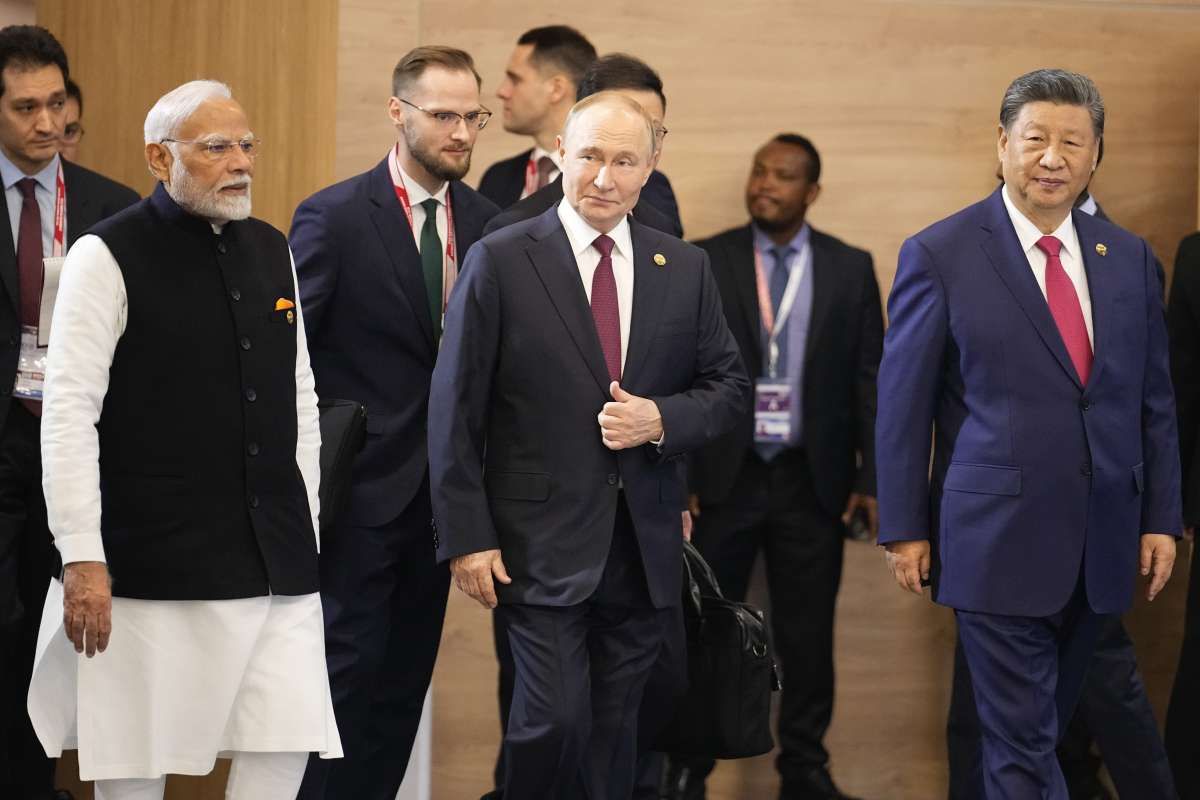
By Nitya Chakraborty The one-hour meeting between the Indian Prime Minister Narendra Modi and the Chinese President Xi Jinping on October 23 on the side lines of the BRICS summit at Kazan, has signalled a breakthrough in the bilateral relations between the two largest nations of Asia and the world. What was of significance of […]


Pearl Petroleum, a consortium operating in the Kurdistan Region of Iraq, has taken a significant step in its expansion efforts by mandating a group of banks to facilitate a $300 million bond offering. This move signals the company’s intent to enhance its financial resources, particularly as it seeks to further develop its oil and gas operations in the energy-rich region.

The decision to issue the bond, aimed at international investors, aligns with Pearl Petroleum’s strategy of capitalizing on the growing global demand for energy. With key stakeholders including Dana Gas and Crescent Petroleum, the consortium operates a series of gas fields that are pivotal to energy supply within the Kurdistan Region and beyond. This bond issuance is expected to support continued infrastructure investment and help the company maintain steady production levels amidst growing regional and global energy needs.

Pearl Petroleum’s bond will target both institutional and retail investors, with the capital raised earmarked for expanding gas production facilities and further drilling in the Khor Mor field. This field, one of the largest non-associated gas reservoirs in Iraq, has been central to Pearl’s operations, supplying gas to power plants and industrial projects across the region. The investment is set to bolster output, which currently averages around 400 million cubic feet of gas per day.

The bond is being coordinated by a syndicate of banks led by Citi, Deutsche Bank, and JPMorgan. These institutions have been mandated to structure and market the bond to a wide range of investors. The move follows Pearl Petroleum’s success in enhancing operational efficiency and solidifying its position as a major player in Iraq’s gas sector. It also comes amid renewed interest from international investors in Middle Eastern energy assets, spurred by strong global demand and energy market volatility.

Kurdistan’s gas reserves have long been a strategic asset, and Pearl Petroleum’s activities are crucial for regional energy security. The bond offering underscores the consortium’s ambition to continue expanding its footprint, despite the geopolitical complexities that come with operating in the Kurdistan Region. The area’s political and regulatory landscape remains challenging, but the firm has successfully navigated these hurdles in the past, owing to its established partnerships and local expertise.

Proceeds from the bond sale will likely be channeled toward increasing production capacity, which has been part of Pearl’s long-term growth plan. The company has outlined its intentions to raise production to 1 billion cubic feet per day over the next several years, a target that will require substantial investment in new wells, infrastructure, and processing facilities. The additional funding will also provide liquidity for future projects, ensuring that Pearl is well-positioned to meet the increasing demand for gas in Iraq and its neighboring countries.

Energy analysts have noted that Pearl Petroleum’s bond issue comes at a favorable time. Global energy prices have remained high, driven by supply disruptions and a rebound in demand following the pandemic-induced slump. Investors have been drawn to the energy sector, seeking higher returns amid an uncertain economic outlook. This has created a ripe environment for energy firms like Pearl to tap into capital markets and secure financing for long-term projects.

The Kurdistan Region, while rich in resources, faces ongoing political challenges, particularly in its dealings with Baghdad. Tensions over revenue-sharing and control of oil and gas exports have complicated efforts by companies operating in the region. However, Pearl Petroleum’s established position and its critical role in supplying gas to power plants have enabled it to maintain stable operations despite these challenges.

Pearl Petroleum’s latest move highlights the continued importance of the Kurdistan Region as a vital source of energy. The consortium has been able to steadily increase production over the years, contributing significantly to the region’s energy mix and playing a key role in meeting its electricity demands. The additional funding through the bond offering is expected to further solidify Pearl Petroleum’s leading position in the market.

The company’s long-term vision of enhancing gas production aligns with Iraq’s broader energy goals, which aim to diversify the country’s energy portfolio and reduce reliance on oil. The bond issuance is seen as a crucial step in ensuring that Pearl Petroleum can maintain its growth trajectory while contributing to the stability of the region’s energy supply.

  By K Raveendran Successive pronouncements by the Supreme Court have revealed a growing judicial sense against the potential for abuse in the draconian anti- money laundering laws. This has an important bearing on the pending petitions for the review of the apex courts verdict in the 2022 verdict by a three-member bench upholding all […]


Russia is hosting the latest BRICS summit in a strategic demonstration of strength and unity as it seeks to challenge the geopolitical dominance of the West. The BRICS group – comprising Brazil, Russia, India, China, and South Africa -has evolved beyond its original purpose as a coalition of rapidly developing economies. Initially founded to represent economic growth prospects, BRICS has since transformed into a powerful geopolitical forum, […]

A significant slowdown in wind power development is hindering the world’s efforts to meet renewable energy goals, particularly as nations strive to cut carbon emissions in line with climate agreements. Wind energy, once seen as a pivotal solution to transitioning away from fossil fuels, is facing mounting challenges that threaten its viability as a cornerstone of the global energy mix. Despite the increasing urgency for green energy […]

VISHNU RAJA
RYO YAMADA
HITORI GOTOH
IKUYO KITA