News related to
political

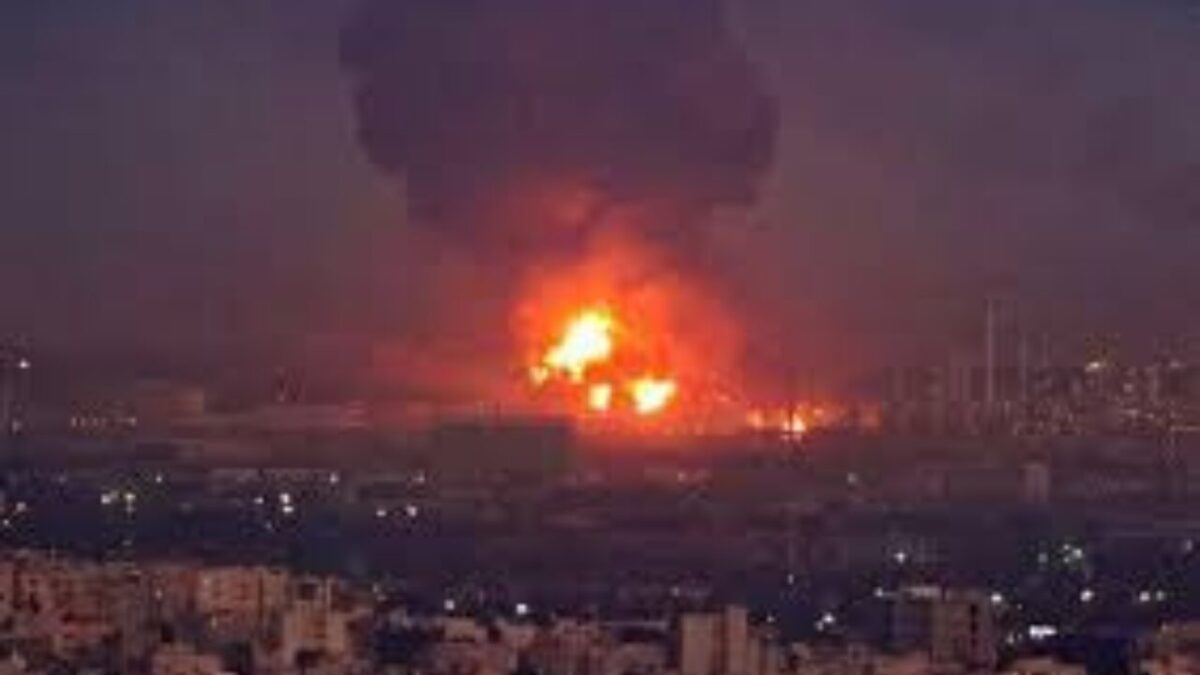
Tehran has entered a state of widespread panic as thousands of residents flee the capital following the latest wave of Israeli airstrikes targeting military, nuclear, energy, and regime-linked sites.

Cities in northern provinces such as Mazandaran, Gilan and Alborz have reported being inundated with evacuees, many travelling along the Tehran–North and Tehran–Qom highways, with gridlock stretching for miles. Fuel stations in Tehran and Karaj are overwhelmed, and shoppers report shortages of essentials amid surge demand. The Iranian capital’s internet has been intermittently throttled amid efforts to suppress distress and control the narrative.

The operation, identified by Israeli leaders as “Operation Rising Lion,” commenced on 13 June when hundreds of precision strikes struck facilities tied to Iran’s nuclear aspirations, ballistic missile production, IRGC leadership and critical infrastructure in and around Tehran. High-value targets were obliterated, including the South Pars gas field, military command centres, and the Defence Ministry, underlining Israel’s expanded scope beyond nuclear installations.

Toll estimates vary: Iranian sources cite more than 224 civilian deaths, including over a dozen IRGC commanders and key nuclear scientists, with more than 900 injured. Israeli authorities report 10 to 14 fatalities in Israel from Iranian missile counterattacks. Silence from Tehran’s official channels contrasts with visible damage and civilian trauma—homes laid waste, shattered windows, and heavy reliance on basements, subway stations and schools repurposed as makeshift shelters.

Despite a state warning against mass exodus, authorities suggested citizens near refineries evacuate and advised use of metro systems for shelter. But many view this response as inadequate; Tehran lacks a network of formal bomb shelters, and a culture that venerates martyrdom over civilian safety has limited protective infrastructure.

Residents describe scenes of desperation: families abandoning homes, children crying, and queues forming at petrol stations and ATMs amid collapsing communications. One finance analyst shared that “windows began to shake” and smoke seeped into her home during a Sunday strike, prompting her to leave the city with neighbours. Another Tehran student spoke of long petrol lines at stations and panicking crowds hunting for food.

Domestic anxiety is compounded by structural vulnerabilities. The Iranian economy, enduring its deepest crisis in decades, faces inflation rates above 40%, mass unemployment and widespread food insecurity. This backdrop of poverty and instability was outlined by Iranian government statistics and global economic monitoring groups. The middle class, already suffering from double-digit inflation and unemployment, is struggling to cope with this surge in insecurity.

In this context, analysts caution that the airstrikes may fit a wider strategy. With senior members of the IRGC and nuclear scientists killed, Israeli officials are believed to be signalling a shift towards undermining regime stability and infrastructure to accelerate political change. Prime Minister Netanyahu has urged Iranians to rise against the clerical leadership, though experts warn that such encouragement could backfire, consolidating hardliner control and prompting Tehran to accelerate its nuclear timeline.

International observers are also raising alarms about spill‑on effects. Crude oil prices have jumped over 10%, a sign of global markets jittering at the potential for further escalation. Meanwhile, the World Bank warns that heightened war intensity may undermine adjacent states involved in sensitive hydrocarbon trade and production.

Within Iran, elites are now confronting increasingly vocal criticism. Social media posts mocking authorities for failing to build basic shelters are circulating despite internet restrictions. While some citizens express threats of retaliation, others develop resignation: “You worry what’s going to come next,” one resident remarked, reflecting the capital’s unease.

Interviews with experts indicate a nation on the cusp of transformation. Iran’s leadership, confronted by a collapsing economy, degrading military deterrent, and a civilian population on the move, faces growing internal rupture. However, dissent remains fragmented and tightly controlled by the IRGC and security services.

Leaders at the 51st G7 summit convening in Kananaskis, Canada, are confronting an abrupt surge in hostilities between Israel and Iran, marked by intensified airstrikes, rising civilian casualties, and mounting diplomatic tensions. With missile barrages and pre‑emptive assaults already claiming hundreds of lives, the summit agenda has shifted dramatically, prioritising strategies to contain the conflict and avert a broader regional war.

Israeli forces launched “Operation Rising Lion” on 13 June, targeting Iran’s nuclear, ballistic missile, and military infrastructure—including key command centres and Iranian Revolutionary Guard facilities around Tehran—and killed high‑ranking officials and scientists. Iran retaliated with a wave of over 270 missiles, deploying new tactics that overwhelmed Israel’s air defences and struck densely populated urban areas such as Tel Aviv and Haifa. As of 16 June, at least five Israelis were killed and more than 100 injured in the latest overnight strikes. Iranian health authorities report a death toll of at least 224, predominantly civilians, and over 1,200 wounded.

The rapid escalation has introduced fresh complexity to international diplomacy. U.S. President Donald Trump vetoed an Israeli proposal to target Iran’s Supreme Leader Ayatollah Ali Khamenei, emphasising that such action would only inflame the situation. Trump has also signalled the possibility of brokering a deal, suggesting Iran “must make a deal before there is nothing left” and voicing optimism that peace negotiations could emerge from this crisis.

European leaders are urging urgent collective action. German Chancellor Friedrich Merz asserted at the summit that unity is essential to prevent Iran’s nuclear ambitions, uphold Israel’s right to self‑defence, curb escalation, and open diplomatic channels. He indicated that measures could include sanctions, and emphasised cooperation with regional actors such as Oman to reduce tensions with Iran and Yemen’s Houthi rebels. Meanwhile, Ursula von der Leyen and Emmanuel Macron deployed diplomats to press for negotiation, although Macron’s optimism about a swift resolution contrasts with ongoing military deployment in the region.

Britain has signalled readiness to support Israel with defensive and civil aid while advocating restraint. Prime Minister Keir Starmer has reinforced diplomatic engagement with Trump, Netanyahu, and Gulf leaders, and authorised RAF Typhoon jets as a contingency against potential Iranian threats to UK bases. Nonetheless, Iran has dismissed ceasefire calls while military operations continue.

Canada, hosting the summit, has abandoned the traditional joint communiqué, opting instead for chair’s summaries to manage discord—particularly over trade and Middle East policy—between the U.S. and other participants. Canadian Prime Minister Mark Carney emphasised the summit focus on peace, security, supply chains, and jobs—prioritising a co‑ordinated response to the Israel‑Iran crisis.

G7 officials are crafting a unified statement urging Iran to halt its nuclear programme and Israel to pause expansive military action, signalling tangible diplomatic pressure backed by clear consequences for non‑compliance. However, persistent disagreements across the bloc—over trade, relations with Russia, and climate policy—complicate efforts to forge a consensus.

Regional actors are mobilising diplomatic channels. Qatar and Oman are reportedly engaged in shuttle diplomacy to de‑escalate the conflict. Simultaneously, Iran‑backed groups, including militias in Iraq and Houthis in Yemen, are extending hostilities across front lines, prompting concern that the confrontation may metastasise into a wider regional war.

The humanitarian fallout is grave. Large‑scale displacement is underway as Iranians flee Tehran after warnings issued by Israeli forces to civilians near weapons facilities. Hospitals in northern provinces are stretched, while the Iranian Red Crescent has launched mobile clinics to address urgent needs. Energy markets have also reacted sharply: Brent crude prices spiked as Gulf insecurity intensified.

Analysts warn the conflict risks triggering retaliatory terror attacks in the West and disrupting global energy security. The G7 faces a pivotal test: coordinating military readiness, civilian protection, sanctions, nuclear non‑proliferation, and active diplomacy, all while preserving internal unity amid geopolitical divisions.

Amazon Web Services has secured a landmark 20‑year power purchase agreement with Talen Energy, guaranteeing 1,920 MW of carbon‑free electricity from the Susquehanna nuclear plant in Pennsylvania. The contract, lasting until 2042 with extension options, positions nuclear energy as a pillar of Amazon’s strategy to meet surging demand from its AI and cloud operations. Talen will gradually ramp up delivery, starting with 840–1,200 MW by 2029 and reaching full […]

Malé’s foreign exchange reserves have surged by more than $400 million, marking a notable strengthening of the nation’s external liquidity following a currency swap arrangement with the Reserve Bank of India. The Maldives Monetary Authority drew down the entire $400 million facility in October 2024, with the impact reflecting sharply in the country’s gross reserves, which rose to approximately $856 million by April 2025 from a low of $371 million earlier in the year.

Fitch Ratings has affirmed the Maldives’ Long‑Term Foreign‑Currency Issuer Default Rating at ‘CC’, citing the infusion from the RBI swap as a key factor in easing the country’s liquidity pressures. The agency also credited sustained tourism receipts and the implementation of the Foreign Currency Act, which compels tourism‑related businesses to convert a mandated portion of their monthly foreign‑currency revenues, for boosting reserves.

Despite the uplift in reserves, Fitch emphasised that gross holdings now cover just 1.5 months of external payments—well below the three‑and‑a‑half‑month median for comparable peers. Net reserves, after subtracting short‑term liabilities, remain critically thin at around $28 million. In its rating statement dated 12 June 2025, Fitch maintained the view that a sovereign default “remains a likely scenario within the foreseeable future” absent significant further support or reform.

The agency highlighted looming debt repayments of $688 million in the second half of 2025, rising to $1.1 billion in 2026, including bonds and sukuk. Policymakers in Malé are negotiating with external partners—including India, China, multilateral lenders and possibly the IMF—to secure deferments, fresh currency‑swap lines, or restructuring deals. Notwithstanding the swap, Fitch reiterated its concerns over persistent fiscal imbalance: the fiscal deficit is projected to widen to 14.5 per cent of GDP in 2025, public debt is set to reach 125 per cent of GDP by 2026, and important reforms—particularly in subsidy and healthcare spending—have been delayed on political grounds.

India formally welcomed the strengthening of Maldivian reserves, with the Indian High Commission in Malé posting on X that it “noted with satisfaction” the impact of the $400 million swap in easing external liquidity pressures. The move is part of broader bilateral economic cooperation anchored within the SAARC framework, signalling a continued role for India in supporting economic stability in Maldives.

Tourism continues to underpin the archipelago’s economy, with record visitor numbers bolstering inflows. Policymakers hope that the expansion of resort capacity and full operation of the new terminal at Velana International Airport will sustain growth and further cushion foreign currency earnings. Fitch projects GDP growth of around 4.8 per cent in 2025, increasing to 6.0 per cent in 2026 as tourism infrastructure develops.

The Foreign Currency Act, introduced last year as a fiscal measure, requires tourism businesses to sell at least 20 per cent of their monthly foreign exchange earnings to licensed banks. Separately, the MMA raised mandatory bank conversion thresholds from 60 per cent to 90 per cent, measures aimed at shoring up foreign‑exchange liquidity.

While the currency swap has delivered a temporary liquidity bridge, analysts caution that it falls short of addressing structural weaknesses. The MMA and government officials have underscored intentions to pursue fiscal consolidation and attract medium‑term financing. But Fitch has warned that absent sustained reserve accumulation, clear evidence of reform, and stronger fiscal discipline, the Maldives remains vulnerable to credit deterioration or a potential sovereign default.

India’s willingness to extend financial assistance underscores geopolitical and strategic interests. The inclusion of swap facilities, alongside ongoing debt negotiations with China and potential IMF engagement, may provide short‑term relief, but Maldives must improve its debt servicing capacity and rebuild buffers to avert future policy shocks.

Global economic momentum is set to falter, with the World Bank projecting growth of just 2.3 per cent in 2025—its weakest pace since 2008 outside explicit recessions. Elevated trade barriers, particularly rising US tariffs, and widespread policy uncertainty are identified as principal drags, causing forecast downgrades in roughly 70 per cent of the world’s economies. The Bank’s June Global Economic Prospects report indicates global trade growth will slow to 1.8 per cent in […]

Pi Network’s native token, PI, plunged to a low of approximately $0.40 following a sudden unlock and broader market sell‑off, but recent developments indicate a tentative rebound that may reshape its trajectory.

The token had tumbled roughly 35% over a short timeframe, bottoming out at $0.40 before rebounding near $0.60—marking a swift 40% recovery since June 13. Technical indicators show that PI found support at a critical $0.39 level, considered a “value area low,” which triggered aggressive buying and a solid recovery candle.

Market analysts attribute the initial crash to a dual catalyst: the unlocking of some 280 million tokens on 11 June and escalating geopolitical tensions affecting global cryptomarkets. The influx of new supply triggered panic selling, exacerbated by macro‑market uncertainty—echoing patterns seen in earlier altcoin sell‑offs amid the Israel‑Iran tensions.

Further pressure stemmed from technical sell signals. PI dipped beneath its value area low but recovered swiftly—reflecting a classic false breakdown scenario that often precedes rebounds in trader psychology. Analysts highlight the critical resistance zone between $0.65 and $0.80: clearing $0.65 could pave the way for a push to $0.80, but failure to hold above $0.61 risks another drop toward $0.57–$0.60.

Broader technical sentiment remains mixed. On one hand, bullish patterns suggest floor levels have been re‑established; on the other, indicators like MACD remain bearish with death crosses and moving averages still overhead—signalling ongoing downward bias unless momentum shifts. The Relative Strength Index hovering below neutral levels hints at entrenched selling pressure.

Longer‑term forecasts for PI vary widely. Some platforms model a gradual climb toward $2–5 by 2027–2028, potentially reaching $10 only in the 2030s, contingent on substantial ecosystem growth—particularly from apps, PiAds, verified users, and major exchange listings. For example, CoinCodex’s algorithm estimates a $10 target as far off as November 2045.

Real‑world applications and mainstream exchange listings are viewed as pivotal. A Binance listing, for instance, could trigger a rally toward $8–$10, but such speculation remains unverified. Conversely, persistent unlock schedules and wallet‑to‑exchange flows continue to weigh on sentiment.

Tokenomics pose another challenge. With a potential maximum supply reaching dozens of billions, PI requires sustained demand—via decentralised apps, micropayments, or adverts—to absorb incoming supply and sustain valuations.

Despite turbulence, the Pi ecosystem is forging ahead. The launch of a $100 million Pi Network Ventures fund aims to support startups across AI, gaming, fintech, and e‑commerce. Meanwhile, the core network continues onboarding users, though some report frustration over KYC bottlenecks, wallet migration issues, and delays in accessing the mainnet.

The community appears split. On‑chain revelations show leverage derivatives listings on platforms like Kraken Pro—a possible sign of institutional curiosity—while sentiment indicators reflect rising caution.

Short‑term outlook hinges on whether PI can maintain support above $0.61 and break through the $0.65 resistance. If momentum continues from the rebound, the token could extend toward $0.80 and potentially $1. Conversely, a failure to hold onto current gains might push it back toward the low‑$0.50s.

Though the narrative of PI reaching $10 persists—driven by long‑term believers—most analysts agree such futures rely on meaningful network adoption, ecosystem maturity, and clear-cut exchange integrations. For now, the market is focused on stabilising around the $0.60–$0.80 band and resolving token unlock uncertainties to foster a credible case for sustained growth.

By K Raveendran Israel’s strike against Iran has reignited a familiar tension in global energy markets, sending oil prices climbing into the mid-$70 per barrel range. The impact is not just visible in the numbers, but in the broader nervousness sweeping across energy trading floors and geopolitical circles alike. At the heart of this movement […]

Advertisements

Dr Imran Khalid “We made a great deal with China. We’re very happy with it.” So declared President Donald Trump in his familiar tone of triumphant ambiguity on June 11, fresh off what was touted as a breakthrough agreement to restore a trade truce between the United States and China. But if history has taught us anything, it is that “done deals” in the Trumpian lexicon tend […]

Oil benchmarks surged on Friday following a major Israeli military operation in Iran, sparking fears over potential disruptions to Middle Eastern oil supplies. Brent crude climbed more than 7 %, reaching an intraday peak of approximately $78.50, before settling at around $74.23 a barrel. The US West Texas Intermediate benchmark mirrored the jump, with intraday highs near $77.62 and a close at $72.98—a 7 % increase and the largest […]

FDI inflows into the Gulf Cooperation Council economies are set to decelerate in 2025, according to S&P Global Market Intelligence, ending a decade-long surge. Investor apprehension, shaped by evolving US trade policy, subdued oil prices, and delayed economic diversification, is expected to weigh on international capital flows. Investor uncertainty stems partly from the US administration’s tariff stance. Though current levies exclude energy products, supply‑chain disruptions and broader uncertainty […]

Over 1,800 flights have been disrupted and more than 650 cancelled after Israel’s airstrikes on Iran prompted sweeping airspace closures over Israel, Iran, Iraq, Jordan, and Syria, prompting carriers worldwide to reroute or suspend services. Tel Aviv’s Ben Gurion Airport remains closed indefinitely, while Iran’s state media confirmed grounding all flights. The European Union’s aviation safety agency has classified the region as a high-risk zone.

Flight-tracking platforms like Flightradar24 and Cirium recorded a sudden clearance of air traffic in the affected region. Planes were diverted south via Egypt and Saudi Arabia or north through Turkey, Azerbaijan, and Central Asia. Airlines such as Emirates, Qatar Airways, Etihad, Air India, Lufthansa, British Airways, Delta, United, and El Al have either cancelled or dequeued flights due to safety concerns.

El Al announced suspension of all inbound and outbound operations, evacuating its fleet from Israel. Its budget counterpart, Israir, has similarly withdrawn aircraft from Tel Aviv, with full suspension through to at least 15 June. On the US side, United suspended its Newark–Tel Aviv service until 30 June, and Delta halted routes from JFK through 31 August.

In Europe, national carriers tightened flight operations. Lufthansa extended cancellations to Tel Aviv and Tehran through July, and halted flights to Amman and Beirut until 20 June. KLM, SWISS, Aegean, Ryanair, and EasyJet collectively cancelled flights into Israel, some as late as October. Turkish Airlines, Flydubai, Pegasus, and AJet suspended routes to Iran, Iraq, Jordan, and Syria until mid‑June.

The flight disruptions are exacting a toll on airlines’ financial performance. US carriers Delta, United and American saw share prices fall between 3.5% and 5%, while the US Global JETS ETF dropped around 3.5%. Rising oil prices—spiking between 7% and 11%—have compounded the burden. Investor sentiment across transatlantic carriers remains cautious as volatility in the Middle East continues to unsettle markets.

Aviation risk consultancy Osprey Flight Solutions reports six commercial aircraft have been shot down unintentionally, with three near-miss incidents since 2001, including downed civilian jets in Kazakhstan and Sudan. Such events have heightened the emphasis on airspace risk assessment in conflict zones. International Air Transport Association Director‑General Willie Walsh stressed the need for more coordinated information sharing between states, airlines, and global flight advisory systems.

Operation Rising Lion, the designation given to Israel’s offensive, involved over 200 fighter jets striking more than 100 Iranian targets—including nuclear enrichment sites at Natanz, ballistic missile facilities, and senior military commanders. Iran retaliated with missile and drone strikes, although most were intercepted. The escalation has forced Israel to place its defence units on high alert for further retaliation.

Operationally, airlines have adapted fast. Air India rerouted 12–16 flights—spanning transatlantic and Europe‑India services—via Vienna, Frankfurt and other hubs. Emirates diverted flights from Manchester to Istanbul, and Flydubai rerouted services from Belgrade to Yerevan. Abu Dhabi’s airports issued advisories urging passengers to verify status before travelling, as disruptions are expected to persist through the weekend.

The widespread closure underscores the commercial aviation sector’s exposure to geopolitical volatility. As routes are restructured to avoid conflict zones, carriers face longer routings, elevated fuel costs, crew redeployments, and cancellations—all eroding profit margins already weakened by post‑pandemic recovery strains.

Safety remains paramount. While no civilian aircraft have been lost in the current hostilities, the track record of past downings amplifies concerns. Airlines now rely heavily on real‑time risk intelligence from platforms like OPSGROUP’s Safe Airspace and coordination with aviation authorities. Russia’s Rosaviatsia has also barred its carriers from the contested airspace and banned flights to Iran and Israel until at least 26 June.

Global aviation authorities now face calls to bolster measures: real‑time intelligence sharing, harmonised flight advisories, and contingency routing to maintain safety while minimising disruption. But as long as the Israel‑Iran confrontation rages, the skies remain fragile. Passengers worldwide are urged to monitor airline communications and government travel advisories as the situation remains highly fluid.

Markets across the Gulf and beyond plunged on Friday following a sharp military escalation after Israel struck Iranian nuclear and military sites, triggering drone counter‑attacks by Iran and a broader risk‑off reaction among investors.

Dubai’s benchmark index tumbled 5.1%, its steepest single‑day loss since May 2022, while Abu Dhabi’s dropped 3.5% before paring losses. The rout extended into Israel, where the shekel slid as much as 3.5% against the dollar, with long‑dated Israeli bonds and select regional government debt also weakening.

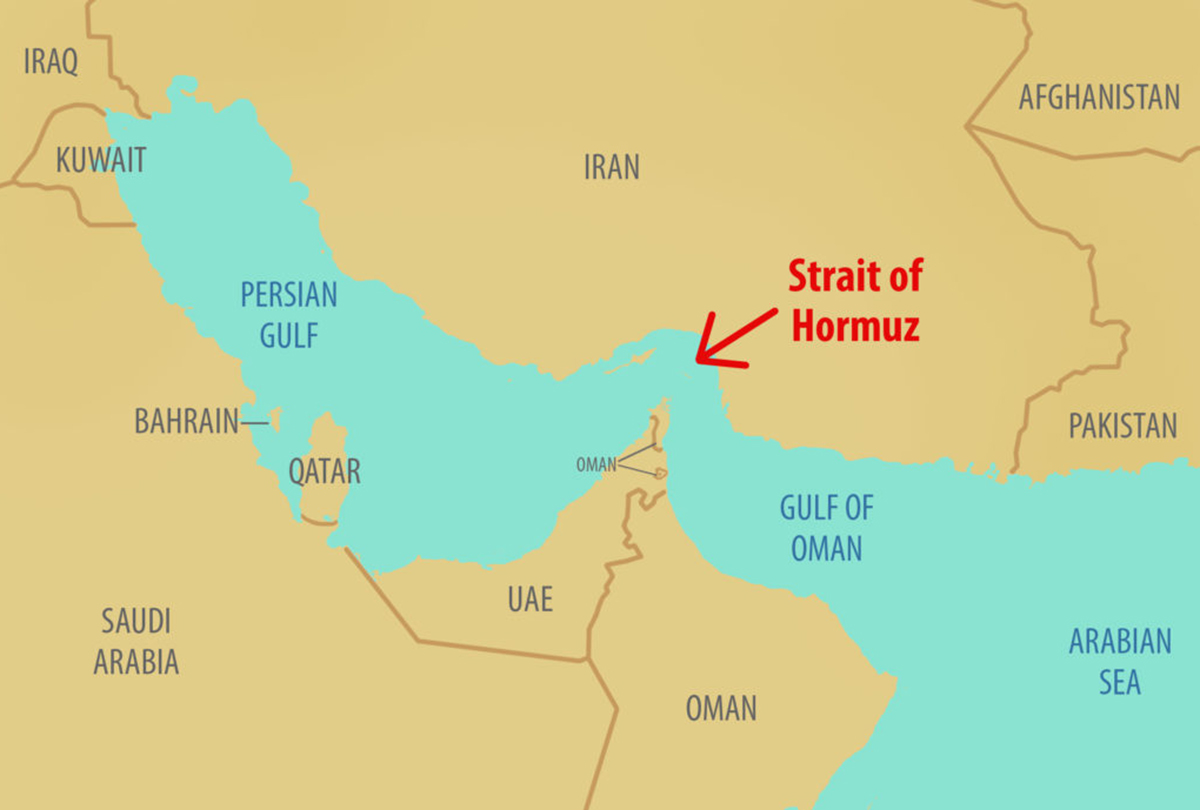
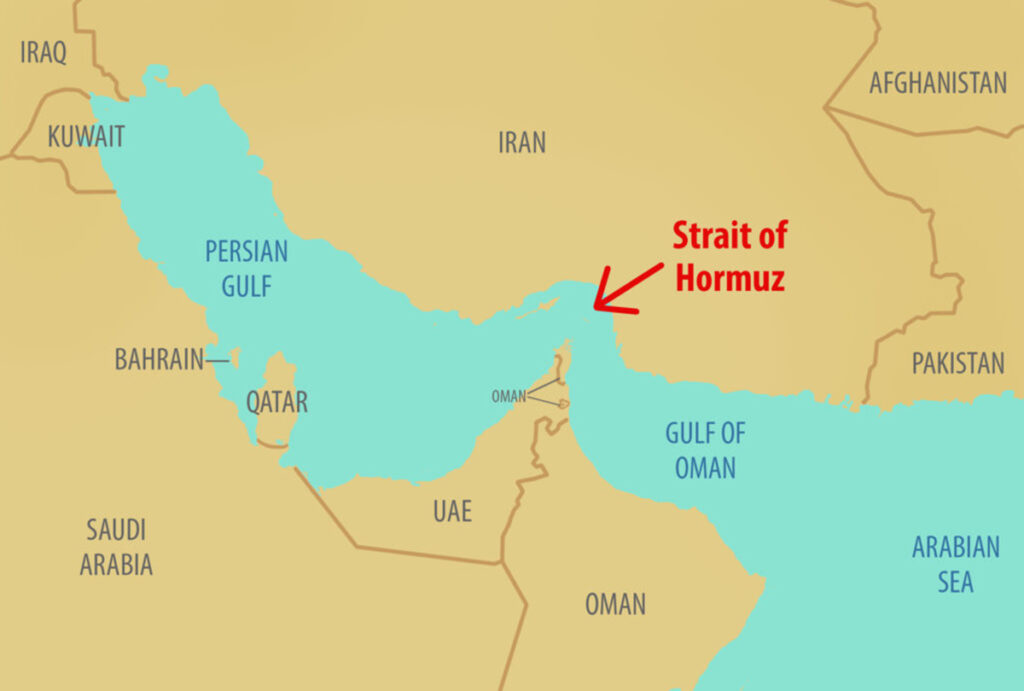
Commodity markets mirrored investor anxiety. Brent crude surged over 6%, touching its highest level in nearly five months, as traders assessed the risk of supply disruptions through the Strait of Hormuz. Gold likewise rallied, reaching two‑month highs as capital flowed into safe‑haven assets.

Airline stocks were among the hardest hit. Air Arabia shares plunged more than 4%—some reports suggest nearly 8%—as carriers rerouted flights away from airspace over Iran, Israel, Iraq and Jordan. Regional exchanges in Riyadh and Doha were closed on Friday, with trading set to resume on Sunday amid anticipation of continued volatility.

The market shockwaves reverberated worldwide. Europe, Asia and US indices all registered dips: the S&P 500 dropped roughly 0.4% mid‑day, the Dow slipped nearly 1.8% and the Nasdaq around 1.3%, while Tokyo’s Nikkei and Hong Kong’s Hang Seng also declined.

Analysts warned that while markets historically absorb such shocks fairly quickly, the sustained threat of conflict brings inflation and growth risks. Chris Scicluna of Daiwa Capital Markets noted the initial oil spike “hasn’t been too extreme” but cautioned that a sustained rise toward US $80 oil would be problematic for central banks. Meanwhile, Tariq Kakish of FH Capital pointed out that geopolitical instability remains “the key factor affecting investors’ sentiments”.

Concerns centred on the Strait of Hormuz, which channels approximately one‑third of global seaborne oil, raising the potential for disruption. Demand for insurance on tankers in the Gulf surged, and traders remain on edge over possible Iranian retaliation targeting shipping or oil infrastructure. However, OPEC+ sources suggest that Saudi Arabia and others retain sufficient spare capacity and are monitoring the situation closely.

Financial markets also showed classic risk‑off behaviour: US Treasury bonds rallied even as yields ticked higher, reflecting investor concerns about energised inflation, as per Axios commentary. The dollar strengthened, while gold and the Swiss franc benefited from increased flight‑to‑safety demand.

In Asia, the ASX 200 slipped modestly, offsetting losses in financials and consumer sectors with gains in energy and mining stocks. In Mumbai, Reliance Industries’ shares fell nearly 1.8% as Brent crude surged past $75 per barrel amidst the tensions.

Political and economic analysts emphasise two themes: the possibility of an enduring inflation shock from energy price escalation, and the risk of prolonged conflict dragging in wider regional powers. While some argue Gulf states may help mitigate supply-side shocks via increased production, others highlight that even modest increases in oil prices could influence global inflation and central bank policy.

Despite the turbulence, multiple analysts noted past flare‑ups between Israel and Iran tended to cool within weeks, with markets rebounding once diplomatic pathways re‑opened. Yet this episode differs: it involves overt attacks deep into Iranian territory, targeting nuclear and ballistic infrastructure, and marking a new phase in the conflict. The outcome may recalibrate norms for military engagement in the region—and investor expectations alongside them.

Abu Dhabi‑based IHC, in collaboration with BlackRock and Lunate, has officially launched Reinsurance Intelligence Quotient—RIQ—a global, AI‑native reinsurance platform headquartered in the Abu Dhabi Global Market. Anchored by over US $1 billion in initial equity, RIQ aims to underwrite more than US $10 billion in liabilities, spanning property and casualty, life, and specialty lines.

The platform unites human talent with advanced artificial intelligence to refine risk selection, cost control, underwriting, and customer service. Its AI core provides real‑time insights and precision decision‑making, seeking to optimise capital deployment on a global scale. Registered with the Financial Services Regulatory Authority of ADGM, RIQ is in the final stages of securing full regulatory approval.

The board of directors, chaired by Dr Sultan Ahmed Al Jaber, includes notable figures such as Syed Basar Shueb, H E Mohamed Hassan Alsuwaidi, Sofia Abdellatif Lasky, and RIQ CEO Mark Wilson, former leader at Aviva and AIA. The governance structure positions RIQ to balance regional expertise with global vision, leveraging its strategic partners.

The initiative builds on a May plan unveiled by IHC, BlackRock, and Lunate to establish an AI‑powered reinsurer targeting US $10 billion in liabilities with over US $1 billion in capital. BlackRock will contribute its Aladdin technology and insurance asset management services, while Lunate brings private and public market investment capabilities.

IHC CEO Syed Basar Shueb has emphasised the venture’s role in accelerating Abu Dhabi’s and the wider region’s nascent insurance and capital market ecosystems. “RIQ is the embodiment of IHC’s vision to invest in the next frontier of global financial services,” Shueb stated. Meanwhile, RIQ CEO Mark Wilson described the platform as purpose‑built for a changing market, combining speed and flexibility backed by deep capital.

Dr Al Jaber, who also serves as UAE’s minister of industry and advanced technology, said the platform would “connect global capital with high‑growth markets, all from the heart of Abu Dhabi’s thriving financial centre”. This reflects a broader strategic push by Abu Dhabi to position itself as a hub for innovative financial services and AI‑driven offerings.

Analysts have observed that RIQ’s AI‑native architecture could challenge traditional reinsurance models, where legacy systems often hinder real‑time pricing accuracy and capital efficiency. With global risk landscapes evolving due to climate change, cyber threats, and geopolitical instability, the deployment of AI in underwriting and risk transfer represents a notable shift in industry norms.

Industry commentators note that IHC, already one of the region’s largest investment houses, continues to accelerate its diversification strategy, adding reinsurance to its growing portfolio that spans technology, energy, real estate, healthcare, and food production. Its ability to marshal more than US $455 billion in assets and maintain tight ties to the Abu Dhabi ruling establishment adds strategic depth to RIQ’s capital and governance framework.

Key trends marking this launch include the convergence of finance and bleeding‑edge technology, a stronger regional emphasis on insurance capacity, and elevated geopolitical importance of financial resilience. RIQ is set to capitalise on these developments, channeling global capital into emerging markets, while establishing Abu Dhabi as a next‑generation centre for financial innovation.

By Nitya Chakraborty On Thursday June 12, Indian diplomacy under the Prime Minister Narendra Modi reached its lowest ebb when India abstained in the United Nations General Assembly from a vote on a resolution demanding an immediate, unconditional and permanent ceasefire in Gaza. The 193 member UN general assembly passed the resolution overwhelmingly with 149 […]

Foxconn’s latest customs data confirms that from 1 March to 31 May 2025, an overwhelming 97 per cent of all iPhones assembled in India were destined for the United States, totalling $3.2 billion in exports—nearly double the 50 per cent average seen throughout 2024. May alone accounted for almost $1 billion, the second‑highest monthly export value ever recorded—just behind March’s $1.3 billion. This sharp shift reflects Apple’s concerted effort to navigate escalating U.S. tariffs targeting Chinese […]

UAE’s economy is set to expand by 4.6% in 2025, bolstered by a strong non‑oil core and a gradual return in oil output, according to projections from the World Bank’s June “Global Economic Prospects” edition. This represents a 0.6‑point upward revision from January. The outlook for 2026 has also been upgraded to 4.9%, with growth anticipated to hold at that level in 2027. At the heart of […]

Stock markets across Asia plunged as global investors rushed to safe-haven assets following a military strike by Israel on Iran’s nuclear and ballistic missile facilities, intensifying geopolitical tensions in the Middle East. U.S. equity futures dropped sharply, while commodity prices surged—fuelled by fears of supply disruption and escalating conflict.

Crude oil futures reacted violently, with Brent surging about 9 % to approximately US $75.36 per barrel and West Texas Intermediate climbing to US $74.20, both marking the largest daily gains in months. Goldman strategists and energy analysts attributed the spike to risk premiums linked to potential retaliation and threats to regional infrastructure, especially across the Strait of Hormuz.

Precious metals and defensive currencies were also swept up in the panic. Spot gold rose by around 1.5 % to trade near US $3,434 per ounce, inching closer to its April record peak of US $3,500. The Swiss franc strengthened by roughly 0.4 % to reach two‑month highs against the U.S. dollar, while the yen appreciated by about 0.3 %—classic indicators of risk-off sentiment.

Asia’s leading equity indices suffered notable losses: Tokyo’s Nikkei 225 fell between 1.2 % and 1.4 %, Seoul’s Kospi dropped about 1.1 %, and Hong Kong’s Hang Seng declined roughly 0.8 %. U.S. S&P 500 E‑mini futures and Nasdaq futures plunged between 1.7 % and 1.8 %, while Pan‑European STOXX 50 futures slid around 1.6 %.

In India, the Nifty 50 and Sensex tumbled approximately 1.2 %, with the oil and gas sector leading losses thanks to narrower refining margins and soaring crude prices. Stocks of Bharat Petroleum, Indian Oil Corporation and HPCL each shed between 3.5 % and 6 %. Airline stocks, already shaken by a recent Air India crash near Ahmedabad, declined further as travel costs and uncertainty weighed heavily.

Debt markets saw a flight to quality. U.S. Treasury bonds rallied, pushing the 10‑year yield down to around 4.31–4.35 %, its lowest in a month. Currency markets mirrored these moves: the dollar index rose around 0.5 %, while the euro and sterling retreated slightly.

Analysts suggested the next moves hinge on Iran’s response. Charu Chanana, chief strategist at Saxo, noted that if tensions ignite, safe-haven demand and commodity volatility will likely persist. Matthew Haupt from Wilson Asset Management described this as a “classical risk‑off move,” adding that duration and scale of Tehran’s likely response will shape market impact.

This episode compounds earlier market strains. The global economy already faces headwinds from volatile U.S. trade policy and high inflation, while negotiations over Iran’s nuclear programme have stalled. A planned sixth round of talks in Oman was overshadowed as military actions overshadowed diplomacy.

Market indicators suggest traders are swiftly reducing risk exposure ahead of the weekend. Tony Sycamore from IG forecast continued selling in equities, saying that prudent investors will likely trim positions until further clarity emerges.

Energy market strategists warned of wider contagion. According to Saul Kavonic of MST Marquee, unless Iran specifically targets major oil infrastructure, supply impact remains limited—but persistent unrest could be enough to constrain output and flow through the region.

HONG KONG SAR – Media OutReach Newswire – 13 June 2025 – The International Automotive & Supply Chain Expo (Hong Kong) 2025 opened on June 12, bringing together global industry leaders. Seizing this strategic opportunity in Hong Kong, Dongfeng Motor is showcasing its technological edge and promoting nine flagship models covering both passenger and commercial vehicle segments. Dongfeng Motor aims to rank among the top three Chinese […]

The newly announced trade agreement between the United States and China offers temporary relief from economic tensions, but it does not resolve the deep strategic rift between the world’s two largest economies. For investors, I believe, this is a short-term fix within a long-term rivalry, and portfolios must be positioned accordingly. President Donald Trump’s statement that a deal is “done” follows two days of talks in London. […]

Africa’s ageing oilfields are undergoing a transformation as artificial intelligence technologies unlock new opportunities for enhanced oil recovery. Operators across the continent are leveraging data-driven systems, machine‑learning and regional policy incentives to revive mature reservoirs, boost output and improve efficiency. Major energy firms have spearheaded this push. SLB opened a 3,200 sq ft Africa Performance Centre in Luanda, Angola on 28 January 2025, designed to offer a collaborative platform for digital […]

OpenAI is holding discussions with a range of international investors—including Saudi Arabia’s Public Investment Fund, Reliance Industries of India, and Abu Dhabi’s MGX—to raise around $40 billion in fresh equity. The move marks a pivotal effort to underwrite its ambitious next-generation AI models and the expansive Stargate infrastructure initiative. The round is being led by Japan’s SoftBank, which aims to shepherd significant capital into artificial intelligence advancements. At […]

Trump Media & Technology Group, owner of the Truth Social platform, has submitted a Form S‑1 registration to the U.S. Securities and Exchange Commission for its proposed Truth Social Bitcoin ETF, aiming to list on NYSE Arca. The application states the fund will hold Bitcoin directly, with Crypto.com serving as custodian, prime execution agent and liquidity provider, and Yorkville America Digital listed as sponsor. NYSE Arca has separately filed a Form 19b‑4 to list the fund should it receive regulatory approval.

The filing highlights an unprecedented disclosure linking the fund’s prospects to President Trump’s crypto-related initiatives. For the first time in a crypto-ETF filing, the risk section cites creation of an SEC crypto task force in January and the March executive order establishing a Strategic Bitcoin Reserve. It warns that the impact of these policies on the sponsor, the fund, TMTG, Crypto.com or affiliates “is not possible to fully predict”. Bloomberg’s Eric Balchunas noted this is likely “the first time ever the advisor is in the risk section”.

If approved, the ETF would become part of a growing cohort of spot Bitcoin funds currently active in the U.S., including BlackRock’s iShares Bitcoin Trust, which has amassed over US $70 billion in assets, BlackRock having initially launched the product in January 2024. Other major asset managers—Fidelity, Bitwise—also offer similar instruments, making the market highly competitive.

TMTG’s proposed fund is closely tied to the broader ambitions of Trump’s crypto policy platform. The earlier executive order in March 2025 mandated creation of a Strategic Bitcoin Reserve using government-forfeited assets, effectively integrating Bitcoin into sovereign reserves. The order also created a U.S. Digital Asset Stockpile, requiring federal agencies to centralise digital asset holdings and obliging the Secretaries of Treasury and Commerce to evaluate further acquisitions at no cost to taxpayers.

The regulatory backdrop has shifted markedly. January’s executive directive established a Presidential Working Group on Digital Asset Markets and directed the SEC to create a crypto task force. Gary Gensler resigned as SEC chair on the eve of Trump’s inauguration and was succeeded by Paul Atkins, a noted crypto advocate. The SEC has since dropped several previous enforcement cases and eased accounting rules, paving the way for more crypto-product filings.

Trump Media’s broader strategy involves securing a substantial Bitcoin treasury. SEC filings indicate its Form S‑3 shelf registration allows issuance of up to 85 million shares tied to its $2.3 billion private placement, earmarked to purchase roughly 23,000 Bitcoin—potentially placing the company among the top public corporate holders. Custody of these assets is expected to be shared between Anchorage Digital and Crypto.com.

Yorkville America Digital’s dual role—as sponsor of the ETF and partner to TMTG—has raised questions of conflicts of interest. The risk disclosure notes Yorkville affiliates are also involved in Truth.Fi, an investing platform tied to Trump’s “America First” agenda, and have made up to $2.5 billion in equity commitments to TMTG. The same affiliate acted as co-placement agent for the $2.44 billion private placement.

Financial markets have responded with mixed signals. While Bitcoin briefly surpassed US $111,000 following Trump’s return to the executive and policy shifts, it has since retreated to the US $105,000–$101,000 range. TMTG’s own stock dropped around 8 per cent following public disputes between Trump and Elon Musk, and remains down roughly 56 per cent over the past 12 months.

Analysts say the fund faces significant challenges. Despite its high-profile branding and alignment with Trump’s policy agenda, it competes against established firms with deep institutional credibility. ETF expert Dave Nadig remarked that long-term asset gathering for this fund is “extraordinarily unlikely”. CoinCorner CEO Danny Scott expressed unease about Trump’s use of political influence in personal financial ventures.

The ETF’s structure also contains potentially problematic clauses. Cointelegraph reports that the S‑1 includes exclusive arrangements granting Crypto.com sole custodian and liquidity provision roles, and provisions that allow the sponsor to take positions ahead of the Trust—raising transparency concerns.

Still, proponents contend the fund could redefine retail and ideological investor access. Backers assert its America‑First branding might appeal to conservative retail investors seeking regulated Bitcoin exposure. Crypto.com’s reach—serving over 140 million users and holding approximately US $30 billion in assets—could alleviate institutional concerns about custody risk.

Approval hinges on SEC review of both S‑1 and 19b‑4 filings. With multiple spot Bitcoin ETFs already approved in the U.S., the regulatory framework exists—but TMTG’s political ties, interlocking financial relationships and novel disclosures may trigger heightened scrutiny.

Pentagon officials have trimmed the U.S. Air Force’s F-35A fighter jet order dramatically, requesting just 24 aircraft in fiscal year 2026—cutting it by half from the previously projected 48 jets. The revised procurement proposal, submitted to Congress, seeks approximately $3.5 billion for the jets and an additional $531 million set aside for advance materials procurement. This downsizing is part of a broader strategy by the Department of Defence to […]

By Nitya Chakraborty The high level delegations of United States of America and China concluded their two day trade talks in London on Tuesday agreeing to take forward the course of negotiations for further promoting steady and healthy development of economic and trade ties between the two largest economies of the world. Both Chinese and […]
VISHNU RAJA
RYO YAMADA
HITORI GOTOH
IKUYO KITA
Just in:
CrowdStrike explores Zscaler takeover amid cybersecurity dealmaking // Ex-minister named accused in Messi visit fraud case // Saudi Arabia schedules multinational top-up tax for 2027 // Promoting Common Human Development Through Exchanges and Mutual Learning Among Civilizations // Abu Dhabi boat show seals manufacturing partnership on Saturday // Crypto market loses $150 billion amid broad sell-off // US military rebuts Iran’s Gulf F-16 strike allegation // Sabarimala booking discrepancies prompt sabotage angle probe // Yeebo Announces Interim Results for FY26/27 Revenue Increases by 45.5% to HK$806.7 Million Profit Attributable to Owners Surges 87.6% to HK$2,284.7 Million // Padmini follows Padmaja for ‘ghar vapsi’ // UN arms talks sidestep binding autonomous weapons rules // Energy Markets Find Little Substance In Shenzhen Summit Promises // Technology at Work, Heritage for All: The “Chinese Approach” to Safeguarding the Leshan Giant Buddha // Diabetes Malaysia And Alpro Pharmacy Set National Record With 11,007 Most Blood Glucose Screenings Conducted Across Malaysia In Just 48 Hours // PayerMax and ShopeePay Strengthen Strategic Partnership to Advance Digital Payment Collaboration in Southeast Asia // Vinhomes Green Paradise: An ESG++ Megacity and the Future of Sustainable Urban Living // Egypt’s African Union trade climbs to $8.2 billion // California examines possible criminal breaches in Nvidia investigation // Balagopal challenges CM over tax revenue //
Centre grants aircraft cabin access for Sabarimala pilgrims’ irumudi
//