News related to
political

A significant slowdown in wind power development is hindering the world’s efforts to meet renewable energy goals, particularly as nations strive to cut carbon emissions in line with climate agreements. Wind energy, once seen as a pivotal solution to transitioning away from fossil fuels, is facing mounting challenges that threaten its viability as a cornerstone of the global energy mix. Despite the increasing urgency for green energy […]

Saudi Arabia is on track for a significant economic acceleration in 2025, driven by a strategic increase in oil production alongside broader diversification efforts. The Kingdom’s Vision 2030 initiative, aimed at reducing dependence on oil and promoting sectors such as tourism and technology, is expected to further complement this growth trajectory. The International Monetary Fund (IMF) has recently projected Saudi Arabia’s GDP growth to reach 4.2% in […]

Britain’s wealthy are increasingly eyeing the UAE as a prime destination for relocation, with over 800 high-net-worth individuals (HNWIs) expected to make the move in 2024. The UAE, renowned for its strategic location, luxurious lifestyle, and favorable tax policies, has become a top choice for millionaires worldwide. The Henley Private Wealth Migration Report reveals that this year, the UAE will welcome a record-breaking 6,700 millionaires, of which […]

The International Monetary Fund has raised concerns that global markets are underestimating the potential economic impact of geopolitical tensions. Amid signs of improving economic stability, especially as global disinflation enters its final stages, the IMF has identified several medium-term risks that could significantly disrupt financial markets. According to its latest Global Financial Stability Report, while short-term global financial stability risks have receded, major vulnerabilities persist.

The IMF’s warning comes at a time when many market participants are hopeful about the prospects of a “soft landing” for the global economy, aided by disinflation and easing monetary policies. Emerging markets have shown resilience, and international debt issuance has picked up in some frontier economies. Despite these optimistic signs, there are concerns that the financial system remains fragile, especially in light of potential external shocks.

One of the key areas flagged by the IMF is the growing strain in the commercial real estate sector. Rising interest rates over the past year have exposed vulnerabilities within the sector, and further shocks could worsen these conditions. The IMF also points to signs of credit deterioration among corporations, which could intensify if adverse economic conditions continue.

The report highlights that geopolitical tensions remain a significant factor that global markets may be neglecting. Escalating geopolitical conflicts, such as the war in Ukraine and ongoing trade disputes between major economies, present long-term threats that could disrupt financial systems worldwide. These risks are further compounded by cyber threats, which the IMF notes have been on the rise. Although no major systemic disruptions have been caused by cyber incidents so far, the increasing probability of severe cyberattacks poses a looming threat to global macroeconomic stability.

In addition to geopolitical and cyber risks, the IMF underscores the vulnerability of the corporate credit market, which has expanded rapidly in recent years. This market, particularly in private credit, now rivals more traditional forms of lending, including commercial banking. While private credit markets have served as an important source of capital for mid-sized firms, they are also exposed to higher risks. A sudden downturn in economic conditions or a sharp increase in interest rates could leave many of these firms struggling to meet their debt obligations, creating ripple effects throughout the global financial system.

While the IMF acknowledges the progress made in global disinflation and the efforts of central banks to maintain stability, it is urging policymakers and financial institutions to remain vigilant. The report recommends that governments and central banks continue to assess and address medium-term risks while maintaining a focus on geopolitical and cyber threats that could lead to severe disruptions.

By Rabindra Nath Sinha KOLKATA: “We have no inhibition in socialising over a bowl of soup or a cup of tea or coffee; but thereafter it is ‘thus far and no further for us’. We have our long-standing demands and we are firm on pursuing those”, important Kuki and Naga leaders told IPA when asked […]

Donald Trump has unveiled a tax reform proposal aiming to exempt approximately 93.2 million Americans from federal income taxes. This ambitious plan focuses on eliminating income tax liabilities for individuals earning below a certain threshold, which aligns with Trump’s ongoing efforts to reshape the tax system and promote economic growth. The initiative proposes significant changes, including the removal of taxes on tips and Social Security benefits, signaling a shift in fiscal policy that may impact millions of low- and middle-income workers.

Central to Trump’s tax strategy is the introduction of a new revenue framework based on tariffs, which he argues will replace the traditional income tax model. The proposal outlines a universal 20% tariff on all imports, with an even steeper 60% tariff on goods imported from China. By doing so, the former president aims to generate substantial revenue that would fund his tax cuts and other fiscal initiatives. This approach represents a fundamental change in how the government would collect revenue, relying more heavily on trade rather than direct taxation of citizens’ incomes.

The proposed reforms have sparked debate among economists and policymakers regarding their viability and potential consequences for the economy. Proponents argue that the elimination of income taxes for a large segment of the population would increase disposable income, thereby stimulating consumer spending and fostering economic growth. They contend that individuals who currently face a significant tax burden would have more resources to invest in goods, services, and savings.

Critics, however, caution that such a tax overhaul could lead to considerable budget deficits if the anticipated tariff revenues do not materialize as projected. They highlight that a universal 20% tariff on imports could provoke retaliation from trade partners, particularly China, potentially escalating into a trade war. The economic implications of increased tariffs could also ripple through domestic industries that rely on imported materials, resulting in higher costs for consumers and businesses alike.

Key players in the political landscape are beginning to respond to Trump’s tax plan. Some members of Congress have expressed cautious optimism, suggesting that the proposal may resonate with constituents frustrated by high taxes. Others remain skeptical, voicing concerns about the long-term fiscal implications and the impact on essential government services funded by income tax revenue.

The plan’s reliance on tariffs raises questions about its impact on inflation. With increased costs associated with imported goods, the price of everyday items could rise, disproportionately affecting low-income families who already spend a larger share of their income on necessities. Economists warn that the resulting inflationary pressures could negate any short-term benefits gained from tax exemptions.

Public opinion regarding tax reforms is mixed. A recent survey indicates that while many Americans favor tax cuts, there is significant apprehension about how those cuts would be funded. The possibility of higher consumer prices due to increased tariffs creates a dilemma for many voters, who may find themselves caught between lower taxes and rising costs of living.

Amid this backdrop, Trump’s proposal has found both support and resistance within the Republican Party. Some party members see this as an opportunity to fulfill a long-standing goal of overhauling the tax system in a way that aligns with conservative principles. Others warn against the potential fallout from abandoning traditional income tax structures, emphasizing the need for a balanced approach to tax reform that safeguards government revenue and public services.

As discussions surrounding the proposal continue, financial markets are watching closely. The uncertainty around tariff policies and their economic repercussions could lead to increased volatility, especially in sectors sensitive to trade. Investors are likely to assess how the tax plan and its implementation will influence consumer behavior and corporate profits.

While the tax reform proposal seeks to simplify the tax code and alleviate the burden on a significant portion of the American population, the broader implications of such changes remain to be fully understood. Stakeholders from various sectors are encouraged to engage in the debate, weighing the benefits of tax relief against the potential economic risks associated with an untested revenue model reliant on tariffs.

Global oil prices have started to recover after last week’s sharp decline, which saw a 7% loss driven by concerns over supply and demand dynamics. Factors such as higher output from major oil-producing nations and fears of slowing demand due to global economic uncertainty had sent prices tumbling. However, industry analysts now anticipate a gradual recovery, citing potential geopolitical risks and tightening supply measures from key producers like Saudi Arabia and Russia. Market participants are closely monitoring the evolving situation, especially with winter approaching, which traditionally bolsters demand.

Several contributing factors have influenced the market volatility. Last week’s sharp drop was linked to bearish demand signals, particularly from China, one of the largest importers of crude oil. China’s economic slowdown has continued to worry energy traders, as the country’s lower-than-expected industrial activity and economic data cast a shadow over oil demand projections.

Meanwhile, on the supply side, major oil exporters have maintained elevated production levels, adding to the downward pressure on prices. Saudi Arabia and Russia, both key members of the OPEC+ alliance, have previously agreed on voluntary cuts to manage the market, but production has remained higher than some traders anticipated. The United States, too, has seen an increase in shale production, further influencing the global oil supply glut.

Despite the recent pullback, market experts believe a rebound is on the horizon. Seasonal factors, including colder weather in the northern hemisphere, are likely to drive demand for heating oil, helping to support prices. In addition, geopolitical tensions in key energy regions, such as the Middle East, remain a wildcard that could lead to supply disruptions and drive prices higher in the near term. Any further developments in the Israel-Gaza conflict, for example, could ripple through the global energy markets, with potential repercussions for oil flows.

Energy traders have also been closely watching U.S. crude inventories, which play a crucial role in balancing global supply-demand. A significant drop in stockpiles could prompt oil prices to move upward. Additionally, the Federal Reserve’s approach to interest rates and inflation continues to impact broader market sentiment, including energy commodities.

Advertisements

Growing economic ties between Russia and the United Arab Emirates (UAE) are underscored by a notable increase in trade, which has reportedly tripled over the last three years, according to President Vladimir Putin. This significant surge in bilateral commerce reflects a strengthening partnership that encompasses various sectors, including energy, agriculture, and technology. Both nations have shown a commitment to further expanding these economic relations, particularly in the […]

Taking Place on 24 – 25 October the Forum Brings Together Leading Venture Capitalists and Entrepreneurs to Discuss Global Venture Capital Trends and Challenges, and Explore the Future Path of Hong Kong as the International Innovation and Technology Hub with Fresh Perspectives HONG KONG SAR – Media OutReach Newswire – 19 October 2024 – In the face of the lingering global economic and geopolitical uncertainties, the annual […]

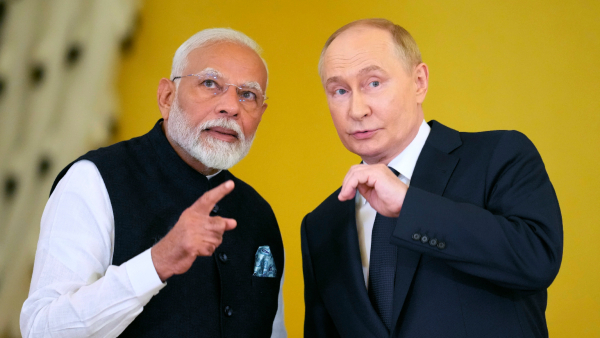
By Nitya Chakraborty Prime Minister Narendra Modi is attending the summit of the expanded BRICS block at Tatarstan city of Kazan in Russia on October 22 to 24 to be hosted by President Putin. This summit is of crucial importance for both the Indian PM as also the President Putin. Narendra Modi is attending it […]

LOS ANGELES/DNA, UNITED STATES – Newsaktuell – 18 October 2024 – With less than three weeks to go until the November 5 presidential election, a new analysis warns that declining democratic accountability in the US means the power of American people’s voice will be diminished. Two candidates for the US presidency. A person stops to watch a screen displaying the US Presidential debate between Vice President and […]

By Nitya Chakraborty The allegation by the Canadian Prime Minister Justine Trudeau involving Indian diplomats of the high commission in the killing of the Sikh extremist Canadian citizen, Hardeep Singh Nijjar, last year and also in the assassination attempt on another Sikh lawyer G S Pannun in USA, has created a storm in the global […]

A coalition of eleven nations has committed to the Middle East Green Initiative, aimed at addressing climate change and promoting sustainable development across the region. This significant expansion follows a recent summit where leaders gathered to discuss collaboration on environmental issues, further cementing the initiative’s role as a central platform for regional cooperation on sustainability. The Middle East Green Initiative, launched by Saudi Arabia, is designed to […]

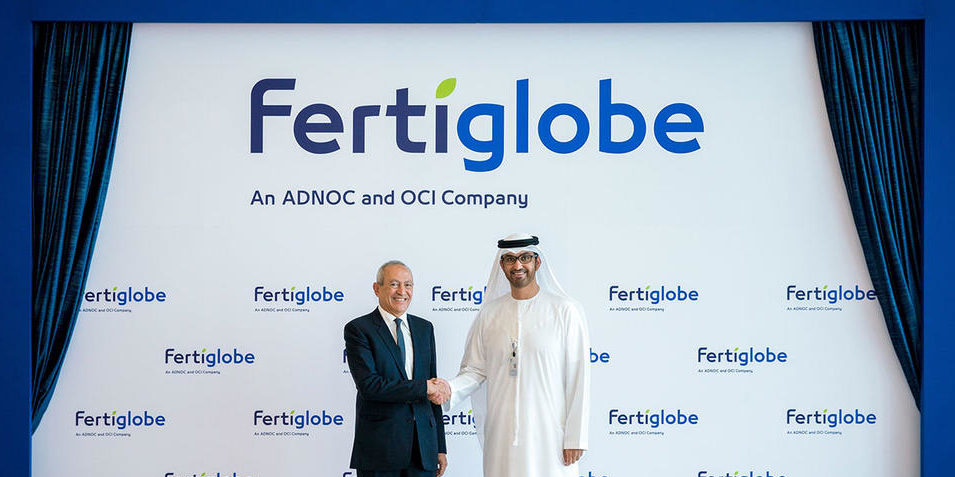
Fertiglobe, a prominent player in the nitrogen fertilizer industry, is making significant strides in securing long-term ammonia contracts, a move that could reshape its growth trajectory. The CEO, Hassan Badrawi, recently emphasized that these contracts are pivotal in bolstering the company’s market position and enhancing its profitability in an evolving landscape.

The company, a joint venture between Abu Dhabi National Oil Company (ADNOC) and OCI N.V., has been actively pursuing long-term agreements with key industrial clients globally. These contracts, spanning multiple years, are designed to provide stable pricing and guaranteed supply, allowing Fertiglobe to navigate the volatility often seen in the commodity markets. Badrawi noted that securing these contracts not only solidifies relationships with clients but also ensures a consistent revenue stream that supports long-term investments in production capacity and technology.

Fertiglobe’s approach aligns with broader industry trends, where manufacturers are increasingly prioritizing sustainability and supply chain resilience. The global ammonia market has experienced fluctuations due to geopolitical tensions, trade dynamics, and changing regulatory environments. Fertiglobe aims to mitigate these challenges by locking in long-term agreements that provide predictability in supply and pricing. This strategy is particularly crucial as countries transition towards more sustainable agricultural practices and seek reliable sources of nitrogen fertilizers.

The CEO highlighted the importance of innovation in Fertiglobe’s operations. The company has been investing heavily in technology to enhance production efficiency and reduce carbon emissions. Fertiglobe is committed to producing “green ammonia,” which is generated using renewable energy sources and is expected to play a crucial role in meeting future fertilizer demand while addressing environmental concerns. This commitment to sustainability resonates with clients who are increasingly seeking eco-friendly solutions in their supply chains.

The ammonia market is witnessing robust growth, fueled by rising global food demand and a push for more sustainable agricultural practices. As populations expand and dietary patterns shift, the need for effective fertilizers has never been more critical. Fertiglobe’s strategic focus on long-term contracts positions it favorably to capitalize on this growth, ensuring that it can meet the needs of its customers while also contributing to global food security.

Fertiglobe’s operational footprint is another factor that enhances its competitive advantage. The company’s facilities, located in the United Arab Emirates, benefit from proximity to key markets and access to essential raw materials. This geographical advantage not only reduces transportation costs but also improves supply chain efficiency. By securing long-term contracts with local and regional clients, Fertiglobe is poised to solidify its role as a reliable ammonia supplier.

Analysts are optimistic about Fertiglobe’s strategy. The company is seen as a key player in the ammonia sector, with the potential to expand its market share significantly. The move towards long-term contracts aligns with investor expectations for stability and growth, particularly in a sector characterized by fluctuations in demand and supply. As the agricultural sector increasingly emphasizes sustainability, Fertiglobe’s initiatives in producing green ammonia are likely to attract attention and investment.

Fertiglobe’s commitment to transparency and ethical practices strengthens its position in the market. As stakeholders demand greater accountability from corporations, Fertiglobe’s focus on sustainable practices and responsible sourcing is expected to enhance its reputation and foster long-term relationships with clients. This ethical approach not only appeals to consumers but also aligns with the growing expectations from investors for companies to prioritize environmental, social, and governance (ESG) factors.

Fertiglobe’s initiatives reflect a broader industry shift towards greater collaboration among key players. The establishment of long-term contracts is not just about securing sales; it also involves sharing knowledge and resources to drive innovation in fertilizer production and distribution. As Fertiglobe continues to forge strategic partnerships, the potential for collaborative projects that enhance sustainability and efficiency becomes increasingly feasible.

As the global market for ammonia evolves, Fertiglobe is well-positioned to adapt to changing dynamics. The emphasis on long-term contracts reflects a proactive strategy to ensure stability and growth, while the commitment to innovation and sustainability aligns with industry trends. With food security and environmental sustainability at the forefront of global concerns, Fertiglobe’s initiatives in securing long-term ammonia contracts underscore its role as a pivotal player in the agricultural supply chain.

The upcoming BRICS summit in Kazan, Russia, is closely monitored for potential developments in economic cooperation and currency strategies. With the introduction of new members and the ongoing development of a BRICS currency, this gathering could mark a significant turning point in international finance. Will the summit unveil a new era of economic cooperation and bring about a new currency? Global broker Octa provides the analytics. The […]

A coalition of funders has initiated a groundbreaking project aimed at bridging the gap between scientific research and policymaking, with a commitment of US$70 million. This significant investment will support the establishment of a comprehensive framework for synthesizing scientific evidence rapidly, thus enabling governments to make informed decisions on pressing global challenges, including climate change, public health, and sustainable development. The initiative, driven by prominent organizations and […]

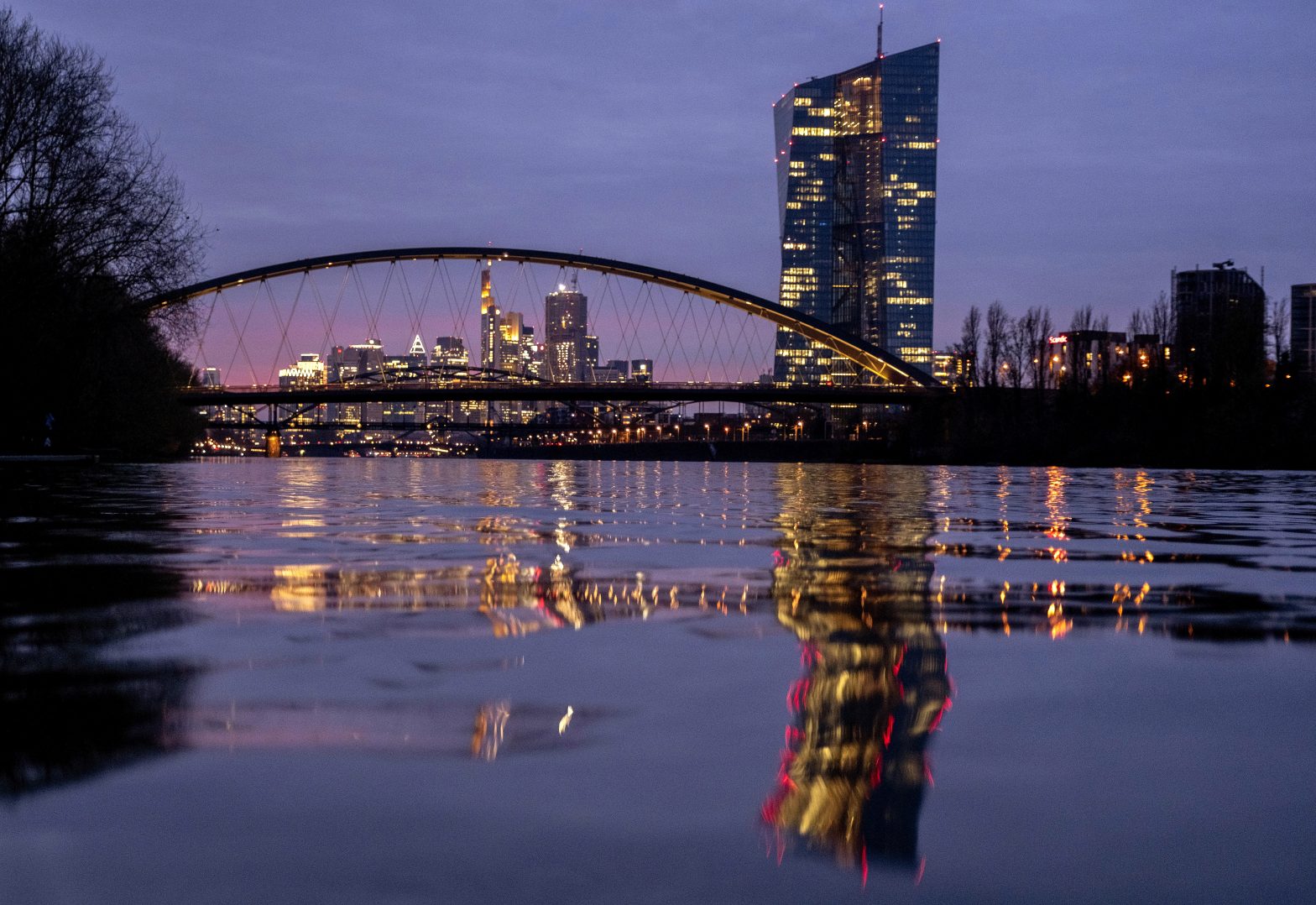
The European Central Bank (ECB) has decided to lower its key interest rates by 25 basis points, bringing the benchmark rate to 3.25%. This move aligns with the ECB’s ongoing strategy to combat inflation and stabilize the economy amidst various pressures. The reduction, which is the latest in a series of adjustments, reflects the central bank’s commitment to achieving its inflation target of around 2%.

The decision to cut interest rates is part of a broader trend observed among central banks as they navigate economic challenges post-pandemic. Many economists anticipated this move, given the mixed signals from inflation data and the need to support economic growth. ECB President Christine Lagarde indicated that the bank will remain vigilant, balancing the need for inflation control with the risks associated with slowing economic activity.

Inflation in the Eurozone has been a persistent issue, fueled by supply chain disruptions and rising energy costs. The latest figures show that consumer prices rose by approximately 5.3% year-on-year in September, down from a peak of 10.6% in October 2022. While the downward trend is encouraging, it remains above the ECB’s target, prompting the need for further monetary policy adjustments.

Market analysts are closely monitoring the ECB’s actions, as the central bank’s approach will have significant implications for various sectors, particularly banking and consumer spending. Lower interest rates typically encourage borrowing and spending, which can stimulate economic growth. However, there are concerns that prolonged low rates could lead to asset bubbles and encourage excessive risk-taking among investors.

The ECB’s decision comes as other major central banks, such as the Federal Reserve and the Bank of England, are also reassessing their monetary policies. The Federal Reserve has maintained a more hawkish stance, keeping rates elevated in its fight against inflation. In contrast, the Bank of England is adopting a more cautious approach, reflecting the UK’s unique economic challenges.

Following the ECB’s announcement, stock markets across Europe reacted positively, with major indices experiencing gains as investors welcomed the prospect of cheaper borrowing costs. Financial markets had largely priced in this rate cut, leading to a relatively muted response in bond yields. Analysts suggest that while this rate reduction may provide short-term relief, the ECB will need to continue monitoring inflation closely.

Amidst this backdrop, the European economy faces several headwinds. Economic growth forecasts have been revised downward, with the International Monetary Fund projecting a growth rate of 0.9% for the Eurozone in 2024. Factors such as high energy prices, geopolitical tensions, and tightening global financial conditions pose significant risks to the economic outlook.

The ECB’s approach to managing inflation will be pivotal in shaping the trajectory of the Eurozone economy. The bank has emphasized the importance of a data-driven approach, indicating that future decisions will hinge on incoming economic indicators. Analysts expect further discussions regarding the balance between stimulating growth and controlling inflation at upcoming ECB meetings.

The ECB is under pressure from various stakeholders, including member states and financial institutions, to ensure that its policies support sustainable growth. There are ongoing debates about the effectiveness of low interest rates in addressing the structural issues facing the Eurozone economy, such as productivity stagnation and demographic challenges.

Looking ahead, the ECB is likely to face a complex economic landscape. With inflation pressures expected to persist, the central bank may need to implement additional measures to ensure price stability. Market participants will be keenly watching for any signals from the ECB regarding its future policy direction, particularly in light of evolving economic conditions.

As the Eurozone navigates this multifaceted economic environment, the ECB’s recent rate cut represents a significant step in its efforts to achieve a balanced approach to monetary policy. The implications of this decision will be felt across various sectors, influencing everything from consumer spending to investment strategies.

An executive program aimed at enhancing the museum sector has been established between Saudi Arabia and China. The Museums Commission, part of Saudi Arabia’s Ministry of Culture, signed a significant agreement with the National Museum of China, bolstered by support from the Chinese Ministry of Culture and Tourism. This initiative is poised to fortify cultural ties between the two nations and promote collaborative efforts in museum development, heritage preservation, and cultural exchange.

The newly signed program emphasizes the importance of cultural diplomacy in fostering mutual understanding and cooperation. Through this partnership, both countries aim to benefit from shared expertise, resources, and innovative practices in the museum field. This collaboration is part of a broader strategy by Saudi Arabia to diversify its economy and position itself as a cultural hub in the region.

Under the framework of the executive program, various activities are planned, including staff exchanges, joint exhibitions, and the development of educational programs. The goal is to enhance professional training and capacity building within the museum sector. Experts from both nations will engage in knowledge sharing to develop best practices in museum management, curation, and visitor engagement strategies.

Saudi Arabia has been making significant strides in its cultural sector as part of its Vision 2030 initiative, which seeks to reduce the country’s reliance on oil revenue and promote tourism and cultural heritage. The establishment of museums has been identified as a critical area for development, aligning with the nation’s broader goals of economic diversification and global engagement.

The National Museum of China, renowned for its vast collection of historical artifacts and exhibitions, is expected to play a pivotal role in guiding the development of Saudi Arabia’s museum sector. By leveraging China’s extensive experience in museum management, Saudi Arabia can accelerate the development of its cultural institutions, ensuring they meet international standards.

This partnership comes at a time when both countries are keen on enhancing their bilateral relations. The agreement reflects a growing trend of cultural cooperation between China and Middle Eastern nations, as countries in the region seek to leverage cultural diplomacy to strengthen ties with major global players.

Experts believe that this collaboration will lead to a mutual exchange of ideas that can benefit both countries. The focus on developing educational initiatives, particularly aimed at youth engagement in cultural heritage, is seen as a significant step toward nurturing future generations’ appreciation for history and art.

Saudi Arabia’s approach to culture has shifted dramatically in the past few years, particularly with the unveiling of several high-profile cultural projects, including the Diriyah Gate and the King Abdulaziz Center for World Culture. These projects aim to position the kingdom as a cultural leader in the Gulf region, making it a focal point for international tourists and cultural enthusiasts.

The involvement of the National Museum of China adds a layer of credibility and expertise to the program. With China’s rich history and extensive experience in museum curation and cultural preservation, the partnership stands to benefit from innovative approaches to exhibiting and interpreting cultural heritage.

The collaboration is expected to enhance visitor experiences at Saudi Arabian museums. The development of joint exhibitions that showcase the histories and cultures of both nations will create unique opportunities for cultural exchange and education. This aspect is particularly important as Saudi Arabia seeks to attract more tourists and provide them with enriching cultural experiences.

The program aligns with the broader international cultural landscape, where countries increasingly recognize the value of cultural diplomacy in building soft power. As global interest in Saudi Arabia’s cultural heritage grows, this initiative presents an opportunity for both nations to showcase their unique histories and foster greater understanding between their peoples.

In addition to these developments, the program emphasizes the importance of digital innovation in the museum sector. With technology transforming how museums operate, both countries will explore ways to integrate digital tools into exhibitions, making art and history more accessible to diverse audiences. This focus on innovation aligns with global trends in museum practices, where digital engagement has become increasingly vital.

The signing of the executive program also reflects the broader geopolitical landscape in which cultural exchanges are gaining importance. As China continues to expand its influence globally, partnerships like this one provide Saudi Arabia with an avenue to enhance its cultural visibility on the world stage while benefiting from China’s established expertise in heritage management.

The initiative illustrates the commitment of both nations to investing in their cultural futures. By fostering collaboration in the museum sector, Saudi Arabia and China are setting a precedent for similar partnerships across other cultural domains. The long-term impact of this program is expected to extend beyond museum development, influencing the broader cultural and artistic landscape of both nations.


The European Union has exempted Elon Musk’s social media platform X from stringent regulations originally established under the Digital Services Act (DSA). This decision follows a preliminary finding in July that indicated X had been misleading users regarding its blue checkmark verification system. The DSA was designed to enforce strict accountability measures on major tech companies to enhance user protection and transparency. The EU’s DSA framework, which […]

TRENDS Research and Advisory, a prominent think tank headquartered in Abu Dhabi, has launched a virtual office in São Paulo, Brazil. This move comes as part of a larger global expansion effort, reflecting the think tank’s growing presence in key international markets. With additional offices opening in Washington, Buenos Aires, Berlin, and Moscow, TRENDS aims to deepen its research capabilities and strengthen ties with academic, political, and technological institutions across continents.

The office in Brazil marks a significant strategic decision for TRENDS as it sets its sights on analyzing the evolving landscape of security threats and economic challenges in Latin America. São Paulo’s technological and industrial sectors have seen rapid growth in recent years, but with that expansion has come a rise in cybersecurity risks, prompting TRENDS to focus on proactive measures to address these vulnerabilities.

Awadh Al-Breiki, Senior Researcher and Head of TRENDS Global Sector, emphasized that the proximity to key global regions like Brazil will enhance the think tank’s role in fostering international dialogue. Brazil’s prominence in the tech sphere, combined with its connection to various global markets, makes it an ideal location for TRENDS to spearhead research on emerging technological threats and defensive strategies.

Cybersecurity is a growing concern for both private and public institutions in Latin America, with an increase in digital attacks posing significant risks. The opening of TRENDS’ office in São Paulo provides a unique opportunity to address these concerns by collaborating with local experts and governments, offering policy recommendations, and creating actionable strategies to combat the increasing number of cyber threats. This move reflects TRENDS’ dedication to being a thought leader in analyzing the economic and security dynamics of the regions it operates in.

The think tank’s presence in Brazil will also extend its reach into forums and global events, such as the Brazil-Africa Forum. At this event, TRENDS will contribute to discussions on geopolitical and economic challenges, emphasizing its focus on global knowledge exchange. As part of their engagement in Latin America, TRENDS researchers are set to present new findings on the vulnerabilities of emerging technologies, underscoring the need for greater cybersecurity frameworks.

By integrating local expertise with its broader research, TRENDS aims to bolster regional security measures, provide in-depth analysis of policy changes, and offer innovative solutions tailored to the challenges faced by Brazil’s booming tech industry. As cyber threats become more sophisticated, think tanks like TRENDS are positioning themselves at the forefront of mitigating the risks tied to rapid technological advancement.

This initiative reflects a broader trend among think tanks and research organizations aiming to enhance collaboration and information sharing to tackle global issues more effectively. TRENDS’ expansion in Latin America highlights its ongoing efforts to provide comprehensive research on critical topics such as cybersecurity, digital economy, and international cooperation.

With São Paulo serving as a key hub for research, TRENDS’ virtual office will act as a bridge, connecting Latin American insights to global policy dialogues. The think tank’s leadership emphasizes that this move is part of a long-term vision to create global knowledge bridges, furthering TRENDS’ mission to contribute to informed decision-making in both the public and private sectors.

This expansion comes amid broader discussions about global tech vulnerabilities, especially in emerging markets. As technology continues to advance at a rapid pace, regions like Latin America find themselves navigating a complex landscape of economic growth and security concerns. By establishing a dedicated presence in Brazil, TRENDS is taking proactive steps to offer in-depth analysis and support to institutions looking to safeguard their digital infrastructures.

TRENDS Research and Advisory, a think tank based in the UAE, has opened a virtual office in São Paulo, Brazil, marking a significant move to foster closer ties with academic institutions in Latin America. The launch aligns with TRENDS’ ongoing expansion strategy, following its previous ventures into Africa and Asia. This virtual office is expected to enhance collaboration on research projects and scholarly exchanges, particularly focusing on areas such as geopolitical studies, climate change, and economic development, which are gaining increasing attention in the region.

Dr. Mohammed Abdullah Al-Ali, CEO of TRENDS, emphasized the importance of this office in reinforcing the think tank’s global research network. The initiative was introduced during the 2024 Brazil-Africa Forum in São Paulo, where TRENDS participated as a Diamond Sponsor. By entering the Latin American region, TRENDS seeks to expand its influence and contributions in shaping policy discussions and providing academic insights tailored to the needs of countries in the Global South.

The decision to launch in Brazil reflects the country’s growing significance as a research hub within Latin America. Brazil’s rich academic landscape and its role as a key player in regional political and economic issues made it an attractive location for TRENDS. The think tank aims to collaborate with leading Brazilian institutions to produce studies addressing shared challenges such as climate change, technology, and international trade relations. The establishment of this virtual office allows TRENDS to work closely with local experts, creating a knowledge-sharing platform that benefits both regions.

TRENDS has been pursuing an ambitious international agenda, with recent expansions into Africa, China, and South Africa, highlighting its commitment to becoming a global thought leader. Its initiatives often focus on issues like governance, social development, and security, topics that are of growing relevance across Latin America. The São Paulo office is expected to organize seminars, forums, and joint research efforts that will bridge gaps between Latin American scholars and their counterparts in the Middle East, further contributing to the global knowledge economy.

The virtual nature of the office in Brazil comes as a strategic choice, reflecting the evolving landscape of international research collaboration in a post-pandemic world. Virtual offices allow think tanks like TRENDS to operate flexibly and minimize logistical barriers, fostering intellectual exchanges without the constraints of physical borders. By leveraging technology, TRENDS aims to facilitate continuous engagement with its global partners, especially as it ventures into markets and academic communities that are becoming increasingly interconnected.

Through partnerships with local universities and research centers, TRENDS is expected to support the development of critical research initiatives on topics ranging from environmental policy to digital transformation. These collaborations are set to be an important channel for the dissemination of TRENDS’ studies, with a particular focus on topics that resonate with policymakers across both continents.

As part of its global expansion, TRENDS has also been active in organizing panels and symposiums addressing major global issues. The organization’s research output has often delved into global power shifts, technological advancements, and the implications of new political alliances. In recent years, TRENDS has notably expanded its scope by focusing on interdisciplinary research that includes experts from a range of fields, such as sociology, economics, and international relations. Its work has garnered attention for providing nuanced, data-driven insights that appeal to decision-makers worldwide.

The new office in Brazil will also enhance TRENDS’ capacity to contribute to global debates on sustainability, social justice, and innovation. The think tank’s presence in Latin America is expected to be particularly relevant in the areas of environmental research and sustainable development, which are high on Brazil’s policy agenda. Brazil’s leadership in biodiversity conservation and its role as a major economy in the region offer fertile ground for research initiatives that TRENDS is keen to explore further.

By Nitya Chakraborty Bangladesh is the diplomatic battleground of two super powers USA and China since the interim Government took over power on August 9 this year following the ouster of the Sheikh Hasina led Awami League regime on August 5 last. In the last five weeks of the new government led by Chief Adviser […]

The World Bank forecasts a 4.1% growth for the United Arab Emirates’ GDP in 2025, supported by diversification efforts and recovery in tourism and trade. This projection comes amidst ongoing economic reforms and investments in infrastructure and technology that aim to bolster the country’s long-term economic resilience. In its latest report, the World Bank emphasizes that the UAE’s economy has shown remarkable adaptability, bouncing back from the […]

The World Bank has adjusted its economic growth forecasts for the Middle East and North Africa (MENA) region, citing heightened uncertainties stemming from the ongoing Gaza conflict. This revised outlook reflects the significant impact of geopolitical tensions on the economic stability of nations within the region.

In its latest report, the World Bank projected that MENA’s economy would grow by 2.4% in 2024, a decrease from its previous estimate of 3.1%. This downgrade highlights the fragile state of the region’s recovery amid escalating conflicts and rising inflation. The report emphasizes that the disruption caused by the Gaza war could have ripple effects across the region, particularly affecting trade, investment, and tourism.

Countries in the Gulf Cooperation Council (GCC) are expected to demonstrate more resilience, with projected growth rates of around 4.1%. However, the report notes that even these nations may not be immune to the broader economic downturn. With a notable dependency on global oil prices, any fluctuations could hinder growth potential. The World Bank attributes the GCC’s relative strength to high oil revenues, which are supporting government spending and infrastructure development.

The impact of the Gaza conflict is significant for several reasons. The humanitarian crisis in Gaza has raised concerns about stability in neighboring countries, which could lead to an influx of refugees and strain public services. Additionally, the ongoing conflict has prompted discussions about energy security in the region, particularly given Europe’s efforts to reduce its reliance on Russian gas.

Analysts also point to the potential for increased military spending in response to the conflict, which could divert resources from social and economic development initiatives. Such shifts in government spending could hinder long-term growth prospects for nations striving to diversify their economies away from oil dependency.

Tourism, a critical sector for many MENA economies, particularly in the Levant and North Africa, is facing headwinds as well. The Gaza conflict has raised travel advisories from various countries, impacting visitor numbers and spending. Countries such as Egypt and Jordan, which rely heavily on tourism, are expected to see a decline in revenues. The report indicates that the tourism sector’s recovery may lag behind other industries, affecting job creation and economic stability in these nations.

The region faces persistent challenges related to inflation and food security. Rising global commodity prices, exacerbated by supply chain disruptions from the Ukraine conflict, are contributing to higher living costs. Many MENA countries are grappling with food inflation, which has emerged as a significant issue for households, particularly in countries with already high poverty rates.

The report identifies key players who are likely to shape the region’s economic landscape. Saudi Arabia, with its Vision 2030 initiative, continues to drive efforts to diversify its economy and attract foreign investment. The United Arab Emirates is also making strides in positioning itself as a global business hub, focusing on technology and innovation. However, the volatility created by geopolitical tensions could impede these efforts and delay the realization of ambitious economic goals.

Lebanon, meanwhile, remains in a precarious economic situation. The ongoing political instability and the fallout from the 2020 port explosion continue to affect economic recovery efforts. Inflation has skyrocketed, and essential services have deteriorated, leading to widespread discontent among the population. International support remains critical for Lebanon as it navigates this challenging landscape.

As the World Bank’s report underscores, addressing these challenges will require coordinated efforts among MENA nations. Investment in renewable energy, improvements in infrastructure, and enhancements in governance and institutional frameworks are essential for fostering sustainable growth. The current geopolitical landscape presents both risks and opportunities for the region, highlighting the need for adaptive policies that can respond to emerging threats.

VISHNU RAJA
RYO YAMADA
HITORI GOTOH
IKUYO KITA