News related to
political

Israel’s largest labor union, Histadrut, has announced a general strike across the country, intensifying pressure on the government to take action on the ongoing Gaza hostage crisis. The strike, set to begin on Monday, follows mounting frustration over the government’s perceived inaction in securing the release of Israeli hostages held by Hamas.

The decision to strike came after Histadrut’s leader, Arnon Bar-David, met with the families of the hostages. The meeting reportedly solidified the union’s resolve to push for more decisive measures from the government. The strike, which will impact various sectors including transportation, healthcare, and education, is expected to bring much of the country to a standstill.

This move adds another layer of complexity to the already tense political environment in Israel, where the government’s handling of the hostilities with Hamas has been under intense scrutiny. The union’s strike represents a significant escalation in domestic opposition to the government’s strategy, highlighting the growing impatience among Israelis over the lack of progress in resolving the hostage situation.

The general strike is also seen as a direct challenge to Prime Minister Benjamin Netanyahu’s administration, which has been facing widespread criticism for its handling of the crisis. The Prime Minister’s office has not yet issued an official response to the union’s announcement, but the strike is expected to increase pressure on the government to prioritize negotiations or military action to secure the hostages’ release.

As the strike looms, the broader implications for Israel’s economy and society are profound. The Histadrut, which represents over 800,000 workers, wields significant influence, and its actions could further destabilize the already volatile situation in the region. This development underscores the urgency with which Israelis are demanding a resolution to the hostage crisis, and it signals a potential turning point in the government’s approach to the ongoing conflict.

KUALA LUMPUR, MALAYSIA – Media OutReach Newswire – 2 September 2024 – The influence of presidential elections on financial markets is often temporary. Still, the psychological effect of elections on traders and investors can cause emotional and illogical behaviour, contributing to increased market swings. Apart from the White House, the Senate is also up for grabs this fall, and the balance of power inside the legislative branch […]

By Dr. Gyan Pathak The Akal Takht’s declaring Shiromani Akali Dal (SAD) president Sukhbir Singh Badal a ‘tankhaiya’ on August 30 is most likely to reset the Punjab politics in general and Sikh politics in particular. In the tumultuous history of Punjab, this development is significant. Punjab may be entering a new phase of political […]

A positive outlook for the US steel industry has emerged, with experts anticipating a significant rebound in demand by 2025. After struggling with lackluster demand and low prices, steel manufacturers are optimistic that the economic revival will drive a surge in demand for the industrial material, supported by infrastructure projects and technological advancements. Steel executives and industry analysts have noted that the industry has faced considerable challenges […]

By K Raveendran The Supreme Court’s recent judgments granting bail to Delhi minister Manish Sisodia and others in the Delhi excise and similar cases mark a significant shift in how the judiciary approaches money laundering charges, particularly those pressed by the Enforcement Directorate (ED). The rulings not only highlight the evolving judicial perspective but also […]

M A Hossain As the US presidential election approaches, Kamala Harris stands on the brink of making history. With approximately 70 days left in a compressed campaign, Harris is poised not only to become the first woman to ascend to the presidency but also to be the first president of Black and South Asian descent. Despite the significance of these firsts, Harris has made it clear that […]

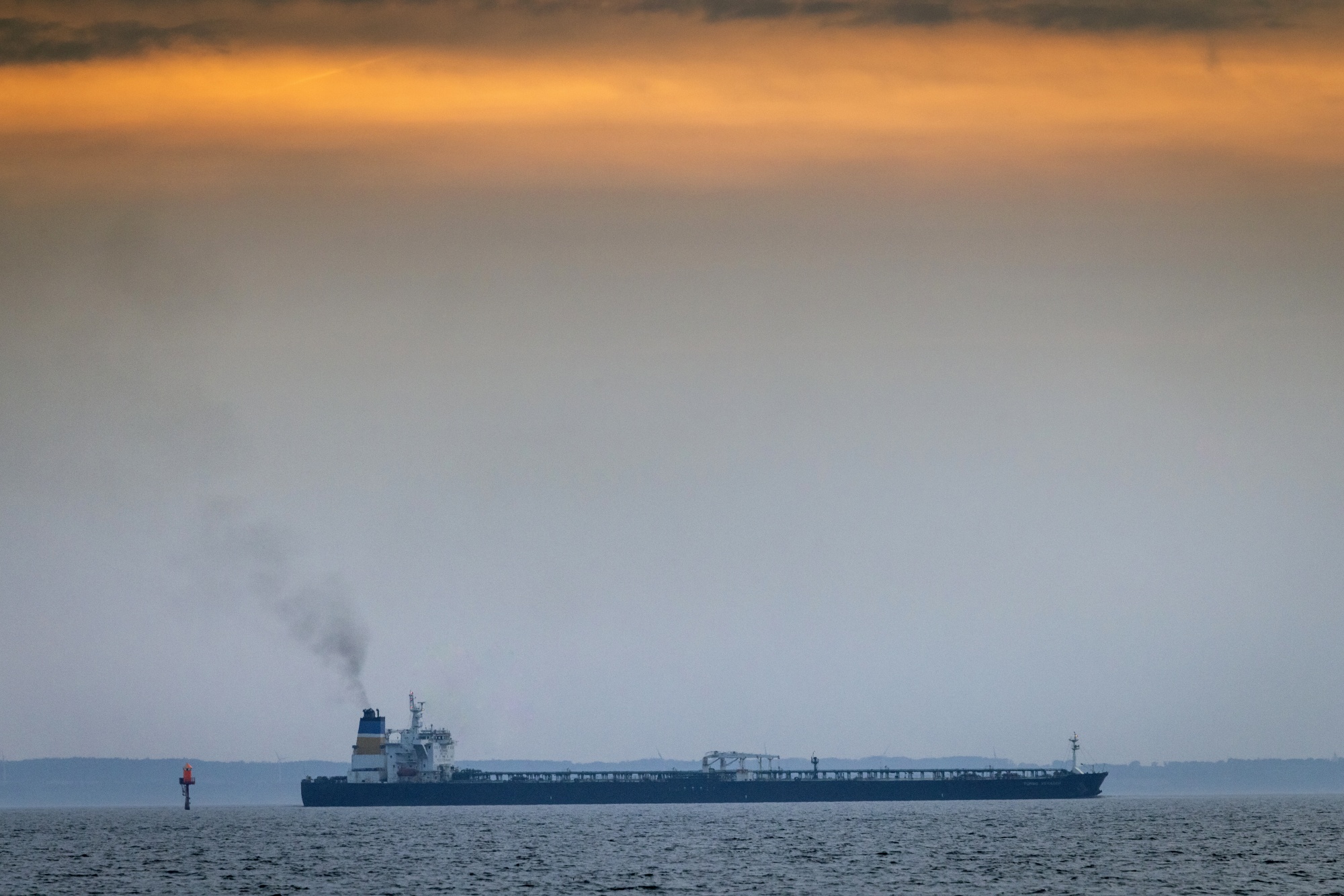
A clandestine figure identified as ‘Hector’ has emerged as a pivotal player in the Iranian oil trade, reshaping the global energy landscape. Operating under a veil of secrecy, Hector has orchestrated a complex web of transactions that challenges conventional oil market dynamics.

Hector’s influence extends across various regions, with reports indicating a sophisticated network facilitating the clandestine export of Iranian oil despite international sanctions. This network has reportedly employed innovative methods to bypass restrictions and maintain a steady flow of oil to markets that are otherwise difficult to penetrate.

A recent investigation unveiled that Hector’s operations involve an intricate system of shell companies and intermediaries. These entities, often based in jurisdictions with lax regulatory frameworks, obscure the true origin of the oil, allowing it to enter the global market without direct association with Iranian sources. This method not only aids in evading sanctions but also helps in maintaining competitive pricing, which has disrupted established market equilibrium.

The financial aspects of Hector’s operations are equally sophisticated. The trader has reportedly leveraged advanced financial instruments to launder money, further complicating efforts to track and curb illicit oil transactions. By utilizing cryptocurrency and other digital assets, Hector has managed to obscure financial trails, making it challenging for authorities to follow the money.

Hector’s network reportedly includes a range of actors from various sectors, including shipping companies, financial institutions, and political operatives. These collaborators play crucial roles in ensuring the smooth operation of the illicit trade, from logistics to financial transactions. The involvement of such a diverse group underscores the complexity of Hector’s operations and the breadth of his influence in the global oil market.

The implications of Hector’s activities extend beyond mere economic impacts. The ability to circumvent sanctions and manipulate market dynamics poses a significant challenge to international regulatory efforts. This situation underscores the need for more robust measures to address the evolving methods employed by entities engaged in illicit trade.

Energy analysts are closely monitoring the situation, noting that Hector’s operations could have far-reaching consequences for global oil markets. The disruption of traditional supply chains and the introduction of lower-priced oil from these illicit sources could lead to increased volatility in global oil prices. Moreover, the undermining of sanctions regimes could embolden other actors to pursue similar strategies, further complicating efforts to enforce international regulations.

In response to these developments, international bodies and national governments are ramping up their efforts to identify and dismantle such networks. Enhanced cooperation and intelligence-sharing among nations are seen as crucial steps in combating the sophisticated methods employed by traders like Hector. Additionally, there is a growing emphasis on improving financial transparency and regulatory oversight to close loopholes exploited by such actors.

As the global community grapples with these challenges, Hector’s case highlights the need for a multifaceted approach to addressing illicit trade in critical resources. The evolving tactics of secretive traders and the complexities of their operations demand a coordinated and innovative response from policymakers and enforcement agencies alike.

Advertisements
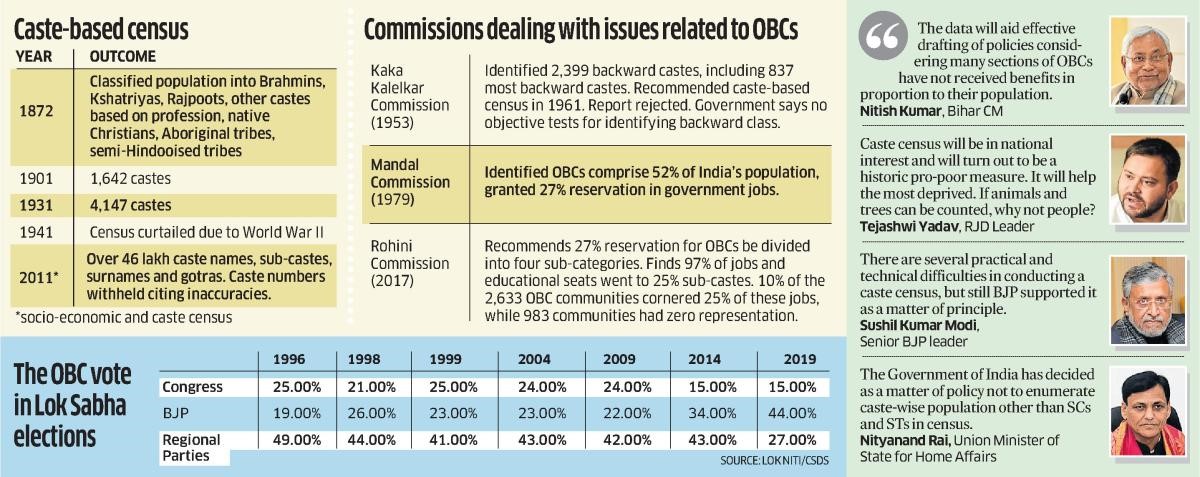
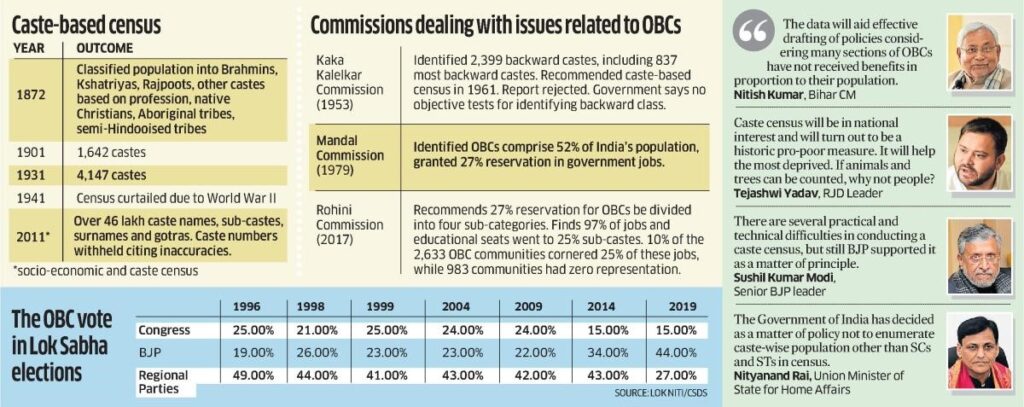
By Dr. Gyan Pathak The issue of caste census has finally mounted on the agenda of the Parliamentary Committee on Welfare of OBCs led by the BJP. The party has been rejecting the opposition INDIA bloc’s demand for conducting caste census in the country. It was much to the frustration of the BJP, that its […]

The UK’s Islamic finance sector is set to reach $15 billion in the medium term, driven by increasing demand for Sharia-compliant financial products and the country’s supportive regulatory environment. The UK has established itself as a leading Western hub for Islamic finance, with assets under management growing rapidly. London’s prominence as a financial center, coupled with innovative products like Sukuk (Islamic bonds) and Islamic FinTech, has attracted […]

Dubai-listed companies have reported a substantial increase in net profits, rising by 30.9% year-on-year to reach $6.7 billion in the second quarter of 2024. This performance marks a significant leap from the $5.1 billion recorded in the same period last year. This growth contrasts sharply with the broader trend observed across the Gulf Cooperation Council (GCC) region, where listed companies saw a more modest net profit increase […]

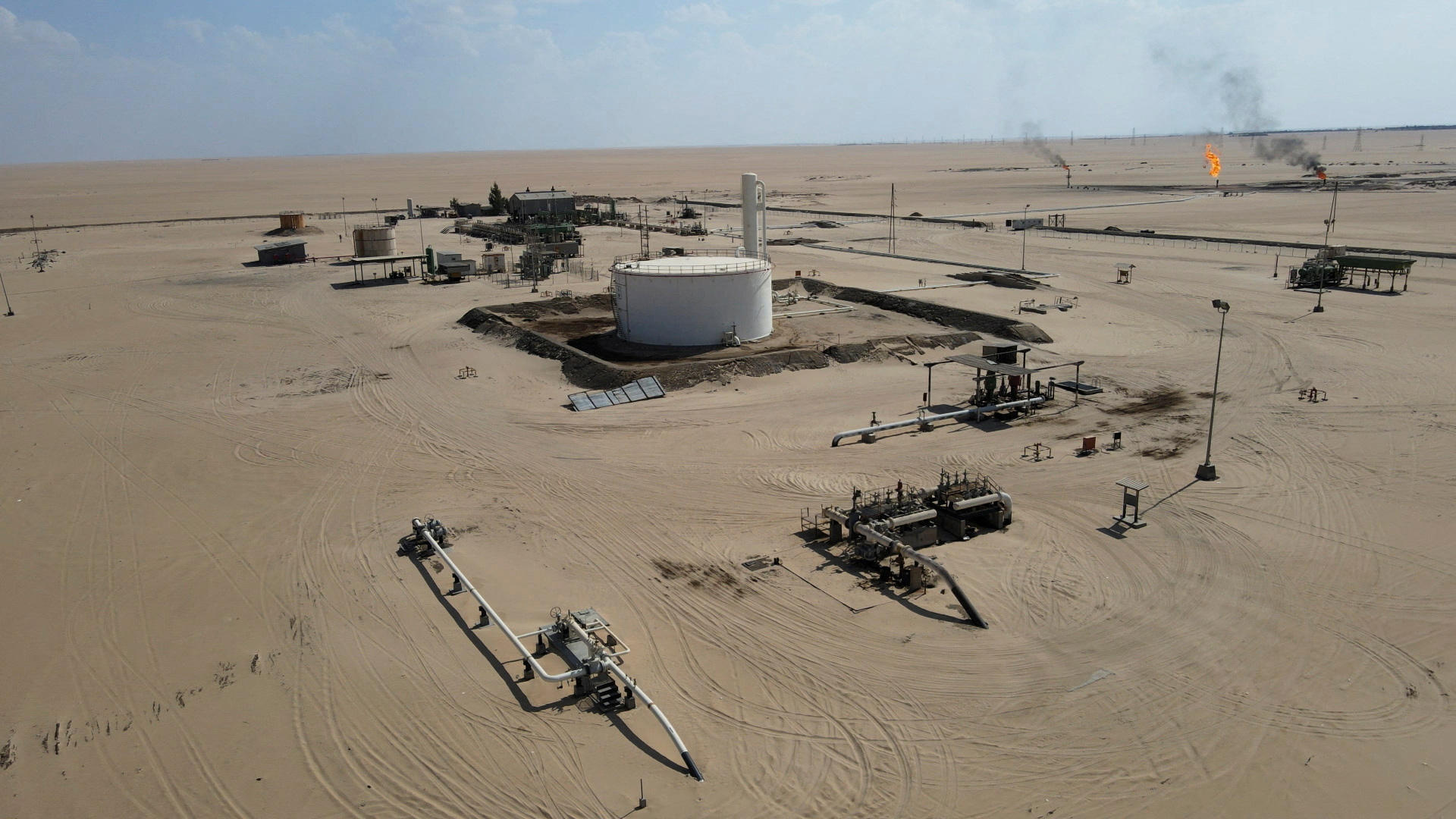
Libya’s ongoing political conflict is jeopardizing its vital oil production, potentially leading to severe disruptions in global supply chains. The strife between rival factions in the country has intensified, raising concerns about the stability of Libya’s oil sector, a crucial component of the global energy market.

The National Oil Corporation (NOC) has reported escalating security threats and operational interruptions at key oil facilities. Production at several major sites, including the Sharara and El Feel fields, has already experienced significant reductions. The disruptions are a direct result of the clashes between the Government of National Unity (GNU) and the House of Representatives (HoR), each backed by different armed groups.

The GNU, based in Tripoli, and the HoR, which controls parts of eastern Libya, have been embroiled in a protracted power struggle. This rivalry has led to a series of blockades and attacks on oil infrastructure, severely impacting the country’s output. The disruption comes at a time when global oil markets are already grappling with volatility due to various geopolitical tensions and economic uncertainties.

Libya’s oil sector, which accounts for approximately 90% of its revenue, has long been a target in the country’s broader conflict. The recent escalation has resulted in reduced exports and financial losses, exacerbating the economic strain on the nation. Analysts warn that prolonged instability could lead to a more prolonged and deep-seated disruption of Libya’s oil exports, affecting global oil prices and supply stability.

International stakeholders, including the United Nations and major oil companies, are closely monitoring the situation. The UN has called for a cessation of hostilities and a return to dialogue to mitigate the impact on oil production. However, the divided political landscape makes it challenging to achieve a consensus or enforce effective measures.

Libya’s oil industry was recovering from years of conflict and mismanagement when the current crisis hit. The industry had seen incremental improvements in production levels and infrastructure upgrades. Yet, the recent conflict threatens to reverse these gains, putting more strain on an already fragile sector.

The uncertainty surrounding Libya’s oil supply has prompted some countries and corporations to seek alternative energy sources or increase their reserves in anticipation of potential shortages. This shift could lead to changes in global energy markets, influencing everything from oil prices to energy policies worldwide.

Efforts to mediate the conflict and stabilize the oil sector have been ongoing, but the entrenched political divisions pose significant obstacles. The situation remains fluid, with potential for further escalation or, conversely, a resolution if diplomatic efforts gain traction.

As the international community watches closely, the immediate concern remains the security of Libya’s oil infrastructure and the broader implications for global energy stability.

KUALA LUMPUR, MALAYSIA – Media OutReach Newswire – 29 August 2024 – Malaysia’s leading independent investment bank, Kenanga Investment Bank Berhad (“Kenanga” or “The Group“) today announced stronger earnings for the period ended 30 June 2024 (“1H24“). Datuk Chay Wai Leong, Group Managing Director, Kenanga Investment Bank Berhad Revenue for 1H24 rose by 18.3% to RM447.3 million from RM378.1 million, while profit before tax (“PBT“) increased by […]

KUALA LUMPUR, MALAYSIA – Media OutReach Newswire – 29 August 2024 – As the U.S. presidential elections approach, global financial markets brace for potential turbulence. Global broker Octa looks at the historical correlation between U.S. elections and stocks, gold, and the U.S. dollar. Economy The relationship between the party affiliations of the U.S. presidents and economic growth has been a topic of extensive research and debate. Historically, […]

By Nitya Chakraborty Former British Prime Minister Harold Wilson once said that a week is too long a time in politics. This was in the context of post-war turmoil in British politics. As regards India, it seems that the post 2024 Lok Sabha elections scenario is changing fast and the most affected has been the […]

Kuwait and Iraq are engaged in a high-stakes competition to develop two massive port projects that promise to redefine trade routes and economic power in the Gulf region. With an estimated combined investment of $13 billion, the projects—the Grand Faw Port in Iraq and the Mubarak Al Kabeer Port in Kuwait—are set to become major hubs for global shipping. Iraq’s Grand Faw Port, situated in the southern […]

Qatar is reportedly in advanced discussions to acquire a significant stake in a German refinery currently owned by Russia’s state-controlled oil company, Rosneft. This deal, if finalized, could see the Qatar Investment Authority (QIA) strengthen its already substantial investment portfolio, which includes a nearly 19% stake in Rosneft.

The negotiations involve Qatar being the last remaining bidder for the refinery assets, which were seized by the German government following the fallout from Russia’s military actions in Ukraine. The Qatari delegation has been actively engaged in high-level talks with German officials, with the potential acquisition seen as a strategic move to secure long-term energy interests in Europe.

Germany’s government, which previously took control of Rosneft’s operations in the country, is expected to support the transaction, given the geopolitical implications and the need to stabilize energy supplies in the region. This aligns with Germany’s broader strategy to reduce dependency on Russian energy while ensuring operational continuity at critical infrastructure sites.

Rosneft’s German assets have been under scrutiny as Europe seeks to disentangle itself from Russian energy influence, making Qatar’s interest particularly timely. The Qatari government’s deep ties with Russia and its financial muscle could provide the necessary leverage to close the deal.

Qatar’s pursuit of these assets underscores the Gulf nation’s ambition to expand its energy footprint in Europe, leveraging its vast wealth to gain strategic assets in key markets. The move also reflects the growing importance of energy security in a rapidly changing geopolitical landscape.

The ongoing negotiations are being closely watched by industry analysts, who see this potential acquisition as a significant development in the global energy sector, particularly in light of shifting alliances and the evolving dynamics of energy supply chains.

The deal, if completed, would further cement Qatar’s role as a critical player in the global energy market, positioning it alongside other major energy-exporting nations that are capitalizing on the changing geopolitical environment. The outcome of these negotiations could have far-reaching implications for the future of energy security in Europe and beyond.

Further updates on this evolving story are expected as the negotiations progress.

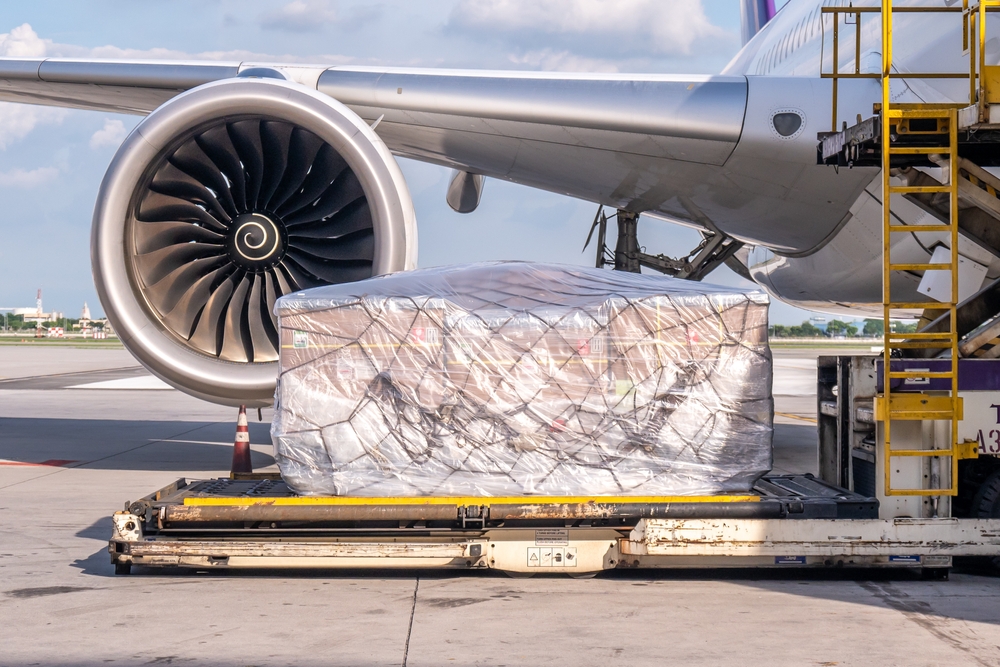
Global air cargo demand surged in July 2024, marking the eighth consecutive month of double-digit growth, according to data released by the International Air Transport Association (IATA). Middle Eastern carriers led this momentum with a significant 14.7% year-on-year increase in demand, a reflection of the robust performance seen across all regions.

This upswing comes as global demand, measured in cargo tonne-kilometers (CTKs), rose by 13.6% compared to July 2023. The remarkable growth is attributed to several factors, including a rise in global trade, booming e-commerce, and ongoing capacity constraints in maritime shipping, which have increasingly driven demand toward air freight. The peak season for air cargo is still ahead, signaling a potential continuation of these positive trends.

Asia-Pacific airlines recorded the strongest regional performance, with a 17.6% year-on-year growth in demand, bolstered by a 19.8% rise on the Within-Asia trade lane. Middle Eastern carriers maintained their strong position, particularly on the Europe-Middle East route, which saw an impressive 32.2% increase in demand.

Capacity, measured in available cargo tonne-kilometers (ACTKs), also expanded in July, growing by 8.3% globally. This growth was largely driven by a 12.8% increase in international belly capacity, supported by a thriving passenger market, and a 6.9% rise in international freighter capacity.

IATA’s Director General, Willie Walsh, noted the resilience of the air cargo industry amidst various political and economic challenges, highlighting the sector’s ability to adapt to shifting demand patterns. He also pointed out that despite challenges, including flight cancellations and airport disruptions caused by severe weather events in North America and the Caribbean, the industry continued to demonstrate strong performance.

Overall, July’s performance underscores the vital role air cargo plays in global trade, especially in regions where other modes of transport face limitations. With the peak shipping season approaching, the air cargo sector is poised to continue its robust growth trajectory into the latter half of the year.

By K Raveendran The squabble between Rahul Gandhi and Union minister Kiren Rijiju over the lack of representation of backward classes and tribals in beauty pageants has accorded a bit of glamour to the debate surrounding castes. Rahul’s remark, might seem trivial at first glance, but on closer scrutiny, it turns out to be a […]

Oil prices held steady after a period of volatility driven by escalating tensions in the Middle East and disruptions in Libyan production. Brent crude futures hovered around $78.25 per barrel, while U.S. West Texas Intermediate (WTI) maintained a price near $75.25. The market had reacted sharply to a significant drop in U.S. crude inventories, coupled with geopolitical concerns following the killing of key militant leaders and a […]

By Dr. Gyan Pathak Democratic compact between chief minister and Lieutenant Governor of Delhi has broken in the last ten years, LG VK Saxena has admitted in his opinion piece published in Indian Express on August 28, which is just an expression of the fact existing in all states and UTs where the opposition political […]

Amid a backdrop of rising tensions and shifting political landscapes, Israel faces a critical juncture in its ongoing struggle with Iran. As support for Prime Minister Benjamin Netanyahu continues to grow, the question of whether Israel should intensify its confrontation with Iran is gaining prominence. While the prospect of such a move may appeal to some as a demonstration of strength and resolve, the unpredictable nature of warfare poses significant risks that must be carefully considered.

Netanyahu has long positioned himself as a staunch defender of Israel’s security, particularly in relation to the perceived threat from Iran. His rhetoric and actions have consistently underscored the view that Iran’s nuclear ambitions and regional influence constitute an existential danger to Israel. Over the years, Netanyahu has been vocal about the need to curb Iran’s power, and his administration has supported a range of strategies, including military strikes, covert operations, and diplomatic pressure, to achieve this goal.

Recent developments have only heightened the stakes. Iran’s nuclear program appears to be advancing at a rapid pace, with reports suggesting that it may soon reach a critical threshold. Additionally, Iran’s influence in the region, through its support for proxy groups such as Hezbollah and its involvement in conflicts in Syria and Yemen, remains a significant concern for Israel. The strategic calculus for Israel is therefore becoming increasingly complex, as it weighs the potential benefits and costs of escalating the conflict with Iran.

Support for Netanyahu’s hardline approach has been bolstered by several factors. Domestically, his political standing has improved, partly due to his handling of security issues and his ability to present himself as a strong leader in times of crisis. The recent normalization agreements between Israel and several Arab states have also enhanced his reputation, suggesting that Israel’s regional position is stronger than ever. These developments may lead some to believe that now is the opportune moment to confront Iran more directly, capitalizing on Netanyahu’s political momentum and the perceived alignment of regional interests.

However, the decision to escalate the conflict with Iran is fraught with peril. Wars, by their very nature, are unpredictable and can spiral out of control in ways that are difficult to foresee. Even with superior military capabilities, Israel cannot guarantee a quick and decisive victory. Iran is a formidable adversary with a well-established military and a network of regional allies that could respond to Israeli aggression in ways that might destabilize the entire Middle East.

One of the key risks associated with a larger war is the potential for it to draw in other regional and global powers. The Middle East is a complex web of alliances and enmities, and any significant escalation by Israel could provoke responses from other countries, including Russia, Turkey, and the United States. Each of these actors has its own interests and objectives in the region, and their involvement could complicate Israel’s strategic objectives, leading to a protracted and costly conflict.

Moreover, there is the question of public opinion, both domestically and internationally. While Netanyahu may enjoy growing support within Israel, particularly among those who prioritize security concerns, there is also a segment of the population that is wary of the consequences of another major war. The memory of past conflicts, such as the 2006 Lebanon War and the ongoing tensions in Gaza, serves as a reminder of the human and economic toll that war can exact. Internationally, Israel could face increased scrutiny and criticism, particularly if civilian casualties were to mount, which could undermine its diplomatic standing and erode the support it currently enjoys from key allies.

The economic implications of a larger conflict should not be overlooked either. Israel’s economy, while robust, is not immune to the shocks that accompany military conflicts. Prolonged warfare could disrupt trade, deter investment, and strain public finances, leading to long-term economic challenges. The costs of rebuilding and addressing the humanitarian fallout of war could be substantial, diverting resources away from other critical areas such as education, healthcare, and infrastructure.

Given these considerations, the argument against escalating the conflict with Iran gains considerable weight. While the desire to neutralize a perceived threat is understandable, the risks associated with a larger war are significant. Netanyahu’s leadership has been characterized by a willingness to take bold actions, but in this case, caution may be the more prudent course.

Israel’s security concerns are legitimate, and the threat posed by Iran is real. However, history has shown that wars often produce unintended consequences. The 2003 invasion of Iraq by the United States serves as a cautionary tale of how even well-intentioned military interventions can lead to long-term instability and suffering. Israel must weigh the potential short-term gains of weakening Iran against the long-term risks of igniting a broader regional conflict.

Diplomatic efforts, while challenging, offer an alternative path. The international community, including Israel’s allies, has a vested interest in preventing a larger war in the Middle East. Diplomatic channels, including negotiations and multilateral efforts to curb Iran’s nuclear ambitions, should be pursued with renewed vigor. While diplomacy may not provide immediate results, it offers the possibility of a more sustainable and less costly resolution to the ongoing tensions.

The decision to escalate or avoid a larger conflict with Iran is one that will define Netanyahu’s legacy and Israel’s future. It is a decision that requires careful consideration of the potential consequences, both known and unknown. The support for Netanyahu’s approach is undeniable, but the wisdom of pursuing a path of greater confrontation remains questionable. Wars are rarely as simple as they appear at the outset, and the costs of miscalculation can be immense.

As Israel navigates this complex and dangerous terrain, the choice it makes will have profound implications for its security, its economy, and its standing in the world. The allure of a decisive victory over a formidable adversary is strong, but the risks of a broader conflict may ultimately outweigh the potential rewards. Israel must tread carefully, recognizing that while strength is essential, so too is the wisdom to avoid unnecessary and potentially catastrophic conflict.


Wall Street’s outlook on crude oil for the coming year is growing increasingly cautious, as two major financial institutions, Goldman Sachs Group Inc. and Morgan Stanley, have downgraded their price forecasts. Both banks are now predicting lower average prices for Brent crude, reflecting concerns about rising global supplies, including potential increases from the OPEC+ alliance. Goldman Sachs has adjusted its forecast for Brent crude, predicting it will […]

Proposed an interim dividend of HK11.0 cents per share Highlights: Revenue increased by approximately 10.6% to approximately HK$1,393.7 million as compared with the Corresponding Period Last Year. Gross profit increased by approximately 11.6% to approximately HK$507.9 million as compared with the Corresponding Period Last Year, gross profit margin increased to approximately 36.4%. Profit attributable to owners of the Company increased by approximately 6.2% to approximately HK$122.6 million […]

Investors are often spooked by market volatility, with recent events like the 1,000-point drop in the Dow Jones Industrial Average on August 5, serving as a stark reminder of the stock market’s inherent unpredictability. When headlines are filled with dramatic losses and tales of impending market crashes, it’s easy to see why some investors might feel the urge to flee to safer ground. But savvy investors, especially […]

VISHNU RAJA
RYO YAMADA
HITORI GOTOH
IKUYO KITA