News related to
political

Deep research, once the domain of academics, analysts, and professionals poring over databases and archives, is rapidly being transformed by artificial intelligence. Tools like Liner, ChatGPT, and Perplexity have redefined what it means to explore a subject in depth. These platforms promise not only to automate research but to enhance it—consolidating data, extracting patterns, and offering structured, referenced summaries that would normally take hours or days to […]

A court in Abidjan has ruled that Tidjane Thiam, leader of the Democratic Party of Côte d’Ivoire and former CEO of Credit Suisse, is ineligible to contest the October presidential election due to nationality concerns. The Court of First Instance determined that Thiam forfeited his Ivorian nationality upon acquiring French citizenship in 1987, rendering him ineligible for the electoral roll. The decision, issued on April 22, is […]

The South African rand appreciated modestly on Tuesday, trading at 18.70 against the U.S. dollar by 06:36 GMT, marking a 0.3% gain from the previous day’s close. This movement came ahead of the South African Reserve Bank’s release of the composite leading business cycle indicator, a key metric that encompasses data on vehicle sales, business confidence, and money supply. Investors are closely monitoring this indicator for insights […]

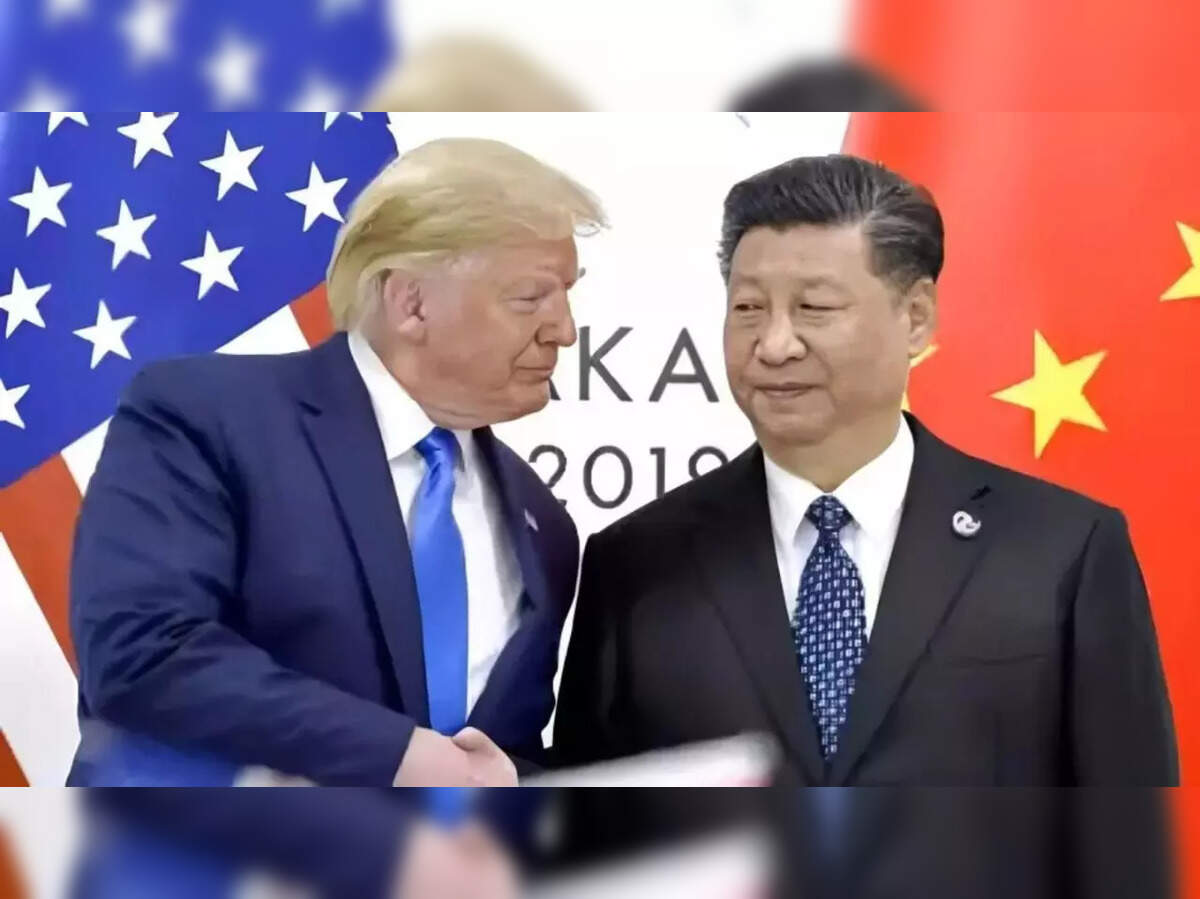
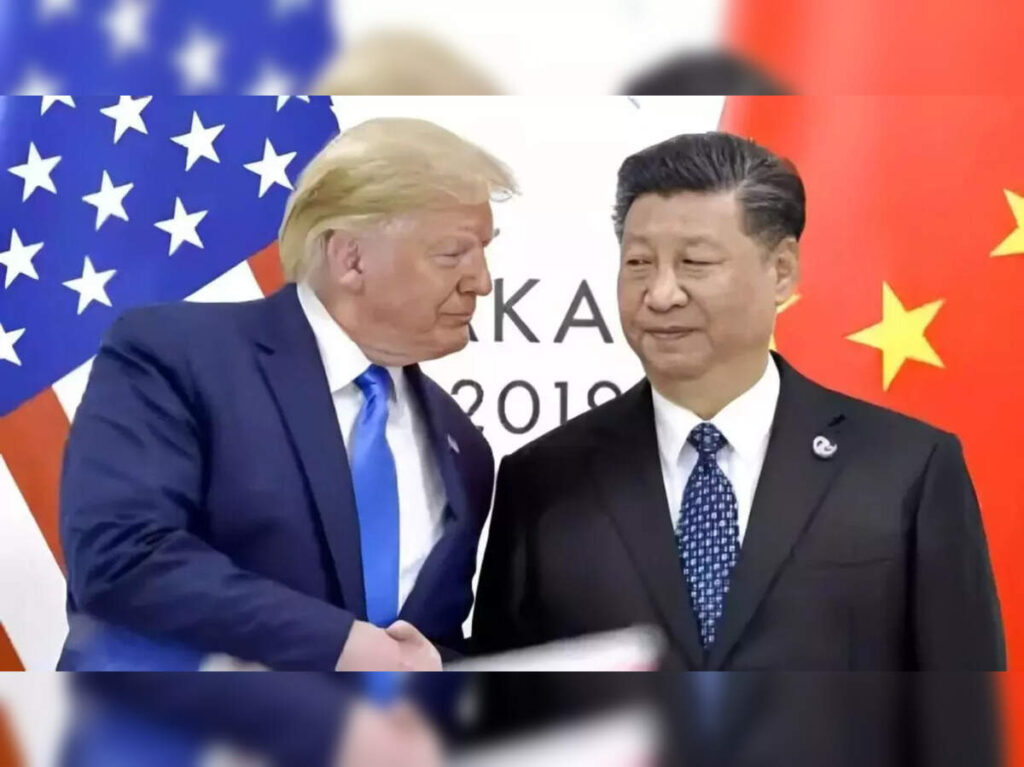
By Nitya Chakraborty Chinese President Xi Jinping has won the first round in the protracted battle against Donald Trump over his declaration of tariff war against China. After waiting for long three weeks for a personal call from XI Jinping offering talks to discuss the proposed tariff hikes, Trump partially retreated on Tuesday when he […]

Matein Khalid Gold’s spectacular bull market since its mid-2022 bottom at 1600, amid the most brutal monetary tightening by the Fed since the Volcker era under JayPo (now branded as a “loco” and a “major loser” by President Trump) has climbed seminal macro walls of worry. A surge in the US Dollar Index to 110 in Jan’25 did not kill gold’s bull run nor did tough love […]

Dubai’s luxury property market has seen an impressive surge in sales, with 111 homes valued at over $10 million changing hands during the first quarter of 2025. This marks the highest number of sales for the first quarter on record, signalling a robust demand from ultra-wealthy individuals seeking to invest in the emirate’s prime real estate. The sales activity represents a 5.7 per cent increase compared to […]

Global markets have been jolted by the ongoing trade dispute between the United States and China, with far-reaching consequences on global economies. Amid this financial instability, India stands out as one of the countries managing the storm with resilience, both politically and economically. While several nations have seen their stock markets fluctuate and their economies face setbacks, India’s performance remains relatively stable, prompting analysts to look closer […]

Advertisements

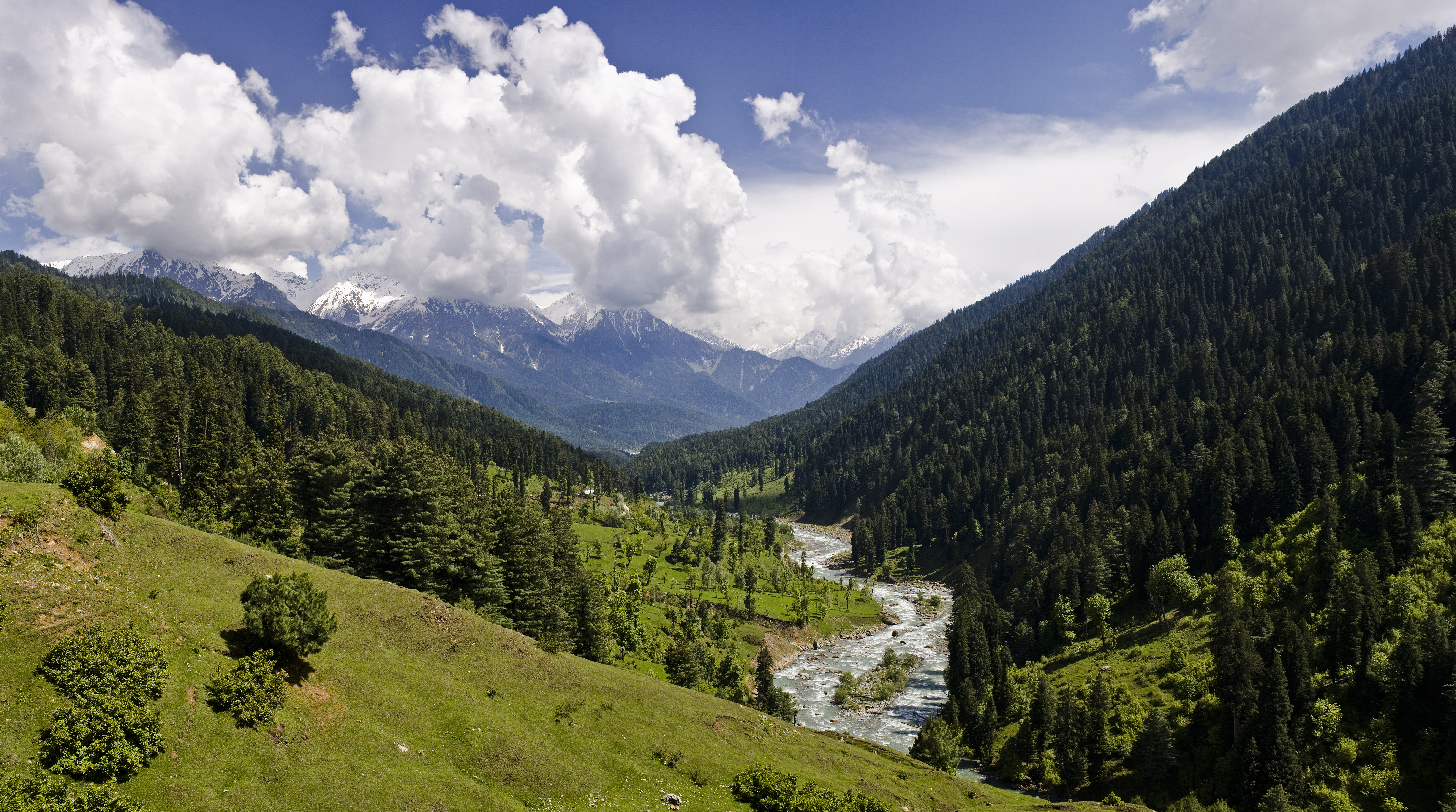
A militant assault in the Baisaran meadow near Pahalgam, Jammu and Kashmir, resulted in the deaths of 28 tourists and injuries to over 20 others on Tuesday afternoon, marking the deadliest civilian attack in the region since 2019.

The attack occurred around 2:50 PM when four to six assailants, dressed in military-style uniforms, emerged from the surrounding deodar forests and opened fire on tourists enjoying the popular meadow, often referred to as “Mini Switzerland” for its scenic beauty. Eyewitnesses reported that the attackers initially posed as security personnel, asking for identification and religious affiliations before selectively targeting non-Muslim men. Survivors recounted being asked to recite Islamic declarations and undergoing physical checks; those who failed were shot at close range.

The Resistance Front , an offshoot of the Pakistan-based Lashkar-e-Taiba, claimed responsibility for the massacre. In a statement, the group cited opposition to the settlement of over 85,000 non-locals in the Kashmir Valley, alleging it as a demographic alteration. This incident underscores the ongoing tensions following the revocation of Jammu and Kashmir’s special status in 2019, which allowed greater settlement of outsiders in the region.

Among the deceased were 24 tourists from various Indian states, including Karnataka, Kerala, Maharashtra, Odisha, Gujarat, Haryana, West Bengal, and Uttar Pradesh. Two locals from Jammu and Kashmir and two foreign nationals from Nepal and the United Arab Emirates were also killed. The injured, numbering over 20, were airlifted to military hospitals in Srinagar for treatment.

Prime Minister Narendra Modi, cutting short his visit to Saudi Arabia, condemned the attack as a “dastardly and inhuman act” and vowed to bring the perpetrators to justice. Union Home Minister Amit Shah traveled to Srinagar to assess the situation and coordinate the security response. Security forces launched a massive manhunt, deploying helicopters and imposing a temporary lockdown in parts of Pahalgam to apprehend the attackers.

The international community reacted swiftly. U.S. President Donald Trump expressed support for India, while U.N. Secretary-General António Guterres and leaders from Germany, Israel, and the European Union condemned the attack and offered condolences to the victims’ families.

The assault occurred during a period of increased tourism in Kashmir, with projections estimating around two crore visitors to the Union Territory this year. Pahalgam, a gateway to the Amarnath Yatra, had seen a surge in tourist footfall, signaling a return to normalcy after decades of insurgency. This attack threatens to derail these developments, casting a shadow over the region’s stability and economic recovery.

Opposition leaders criticized the government’s narrative of restored normalcy in Kashmir. Congress MP Priyanka Gandhi labeled the attack a “crime against humanity,” while Leader of Opposition Rahul Gandhi described it as “horrific,” emphasizing the need for a reassessment of the region’s security situation.

Eyewitness accounts painted a grim picture of the attack’s aftermath. Videos from the scene showed bloodied individuals lying on the ground, with others pleading for help. One woman was seen screaming for assistance for her husband, while others were seen lying motionless in the meadow. Survivors described the attackers’ methodical approach, with one assailant allegedly telling a woman that she was being spared so she could “narrate the horrors” to Prime Minister Modi.

The attack’s timing, coinciding with U.S. Vice President JD Vance’s visit to India, raised concerns about its potential geopolitical implications. While no direct link has been established, the incident echoes prior high-profile attacks timed with foreign dignitary visits, suggesting a possible strategy to garner international attention.


By Pablo Castaño ROME: There may come a time when we look back on the last decade as an anomaly in the modern history of the Catholic Church. Pope Francis — the figurehead of these years, and a radical by the standards of the Catholic hierarchy — is gone, and we are now likely to […]

The World Trade Organization has projected a 0.2% decline in global merchandise trade volume for 2025, a significant downgrade from earlier forecasts. This contraction is attributed to escalating tariff disputes and increasing policy uncertainties, particularly between major economies. The WTO’s latest Global Trade Outlook and Statistics report, based on policies effective as of April 14, indicates that the anticipated decline is nearly three percentage points lower than […]

Oil prices experienced a significant decline of over 2% on Monday, with Brent crude falling to $66.81 per barrel and West Texas Intermediate dropping to $63.58. This downturn is attributed to progress in US-Iran nuclear negotiations and escalating concerns over the impact of US tariff policies on global demand. The potential easing of sanctions on Iran could reintroduce over a million barrels per day of crude into the market, intensifying supply pressures.

The decline in oil prices poses a substantial challenge to Gulf economies, particularly those heavily reliant on hydrocarbon revenues. S&P Global Market Intelligence has indicated that Oman, Bahrain, and Iraq are at heightened risk of financing pressures if the current price trends persist. These nations, already contending with fiscal deficits and limited sovereign reserves, may face increased borrowing costs and potential credit downgrades.

Conversely, the United Arab Emirates and Qatar are better positioned to withstand prolonged periods of lower oil prices. Their diversified economies and substantial sovereign wealth funds provide a buffer against market volatility. However, even these nations are not immune to the broader economic implications of sustained low oil prices.

The broader financial markets have also reacted to these developments. Major Gulf stock indices experienced declines, with Saudi Arabia’s TASI index falling by 0.7% and Qatar’s index decreasing by 0.3%. These market movements reflect investor apprehension regarding the stability of oil-dependent economies in the face of fluctuating energy prices.

Adding to the complexity is the political climate in the United States. President Donald Trump’s renewed criticism of Federal Reserve Chair Jerome Powell has raised concerns about the central bank’s independence. This political interference is contributing to market uncertainty and could have implications for global economic stability.

The potential for a US recession further exacerbates concerns. Analysts warn that the combination of tariff policies and political instability could dampen economic growth, leading to decreased demand for oil. This scenario would place additional strain on oil-exporting nations, particularly those with less diversified economies.

Matein Kalid Only the poetic genius of an Irishman can do justice to the epic Big Boy sumo wrestling match in history – between Shogun Trump and Sensei Powell-san as panic spreads at the speed of light across the digital arteries of the global banking village. W.B. Yeats’s immortal versus echo in my brain – things fall apart, the center can​not hold, mere anar​chy is loosed upon […]

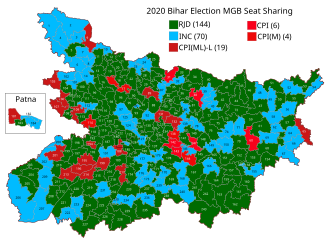
By Kalyani Shankar The Bihar polls at the end of the year are pretty unpredictable. As of now, there will be no cakewalk for the BJP, RJD, Congress or the JD(U). The churning is quietly taking place in Bihar politics. There could be a potential shift in power dynamics. The BJP, playing second fiddle to […]

Oil prices surged over 3% on Thursday, marking the first weekly gain in three weeks. Brent crude futures settled at $67.96 per barrel, while West Texas Intermediate closed at $64.68 per barrel. The uptick was driven by renewed optimism over a potential trade agreement between the United States and the European Union, coupled with the imposition of new sanctions targeting Iran’s oil exports. The prospect of a […]

Libya’s Central Bank has enacted a 13.3% devaluation of the national currency, setting the official exchange rate at 5.5677 dinars per US dollar. This marks the first such adjustment since 2020, as the country grapples with escalating economic instability and a widening gap between official and black-market rates, which have reached 7.20 dinars per dollar. The devaluation underscores the deepening fiscal crisis in Libya, where rival administrations […]

HONG KONG SAR – Media OutReach Neswire – 20 April 2025 – The 2025 World Internet Conference Asia-Pacific Summit successfully took place from April 14 to 15 at the Hong Kong Convention and Exhibition Centre. This marks the first international summit of the World Internet Conference held in Hong Kong in its 11-year history, attracting nearly a thousand government officials, experts, scholars, and business representatives from over […]

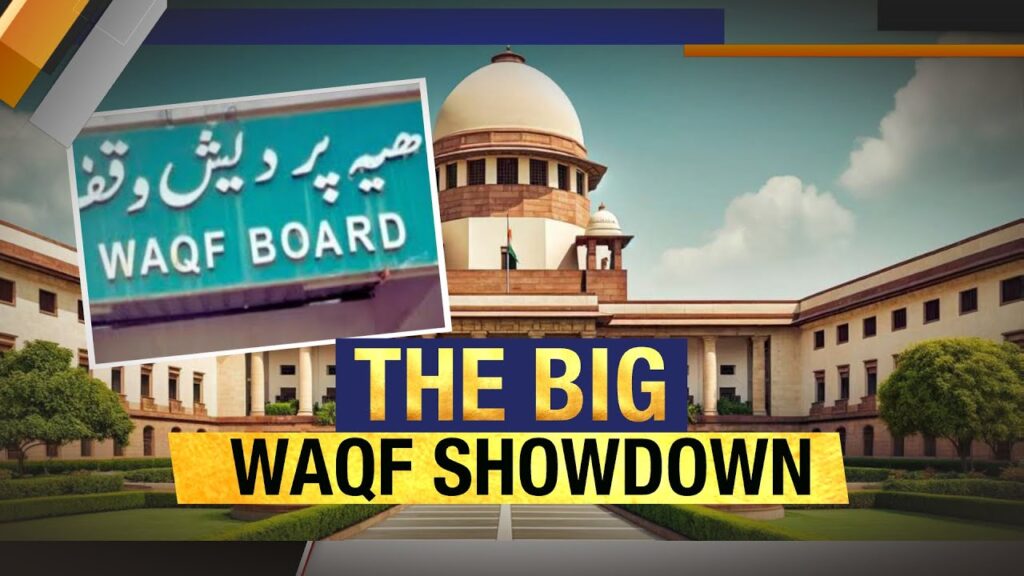
By K Raveendran The Supreme Court’s interim order on the controversial Waqf Amendments Act has created an unusual equilibrium among opposing camps, hinting at a calculated balancing act rather than a decisive intervention. While the order does not represent a full-fledged stay on the implementation of the amendments, it introduces a layer of judicial restraint […]
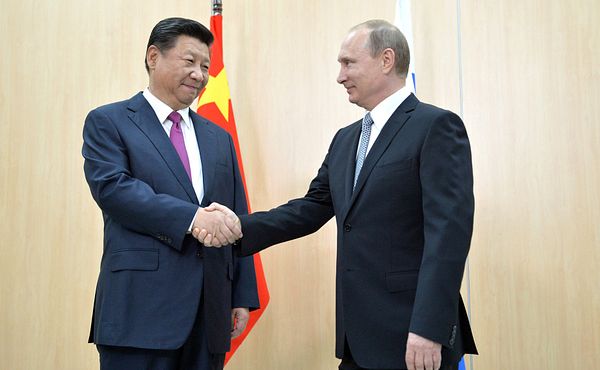
By Nitya Chakraborty Bangladesh’s Chief Adviser to the interim government Dr. Muhammad Yunus is presently in the midst of his diplomatic triumph by successfully outreaching to the major countries of the world including the two super powers. After having a major success in getting all the support from the Chinese President Xi Jinping during his […]

Mubadala Investment Company, Abu Dhabi’s sovereign wealth fund managing assets exceeding $330 billion, has committed $600 million to acquire a minority stake in Nord Anglia Education Ltd., a London-based provider of premium private education services. This investment marks a notable re-engagement with British assets following a period of diplomatic tensions between the United Arab Emirates and the United Kingdom.

Nord Anglia, operating over 80 schools across 33 countries and educating more than 90,000 students aged 2 to 18, was recently valued at $14.5 billion during its acquisition by a consortium led by EQT, alongside investors such as Neuberger Berman Private Markets, CPP Investments, CF Alba, and Dubai Holding. Mubadala’s entry into this consortium underscores its strategic interest in the global education sector.

This move aligns with the broader objectives of the UAE-UK Sovereign Investment Partnership , established to facilitate investments in sectors including technology, infrastructure, healthcare, life sciences, and clean energy. Under this framework, the UAE has pledged £10 billion over five years, with Mubadala playing a central role in deploying these funds. The partnership aims to foster job creation, enhance research and development capabilities, and stimulate economic growth in both nations.

The investment in Nord Anglia follows a series of initiatives aimed at strengthening UK-UAE relations. Notably, UK Prime Minister Keir Starmer’s visit to the UAE sought to attract investments in energy and infrastructure projects, including the Sizewell C nuclear power plant. These efforts reflect a mutual interest in revitalizing economic and diplomatic ties.

However, the relationship has faced challenges. The UAE expressed concerns over UK political decisions affecting Emirati investments, such as the blocked acquisition of the Telegraph newspaper by a UAE-backed investor. Additionally, the Abu Dhabi Investment Authority’s decision to write off its 9.9% stake in Thames Water highlighted apprehensions about the UK’s regulatory environment for utilities.

Despite these hurdles, the renewed investment by Mubadala in Nord Anglia indicates a willingness to re-engage with the UK market. The focus on education aligns with the UAE’s strategy to diversify its economy and invest in sectors with long-term growth potential.

Gold prices in Dubai have surged to unprecedented levels, with 24-karat gold breaching the Dh400 per gram mark for the first time, while 22-karat gold has climbed to Dh372.5 per gram. This significant uptick reflects a broader global trend, driven by escalating geopolitical tensions, central bank acquisitions, and concerns over U.S. fiscal policies.

The global spot price of gold has experienced a notable increase, currently trading around $3,024 per ounce. This marks a gain of over 15% since the beginning of the year, propelled by economic and geopolitical uncertainties. Bank of America has adjusted its gold price forecasts accordingly, now projecting an average of $3,063 per ounce for 2025 and $3,350 for 2026, up from previous estimates of $2,750 and $2,625 respectively. The bank also suggests that increased investment demand could push prices to $3,500 within two years.

In the United Arab Emirates, the surge in gold prices has been particularly pronounced. The Dubai Jewellery Group reported that 24K gold reached Dh400 per gram, while 22K gold rose to Dh372.5 per gram. This trend is consistent with the global market, where gold has been rallying due to its status as a safe-haven asset amidst economic instability.

Analysts attribute the surge to several factors. The ongoing trade policies of the U.S., particularly under President Donald Trump’s administration, have introduced significant uncertainty into global markets. The imposition of tariffs and the potential for reciprocal measures have heightened investor anxiety, leading to increased demand for gold.

Central banks have also played a pivotal role in the gold market’s dynamics. Currently, they hold about 10% of their reserves in gold, but there is potential for this figure to rise beyond 30%, offering additional support to prices. The anticipation of increased central bank purchases is contributing to bullish sentiment in the market.

In the Middle East, geopolitical tensions have further fueled the demand for gold. The region’s instability has historically led investors to seek refuge in precious metals, and the current climate is no exception. The combination of regional conflicts and global economic concerns has created a perfect storm for gold prices to soar.

Retailers in Dubai are witnessing the impact of these price movements firsthand. The surge in gold prices has led to a shift in consumer behavior, with many opting for lighter jewelry pieces or alternative investments. Despite the higher costs, demand remains robust, underscoring gold’s enduring appeal as a store of value.

By Dr. Gyan Pathak The game of political hunting, which is typically characterised in India by cases, raids, seizures, and arrests, which generally do not lead to conviction, but enable the government to pin its adversaries down for years without trial in cases registered by the Enforcement Directorate (ED), seems to be reaching its climax. […]

Global capital turned its back on ESG last year. But that shift, we believe, is temporary and mistaken. ESG investing should and will return to favour, not just because it’s aligned with the challenges and priorities of our time, but because it remains one of the most rational long-term strategies for investors and economies alike. The numbers from 2024 were stark. Global sustainable fund inflows halved. In […]

By Nitya Chakraborty Though there is a 90 day pause in Trump’s latest unilateral imposition of reciprocal tariffs on most of the countries, the trade war between the USA and China, the two largest economies of the world is in full steam imparting tremors in global trade and economy. Close advisers of Trump were expecting […]


The United States and Saudi Arabia are preparing to sign a preliminary agreement to collaborate on the development of a civil nuclear industry in the Kingdom. This marks a significant step in the two countries’ ongoing energy partnership, reflecting shared interests in enhancing the security and sustainability of global energy resources.

US Energy Secretary Chris Wright, addressing reporters in Riyadh, confirmed the impending deal, which is set to open a new chapter in Saudi Arabia’s ambitions to develop its own nuclear energy sector. The announcement comes amid growing global demand for cleaner and more sustainable energy solutions. Wright’s comments emphasised the importance of this agreement in both supporting Saudi Arabia’s long-term energy goals and strengthening the bilateral ties between the two nations.

The move follows Saudi Arabia’s ambitious Vision 2030 initiative, a broad economic reform programme designed to diversify the country’s economy away from its heavy reliance on oil exports. Among its many facets, Vision 2030 aims to establish a robust nuclear energy sector that can generate significant portions of the country’s electricity, reducing its dependence on fossil fuels. This is crucial for the Kingdom as it seeks to address both domestic energy needs and environmental concerns.

Saudi Arabia has made significant strides in recent years towards the development of nuclear energy. In 2018, the country’s nuclear authorities announced plans to construct two nuclear reactors by 2030, as part of a broader strategy to introduce nuclear power as a reliable energy source. These efforts have garnered attention from global nuclear power experts and energy companies, particularly those from the US, Russia, and China, all of which are vying for a role in the development of the Saudi nuclear industry.

The United States’ involvement in this sector is not new. Over the past decade, American firms have been at the forefront of nuclear technology development, exporting their expertise in reactors, fuel production, and regulatory frameworks. Saudi Arabia’s decision to move forward with a preliminary agreement highlights the growing importance of collaboration with nuclear powers like the US to achieve these ambitious goals. Additionally, American support could help ensure that the Kingdom adheres to international nuclear safety standards, a crucial consideration in the nuclear energy field.

The potential partnership between the US and Saudi Arabia is a step forward in strengthening their long-standing relationship, which spans multiple areas including defence, trade, and energy. Saudi Arabia’s energy infrastructure, heavily dependent on oil, has been under increasing pressure to adapt to the changing global energy landscape. As the world moves towards more sustainable energy sources, Saudi Arabia aims to take advantage of nuclear energy’s potential to generate electricity without emitting the high levels of greenhouse gases associated with fossil fuel consumption.

For the United States, the deal also represents a strategic move to expand its influence in the Middle East’s evolving energy market. The US has long maintained strong energy ties with the Kingdom, but this agreement will further cement its role as a key partner in Saudi Arabia’s energy diversification plans. By providing expertise in the nuclear field, the US ensures that it will be a prominent player in shaping the future of Saudi Arabia’s energy sector.

Critics, however, have raised concerns about the environmental impact of nuclear energy, especially with the potential risks associated with radioactive waste disposal and reactor safety. Despite these concerns, both nations appear committed to ensuring that the nuclear technology used in Saudi Arabia meets the highest safety standards. The Kingdom’s regulatory bodies are expected to follow stringent international protocols, a key point of focus in the upcoming agreement.

In the broader context, this agreement comes at a time when nuclear energy is experiencing a resurgence globally, driven by the need for cleaner alternatives to fossil fuels. Countries like China and Russia have been aggressively advancing their own nuclear energy sectors, while nations in Europe and Asia are exploring similar initiatives. With the increasing demand for clean energy, Saudi Arabia’s foray into the nuclear power industry positions it as a potential leader in the region, with the ability to export energy solutions to neighbouring countries.

The US-Saudi nuclear cooperation deal also plays a part in the shifting dynamics of international geopolitics. The Middle East has long been a region of strategic importance, and energy remains a critical element in the geopolitical landscape. By fostering deeper cooperation with Saudi Arabia, the US further solidifies its influence in the region, while also promoting energy security for both countries.

VISHNU RAJA
RYO YAMADA
HITORI GOTOH
IKUYO KITA