News related to
political

World Robotics 2024 Report by International Federation of Robotics released FRANKFURT, GERMANY – Newsaktuell – 24 September 2024 – The new World Robotics report recorded 4,281,585 units operating in factories worldwide – an increase of 10%. Annual installations exceeded half a million units for the third consecutive year. By region, 70% of all newly deployed robots 2023 were installed in Asia, 17% in Europe and 10% in […]

By Dr. Gyan Pathak Creating a bad neighbourhood is unwise, especially through totally avoidable unrestrained speeches. However, the leaders from the ruling establishment in India have been in the habit of making unrestrained speeches aimed at winning domestic elections that hurt our neighbouring countries unnecessarily worsening already strained relationships at a time when India is […]

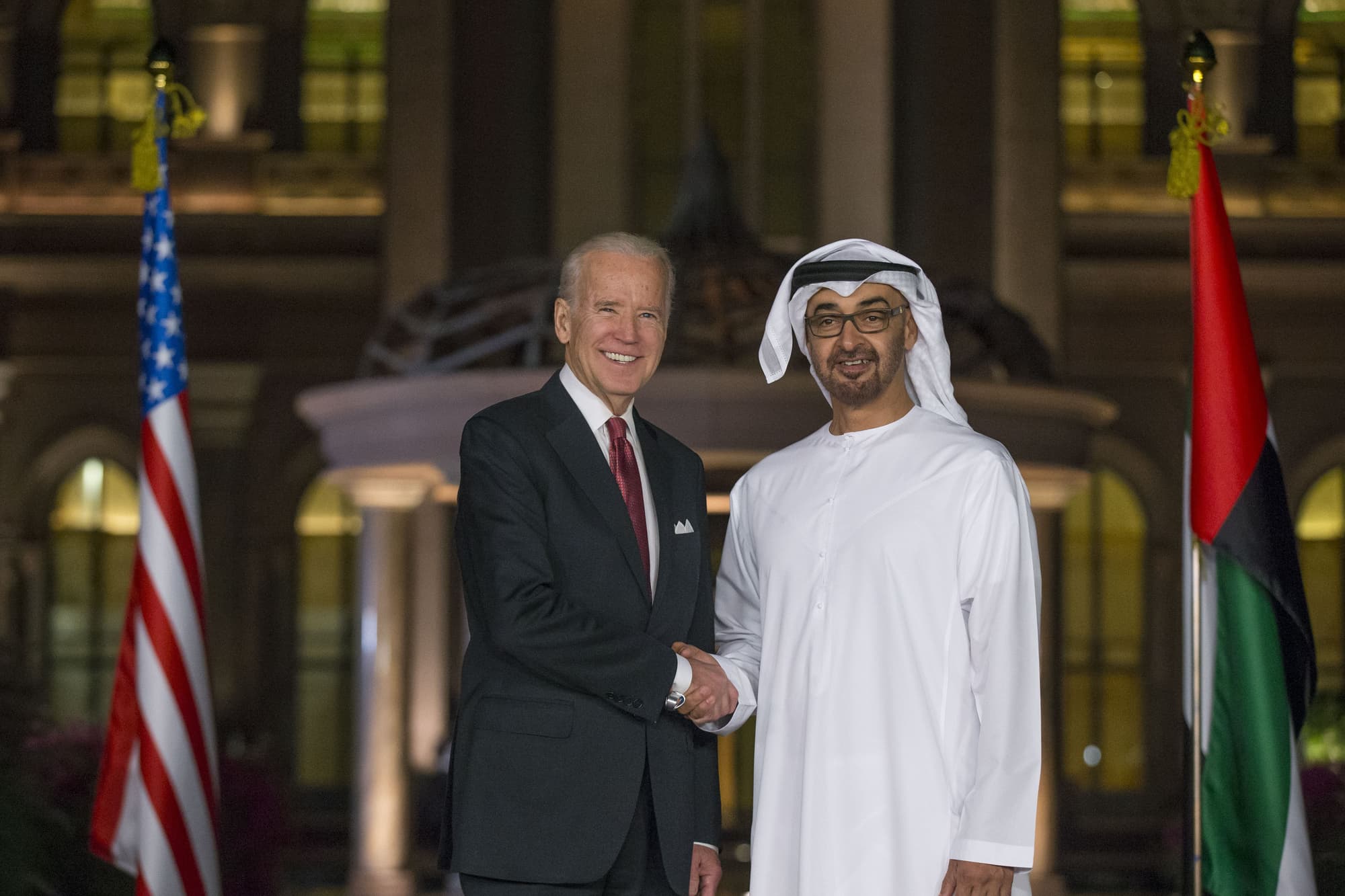
President Joe Biden has officially designated the United Arab Emirates as a major defense partner of the United States, solidifying the nation’s strategic role in the region. This move comes shortly after a similar designation was awarded to India, underscoring Washington’s efforts to build stronger alliances with Gulf and South Asian powers in the face of shifting global security dynamics. The announcement marks a significant step in US-UAE relations, enhancing defense cooperation and reaffirming the UAE’s importance in American military strategy.

The decision highlights the UAE’s evolving role as a critical player in regional security. With this designation, the UAE joins a select group of countries that enjoy preferential treatment when it comes to military cooperation with the United States. The relationship allows for greater access to advanced defense technology, streamlined military sales processes, and deeper intelligence collaboration. These developments come amid ongoing efforts by the US to recalibrate its security commitments in the Middle East, pivoting towards nations capable of contributing more significantly to their own defense.

Biden’s formal recognition of the UAE as a defense partner builds on decades of close military ties between the two nations. The UAE has long been a hub for US military operations in the region, hosting troops and serving as a staging ground for operations in neighboring conflict zones. The move is also seen as part of Washington’s broader strategy to reinforce its influence in the Gulf, where rising geopolitical tensions and the involvement of foreign powers like Russia and China continue to shape the security landscape.

For the UAE, this designation is not merely symbolic. It solidifies the nation’s status as a regional security leader and elevates its position on the global stage. It also provides the UAE with more direct access to sophisticated US defense systems, which will be critical in enhancing its defense capabilities amidst growing concerns over missile threats and other regional challenges. The UAE has long sought to upgrade its military arsenal, focusing on cutting-edge technology such as advanced fighter jets and missile defense systems. This new designation could accelerate these procurements, allowing for a faster, more seamless process.

The US government has been increasingly focused on forging deeper security ties with countries it sees as vital to countering both state and non-state actors. The UAE has been a crucial partner in US-led efforts to combat terrorism and ensure maritime security in the Gulf, particularly through its involvement in anti-piracy and anti-smuggling operations. The nation’s strategic location and military infrastructure have made it an indispensable ally in addressing threats posed by extremist groups and hostile states in the region.

Meanwhile, this development coincides with broader geopolitical shifts, as the US grapples with its role in a multipolar world. The Biden administration’s defense policy has focused on reducing its military footprint in some traditional hotspots while doubling down on partnerships that bolster regional security autonomously. The designation of both the UAE and India as major defense partners reflects a recalibrated approach to ensuring stability through cooperation, rather than direct military involvement.

The strategic importance of the UAE extends beyond the Middle East. Its influence in Africa, Central Asia, and the Indian Ocean region makes it a key player in a wider arc of geopolitical interests. With major global powers vying for influence in the Middle East, Washington’s decision to deepen its defense ties with Abu Dhabi also signals its intention to counter growing Russian and Chinese influence. China’s Belt and Road Initiative and increasing arms sales to Gulf countries, including the UAE, are clear indicators that the region is a key battleground for global influence.

The UAE’s defense relationship with the United States has grown in complexity in recent years. The two nations have regularly conducted joint military exercises, and the UAE has made substantial purchases of US-made defense equipment, including F-16 fighter jets, missile defense systems, and advanced drones. More recently, the UAE has expressed interest in acquiring next-generation US fighter jets, including the F-35, as part of its efforts to enhance its military edge. The partnership also extends to counterterrorism operations, where the two nations collaborate closely in intelligence sharing and tactical support to neutralize extremist threats.

The decision to elevate the UAE’s status comes against the backdrop of broader regional realignments. The Abraham Accords, which normalized diplomatic relations between the UAE and Israel, have reshaped the strategic landscape of the Middle East, offering new opportunities for cooperation between key US allies. This trilateral relationship between the US, UAE, and Israel is likely to deepen in the defense sphere, with potential collaborations in areas like missile defense and cybersecurity.

At the same time, the UAE faces growing security concerns closer to home. The conflict in Yemen, where the UAE has been heavily involved, continues to pose risks to regional stability. Iranian-backed Houthi rebels have launched missile and drone attacks against UAE infrastructure, raising the stakes for Abu Dhabi’s defense posture. The new designation from Washington could pave the way for more robust US support in addressing such threats, with the potential for more advanced defense systems aimed at countering missile and drone attacks.

US defense experts have praised the move, calling it a logical step in strengthening bilateral ties with a trusted partner in the Gulf. They argue that bolstering the UAE’s defense capabilities is not only in the interest of regional stability but also aligns with the US strategy of building self-reliant regional security partners. The UAE’s growing military spending and its focus on modernizing its armed forces further bolster the case for Washington’s decision.

By Nitya Chakraborty India’s neighbour Sri Lanka has elected the Marxist-Leninist leader Anura Kumara Dissanayake as the next president in the intensely contested presidential elections held on Saturday, September 21. About 75 per cent of the total of 170 million population who voted, broke away decisively from the binary of two political formations through years […]

Adnoc Gas has suspended its feed-to-engineering, procurement, and construction (EPC) contest for a significant liquefied natural gas (LNG) project in Abu Dhabi, a move that has raised eyebrows in the energy sector. This decision comes amid shifting market dynamics and strategic reassessments within the company. The LNG project, which was anticipated to enhance Adnoc’s capacity and export capabilities, has been on the radar of industry analysts and […]

Arabian Post Staff -Dubai Global semiconductor powerhouses TSMC and Samsung Electronics are reportedly exploring significant chip manufacturing ventures in the United Arab Emirates, with potential investments exceeding $100 billion. This development marks a strategic move as both companies seek to bolster their production capabilities amid a growing demand for chips worldwide. The discussions between TSMC and Samsung reflect a broader trend in the semiconductor industry, where supply […]

Germany’s top envoy to Canada has issued a stark warning regarding the future of natural gas demand in Europe, suggesting that the continent’s appetite for Canadian exports is poised to diminish. This statement arrives amid ongoing discussions about energy supply amid Europe’s shifting focus towards renewable energy sources and greater energy independence. The envoy highlighted a significant transformation in Europe’s energy landscape, emphasizing a strategic pivot away […]

Advertisements

Saudi Arabia has emerged as the leading G20 nation in international tourism growth during the initial seven months of 2024, setting remarkable benchmarks in both tourist numbers and tourism revenue. According to data released by the UN Tourism Barometer at the recent G20 Tourism Ministerial Meeting in Belem, Brazil, the Kingdom recorded an impressive 73% increase in international tourist arrivals compared to the same period in 2019. Equally striking, international tourism revenues soared by 207%, signaling a robust recovery and expansion of the sector post-pandemic.

This surge aligns with Saudi Arabia’s ambitious Vision 2030 initiative, which aims to diversify the economy away from oil dependency by promoting tourism and entertainment. The Kingdom’s strategic investments in infrastructure and its efforts to enhance the overall visitor experience have played a crucial role in attracting global travelers. Significant projects, such as the NEOM city and various mega resorts along the Red Sea, exemplify Saudi Arabia’s commitment to creating world-class tourism destinations.

Tourism has been identified as a key pillar for economic diversification, providing job opportunities and stimulating local economies. The Kingdom’s strategic location, rich cultural heritage, and unique offerings, such as historical sites, desert experiences, and modern entertainment complexes, contribute to its appeal. The government’s proactive measures to streamline visa processes, including the introduction of e-visas and a visa-on-arrival system for certain nationalities, have further facilitated travel to the country.

Riyadh, the capital, has seen a notable influx of international tourists, bolstered by high-profile events and festivals. The Saudi Seasons initiative, which hosts a variety of cultural and entertainment events throughout the year, has attracted millions of visitors. Additionally, major sporting events, such as the Saudi Arabian Formula E race and international concerts, have significantly enhanced the Kingdom’s visibility on the global tourism map.

The report highlights that several other G20 countries also witnessed growth in their tourism sectors, but none matched the scale of Saudi Arabia’s advancements. Countries like Mexico and Italy showed positive trends, with increases in both tourist arrivals and revenues, yet their figures fell short in comparison to the Kingdom’s exponential growth rates.

Emerging trends within the tourism sector suggest a shift in traveler preferences. Tourists are increasingly seeking immersive cultural experiences and sustainable travel options. Saudi Arabia’s focus on heritage tourism, particularly through its UNESCO World Heritage sites like Al-Ula and Diriyah, aligns with these trends. The government has invested in preserving and promoting these sites, allowing visitors to engage deeply with the Kingdom’s history and traditions.

The Kingdom is positioning itself as a hub for eco-tourism. Initiatives such as the Red Sea Project aim to create a sustainable tourism model that minimizes environmental impact while maximizing visitor engagement with the natural beauty of the region. This focus on sustainability resonates with a growing segment of travelers who prioritize environmental responsibility in their choices.

Key players in the Saudi tourism landscape include both state-owned and private enterprises. The Saudi Tourism Authority plays a central role in promoting the Kingdom as a premier tourist destination, while private companies are rapidly emerging to offer diverse travel packages, accommodations, and experiences tailored to international tourists. Collaborative efforts between these entities are vital for ensuring the seamless integration of services and maintaining high standards of hospitality.

Despite the optimistic growth trajectory, challenges remain. The global tourism industry is still navigating the complexities introduced by the COVID-19 pandemic, including changing travel restrictions and health regulations. Additionally, geopolitical factors in the region can influence tourist perceptions and decision-making. The Kingdom must continue to cultivate a safe and welcoming environment to maintain its competitive edge.

Market analysts suggest that the momentum seen in the first half of 2024 could pave the way for sustained growth, provided that the Kingdom continues to innovate and adapt to changing market dynamics. As the global tourism landscape evolves, Saudi Arabia’s commitment to enhancing its offerings and promoting itself effectively on the world stage will be critical in attracting and retaining international visitors.

The collaboration between various sectors—government, hospitality, transport, and cultural organizations—will be essential for creating a cohesive tourism strategy. This integrated approach not only enhances visitor experiences but also maximizes the economic benefits derived from tourism, fostering community development and cultural exchange.

By K Raveendran The Supreme Court of India is finds itself at the threshold of a unique opportunity to create history when a bench headed by chief justice D Y Chandrachud takes up next month a clutch of petitions seeking a review of the 2022 verdict concerning the Prevention of Money Laundering Act (PMLA). Seldom […]

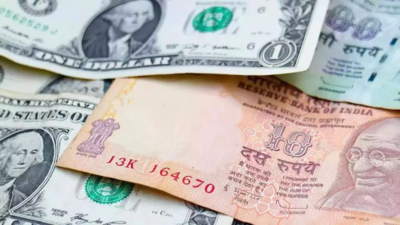
India’s foreign exchange reserves have surged to an unprecedented level of $689.458 billion, marking a crucial milestone for the country’s economic positioning in global markets. The reserves, which reflect the country’s ability to meet external obligations and provide a buffer against financial instability, increased by $223 million in the week ending September 13. This rise has further cemented India’s status as one of the largest holders of foreign currency reserves worldwide, positioning it as a key player in the global financial arena.

Despite this substantial increase in the overall reserves, the composition of these reserves presented a more nuanced picture. Foreign currency assets (FCA), which form the largest component of the reserves, witnessed a reduction of $515 million. These assets, held in different currencies such as the U.S. dollar, euro, pound sterling, and Japanese yen, are a critical indicator of India’s foreign currency holdings and are often affected by currency fluctuations and interest rates in international markets. The decline in FCA was offset by other components of the reserves, particularly the significant increase in gold reserves.

Gold reserves saw a sharp rise of $899 million during the same period, underscoring the metal’s continued relevance as a safe haven asset. This increase suggests that India’s central bank may be looking to diversify its holdings in response to broader global uncertainties. Gold, traditionally regarded as a hedge against inflation and economic instability, has been gaining renewed attention among global central banks. As countries face the challenges of rising geopolitical tensions and economic fluctuations, gold’s role as a stabilizing force has once again come into focus.

While the rise in gold reserves was notable, other components of India’s foreign exchange holdings, such as Special Drawing Rights (SDRs) and the reserve position with the International Monetary Fund (IMF), experienced marginal declines. SDRs, which represent a basket of international currencies and serve as a supplementary reserve asset allocated by the IMF, dropped by $50 million. Similarly, the country’s reserve position in the IMF, which allows access to international liquidity and contributes to global financial stability, recorded a decrease of $111 million.

The overall uptick in reserves comes at a time when India’s economic outlook remains relatively resilient compared to other emerging markets. The reserves serve not only as a tool for defending the rupee in times of volatility but also as an indicator of investor confidence in India’s macroeconomic stability. A stronger reserve position allows India to better manage external shocks, such as oil price fluctuations, trade imbalances, and global financial turbulence.

India’s reserves are now among the highest globally, trailing only China, Japan, and Switzerland. This latest achievement reflects the country’s efforts to build a robust foreign exchange buffer since the economic reforms of the 1990s. Since then, successive governments have prioritized strengthening the reserves to safeguard the country from external vulnerabilities. The rise in reserves has also been fueled by sustained foreign investment inflows and a healthy current account balance in previous quarters, driven in part by a recovery in global demand for goods and services after pandemic-induced disruptions.

Analysts have pointed out that India’s reserve accumulation strategy is likely to be shaped by several factors in the coming months. Global interest rate trends, particularly in the United States, will have a significant impact on foreign currency assets, while commodity prices, especially crude oil, will influence the country’s import bill. Moreover, ongoing geopolitical tensions, trade uncertainties, and inflationary pressures in major economies will also affect the Reserve Bank of India’s (RBI) approach to managing these reserves.

The central bank has maintained a cautious approach toward managing the reserves, intervening in the forex market to curb excessive volatility in the rupee’s value. A stable and sufficient level of reserves allows the RBI greater flexibility in implementing monetary policy and defending the currency against external shocks. With inflationary pressures rising globally and the U.S. Federal Reserve tightening its monetary policy, India’s reserve position will play a critical role in maintaining domestic economic stability.

In the past, India has faced challenges related to its foreign exchange reserves, particularly during the 1991 balance of payments crisis, when reserves had dwindled to just a few weeks’ worth of imports. The crisis marked a turning point in India’s economic policy, leading to structural reforms that opened the economy to greater foreign investment and trade. Since then, India has steadily accumulated reserves, reaching new highs over the years. The importance of a strong forex reserve was highlighted again during the global financial crisis of 2008 and the economic shocks caused by the COVID-19 pandemic, where countries with stronger reserves were better able to weather financial market disruptions.

As of the latest data, India’s forex reserves provide an import cover of approximately 10 months, which is well above the internationally recommended threshold. This gives India a comfortable cushion to meet its external payment obligations and insulate the economy from global shocks. The reserves also provide a buffer to support the rupee, which has faced depreciation pressures amid fluctuating oil prices and changes in global investor sentiment.

Going forward, experts suggest that India’s focus should remain on maintaining a balanced reserve composition. While the accumulation of foreign currency assets is crucial, ensuring diversification through gold and other assets will provide added protection against global market volatility. Moreover, with India being a major importer of crude oil, fluctuations in energy prices will continue to play a significant role in determining the country’s forex reserve levels.


President Joe Biden convened with key Indo-Pacific leaders on Saturday, reaffirming the United States’ commitment to bolstering regional maritime cooperation and countering the growing strategic influence of China. During the summit with the leaders of India, Australia, and Japan, Biden underscored the importance of the Quadrilateral Security Dialogue (Quad), a security coalition increasingly focused on ensuring the stability of the Indo-Pacific region, both economically and militarily. Biden’s […]

The Quad alliance, consisting of the United States, Japan, Australia, and India, solidified its growing significance as Prime Minister Narendra Modi emphasized India’s commitment to hosting the 2025 Quad Summit. Speaking at the Wilmington Summit, Modi underlined the alliance’s role in promoting stability and security in the Indo-Pacific region, while reaffirming that the grouping is not directed against any specific nation. This strategic partnership, formed in response to shared democratic values, continues to gain momentum amid evolving geopolitical tensions.

The Wilmington meeting marked a critical moment in the Quad’s development, furthering dialogue and cooperation between the four member states. Since its revival in 2021, the Quad has played a prominent role in fostering regional security, focusing on areas such as technological collaboration, climate action, and defense cooperation. Modi’s remarks highlighted India’s readiness to lead the next phase of the alliance, with preparations underway to host the 2025 summit.

As global challenges intensify, the Quad has emerged as a cornerstone of multilateral diplomacy in the Indo-Pacific. Modi pointed out the shared commitment to ensuring a free, open, and inclusive Indo-Pacific, with democratic principles at the core of the alliance. “The Quad is here to stay,” Modi stated, emphasizing that the grouping stands as a platform for collaborative solutions rather than a response to any particular nation or bloc. The assertion reflects the Quad’s non-confrontational approach, focusing instead on promoting collective security and economic prosperity across the region.

The Quad’s evolution since 2021 has been rapid, with member nations consistently expanding their areas of cooperation. Strategic experts have noted the alliance’s success in areas such as maritime security, with Quad navies conducting joint exercises aimed at improving interoperability. These exercises have not only bolstered defense capabilities but also demonstrated the alliance’s resolve to protect vital maritime routes, which are critical to global trade. With India poised to take on the next summit, expectations are high that the country will continue to push forward initiatives that reinforce regional security and economic growth.

The Wilmington Summit also underscored the importance of technology sharing and innovation. One of the key areas discussed was the development of resilient supply chains, particularly in the semiconductor industry, which has been under strain due to global shortages. The Quad countries are looking to collaborate on reducing dependency on specific nations for key technological inputs, enhancing supply chain diversification. Modi emphasized that the Indo-Pacific region, as a hub for technological development, could play a pivotal role in global supply chain stabilization. This effort reflects the Quad’s broader strategic aim of reducing vulnerabilities in critical industries while ensuring the equitable growth of emerging technologies.

The Quad’s expanding agenda now includes addressing climate change, a subject of critical importance for the Indo-Pacific, which is home to several vulnerable island nations. The Wilmington Summit reiterated the Quad’s commitment to reducing carbon emissions and promoting clean energy. Modi reinforced India’s role as a key player in the global climate conversation, showcasing the country’s strides in renewable energy development and its leadership in the International Solar Alliance. He noted that climate resilience would remain a core focus at the 2025 summit, as the Quad aims to balance economic growth with sustainable environmental practices.

While defense and economic issues dominated the Quad agenda, the alliance’s role in fostering people-to-people ties has not been overlooked. The Wilmington Summit highlighted educational exchanges and cultural collaborations between member states, reflecting the Quad’s broader ambition to strengthen ties beyond security and economics. By fostering a deeper understanding between citizens, the alliance seeks to build long-term partnerships that transcend geopolitical concerns. Modi’s vision for the 2025 summit includes a renewed focus on such exchanges, positioning India as a cultural and diplomatic bridge between the East and West.

Despite its progress, the Quad continues to face scrutiny, particularly from nations like China, which view the alliance as an attempt to contain their influence in the Indo-Pacific. However, Modi was quick to dispel this notion, stating that the Quad’s goals remain inclusive and transparent. The Quad’s diplomatic language has consistently emphasized collaboration over confrontation, seeking to engage with all nations willing to work toward a stable and prosperous region.

India’s growing role within the Quad has been noted by analysts, particularly in light of the country’s increasing influence in global economic and security forums. As the host of the 2025 summit, India is expected to leverage its diplomatic capabilities to further solidify the Quad’s position as a key player in the Indo-Pacific. Modi’s strategic vision includes strengthening defense ties with Quad members, while also expanding economic cooperation to address shared challenges such as trade imbalances and supply chain vulnerabilities.

The timing of India’s hosting of the 2025 Quad Summit is significant, as the Indo-Pacific continues to be a focal point for international diplomacy. Analysts have pointed out that India’s ability to navigate complex geopolitical dynamics will be crucial in ensuring the Quad’s continued success. With global powers vying for influence in the region, the Quad’s balanced and inclusive approach has positioned it as a diplomatic force for stability.

The Wilmington Summit also saw discussions on strengthening health security, with a focus on pandemic preparedness. The Quad’s efforts in distributing vaccines to Indo-Pacific nations have been well-received, showcasing the alliance’s capability to provide humanitarian assistance in times of crisis. Modi acknowledged the importance of continuing this collaboration, noting that health security would remain a priority in future Quad discussions. The pandemic’s impact on global health infrastructure has reinforced the need for multilateral approaches to address both current and future challenges, and the Quad is expected to play a vital role in these efforts moving forward.

North Carolina Governor Roy Cooper has suggested that the fallout surrounding Lieutenant Governor Mark Robinson could present an unexpected advantage for Democrats, particularly Vice President Kamala Harris, in the state’s upcoming elections. Robinson, a polarizing figure within the state’s Republican Party, has drawn increasing criticism for his controversial remarks on issues such as transgender rights and slavery, which some view as extreme even within conservative circles.

Robinson’s rise to prominence in 2020, largely supported by a populist, Trump-aligned base, has put him in a powerful position as the GOP’s gubernatorial candidate for 2024. However, a series of inflammatory statements made over the years — including derogatory comments about the LGBTQ+ community and remarks glorifying slavery — have resurfaced, igniting a public relations crisis for his campaign. The scandal has reverberated beyond North Carolina, affecting national politics as well, with Democrats eyeing potential openings.

Governor Cooper, who is not seeking re-election, believes that the controversy surrounding Robinson could benefit the Democrats, particularly as Harris seeks to flip North Carolina in her bid for the White House. Democrats have targeted Robinson’s divisive rhetoric, portraying him as part of a broader Republican movement that threatens to alienate key voter demographics, including women and minorities. Harris’s campaign has already launched targeted ads linking Robinson to former President Donald Trump, amplifying concerns about his suitability to lead a diverse state like North Carolina.

The state’s political landscape has seen significant shifts over the last decade. After briefly flipping for Barack Obama in 2008, North Carolina has remained a critical battleground, with Republicans holding legislative power and Cooper maintaining the governorship. The state’s GOP, previously known for its moderate positions, has increasingly aligned with Trump-style politics, which has energized its base but also alienated some moderate voters. Robinson’s candidacy encapsulates this evolution, as he rose to prominence with no prior political experience, riding the wave of populist anger and the viral nature of social media.

However, the baggage attached to Robinson’s candidacy now threatens to fracture the Republican coalition. His critics, including some within his own party, argue that Robinson’s inflammatory remarks could cost the GOP the state in what is shaping up to be a fiercely contested gubernatorial race. In the latest polling, Robinson trails the Democratic candidate, Attorney General Josh Stein, who has avoided the kind of controversy that has engulfed his opponent. Stein’s potential victory would make him North Carolina’s first Jewish governor, a historic moment that some Democrats believe would further erode the Trump-era influence in state politics.

Harris’s campaign is banking on Robinson’s controversies to swing suburban voters and women back toward the Democratic fold. By highlighting Robinson’s statements, Democrats aim to present Harris as a unifying force capable of bridging the state’s political divides. North Carolina’s importance as a swing state in the 2024 presidential election cannot be overstated, with both parties viewing it as a critical bellwether for national trends. While Robinson remains defiant and insists that his comments are being taken out of context, the broader political fallout is unmistakable.

Prominent Republicans, including Senator Thom Tillis, have expressed concern about the impact Robinson could have on down-ballot races, warning that his candidacy could depress turnout among moderate Republicans and swing voters. Despite this, the state GOP continues to back Robinson, viewing his appeal to the base as essential in a tightly contested election cycle.

By Satyaki Chakraborty The junior doctors’ movement in West Bengal partially ended on its 41st day on September 20 Friday. The striking doctors joined their duties on September 21 in emergency services only in the state government run medical colleges and hospitals still keeping the OPD work and surgical operations out of their duty profile. […]

The rising tensions in the Red Sea, particularly due to Houthi rebel threats against shipping vessels, have led to a sharp increase in insurance premiums for maritime companies operating in the region. The volatile security environment, combined with the risk of targeted attacks on vessels linked to countries like the UK, US, or those having called at Israeli ports, has left insurers increasingly cautious about providing war-risk cover for ships transiting the waters.

War-risk insurance premiums have skyrocketed to as much as 2% of a vessel’s value for a single transit through the Red Sea. This steep increase reflects heightened concerns following several incidents, most notably the August 21 strike on the oil tanker Sounion, which was carrying about one million barrels of crude oil at the time. Though the tanker was safely towed without spillage, the attack underscored the vulnerability of maritime assets in the region, adding pressure on insurers and shipping companies alike.

The market for insuring ships passing through this critical shipping route has narrowed as smaller insurers retreat from offering coverage. A limited number of firms, mostly high-risk underwriters, continue to offer protection, but at significantly elevated costs. Industry insiders have noted that some vessels, especially those perceived as high-value targets for potential attacks, are struggling to secure any coverage at all.

The risks have intensified with the Houthis’ declaration that ships with certain affiliations would face potential attacks. While traditionally, war-risk cover has been available, the situation is unprecedented with underwriters outright refusing coverage, citing the region’s escalating risks. For shipping operators, this poses not only financial but also operational challenges, as the necessity of traversing the Red Sea for global oil and goods trade remains critical despite the threats.

A consortium of insurance underwriters led by Brit provided the war-risk cover for the Sounion, alongside firms such as Antares, Iquw, Hamilton, and others. However, many of these insurers have been notably silent regarding the details of coverage, which underscores the sensitivity and complexities of offering insurance in such a volatile region. The consortium’s willingness to continue offering protection contrasts with smaller players who are increasingly unwilling to take on such risks.

The situation has compounded concerns for global shipping companies, especially with the strategic importance of the Red Sea in connecting Europe, the Middle East, and Asia. As attacks threaten to disrupt not just oil shipments but broader trade routes, the rising insurance costs may further exacerbate existing challenges for global supply chains.

Maritime experts are urging caution as geopolitical tensions in the region show little sign of abating, with insurers increasingly exercising selective underwriting processes to minimize exposure. Ships perceived as having higher exposure to attacks are now finding it exceedingly difficult to secure coverage at any price. This selective process not only reflects the complexities of the situation but also highlights the unpredictable nature of risk in conflict-prone areas like the Red Sea.

As shipping companies scramble to mitigate these rising costs, the long-term impact on global trade remains a looming concern. Many in the industry are questioning how long they can sustain operations under such financial pressure and whether alternative routes or additional security measures might provide a viable solution in the coming months.

M A Hossain The recent explosion of thousands of pagers across Lebanon is an alarming development that bears the hallmarks of Israeli involvement, potentially signaling an imminent military escalation between Israel and Hezbollah. This tension has been mounting since Hezbollah’s recent engagement with Israeli forces, a direct response to Israel’s intensified military actions against Gaza following the deadly October 7 Hamas-led attack. The strategic aim behind targeting […]

Gulf Cooperation Council (GCC) countries are making steady progress towards a unified economic framework that would grant economic citizenship across the bloc. The move aims to boost regional integration, attract investments, and facilitate smoother economic relations among the six member states. These efforts are considered essential for strengthening economic cooperation, a goal that has been part of the bloc’s broader vision since its establishment in 1981. The […]

By Nitya Chakraborty The interim Government of Bangladesh headed by Dr. Muhammad Yunus is doing all the preparatory work for officially demanding the extradition from India of the ousted Prime Minister Sheikh Hasina as early as possible. Indications suggest that Dr. Yunus may mention of this demand at his address to the United Nations General […]

AD Ports Group has successfully refinanced loans, taking advantage of favorable conditions following a recent reduction in interest rates by the Federal Reserve. This strategic move aims to bolster the company’s financial position and enhance its growth potential in the competitive logistics and port management sectors.

The refinancing encompasses a total of AED 1.1 billion ($300 million) in loans. These financial adjustments allow AD Ports to lower its cost of capital while extending the maturity period of its debt obligations. The revised terms reflect a significant shift in the financial landscape, influenced by the Fed’s decision to cut rates, which has eased borrowing conditions across global markets. This development is anticipated to support AD Ports’ expansion initiatives and operational efficiencies.

AD Ports Group operates a diverse portfolio that includes ports, logistics, and trade activities, playing a pivotal role in the UAE’s economic growth. The company has been at the forefront of enhancing the country’s status as a global logistics hub, strategically positioning itself to leverage emerging trends in trade and commerce. By securing more advantageous loan terms, AD Ports aims to sustain its momentum in capitalizing on opportunities within the region and beyond.

The decision to refinance aligns with broader trends in the industry, where companies are actively seeking to optimize their capital structures amid fluctuating interest rates. Analysts suggest that the refinancing is indicative of a proactive approach by AD Ports, enabling it to navigate economic uncertainties while pursuing growth strategies. The company’s management has expressed confidence that these improved financial conditions will facilitate investments in technology and infrastructure, further strengthening its operational capabilities.

Moreover, the impact of the Fed’s rate cut is being felt across various sectors, prompting businesses to reconsider their financial strategies. The logistics and transportation industries, in particular, are seeing a surge in refinancing activity as firms aim to enhance liquidity and reduce financing costs. This trend underscores the interconnectedness of global economic policies and local market dynamics, illustrating how international decisions can significantly influence domestic corporate strategies.

AD Ports Group’s commitment to sustainability and innovation has also played a vital role in its refinancing efforts. The company has been investing in green technologies and sustainable practices, aligning itself with global trends toward environmental responsibility. Such initiatives are not only crucial for meeting regulatory requirements but also resonate with investors who increasingly prioritize sustainable investment opportunities.

Key stakeholders within the logistics sector are closely monitoring AD Ports’ financial maneuvers, as they may set a precedent for similar companies in the region. The refinancing serves as a benchmark, demonstrating how organizations can leverage external economic shifts to enhance their financial health and competitive positioning. Industry experts predict that other logistics firms may follow suit, seeking to capitalize on the favorable lending environment.

As the global economy continues to grapple with challenges such as inflation and geopolitical tensions, companies like AD Ports are adapting their strategies to maintain resilience. The ability to refinance under improved terms not only reinforces AD Ports’ financial foundation but also positions it well for future investments that could yield substantial returns.

The logistics and shipping industry is evolving rapidly, with digital transformation and automation becoming central themes. AD Ports has made strides in integrating technology into its operations, enhancing efficiency and responsiveness to market demands. The refinancing initiative is expected to provide additional resources for further digital advancements, allowing the company to remain competitive in a fast-paced environment.

Regional stock markets across the Arab world reached a total market capitalization of $4.268 trillion in August, marking another significant milestone for the financial hubs of the Middle East. Major players such as Saudi Arabia, the UAE, and Qatar continue to lead the region’s stock exchanges, driven by robust economic conditions, high energy prices, and increased investor confidence in non-oil sectors. This rise reflects growing interest from […]

The Qatar Investment Authority (QIA) is intensifying its global investment strategy, focusing on major markets in Australia, South Korea, and Southeast Asia. This expansion underscores QIA’s commitment to diversifying its portfolio and enhancing its international presence amid shifting economic landscapes.

QIA, which manages the sovereign wealth of Qatar, aims to tap into the growth potential of these regions, particularly in sectors such as technology, renewable energy, and real estate. The fund’s strategy aligns with Qatar’s broader economic vision, which emphasizes sustainability and innovation.

In Australia, QIA is exploring opportunities in infrastructure and technology. The nation’s stable economic environment and strong regulatory framework make it an attractive destination for foreign investment. Recent reports indicate that QIA is in discussions to acquire stakes in several Australian tech firms, which are poised for significant growth. These investments not only promise financial returns but also facilitate knowledge transfer and technology sharing, vital for Qatar’s long-term economic diversification goals.

South Korea presents a similarly appealing landscape for QIA, especially in the realms of semiconductor manufacturing and renewable energy. As the global demand for advanced technology continues to rise, QIA is positioning itself to capitalize on South Korea’s leading role in this sector. The fund’s recent investments in local companies indicate a strategic move to leverage South Korea’s technological advancements while contributing to sustainable energy initiatives.

Southeast Asia is another focal point for QIA’s investment drive. The region is experiencing robust economic growth, driven by increasing consumer demand and digital transformation. QIA’s interest spans across various industries, including e-commerce, fintech, and logistics. By investing in these high-growth sectors, QIA aims to harness the region’s potential while fostering business relationships that could yield long-term benefits.

This expansion is part of QIA’s broader strategy to enhance its asset allocation. According to experts, diversifying investments across different geographies and sectors is critical for mitigating risks associated with global economic fluctuations. By increasing its footprint in these key markets, QIA not only aims for higher returns but also seeks to establish strategic partnerships that bolster Qatar’s economic influence.

The expansion into these markets aligns with the goals of Qatar’s National Vision 2030, which emphasizes sustainable development and economic diversification away from hydrocarbons. The QIA’s investments are instrumental in achieving these objectives, as they foster innovation and support job creation in the host countries.

Additionally, QIA’s growing investments may influence the broader investment landscape in these regions. As a significant player, the fund’s entry often attracts other investors, enhancing the overall appeal of local markets. This ripple effect can lead to increased capital inflow and foster a more dynamic investment climate.

Experts note that QIA’s approach reflects a careful assessment of risk and opportunity. The fund is known for its long-term investment horizon, often opting for strategic partnerships that allow for greater control and influence over its investments. This strategy is particularly evident in sectors like real estate, where QIA seeks to not only invest but also develop assets that align with its sustainability objectives.

The move also comes at a time when global investors are recalibrating their strategies in response to geopolitical tensions and economic uncertainties. By focusing on stable markets like Australia and technologically advanced countries like South Korea, QIA positions itself to weather potential global shocks more effectively.

As the fund continues to expand its investments, it remains committed to adhering to the highest ethical standards. Transparency and governance are at the forefront of QIA’s investment philosophy, ensuring that all ventures align with its values and contribute positively to the communities in which it invests.

Strategic economic discussions are at the forefront of the United Arab Emirates’ diplomatic agenda as officials prepare for President Mohamed bin Zayed Al Nahyan’s upcoming visit to Washington. This visit aims to reinforce economic partnerships and bolster trade relations, reflecting the UAE’s commitment to enhancing its global economic footprint amid shifting geopolitical dynamics.

The discussions are anticipated to focus on a range of issues, including technology investments, renewable energy, and sustainable development initiatives. The UAE has been proactive in positioning itself as a leader in renewable energy, with significant investments in solar and nuclear power projects. The visit comes at a time when the United States is keen on strengthening ties with Middle Eastern allies, especially in the context of energy security and economic stability.

Officials from both countries are expected to engage in talks to expand bilateral trade, which has shown resilience even in challenging global economic conditions. According to the UAE Ministry of Economy, trade between the two nations reached $24 billion in 2022, highlighting the potential for further growth. The discussions will likely include opportunities for U.S. companies to invest in the UAE’s burgeoning sectors, including technology and healthcare.

The UAE’s diversification efforts, particularly through its Vision 2021 and subsequent strategies, underscore its ambition to reduce reliance on oil revenues. With a strong focus on innovation and sustainability, the UAE is attracting foreign direct investment (FDI) and enhancing its reputation as a business hub. The ongoing development of the UAE’s technology landscape, with initiatives like the Dubai Future Foundation and Abu Dhabi’s Tech Investment Fund, positions it as an attractive destination for U.S. investors seeking new opportunities.

Key players from both sides are expected to participate in high-level meetings. Notable figures may include U.S. Secretary of State Antony Blinken and UAE Minister of Foreign Affairs Abdullah bin Zayed Al Nahyan. Their discussions are likely to revolve around fostering cooperation in areas such as cybersecurity, artificial intelligence, and advanced manufacturing. The emphasis on technology reflects the growing recognition of the digital economy’s role in driving future growth.

Moreover, the UAE’s role as a logistics and trade hub for the region presents further opportunities for collaboration. The country’s strategic location, coupled with its advanced infrastructure, makes it an ideal gateway for U.S. companies aiming to access markets in Africa, Asia, and Europe. Enhancing logistics and supply chain efficiency will be a key topic of discussion, particularly in the aftermath of the disruptions caused by the pandemic.

The economic dialogue also aligns with broader geopolitical interests. The UAE’s commitment to stability in the Gulf region is crucial for U.S. interests, particularly in light of ongoing tensions with Iran and other regional challenges. Strengthening economic ties serves to fortify alliances that are vital for regional security and economic resilience.

The upcoming visit also underscores the UAE’s efforts to position itself as a mediator in global conflicts and an advocate for multilateral cooperation. The nation’s diplomatic initiatives in promoting peace and stability in conflict zones such as Yemen and Libya have garnered international attention. This diplomatic approach is expected to be highlighted during the discussions, reinforcing the UAE’s role as a key player in regional and global politics.

Additionally, climate change is likely to be a significant theme during the meetings. The UAE has made notable commitments to sustainability, including hosting the COP28 climate summit in 2023. This platform will allow the UAE to showcase its initiatives in reducing carbon emissions and promoting green technologies. Cooperation with the U.S. on climate action can pave the way for joint ventures in renewable energy projects and innovative environmental solutions.

Furthermore, the visit may address concerns regarding the global supply chain, particularly in light of recent disruptions. Both countries are likely to explore collaborative strategies to enhance resilience in supply chains, focusing on technology-driven solutions to streamline processes and mitigate risks.

Donald Trump’s World Liberty Financial has entered the crypto arena with aspirations to redefine investment paradigms, led by his sons, Donald Jr. and Eric Trump. The launch event at Mar-a-Lago, broadcast via X Spaces and in collaboration with Rug Radio, set the stage for this ambitious project aimed at positioning the U.S. as a frontrunner in the cryptocurrency space. At the heart of World Liberty Financial is […]

Second quarter revenue of US$20.7 million, up 24% Year-Over-Year SINGAPORE – Media OutReach Newswire – 20 September 2024 – MoneyHero Limited (Nasdaq: MNY) (“MoneyHero” or the “Company”), a market leading personal finance and digital insurance aggregation and comparison platform in Greater Southeast Asia, today announced financial results for the quarter ended June 30, 2024. Management Commentary: Rohith Murthy, Chief Executive Officer, stated “I am pleased to report […]

VISHNU RAJA
RYO YAMADA
HITORI GOTOH
IKUYO KITA