News related to
political

   AFFORDABILITY ISSUES FORCE CHANGE IN CUSTOMER BEHAVIOUR, DESIGN TRENDS   K Raveendran Gold has touched $2,500 an ounce for the first time ever, marking a historic milestone in the precious metals market, a development with profound implications both globally and particularly for India, where gold holds significant cultural and economic importance. The unprecedented surge […]

Tensions along the Israel-Lebanon border have sharply escalated after Hezbollah launched a barrage of rockets into northern Israel, following a deadly strike by Israeli forces. The exchange represents one of the most intense clashes between the two sides in over a decade, raising fears of a broader conflict. The rockets, targeting Israel’s Upper Galilee region, were fired shortly after the Israeli Defense Forces (IDF) carried out airstrikes […]

  STRONG MEASURES SUGGESTED FOR ROOTING OUT CORRUPTION IN INDIA     By Tirthankar Mitra   Corrupt politicians and officials have been the bane of India for decades. Even as this breed embed themselves in different political outfits stashing their ill-gotten gains at home and abroad, the recent recommendations by the Financial Action Task Force […]

M A Hossain Recent peace talks in Doha, Qatar, in the ongoing tensions in the Middle East have reignited a glimmer of hope of a temporary respite. Led by mediators from the United States, Qatar, and Egypt, these negotiations aim to broker a long-awaited ceasefire in the Gaza Strip. However, scepticism surrounds the talks, particularly because Hamas, the organization governing Gaza, is notably absent from the table. […]

Negotiations for a ceasefire in Gaza are expected to restart soon as Israel orders another round of evacuations, escalating tensions in the region. The ceasefire discussions, which have already seen multiple delays, are aimed at halting the ongoing violence that has left thousands dead and many more injured. Diplomatic efforts, led by international mediators, are struggling to find common ground between the warring parties. Israel’s evacuation orders […]

Ayman Soliman has stepped down from his role as CEO of Egypt’s Sovereign Wealth Fund, a position he has held since the fund’s inception in 2018. His departure comes amid expectations of a broader government reshuffle aimed at injecting fresh leadership into key economic sectors. Soliman’s resignation had been anticipated within government circles, as discussions about the need for new faces in top positions gained momentum. Egypt’s […]

The tech company OpenAI has dismantled an Iranian operation linked to attempts at influencing the U.S. election. This action, marking a significant step in countering foreign interference, highlights ongoing efforts by technology companies to safeguard electoral integrity.

The operation, identified through a collaborative effort involving cybersecurity experts and government agencies, was revealed to be orchestrating a sophisticated campaign to manipulate public opinion and interfere with the electoral process. OpenAI’s intervention comes as part of a broader initiative to prevent misuse of artificial intelligence technologies in political contexts.

The dismantled network was found to be leveraging advanced AI tools to create and disseminate disinformation, aiming to sway voter behavior and undermine trust in democratic institutions. This move underscores the increasing focus on combating such threats as the 2024 U.S. presidential election approaches.

Recent investigations indicate that the operation had established several fake social media accounts and news websites, designed to appear as legitimate sources of information. The content distributed through these channels was tailored to polarize public opinion and exploit divisive issues. By removing these assets, OpenAI aims to curb the impact of such disinformation campaigns.

The U.S. government and technology firms have been intensifying their efforts to address election interference, with particular emphasis on foreign entities using digital platforms to influence domestic politics. This action by OpenAI is a critical component of these broader countermeasures.

The Iranian operation is just one example of the growing threat landscape. Experts emphasize that safeguarding elections against foreign interference requires constant vigilance and adaptation to evolving tactics. The dismantling of this network is seen as a significant achievement, but it also signals the need for ongoing collaboration between technology companies, government agencies, and cybersecurity experts.

This development comes at a time when concerns about election security are at an all-time high. Efforts to enhance transparency, improve detection mechanisms, and strengthen regulatory frameworks are crucial to addressing these challenges.

As technology continues to advance, the potential for misuse grows, making it imperative for organizations like OpenAI to remain proactive in their efforts to protect democratic processes. The dismantling of the Iranian operation serves as a reminder of the complex and evolving nature of modern electoral threats and the need for sustained efforts to ensure the integrity of democratic institutions.

The impact of this intervention will likely be assessed as the election season progresses, with a focus on understanding the effectiveness of such measures in countering foreign interference. This incident highlights the importance of a coordinated approach to election security, involving both technological solutions and strategic collaboration among key stakeholders.

Advertisements

Arabian Post Staff Saudi Arabia’s investment in US Treasury securities has surged to its highest level since the onset of the pandemic, reflecting a strategic shift in the kingdom’s financial portfolio. As of the latest figures, Saudi holdings of US government debt have reached unprecedented levels, surpassing previous peaks observed during the global health crisis. This substantial increase underscores a broader trend of enhanced economic collaboration between […]

MACAU SAR – Media OutReach Newswire – 15 August 2024 – Melco Resorts & Entertainment and the National Conditions Education (Macau) Association will jointly organize the third “Melco Star Macau Youth Talent Competition” to instill national pride and patriotism through education of Chinese culture. In alignment with Melco’s “Splendors of China” goals of inculcating national pride at an early age, the competition has seen the combined participation […]

Oil prices are anticipated to stabilize in the $80 range over the coming months, driven by a combination of global supply adjustments and steady demand. This outlook comes amid broader market dynamics influenced by production cuts from OPEC+ and strategic shifts by key oil-producing nations. The energy market has seen significant fluctuations recently, with Brent crude oil prices hovering around $87 per barrel, while West Texas Intermediate […]

Saudi Arabia is set to inject $1 trillion into its economy by 2030, aiming to transform the nation’s economic landscape. This ambitious investment is part of Crown Prince Mohammed bin Salman’s Vision 2030, a strategic framework designed to reduce the country’s dependence on oil, diversify its economy, and develop public service sectors such as health, education, infrastructure, recreation, and tourism. The announcement underscores the Kingdom’s determination to […]

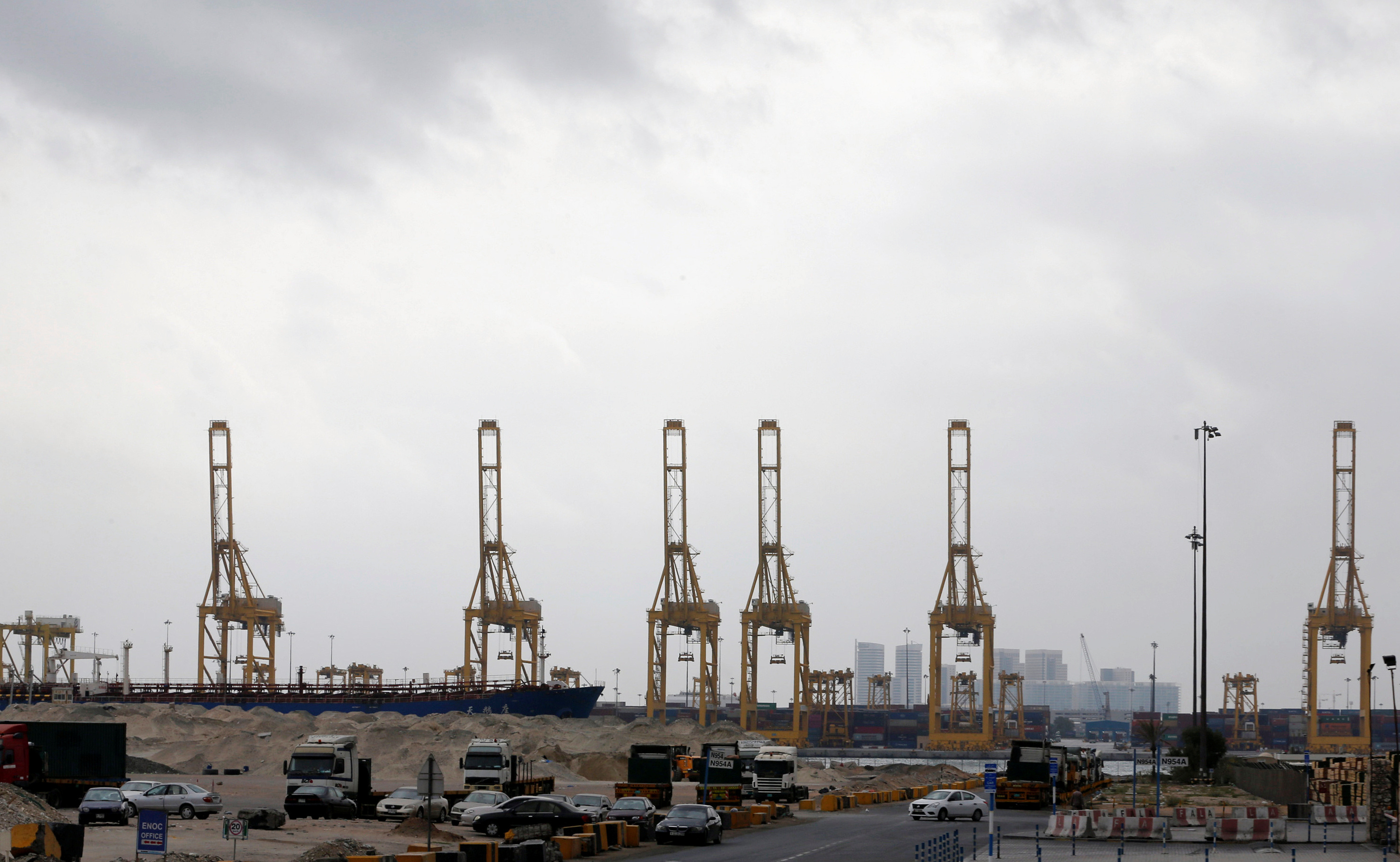
Salalah Port, a key logistics hub in Oman, is bracing for a significant decline in container volumes as the Red Sea crisis continues to disrupt global maritime trade. The port is expected to see a 25% drop in container throughput for the remainder of 2024, driven by ongoing blockades and rerouting of shipping lanes. The crisis, now in its sixth month, stems from the Houthi movement’s blockade […]

India’s central bank, the Reserve Bank of India (RBI), is encouraging domestic banks to accelerate efforts to facilitate direct trade settlements between the Indian rupee and the UAE dirham. This initiative is part of a broader strategy aimed at reducing dependence on the U.S. dollar in international trade, particularly with key trading partners like the United Arab Emirates.

The move is seen as a significant step toward strengthening economic ties between India and the UAE, which has become India’s third-largest trading partner, with bilateral trade volumes reaching approximately $83 billion in the last fiscal year. By promoting direct rupee-dirham settlements, the RBI aims to make transactions more efficient and cost-effective for businesses, reducing currency exchange risks and transaction costs.

This push by the RBI aligns with the Indian government’s ongoing efforts to internationalize the rupee and promote its use in global trade. The initiative is also expected to enhance liquidity in the rupee-dirham market and support the growth of trade between the two nations. While the concept of direct currency settlements is not new, the RBI’s renewed focus on this mechanism indicates a strategic shift towards diversifying currency usage in international trade, particularly in the face of global economic uncertainties.

Banks operating in the UAE and India are expected to play a crucial role in this transition by developing the necessary infrastructure and systems to support direct rupee-dirham trade. The RBI’s initiative is likely to encourage more businesses to adopt this settlement mechanism, potentially increasing the volume of trade conducted in local currencies rather than through the U.S. dollar.

This development comes amid a broader trend of countries exploring alternatives to dollar-dominated trade, particularly in the context of geopolitical shifts and the desire to reduce exposure to exchange rate fluctuations. As India continues to position itself as a global economic power, the success of the rupee-dirham settlement mechanism could pave the way for similar arrangements with other key trading partners.

The RBI’s push for direct currency settlement with the UAE is part of a larger strategy to promote the rupee’s role in international markets, reflecting India’s growing economic clout and its ambition to play a more prominent role in the global financial system. This initiative, if successful, could lead to a more significant reduction in India’s reliance on the U.S. dollar for international trade, contributing to the overall stability and resilience of the country’s economy.

As this initiative unfolds, market participants and analysts will closely monitor its impact on trade volumes, currency markets, and the broader economic relationship between India and the UAE. The success of this strategy could set a precedent for similar efforts in other regions, furthering India’s goal of internationalizing its currency and enhancing its economic influence on the global stage.

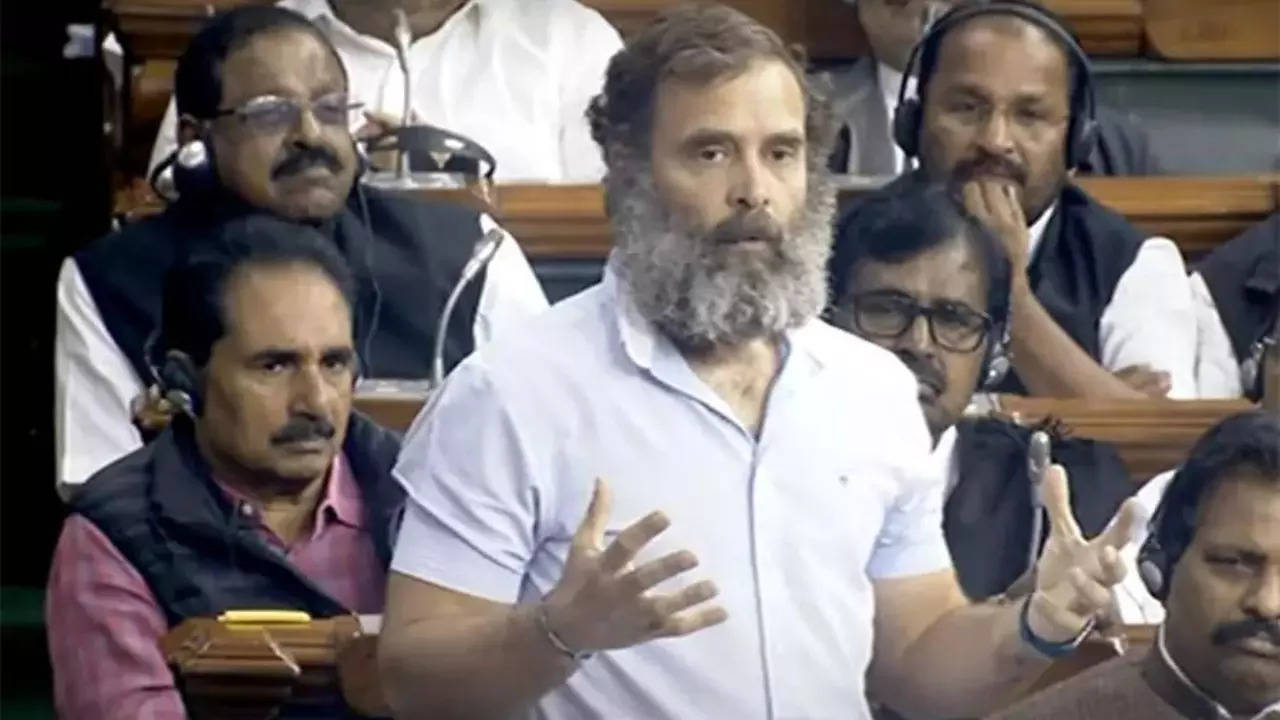
By K Raveendran By suggesting that the alleged Hindenburg offensive against the Adani group is an attack against India, the ruling party is, though inadvertently, acknowledging the sway the group has on the Modi government. This assertion not only underscores the influence wielded by Adani but also serves to validate Rahul Gandhi’s persistent criticism that […]

Dubai-based logistics giant DP World reported a significant decline in net profit for the first half of the year, attributing the downturn to disruptions along key shipping routes in the Red Sea. The company’s profit dropped by 59%, a stark contrast to its robust performance in previous periods.

The slowdown in global trade, coupled with geopolitical tensions affecting major maritime corridors, has had a severe impact on DP World’s operations. Shipping volumes through the Red Sea, a vital artery for international trade, have been notably reduced due to security concerns and logistical challenges. This decline has directly affected the company’s revenue, which saw a steep drop, leading to a corresponding decrease in profitability.

According to industry experts, the situation in the Red Sea is a significant concern for global trade, given the strategic importance of the region. The Red Sea serves as a crucial link between Europe, Asia, and Africa, and any disruption in this area can have widespread repercussions. The rise in piracy, ongoing conflicts, and political instability in adjacent regions have exacerbated the difficulties faced by shipping companies operating in these waters.

DP World has been striving to mitigate these challenges by diversifying its operations and seeking new revenue streams. The company has made significant investments in emerging markets and has expanded its presence in regions less affected by the current geopolitical tensions. However, these efforts have not yet fully compensated for the losses incurred due to the situation in the Red Sea.

The logistics giant’s management remains cautiously optimistic about the future, emphasizing that the current downturn is largely due to external factors beyond the company’s control. They have expressed confidence that once stability returns to the Red Sea region, DP World’s performance will rebound. In the meantime, the company is focusing on optimizing its operations and reducing costs to weather the downturn.

Despite the challenges, DP World continues to play a vital role in global trade. The company manages ports, terminals, and logistics operations across six continents, making it a key player in the international supply chain. Its extensive network of assets and strategic locations has allowed it to maintain a significant market share, even in the face of adverse conditions.

Market analysts note that while the company’s short-term prospects may be uncertain, its long-term outlook remains strong. DP World’s ability to adapt to changing market conditions, coupled with its ongoing investments in technology and infrastructure, positions it well for future growth. The company has also been exploring new business opportunities in the digital logistics space, which could provide additional revenue streams in the coming years.

In the broader context, the challenges faced by DP World highlight the vulnerability of global trade to geopolitical risks. As international tensions rise, the stability of key shipping routes like the Red Sea becomes increasingly critical. Companies operating in the logistics sector must remain vigilant and adaptable, ready to respond to sudden changes in the global landscape.

DP World’s experience serves as a reminder of the interconnected nature of global trade. Disruptions in one region can have far-reaching effects, impacting companies and economies around the world. As the situation in the Red Sea evolves, the global logistics industry will be closely monitoring developments, with the hope that stability can be restored and trade flows can return to normal levels.

DP World’s next steps will be crucial in determining its future trajectory. The company’s ability to navigate the challenges posed by the current geopolitical environment will be a key factor in its ability to recover and thrive in the long term. For now, the focus remains on managing the immediate impact of the Red Sea disruptions while preparing for future opportunities in a rapidly changing global market.


Iran’s new Oil Minister, Javad Owji, is confronting a complex landscape of regional conflicts and international sanctions that threaten to hinder the nation’s energy sector. Appointed to the role in August, Owji faces a dual challenge: revitalizing Iran’s struggling oil industry while navigating the fraught geopolitical environment shaped by longstanding Western sanctions and turbulent relations with neighboring countries. Owji, who previously served as Iran’s Deputy Oil Minister […]

The central banks of India and Russia are engaged in discussions to establish a robust mechanism that will expand bilateral trade using local currencies. These negotiations are seen as a strategic move to address the ongoing payment challenges that have emerged due to the significant increase in trade between the two nations following the conflict in Ukraine. Efforts to shift from traditional trade currencies to local currencies […]

A turbulent financial landscape and rising global tensions have cast a shadow over Japan’s upcoming prime ministerial race, setting the stage for an exceptionally uncertain political environment. The current administration, led by Prime Minister Fumio Kishida, is grappling with escalating inflation, unpredictable financial markets, and a deteriorating security climate. As Japan prepares for a potential change in leadership, these challenges are likely to shape the political discourse […]

By Nitya Chakraborty Eight days have passed since the ouster of   from power in Bangladesh on August 5 following the mass upsurge led by the students and other opposition parties against the 15 year rule of the Awami League Government led by her. Much has been written about the developments that led to her fall […]

Tensions in Lebanon have escalated, posing significant obstacles for the United States envoy tasked with preventing further conflict. Amidst heightened concerns of an impending war, Western nations are intensifying their diplomatic engagement to de-escalate the situation. Several senior officials from the Biden administration are slated to visit the Middle East this week as part of a broader strategy to address the crisis.

Lebanon is experiencing a period of increased instability, marked by political and economic strife, alongside frequent clashes between various factions. The United Nations and various international organizations have voiced alarm over the potential for broader regional conflict if these issues are not addressed swiftly and effectively. The US envoy, aiming to mitigate these risks, faces a complex landscape fraught with deep-seated tensions and a volatile political environment.

Efforts by the United States to stabilize the region include high-level discussions with key Lebanese political figures and other stakeholders. The envoy’s role is critical in navigating the intricate web of alliances and conflicts that characterize Lebanon’s current situation. The US is seeking to leverage its influence to foster dialogue and reduce hostilities, with a focus on preventing the escalation of violence that could have far-reaching consequences for the region.

The Biden administration’s approach involves coordinated diplomatic efforts with allied nations and regional partners. The upcoming visits by senior officials are part of a concerted strategy to demonstrate solidarity with Lebanon and to push for immediate actions that could ease tensions. These visits are expected to involve discussions on economic support, security cooperation, and political reforms aimed at stabilizing the country.

The situation in Lebanon is complicated by the involvement of various regional powers and non-state actors, each with their own interests and agendas. This complexity makes the envoy’s task particularly challenging, as they must navigate a multifaceted conflict environment while attempting to build consensus among diverse and often conflicting parties.

Recent developments have underscored the urgency of the situation. Reports indicate increasing skirmishes and a deterioration in humanitarian conditions, which further complicate efforts to negotiate a peaceful resolution. The international community is closely monitoring the situation, with many expressing support for diplomatic solutions while emphasizing the need for timely and effective intervention.

The US diplomatic push is also supported by broader Western efforts to address the crisis. European nations, alongside the US, are working on various fronts to provide humanitarian aid and support peacekeeping initiatives. These actions reflect a unified stance on the need to prevent further escalation and to support Lebanon in its path towards stability and recovery.

As the envoy continues their mission, the effectiveness of their efforts will likely hinge on the ability to address both immediate concerns and long-term structural issues contributing to Lebanon’s instability. The international community remains hopeful that with sustained diplomatic engagement and support, it will be possible to avert a full-scale conflict and foster a more stable and peaceful environment in Lebanon.

The evolving situation in Lebanon highlights the complex interplay of regional dynamics and the critical importance of international diplomatic efforts in addressing such crises. The coming weeks will be crucial in determining the trajectory of the conflict and the potential for a peaceful resolution.

NagaCorp Ltd, a key player in the Asian casino industry and the operator of the NagaWorld casino resort in Phnom Penh, Cambodia, is facing financial instability due to a substantial revaluation of its casino resort project in Primorye, Russia. This project, located near Vladivostok, has been stalled for some time, contributing to the current financial challenges the company is grappling with. The company recently announced that its […]

Japan’s Prime Minister Fumio Kishida has confirmed his decision to step down in September, choosing not to seek re-election. Kishida’s departure introduces significant uncertainty regarding Japan’s ongoing initiatives in the Web3 space, an area where he has been a vocal advocate. Kishida, who has been at the helm of the country since October 2021, has championed the integration of Web3 technologies—encompassing blockchain, cryptocurrency, and decentralized finance—into Japan’s […]

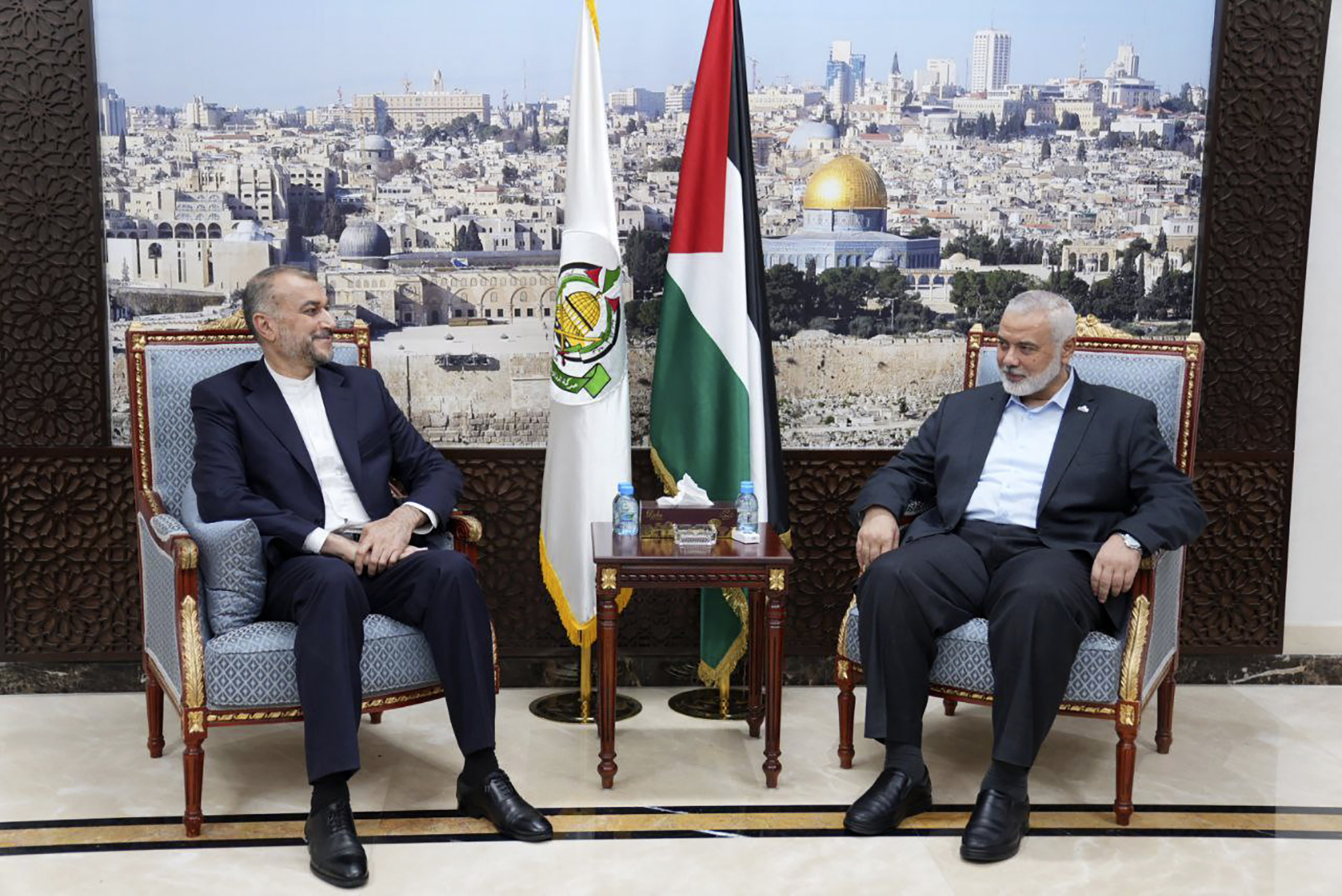
Negotiations aimed at establishing a ceasefire in Gaza face significant challenges as a key Hamas official has declared the group’s reluctance to participate in the upcoming talks in Doha. The anticipated dialogue, scheduled for Thursday, now hangs in the balance due to this development.

President Joe Biden has acknowledged the growing difficulties in achieving a ceasefire in Gaza. The complexities of the negotiation process, combined with shifting political dynamics, have made the path to peace more uncertain. Biden’s comments reflect the escalating tension and the stalled progress in securing a resolution.

Hamas, which has been a central player in the ongoing conflict, has not officially confirmed its stance but internal sources indicate a strong likelihood of their non-participation. This move could further derail the efforts led by international mediators who have been striving to broker peace between the conflicting parties.

The situation remains fluid as both sides prepare for the Doha talks. The absence of Hamas from these discussions could hinder the negotiation process and potentially prolong the conflict. Analysts suggest that without Hamas’s involvement, any agreement reached might lack the necessary support from one of the principal stakeholders, undermining the potential for a lasting ceasefire.

International observers are closely monitoring the situation, emphasizing the importance of including all major parties in peace talks. The ongoing conflict has resulted in substantial casualties and widespread devastation in Gaza, underscoring the urgent need for a comprehensive ceasefire agreement.

The diplomatic community remains hopeful that the dialogue in Doha, despite the current setbacks, may still pave the way for renewed negotiations. However, the exclusion of key players like Hamas from these talks presents a significant obstacle, raising concerns about the feasibility of achieving a viable ceasefire in the near future.

The evolving dynamics of the situation highlight the complexity of the conflict and the challenges faced by mediators working to bring about a resolution. As the international community continues to engage in efforts to address the crisis, the focus remains on finding a path forward that includes all relevant parties and addresses the underlying issues driving the conflict.

As discussions unfold, the world watches closely, hoping for a breakthrough that could lead to a sustained and effective ceasefire. The outcome of the Doha talks will be crucial in determining the next steps in the ongoing efforts to bring peace to Gaza.

Palestinian President Mahmoud Abbas met with Russian President Vladimir Putin in Moscow to address the ongoing conflict in Gaza and broader issues affecting the Palestinian territories. The meeting highlighted Abbas’s call for increased international support for Palestinian statehood and urgent action to alleviate the humanitarian crisis in Gaza.

The discussion comes amid escalating violence in Gaza and the West Bank, with significant casualties reported in recent weeks. Abbas and Putin explored various measures to de-escalate the situation and pave the way for renewed peace efforts. Abbas emphasized the dire humanitarian conditions in Gaza, where continuous airstrikes and blockades have exacerbated the suffering of civilians.

During the meeting, Abbas reiterated his call for the establishment of an independent Palestinian state, asserting that a two-state solution remains the most viable path to peace. He also voiced concerns about ongoing violence in East Jerusalem and the West Bank, which has further complicated efforts to achieve stability and security in the region.

Putin’s response to Abbas’s proposals was notably diplomatic. He reaffirmed Russia’s support for a two-state solution and expressed concern over the humanitarian situation in Gaza. However, he also stressed the need for a balanced approach to addressing both Palestinian and Israeli concerns. The Russian leader emphasized the importance of direct negotiations between the conflicting parties, highlighting Russia’s role in facilitating dialogue.

The meeting also touched upon the international community’s role in resolving the conflict. Abbas urged greater involvement from global powers and regional stakeholders to pressure Israel into halting its military operations and committing to peace talks. He specifically called for the lifting of the blockade on Gaza, which he argued is a significant barrier to alleviating the humanitarian crisis.

The discussion on Gaza coincides with a broader international discourse on the conflict. Various international organizations and governments have expressed growing alarm over the situation, with some calling for sanctions or other measures against Israel to pressure it into compliance with international law.

In addition to discussing the immediate conflict, Abbas and Putin addressed the ongoing international legal efforts concerning allegations of genocide and war crimes. Abbas has been vocal about the need for accountability and justice, advocating for international legal bodies to address alleged violations by Israel. This aspect of the discussion underscores the broader context of the conflict, where legal and humanitarian concerns intertwine with geopolitical considerations.

Abbas’s visit to Moscow also serves as a strategic move to bolster Palestinian diplomatic efforts. By engaging with major international players like Russia, Abbas aims to garner broader support and exert pressure on other key actors to address the Palestinian cause. The interaction with Putin represents an attempt to leverage Russia’s position in the global arena to further the Palestinian agenda.

The meeting between Abbas and Putin reflects ongoing international efforts to address the complexities of the Israeli-Palestinian conflict. As the situation in Gaza remains dire and violence continues in the West Bank and East Jerusalem, the international community remains divided on the most effective strategies to achieve a lasting resolution. The discussions between Abbas and Putin highlight the urgent need for comprehensive and sustained diplomatic efforts to address the myriad issues at the heart of the conflict.

VISHNU RAJA
RYO YAMADA
HITORI GOTOH
IKUYO KITA