News related to
political

Publicly traded Bitcoin mining companies sold 115% of their April production, marking the most aggressive monthly liquidation since late 2022. This intensified sell-off occurred despite Bitcoin reaching a new all-time high of nearly $109,500 in May, underscoring the financial strain miners face amid declining profitability metrics.

The surge in Bitcoin’s price was insufficient to offset the challenges miners encountered. Hashprice—a key indicator measuring miner revenue per unit of computing power—remained under significant pressure. Throughout April, hashprice fluctuated between $40.71 and $49.08 per petahash per second , averaging $45.46. This level is perilously close to the break-even point for many operators, particularly those utilizing older hardware models like the Antminer S19 XP and S19 Pro.

Compounding the issue, Bitcoin’s network difficulty experienced an 8.3% increase over two consecutive adjustments in April, reaching an average of 120.98 trillion. This escalation in difficulty, coupled with a modest 1.5% rise in Bitcoin’s price, further compressed miners’ margins. Additionally, transaction fees, which constitute a portion of miners’ income, remained subdued. Although there was an 8.7% month-over-month increase in transaction fees, they still accounted for only 1.34% of total block rewards, offering limited relief.

The financial pressures have prompted miners to liquidate more Bitcoin than they produce. This trend reflects the urgent need to cover operational costs, including energy expenses and equipment upgrades. The situation is exacerbated by external factors such as rising energy prices and geopolitical uncertainties, including trade tensions that threaten to increase operational costs further.

By Nitya Chakraborty The four day visit of the Pakistan Deputy Prime Minister Mohammad Ishaq Dar to China ended on Wednesday May 21 with top Chinese leaders assuring Dar that ‘as an ironclad friend, China, as always, firmly support Pakistan in safeguarding its national sovereignty and territorial integrity, support Pakistan in exploring a development path […]

Microsoft’s flagship developer conference, Build 2025, held in Seattle, faced significant disruptions as employees and activists protested the company’s collaborations with the Israeli military. The demonstrations, led by the group No Azure for Apartheid, highlighted concerns over the use of Microsoft’s Azure and AI technologies in military operations in Gaza. During CEO Satya Nadella’s keynote address, firmware engineer Joe Lopez interrupted the session, accusing Microsoft of supporting […]

Shares of BYD Co. Ltd. listed in Hong Kong have reached unprecedented levels, widening the valuation gap with their mainland counterparts to a historic high. This divergence underscores the growing investor confidence in the electric vehicle giant’s international expansion and strategic initiatives.

The Hong Kong-listed H-shares of BYD have been trading at a significant premium compared to its Shenzhen-listed A-shares. This premium reflects heightened investor enthusiasm driven by BYD’s aggressive global growth strategies and robust financial performance.

In a landmark move, BYD raised approximately $5.6 billion through a share placement in Hong Kong, marking the largest equity follow-on offering in the global automotive sector over the past decade. The company issued 129.8 million H-shares at HK$335.20 each, representing a 7.8% discount to the previous closing price. Despite the discount, the offering attracted substantial interest from institutional investors, including sovereign wealth funds from Europe and the Middle East.

The proceeds from the share sale are earmarked for research and development, overseas business expansion, and general corporate purposes. BYD’s strategic focus includes establishing production facilities in countries such as Brazil, Hungary, and Turkey, aiming to mitigate geopolitical risks and tap into emerging markets.

The company’s international ambitions are further evidenced by its recent ventures, including the construction of a $680 million manufacturing plant in Brazil with an annual capacity of 150,000 units. Additionally, BYD has launched new EV models in various markets, including the Seal sedan in India, priced competitively to capture market share.

BYD’s financial health remains robust, with a reported revenue of 502.25 billion yuan and a net profit of 25.24 billion yuan in the first three quarters of 2024, reflecting year-on-year growth of 18.94% and 18.12%, respectively. The company’s rapid production acceleration is notable, achieving the manufacture of 5 million new-energy vehicles within just 15 months, a feat that previously took nearly 15 years.

BEIJING, CHINA – Media OutReach Newswire – 20 May 2025 – On the morning of May 20, the 29th World Gas Conference (WGC2025) opened at the China National Convention Center in Beijing. This marks the first time in the nearly 100-year history of the World Gas Conference that the event is being held in China. As one of the three flagship events of the International Gas Union […]

A group of prominent Senate Democrats, led by Elizabeth Warren and Minority Leader Chuck Schumer, has urged the Trump administration to reconsider newly announced artificial intelligence chip agreements with Saudi Arabia and the United Arab Emirates . The lawmakers argue that these deals could compromise U.S. national security by potentially exposing advanced technology to adversaries like China and Russia, while also limiting the availability of critical components for American companies.

The agreements, unveiled during President Donald Trump’s recent trip to the Middle East, involve major U.S. tech firms such as Nvidia Corp. and Advanced Micro Devices Inc. selling tens of thousands of advanced semiconductors to the Gulf nations. These deals could pave the way for the sale of over a million more chips, coinciding with the administration’s plans to rescind and rewrite Biden-era rules that had capped the access of these countries to such technology.

Critics within the Senate express concern that these moves could inadvertently aid China’s technological advancement, given the close ties between the Gulf states and Beijing. They also warn that the agreements might strain the domestic supply of AI chips, potentially hindering the growth of U.S. companies reliant on these components.

OpenAI CEO Sam Altman has defended the administration’s decisions, dismissing critics as “naïve” and emphasizing the strategic benefits of the deals. Altman, along with White House AI advisor David Sacks, argues that the agreements shift the technological balance in favor of the U.S. against China. Despite these assurances, concerns persist among lawmakers and national security experts about the potential risks associated with the export of sensitive technology to the Gulf region.

The deals have also sparked debate within the tech industry, with some companies eager to pursue opportunities in the Gulf, while others express apprehension regarding security and geopolitical implications. The collaborations highlight a divide in the industry and raise broader questions about the global strategic direction of emerging technologies.

Matein Khalid The fallout from the Moody’s downgrade is unfolding exactly as I guesstimated it would in my Sunday afternoon post. The 10 Year US Treasury note yield is now 4.54% and 30 year money is now 5.02%. So my 2/10 and 2/30 US Treasury note bear steepener strategy is oozing green – so far. Gold is also a classic haven from the fiscal Frankenstein that is […]

Advertisements

Global financial markets reeled on Monday following Moody’s Investors Service’s decision to downgrade the United States’ sovereign credit rating from Aaa to Aa1. The move, citing escalating fiscal deficits and a ballooning national debt, has intensified scrutiny over Washington’s economic policies and triggered a wave of investor unease.

The downgrade has led to a sharp rise in U.S. Treasury yields, with the 30-year bond yield climbing to 5.03%, its highest level since November 2023. The 10-year yield also surged to 4.55%, reflecting growing apprehension about the sustainability of U.S. fiscal policy. Concurrently, the U.S. dollar weakened against major currencies, while global equity markets experienced significant declines.

Moody’s action follows the narrow approval of President Donald Trump’s $3.8 trillion tax-cut package by the House Budget Committee. The legislation, which aims to extend the 2017 tax cuts and introduce new reductions on tips and overtime income, is projected to add between $3 trillion and $5 trillion to the national debt over the next decade. Analysts warn that such measures could exacerbate fiscal imbalances and undermine investor confidence.

European markets responded negatively, with the pan-European STOXX 600 index falling by 0.7%, ending a five-week winning streak. Luxury stocks, heavily reliant on Chinese demand, were particularly affected due to disappointing retail sales data from China. In the UK, the FTSE 100 index dropped by 0.8%, while the midcap FTSE 250 fell by 1.3%, influenced by the U.S. credit downgrade and anticipation surrounding a UK-EU summit.

Asian markets mirrored this trend, with key indices declining amid concerns over the U.S. fiscal outlook. The downgrade has also stalled the recent Wall Street rally, with futures dipping and the dollar weakening. Investors are increasingly wary of the U.S.’s rising debt burden and the potential implications for global financial stability.

The concept of “bond vigilantes”—investors who sell off government bonds in response to fiscal irresponsibility—has resurfaced. Analysts caution that if yields continue to rise, it could lead to instability in both bond and stock markets, potentially forcing the Federal Reserve to intervene. Some foresee a scenario where yields could exceed 6%, posing significant risks to economic growth.

Moody’s downgrade aligns the U.S. with other major economies that have lost their triple-A ratings, such as the UK and France. The agency projects that the U.S. debt-to-GDP ratio could reach 134% by 2035, up from 98% last year. The federal deficit, currently at 6.4% of GDP, is expected to rise to 9% by 2035, driven by increased interest payments and entitlement spending.

Despite these warnings, Treasury Secretary Scott Bessent dismissed the downgrade, asserting that the tax cuts would spur economic growth sufficient to offset the increased debt. However, nonpartisan analysts and some lawmakers express skepticism, highlighting the lack of substantial spending cuts or new revenue measures to balance the budget.

The political landscape remains divided, with hardline Republicans advocating for deeper cuts to programs like Medicaid and the repeal of green tax credits. Moderate Republicans and some senators oppose such measures, citing potential harm to vulnerable populations and the broader economy. The proposed cuts could result in 8.6 million people losing Medicaid coverage, raising concerns about the social impact of fiscal austerity.

Austria has secured its third Eurovision Song Contest victory, with 24-year-old countertenor JJ clinching the title in Basel, Switzerland, through his emotive performance of “Wasted Love.” This win marks Austria’s first since 2014, following Conchita Wurst’s triumph. JJ, born Johannes Pietsch, delivered a compelling blend of operatic vocals and contemporary techno elements, captivating both jury and public votes. His performance resonated deeply, earning Austria a combined score […]

Sweden has embarked on a major technological initiative to establish a National AI Cloud infrastructure, with the Nordic data centre provider atNorth selected as the host for this critical platform. The project, led by 6G AI Sweden, aims to significantly enhance the country’s capacity to develop and deploy artificial intelligence technologies by providing state-of-the-art cloud computing resources tailored for AI research and industrial applications. This National AI […]

Abu Dhabi National Oil Company has granted contracts totaling Dh65.7 billion to nearly 400 local suppliers, contractors, and service providers during the first half of 2025. This extensive award reflects ADNOC’s ongoing commitment to strengthening the United Arab Emirates’ economy through its In-Country Value programme, which aims to bolster domestic industries and national supply chains. The contracts cover a diverse range of sectors vital to ADNOC’s operations, […]

Land saturation and rising prices in Dubai’s central residential districts are driving developers and buyers towards peripheral areas, reshaping the city’s housing landscape, according to a detailed property analysis by consultancy Savills. The report highlights a clear trend of market activity concentrating along the Al Khail Road corridor, signalling a significant shift away from traditional urban hotspots.

Transaction volumes in emerging micro-markets such as Jumeirah Village Circle , Dubailand, Damac Hills 2, The Valley, and Damac Lagoons have surged, collectively representing 55 per cent of all residential transactions in the first quarter. These locations have also been at the forefront of new project launches, accounting for 56 per cent of all newly introduced residential units, indicating robust developer confidence in these peripheral zones.

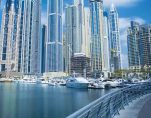
This movement stems from limited land availability in core areas like Downtown Dubai, Dubai Marina, and Jumeirah Beach Residence, where property prices have escalated sharply, reducing affordability for many prospective homeowners and investors. The scarcity of developable plots in these prime locations has further intensified competition, pushing demand towards more affordable options outside the city centre.

Jumeirah Village Circle, in particular, has emerged as a hotspot for buyers seeking reasonably priced apartments and villas within manageable commuting distance of Dubai’s business districts. The area offers a mix of mid-rise residential complexes and low-density villa communities, appealing to families and young professionals alike. This diversity in housing stock, coupled with ongoing infrastructure improvements, has underpinned JVC’s steady growth.

Similarly, Dubailand and Damac Hills 2 continue to attract interest due to expansive master-planned communities with a focus on lifestyle amenities such as parks, golf courses, and retail centres. The Valley, another significant player in this corridor, has capitalised on affordable villa offerings with modern designs and green spaces, catering to demand for spacious family homes away from the congested urban core.

The expansion along Al Khail Road also benefits from enhanced transport links, reducing travel times to central business hubs and making these peripheral areas more accessible. Investments in road infrastructure and public transport connectivity, including upcoming metro expansions, are expected to reinforce this trend, supporting long-term growth prospects for these markets.

Developers are aligning their strategies with these shifts by prioritising projects in locations that offer a balance between affordability and lifestyle appeal. The surge in launches across these corridors underscores their belief in sustained demand, especially from end-users and investors seeking value amid a competitive Dubai property market.

The report points to a broader recalibration within Dubai’s residential property sector, reflecting changing buyer preferences influenced by affordability constraints and evolving urban dynamics. While luxury properties in central districts remain sought after by high-net-worth individuals and international investors, the broader market is witnessing a democratization of choice, with peripheral communities gaining ground.

These peripheral markets offer distinct advantages, including larger plot sizes, lower price points, and a greater emphasis on community-oriented living environments. This contrasts with the high-density, premium developments that dominate Dubai’s central districts, which cater to a more niche segment of the market.

However, challenges remain for these outer zones, particularly related to ensuring infrastructure keeps pace with rapid development. Urban planners and authorities face the task of managing growth sustainably, balancing expansion with the provision of essential services such as schools, healthcare, and retail facilities. The successful integration of these factors will be critical in maintaining the attractiveness of these locations.

The property market’s health is influenced by broader economic factors including regional geopolitical stability, visa reforms, and government incentives for property ownership, all of which shape investor sentiment. Dubai’s continued efforts to position itself as a global business and tourism hub contribute positively to residential demand, although global economic uncertainties require cautious optimism.

Analysts note that while the peripheral markets currently drive volume and new supply, established central districts are unlikely to lose their appeal entirely. Instead, a more diversified property ecosystem is emerging, with each zone serving distinct buyer profiles and investment goals.

Dubai’s real estate sector, having witnessed a remarkable 70 percent surge in property values over four years, is increasingly attracting the attention of major Wall Street investors, signalling a fresh wave of international capital flowing into the market. Among those showing strong interest is Brookfield Corp., a prominent global asset manager, which is reportedly considering a significant residential project in the Dubai Hills district. This potential move marks Brookfield’s first foray into the region’s residential property market, highlighting confidence in Dubai’s continued urban growth and economic resilience.

The Dubai Hills area, known for its integrated community developments blending residential, commercial, and leisure spaces, has become a prime target for investors aiming to capitalise on the emirate’s strategic location and expanding infrastructure. Brookfield’s plans reportedly focus on creating a mixed-use community, aligning with the city’s broader vision of enhancing livability and attracting diverse demographics including expatriates, business professionals, and families. This development would add to the already dynamic residential landscape that has benefitted from Dubai’s liberal property ownership laws and tax-friendly environment.

Singapore-based Temasek Holdings Pte., through one of its property management subsidiaries, is also actively scouting investment opportunities in Dubai, reflecting growing confidence from Asian institutional investors. Temasek’s involvement would bring considerable financial firepower and experience in managing large-scale real estate assets, further validating Dubai’s position as a regional hub for property investment. The company is reportedly assessing a range of options from commercial towers to high-end residential complexes, keen on leveraging Dubai’s status as a global financial and tourism centre.

The surge in property values has been driven by a confluence of factors including Dubai’s rapid economic diversification away from oil dependence, the government’s successful rollout of major infrastructure projects, and the city’s appeal as a safe haven for wealth amid geopolitical uncertainties. The Expo 2020 event, although delayed to 2021 due to the pandemic, had a notable impact in energising the real estate market, with sustained interest seen in areas like Dubai Marina, Downtown Dubai, and Palm Jumeirah.

Experts suggest that Dubai’s regulatory framework, which includes long-term visas for property investors and entrepreneurs, has created an inviting climate for foreign capital. This has been complemented by a steady increase in expatriate population, fostering demand for rental properties and driving rental yields. The UAE’s ongoing focus on enhancing its financial services sector and promoting innovation and technology hubs further supports long-term real estate demand.

Despite the enthusiasm, the market is not without challenges. Some analysts caution that the sharp rise in prices over a short period raises concerns about affordability and potential market overheating. The post-pandemic recovery phase has also exposed vulnerabilities such as fluctuating oil prices and shifting global economic conditions, which could affect investor sentiment. Additionally, the emergence of remote working trends may reshape residential preferences, potentially influencing demand patterns in Dubai’s real estate sector.

Brookfield’s possible entry into the residential segment is seen as a strategic bet that reflects confidence in Dubai’s ability to maintain its growth trajectory. The company’s expertise in infrastructure and real estate investment positions it well to navigate the complex regulatory and operational landscape of the region. Industry insiders point out that such high-profile involvement could encourage further inflows of private equity and institutional capital, contributing to market stability and innovation in property development.

Temasek’s active exploration in Dubai also underscores the emirate’s rising prominence on the Asian investment radar. The city’s connectivity, free-trade zones, and business-friendly policies make it an attractive gateway for investors seeking exposure to the Middle East, Africa, and South Asia markets. Temasek’s investment approach, typically characterised by long-term value creation and active asset management, may influence the development of more sustainable and diversified real estate offerings in Dubai.

Market observers note that while the residential sector is gaining momentum, commercial real estate remains a vital pillar of Dubai’s property market. The growth of co-working spaces, logistics hubs, and retail developments reflects the changing nature of work and consumption in the post-pandemic world. These trends complement residential growth by fostering integrated urban environments that cater to evolving lifestyles.

Cryptocurrency mining companies have registered a notable surge following the announcement of a strategic partnership between OpenAI and CoreWeave, a leading cloud computing provider. This alliance signals a growing intersection between artificial intelligence infrastructure and blockchain technology, propelling mining stocks higher and generating renewed investor interest in the sector.

CoreWeave, known for its specialised GPU-powered cloud services tailored to AI workloads, has struck a deal to supply critical computational capacity for OpenAI’s expanding suite of applications. This development positions CoreWeave as a vital player in supporting the back-end infrastructure of AI innovation. The company’s move has rippled through the crypto mining ecosystem, where hardware capable of efficiently processing complex algorithms is central to mining operations.

Investors responded positively to CoreWeave’s enhanced profile, with shares of prominent crypto mining firms climbing on various exchanges. The broader cryptocurrency market, however, displayed a more cautious stance, maintaining a consolidation phase despite escalating inflation expectations that often trigger volatility. This divergence highlights the nuanced market dynamics where infrastructure providers linked to AI growth are gaining momentum independent of general crypto price trends.

The launch of Galaxy Digital on the Nasdaq exchange further accentuated market activity around crypto-related firms. Galaxy Digital, a diversified financial services and investment management firm focusing on digital assets and blockchain technology, made a striking debut with its share price surging significantly on the first day of trading. The successful Nasdaq listing underscores growing institutional interest in the crypto and blockchain sectors, affirming confidence in their long-term viability despite fluctuating asset prices.

Market analysts note that the OpenAI-CoreWeave partnership exemplifies the convergence of artificial intelligence and blockchain technology, two sectors undergoing rapid expansion. This synergy offers mining companies an avenue to diversify and stabilise revenues by capitalising on increased demand for computational power beyond traditional cryptocurrency mining. As AI applications become more sophisticated and resource-intensive, providers like CoreWeave stand to benefit from expanded contracts and elevated valuations.

The partnership also sheds light on evolving mining operations, which now encompass hybrid models combining cryptocurrency validation with AI data processing tasks. This integration potentially improves profitability and operational resilience amid regulatory uncertainties and market fluctuations in the crypto domain. Mining firms that embrace such technological advancements may position themselves ahead of competitors relying solely on conventional blockchain mining.

Despite these promising developments, the crypto market continues to face challenges from macroeconomic factors, notably inflation expectations that often influence investor behaviour. Although asset prices across major markets, including cryptocurrencies, largely shrugged off these concerns, some volatility is expected as central banks adjust monetary policies. Cryptocurrency’s inherent volatility remains a consideration for both retail and institutional investors, who must weigh technological advancements against broader economic risks.

CoreWeave’s strategic positioning within this ecosystem is particularly significant given the rising demand for GPU-intensive workloads. The company’s infrastructure supports not only OpenAI’s needs but also a wide array of AI-driven enterprises, creating a robust client base and diversified revenue streams. This diversification contrasts with many mining firms whose fortunes are tightly correlated to cryptocurrency price cycles, adding an element of stability that appeals to investors.

Galaxy Digital’s Nasdaq listing is emblematic of the maturing crypto investment landscape. Founded by industry veteran Michael Novogratz, the firm has established itself as a critical bridge between traditional financial markets and the digital asset space. Its successful public offering reflects growing acceptance and integration of digital assets within mainstream finance, an important milestone for the sector.

Market watchers observe that while the immediate reaction favours companies linked to AI and cloud computing, the broader cryptocurrency market is navigating a complex environment marked by geopolitical tensions, regulatory scrutiny, and shifting monetary policies. These factors contribute to a cautious sentiment among traders, with prices consolidating rather than surging dramatically.

Nonetheless, the interplay between AI infrastructure providers and crypto mining firms represents a promising frontier. This convergence may drive innovation in both fields, fostering new business models and operational efficiencies. Companies that adapt to this trend could harness the dual momentum of AI growth and blockchain technology to sustain competitive advantages.

Matein Khalid While I was not surprised by Moody’s decision to cut the sovereign credit rating of the US from Aaa to Aa1 since I have done my best to warn my friends in this post about the King Dollar’s vulnerable underbelly on debt/deficits, I am surprised that the credit rating agencies is willing to risk the wrath of Trump White House with this move. After all, […]

Matein Khalid The US Treasury bond market is unnerved by Powell’s reluctance to cut rates at the May FOMC and increasing short bets on long duration Uncle Sam IOUs by the world’s biggest hedge funds. This is the reason the 2-year Treasury note yield, the single security most sensitive to changes in expectation of US central bank monetary policy, has risen 15 basis points this week to […]

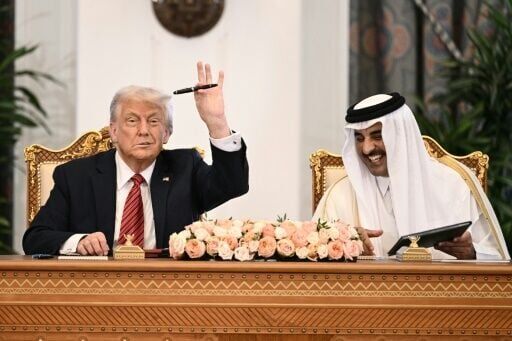
By K Raveendran Donald Trump’s Gulf tour has marked a defining chapter in his post-presidential brand of deal diplomacy, delivering a staggering $2 trillion in agreements that stretch across Saudi Arabia, the United Arab Emirates, and Qatar. This campaign stands in sharp contrast to the flagging results of his so-called trade mark tariff war, which—despite […]

The United Arab Emirates has committed to increasing its energy sector investments in the United States to $440 billion over the next decade, a significant expansion from the current $70 billion. This strategic move was announced by Sultan Al Jaber, chief executive of Abu Dhabi National Oil Company , during a high-profile meeting with US President Donald Trump amid his Gulf tour aimed at fostering major business […]

Donald Trump concluded his Gulf tour with the White House touting more than $2 trillion in economic agreements, a figure that has drawn significant scepticism from financial analysts and diplomatic observers. The administration presented the headline number as a demonstration of strengthened U.S.-Gulf relations and expanded economic ties. However, a detailed examination of the announced agreements reveals a far lower total when measured against firm commitments. Official […]

President Donald Trump’s strategic tour across the Middle East has ignited internal discord within his administration, as China-focused officials express concern over expansive artificial intelligence agreements with Saudi Arabia and the United Arab Emirates . These deals, involving the acquisition of advanced semiconductors from U.S. firms Nvidia and Advanced Micro Devices , are perceived by some as potential threats to national security and economic interests. During his […]

Marine fuel sales at the Port of Fujairah climbed to their highest level in over a year in April, marking a second consecutive month of growth and reinforcing the port’s status as a key global bunkering hub. Excluding lubricants, total sales reached 669,378 cubic metres, equivalent to approximately 663,000 metric tons, according to data from the Fujairah Oil Industry Zone released by S&P Global Commodity Insights.

This performance represents a 4.6% increase over March’s 639,811 cubic metres and a 20.8% rise from February’s record low of 554,117 cubic metres. The rebound aligns with a broader recovery in global shipping activity and increased demand for marine fuels, particularly high-sulphur fuel oil , amid fluctuating oil prices and evolving environmental regulations.

HSFO sales at Fujairah experienced a significant uptick, rising 17.9% month-on-month to 168,140 cubic metres in March, and continued to show strength into April. This growth is largely attributed to the increased use of exhaust gas cleaning systems, or scrubbers, by shipowners seeking cost-effective compliance with the International Maritime Organization’s 0.5% sulphur cap. The price differential between HSFO and low-sulphur alternatives has made scrubber-fitted vessels more economically viable, driving demand for HSFO.

Despite the gains in HSFO, low-sulphur fuel oil remains the dominant marine fuel at Fujairah, accounting for approximately 67.3% of total sales in March. However, LSFO volumes have faced downward pressure due to increased competition from neighboring ports and fluctuating global supply chains. In April, LSFO sales totaled 442,392 cubic metres, down 13.9% year-on-year and 2.1% lower than in March.

The port’s strategic initiatives to diversify fuel offerings and invest in alternative energy sources are also influencing sales dynamics. In July 2024, FOIZ allocated 54,000 square metres of land for the construction of a biofuel processing plant, signaling a commitment to sustainable fuel solutions. The facility, developed in partnership with Bahrain-based Mercantile and Maritime Group, aims to produce B24 biofuel blends, which combine 24% fatty acid methyl ester with 0.5% sulphur marine fuel. These blends can reduce carbon dioxide emissions by 15–20%, aligning with the IMO’s decarbonization targets.

Fujairah’s position as the world’s third-largest bunkering hub remains solid, with 2024 sales totaling 7.6 million cubic metres, up 1.9% from the previous year. This growth outpaced China’s Zhoushan port, which reported 7.26 million tons in the same period. The increase in sales is attributed to higher refueling demand in the first half of 2024 and larger delivery volumes, as shipping disruptions elsewhere prompted more liftings at key bunker ports globally.

However, the port faces challenges, including competition from neighboring ports like Khor Fakkan and Jebel Ali, which have attracted some demand due to competitive pricing. Additionally, geopolitical tensions and global shipping uncertainties continue to impact fuel demand patterns. Despite these hurdles, Fujairah’s strategic location and ongoing investments in infrastructure and alternative fuels position it to adapt to the evolving maritime fuel landscape.

The port’s commitment to transparency and data sharing through partnerships with organizations like S&P Global Commodity Insights enhances its appeal to global traders and investors. By providing detailed inventory levels and sales data, Fujairah enables market participants to make informed decisions, fostering a more efficient and responsive bunkering market.

By P Sudhir People on both sides of the border were relieved. The four-day-long military engagement between India and Pakistan came to a close on the late afternoon of May 10. Despite this, gunshots were heard late in the night. But later, the DGMOs of both countries confirmed that the ceasefire has held and war […]

Apple continues to hold its position as the world’s most valuable brand, maintaining a dominant lead in the annual Kantar BrandZ rankings. The technology giant’s brand value remains firmly ahead of its competitors, driven by sustained innovation, strong consumer loyalty, and expanding services. Among the global giants, Saudi Aramco stands out as the only company from the Gulf Cooperation Council and Middle East region to secure a spot within the Top 100, reflecting its growing international recognition amid shifting energy markets.

The Kantar BrandZ report evaluates thousands of brands worldwide based on consumer perceptions, financial performance, and market presence. Apple, which has consistently topped the rankings for several years, saw its brand value strengthen further due to its diversified product ecosystem and significant investments in augmented reality, artificial intelligence, and subscription services. Its ability to integrate hardware, software, and services continues to set it apart, contributing to record-breaking revenues and reinforcing customer engagement across the globe.

The inclusion of Saudi Aramco in the Top 100 highlights the resilience and strategic positioning of this energy giant amid global transitions. As the world accelerates its shift towards renewable energy, Saudi Aramco’s presence in the rankings underscores its efforts to diversify and adapt to evolving demands. The company has been investing heavily in cleaner energy technologies and sustainability initiatives, while still capitalising on its vast oil reserves and refining capabilities. This dual approach has helped maintain its strong financial standing and global brand stature.

Saudi Aramco’s entry into the list marks an important milestone for the GCC and the Middle East, regions that have been working to boost their global business profiles beyond the traditional hydrocarbon sector. The company’s brand value benefits from its critical role in global energy supply chains and its status as one of the largest integrated energy and chemicals companies worldwide. Its prominence in the BrandZ ranking reflects the ongoing transformation of the regional economy and the growing importance of Gulf-based enterprises in international markets.

Technology companies dominate the upper echelons of the BrandZ Top 100, with Apple’s closest rivals including Microsoft, Amazon, Google, and Samsung. These brands owe their high valuations to their broad global reach, innovation pipelines, and ability to capture consumer attention in a fast-evolving digital landscape. The report shows a marked increase in the value of brands involved in cloud computing, software services, and digital entertainment, signalling shifts in consumer behaviour and business investment.

Financial services and luxury goods brands also feature prominently, with firms such as Visa, Mastercard, and Louis Vuitton holding strong positions. These sectors benefit from sustained consumer demand and adaptation to digital channels, including e-commerce and fintech innovations. Luxury brands have further capitalised on expanding affluent markets in Asia and the Middle East, contributing to their steady brand valuation growth.

Saudi Aramco’s inclusion is particularly notable given the absence of other Middle Eastern brands in the Top 100, illustrating the challenging environment for regional companies in competing at this global scale. Despite high national revenues and significant economic influence, many Gulf firms have yet to establish the kind of global brand recognition needed to appear alongside the world’s largest multinational corporations. This reflects broader economic and strategic factors, including the diversification efforts underway across GCC countries and their focus on building competitive industries beyond energy.

The report also highlights evolving consumer expectations around sustainability and corporate responsibility, with brands that demonstrate genuine commitment to environmental and social governance increasingly favoured in valuation metrics. For energy companies like Saudi Aramco, this presents both challenges and opportunities, as stakeholders scrutinise their environmental impact and transition strategies. The company’s public commitments to reducing carbon emissions and investing in alternative energy projects are critical to its ongoing reputation and brand strength.

Among the factors contributing to Apple’s sustained brand leadership is its capacity to maintain premium pricing while expanding its user base globally. Its flagship products such as the iPhone, iPad, and Mac continue to enjoy strong demand, while services like Apple Music, iCloud, and the App Store generate consistent recurring revenue streams. Innovations in health technology, privacy features, and integration with smart home devices further deepen consumer engagement and brand loyalty.

The Kantar BrandZ rankings serve as a barometer for global business trends, reflecting shifts in consumer sentiment, technological advancement, and economic power distribution. Apple’s dominance underlines the continuing importance of technology innovation as a driver of brand value, while Saudi Aramco’s position signals the evolving role of energy companies in the global economy. As the world grapples with climate change and digital transformation, these rankings highlight how adaptability and strategic vision underpin the most valuable brands.

The presence of Saudi Aramco in the Top 100 is likely to inspire other Gulf-based companies to pursue greater international brand recognition through strategic investments, partnerships, and innovation. Governments across the region have increasingly prioritised economic diversification and global competitiveness, aiming to foster industries such as technology, finance, tourism, and renewable energy. Building strong, globally respected brands will be essential to this long-term vision.

This year’s BrandZ report underscores the growing concentration of brand value among a relatively small group of global leaders, with the top 10 brands accounting for a significant share of total valuation. While new entrants occasionally disrupt the rankings, the core list remains dominated by technology firms and consumer-focused corporations with expansive ecosystems and high consumer trust.

Saudi Aramco’s performance within this competitive context is a testament to its strategic management and financial robustness. It reflects its ability to navigate geopolitical uncertainties, market volatility, and the pressures of a shifting energy paradigm. As international investors and consumers become more conscious of sustainability, Saudi Aramco’s ongoing brand strategy will likely focus on balancing its traditional strengths with innovation in low-carbon energy solutions.

The Kantar BrandZ Top 100 also illustrates broader global economic trends, including the rise of Asian brands and the shifting influence of different markets. Chinese companies such as Tencent, Alibaba, and Huawei continue to climb the rankings, leveraging vast domestic markets and aggressive expansion strategies. Meanwhile, European brands have seen mixed fortunes amid economic challenges and regulatory shifts, emphasising the competitive pressures on established global players.


Lakshmi Mittal, the steel magnate and one of Britain’s wealthiest individuals, has secured ownership of a lavish mansion in Dubai’s Emirates Hills, a neighbourhood often referred to as the “Beverly Hills of Dubai.” The transaction, completed earlier this year, underscores the growing trend of affluent individuals investing in the city’s luxury real estate market. Emirates Hills, developed by Emaar Properties, is renowned for its exclusivity and opulence. […]

VISHNU RAJA
RYO YAMADA
HITORI GOTOH
IKUYO KITA