News related to
political

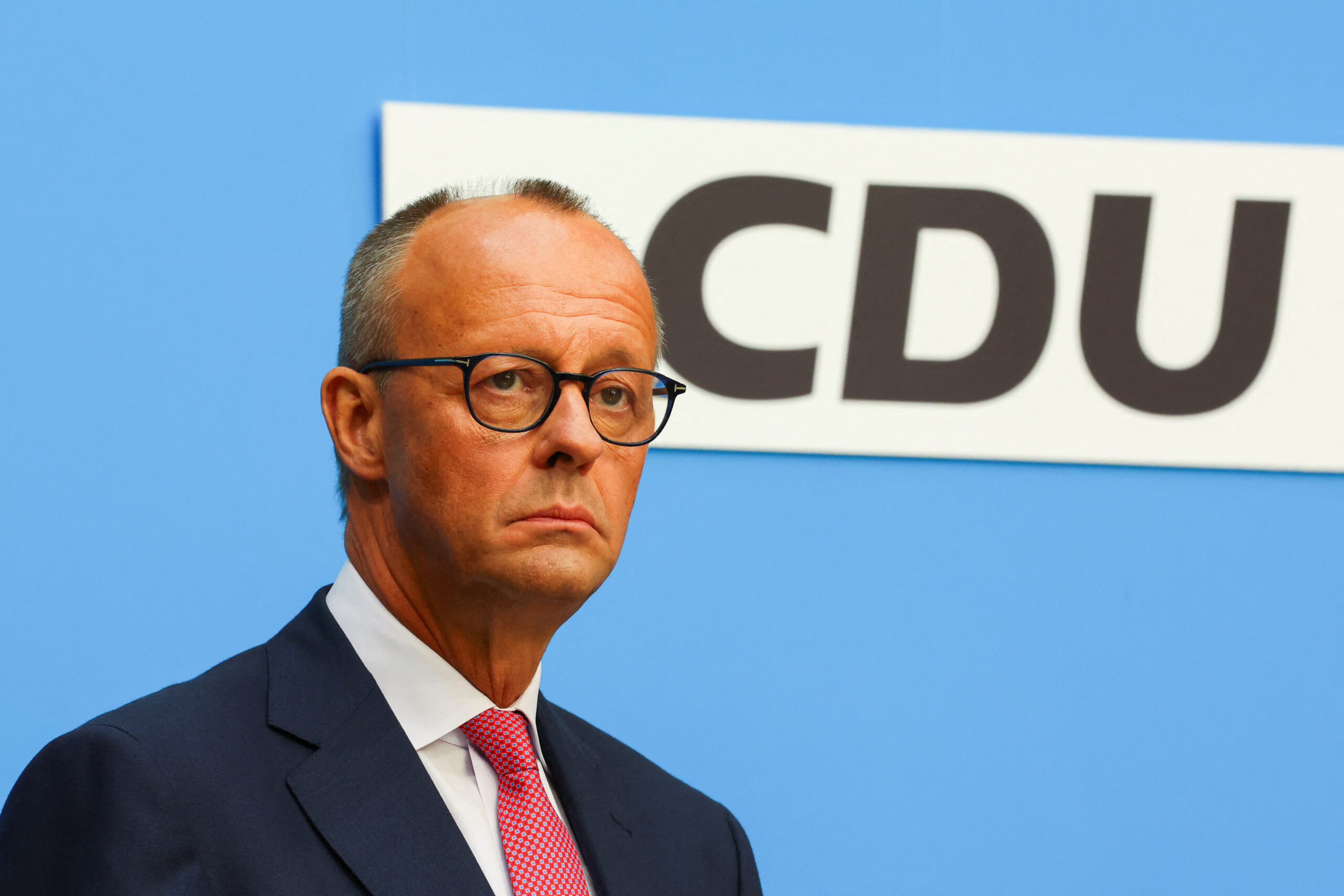
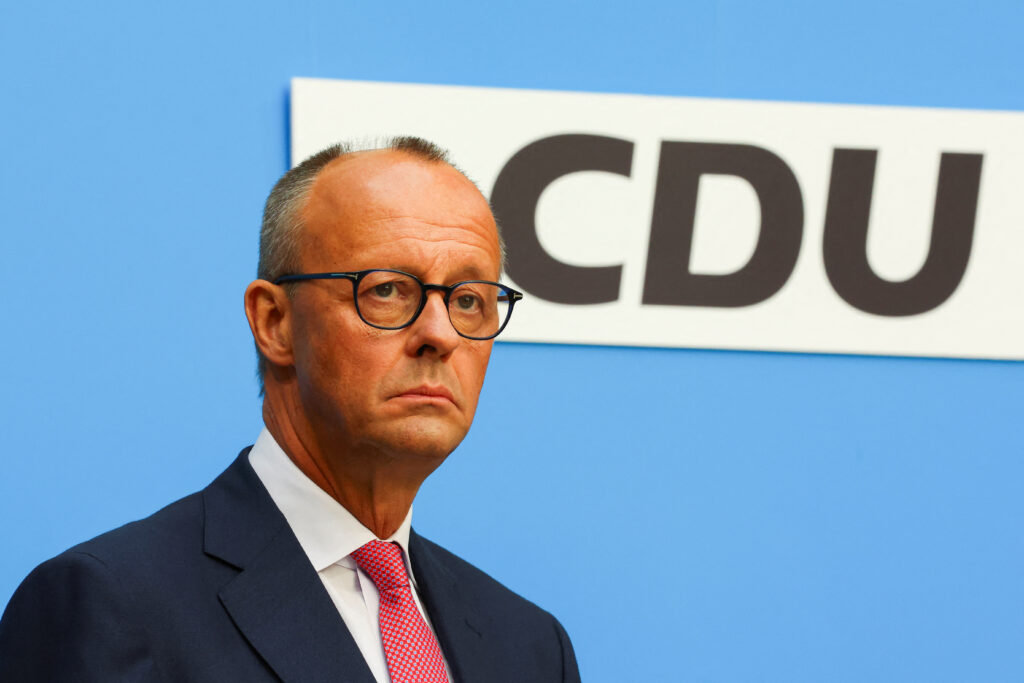
Germany’s conservative bloc, led by Friedrich Merz, has secured a narrow victory in the federal election, positioning Merz to potentially become the nation’s next chancellor. The Christian Democratic Union and its Bavarian sister party, the Christian Social Union , garnered approximately 28.5% of the vote, according to official results. This outcome, while a win, reflects the CDU/CSU’s second-worst performance in post-war history, underscoring the fragmented nature of […]

Strengthening Global Trade Financial Solutions NEW YORK, US – Media OutReach Newswire – 24 February 2025 – XTransfer, a leading global B2B cross-border trade payment platform, continues solidifying its regulatory presence in the United States by acquiring five new payment licenses in Illinois, Iowa, New Mexico, Idaho, and South Carolina. This milestone follows the company’s recent expansion into New Hampshire, the District of Columbia, Utah, Georgia, and […]

Dubai is solidifying its status as a premier destination for ultra-high-net-worth individuals and family offices, driven by a confluence of strategic initiatives, favourable economic policies, and an influx of global financial entities. This trend is reshaping the emirate’s financial landscape, positioning it as a global hub for wealth management and investment. The Dubai International Financial Centre has experienced remarkable growth, with the number of hedge funds increasing […]

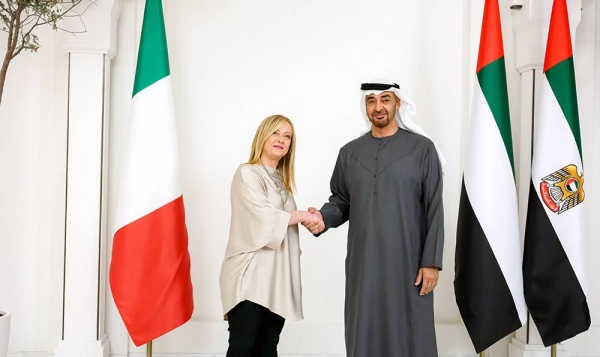
President Sheikh Mohamed bin Zayed Al Nahyan’s state visit to Italy has significantly bolstered the relationship between the United Arab Emirates and Italy. During a dinner banquet hosted by Italian President Sergio Mattarella, both leaders expressed their commitment to enhancing bilateral cooperation across various sectors.

President Mattarella welcomed Sheikh Mohamed and his delegation, highlighting the deep-rooted ties between the two nations and their mutual desire to further strengthen collaboration for the benefit of their peoples. In response, Sheikh Mohamed conveyed his appreciation for the warm reception and emphasized the strategic partnership’s ongoing growth. He noted that this visit reflects both countries’ aspirations to work together towards elevated cooperation and joint economic development.

A symbolic exchange of honors took place during the banquet. Sheikh Mohamed awarded President Mattarella the Order of Zayed, the UAE’s highest civilian honor bestowed upon world leaders. In return, President Mattarella conferred upon Sheikh Mohamed the Order of Merit of the Italian Republic, Italy’s highest accolade for foreign dignitaries.

The UAE delegation accompanying Sheikh Mohamed included Sheikh Abdullah bin Zayed Al Nahyan, Deputy Prime Minister and Minister of Foreign Affairs; Sheikh Hamdan bin Mohamed bin Zayed Al Nahyan, Deputy Chairman of the Presidential Court for Special Affairs; and Sheikh Mohammed bin Hamad bin Tahnoon Al Nahyan, Advisor to the UAE President. The Italian side was represented by several ministers, senior officials, and other dignitaries.

As Sheikh Mohamed’s aircraft entered Italian airspace, it was ceremoniously escorted by a squadron of Italian military jets, symbolizing the importance of this visit. This gesture underscores the mutual respect and the strengthening ties between the two nations.

The discussions between the leaders encompassed a wide range of topics, including investment opportunities, advancements in artificial intelligence, and cultural exchanges. Both countries are keen to explore collaborative ventures in these areas to foster innovation and economic growth.

Energy cooperation emerged as a focal point during the talks. The UAE’s Abu Dhabi National Oil Company and Italy’s energy giant Eni are expanding their partnership beyond traditional oil and gas sectors. Their collaboration now includes renewable energy projects, aligning with global efforts to transition towards sustainable energy solutions.

Defense and security were also prominent on the agenda. Italy’s Leonardo remains a key supplier to the UAE Armed Forces, and both nations are exploring avenues to deepen their defense cooperation. This includes potential joint ventures and knowledge exchange programs aimed at enhancing the capabilities of their respective armed forces.

Emerging sectors such as climate change mitigation, food security, and the space industry were identified as promising areas for future collaboration. Both countries recognize the importance of addressing global challenges through joint initiatives and are committed to working together to develop innovative solutions.

This visit follows Italian Prime Minister Giorgia Meloni’s diplomatic mission to Abu Dhabi, which took place approximately a month prior. During that visit, multiple cooperation agreements were signed, including a significant energy deal involving Albania. These developments signify a renewed vigor in UAE-Italy relations, moving beyond traditional frameworks to embrace broader regional and global partnerships.

Analysts suggest that the UAE-Italy relationship is evolving into a strategic alliance with the potential to influence regional dynamics. Both nations are positioning themselves as key players in the Indo-Mediterranean region, leveraging their economic and geopolitical strengths to foster stability and prosperity.

The leaders also discussed the possibility of developing trilateral and regional alliances, particularly focusing on Africa and East Asia. While Italy prioritizes Eastern Europe, the UAE maintains a strong focus on Africa, creating opportunities for strategic alignment and collaborative initiatives in these regions.

By K Raveendran The term disruption has undergone a significant transformation in meaning over the years. Traditionally, it carried a negative connotation, indicating disorder or interruption. However, in the contemporary technological setting, disruption is celebrated as a driver of innovation, progress, and problem-solving. Companies like Uber, Airbnb, and Tesla have all disrupted their respective industries, […]

Elon Musk, at the helm of the Department of Government Efficiency , has initiated a series of aggressive reforms targeting federal agencies, igniting debates over the balance between technological innovation and governmental oversight. Appointed by President Donald Trump, Musk’s mandate is to streamline government operations, a mission he has approached with characteristic boldness.

In a striking display at the Conservative Political Action Conference, Musk brandished a chainsaw, symbolizing his intent to cut through bureaucratic inefficiencies. This theatrical gesture underscores his commitment to employing advanced technologies, particularly artificial intelligence, to overhaul traditional governmental processes. However, critics argue that such methods may lead to indiscriminate reductions, potentially undermining essential public services.

Central to Musk’s strategy is a directive requiring federal employees to substantiate their weekly contributions. An email circulated mandates that staff enumerate five specific achievements each week, with non-compliance interpreted as voluntary resignation. This policy aligns with President Trump’s broader agenda to downsize the federal workforce, including proposed cuts to the Defense Department and incentives for remote employees to accept buyouts. Proponents assert that these measures will enhance accountability and fiscal responsibility, while detractors view them as draconian and demoralizing.

The composition of DOGE’s leadership has also drawn attention. Notably, Edward Coristine, a 19-year-old with a background in cybersecurity, has emerged as a key figure within the department. His rapid ascent and the unconventional approaches of the team have raised questions about the experience and methods driving these significant governmental changes.

Musk’s influence extends to regulatory frameworks affecting his business interests. Following substantial campaign contributions from the tech sector, including a $300 million donation from Musk, the administration has rolled back several regulations and dismissed major lawsuits against companies like SpaceX and Coinbase. This deregulatory trend has sparked discussions about potential conflicts of interest and the ethical implications of intertwining public policy with private enterprise.

Despite these advancements, DOGE has encountered legal challenges. A federal judge recently denied a motion to restrict DOGE’s access to sensitive Treasury data, a decision that has intensified debates over data privacy and the extent of DOGE’s authority. The Department of Justice has since agreed to limit DOGE’s access to personal taxpayer information, reflecting ongoing concerns about the scope and oversight of Musk’s initiatives.

Elon Musk has announced plans to revamp X’s Community Notes feature after it contradicted a statement by President Donald Trump regarding Ukrainian President Volodymyr Zelensky’s approval rating. The incident has ignited debates over the platform’s role in moderating political discourse and the integrity of its fact-checking mechanisms. The controversy began when President Trump claimed that President Zelensky’s approval rating stood at “4 percent.” Community Notes, X’s user-driven […]

Advertisements

A massive security breach at cryptocurrency exchange Bybit has resulted in the theft of approximately $1.4 billion in Ethereum , marking one of the largest heists in the digital currency sector to date. The incident has ignited a contentious debate within the Ethereum community regarding the feasibility and ethics of implementing a blockchain rollback to recover the stolen assets.

Bybit disclosed that during a routine transfer between digital wallets, an attacker managed to exploit the process, diverting the substantial sum to an unidentified address. Despite the significant loss, CEO Ben Zhou assured users that the platform remains solvent and that customer funds are secure. However, he cautioned that withdrawal requests might experience delays as the company addresses the breach.

In response to the theft, prominent figures in the cryptocurrency space have proposed drastic measures. Arthur Hayes, co-founder of BitMEX, suggested rolling back the Ethereum blockchain to invalidate the illicit transaction. He referenced the 2016 DAO hack, where a similar rollback was executed, stating, “ETH stopped being a form of money in 2016 after the DAO hack hard fork. If the community is willing to do it again, I would support it.”

Samson Mow, CEO of JAN3, echoed this sentiment, advocating for the creation of a new Ethereum token, “ETHNK,” to prevent the stolen funds from benefiting North Korea, the suspected perpetrator behind the hack. Mow emphasized the potential geopolitical ramifications, suggesting that allowing the hackers to retain the funds could lead to regulatory scrutiny and sanctions against Ethereum.

Despite these calls for intervention, Ethereum’s core developers have dismissed the idea of a rollback. Tim Beiko, a prominent Ethereum developer, described the proposal as “technically intractable,” highlighting the complexities and potential unintended consequences of such an action. He explained that the interconnected nature of Ethereum’s blockchain, coupled with the myriad on-chain and off-chain transactions, makes reversing the chain a formidable challenge.

The broader Ethereum community has also expressed resistance to the rollback idea. Many argue that altering the blockchain undermines the principles of immutability and decentralization that are foundational to Ethereum and other cryptocurrencies. Critics contend that setting a precedent for reversing transactions could erode trust in the network and open the door to future manipulations.

In the aftermath of the hack, Bybit has initiated several measures to address the situation. The exchange is collaborating with law enforcement agencies and blockchain analytics firms to trace the stolen funds. Additionally, Bybit has announced a bounty program, offering rewards to individuals who provide information leading to the recovery of the assets.

The incident has also had immediate repercussions on the cryptocurrency market. Ethereum’s price experienced a decline of approximately 7% following the news of the hack, reflecting investor concerns over security vulnerabilities within the ecosystem. Market analysts suggest that such events could prompt tighter regulatory scrutiny and potentially influence future policy decisions regarding digital assets.

This event serves as a stark reminder of the persistent security challenges facing the cryptocurrency industry. As exchanges and platforms continue to evolve, the balance between maintaining decentralization and implementing protective measures remains a critical and ongoing debate.

The U.S. Securities and Exchange Commission has agreed to dismiss its lawsuit against cryptocurrency exchange Coinbase, signaling a significant policy shift under President Donald Trump’s administration. This decision concludes a legal battle initiated in 2023, where the SEC accused Coinbase of operating as an unregistered securities exchange, broker, and clearing agency.

Coinbase’s Chief Legal Officer, Paul Grewal, announced the development, describing it as a “complete win” for the company. The SEC’s move to drop the case is pending approval from its three commissioners. This action reflects a broader change in the regulatory landscape for cryptocurrencies in the United States, as the current administration aims to foster a more crypto-friendly environment.

President Trump’s administration has swiftly overhauled the SEC’s approach to cryptocurrency regulation. Acting SEC Chair Mark Uyeda has established a task force dedicated to creating a new regulatory framework for digital assets. This initiative seeks to provide clear guidelines and reduce regulatory uncertainty for industry participants.

The lawsuit against Coinbase was originally filed under the leadership of former SEC Chair Gary Gensler during President Joe Biden’s tenure. The SEC alleged that Coinbase had been operating illegally by facilitating the trading of unregistered securities. Coinbase consistently denied these allegations, arguing that its operations complied with existing laws and that the SEC’s regulatory framework was ill-suited for digital assets.

The dismissal of the lawsuit is seen as a victory not only for Coinbase but also for the broader cryptocurrency industry, which has faced increased regulatory scrutiny in recent years. Industry stakeholders have argued that stringent regulations stifle innovation and limit the potential benefits of blockchain technology.

The Trump administration’s approach marks a departure from the previous administration’s policies, which were characterized by rigorous enforcement actions against crypto companies. In addition to dropping the lawsuit against Coinbase, the SEC is reportedly reviewing other pending cases against cryptocurrency firms, including those against Binance and Kraken. These actions suggest a broader trend toward deregulation and a more permissive environment for digital asset enterprises.

The decision to dismiss the lawsuit has been met with mixed reactions. Proponents of cryptocurrency view it as a positive step that will encourage innovation and solidify the United States’ position as a leader in the digital asset space. Critics, however, express concern that reduced regulatory oversight could lead to increased fraud and market manipulation, potentially harming investors.

The SEC’s internal dynamics have also shifted with the change in administration. Commissioners Mark Uyeda and Hester Peirce, known for their pro-crypto stances, are leading efforts to redefine the regulatory approach toward digital assets. Their leadership is expected to influence the development of policies that balance investor protection with the promotion of technological innovation.

Coinbase’s CEO, Brian Armstrong, has been an outspoken advocate for clearer cryptocurrency regulations. Following the announcement of the lawsuit’s dismissal, Armstrong expressed gratitude toward the administration, stating that the decision “righted a major wrong” and would have positive implications for the industry. He emphasized the need for a regulatory framework that provides clarity and supports the growth of the crypto economy.

The SEC’s decision comes at a time when the cryptocurrency market is experiencing significant growth. Bitcoin, the leading digital currency, has reached record highs, and institutional interest in crypto assets is increasing. The administration’s favorable stance toward cryptocurrencies is expected to further boost market confidence and attract more participants to the space.

However, the rapid policy shift has also raised questions about the influence of political contributions on regulatory decisions. Reports indicate that several tech industry leaders, including figures from the cryptocurrency sector, made substantial donations to President Trump’s campaign. While some view these contributions as a means to support favorable policies, others argue that they may undermine the integrity of regulatory processes.

As the SEC moves forward with its new task force, the focus will be on developing comprehensive guidelines that address the unique characteristics of digital assets. This includes determining how existing securities laws apply to cryptocurrencies and what new regulations may be necessary to protect investors while fostering innovation.

Oil prices experienced a decline on Friday, with Brent futures decreasing by 73 cents, or 0.95%, to $75.75 per barrel, and U.S. West Texas Intermediate crude falling by 73 cents, or 1%, to $71.75 per barrel. Despite this downturn, both benchmarks were poised for a weekly gain, influenced by supply disruptions in Russia and ongoing uncertainty surrounding potential peace negotiations in Ukraine.

The market has been reacting to recent events impacting supply dynamics. Ukrainian drone strikes targeted a key pumping station on a major international pipeline in southern Russia, disrupting oil supplies from Kazakhstan. This incident has heightened concerns over the stability of oil exports in the region, contributing to price volatility.

In the United States, oil refiners are expected to shut in about 1.25 million barrels per day of capacity in the week ending February 21, increasing available refining capacity by 258,000 bpd. Offline capacity is projected to fall to 893,000 bpd in the week ending February 28. These adjustments in refining operations reflect the industry’s response to current supply and demand conditions.

Global oil demand growth is projected to average 1.1 million bpd in 2025, up from 870,000 bpd in 2024. This increase is primarily driven by emerging Asian economies, with China remaining a significant contributor due to its petrochemical sector. However, the pace of China’s expansion is expected to slow, and OECD demand is forecast to return to a structural decline following a modest increase last year.

World oil supply experienced a decline of 950,000 bpd to 102.7 million bpd in January, influenced by seasonally colder weather affecting North American production, as well as output decreases in Nigeria and Libya. Despite this reduction, supply remains 1.9 million bpd higher than a year ago, with gains led by the Americas. Projections indicate that global oil supply will increase by 1.6 million bpd to 104.5 million bpd in 2025, assuming OPEC+ voluntary cuts remain in place.

The Energy Information Administration forecasts that Brent crude oil prices will average $74 per barrel in 2025, before declining to $66 per barrel in 2026. This outlook considers factors such as increasing production and relatively weak global oil demand growth, leading to a rise in global oil inventories and exerting downward pressure on prices.

Market participants are closely monitoring geopolitical developments, particularly the potential for peace negotiations between Russia and Ukraine. The outcome of these discussions could significantly impact global oil supply and demand dynamics, influencing price trajectories in the near term.

By Girish Linganna US President Donald Trump has raked up a hornets’ nest in New Delhi by claiming that $21 million in US aid to India—from the United States Agency for International Development (USAID), an independent US government agency responsible for administering civilian foreign aid and development assistance, approved earlier by Joe Biden, was used […]

Global oil prices have experienced a significant decline, with West Texas Intermediate crude falling nearly 3% to $70.40 per barrel, marking a two-month low. This downturn is attributed to a combination of U.S. policy changes under President Donald Trump and evolving geopolitical dynamics in the Middle East. President Trump’s recent energy policies have introduced substantial volatility into the oil market. His administration’s focus on bolstering fossil fuel […]

Saudi Arabia is poised to lead the Middle East and North Africa region in initial public offerings in 2025, with 27 companies planning to list on its stock exchange. This surge underscores the Kingdom’s efforts to diversify its economy and strengthen its capital markets. According to a report by EY, the MENA region anticipates 38 company IPOs and 22 fund listings in 2025, spanning various sectors. The […]

Arabian Post Staff -Dubai The United Arab Emirates has rapidly transformed into a pivotal hub for international cricket, hosting major tournaments and nurturing a competitive national team. This evolution from informal matches to a central role in the cricketing world underscores the nation’s commitment to the sport. Cricket’s roots in the UAE trace back to 1892 when British military personnel introduced the game to the Trucial States. […]

By Arun Srivastava Saffron ecosystem, especially the BJP leadership always strives to turn a Hindu festival into a political controversy. Every dispute adds to its membership and helps widen its support base. This time too they have succeeded in their move to politicize Maha Kumbh Mela. Notwithstanding stampede and death of large number of pilgrims […]
By Satyaki Chakraborty With just two days left for the national elections in Germany scheduled for next Sunday, February 23, all opinion polls suggest a near ten point lead by the conservative CDU/CSU combo as against the far right AFD which is threatening to take over power in European Union’s richest economy with the open […]

KUALA LUMPUR, MALAYSIA – Media OutReach Newswire – 21 February 2025 – The beginning of 2025 witnessed a complex geopolitical scenario in Europe, with the most prominent events expected to impact financial markets. The intersection of political instability, economic tensions, and global trade dynamics makes it crucial for traders to be vigilant and reactive. Understanding these events is essential to forming well-informed trading strategies. Kar Yong Ang, […]

By Dr. Gyan Pathak BJP led government is now in power in the National Capital Territory Delhi, that has come with too many poll-promises to keep, and a very alert and strong opposition to challenge .It was obvious in the very first cabinet decision of the government led by Chief Minister Rekha Gupta, that officially […]

The cryptocurrency landscape is experiencing notable fluctuations as political developments and new digital assets influence investor sentiment. Solana , a prominent blockchain platform, has seen its token price oscillate amid these dynamics. As of February 21, 2025, SOL is trading at $179.81, reflecting a 3.79% increase from the previous close. This movement comes in the wake of recent political events and the introduction of new meme coins like Panshibi , which are capturing market attention.

The re-election of President Donald Trump has introduced a wave of optimism among cryptocurrency enthusiasts, particularly due to his administration’s perceived crypto-friendly stance. This sentiment has been bolstered by the resignation of former SEC Chair Gary Gensler and the appointment of Paul Atkins, known for his favorable views on digital assets. These changes have led to a surge in applications for cryptocurrency exchange-traded funds , with asset managers seeking approval for funds focusing on altcoins such as Solana, XRP, and Dogecoin. Market analysts suggest that the approval of these ETFs could significantly impact the valuation and adoption of the associated cryptocurrencies.

However, the market’s response has been mixed. While the anticipation of regulatory support has driven some positive momentum, concerns over market volatility persist. Analysts have issued cautionary notes regarding Solana’s price trajectory. Some forecasts indicate the potential for a substantial correction, with prices possibly declining by up to 50% during the summer months of 2025, potentially reaching the $44 range. Factors contributing to this outlook include speculative trading and the proliferation of meme coins on the Solana network, which may undermine investor confidence.

The emergence of Panshibi exemplifies the growing interest in meme-based cryptocurrencies. Launched with a presale price of $0.004, Panshibi has rapidly garnered attention, raising over $700,000 in its initial phase. The project has undergone a security audit and implemented long-term liquidity locking, measures aimed at enhancing investor trust. Analysts have drawn parallels between Panshibi and earlier meme coins, noting the potential for significant returns. Projections suggest that Panshibi could experience a presale price increase of 1,200%, with post-launch surges reaching up to 145,000%. These figures, while speculative, highlight the high-risk, high-reward nature of meme coin investments.

The U.S. Senate has confirmed Kash Patel as the new Director of the Federal Bureau of Investigation with a narrow 51-49 vote. Patel, a long-time adviser to President Donald Trump, is set to lead the nation’s premier law enforcement agency, succeeding Christopher Wray, who resigned prior to the completion of his term.

Patel’s confirmation has been met with significant debate, primarily due to his close ties to President Trump and his previous criticisms of the FBI. Democratic senators have expressed concerns that his appointment could lead to the politicization of the bureau. Senator Dick Durbin highlighted Patel’s past statements and actions, suggesting they might compromise the FBI’s impartiality.

Adding to the controversy are Patel’s financial disclosures, which reveal substantial investments in the cryptocurrency sector. According to official filings, Patel holds up to $115,000 in Bitcoin and has invested between $50,001 and $100,000 in Core Scientific, a prominent Bitcoin mining company. These holdings have raised questions about potential conflicts of interest, especially given the FBI’s role in regulating and investigating cryptocurrency-related activities.

During his confirmation hearing, Patel addressed these concerns, stating that his investments are part of a diversified portfolio and asserting that they would not influence his duties as FBI Director. He emphasized his commitment to maintaining the bureau’s integrity and impartiality.

Republican senators have largely supported Patel’s appointment, viewing his leadership as an opportunity to reform the FBI and address perceived biases within the agency. Senator Chuck Grassley expressed confidence in Patel’s ability to restore public trust and ensure the bureau operates without political influence.

Patel’s professional background includes roles as a public defender, a trial attorney at the Department of Justice, and various positions during President Trump’s first term. His supporters cite this experience as evidence of his qualifications to lead the FBI.

However, critics remain skeptical. Concerns have been raised about Patel’s previous appearances on platforms known for promoting conspiracy theories and his past statements regarding internal FBI matters. Some former Justice Department officials have publicly opposed his nomination, suggesting that his leadership could undermine the bureau’s mission and integrity.

As Patel assumes his new role, he faces the immediate challenge of addressing internal morale within the FBI and external perceptions of the bureau’s impartiality. His approach to handling his cryptocurrency investments and potential conflicts of interest will be closely scrutinized by both lawmakers and the public.

The confirmation of Kash Patel marks a significant moment for the FBI, as the agency navigates complex political dynamics and emerging technological challenges. How Patel balances his personal investments with his professional responsibilities will play a crucial role in shaping the bureau’s future direction and public perception.

In the coming weeks, all eyes will be on Director Patel as he outlines his vision for the FBI and addresses the myriad issues facing the agency. His actions and decisions will be pivotal in determining the bureau’s trajectory during his tenure.

As the FBI embarks on this new chapter under Patel’s leadership, the interplay between personal interests and public duty will be a focal point of discussion and analysis among policymakers, law enforcement professionals, and the American public.

The Senate’s confirmation of Kash Patel as FBI Director underscores the deep divisions within the political landscape and highlights the ongoing debates surrounding the role of personal investments in public service. Patel’s tenure will undoubtedly be closely monitored as he steps into this critical position at a pivotal time for the nation.

As Director Patel begins his term, the balance between innovation in financial sectors and the ethical obligations of public office holders will remain a topic of significant importance and scrutiny.

The coming months will reveal how Patel navigates these challenges and whether his leadership will bring the reforms and renewed trust that his supporters anticipate. The outcomes of his decisions will have lasting implications for the FBI and its role in upholding justice and security in the United States.

Director Patel’s approach to his new role will be instrumental in shaping the future of the FBI and its relationship with both the government and the public it serves. His ability to address internal and external concerns will define his legacy and the bureau’s path forward.

As the nation watches, Director Patel’s actions will speak to his commitment to justice, integrity, and the principles that underpin the Federal Bureau of Investigation. The challenges ahead are significant, but so too are the opportunities for positive change under his leadership.

In this critical period, the direction set by Director Patel will influence not only the FBI’s operations but also the broader discourse on ethics, governance, and public trust in federal institutions. His tenure promises to be a defining chapter in the bureau’s storied history.

As Director Patel takes the helm, the interplay between his personal financial interests and his public responsibilities will be a key area of focus, with implications that extend beyond the FBI to the broader landscape of public service ethics.

The path Director Patel charts in addressing these complex issues will be closely observed, setting precedents for future leaders and shaping the narrative of accountability and transparency in government roles.

In navigating the responsibilities of his position, Director Patel’s decisions will resonate through the corridors of power, influencing policy, public perception, and the very fabric of the nation’s approach to law enforcement and justice.

As the FBI enters this new era under Director Patel, the balance he strikes between personal interests and public duty will serve as a barometer for the agency’s commitment to its foundational values and its adaptability in a rapidly evolving societal landscape.

The tenure of Director Patel is poised to be a transformative period for the FBI, with his leadership style and ethical considerations setting the tone for the agency’s future and its role in safeguarding the nation’s security and upholding the rule of law.


Argentine President Javier Milei has presented Elon Musk, advisor to U.S. President Donald Trump, with a chainsaw engraved with the phrase “Viva la libertad, carajo” . This gesture, made during the Conservative Political Action Conference in Maryland, underscores Milei’s commitment to reducing government bureaucracy and spending.

Milei, a libertarian economist, has become known for his dramatic use of a chainsaw during political rallies, symbolizing his intent to “cut” through excessive government expenditure. Since assuming office in December 2023, his administration has implemented stringent austerity measures, resulting in a 30% reduction in public spending and the dismissal of approximately 36,000 public sector employees. These actions have also led to the elimination of various subsidies, aiming to streamline Argentina’s economic framework.

Under Milei’s leadership, Argentina has witnessed a significant decline in its inflation rate. In January 2025, the country’s monthly inflation rate slowed to 2.2%, the lowest since mid-2020. The annual inflation rate also decreased to 84.5% in January, a substantial drop from 117.8% in December 2024. This downward trend is attributed to Milei’s orthodox economic policies, focusing on achieving fiscal and trade surpluses to combat the previously rampant triple-digit inflation.

Elon Musk, serving as the head of the newly established Department of Government Efficiency in President Trump’s administration, has been advocating for similar reductions in government spending in the United States. At the CPAC event, Musk brandished the gifted chainsaw, declaring it a tool to combat bureaucracy. His efforts have already led to significant budget cuts across various sectors, including the termination of 6,000 employees at the Internal Revenue Service.

Musk’s dramatic presentation at CPAC, where he appeared in a “Dark MAGA” outfit while wielding the chainsaw, was met with enthusiastic support from the conservative audience. He emphasized the necessity of eliminating wasteful government spending and streamlining operations, aligning with Milei’s approach in Argentina.

The collaboration between Milei and Musk highlights a growing trend among certain political leaders to adopt aggressive strategies in reducing government size and expenditure. While supporters argue that these measures are essential for economic stability and growth, critics express concern over potential negative impacts on public services and employment.

Elon Musk, at the helm of the Department of Government Efficiency , has signaled intentions to audit the U.S. Federal Reserve. This announcement, made during the Conservative Political Action Conference in Oxon Hill, Maryland, underscores Musk’s commitment to scrutinizing federal institutions.

During his CPAC appearance, Musk brandished a chainsaw inscribed with “Viva la libertad, carajo,” a gift from Argentine President Javier Milei. This dramatic gesture symbolized his aggressive approach to reducing government expenditure. Addressing the enthusiastic audience, Musk stated, “Waste is pretty much everywhere,” highlighting his determination to identify and eliminate inefficiencies within federal agencies.

The proposal to audit the Federal Reserve aligns with Musk’s broader agenda of enhancing transparency and accountability in government operations. Historically, the Federal Reserve undergoes regular financial audits, with its financial statements published annually. However, Musk’s initiative suggests a more comprehensive review, potentially delving into the central bank’s policy decisions and operational frameworks.

In a related development, former President Donald Trump has floated the idea of distributing 20% of the savings generated by DOGE’s cost-cutting measures directly to American households. This concept, termed the “Doge dividend,” could result in substantial payouts if DOGE achieves its ambitious $2 trillion savings target. However, as of now, DOGE has identified only $8.5 billion in cuts, casting doubt on the feasibility of reaching the proposed target.

Commerce Secretary Howard Lutnick has also suggested a radical overhaul of the federal tax system. The administration is considering the elimination of federal income taxes and the abolition of the Internal Revenue Service , proposing instead to fund government operations through tariffs on foreign imports. This shift aims to reduce the tax burden on American citizens, though it raises questions about potential economic repercussions, including the risk of increased inflation.

Musk’s role in the government extends beyond his leadership of DOGE. He has been instrumental in advising on various policy initiatives, leveraging his business acumen to influence decisions on technology and infrastructure. His involvement signifies a blending of private sector strategies with public sector governance, aiming to streamline operations and reduce bureaucratic red tape.

Nissan Motor Co. experienced an 11% surge in its share price on Friday following reports that a prominent Japanese consortium is formulating plans to attract investment from Tesla Inc. This development comes on the heels of Nissan’s unsuccessful merger discussions with Honda Motor Co., highlighting the automaker’s ongoing efforts to stabilize its financial standing. The initiative is spearheaded by Hiro Mizuno, a former Tesla board member, with […]

The United States government is escalating its demands for Ukraine to grant substantial mineral rights to American companies, a move that has led to heightened tensions between President Donald Trump and Ukrainian President Volodymyr Zelenskyy. The proposed agreement seeks to provide the U.S. with access to Ukraine’s vast reserves of critical minerals, valued at approximately $500 billion, in exchange for continued military and financial support amid Ukraine’s […]

VISHNU RAJA
RYO YAMADA
HITORI GOTOH
IKUYO KITA