News related to
political

The Indian Rupee has plummeted to its lowest value against the UAE Dirham in over a month, marking a significant drop to 23.36 per dirham. This decline, the steepest since mid-April, follows escalating border tensions between India and Pakistan, which have triggered volatile market reactions. Traders are closely monitoring the situation, with fears of further instability driving the currency’s slide.

As the conflict intensifies, the Rupee’s depreciation is attributed to growing uncertainties surrounding the geopolitical standoff. India and Pakistan, both nuclear-armed neighbours, have long been at odds over the Kashmir region. The latest developments have exacerbated market fears of prolonged instability, pushing investors to seek safer assets, which has further weighed on the Rupee.

Currency markets, traditionally sensitive to geopolitical risks, have seen a surge in demand for the US Dollar, which remains a global safe-haven. Analysts point to the Dollar’s strengthening as a direct response to mounting tensions in South Asia, compounded by global inflationary pressures. With foreign investors retreating from riskier assets, the Rupee has been further pressured, intensifying the currency’s downtrend.

The Indian government’s response to the situation, alongside Pakistan’s military actions, has added to investor uncertainty. The military exchanges along the Line of Control between the two countries have led to heightened concerns not only about regional security but also about the broader economic repercussions of prolonged instability. Economists suggest that the markets will continue to reflect these risks until diplomatic measures are taken to de-escalate tensions.

The ongoing conflict is expected to affect trade relations, particularly in sectors reliant on cross-border commerce. Import and export activities between India and Pakistan, already hindered by past disputes, are likely to experience further disruptions. This could lead to an uptick in inflation, especially in critical sectors like oil, where price fluctuations are particularly sensitive to regional tensions.

Central banks in both nations, as well as the International Monetary Fund , have called for restraint, urging both sides to avoid further military escalation and seek peaceful resolutions. However, the risk of military confrontations spilling over into broader regional instability remains a concern that is factoring heavily into currency movements.

The financial impact on India is also underscored by the continued inflationary pressures faced by the country. While India has a relatively strong domestic economy, analysts warn that the ongoing uncertainty over the border conflict could undermine investor confidence, further destabilising the currency. This would place more pressure on the Reserve Bank of India , which may be forced to intervene in the markets to prevent excessive depreciation.

For businesses and consumers, the weakening Rupee has meant higher costs for imported goods, particularly fuel and electronic products, which are crucial to India’s economy. The cost of living for many Indian citizens is expected to rise, further intensifying socio-economic concerns. The rise in fuel prices has already led to protests in certain parts of India, with many calling on the government to address the economic fallout from the ongoing tensions.

The Indian government, however, remains optimistic about the long-term outlook for the Rupee. According to finance ministry officials, the country’s economic fundamentals remain robust despite the external geopolitical risks. They argue that the current currency depreciation is part of a broader, global trend, and that India is well-positioned to weather the storm with its growing foreign reserves and strong trade relationships beyond the subcontinent.

Despite these assurances, many analysts argue that India’s growing fiscal deficits and inflationary pressures could further complicate the Rupee’s recovery. A sharp depreciation could potentially lead to an erosion of investor confidence, compounding the country’s financial challenges.


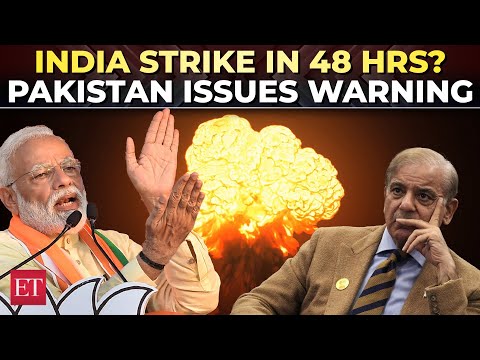
By Nitya Chakraborty More than forty hours have passed since the missile strikes by Indian military on the nine terror camp sites in Pakistan. The situation in both New Delhi and Islamabad is witnessing the same type of preparations indicating that Pakistan is getting ready for another military confrontation with India after the Kargil war […]

HONG KONG SAR – Media OutReach Newswire – 8 May 2025 – On May 3, at the “China Lawyers Going Global – Hong Kong Session” held at the University of Hong Kong, GE Jun, Chairman and CEO of TOJOY Smart Enterprises Services, delivered an insightful lecture titled “Compliance Management and Globalized Operations for Enterprises Going Overseas.” The lecture offered a valuable learning opportunity for Chinese lawyers and […]

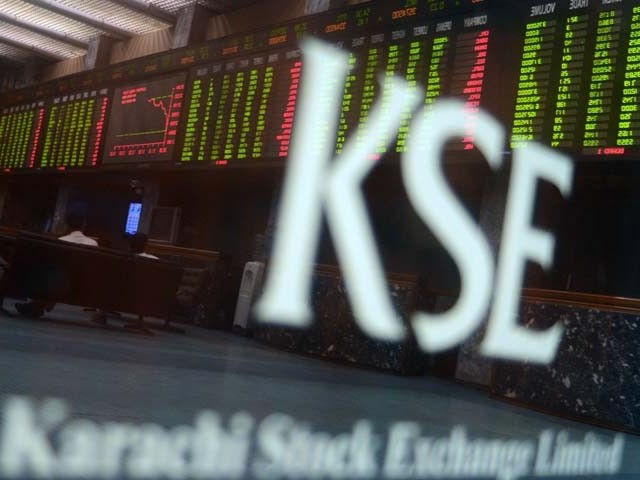
The Pakistan Stock Exchange experienced a severe downturn, with the benchmark KSE-100 Index plummeting by over 4,700 points, marking the most significant single-day drop in its history. This dramatic fall reflects mounting investor anxiety over escalating geopolitical tensions following India’s military operations, known as Operation Sindoor, targeting alleged militant infrastructure within Pakistani territory.

The KSE-100 Index closed at 106,274 points, down 4.51% from the previous session. The decline was primarily driven by substantial sell-offs in key sectors, including oil and gas, banking, and cement. Market analysts attribute this sharp downturn to a combination of geopolitical instability and aggressive profit-taking by institutional investors.

Operation Sindoor was launched by India in response to a deadly attack in Pahalgam, Indian-administered Kashmir, which resulted in the deaths of 26 civilians. India asserts that its strikes targeted terrorist groups such as Jaish-e-Mohammed and Lashkar-e-Taiba. However, Pakistan contends that the strikes hit civilian areas, including mosques and educational institutions, leading to the deaths of 31 civilians and injuries to 57 others.

In retaliation, Pakistan claims to have downed five Indian aircraft, a claim disputed by India. The ensuing military exchanges along the Line of Control have resulted in additional casualties on both sides, further exacerbating tensions between the two nuclear-armed neighbours.

The heightened conflict has significantly impacted investor confidence. Analysts note that the uncertainty surrounding the geopolitical situation has led to a risk-averse sentiment among investors, prompting widespread sell-offs. The situation is further compounded by concerns over potential economic repercussions, including disruptions to trade and foreign investment.

Taiwan’s China Airlines has confirmed an order for 14 Boeing 777X aircraft, comprising 10 777-9 passenger jets and four 777-8 freighters. The agreement includes options for an additional five 777-9s and four 777-8Fs, with deliveries scheduled to commence in 2029.

This procurement is part of a broader $11.9 billion investment aimed at modernising the airline’s long-haul fleet. The comprehensive plan also encompasses the acquisition of 10 Airbus A350-1000 passenger aircraft. The new aircraft are intended to replace aging Boeing 777-300ERs and Airbus A330-300s, enhancing operational efficiency and passenger experience.

The Boeing 777-9s will feature a three-class configuration: Premium Business, Premium Economy, and Economy. Notable enhancements include raised ceilings, improved cabin air exchange systems, and dynamic LED mood lighting designed to reduce passenger fatigue on long-haul flights. The Airbus A350-1000s will be equipped with Rolls-Royce Trent XWB-97 engines and will incorporate advanced features such as electro-dimmable windows for superior light control.

In the cargo sector, the addition of four Boeing 777-8F freighters will augment China Airlines’ existing fleet of nine 777Fs and eight 747-400Fs. The 777-8F offers a maximum structural payload of 118 tonnes and a range of 8,167 km, providing increased flexibility and capacity for long-haul cargo routes to North America and Europe.

China Airlines’ strategic decision to diversify its fleet with both Boeing and Airbus aircraft reflects a commitment to operational resilience and flexibility. This approach mitigates risks associated with supply chain disruptions or delays from a single manufacturer. The airline’s focus on sustainability is evident in the selection of fuel-efficient aircraft, aiming to reduce fuel consumption and carbon emissions by 25% compared to previous models.

The timing of this order is significant for Boeing, as it navigates challenges related to delays in the 777X program and geopolitical tensions affecting orders from mainland China. China Airlines’ commitment provides a boost to Boeing’s wide-body aircraft segment and underscores the airline’s confidence in the 777X’s capabilities.

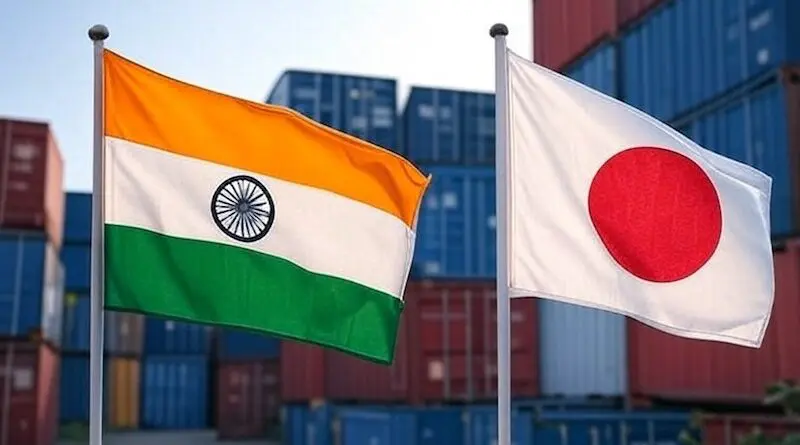
By Subrata Majumder India has emerged as the second most attractive destination for Japanese investors in Asia, after Singapore. It surpassed China, the most attractive place for Japanese investment in Asia for over four decades. Hitherto, India was eighth in 2020 in terms of getting investment from Japan. Latest Japanese interest in India manifests a […]

Kenya’s private sector recorded its most substantial growth in over two years in April, bolstered by increased sales volumes and heightened business activity. The Stanbic Bank Kenya Purchasing Managers’ Index revealed that the country’s private sector growth surged to a 27-month peak, pointing to a more resilient economic outlook as businesses expanded and demand continued to rise. The PMI for April showed a notable uptick, reaching its […]

Advertisements

Gavi, the Vaccine Alliance, has been a cornerstone in improving health outcomes in low-income countries, particularly across Africa. Since its inception in 2000, Gavi has facilitated the delivery of vaccines to more than 700 million children, saving millions of lives. However, with Gavi’s funding facing reductions, the continent is at a critical juncture that could reshape its approach to vaccine financing and health security. Historically, Gavi has […]

Norway’s housing market has witnessed its first contraction in home prices in nine months, as economic pressures weigh heavily on consumer confidence. Data released by the Norwegian Real Estate Association revealed a dip in house prices, following a period of growth driven by low interest rates and a robust economy. The slowdown in the housing market has been attributed to a delay in anticipated monetary easing, as […]

G42, an AI powerhouse based in Abu Dhabi, is embarking on an ambitious expansion into the United States. This move signals the UAE’s broader strategy to solidify its role as a global leader in artificial intelligence, a sector that has become a cornerstone of its economic vision for the future. The company, founded in 2018, has grown swiftly into a major player in the Middle East’s rapidly […]

A high-level delegation from Abu Dhabi has arrived in Tokyo for the inaugural Abu Dhabi Investment Forum, marking a significant step towards deepening the economic ties between the UAE capital and Japan. The four-day visit, running from May 6 to 9, sees top officials and private sector leaders from Abu Dhabi engaging with their Japanese counterparts to explore new areas of collaboration, particularly in advanced industries such […]

Matein Khalid I  have not exactly been reticent in my conviction since last autumn that King Dollar was on the precipice of a seminal monetary regime shift that could mean 40% downside risk on its trade weighted index, as in 2001-06. Yet not in my wildest dreams did I anticipate that the New Taiwan dollar would surge 8% against the greenback, its best performance in 42 years, in […]

By Nantoo Banerjee Amazing are the ways of the Indian government and the country’s political satraps to deal with frequent Islamist terror attacks on India’s innocent citizens. In the last one month or so, the organized Islamist terror in West Bengal’s Muslim-majority Murshidabad district had led to massive destruction and displacement of over 150 Hindu […]

The security situation between India and Pakistan has escalated to its highest point in years after a deadly assault on Indian tourists in Kashmir last month. The attack, which claimed several lives, has intensified long-standing hostilities between the two nuclear-armed neighbours. Both nations now stand at a critical juncture, with diplomatic channels strained and military forces on high alert, leading many to fear the potential for an […]

A court’s decision to remove opposition leader Tidjane Thiam from the electoral roll has intensified political tensions in Ivory Coast, raising concerns about the potential for unrest ahead of the October 2025 presidential election. Thiam, a former Credit Suisse CEO and current head of the Democratic Party of Côte d’Ivoire , was disqualified due to his French nationality at the time of registration, despite renouncing it in […]

A stablecoin developed by World Liberty Financial, a cryptocurrency venture associated with former U.S. President Donald Trump, is being utilised by an Abu Dhabi-based investment firm to facilitate a substantial $2bn investment in Binance, the world’s leading crypto exchange. The disclosure was made by one of World Liberty’s co-founders on Thursday, shedding light on the growing involvement of the Trump family in the cryptocurrency sector. World Liberty, […]

Two Arab-Israeli tourists have been handed lengthy prison sentences by a South Sinai court following their conviction in the fatal stabbing of an Egyptian tour guide at a Red Sea resort, a verdict that has drawn international attention against the backdrop of heightened regional hostilities.

The ruling, delivered on Saturday, found the two individuals guilty of intentionally killing the Egyptian national during a confrontation at a beach resort in the city of Nuweiba. Prosecutors had charged them with premeditated murder and carrying out an attack that endangered public safety. According to court filings and officials familiar with the proceedings, the incident occurred during a heated altercation which quickly escalated into violence, leaving the guide with multiple stab wounds that proved fatal at the scene.

The defendants, both Arab citizens of Israel, were on a holiday trip to Egypt when the incident unfolded. Their legal defence argued the act was not premeditated, claiming it stemmed from a misunderstanding over personal comments made during a beachside discussion. However, the court was unconvinced by the self-defence narrative, citing forensic evidence and eyewitness testimony suggesting the attack was both aggressive and deliberate. One of the convicted was sentenced to life imprisonment, while the second received a fifteen-year sentence, with both verdicts subject to appeal under Egyptian law.

The sentencing has reignited discourse over the complex social and political positioning of Arab-Israelis in the region, particularly as travel restrictions and diplomatic sensitivities fluctuate in response to the Israel-Gaza conflict. Although tourism between Egypt and Israel has historically persisted even through periods of regional instability, this case is likely to deepen anxieties on both sides. Security analysts and diplomats warn of a growing unease among Arab visitors from Israel, who are increasingly viewed through a geopolitical lens rather than a civilian one, especially in politically tense zones like the Sinai Peninsula.

This is not the first time tensions have flared in Egyptian resorts involving tourists from across the border. The Red Sea, a destination traditionally known for its seclusion from regional politics, has seen intermittent flashpoints. However, the escalation of Israel’s military operations in Gaza since October has placed local authorities on high alert. Security has been significantly tightened in Sinai, with additional checks implemented on cross-border travellers.

The Egyptian judiciary’s firm stance on the case has also been interpreted as an attempt to send a signal of internal order at a time of external pressure. Cairo has been balancing domestic outrage over developments in Gaza with its longstanding peace agreement with Israel, while also maintaining its role as a mediator in ceasefire negotiations and humanitarian efforts.

Observers note that while the legal outcome aligns with Egypt’s existing penal code concerning intentional homicide, the broader implications may resonate more in the political and diplomatic spheres than in the legal domain. Civil society voices in Israel have expressed concern that the verdict could fuel existing prejudice against Arab citizens within the country and complicate their movements across the region. Human rights advocates have also raised questions about the legal representation afforded to the defendants and the degree of diplomatic support extended to them during their incarceration and trial.

On the Egyptian side, there has been a marked effort by state-aligned media to highlight the judiciary’s independence and the rule of law. The attack, which drew public outrage among local residents and workers in the hospitality sector, was described as a senseless act that endangered the country’s vital tourism industry—a key economic pillar already under strain due to declining visitor numbers in parts of Sinai.

Egypt’s Ministry of Tourism has reiterated that the Sinai coast remains safe for tourists, while noting that isolated incidents of violence, though rare, are treated with the utmost seriousness. Tourism operators, particularly in South Sinai, are also re-evaluating visitor protocols in light of the incident, with discussions underway about potential guidelines for managing cultural or political disputes among international guests.

The verdict comes at a moment when Israel’s war in Gaza has pushed regional sensitivities to a boiling point, with a significant uptick in diplomatic fallout, public protests, and strained bilateral engagements. Although Egyptian officials have not directly linked the court’s decision to the ongoing hostilities, analysts note that public sentiment in Egypt has been heavily influenced by the humanitarian toll in Gaza, which may indirectly affect the social environment for visitors perceived to be aligned with the conflict.

This incident highlights the fragile line separating tourism from geopolitics in the Middle East. While both Egypt and Israel maintain open travel channels under their decades-long peace treaty, the practical implications of regional conflict are becoming more visible at individual levels. Arab citizens of Israel, already navigating complex identities within Israel, are now finding themselves subject to heightened scrutiny abroad.

Legal experts say the defence may challenge the procedural aspects of the trial or appeal on grounds of intent classification, though such efforts may be hindered by the current climate and the strong forensic evidence submitted during hearings. The Egyptian penal system allows for appeals on both procedural and substantive grounds, and any modification to the sentence would need to pass through multiple judicial reviews.

The jailed individuals are currently being held in a high-security detention centre in South Sinai, where they are expected to remain unless the appeal courts intervene. The Israeli consular presence in Egypt has yet to issue a detailed comment on the sentencing, though officials have confirmed that consular support is being provided.

Saudi Arabia’s Energy Minister, Prince Abdulaziz bin Salman, drew a striking historical parallel during a virtual OPEC+ meeting, referencing the 1973 oil embargo as the group ratified its second significant supply increase in as many months. The minister’s invocation of the embargo, which led to a global energy crisis, underscores the gravity with which the kingdom views the current oil market dynamics.

The 1973 embargo, initiated by Arab oil producers in response to Western support for Israel during the Yom Kippur War, resulted in a quadrupling of oil prices and a severe economic downturn in many countries. By recalling this event, Prince Abdulaziz signaled the potential consequences of geopolitical tensions and market imbalances, emphasizing the need for unity and strategic foresight within the OPEC+ alliance.

The decision to increase oil production comes amid a complex backdrop of fluctuating global demand, economic uncertainties, and evolving energy policies. While the move aims to stabilize markets and address supply concerns, it also raises questions about the long-term strategy of oil-producing nations in an era increasingly focused on renewable energy and sustainability.

By K Raveendran India is intensifying its diplomatic offensive against Pakistan, with efforts now underway to push for Islamabad’s re-listing on the Financial Action Task Force (FATF) grey list. This renewed push, backed by an unusually strong expression of support from the Trump-led U.S. administration, marks a strategic escalation by New Delhi to hold Pakistan […]
Matein Khalid He was a handsome young Gen-Z kid from Dubai, son of a Sindhi family long settled in the UAE, only a few years older than my twins. I can just imagine him as a toddler, all decked out in ​Babyshop diapers, then a little guy having his birthday bash with his classmates at McDonalds​ or Kidzania, as an IHS student on a school bus in […]

By Dr. Gyan Pathak Centre’s announcement of conducting national level Caste Census along with the forthcoming Census in India has intensified caste politics in Bihar, the first state to go to polls later in 2025, whose Vidhan Sabha’s term is to expire on November 22, this year. Political analysts have already claimed that by announcing […]


President Joseph N. Boakai has appointed former Bomi County Senator Sando D. Johnson as his legislative liaison to the Liberian Senate, a move that has stirred both support and criticism across the political spectrum. The appointment, formalised in a letter dated May 1, 2025, underscores Johnson’s return to a prominent role within the government. The letter, bearing the reference number JNB/MOS/RL/2742/2025, expressed confidence in Johnson’s ability to […]

The United States is deliberating the possibility of easing restrictions on Nvidia Corp.’s semiconductor sales to the United Arab Emirates , according to sources familiar with the ongoing discussions. The potential shift in policy comes as President Donald Trump is preparing for an upcoming visit to the Gulf region, where talks about a bilateral semiconductor deal could be initiated. Sources with direct knowledge of the matter disclosed […]

The International Monetary Fund projects Abu Dhabi’s economy to expand by 4.2% in 2025, accelerating to 5.8% in 2026, while Dubai’s growth is forecasted at 3.3% in 2025, increasing to 3.5% in 2026. Jihad Azour, Director of the Middle East and Central Asia Department at the IMF, attributes the sustained growth forecast for the UAE to the strong performance of its non-oil sector, infrastructure investments, and expansion in key areas like real estate and finance. He anticipates the UAE economy to grow by 4% in 2025, with growth accelerating to 5% in the following year.

Azour emphasised that the Gulf Cooperation Council states do not have identical economic structures or reserve levels, leading to varied responses to global market fluctuations. He noted that the UAE’s adaptability to global economic and geopolitical changes, its role as a critical hub between major economic blocs, and its position as a centre for international events have contributed to its economic resilience.

The IMF’s projections come amid a broader context of global economic uncertainty. The IMF has reduced its 2025 economic growth forecast for the Middle East and North Africa region to 2.6%, down from 4% projected in October 2024, due to rising global uncertainties from trade tensions, declining oil prices, and ongoing regional geopolitical tensions. Despite these challenges, the UAE’s economy has shown remarkable adaptability and utilised modern technology to thrive, maintaining high growth rates.

Key factors supporting the UAE’s positive economic outlook include investments in digital and technological sectors, renewable energy, and green initiatives, along with the country’s strategy of diversifying investment sources and promoting climate sustainability. The UAE has undergone considerable transformation in recent years, embracing advanced technologies to enhance its services, boost competitiveness, and solidify its position as a global economic and financial hub.

The UAE has enhanced its reputation as a premier destination for global investments through significant commitments in promising sectors like technology, technological infrastructure, and renewable energy. Major economic events, including Expo 2020 Dubai and the upcoming COP28 climate conference, have also contributed to this heightened attractiveness.

Dubai, in particular, has emerged as a secure haven for investors and a strategic planning location. Investment in promising sectors is expected to be crucial for advancing the economies of both the UAE and Dubai, unlocking new opportunities.

VISHNU RAJA
RYO YAMADA
HITORI GOTOH
IKUYO KITA